Luxor sits on the site of ancient Thebes, the religious capital of Egypt for much of the New Kingdom, and few places on earth pack so many monuments into such a small area. On the East Bank of the Nile, where the modern town lives, the temples of Karnak and Luxor were built and rebuilt by pharaohs over many centuries.
AT A GLANCE
Best time
October to April, when days are warm rather than scorching. December and January are busiest.
How long
Three full days covers the major temples and tombs; four or five lets you slow down.
Getting there
Fly into Luxor International Airport, take the overnight train from Cairo, or arrive on a Nile cruise from Aswan.
Why visit Luxor
Luxor is often described as the world's largest open-air museum, and for once the phrase is fair. Within a short drive you can walk through the columned halls of Karnak, stand inside painted royal tombs more than three thousand years old, and watch the sun set over the Nile from the same riverbank where processions of priests once carried statues of the gods.
Just as rewarding is the setting. The Nile here is wide and calm, lined with date palms and sugar cane, and feluccas with tall white sails still drift across at sunset.
The East Bank temples and museums
Karnak Temple Complex
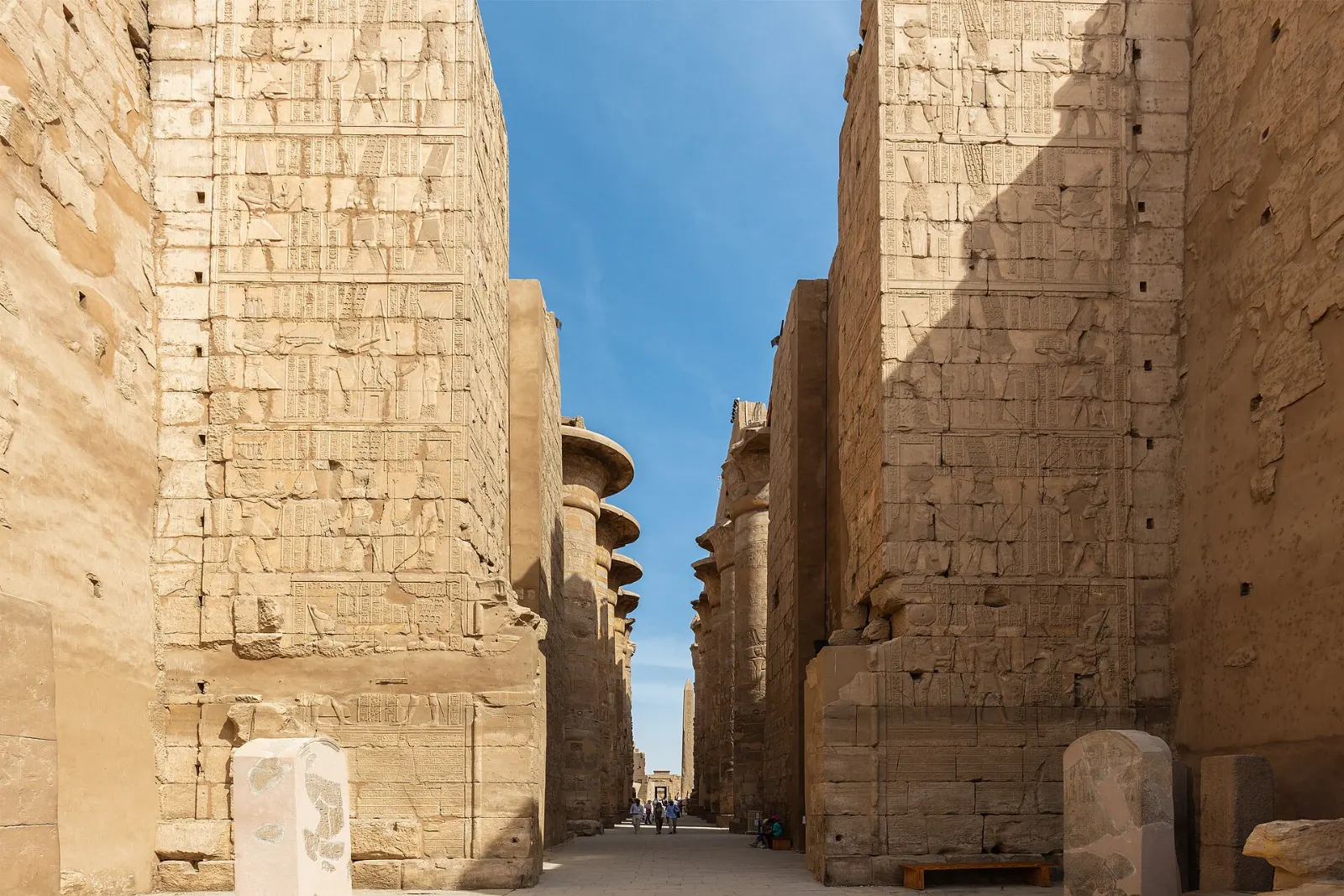
Karnak is the largest religious complex built in ancient Egypt, a sprawl of temples, pylons, obelisks and sacred lakes dedicated mainly to the god Amun-Ra.
Allow at least three hours, and longer if you want to explore the quieter Open Air Museum inside the grounds, which displays reassembled chapels. Arrive at opening time to beat both the heat and the tour buses.
Luxor Temple
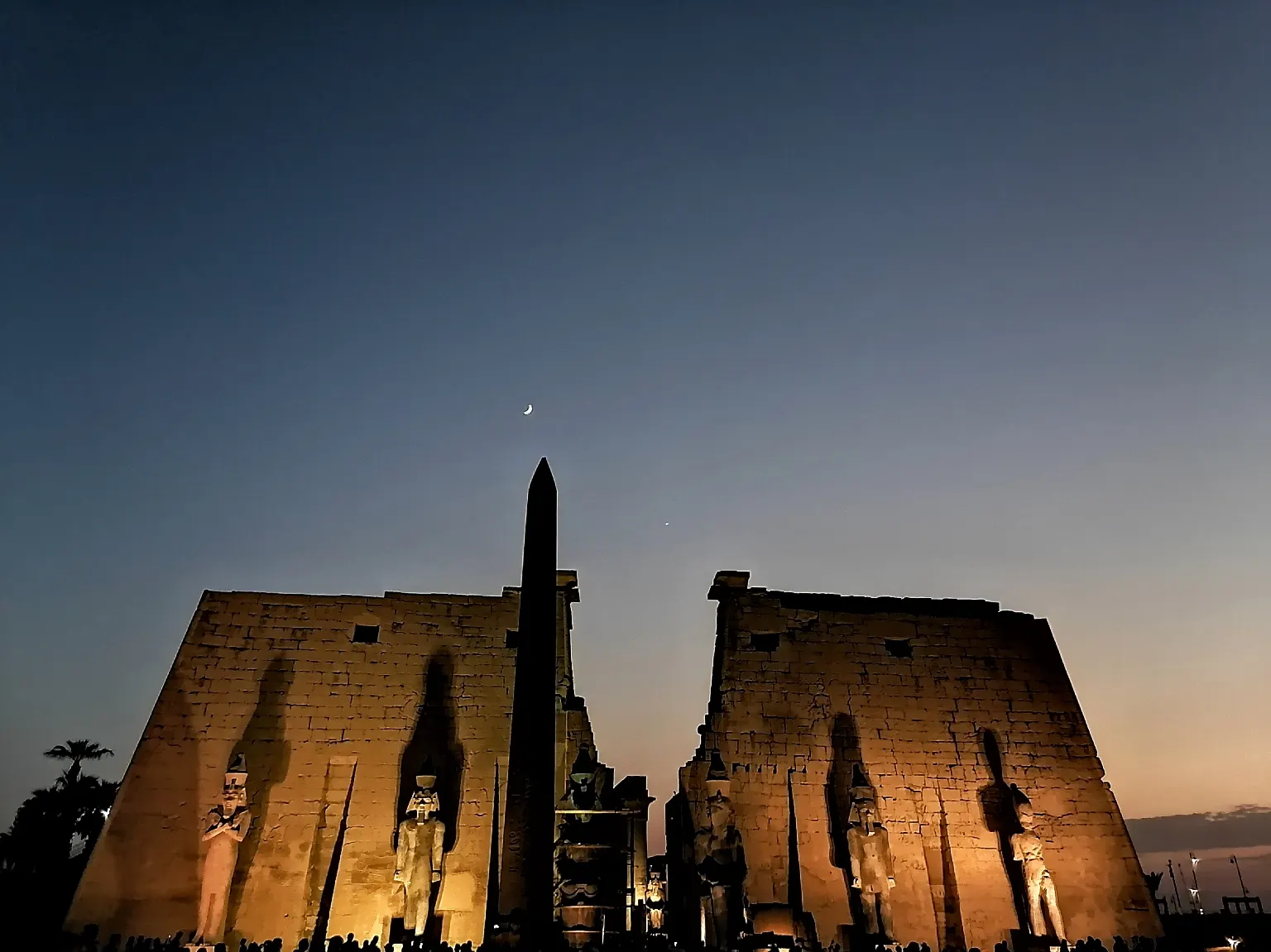
Luxor Temple stands in the center of town beside the Corniche and is smaller and easier to read than Karnak. It was built largely by Amenhotep III and Ramesses II for the Opet Festival, when the statues of Amun, Mut and Khonsu were carried here from Karnak.
Allow around ninety minutes. This is the one major site that is open into the evening, and visiting after dark, when the stone glows under floodlights, is one of the most memorable things you can do in Luxor.
The Avenue of Sphinxes
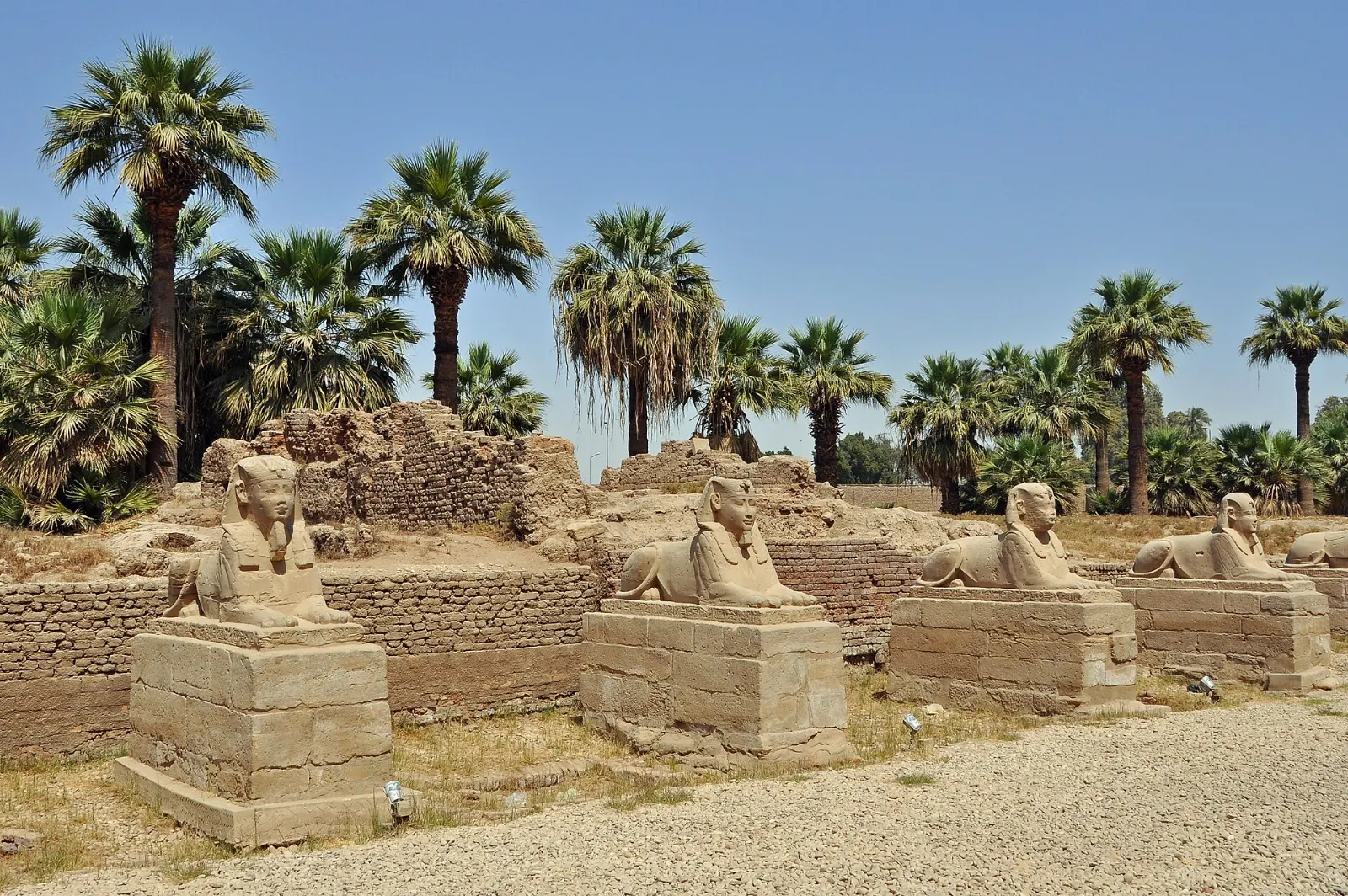
A processional road of nearly three kilometers once linked Karnak to Luxor Temple, lined on both sides with sphinxes. After decades of excavation it was restored and reopened in 2021, and you can now walk sections of it between the two temples.
Luxor Museum and the Mummification Museum
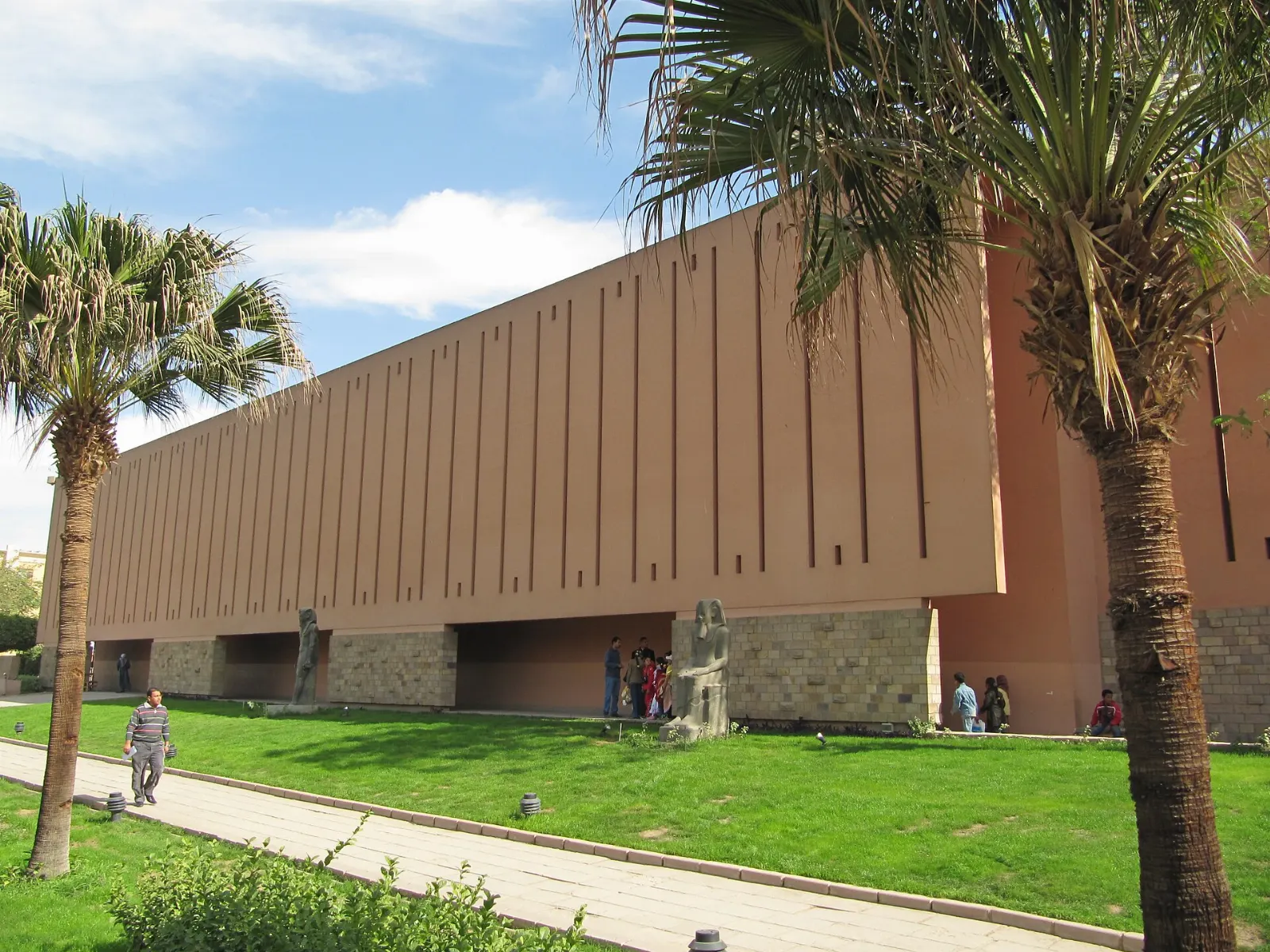
The Luxor Museum on the Corniche is compact, well lit and thoughtfully arranged, with fine statues found in the Theban region, objects from the tomb of Tutankhamun and a hall of statues uncovered in a cache beneath Luxor Temple.
The West Bank tombs and mortuary temples
Valley of the Kings
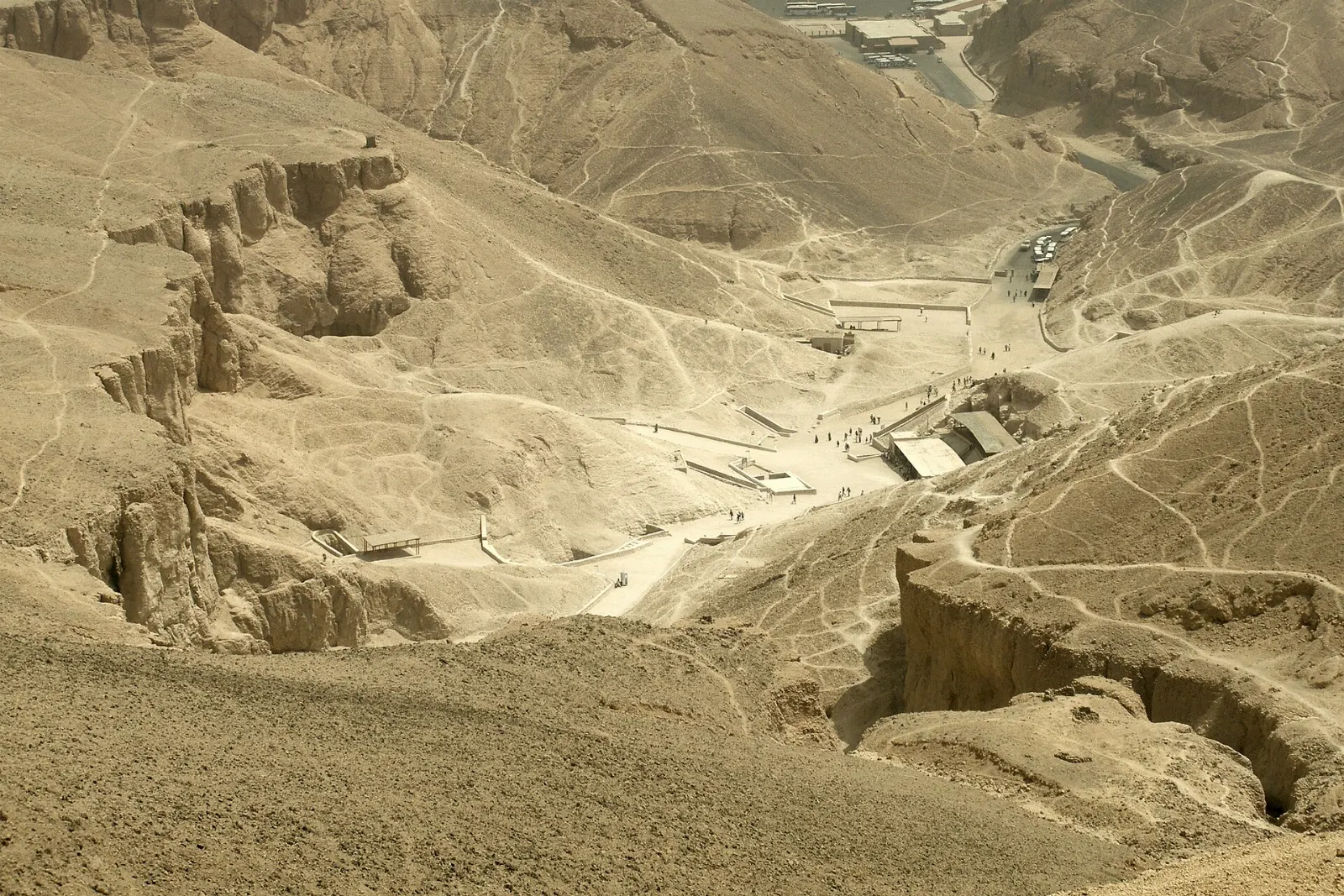
The pharaohs of the New Kingdom were buried in this dry valley in the hills behind the West Bank, in tombs cut deep into the rock and decorated with scenes from the funerary texts that guided the king through the underworld.
Allow three hours or more. Photography rules and which tombs are open change from season to season, so check the official website for current hours and fees before you go.
Temple of Hatshepsut at Deir el-Bahari
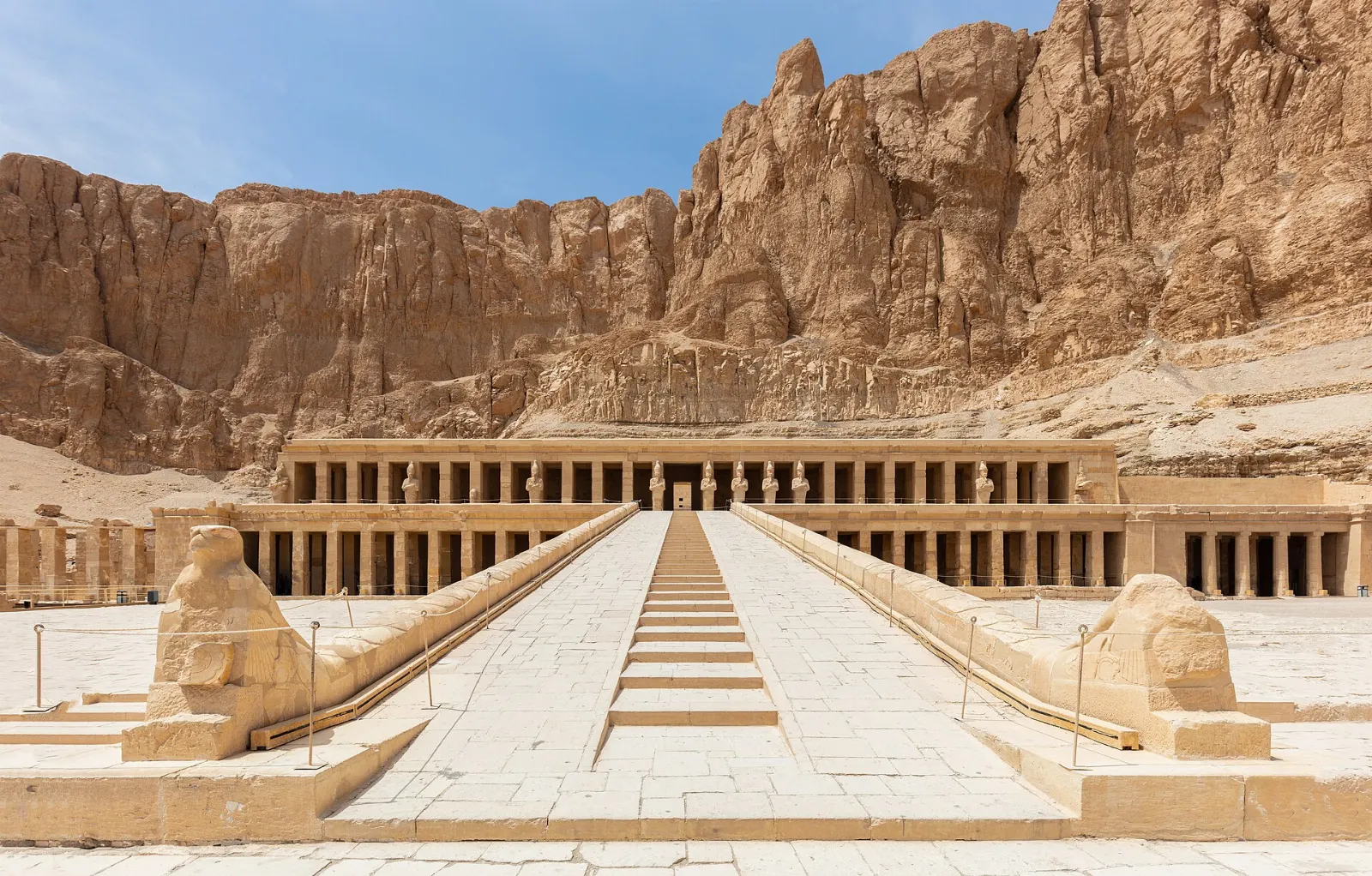
The mortuary temple of Hatshepsut, one of Egypt's few female pharaohs, rises in three broad terraces against a sheer amphitheater of cliffs. Its clean lines look strikingly modern.
Colossi of Memnon
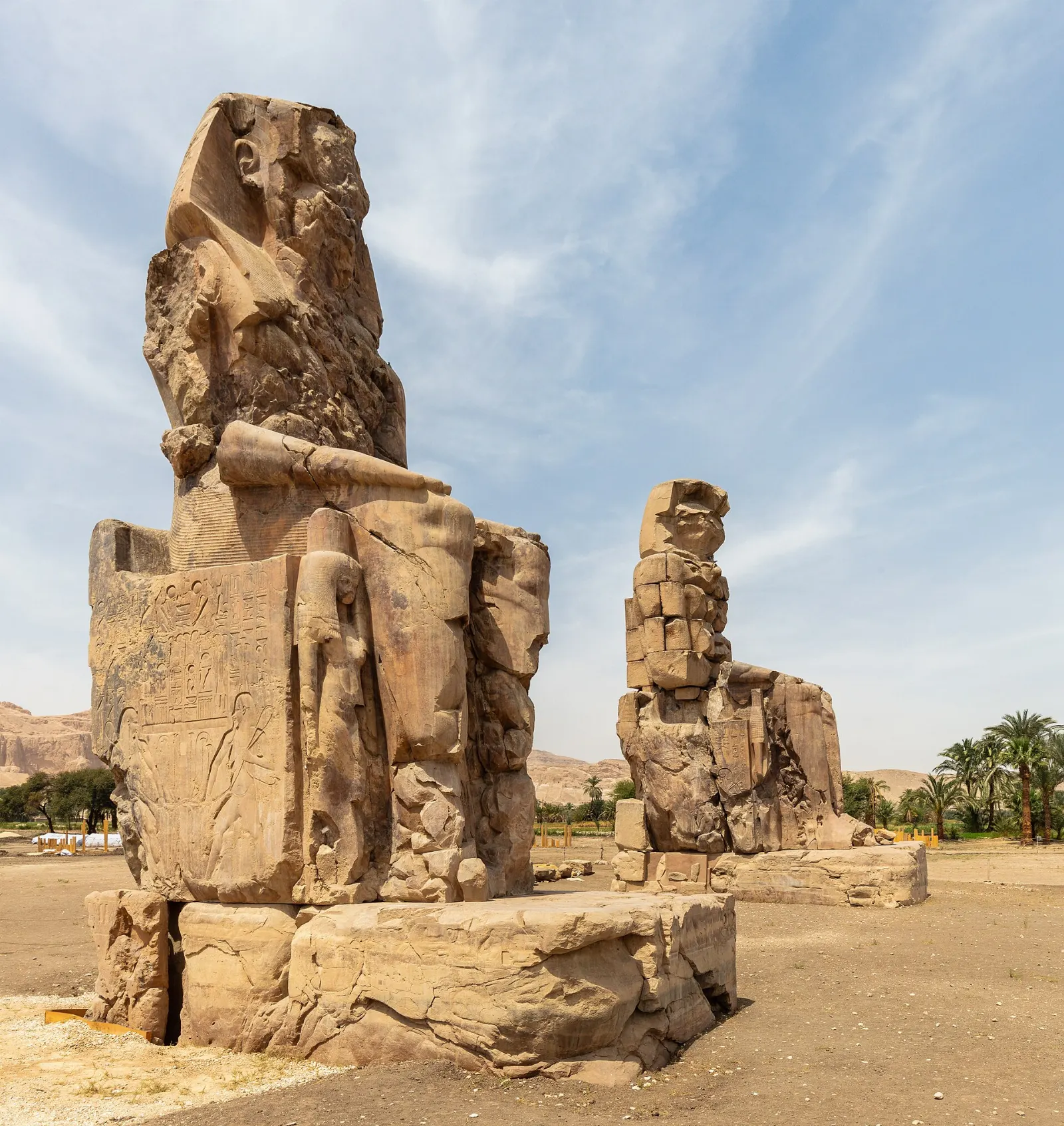
These two enormous seated statues of Amenhotep III are the first monuments most people see on the West Bank, standing alone in the fields beside the main road.
Medinet Habu
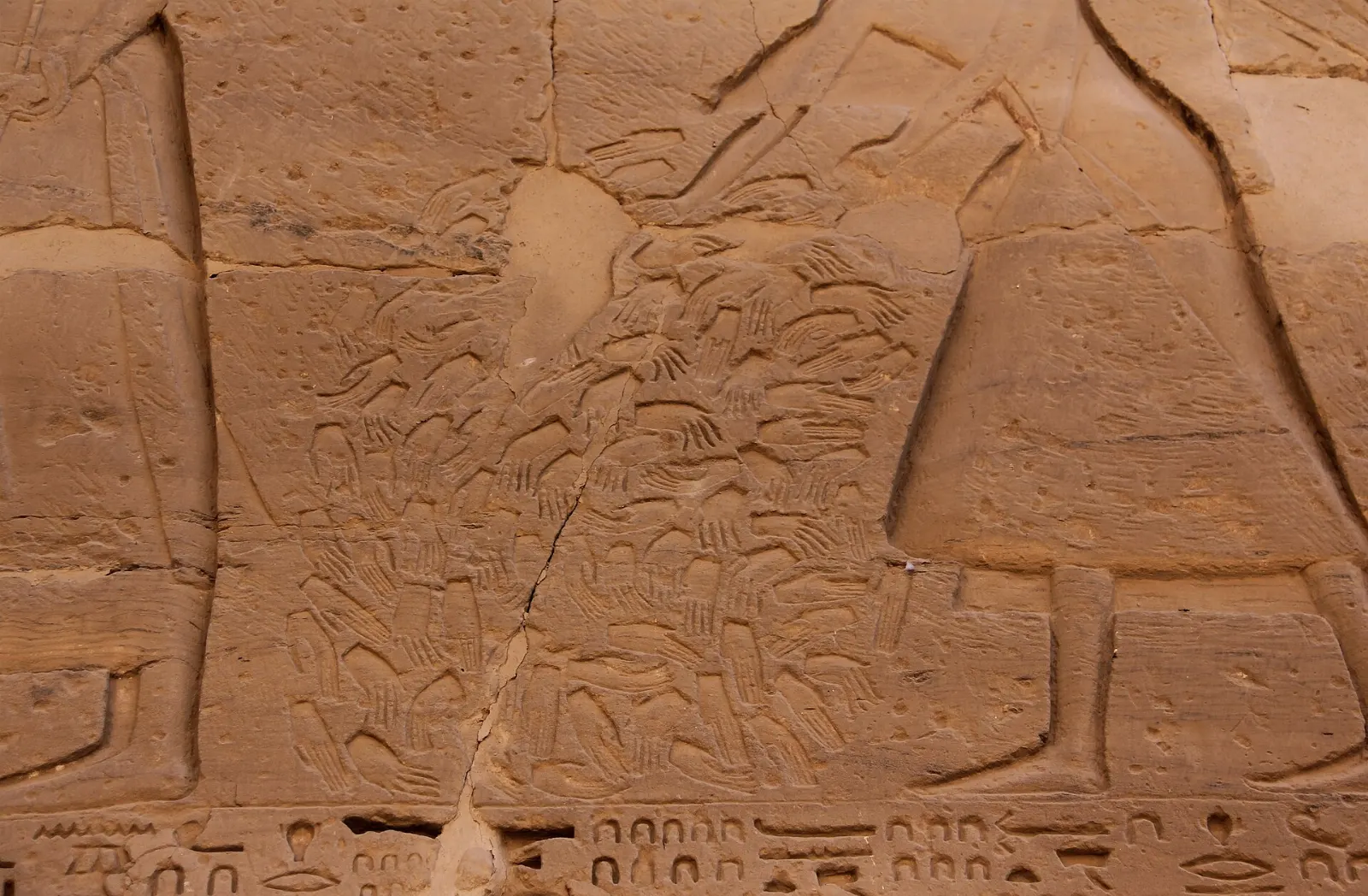
Medinet Habu, the mortuary temple of Ramesses III, is many travelers' favorite site in Luxor precisely because it is quieter. Its walls are covered in deep reliefs of battles and religious festivals, and in the inner courts traces of the original paint survive in strong blues, reds and yellows.
Valley of the Queens and Deir el-Medina
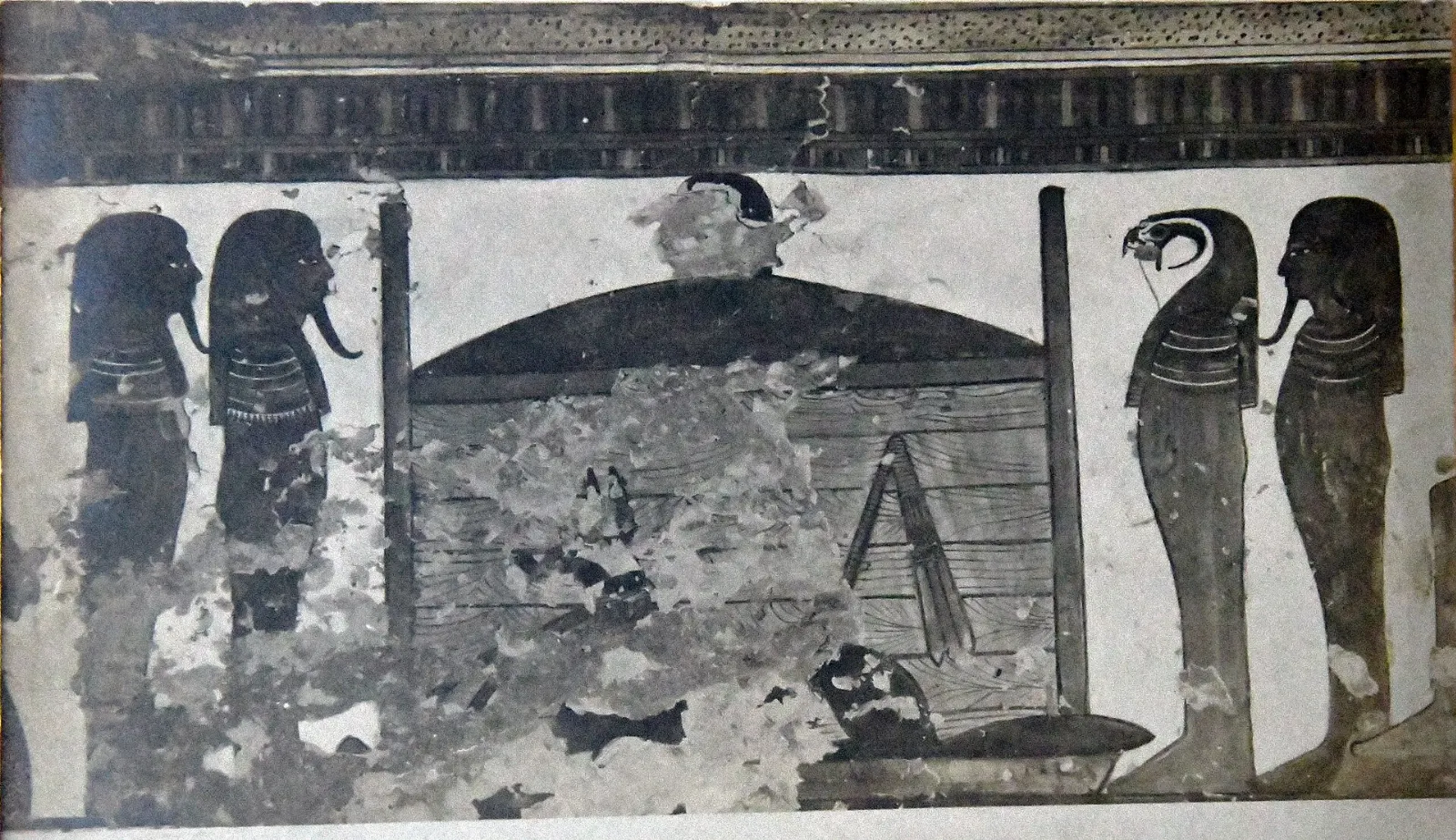
Royal wives and princes were buried in the Valley of the Queens, and the outstanding tomb here is that of Nefertari, wife of Ramesses II, whose wall paintings are among the finest in Egypt. It needs its own ticket and visits are timed, so check availability in advance.
The Ramesseum
The mortuary temple of Ramesses II lies partly in ruins, with a fallen colossus of the king whose broken head and shoulders inspired Shelley's poem Ozymandias. It is less visited than the bigger sites, which makes it a good place to slow down.
Sunrise balloon flight
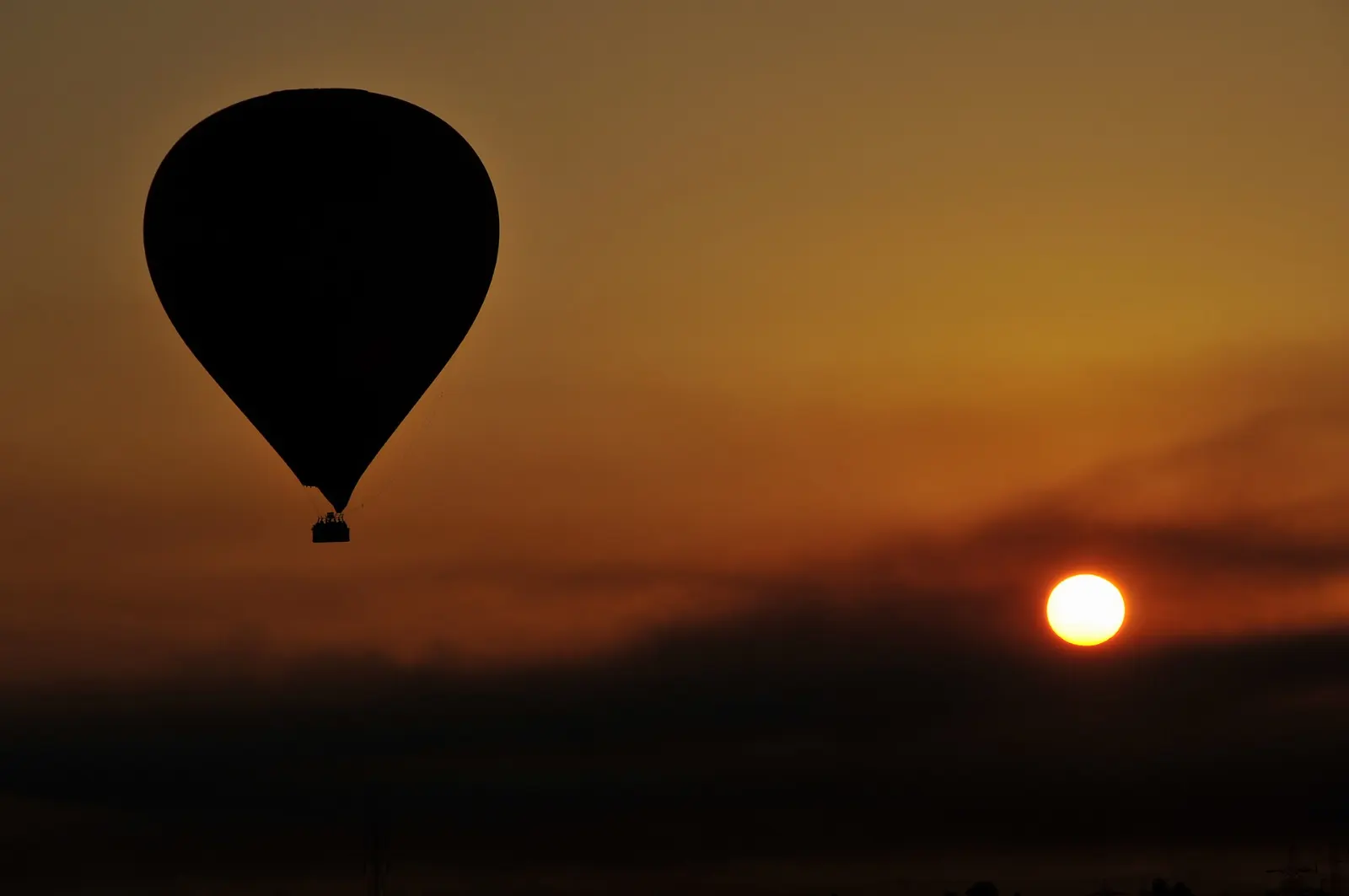
Hot air balloons lift off from the West Bank at dawn on most days of the year, floating over fields, villages and the temples, with the Nile glinting to the east. Flights depend on the wind and are sometimes cancelled at short notice.
Food and local flavors
Food in Luxor is simple, fresh and generous. Breakfast usually means ful medames, slow-cooked fava beans with oil, cumin and lemon, eaten with warm baladi bread and ta'ameya, the Egyptian falafel made with fava beans rather than chickpeas.
Upper Egypt is known for its grilled meats, and many small restaurants on both banks serve kofta, chicken and pigeon stuffed with rice or freekeh.
Popular dishes to try in Luxor


Where to stay
The East Bank Corniche, the riverfront road between Luxor Temple and the southern edge of town, has the largest hotels and the easiest access to restaurants, the museums, the train station and the airport road.
The West Bank, especially the villages near the ferry landing and around the Colossi of Memnon, is quieter and greener, with small guesthouses and converted farmhouses.
Where to stay in Luxor


Best time to visit
Luxor has a hot desert climate with almost no rain. The most comfortable months run from October to April, when days are warm and sunny and nights are cool, sometimes cold in December and January.
From May to September temperatures regularly climb past forty degrees Celsius.
Getting there and getting around
Luxor International Airport, east of town, has frequent domestic flights from Cairo and seasonal flights from Europe. From Cairo you can also take the overnight sleeper train, which arrives in Luxor in the morning, or a daytime train.
In town, the East Bank sites are close enough to walk or to reach by horse-drawn caleche, but agree on the fare and route before you set off.
A suggested itinerary
First day
Start at Karnak as the gates open and spend the morning in the Hypostyle Hall, the sacred lake and the Open Air Museum. Rest through midday, then visit the Luxor Museum in the afternoon.
Second day
Cross to the West Bank early. Visit the Valley of the Kings first, adding Tutankhamun or Seti I if you wish, then continue to the Temple of Hatshepsut.
Third day
If the weather allows, take a sunrise balloon flight. After breakfast, visit Medinet Habu, Deir el-Medina and the Valley of the Queens, with the tomb of Nefertari if you have secured a ticket.
Practical tips
- Start every sightseeing day at opening time; the light is better, the air is cooler and the crowds are thinner.
- Consider the Luxor Pass if you plan to see many sites over several days, and carry your passport, which may be needed to buy it.
- Check the official website for current hours and fees, and for which tombs are open, since the rotation changes.
- Hire a licensed Egyptologist guide for at least one West Bank day to understand the symbolism in the tombs.
- Carry small notes in Egyptian pounds for tips, toilets and water; tipping is expected for small services.
- Dress modestly, covering shoulders and knees, especially in town and when visiting mosques.