Tokyo is the largest metropolitan area on earth, yet it is remarkably easy for visitors to navigate.
AT A GLANCE
Best time
Late March to early April for cherry blossoms; October and November for clear, comfortable weather and autumn leaves.
How long
Four to five days for the main neighborhoods, plus extra for day trips to Nikko, Kamakura or Hakone.
Getting there
Fly into Haneda, closest to the city, or Narita, about an hour away by express train.
Why visit Tokyo
Tokyo, once called Edo, became the seat of the Tokugawa shoguns in the early seventeenth century and the imperial capital in 1868. It has been rebuilt after the 1923 earthquake and the wartime bombing, and that constant renewal is part of its energy.
It is also one of the great food cities of the world, with more highly rated restaurants than anywhere else and an astonishing range of everyday food.
Old Tokyo: Asakusa, Sumida and Ueno
Senso-ji and Asakusa
Senso-ji is Tokyo's oldest temple, founded according to tradition in the seventh century after two fishermen pulled a statue of the bodhisattva Kannon from the Sumida River. You enter through the Kaminarimon, the Thunder Gate with its giant red lantern, then walk Nakamise-dori, a shopping street lined with stalls selling rice crackers, sweet bean buns and souvenirs, to the main hall and five-storied pagoda.
Tokyo Skytree
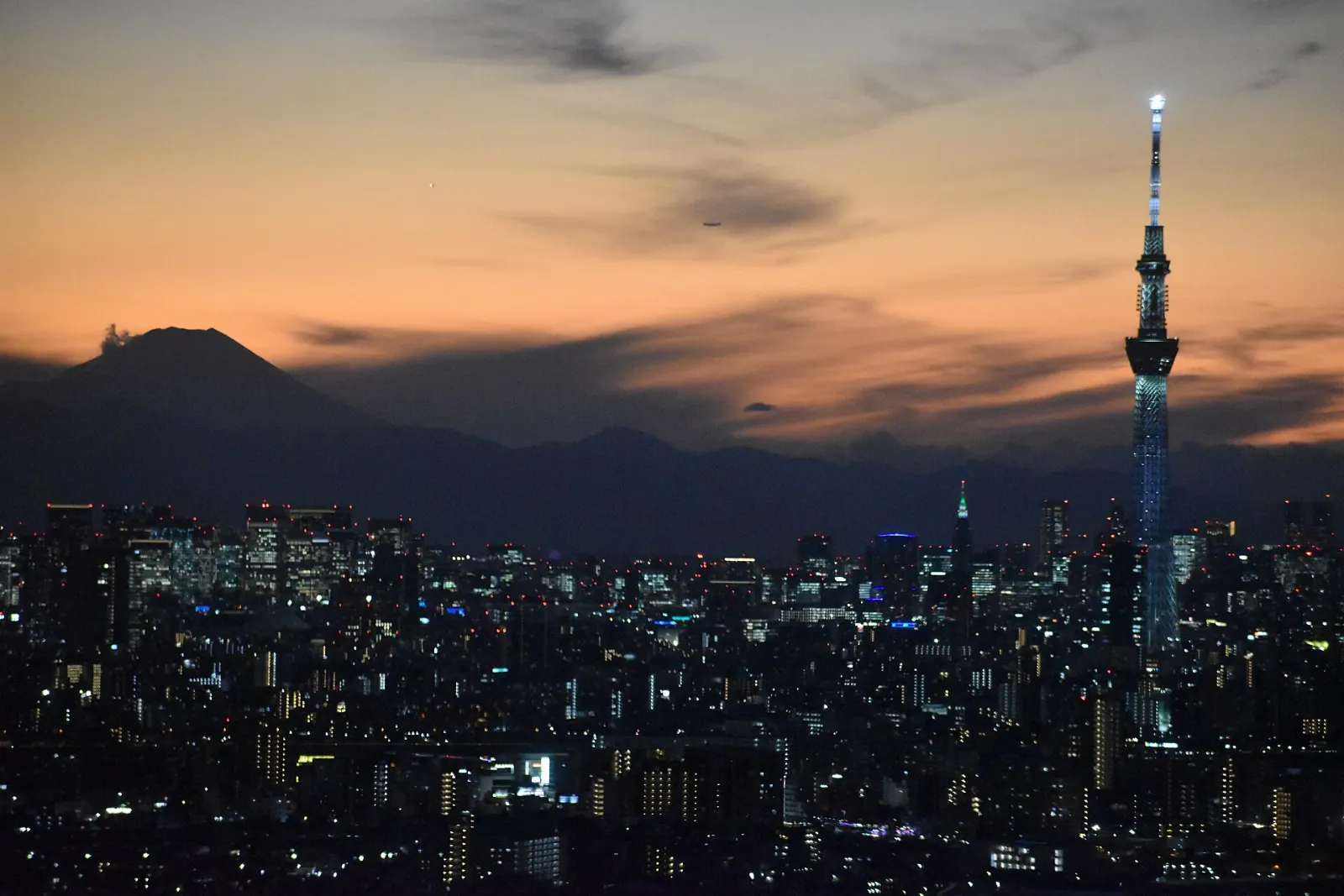
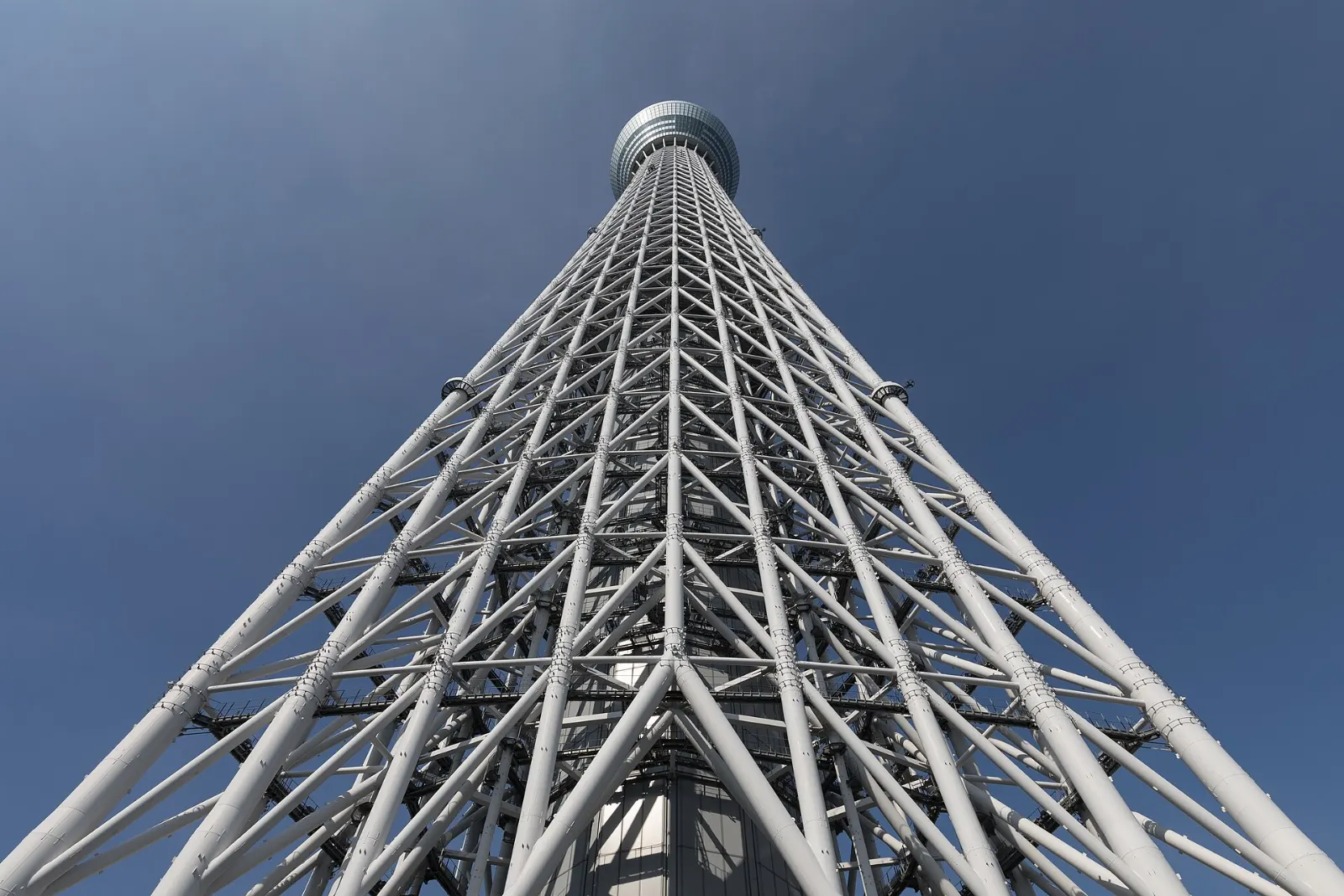
Across the Sumida River, Tokyo Skytree stands 634 meters tall, making it the tallest tower in Japan. Its two observation decks, at 350 and 450 meters, offer sweeping views over the city and, on clear days, toward Mount Fuji.
Ueno Park and its museums
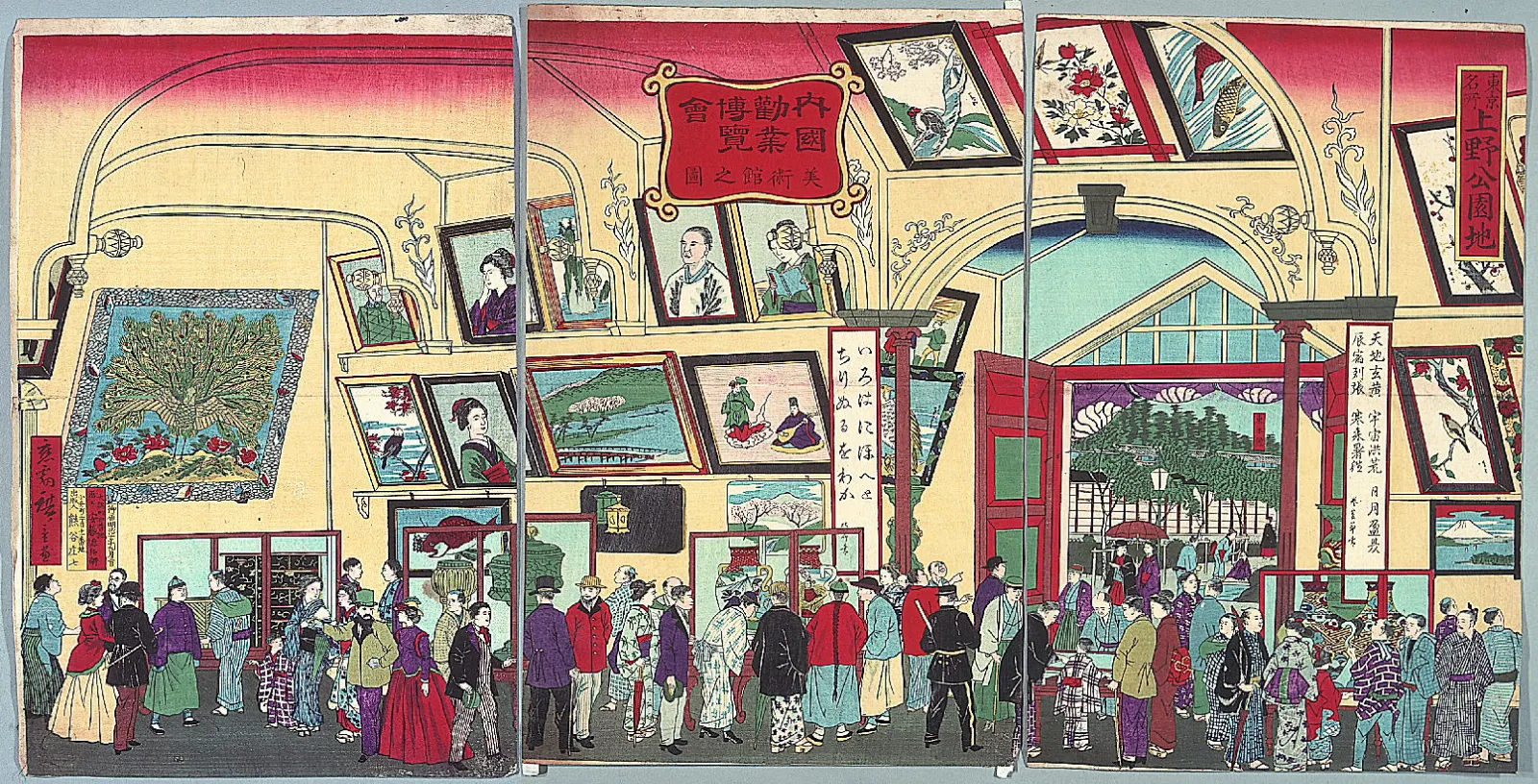
Ueno Park is a large public park and cultural center, home to the Tokyo National Museum, the National Museum of Western Art, the National Museum of Nature and Science and Ueno Zoo. The Tokyo National Museum, founded in 1872, is the oldest and largest museum in Japan and holds a superb collection of samurai armor, swords, ceramics, scrolls and Buddhist sculpture.
Central Tokyo: the palace, Ginza and Tsukiji
Imperial Palace and East Gardens
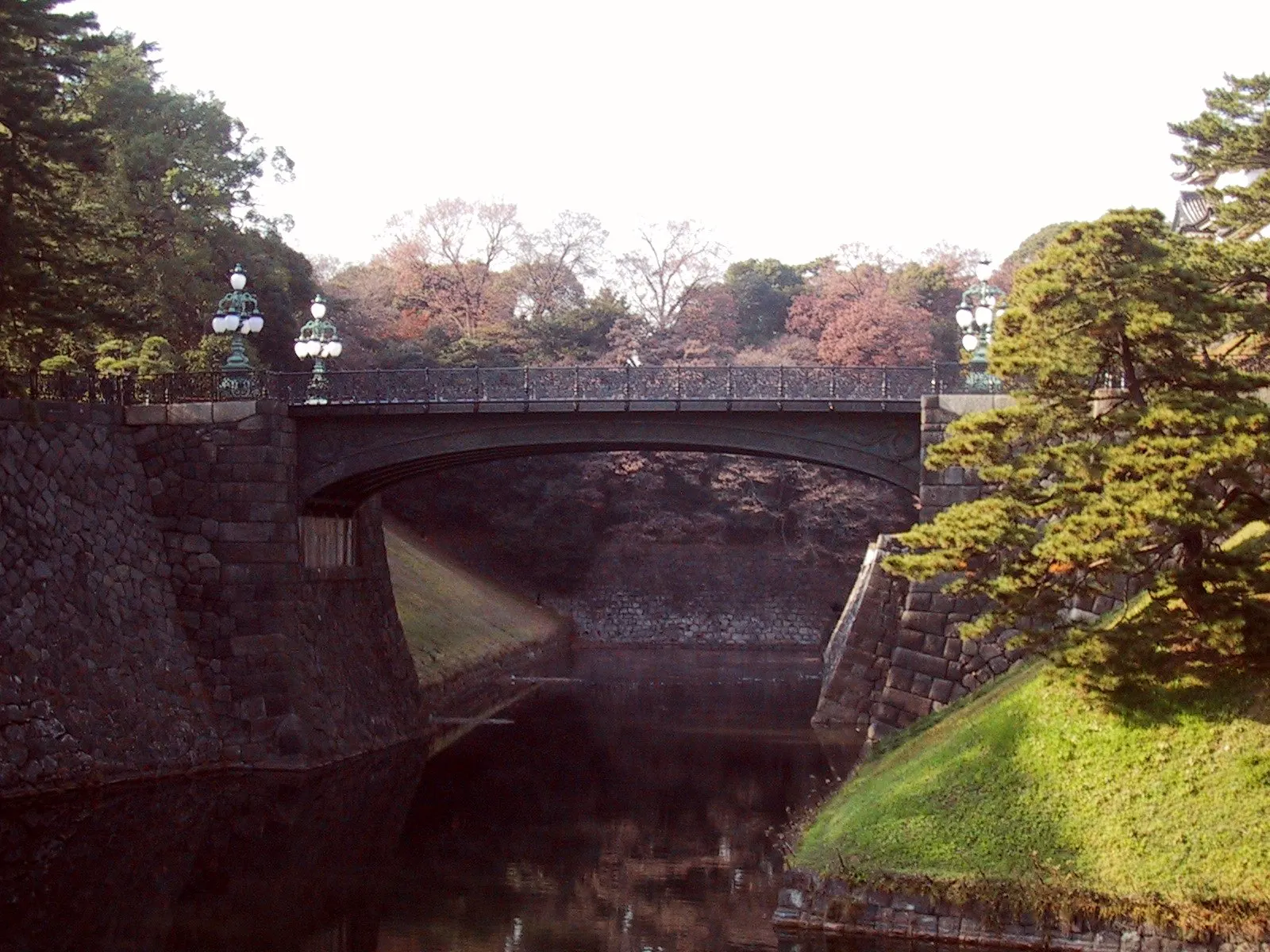
The Imperial Palace occupies the site of Edo Castle, the former seat of the Tokugawa shoguns, surrounded by moats and massive stone walls. The inner grounds are only accessible on guided tours or on special days, but from the plaza you can see the Nijubashi bridges and a corner watchtower.
Tsukiji Outer Market
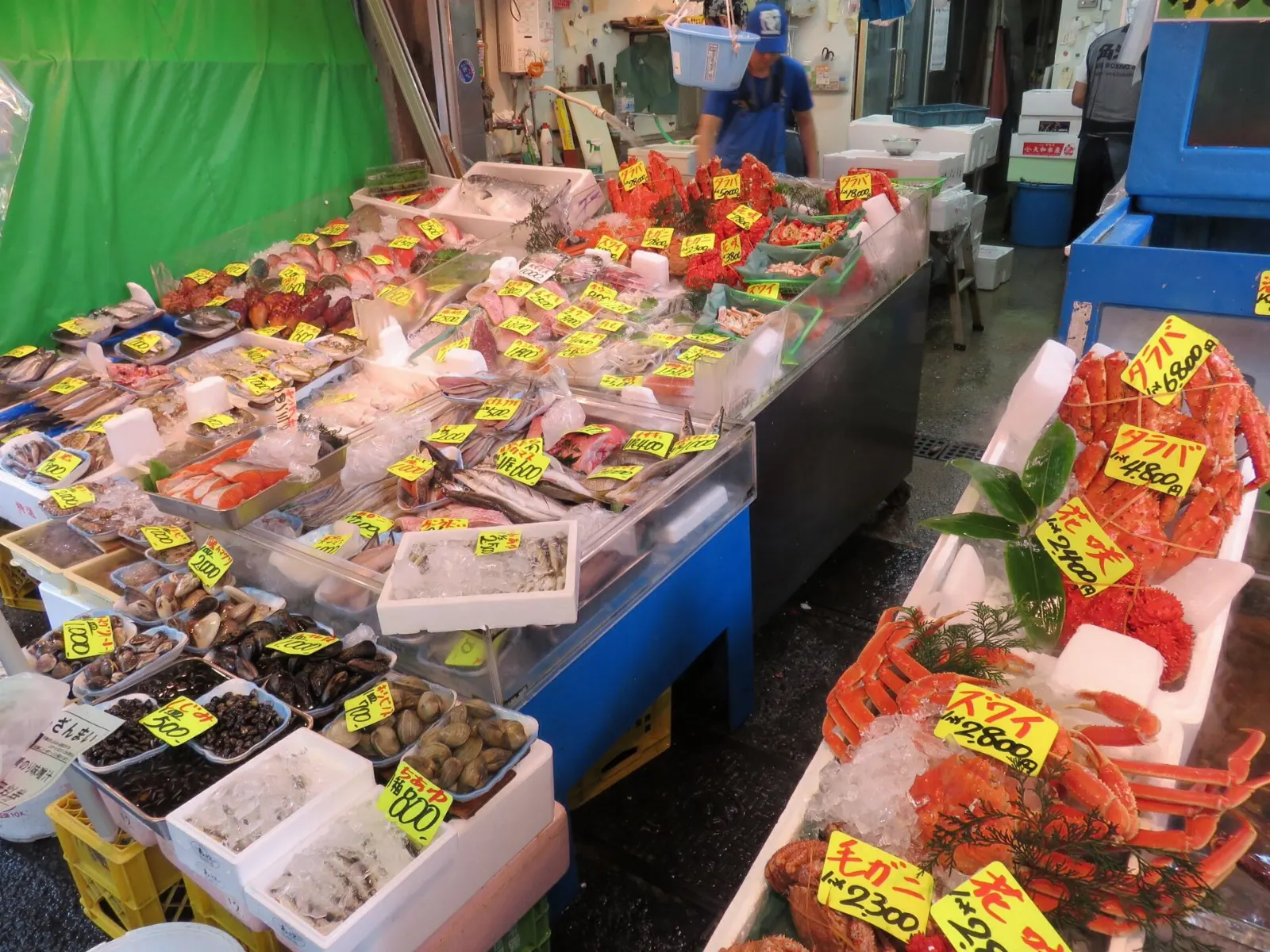
Although the famous wholesale fish auctions moved to Toyosu in 2018, Tsukiji Outer Market is still a lively warren of more than four hundred shops and stalls selling fresh seafood, knives, kitchen tools, tea and street food such as tamagoyaki, grilled scallops and sushi. Allow one to two hours.
West Tokyo: Harajuku, Shibuya and Shinjuku
Meiji Jingu
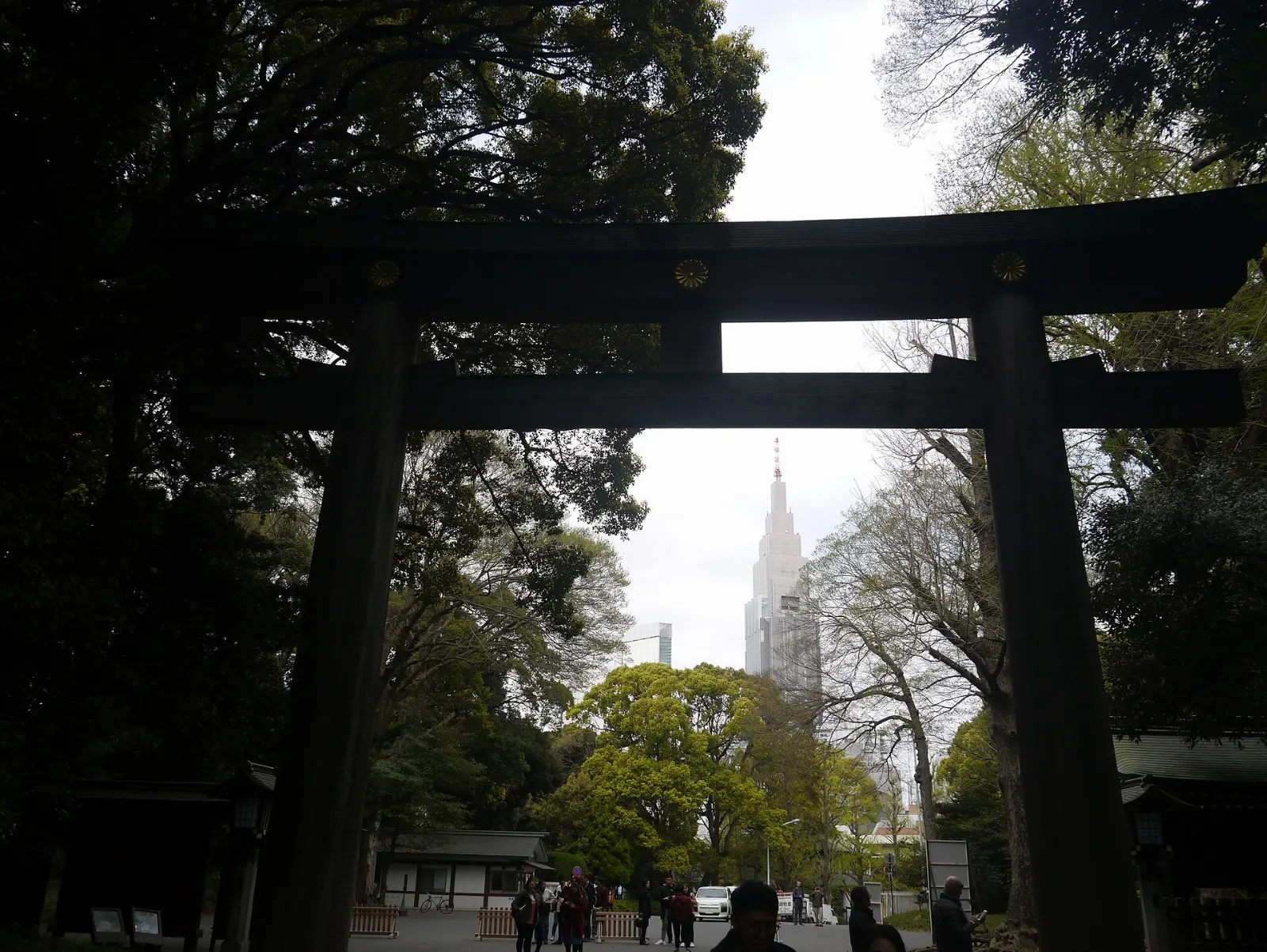
Meiji Jingu is a Shinto shrine dedicated to Emperor Meiji and Empress Shoken, completed in 1920. It sits in a forest of about one hundred thousand trees donated from across Japan, reached by wide gravel paths beneath huge wooden torii gates. Along the way you will see a wall of decorated sake barrels offered to the shrine.
Shibuya Crossing
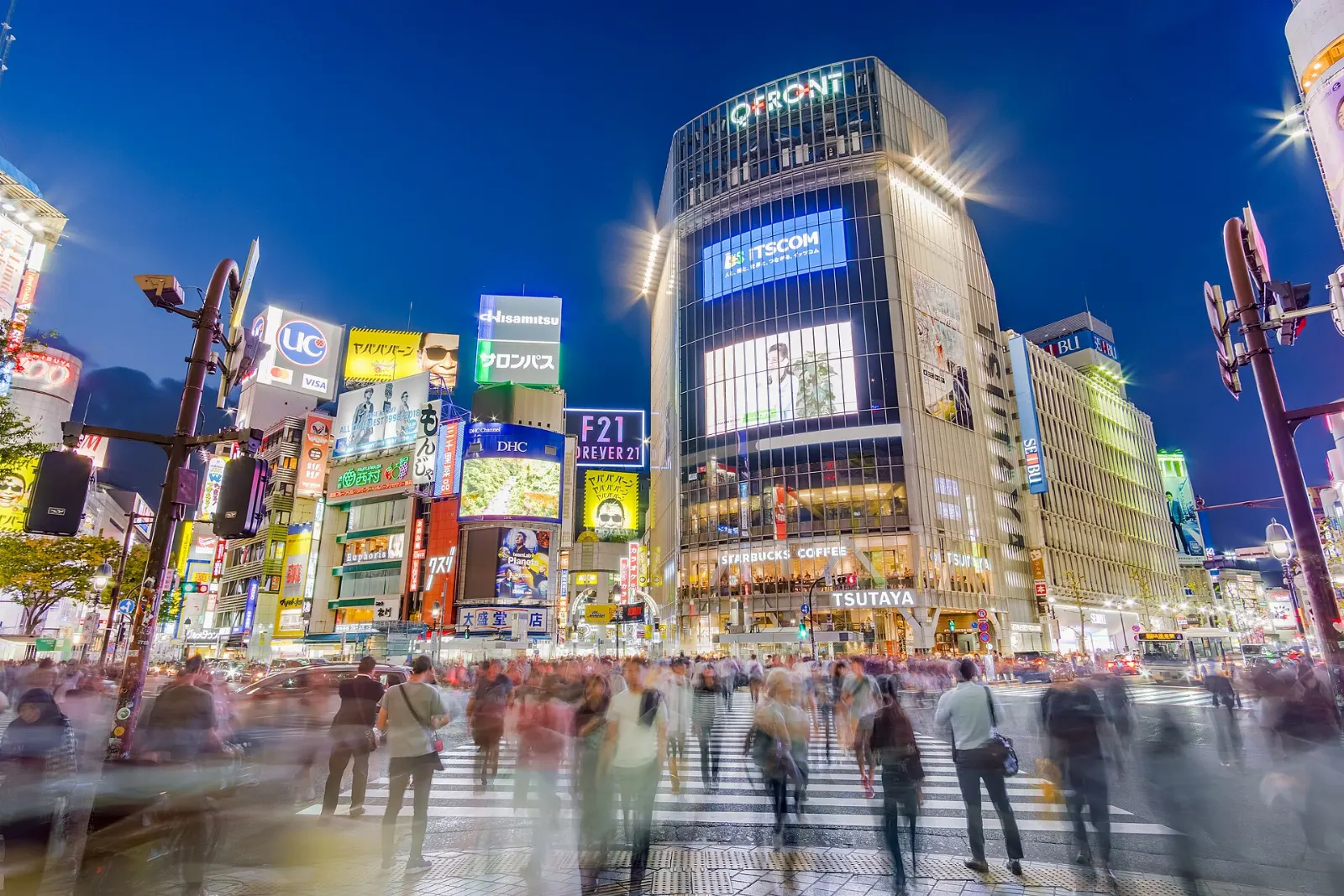
Shibuya Crossing, outside the Hachiko exit of Shibuya Station, is the city's most famous intersection, where crowds pour across from every direction each time the lights change. The bronze statue of Hachiko, the loyal dog, stands beside the exit.
Shinjuku Gyoen National Garden
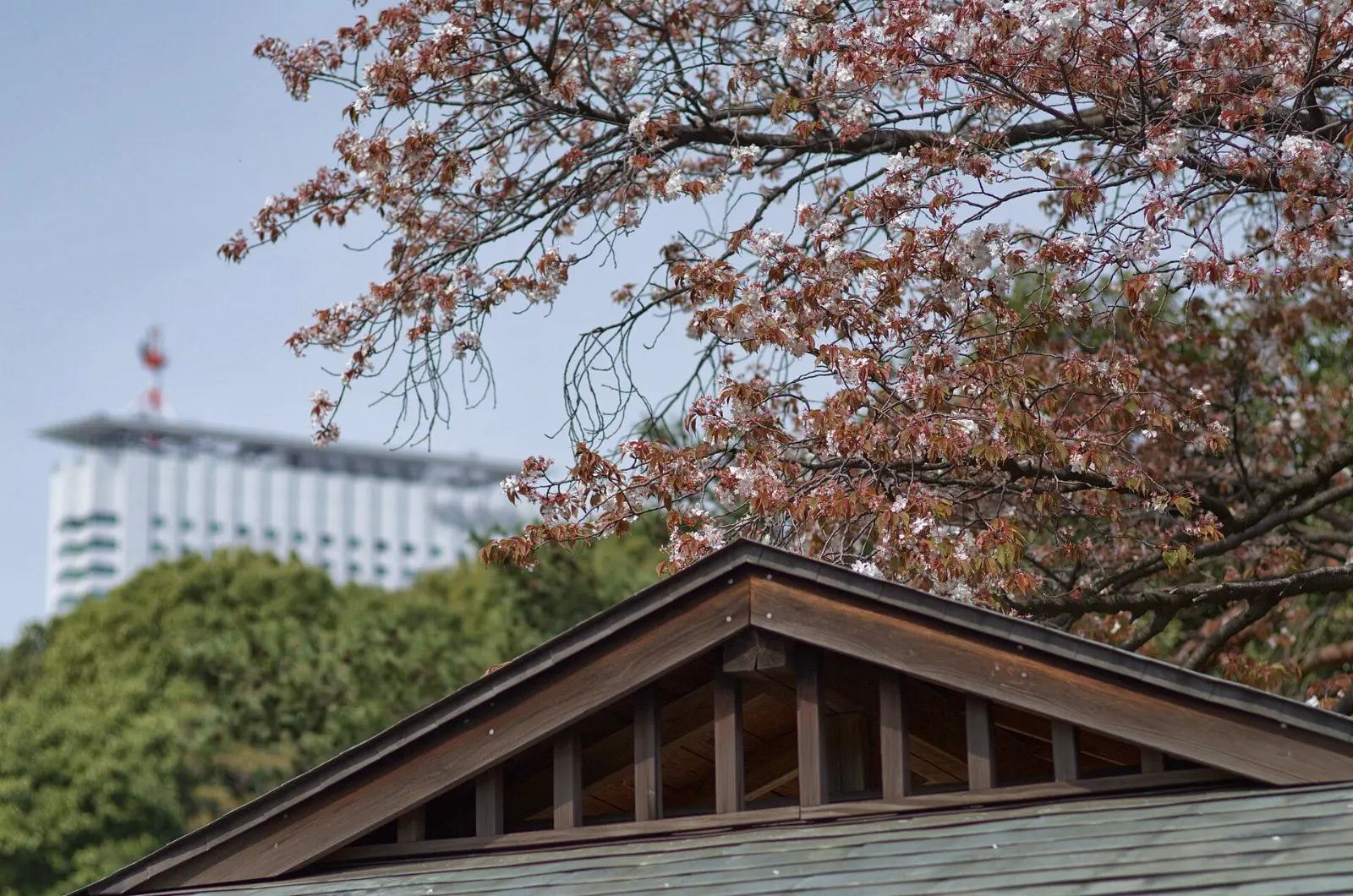
Shinjuku Gyoen, once an imperial garden, combines a formal French garden, an English landscape garden and a traditional Japanese garden with ponds and teahouses. It has more than a thousand cherry trees, which bloom over several weeks thanks to early and late varieties. Allow one and a half to two hours.
Shinjuku at night
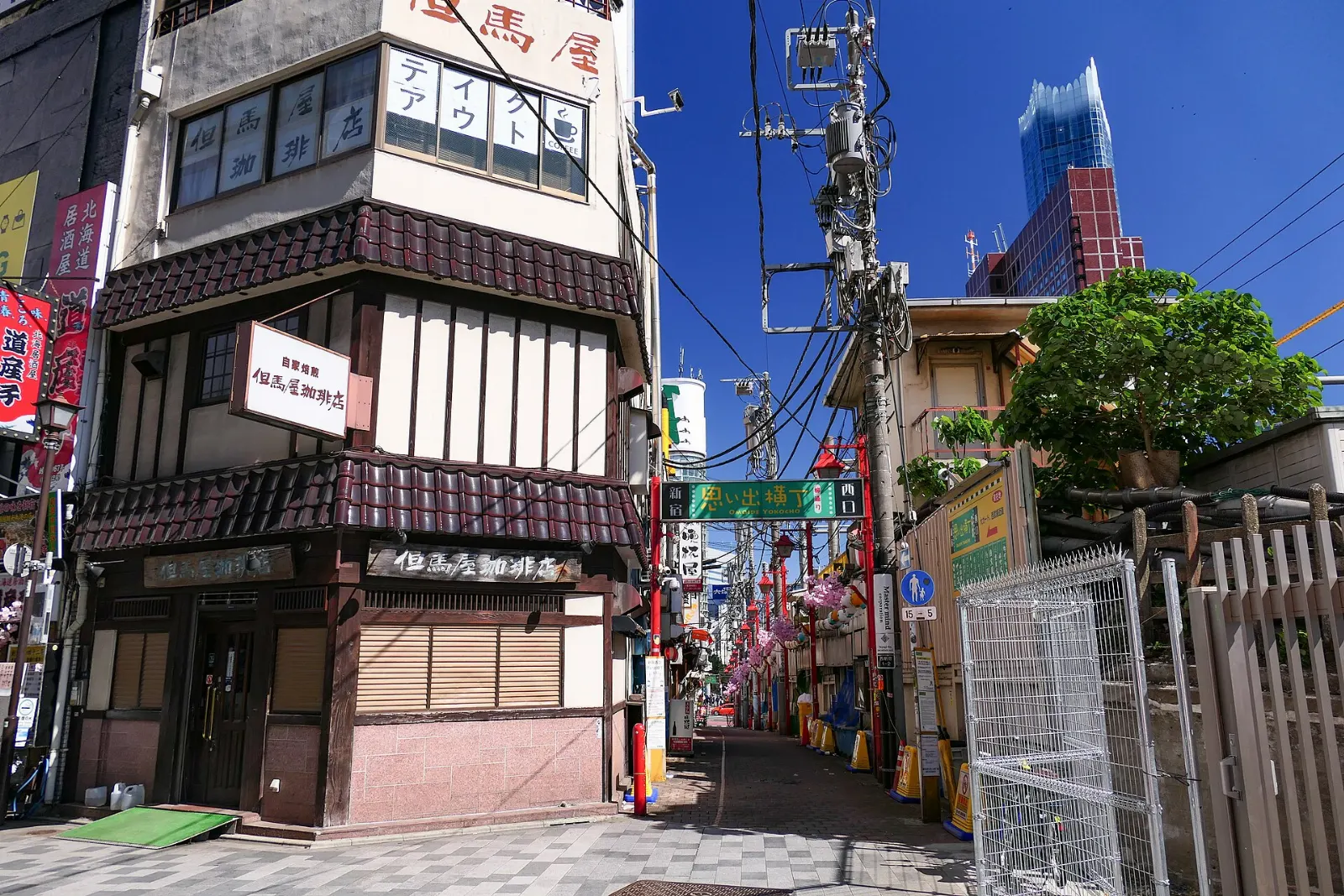
Shinjuku is a city within the city. In the west, the Tokyo Metropolitan Government Building has free observation decks high above the skyscraper district. In the east, the streets around Kabukicho blaze with neon.
 Planning a trip to Tokyo?Compare hotels, flights and vacation rentals for Tokyo on Expedia.Book now
Food and local flavors
Tokyo's own traditional cuisine, Edomae, gave the world nigiri sushi, originally fast food made with fish from Tokyo Bay.
For everyday eating, depachika, the food halls in the basements of department stores such as those in Ginza and Shinjuku, sell beautiful bento, pastries and sweets.
Popular dishes to try in Tokyo


Where to stay
Shinjuku is the most convenient base for first time visitors, with a huge rail hub, airport buses, endless dining and nightlife. It can feel overwhelming, so choose a spot on the quieter west or south side of the station.
Shibuya suits younger travelers and shoppers who want to be close to Harajuku and trendy neighborhoods. Ginza and Tokyo Station are central and polished, convenient for Shinkansen trips and business travelers.
Where to stay in Tokyo


Best time to visit
Spring brings cherry blossoms, typically late March to early April, with picnics in Ueno Park, Shinjuku Gyoen and along the Meguro River.
The rainy season runs roughly from early June to mid July, followed by hot, humid summer weather, but summer is also the season for fireworks, including the Sumida River fireworks in late July, and local festivals.
Getting there and getting around
Haneda Airport is closest to the city, about 30 minutes to central areas by Keikyu train or the Tokyo Monorail. Narita Airport is farther out; the Narita Express runs to Tokyo, Shinjuku and Shibuya stations, and the Keisei Skyliner reaches Ueno in about 40 minutes.
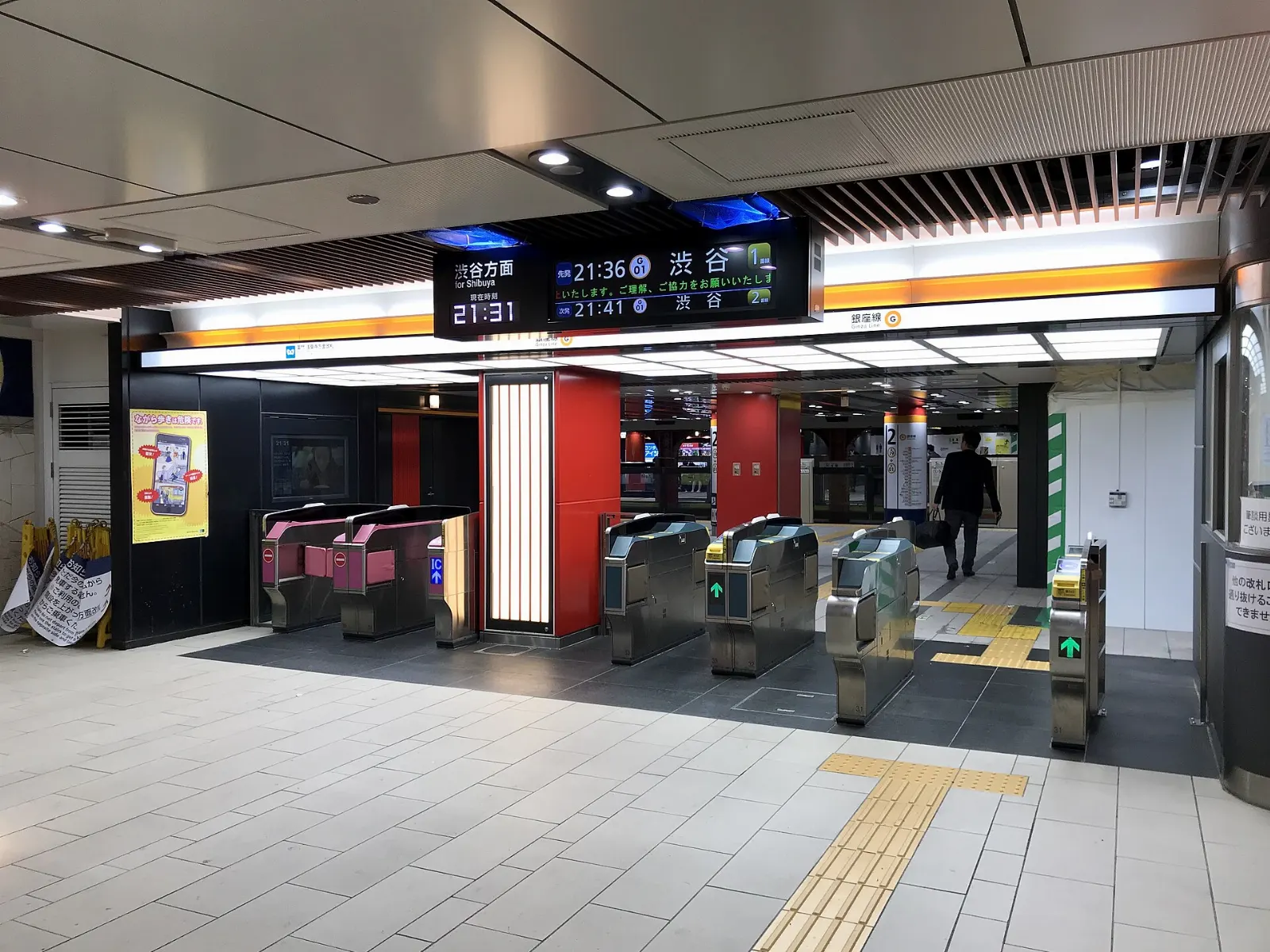
The rail network, including the JR Yamanote loop line and the Tokyo Metro and Toei subways, reaches nearly everywhere.
A suggested itinerary
First day
Start early at Senso-ji, walk to Tokyo Skytree, then take the train to Ueno for the Tokyo National Museum and an evening stroll through Ameyoko.
Second day
Have breakfast at Tsukiji Outer Market, stroll through Ginza and walk to the Imperial Palace East Gardens.
Third day
Visit Meiji Jingu in the morning, explore Harajuku and Omotesando, then walk down to Shibuya for the crossing and sunset at Shibuya Sky.
Fourth day
Spend the morning in Shinjuku Gyoen, ride up the Tokyo Metropolitan Government Building, and finish with dinner in Omoide Yokocho and drinks in Golden Gai.
Practical tips
- Load an IC card or set up a mobile one on arrival; it covers trains, buses, lockers and convenience stores.
- Carry some cash, as smaller restaurants and shrines may not accept cards.
- Book popular attractions such as Shibuya Sky, teamLab exhibitions and the Ghibli Museum well in advance.
- Stand on the left on escalators in Tokyo and keep phone calls off trains.
- Carry your trash with you, since public bins are scarce.
- Use coin lockers or luggage delivery services instead of hauling suitcases onto crowded trains.