WiserMap — Choose wisely. Connect locally.Choose wisely. Connect locally.Add your business
Hierve el Agua, Oaxaca · Travel guide

Hierve el Agua Mexico Petrified Waterfalls and Cliff Pools

Hierve el Agua is a set of white mineral formations on a mountainside in Oaxaca that look like waterfalls frozen in stone. The site sits about 70 kilometres east of Oaxaca City, in Mixe territory, and combines turquoise pools, clifftop views and traces of ancient Zapotec irrigation.

By WiserMap TravelUpdated October 2026 8 places8 min read
FacebookXLinkedIn
At a glance Hierve el Agua
  1. Best timeThe dry months from November to April give the clearest views and driest trails.
  2. How longPlan half a day at the site, or a full day including Mitla.
  3. Getting thereTake a bus or colectivo from Oaxaca City to Mitla, then a colectivo up to the site.

Why visit Hierve el Agua

Hierve el Agua means "the water boils" in Spanish. The name comes from springs that seem to bubble up from the ground, and from rock formations that resemble cascades. They are among the few calcified waterfalls in the world.

The setting adds to the appeal. Cliffs drop away to a narrow valley, oak forest and cactus cover the slopes, and there are swimming pools with a view that few places can match.

The spring water is warm, roughly twenty-two to twenty-seven degrees Celsius, and it is rich in calcium carbonate. As it trickles over the cliffs it leaves mineral deposits, much as stalactites form in caves, so the formations are still growing today.

The cliffs and the formations

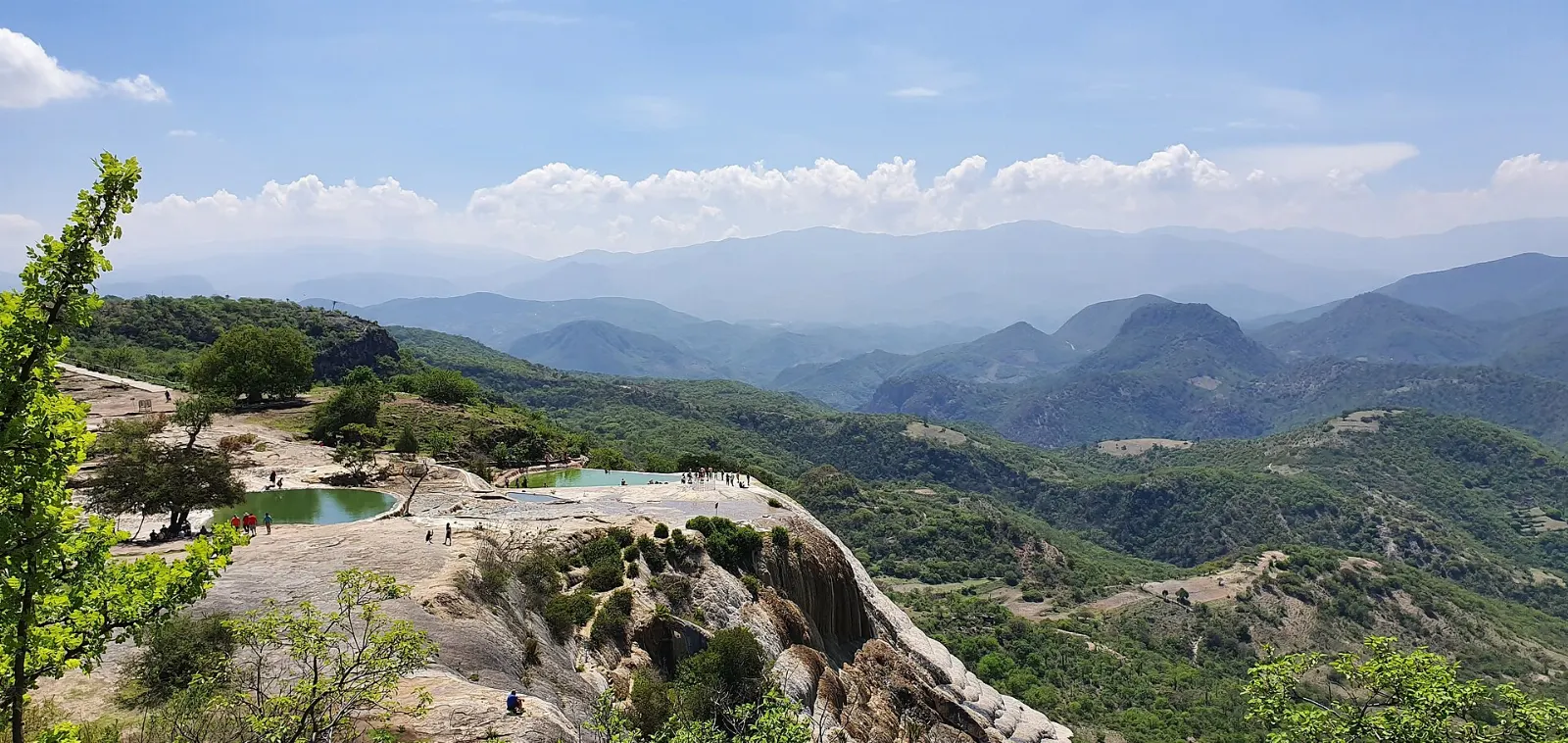
Turquoise pools on the clifftop at Hierve el Agua, Oaxaca

Cascada chica

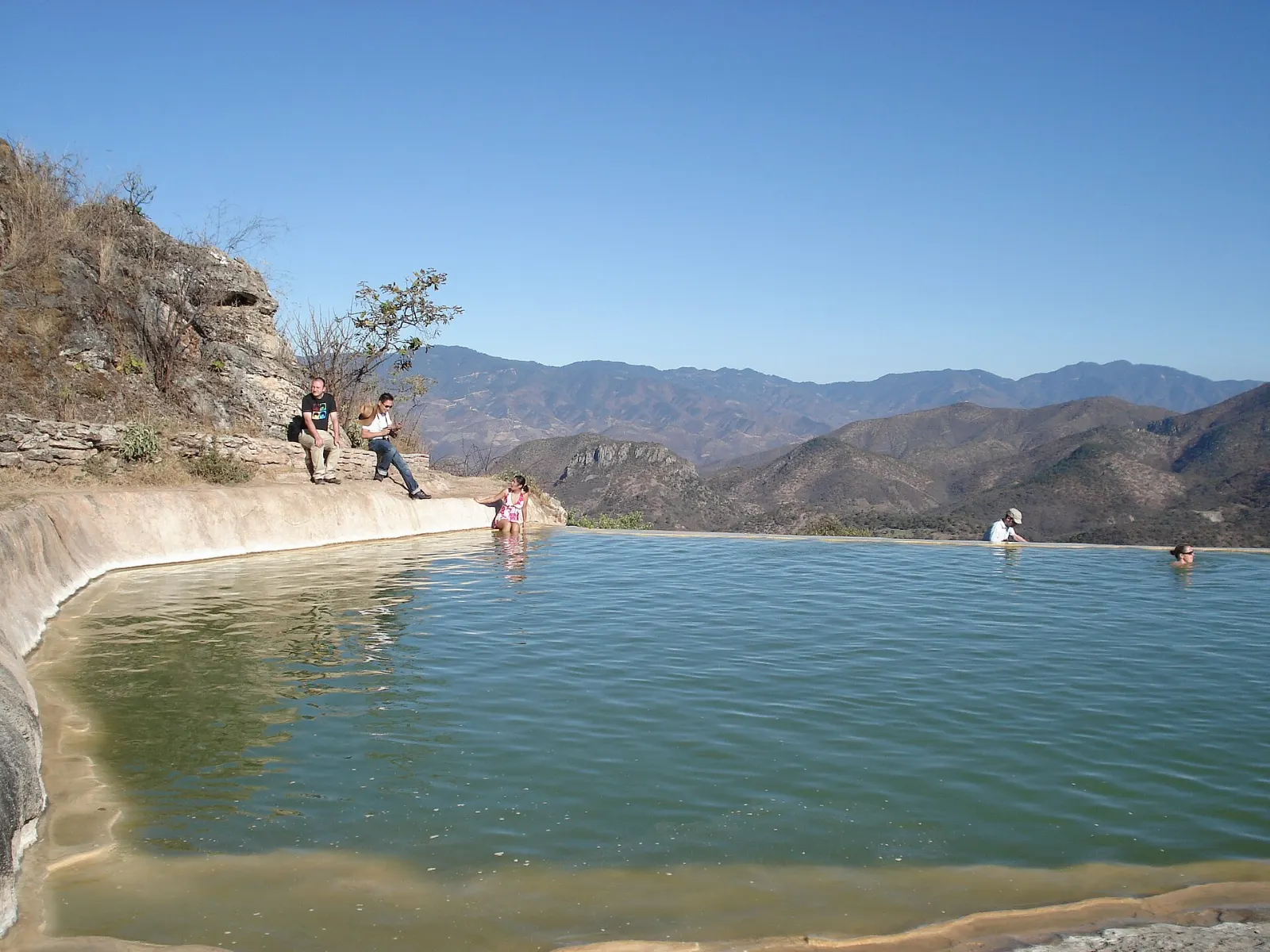
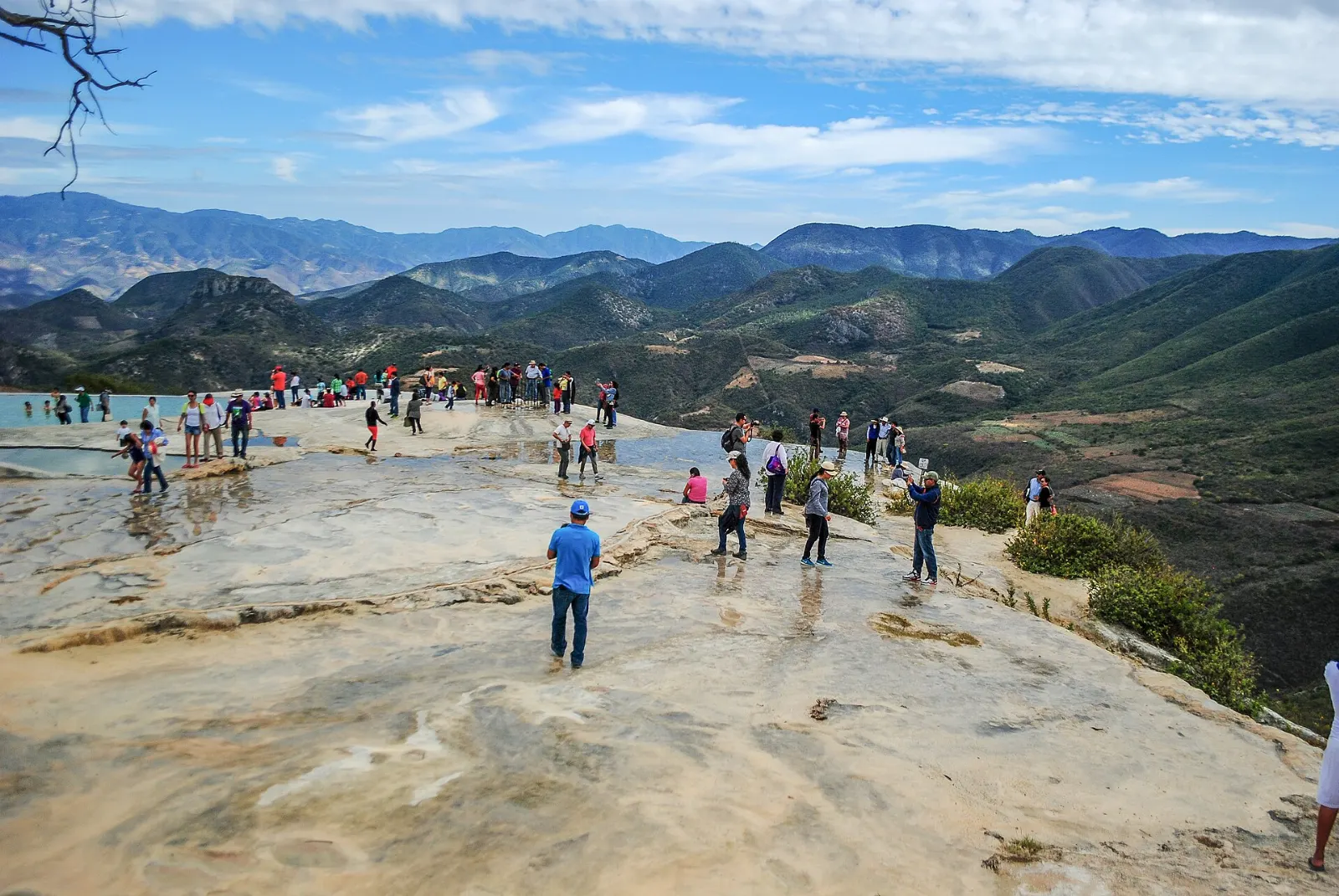
The smaller formation, also called the Amphitheatre, is the most visited part of the site. A natural platform about sixty metres wide holds springs, small natural pools and two large artificial pools used for swimming. The water looks turquoise because of its high mineral content.

Natural and artificial pools sit on the platform of the cascada chica. Photo: happinesswithin, Wikimedia Commons, CC BY 3.0
Large white rock formation at Hierve el Agua known as cascada grande, Oaxaca

Cascada grande

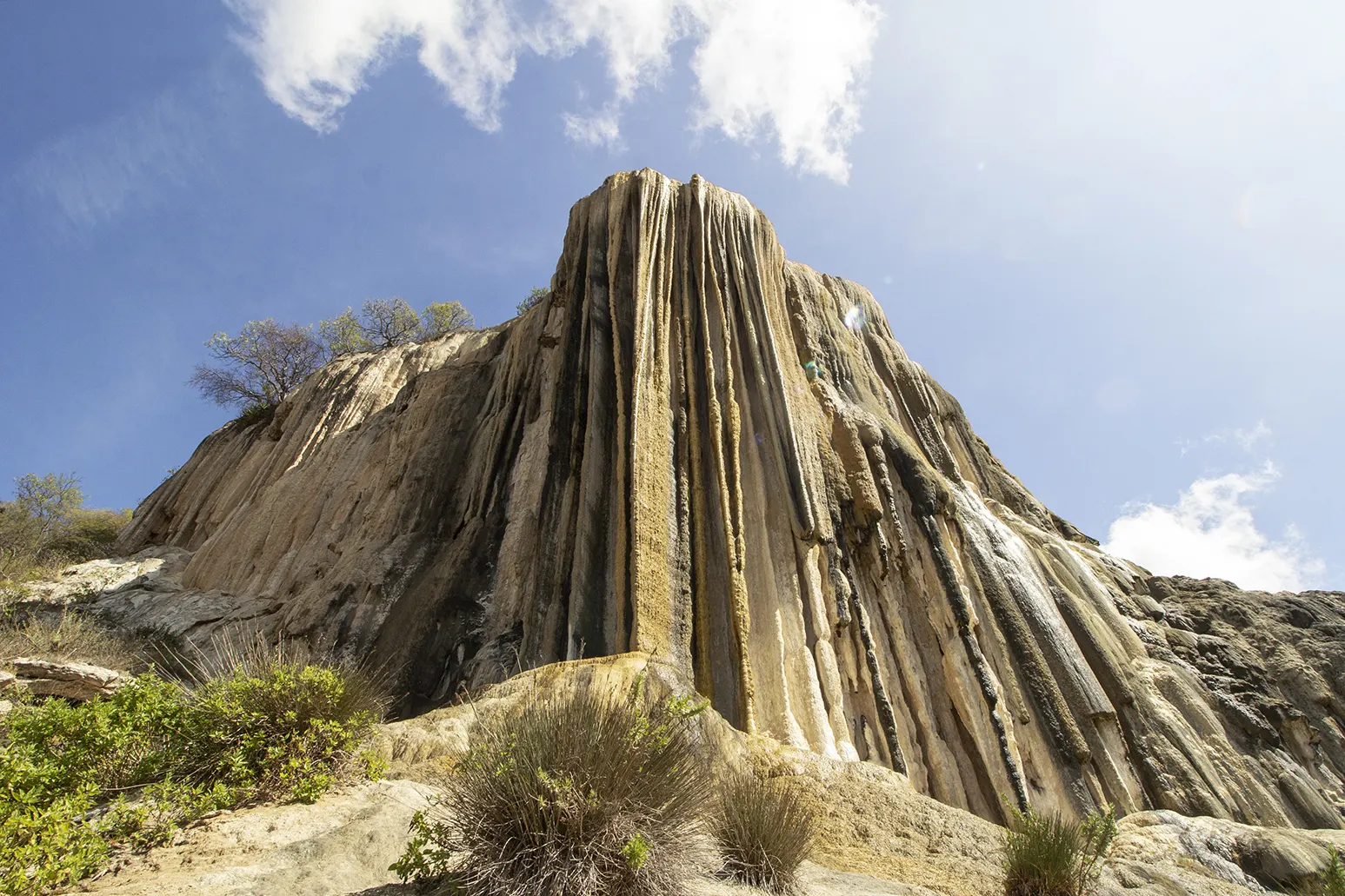
Just south of the cascada chica and easy to see from it, the cascada grande is the larger and more vertical of the two formations. It is a rock shelf about ninety metres above the valley floor, with mineral-rich water that has left a white cascade running down the face.

The cascada grande is the taller of the two formations at Hierve el Agua. Photo: Holamanueldiaz2, Wikimedia Commons, CC BY-SA 4.0

Mineral spring water flowing over the edge at Hierve el Agua, Oaxaca

The bubbling springs

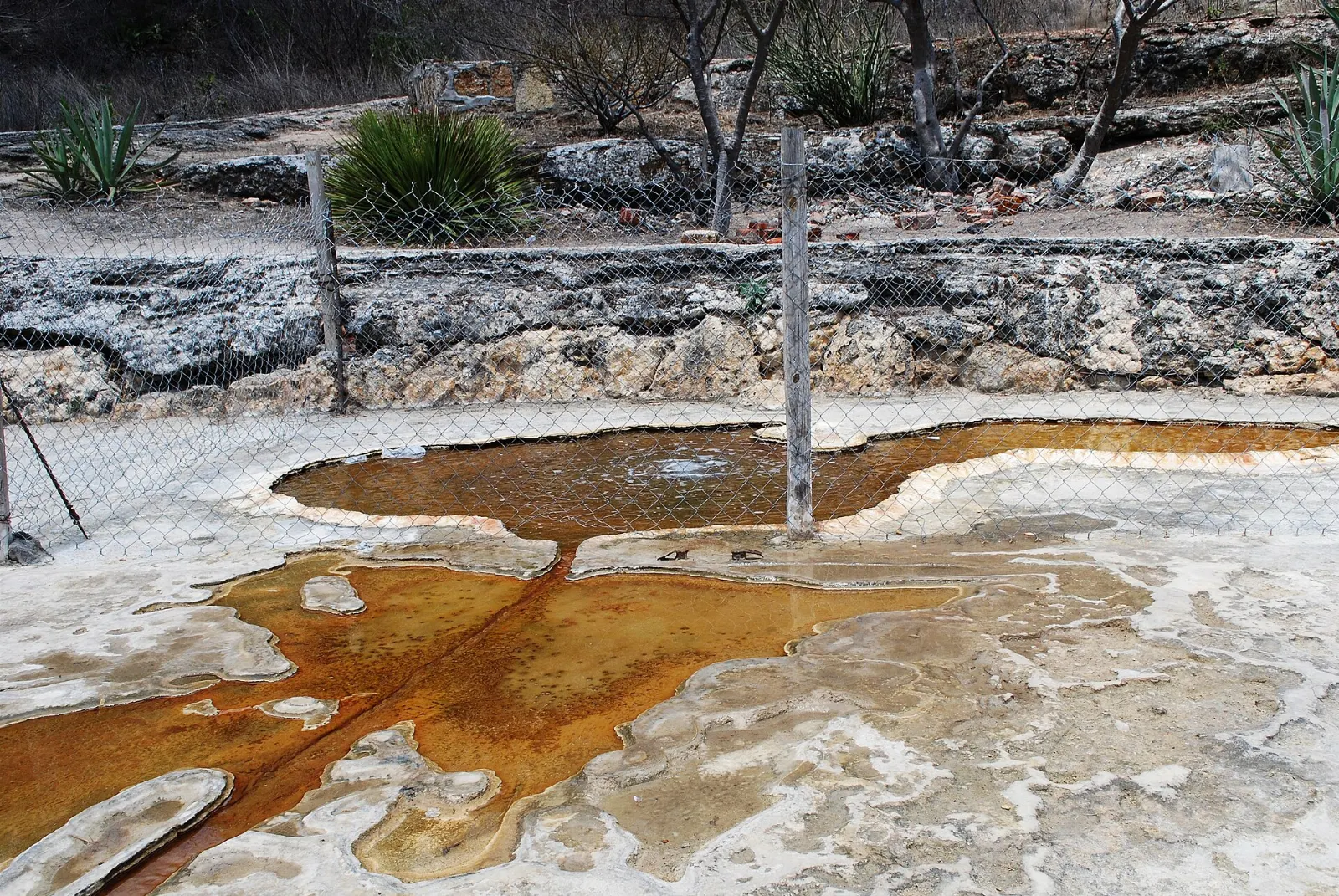
Several springs rise from the level floor of the platform and appear to bubble up, which is the origin of the site's name. Their water is oversaturated with calcium carbonate, which is deposited as it flows over the edge.

Mineral-rich spring water deposits calcium carbonate at Hierve el Agua. Photo: AlejandroLinaresGarcia, Wikimedia Commons, CC BY-SA 4.0

Remains of ancient irrigation terraces at Hierve el Agua, Oaxaca

The ancient canals

The Zapotecs built an irrigation system of terraces and canals here as much as 2,500 years ago. Researchers consider the lined canals unique in Mesoamerica, because the lining formed naturally from the mineral water.

Zapotec canals and terraces near Hierve el Agua date back more than 2,000 years. Photo: AlejandroLinaresGarcia, Wikimedia Commons, CC BY-SA 4.0

The hiking loop below the falls

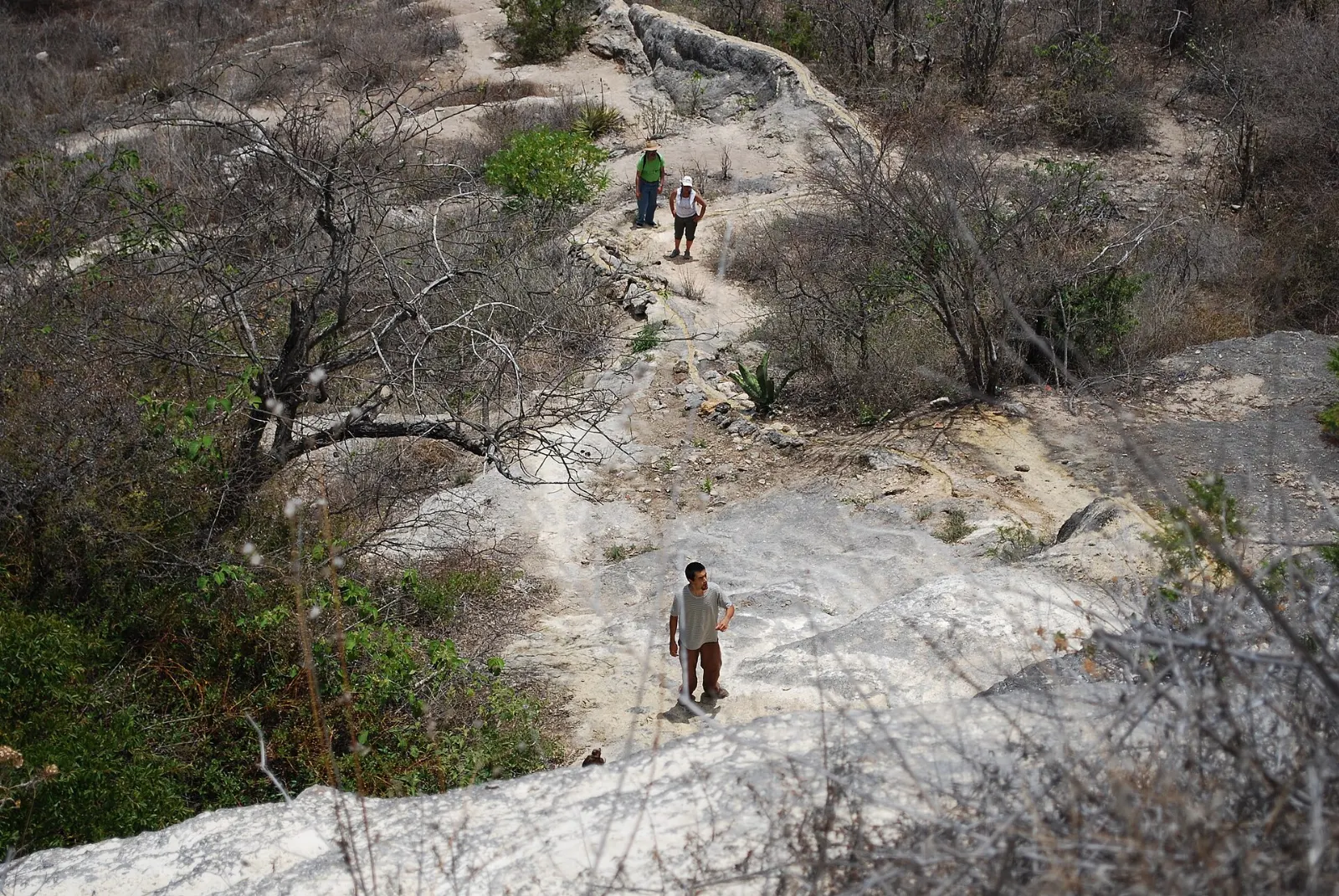
A trail leads from the cascada chica down below the cliffs and back up, giving you the waterfalls seen from underneath. The full loop takes around forty-five minutes and shows unusual rock shapes and desert plants.

Around the site and nearby

Visitor area with stalls near the entrance to Hierve el Agua, Oaxaca

Food stalls and cabins

A small complex of food stands, market stalls and basic cabins serves visitors near the entrance.

Food stalls and cabins serve visitors at Hierve el Agua. Photo: ProtoplasmaKid, Wikimedia Commons, CC BY-SA 4.0

Zapotec and Mixtec ruins at Mitla in Oaxaca, Hierve el Agua, Oaxaca

San Lorenzo Albarradas

This small community is one of the two closest to the springs, and its residents help run the site. Roads here pass through villages and farmland on the way up.

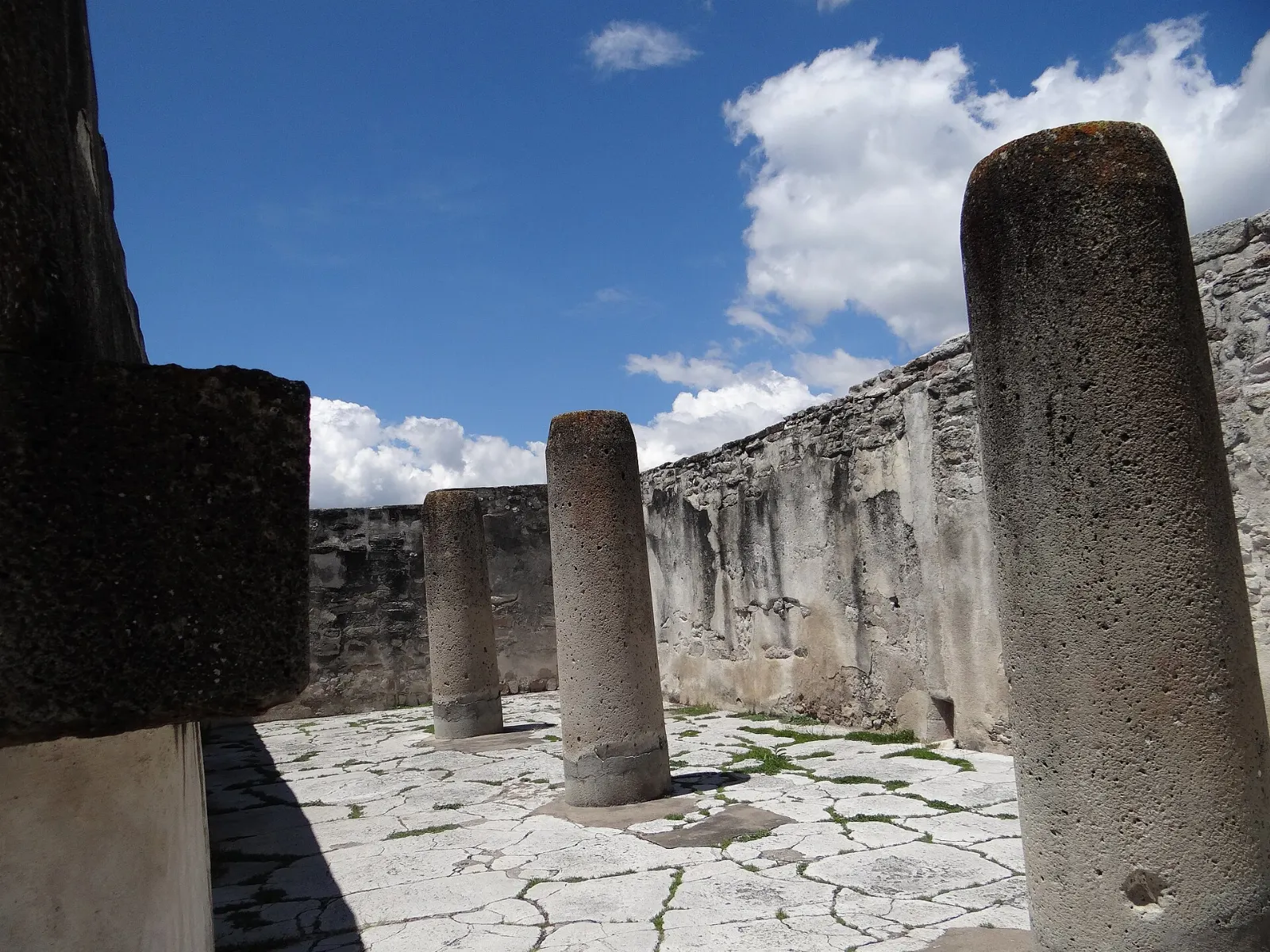
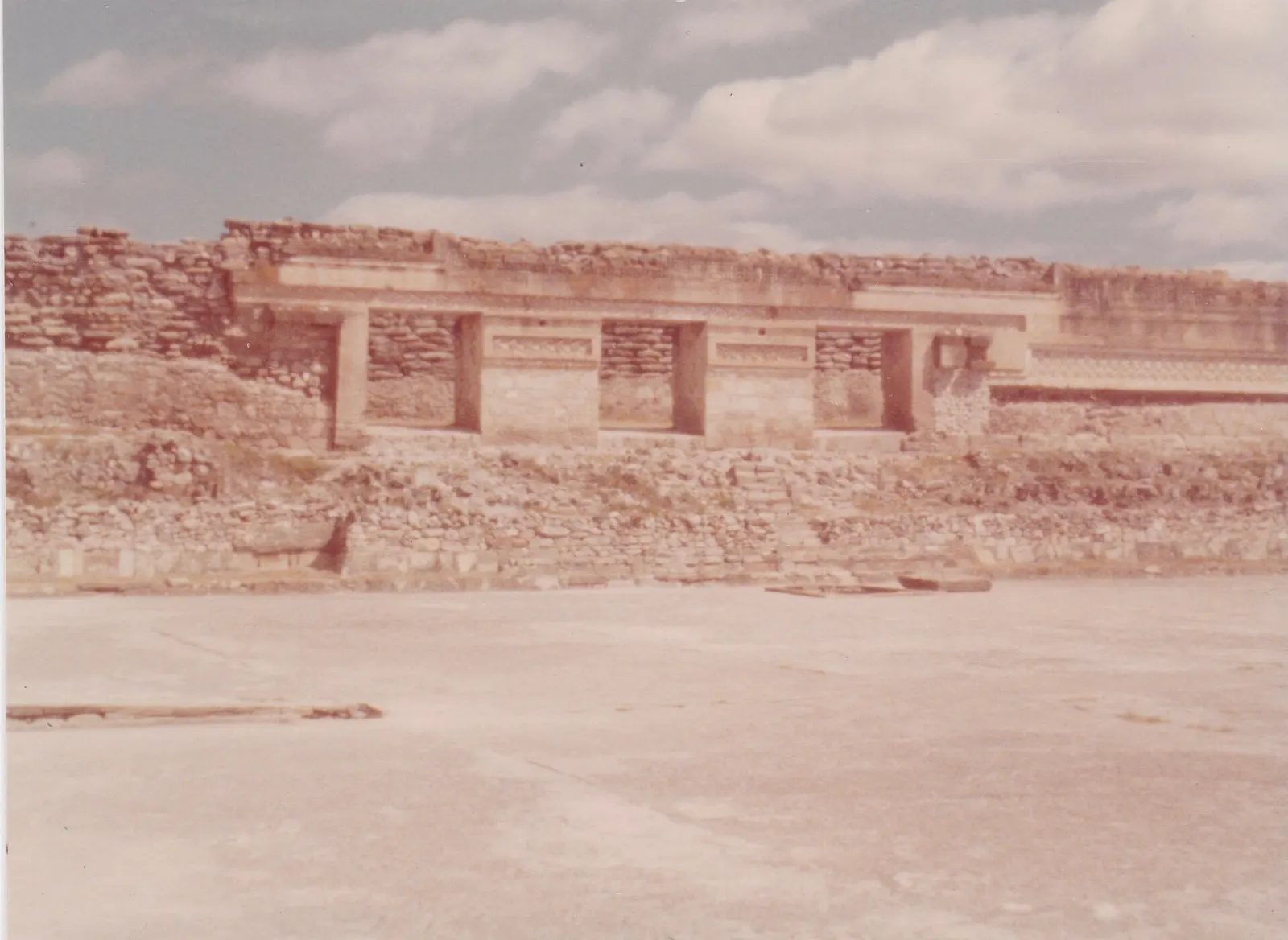
Mitla was a Zapotec and Mixtec spiritual centre in Oaxaca. Photo: Infrogmation, Wikimedia Commons, CC BY-SA 4.0

Cathedral and plaza in the historic centre of Oaxaca City, Hierve el Agua, Oaxaca

Mitla

Mitla is a Zapotec and Mixtec spiritual centre and the natural stop on the way to or from Hierve el Agua. San Pablo Villa de Mitla is also the town where colectivos to the site depart.

Oaxaca City is the usual base for trips to Hierve el Agua. Photo: Adam Jones from Kelowna, BC, Canada, Wikimedia Commons, CC BY-SA 2.0

Main plaza of Monte Albán above Oaxaca City, Hierve el Agua, Oaxaca

Oaxaca City

Oaxaca City is the base for most visitors and the best place to eat well after a day outdoors. Its markets, churches and museums are worth at least a day of their own.

Monte Albán is a Zapotec hilltop city above Oaxaca City. Photo: Infrogmation, Wikimedia Commons, CC BY-SA 4.0

Food and local flavors

Oaxacan cooking is the reason many people come to the region. Order a tlayuda, the big crisp tortilla topped with beans, quesillo, the local stringy cheese, and meat, at a stall or in the city.

Mezcal is the signature spirit of the state, and most of Mexico's mezcal comes from Oaxaca. At the site, vendors sell refreshing drinks including a piña loca made with fresh pineapple, mezcal and chilli. A few food stalls serve simple Mexican dishes.

Popular dishes to try in Hierve el Agua

Tlayuda in Hierve el Agua, Oaxaca
Tlayuda Order a tlayuda, the big crisp tortilla topped with beans, quesillo, the local stringy cheese, and meat, at a stall or in the city.Photo: Nsaum75, Wikimedia Commons, CC BY-SA 3.0
Tejate in Hierve el Agua, Oaxaca
Tejate Cool off with tejate, a foamy, cold drink of maize and cacao that Zapotec and Mixtec communities have served for generations.Photo: Veronica Janeth Suárez Zaragoza, Wikimedia Commons, CC BY-SA 4.0
Mezcal in Hierve el Agua, Oaxaca
Mezcal Mezcal is the signature spirit of the state, and most of Mexico's mezcal comes from Oaxaca.Photo: Alejandra Mendoza Santillan, Wikimedia Commons, CC BY-SA 4.0
Quesillo in Hierve el Agua, Oaxaca
Quesillo Order a tlayuda, the big crisp tortilla topped with beans, quesillo, the local stringy cheese, and meat, at a stall or in the city.Photo: nsaum75¡שיחת!‎, Wikimedia Commons, CC BY-SA 3.0

Where to stay

Most visitors sleep in Oaxaca City, which has the widest choice of lodging, restaurants and tours. It suits first-time visitors who want to combine Hierve el Agua with Monte Albán and the city's food scene.

San Pablo Villa de Mitla is the better choice if you want an early start at the springs and time among the ruins. It is quieter and more local. Right at the site, the Turis Yu'u cabins offer very basic rooms and suit travellers who want to catch the sunset and morning calm.

Where to stay in Hierve el Agua

Oaxaca City, Hierve el Agua
Oaxaca City Where to stayMost visitors sleep in Oaxaca City, which has the widest choice of lodging, restaurants and tours.Photo: ProtoplasmaKid, Wikimedia Commons, CC BY-SA 4.0
San Pablo Villa de Mitla, Hierve el Agua, Oaxaca
San Pablo Villa de Mitla San Pablo Villa de Mitla is the better choice if you want an early start at the springs and time among the ruins.Photo: Thayne Tuason, Wikimedia Commons, CC BY 4.0

Best time to visit

The dry season from November to April is the most reliable for clear views and safe trails. March through May are the hottest months, so go early.

Weekends and holidays are busiest, so a weekday morning is calmer. In July, Oaxaca City hosts the Guelaguetza festival, and at the start of November the Day of the Dead fills the region with altars and processions.

Getting there and getting around

Oaxaca's airport receives several daily flights from Mexico City and other cities. From Oaxaca City, head toward Mitla on road 190, then follow signs onto the toll road or the longer free route.

By public transport, take a bus or colectivo from Oaxaca City to Mitla, then a pickup colectivo that leaves when full and runs up to the site. The ride is bumpy, so hold on. Once there, you will get around on foot along paths with many steps and uneven rocks.

A suggested itinerary

First day

Leave Oaxaca City early, stop in Mitla, then continue to Hierve el Agua. Walk the cascada chica, see the cascada grande and swim if conditions allow.

Second day

Return to the site for the hiking loop under the falls, or spend the morning at Monte Albán.

Practical tips

  • Check whether the site is open before you travel, because disputes sometimes close it.
  • Bring cash for entrance and access fees, as card payments are uncommon.
  • Wear sturdy shoes with good grip, since steps and rock are uneven and can be wet.
  • Carry water, a hat and sunscreen because shade is limited.
  • Keep back from the cliff edge, especially near the lower artificial pool.
Hierve el AguaWISERMAP PLACEHierve el Agua: photos, reviews & things to doSee traveler photos and reviews, or share your own →

More places to visit

All travel guides →