Tapachula is the capital of the Soconusco, the narrow coastal strip of southern Chiapas between the Sierra Madre and the Pacific, close to the Guatemalan border. It is a hot, lively city with Art Deco buildings, a long Chinese and German immigrant history and the ancient site of Izapa on its doorstep.
AT A GLANCE
Best time
Mornings are best for sightseeing, before the heat and the afternoon showers.
How long
Allow three days for the city, Izapa and a trip into the coffee hills.
Getting there
Fly to Tapachula International Airport or take a long-distance bus along the coast.
Why visit Tapachula
Tapachula is the economic heart of the Soconusco, a region with volcanic soil and abundant rain that has grown cacao for thousands of years. The Aztecs demanded cacao as tribute from here, coffee arrived in the 19th century with European settlers and today coffee, bananas and mangoes dominate the farmland.
That mix of cultures shows up everywhere. The city has a large Chinese heritage that dates to about 1900, a German coffee legacy and a Maya and Nahua population whose traditions endure.
The best places to visit in downtown Tapachula
Parque Miguel Hidalgo
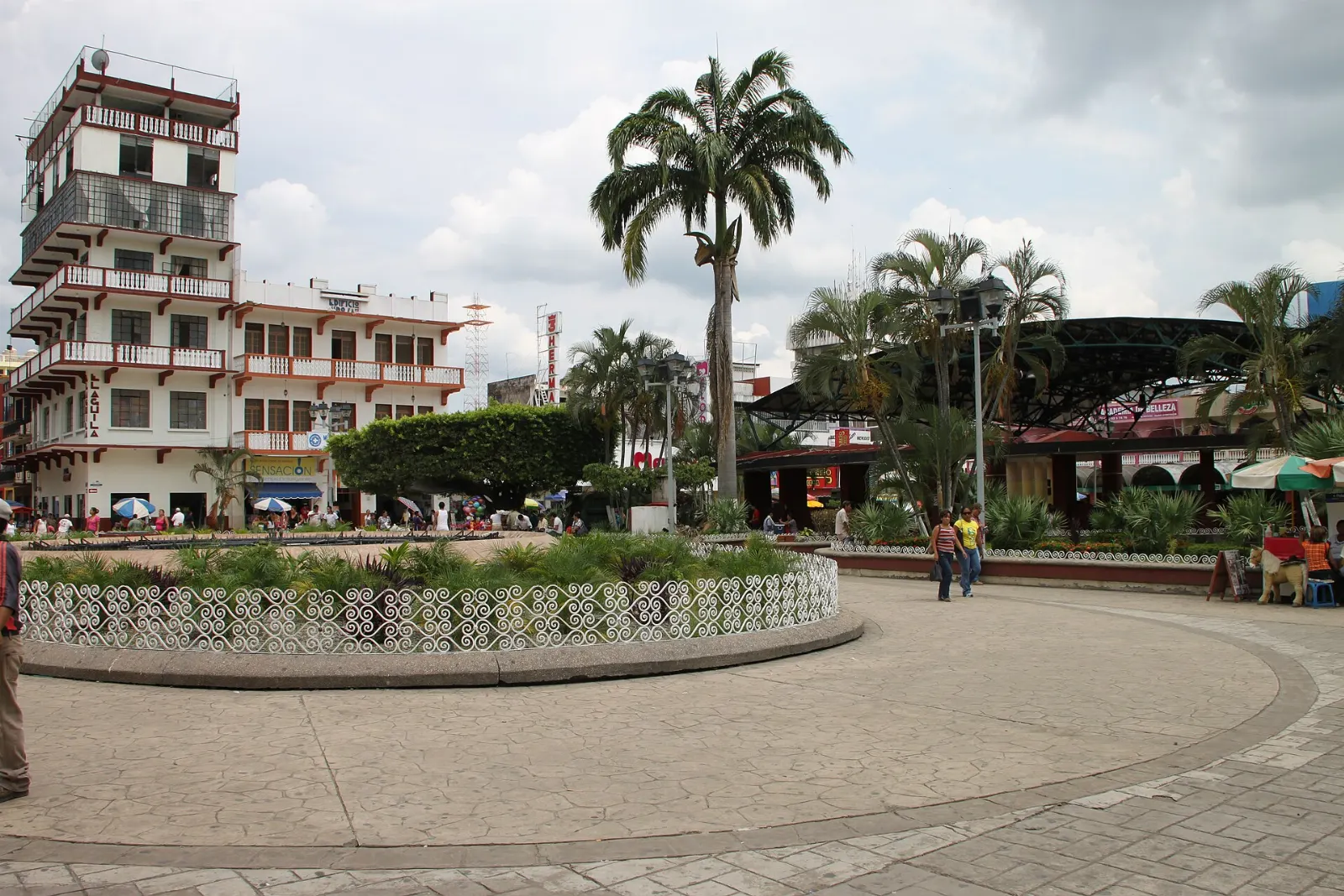
This large, tree-lined plaza is the center of the city, with an octagonal kiosk of Baroque ironwork that shows some Moorish influence. The old and new municipal palaces and the open-air theater surround it, and the theater often hosts marimba concerts.
San Agustín Church
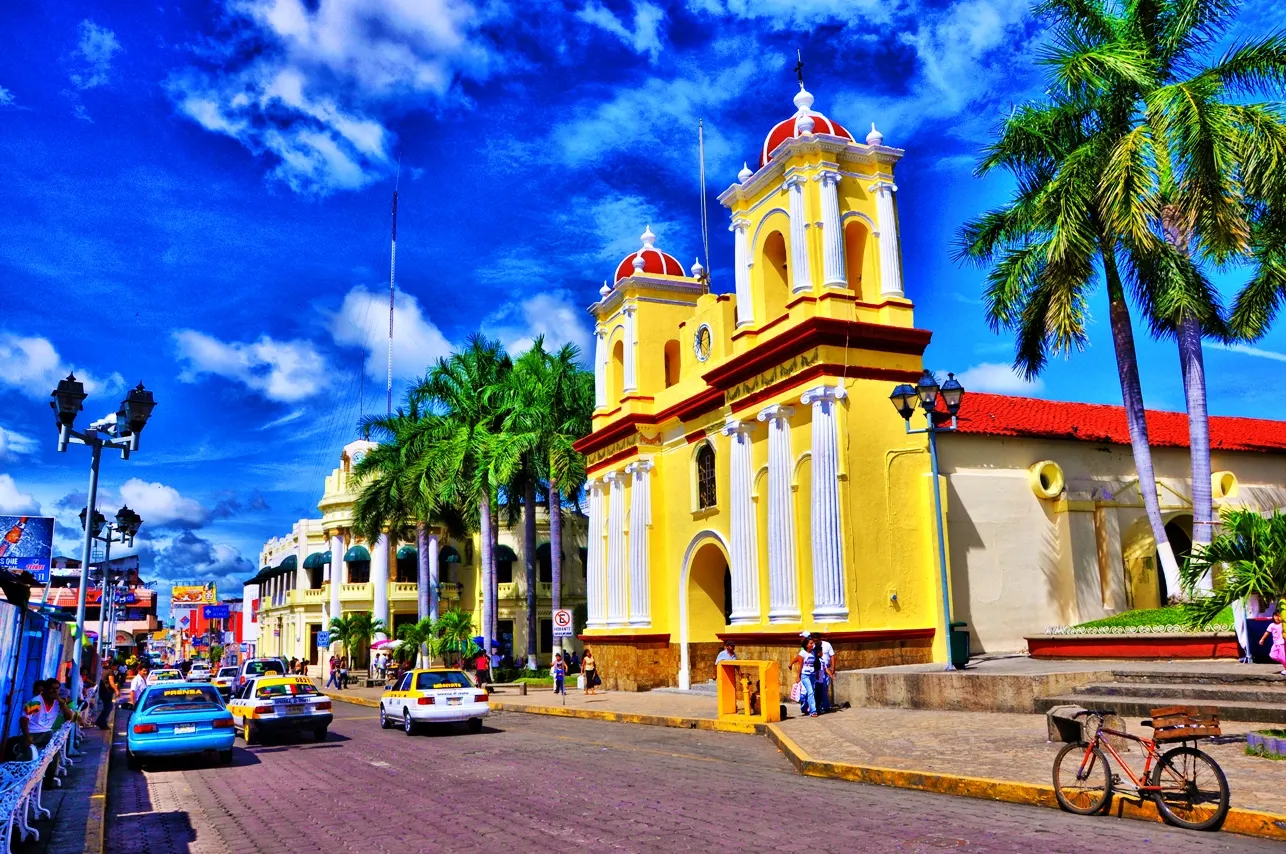
Dating from the 18th century and dedicated to the city's patron saint, this church has a red Spanish tile roof supported by wooden beams. The simple neoclassical facade has six Ionic columns and two bell towers.
Casa de Cultura and the Soconusco Archaeological Museum
The Casa de Cultura was built in 1929, when coffee made the city rich, and is a fine example of Art Deco with Oaxacan-style fretwork and carved Aztec warriors on its facade.
Mercado Escobar
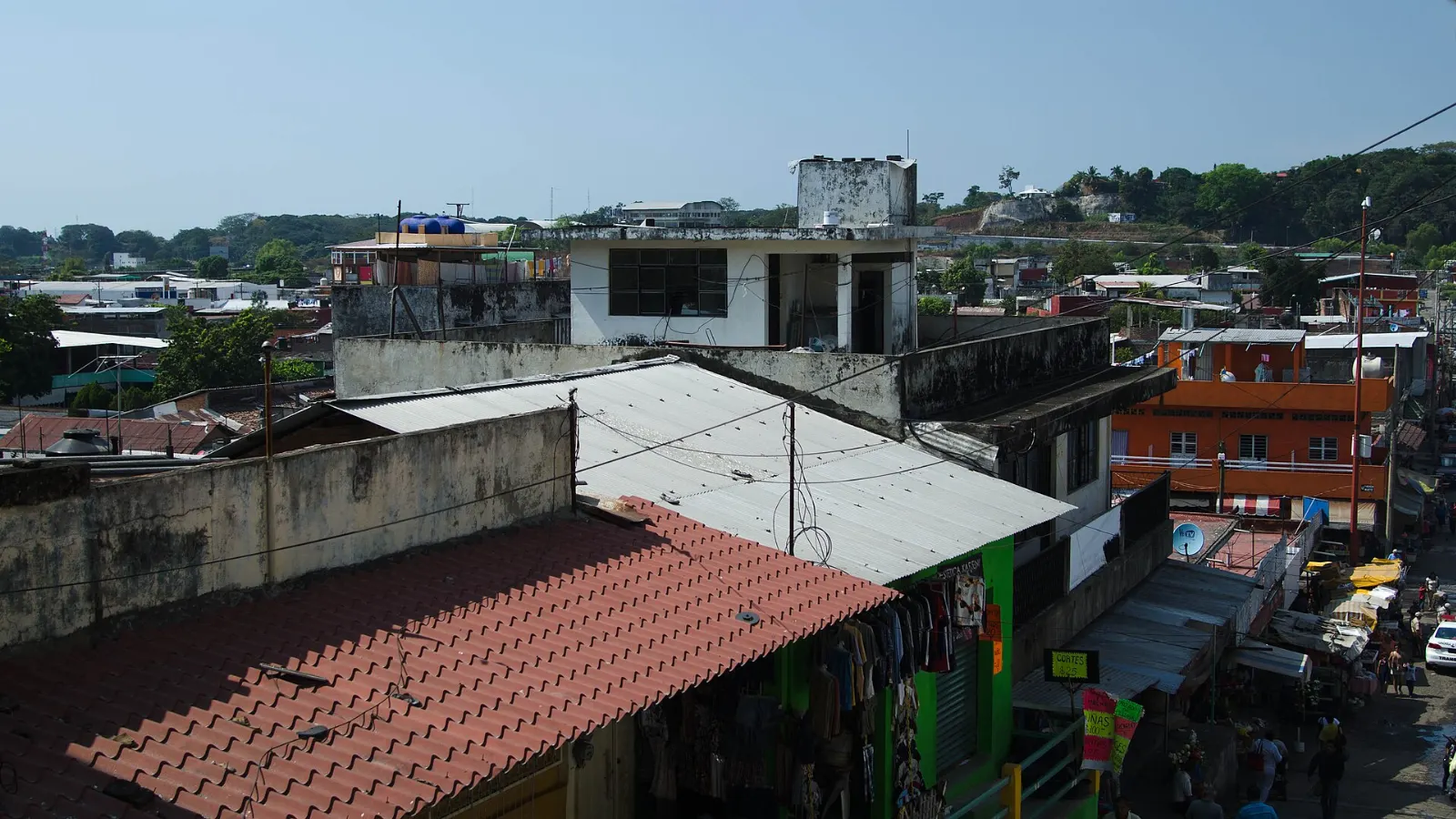
The city's oldest and largest traditional marketplace is a noisy, colorful maze of produce, meat, clothing, candy and everyday goods. It is best visited early, before the midday heat, and gives a real sense of daily life in Tapachula.
Chinese heritage
Chinese workers came to the coffee plantations around 1900, and their legacy is easy to taste, with many Chinese and Asian restaurants downtown.
The municipal cemetery
It may sound unusual, but the cemetery is a quiet record of the city's immigrant past. Gravestones from the late 19th and early 20th centuries carry German names and Chinese characters.
The best places to visit near Tapachula
Izapa
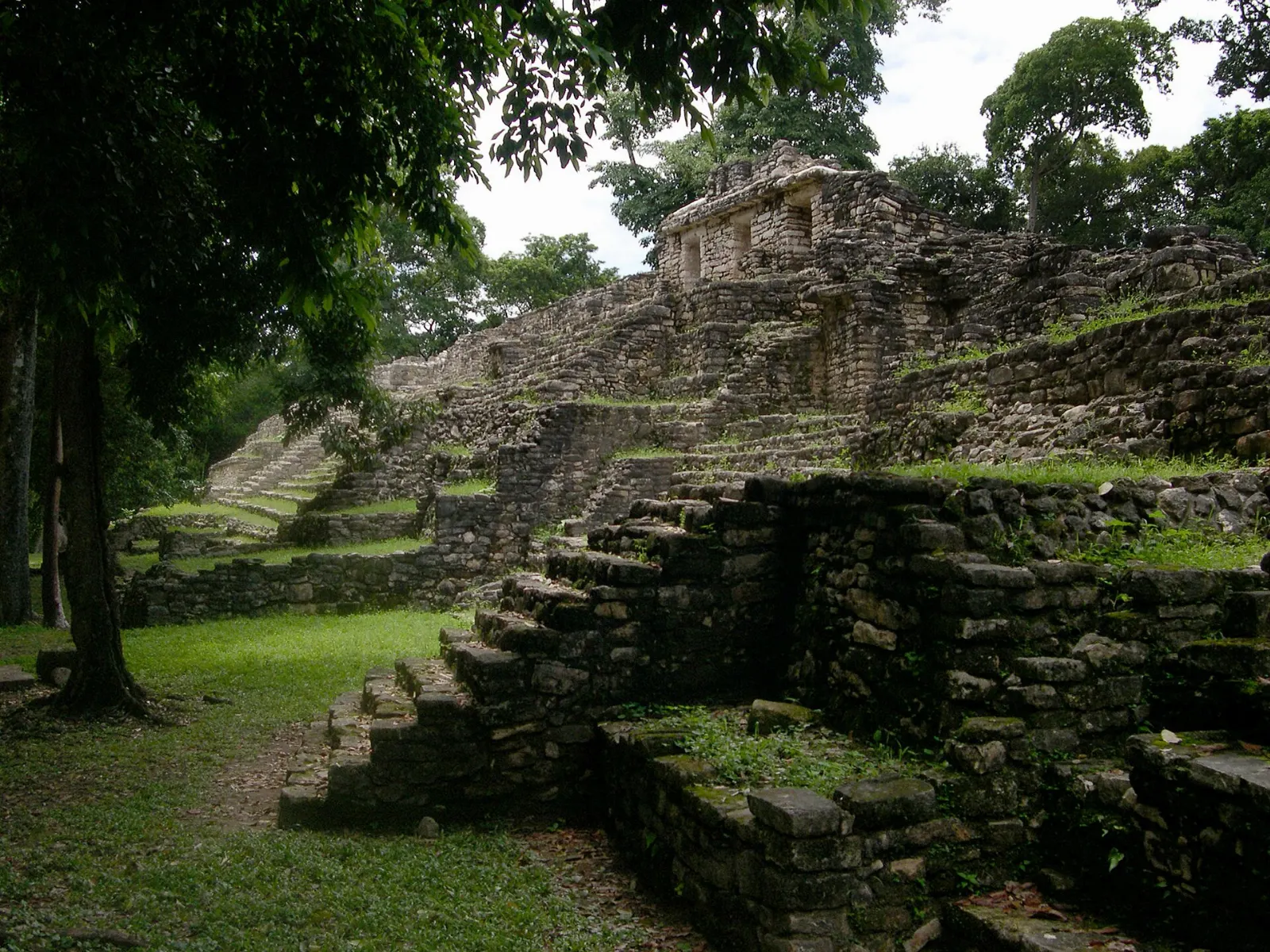
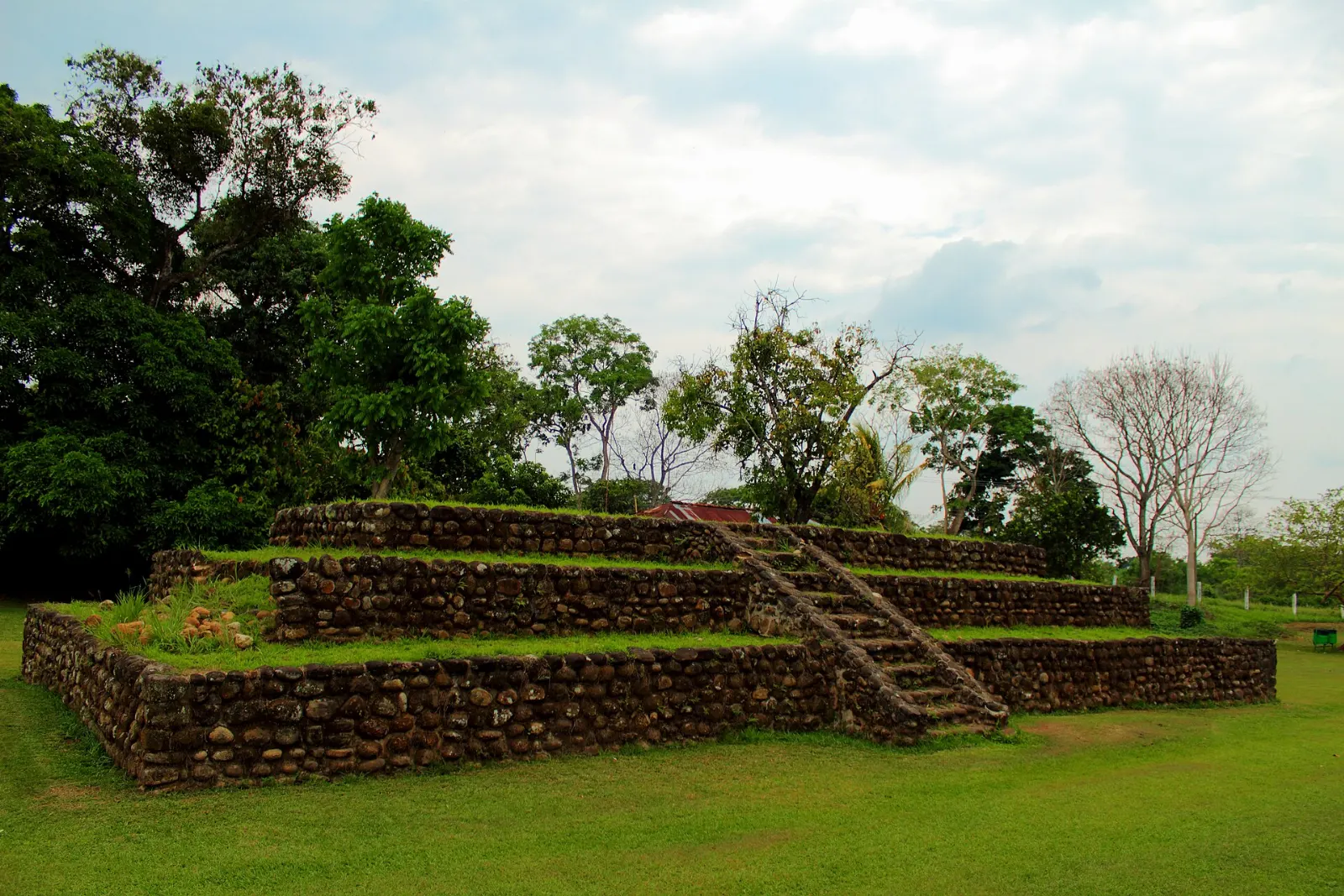
About 10 kilometres from the city, near the foot of Volcán Tacaná, Izapa is the largest archaeological site in Chiapas. It reached its peak between 850 and 100 BCE and is known for carved stelae and monuments that gave their name to the Izapan style.
Tuxtla Chico
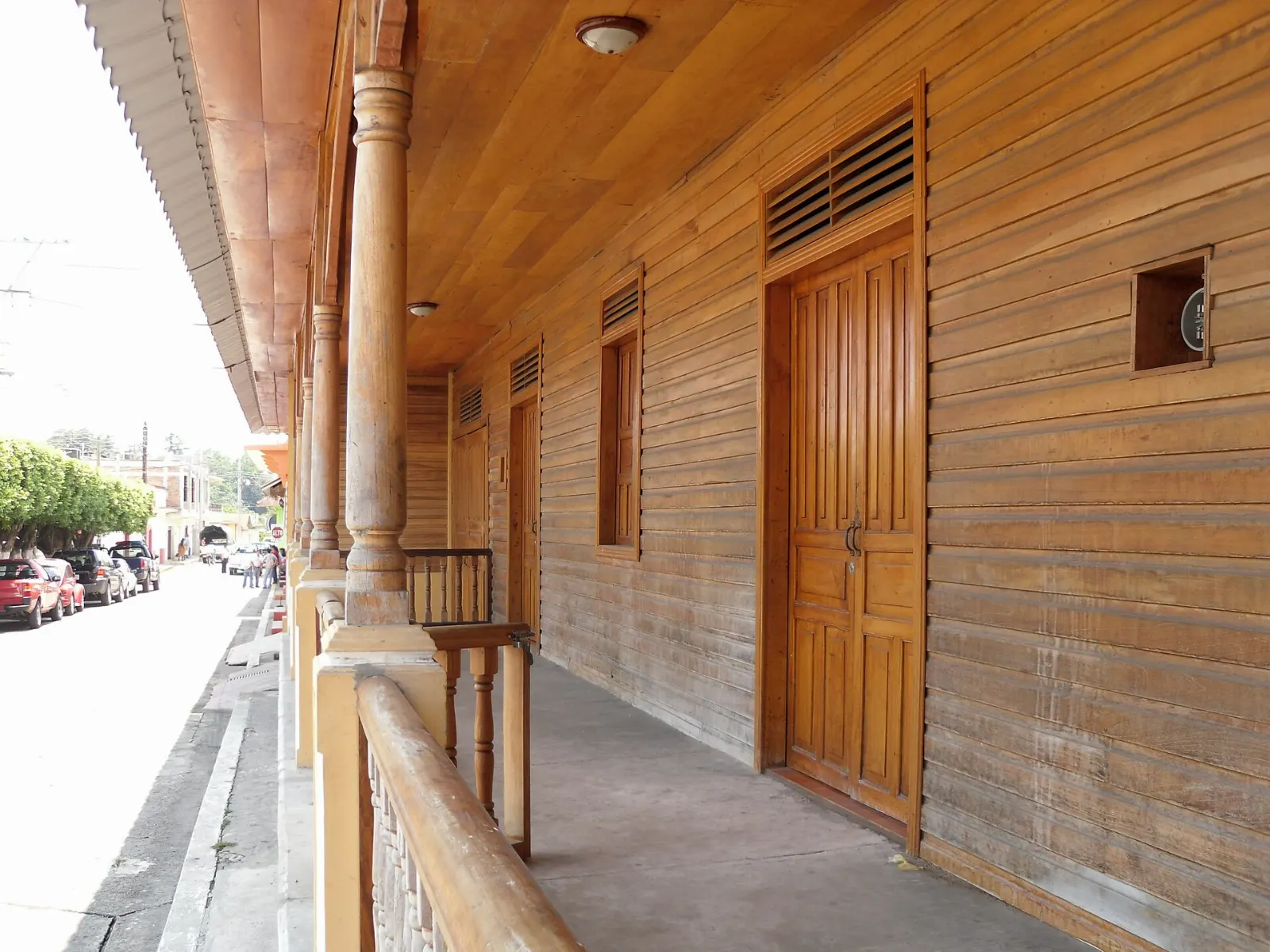
This Soconusco town is surrounded by dense tropical vegetation and keeps some of its distinctive architecture, including the Casa del Portal de Madera and the Candelaria Church, one of the main colonial-era buildings of the Chiapas coast.
The best places to visit in the hills and on the coast
Unión Juárez and the Coffee Route
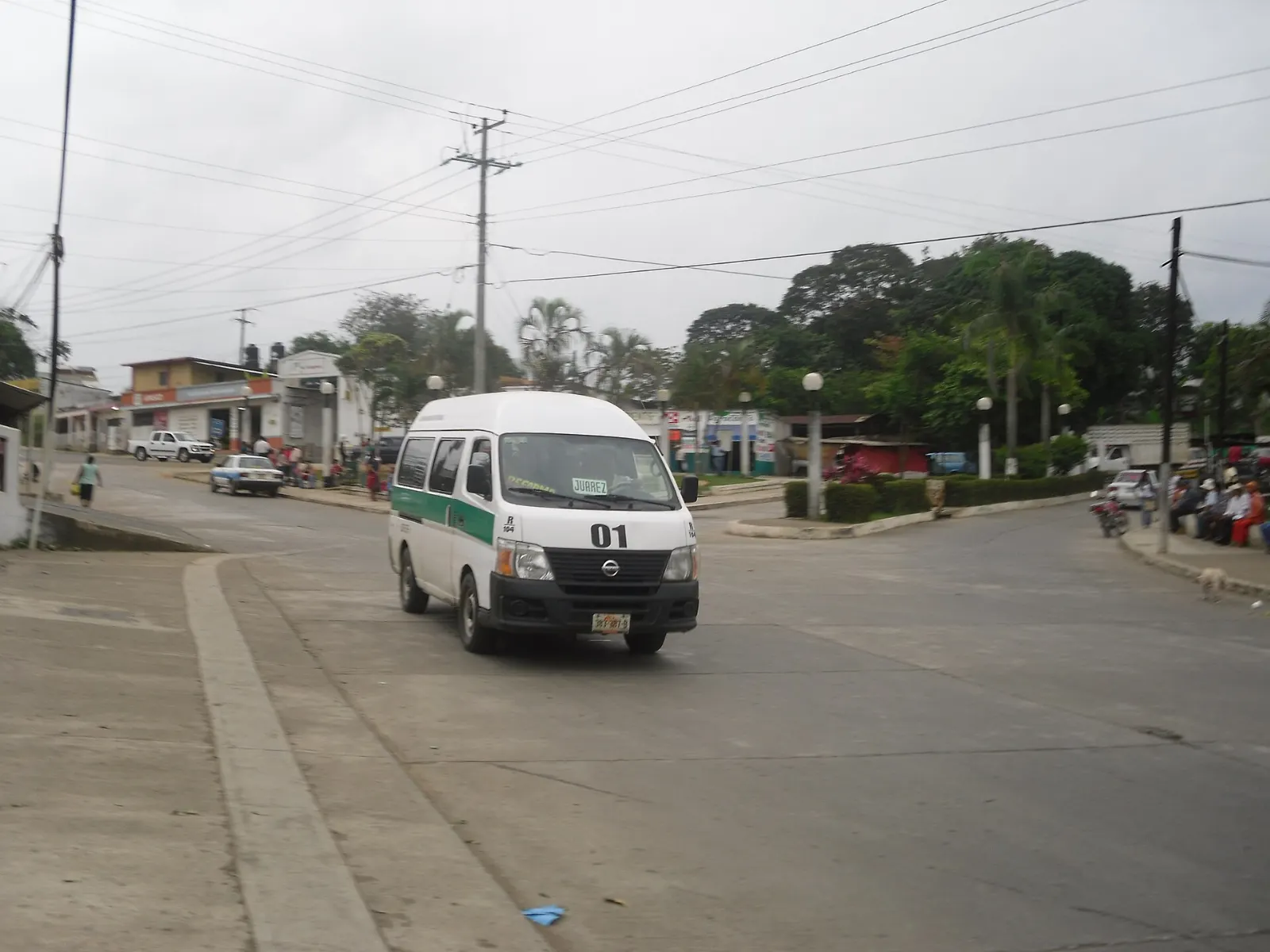
High on the slopes of Tacaná, Unión Juárez is known for its coffee plantations and wooden houses reminiscent of Switzerland, which earned it the nickname La Suiza Chiapaneca. The climate is cooler than in the city, with summer rains.
Tacaná Volcano
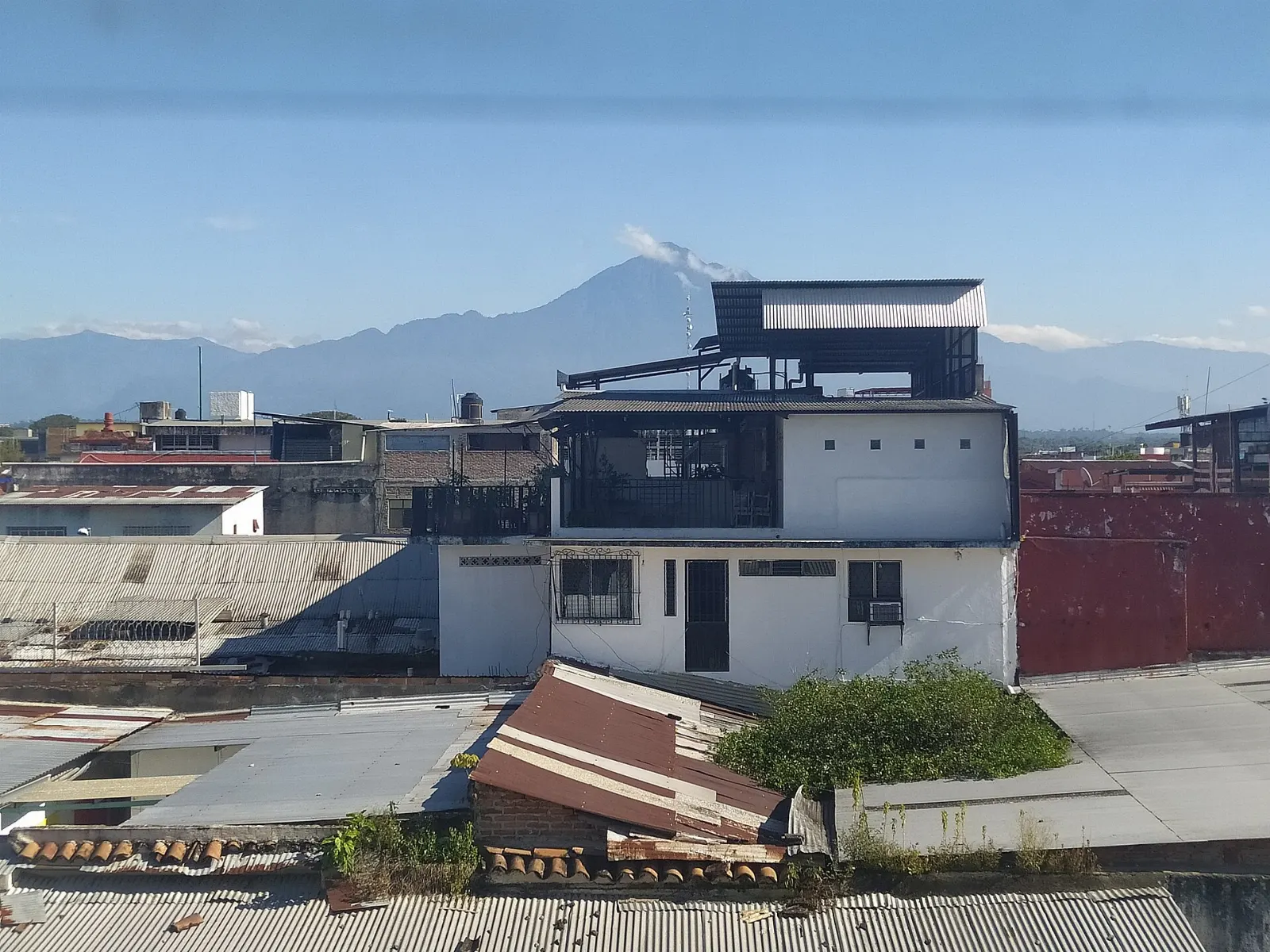
Tacaná is the second-highest peak in Central America at 4,060 metres, on the border between Mexico and Guatemala, and part of a UNESCO biosphere reserve.
Puerto Chiapas and Barra Cahoacán
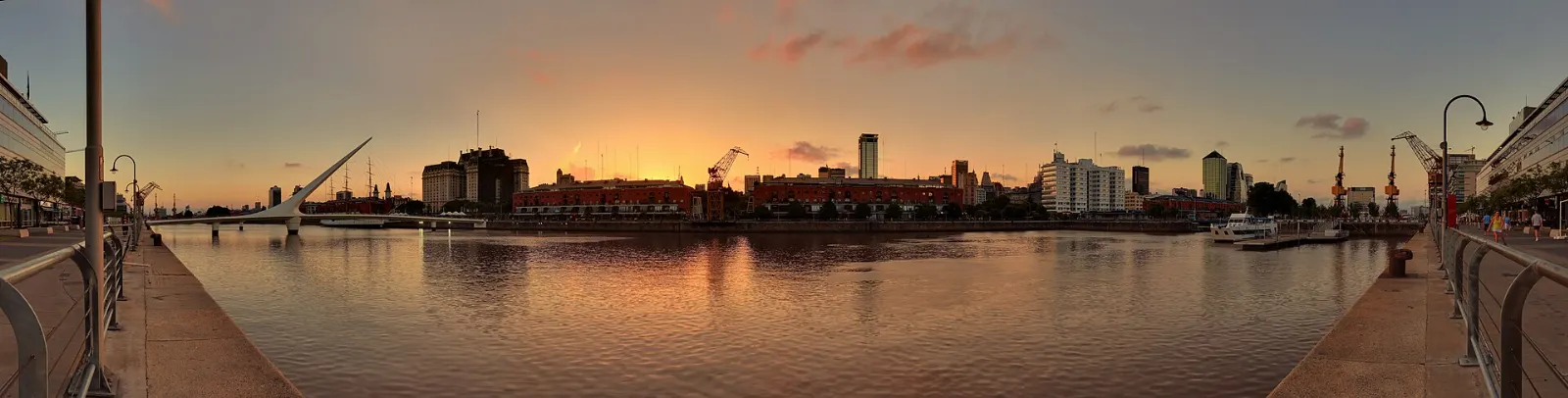
On the Pacific side, Puerto Chiapas is a working port with a craft market near the dock, and cruise ships began calling here in 2007. Barra Cahoacán, about 33 kilometres from Tapachula on the road to the port, offers a long stretch of beach.
 Planning a trip to Tapachula?Compare hotels, flights and vacation rentals for Tapachula on Expedia.Book now
Food and local flavors
Tapachula is known for its Cantonese-style Chinese food, thanks to its Chinese community, alongside the dishes of Chiapas. Tamales de chipilín are made with a fragrant herb found in few other parts of Mexico, and sopa de chipilín uses the same leaf in a comforting soup. Pozol, a drink of fermented corn dough often mixed with cacao, is a refreshing way to cool down. Because the Soconusco is coffee country, ask for Soconusco coffee, grown on the slopes above the city.
Popular dishes to try in Tapachula


Where to stay
Downtown Tapachula, around Parque Miguel Hidalgo and the Los Naranjos neighborhood, is the practical choice for most visitors. It has a range of hotels from simple budget places to mid-range options with pools, and most sights, restaurants and bus stations are close by.
Unión Juárez suits travelers who want cooler mountain air, wooden village architecture and easy access to coffee farms and Tacaná.
Puerto Chiapas, linked to the airport and Tapachula by Highway 225, is convenient for early flights, cruise connections and beach days at nearby Barra Cahoacán.
Where to stay in Tapachula


Best time to visit
Tapachula is hot and humid for most of the year and is one of the rainiest areas of Mexico, with showers concentrated in the summer months and much more rain in the mountains. Sightsee in the morning, rest in the afternoon and carry an umbrella or light rain jacket. The mountains and Unión Juárez are noticeably cooler. Annual events include Chinese New Year, the feast of San Benito and the Feria Internacional Tapachula, held every year since 1963 to showcase regional products and culture.
Getting there and getting around
Tapachula International Airport lies about 19 kilometres south of the city along Highway 225 and has flights from Mexico City and other Mexican cities. The Pacific coastal Highway 200 runs through the region.
Long-distance buses are plentiful, but bus companies in Chiapas have separate stations, with first-class services run by OCC, part of ADO, and second-class stations elsewhere.
Downtown sights cluster around Parque Miguel Hidalgo and are easy to cover on foot. For Izapa, Puerto Chiapas and the hills, use taxis or a tour.
A suggested itinerary
First day
Start at Mercado Escobar in the early morning, then walk to Parque Miguel Hidalgo, San Agustín Church, the Casa de Cultura and the museum.
Second day
Visit Izapa in the morning, stop at Tuxtla Chico, and spend the afternoon at Puerto Chiapas or Barra Cahoacán.
Third day
Head up to Unión Juárez for coffee country and views of Tacaná, with a stop at a plantation if tours are running.
Practical tips
- Check your government's current travel advisory before you go.
- Carry water, sun protection and a rain layer, since the climate is hot and wet.
- Most businesses do not accept Guatemalan quetzales, so use Mexican currency.
- Check which days Izapa and the museum are open before you go.
- Look up the right bus station before you buy a ticket, because each company has its own.
- Start sightseeing early to avoid the midday heat.