Homún is a small Maya village about 55 kilometers south-east of Mérida, in the heart of Yucatán's ring of cenotes. Most visitors come for a day of swimming in cool, clear sinkholes, then head back to the city.
AT A GLANCE
Best time
The dry months from November to March are the most comfortable for cenote hopping.
How long
One full day covers three or four cenotes, and an overnight stay lets you add Cuzamá or Ticul.
Getting there
Drive about an hour from Mérida or ride a shared van from the city.
Why visit Homún
Homún sits inside the Reserva Estatal Geohidrológica Anillo de Cenotes, a protected area known for its many sinkholes.
The village itself is rural and unhurried. You will find a main square, a few shops, banks near the plaza and small restaurants serving Mayan and Mexican food.
The area also suits travelers who like to keep plans flexible. You can spend a morning swimming, an afternoon wandering the square and a late lunch with a local family, then decide the next day whether to visit more cenotes or drive on toward the Puuc hills and the colonial towns of the south.
The cenotes around Homún
Cenote Hool Kosom
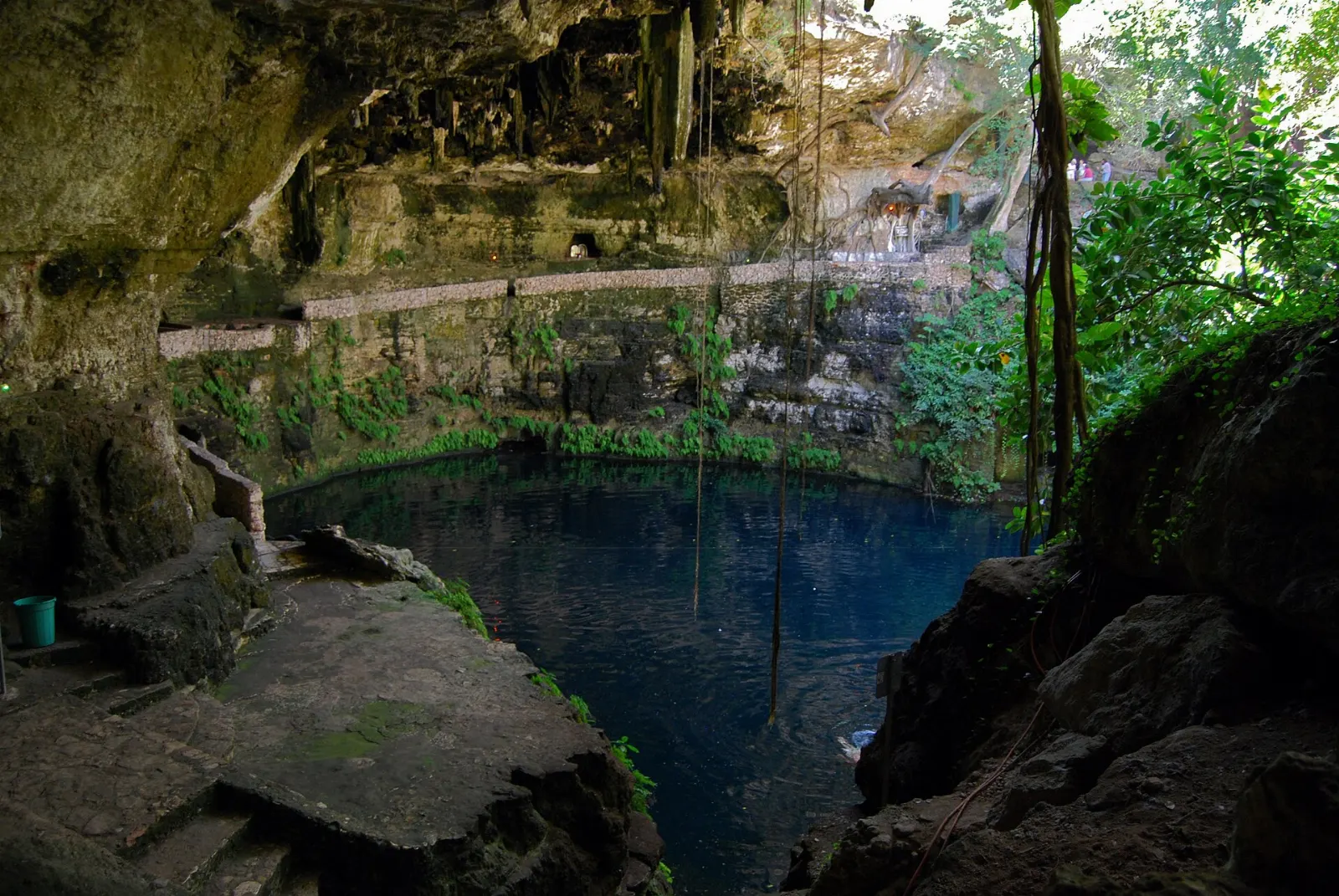
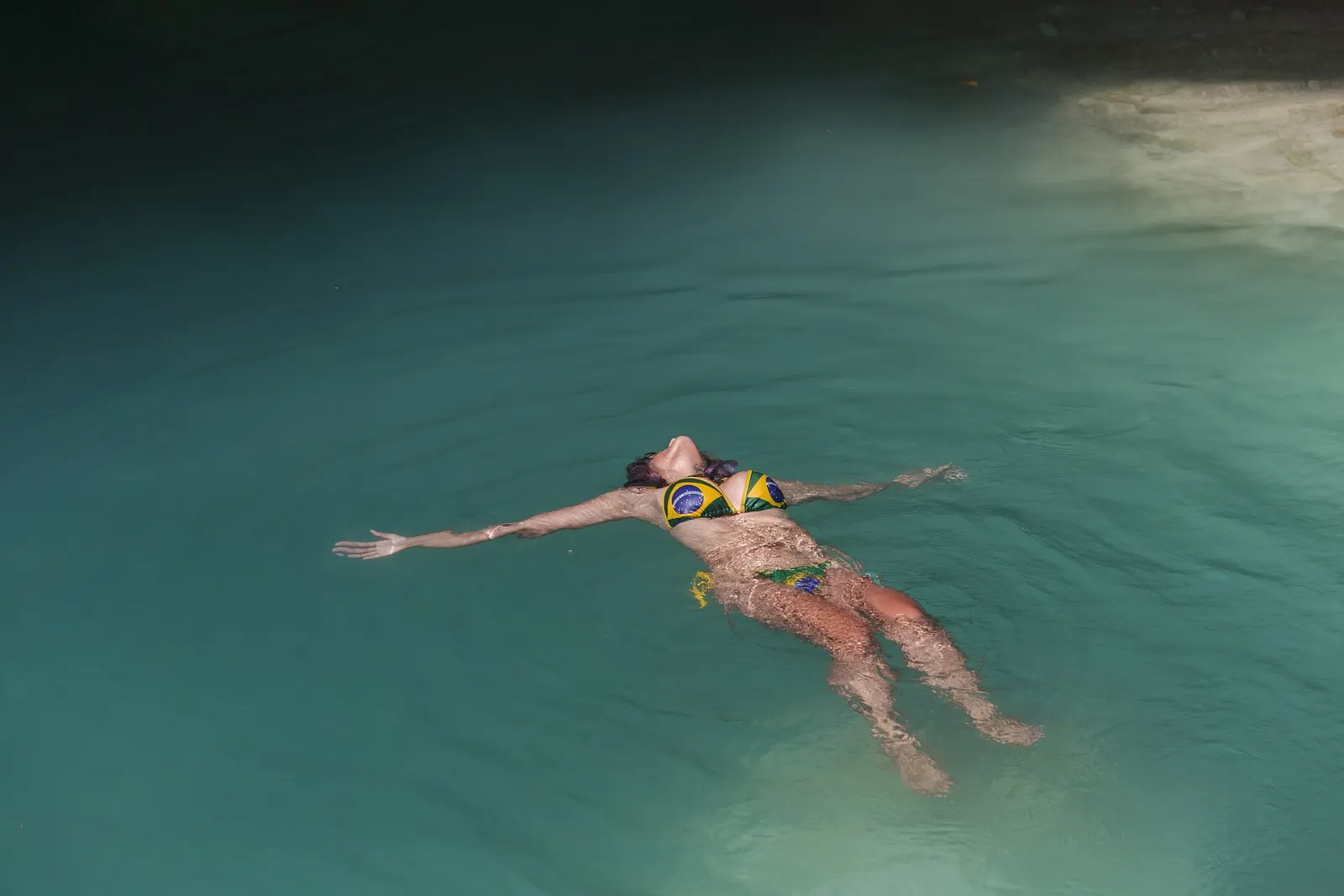
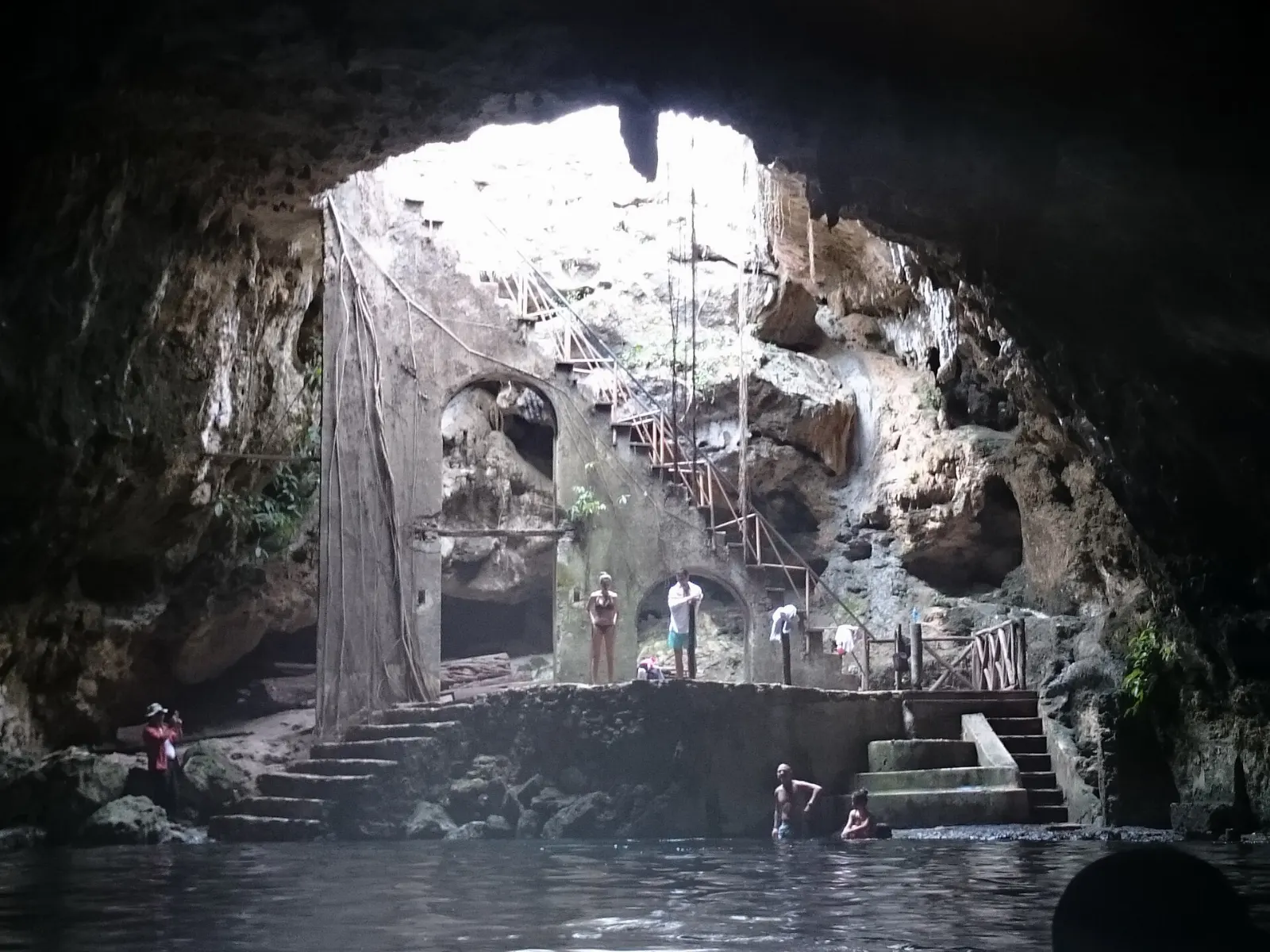
Hool Kosom is a cave cenote with a small opening in the roof that lets a little sunshine fall onto the water. Arrive when the light is highest to see the beam at its best.
Cenote Los 3 Oches
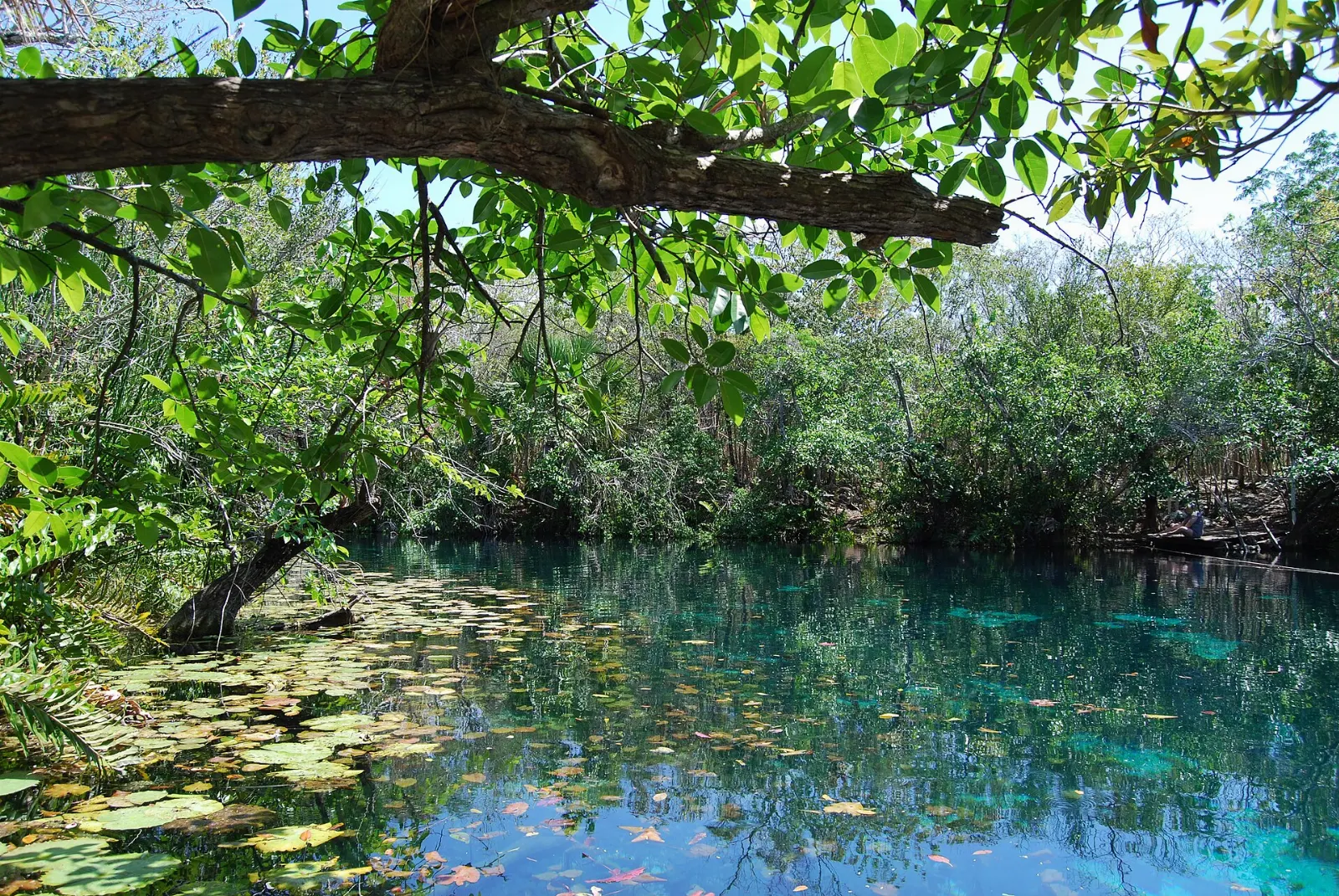
Los 3 Oches is a group of three cenotes joined by underground tunnels. The tunnels are for certified scuba divers who arrange it in advance, but only one of the three is open to the sky and suitable for a regular swim.
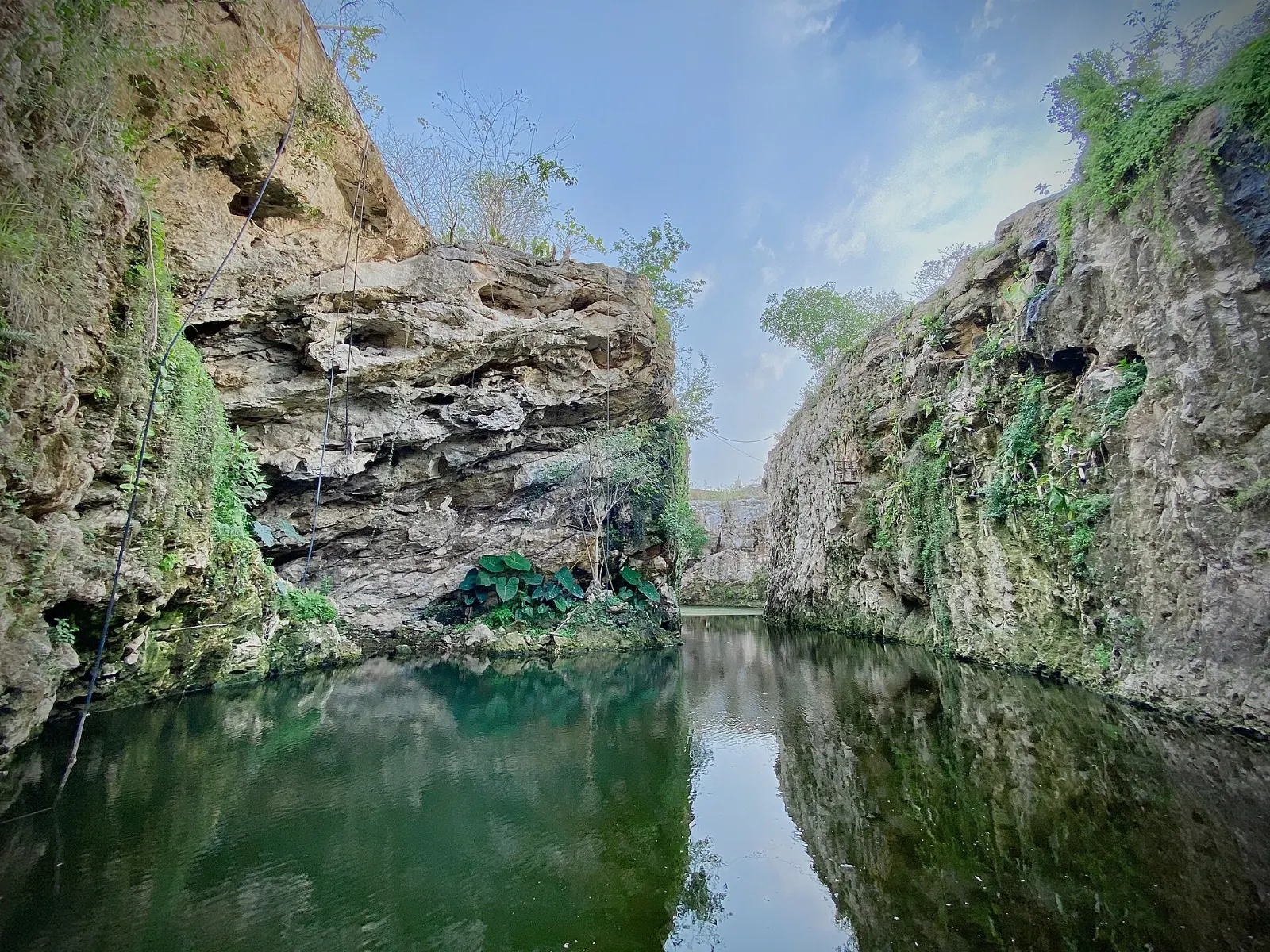
Cenote Tza Ujun Kat
Tza Ujun Kat is another popular stop on the local circuit and works well as a third swim of the day. Ask your moto-taxi driver to show you the photo album of options so you can choose a mix of cave and open cenotes.
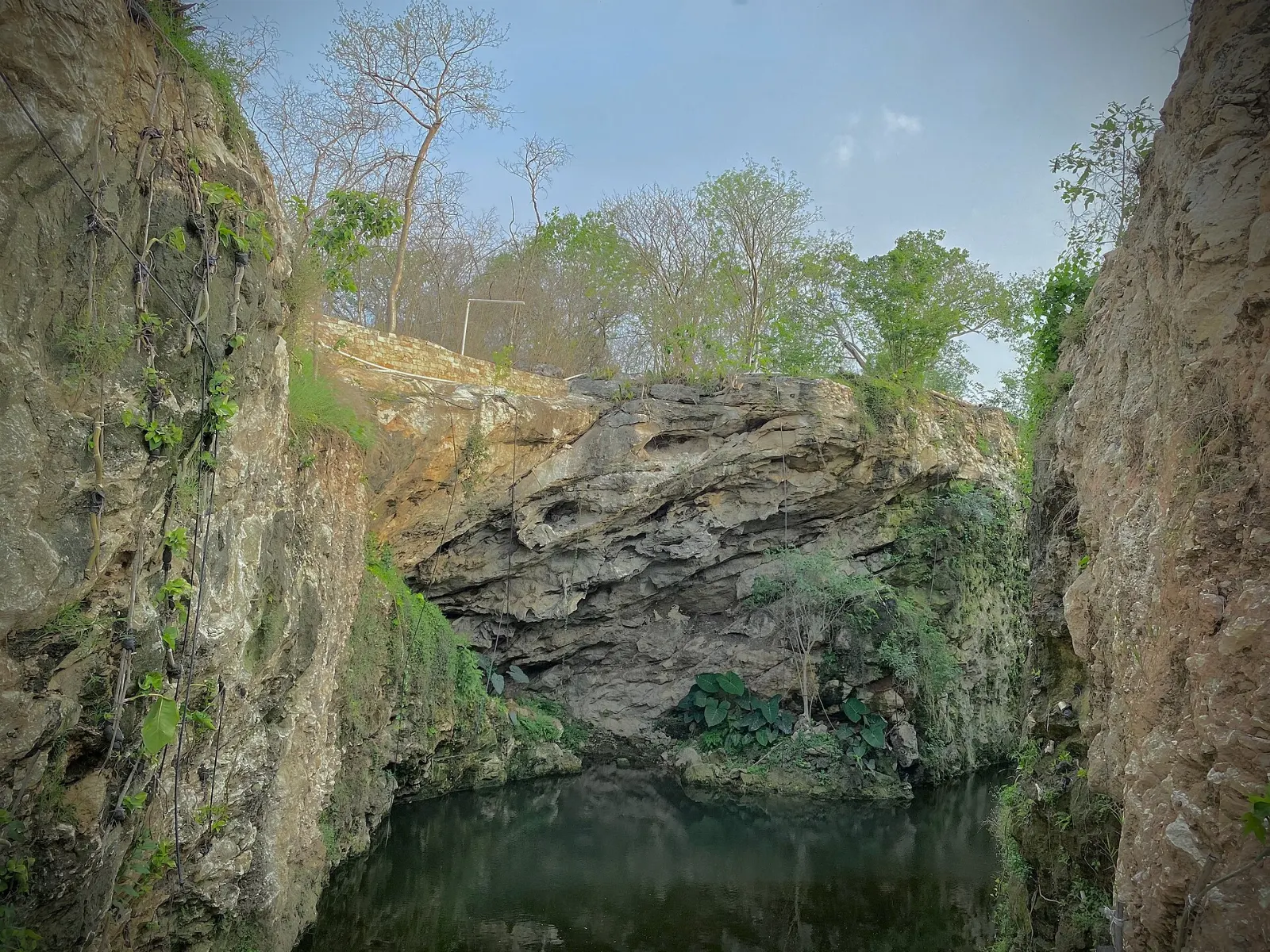
The Anillo de Cenotes
The ring of cenotes is a protected geohydrological reserve that runs through this part of Yucatán. The water is clear because rain filters slowly through limestone.
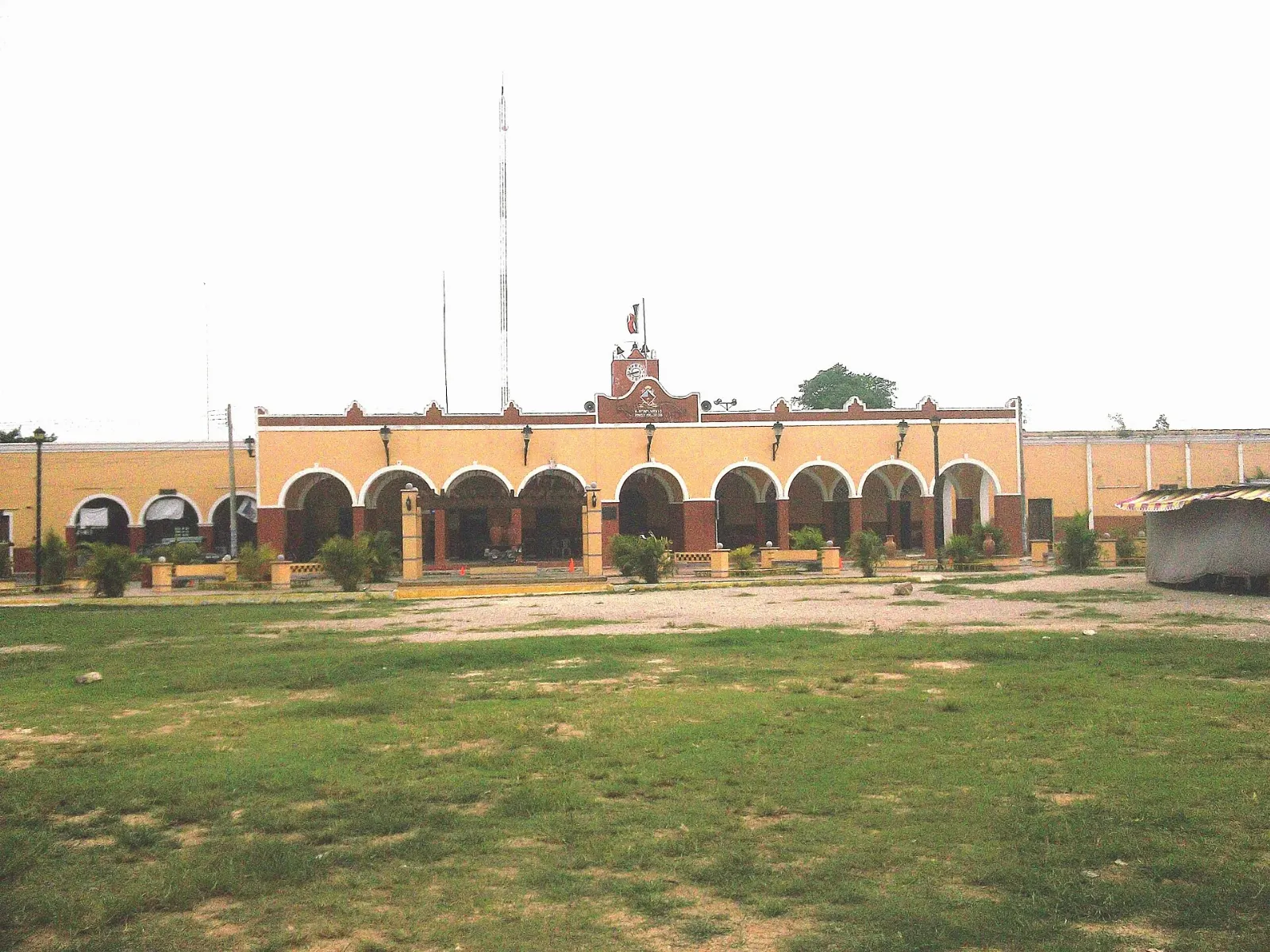
Homún main square
The main square is the heart of the village and the place where collectivos arrive. Moto-taxi drivers wait here with pictures of the cenotes.
Nearby villages and sites
Cuzamá
Cuzamá is a town about 50 kilometers south-east of Mérida and the best-known neighbor on the Ruta de los Cenotes.
Ticul
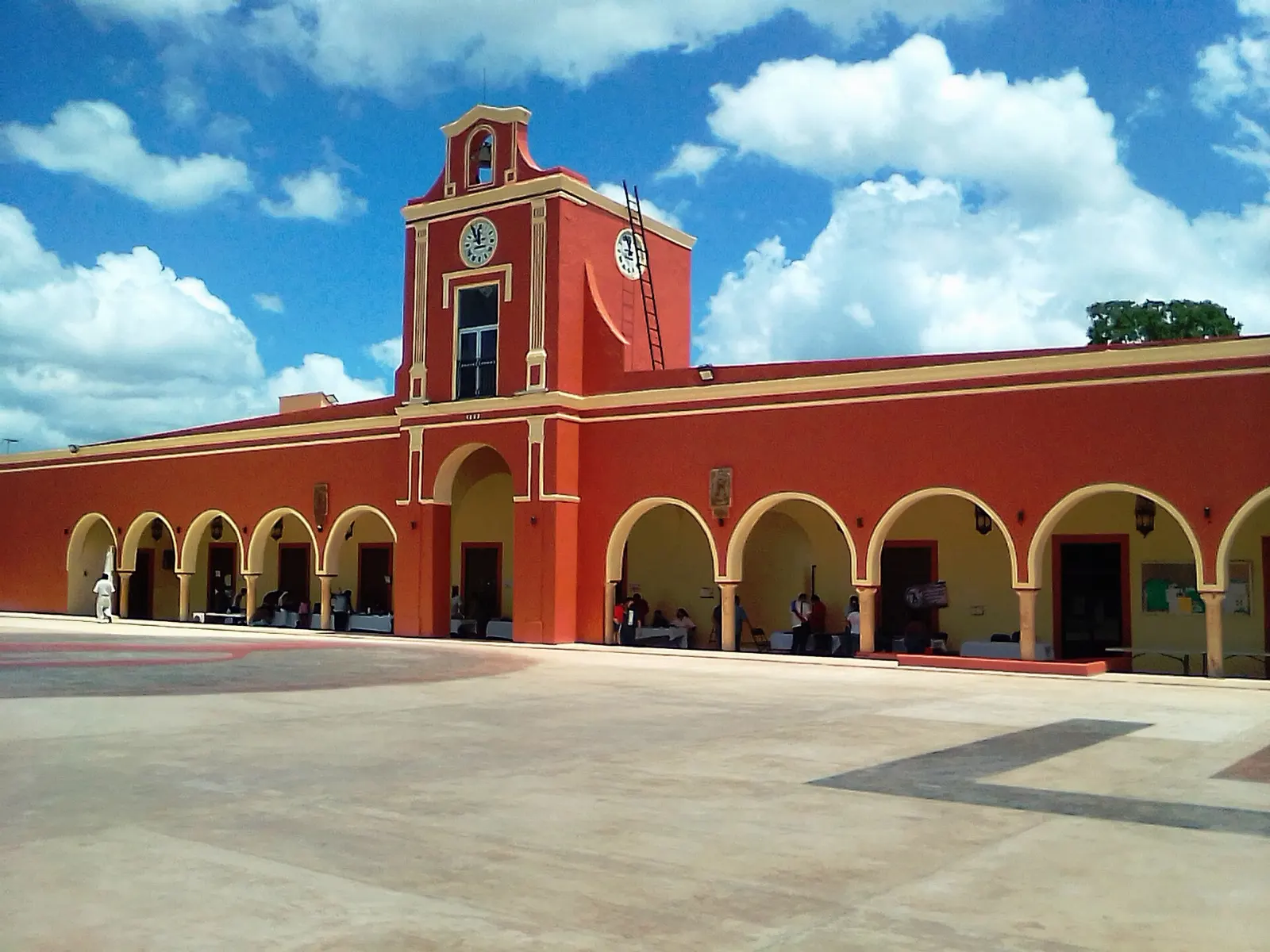
Ticul is a city about 100 kilometers south of Mérida, nicknamed La Perla del Sur. It is known for its red pottery, and poc chuc is a famous local specialty.
Maní
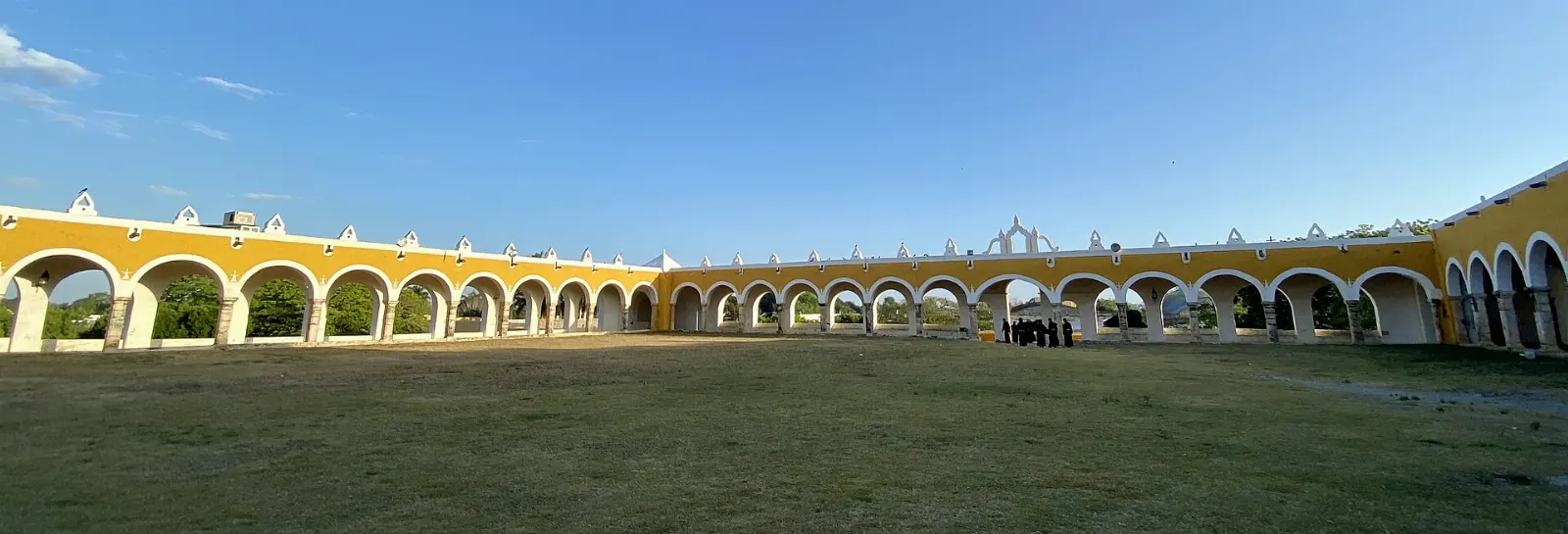
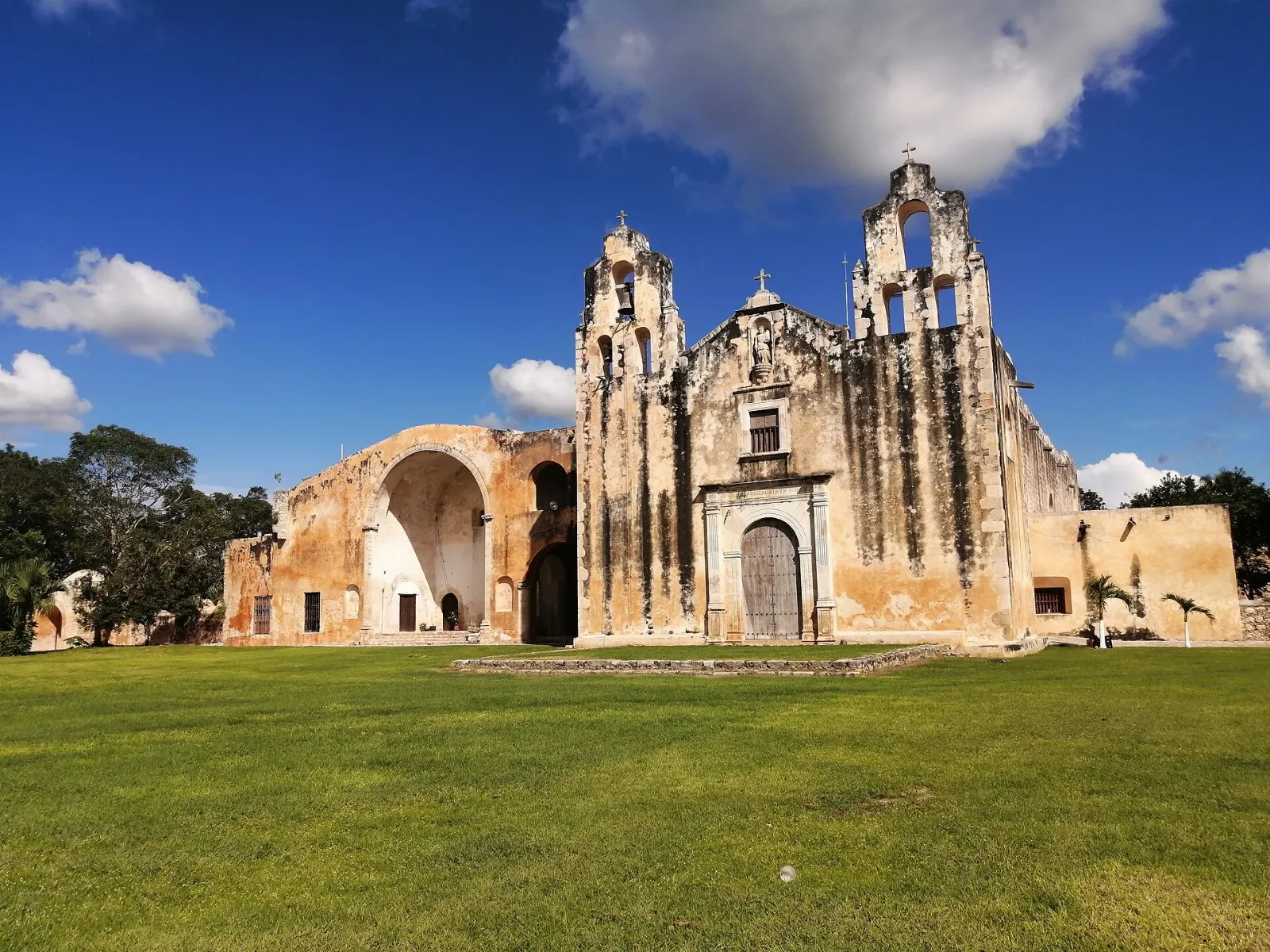
Maní is a Pueblo Mágico south of Homún, centered on a colonial monastery built in 1549. It is also known for its stingless bee sanctuaries, called meliponarios.
Uxmal
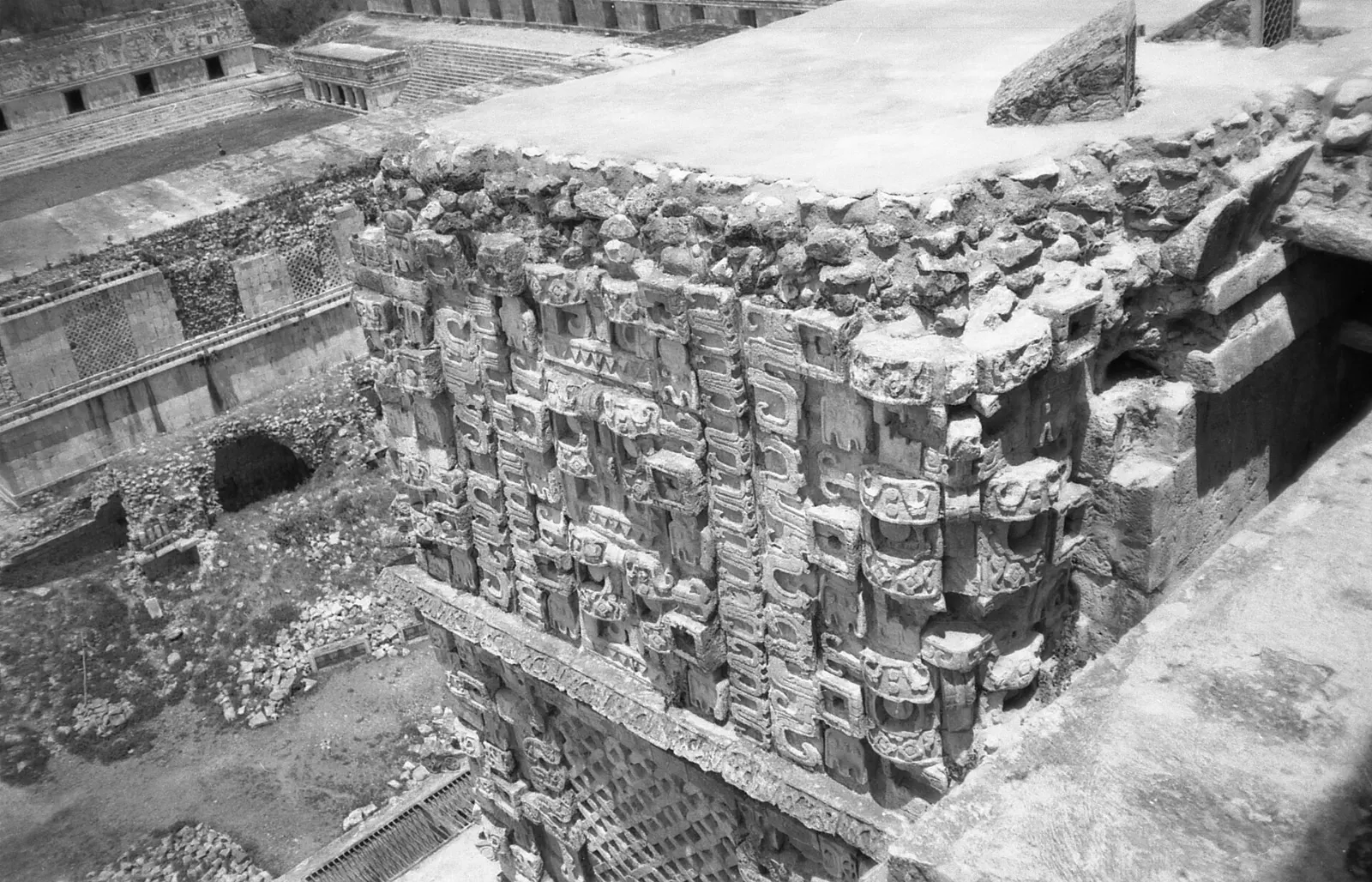
Uxmal is one of the most important Maya archaeological sites, about 62 kilometers south of Mérida. It is a UNESCO World Heritage Site with Puuc style buildings and the Pyramid of the Magician.
Food and local flavors
Eating in Homún is simple and honest. Small restaurants around the plaza serve Yucatecan classics, and your moto-taxi driver can point you to a family kitchen. Look for cochinita pibil, pork marinated in sour orange and achiote and slow-roasted in banana leaf.
Ice cream near the square is a welcome treat after a swim, and a cold drink with lunch helps after a morning in the sun. Ask what is cooked that day, since small kitchens tend to make a few dishes well rather than long menus. For a wider market experience, stop in Mérida or Ticul on the way home.
Popular dishes to try in Homún


Where to stay
Most people visit Homún as a day trip, but the village has a few places to stay, from basic rooms to a small property with a pool and restaurant. Staying in Homún suits anyone who wants an early start at the cenotes before the crowds and an evening in a quiet Maya town.
Mérida offers the widest choice, from simple rooms to restored colonial houses, and works for travelers who want restaurants and nightlife after the cenotes. Cuzamá is a smaller town that suits those who want to stay on the ring of cenotes.
Where to stay in Homún


Best time to visit
Yucatán is warm all year. The driest and most comfortable stretch runs from November to March, when cenote water feels refreshing without the heavy humidity. The wet season runs roughly from June to October, bringing afternoon storms and a few muddy roads. Weekends and school holidays bring more day-trippers from Mérida, so a weekday morning is calmer.
Getting there and getting around
The nearest major airport is in Mérida, the state capital. From there, Homún is about an hour by car on a mostly good road, though you should watch for speed bumps called topes and for stray dogs, especially after dark.
Most cenotes lie a few kilometers outside the village, so you need a ride. Moto-taxis are the fun choice: small three-wheeled motorbikes seating up to four that wait while you swim. Agree the route and the length of the tour before you set off, and ask whether lifejackets are included.
A suggested itinerary
First day
Leave Mérida early for Homún.
Second day
Drive south to Ticul for pottery workshops and a poc chuc lunch, then continue to Maní for the monastery and a visit to a meliponario.
Third day
Visit Uxmal as the gates open, before the heat builds. If you still have energy, head to Cuzamá for another cenote swim on the way back to the city.
Practical tips
- Wear a lifejacket whenever the cenote requires one, which is at most of them.
- Bring a swimsuit, towel, water and a change of clothes for the ride back.
- Withdraw cash near the main square before you head out, since small sites and drivers prefer it.
- Choose biodegradable sunscreen or wear a shirt in the water to protect the cenote.
- Drive carefully on the topes and avoid driving rural roads at night.
- Agree the moto-taxi route, duration and what is included before you leave the square.