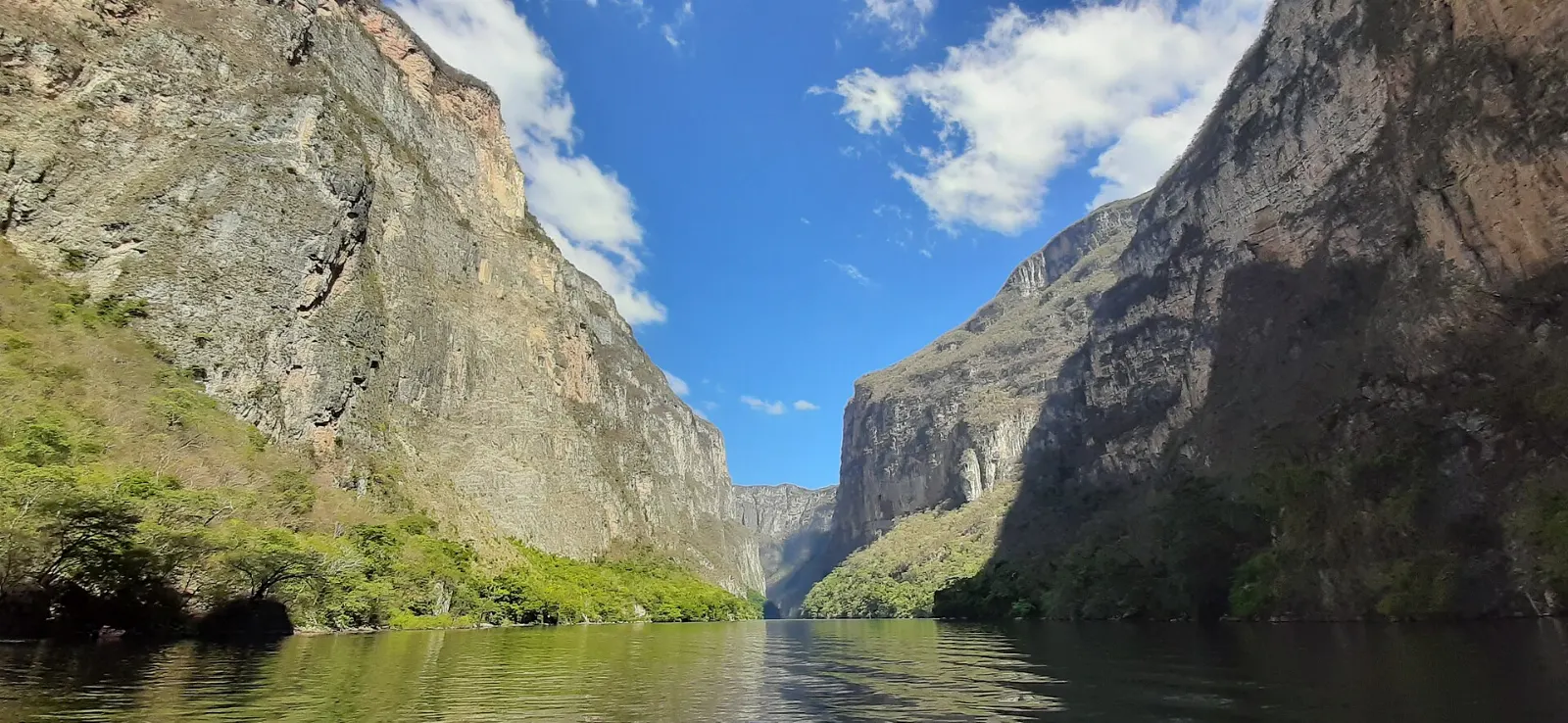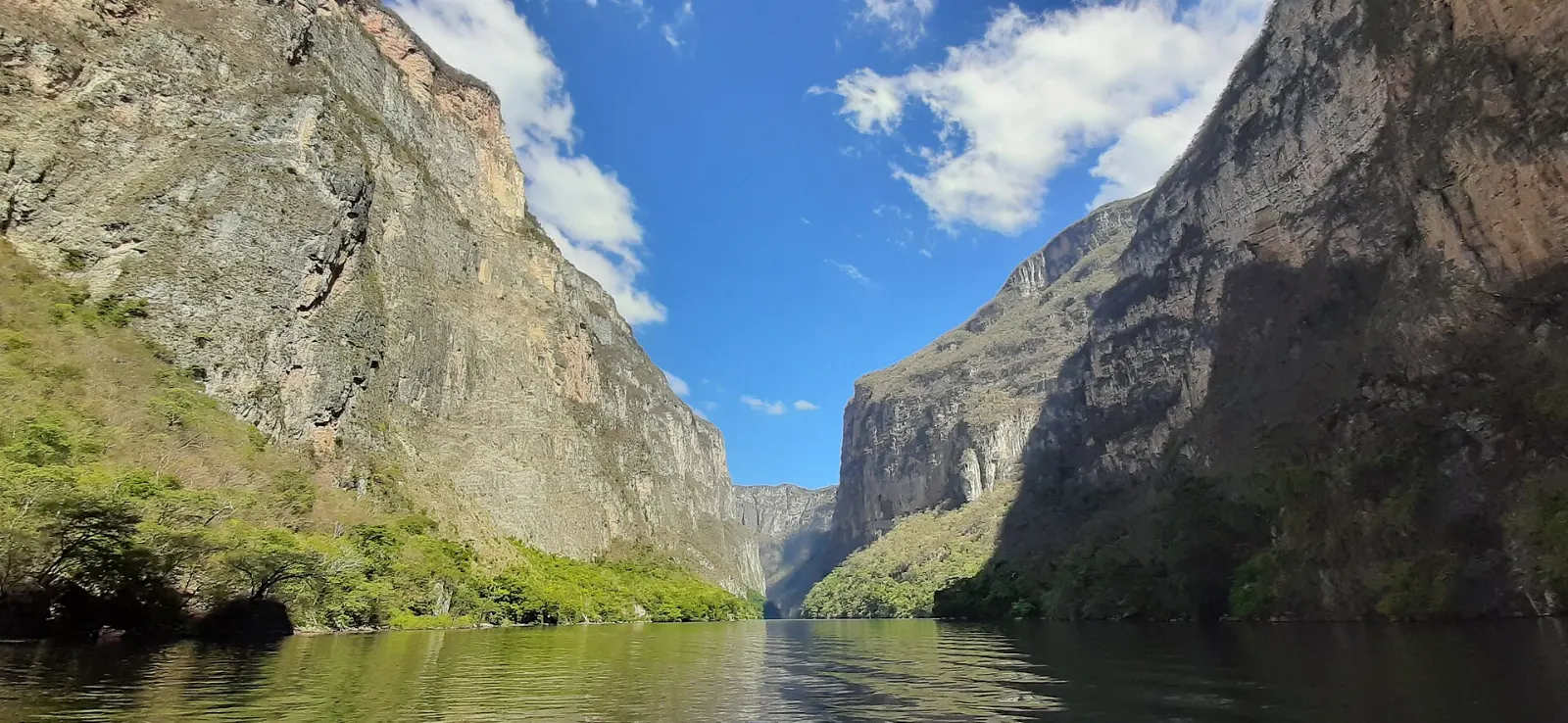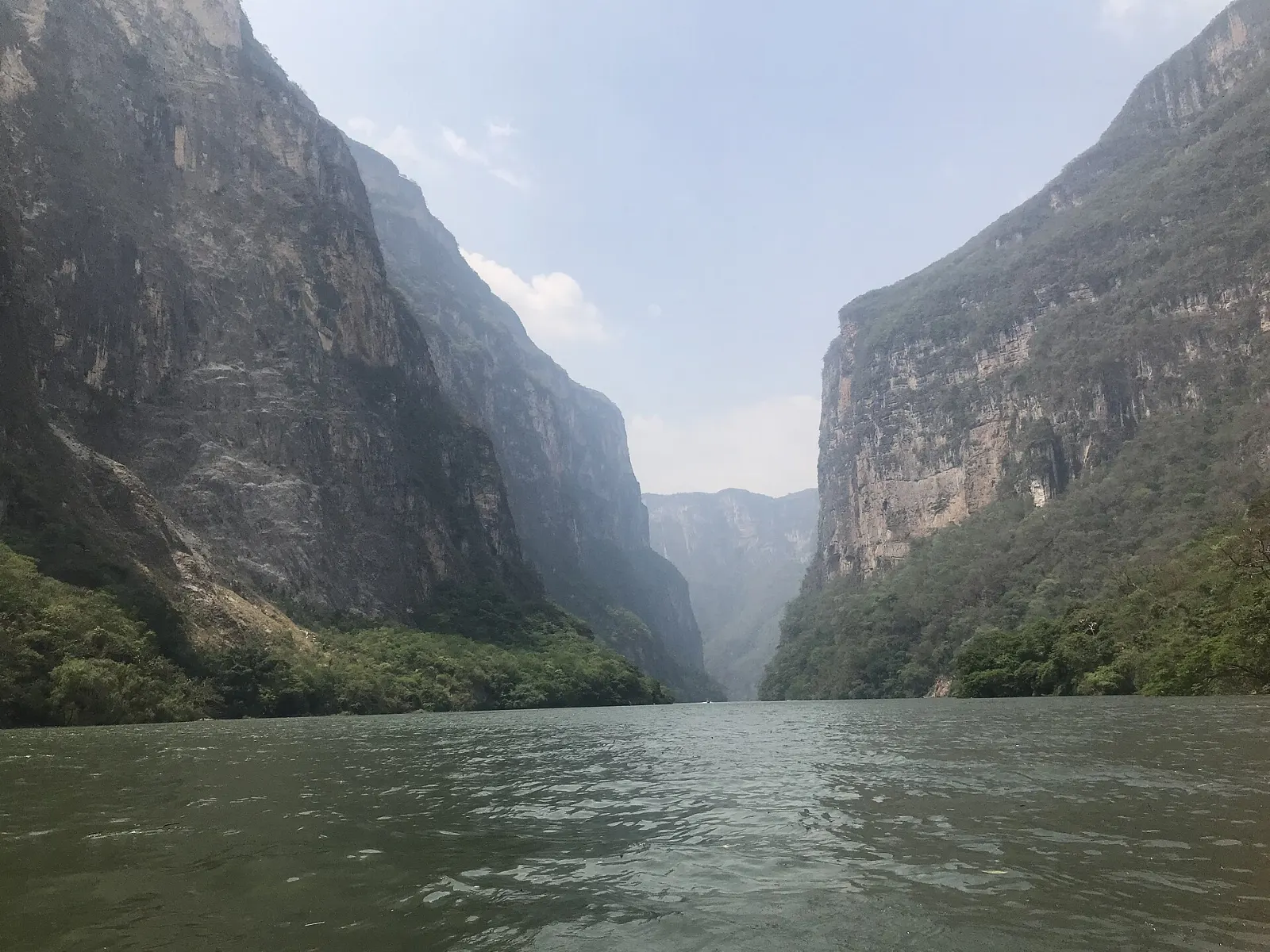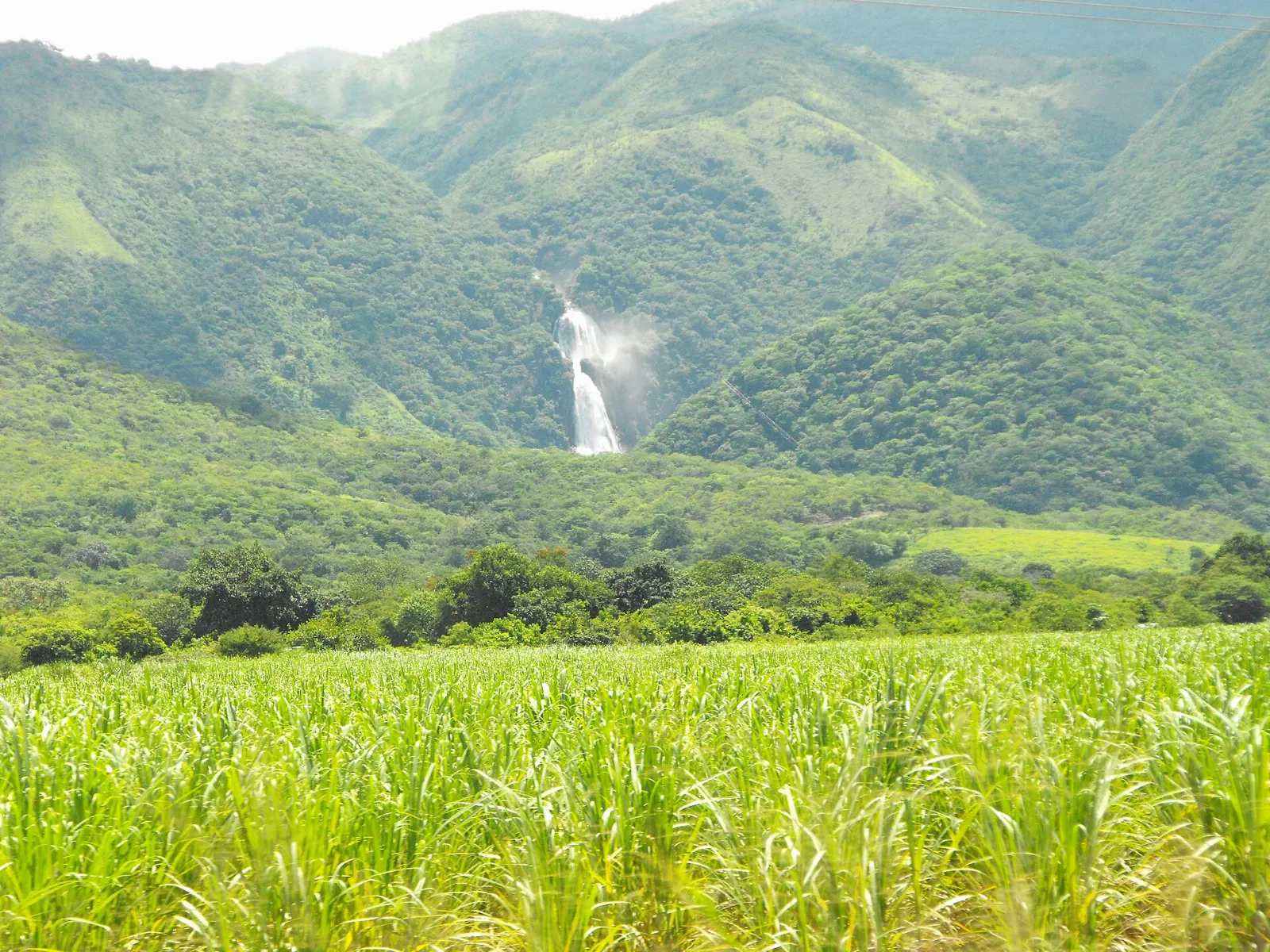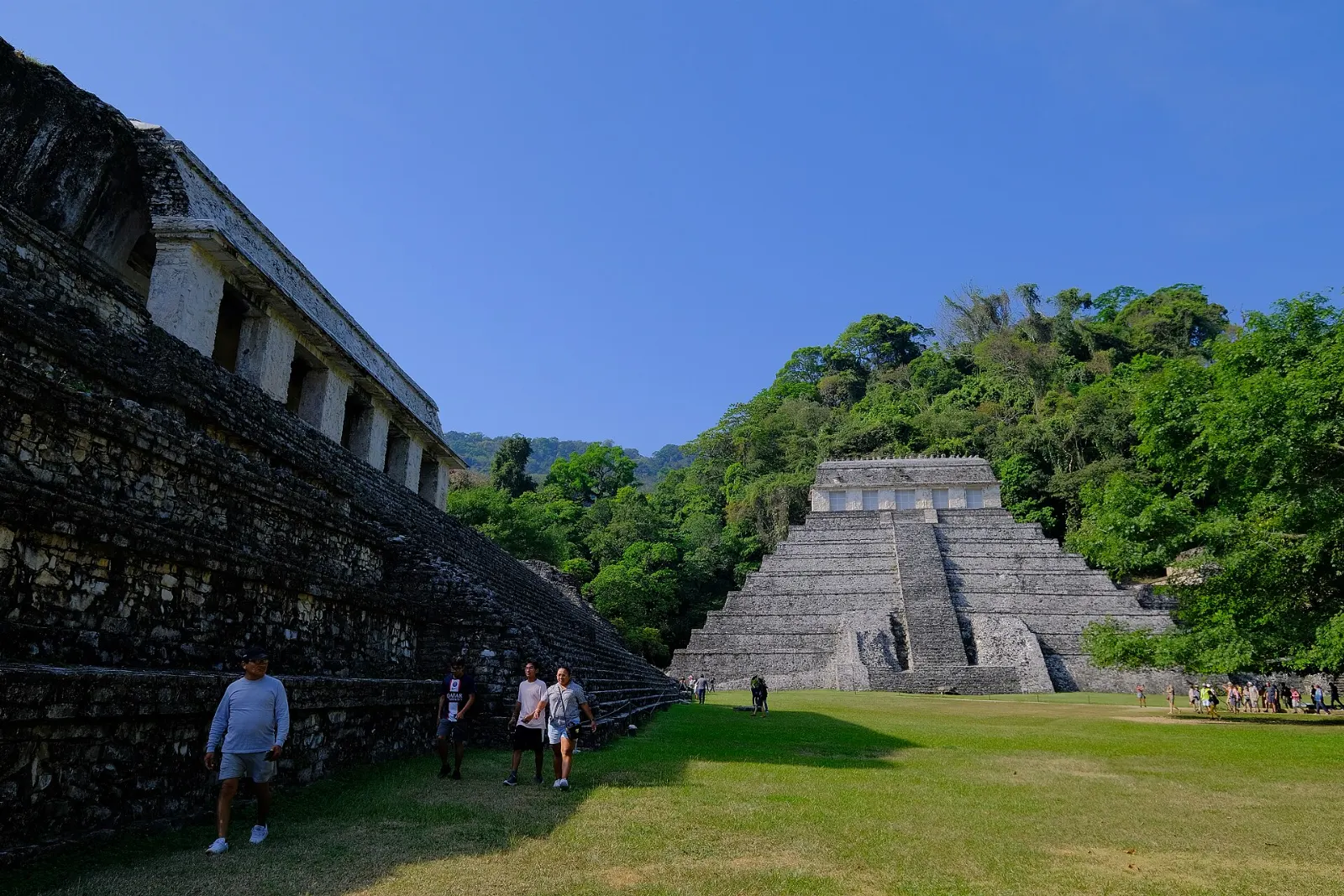
Palenque sits where the Chiapas foothills meet the rainforest, and its Maya temples rise out of the trees as if the jungle had only just let them go. Most visitors come for the ruins, but the town, the waterfalls and the green park around the site make it worth far more than a quick stop.
AT A GLANCE
Best time
Early mornings in any season, before the heat and humidity build.
How long
Two or three days covers the ruins and the waterfalls comfortably.
Getting there
By bus, by Tren Maya, or by road from Villahermosa.
Why visit Palenque
Palenque was a Maya city-state that thrived between about 226 BC and 800 AD, and it is often called one of the most studied sites in the Americas. It is smaller than Tikal or Chichén Itzá, yet it holds some of the finest sculpture, roof combs and carved reliefs the Maya ever produced.
Only a small part of the ancient city has been uncovered, and the rest still lies under the trees. That feeling of a place half revealed is a big part of the appeal.
The ruins of Palenque
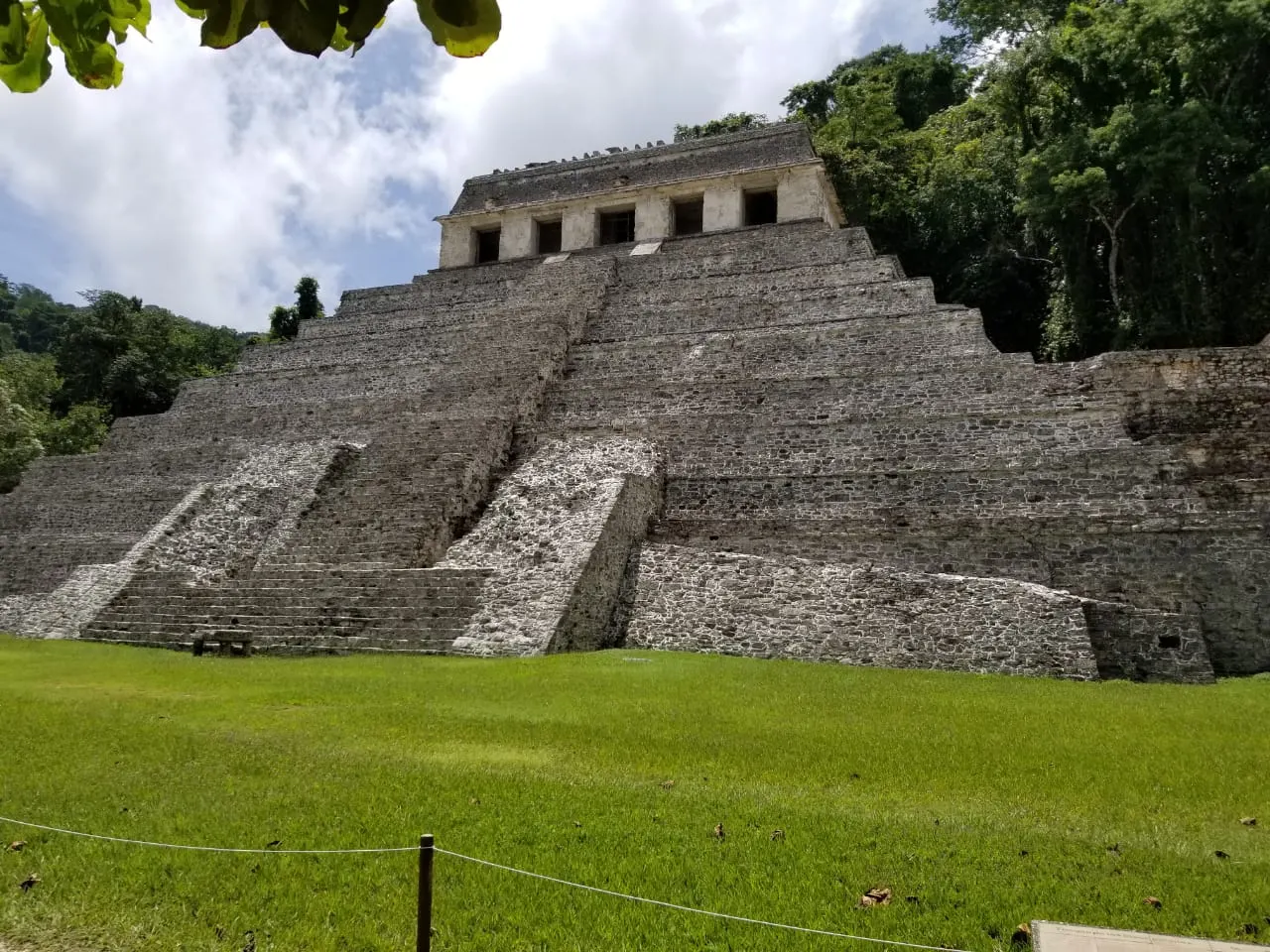
Temple of the Inscriptions
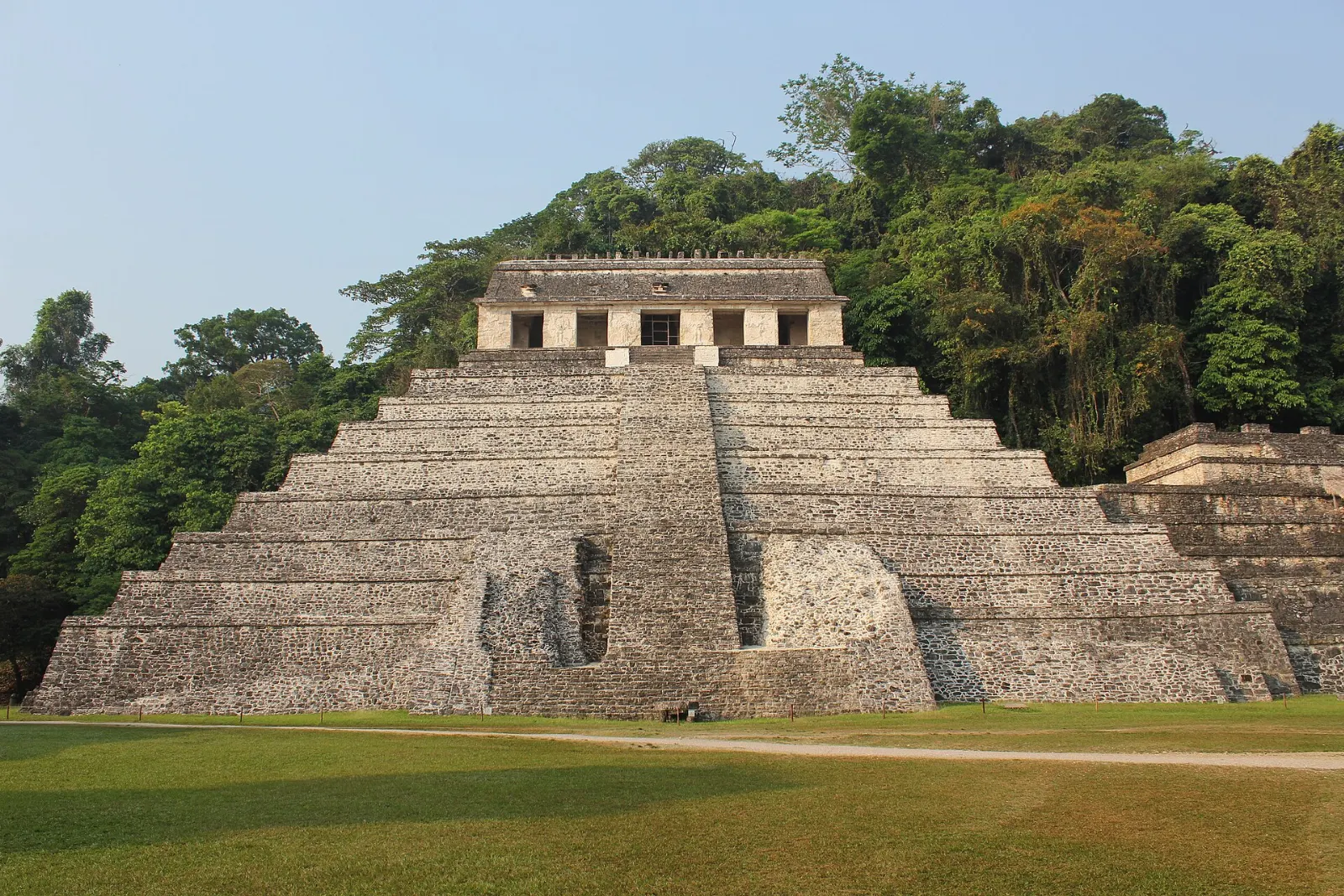
This is the best known pyramid of the site and the funerary monument of Pakal the Great, who ruled from 615 to 683. In 1952 archaeologists found his tomb below the summit temple, with a carved sarcophagus and the richest jade collection then known from a Maya burial.
Temples of the Cross
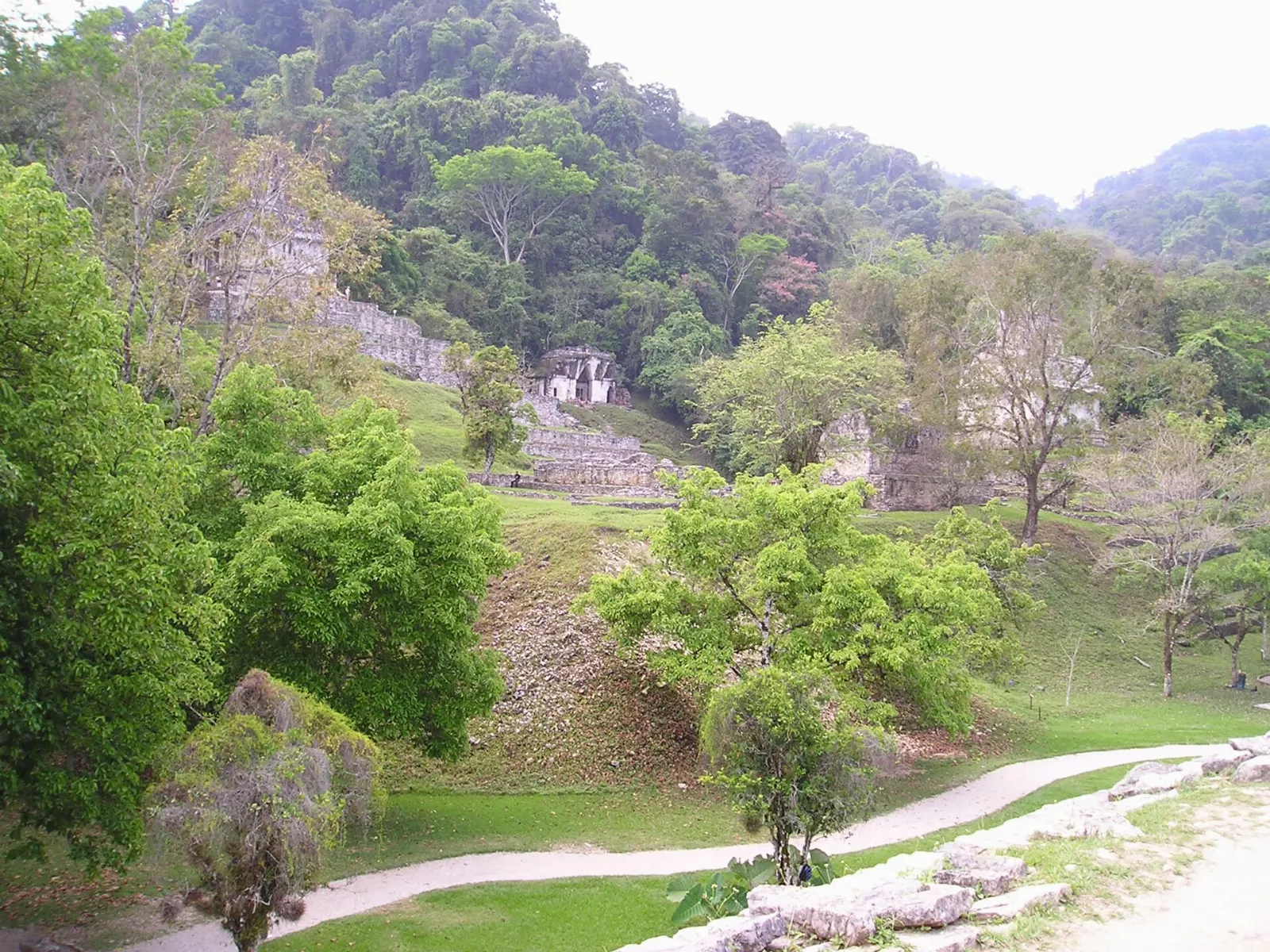
Three graceful temples sit on stepped pyramids around one plaza: the Temple of the Cross, the Temple of the Sun and the Temple of the Foliated Cross.
The Palace
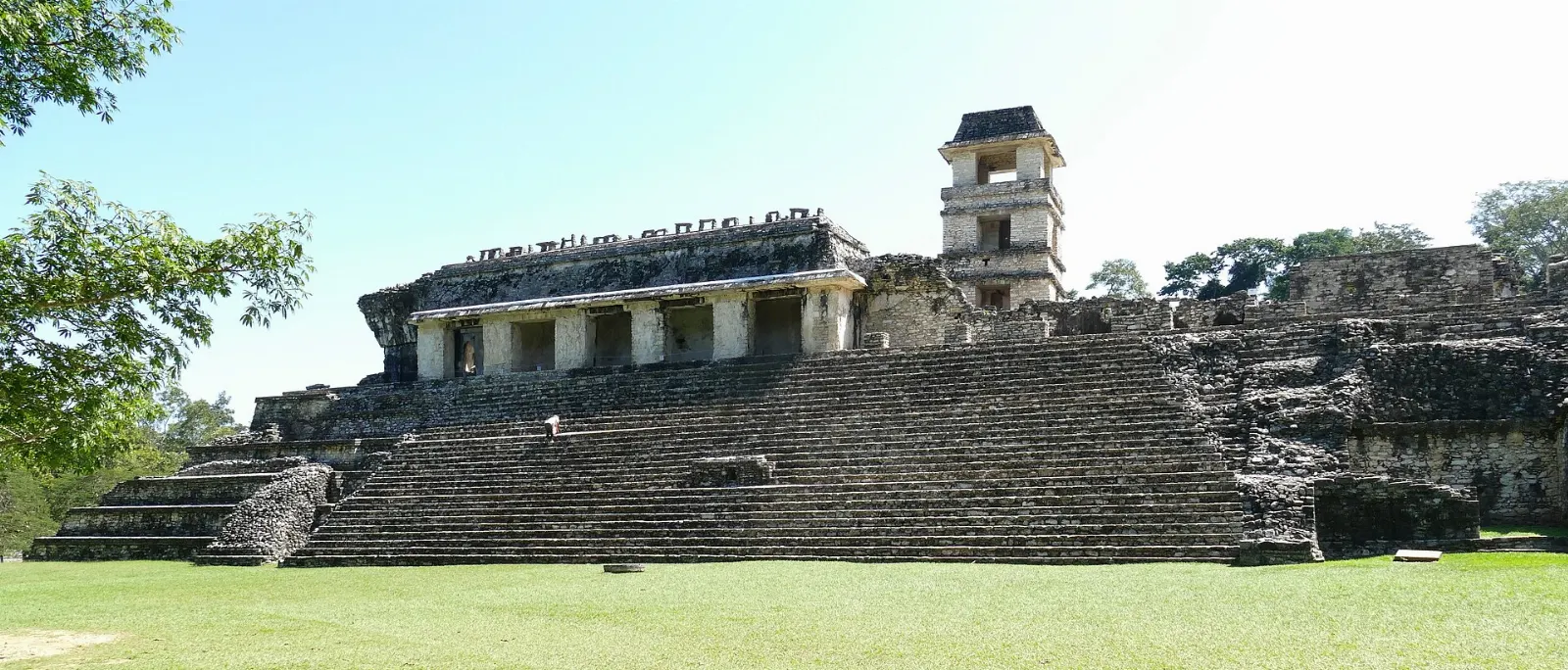
The Palace is a complex of linked courtyards and buildings that several generations of rulers built and enlarged on a wide artificial terrace. Look for the four-story Observation Tower, its most recognizable feature, and for the many carved reliefs that have been conserved.
Motiepa and Sombrillas waterfalls
Two small waterfalls tumble through the forest inside the archaeological site and make a cool, green pause between temples. Ask the staff at the entrance which path leads to them, and watch your footing on the wet stone.
Waterfalls and wild places around Palenque
Schedule the waterfalls for a different day from the ruins, since the site alone can fill a full day. Tours from town usually combine two of the falls, and the third is easier with your own plan.
Misol-Ha
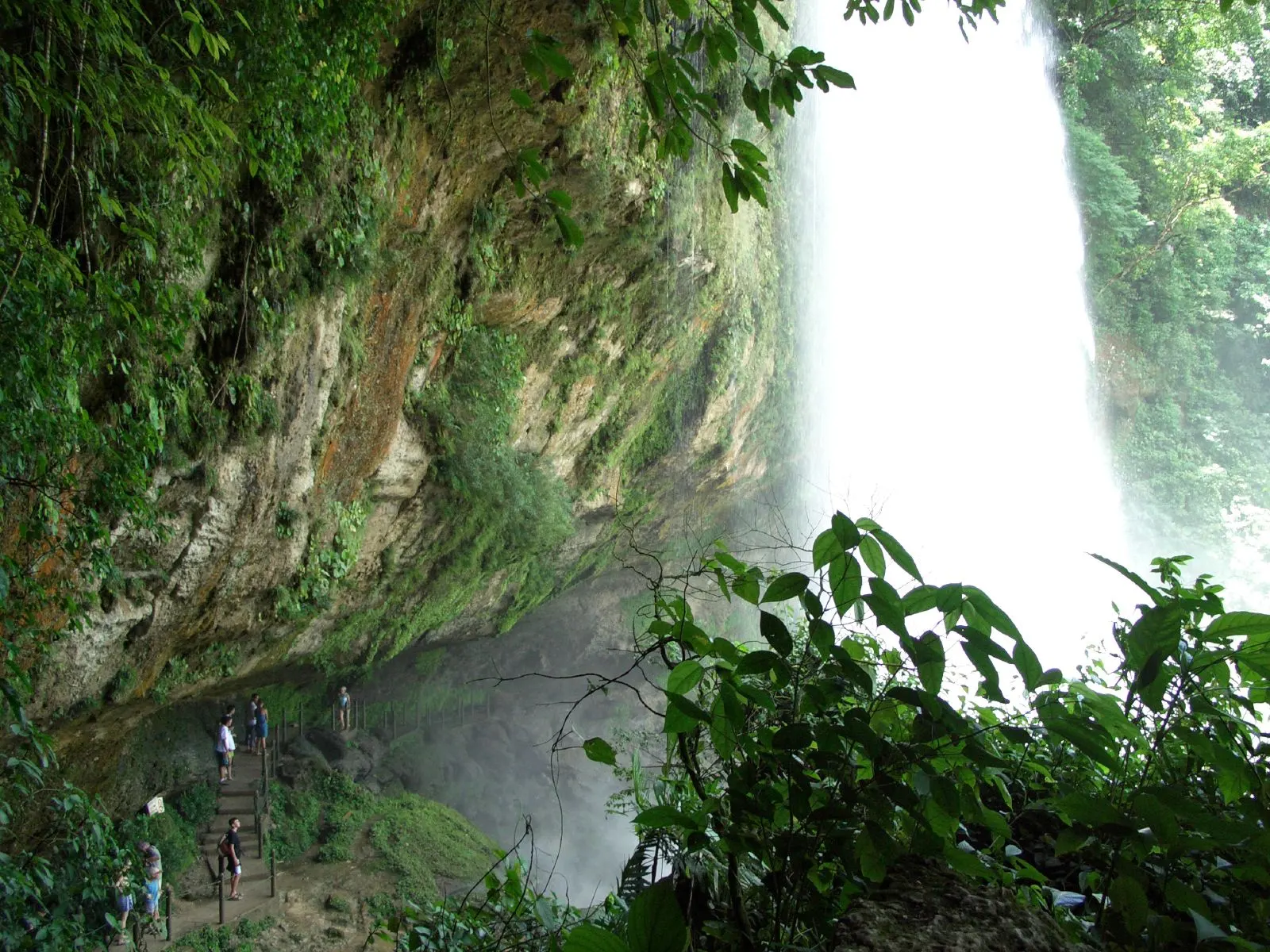
Misol-Ha is a single plunging waterfall that drops into a wide pool, close to town and easy to reach by combi.
Agua Azul
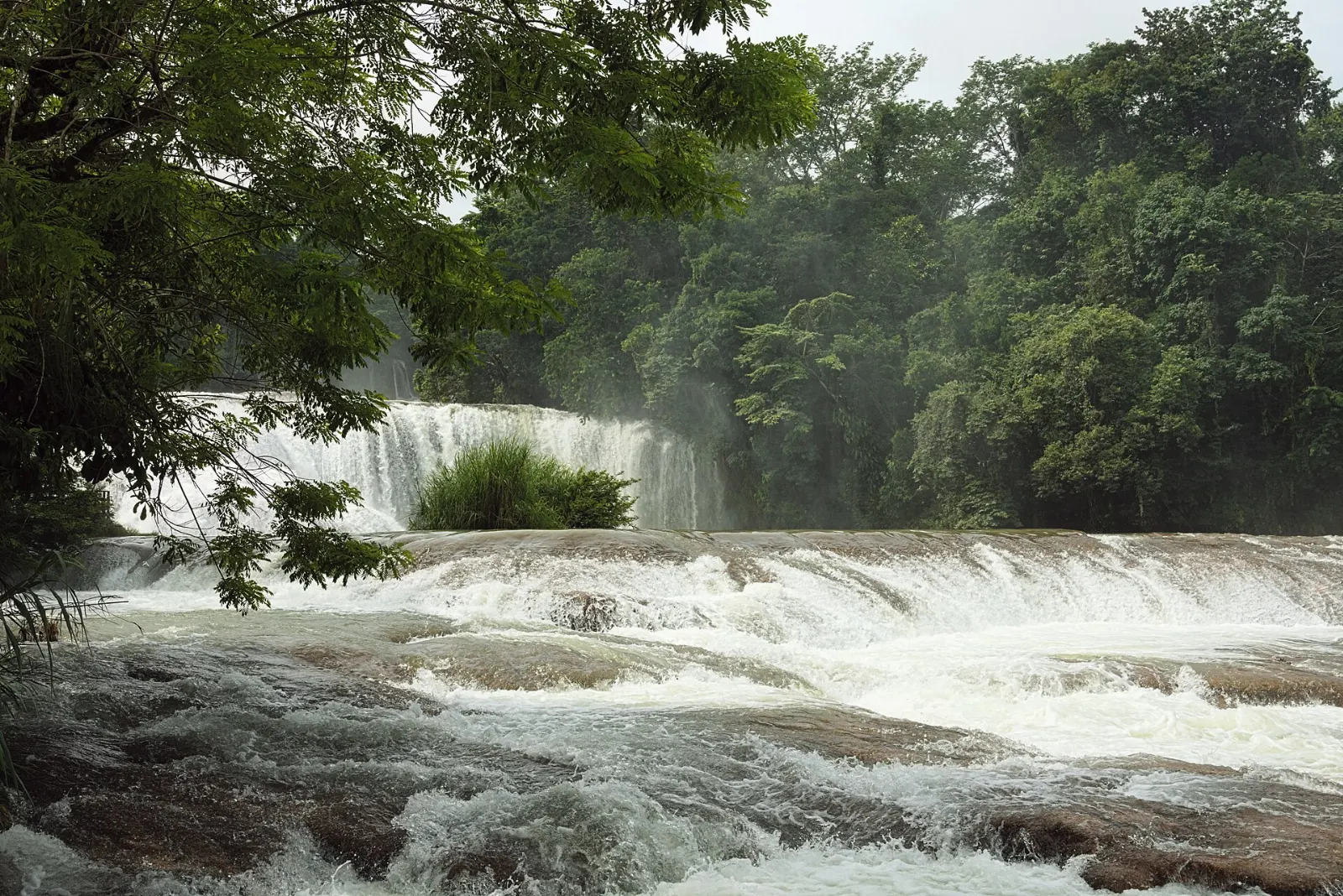
Agua Azul is the most popular of the falls, a long series of cascades with bright blue water and plenty of vendors along the way. Tours usually leave you a couple of hours here, which is plenty.
Roberto Barrios
Roberto Barrios offers the best swimming of the three falls. It is also the most remote and has the smallest crowds, so it suits you if you prefer quiet pools to souvenir stands.
Palenque town and the jungle road
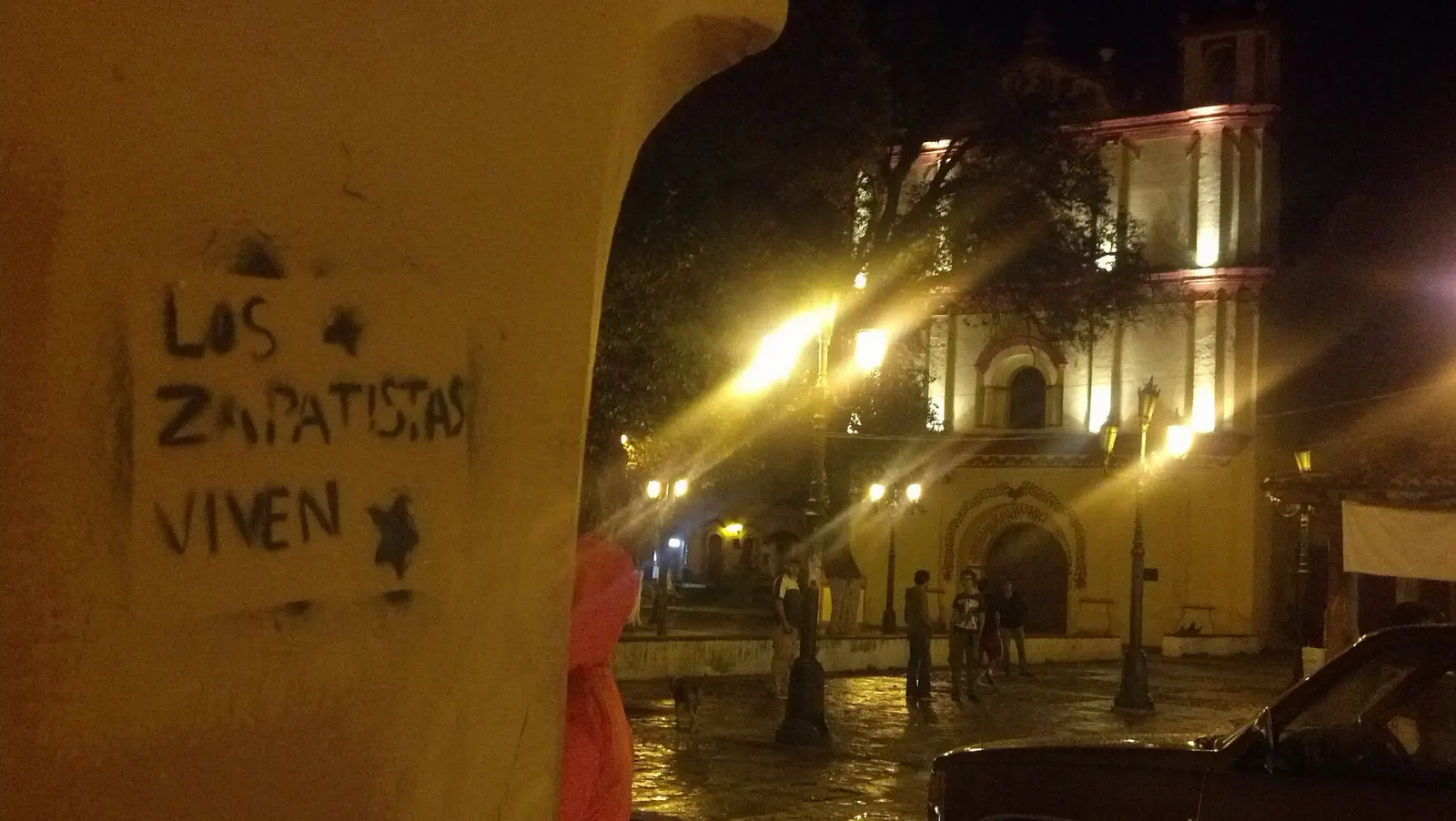
Parque Central and the zócalo
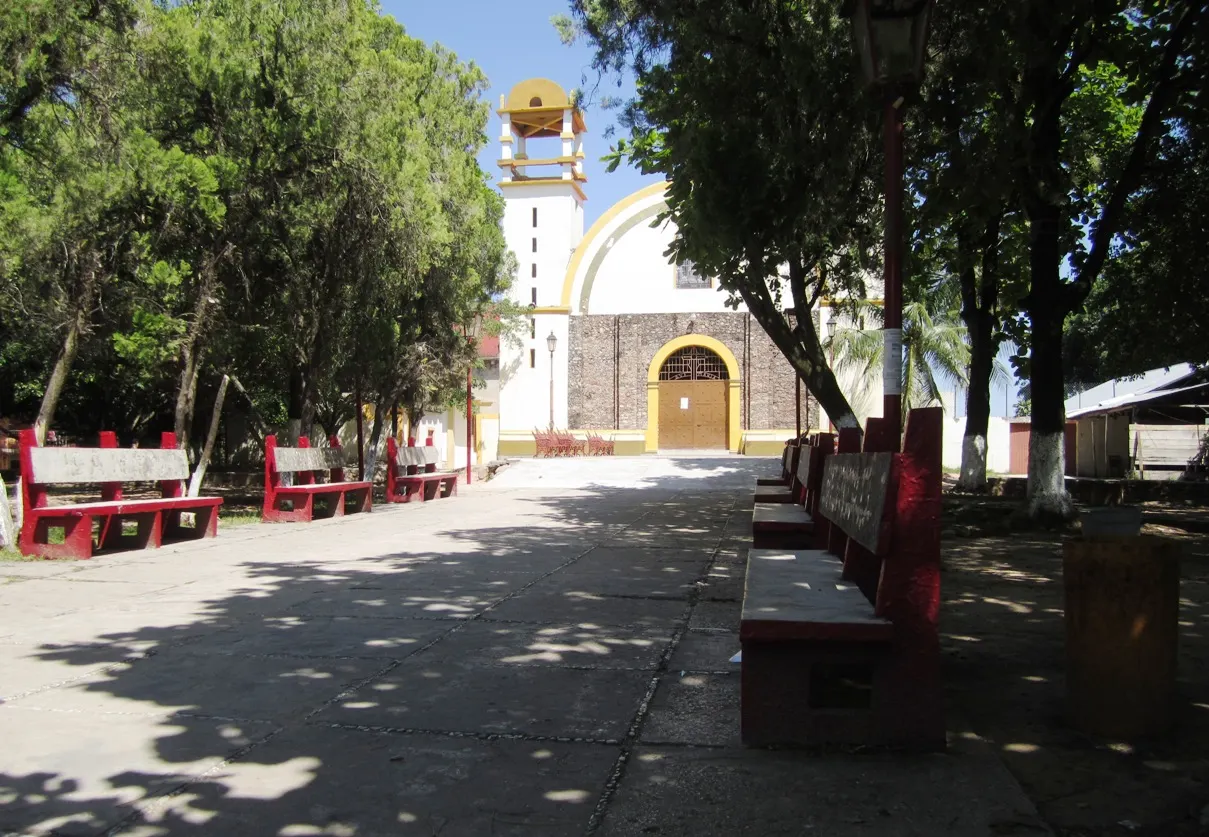
The tree-sheltered central square is the easiest place to feel the rhythm of the town. Bands play in the evening, and you can join locals for a drink nearby.
El Panchán
El Panchán is a jungle-edged complex on the road between town and the ruins, at kilometre 4.5, known for casual restaurants and live music in the evening. It is a relaxed place to eat after a hot day at the site.
 Planning a trip to Palenque?Compare hotels, flights and vacation rentals for Palenque on Expedia.Book now
Food and local flavors
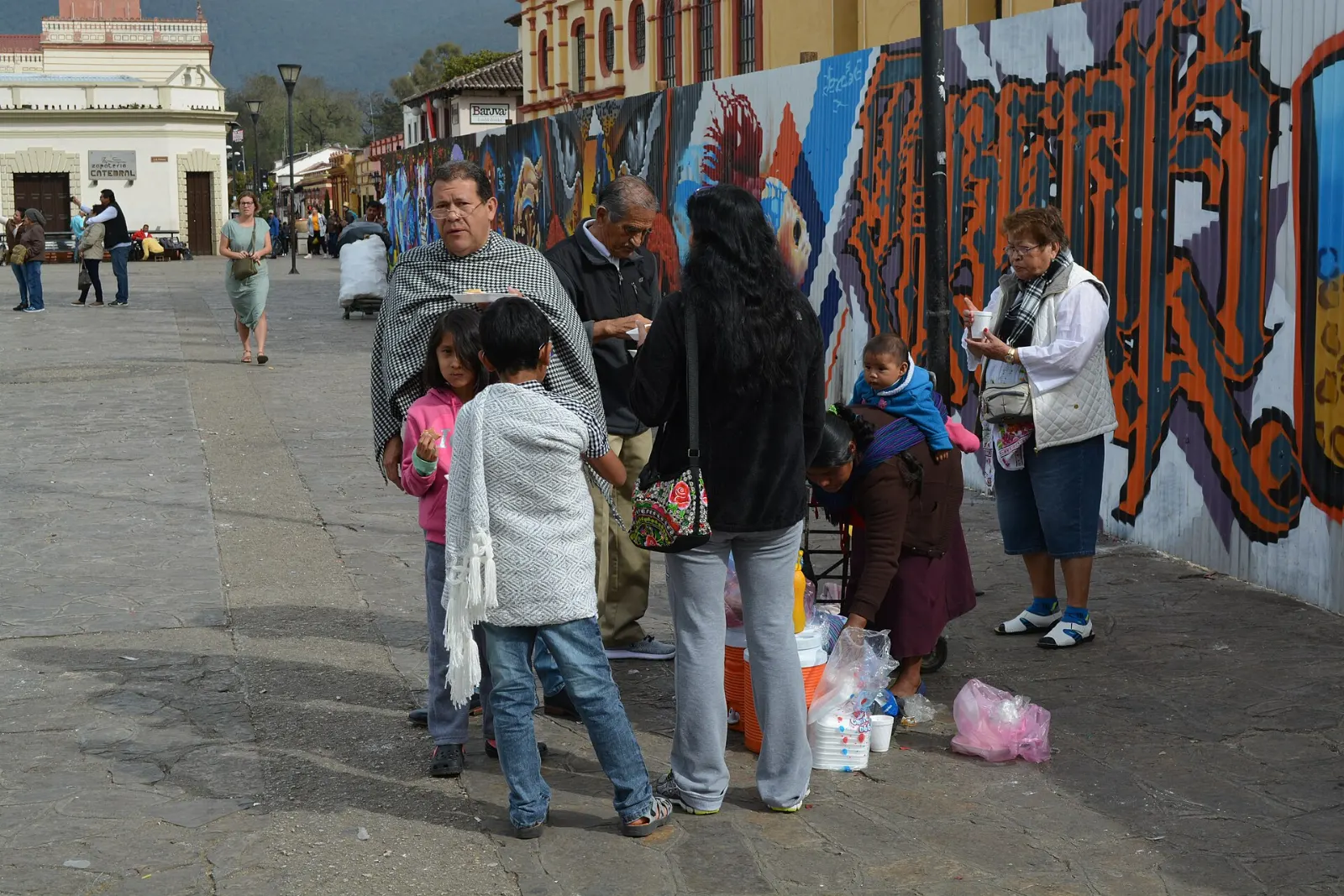
Palenque sits in cattle country, so beef features heavily, often as tasajo, thin strips of grilled beef served with a variety of sauces. Chiapas is also famous for its tamales, and tamales de chipilín use a fragrant local herb that is a signature of the state. Fried plantains appear in many forms around town, sometimes filled with black beans or cheese. To drink, ask for pozol, a cool corn and cacao drink typical of Chiapas, not to be confused with the stew called pozole.
Popular dishes to try in Palenque


Where to stay in Palenque
Centro suits most travelers.
El Panchán suits travelers who want to sleep close to the jungle and the ruins, with casual restaurants and live music on site. Staying here makes it easy to reach the site early, before the heat and the tour groups.
Other lodgings are found along the Carretera Palenque-Ruinas, the road that links town to the park entrance. That stretch can work if you have a rented car or are happy to rely on minibuses and taxis.
Where to stay in Palenque


Best time to visit Palenque
Palenque is hot and humid all year, averaging around 26 degrees Celsius, and the rainforest location means showers can arrive in any month. Downpours are most common in the summer months, when waterfalls run full but trails and rocks turn slippery.
Whatever the season, start at the ruins early, when the air is cooler and the light is soft, and carry water and a light rain layer. Crowds build through late morning as tour groups arrive.
Getting there and getting around
Palenque has a small airport with limited flights from Mexico City's AIFA, so check the current schedule. Many travelers fly into Villahermosa, about two hours away by road, or Tuxtla Gutiérrez, five to six hours by bus.
The Tren Maya also ends here, at the Pakal Ná-Palenque station on the highway north of town, so you can arrive by train from Cancún, Mérida or Campeche.
To reach the ruins, minibuses run from town every ten to fifteen minutes during the day, and official taxis are available. Ride-hailing apps have not operated in town, so plan on taxis and minibuses.
A suggested itinerary
First day
Arrive in the morning, settle in and wander the Parque Central and the artisan market. Have dinner in the center and try tamales de chipilín with a glass of pozol.
Second day
Reach the ruins early.
Third day
Join a day tour to Misol-Ha and Agua Azul, or arrange a trip to Roberto Barrios if you want a quieter swim. Return to town in the evening for a last meal.
Practical tips
- Buy your ruins tickets at the museum, where two separate tickets are sold, then take the shuttle to the site entrance.
- Wear shoes with good grip, since temple stairs and waterfall rocks are slippery when wet.
- Carry water, insect repellent, sun protection and a light rain jacket.
- Keep some cash for minibuses, vendors and entrance fees at the falls, some of which charge admission.
- Ask whether a tour operator runs its own vans, since some resell other companies' tours.
- Stay on marked paths in the park, which is home to snakes and other wildlife.