WiserMap — Choose wisely. Connect locally.Choose wisely. Connect locally.Add your business
Chiapa de Corzo, Chiapas · Travel guide

Chiapa de Corzo Mexico Sumidero Canyon and Colonial Churches

Chiapa de Corzo sits on the Grijalva River just east of Tuxtla Gutiérrez, and it is the usual starting point for boat trips into Sumidero Canyon. The town is also worth more than a quick stop, with a huge main square, a Moorish-style church, a lacquerware museum and an archaeological site older than the Spanish arrival by thousands of years.

By WiserMap TravelUpdated October 2026 8 places8 min read
FacebookXLinkedIn
At a glance Chiapa de Corzo
  1. Best timeNovember to April is the drier season, and January brings the Fiesta Grande.
  2. How longOne full day covers the canyon and town, and two days feel relaxed.
  3. Getting thereFly into Tuxtla Gutiérrez and continue by combi or taxi to town.

Why visit Chiapa de Corzo

Evidence of Olmec settlement here dates back to around 1400 BC, and Spanish conquistadors founded a settlement in 1528. That long history shows in the cobbled streets, the colonial churches and the festivals that fill the calendar.

The location is the other draw. Sumidero Canyon begins just north of town, so you can spend a morning among crocodiles and sheer cliffs and be back at a shaded plaza table by lunch.

Around the town center

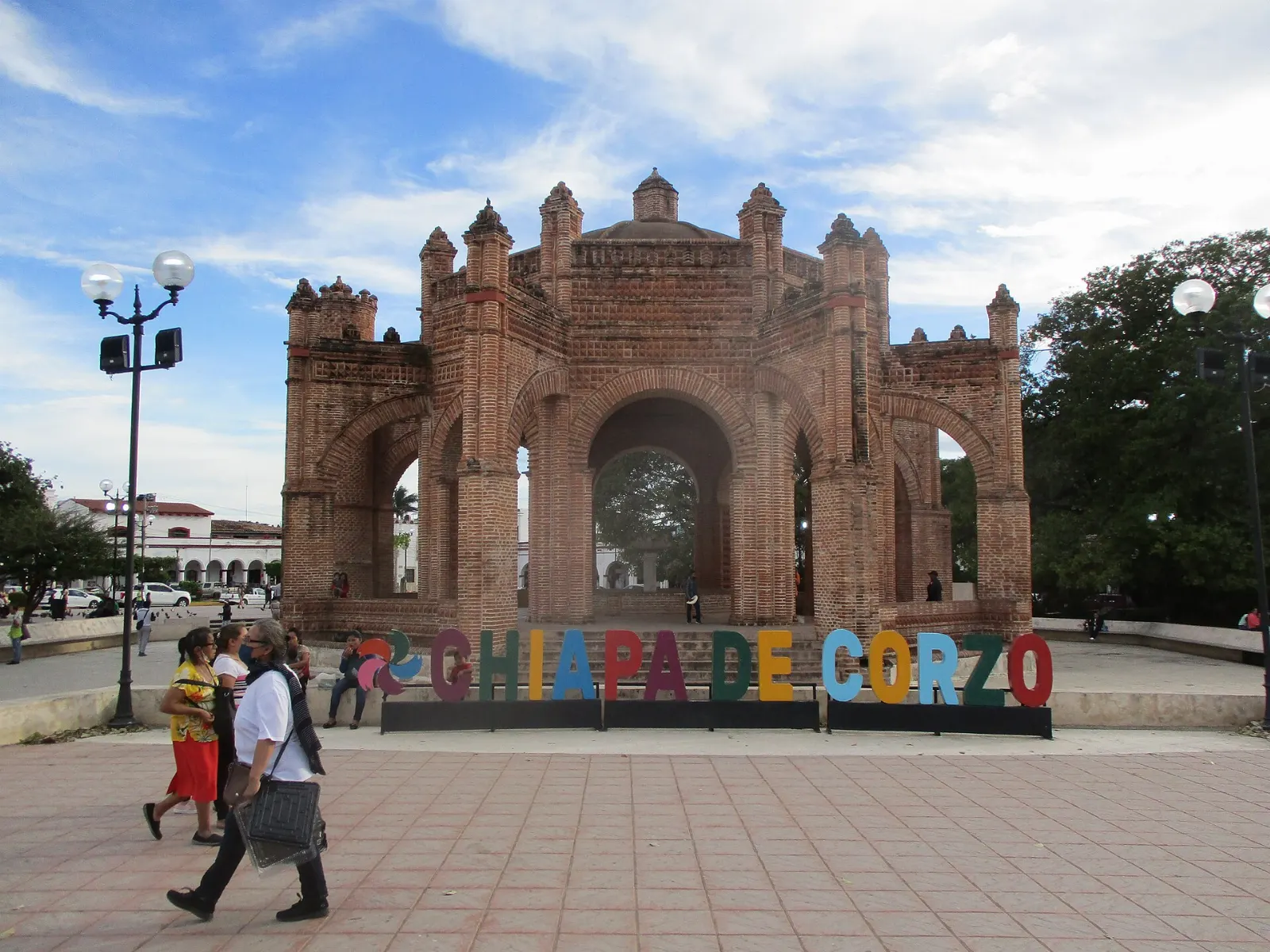
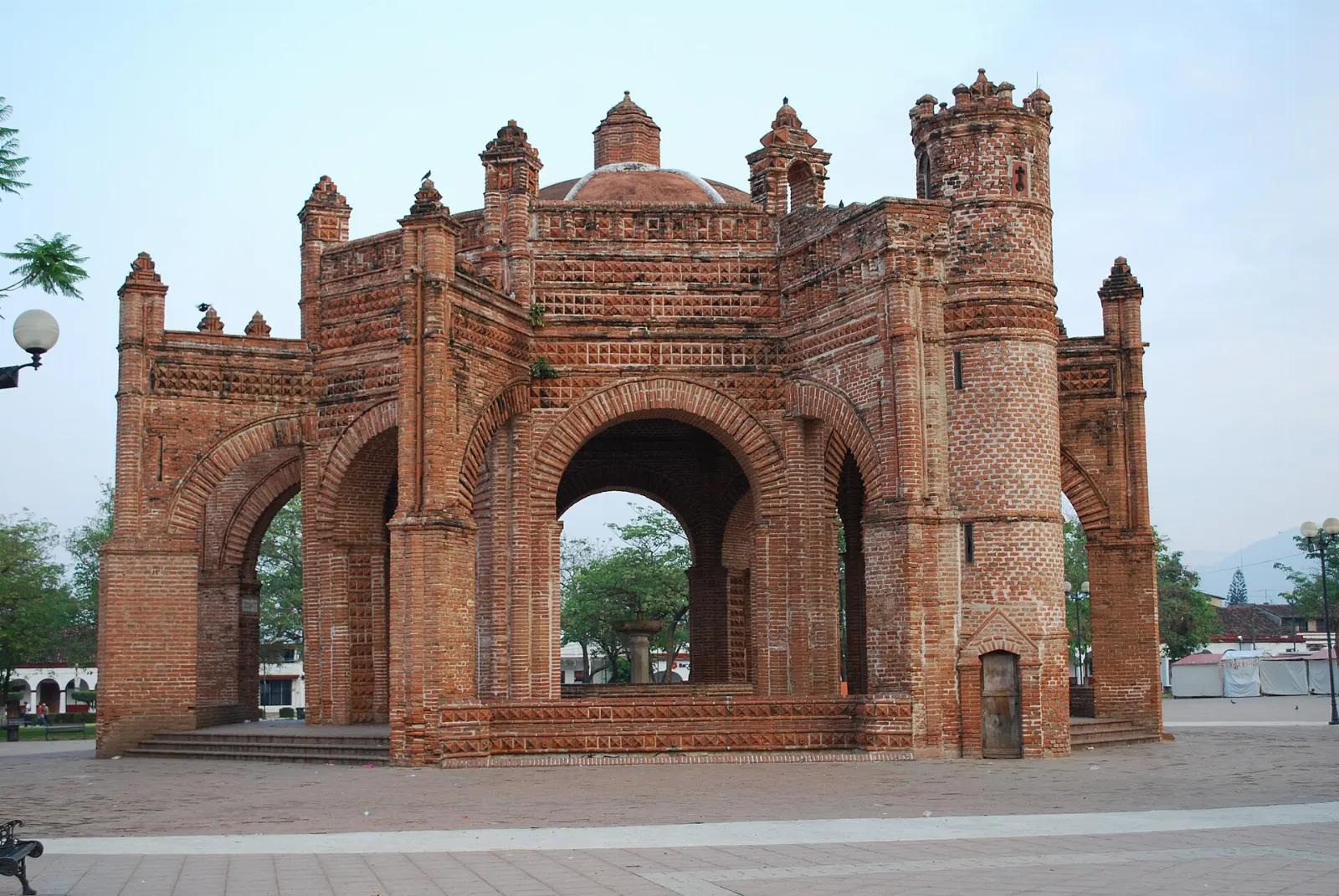
The brick fountain known as La Pila in the main square of Chiapa de Corzo, Chiapas

Plaza de Armas and La Pila

Locals like to say their main square is bigger than the Zócalo in Mexico City, and it is certainly generous. The fountain called La Pila is the centerpiece, and the shaded edges of the plaza are a good place to sit with a coffee.

La Pila fountain is the centerpiece of the main square in Chiapa de Corzo. Photo: AlejandroLinaresGarcia, Wikimedia Commons, CC BY-SA 3.0
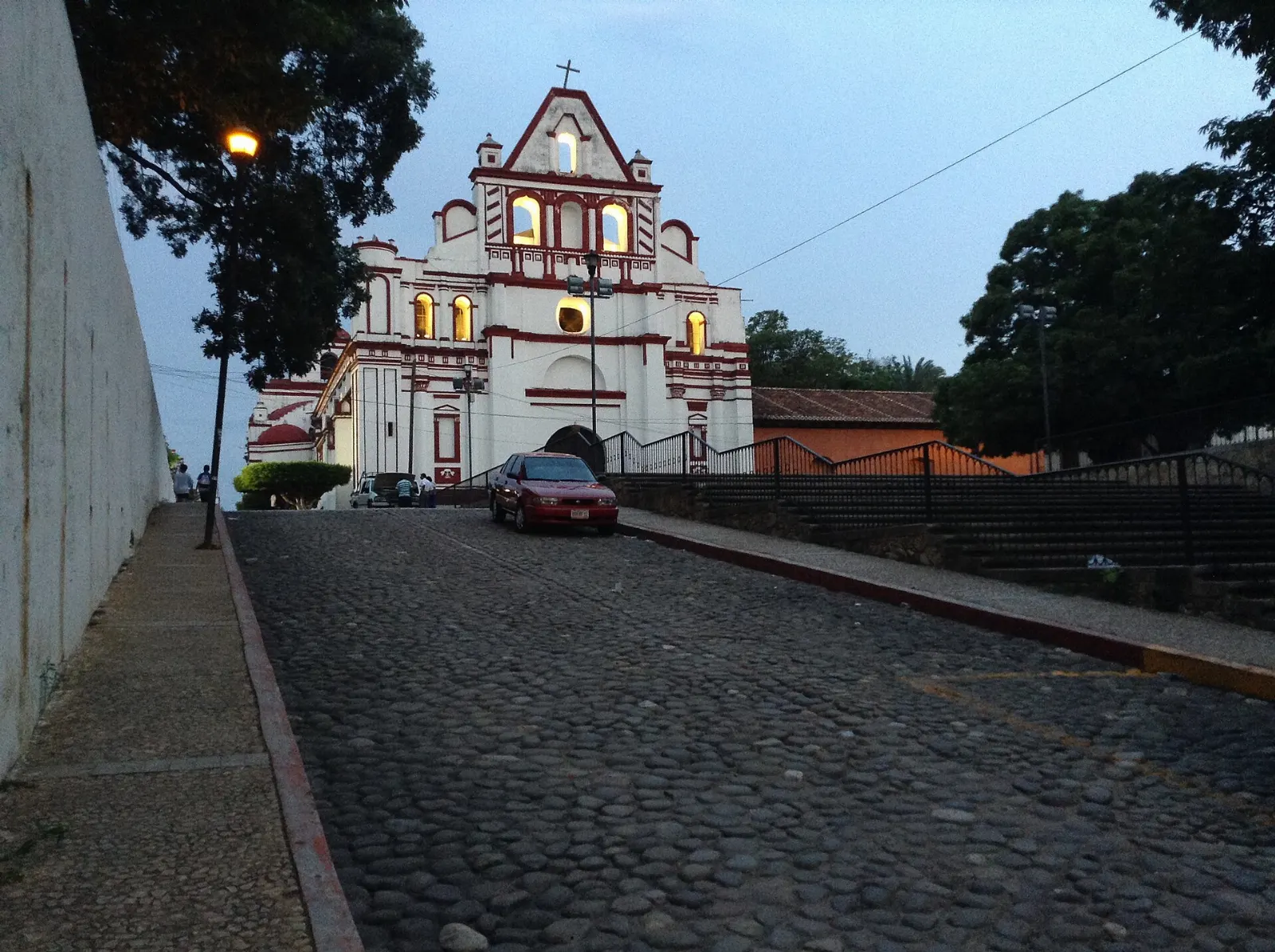
Façade of the Santo Domingo church in Chiapa de Corzo, Chiapas

Templo de Santo Domingo

This large church was built in the late sixteenth century in a Moorish-influenced style, with three naves and an altar of gilded cedar.

The Santo Domingo church dates to the late sixteenth century and sits beside a former monastery. Photo: Mariela Teco, Wikimedia Commons, CC BY-SA 4.0

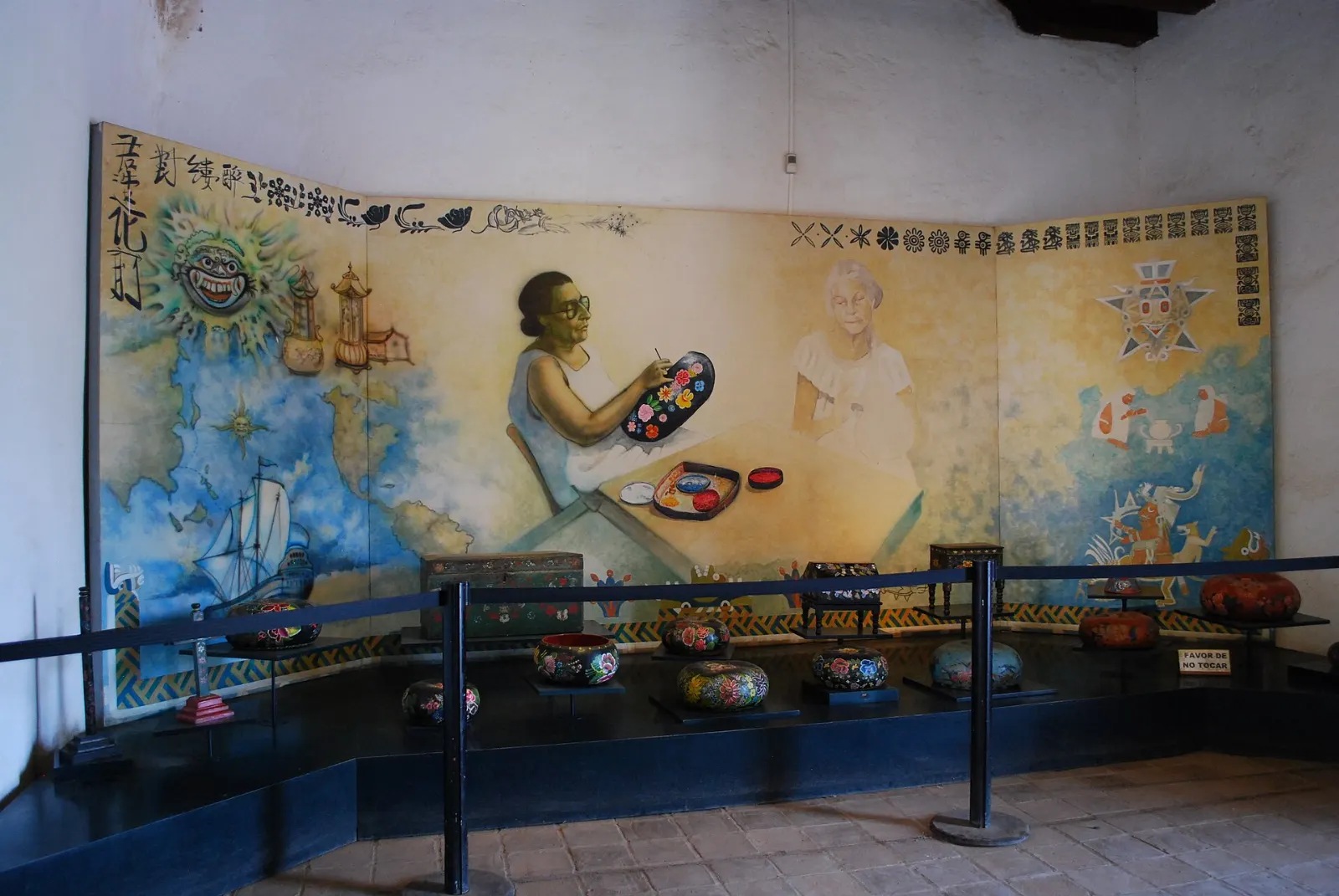
Black lacquerware displayed at the lacquer museum in Chiapa de Corzo, Chiapas

Museo de la Laca

The museum is housed in the old Santo Domingo monastery and explains the lacquerware tradition of Chiapas, known for smooth and brilliantly polished black surfaces. Gourds, trays and furniture show how the craft developed.

The lacquer museum occupies the former Santo Domingo monastery. Photo: AlejandroLinaresGarcia, Wikimedia Commons, CC BY-SA 3.0
Stone mounds at the archaeological site of Chiapa de Corzo, Chiapas

Archaeological site

The small site on Benito Juárez street preserves remains associated with the Olmec, who lived here until about 100 AD, and later the Zoque. It is far quieter than the big Maya cities elsewhere in Chiapas, so you may have it almost to yourself.

The archaeological site preserves remains of Olmec and Zoque occupation. Photo: August Dominus, Wikimedia Commons, CC BY-SA 4.0

Casa Museo de la Marimba Nandayapa

This small museum tells the story of the marimba, an instrument closely tied to Chiapas, and lets you compare its sound with a xylophone. Visits are by appointment, so arrange a time ahead through the contact details you find online.

Templo de San Sebastián

The ruins of this seventeenth century church stand on San Gregorio hill after an earthquake in 1911 nearly destroyed it. Some stabilizing work now allows public visits, though it remains a ruin rather than a working church.

The river and the canyon

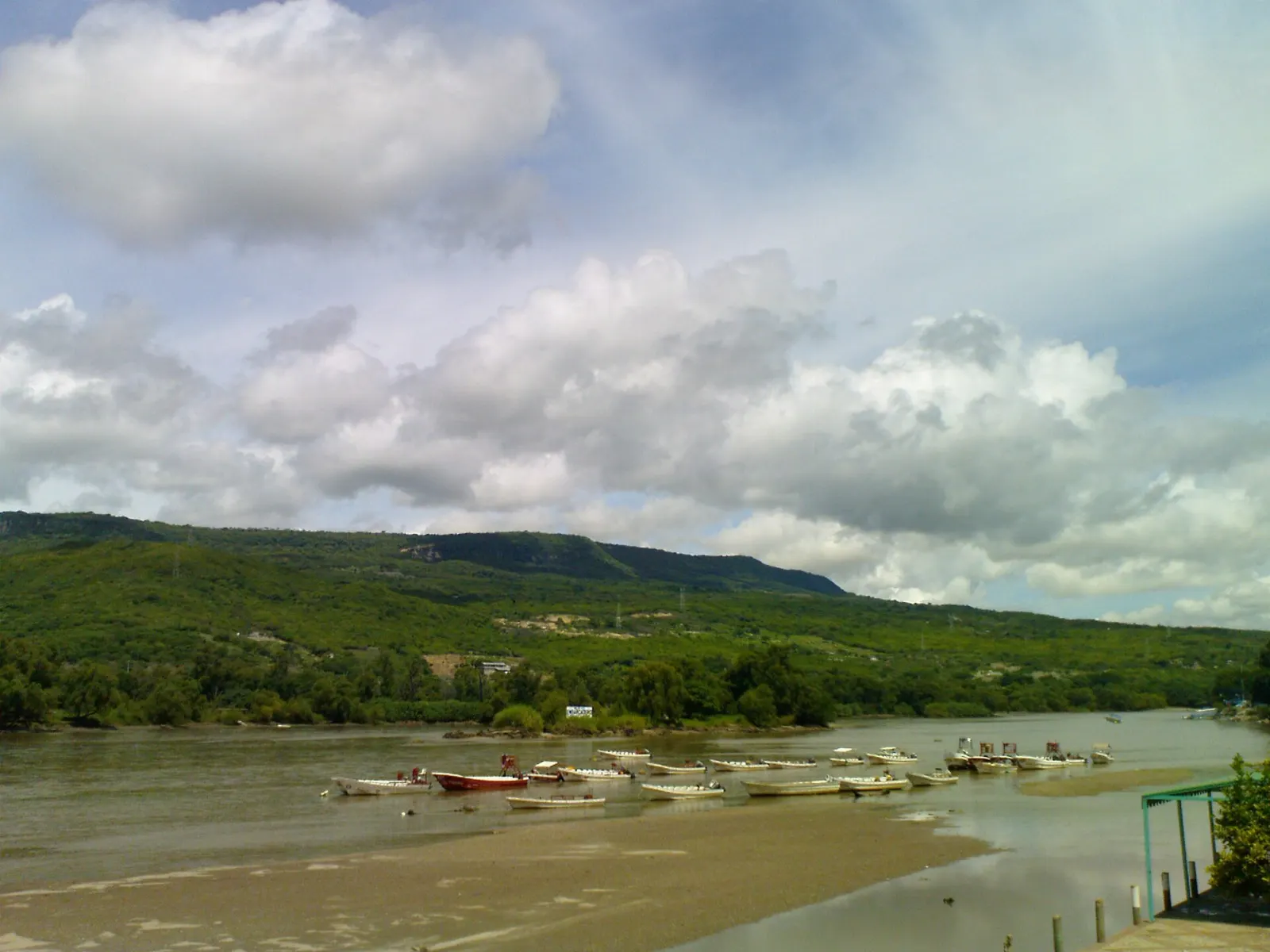
Tour boats docked on the Grijalva River at Chiapa de Corzo, Chiapas

Boat trip through Sumidero Canyon

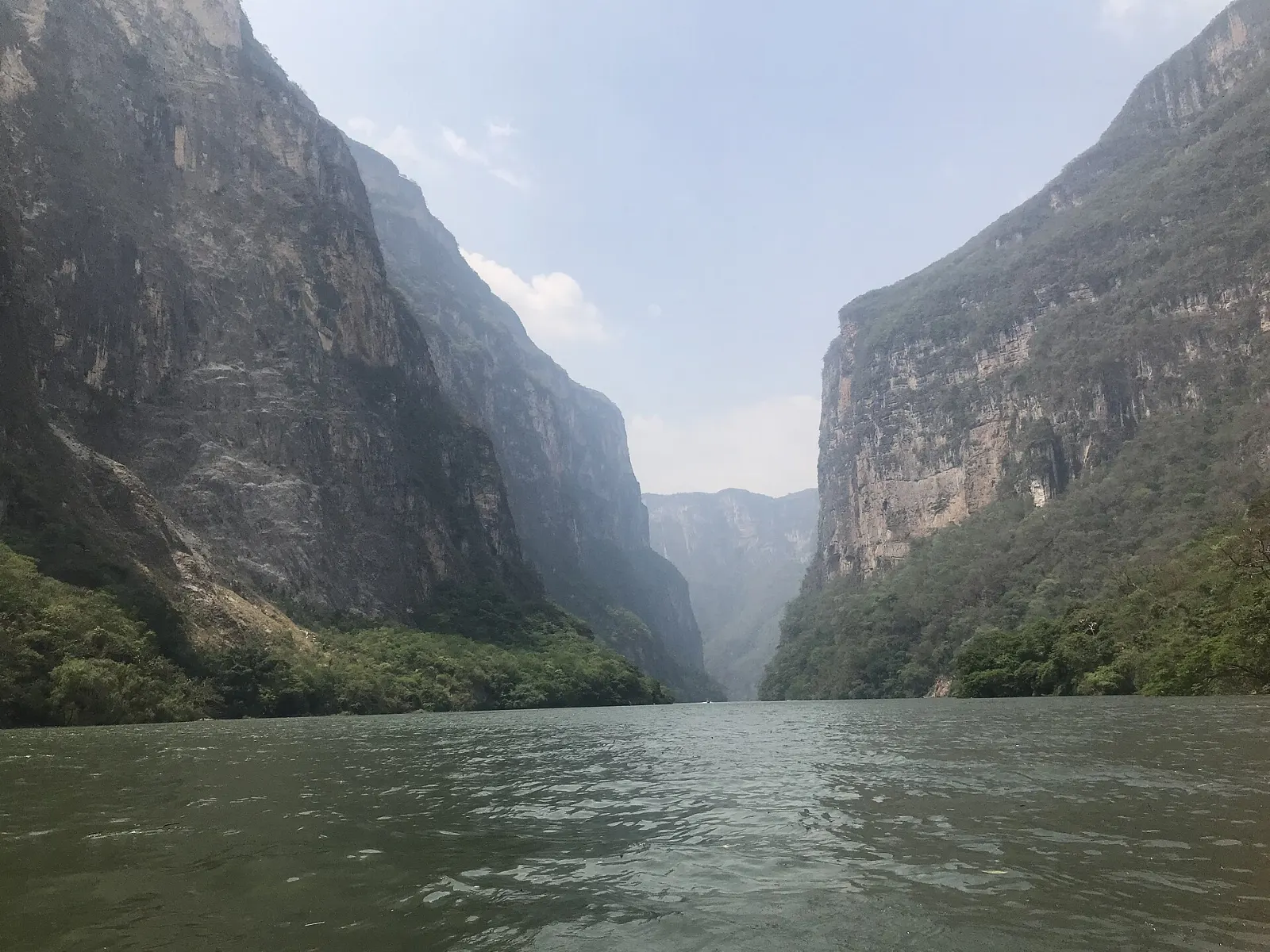
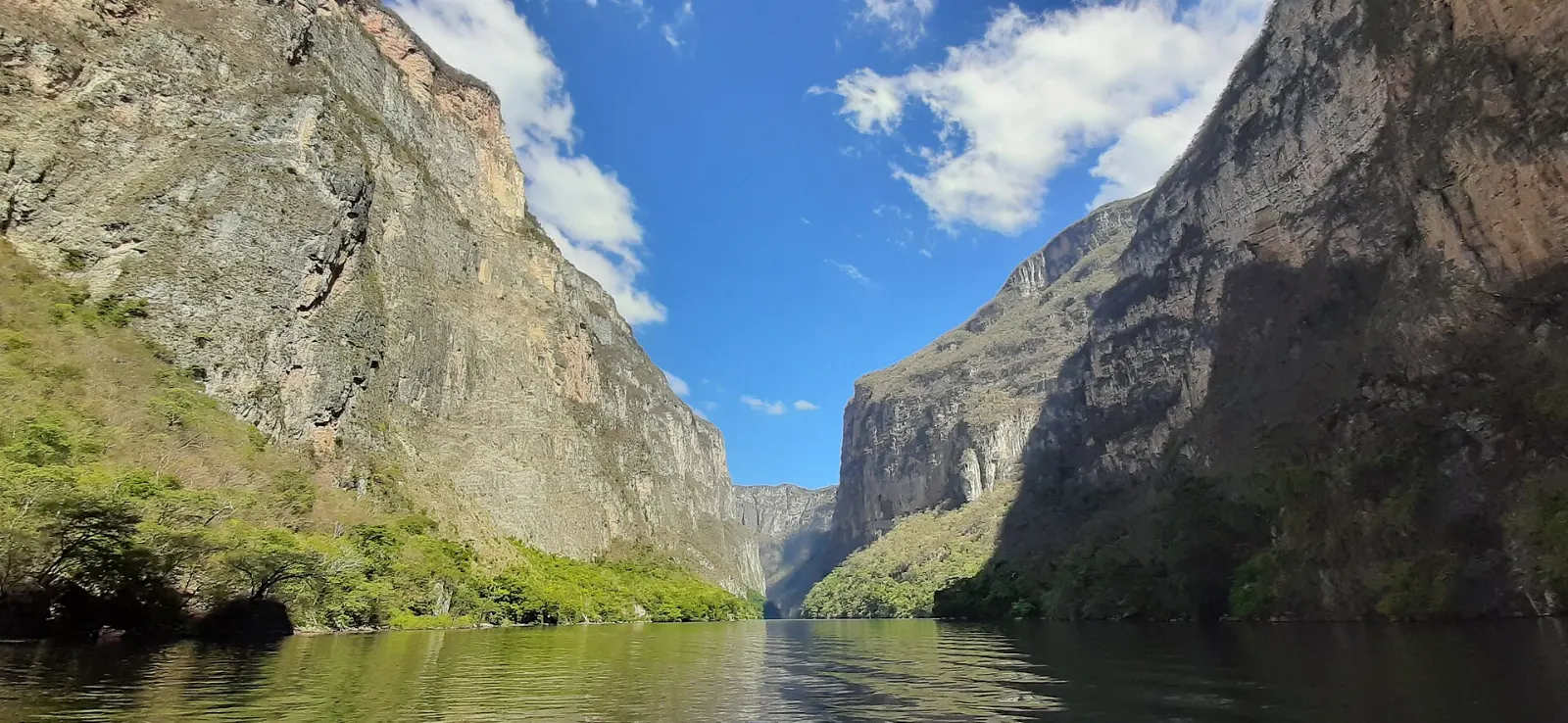
The canyon is the second most important tourist site in Chiapas, and boats leave from the river docks in town. The walls reach as high as 1,000 metres in places, and the river runs for about 13 kilometres through the narrow passage.

Tour boats to Sumidero Canyon leave from the river docks in Chiapa de Corzo. Photo: Nacasma, Wikimedia Commons, CC BY 3.0

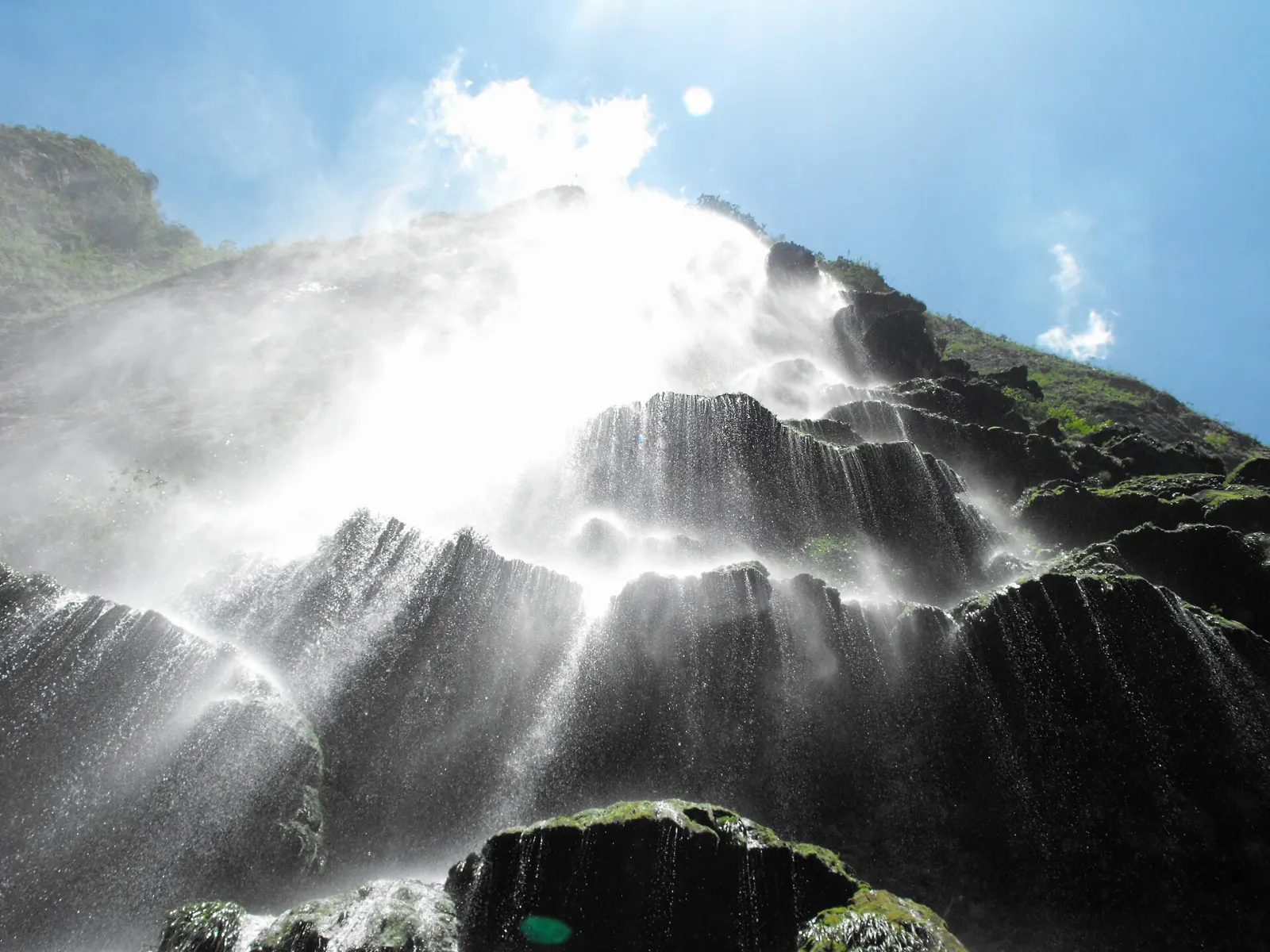
Moss covered waterfall known as the Christmas Tree inside Sumidero Canyon, Chiapa de Corzo, Chiapas

Wildlife and rock formations

Keep your eyes on the banks, where American crocodiles and spider monkeys are often spotted, along with herons and other river birds. The guide will point out the Cueva de Colores, whose walls show pink and other mineral tints, and the stalactite called the Caballito de Mar.

The Christmas Tree waterfall in Sumidero Canyon is most striking in the rainy season. Photo: diego_cue, Wikimedia Commons, CC BY-SA 3.0

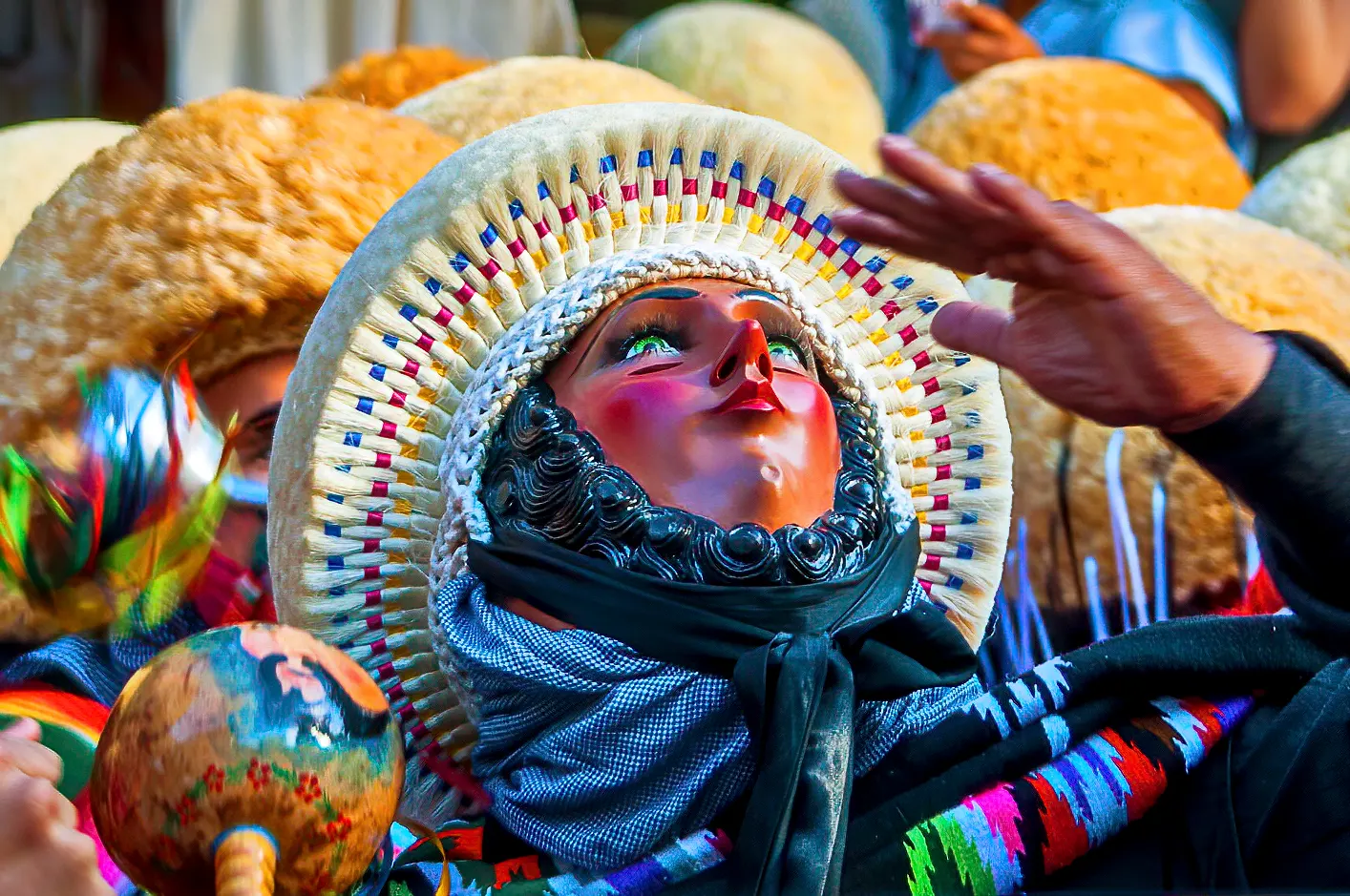
A parachico dancer in carved wooden mask and striped shawl during the Fiesta Grande, Chiapa de Corzo, Chiapas

Chicoasén Dam and the lookouts

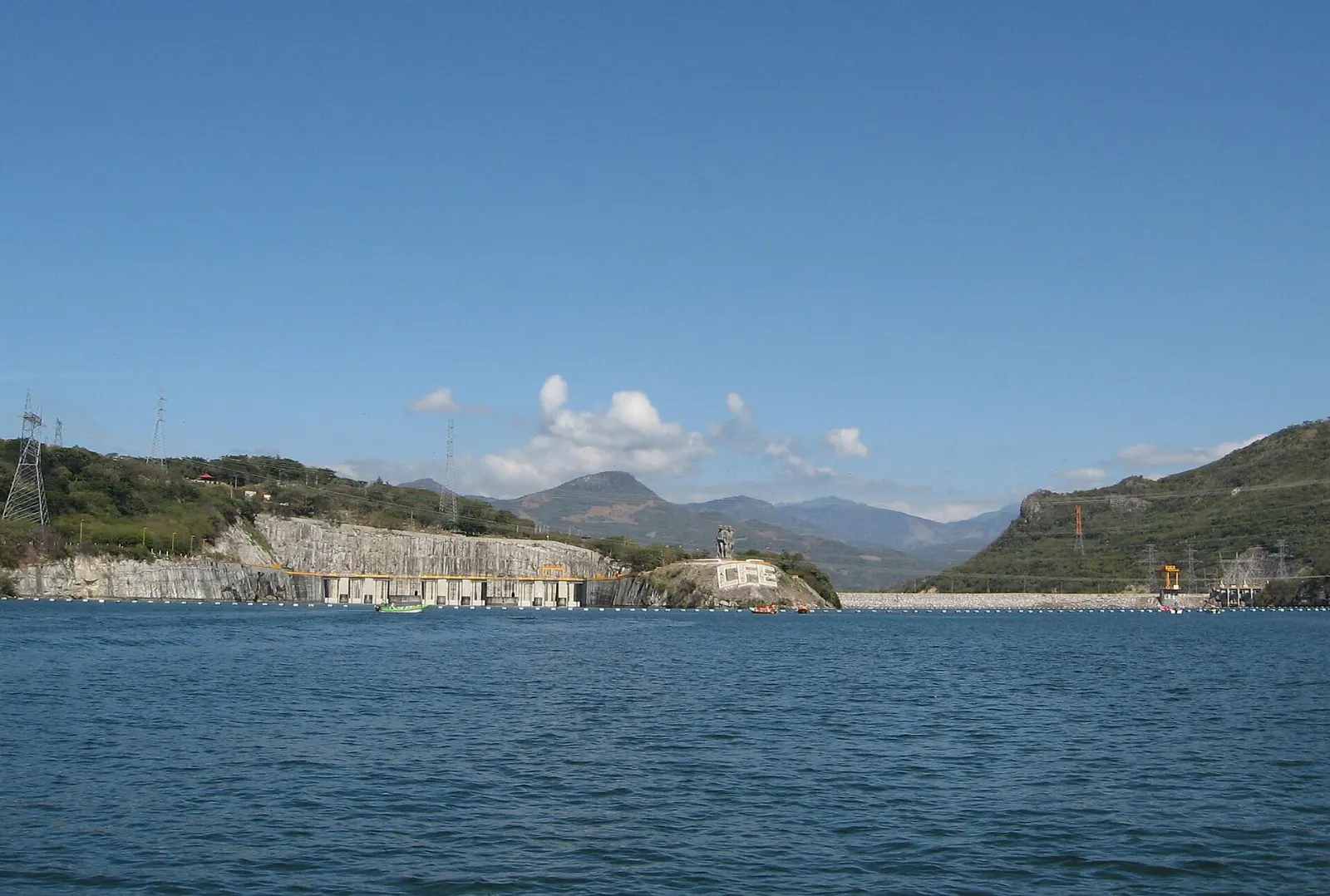
The boat run ends near Chicoasén Dam at the north end of the canyon, where the reservoir spreads wide. If you also want the view from above, the national park has road-accessible lookouts such as La Coyota and El Roblar, reached from the Tuxtla side.

Parachico dancers are the best known figures of the Fiesta Grande in January. Photo: Fotografiamerlin, Wikimedia Commons, CC BY-SA 4.0

The Chicoasén Dam at the northern end of Sumidero Canyon, Chiapa de Corzo, Chiapas

Fiesta Grande

From 8 to 23 January the town celebrates its biggest festival, with chunta dances, regional music, fireworks and the parachico dancers in carved wooden masks. A mock naval battle takes place on the river on 21 January.

Chicoasén Dam closes the northern end of the canyon and holds back a reservoir. Photo: B.B., Wikimedia Commons, CC0

Food and local flavors

The ground floor of the Mercado Municipal is the place to start, with stalls serving regional dishes beside fresh produce. Look for cochito al horno, roast pork seasoned with ancho chile and other spices. Chiapas is also known for crema doble, a crumbly and creamy cheese that is a pleasant surprise on tortillas. To drink, try pozol, a cold fermented corn drink, with a pinch of salt or chile if locals suggest it.

Popular dishes to try in Chiapa de Corzo

Pozol in Chiapa de Corzo, Chiapas
Pozol To drink, try pozol, a cold fermented corn drink, with a pinch of salt or chile if locals suggest it.Photo: Alejandra Mendoza Santillan, Wikimedia Commons, CC BY-SA 4.0
Crema doble in Chiapa de Corzo, Chiapas
Crema doble Chiapas is also known for crema doble, a crumbly and creamy cheese that is a pleasant surprise on tortillas.Photo: AlejandroLinaresGarcia, Wikimedia Commons, CC BY-SA 4.0

Where to stay

The town center is the easiest base, with the main square, the church and the market all within walking distance and several traditional guesthouses with courtyards and pools. It suits first-time visitors and anyone who likes evening strolls.

Ribera Cahuaré lies along the river near the docks, which suits travelers who want an early boat and a riverfront setting. San Jacinto is a quieter residential area close to the center and the marimba museum, and it works well for slower stays.

Where to stay in Chiapa de Corzo

The town center, Chiapa de Corzo, Chiapas
The town center Where to stayThe town center is the easiest base, with the main square, the church and the market all within walking distance and several traditional guesthouses with…Photo: Lee Vilenski, Wikimedia Commons, CC BY-SA 4.0
San Jacinto, Chiapa de Corzo, Chiapas
San Jacinto San Jacinto is a quieter residential area close to the center and the marimba museum, and it works well for slower stays.Photo: Nacasma, Wikimedia Commons, CC BY 3.0

Best time to visit

The climate is hot all year, with an average annual temperature around 26 °C. The dry season from November to April is more comfortable for boat rides and sightseeing, and the canyon is easier to enjoy under clear skies.

January is the festival month, led by the Fiesta Grande. The Fiesta de Señor de El Calvario takes place on 7 October with dances, fireworks and street stalls.

Getting there and getting around

The nearest commercial airport is Tuxtla Gutiérrez International Airport, about 35 kilometres south of town, with flights from Mexico City and other major Mexican airports. From the airport, take a taxi or transfer to Chiapa de Corzo.

OCC buses run frequently from San Cristóbal de las Casas to Tuxtla Gutiérrez, and you can ask the driver to let you off in Chiapa de Corzo near the tourist docks. Combis to and from Tuxtla leave from the Zócalo and are signed with the destination on the windshield.

A suggested itinerary

First day

Take an early boat into Sumidero Canyon, then return for lunch at the market. In the afternoon, visit Santo Domingo and the lacquer museum, and finish at the plaza as the light fades.

Second day

Explore the archaeological site in the morning and climb to the San Sebastián ruins in the afternoon.

Practical tips

  • Bring sun protection, a hat and water for the boat trip because there is little shade.
  • Most visits to the canyon use shared boats, so arrive in the morning to keep waits short.
  • Confirm museum days in advance, since the lacquer museum is usually closed on Mondays.
  • Carry small bills and coins for tips, tolls and market stalls.
  • Book lodging early if you plan to attend the Fiesta Grande in January.
Chiapa de CorzoWISERMAP PLACEChiapa de Corzo: photos, reviews & things to doSee traveler photos and reviews, or share your own →

More places to visit

All travel guides →