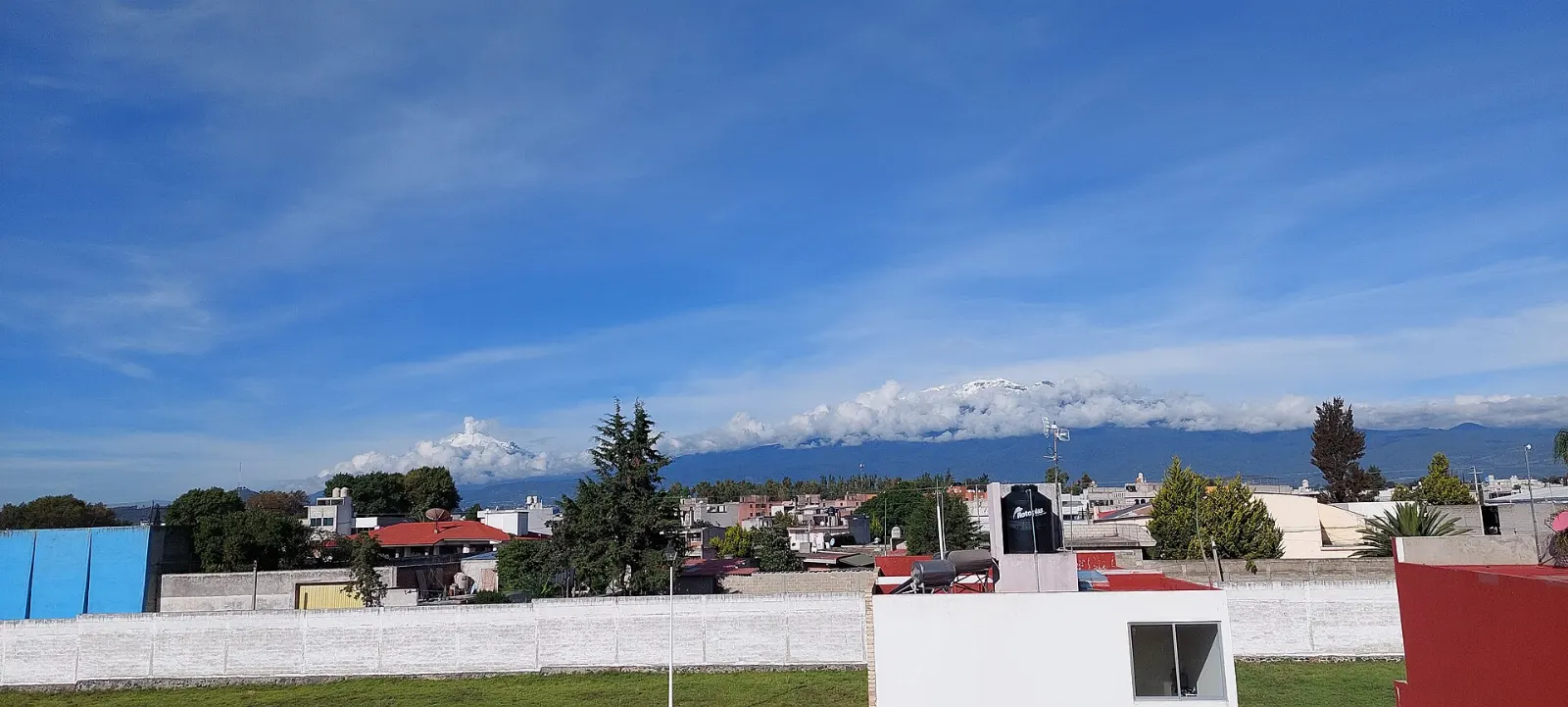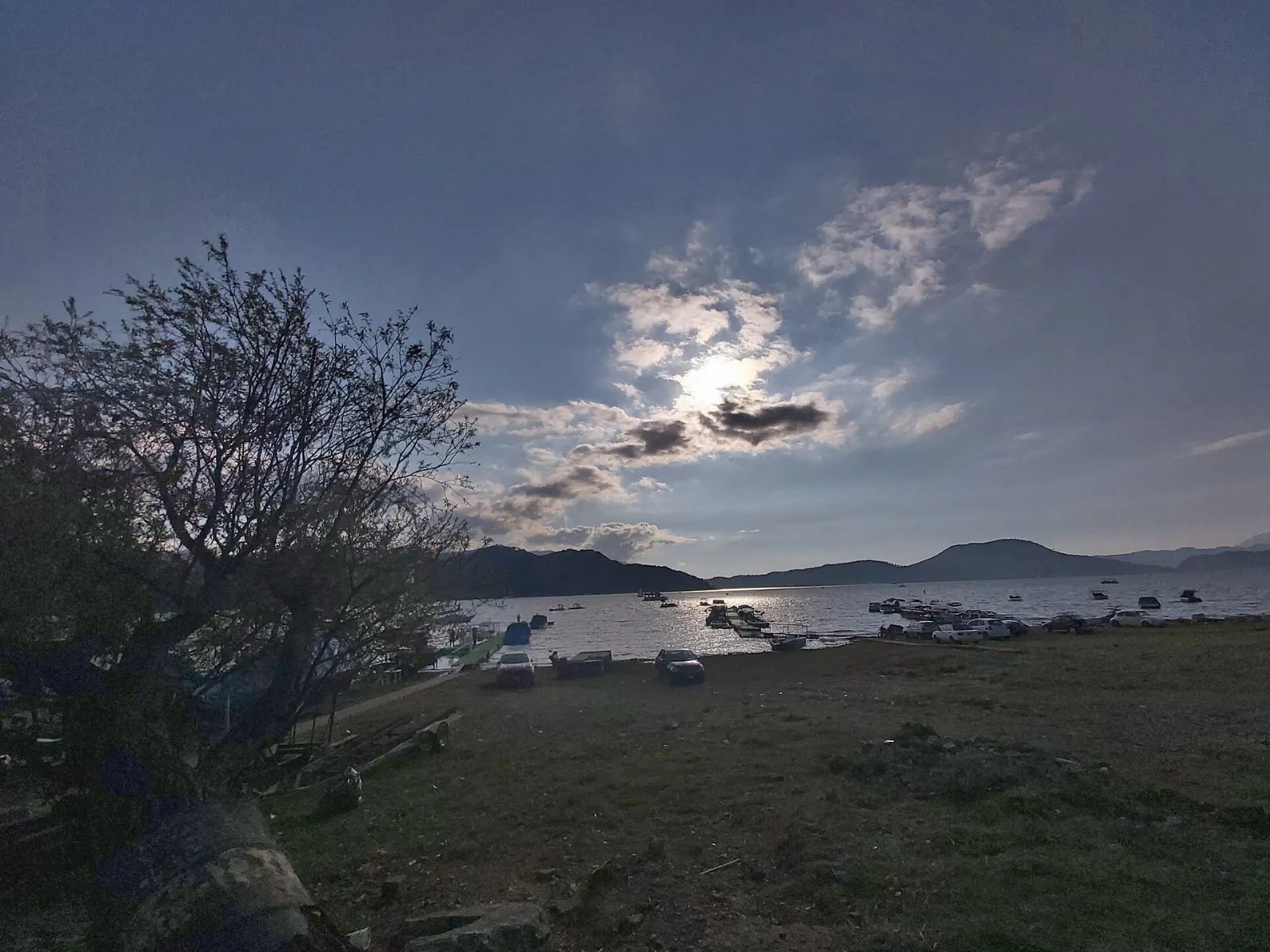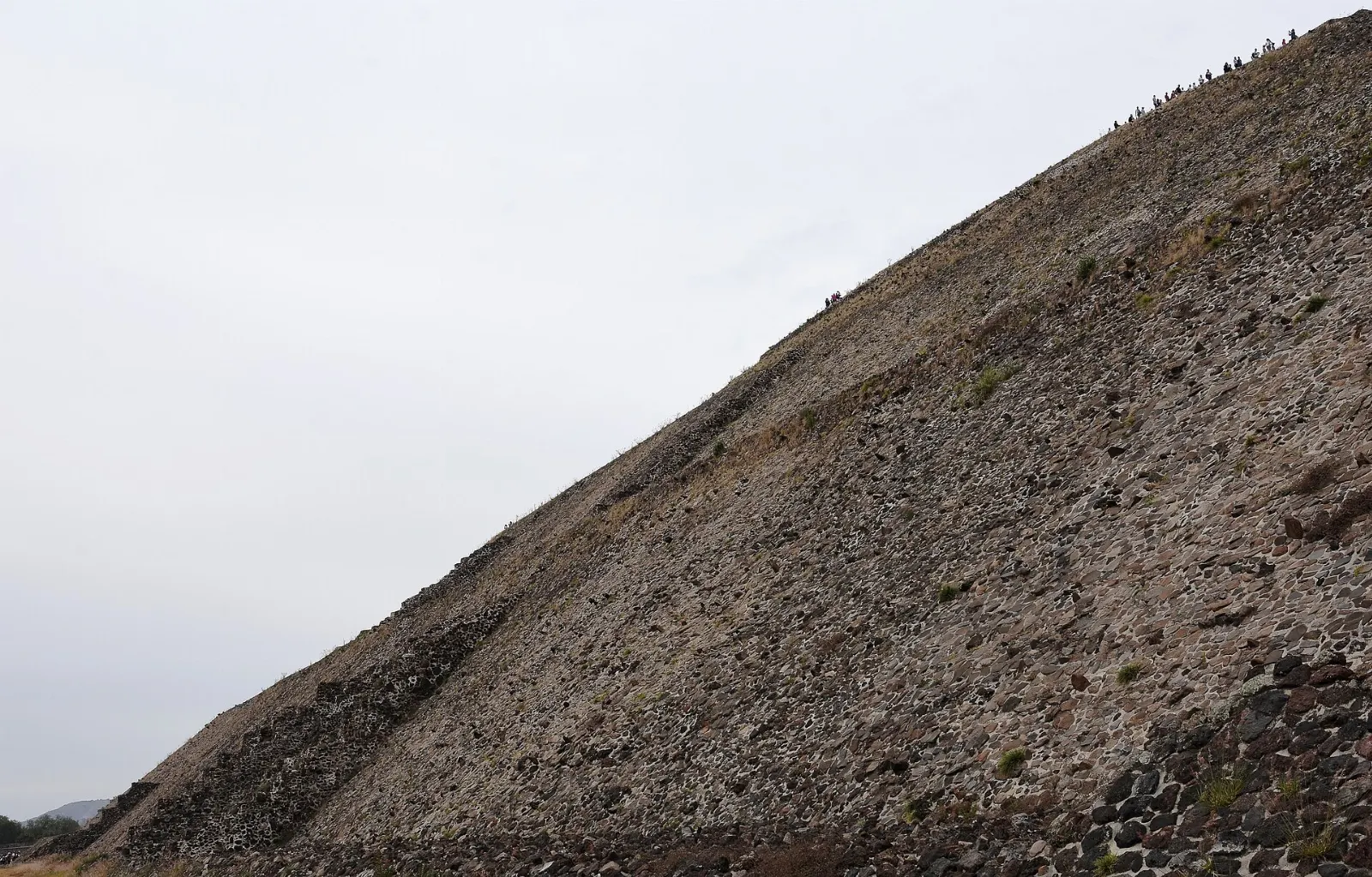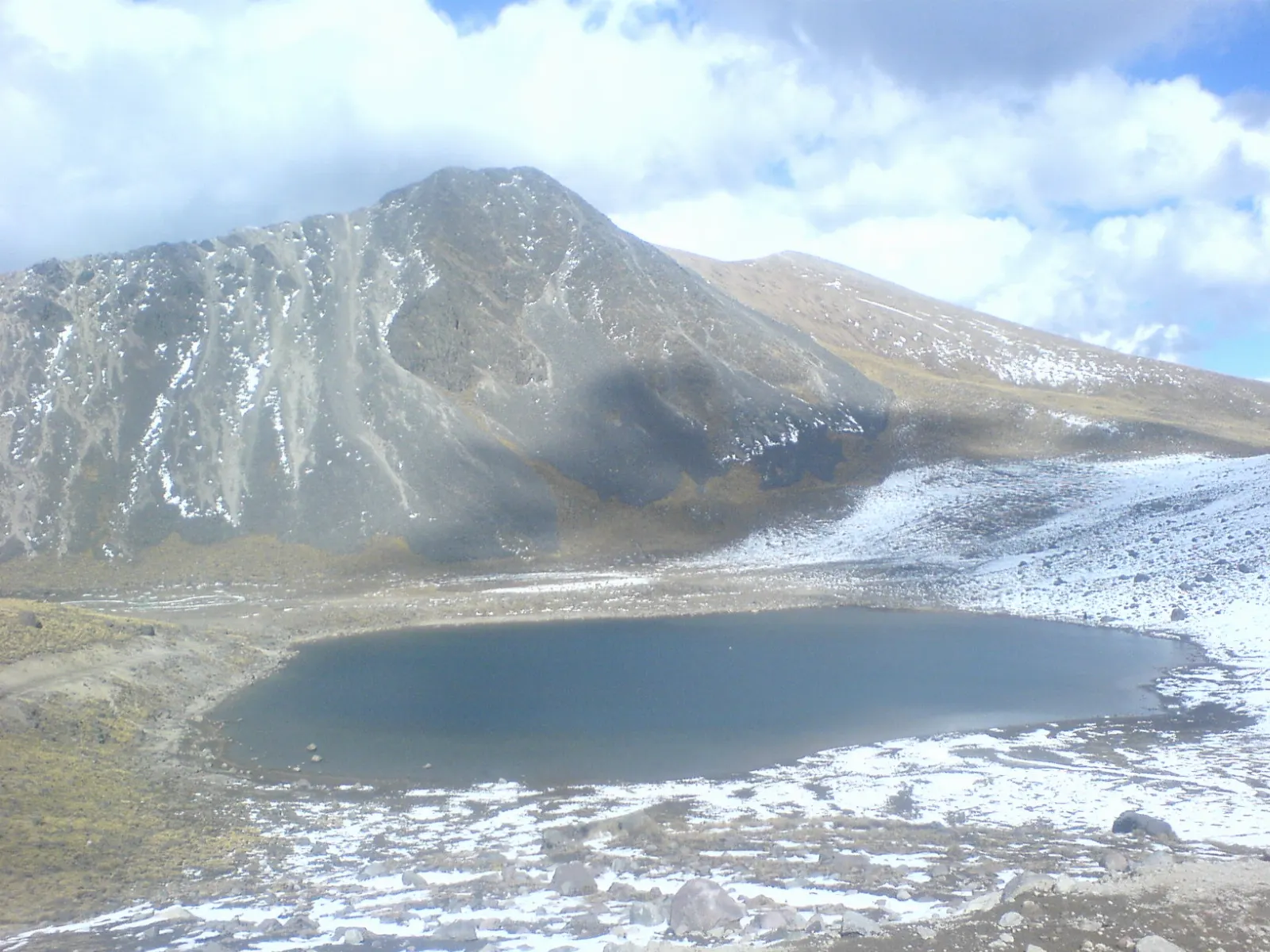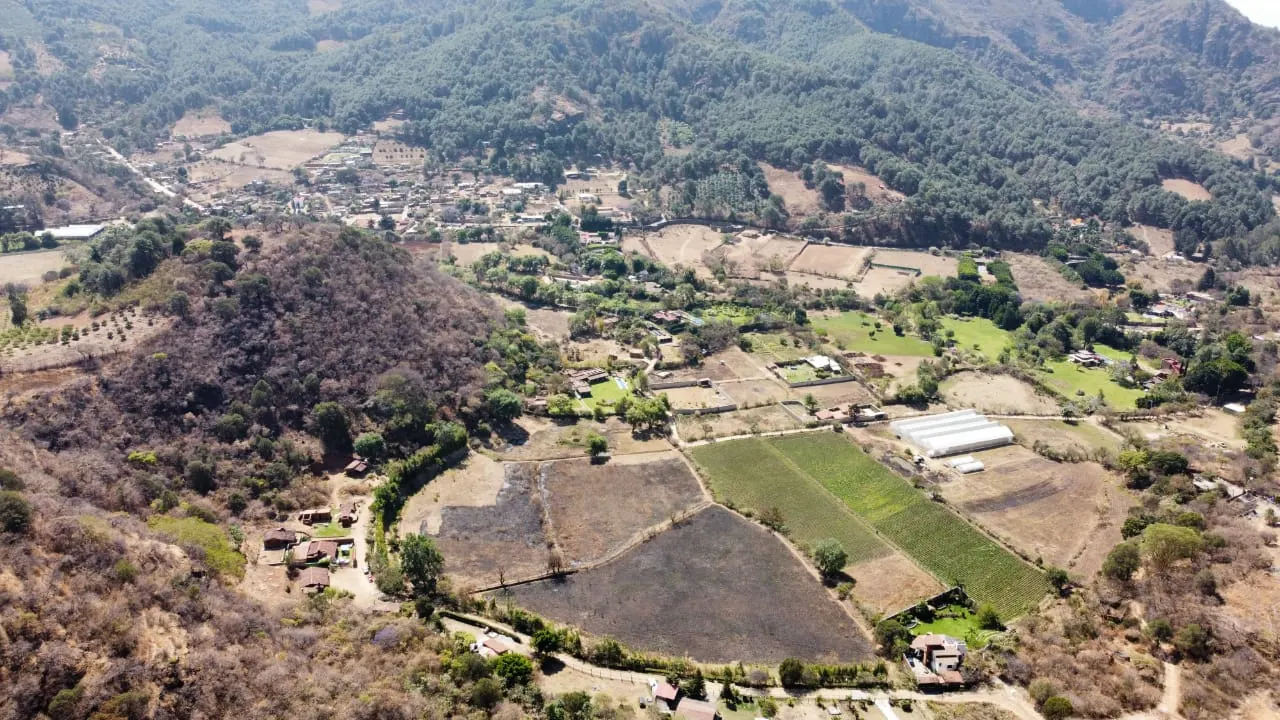
Malinalco is a small colonial town in a green valley south of Toluca, known for Aztec temples carved directly into a cliff, a sixteenth century convent with colorful murals and a long reputation for magic. It is a favorite weekend escape from Mexico City and a designated Pueblo Mágico, with trout, pulque and hot springs on the side.
AT A GLANCE
Best time
Late autumn through spring, when days are dry and the hills turn golden.
How long
One full day works for a quick visit, and a weekend gives time for Chalma and the springs.
Getting there
Take a bus from Mexico City's Observatorio terminal or drive from Toluca.
Why visit Malinalco
Malinalco has been a sacred place for centuries. The Aztecs conquered the valley in the 1470s and built a sanctuary for their eagle and jaguar warriors, and Augustinian friars later raised a convent in the town center. According to legend it was also the home of the goddess Malinalxóchitl, which gives the place its reputation for sorcery.
The town is compact and walkable, with cobblestone streets, adobe houses with red tile roofs and fruit trees in many yards. It sits at about 1,750 metres above sea level, so the climate is warm but rarely harsh.
In the town
The zócalo and kiosk
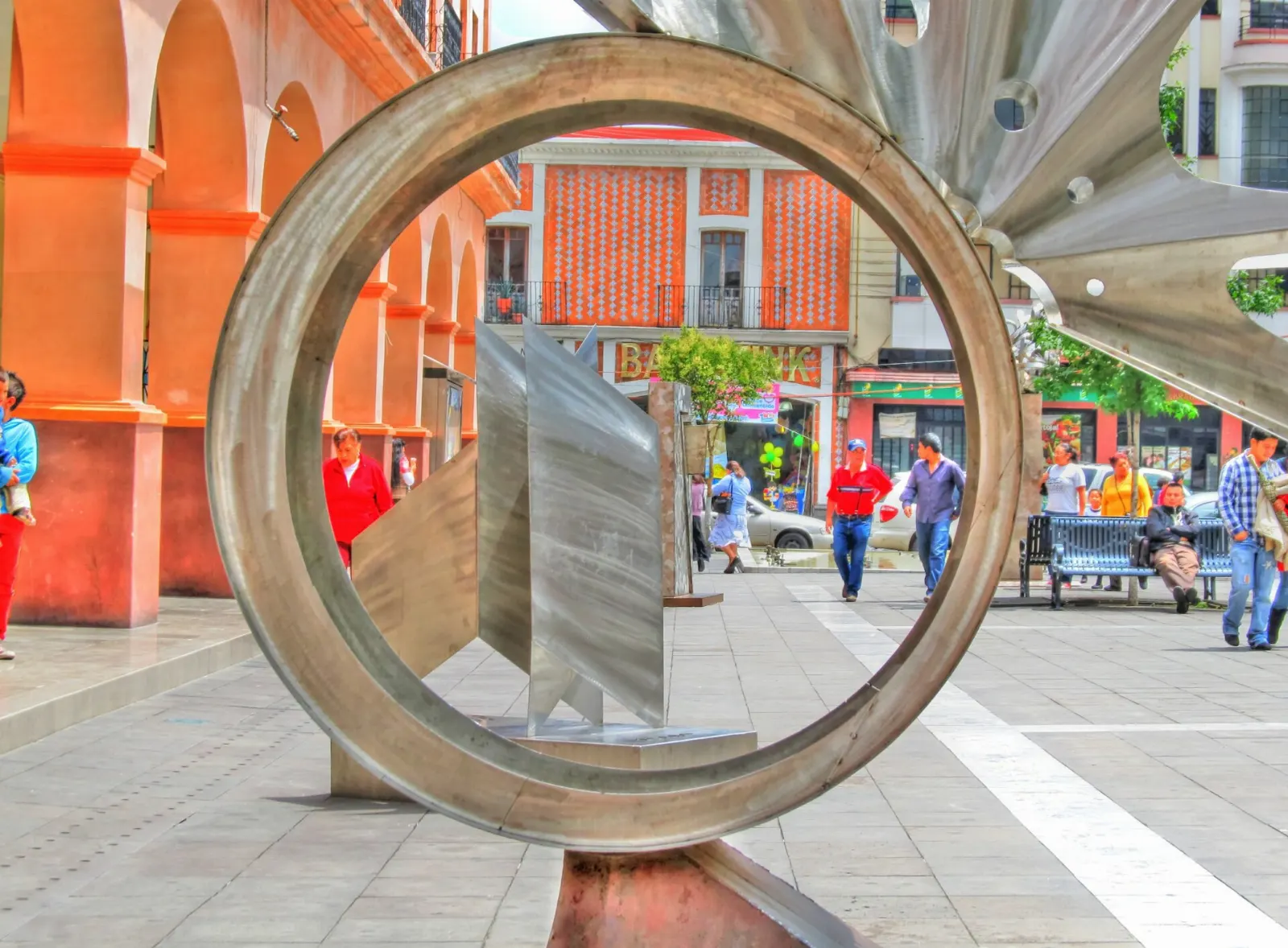
One of two central squares in Malinalco, this plaza has a bandstand and is a pleasant place to watch town life. A tianguis market sets up around it on Sundays, and taxis for Chalma wait at the stand nearby. Allow an hour for coffee, snacks and people watching.
Parroquia and ex-convento del Divino Salvador
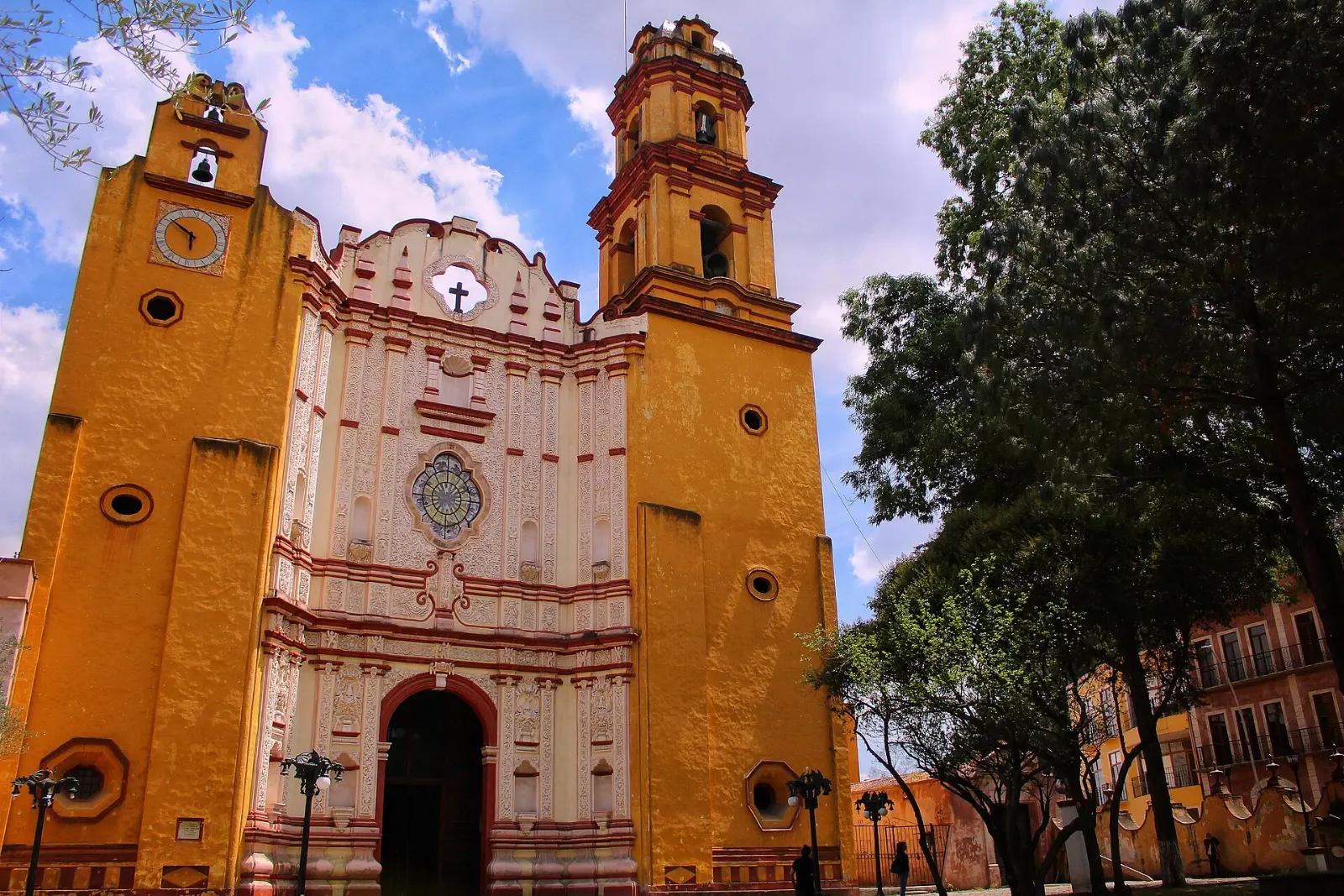
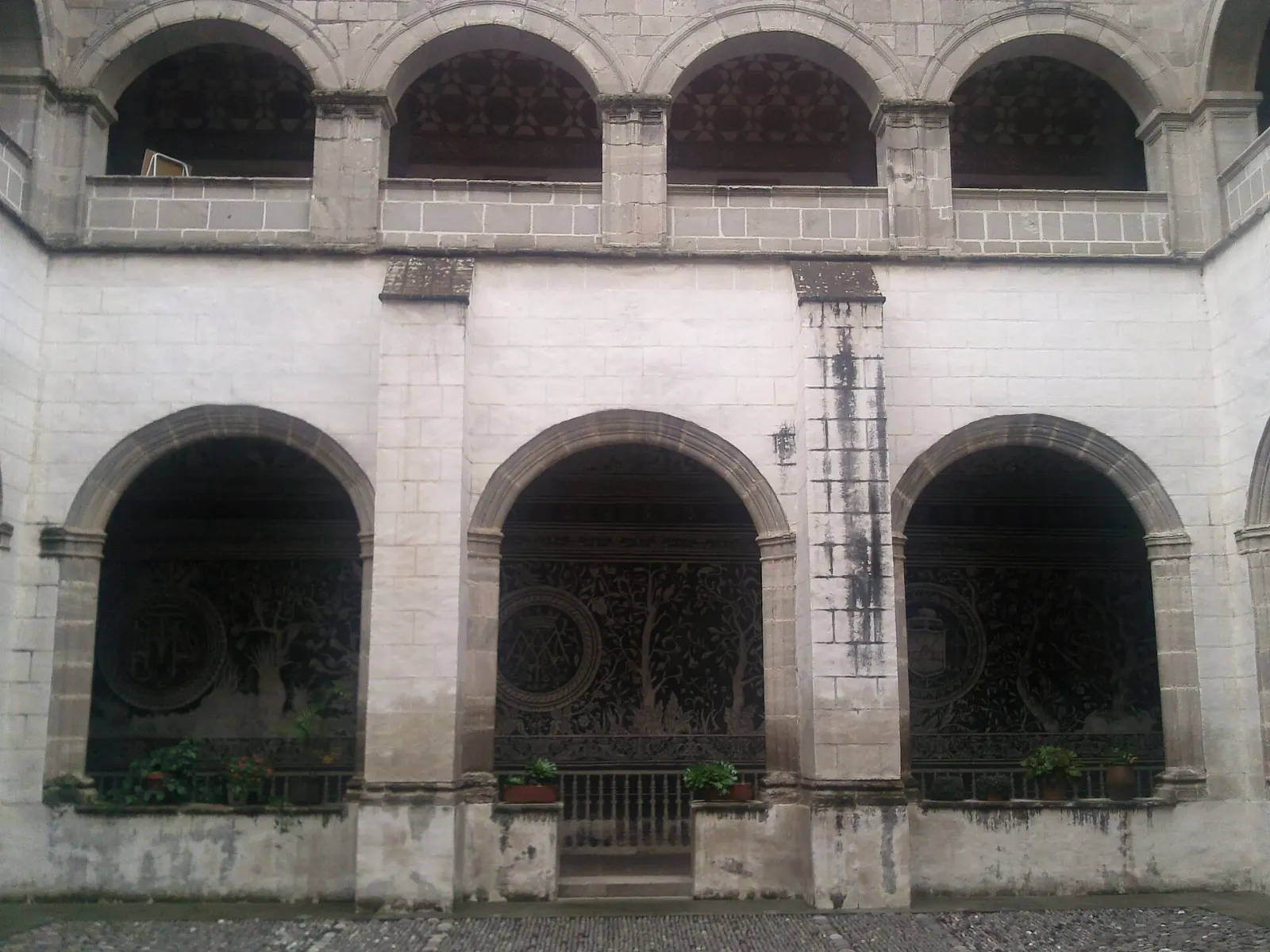
Built by the Augustinians in the 16th century, the church and convent look more like a fortress than a village chapel. The cloister walls carry original murals painted by indigenous artists in a codex-like style, including scenes of the Garden of Eden. Parts of the complex have been closed for repairs since the 2017 earthquake, so check what is open.
Neighborhood chapels
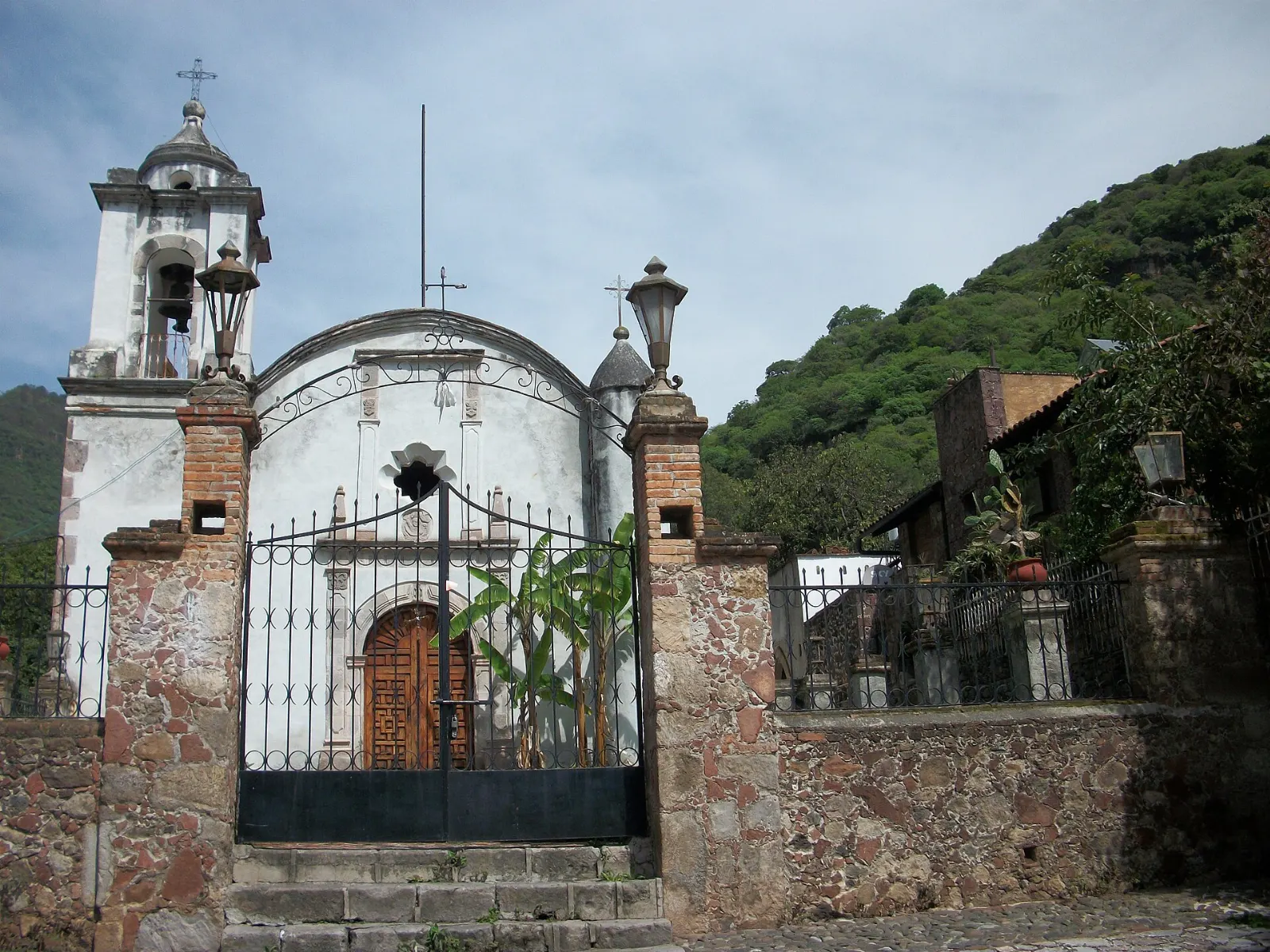
Each barrio has its own small chapel with its own feast day, most built in the 16th and 17th centuries. The chapel of Santa Mónica, near the convent, is a good example. Walk the lanes south along Benito Juárez Street and visit as many as you like.
Tecorrales
Malinalco's narrow streets are lined with tecorrales, dry-stack stone walls that prevent erosion and shelter wildlife. They are part of the town's identity, so look for them on any walk and notice how they curve around the canyon.
Casa de Cultura
Facing the municipal palace in the center, the cultural center is decorated with replicas of the murals found at the archaeological zone and with old photographs of native cultures. It also hosts dances, exhibitions and other events, so look at the schedule for something to join during your stay.
Aztec Malinalco
Archaeological Zone of Cuauhtinchan
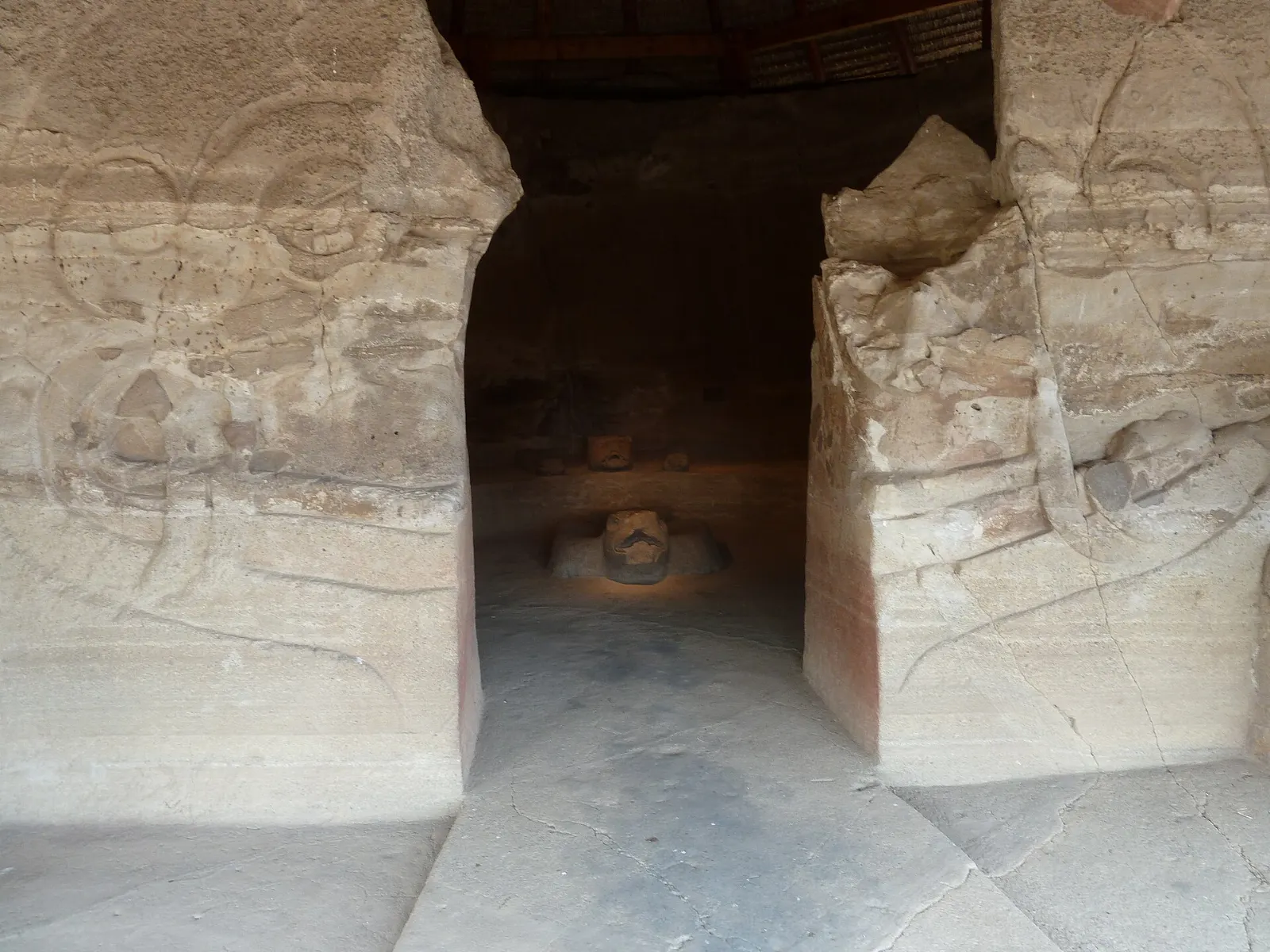
The main reason to visit is the Cerro de los Ídolos, a hill above town with six structures from the late 15th and early 16th centuries. The star is the Cuauhcalli, or House of the Eagles, a temple carved directly into the rock, with a doorway shaped like a serpent's open jaws. A stone stairway of 426 steps climbs the hill, so bring water and wear sturdy shoes. The site is usually closed on Mondays, and entry is managed by INAH, so check current hours.
Luis Mario Schneider University Museum
In the center, this museum explains the geography, mythology and history of the town through seven halls. It is named for an Argentine writer who lived in Malinalco for decades. Visit it before the climb to understand what you will see.
Las Caritas
East of town, across the highway, this site has small faces carved into a cave wall. It is a short detour for rock art fans, so ask locally for directions.
Around Malinalco
Trout farms
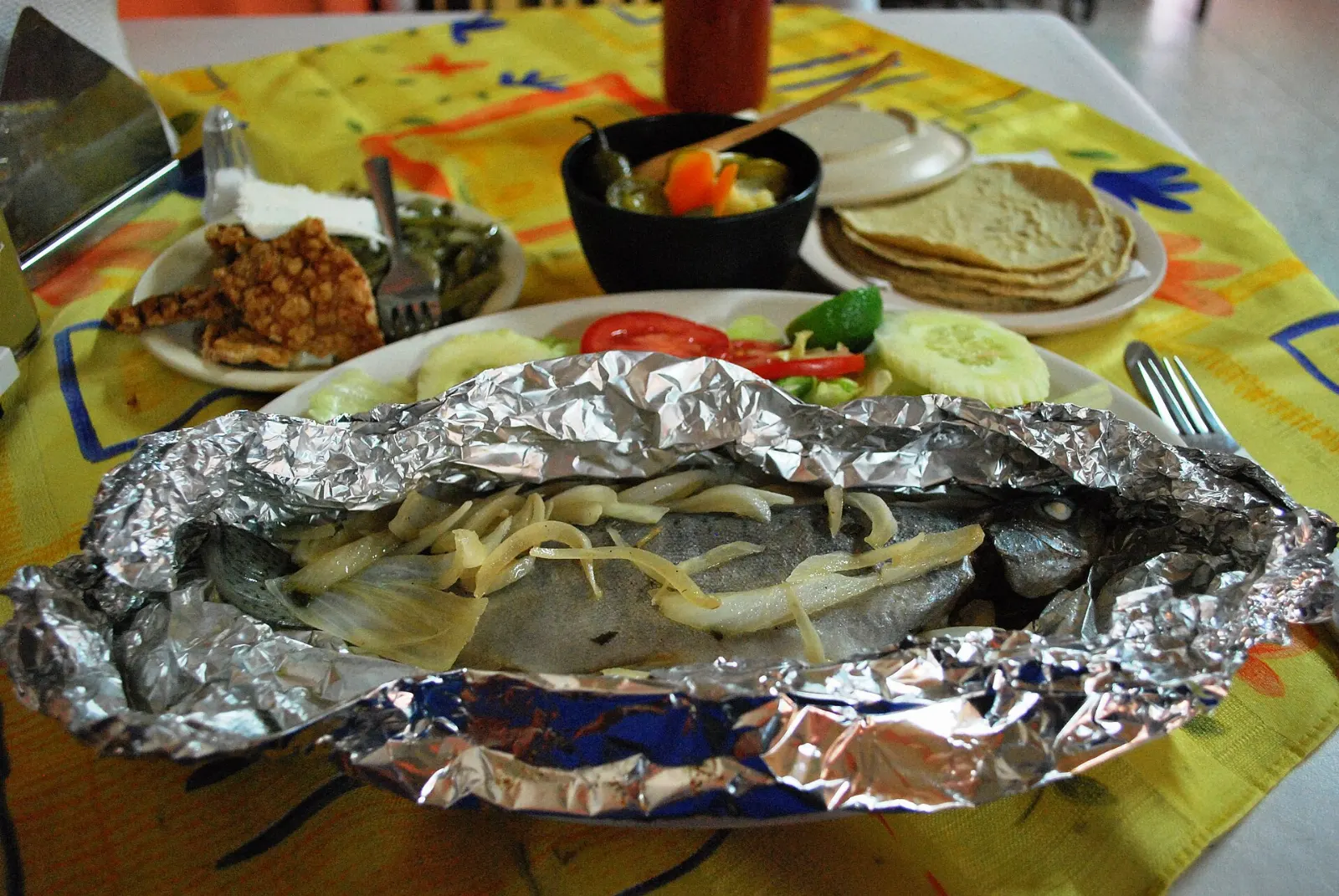
Malinalco is famous for trout, and several farms south of town let you pick a fish and have it cooked. One sits about two kilometres from the center, and another lies between Malinalco and Chalma. Go hungry and plan for a long lunch.
Hot springs and balnearios
Natural hot springs rise in the town and in nearby villages. Balnearios range from modest pools to large water parks with slides and lazy rivers, and they are a popular way to end a day of climbing.
Sanctuary of Chalma
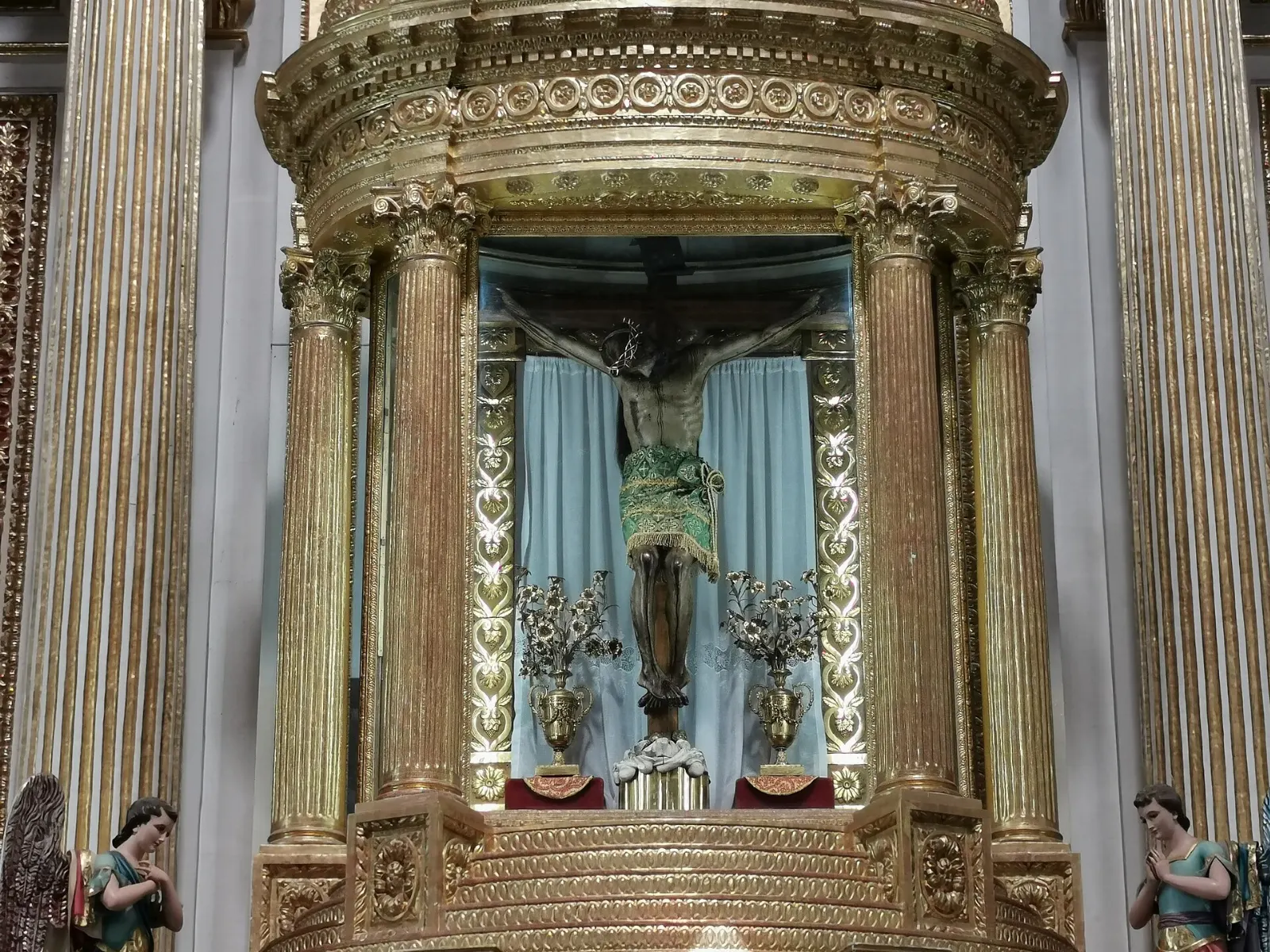
Chalma is a pilgrimage village where a black Christ is said to have appeared in a cave once used to worship the god Oxtoteotl. The Sanctuary of the Lord of Chalma is the second most visited shrine in Mexico after the Basilica of Guadalupe. Take a taxi from Malinalco, and avoid Holy Week if you dislike crowds.
 Planning a trip to Malinalco?Compare hotels, flights and vacation rentals for Malinalco on Expedia.Book now
Food and local flavors
Trout, or trucha, is the traditional specialty, and trucha a la diabla, cooked in a spicy red sauce, is a local favorite. You will also find it steamed in paper or fried with garlic butter.
Adventurous eaters can try tacos de chapulines, with toasted grasshoppers and pumpkin seeds. Pulque, the milky fermented agave drink, is made in the north of the municipality, and mezcal comes from the south. Pulquerías serve it plain or cured with fruit.
The streets around the zócalo have restaurants within a few blocks, and street stalls cluster around the Chalma sanctuary. Ice cream vendors in town sell flavors such as mamey and soursop.
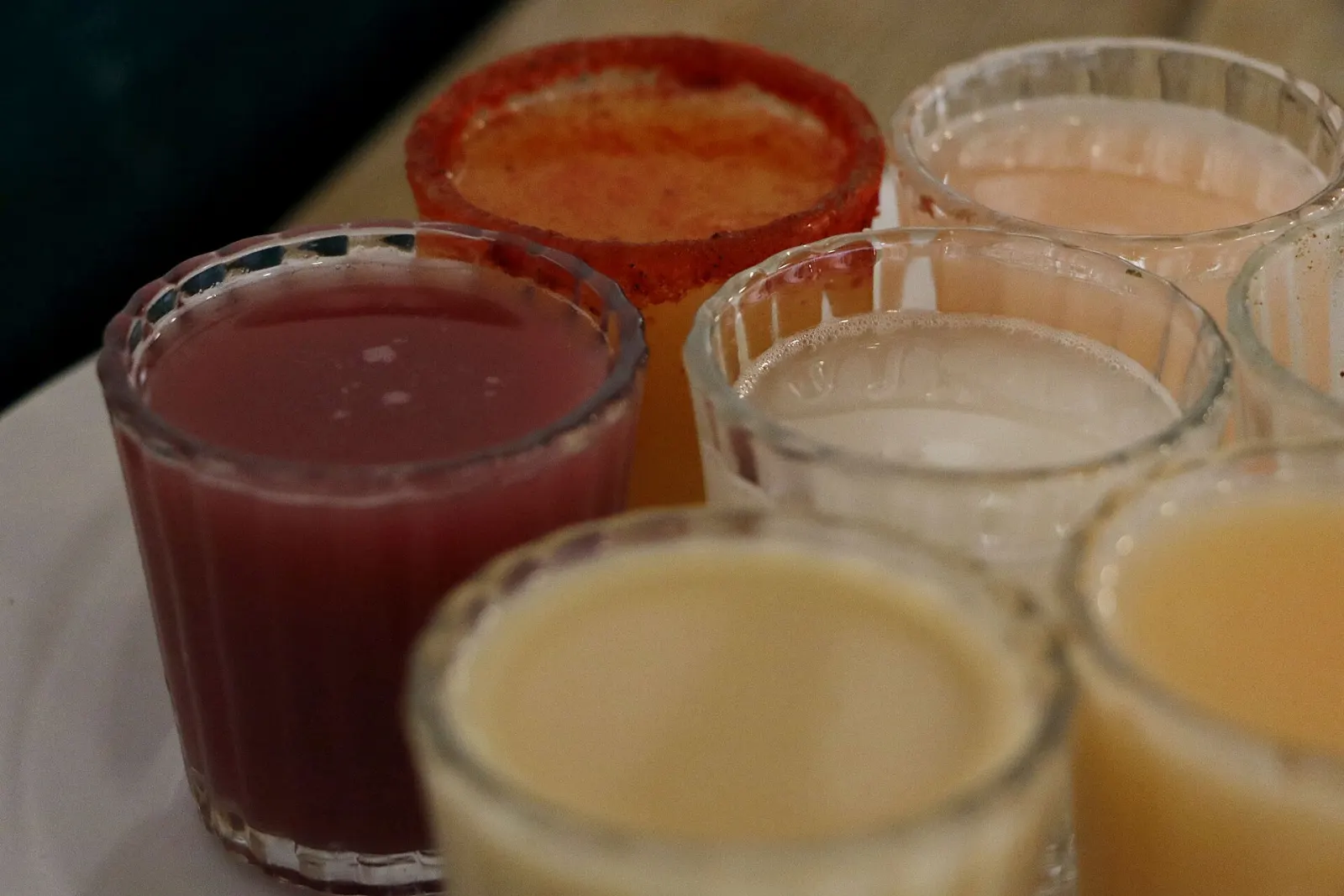
Popular dishes to try in Malinalco


Where to stay
The historic center has the best selection of boutique guesthouses, restaurants and cafes within walking distance of the zócalo and the convent. It suits couples and first-time visitors who want to stroll.
Santa Mónica, a neighborhood near the center, has a hotel, restaurants and bars a few streets from the plaza. It suits travelers who want a lively but still walkable setting.
San Juan, on the edge of town, has more open space and glamping domes. It suits those who want quiet evenings and outdoor activities such as climbing or ziplining.
Chalma has simple lodging that caters mainly to pilgrims, and it can be a budget-friendly choice for backpackers. Book early around major feast days, when the village fills up.
Where to stay in Malinalco


Best time to visit
Malinalco has a warm climate, with rain mostly from June to September. In summer the landscape is bright green, and in winter it turns golden, which suits photography and hiking. Dry months from late autumn to spring are the most comfortable for climbing the archaeological site.
The town's patron saint festival, the Festejos del Divino Salvador, takes place in the first week of August, with a parade of mojigangas, costumed characters, plus music and dancing. Weekends are busy, and Holy Week brings huge crowds to Chalma. Midweek visits are quieter, and early mornings are the best time for photos at the temples before the heat and the tour groups arrive.
Getting there and getting around
Malinalco is about 115 kilometres southwest of Mexico City and about 65 kilometres south of Toluca. Flecha Roja buses run from Mexico City's Observatorio terminal, and the ride takes roughly an hour, though traffic can add time. Chalma also has a bus terminal with links to Mexico City, Toluca and Cuernavaca.
By car from Toluca, take federal highway 55 south toward Tenancingo, then follow signs east toward Joquicingo and Malinalco. From Mexico City, an alternative route passes Xochicalco and Miacatlán on a dirt road in good condition.
Toluca's international airport (TLC) is an alternative to Mexico City's airport. Once in town, everything in the center is walkable and the archaeological site is a short distance away. Taxis wait at the sitio next to the zócalo for trips to Chalma.
A suggested itinerary
First day
Start early at the archaeological zone, then visit the Schneider museum and the Divino Salvador convent. Have a trout lunch, then wander the tecorrales and chapels before sunset at the zócalo.
Second day
Take a taxi to Chalma in the morning, then relax in a hot spring or balneario in the afternoon. Finish with pulque or mezcal in a pulquería and dinner in town.
Practical tips
- Check your government's current travel advisory before you go.
- Climb the archaeological site in the morning, bring water and wear shoes with good grip.
- Confirm opening days for the archaeological zone and the convent, as both can change.
- Carry cash for markets, street stalls and small family restaurants.
- Book lodging ahead for weekends, festival dates and Holy Week.
- Try pulque in small amounts first, as its flavor and texture can surprise newcomers.
- Bring a light jacket for evenings, because the valley cools after sunset.
- Wear a hat and sunscreen for the climb, since most of the stairway is exposed to the sun.
- Ask permission before photographing pilgrims and worshippers in Chalma and in the churches.