Seoul is a city of contrasts that sit right next to each other.
AT A GLANCE
Best time
April to early June and late September to November for mild weather, blossoms and autumn color.
How long
Four to five days for the main sights, plus a day for hiking or a trip to the DMZ.
Getting there
Fly into Incheon International Airport and take the AREX train or an airport bus into the city.
Why visit Seoul
Seoul has been the capital of Korea for more than six centuries, since the Joseon dynasty moved its court here in the late fourteenth century.
What makes Seoul especially rewarding is how easy it is to mix these sides in a single day. You can walk through a palace in the morning, eat at a market stall at lunch, hike a mountain trail in the afternoon and finish with a picnic by the Han River at night.
Palaces and the old city
Gyeongbokgung Palace
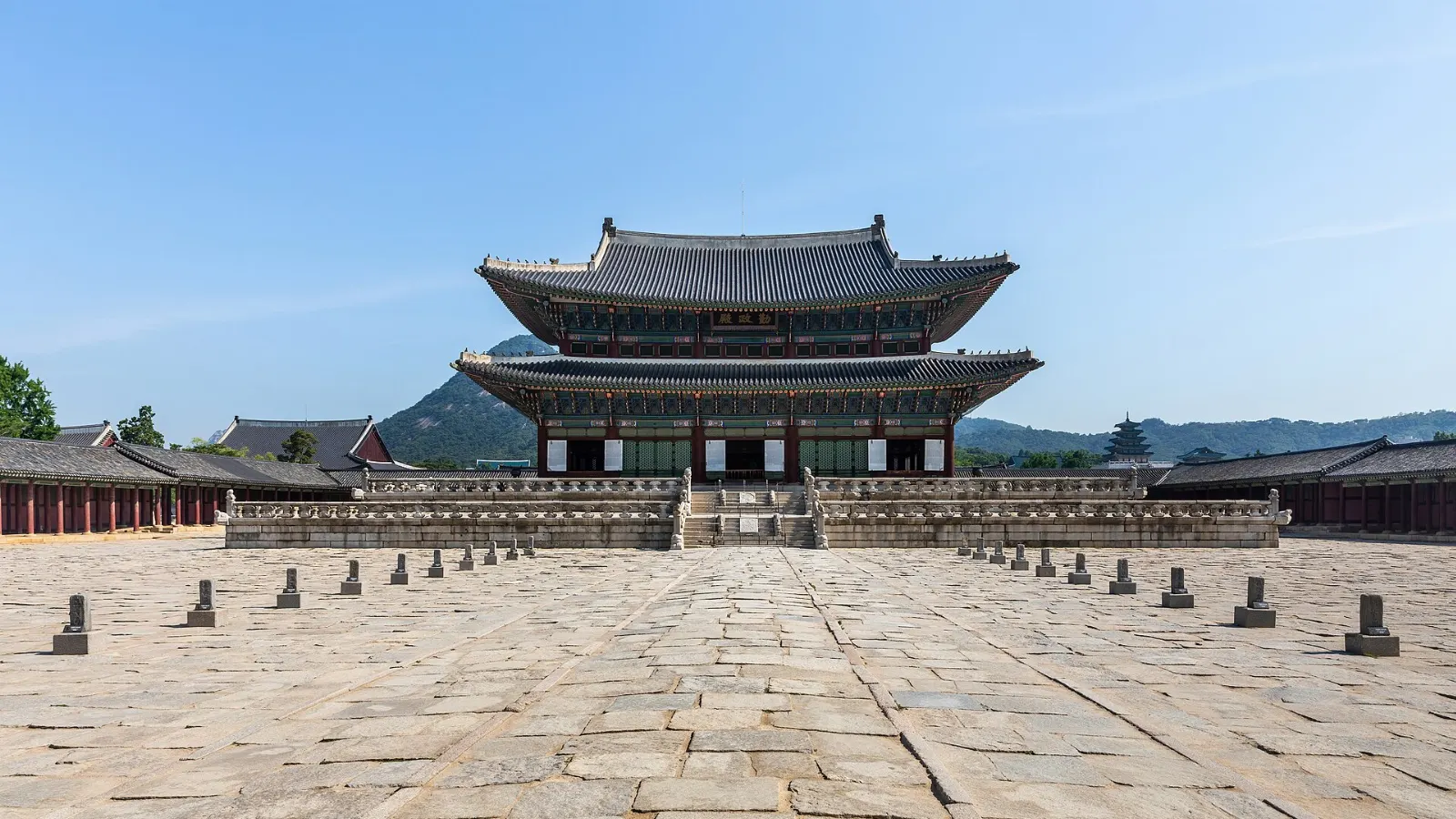
Gyeongbokgung, built in 1395, was the main royal palace of the Joseon dynasty. Enter through Gwanghwamun Gate, watch the royal guard changing ceremony held at the gate on most days, then walk through courtyards to the throne hall, Geunjeongjeon, and the Gyeonghoeru Pavilion set in a lotus pond.
Changdeokgung and the Secret Garden
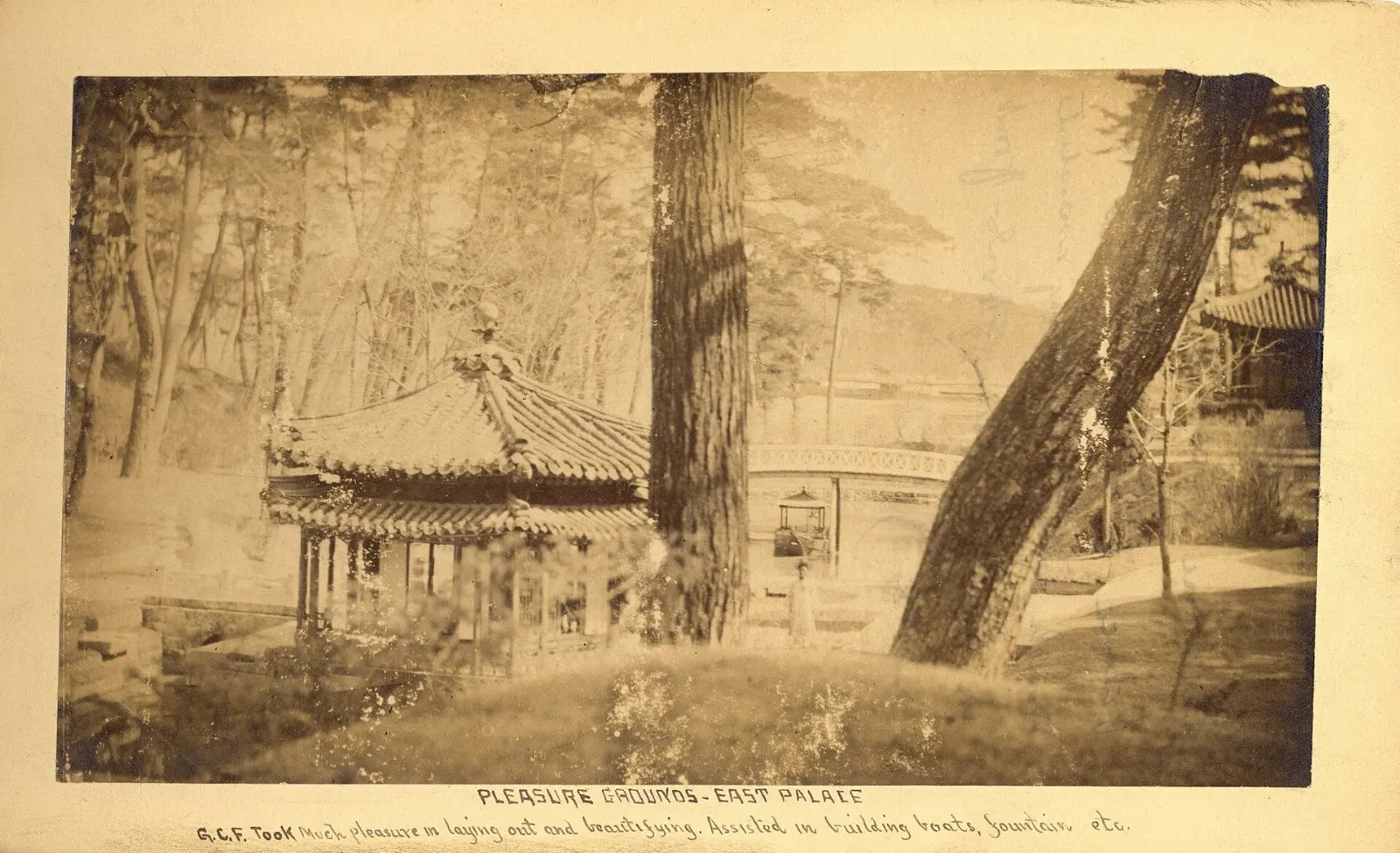
Changdeokgung is often considered the most beautiful of Seoul's palaces because its buildings follow the natural shape of the land. Behind it lies Huwon, the rear garden, with ponds, pavilions and old trees used by the royal family for study and leisure.
Bukchon Hanok Village
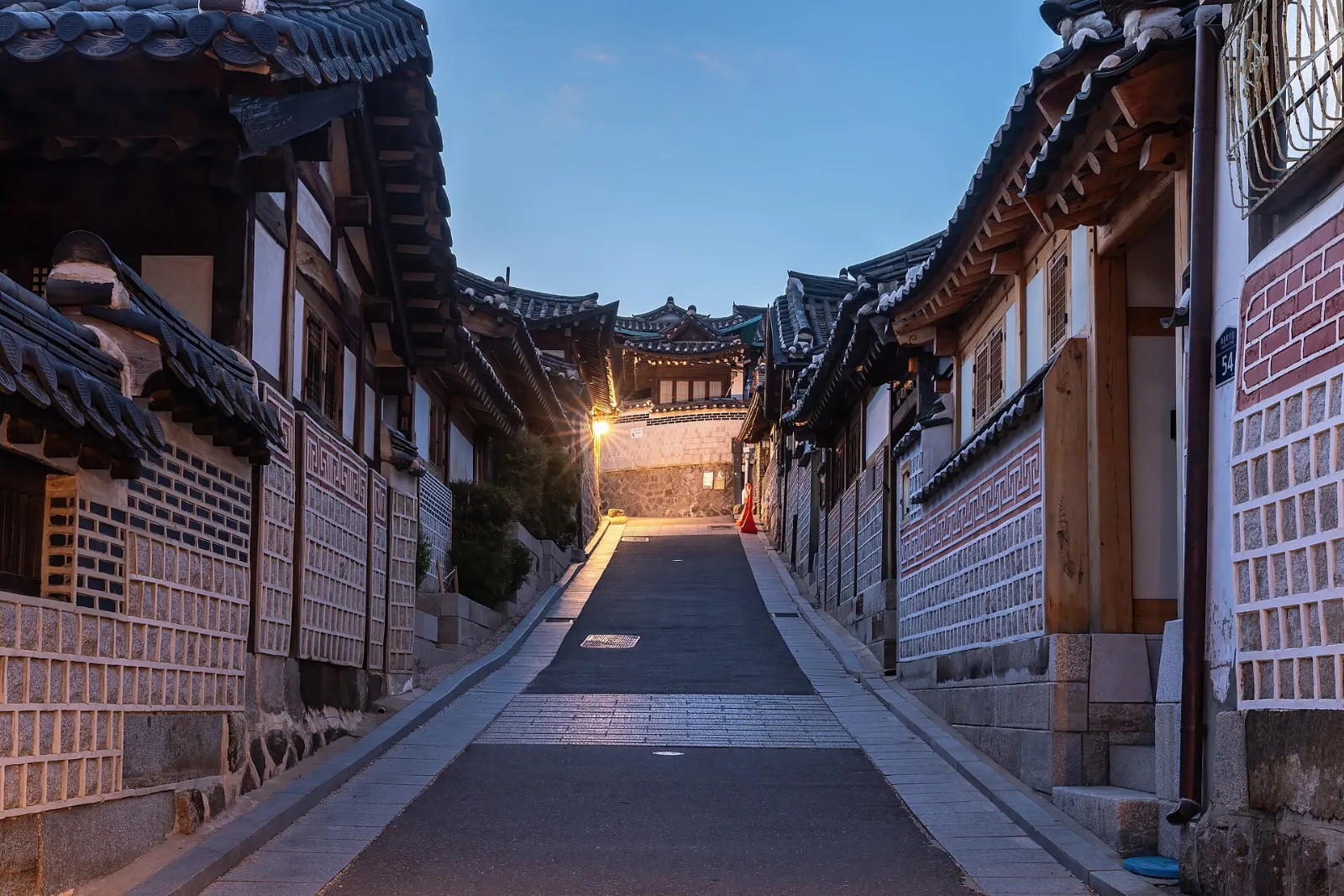
On the hillside between Gyeongbokgung and Changdeokgung, Bukchon is a residential neighborhood of traditional tile-roofed hanok houses. The lanes are photogenic, but people live here, and the city has introduced rules to protect residents: in the busiest core area, tourist visits are restricted in the evening and early morning, and tour groups face limits.
Jongmyo Shrine and Ikseon-dong
Jongmyo, the royal ancestral shrine, holds the spirit tablets of Joseon kings and queens in a long, austere hall, and the Jongmyo Jerye ritual held here each May is listed as UNESCO intangible heritage. On most days visits are by guided tour, so check the schedule.
Markets, towers and downtown landmarks
Namsan and N Seoul Tower
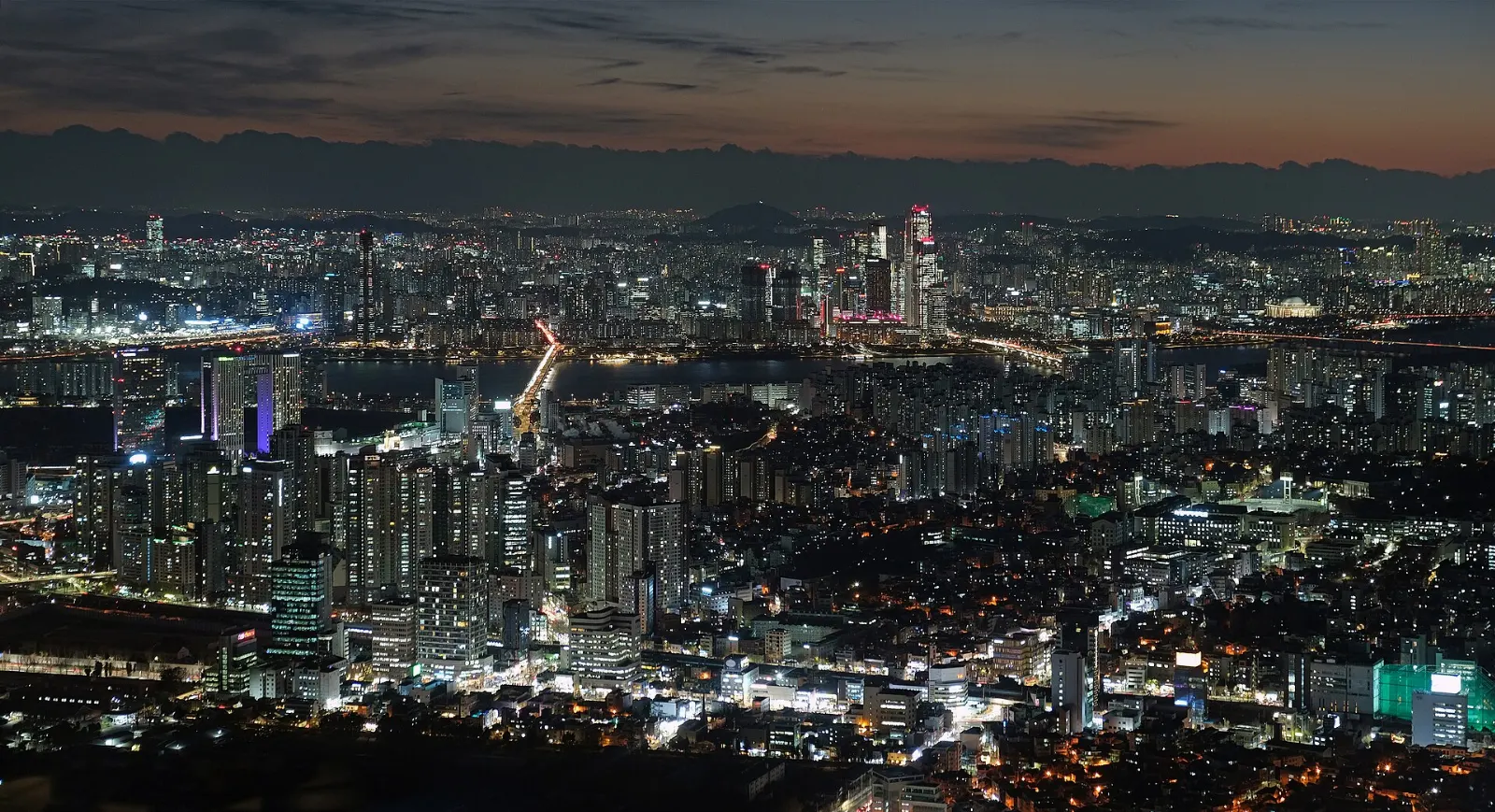
Namsan is a forested mountain in the middle of the city, and N Seoul Tower on its summit gives a sweeping view in every direction.
Gwangjang Market
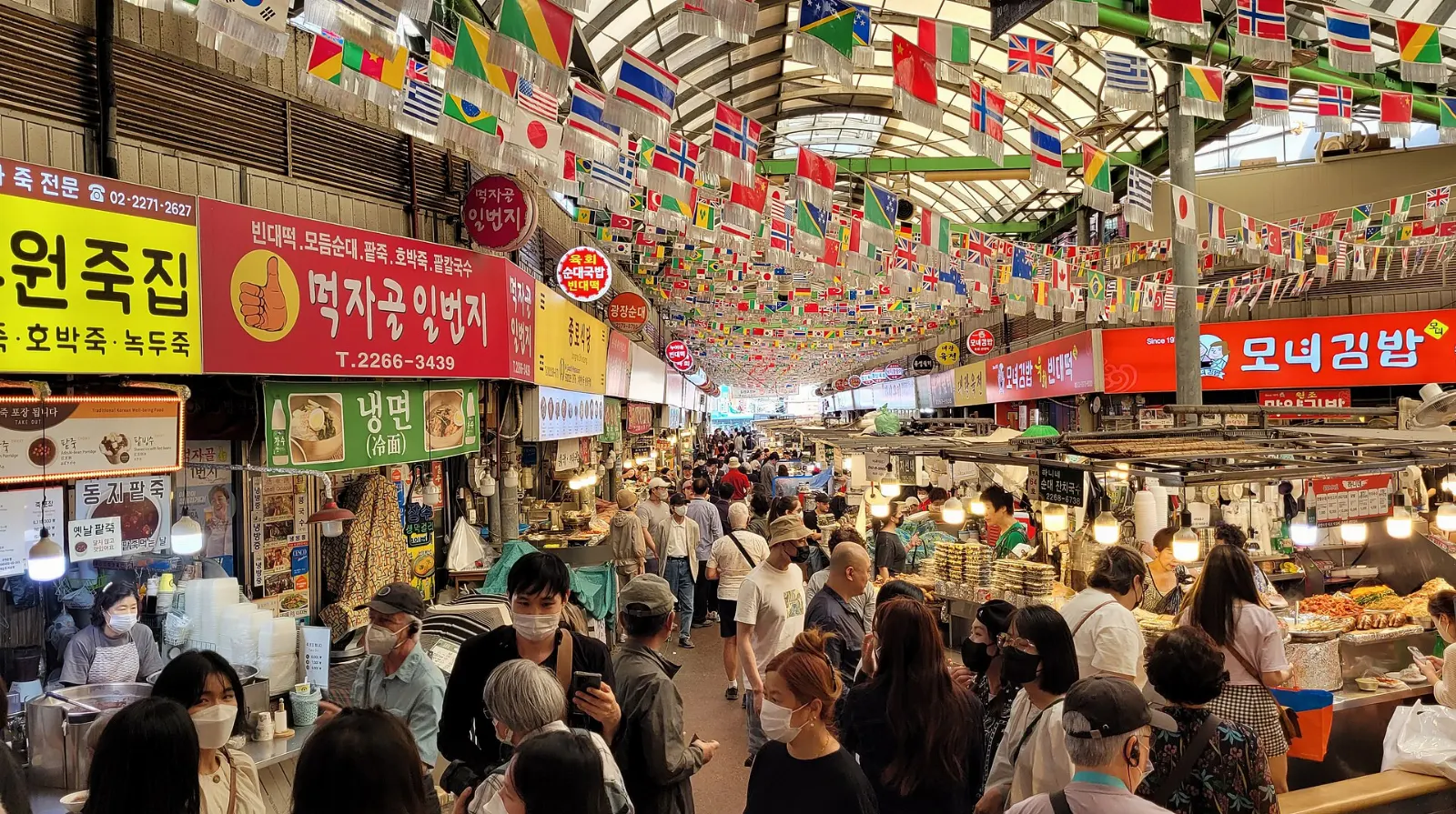
Gwangjang Market, near Jongno 5-ga, is one of the oldest traditional markets in Seoul and its food alley is the place to try classic dishes at shared counters: crispy bindaetteok mung bean pancakes, small mayak gimbap rolls, and bowls of knife-cut noodles.
Dongdaemun Design Plaza
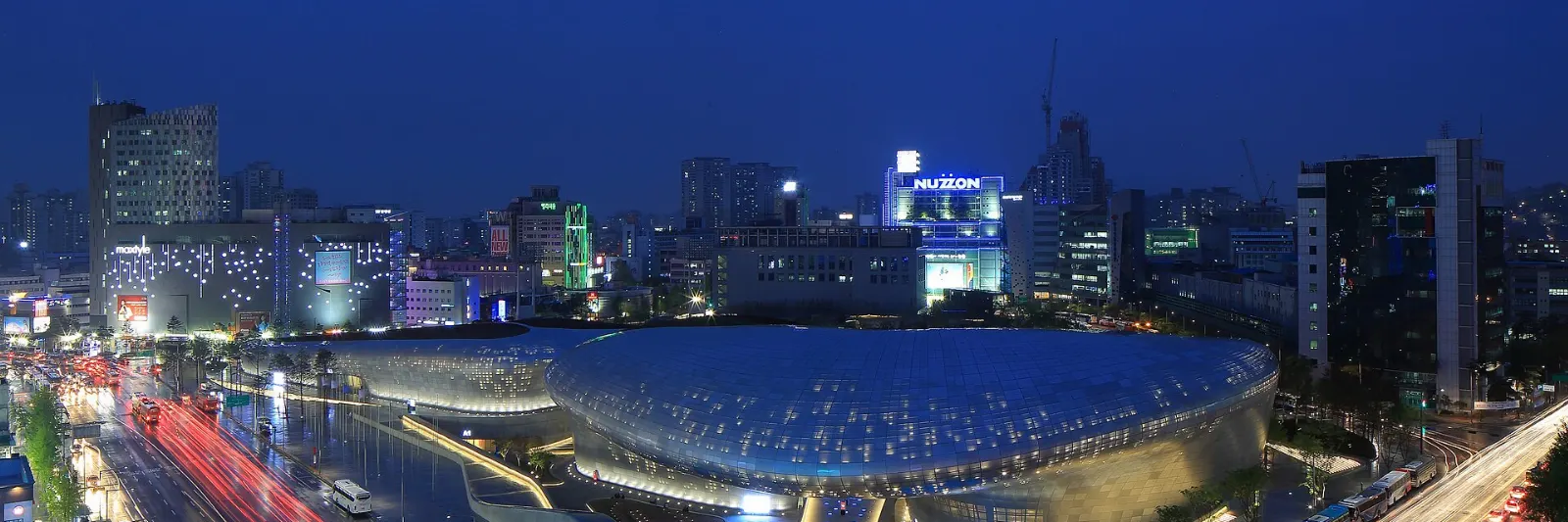
Dongdaemun Design Plaza, designed by Zaha Hadid, is a vast, curving building of aluminum panels that hosts exhibitions, design shops and fashion events.
Cheonggyecheon and Myeongdong
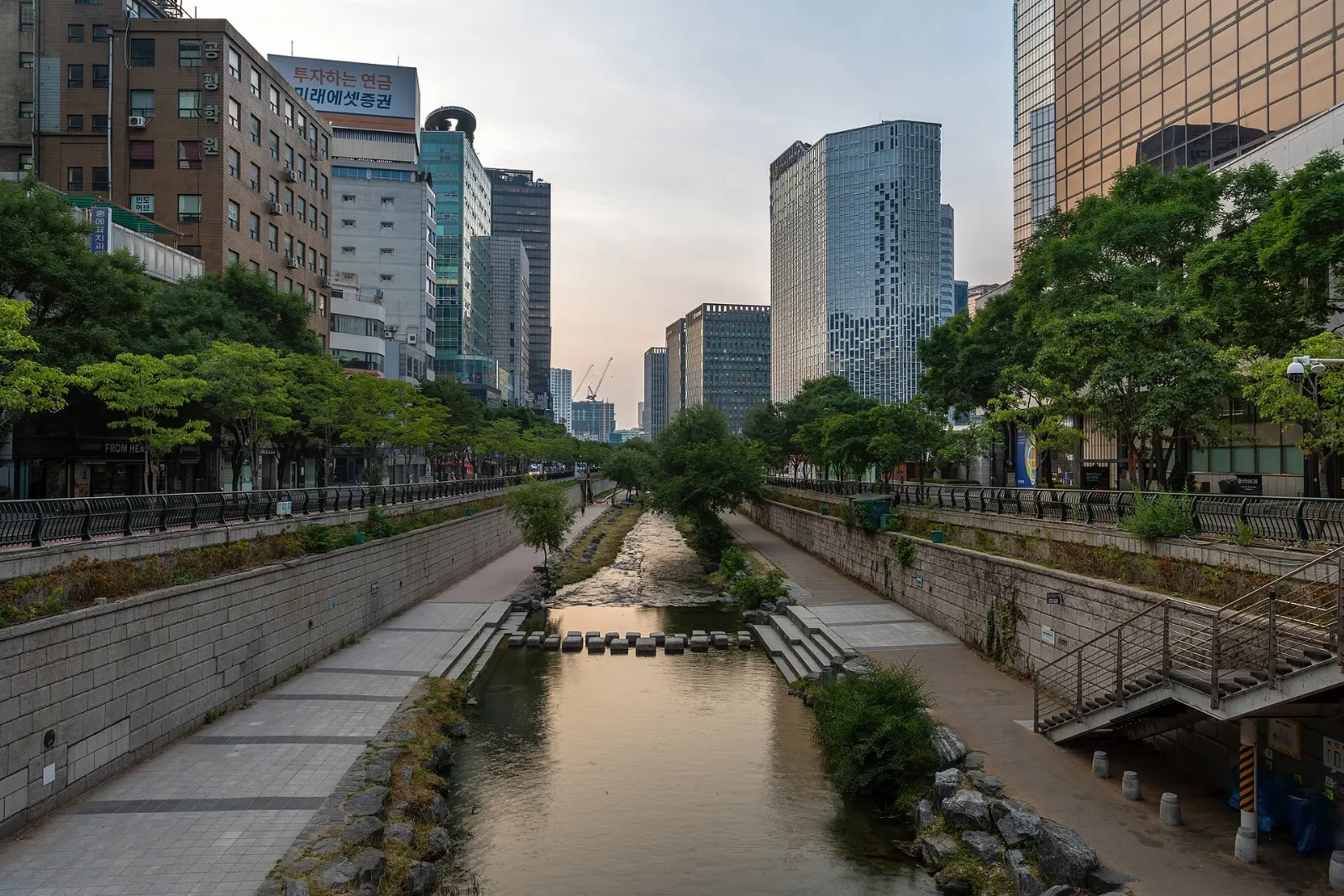
Cheonggyecheon is a restored stream that runs for several kilometers below street level through downtown, with stepping stones, small waterfalls and walking paths. It is an easy, cool walk on a summer evening, and it hosts a lantern festival in the colder months.
Mountains, museums and the Han River
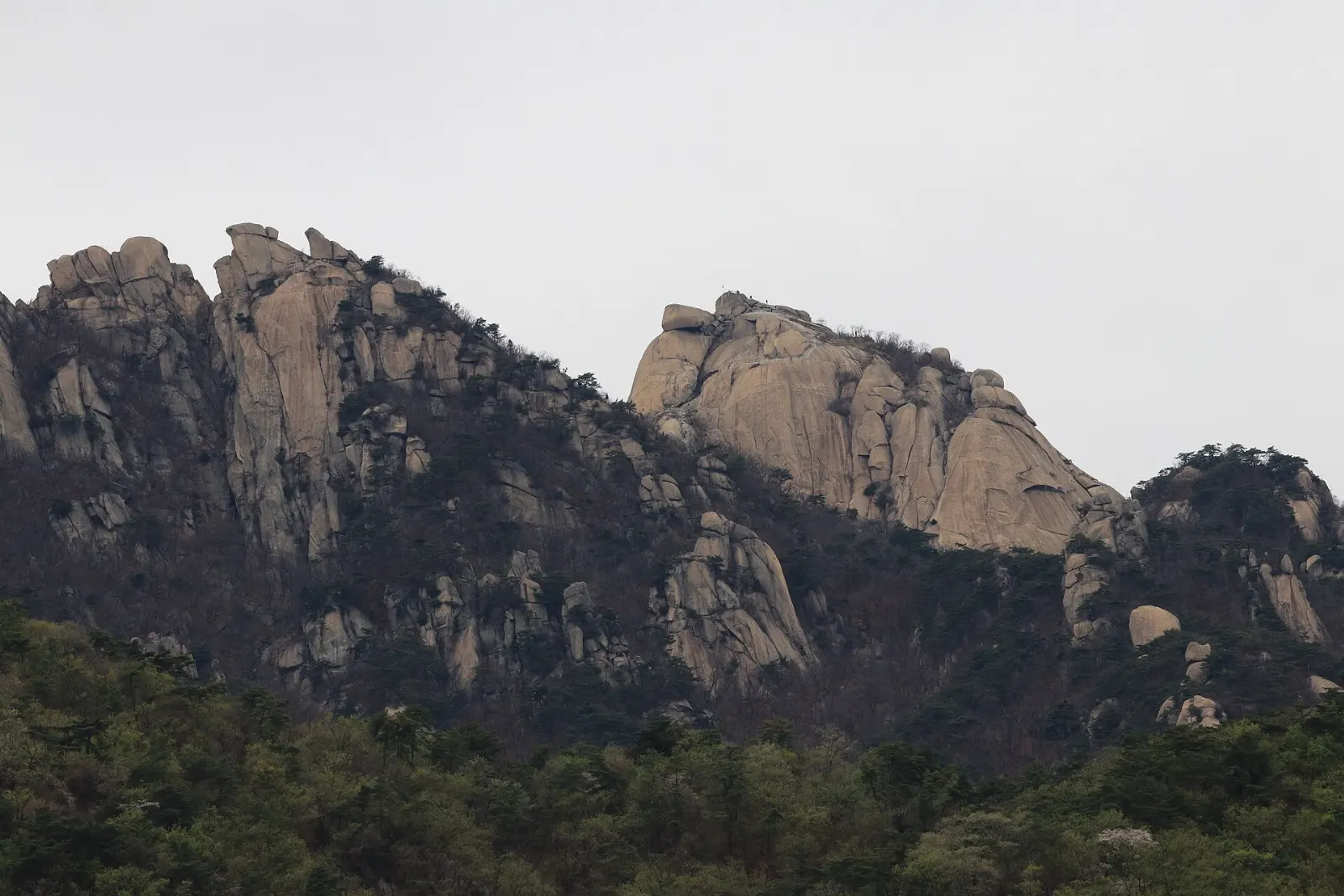
Bukhansan National Park
Bukhansan, on the northern edge of the city, is a national park of granite peaks and forested valleys, reachable by subway and bus.
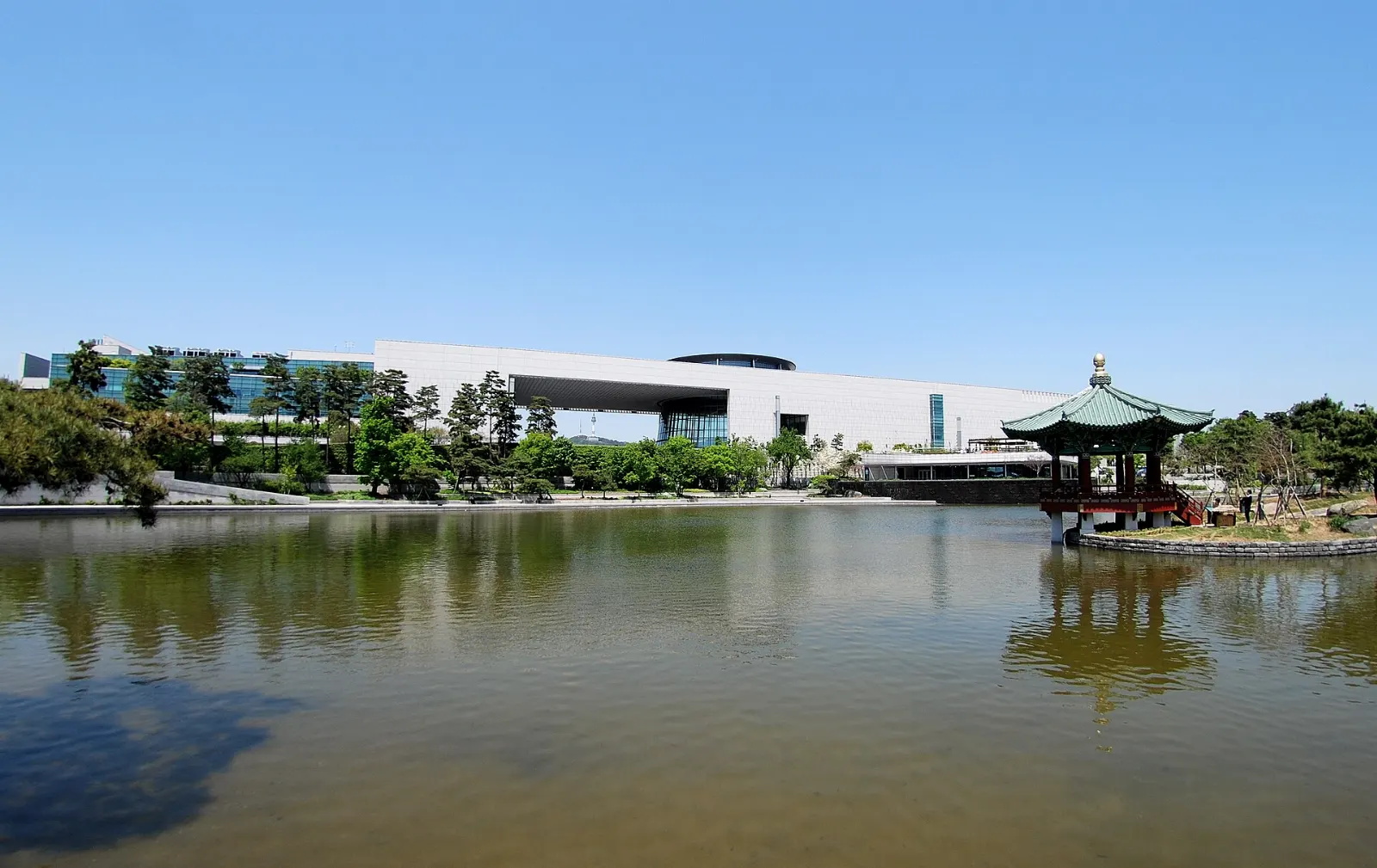
National Museum of Korea
In Yongsan, the National Museum of Korea is one of the largest museums in Asia, with galleries covering prehistory through the Joseon era, including Silla gold crowns, celadon ceramics and Buddhist sculpture. Admission to the permanent galleries is free.
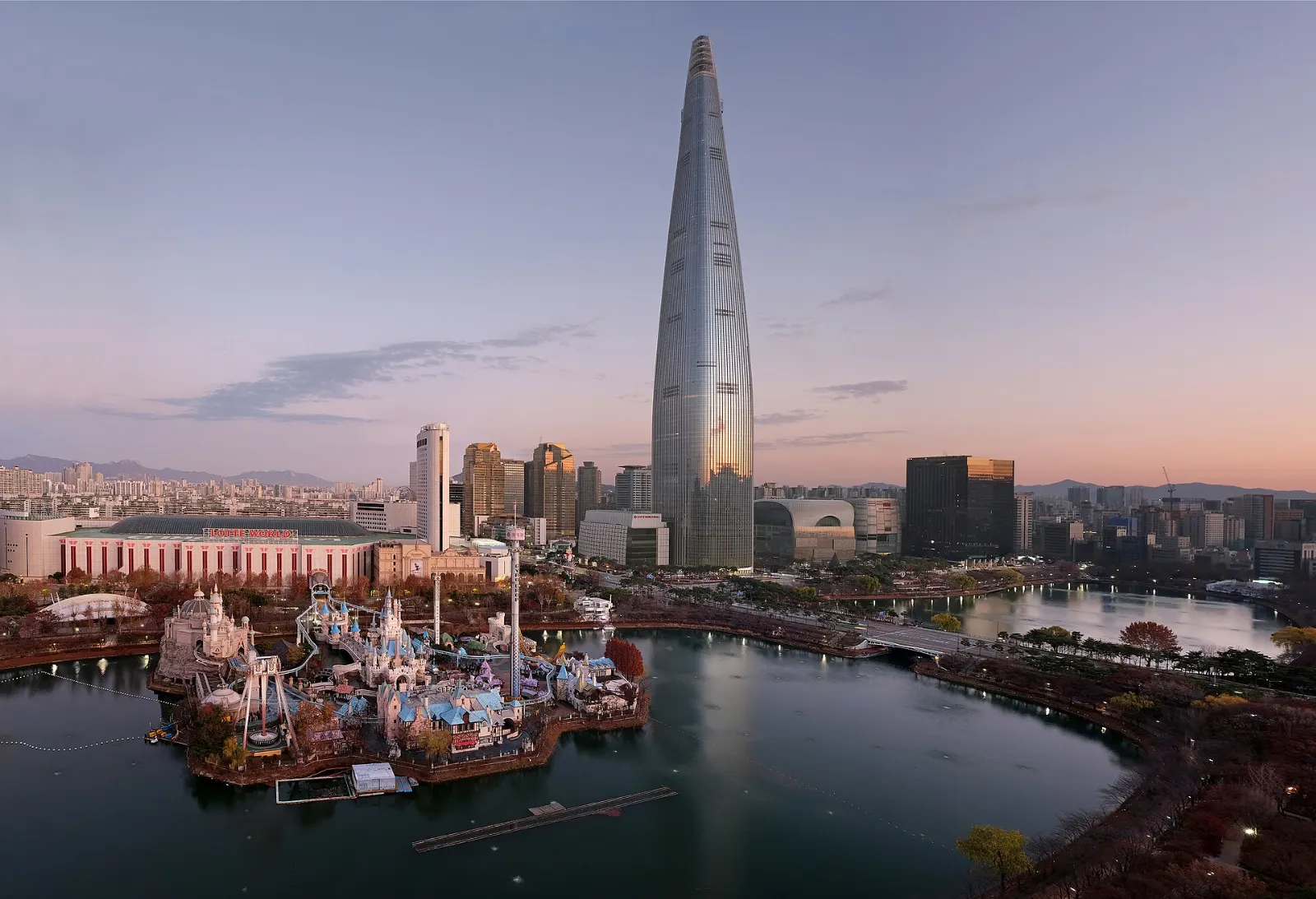
Lotte World Tower and Jamsil
In the southeast, Lotte World Tower is the tallest building in South Korea, with the Seoul Sky observation deck near the top, and Seokchon Lake at its base is lined with cherry trees in spring. Allow two hours for the tower and lake walk.
The Han River parks
The Han River cuts Seoul in two, and its banks are lined with parks for cycling, picnics and evening walks.
 Planning a trip to Seoul?Compare hotels, flights and vacation rentals for Seoul on Expedia.Book now
Food and local flavors
Seoul is one of the great eating cities of Asia. Korean barbecue, especially grilled pork belly cooked at your table with lettuce wraps and side dishes, is a must.
For street food, look for tteokbokki, chewy rice cakes in red chili sauce, fish cake skewers in hot broth, and hotteok, sweet filled pancakes, especially in winter.
Food neighborhoods are easy to find.
Popular dishes to try in Seoul


Where to stay
Jongno and the area around Insadong and Anguk are best for first-time visitors who want history close by: the palaces, Bukchon and Gwangjang Market are all walkable, and some guesthouses are in restored hanok.
Hongdae, near Hongik University, suits younger travelers and night owls, with live music, clubs and street performers, and it is on the airport rail line. Itaewon and nearby Hannam-dong are international and lively, with many restaurants and bars.
Where to stay in Seoul


Best time to visit
Spring, from April to early June, is one of the best times to visit.
Summer is hot and humid, with the monsoon rains usually arriving in late June and lasting into July. It is a good time for evening river parks and indoor museums, but plan hikes for early mornings.
Winter is cold and dry, with temperatures often below freezing. It is the quietest season for sightseeing and good for markets, saunas and winter festivals.
Getting there and getting around
Incheon International Airport is the main gateway. The AREX express train runs nonstop to Seoul Station, while the all-stop train reaches Hongdae and Gimpo, and airport limousine buses go to most major neighborhoods.
The Seoul subway is fast, clean and signposted in English, and buses fill the gaps.
For navigation, use Naver Map or KakaoMap, since Google Maps offers limited walking and driving directions in Korea.
A suggested itinerary
First day
Start at Gyeongbokgung for the guard ceremony, walk up through Bukchon in the late morning, and spend the afternoon in Insadong and Ikseon-dong.
Second day
Visit Changdeokgung and the Secret Garden on a booked tour, then Jongmyo.
Third day
Spend the morning at the National Museum of Korea, walk Cheonggyecheon after lunch, and go to Dongdaemun Design Plaza in the evening.
Fourth day
Hike Bukhansan early, rest in the afternoon, and spend the evening in Hongdae or at a Han River park.
Fifth day
Head to Jamsil for Lotte World Tower and Seokchon Lake, or join a guided tour to the Demilitarized Zone, which must be booked in advance.
Practical tips
- Get a T-money card on arrival and top it up with cash at stations or convenience stores.
- Download Naver Map or KakaoMap and a translation app before you arrive.
- Book the Secret Garden tour, DMZ tours and observation decks ahead in busy seasons.
- Check which day each palace is closed; most close one day a week, and the days differ.
- Respect the visiting hours and quiet rules in Bukchon, where people live in the hanok.
- Tipping is not expected in restaurants or taxis.
- Carry a little cash for markets and street stalls, though cards are accepted almost everywhere.