For centuries, French kings and their courts lived along the Loire, building palaces, hunting lodges and pleasure gardens in the soft local limestone. The result is the Loire Valley, a gentle river landscape of vineyards, orchards and forests dotted with some of the most famous châteaux in the world.
AT A GLANCE
Best time
May, June and September for mild weather, open gardens and fewer crowds than midsummer.
How long
Three to five days, visiting two châteaux a day at most.
Getting there
High-speed train from Paris to Tours in about an hour, then a car, bike or tour.
Why visit the Loire Valley
The Loire is where the French Renaissance blossomed. After military campaigns in Italy in the late fifteenth and early sixteenth centuries, French kings returned with Italian ideas, artists and craftsmen, and transformed fortified castles into elegant residences with grand staircases, loggias and formal gardens.
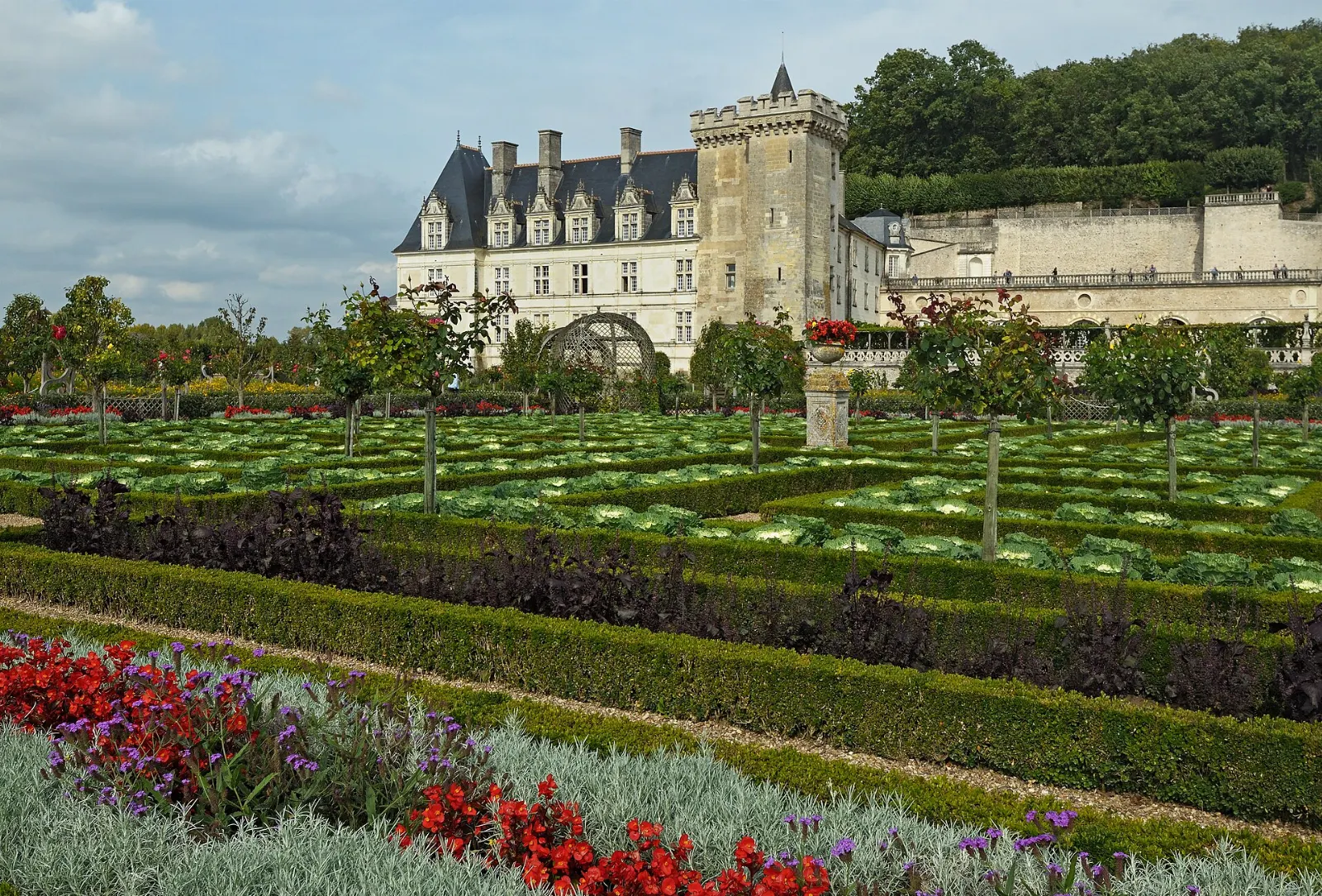
What makes the region special today is how varied and approachable it is. One day you can stand on the rooftop terrace of Chambord among hundreds of chimneys and turrets, the next you can wander a kitchen garden of cabbages laid out like embroidery at Villandry.
Chambord, Blois and the eastern châteaux
Château de Chambord
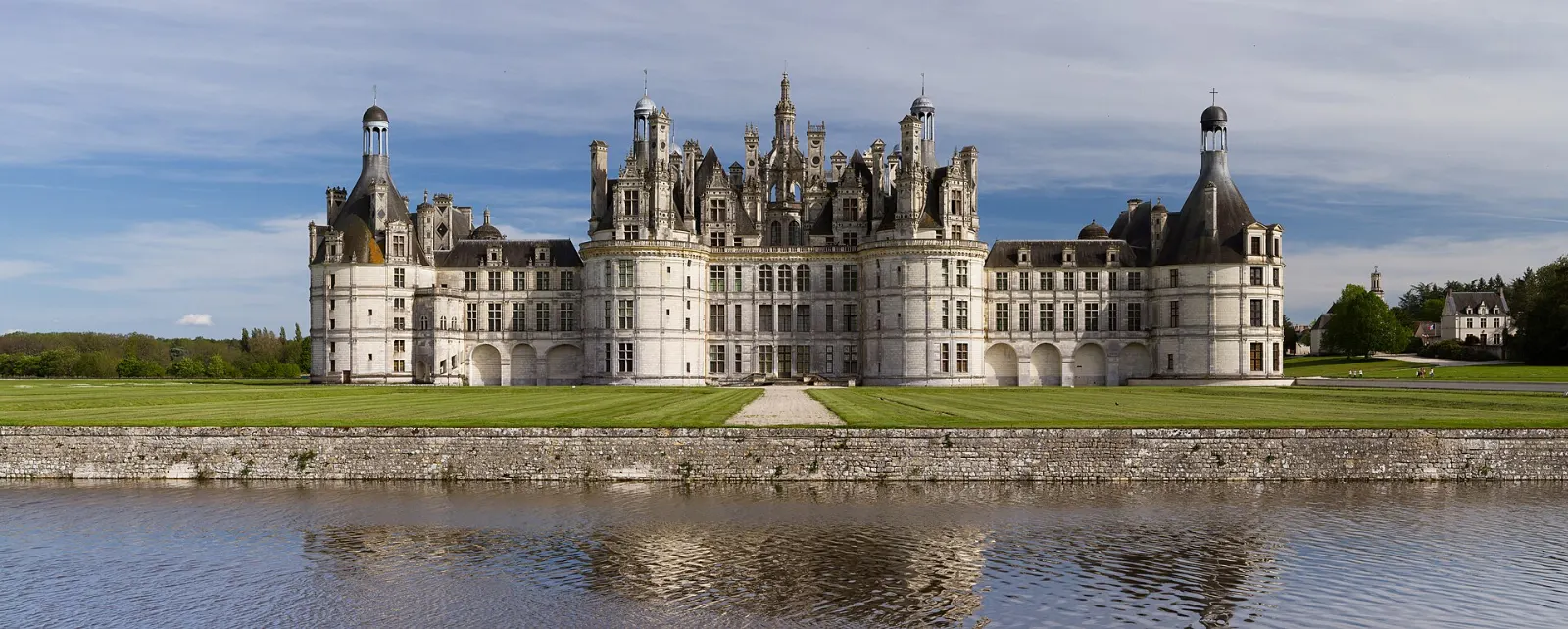
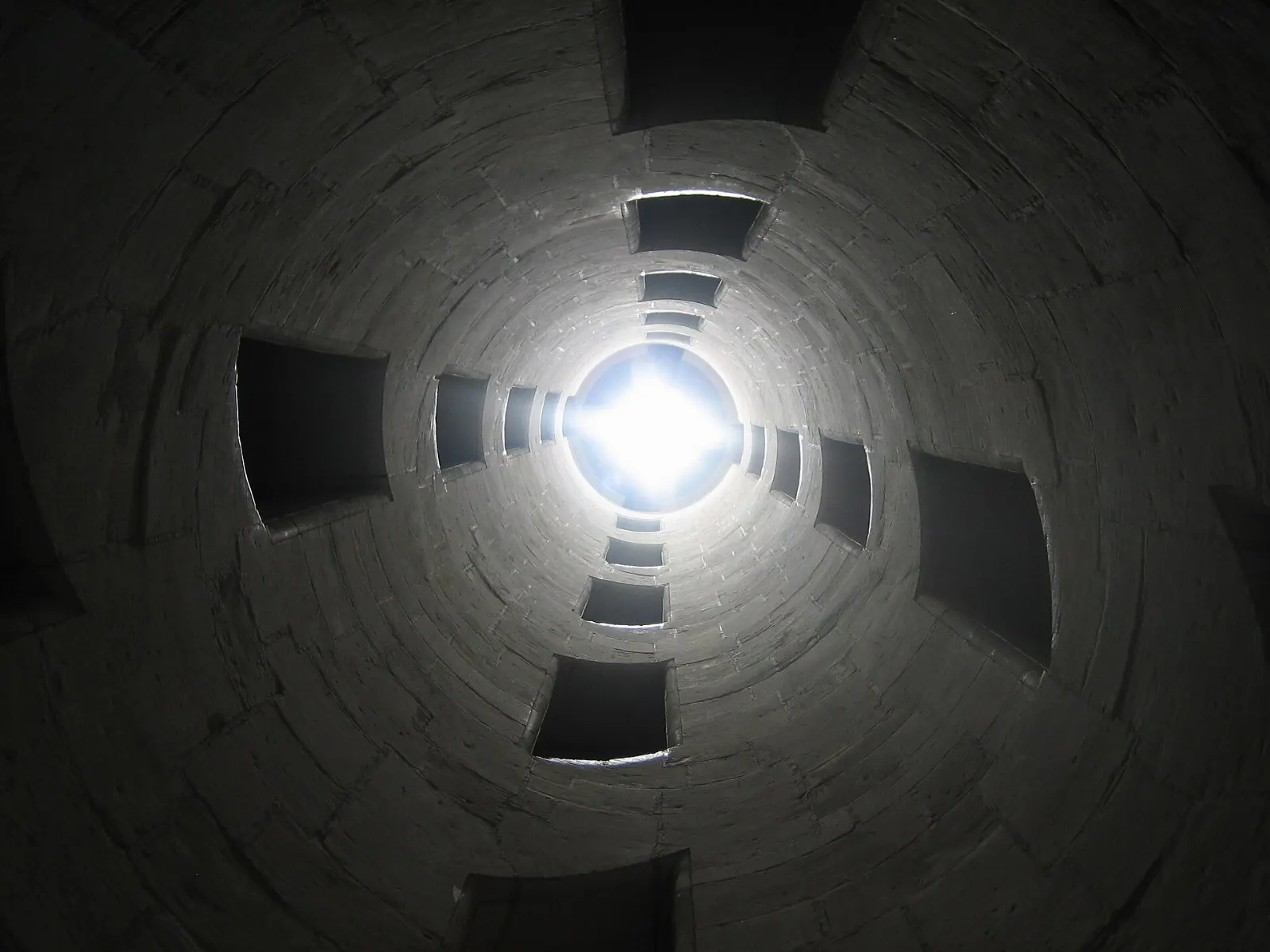
Chambord is the Loire's showstopper, begun in 1519 for Francis I as a monumental hunting lodge in the middle of a vast forest. Its skyline of towers, lanterns and chimneys looks like a city on the roof.
Practical tip: rent a bike or electric cart on the estate, or walk a forest trail at dusk, when you may spot deer. Check the official website for current hours and fees.
Royal Château of Blois
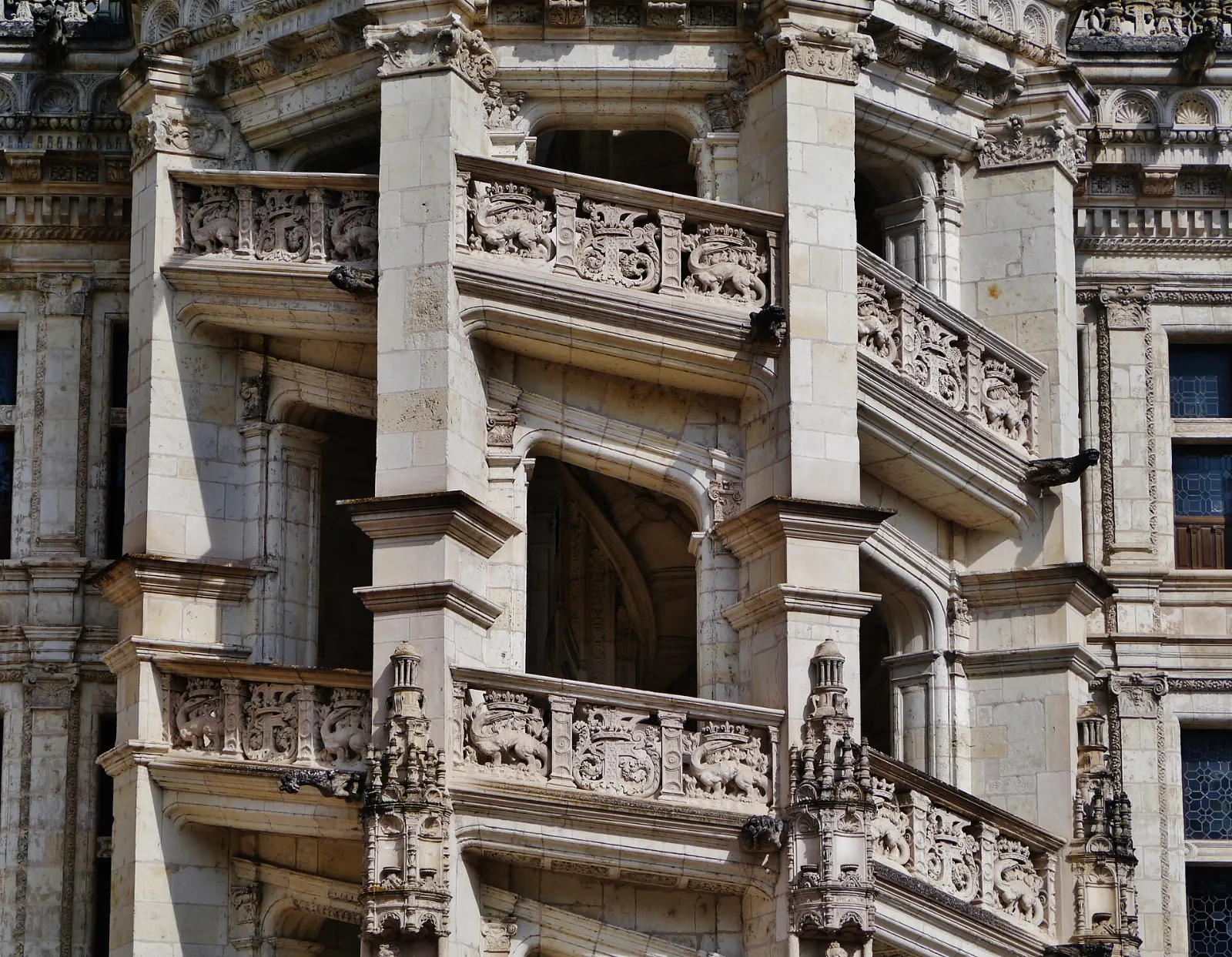
In the heart of the town of Blois, this royal residence reads like an architecture textbook, with wings in Gothic, Renaissance and Classical styles arranged around one courtyard. The highlight is the open spiral staircase of the Francis I wing, richly carved with salamanders, the king's emblem.
Château de Cheverny
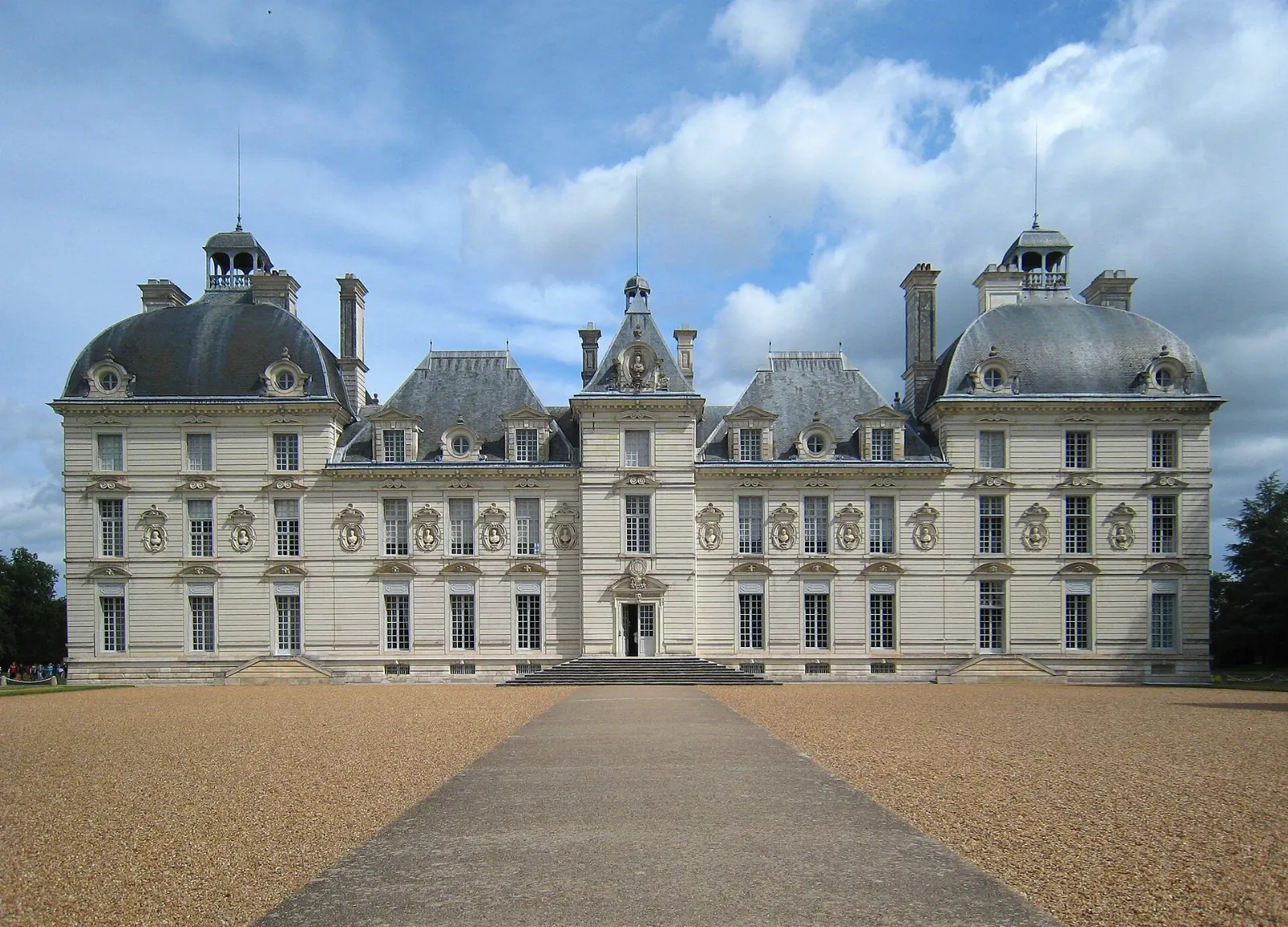
Still owned by the same family that built it in the seventeenth century, Cheverny is a beautifully furnished classical château with a symmetrical pale facade. Fans of Tintin will recognize it as the model for Marlinspike Hall, and a small exhibition celebrates the connection.
Domaine de Chaumont-sur-Loire
On a bluff above the river between Blois and Amboise, Chaumont pairs a turreted château with a celebrated International Garden Festival, held from spring to autumn, in which designers create themed show gardens. Contemporary art installations are scattered through the château and its park.
Amboise and the Cher valley
Royal Château of Amboise
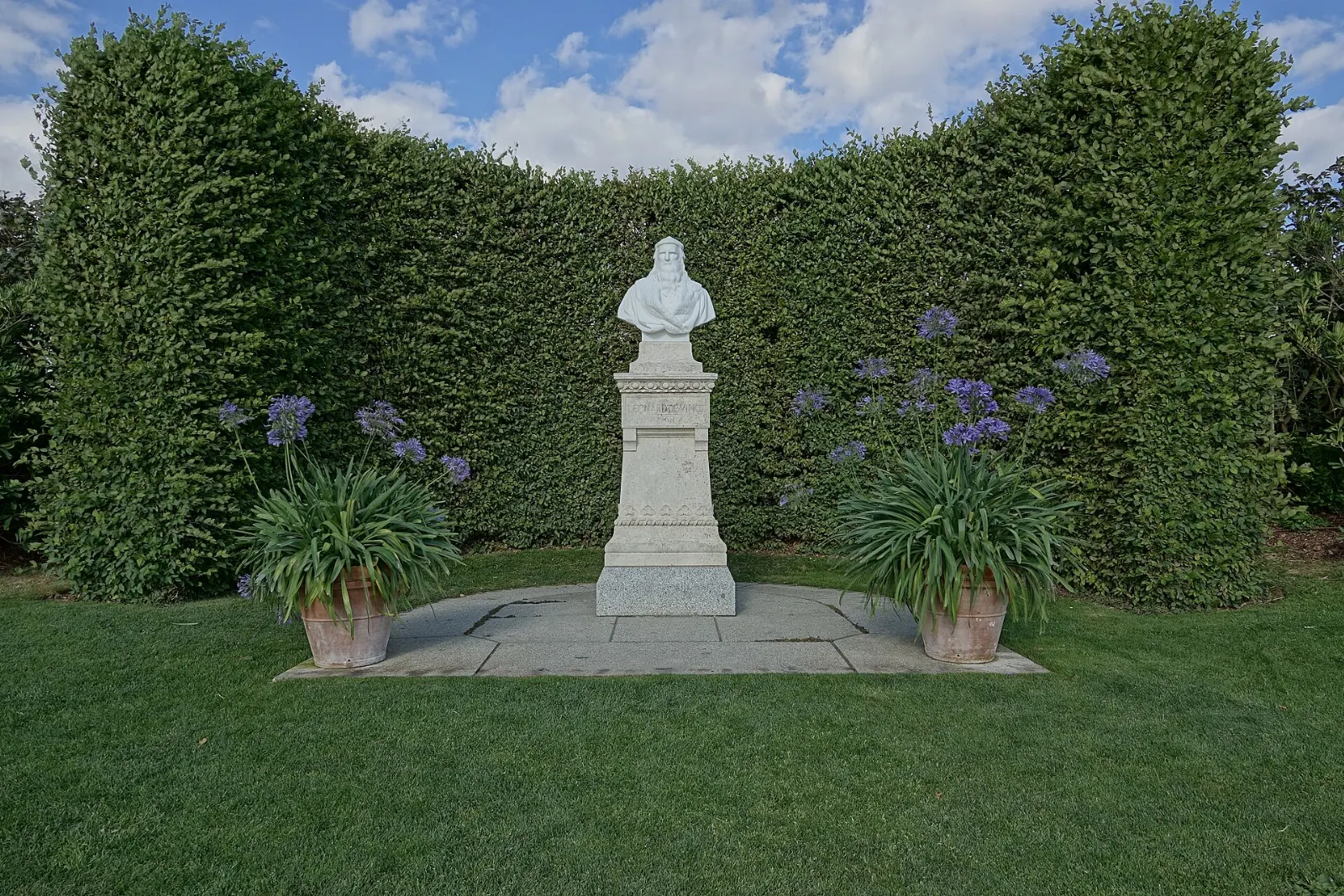
Amboise rises on a rocky spur above the Loire, and its terraces give one of the finest views over the river and the slate roofs of the town. Charles VIII and Francis I spent time at court here, and the small Gothic chapel of Saint-Hubert holds the tomb of Leonardo da Vinci.
Château du Clos Lucé
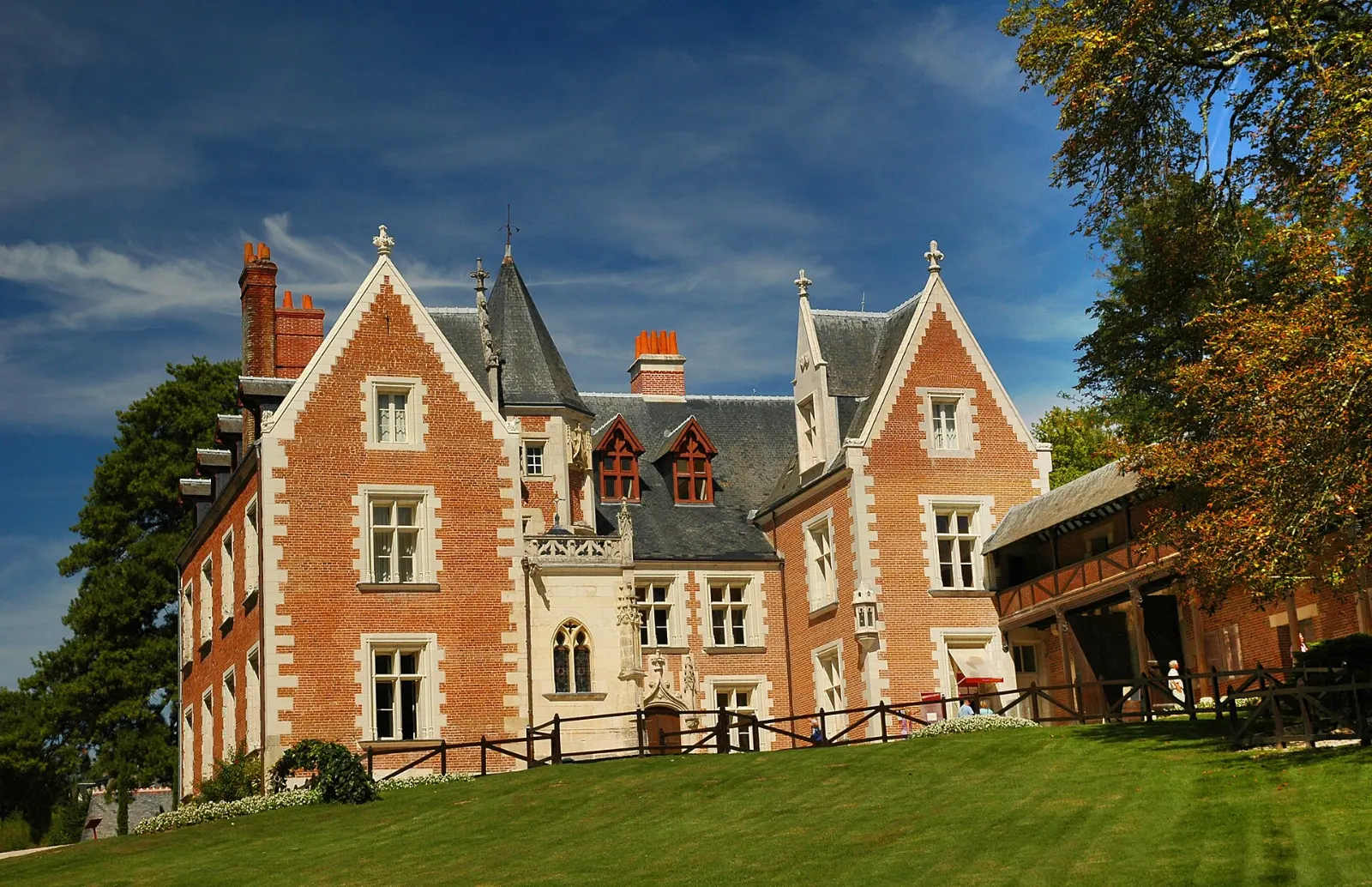
A short walk up the street from the royal château, the red brick manor of Clos Lucé is where Leonardo da Vinci lived from 1516 until his death in 1519.
Château de Chenonceau
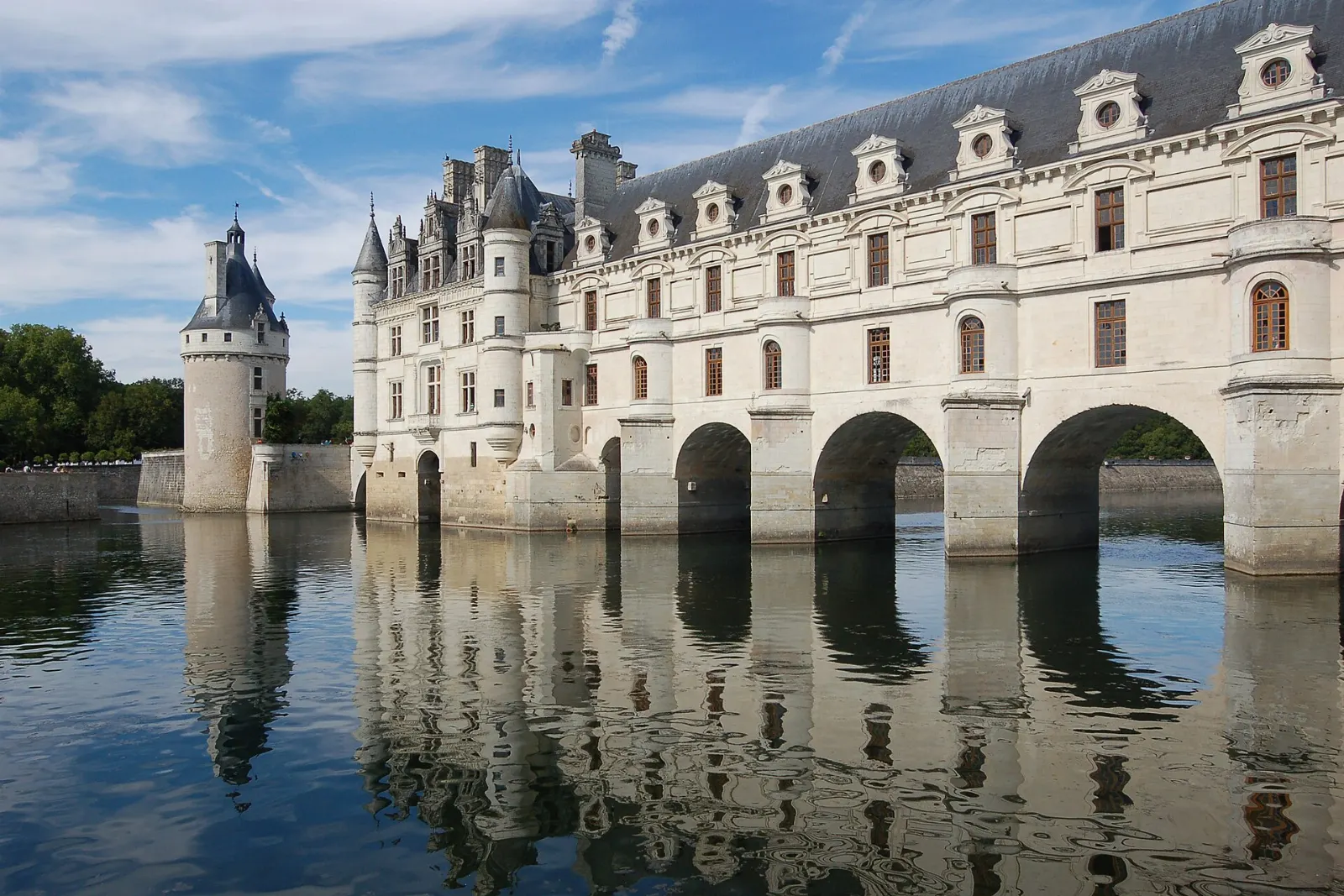
Chenonceau is often called the most romantic of the châteaux. Its long gallery stretches across the Cher river on graceful arches, and its story is shaped by powerful women, including Diane de Poitiers and Catherine de' Medici, whose rival gardens still flank the entrance.
Tours, the western châteaux and Anjou
Château de Villandry
Villandry was the last great Renaissance château built along the Loire, but its fame rests on its gardens.
Château d'Azay-le-Rideau
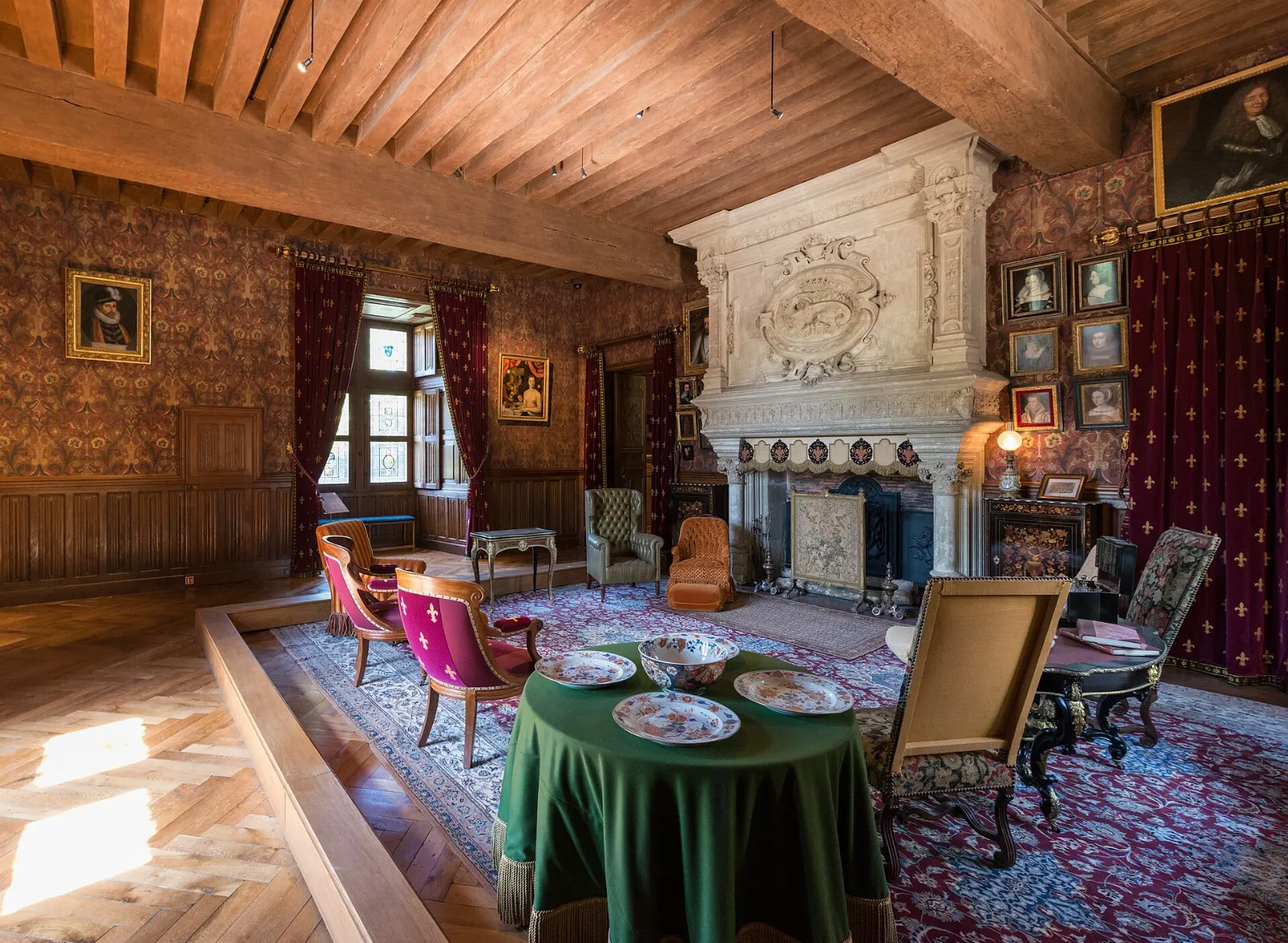
Built on an island in the Indre river in the early sixteenth century, Azay-le-Rideau is a jewel of early French Renaissance architecture. Its turrets and pale stone seem to float on the water, and the reflection is the reason most photographers come.
Tours
The largest city in the area makes a practical base, especially if you arrive by train. Its medieval quarter around Place Plumereau is lined with half-timbered houses and busy café terraces, and the Gothic cathedral of Saint-Gatien has fine stained glass.
Saumur
Further west in Anjou, Saumur is crowned by a white château above the Loire.
Royal Abbey of Fontevraud
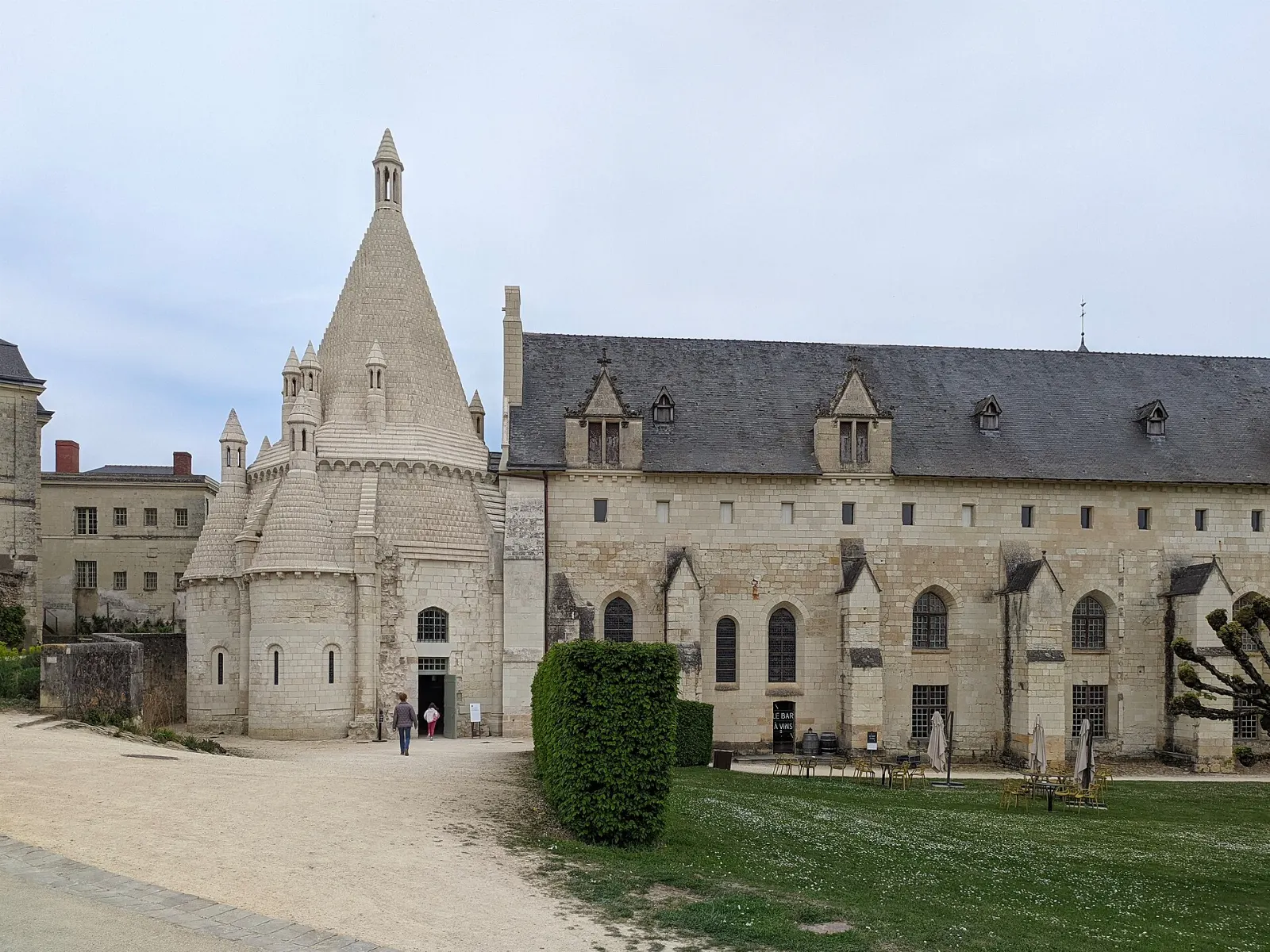
Southeast of Saumur, Fontevraud is one of the largest monastic complexes surviving in Europe. Its Romanesque abbey church holds the painted tomb effigies of Henry II of England, Eleanor of Aquitaine and Richard the Lionheart, a reminder of the Plantagenet dynasty's roots in the region.
 Planning a trip to Loire Valley?Compare hotels, flights and vacation rentals for Loire Valley on Expedia.Book now
Food and local flavors
The Loire Valley is often called the garden of France, and its food is simple, generous and seasonal.
Desserts include tarte Tatin, the upside-down caramelized apple tart associated with the Sologne, and dried pears from the troglodyte villages near Rivarennes.
The wines are a delight to explore. Vouvray and Montlouis make chenin blanc in styles from dry to sweet and sparkling.
Popular dishes to try in Loire Valley


Where to stay
Amboise. The most popular base for first-time visitors, central to Chenonceau, Clos Lucé, Chaumont and Chambord, with plenty of restaurants and a pretty riverside setting.
Tours. Best for travelers arriving by train or relying on tours and buses.
Blois. A good base for the eastern châteaux, especially Chambord and Cheverny, and well served by trains from Paris.
Countryside guesthouses. For a quieter stay, many villages offer chambres d'hôtes in old farmhouses or wine estates.
Where to stay in Loire Valley


Best time to visit
Late April to June is a lovely time: the gardens are in bloom, the days are long and the crowds are lighter than in summer.
Winter is quiet and often gray, and some smaller châteaux and restaurants close or reduce their hours.
Getting there and getting around
By train. High-speed TGV trains run from Paris Montparnasse to Saint-Pierre-des-Corps, next to Tours, in about an hour, with connections into central Tours.
By car. A car gives you the most freedom, since many châteaux sit in the countryside.
Tours and shuttles. Small-group minibus tours from Tours and Amboise cover the main châteaux, and seasonal shuttle buses link some sites with nearby towns.
By air. Paris airports connect to the valley by train, and Nantes airport serves the western end.
A suggested itinerary
First day
Arrive in Tours by train, pick up a car and drive to Amboise.
Second day
Reach Chenonceau at opening time, then drive to Chaumont-sur-Loire for the gardens in the afternoon.
Third day
Head east for a full day at Chambord, including the roof terraces and a forest walk, and finish at Cheverny or in the old town of Blois.
Fourth day
Go west to Villandry in the morning and Azay-le-Rideau in the afternoon, stopping for a wine tasting along the way.
Fifth day
Continue to Saumur for a cellar tour and the château, then visit Fontevraud Abbey before heading back toward Tours or on to Nantes.
Practical tips
- Limit yourself to two châteaux a day; any more and they blur together.
- Book tickets online for Chambord and Chenonceau in summer to skip the ticket lines.
- Arrive at opening time or in the late afternoon to avoid tour groups.
- Many restaurants serve lunch only during a set window and close between services, so plan meals around it.
- Carry a picnic; markets and bakeries make it easy, and many château parks have pleasant spots to eat.
- Wear comfortable shoes for spiral staircases, gravel paths and large parks.