Singapore packs a remarkable amount into a small island. In a single afternoon you can walk from a Taoist temple in Chinatown to a mosque in Kampong Glam, eat a plate of chicken rice at a hawker stall that has been perfecting one dish for decades, and end the evening under glowing Supertrees beside the bay.
AT A GLANCE
Best time
February to April is usually the driest and sunniest stretch; the city is warm and humid all year.
How long
Three to four days covers the major sights and neighborhoods; five lets you add Sentosa or the wildlife parks.
Getting there
Fly into Changi Airport, then take the MRT, a taxi or a ride-hailing car into the city in well under an hour.
Why visit Singapore
Singapore is a city-state where Chinese, Malay, Indian and Eurasian cultures have lived side by side for nearly two centuries, and you feel that mix everywhere: in the shophouse streets, the places of worship that sit a few blocks apart, the four official languages on signs, and above all in the food.
The city is also surprisingly green. Planners have spent decades weaving parks, nature reserves and connected trails into the urban fabric, so you can hike a forest ridge in the morning and be back among skyscrapers for lunch.
Practical ease is part of the appeal. English is widely spoken, the trains are frequent and air-conditioned, tap water is safe to drink, and the city is compact enough that most sights are within half an hour of each other.
Marina Bay and the civic district
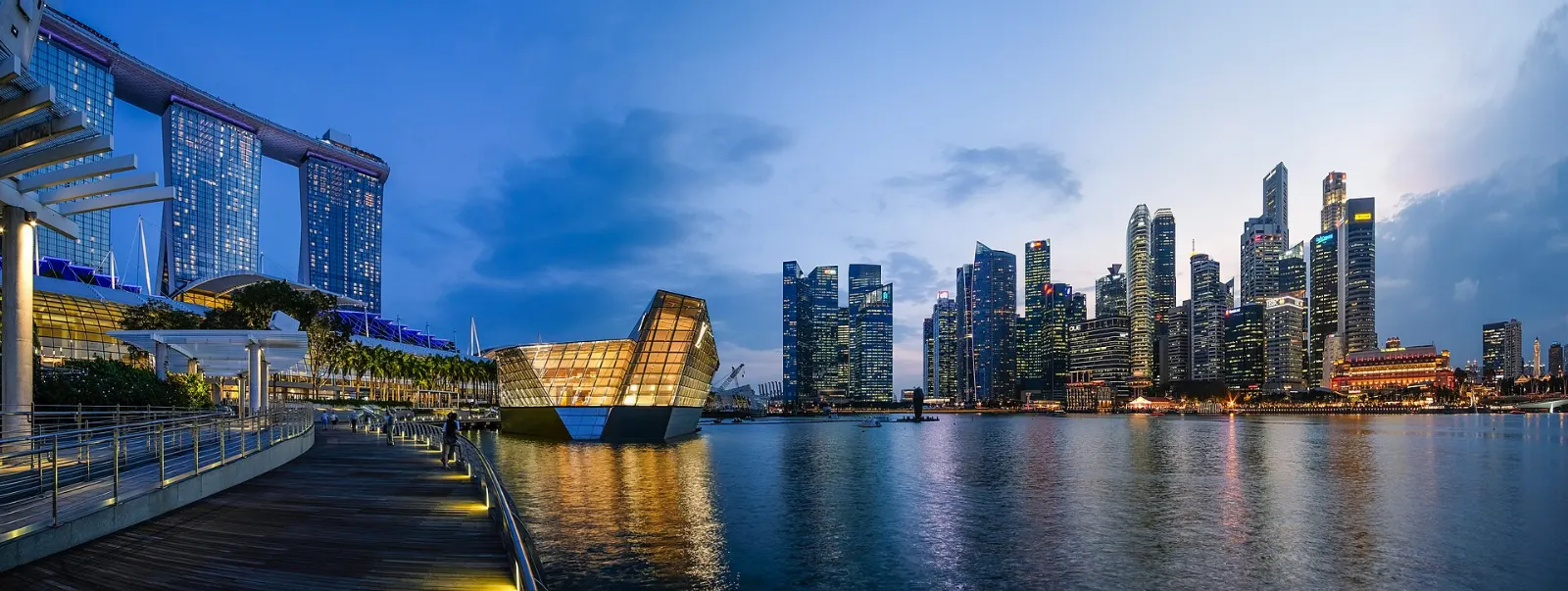
Marina Bay is the modern face of Singapore, a reclaimed waterfront ringed by a walking promenade. The colonial civic district sits just across the Singapore River, so the two are easy to combine.
Gardens by the Bay
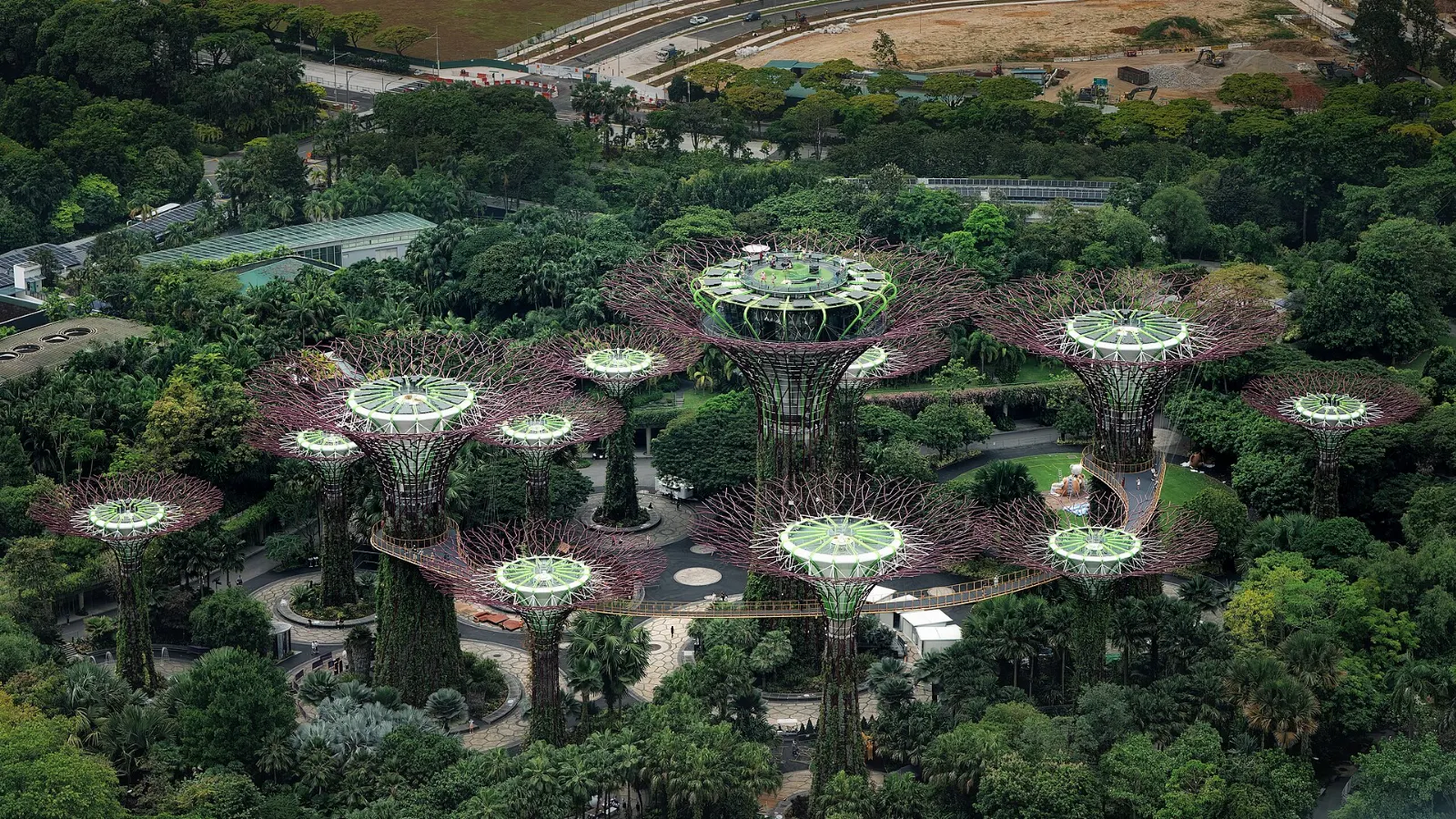
This waterfront park is the place most visitors picture when they think of Singapore. The outdoor gardens, including the Supertree Grove, are free to wander, while the two cooled conservatories charge admission.
Allow three to four hours if you want both domes and the evening show. Tip: visit the conservatories in the afternoon heat, when their cool air is most welcome, then stay on for the light show after dark.
Merlion Park and the bay promenade
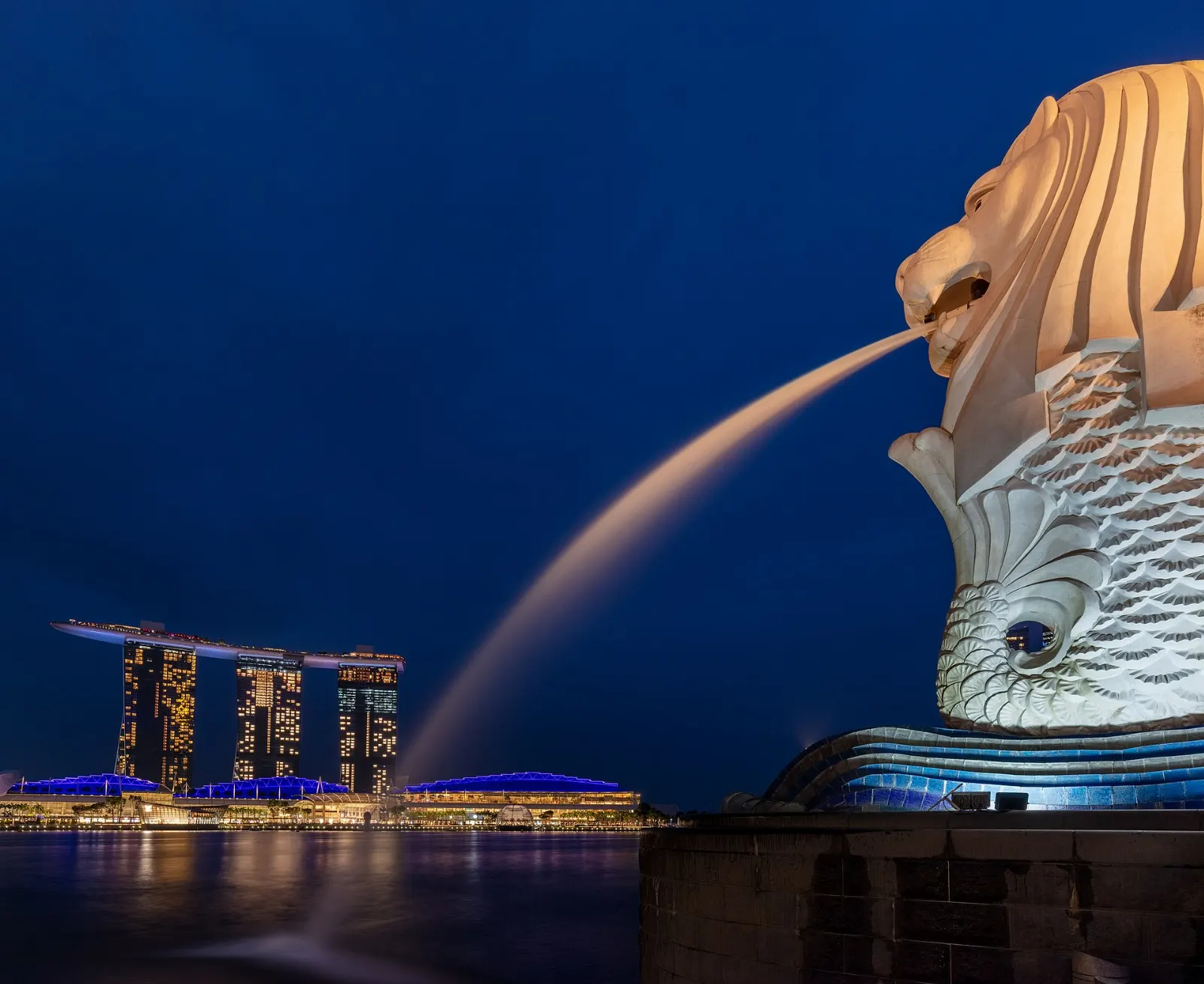
The Merlion statue faces the bay from a small park near One Fullerton, spouting water into the harbor with Marina Bay Sands directly opposite.
National Gallery Singapore
Housed in the former Supreme Court and City Hall buildings, the National Gallery holds one of the largest public collections of modern Southeast Asian art. The restored courtrooms and the rooftop terrace, which looks over the Padang and toward Marina Bay, are worth seeing even if you only skim the galleries.
Chinatown, Little India and Kampong Glam
Singapore's three historic ethnic quarters are lined with restored shophouses, temples and food centres. Each can be explored on foot in half a day, and all are on the MRT network.
Chinatown
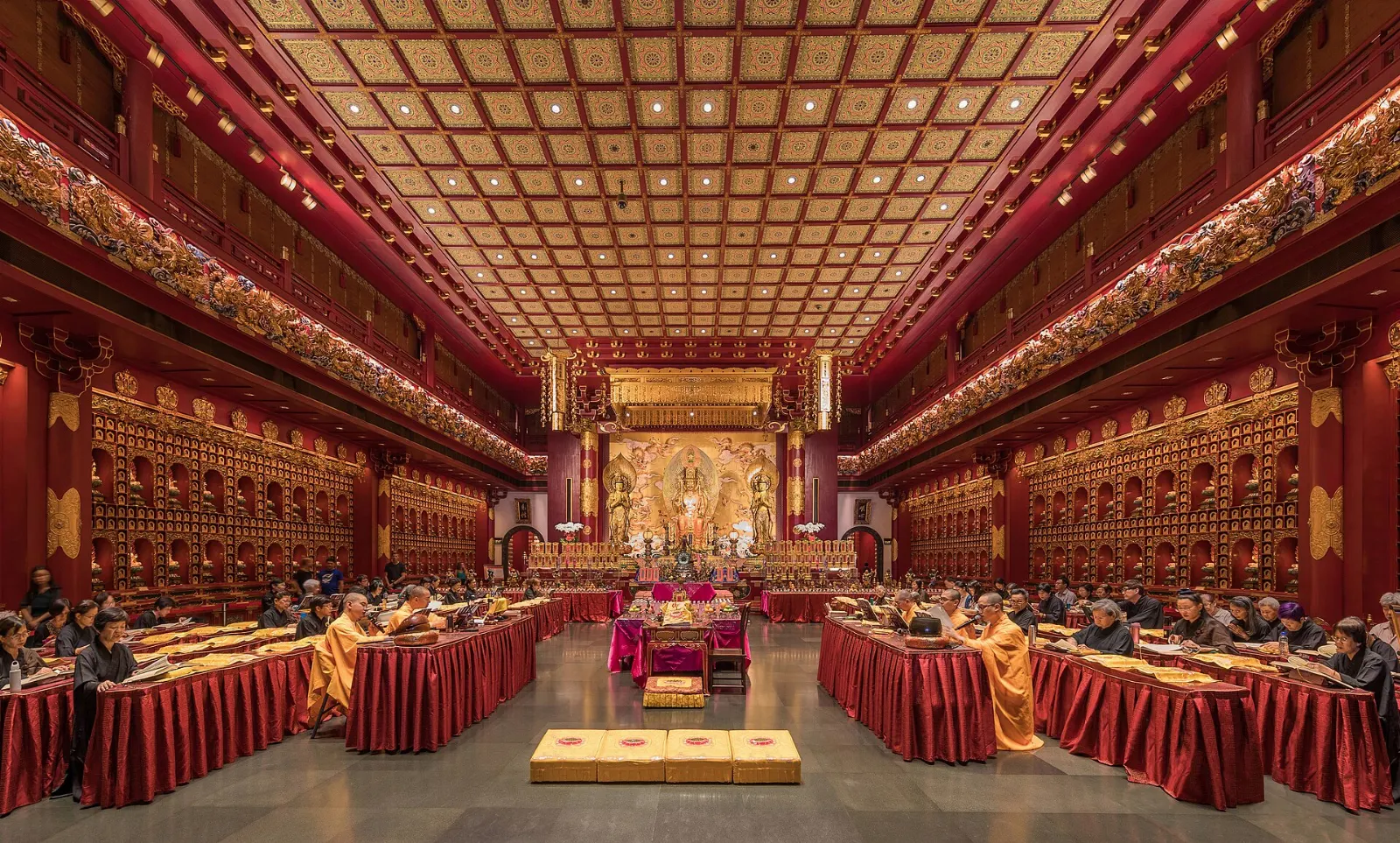
Start at the Buddha Tooth Relic Temple on South Bridge Road, a large temple built in a Tang dynasty style with a small museum and a peaceful rooftop garden. A short walk away, Sri Mariamman Temple is the oldest Hindu temple in Singapore, its gopuram covered with sculpted deities.
Little India
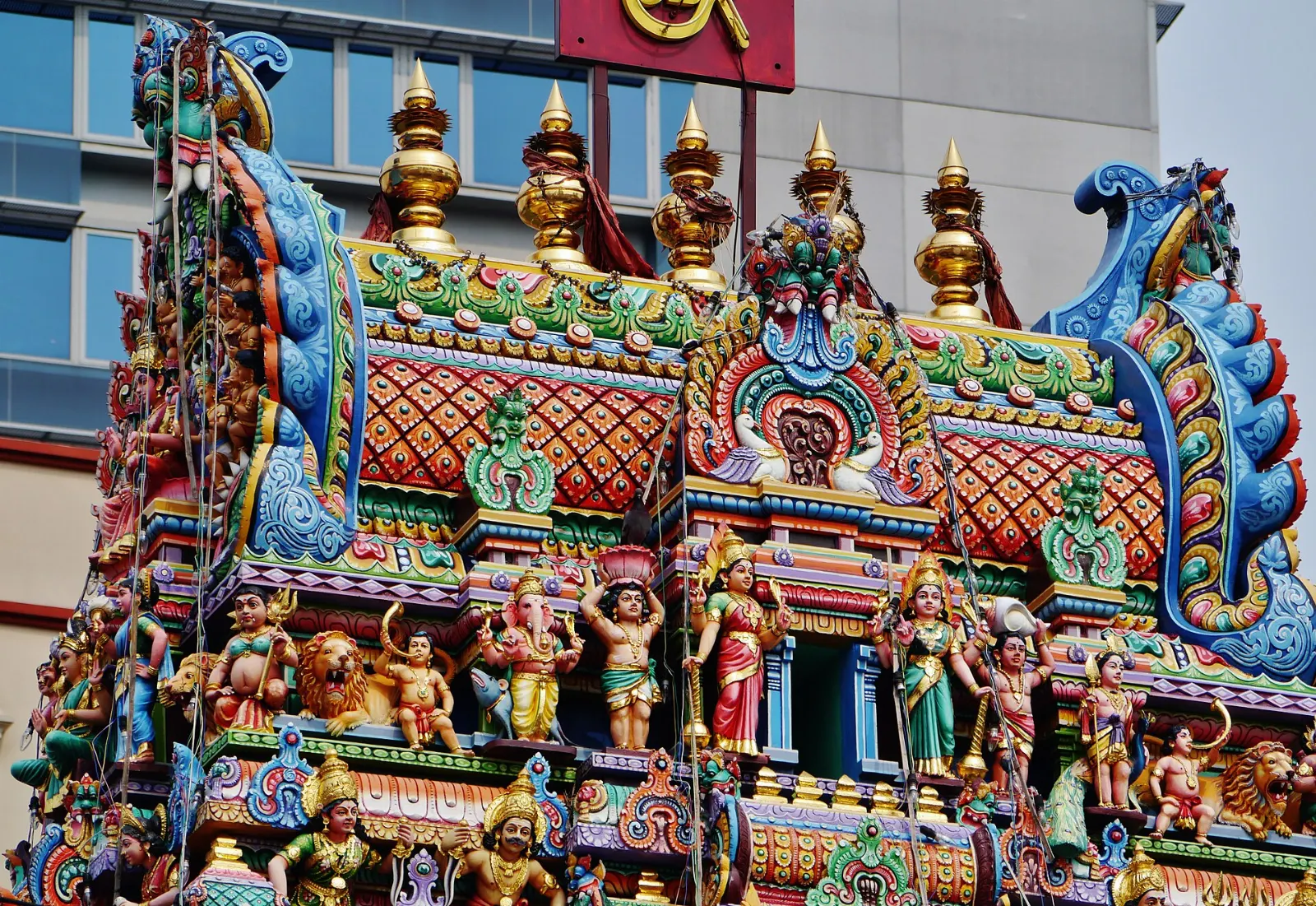
Serangoon Road is the spine of Little India, scented with jasmine garlands and spices. Sri Veeramakaliamman Temple, dedicated to the goddess Kali, is one of the oldest Hindu temples in the country, and the Indian Heritage Centre explains the history of the community.
Kampong Glam
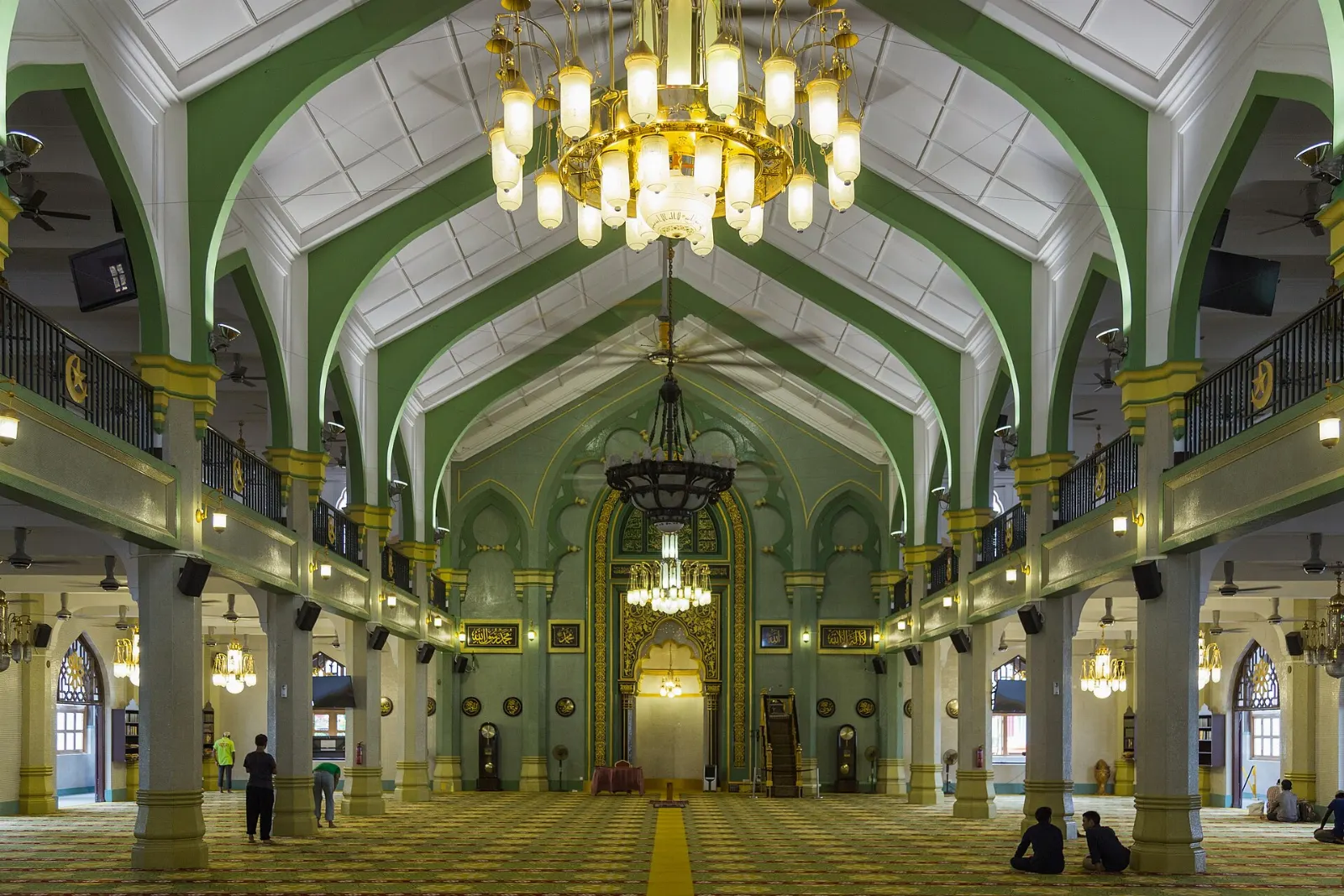
The old Malay and Arab quarter centers on Sultan Mosque, whose golden domes rise at the end of Bussorah Street. Visitors are welcome outside prayer times; robes are provided for those who need them.
Gardens, trails and islands
Beyond the downtown core, Singapore's parks and nature areas show a slower side of the city.
Singapore Botanic Gardens
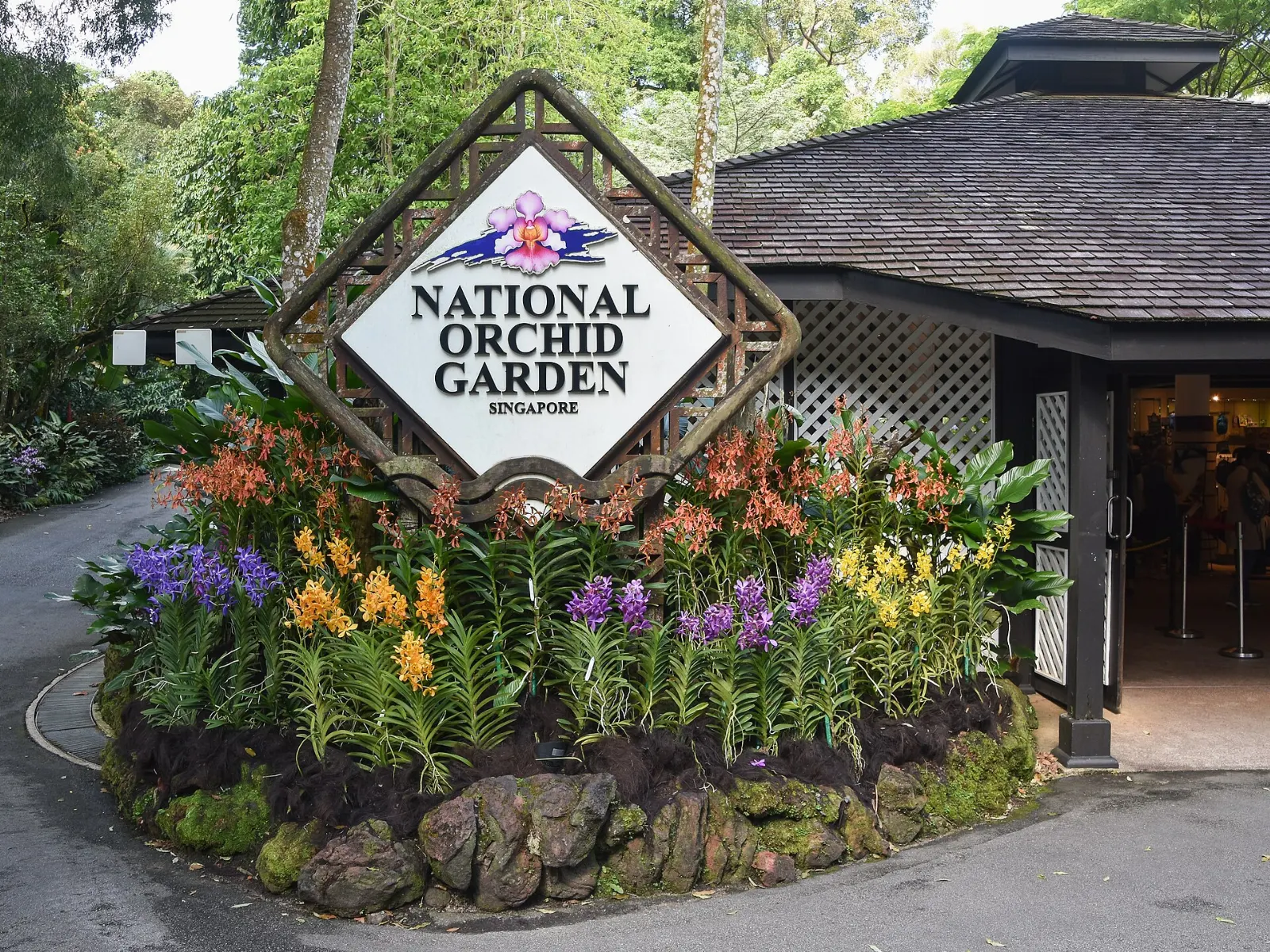
Founded in 1859 and inscribed as a UNESCO World Heritage Site in 2015, the Botanic Gardens spread across rolling lawns, lakes and a patch of original rainforest close to Orchard Road.
Southern Ridges and Henderson Waves
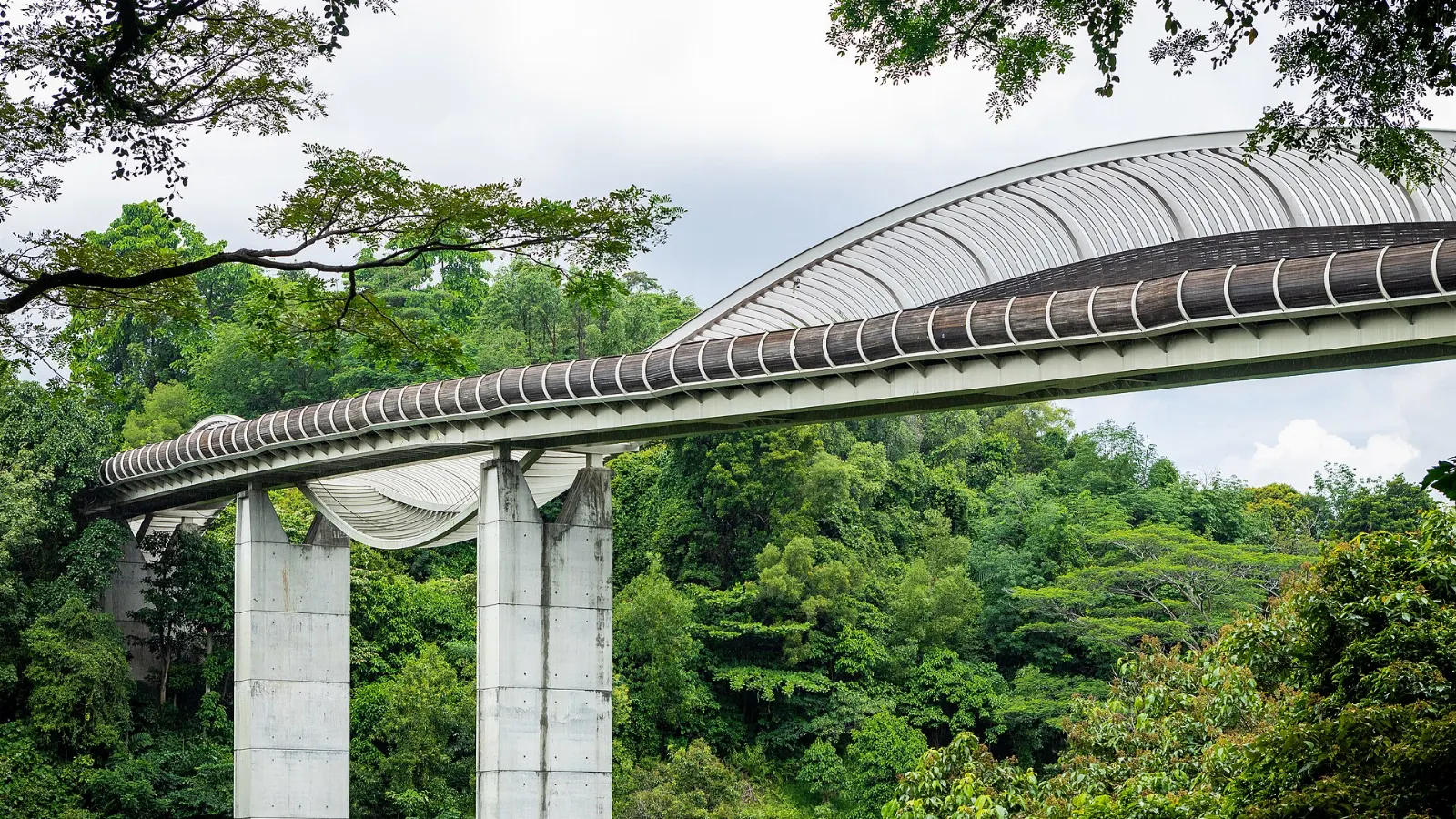
The Southern Ridges are a chain of parks connected by walkways and bridges, running roughly ten kilometers from Mount Faber to Kent Ridge. The most photographed stretch is Henderson Waves, a wave-shaped wooden pedestrian bridge high above the road, and the Forest Walk, an elevated steel walkway through the treetops.
Sentosa
Sentosa is a resort island just south of the city, reachable by monorail, cable car or a boardwalk from VivoCity. It holds Universal Studios Singapore, the S.E.A.
Mandai Wildlife Reserve
In the north of the island, the Mandai reserve groups the Singapore Zoo, the Night Safari, River Wonders and Bird Paradise beside a reservoir and forest. The zoo is known for open-concept enclosures, and the Night Safari lets you see nocturnal animals by tram and on walking trails after dark.
Pulau Ubin
A short bumboat ride from Changi Point Ferry Terminal, Pulau Ubin is a rural island of kampong houses, quarry lakes and mangroves that feels decades removed from downtown. Rent a bicycle near the jetty and ride to Chek Jawa Wetlands, where boardwalks cross mangrove and coastal habitats.
Food and local flavors
Eating at hawker centres is the essential Singapore experience.
Maxwell Food Centre in Chinatown is famous for chicken rice, Lau Pa Sat in the financial district is a Victorian-era cast iron market hall where Boon Tat Street turns into a satay street in the evening, and Old Airport Road Food Centre and Tiong Bahru Market are favorites with locals.
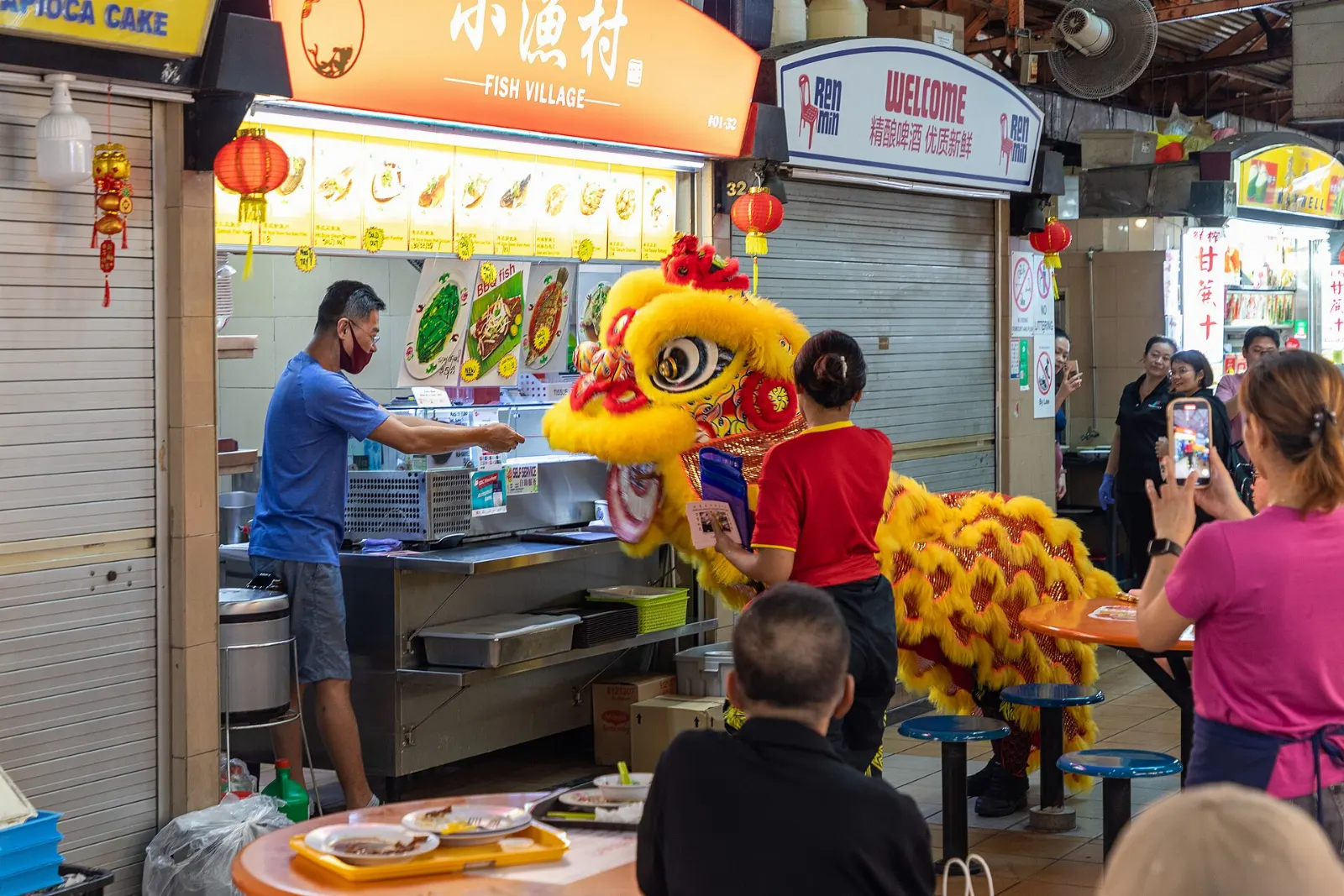
Tip: a long queue at a stall is the most reliable sign of quality.
Popular dishes to try in Singapore


Where to stay
Marina Bay and the Civic District suit first-time visitors who want to walk to the bay, the museums and Gardens by the Bay, and who are comfortable with higher rates. Chinatown and Tanjong Pagar offer character, good food and excellent MRT connections, with options from boutique shophouse stays to budget hostels. Clarke Quay and Robertson Quay along the river suit those who want nightlife and riverside dining. Orchard Road is ideal for shoppers and families who want large malls and easy access to the Botanic Gardens.
Where to stay in Singapore


Best time to visit Singapore
Singapore sits just north of the equator, so it is hot and humid year round, with daytime temperatures usually around the low thirties Celsius. The northeast monsoon, roughly December to early March, brings the wettest weeks of the year, especially in December and January.
Festivals shape the calendar more than seasons do. Chinese New Year, in January or February, fills Chinatown with lanterns and markets, though some family-run businesses close for a few days.
Getting there and getting around
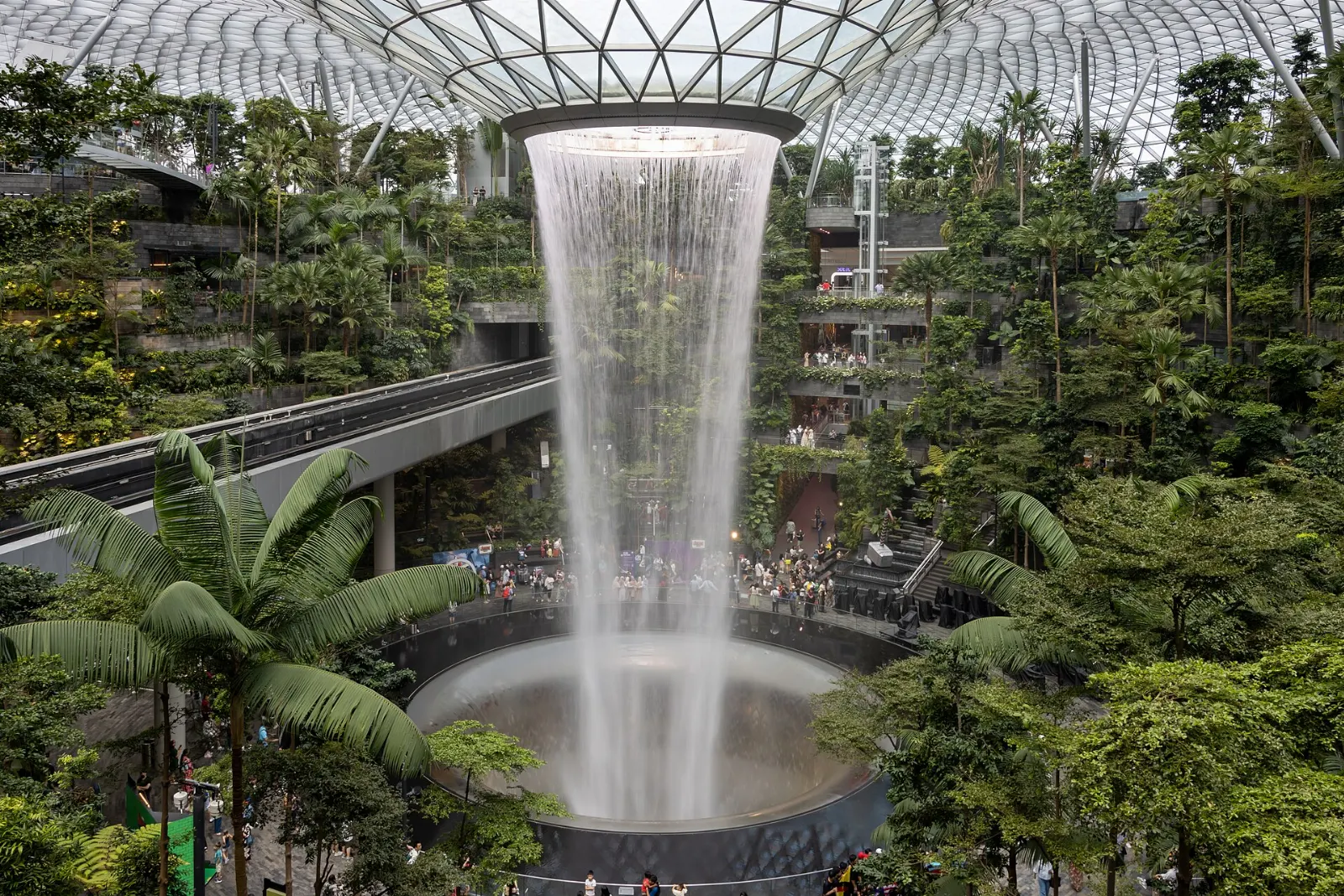
Changi Airport is one of the busiest hubs in Asia and is linked to the city by the East West MRT line, taxis, and ride-hailing apps such as Grab. It is worth leaving time for Jewel, the dome connected to Terminal 1 that holds the Rain Vortex, an indoor waterfall surrounded by a terraced forest.
Within the city, the MRT is fast, frequent and spotless, and buses fill the gaps. You can tap in and out with a contactless bank card or mobile wallet, so there is usually no need to buy a separate travel card.
A suggested itinerary
First day
Start with breakfast of kaya toast in Chinatown, then visit the Buddha Tooth Relic Temple and Sri Mariamman Temple and explore the lanes around Ann Siang Hill. Have lunch at Maxwell Food Centre.
Second day
Go early to the Singapore Botanic Gardens and the National Orchid Garden. After lunch, head to Gardens by the Bay for the Flower Dome and Cloud Forest, and stay for Garden Rhapsody at the Supertree Grove.
Third day
Spend the morning in Little India, with a South Indian breakfast at Tekka Centre and a visit to Sri Veeramakaliamman Temple.
Fourth day
Choose between a day on Sentosa, a day at the Mandai parks ending with the Night Safari, or a quieter morning on Pulau Ubin followed by seafood near Changi.
Practical tips
- Fill in the SG Arrival Card online before you land and keep your passport valid for at least six months beyond your arrival date.
- Laws on littering, smoking in non-designated areas, jaywalking and eating or drinking on the MRT are enforced with fines; follow posted signs.
- Bringing chewing gum into the country for sale is prohibited, and durians are not allowed on public transport.
- Tipping is not expected; many restaurants add a service charge to the bill, while hawker stalls do not.
- Carry some cash for hawker centres and small shops, although many stalls now accept cards and QR code payments.
- Dress modestly for temples and mosques, covering shoulders and knees, and remove your shoes where indicated.
- Book Gardens by the Bay conservatories, the Night Safari and Universal Studios online in advance during holidays and weekends.