Prague survived the twentieth century with its historic center largely intact, and walking through it feels like moving through a thousand years of architecture at once: Romanesque cellars, Gothic towers, Baroque domes, Art Nouveau facades and a few bold modern buildings.
AT A GLANCE
Best time
April to June and September to October; December for Christmas markets.
How long
Three days covers the main sights; four or five allows day trips and slower wandering.
Getting there
Fly into Václav Havel Airport Prague or arrive by train at Praha hlavní nádraží.
Why visit Prague
Prague has been a royal seat, an imperial capital under Charles IV and a crossroads of Czech, German and Jewish culture. Its historic center is a UNESCO World Heritage Site, and few European cities let you see so many centuries of building side by side without modern intrusions.
Beyond the postcard views, Prague is a place of music, beer and literature. Mozart premiered Don Giovanni here, Dvořák and Smetana are buried on the Vyšehrad rock, and Franz Kafka was born in the Old Town.
Old Town and Charles Bridge
Old Town Square
The heart of Prague since the Middle Ages, this square is ringed by pastel facades, the Gothic Church of Our Lady before Týn with its twin spires, the Baroque Church of St. Nicholas and a memorial to the reformer Jan Hus.
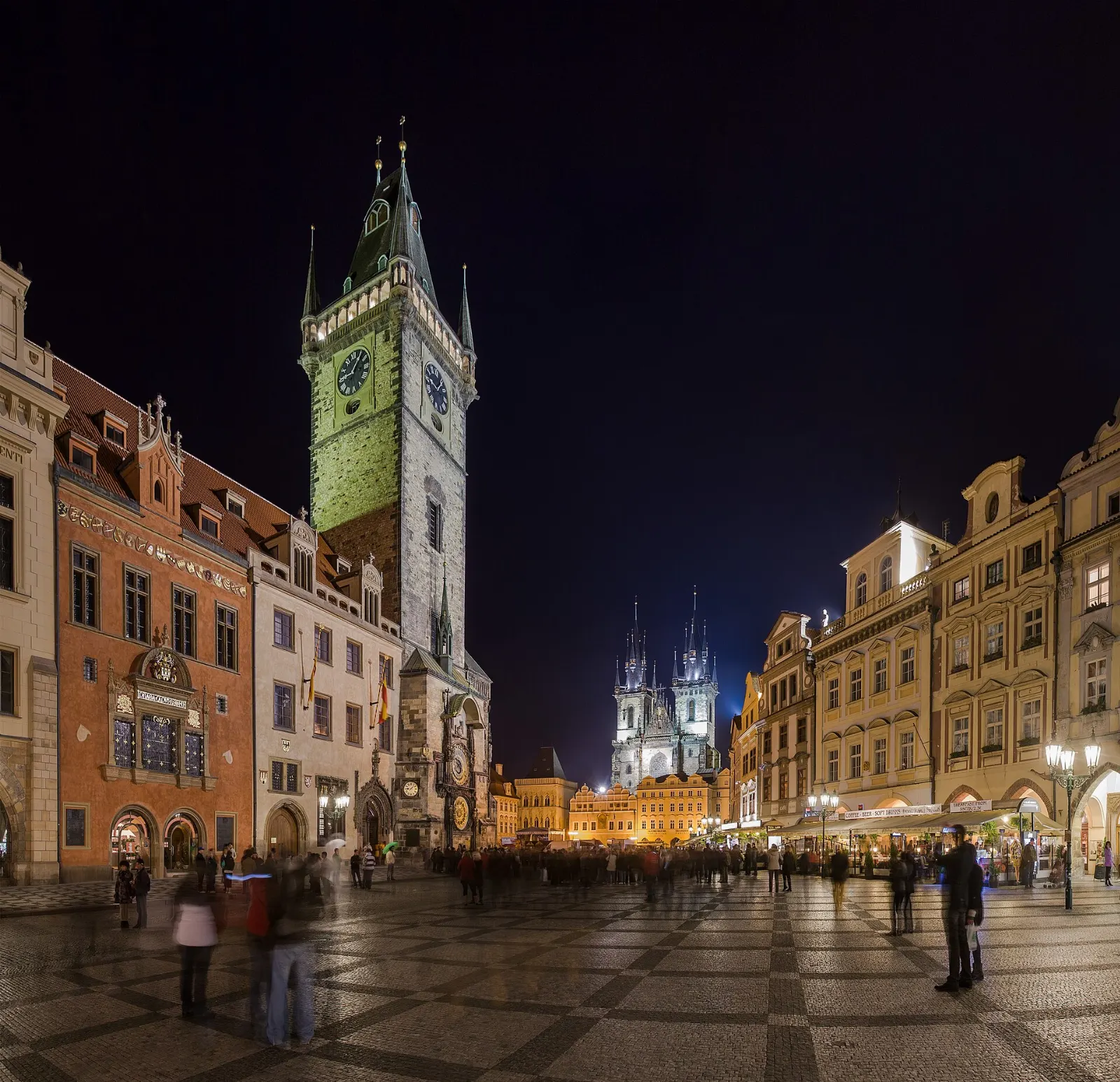
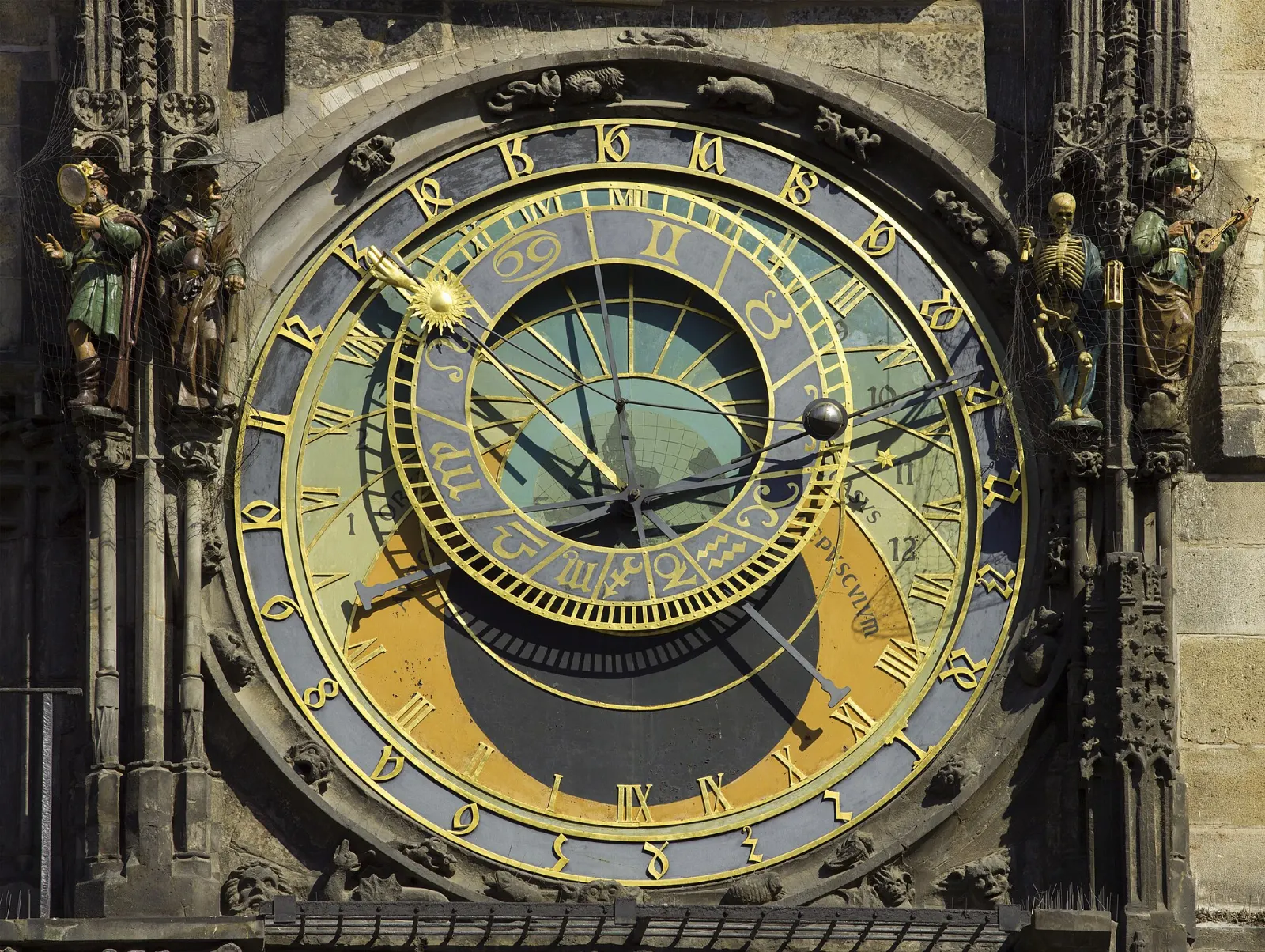
The astronomical clock
Mounted on the Old Town Hall, the Orloj dates from 1410 and is one of the oldest astronomical clocks still working.
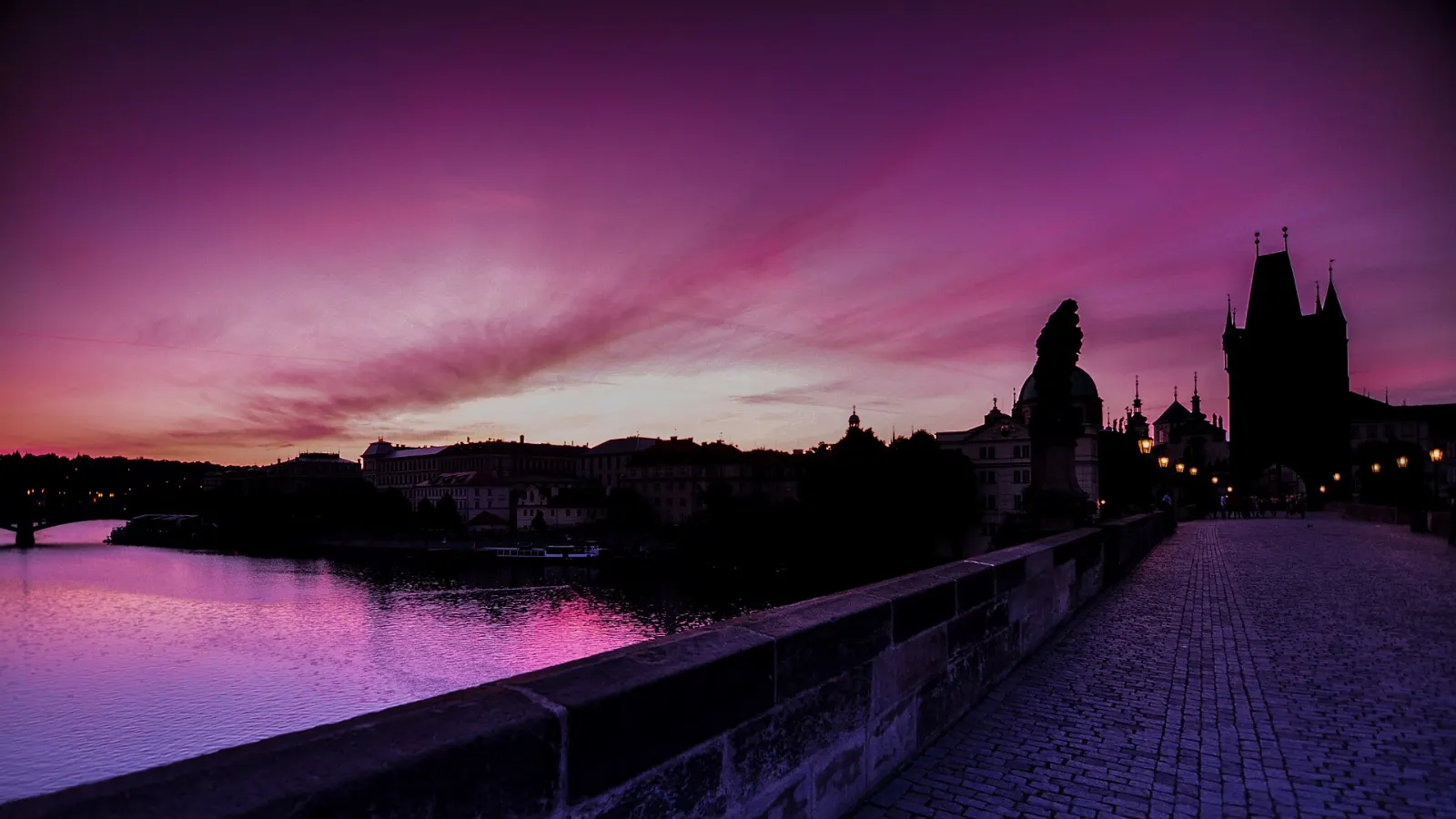
Charles Bridge
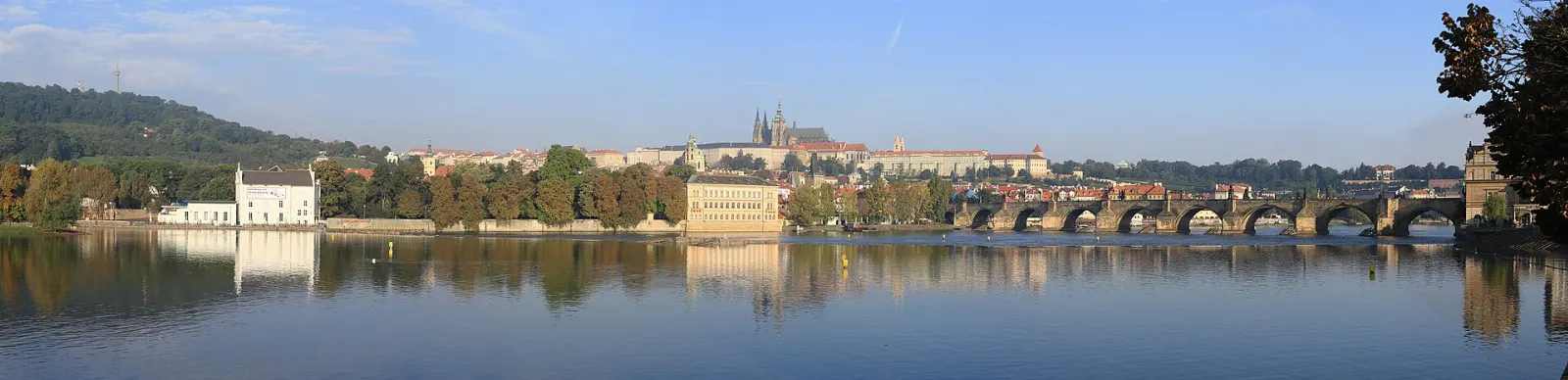
Construction began in 1357 under Charles IV, and the stone bridge, about 516 meters long, was completed in the early fifteenth century. Thirty mostly Baroque statues line its parapets, all now replicas, with gothic towers guarding each end.
Josefov, the Jewish Quarter
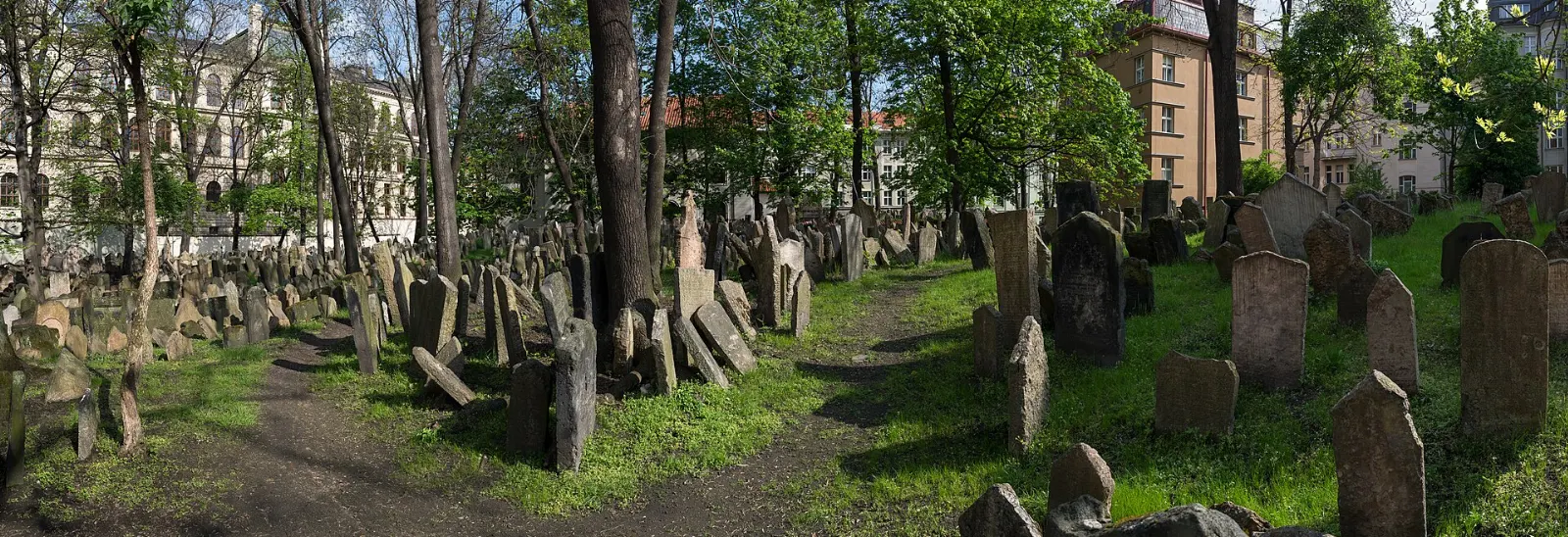
The former Jewish ghetto between Old Town Square and the river holds a remarkable cluster of sites run by the Jewish Museum in Prague, including the Pinkas Synagogue, whose walls carry the names of Czech and Moravian Jewish victims of the Holocaust, the ornate Spanish Synagogue and the Old Jewish Cemetery, where gravestones lean in tight layers.
Prague Castle and the Lesser Town
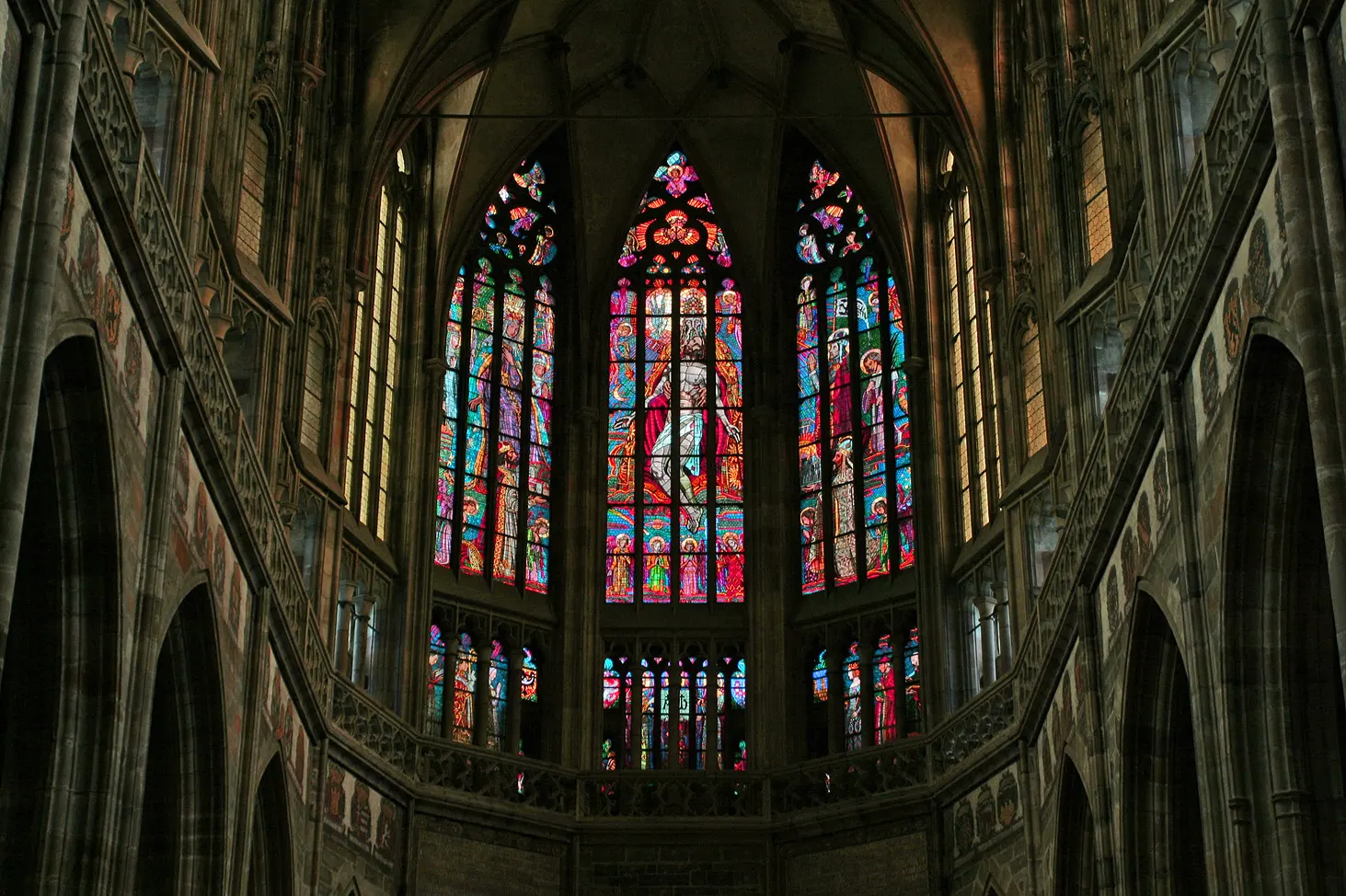
Prague Castle and St. Vitus Cathedral
Listed by Guinness as the largest ancient castle complex in the world, Prague Castle is a walled precinct of palaces, churches and courtyards, the seat of Czech rulers for over a thousand years and the office of the president today.
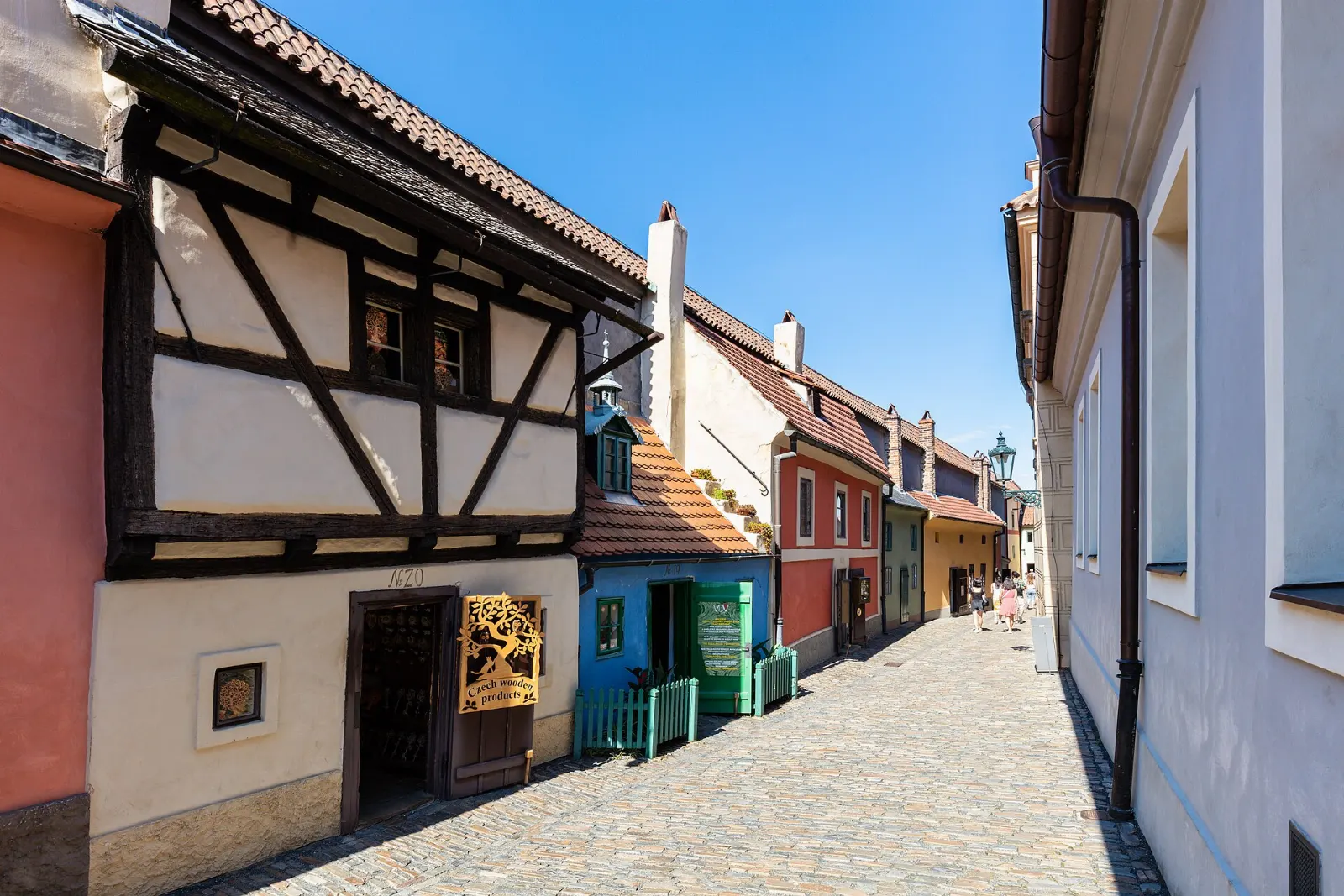
Golden Lane
Inside the castle walls, this short lane of tiny painted houses once housed castle guards and craftsmen. Franz Kafka wrote in number 22, which his sister rented in 1916.
Malá Strana and Strahov
Below the castle, the Lesser Town is a maze of Baroque palaces, gardens and quiet squares. Visit the domed Church of St. Nicholas, the colorful Lennon Wall near Kampa Island and the Wallenstein Garden.
Petřín Hill
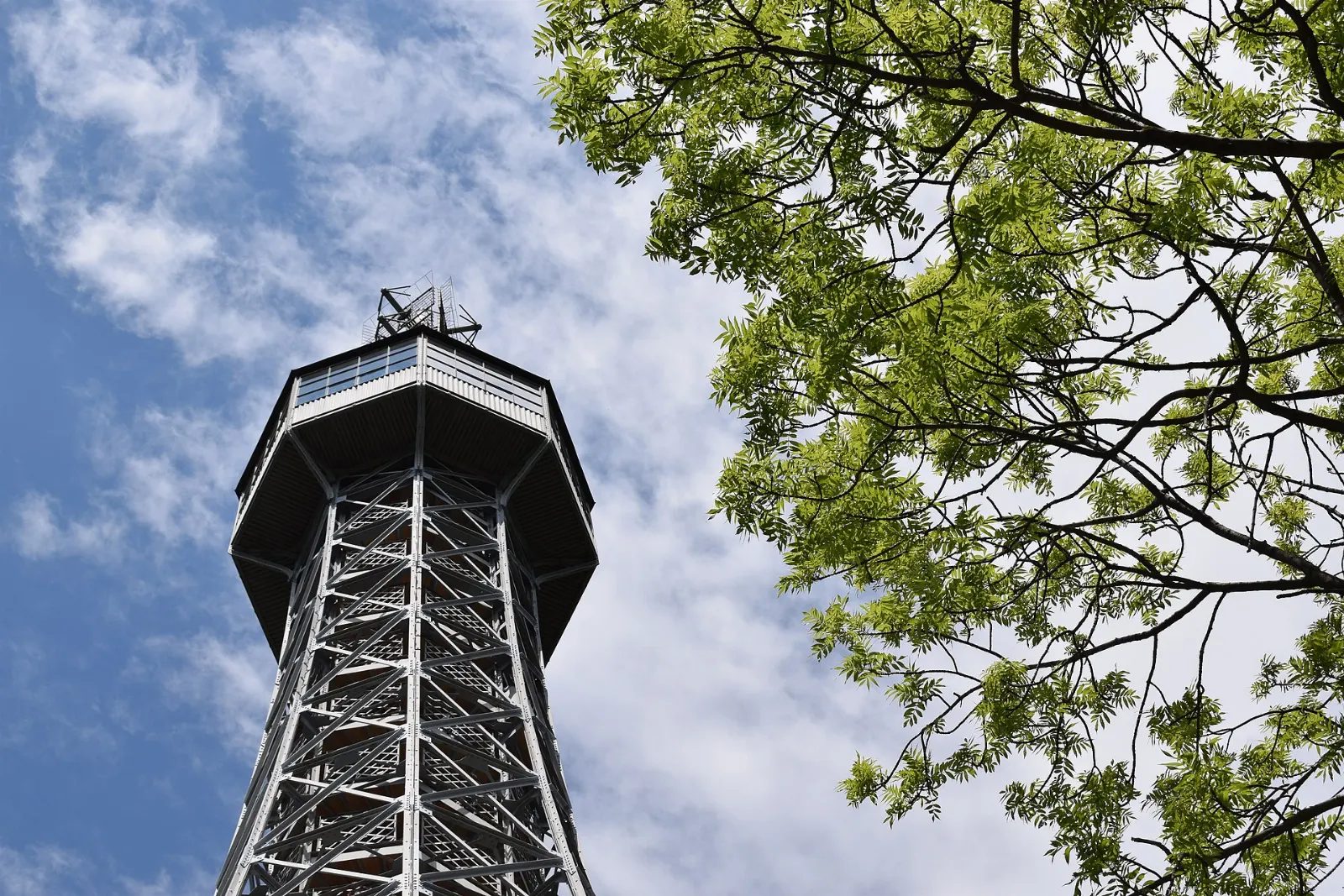
This wooded hill south of the castle offers orchards, rose gardens and the Petřín Lookout Tower, built in 1891 and inspired by the Eiffel Tower. The funicular from Újezd reopened in September 2026 after a long refurbishment.
New Town, Vyšehrad and beyond the center
Wenceslas Square
Really a long boulevard, Wenceslas Square was the stage for the 1989 Velvet Revolution and is anchored by the statue of St. Wenceslas and the National Museum. Allow one hour, more to visit the museum.
Dancing House
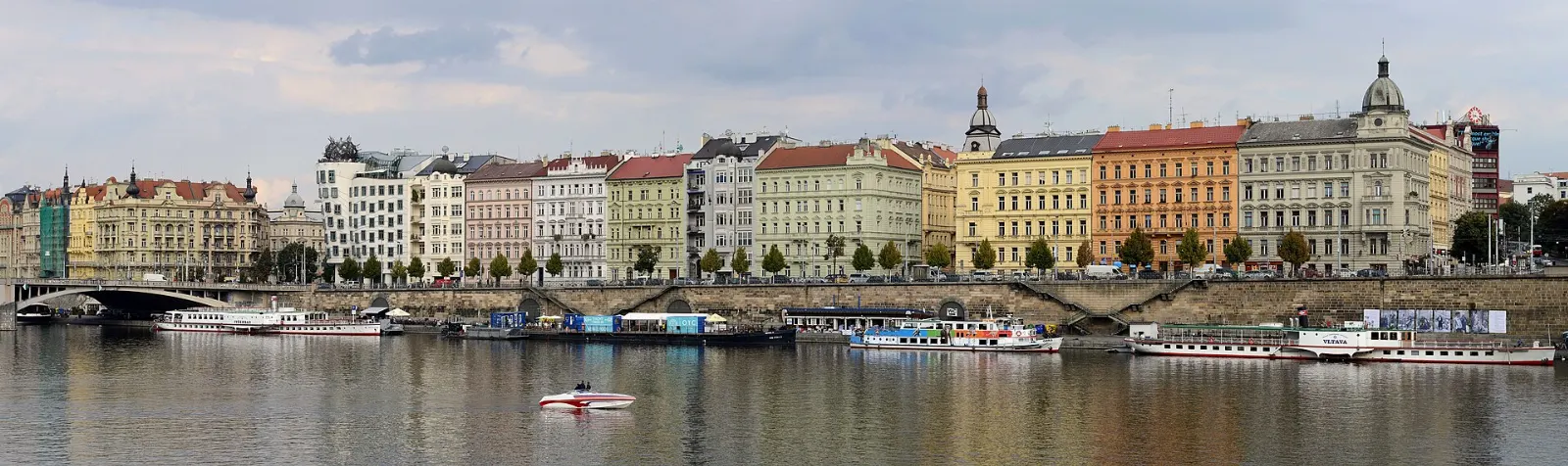
On the riverbank, this building of curving glass and concrete, completed in 1996 and designed by Vlado Milunić and Frank Gehry, is nicknamed Fred and Ginger. Allow 20 minutes, more to visit the rooftop bar and gallery.
Vyšehrad
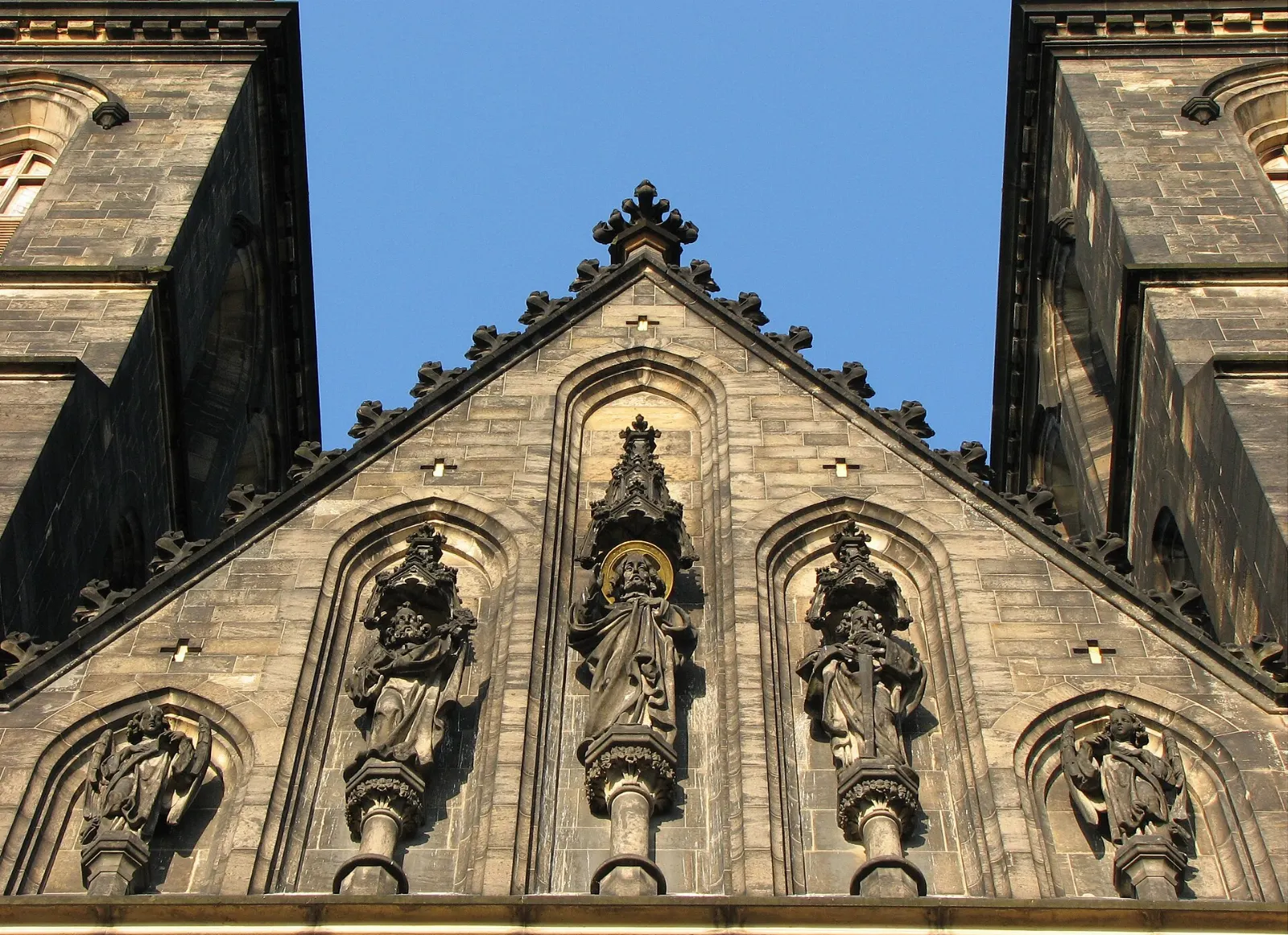
This fortress on a rock above the Vltava is wrapped in legends about the city's founding. Inside its walls are the Basilica of Saints Peter and Paul, ramparts with long river views and Vyšehrad Cemetery, where Dvořák, Smetana and Mucha are buried.
Letná Park
On the plateau north of the Old Town, across the river, Letná Park offers one of the finest views of the Vltava bridges lined up one after another.
 Planning a trip to Prague?Compare hotels, flights and vacation rentals for Prague on Expedia.Book now
Food and local flavors
Czech cooking is rich and comforting. Look for svíčková, beef sirloin in a creamy root vegetable sauce with bread dumplings and cranberries, and vepřo knedlo zelo, roast pork with dumplings and sauerkraut.
Beer is central to local life, and pilsner-style lager was first brewed in nearby Plzeň in 1842.
Popular dishes to try in Prague


Where to stay
Old Town: the most central location, steps from the main sights, but also the busiest and noisiest.
Malá Strana: romantic and quiet in the evenings, close to the castle and Charles Bridge.
New Town: practical and well connected, around Wenceslas Square and Charles Square, with a wide range of lodging and good transport links.
Karlín and Holešovice: former industrial areas reinvented with restaurants, galleries and riverside spaces, suited to repeat visitors.
Where to stay in Prague


Best time to visit
Late spring and early autumn are ideal, with mild temperatures, blooming or golden gardens and comfortable walking weather.
Winter is cold and gray, sometimes snowy, yet Prague is atmospheric in December, when Christmas markets fill Old Town Square and Wenceslas Square.
Getting there and getting around
Václav Havel Airport Prague lies west of the city. City bus 59 connects the terminals with Nádraží Veleslavín station on metro line A, and the Airport Express bus runs to the main railway station.
The center is best explored on foot, but the public transport network is excellent, with three metro lines and an extensive tram system.
A suggested itinerary
First day
Start early on Old Town Square, watch the astronomical clock and climb the Old Town Hall tower.
Second day
Take tram 22 up to Prague Castle and spend the morning on St. Vitus Cathedral, the Old Royal Palace and Golden Lane.
Third day
Explore the New Town and Wenceslas Square, then walk along the river past the Dancing House to Vyšehrad.
Practical tips
- Czechia uses the koruna, not the euro. Pay by card where possible and avoid street exchange offices with misleading rates.
- Validate paper transit tickets, or buy a digital ticket in the official app, before you ride.
- Use ride-hailing apps or reputable taxi companies rather than hailing cars in tourist areas.
- Visit major sights early in the morning or in the evening to avoid the heaviest crowds.
- Dress modestly for churches and synagogues, and expect security checks at the castle.
- Wear sturdy shoes for cobbled streets and the climbs to the castle and Petřín.