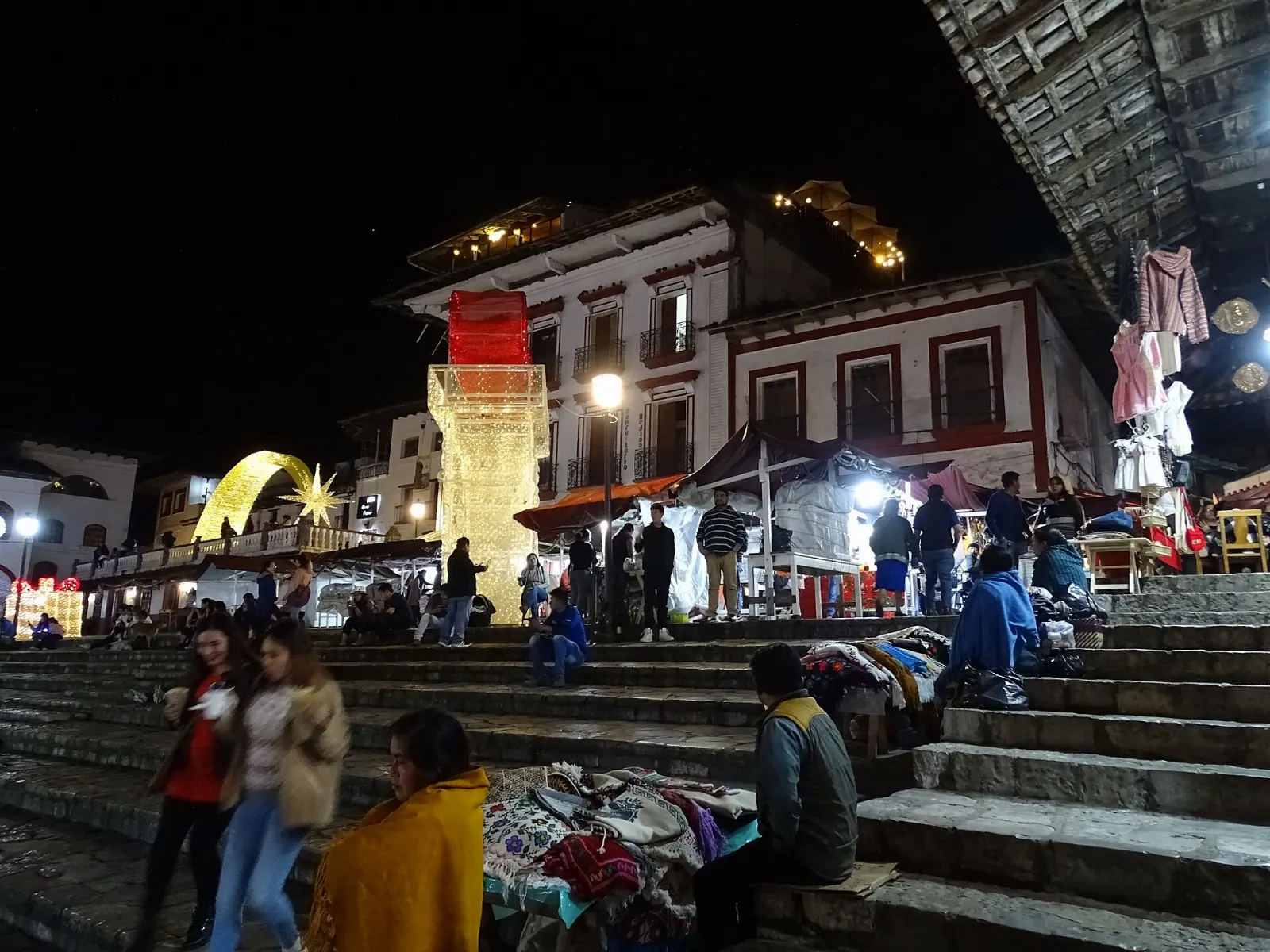
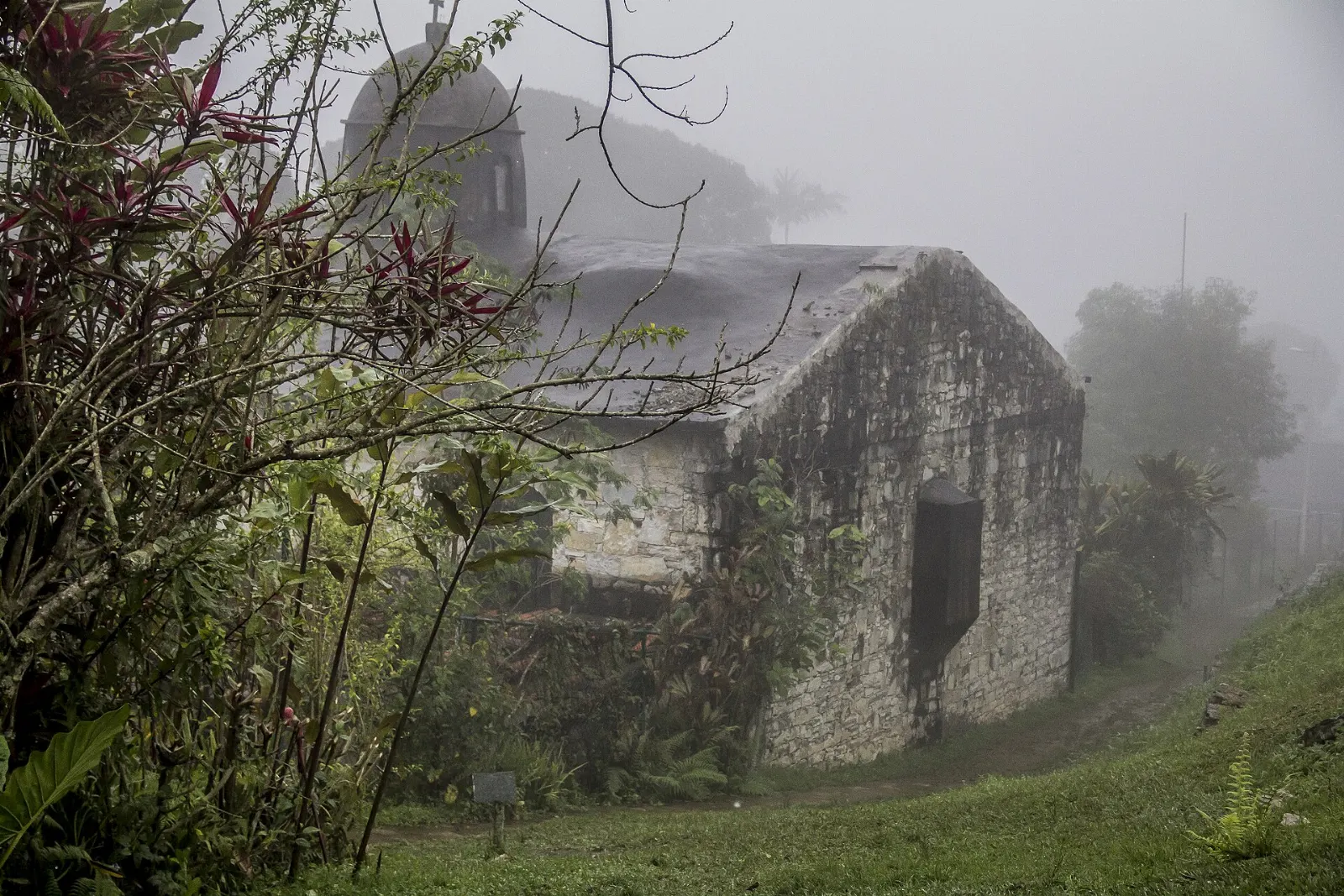
Cuetzalan is a hill town in the cloud-covered Sierra Norte de Puebla, where steep cobbled streets, white houses with dark red bands and a fog that drifts in most afternoons give it a look found nowhere else nearby.
AT A GLANCE
Best time
Visit around the first week of October for the Feria del Huipil y Café, or on any Sunday for the tianguis.
How long
Plan two or three days so you can reach the falls, the caves and the ruins.
Getting there
Take a bus from Puebla to Tlatlauquitepec and continue by taxi, or ride the direct coach from Mexico City.
Why visit Cuetzalan
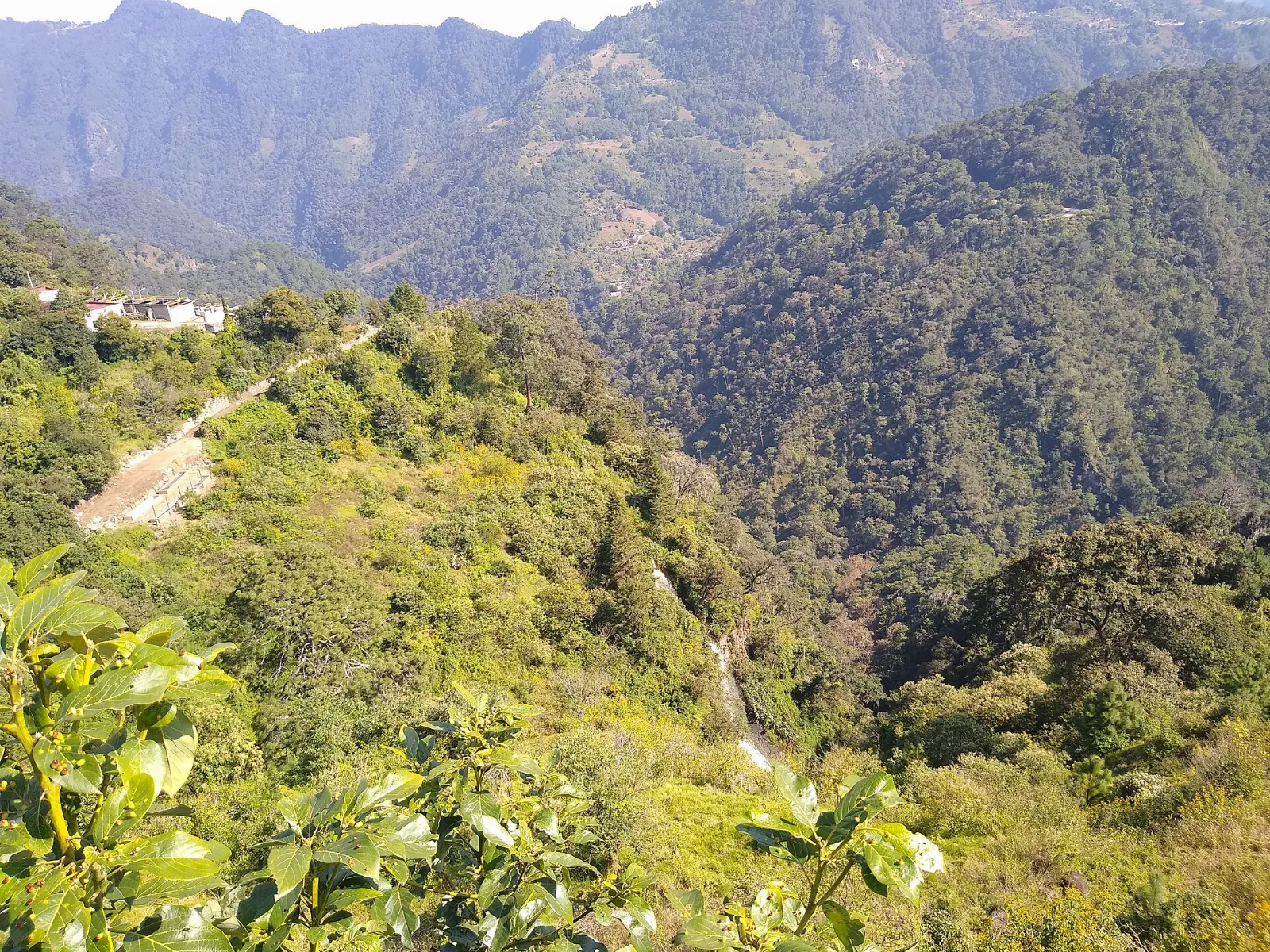
Cuetzalan was founded by Franciscan friars in 1547 and was named a Pueblo Mágico in 2002. It sits at roughly 900 to 1,000 meters in a warm, humid zone close to the Gulf of Mexico, so the surrounding hills are thick with jungle and coffee.
The area is also a cultural meeting point. Many locals identify as Nahua or Totonac, indigenous languages are still spoken and local radio broadcasts in both.
Because the weather is so changeable, the town has a moody beauty. A morning can start with clear views over the hills and end with cloud rolling through the lanes, which makes walking without a fixed plan one of the best ways to enjoy the place.
The town center
Santuario de Guadalupe
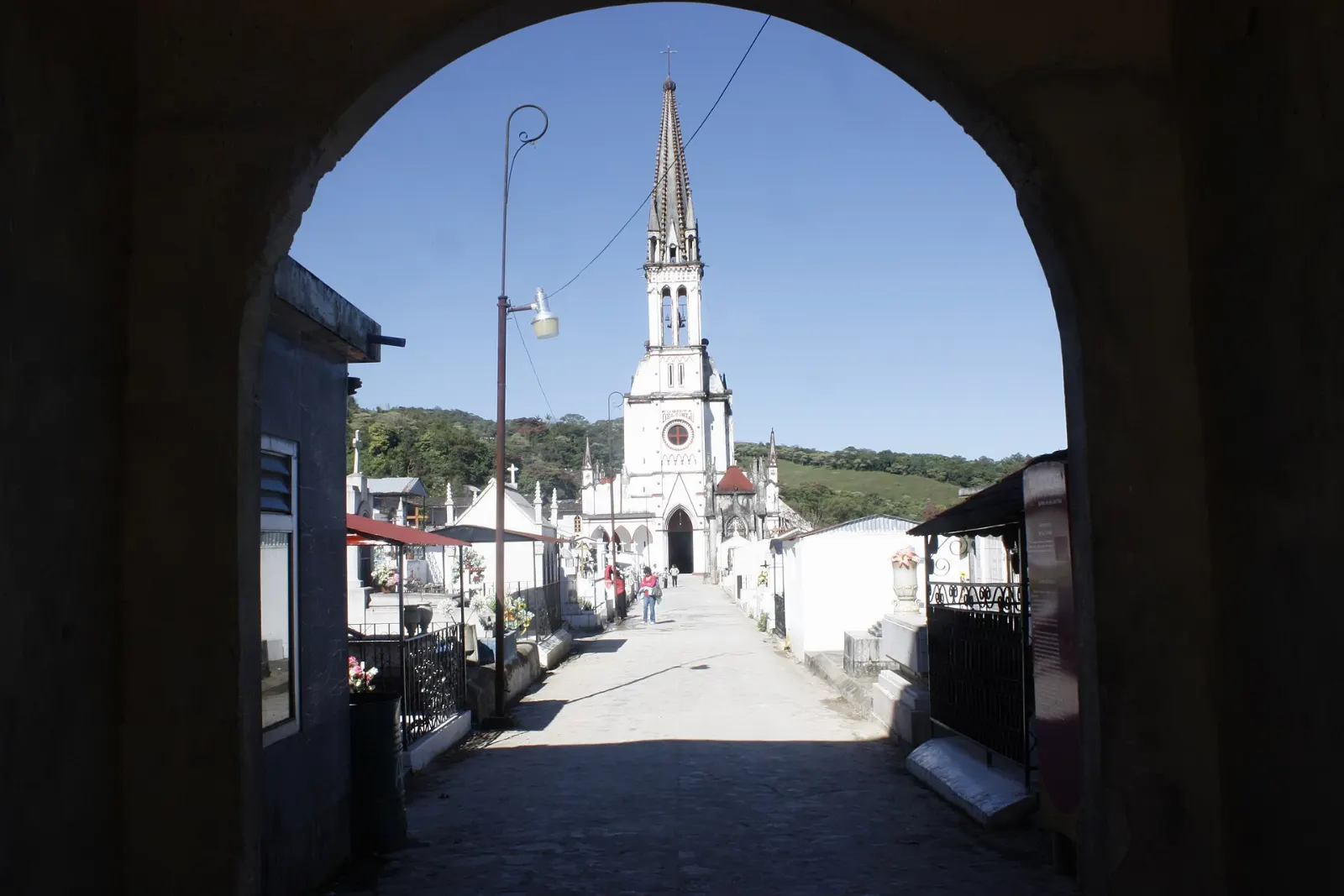
Locals call this neo-Gothic church Los Jarritos, or the little jars, after the small jugs used as decoration. Its tall tower rises above a narrow building, and you enter through the cemetery.
Parroquia de San Francisco de Asís
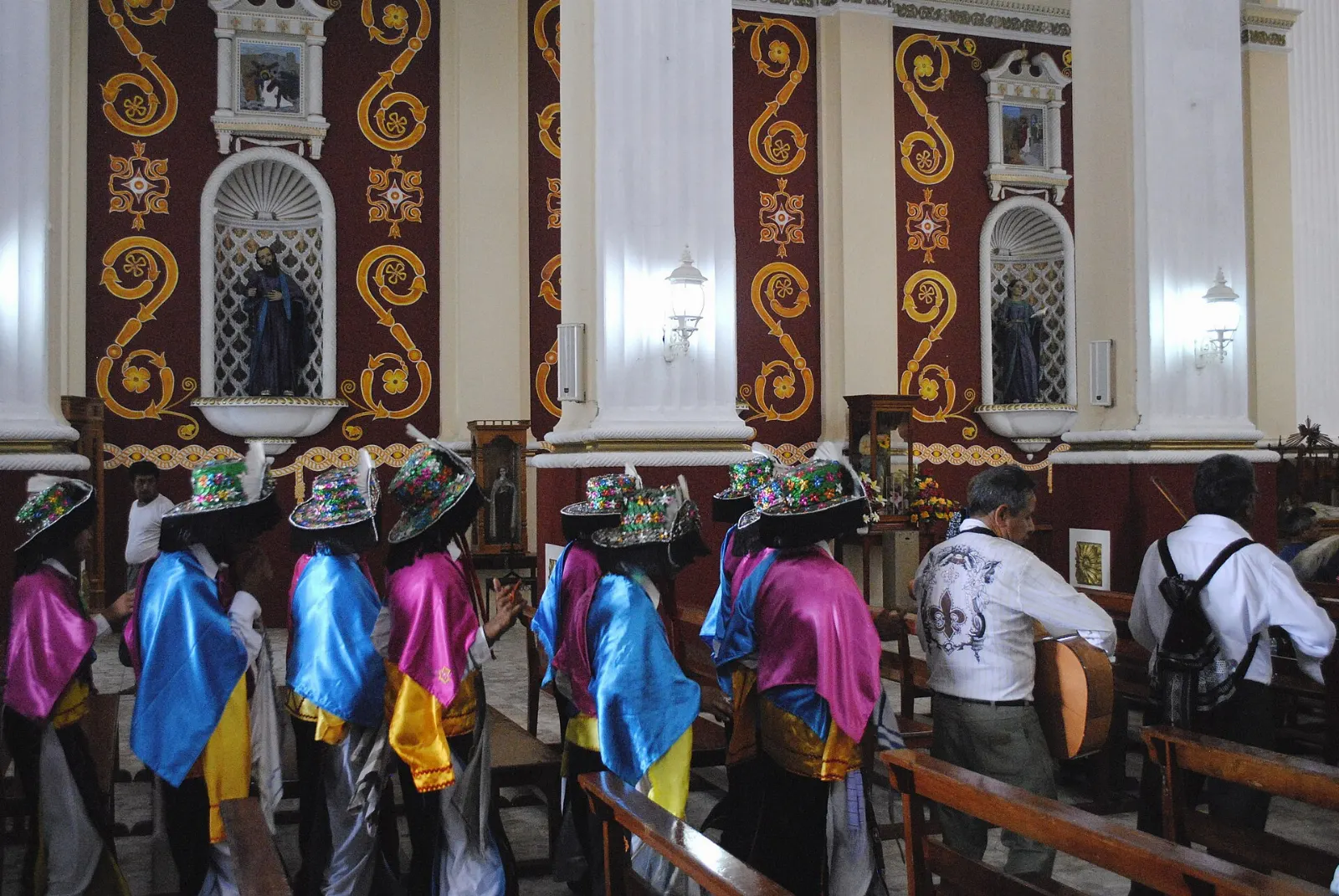
The town’s first church was founded by the Franciscans in 1547 and heavily renovated across the 19th and 20th centuries. It is the heart of religious life in the center.
Sunday tianguis
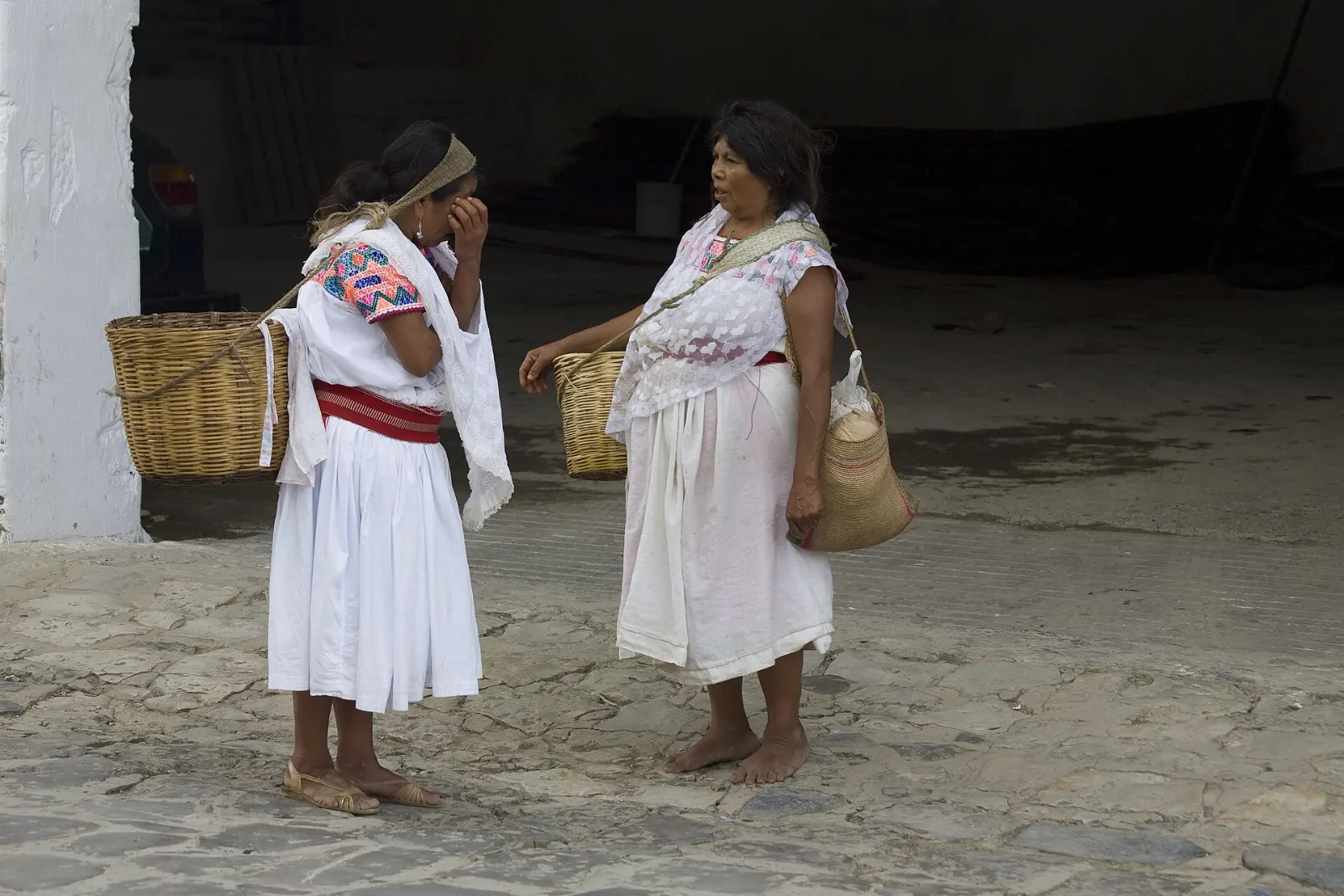
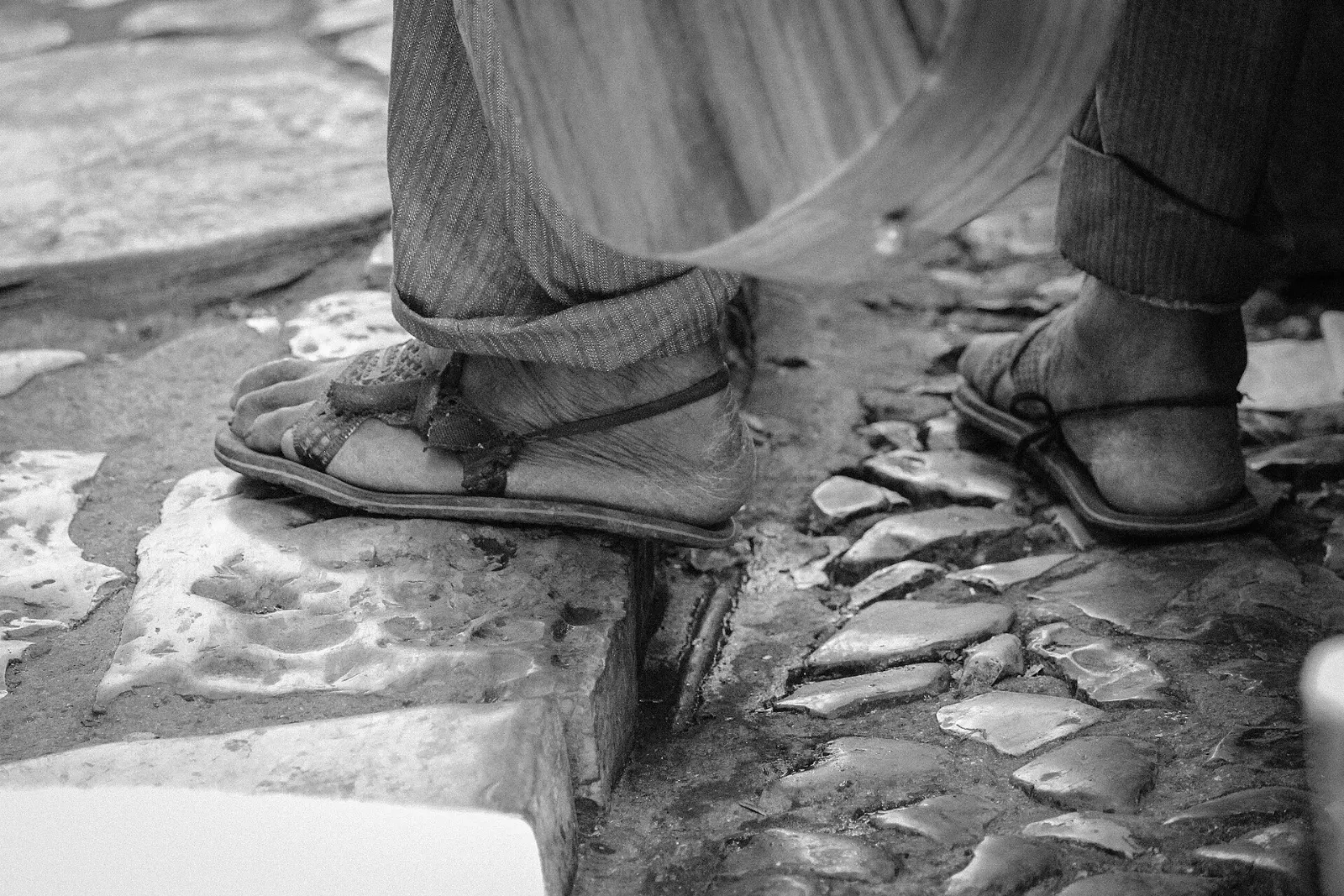
Sunday is market day, and vendors start setting up very early. Locals dress up for the occasion, with men in white and women in colors that identify their home villages.
Handicraft stalls
The center is lined with stalls and shops selling embroidered clothing, woven goods and other crafts. Look for the huipil, the traditional embroidered blouse that gives the autumn fair its name.
 Planning a trip to Cuetzalan?Compare hotels, flights and vacation rentals for Cuetzalan on Expedia.Book now
Ruins, caves and waterfalls
Yohualichan
This archaeological site was a small Totonac city built in the early Classic period, at the same time as the larger El Tajín. Its buildings use niches in the style of El Tajín, and the site is quiet compared with more famous ruins.
Gruta del Duende
A large karst cave system with guided tours of different difficulty. A basic tour suits beginners, while longer routes reach deeper galleries and an underground river.
Cascada de las Brisas
One of the best-known falls, reached by a jungle trail from the end of the road. Open-backed jeeps carry visitors to the trailhead.
Other waterfalls
Several more falls lie along the connecting trail, including Las Golondrinas, El Salto, La Escondida and Tres Caídas. Conditions change with rain, so ask in town before setting out. You can see several in one long day with a guide.
Coffee plantations
The surrounding hills are covered in coffee farms, and some welcome visitors for tastings. This is also the heart of the autumn Feria del Huipil y Café.
Food and local flavors
Drinks are the highlight. Yolixpa is the town’s herbal liqueur, made from aguardiente infused with twenty to thirty herbs, and traditionally bitter. Cuetzalan coffee, grown on nearby slopes, makes a good gift and a better morning cup.
Eat at the Sunday tianguis for fresh snacks, or at one of the family restaurants along the central streets. Take a sweater to the table, as evenings are often damp and cool.
Where to stay
Cuetzalan centro is the best base. Most guesthouses and restaurants are here, the streets are compact and you can walk to the churches and the market.
The countryside around Cuetzalan suits travelers who want quiet, jungle views and early access to waterfalls or coffee farms.
Tlatlauquitepec is the transit town where many buses from Puebla stop. It is a practical overnight option if you arrive late, though it is about 45 kilometers from Cuetzalan and offers a very different atmosphere.
Where to stay in Cuetzalan


Best time to visit
The climate is subtropical and humid, with an average temperature around 23 degrees Celsius. Fog and frequent rain are normal, so bring a light waterproof jacket in every season and expect trails to be muddy.
For a festival, aim for the first week of October, when the Feria del Huipil y Café celebrates embroidery and coffee with dances, music and food stalls.
Getting there and getting around
The journey is part of the experience. From the CAPU bus station in Puebla, buses to Tlatlauquitepec leave regularly and take about two and a half hours. From there a taxi covers the remaining 45 kilometers in roughly half an hour.
The whole trip from Puebla takes around four hours, and the mountain roads wind through areas that are often foggy, so go slowly and avoid driving at night. Once you arrive, the center is compact and walkable, but hills are steep.
A suggested itinerary
First day
Arrive in time to walk the center. Visit Los Jarritos and the parish church, browse the craft stalls and finish with a glass of yolixpa on a terrace.
Second day
Spend the morning at Yohualichan, then return for lunch. In the afternoon, take a jeep to Cascada de las Brisas and walk the trail, with a local guide if the weather is wet.
Third day
If it is Sunday, go to the tianguis. Then choose between a cave tour at Gruta del Duende or a coffee farm visit before your bus.
Practical tips
- Check your government’s current travel advisory before you go.
- Bring a waterproof jacket, since rain and fog are common year-round.
- Wear shoes with good grip for cobbled streets and wet jungle trails.
- Use licensed guides for caves and ask locally about waterfall conditions.
- Carry cash for markets and small restaurants, as card payments are not always accepted.