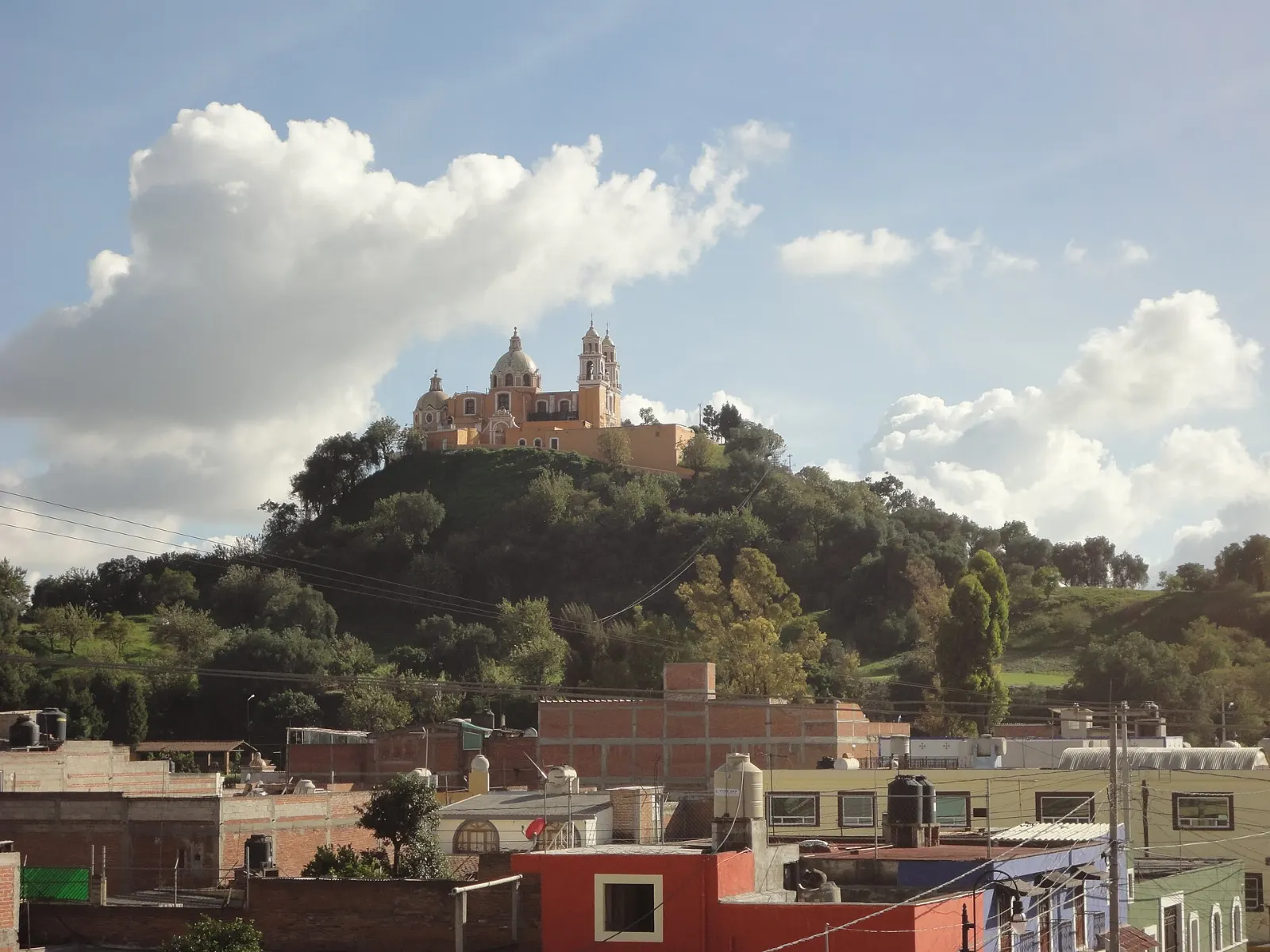
Cholula is a university town on the plain just west of Puebla, and it layers more than two thousand years of history into a few walkable streets.
AT A GLANCE
Best time
Spring and autumn bring mild days, and early September adds the big festival of the Virgin of the Remedies.
How long
Allow two days to see the pyramid, the old center and the churches in nearby villages.
Getting there
Take a bus from Puebla, which is about twenty to forty minutes away.
Why visit Cholula
Cholula is believed to be one of the oldest continuously inhabited cities in the Americas, and it still works as a living town rather than a museum. Students from the Universidad de las Américas fill its cafes, families gather in the central plaza, and neighborhoods keep a calendar of saints’ days that rolls through most of the year.
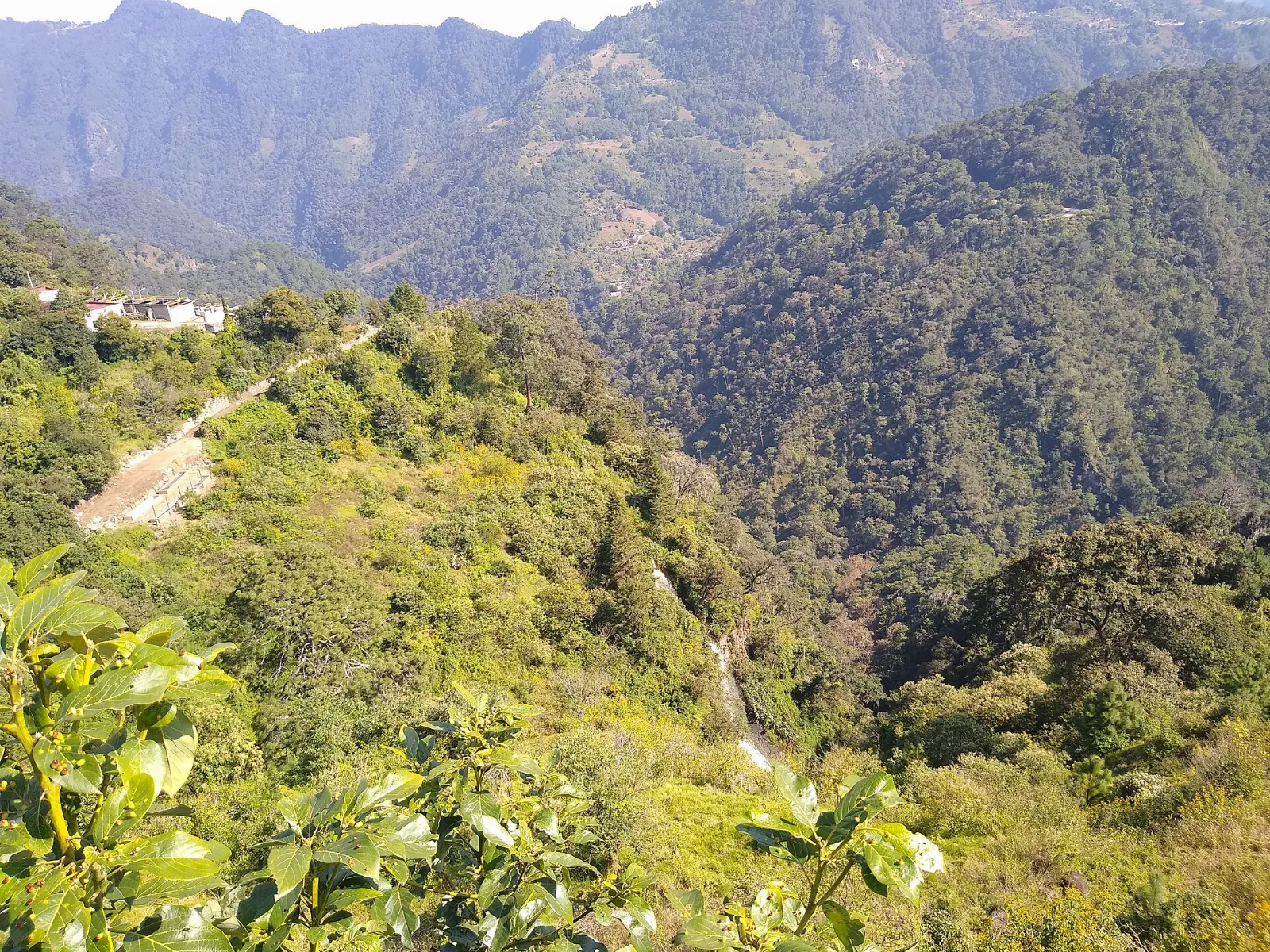
The setting helps too. The town sits around 2,100 meters above sea level, so mornings can feel cool and the views of Popocatépetl and Iztaccíhuatl are often sharp.
The pyramid and its church
Great Pyramid of Cholula
Known in Nahuatl as Tlachihualtepetl, this is the largest pyramid in the world by volume.
Excavated platforms and tunnels
The stone terraces show that the pyramid was rebuilt several times, with each stage covering the one before. Look for the changes in style between stages, since some echo the architecture of Teotihuacan while others do not.
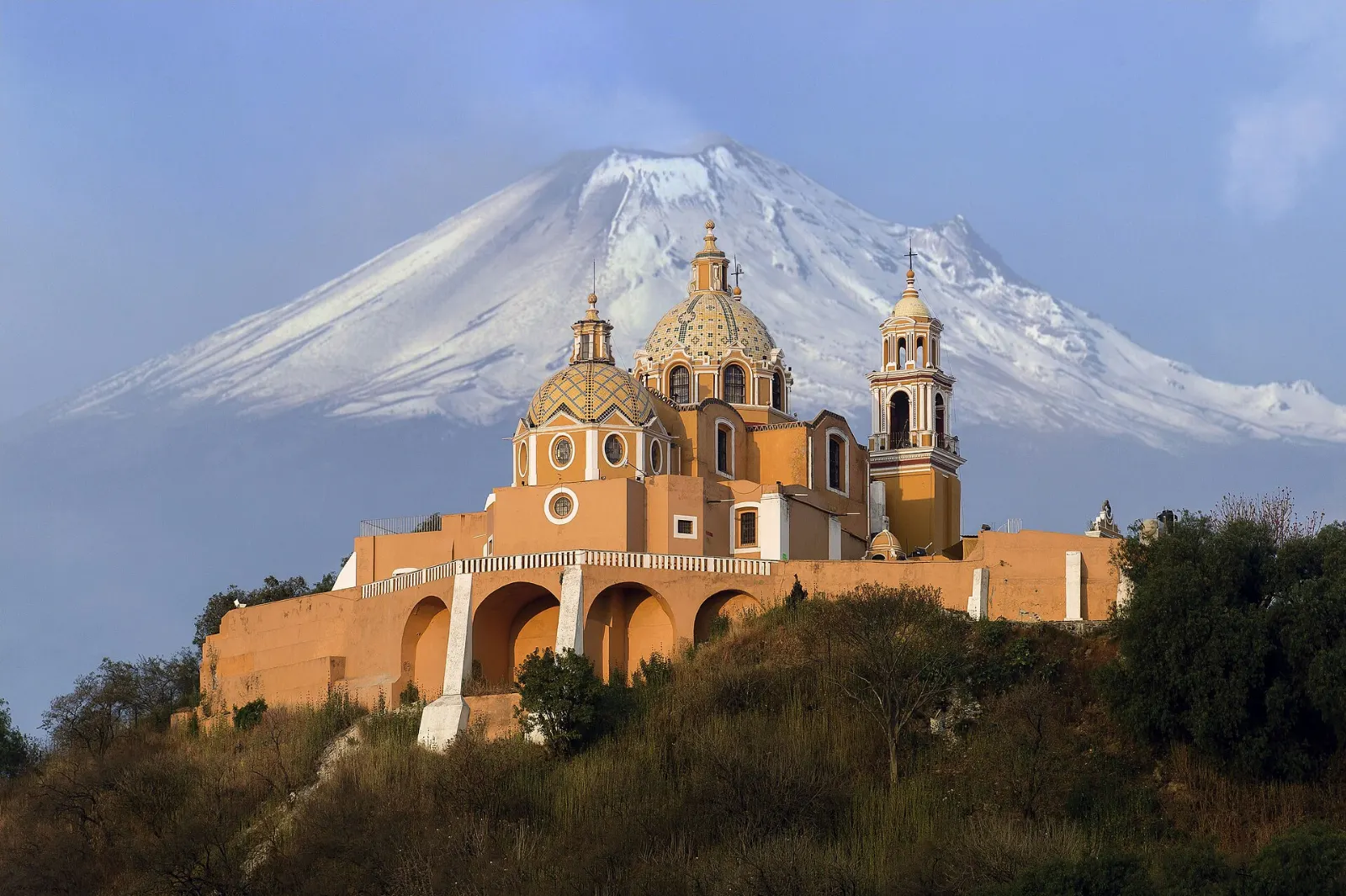
Santuario de Nuestra Señora de los Remedios
The church on top was built in the 1590s and has been repaired after earthquakes. A path of steps leads up to a small atrium with views of the town’s many domes and, on clear days, both volcanoes.
Site museum
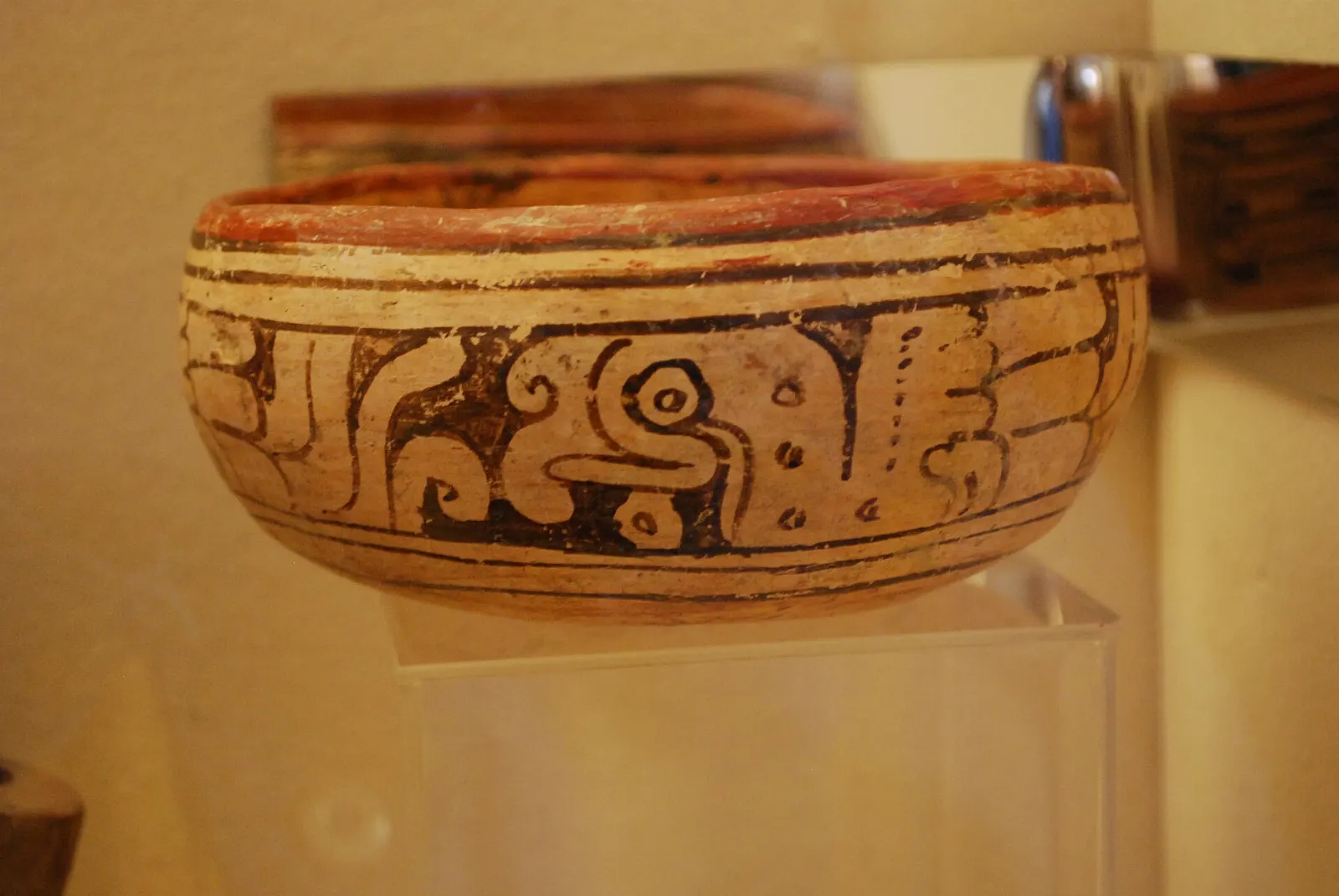
Across the road from the pyramid, a compact museum features a cutaway model that explains the building stages, plus pottery and replicas of the ancient murals. It is easy to overlook, but half an hour here makes the ruins easier to read.
The old center and its markets
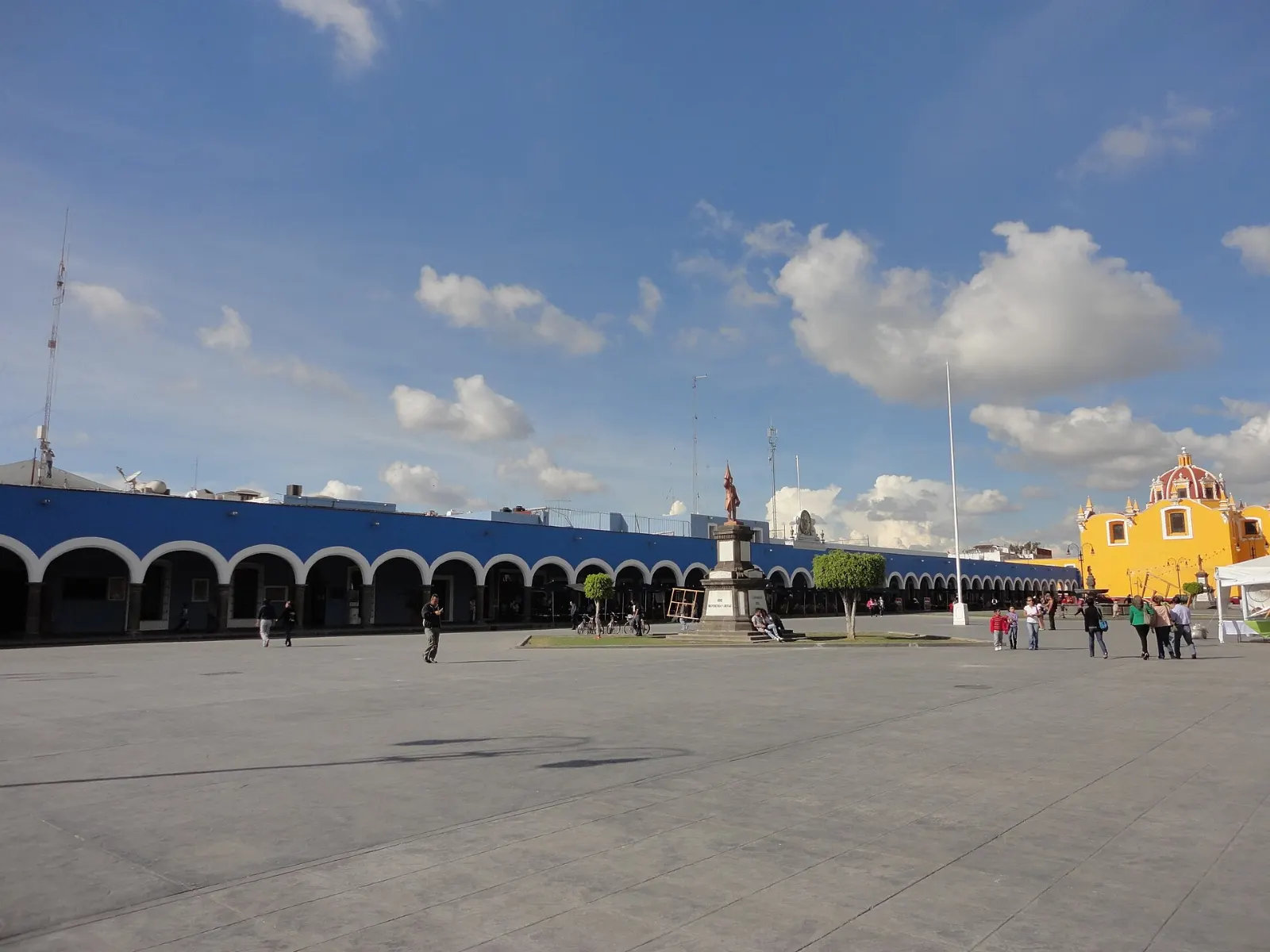
Plaza de la Concordia
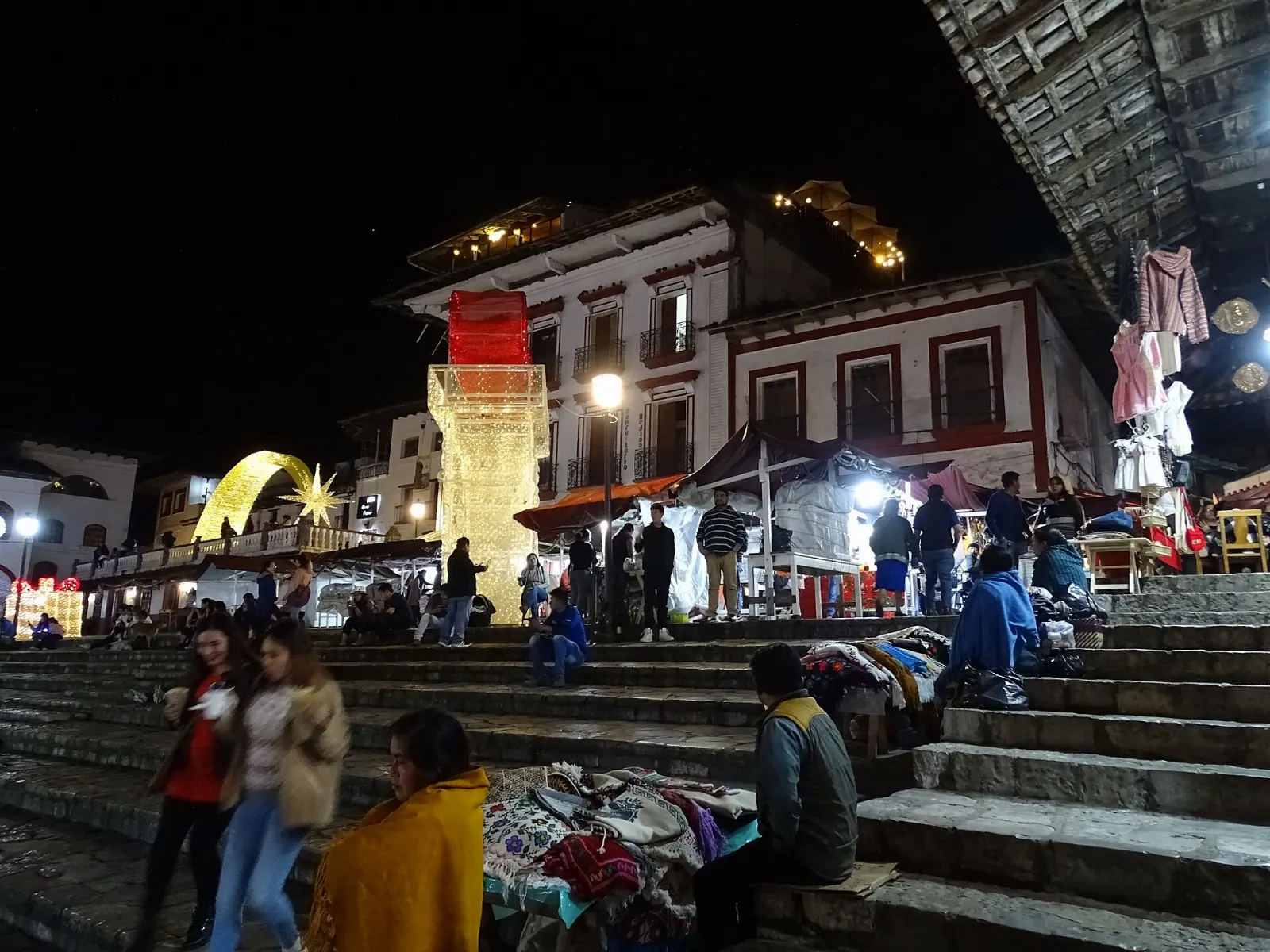
The main plaza, often called the zocalo, is lined with arcades, cafes and food stalls. Come in the morning for street snacks and again at night when the bars fill up.
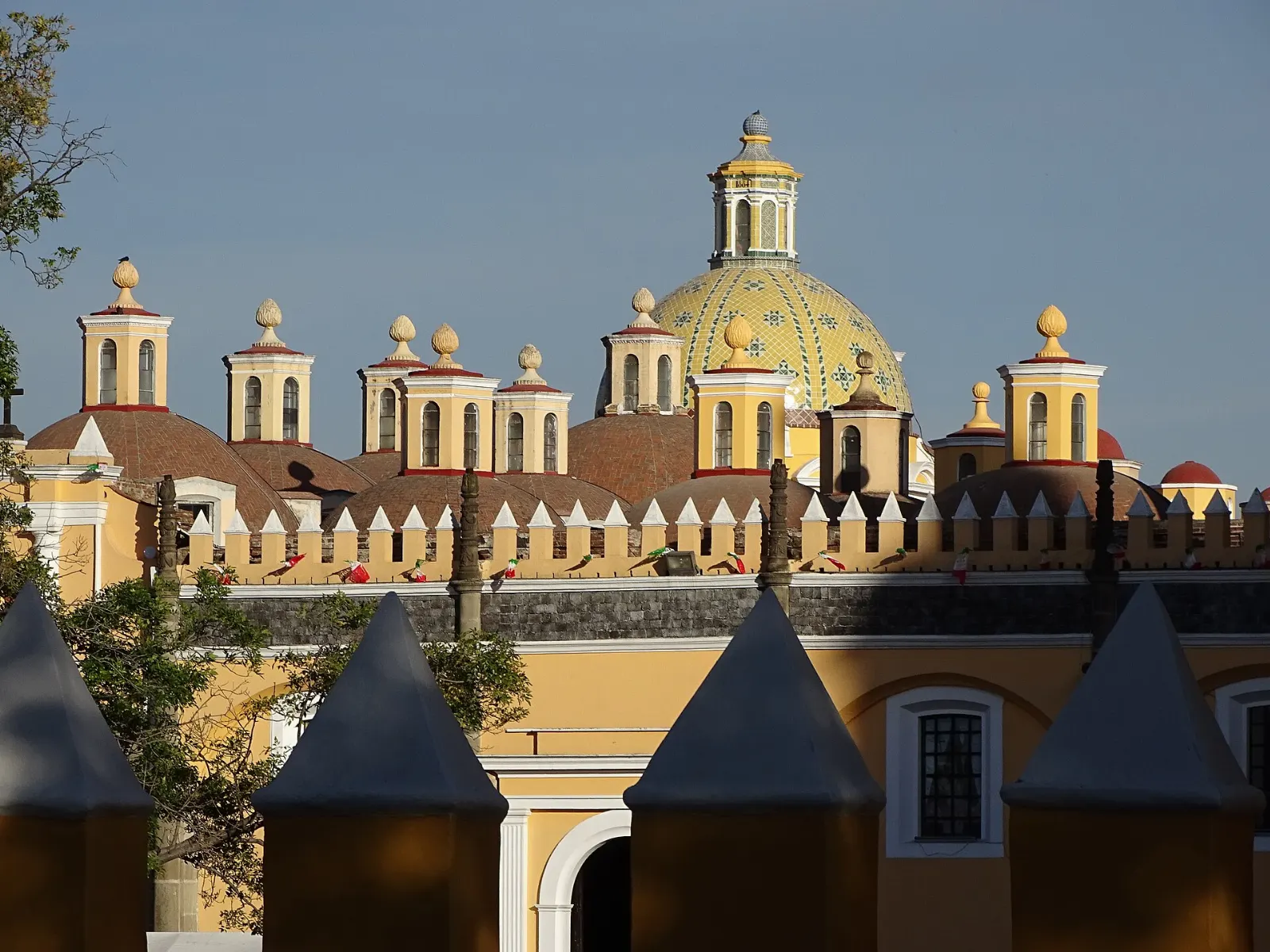
San Gabriel friary and Capilla Real
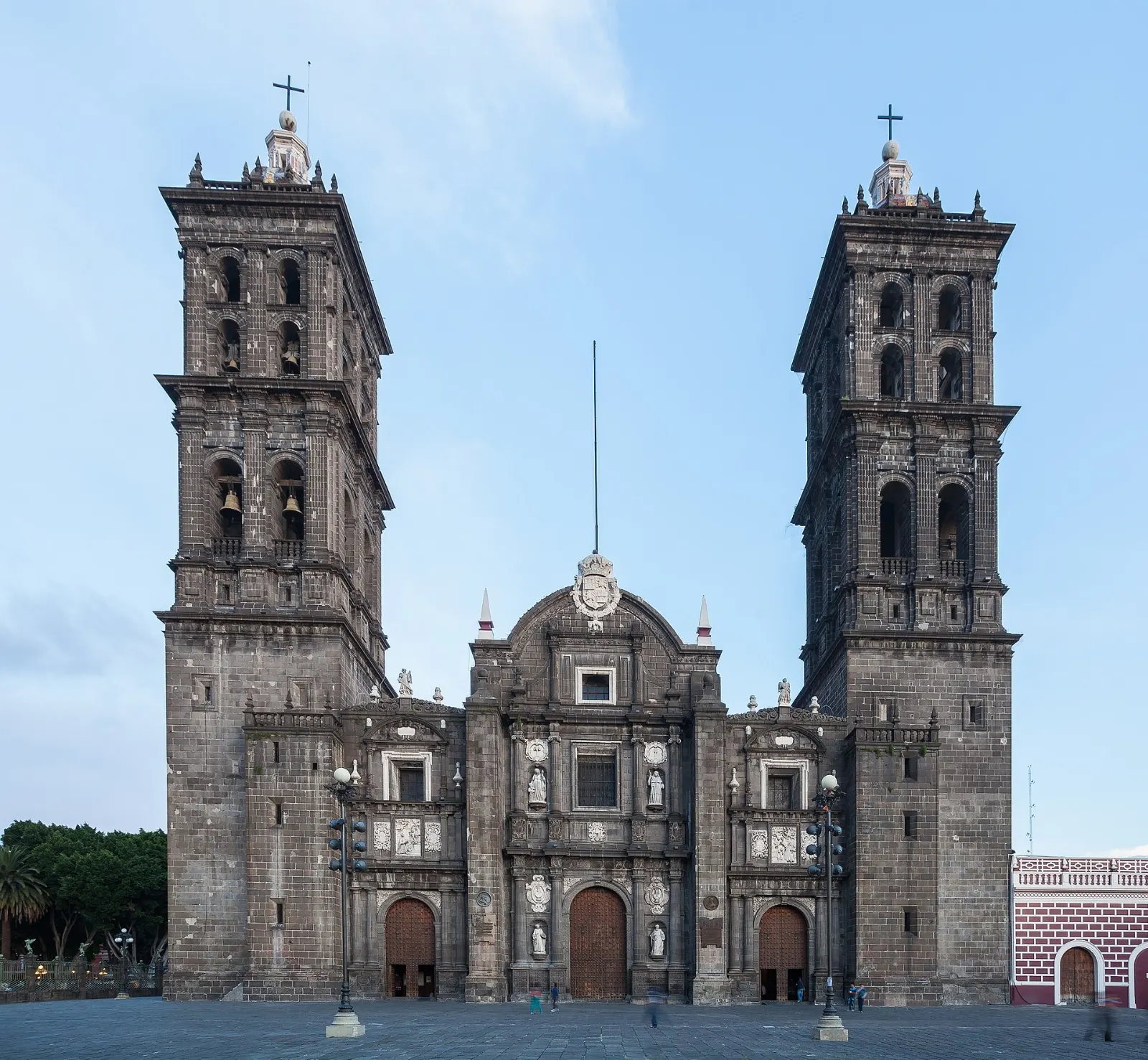
On the east side of the plaza stands the 16th-century Franciscan friary, with a wide atrium and the Capilla Real, a chapel crowned by many small domes.
Museo de la Ciudad de Cholula
This small city museum occupies one of the oldest houses around the plaza, known as the Casa del Caballero Aguilar. It gives useful background on local history before you head to the churches.
Mercado Municipal
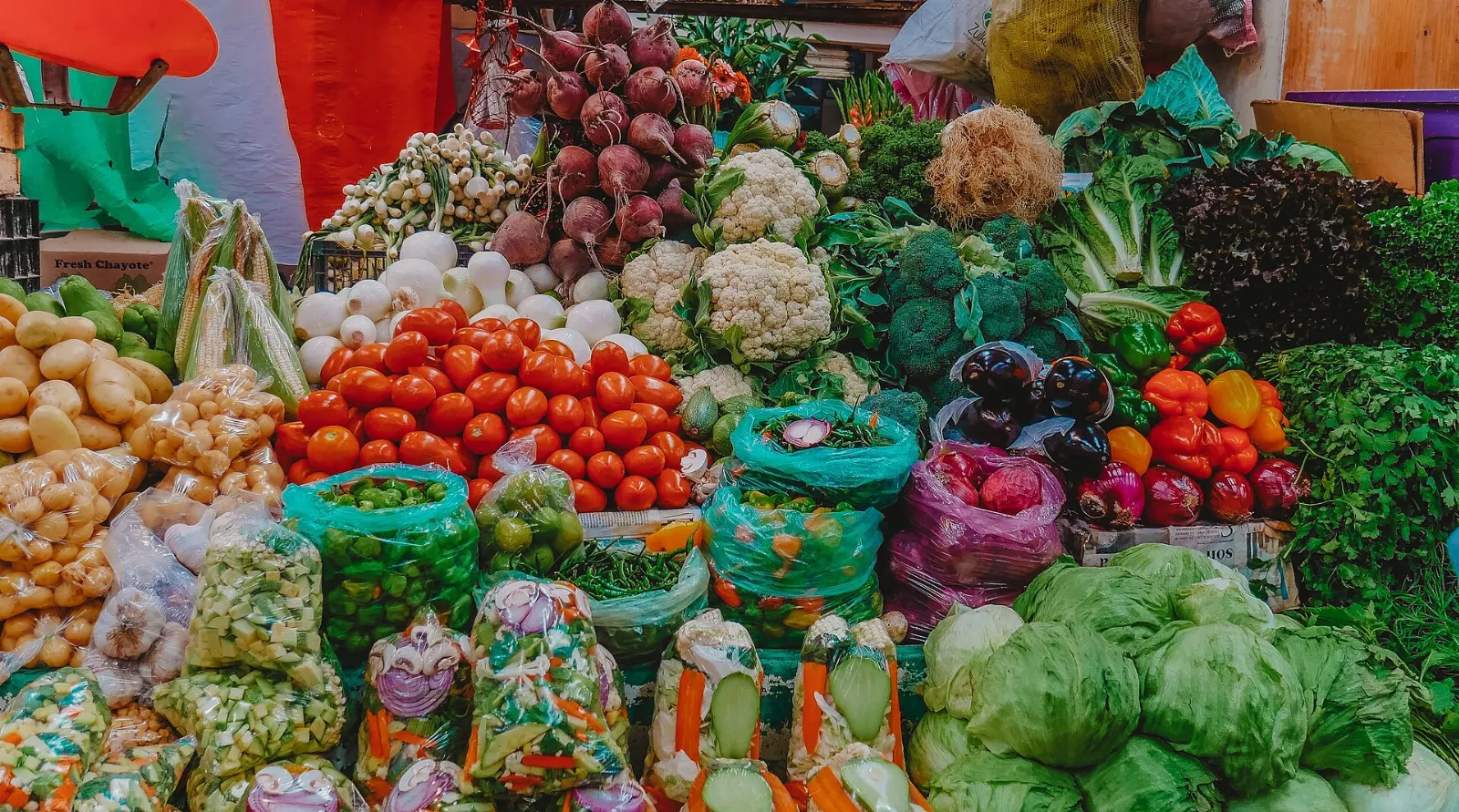
The traditional market keeps an old-fashioned feel, with sellers of herbs, seeds, flowers and fruit.
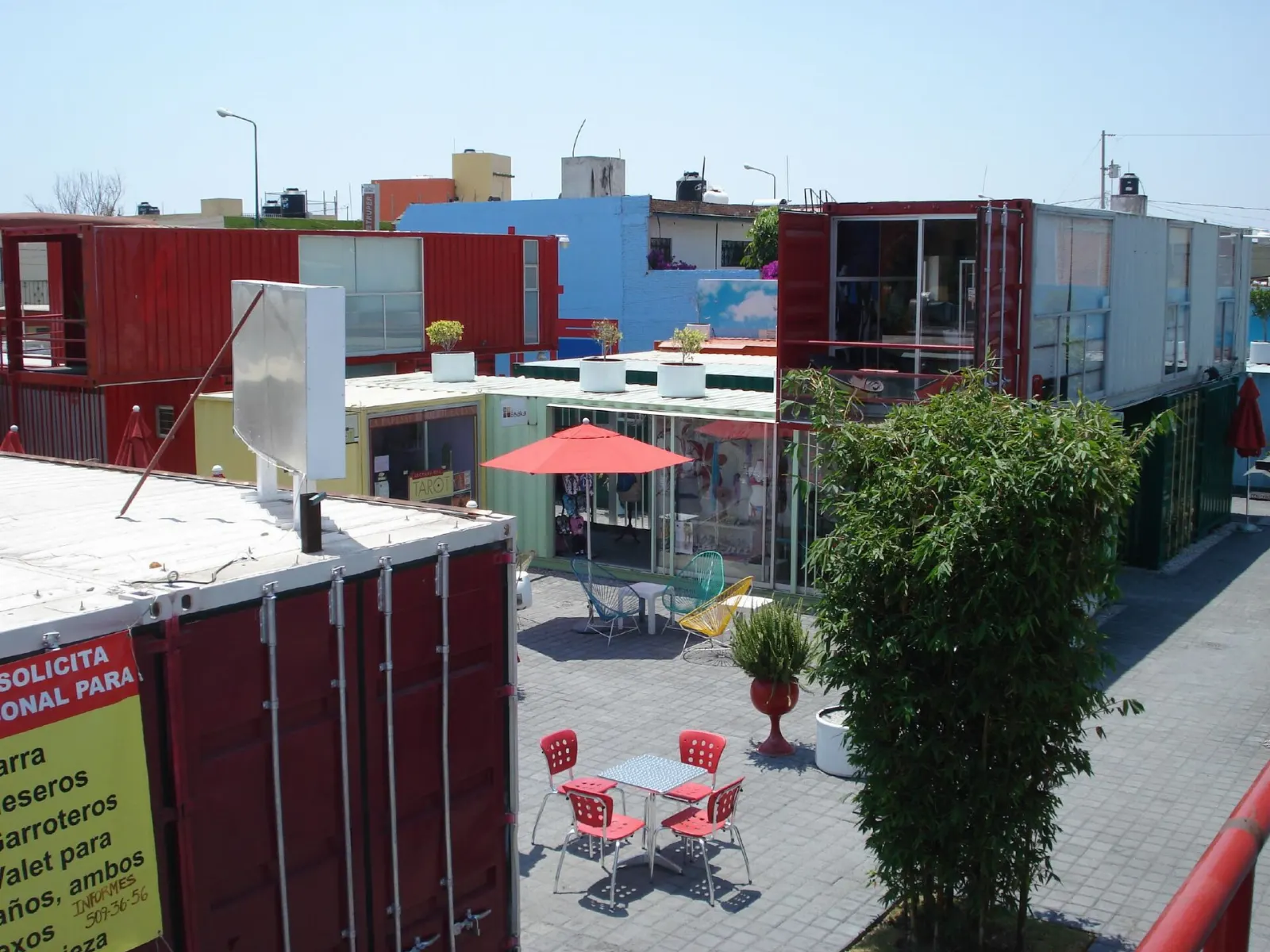
Container City
A cluster of brightly painted shipping containers houses workshops, galleries and eateries. It is a relaxed place for a drink after sightseeing and a good contrast to the colonial streets nearby.
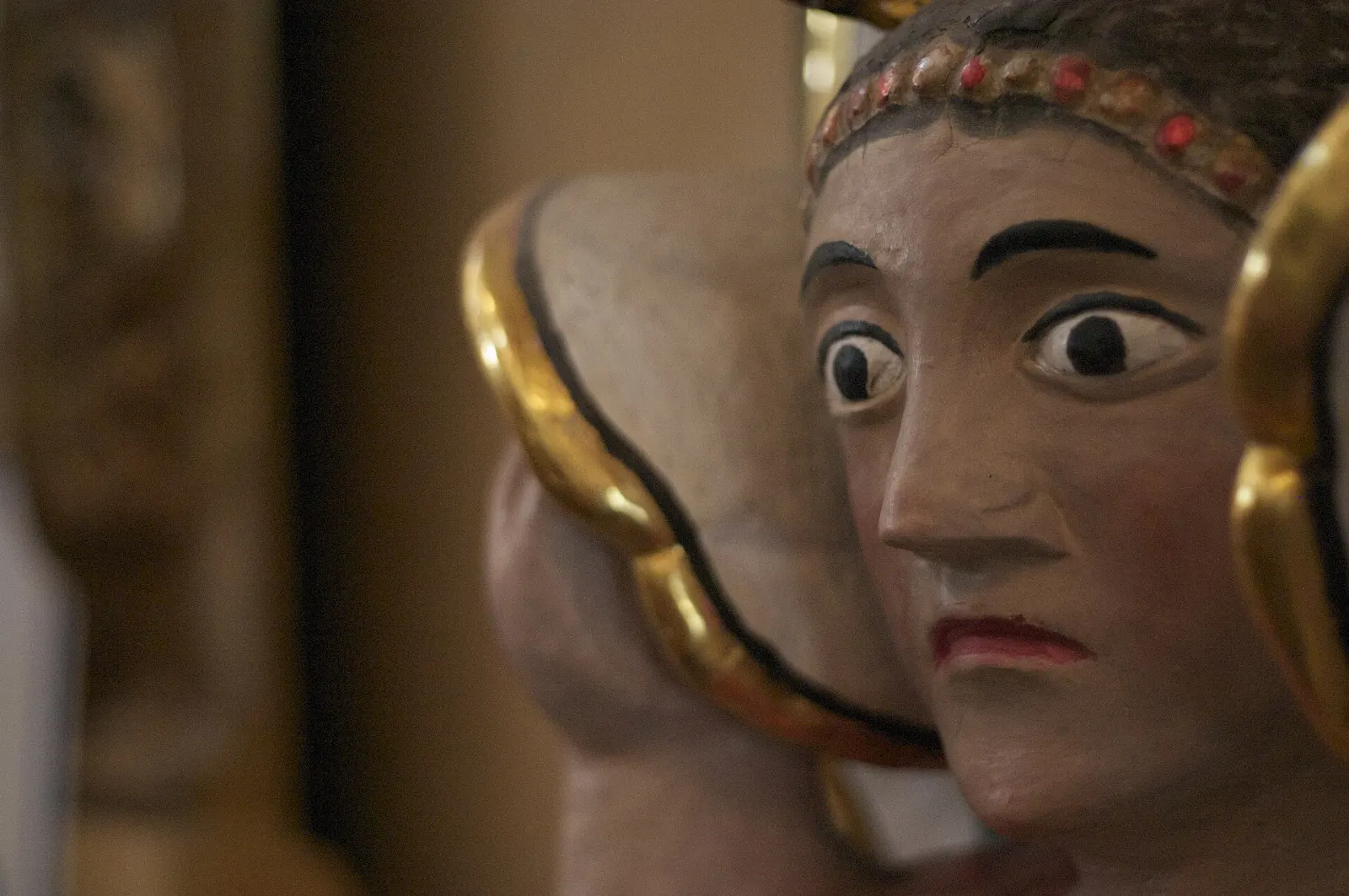
Village churches nearby
Santa María Tonantzintla
This village church is celebrated for its interior, a riot of molded and painted figures in the folk Baroque style made by indigenous craftspeople. Give it at least thirty minutes and respect any rules on photography.
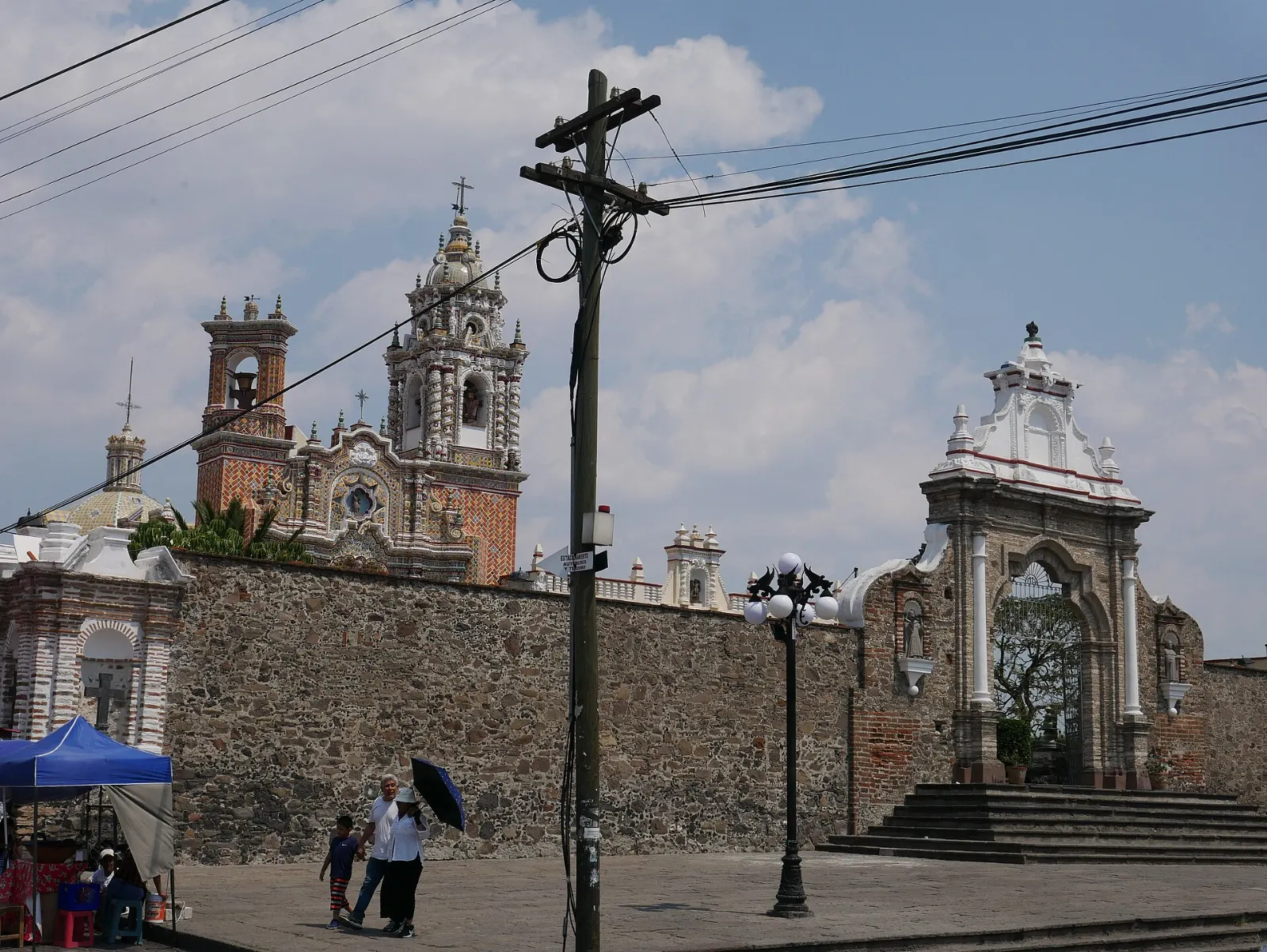
San Francisco Acatepec
Not far from Tonantzintla, the church of San Francisco Acatepec is known for its decorated exterior, in keeping with the tilework found across Puebla.
 Planning a trip to Cholula?Compare hotels, flights and vacation rentals for Cholula on Expedia.Book now
Food and local flavors
Cholula’s food leans on Puebla’s traditions. Look for tacos placeros, a market-style taco filled with cecina, avocado, cheese and chile strips, often topped with pápalo, a fragrant herb.
For something to drink, try pulque, the fermented agave drink served in live-music bars, or a cup of foamy chocolate. The Mercado Municipal and the stalls on the main plaza are the best places to eat cheaply, while the streets around Container City are good for evening dining.
Popular dishes to try in Cholula


Where to stay
Staying near the Plaza de la Concordia puts you within a short walk of cafes, bars, the friary and the market, so it suits first-time visitors and anyone without a car.
San Andrés Cholula is more residential and sits close to the pyramid, which makes it a good choice for early starts and quieter evenings.
Santa María Xixitla lies roughly midway between the center and the pyramid and has older houses and a slower pace. Choose it if you like a short, pleasant walk in both directions.
Where to stay in Cholula


Best time to visit
Cholula’s altitude keeps the climate moderate, though nights can be cool, so bring a light jacket in any season. Check a forecast before you go, since afternoon rain is common in the wetter months and can interrupt outdoor sightseeing.
Festivals are a major draw. The celebration of the Virgin of the Remedies runs from the end of August into mid-September, with processions, dances and a pilgrimage up the pyramid.
Getting there and getting around
Most visitors arrive through Puebla or Mexico City. From the CAPU bus station in Puebla, buses take roughly forty minutes, and an express service from near the center of Puebla is faster.
By car, the straight road known as the Recta covers about ten kilometers from Puebla. Once in town, be careful with the one-way streets, which confuse many first-time drivers, and park once rather than moving around.
The center is compact, so most sights are walkable. Many locals cycle, and taxis cover trips to the village churches.
A suggested itinerary
First day
Start at the Great Pyramid and the site museum in the morning, then climb to the Remedios church for the view. Eat lunch in the Mercado Municipal and spend the afternoon at the Plaza de la Concordia, San Gabriel and the city museum.
Second day
Take a taxi to Santa María Tonantzintla and San Francisco Acatepec in the morning, then return to Container City for a relaxed lunch.
Practical tips
- Check your government’s current travel advisory before you go.
- Carry water, sun protection and a hat for the pyramid, which has little shade.
- Visit the market on a Wednesday or Sunday to catch the larger tianguis.
- Dress modestly and stay quiet inside churches and the friary.
- Confirm site and church visiting hours on official pages, since they change.