Chignahuapan Mexico Christmas Ornaments and Thermal Springs
Chignahuapan is a small mountain town in the Sierra Norte of Puebla, known for its brightly painted plaza, a basilica with the largest Virgin Mary figure in Latin America and a long tradition of making glass Christmas baubles. It is a Pueblo Mágico, a lake and waterfalls lie close to the centre and a weekend here feels relaxed and genuinely local.
By WiserMap TravelUpdated October 20265 places8 min read
Best timeAutumn and early winter, when the bauble shops are at their best.
How longSpend a weekend or two days to cover the centre, lake and waterfall.
Getting thereTake a bus from Puebla's CAPU terminal, about two hours.
Ad
Why visit Chignahuapan
Chignahuapan manages to fit churches, a lake, a waterfall, hot springs and an important craft tradition into one compact area. Its economy is built around Christmas baubles, so the town feels festive in any month.
It is also an easy trip from Puebla, since the drive is about 112 kilometres, and from Mexico City, which is about 190 kilometres away. Locals and weekend visitors from nearby cities fill the plaza on holidays, so a midweek visit is calmer.
The surrounding municipality is also known for its thermal waters and for the lake where the axolotl, a salamander that never leaves the water, still lives wild.
The best places to visit in the town centre
The main sights stand close together and are easy to explore on foot, with taxis for the places farther out.
Plaza de Armas and the Kiosco Mudéjar
The plaza is large, immaculately kept and the centre of town life. Its most unusual feature is the Kiosco Mudéjar, a big two-story wooden bandstand painted in bright colours, unlike any other in Mexico.
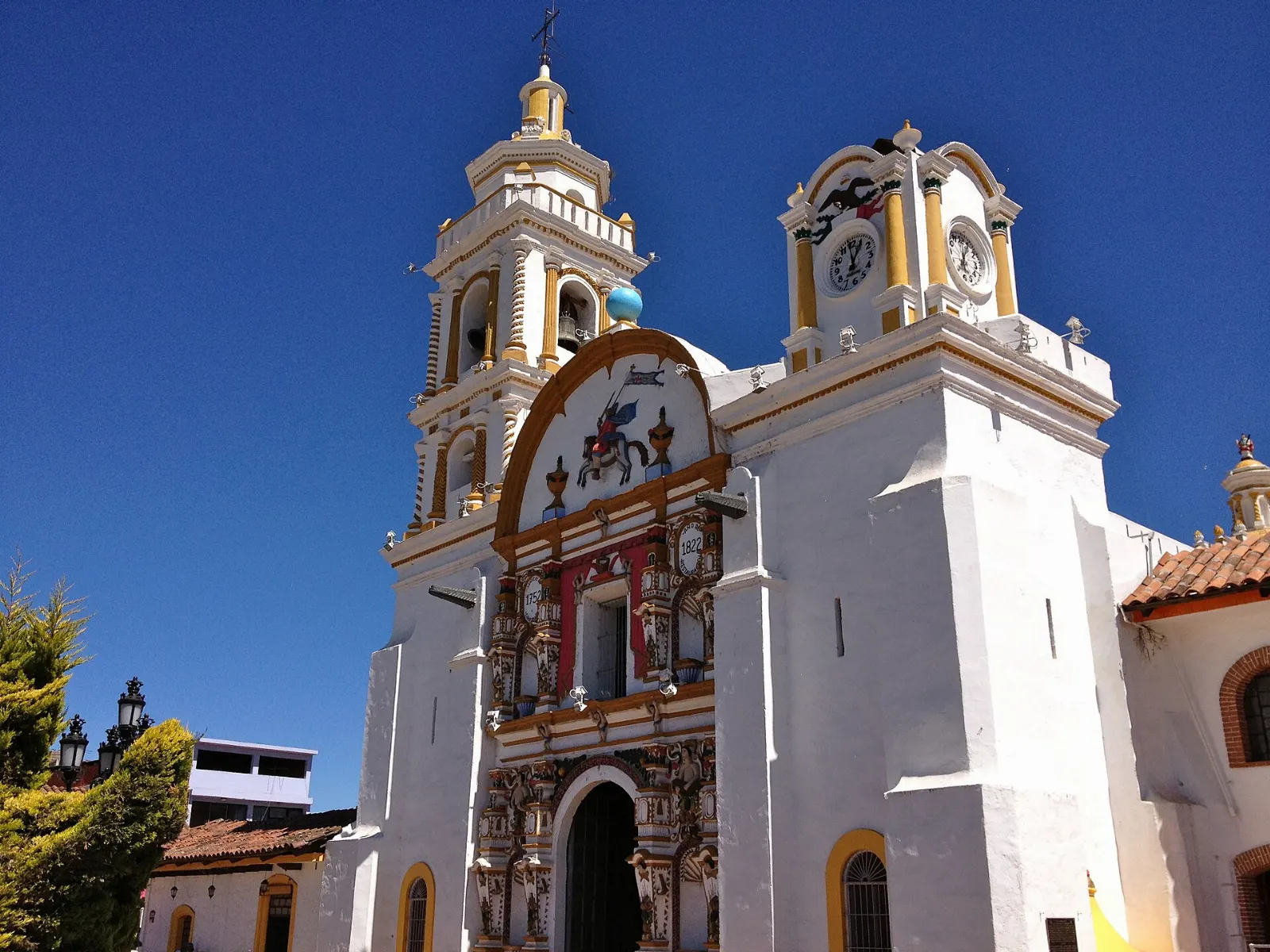
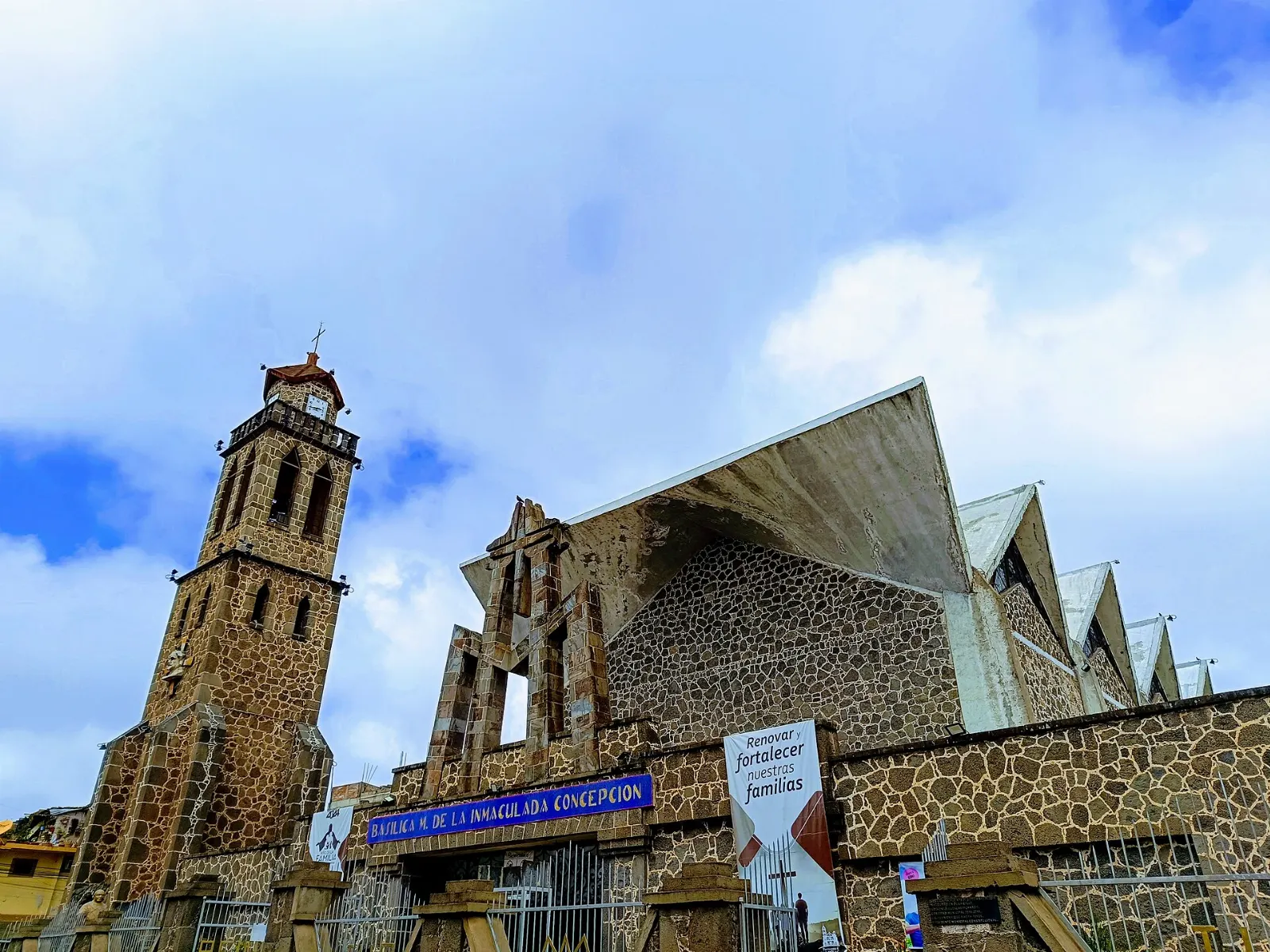
Basílica de la Inmaculada Concepción
The basilica is the largest and most important church in town, with a stone exterior and a bright interior filled with religious art. It holds the largest figure of the Virgin Mary in Latin America.
The basilica houses the largest figure of the Virgin Mary in Latin America. Photo: Gandhi-ma, Wikimedia Commons, CC0
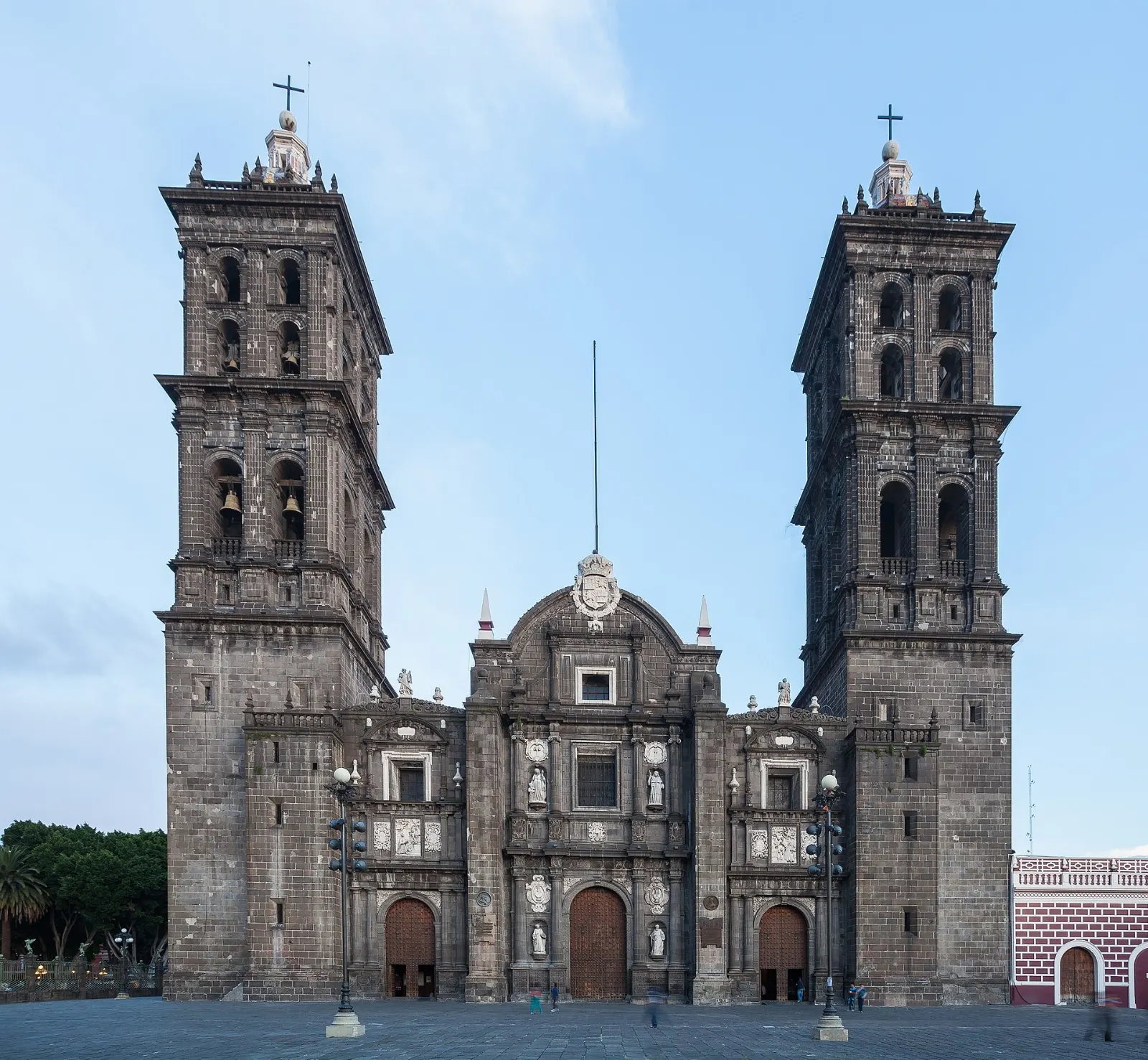
Parroquia de Santiago Apóstol
This is the town's original main church, built by the Franciscans in the 16th century using indigenous labour and craftsmen. The facade blends Spanish baroque style with indigenous themes and bright colours.
This small museum focuses on the axolotl, an endangered salamander that spends its entire life in water. Chignahuapan's lake is one of the few places where it still lives in the wild.
Mercado Chignahuapan
The traditional market on Calle Morelos is small and focused on fresh produce and food staples. It is a good place for regional ingredients and for watching daily life.
Ad
The best places to visit for crafts, lake and nature
Beyond the centre, the town's craft and landscape make the best case for staying a second day.
Christmas bauble workshops
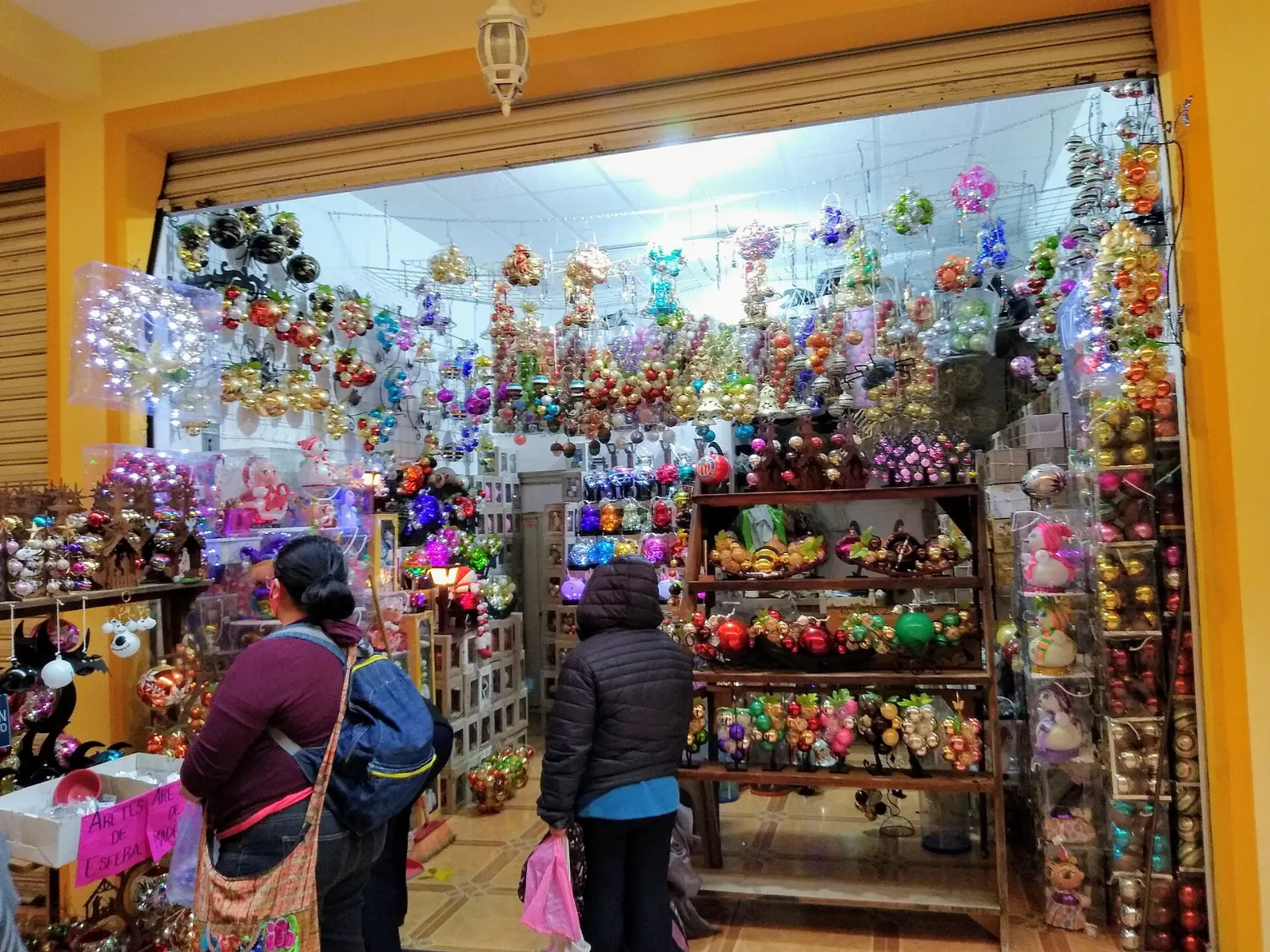
Chignahuapan is famous for its glass Christmas baubles, known locally as esferas. Ask locally about workshops open to visitors, and note that the town's double-decker tour bus includes a stop at a sphere factory.
Making Christmas baubles is the main economic activity of Chignahuapan. Photo: Isaacvp, Wikimedia Commons, CC BY-SA 4.0
Laguna de Almoloya
The lake is fed by nine springs and is one of only three lakes where the axolotl lives in the wild.
The lake is fed by nine springs and is one of the few places where the axolotl lives in the wild. Photo: Isaacvp, Wikimedia Commons, CC BY-SA 4.0
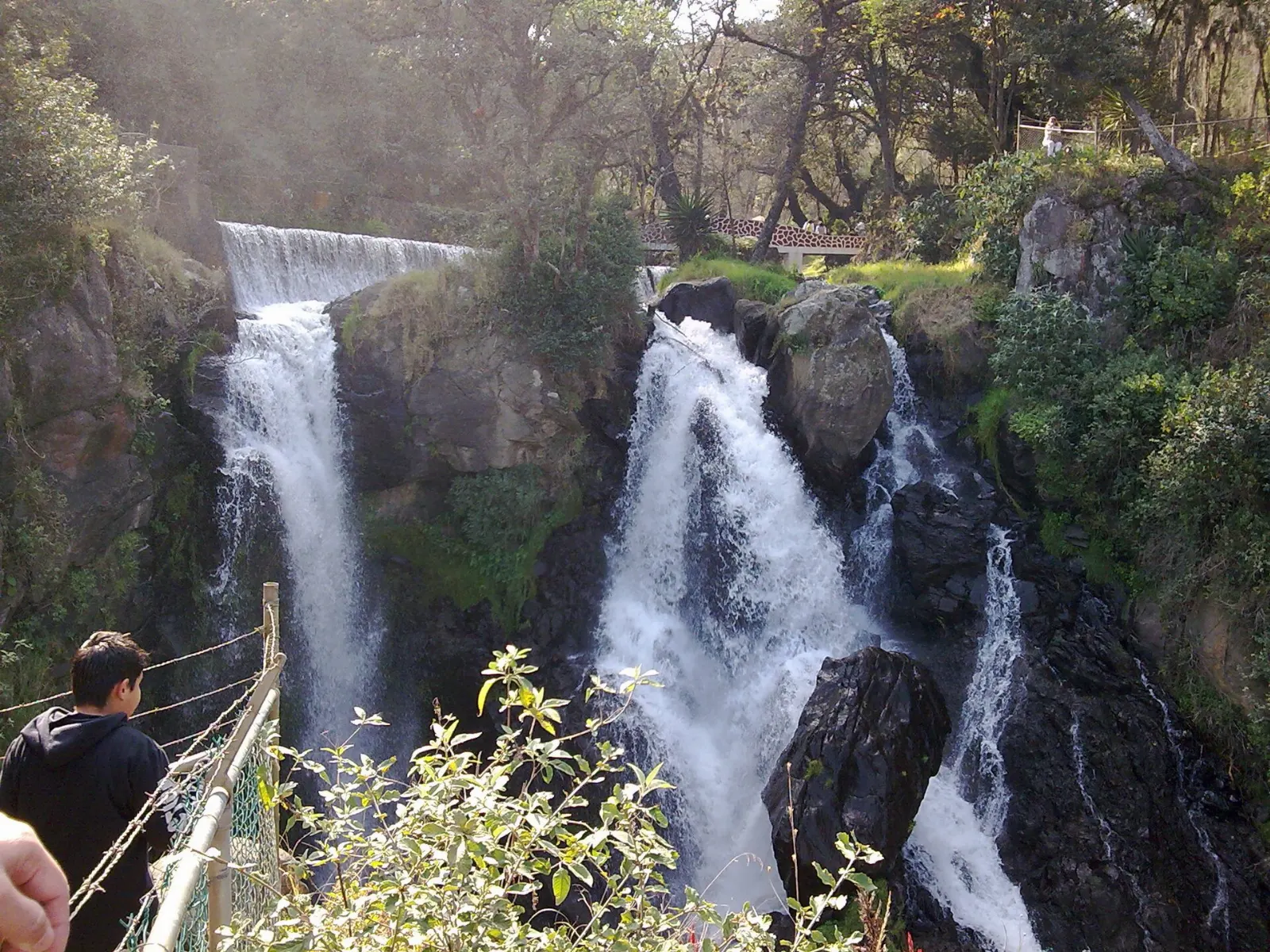
Cascada de Quetzalapa
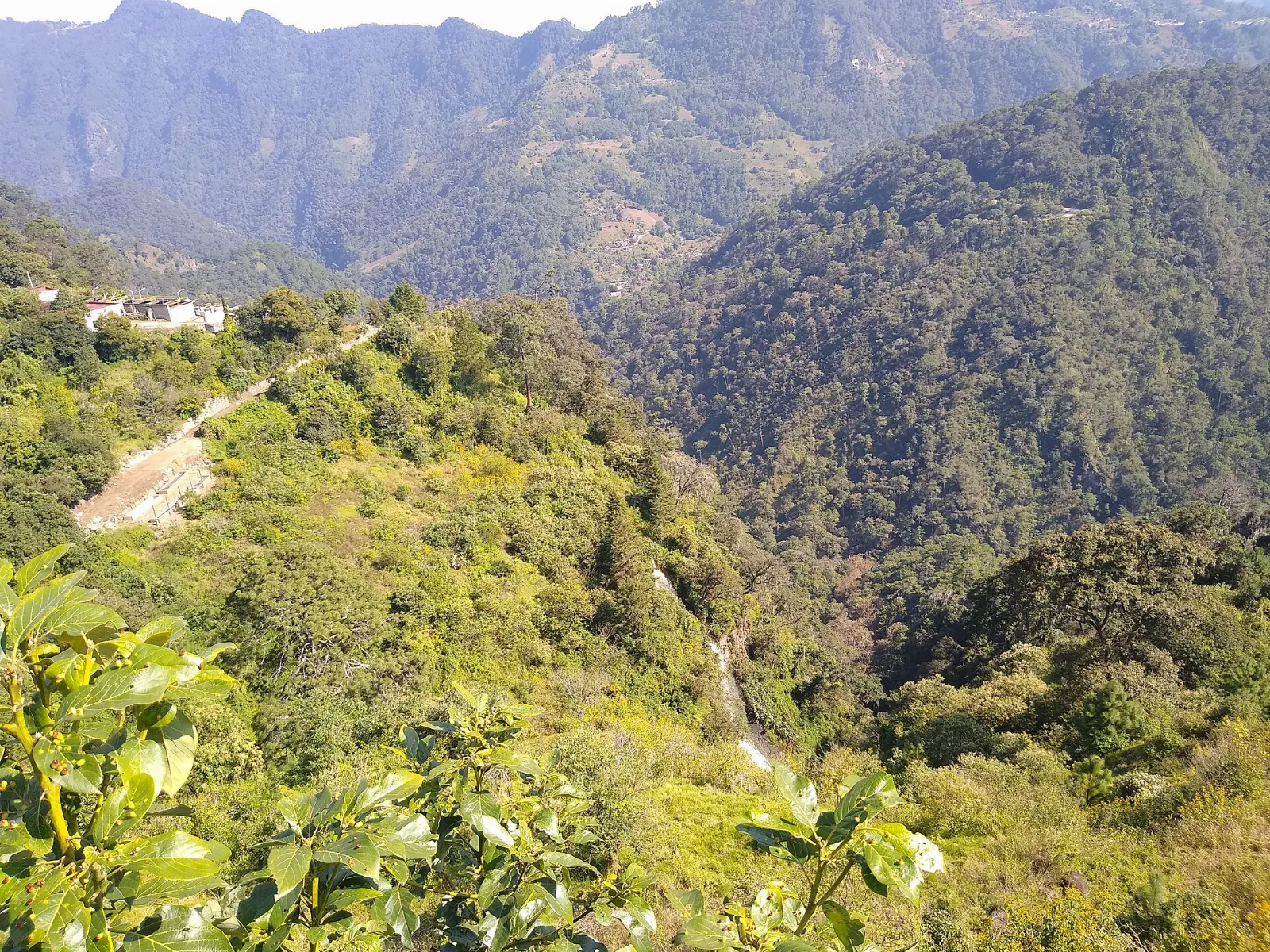
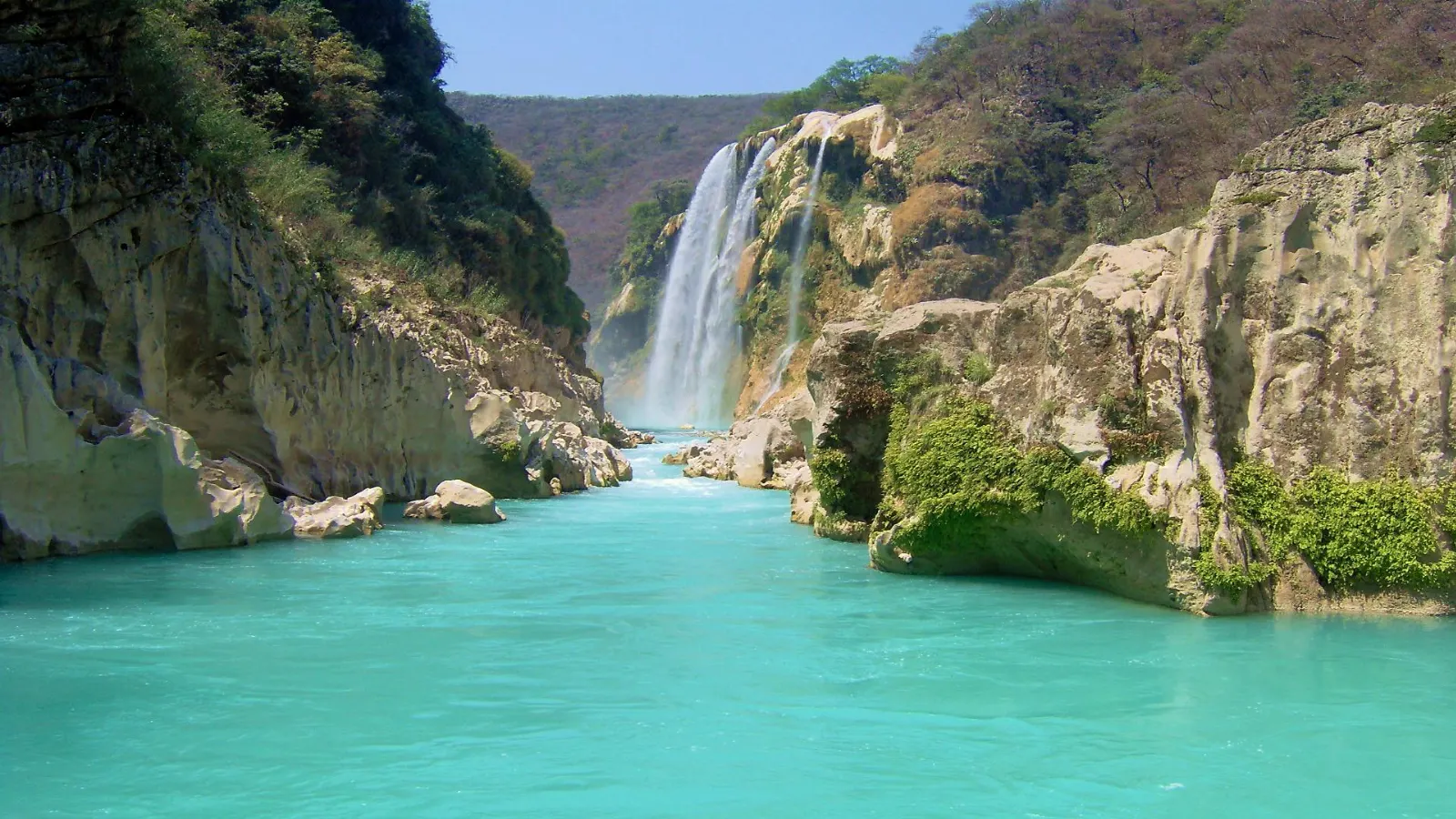
The Quetzalapa Falls lie about ten kilometres from the centre, an easy taxi ride. They are a favourite for rappelling, climbing and zip lines, and they are also worth a visit just for the view.
The Quetzalapa Falls are about ten kilometres from the town centre. Photo: propio, Wikimedia Commons, CC BY-SA 4.0
Aguas Termales
The thermal waters of Chignahuapan are among the best-known attractions in the municipality. They make a relaxing end to a day of walking, especially when the mountain air is cool.
Santuario del Honguito
In 1880 a mushroom bearing the silhouette of Jesus was found nearby, and locals built a small church to hold it. The preserved mushroom sits in a glass case in the middle of a cross.
Food and local flavors
Food here follows the traditions of Puebla's highlands. Tlacoyos, thick oval cakes of corn masa stuffed with beans or cheese, are a local favourite at traditional restaurants and market stalls.
You can also try cemitas poblanas, the big sesame rolls filled with meat and cheese that are a Puebla favourite. The Mercado Chignahuapan is the place for fresh produce and snacks, and lakeside restaurants along the Paseo de la Laguna offer a relaxed meal with a view.
Popular dishes to try in Chignahuapan
Tlacoyos Tlacoyos, thick oval cakes of corn masa stuffed with beans or cheese, are a local favourite at traditional restaurants and market stalls.Photo: Arnold Gatilao from Oakland, CA, USA, Wikimedia Commons, CC BY 2.0Mole poblano Mole poblano, the dark sauce of chiles, nuts and spices, is a regional classic, and chiles en nogada, stuffed chiles in walnut sauce, appear in late summer and autumn.Photo: jay galvin, Wikimedia Commons, CC BY 2.0Chiles en nogada Mole poblano, the dark sauce of chiles, nuts and spices, is a regional classic, and chiles en nogada, stuffed chiles in walnut sauce, appear in late summer and autumn.Photo: Julián Monge-Nájera, Wikimedia Commons, CC BY-SA 4.0Cemitas poblanas You can also try cemitas poblanas, the big sesame rolls filled with meat and cheese that are a Puebla favourite.Photo: AlejandroLinaresGarcia, Wikimedia Commons, CC BY-SA 4.0
Ad
Where to stay
The Centro is the most convenient base, with hotels within a two-minute walk of the plaza, and many with off-street parking.
Paseo de la Laguna runs along the lake and has lakeside restaurants and boat rentals. It suits travellers who prefer water views, fresh air and quiet evenings.
Weekends and holidays are busy, so reserve rooms early. Staying midweek is quieter.
Where to stay in Chignahuapan
Centro Where to stayThe Centro is the most convenient base, with hotels within a two-minute walk of the plaza, and many with off-street parking.Photo: Isaacvp, Wikimedia Commons, CC BY-SA 4.0Paseo de la Laguna Paseo de la Laguna runs along the lake and has lakeside restaurants and boat rentals.Photo: Isaacvp, Wikimedia Commons, CC BY-SA 4.0Ixtlahuaca Ixtlahuaca has hotels with lakeside grounds that are good for couples and long weekends, though some offer limited heating, so ask about hot water and blankets before you book.Photo: lefiz, Wikimedia Commons, CC BY 3.0
Best time to visit
The highlands are cool for most of the year, so bring a jacket in every season. Evenings are cold, and rain showers are common in the summer months, while winter days are crisp and clear.
Autumn and early winter are particularly good for Christmas baubles, as the shops are full and the town is already in a festive mood.
Ad
Getting there and getting around
The closest airports are Puebla International and Mexico City's Santa Lucía, each about two hours and fifteen minutes by car. From Mexico City the drive is about 190 kilometres via Federal Highway 132 toward Tulancingo, and from Puebla it is about 112 kilometres via Highway 121 and the Puebla highway 119D.
Autobuses Supra and ATAH run several buses a day from Puebla's CAPU terminal, taking about two hours, and second-class lines also serve the route. The Chignahuapan bus station on Lerdo de Tejada is small and crowded on weekends.
A suggested itinerary
First day
Begin at the Plaza de Armas, the kiosk and the two churches.
Second day
Take a taxi to Quetzalapa Falls in the morning, then ride a boat on the lake. Finish with the thermal waters or the Santuario del Honguito before heading home.
Ad
Practical tips
Carry a warm layer and a rain jacket, since the highland weather changes quickly.
Check your government's current travel advisory before you go.
Pack baubles in your hand luggage or in plenty of padding.
Confirm museum and sanctuary opening days locally, because they vary.
Arrive early on weekends and holidays, when the bus station and plaza are crowded.