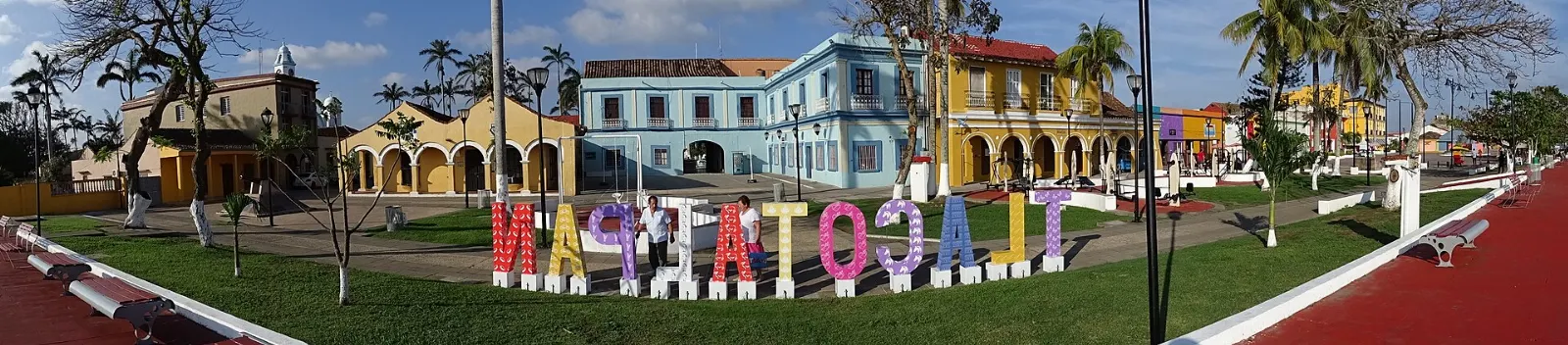
Tlacotalpan is a small river port in southern Veracruz where pastel colonnaded houses line quiet streets beside the Papaloapan River. UNESCO inscribed the town in 1998 for its layout, architecture and traditions, and Mexico also counts it among its Pueblos Mágicos.
AT A GLANCE
Best time
The drier months from late autumn to spring suit walking, and the Candelaria festival peaks around February 2.
How long
One full day covers the center, and two days add a river trip and slower evenings.
Getting there
Drive or take a bus from the city of Veracruz, about two and a half hours by road.
Why visit Tlacotalpan
The name Tlacotalpan is usually translated as land between the waters, a nod to the island in the Papaloapan River where the town began after 1550. For centuries it was one of the few river ports in Latin America set back from the sea, and trade along the water paid for the houses, theaters and churches that survive today.
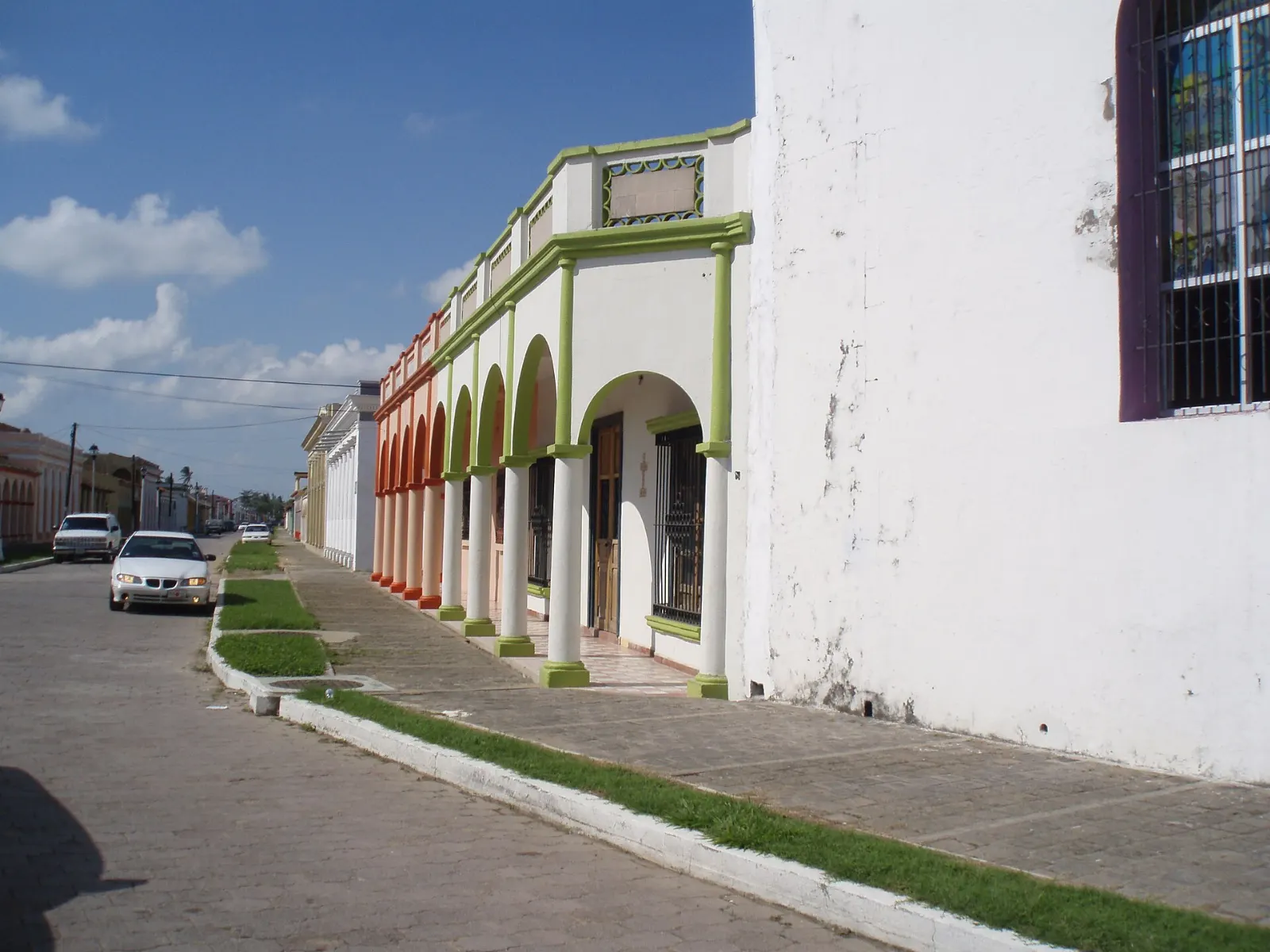
The streets follow a checkerboard of 153 blocks, with wide avenues running parallel to the river and narrow lanes between them. Houses are painted in strong colors and finished with arched porticos, red tile roofs and Andalusian style courtyards.
The historic center
Plaza Zaragoza
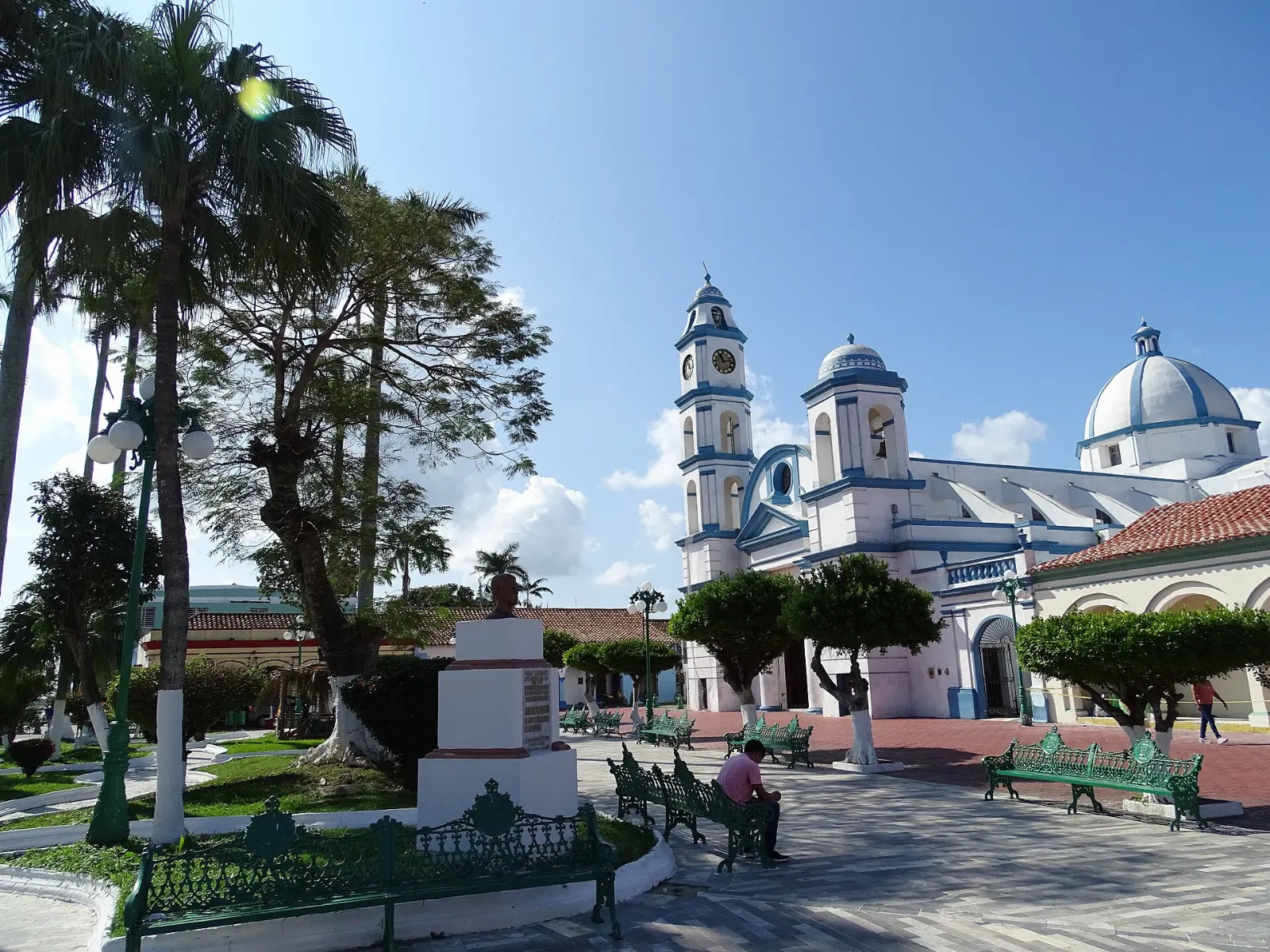
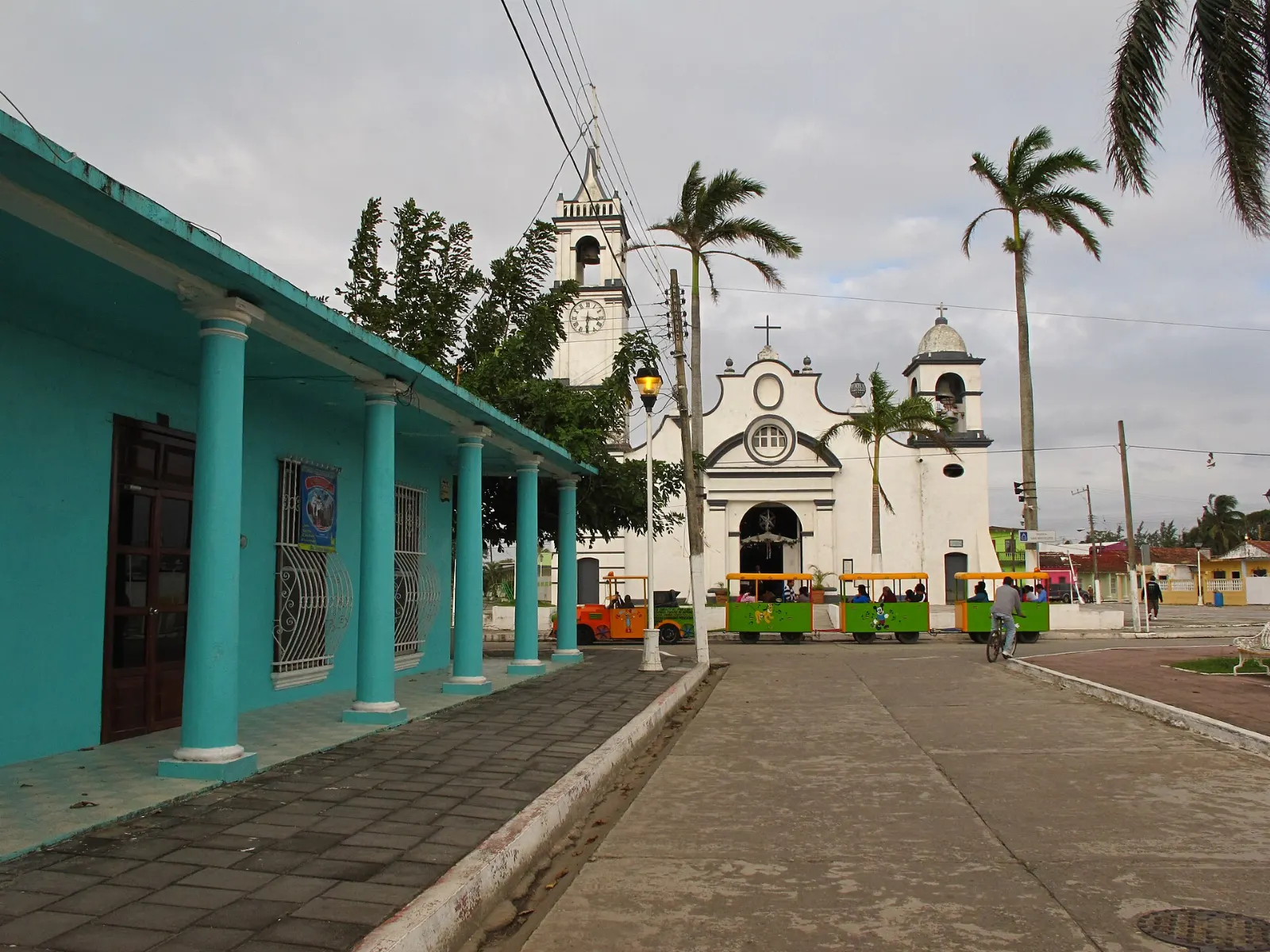
Plaza Zaragoza, also called Parque Zaragoza, is the heart of town. Laid out in white marble and shaded by palms, it centers on a 19th century kiosk by local sculptor Francisco Sánchez Terán.
Sanctuary of Our Lady of Candlemas
On the north side of the plaza stands the Sanctuary of Our Lady of Candlemas, known locally as the Candelaria. Built in the late 18th century from stone brought up from Gulf reefs, it houses the image of the Virgin that sailors are said to have carried to the town in the 17th century.
San Cristóbal Parish
The second church on the plaza, San Cristóbal Parish, dates from 1849. Its neoclassical front shows some Moorish influence, and the clock in its tower is said to have come from England. Inside, look for the carved wooden altarpiece and an image of Our Lady of Guadalupe.
Music, art and museums
Agustín Lara House Museum
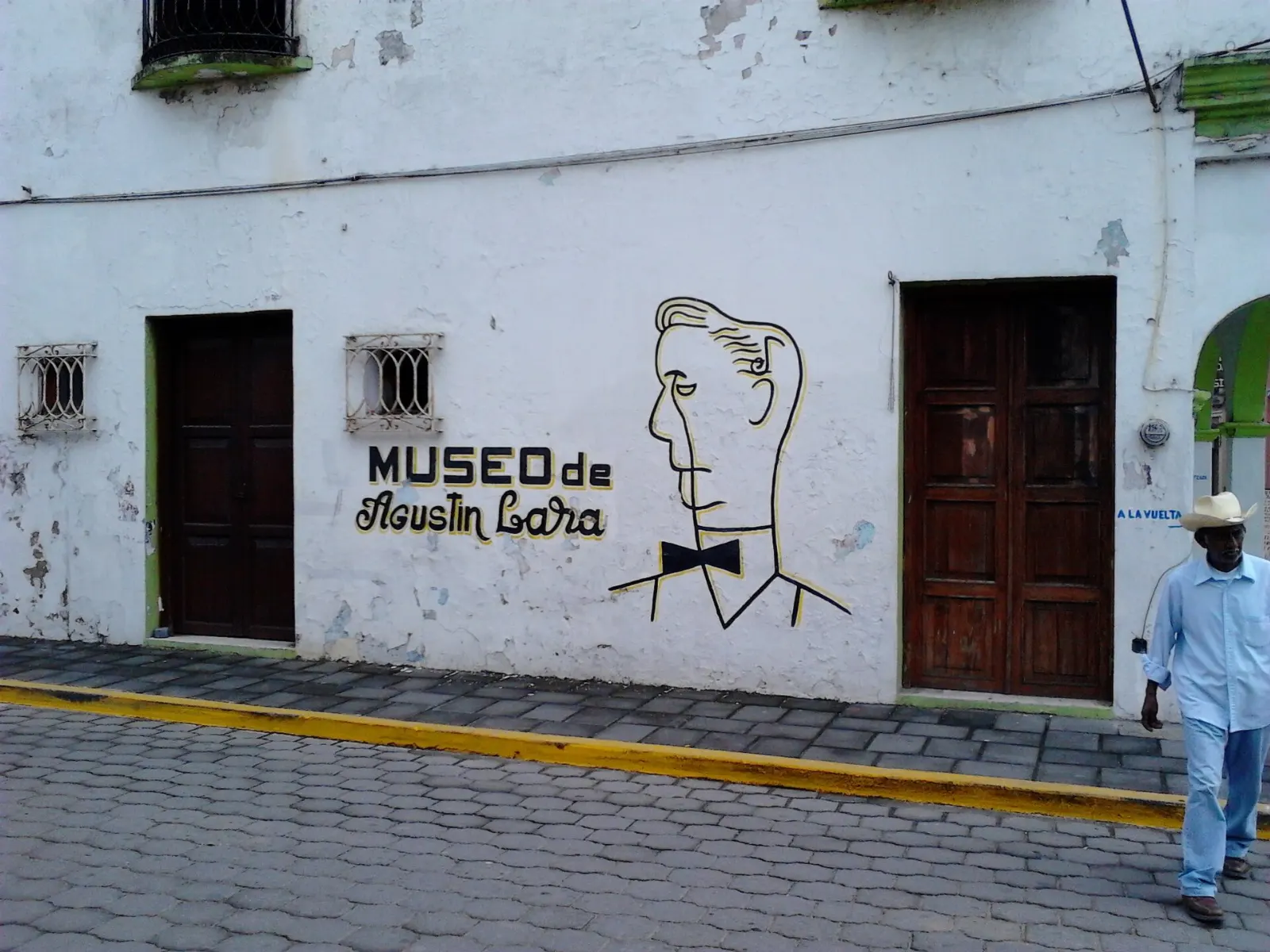
This small museum honors Agustín Lara, the songwriter and poet who lived from 1897 to 1970 and spent much of his life in Tlacotalpan. His songs were recorded by some of the best known singers in Latin America.
Blanca Nieves Cantina
A short walk away, the Blanca Nieves Cantina, also known as the Museum Bar of Tobías Carbajal Rivera, was a favorite hangout of Lara, who drank toritos here with friends.
Salvador Ferrando Museum
The Salvador Ferrando Museum occupies a 19th century house that belonged to the painter, who is remembered mostly for his portraits.
Netzahualcóyotl Theater
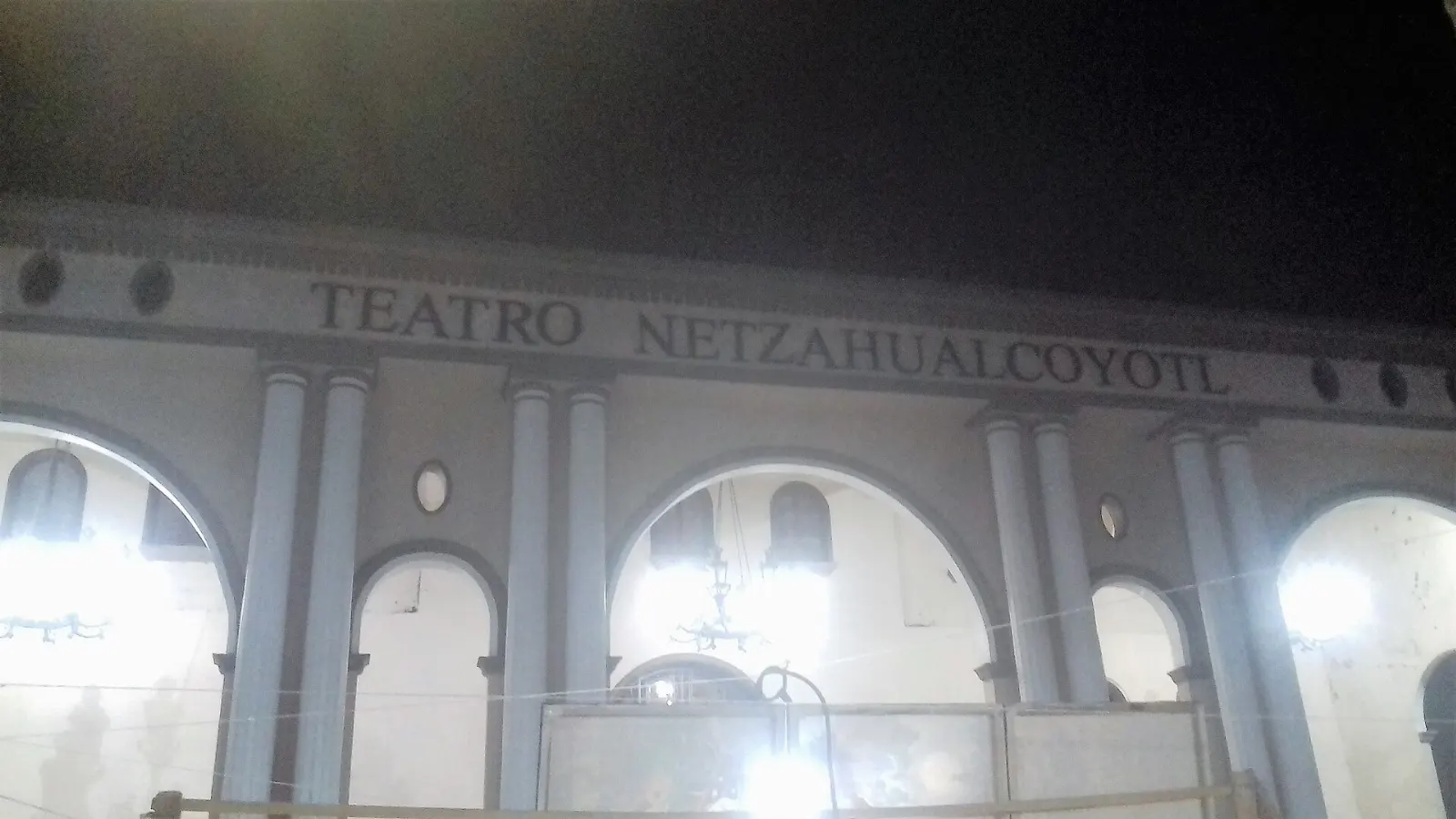
The Netzahualcóyotl Theater on Avenida Venustiano Carranza was built in 1891 in French style during the era of Porfirio Díaz. It is easiest to enjoy from the street, and cultural events sometimes take place inside, so ask around town about performances during your stay.
River, churches and quiet corners
San Miguelito Church
The Iglesia de San Miguel Arcángel, known as San Miguelito, was built in 1785 and is the oldest standing church in Tlacotalpan.
The riverfront and boat rides
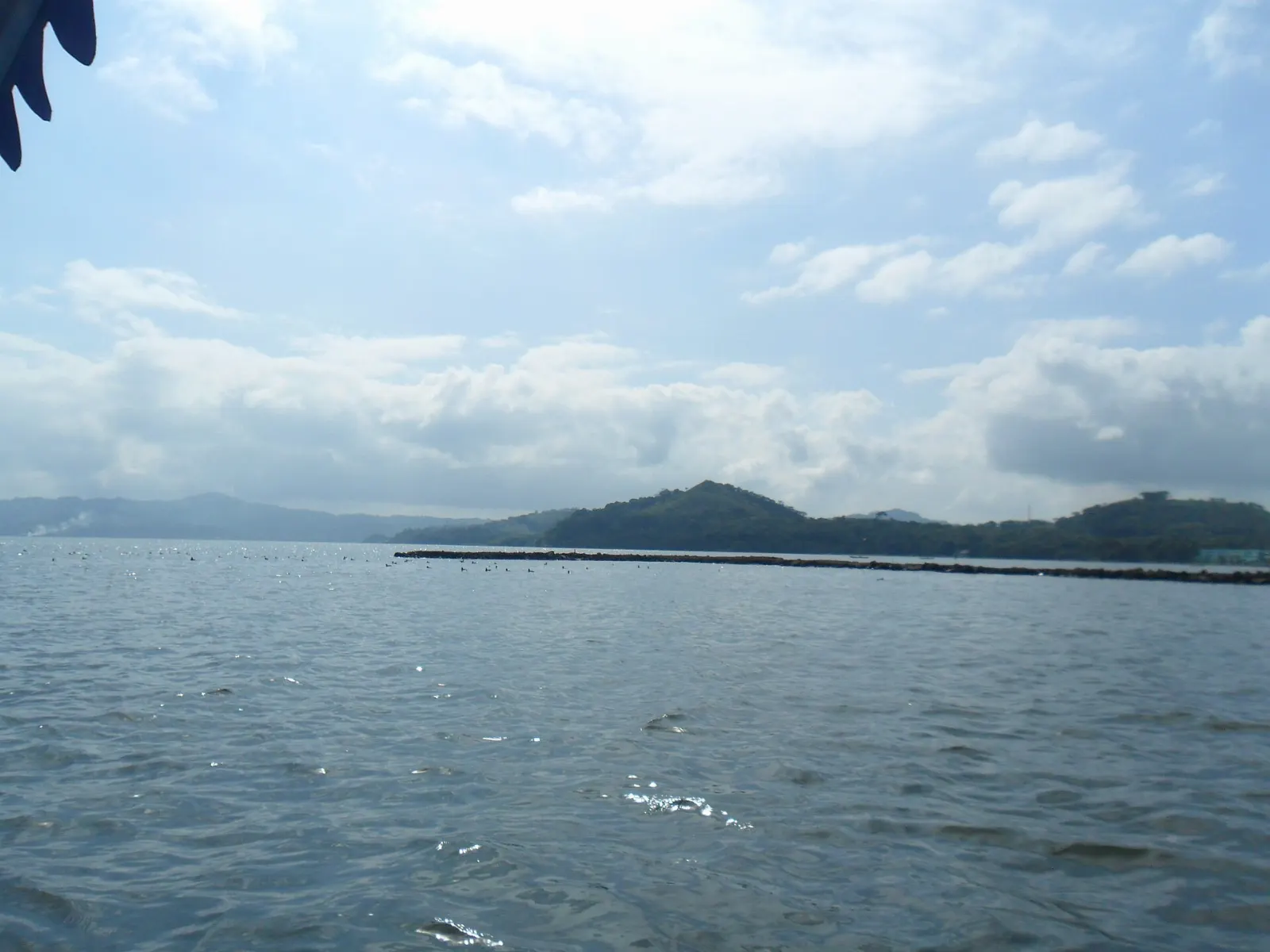
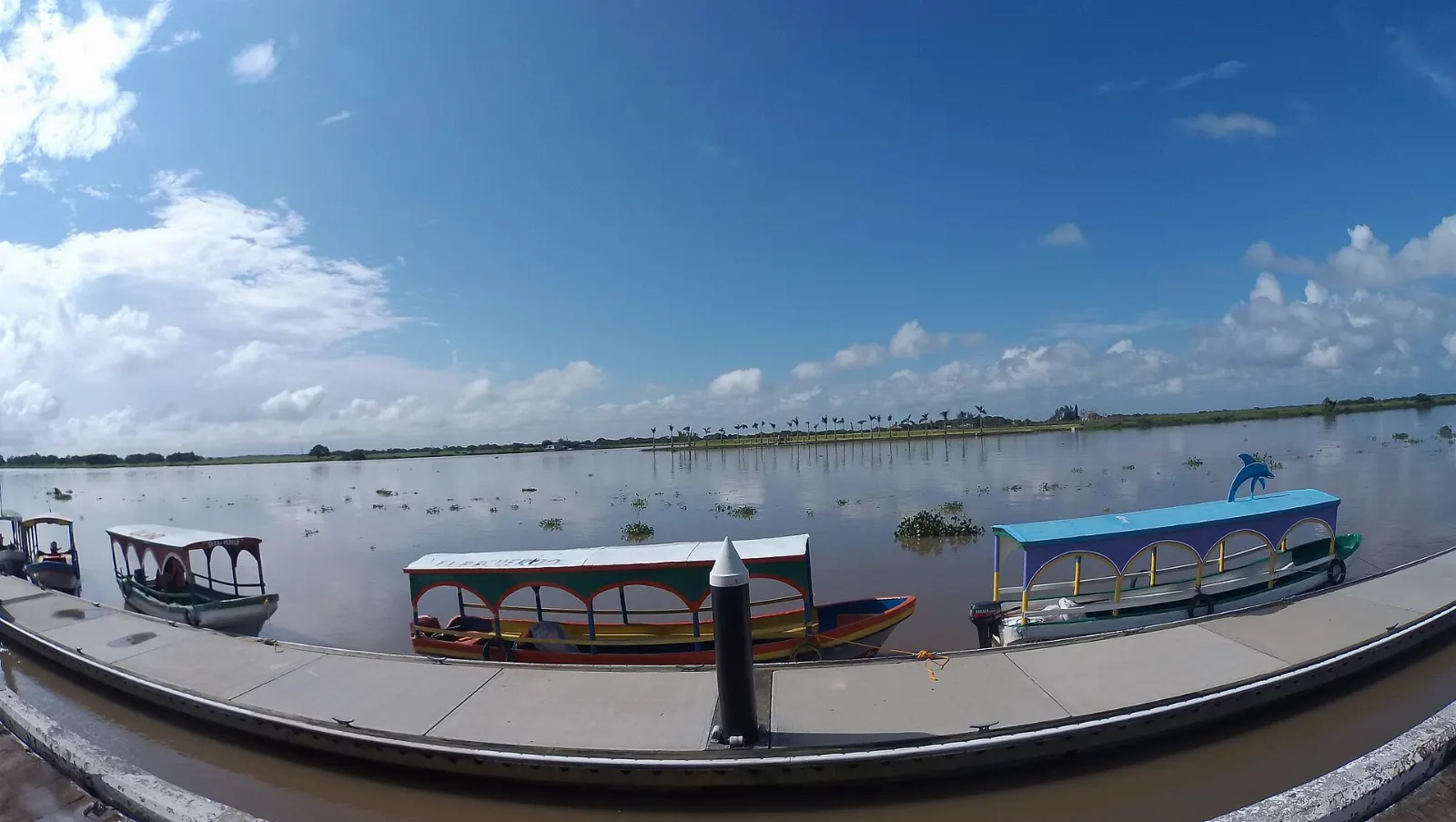
A boardwalk runs along the Papaloapan beside a long concrete dock, and many seafood restaurants face the water. Local boatmen offer rides in wooden boats, and an operator called El Cuenqueño sells tickets across from the pier.
Mini Zoológico de Pío Barrán Barteli
Part local history museum and part shelter for animals, this house holds crocodiles, turtles, pelicans and birds of prey alongside a collection of old objects. It is quirky rather than polished, so go in that spirit.
Jardín del Arte Tlacotalpeño
Just south of the main square, this art garden exhibits and sells work by regional artists, a good source of souvenirs that are not mass produced.
 Planning a trip to Tlacotalpan?Compare hotels, flights and vacation rentals for Tlacotalpan on Expedia.Book now
Food and local flavors
Tlacotalpan sits on a river near the Gulf, so seafood anchors the menu. Arroz a la tumbada, a soupy rice dish cooked in a clay pot with tomato sofrito and a mix of seafood, appears on nearly every riverfront menu.
For a local snack, try the gorditas with a hint of anise at a family restaurant such as MariCarmen. Raise a glass of toritos, the regional drink that Agustín Lara enjoyed with friends. The riverfront boardwalk is the easiest place to eat, since much of it is lined with restaurants.
Popular dishes to try in Tlacotalpan


Where to stay
The town is small enough that nearly everything is walkable. Staying near Plaza Zaragoza puts you beside the main church, the cafes and the Saturday night music, which suits first time visitors who want to step outside and be in the middle of things.
The Malecón riverfront suits travelers who like river views and early morning light. San Miguelito and La Candelaria, neighborhoods known for their colonnaded houses, are quieter and suit couples and photographers who prefer residential streets.
Where to stay in Tlacotalpan


Best time to visit
From October to April, cold fronts called nortes pass through and can bring strong wind, fog and cooler weather. The rest of the year is warm and humid, with most of the rain.
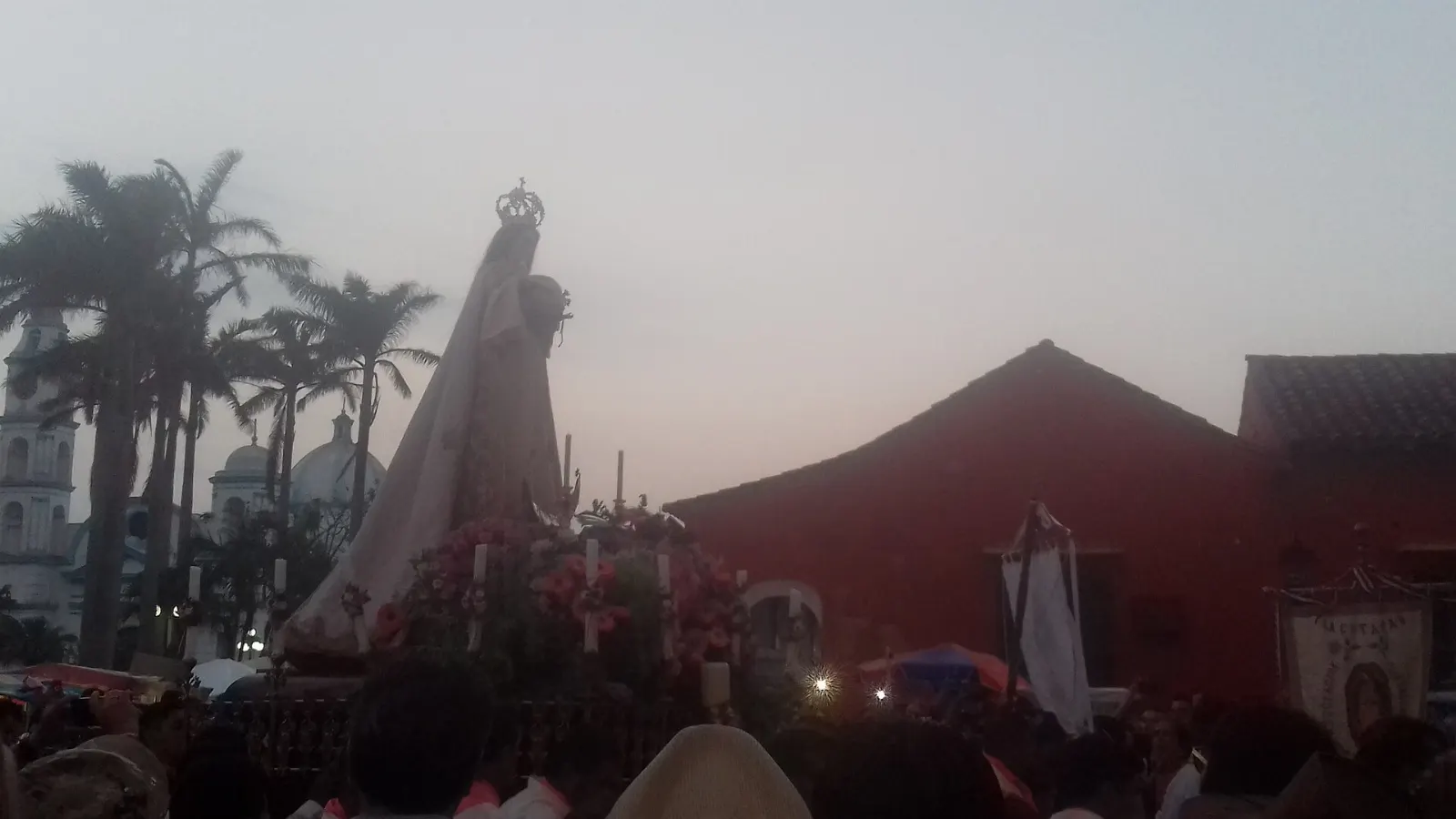
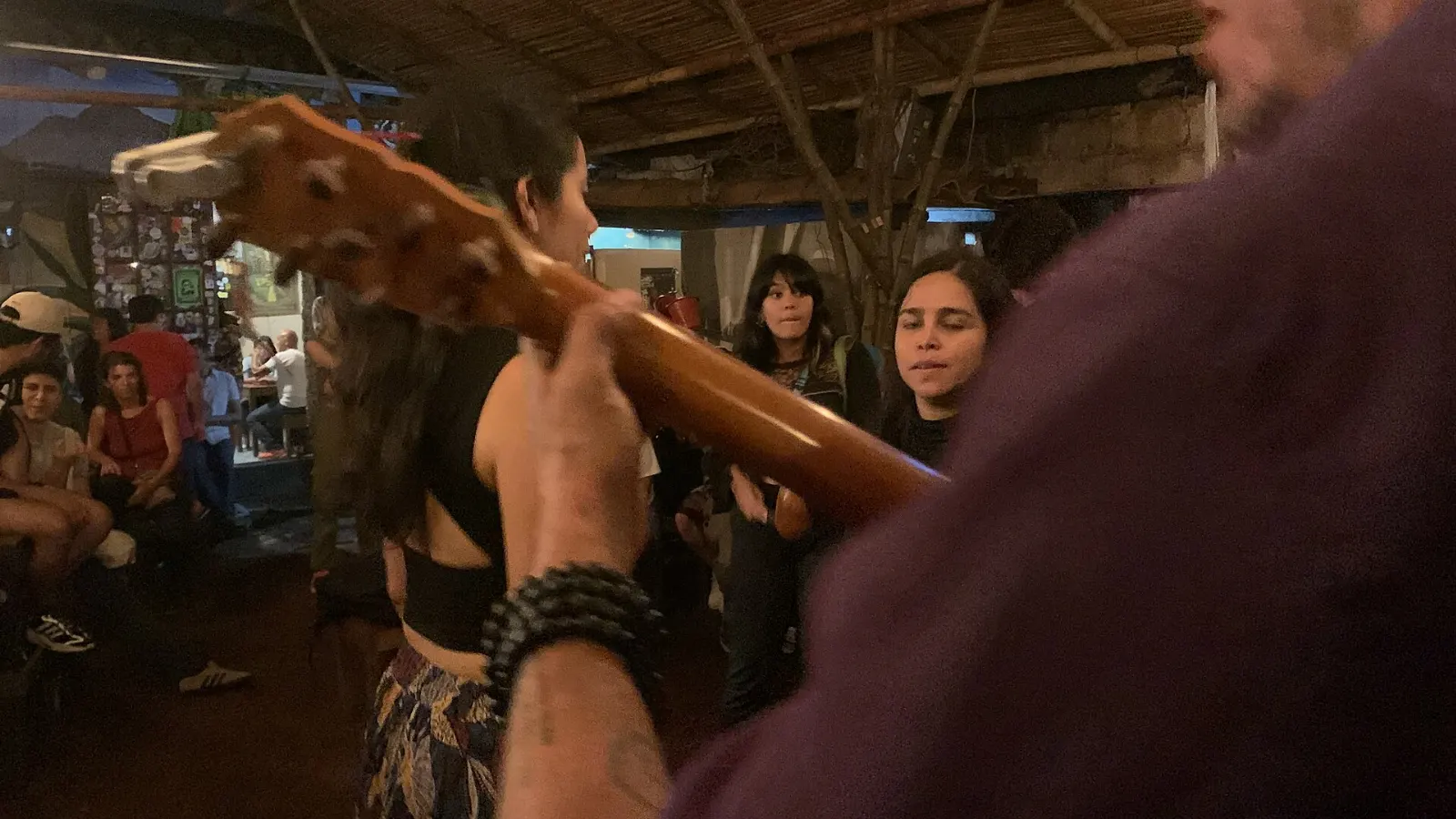
The main event is the festival of the Virgen de la Candelaria, from January 31 to February 2. A decorated image of the Virgin is carried through town, musicians and verse singers gather for a national meeting of jaraneros, and fandangos run into the night.
Getting there and getting around
Driving is the fastest and most comfortable way to arrive. From the city of Veracruz, follow Highway 180 along the Gulf to the small town of Conejo Blanco, then turn onto Highway 175.
By bus, the regional TRV line runs from the main station in Veracruz in about two and a half hours. Its terminal sits beside the Malecón, and an ADO terminal is across the street. Tickets are generally sold in person.
A suggested itinerary
First day
Arrive in the morning, walk Plaza Zaragoza and visit the Candelaria and San Cristóbal.
Second day
Rent a bike and ride the callejones, then see the Salvador Ferrando Museum and the art garden. Visit the mini zoo and San Miguelito, and finish with a boat ride on the Papaloapan before dinner.
Practical tips
- Carry some cash, since small restaurants and regional bus tickets are often paid in cash.
- Check your government's current travel advisory before you go.
- Pack light clothing and a rain layer, as the climate is humid and storms are common in late summer.
- Inspect rental bikes before you ride, because they can be scratched and worn.
- Book lodging well ahead if you plan to attend the Candelaria festival.