WiserMap — Choose wisely. Connect locally.Choose wisely. Connect locally.Add your business
Zacatlán, Puebla · Travel guide

Zacatlán Mexico Apple Cider Flower Clock and Waterfalls

Zacatlán de las Manzanas, the town of apples, sits high in the Sierra Norte de Puebla among orchards, pine forests and deep canyons. It is a Pueblo Mágico with a cobbled centre, a flower clock in the main square, a monastery from the 16th century and waterfalls within a short drive. The air is cool, mornings are often wrapped in fog and the local bakeries and cider makers give the town a flavour all its own.

By WiserMap TravelUpdated October 2026 6 places9 min read
FacebookXLinkedIn
At a glance Zacatlán
  1. Best timeAugust for the apple fair, or November for the cider festival.
  2. How longSpend two days to see the centre, the canyon and one waterfall.
  3. Getting thereTake a bus from Puebla or Mexico City, about three hours.

Why visit Zacatlán

Zacatlán is a small town with a lot packed into a walkable centre.

It also makes an easy break from the larger cities. The town is about 130 kilometres from Puebla, and the cool climate, with temperatures that usually stay between 12 and 18 degrees over the year, is a relief after the lowlands.

The best places to visit in the town centre

Most of the historic sights stand within a few blocks of the main square and can be covered on foot in a morning.

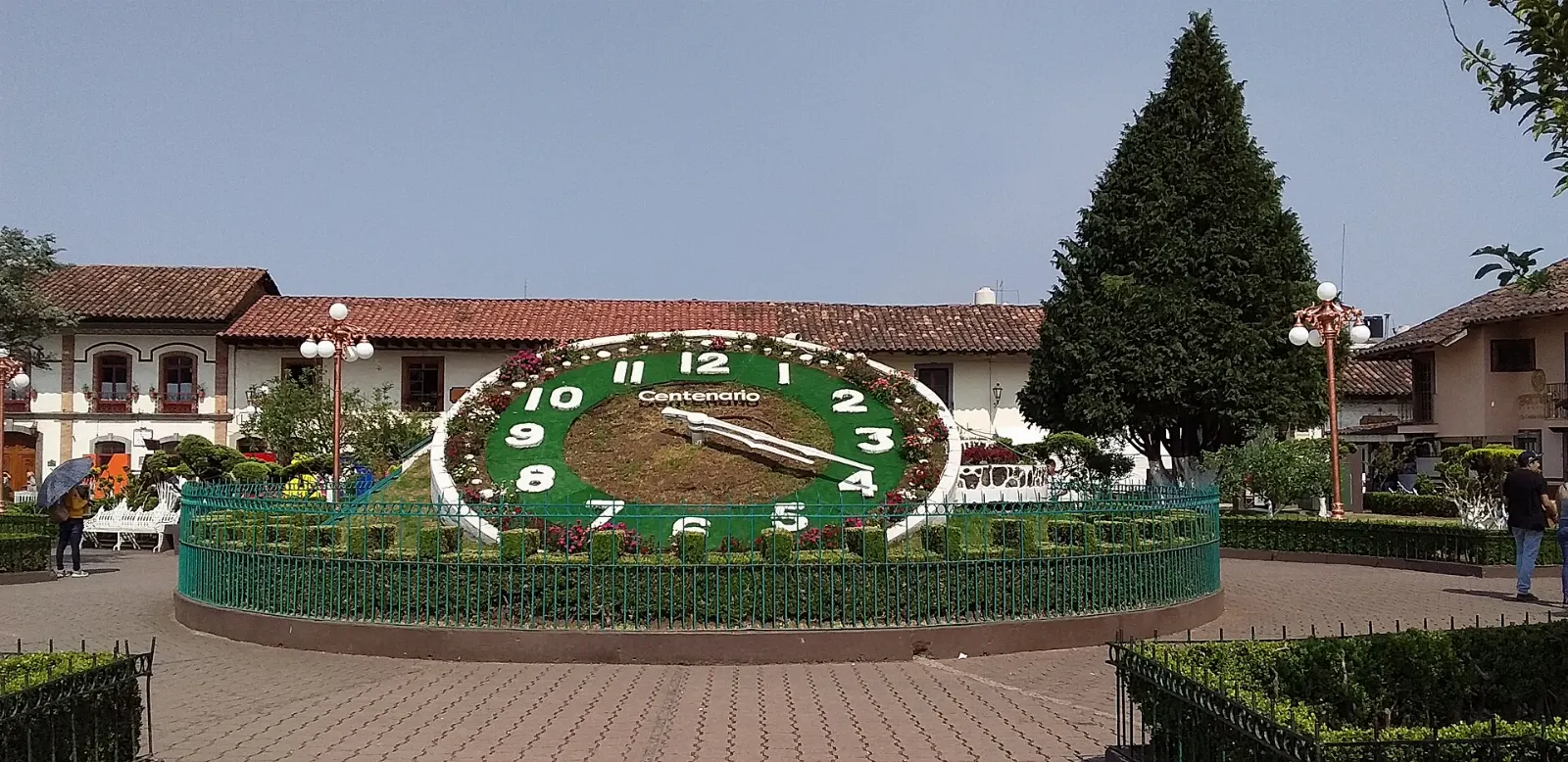
The flower clock in the main square of Zacatlán, Puebla

Main square and flower clock

The plaza is the heart of Zacatlán, with a kiosk that hosts live music on Sundays. Its best-known sight is the flower clock, which has two faces, each about five metres across, driven by a single mechanism.

The flower clock in the plaza is a double-faced clock made by the local Centenario company. Photo: Terguz, Wikimedia Commons, CC BY-SA 4.0
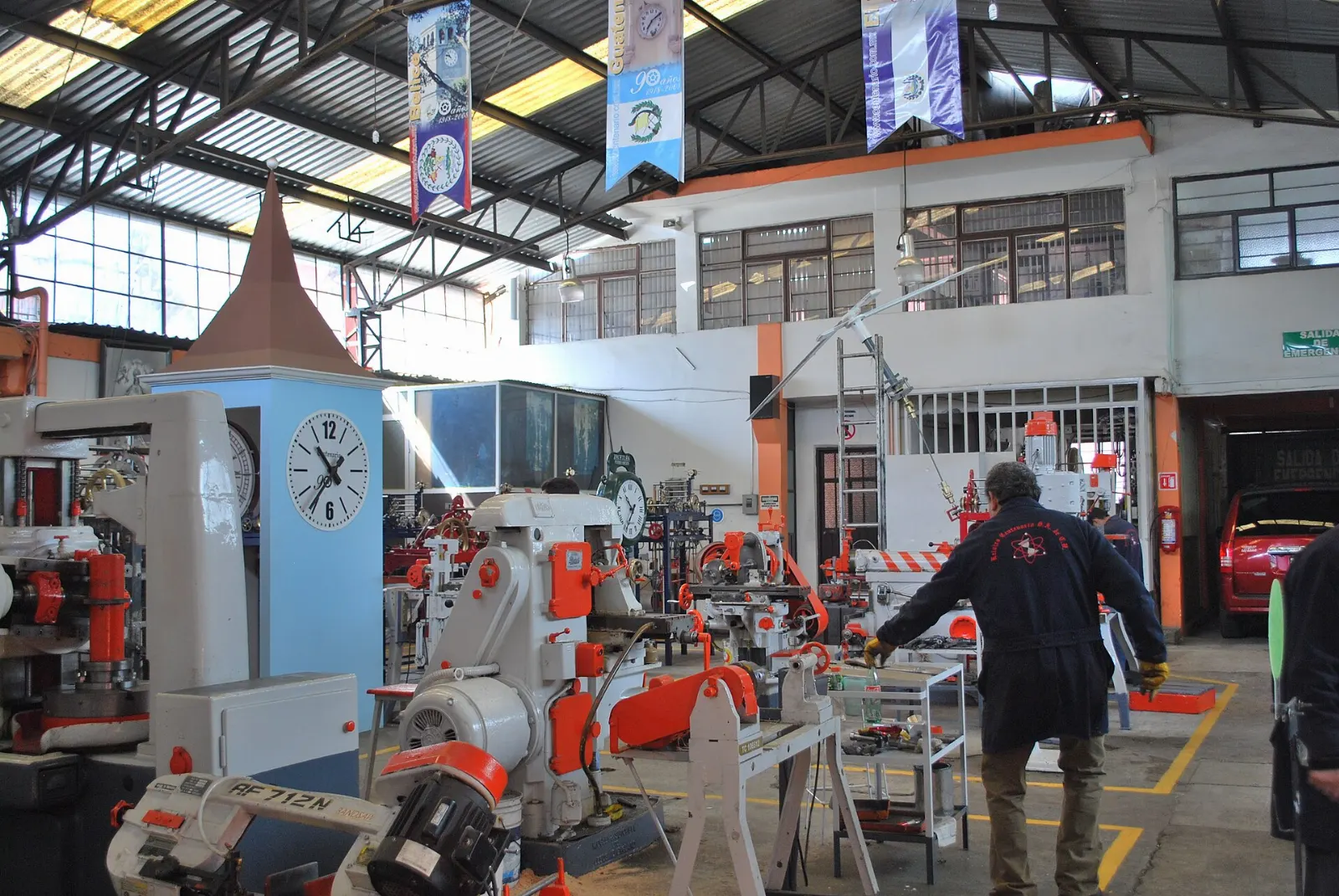
Large tower clock displayed at the Relojes Centenario museum in Zacatlán, Puebla

Relojes Centenario clock museum

Zacatlán is home to Relojes Centenario, a company founded in 1921 by Alberto Olvera Hernández that builds monumental clocks for churches, stations and government buildings. The company built the flower clock in the square.

Relojes Centenario, founded in 1921, builds monumental clocks for buildings across Mexico. Photo: AlejandroLinaresGarcia, Wikimedia Commons, CC BY-SA 3.0

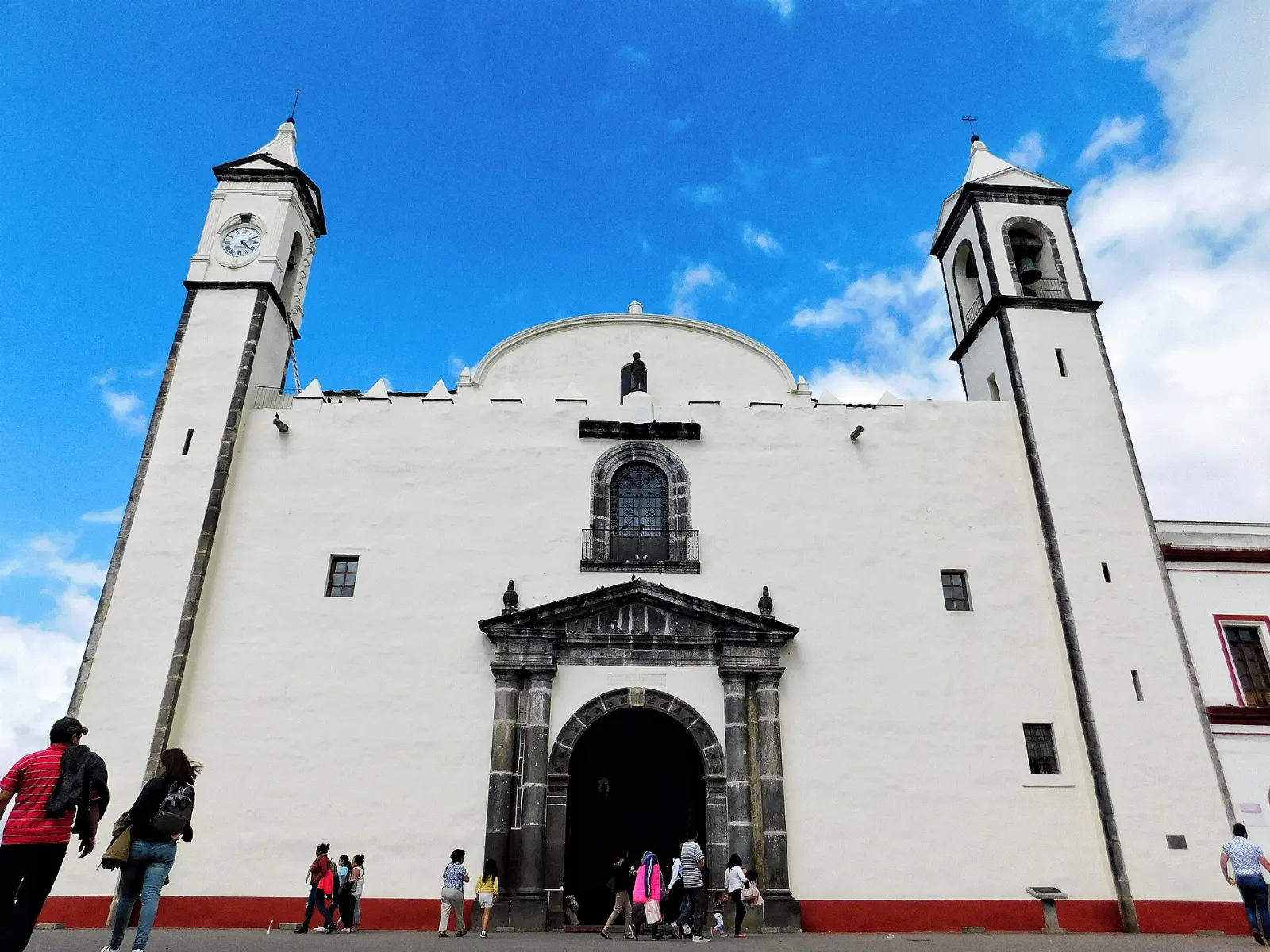
Stone facade of the former Franciscan monastery in Zacatlán, Puebla

Former Franciscan monastery

On one side of the square stands the monastery founded by the Franciscans in 1567. It is the oldest such construction in the state of Puebla, and its church has been in continuous use since its founding.

The Franciscan monastery on the main square was founded in 1567. Photo: Cessvilla, Wikimedia Commons, CC BY-SA 4.0

Parroquia de San Pedro

Just off the square, the parish church of San Pedro is a Renaissance-style basilica with a main portal dating from 1564. Look for the sculpture of Saint James the Greater on the facade and the gold leaf work in the chapel of the Virgin of Guadalupe.

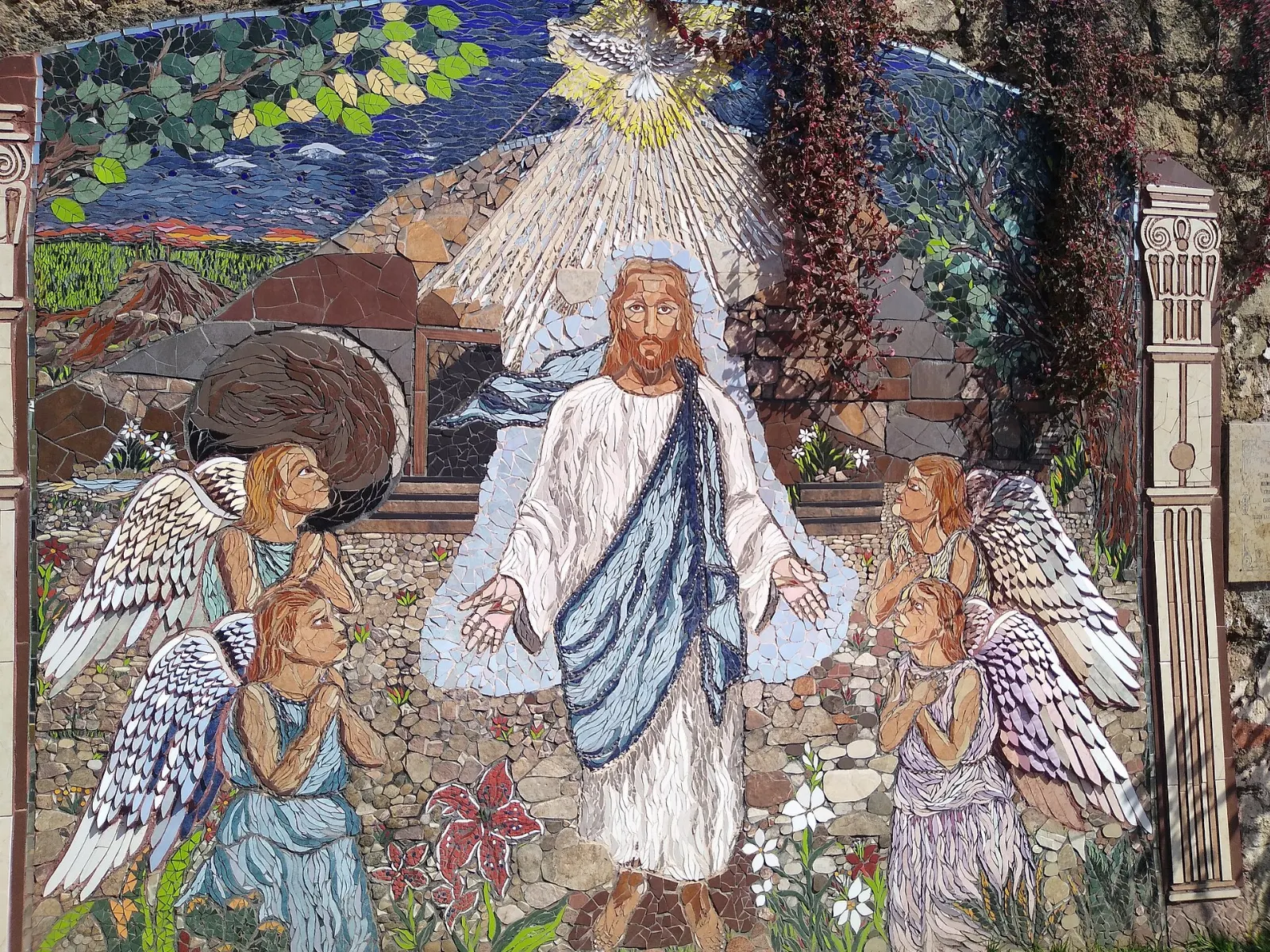
Vitromurales and Callejón de los Huesos

Along Calle Nigromante, a series of mosaic murals made from coloured glass decorates walls, benches and parts of buildings. They are newer than the cemetery murals and show contemporary themes.

The best places to visit around the canyon and countryside

The most memorable scenery lies a short walk or taxi ride from the centre, where the land drops into forested valleys.

Colorful murals painted on the walls of the Zacatlán cemetery, Puebla

Panteón murals

The cemetery is filled with monuments and mausoleums, and its walls are covered with bright murals for several blocks. On foggy mornings it feels quiet and slightly mysterious.

Murals cover the walls of the town cemetery for several blocks. Photo: Isaacvp, Wikimedia Commons, CC BY-SA 4.0

Forested canyon of the Barranca de los Jilgueros near Zacatlán, Puebla

Barranca de los Jilgueros

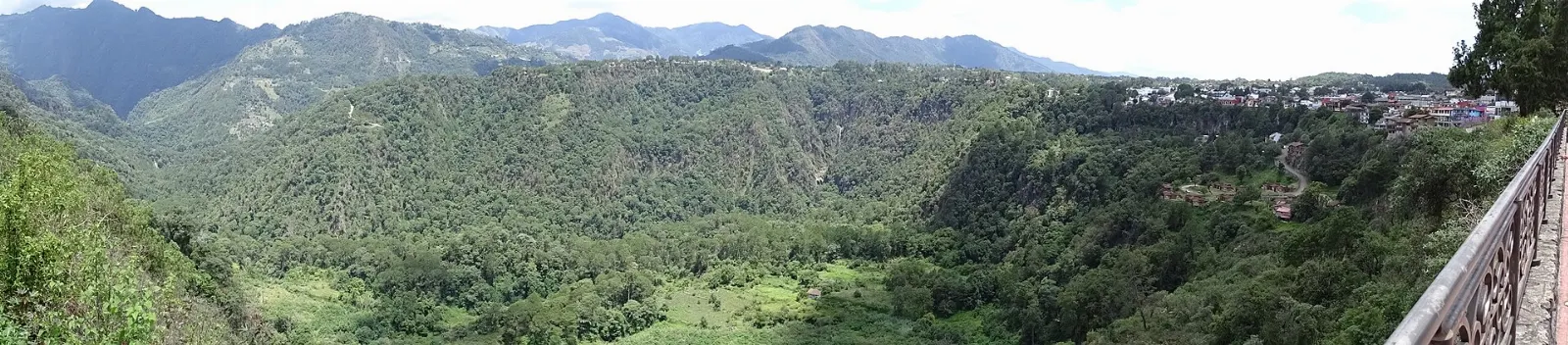
This wide, forested canyon is one of the most popular places for sightseers and hikers in Zacatlán. Most visitors head for the glass-floored lookout, the Puente Cristal Mirador, near the cemetery, though the glass floor makes some people dizzy.

The Barranca de los Jilgueros is a wide, forested canyon beside the town. Photo: Adam Jones from Kelowna, BC, Canada, Wikimedia Commons, CC BY 2.0

Cascada Tulimán

Tulimán is the largest of the waterfalls around Zacatlán. Fourteen mountains lie within a half-hour drive of town, and many feed rivers and falls.

Stacked volcanic rock formations at Piedras Encimadas near Zacatlán, Puebla

Valle de Piedras Encimadas

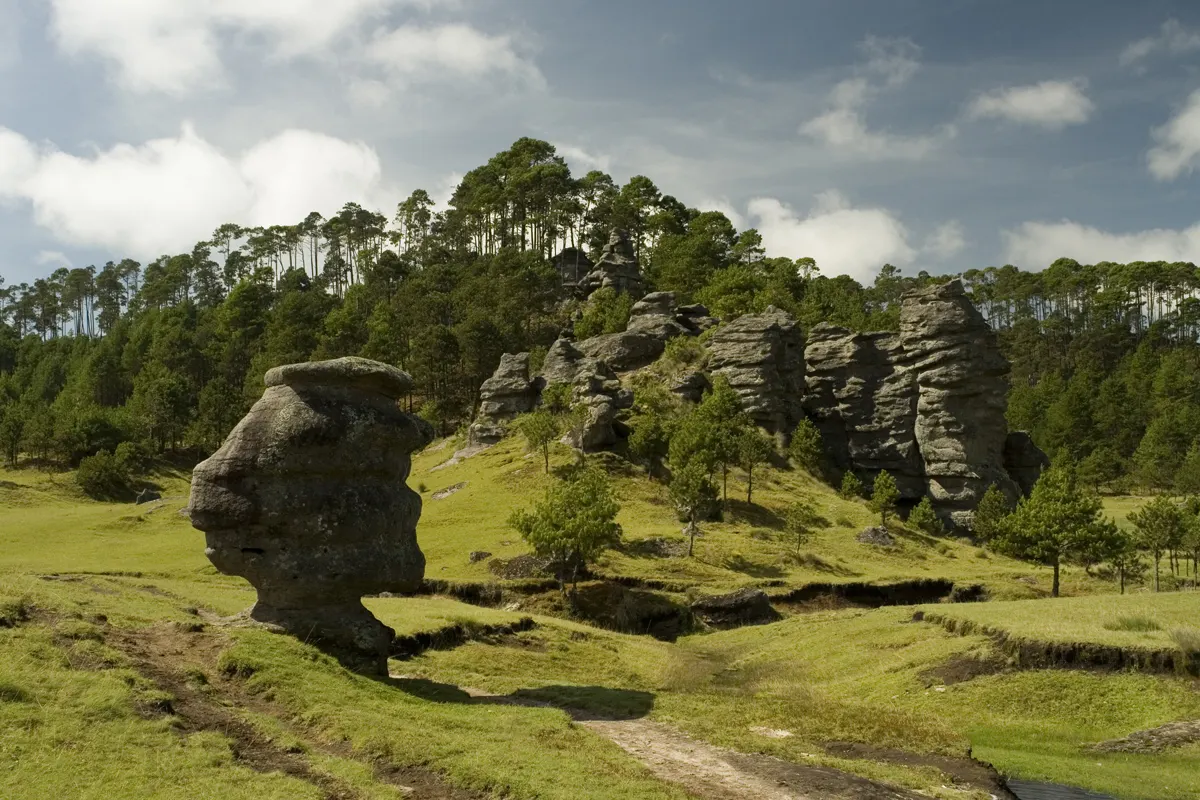
In San Miguel Tenango, this private valley covers more than 300 hectares and is known for stacked rock formations. Local legend says the rocks are giants turned to stone, while geologists say they formed through volcanic activity millions of years ago.

The Valle de Piedras Encimadas is known for stacked rock formations formed by volcanic activity. Photo: Comisión Mexicana de Filmaciones, Wikimedia Commons, CC BY-SA 2.0

Sidrería El Convento 1567

Zacatlán produces about a million bottles of cider every year, and this traditional cider house lets you see how cider is pressed and prepared. Natural and hard ciders are on offer, along with fruit liqueurs.

Food and local flavors

Everything good about Puebla's cuisine appears on the menus here, along with a few local specialties. The best known is pan de queso, a cheese-filled bread that is sold in the town's bakeries and is hard to find elsewhere.

For a sit-down meal, order mole poblano, the rich chile and spice sauce that Puebla claims as its own. Try the bakeries early in the day, when the bread comes warm from the oven, and walk the streets around the square for taquerias that stay open late.

Popular dishes to try in Zacatlán

Pan de queso in Zacatlán, Puebla
Pan de queso The best known is pan de queso, a cheese-filled bread that is sold in the town's bakeries and is hard to find elsewhere.Photo: Horacio Cambeiro, Wikimedia Commons, CC BY-SA 3.0
Sidra in Zacatlán, Puebla
Sidra Sidra, the local cider, is made from the apples that surround the town.Photo: Ludek, Wikimedia Commons, CC BY-SA 2.5
Empanadas de queso in Zacatlán, Puebla
Empanadas de queso Look for empanadas de queso too, with fillings such as apastelada con queso and picado con queso.Photo: E4024, Wikimedia Commons, CC BY-SA 4.0
Mole poblano in Zacatlán, Puebla
Mole poblano For a sit-down meal, order mole poblano, the rich chile and spice sauce that Puebla claims as its own.Photo: Adam Jones from Kelowna, BC, Canada, Wikimedia Commons, CC BY 2.0

Where to stay

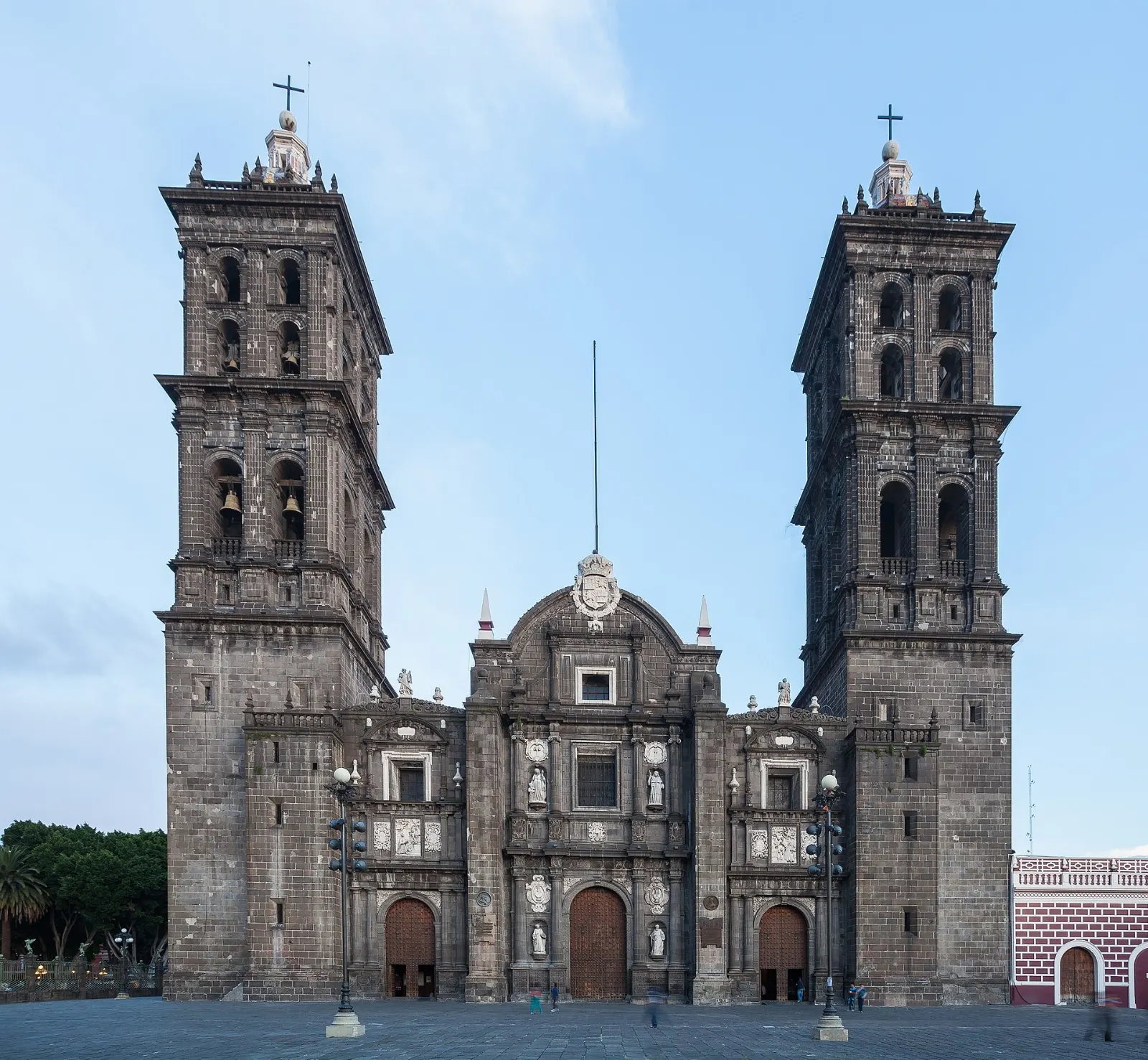
The Centro puts you steps from the square, the monastery and the restaurants. It suits first-time visitors and anyone without a car, with traditional hotels, a few boutique options and most of the bakeries within a short walk.

Linda Vista is the area along the canyon rim, where some hotels offer rooms with views over the Barranca de los Jilgueros. Ask for a room on the canyon side when you book.

Paseo de la Barranca and the canyon itself have cabins and campsites for hikers and families who want forest air.

Where to stay in Zacatlán

Centro, Zacatlán, Puebla
Centro Where to stayThe Centro puts you steps from the square, the monastery and the restaurants.Photo: Juan Mt, Wikimedia Commons, CC BY-SA 4.0
Linda Vista, Zacatlán, Puebla
Linda Vista Linda Vista is the area along the canyon rim, where some hotels offer rooms with views over the Barranca de los Jilgueros.Photo: Nserrano, Wikimedia Commons, CC BY-SA 3.0
Paseo de la Barranca, Zacatlán, Puebla
Paseo de la Barranca Paseo de la Barranca and the canyon itself have cabins and campsites for hikers and families who want forest air.Photo: Suriano María Laura, Wikimedia Commons, CC BY-SA 4.0
Best time to visit

The climate is cool and damp for most of the year, and rain can fall in any month, with fog common in the mornings and evenings. Dry months are generally easier for hiking, but the orchards and forests are greener after rain.

August is the biggest month, when the Feria de la Manzana fills the town with food, concerts, folk dances and exhibitions of clocks. It draws large crowds, so book rooms early.

Getting there and getting around

The nearest major airport is in Puebla, and many visitors also fly into Mexico City. ATAH runs buses from the TAPO terminal in Mexico City, with a ride of about three hours, and hourly buses leave Puebla's CAPU terminal for the trip of around two and a half hours. Combis connect Apizaco with Zacatlán.

The bus station is in Barrio San Bartolo, about one and a half kilometres from the main square, so take a taxi or a combi to the centre. The centre is compact and easy to walk.

A suggested itinerary

First day

Spend the morning at the main square, the flower clock, the monastery and the church. Visit the clock museum after lunch, walk the Vitromurales and finish at the cider house with a tasting.

Second day

Start early at the cemetery murals and the Barranca de los Jilgueros lookout.

Practical tips

  • Pack a warm layer and a light rain jacket, because the weather changes quickly.
  • Wear comfortable shoes for cobblestones, steep streets and canyon paths.
  • Check your government's current travel advisory before you go.
  • Book rooms well ahead for the August apple fair and for weekends.
  • Carry cash for markets, bakeries and small shops, since not all accept cards.
ZacatlánWISERMAP PLACEZacatlán: photos, reviews & things to doSee traveler photos and reviews, or share your own →

More places to visit

All travel guides →