Crete is the largest of the Greek islands, roughly two hundred and sixty kilometers from end to end, and it feels less like a single destination than a small country.
AT A GLANCE
Best time
May, June, September and October for warm seas, open trails and fewer crowds.
How long
One week for one half of the island; ten to fourteen days to see both ends.
Getting there
Fly to Heraklion or Chania, or take an overnight ferry from Piraeus.
Why visit Crete
Crete was the heart of the Minoan civilization, one of Europe's earliest advanced societies, which flourished here in the Bronze Age and left behind palaces, frescoes and pottery that still astonish visitors. Later came Romans, Byzantines, Venetians and Ottomans, each leaving traces in fortresses, harbors, churches and mosques.
The landscape is just as varied. Snow can linger on the White Mountains and Mount Ida into spring, while gorges cut down to wild beaches on the south coast.
Chania and the wild west
Chania Old Town and Venetian Harbor
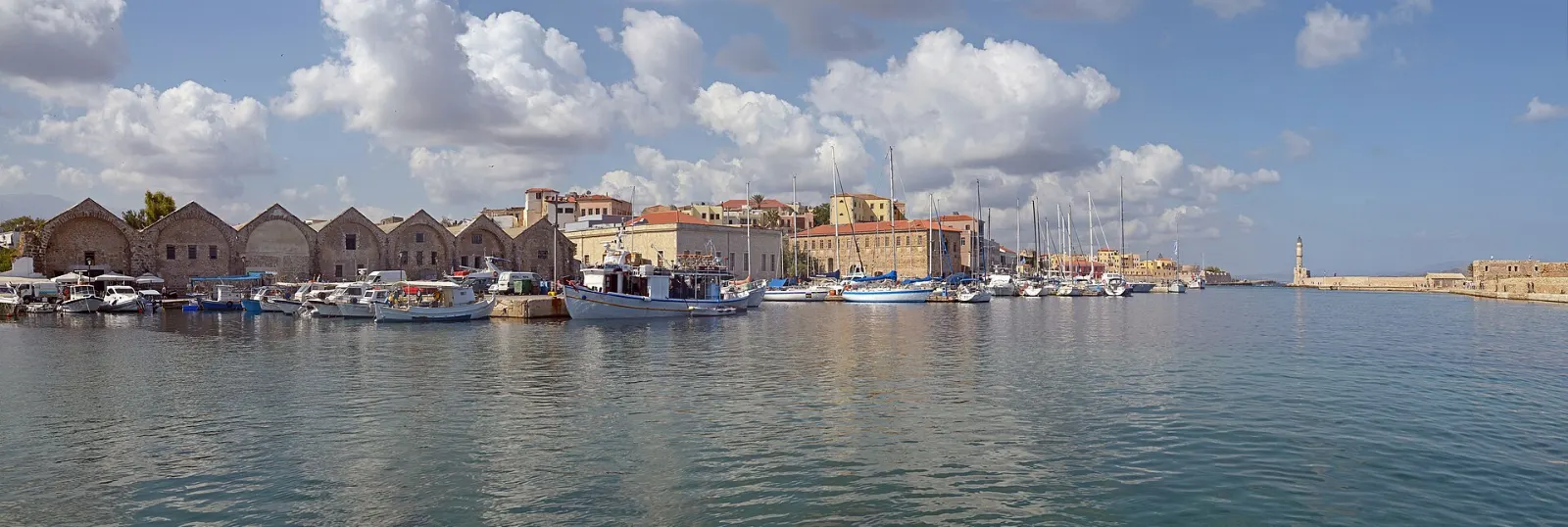
Chania is many travelers' favorite Cretan town. Its crescent-shaped Venetian harbor is lined with pastel houses, cafes and the domed Mosque of the Janissaries, and a long breakwater leads to an elegant lighthouse at the harbor mouth. Behind the waterfront, the old quarters of Topanas and Splantzia are a maze of lanes with craft shops, restored mansions and bougainvillea.
Balos Lagoon and Gramvousa
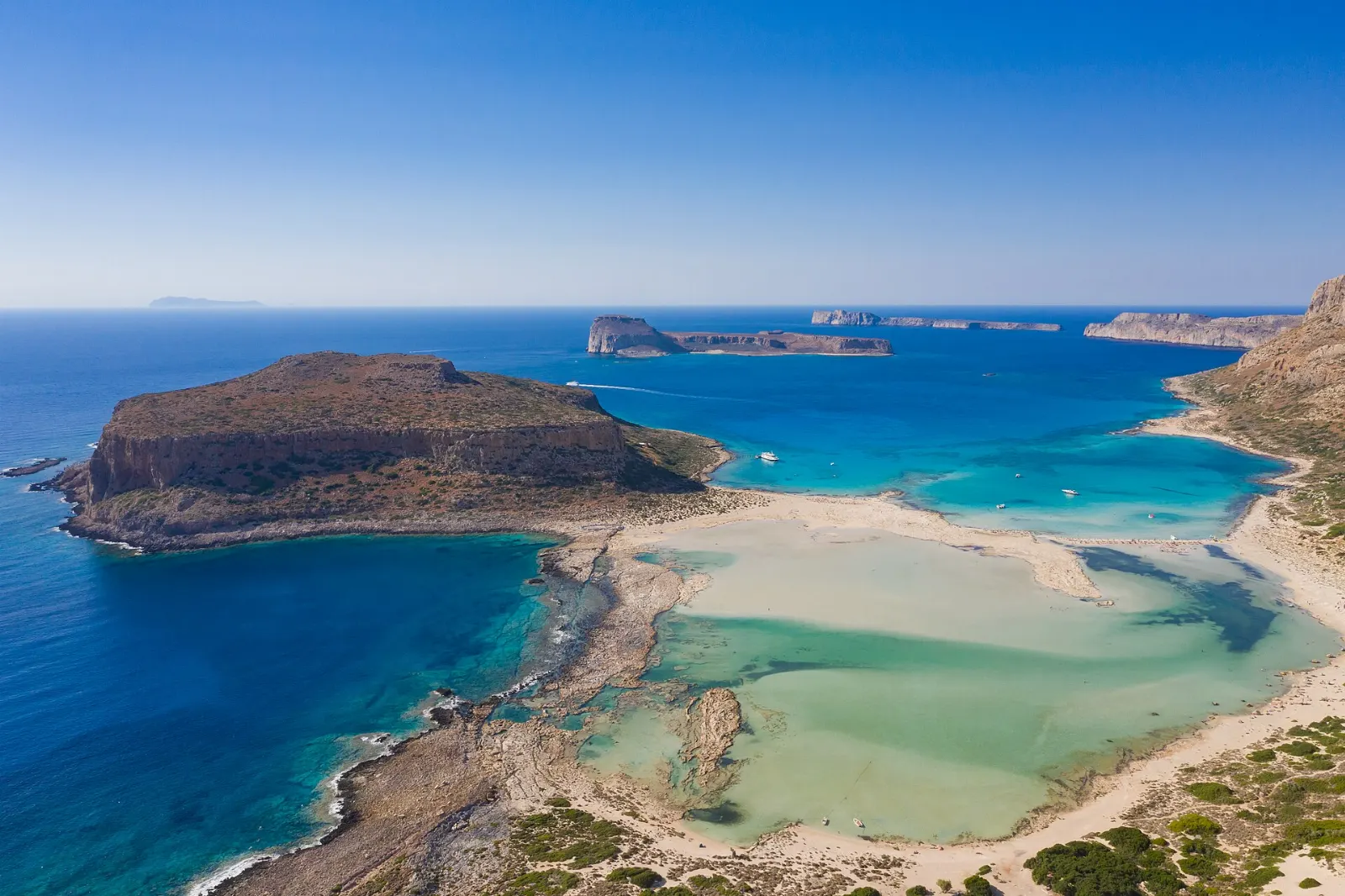
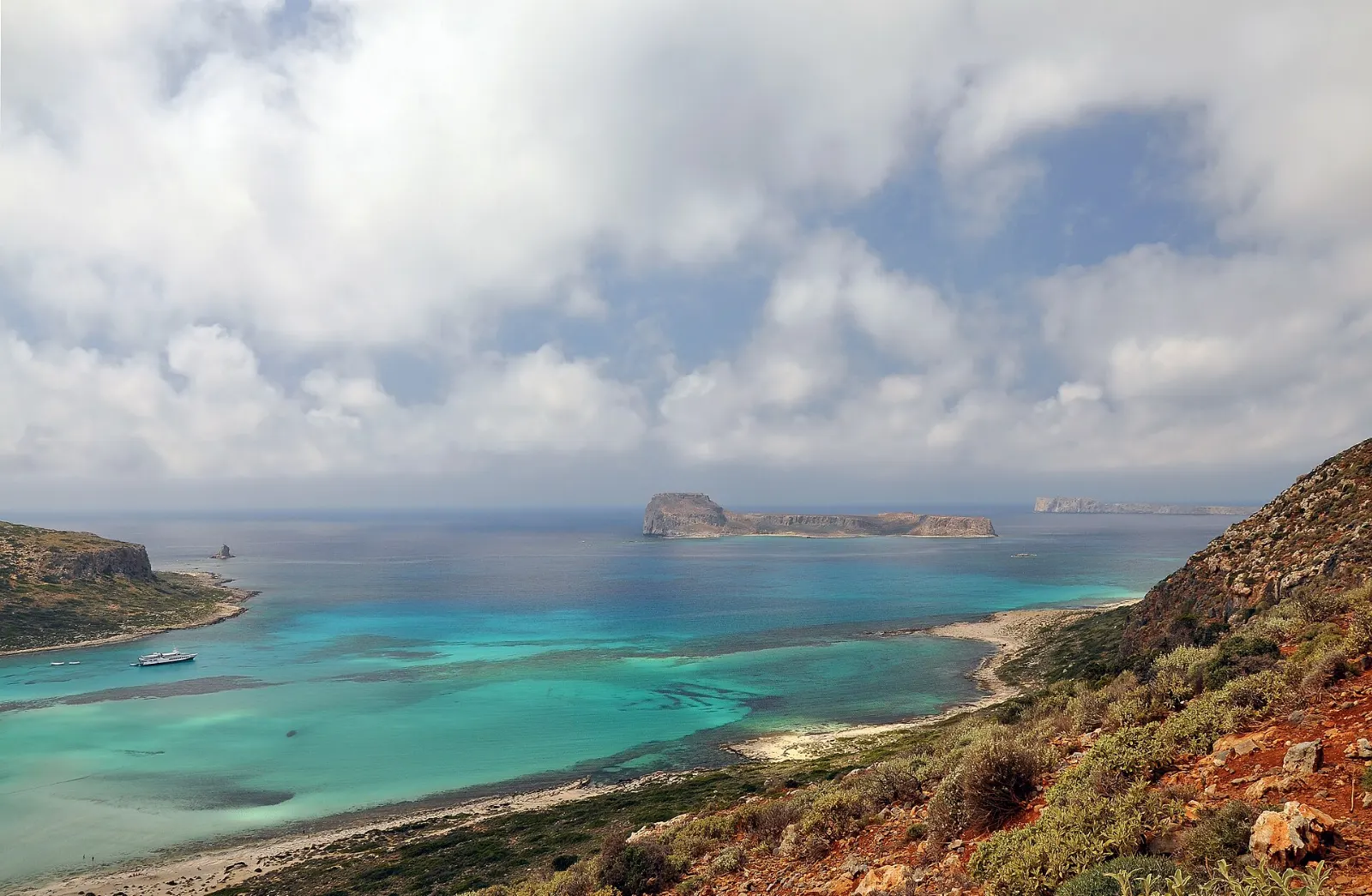
On the remote Gramvousa peninsula, Balos is a shallow lagoon of brilliant turquoise water, white sand bars and pink-tinged shores. You can reach it either by a rough dirt road followed by a steep walk down, or by boat from the port of Kissamos.
Elafonisi
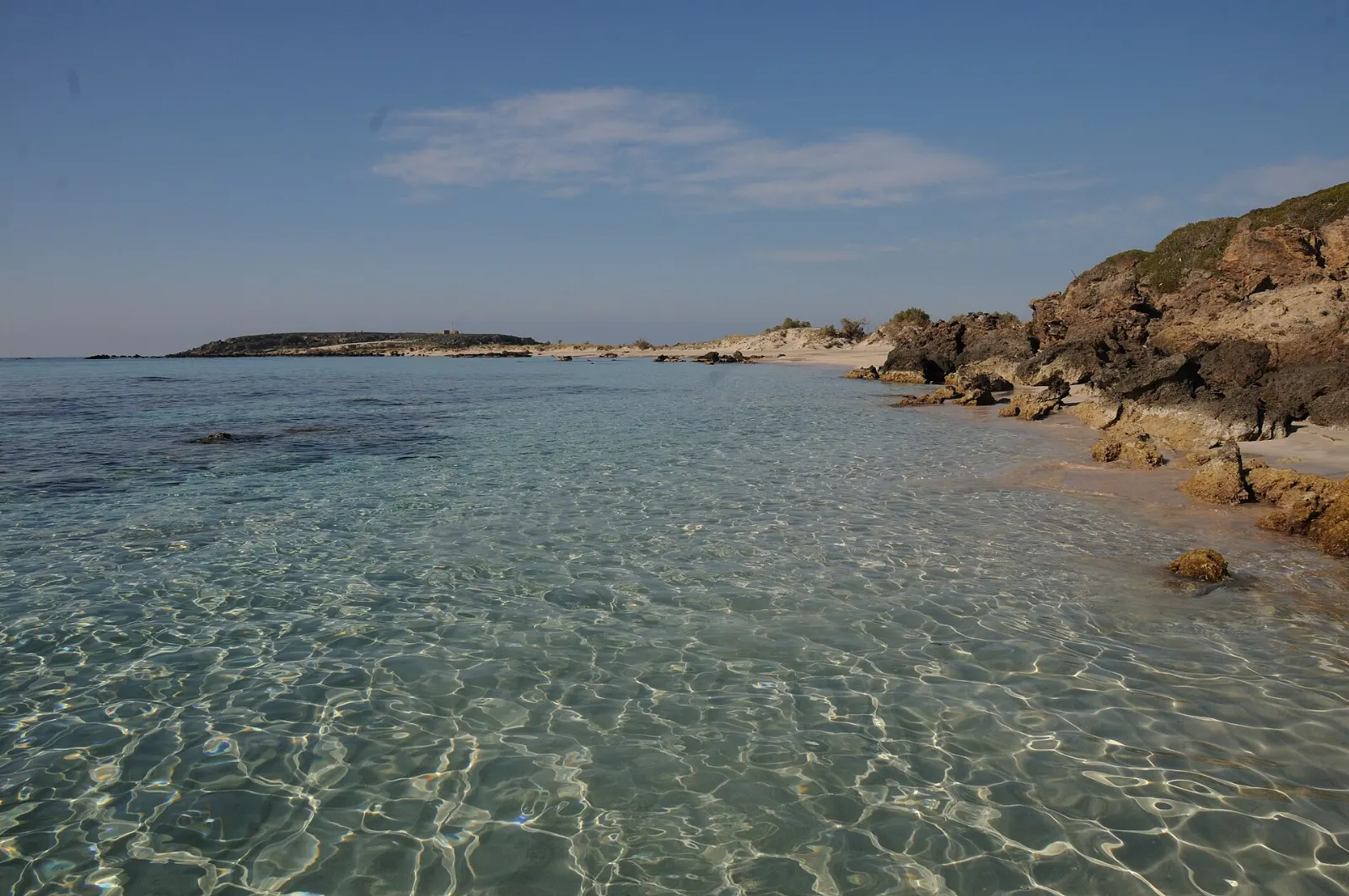
In the far southwest, Elafonisi is a protected area of dunes, shallow lagoons and sand tinted pink by crushed shells. At times you can wade across the shallows to the islet itself. The water is calm and warm, making it popular with families.
Samaria Gorge
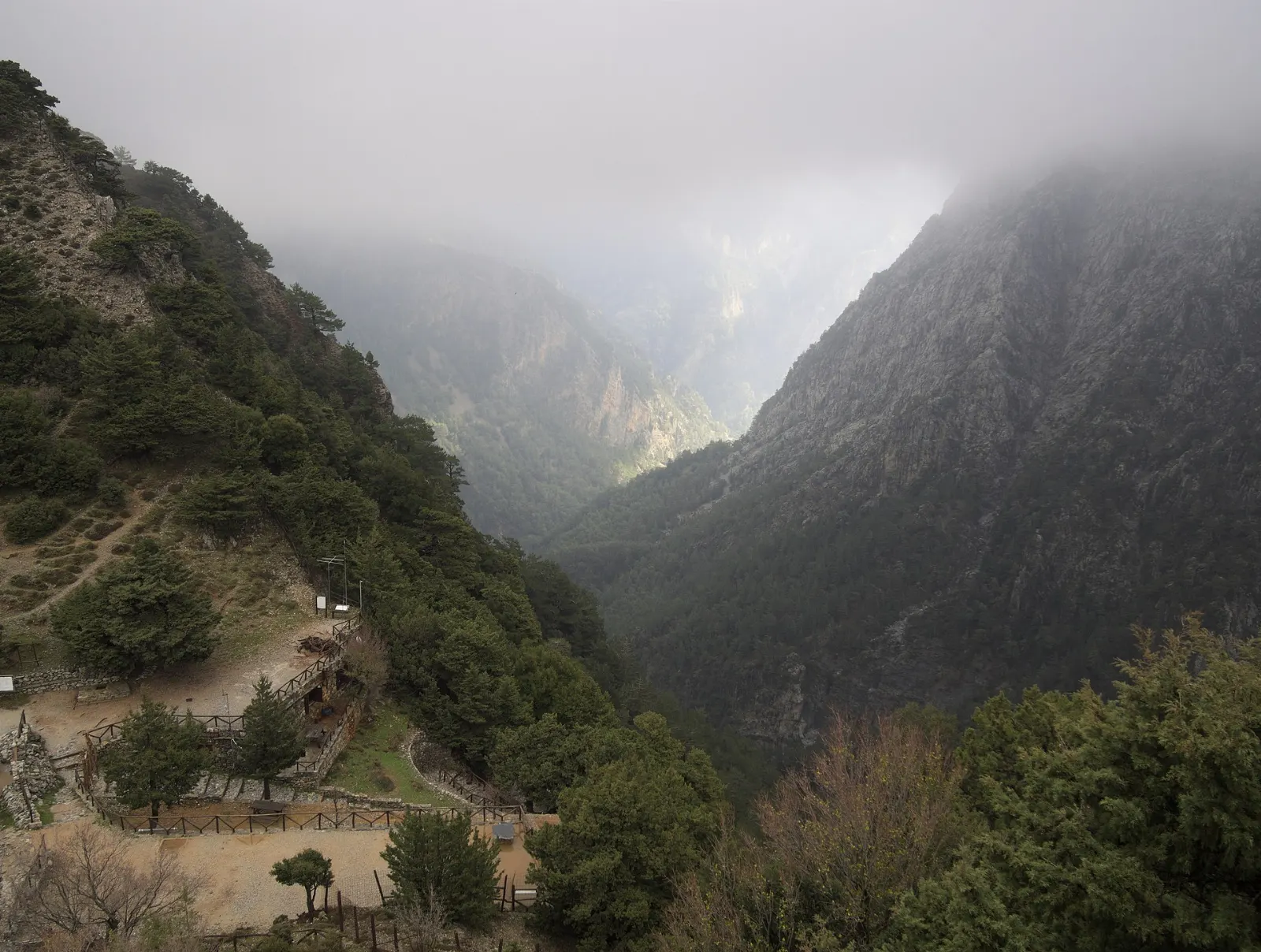
The Samaria Gorge, a national park since 1962, is one of the great hikes of Europe. The trail starts at Xyloskalo near the Omalos plateau and descends about sixteen kilometers through pine forest and towering cliffs to the village of Agia Roumeli on the Libyan Sea.
Rethymno, Heraklion and Minoan Crete
Rethymno and the Fortezza
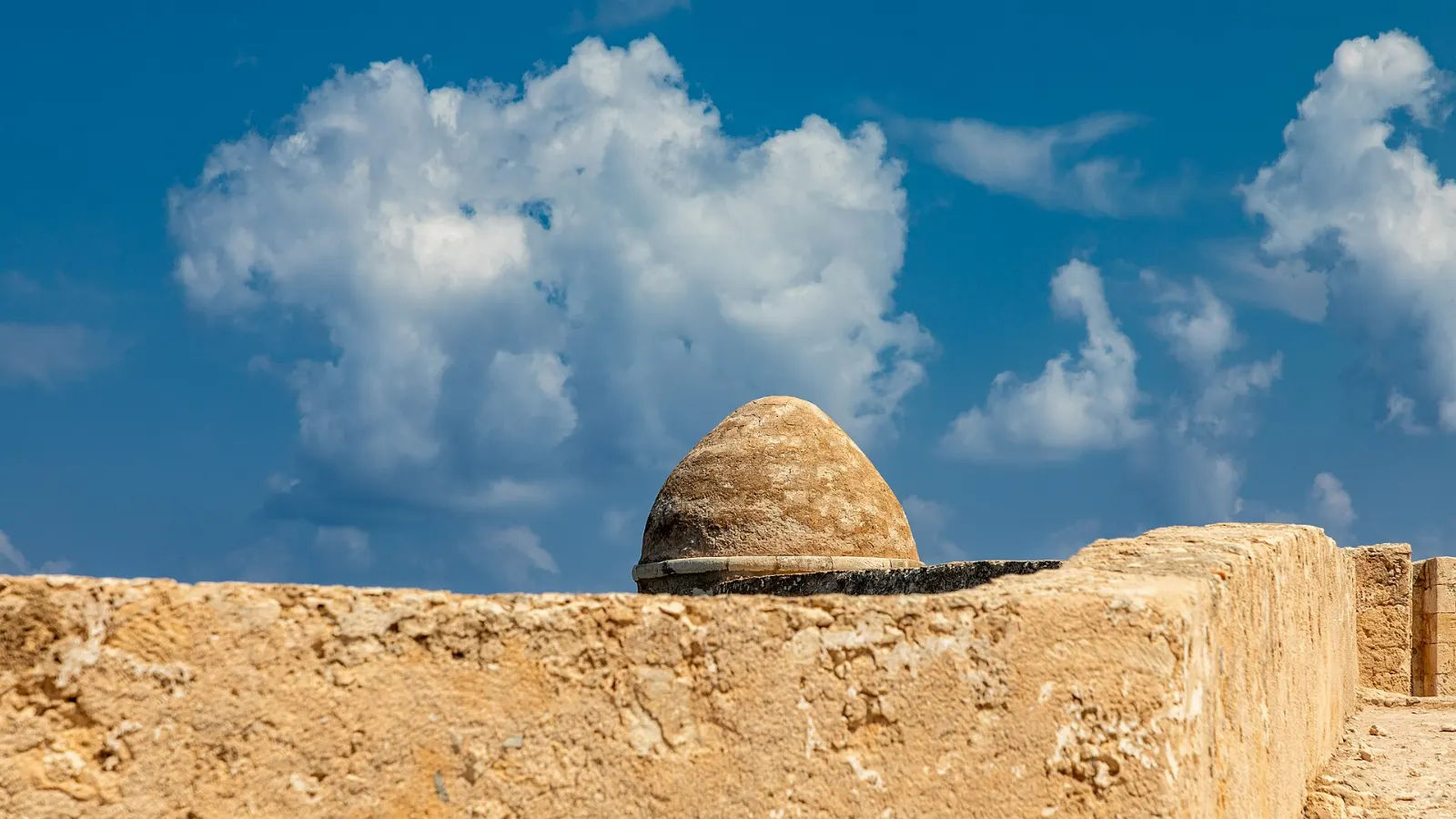
Rethymno's old town is a compact tangle of Venetian and Ottoman lanes with wooden balconies, minarets, the Rimondi Fountain and a small Venetian harbor. Above it all stands the Fortezza, a massive sixteenth-century fortress whose walls enclose a mosque, churches and ruins with sweeping sea views.
Arkadi Monastery
Southeast of Rethymno, Arkadi Monastery is one of the most important historic sites in Greece. During the Cretan revolt of 1866, hundreds of defenders and refugees chose to blow up the gunpowder store rather than surrender to Ottoman forces, an event that drew international sympathy for the Cretan cause.
Heraklion Archaeological Museum
Before you visit Knossos, spend time in Heraklion's Archaeological Museum, which holds the world's finest collection of Minoan art. Look for the famous Phaistos Disc, the bull-leaping fresco, the snake goddess figurines and delicate gold jewelry.
Knossos
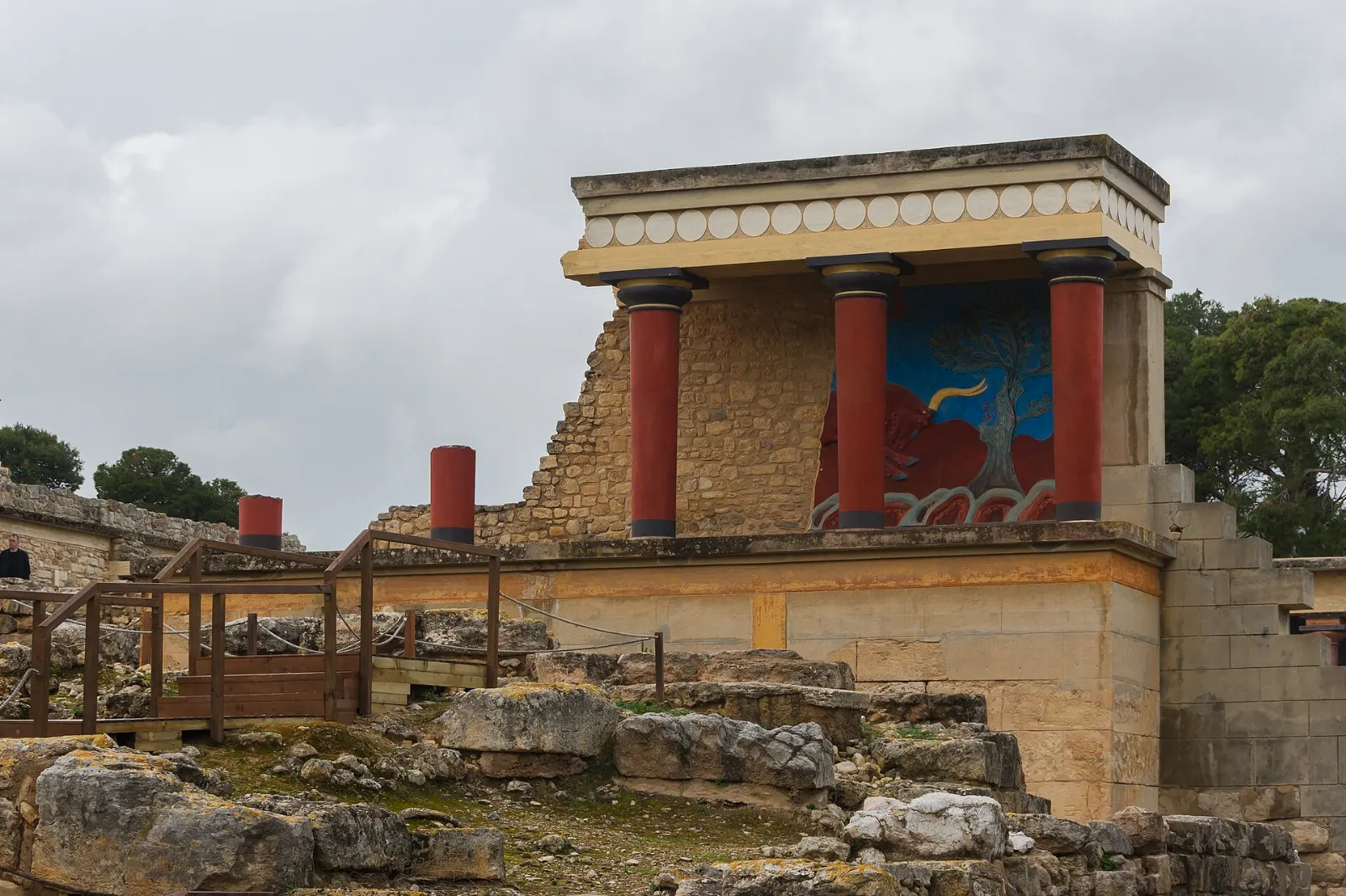
Just south of Heraklion, the Palace of Knossos was the largest Bronze Age site on Crete and is linked in myth with King Minos, the labyrinth and the Minotaur.
Spinalonga and the eastern highlands
Spinalonga
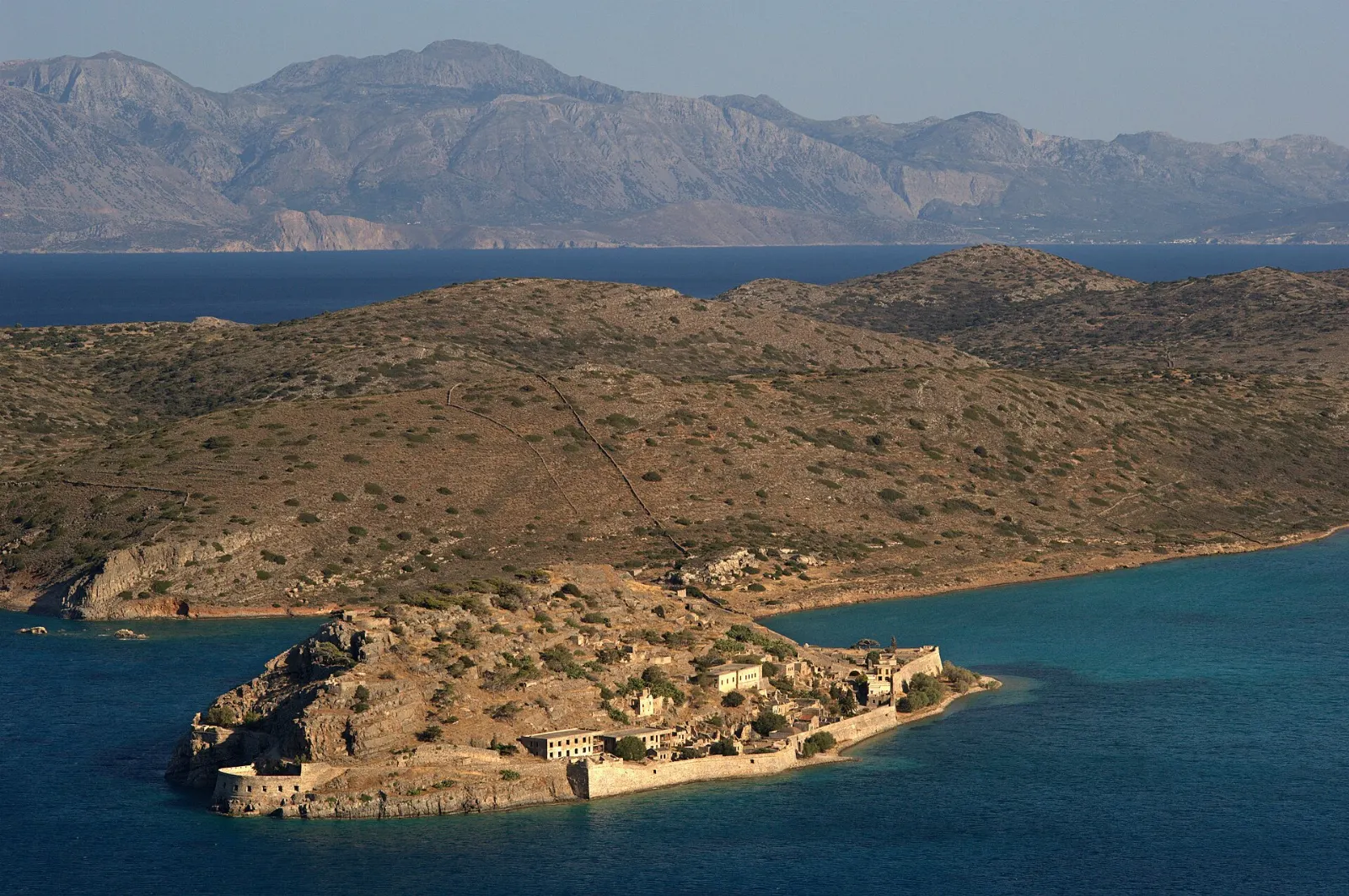
Off the village of Plaka in the Gulf of Elounda, the small island of Spinalonga holds a Venetian fortress that later became a leper colony from 1904 until 1957. Walking its streets past former homes, a church and the old disinfection building is a moving experience, and the story became widely known through Victoria Hislop's novel The Island.
Lasithi Plateau and the Dikteon Cave
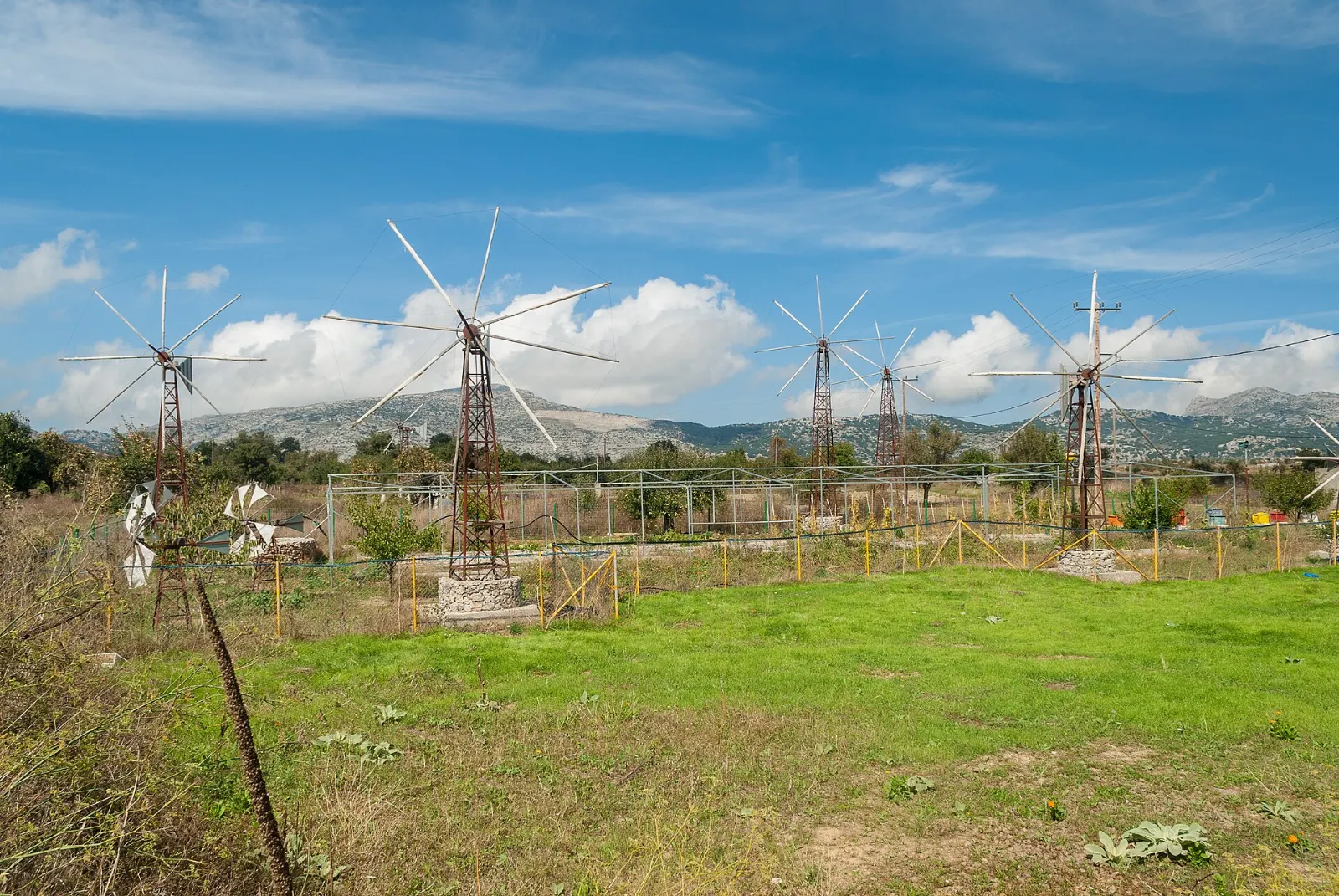
High in the mountains of eastern Crete, the Lasithi Plateau is a fertile basin of orchards and fields ringed by peaks. Thousands of cloth-sailed windmills once pumped water here; today most are gone, but stone mills still stand on the passes above.
 Planning a trip to Crete?Compare hotels, flights and vacation rentals for Crete on Expedia.Book now
Food and local flavors
Cretan cooking is built on olive oil, wild greens, herbs, cheese and slow-cooked meats. Start with dakos, a barley rusk topped with grated tomato, soft cheese, olive oil and oregano.
Cheeses such as graviera and mizithra appear everywhere, along with thyme honey and plenty of fresh fruit. In Sfakia, thin cheese pies drizzled with honey make a perfect breakfast.
Popular dishes to try in Crete


Where to stay
Because Crete is so large, it is best to split your stay between two bases. Chania suits travelers who want atmosphere, restaurants and easy access to Balos, Elafonisi and the Samaria Gorge; the old town is lively, while beach suburbs to the west, such as Agia Marina and Platanias, suit families.
Heraklion is practical for museums, Knossos and flights, though most visitors prefer to stay nearby rather than in the busy city center. In the east, Agios Nikolaos and Elounda suit travelers looking for calm bays, upscale resorts and quick boat access to Spinalonga.
Where to stay in Crete


Best time to visit
Late spring and early autumn are ideal. In May and June, wildflowers fade into golden hills, the sea warms up and gorges open for hiking.
July and August are hot and busy, with strong northerly winds at times on the north coast; book well ahead and plan sightseeing for early morning.
Getting there and getting around
Crete has two main international airports, Heraklion and Chania, with many seasonal direct flights from across Europe and year-round flights from Athens. A smaller airport at Sitia serves the far east.
A rental car gives the most freedom.
A suggested itinerary
First day
Explore Chania's old town, harbor and lighthouse, with dinner overlooking the water.
Second day
Take a boat from Kissamos to Imeri Gramvousa and Balos, or drive southwest to Elafonisi.
Third day
Hike the Samaria Gorge and return to Chania by boat and bus in the evening.
Fourth day
Drive east to Rethymno, stopping at Arkadi Monastery, and spend the evening in the old town after visiting the Fortezza.
Fifth day
Visit the Heraklion Archaeological Museum in the morning and Knossos in the afternoon.
Sixth day
Head to Plaka for the boat to Spinalonga, then continue to Agios Nikolaos for the night.
Seventh day
Drive up to the Lasithi Plateau and the Dikteon Cave before returning to Heraklion for your flight or ferry.
Practical tips
- Book rental cars, ferries and summer accommodation early, especially for July and August.
- Check the official website for current hours, tickets and closures at Knossos, museums and the Samaria Gorge.
- Carry some cash for village tavernas, kiosks and small boats.
- Dress modestly when visiting monasteries and churches, covering shoulders and knees.
- Bring sturdy shoes for gorges, fortresses and archaeological sites.
- Protect yourself from the strong sun with a hat, sunscreen and plenty of water.