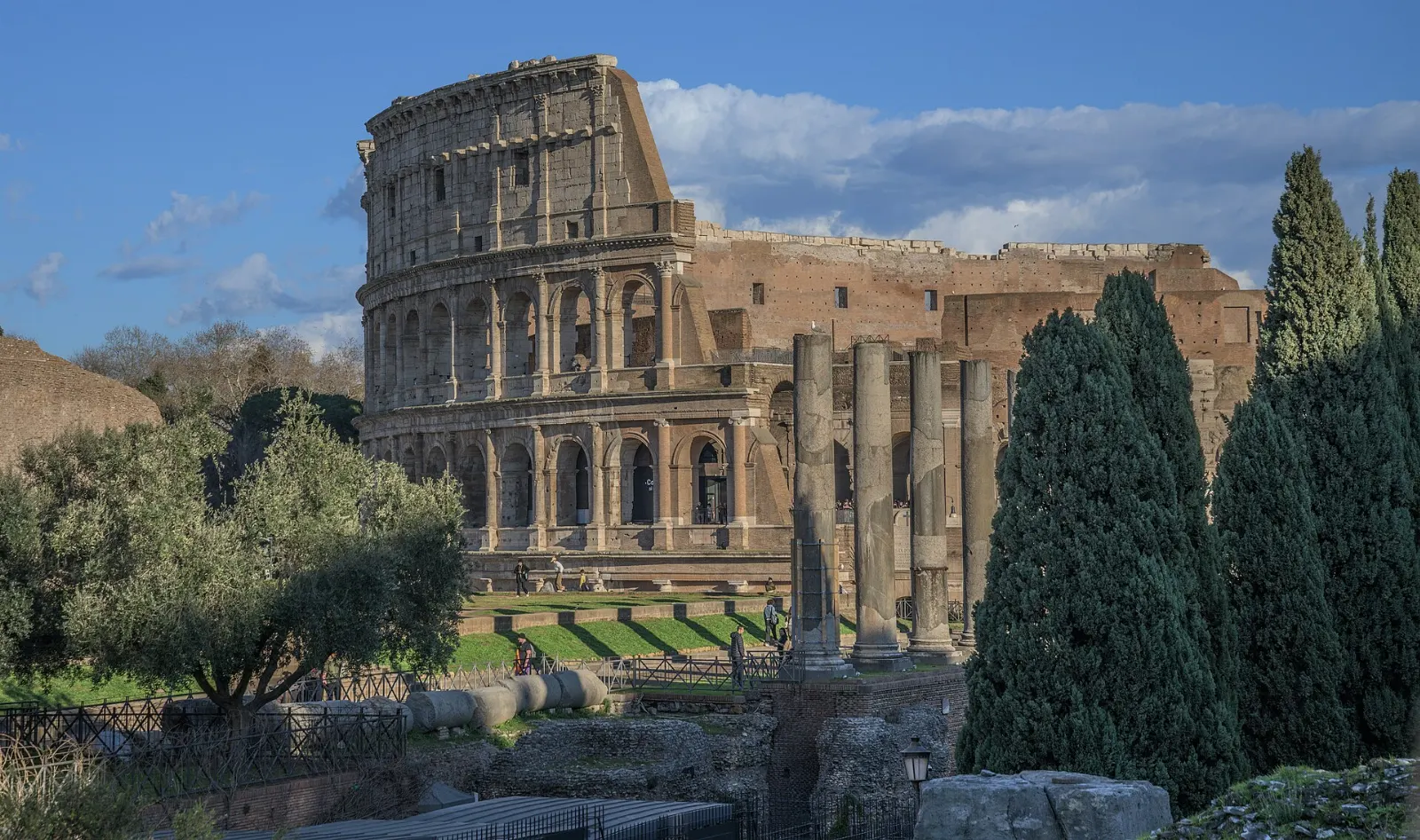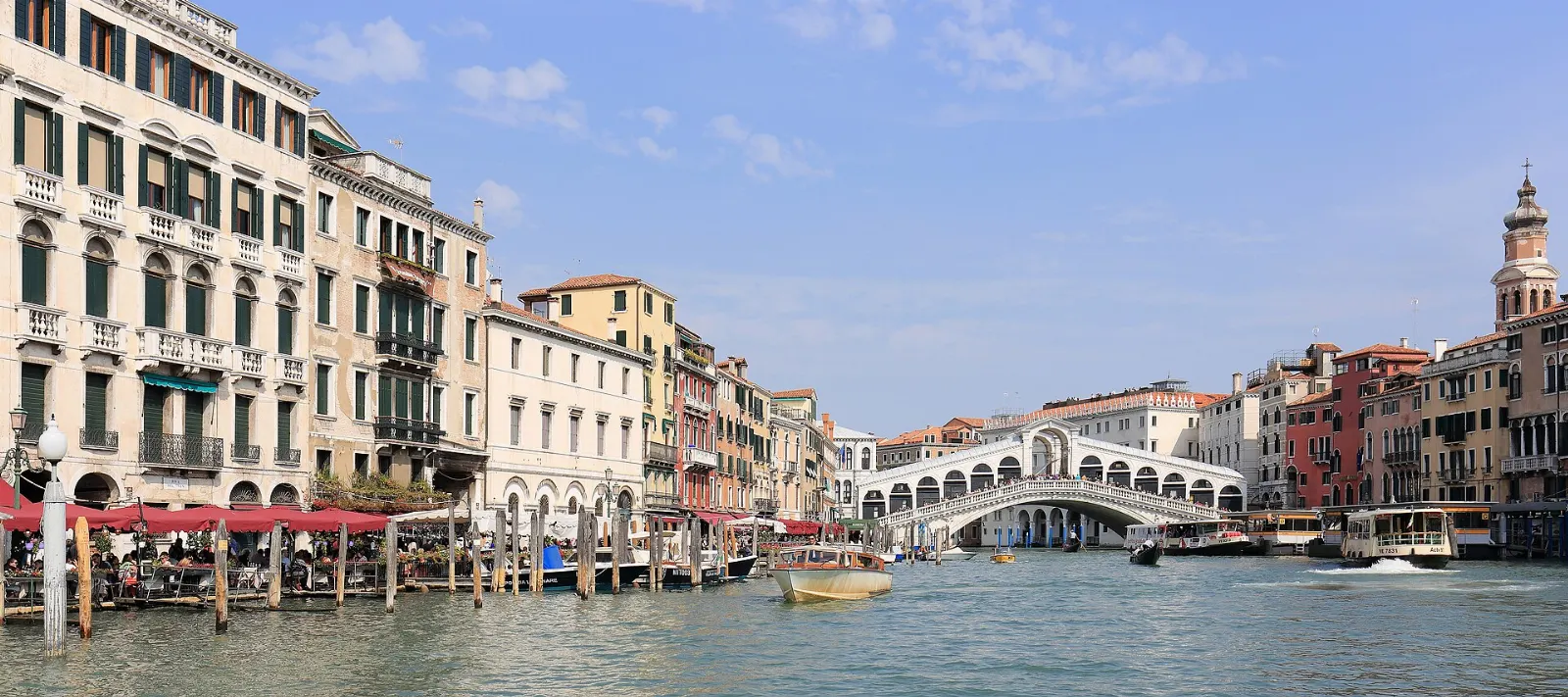
Venice is a city built on more than a hundred small islands in a shallow lagoon, linked by hundreds of bridges and threaded by canals instead of streets.
AT A GLANCE
Best time
Late March to May and mid-September to early November.
How long
Three nights to see the center and the lagoon islands at an easy pace.
Getting there
Fly to Marco Polo Airport or take a train to Venezia Santa Lucia.
Why visit Venice
For roughly a thousand years Venice was an independent maritime republic, growing rich on trade between Europe and the eastern Mediterranean. That wealth paid for a city of marble palaces, mosaic-covered churches and grand charitable confraternities, and much of it survives almost unchanged.
The real pleasure of Venice comes from slowing down. Step a few streets away from the main routes between Rialto and St Mark's and you find laundry hung across canals, children playing in neighborhood squares and locals stopping for a glass of wine at the bar.
St Mark's and the heart of the republic
St Mark's Basilica
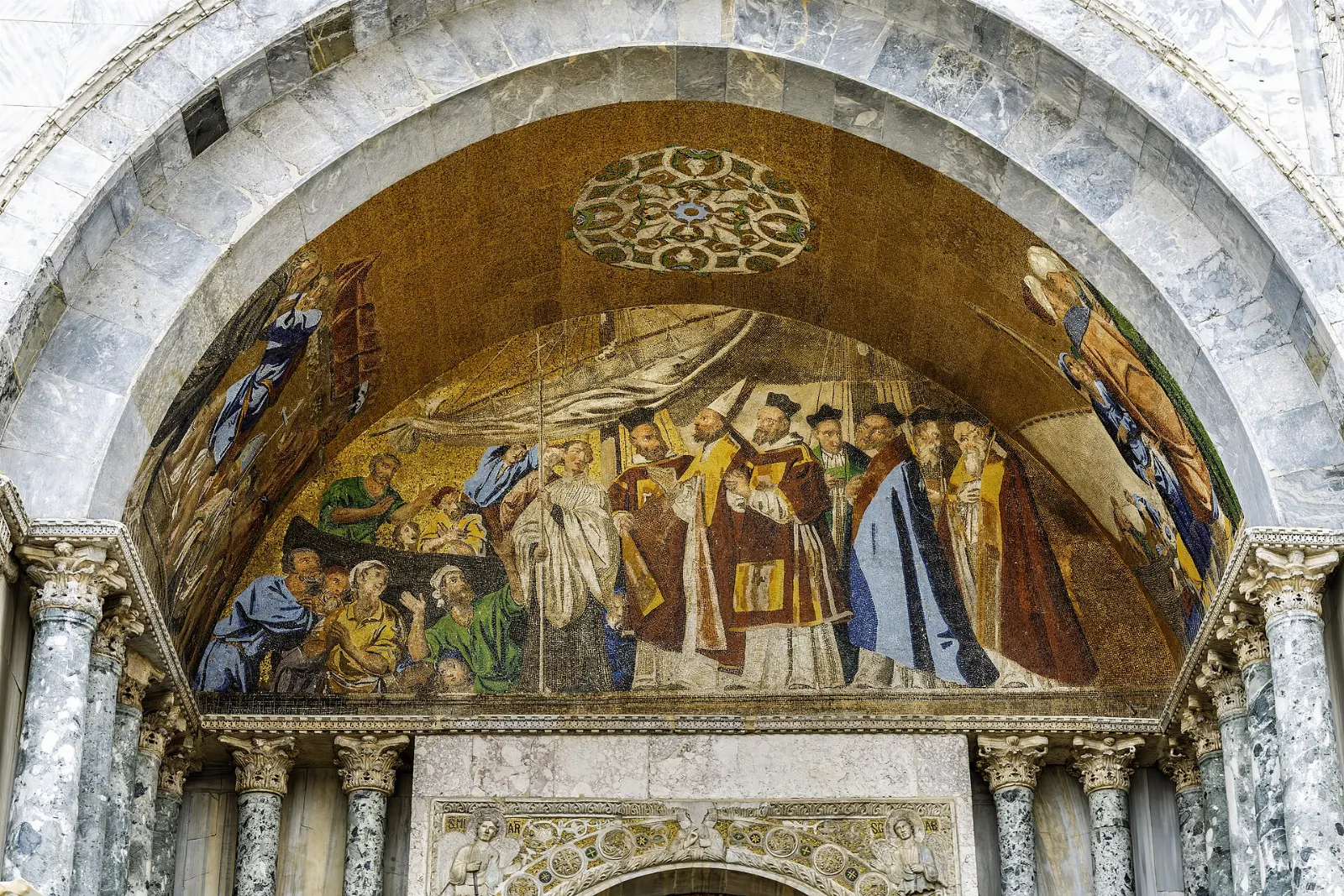
St Mark's Basilica was built to house the relics of Saint Mark, brought from Alexandria in the ninth century, and its current form dates largely from the eleventh century. Inside, more than an acre of golden mosaics covers the domes and walls, and the altarpiece known as the Pala d'Oro glitters with enamels and gems.
Piazza San Marco and the Campanile
The great square in front of the basilica is lined by arcaded buildings housing the Museo Correr and historic cafes, including Caffè Florian, which has served coffee here since 1720.
Doge's Palace
Next to the basilica, the Doge's Palace was the seat of the doge and the republic's councils. Its Gothic waterfront facade leads to grand halls decorated by Venice's leading painters, including the enormous Hall of the Great Council with Tintoretto's Paradise, one of the largest oil paintings in the world.
The Bridge of Sighs
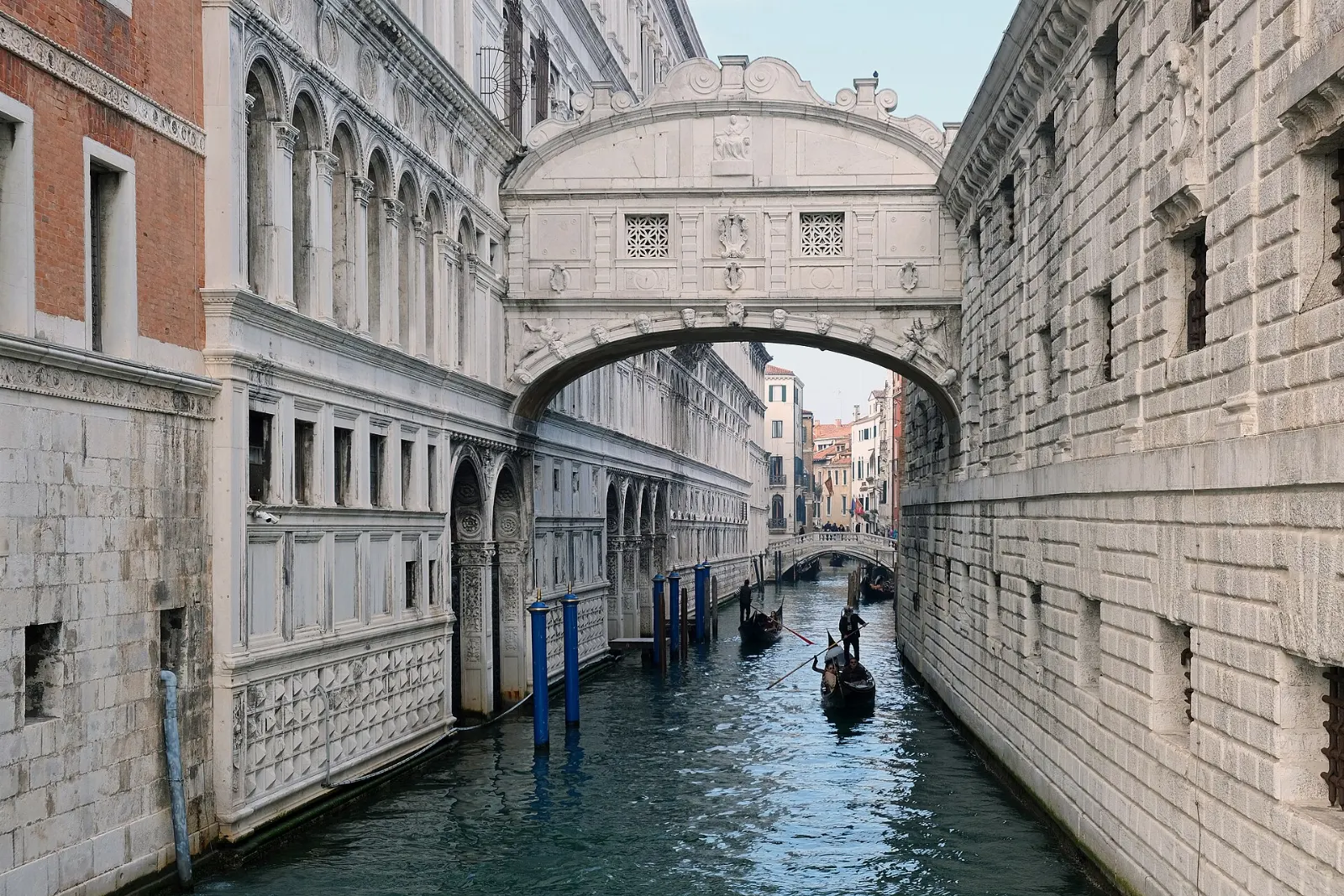
The route through the Doge's Palace crosses the Bridge of Sighs, an enclosed limestone bridge leading to the prisons, where condemned prisoners supposedly sighed at their last view of the lagoon.
Rialto, San Polo and Dorsoduro
Rialto Bridge and market
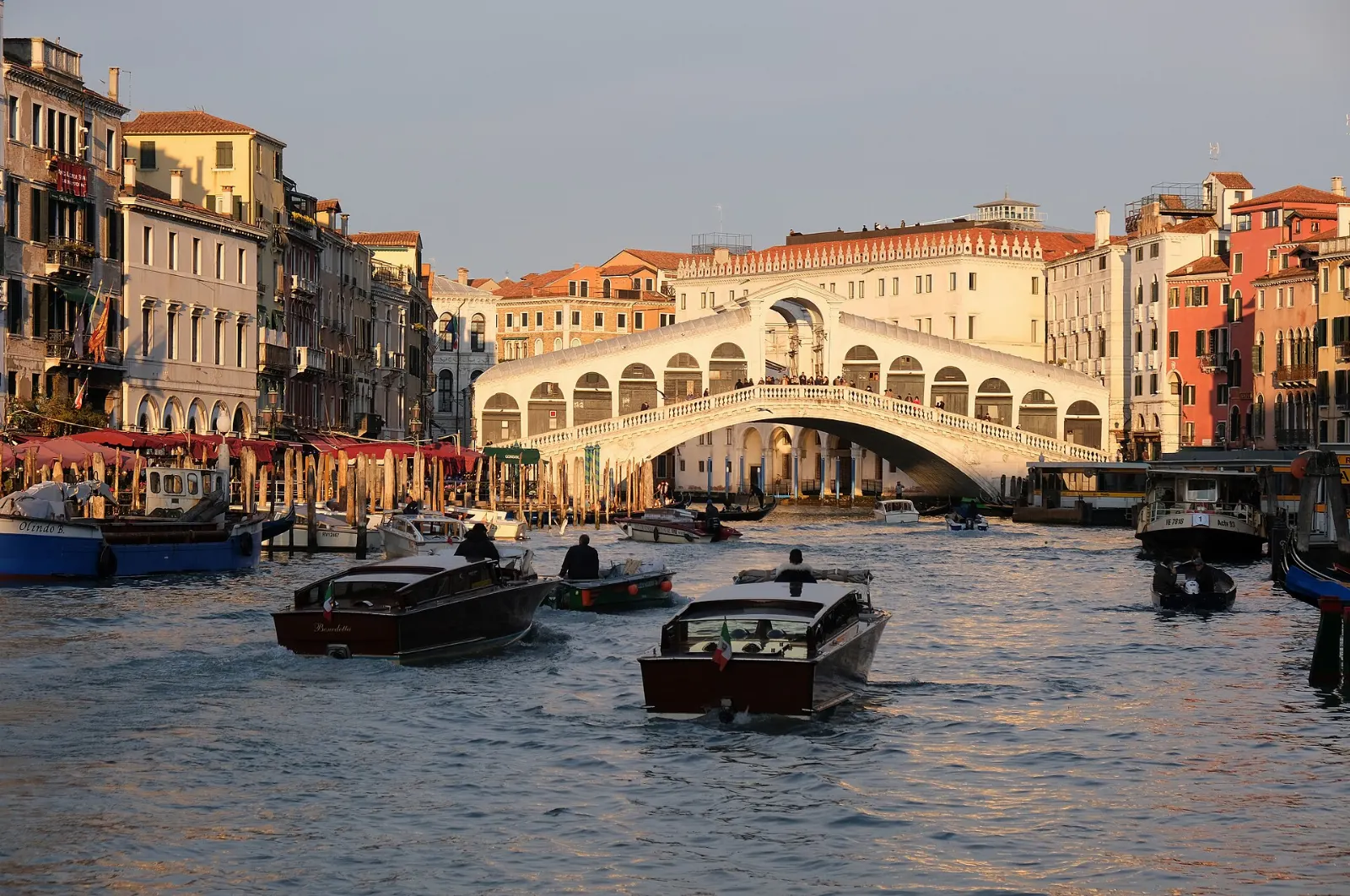
The Rialto was the commercial heart of the republic, and the stone Rialto Bridge, finished in 1591, replaced a series of wooden bridges. Its central arcade is lined with shops, and the side railings offer fine views along the Grand Canal.
The Frari and Scuola Grande di San Rocco
In the San Polo district, the vast brick Basilica of Santa Maria Gloriosa dei Frari holds Titian's soaring Assumption of the Virgin above the high altar and his tomb. Steps away, the Scuola Grande di San Rocco is a confraternity building almost entirely covered with paintings by Tintoretto, created over more than two decades.
Gallerie dell'Accademia and the Peggy Guggenheim Collection
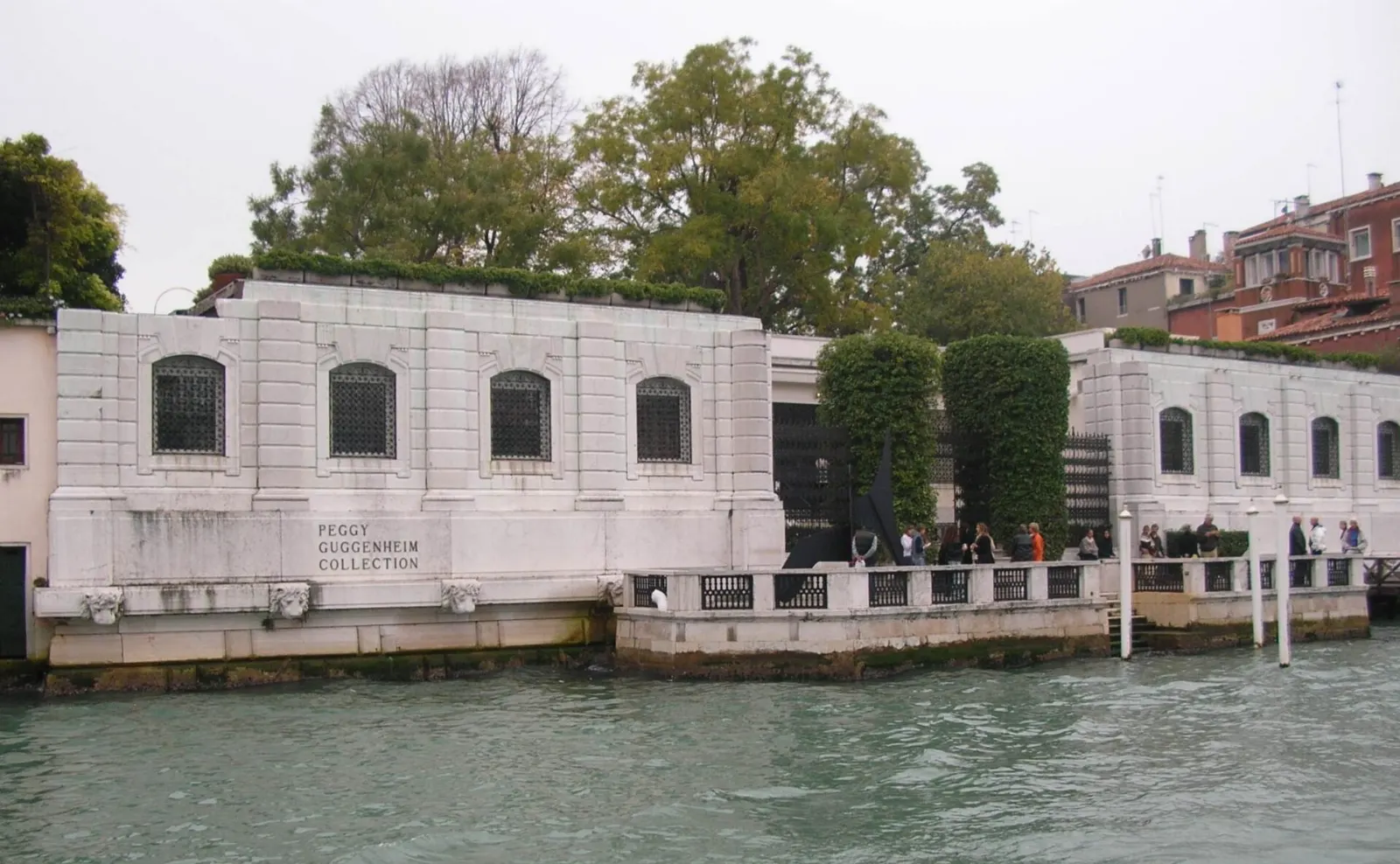
Across the wooden Accademia Bridge in Dorsoduro, the Gallerie dell'Accademia holds the greatest collection of Venetian painting, from Giovanni Bellini to Giorgione, Titian, Tintoretto and Veronese.
Santa Maria della Salute and the Zattere
At the tip of Dorsoduro, the domed church of Santa Maria della Salute was built in thanks for the end of the plague of 1630 and is one of the city's most recognizable sights. Each November, Venetians cross a temporary bridge of boats to give thanks there.
Cannaregio, Castello and San Giorgio
Cannaregio and the Ghetto
Cannaregio is the most lived-in part of central Venice, with long canalside walks such as the Fondamenta della Misericordia and the Fondamenta degli Ormesini, lined with bars where locals gather in the evening.
Castello and the Arsenale
East of St Mark's, Castello is the largest district and becomes quieter the farther you walk. The Arsenale, the republic's vast shipyard, is guarded by stone lions at its gate.
San Giorgio Maggiore
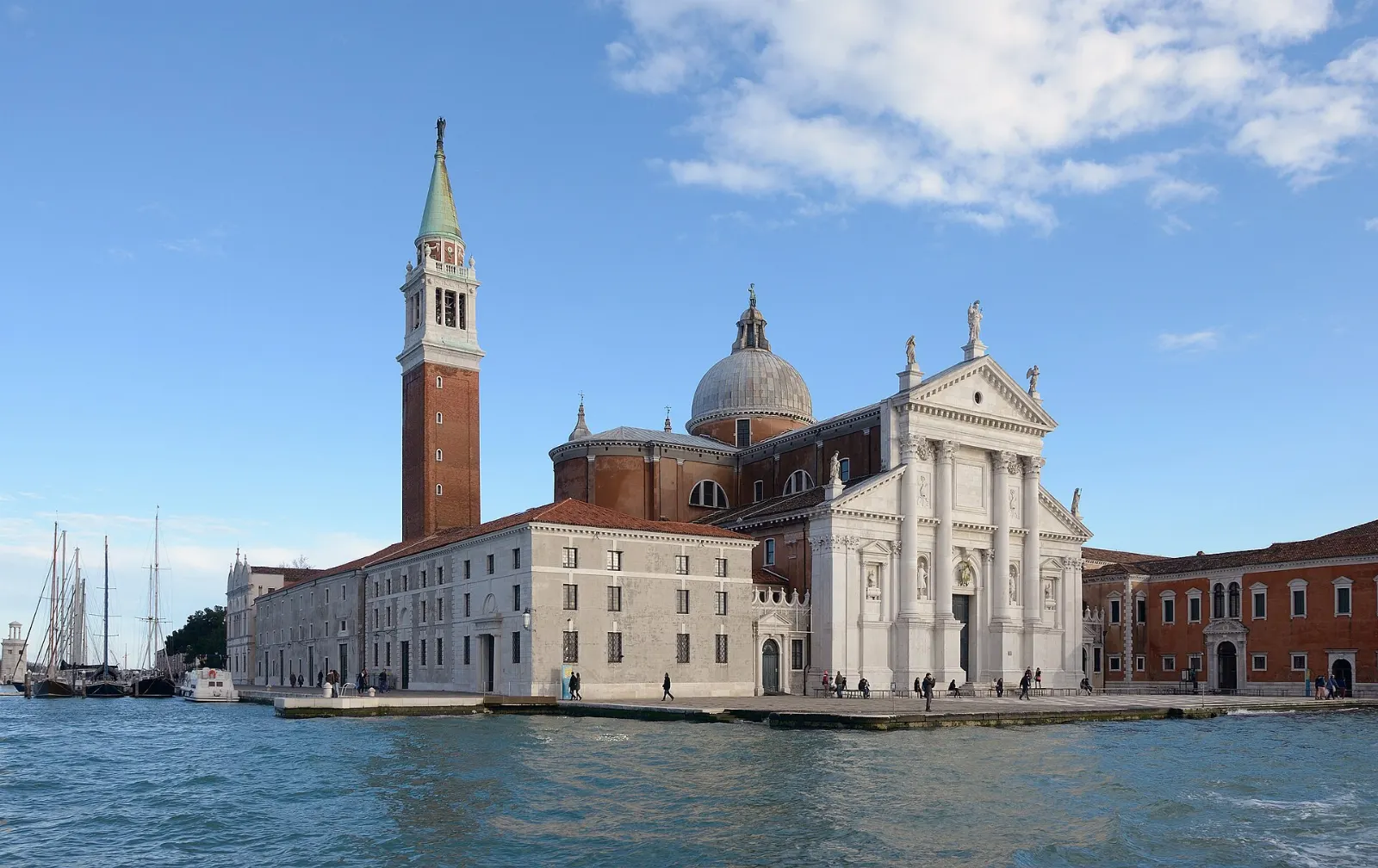
Directly across the water from St Mark's, the island of San Giorgio Maggiore is crowned by a church designed by Andrea Palladio, with two large late paintings by Tintoretto inside. Its bell tower has an elevator and, many visitors agree, a better view than the Campanile, because you can see St Mark's itself across the basin.
 Planning a trip to Venice?Compare hotels, flights and vacation rentals for Venice on Expedia.Book now
The lagoon islands
Murano
Glassmaking was concentrated on Murano in the thirteenth century, and furnaces still operate here. Visit the Glass Museum to see the history of the craft, then watch a demonstration at a working furnace.
Burano
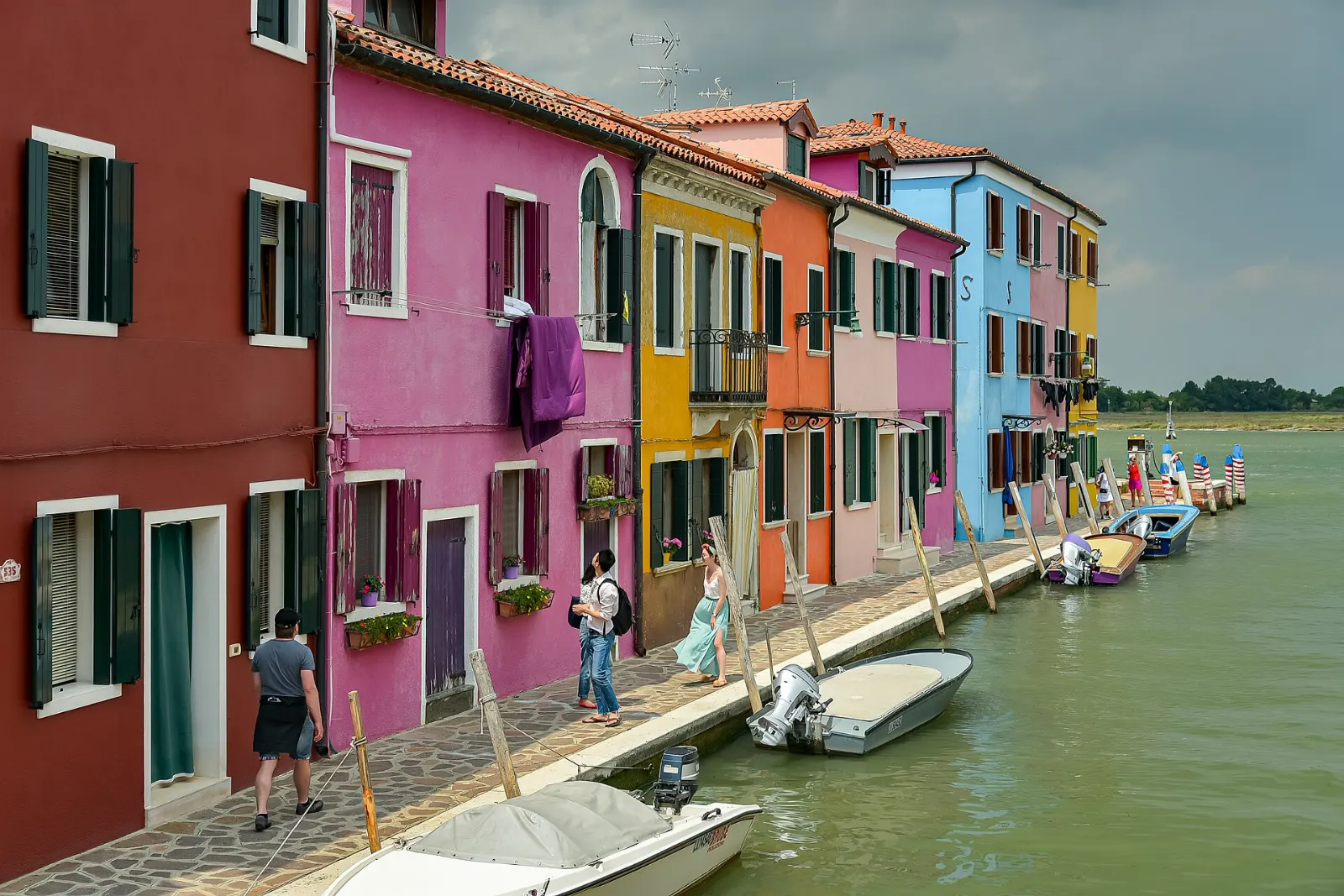
Farther across the lagoon, Burano is a fishing island famous for its brightly painted houses and its tradition of lacemaking, explained at the Lace Museum. It is very photogenic and busy at midday; arrive early or stay into the late afternoon.
Torcello
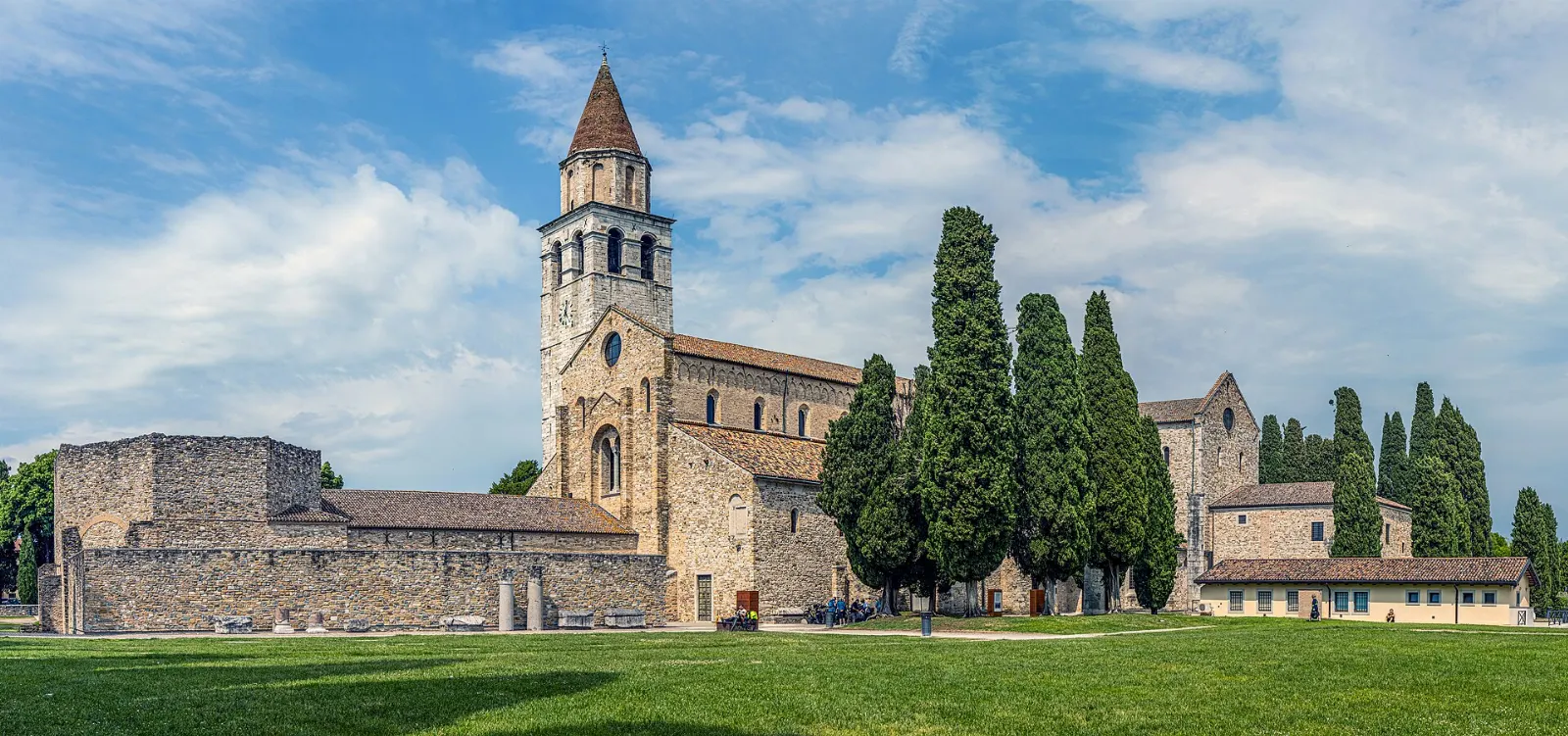
A short boat ride from Burano, Torcello was once a thriving settlement but now has only a handful of residents.
Food and local flavors
Venetian food is built around the lagoon and the sea.
At the table, try risotto al nero di seppia, black with cuttlefish ink; bigoli in salsa, thick pasta with an anchovy and onion sauce; and fegato alla veneziana, calf's liver with onions. In spring and autumn, look for moeche, small soft-shell crabs from the lagoon.
Popular dishes to try in Venice


Where to stay
San Marco places you close to the main sights and vaporetto stops.
Dorsoduro combines museums, the Zattere promenade and student bars around Campo Santa Margherita.
Cannaregio is convenient for the train station yet residential and lively in the evening.
Castello, especially its eastern part, is quiet and neighborly, good for longer stays and Biennale visitors.
Where to stay in Venice


Best time to visit
Spring and autumn bring the most comfortable weather.
Carnival, in the weeks before Lent in February or early March, fills the city with masks and costumes and is extremely busy. From late autumn through winter, acqua alta, or high water, can flood low areas such as Piazza San Marco.
Getting there and getting around
Marco Polo Airport is on the mainland edge of the lagoon. From there you can take a bus to Piazzale Roma, the end of the road in Venice, or an Alilaguna water bus directly to stops in the city.
Inside the city, you walk or ride the vaporetto, the public water bus. Line 1 travels slowly along the whole Grand Canal and doubles as a scenic tour.
On designated peak days, mostly weekends and holidays from spring to midsummer, Venice charges day visitors an access fee during the daytime.
A suggested itinerary
First day
Start early with St Mark's Basilica and the Campanile, then tour the Doge's Palace and cross the Bridge of Sighs.
Second day
Browse the Rialto Market in the morning, then visit the Frari and Scuola Grande di San Rocco.
Third day
Take a morning vaporetto to Murano, continue to Burano for lunch and visit Torcello in the afternoon.
Practical tips
- Check the access fee calendar and register online if your visit falls on a designated day.
- Book timed entry for St Mark's Basilica, the Doge's Palace and the Secret Itineraries tour in advance.
- Pack light; you will carry luggage over many bridges and steps with no cars to help.
- Do not sit on bridges or monument steps, swim in canals or picnic in St Mark's Square; local rules carry fines.
- Keep to the right on narrow streets and step aside if you stop to look at a map or take photos.
- Cover shoulders and knees for churches.