Cusco and Machu Picchu Peru Inca Walls and Sacred Valley
Cusco was the capital of the Inca Empire, and you can still put your hand on walls its builders set in place more than five centuries ago. Spanish churches and mansions rise straight out of Inca foundations, Quechua is spoken in the markets, and the surrounding hills hold fortresses, terraces and temples that most cities would build a whole trip around.
By WiserMap TravelUpdated October 20269 places12 min read
This guide covers the historic center of Cusco, the ruins on its edge, the towns of the Sacred Valley and the citadel itself.
At a glance Cusco and Machu Picchu
Best timeMay to September for dry, sunny days; April and October for fewer crowds.
How longFive to seven days, including time to adjust to the altitude.
Getting thereFly via Lima to Cusco, then take the train from Ollantaytambo to Aguas Calientes.
Ad
Why visit Cusco and Machu Picchu
Few places show the meeting of two civilizations as plainly as Cusco. The Incas laid out their capital with royal palaces and temples around a great ceremonial square, and after the Spanish conquest in the 1530s the newcomers kept the foundations and built their own city on top.
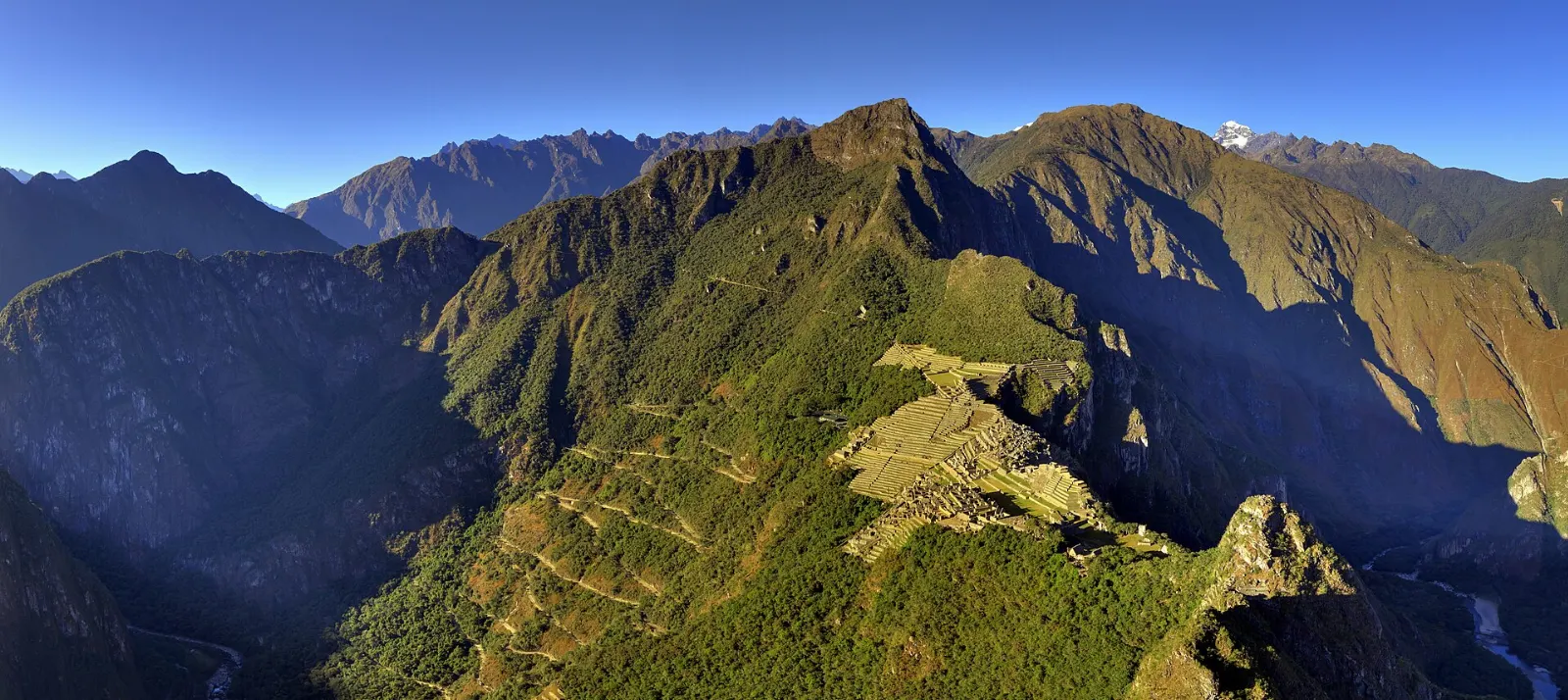
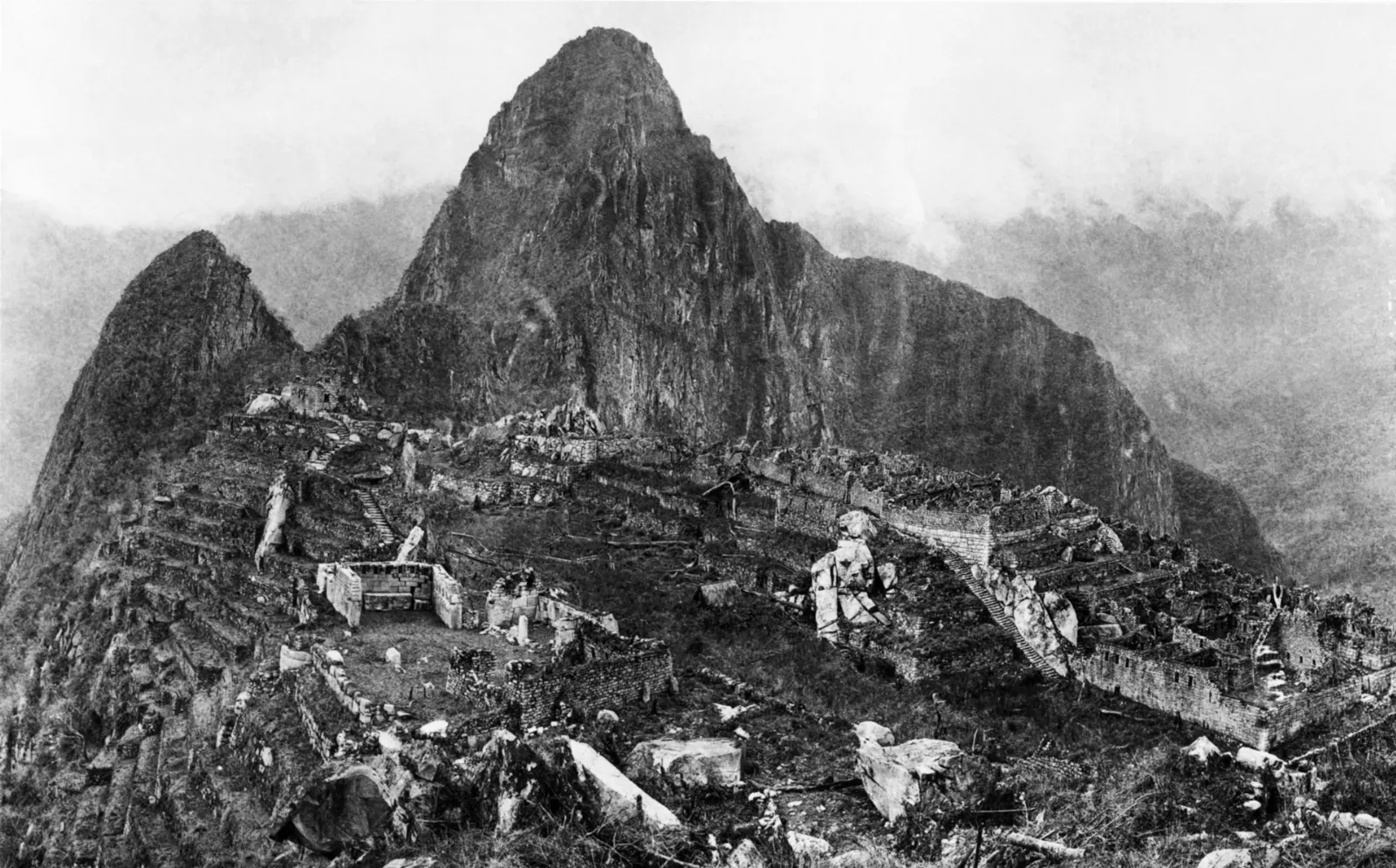
Beyond the city, the landscape does as much work as the monuments. The Sacred Valley of the Urubamba is a fertile, lower valley lined with Inca terraces, market towns and snow-capped peaks. Farther downstream, the river cuts into cloud forest, and on a ridge above it sits Machu Picchu, built around the middle of the fifteenth century and brought to international attention by Hiram Bingham in 1911.
Cusco's historic center and San Blas
The old town is compact and walkable, though its streets are steep and you will feel the altitude on every staircase. Plan these stops for your first two days, when gentle sightseeing is exactly what your body needs.
Plaza de Armas and the Cathedral
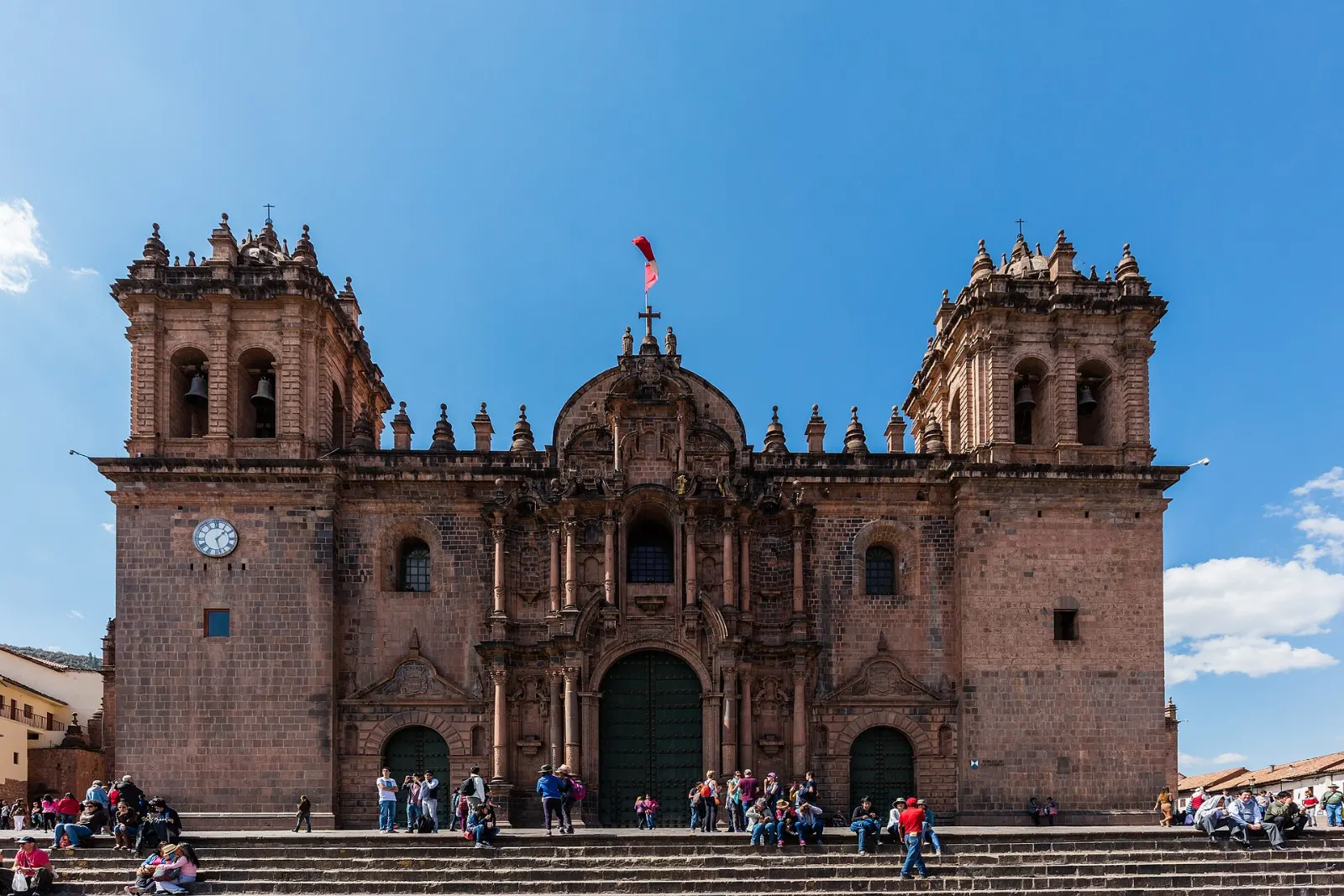
The main square was the Inca ceremonial plaza, and today it is framed by arcades, wooden balconies and two major churches.
The Cathedral of Cusco anchors the Plaza de Armas, the same square that served as the ceremonial heart of the Inca capital. Photo: Diego Delso, Wikimedia Commons, CC BY-SA 4.0
Qorikancha and the Santo Domingo convent
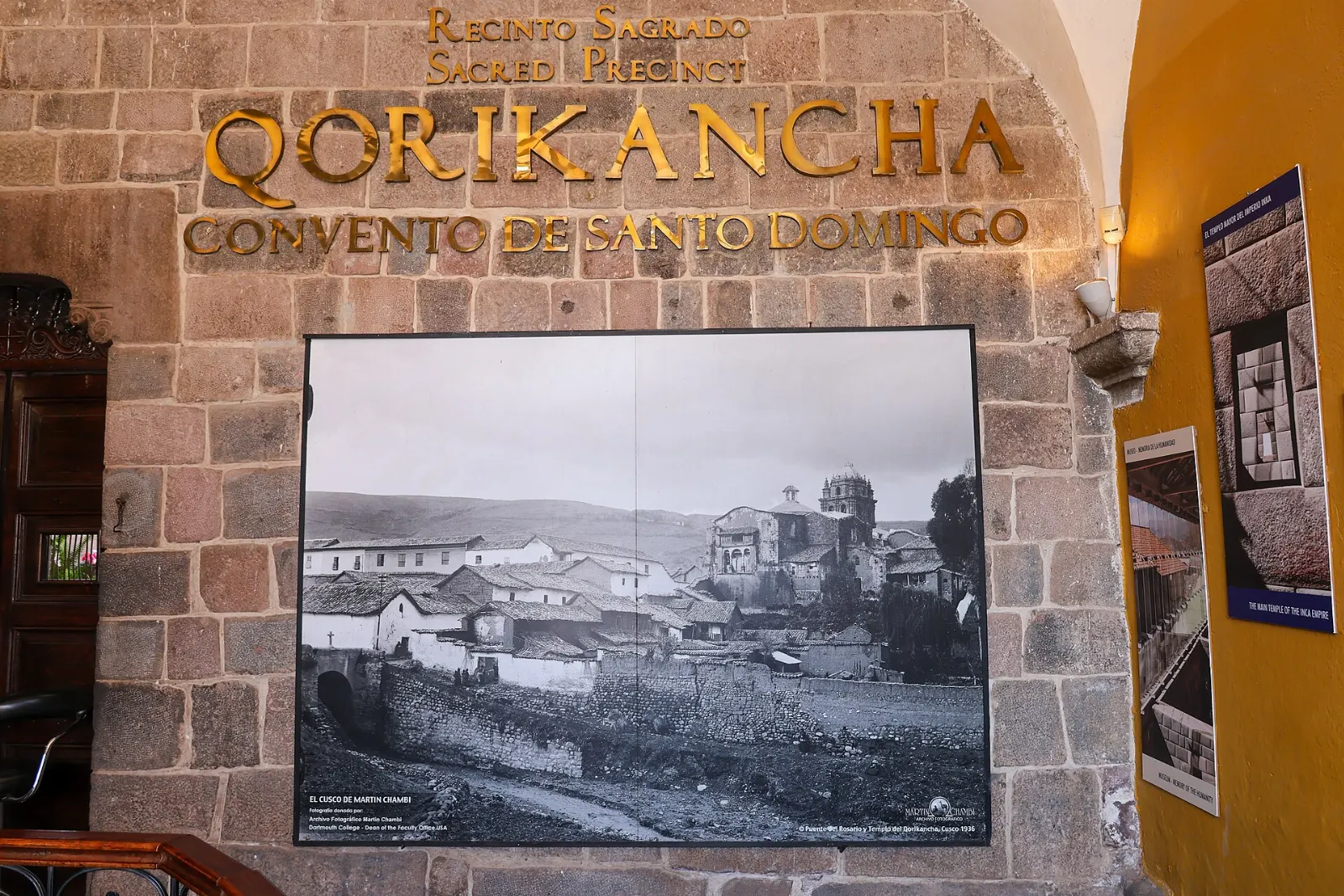
The Qorikancha was the most important temple in the Inca world, dedicated to the sun and once famously covered in gold. The Dominicans built their church and convent on top of it, yet earthquakes, especially the one in 1950, exposed the Inca chambers and curved retaining wall beneath.
The Santo Domingo convent was built directly on top of the Qorikancha, the most important temple of the Inca Empire. Photo: flowcomm, Wikimedia Commons, CC BY 2.0
Hatun Rumiyoc and the twelve-angled stone
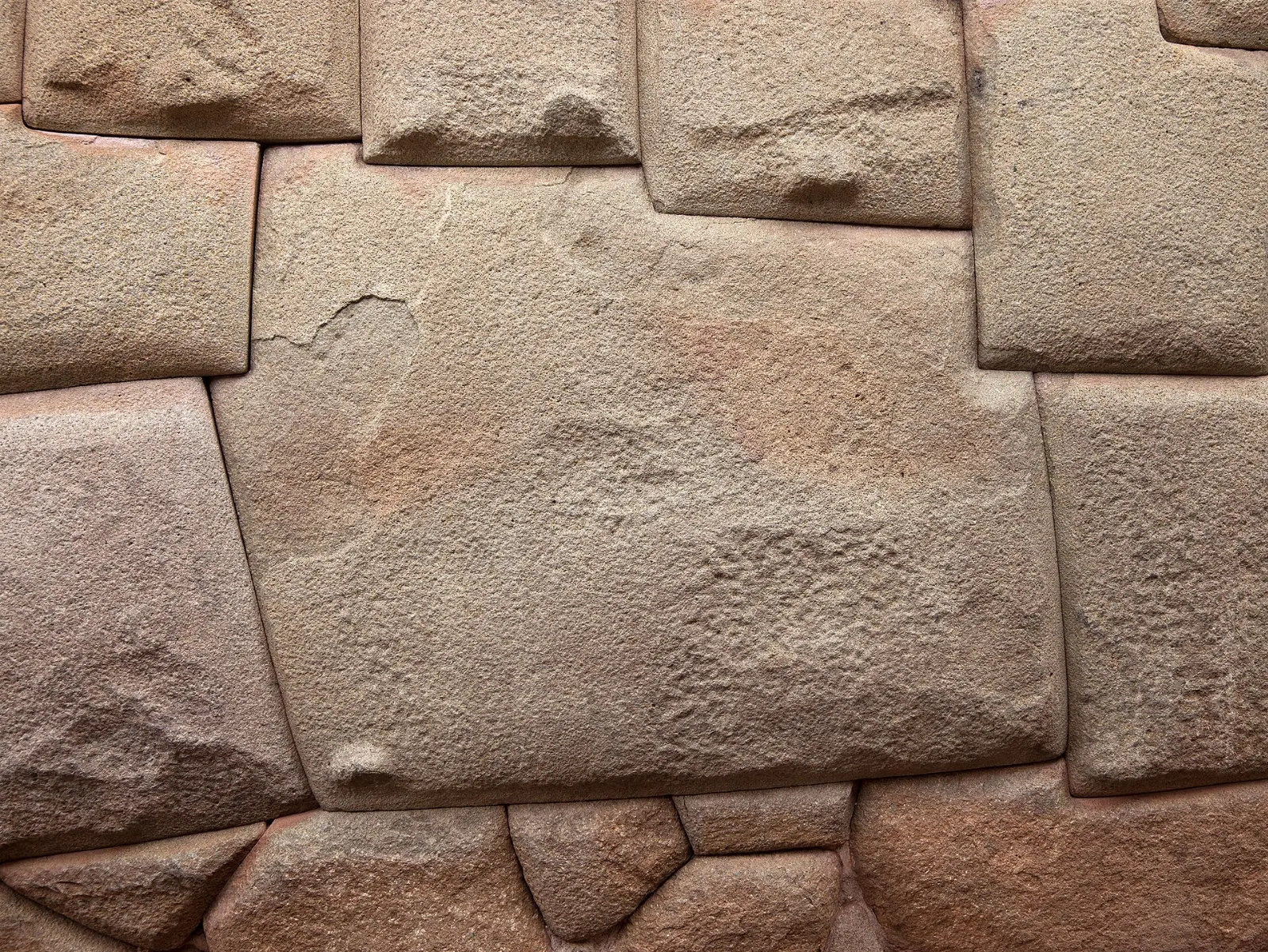
Two blocks from the plaza, the pedestrian lane called Hatun Rumiyoc runs beside a wall from the palace of the Inca Roca. Its most famous block has twelve angles, each locked tightly into its neighbors with no mortar at all.
The twelve-angled stone on Hatun Rumiyoc shows the precise, mortar-free masonry of Inca builders. Photo: Unukorno, Wikimedia Commons, CC BY 3.0
San Blas
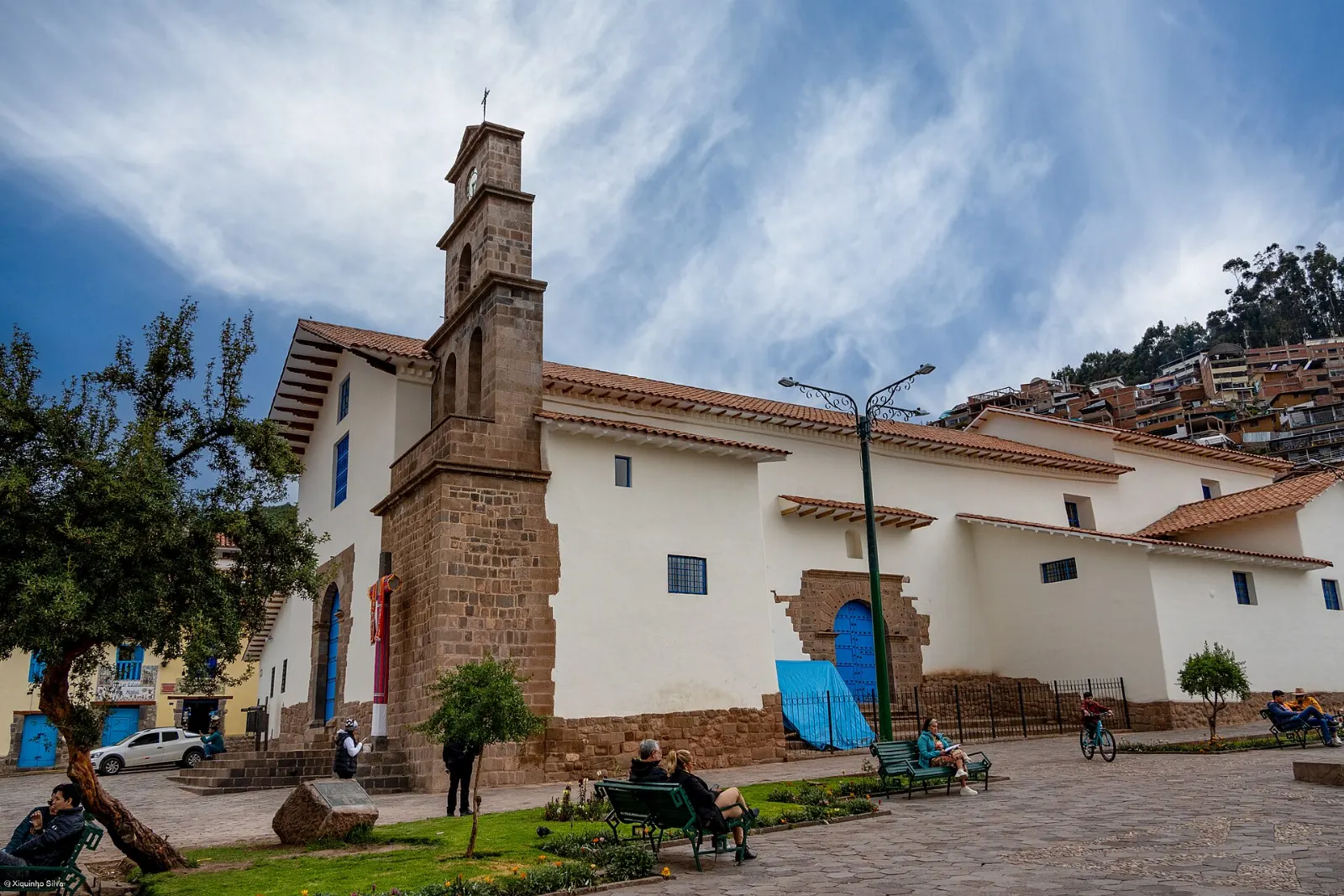
Uphill from Hatun Rumiyoc, San Blas is the city's artisan quarter, a tangle of whitewashed houses, blue doors and workshops making ceramics, textiles and religious images. The small San Blas church contains a carved wooden pulpit often cited as one of the finest pieces of colonial woodwork in the Americas.
San Blas is a hillside neighborhood of artisan workshops, narrow lanes and views over Cusco's red-tiled roofs. Photo: xiquinhosilva, Wikimedia Commons, CC BY 4.0
San Pedro Market
The central market near the San Pedro railway station is where Cusco shops for food. You will find towering piles of potatoes and corn, cheese wheels, bread from nearby Oropesa, herbal remedies and long counters where vendors blend fresh fruit juices.
Ad
Sacsayhuaman and the Sacred Valley
Many of the best sites near Cusco are covered by the boleto turístico, a combined tourist ticket sold in several versions. Check the official website or ticket offices in Cusco for current coverage, since some places such as the Maras salt pans charge separately.
Sacsayhuaman
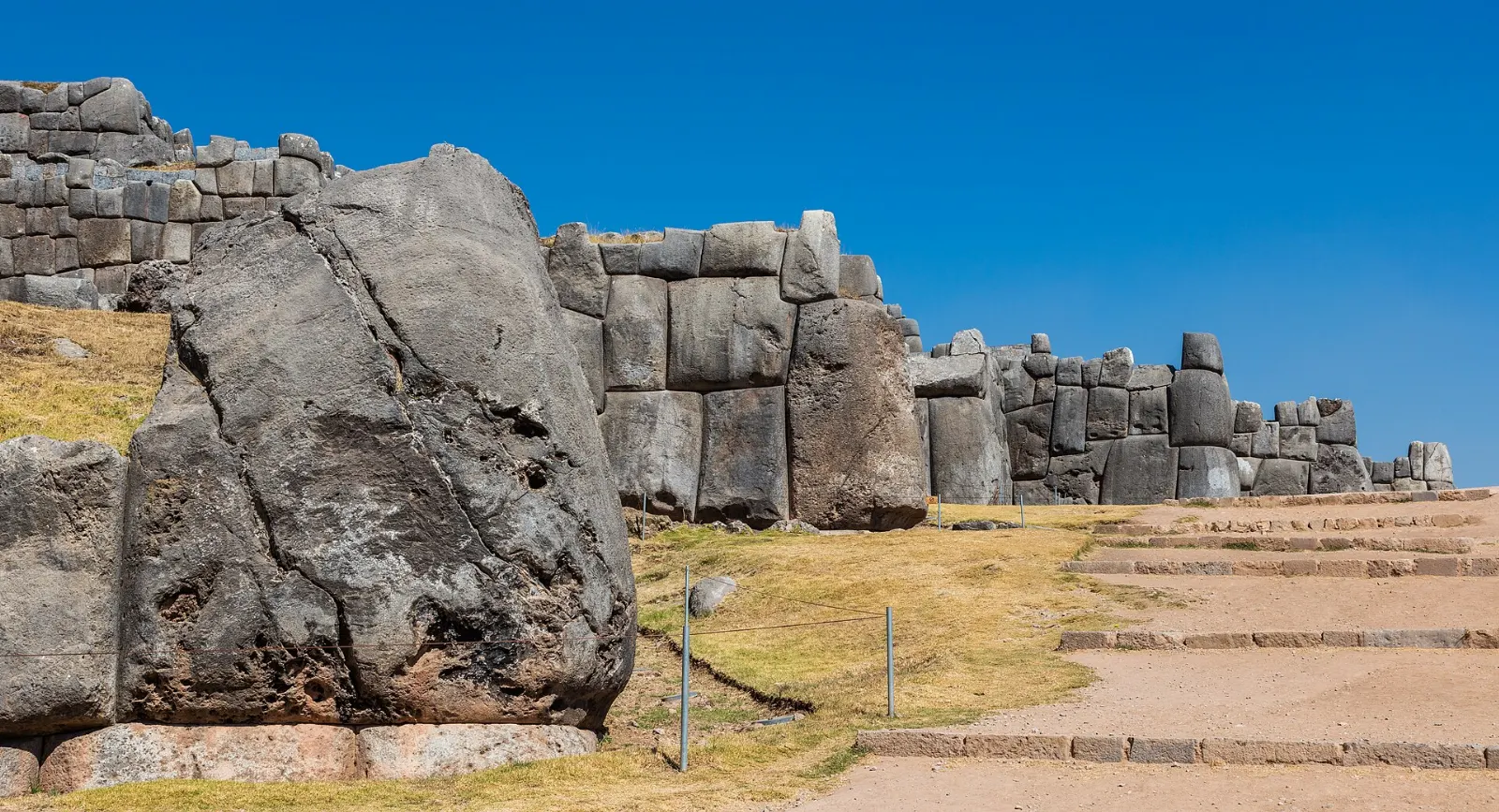
On the hill directly above the city, this ceremonial complex is famous for three tiers of zigzag walls built from colossal stones, some taller than a person. In 1536 it was the scene of a major battle during the Inca uprising against the Spanish.
The zigzag terraces of Sacsayhuaman are built from enormous fitted stones on a hill overlooking Cusco. Photo: Diego Delso, Wikimedia Commons, CC BY-SA 4.0
Pisac
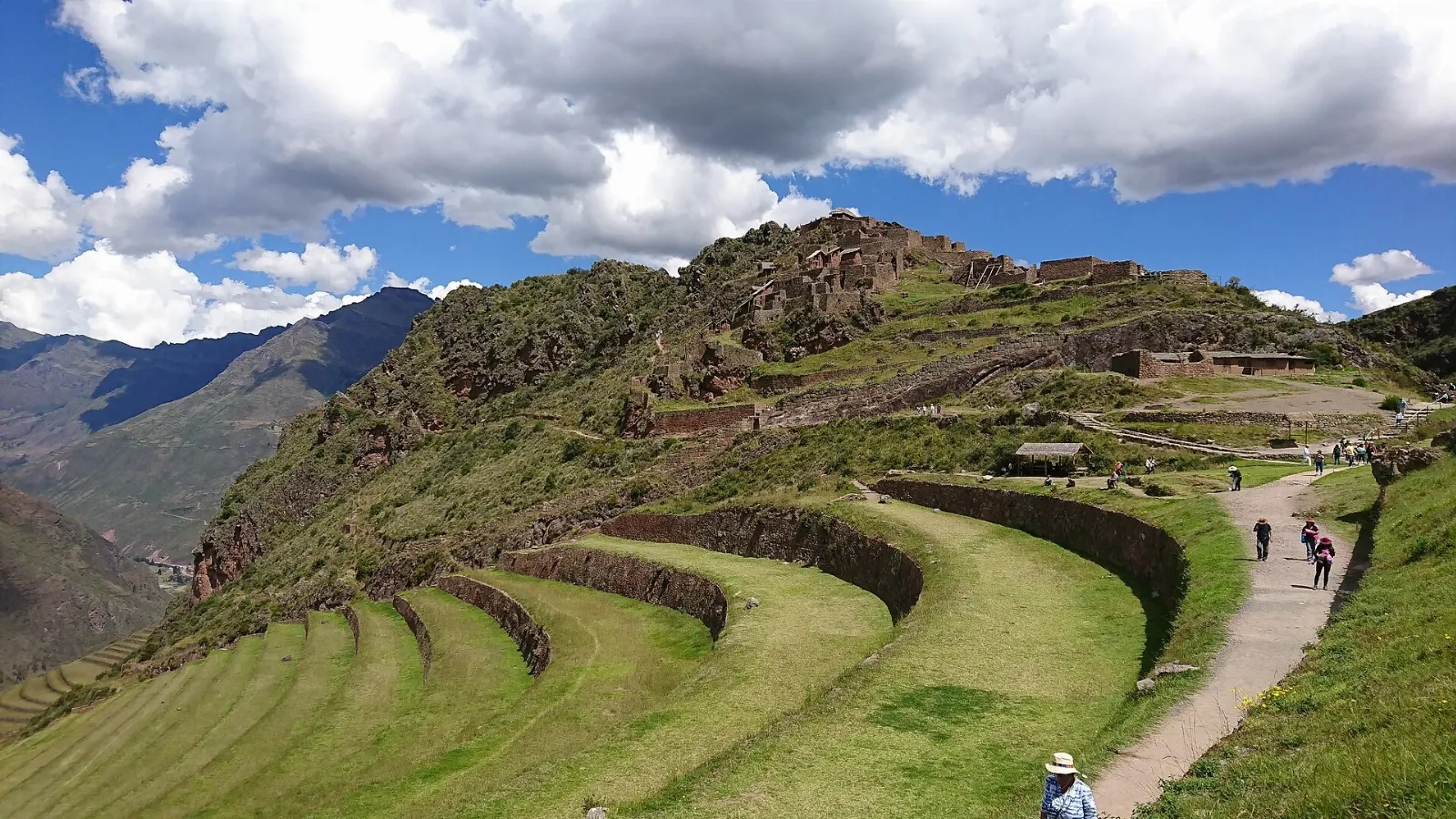
The town of Pisac sits on the valley floor and is known for its handicraft market, busiest on Sundays. Above it, reached by road or a steep footpath, is one of the most impressive Inca complexes outside Machu Picchu: sweeping agricultural terraces, a ceremonial center of fine stonework and cliffs pocked with ancient tombs.
Pisac's Inca terraces wrap around a steep slope high above the Sacred Valley town of the same name. Photo: Kuruman, Wikimedia Commons, CC BY 2.0
Ollantaytambo
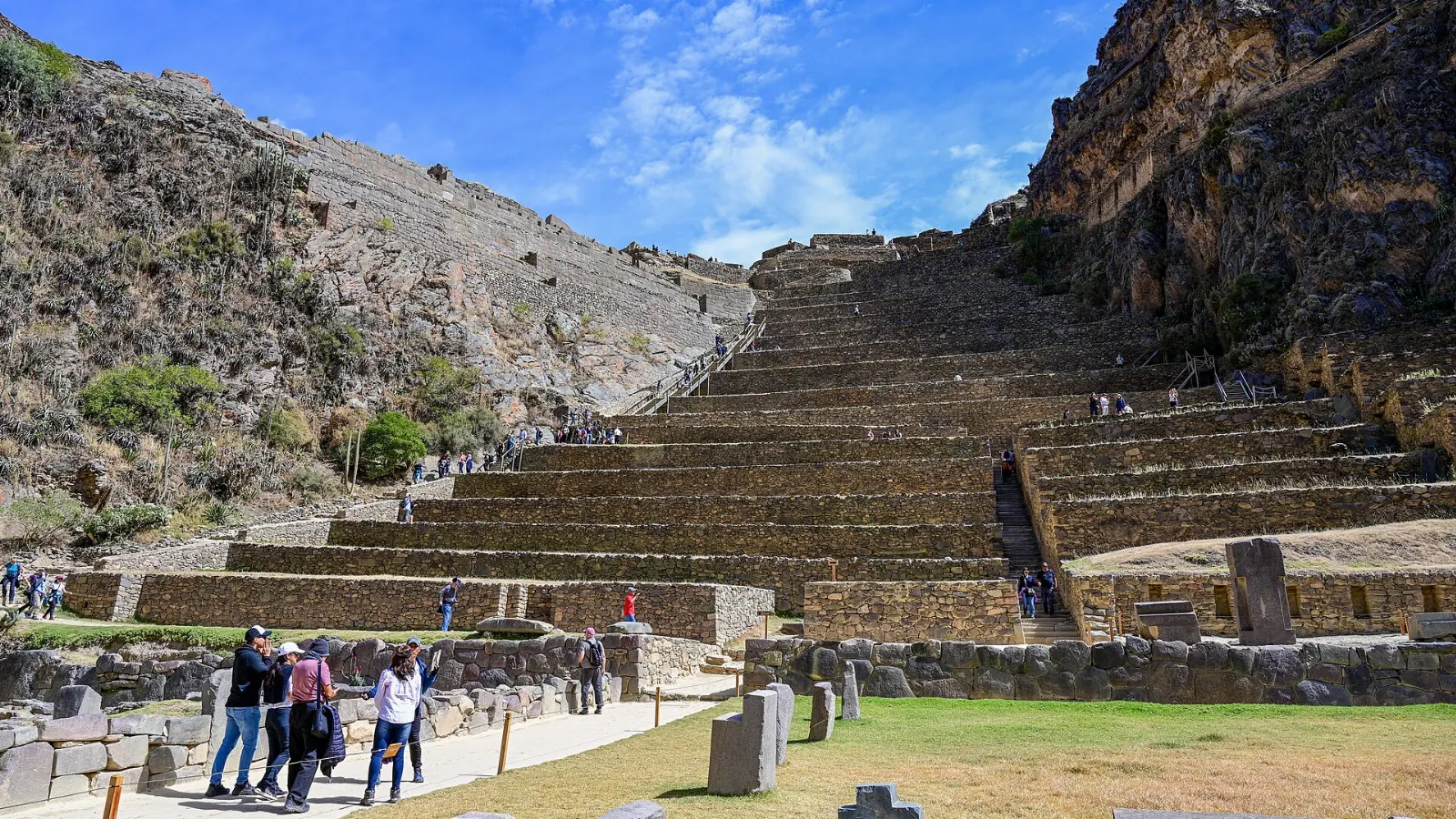
Ollantaytambo is both a working village, with Inca street plans and water channels still in use, and the site of massive terraces climbing toward the Temple Hill. Here Manco Inca won a rare victory over Spanish forces in 1537.
The terraces of Ollantaytambo rise toward the Temple Hill, where Manco Inca resisted Spanish forces in the 1530s. Photo: Steve FUNG, Wikimedia Commons, CC BY-SA 4.0
Moray and the Maras salt pans
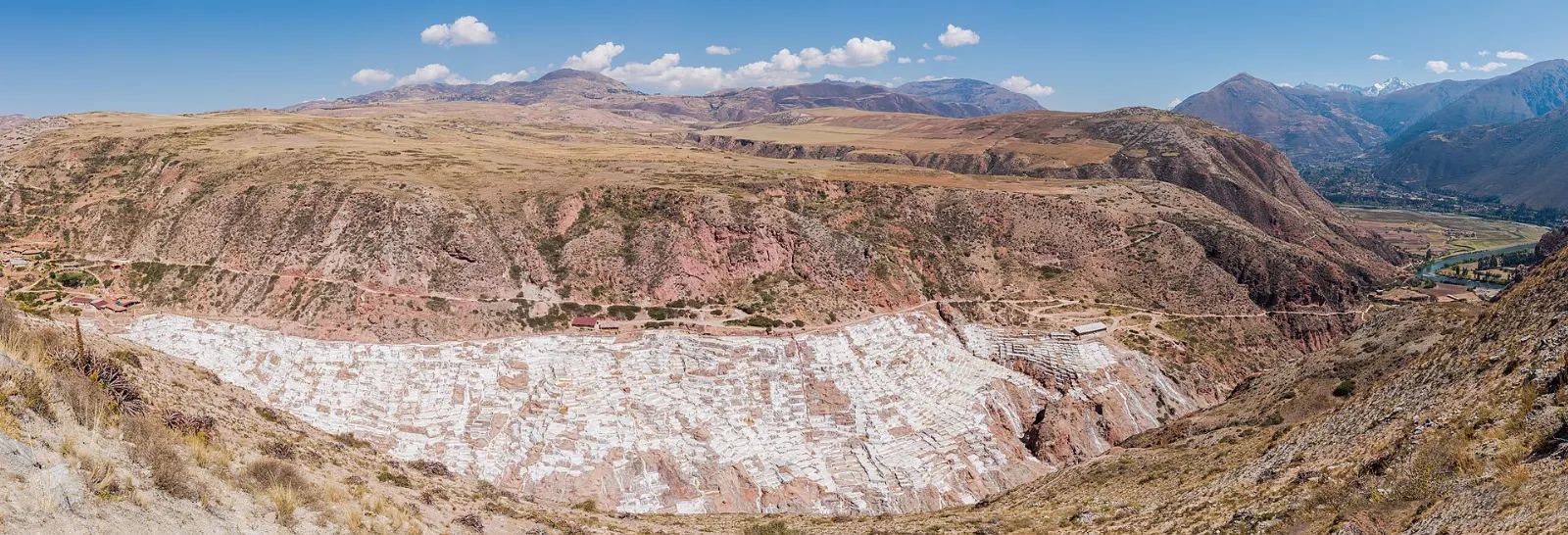
On the high plateau between Cusco and the valley, Moray is a set of concentric circular terraces sunk into the ground, often interpreted as an Inca agricultural experiment site.
Families still harvest salt from the hillside pools of the Salineras de Maras, fed by a salty spring. Photo: Diego Delso, Wikimedia Commons, CC BY-SA 4.0
Machu Picchu and Aguas Calientes
The citadel sits about 2,430 meters above sea level, noticeably lower and warmer than Cusco. The town below it, officially Machu Picchu Pueblo but known to everyone as Aguas Calientes, has no road connection to the rest of Peru; you arrive by train or on foot.
The citadel
Entry works on timed tickets, each tied to a specific circuit and route through the site, and the number of daily visitors is capped.
The Intihuatana is a carved ritual stone in the sacred district of Machu Picchu. Photo: Hiram Bingham III, Wikimedia Commons, Public domain
Huayna Picchu and the mountain hikes
The sharp peak behind the citadel, Huayna Picchu, is climbed on narrow Inca stairs with dizzying drops, rewarding you with a bird's-eye view of the ruins. Machu Picchu Mountain, on the opposite side, is a longer but less exposed climb.
Aguas Calientes
The town is functional rather than charming, but staying a night lets you catch the earliest buses or walk up at dawn.
Ad
Food and local flavors
Andean cooking is built on ingredients farmed in these valleys for thousands of years: hundreds of potato varieties, giant-kerneled corn, quinoa, and meats such as alpaca and cuy, the roasted guinea pig that is a festive dish in local homes. Try a bowl of quinoa soup on a cold evening, choclo con queso (fat corn cobs with fresh cheese) from a street stall, and rocoto relleno, a spicy pepper stuffed with meat.
Cusco has its own specialties too. Chiriuchu is a cold platter of meats, cheese, seaweed and roasted corn served around the Corpus Christi festival.
Popular dishes to try in Cusco and Machu Picchu
Cuy Food and local flavorsAndean cooking is built on ingredients farmed in these valleys for thousands of years: hundreds of potato varieties, giant-kerneled corn, quinoa, and…Photo: Dmitry Brant, Wikimedia Commons, CC BY-SA 4.0Lomo saltado Lomo saltado, a stir-fry of beef, onions, tomatoes and fries, shows the Chinese influence on Peruvian food.Photo: Gatodemichi, Wikimedia Commons, CC BY-SA 4.0Chicha morada For drinks, chicha morada is a sweet purple corn drink, chicha de jora a fermented corn beer sold where a red flag or flowers hang outside a doorway, and mate de coca, coca…Photo: Jorge Gobbi from Buenos Aires, Argentina, Wikimedia Commons, CC BY 2.0Rocoto relleno Try a bowl of quinoa soup on a cold evening, choclo con queso (fat corn cobs with fresh cheese) from a street stall, and rocoto relleno, a spicy pepper stuffed with meat.Photo: Mover el Bigote, Wikimedia Commons, CC BY 2.0
Where to stay
The historic center around the Plaza de Armas suits first-time visitors who want to walk everywhere; streets near the square can be noisy at night, so ask for an interior room.
Many travelers sleep their first nights in the Sacred Valley, in towns such as Urubamba, Pisac or Ollantaytambo, because the valley sits several hundred meters lower than Cusco and makes acclimatization easier. Ollantaytambo is the most practical base for early trains.
Where to stay in Cusco and Machu Picchu
San Blas Cusco One of the best areas to base yourself in Cusco and Machu Picchu.Photo: Ursula Paulina Uriarte Espejo, Wikimedia Commons, CC BY-SA 4.0Plaza de Armas Cusco One of the best areas to base yourself in Cusco and Machu Picchu.Photo: xiquinhosilva, Wikimedia Commons, CC BY 4.0Sacred Valley Many travelers sleep their first nights in the Sacred Valley, in towns such as Urubamba, Pisac or Ollantaytambo, because the valley sits several hundred meters lower than Cusco…Photo: Diego Delso, Wikimedia Commons, CC BY-SA 4.0Aguas Calientes A night in Aguas Calientes is worth it if you want an early or very late visit to Machu Picchu without a long day of travel.Photo: Pierre André Leclercq, Wikimedia Commons, CC BY-SA 4.0
Ad
Best time to visit
The dry season runs roughly from May to September, bringing clear blue skies, warm sun and cold nights that can drop near freezing in Cusco.
The rainy season runs from about November to March, with the heaviest rain from December to February. Afternoon downpours are common, the landscape turns green, and crowds thin.
Getting there and getting around
Most visitors fly into Alejandro Velasco Astete International Airport, a short taxi ride from the historic center, usually connecting through Lima. Long-distance buses also reach Cusco from Lima, Arequipa and Puno on Lake Titicaca.
Colectivos and minibuses run between Cusco and the Sacred Valley towns, and tour agencies offer day trips that combine Pisac, Ollantaytambo, Moray and Maras.
Ad
A suggested itinerary
First day
Arrive in Cusco and transfer straight down to the Sacred Valley.
Second day
Explore the Pisac ruins in the morning and browse the market, then visit Moray and the Maras salt pans in the afternoon.
Third day
Spend the morning at the Ollantaytambo ruins and village, then take an afternoon train to Aguas Calientes.
Fourth day
Catch an early bus to Machu Picchu, follow your circuit and, if you booked it, climb Huayna Picchu.
Fifth day
Now better acclimatized, explore Cusco's Plaza de Armas, the cathedral and the Qorikancha, with lunch near the San Pedro Market.
Sixth day
Walk Hatun Rumiyoc and San Blas in the morning, then visit Sacsayhuaman in the afternoon light before a final dinner in the old town.
Practical tips
Cusco sits around 3,400 meters; take your first day slowly, avoid heavy meals and alcohol, and talk to a doctor about altitude medication before you travel.
Book Machu Picchu entry, Huayna Picchu, trains and any Inca Trail permit as early as you can for the dry season.
Carry your passport to Machu Picchu, since it is checked at the entrance along with your ticket.
Pack layers: mornings and nights are cold, while midday sun is strong enough to burn quickly.
Bring a rain jacket at any time of year, and a sturdy pair of shoes for uneven stone steps.
Carry small notes of Peruvian soles for markets, colectivos and toilets, as cards are not accepted everywhere.
Ask before photographing people in traditional dress, and expect that some will request a tip.