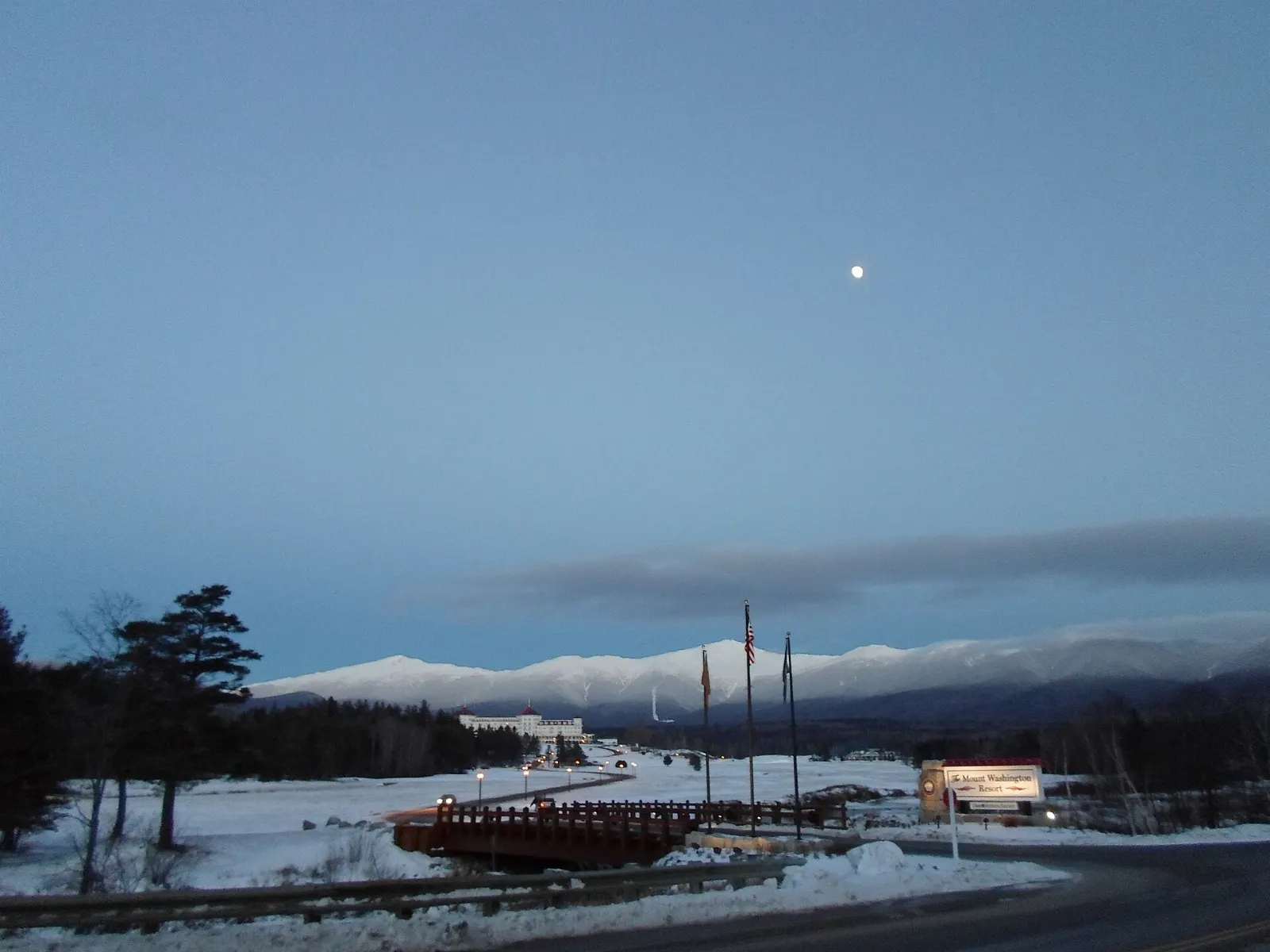
The White Mountains are the most rugged range in New England, a region of granite peaks, deep notches, waterfalls and covered bridges spread across northern New Hampshire and into western Maine. Much of it lies within the White Mountain National Forest, crossed by the Appalachian Trail and by some of the most scenic drives in the eastern United States.
AT A GLANCE
Best time
Late June to mid October, with fall foliage usually peaking in late September and early October.
How long
Three to five days for the notches, Mount Washington and the Kancamagus.
Getting there
Fly to Boston or Manchester and drive north on Interstate 93 or Route 16.
Why visit the White Mountains
Within a few hours' drive of Boston, the White Mountains offer genuine mountain country: more than a thousand miles of trails, dozens of peaks over 4,000 feet, alpine tundra above the treeline and rivers that carve swimming holes and gorges through solid granite.
The region also has a long tourism history. Grand hotels, mountain railways and scenic roads were built here in the 19th century, and many still operate, giving you easy ways to reach summits and viewpoints.
Mount Washington and the Presidential Range
The Presidential Range runs along the northeast of the region, and its high summits are named after American presidents.
Mount Washington Auto Road
Opened in the 1860s, the Auto Road climbs the eastern side of the mountain from Route 16 in Pinkham Notch.
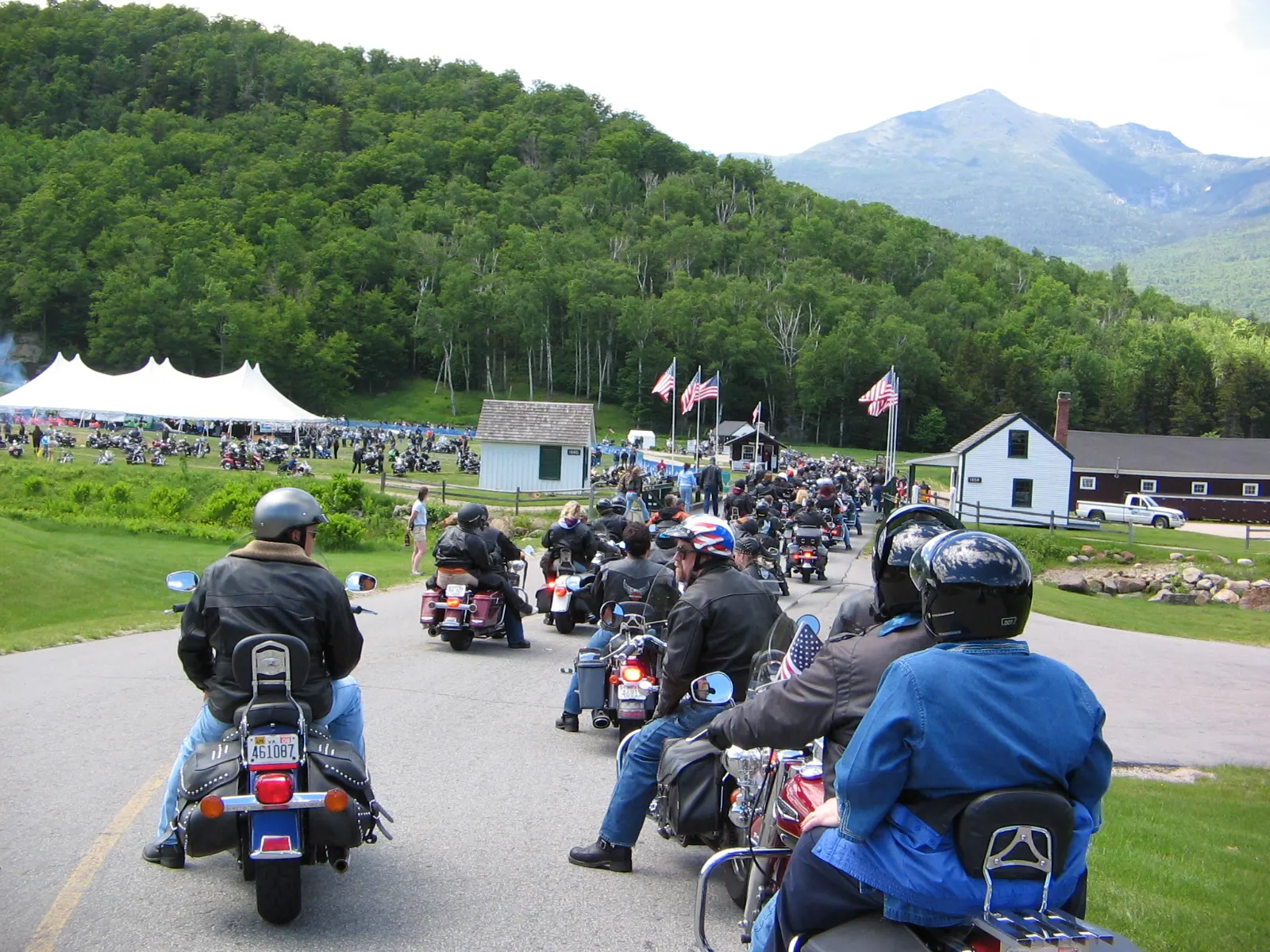
Allow at least three hours for the round trip and time on top.
Mount Washington Cog Railway
On the western side of the mountain, near Bretton Woods, the Cog Railway was the world's first mountain-climbing cog railway, completed to the summit in 1869. Trains, pushed by steam and biodiesel locomotives, climb about three miles up grades that reach more than 35 percent.
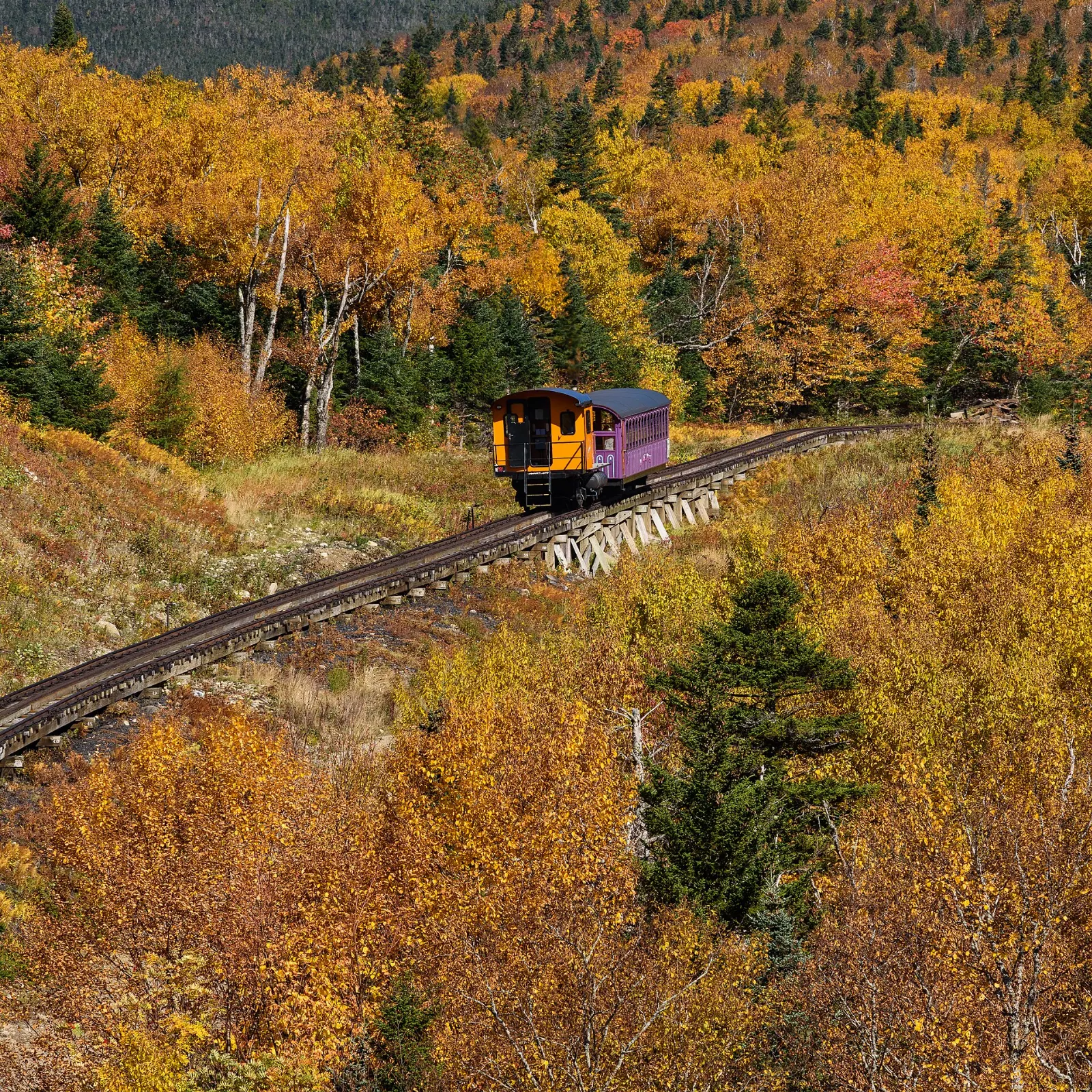
Allow about three hours for the ride and summit stop. Tip: book tickets online in advance, especially for foliage season, and choose a steam train if you want the classic experience.
Pinkham Notch and Glen Ellis Falls
Pinkham Notch is the mountain pass on Route 16 east of Mount Washington. The Appalachian Mountain Club's visitor center here is the trailhead for Tuckerman Ravine, a famous glacial bowl popular with spring skiers and strong hikers.
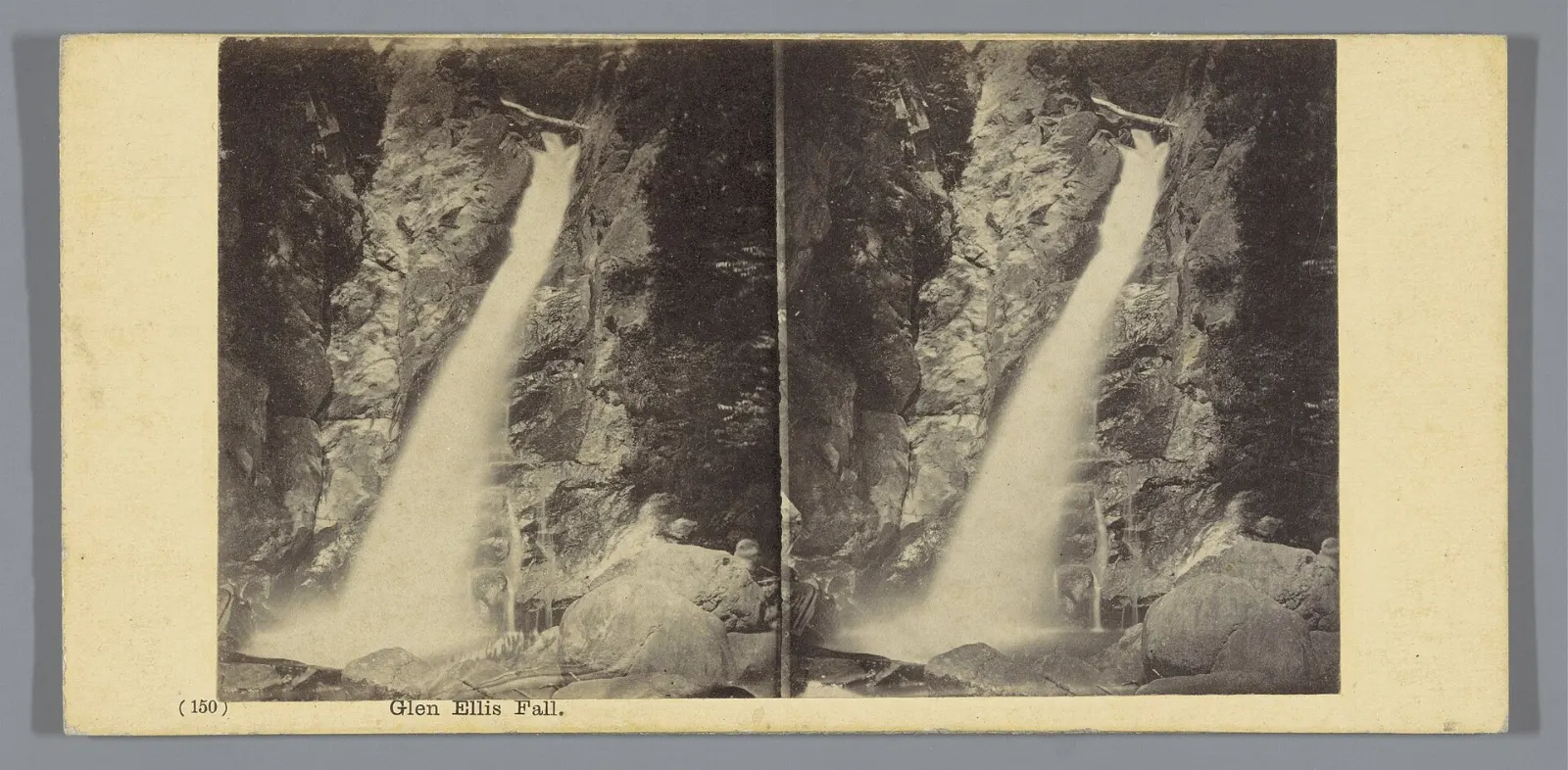
Allow half an hour for Glen Ellis Falls. Tip: the hike to the summit of Mount Washington via Tuckerman Ravine is strenuous and weather can turn dangerous quickly; check the Mount Washington Observatory forecast and turn back if conditions worsen.
Franconia Notch and the western mountains
Interstate 93 runs through Franconia Notch, a steep pass between the Kinsman and Franconia ranges protected as Franconia Notch State Park.
The Flume Gorge
At the south end of the park, the Flume is a narrow gorge with granite walls rising steeply on either side of a mountain stream.
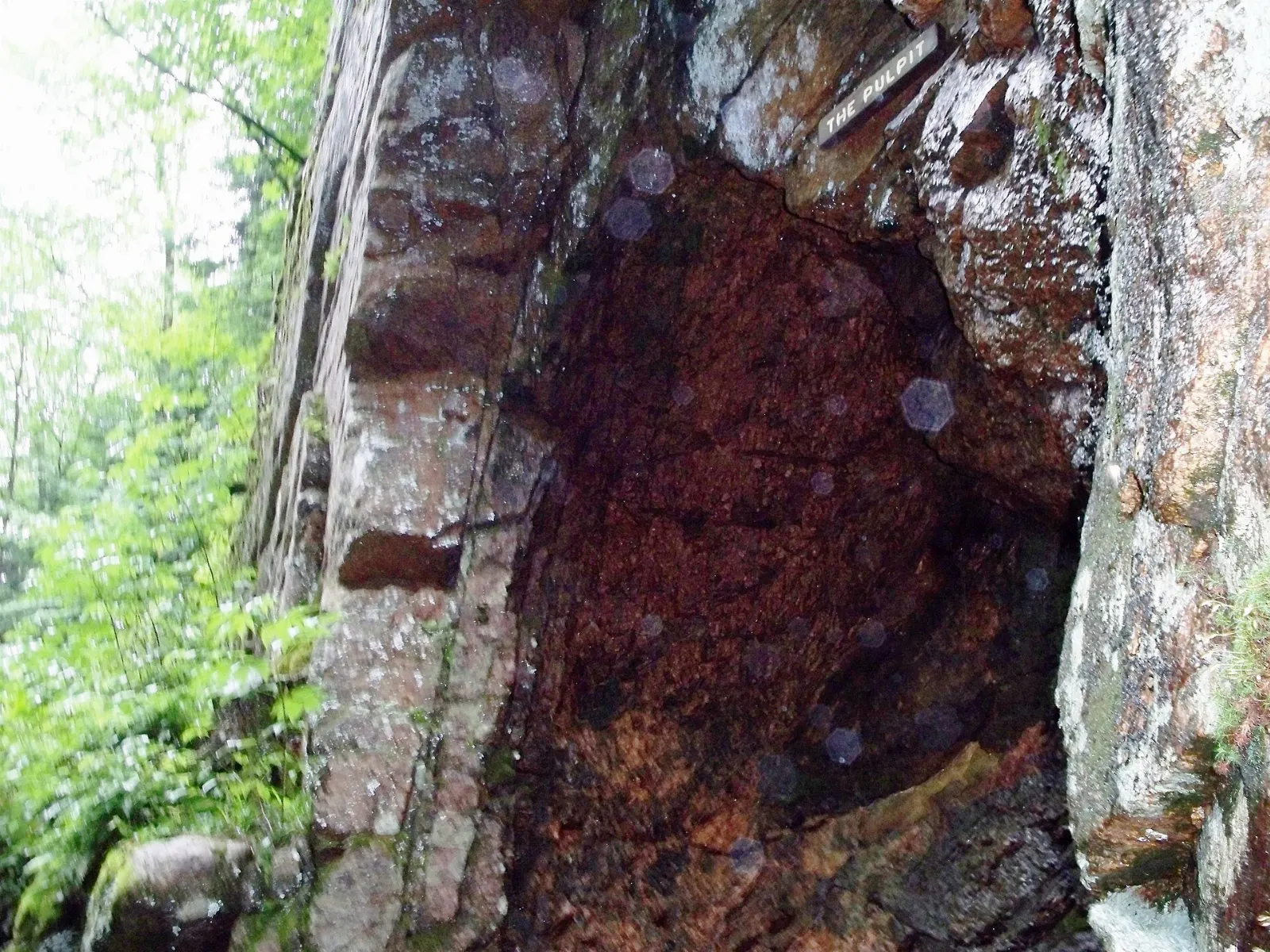
Tip: the gorge is seasonal and tickets can sell out on busy weekends, so check the state park website for current hours, fees and reservations.
Cannon Mountain Aerial Tramway
Cannon Mountain, a state-run ski area, has an aerial tramway that carries skiers in winter and sightseers in summer to the summit, where a short loop trail and observation deck give views over the notch and toward Vermont.
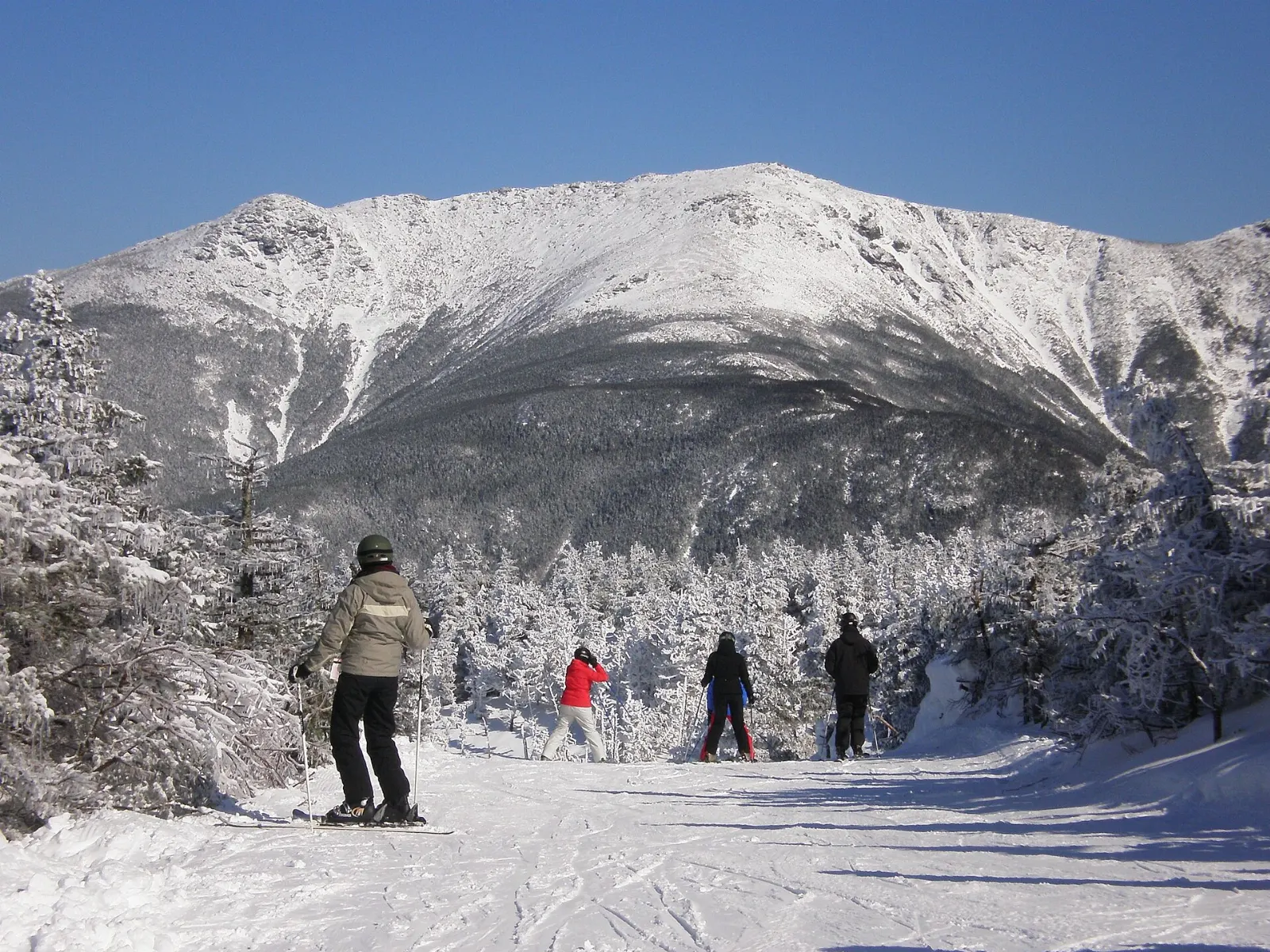
Tip: go on a clear day, as the summit is often in cloud, and bring a jacket.
Old Man of the Mountain site, Echo Lake and the Basin
The Old Man of the Mountain, a granite profile that became the state symbol, collapsed in May 2003.
The Kancamagus Highway, Crawford Notch and the valley towns
The Kancamagus Highway
Route 112 between Lincoln and Conway, known as the Kancamagus Highway or simply the Kanc, runs about thirty-two miles through the national forest without a single town. It climbs over Kancamagus Pass with scenic overlooks and then follows the Swift River east.
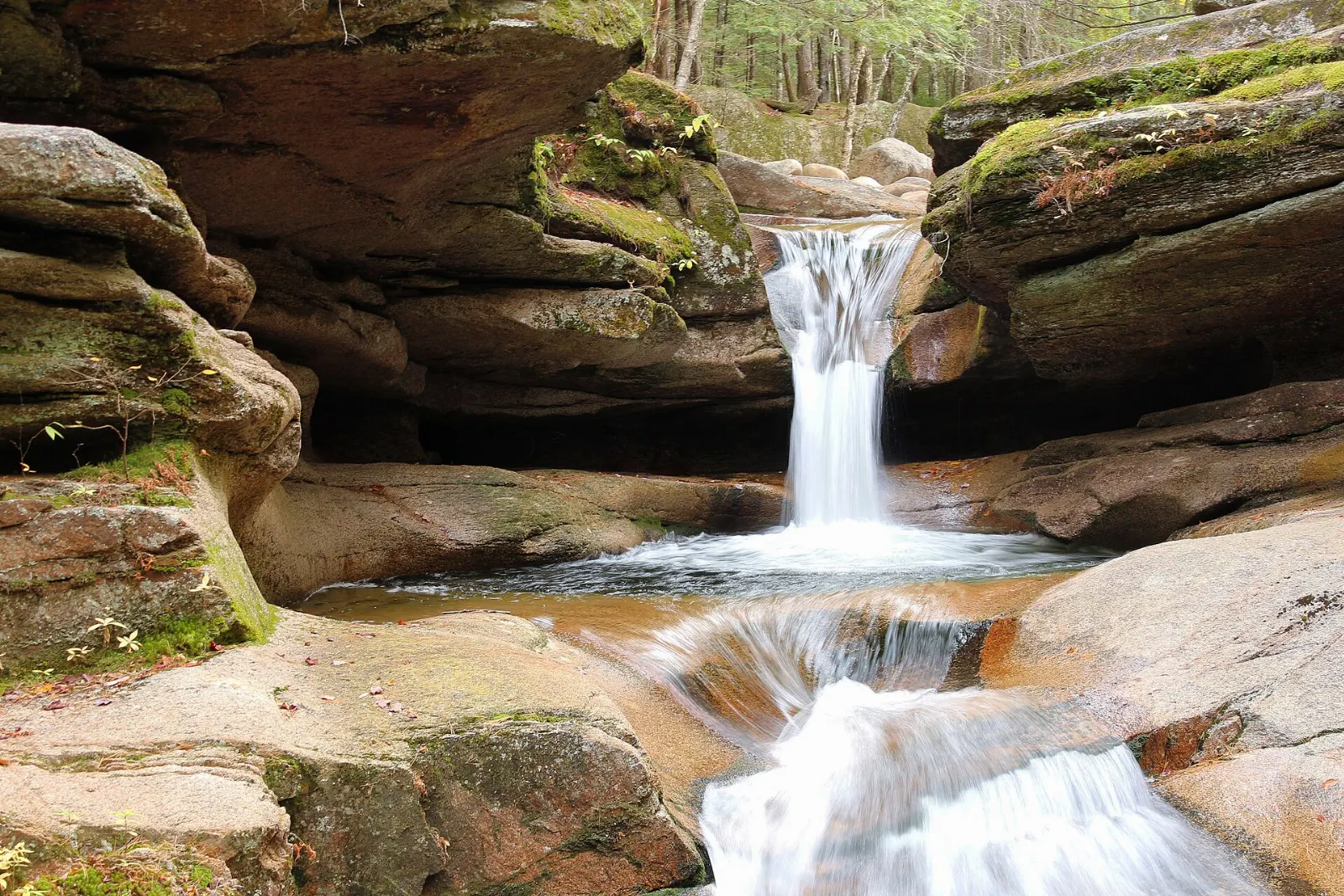
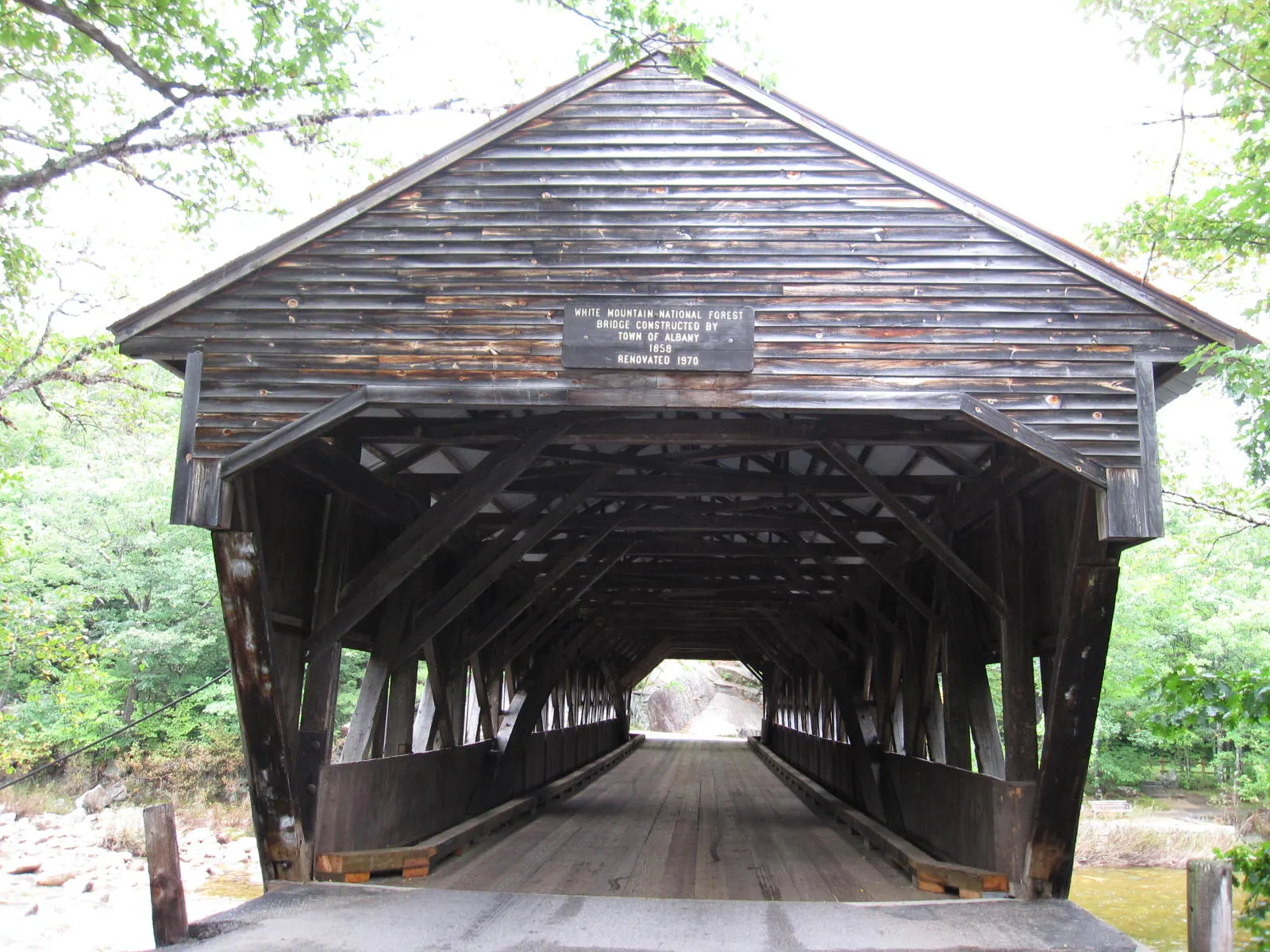
Near the eastern end, the Albany Covered Bridge spans the Swift River beside a picnic area and campground.
Allow at least half a day to drive the Kanc with stops.
Crawford Notch State Park
Route 302 runs through Crawford Notch, a dramatic glacial pass with cliffs, waterfalls and a historic railway line along the hillside.
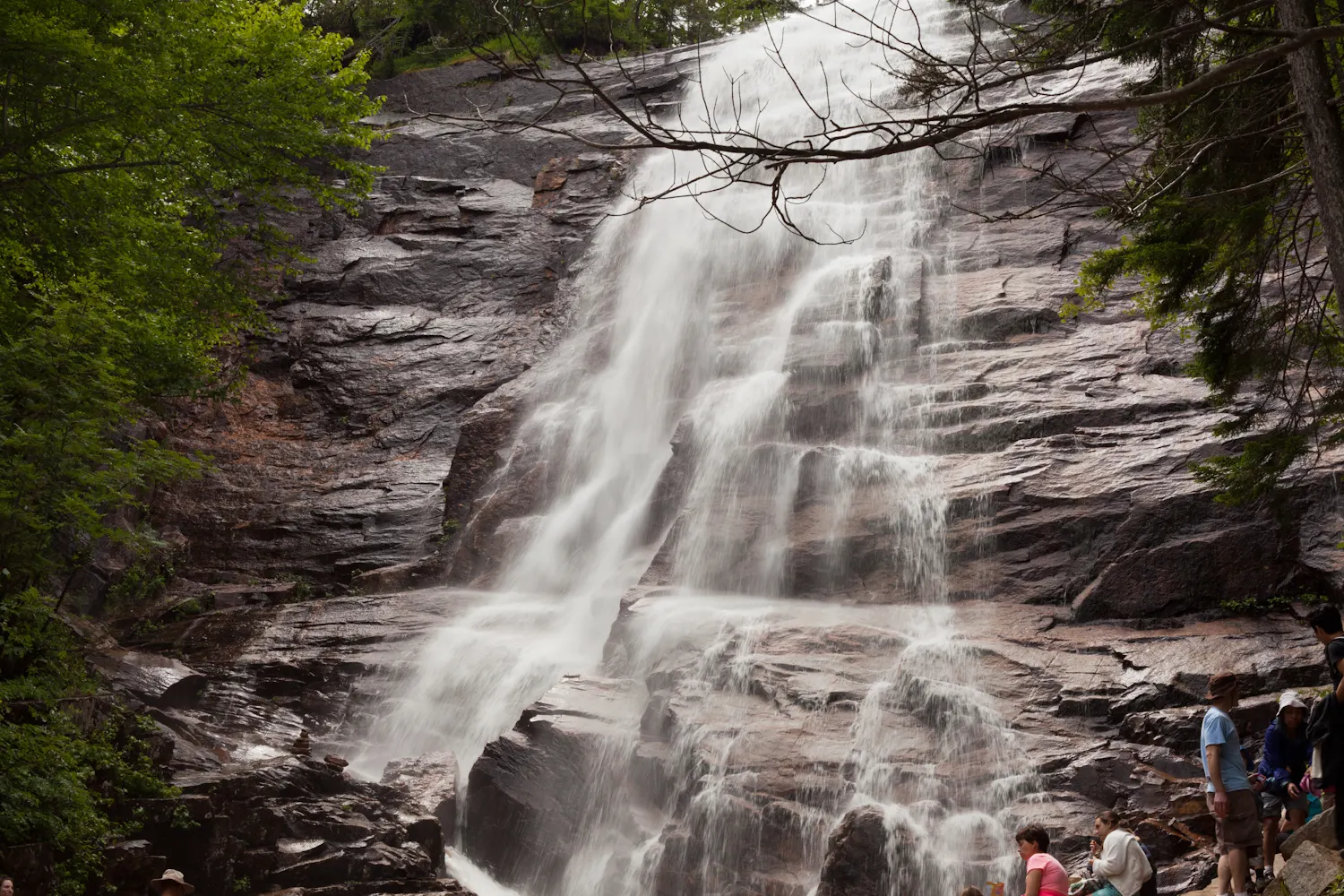
Allow two to three hours for Arethusa Falls. Tip: just north, Bretton Woods is home to a grand early 20th-century resort hotel set beneath the Presidential Range; even if you are not staying, the views from the area are worth a stop.
North Conway and Jackson
North Conway is the busiest gateway town, with outlet shopping, restaurants and the Conway Scenic Railroad, which runs heritage train excursions from its Victorian station.
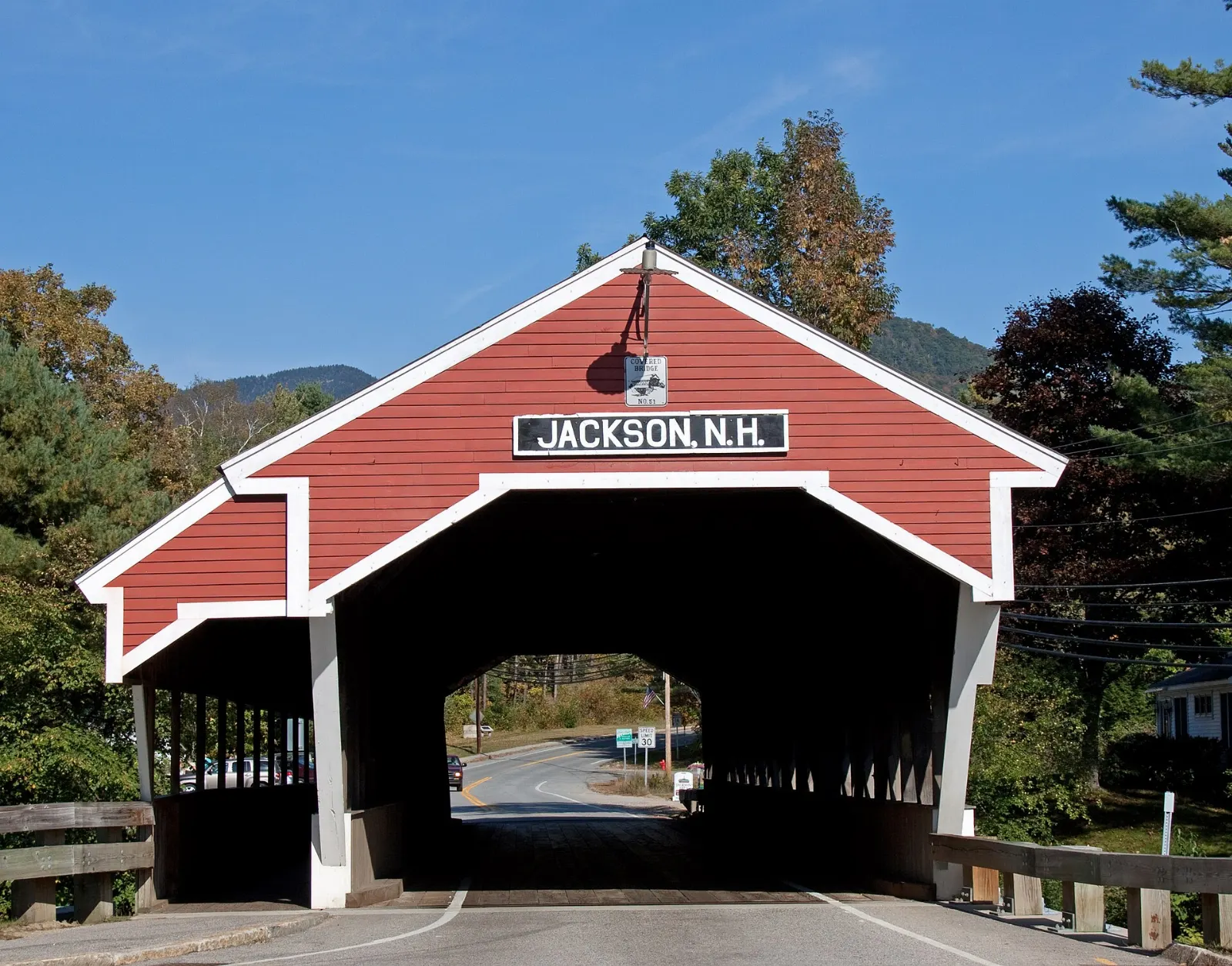
Allow a day for the towns and nearby sights. Tip: traffic on Route 16 through North Conway can be heavy on summer and foliage weekends, so plan drives early or late.
Food and local flavors
Mountain food here is hearty New England fare. Expect clam chowder, pot roast, burgers and comfort food in pubs and family restaurants, plus breakfast diners serving pancakes with real maple syrup.
North Conway has the widest choice of restaurants, followed by Lincoln and North Woodstock on the western side.
Popular dishes to try in White Mountains


Where to stay
North Conway suits families and first-time visitors who want restaurants, shopping and easy access to the Kancamagus, Mount Washington and Jackson.
Bretton Woods and Crawford Notch suit visitors focused on the Cog Railway, the Presidential Range and skiing, with resort and lodge options.
Jackson, Franconia and Sugar Hill appeal to couples seeking traditional inns and quieter evenings.
Where to stay in White Mountains


Best time to visit
Summer, from late June to August, brings warm valley days, swimming holes and the full range of attractions open, with summit roads and railways running.
Winter turns the region into a ski destination, with resorts such as Cannon, Loon, Bretton Woods and Wildcat, plus snowshoeing and cross-country skiing.
Getting there and getting around
Boston Logan International Airport is about two and a half to three hours' drive from the region, while Manchester-Boston Regional Airport is closer, with fewer flights.
You will need a car. Main routes include Route 112 (the Kancamagus), Route 302 through Crawford Notch and Route 16 through Pinkham Notch.
A suggested itinerary
First day
Arrive via Interstate 93 and spend the afternoon in Franconia Notch: walk the Flume, visit the Old Man memorial and the Basin, then ride the Cannon tramway for late-day views.
Second day
Drive the Kancamagus Highway east with stops at Lincoln Woods, Sabbaday Falls, Rocky Gorge and the Albany Covered Bridge, ending in North Conway.
Third day
Head north through Jackson to Pinkham Notch for Glen Ellis Falls, then drive or take a guided tour up the Mount Washington Auto Road.
Fourth day
Take Route 302 through Crawford Notch, hike to Arethusa Falls and ride the Cog Railway from near Bretton Woods.
Practical tips
- Book lodging months ahead for foliage season and holiday weekends.
- Check the Mount Washington Observatory higher summits forecast before any trip above the treeline.
- Carry layers, a rain shell, a hat and gloves for summits, even in summer.
- Buy a national forest recreation pass for trailhead parking where required.
- Fill your gas tank before the Kancamagus Highway and remote notch roads.
- Drive slowly at dawn and dusk to avoid collisions with moose.
Find local businesses in North Conway on WiserMap
Planning meals, gear rentals or a place to stay near the mountains?