Xilitla Mexico Surreal Las Pozas Gardens and Huasteca Caves
Xilitla is a small mountain town in the Huasteca region of San Luis Potosí, best known for the surreal concrete sculptures that the British artist Edward James built in the jungle. Around the garden you will find coffee farms, caves, springs and a living Huastec and Nahuatl culture.
By WiserMap TravelUpdated October 20268 places8 min read
Best timeDry months suit walking at Las Pozas, while late October and early November bring Xantolo festivities.
How longTwo nights let you visit Las Pozas without rushing, and a third adds the wider Huasteca.
Getting thereDirect buses reach town from major cities, and a combi runs to the sculpture garden.
Ad
Why visit Xilitla
Xilitla has about 6,500 residents in town, steep cobbled streets and mountains wrapped in greenery. It would be a pleasant, quiet place on its own, but Edward James turned it into a destination. He first came to grow orchids, and when a harsh winter killed thousands of plants, he built something permanent instead: an extraordinary mix of sculpture and garden.
Because the area has little industry, local traditions remain strong. Coffee and citrus are the main crops, and the Nahuatl and Teenek cultures remain part of everyday life, which gives the town a warm, genuine character.
The pace here is slow by design. Mornings start with coffee in the square, afternoons are for the garden or the caves, and evenings are for long dinners of regional cooking.
Las Pozas and the town
Las Pozas
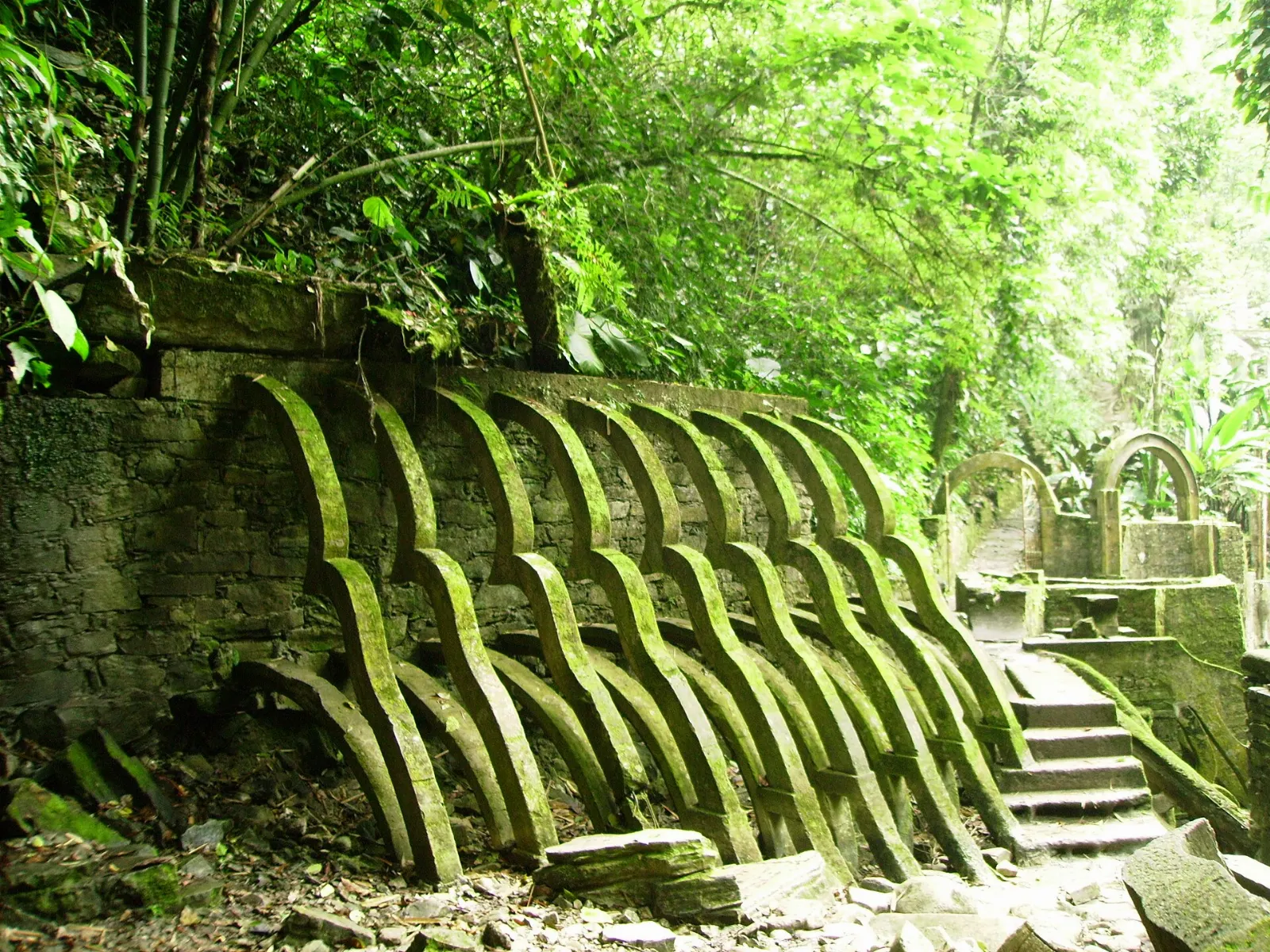
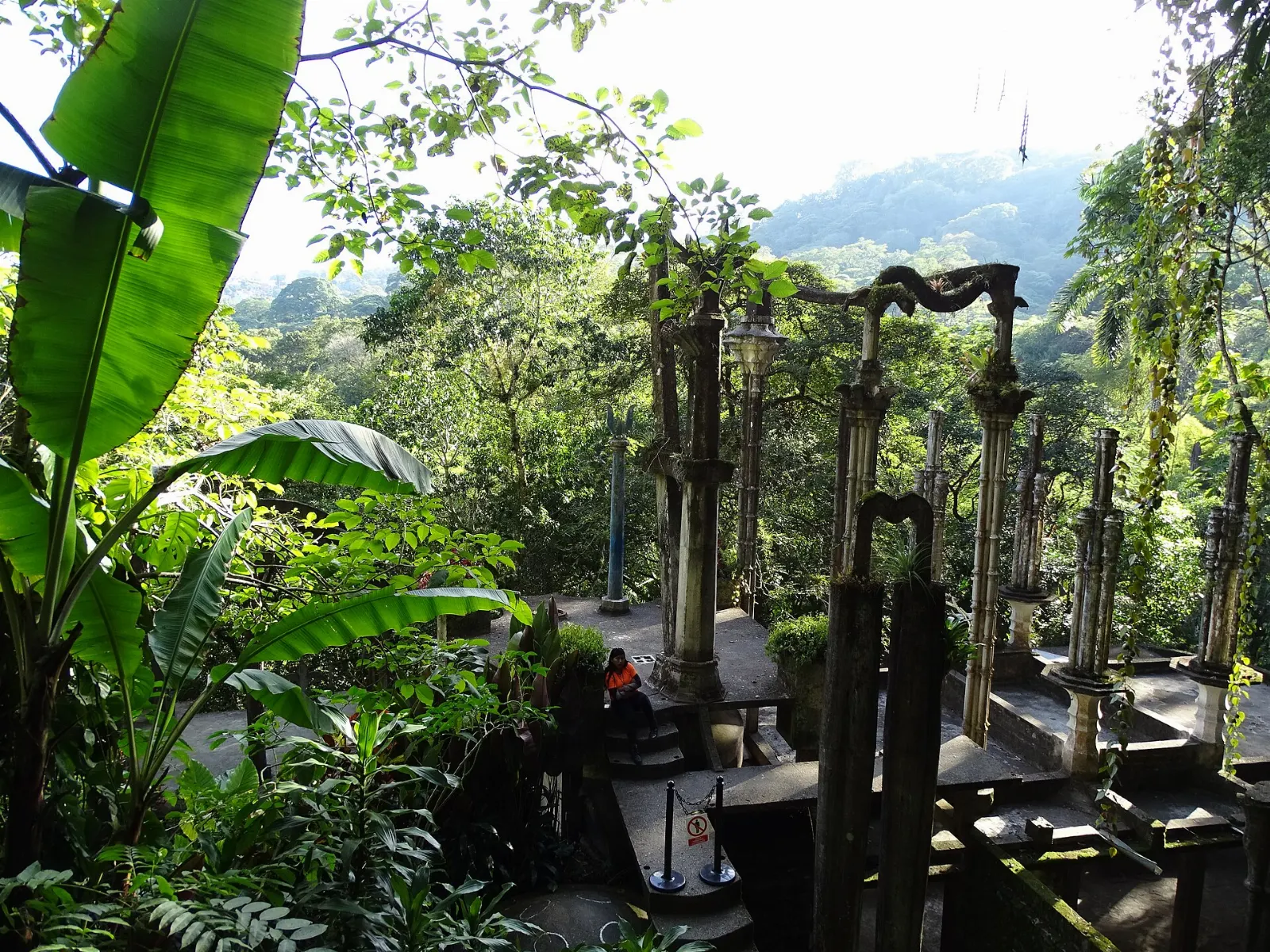
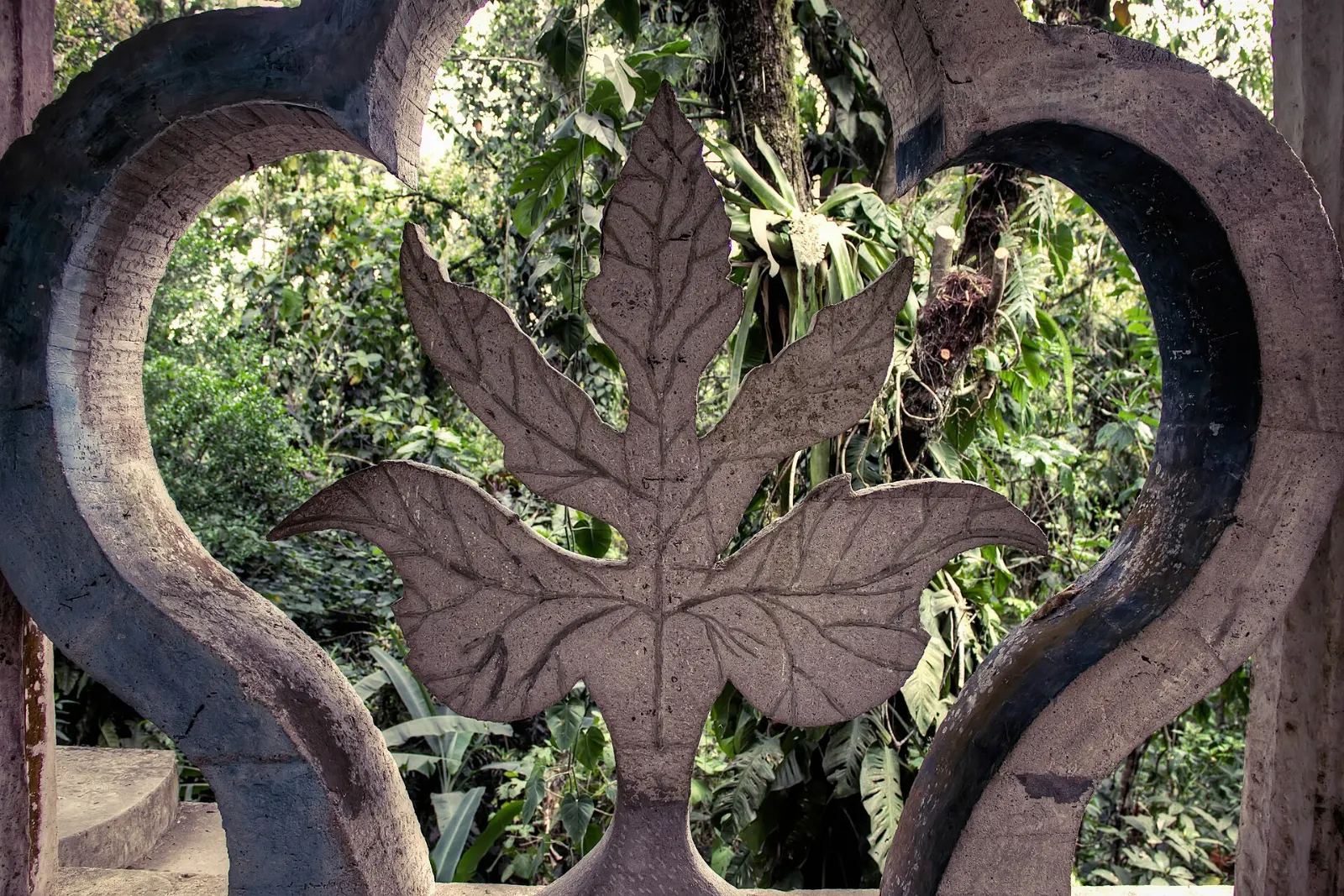
This is the reason most travelers come. Set in a subtropical rainforest in the Sierra Gorda, it covers more than 80 acres of waterfalls, pools and towering surrealist structures in concrete.
The name Las Pozas means the pools, and the natural water is as much a part of the experience as the sculptures. Bring shoes with good grip, since stone and concrete can be slippery after rain.
The town's square is the social hub, and a kiosk there sells same-day access to Las Pozas on certain mornings. It is also a pleasant place to sit with a coffee and watch daily life.
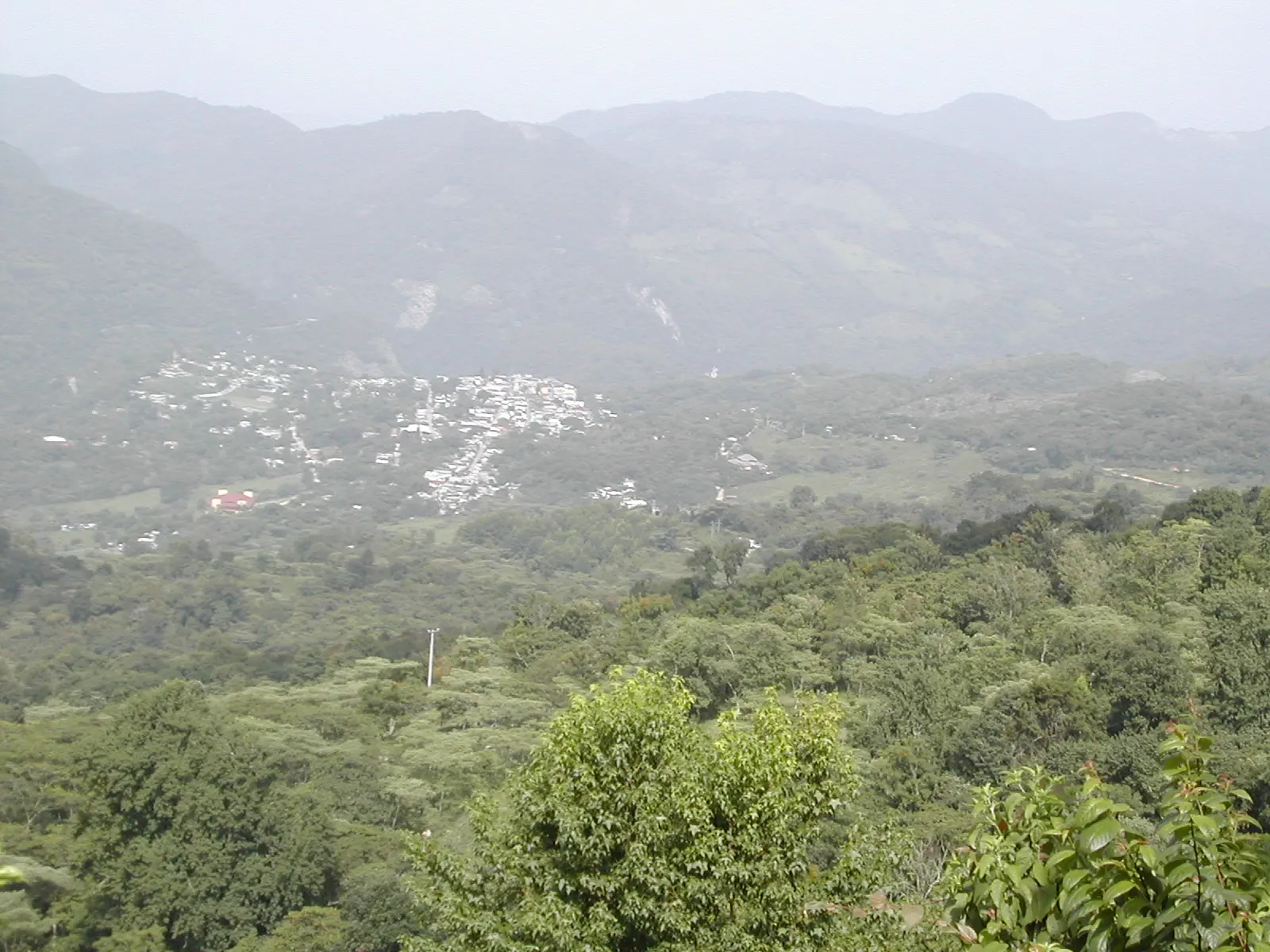
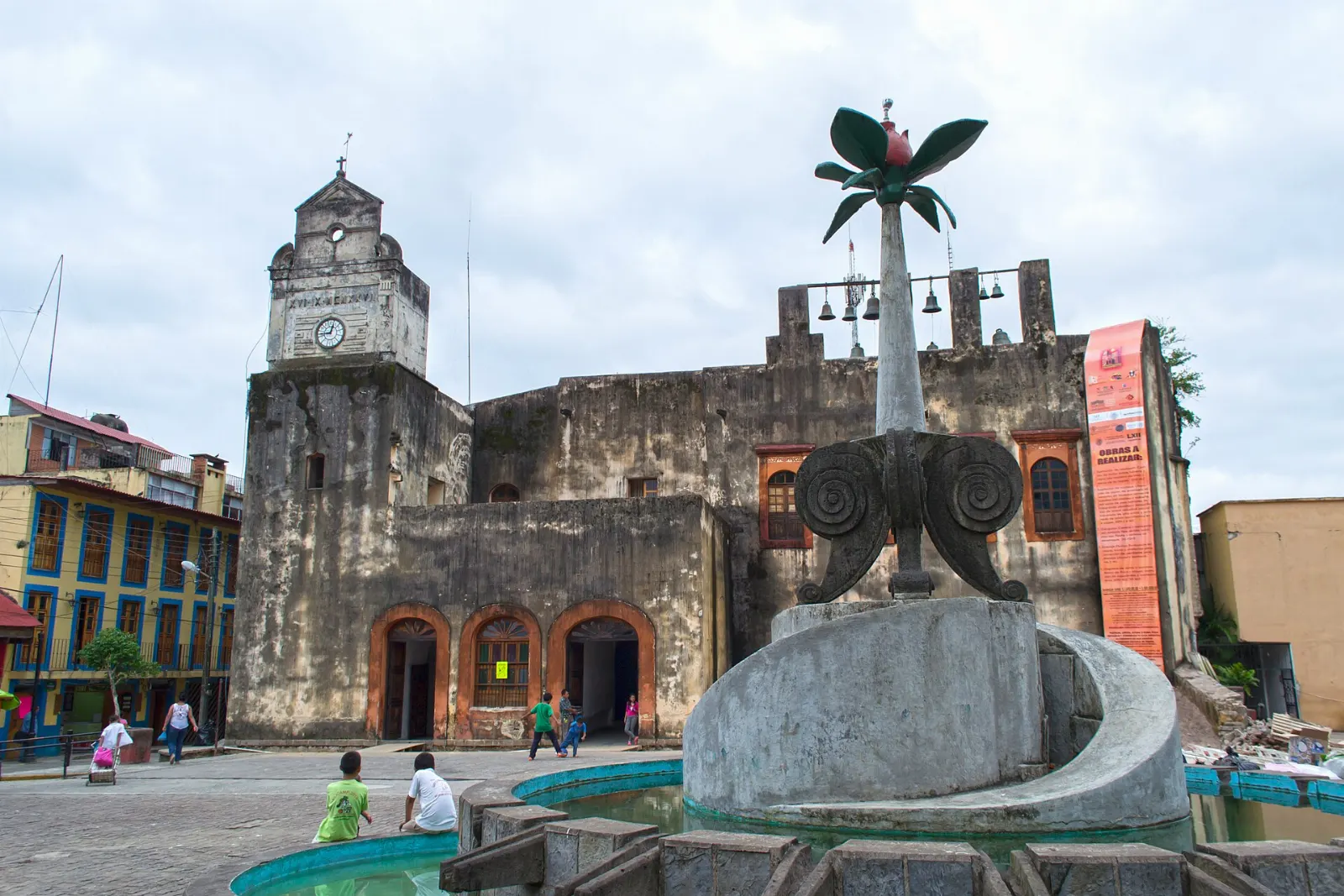
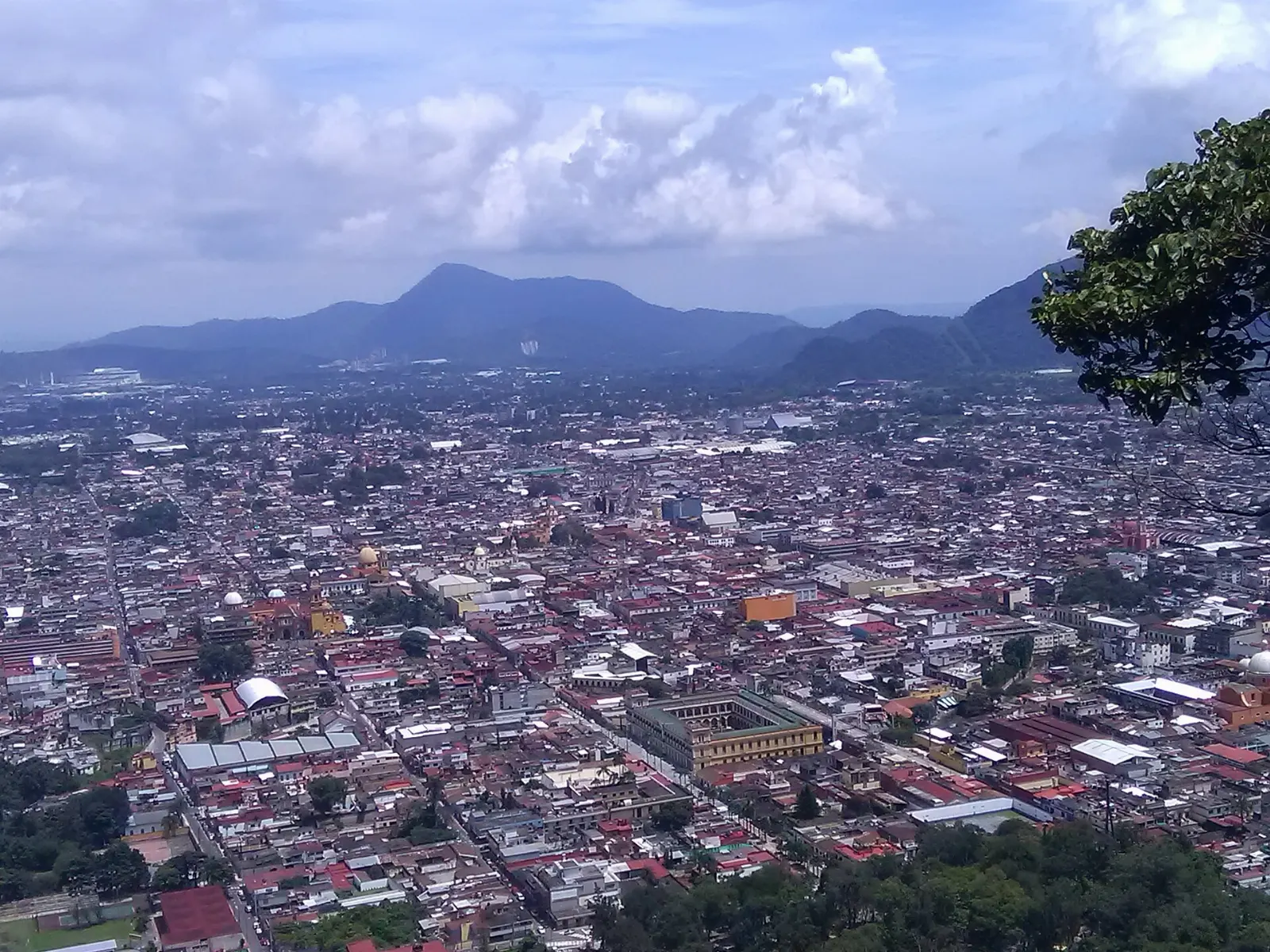
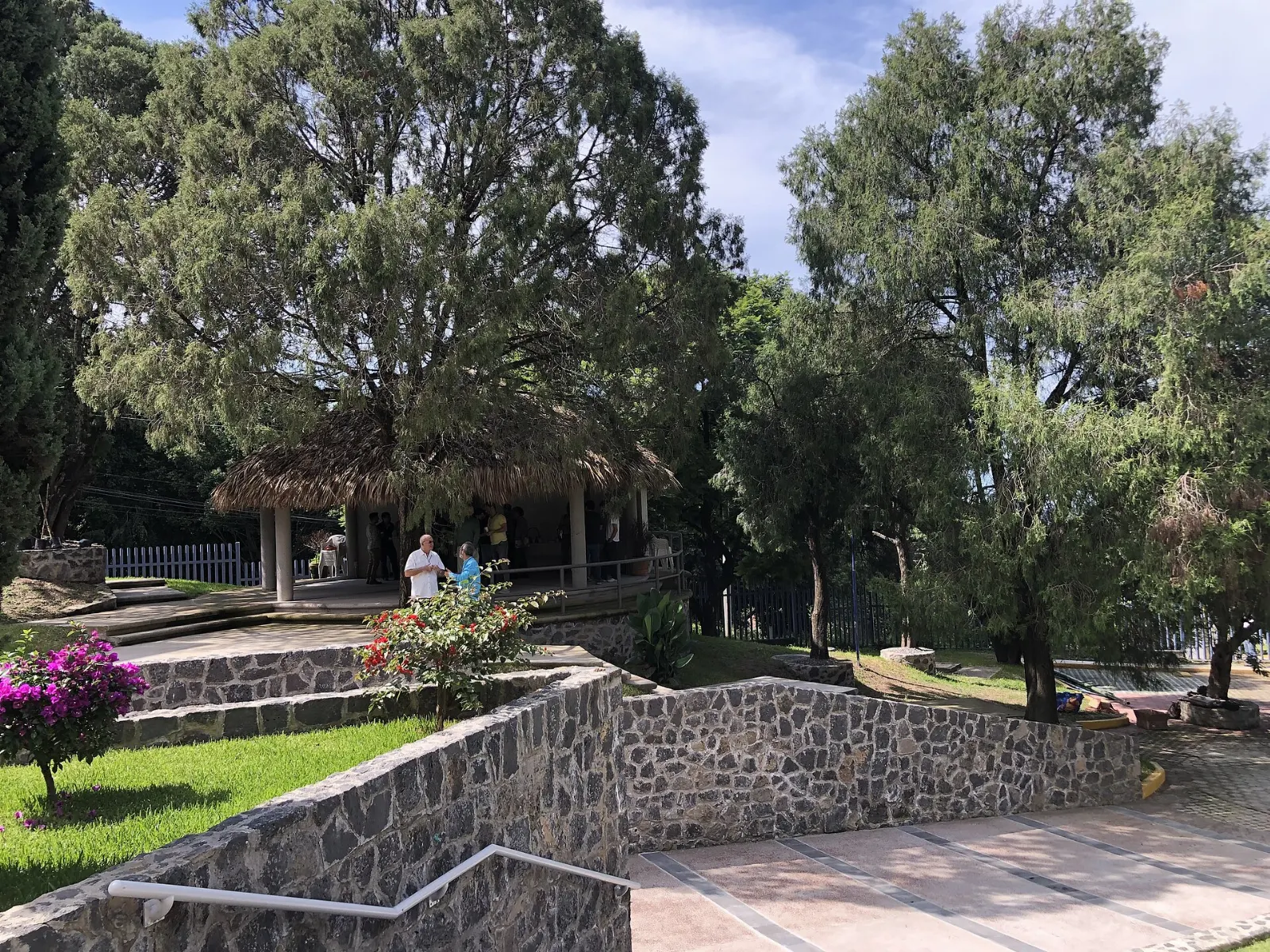
Xilitla is a small mountain town in the Huasteca region of San Luis Potosí. Photo: Krubo at English Wikipedia, Wikimedia Commons, Public domain
Museo Leonora Carrington
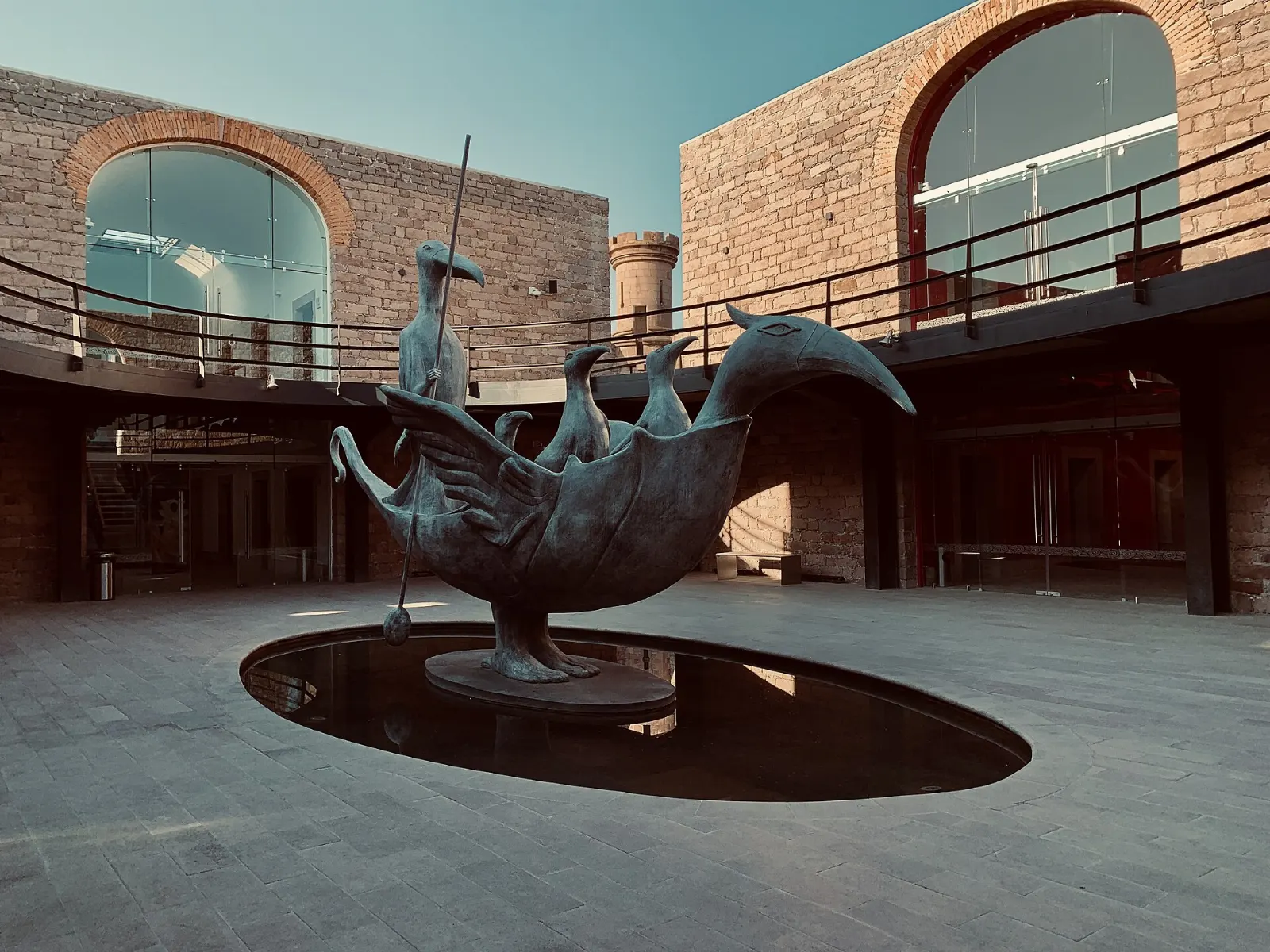
This small museum on Calle Corregidora displays sculptures by Leonora Carrington, a prominent surrealist of the 20th century who lived in Mexico. It fits well with a visit to Las Pozas, since both celebrate the surreal.
The Museo Leonora Carrington in Xilitla shows sculptures by the surrealist artist. Photo: Museo Leonora Carrington, Wikimedia Commons, CC BY-SA 4.0
Ex Convento de San Agustín
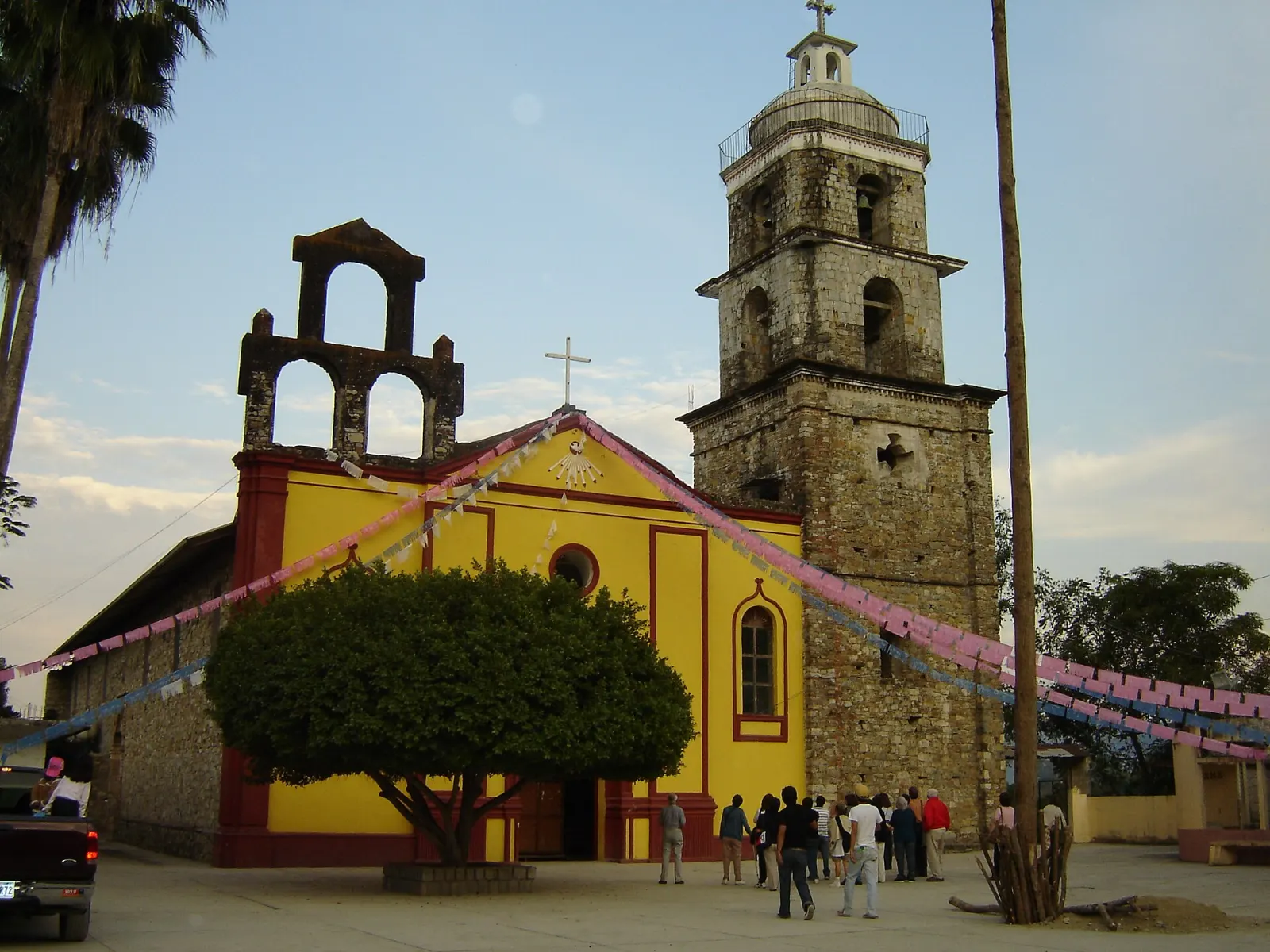
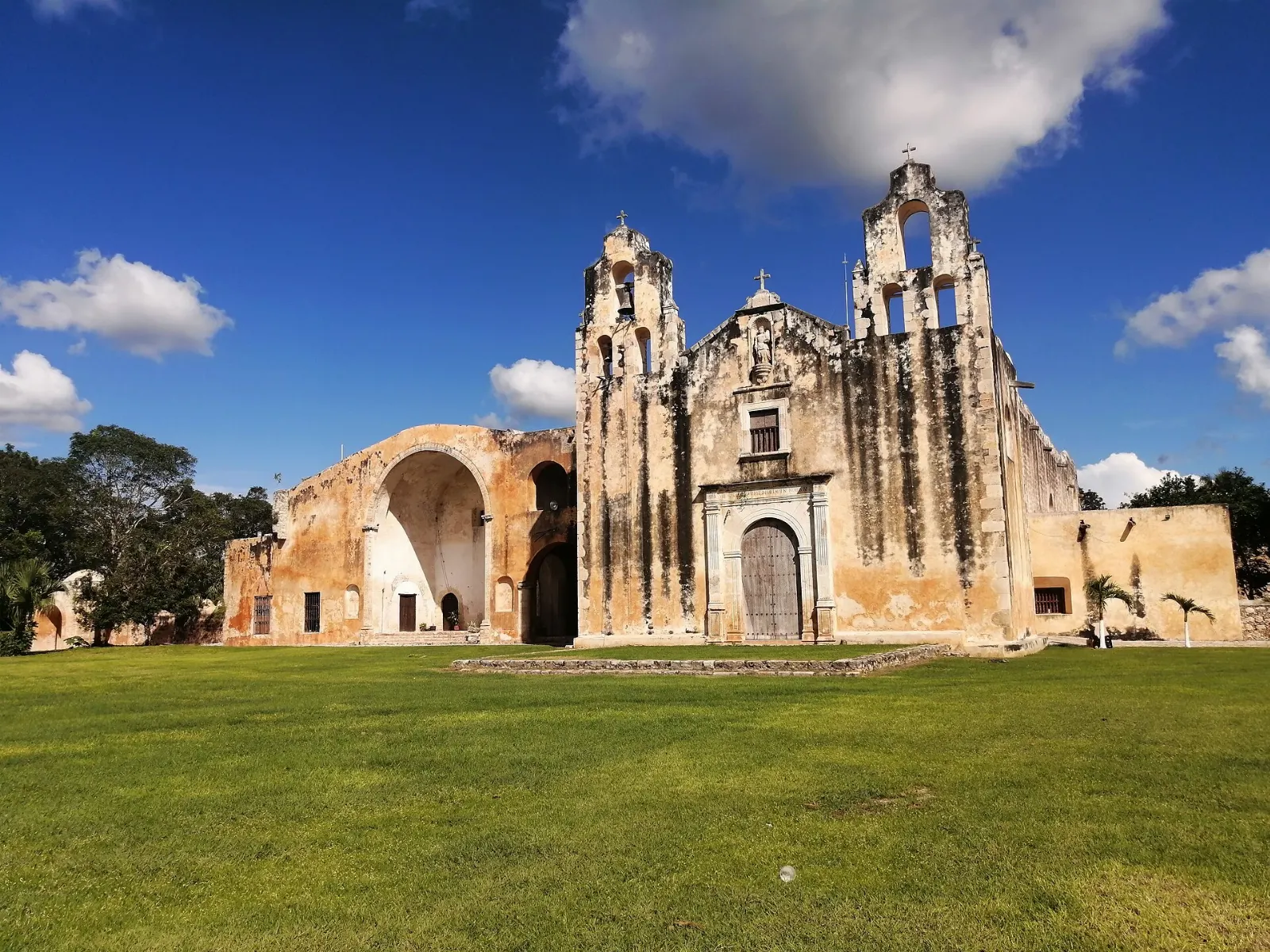
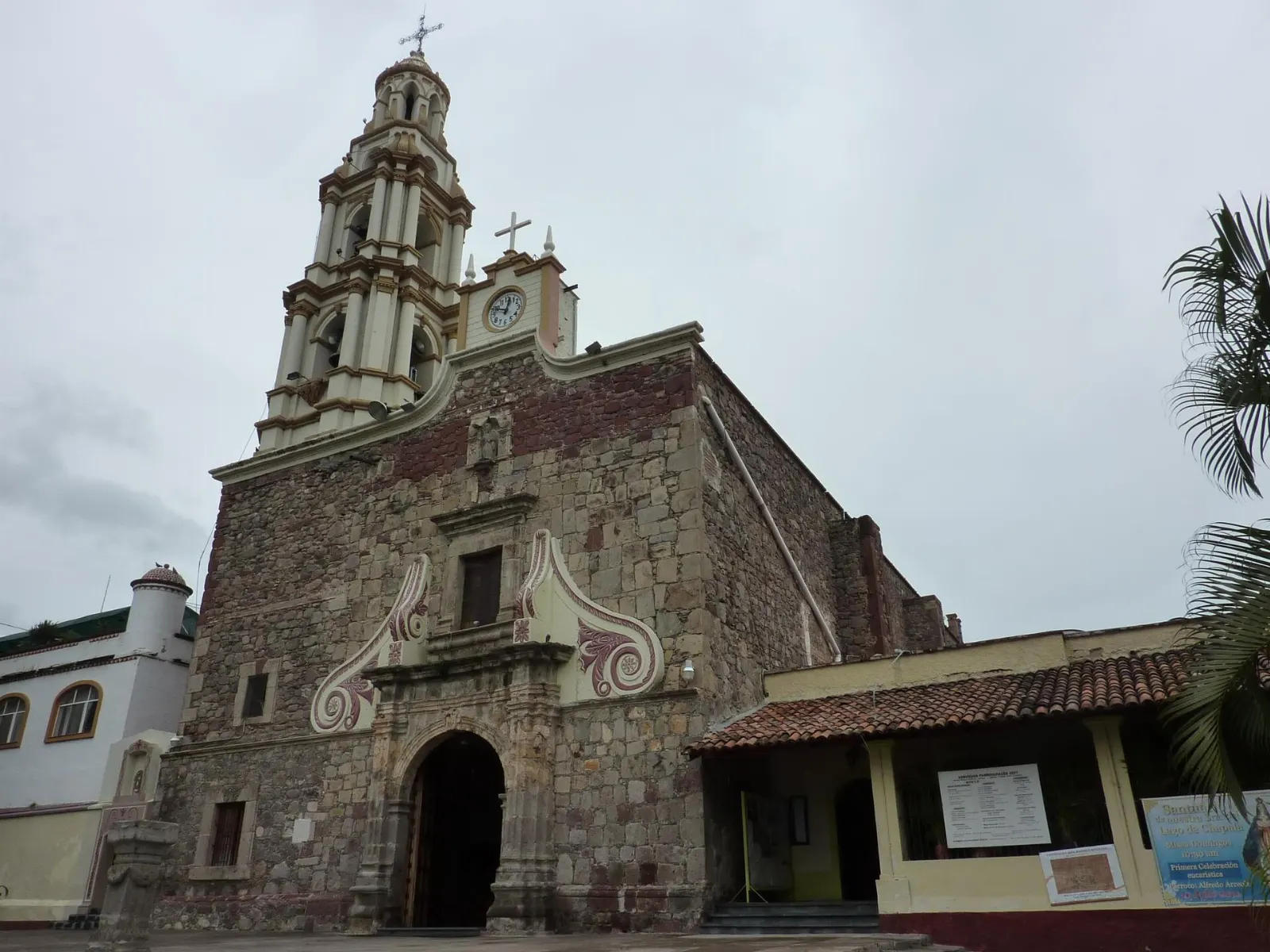
The oldest monument in Xilitla was built by Augustinian missionaries between 1533 and 1537. The plateresque church has a long, low nave, and the former convent rooms surround an arched courtyard.
A short walk from town, this cave is home to a large flock of green parrots that leave and return at dawn and dusk.
Springs and mountain scenery
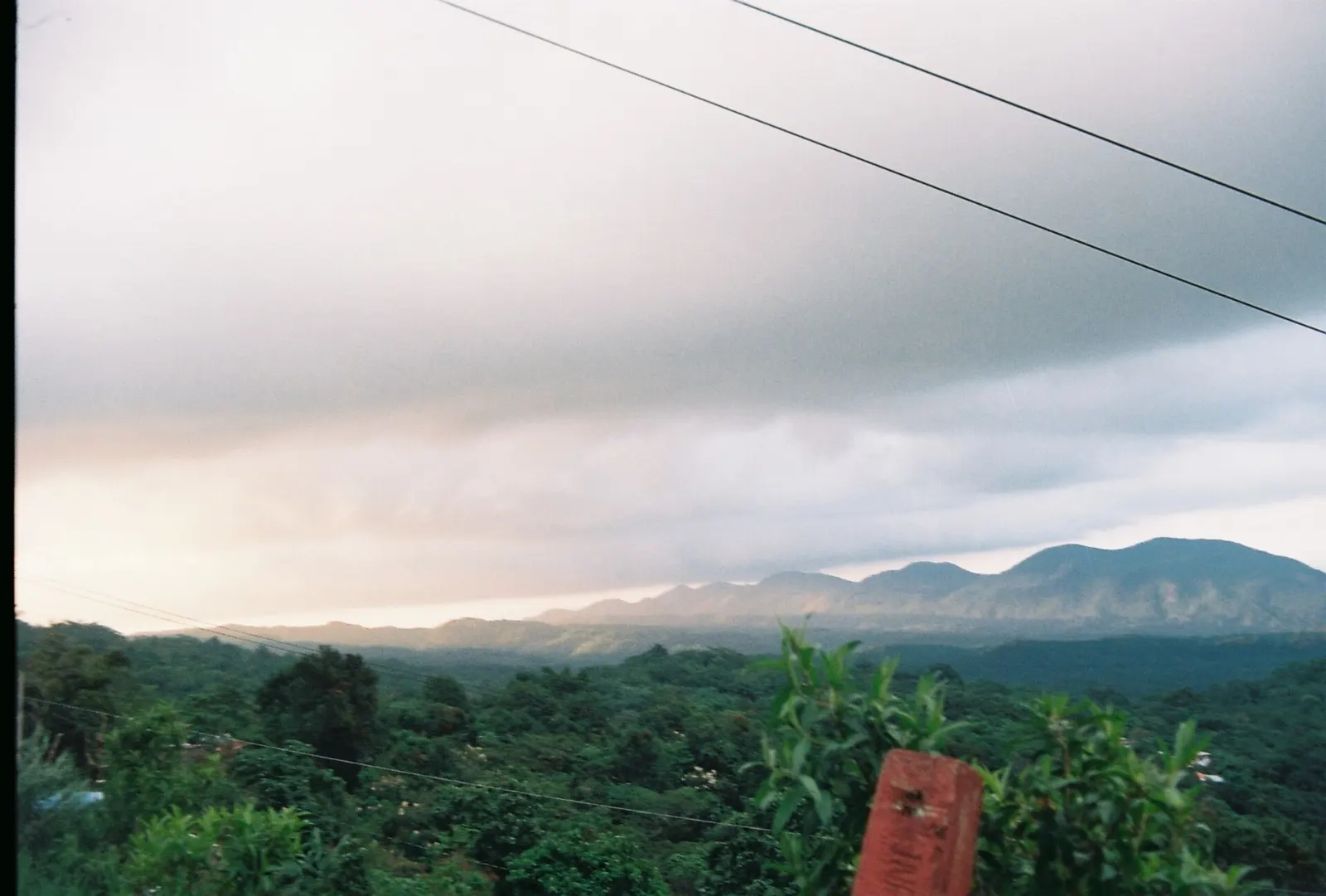
The municipality is known for natural springs and fertile mountains that create sweeping views. Ask your host about swimming spots and local trails.
Xilitla is known for its fertile mountains and natural springs. Photo: AnaIsabelMalag, Wikimedia Commons, CC BY-SA 4.0
Sótano de las Golondrinas
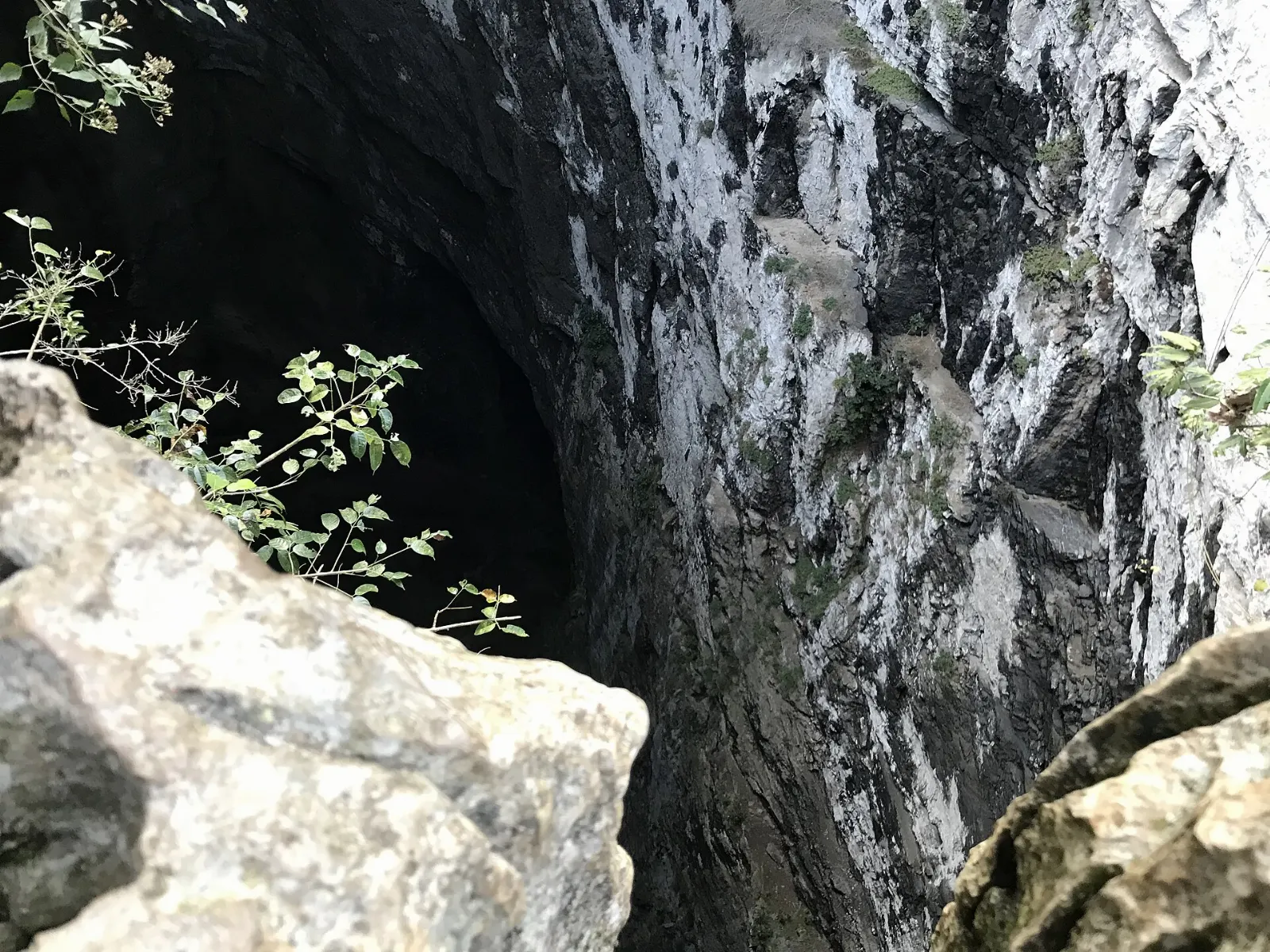
Near the town of Aquismón, the Cave of Swallows is an open-air pit about 49 by 62 meters wide at the mouth, and it is the largest known cave shaft in the world.
The Cave of Swallows in Aquismón is the largest known cave shaft in the world. Photo: Ppallaresj, Wikimedia Commons, CC BY-SA 4.0
Aquismón
This Pueblo Mágico is a strongly Huastec town and a gateway to some of the Huasteca's natural wonders. It is a good place to learn about the region's indigenous traditions.
Tamazunchale lies on the highway toward Mexico City and has a large Nahua population. Ciudad Valles is the largest city in the region and a commercial hub.
Food and local flavors
The signature dish is zacahuil, a giant tamale, up to a meter or more long, wrapped in banana leaves and filled with pork on one side and chicken on the other.
Look for bocoles, thick masa cakes stuffed with beans, cheese or meat, and enchiladas huastecas, served in a red chile sauce. Coffee is grown on the hillsides, so a cup of local brew is a must.
Popular dishes to try in Xilitla
Zacahuil Food and local flavorsThe signature dish is zacahuil, a giant tamale, up to a meter or more long, wrapped in banana leaves and filled with pork on one side and chicken on the…Photo: Elizabethcasasola, Wikimedia Commons, CC BY-SA 4.0Bocoles Look for bocoles, thick masa cakes stuffed with beans, cheese or meat, and enchiladas huastecas, served in a red chile sauce.Photo: Koffermejia, Wikimedia Commons, CC BY-SA 4.0Enchiladas huastecas Look for bocoles, thick masa cakes stuffed with beans, cheese or meat, and enchiladas huastecas, served in a red chile sauce.Photo: Tekyta, Wikimedia Commons, CC BY-SA 4.0
Ad
Where to stay
Downtown Xilitla is the most practical base, with restaurants, the museum and the convent a short walk apart. It suits travelers without a car, though the streets are steep.
The area Near Las Pozas works for those who want jungle surroundings and early access to the garden.
Ciudad Valles is a larger city a couple of hours away and makes sense only if you plan to explore the wider Huasteca by car or bus and need more services.
Where to stay in Xilitla
Near Las Pozas The area Near Las Pozas works for those who want jungle surroundings and early access to the garden.Photo: Ruditaly, Wikimedia Commons, CC BY-SA 4.0Ciudad Valles Ciudad Valles is a larger city a couple of hours away and makes sense only if you plan to explore the wider Huasteca by car or bus and need more services.Photo: Sofía Ortiz123, Wikimedia Commons, CC BY-SA 4.0
Best time to visit
Xilitla is green and humid, and mountain weather can change quickly. Visit in drier months for comfortable walking at Las Pozas, and check the forecast before you set out.
Local events add color. A coffee fair is held in August, and the feast of San Agustín runs from August 27 to September 2, with traditional dances. In the days leading up to November 1, the Huasteca celebrates Xantolo, a distinctive Day of the Dead tradition with cemetery visits and costumed parades.
Ad
Getting there and getting around
Direct buses link Xilitla with Mexico City and other major cities, and more frequent options open up if you change to a colectivo at La Y Griega, a major T junction.
Drivers should expect many speed bumps and winding mountain roads. Allow extra time and avoid fatigue.
The town center is best explored on foot, though streets are steep and cobbled. Taxis are plentiful and affordable, and a combi runs along a fixed route from downtown to Las Pozas.
A suggested itinerary
First day
Arrive in town and walk the central square. Visit the Ex Convento de San Agustín and the Museo Leonora Carrington, then look for green parrots at Parakeet Cave at dusk.
Second day
Take a taxi or combi to Las Pozas early.
Third day
Travel to Aquismón and the Cave of Swallows, then continue to Ciudad Valles or return to Xilitla for the evening.
Ad
Practical tips
Check your government's current travel advisory before you go.
Book Las Pozas tickets in advance, since daily numbers are limited.
Wear sturdy shoes with grip for stairs and wet stone.
Bring a light rain jacket, as mountain weather shifts quickly.
Carry some cash, since small restaurants and taxis may not take cards.