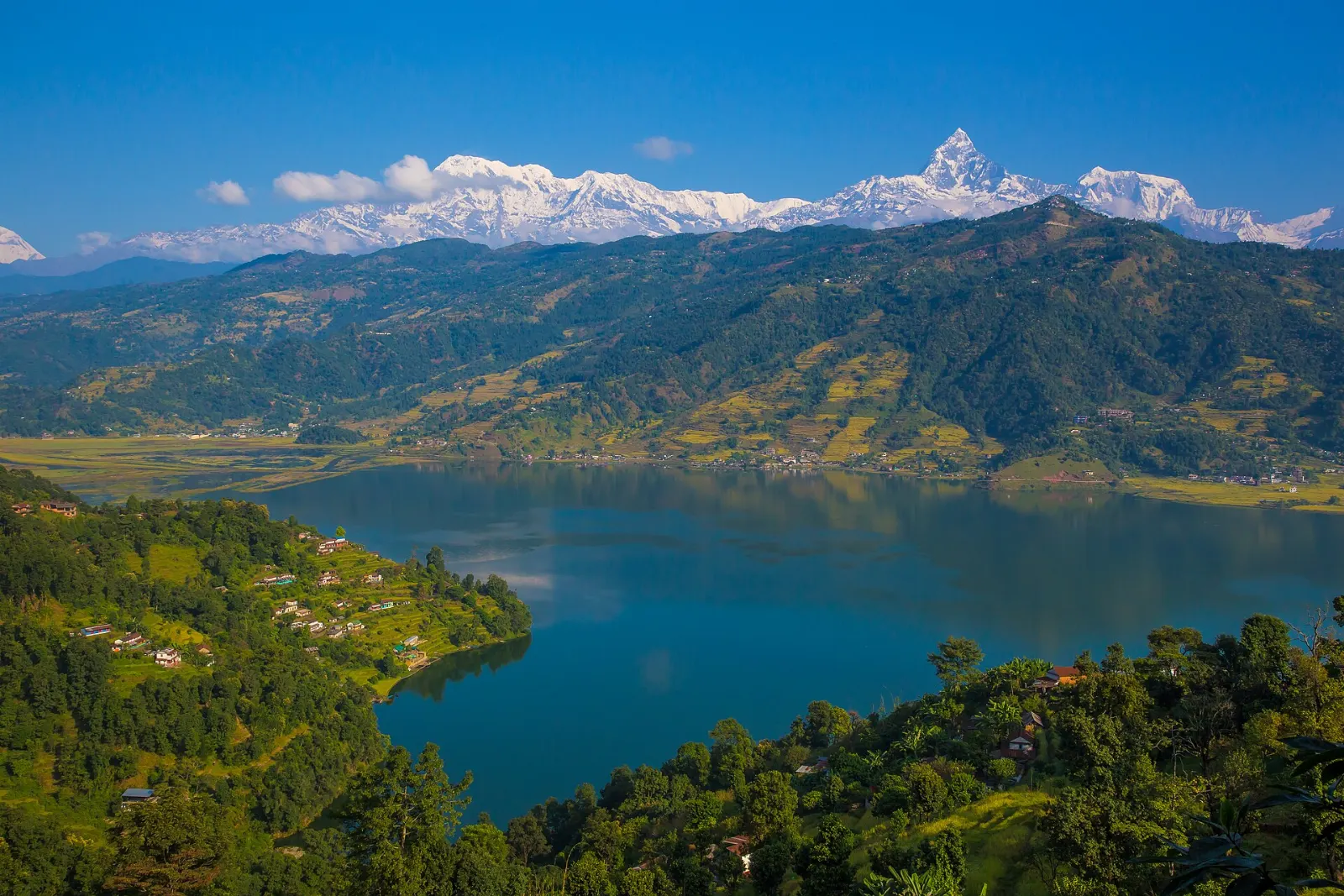
Pokhara is the place where most travelers in Nepal finally slow down. The city spreads along the eastern shore of Phewa Lake, and on a clear morning the snow peaks of the Annapurna range, led by the sharp fishtail summit of Machapuchare, look close enough to touch.
AT A GLANCE
Best time
October to November for the clearest mountain views; March to April for rhododendron season and warm days.
How long
Three to four days for the city and lakes; add a week or more for a trek in the Annapurna region.
Getting there
Short domestic flight or a long tourist bus ride from Kathmandu; limited international flights now use Pokhara International Airport.
Why visit Pokhara
Few cities sit this close to such tall mountains. Pokhara lies at roughly 800 meters above sea level, while peaks above 7,000 and 8,000 meters rise only a few dozen kilometers to the north. That dramatic change in height gives the valley a mild, green climate and a skyline that changes color through the day.
Pokhara also balances activity and rest better than almost anywhere in Nepal. You can paraglide off Sarangkot in the morning, row across Phewa Lake at lunch and spend the evening in a Lakeside café.
Phewa Lake and the surrounding ridges
Phewa Lake and Lakeside
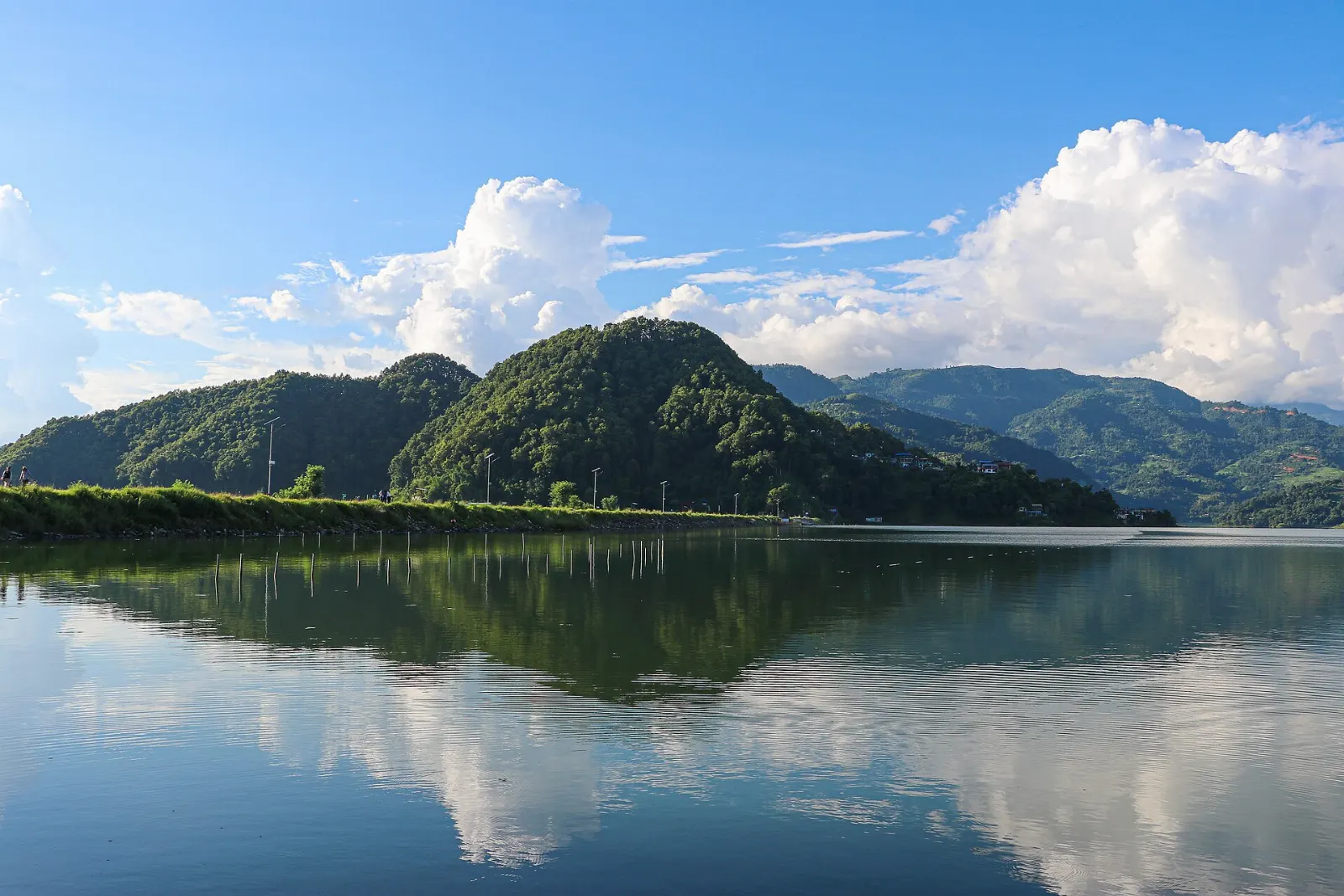
Phewa Lake is the heart of the visitor experience. The Lakeside district runs along its eastern shore with a long promenade, cafés and boat stands. Rent a colorful wooden doonga with or without a boatman and paddle out in the early morning, when the water is calmest and the peaks are most often reflected on the surface.
Tal Barahi Temple
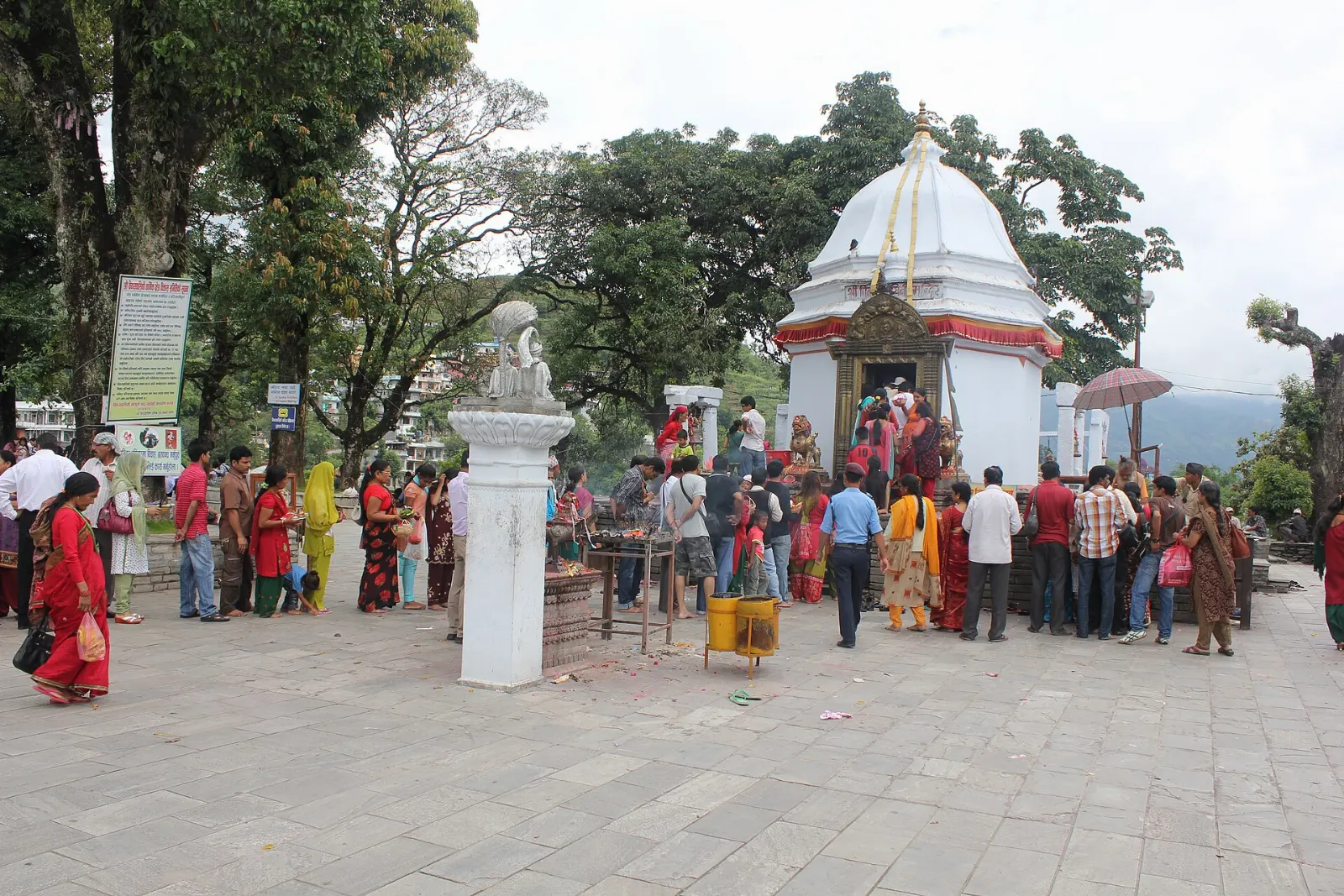
On a small island near the eastern shore stands Tal Barahi Temple, a two-tiered pagoda dedicated to the goddess Barahi, a form of Durga. Boats shuttle visitors over from the Lakeside ghat in a few minutes. Saturdays are especially busy with local worshippers, and you may see offerings and animal sacrifices on festival days.
World Peace Pagoda
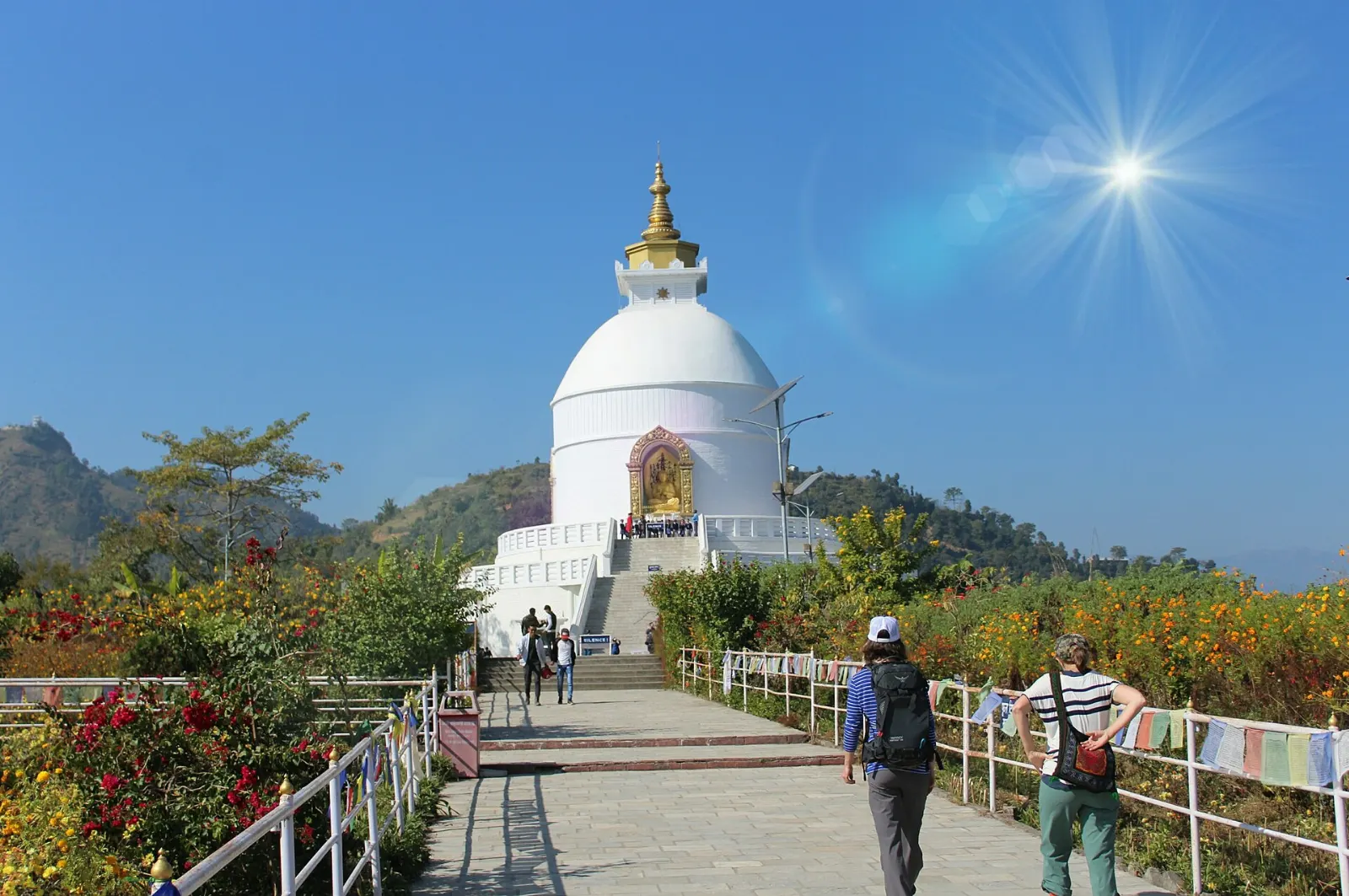
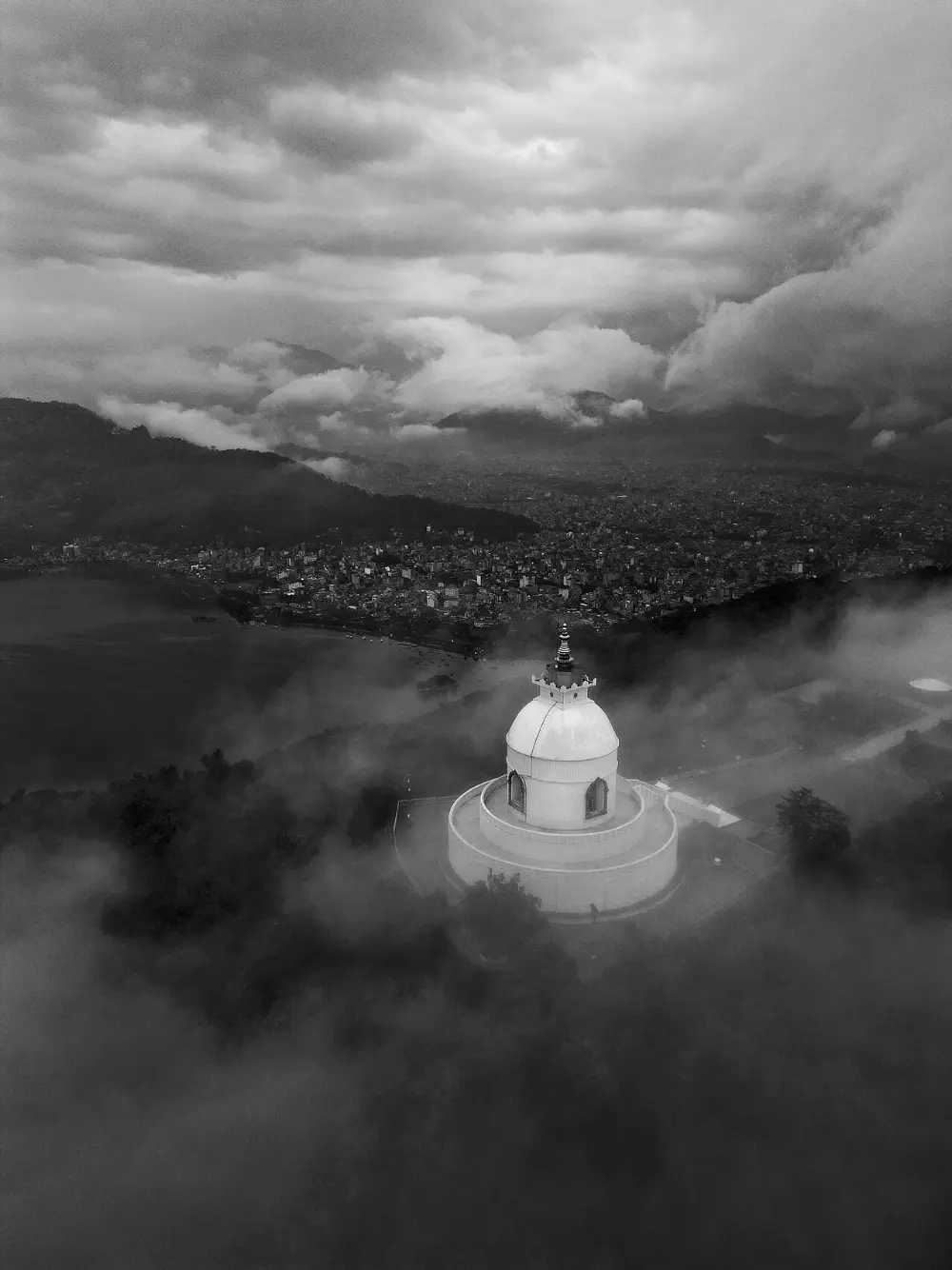
The gleaming white World Peace Pagoda, also called Shanti Stupa, sits on Anadu Hill on the far side of Phewa Lake. It was built by Japanese Buddhist monks of the Nipponzan Myohoji order, and its terrace gives one of the best combined views of the lake, the city and the Annapurna range.
Sarangkot
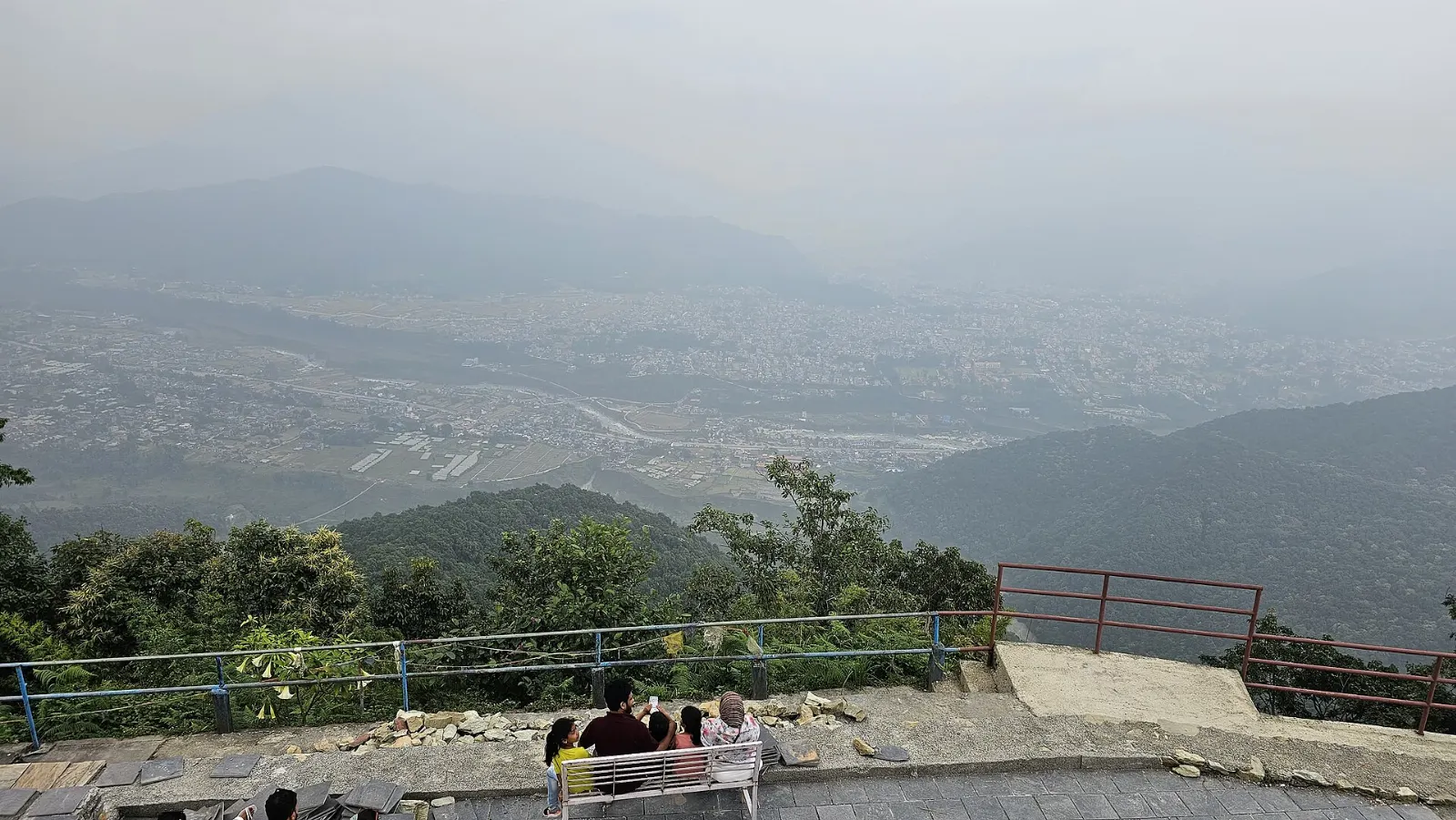
The ridge of Sarangkot rises above the northwest corner of the lake and is the most famous sunrise point in Pokhara. From the viewing towers you look straight across at Machapuchare, Annapurna South and Dhaulagiri on the far left on very clear days.
Waterfalls, caves and the Seti gorge
Davis Falls
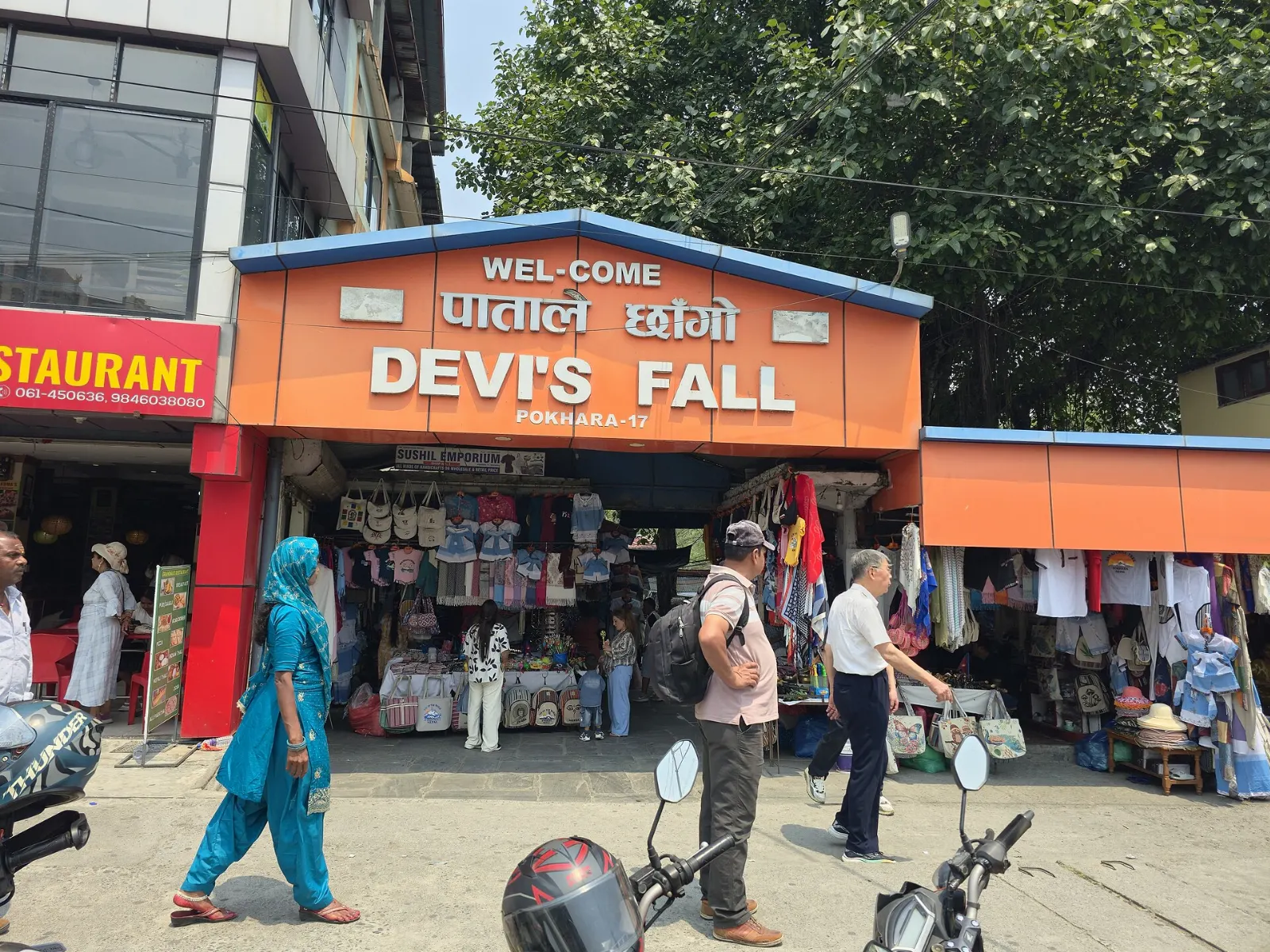
South of the lake, the outflow of Phewa drops abruptly into a narrow chasm at Davis Falls, known in Nepali as Patale Chhango, the underworld falls. The water vanishes into a tunnel and reappears farther downstream.
Gupteshwor Mahadev Cave
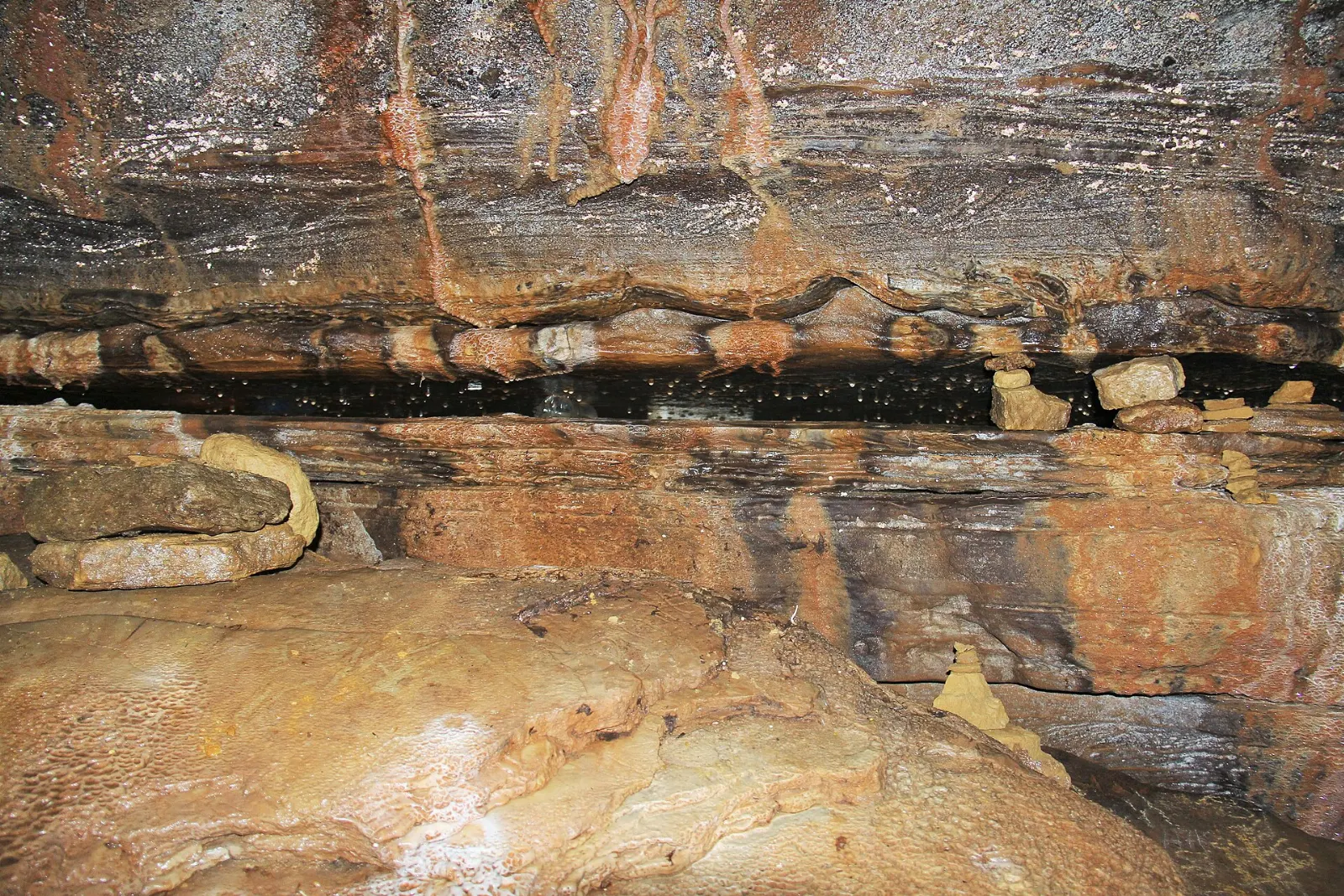
Directly across the road from Davis Falls, Gupteshwor Mahadev Cave descends through damp chambers to a shrine with a natural stone lingam worshipped as Shiva. Deeper inside, a passage leads to a viewpoint at the back of the waterfall itself.
International Mountain Museum
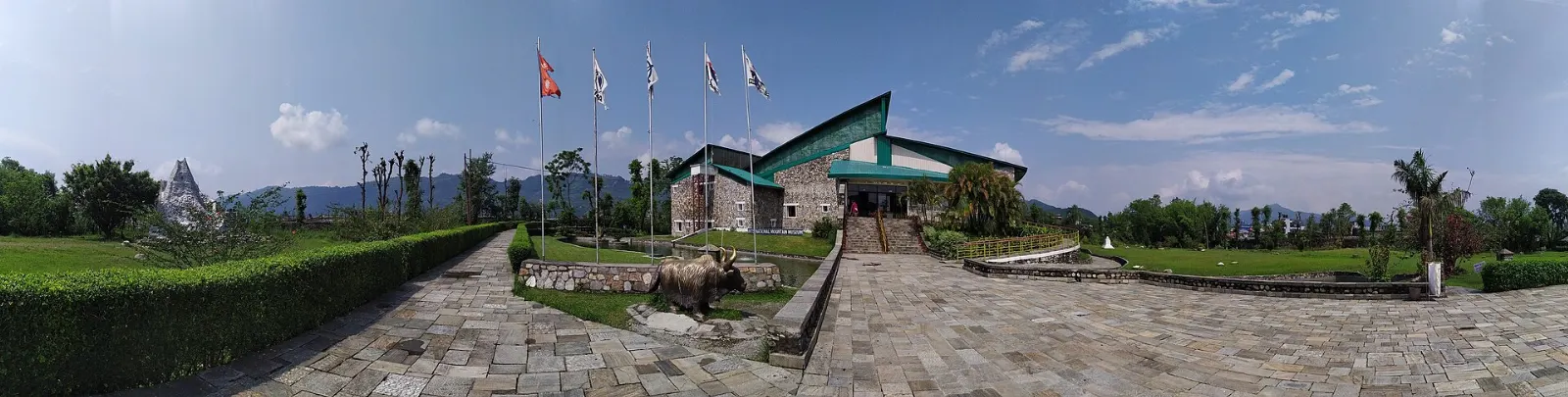
On the southern edge of the city, the International Mountain Museum explains how the Himalaya formed and tells the story of famous expeditions, from the early attempts on Everest to modern climbs. Galleries also cover the cultures of mountain peoples such as Sherpa, Thakali and Gurung communities.
Seti Gandaki gorge and Mahendrapul
The Seti Gandaki River runs through Pokhara in a gorge so deep and narrow that you can stand on a bridge and barely see the milky water far below. The color comes from glacial sediment washed down from the Annapurna range.
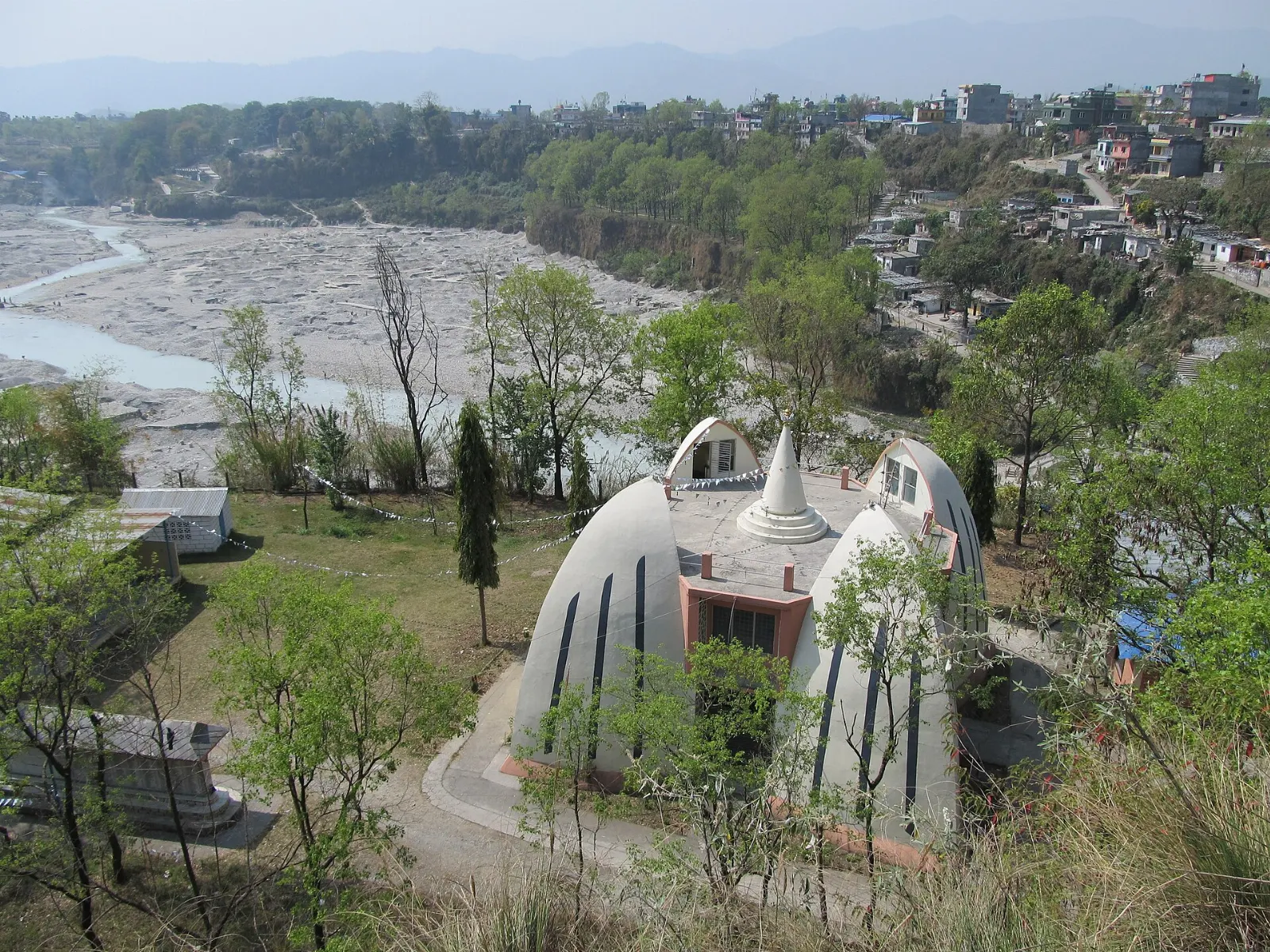
Bat Cave and Mahendra Cave
North of the center, near Batulechaur, two limestone caves sit close together. Mahendra Cave has stalactites and a small shrine, while the Bat Cave, Chamero Gufa, is home to a large colony of bats and ends with a tight squeeze through a narrow exit for those who want a challenge.
 Planning a trip to Pokhara?Compare hotels, flights and vacation rentals for Pokhara on Expedia.Book now
Old Pokhara, quieter lakes and the hills
Old Bazaar and Bindhyabasini Temple
Before tourism, Pokhara was a trading stop on the route between India and Tibet, and the old bazaar still shows it with Newar-style brick buildings, carved wooden windows and small shops selling brass, cloth and household goods.
Begnas Lake and Rupa Lake
About 15 kilometers east of the center, Begnas Lake feels a world away from busy Lakeside. Fish farms, rice terraces and small guesthouses line the shore, and you can rent a boat or walk the ridge between Begnas and neighboring Rupa Lake.
Australian Camp and Dhampus
If you have time for only a short walk in the foothills, the trails to Australian Camp and the Gurung village of Dhampus are an easy introduction. A drive to Kande or Phedi, then a climb of a few hours, brings you to grassy ridges with close views of Annapurna South and Machapuchare.
Food and local flavors
The everyday meal across Nepal is dal bhat: rice, lentil soup, seasonal vegetable curry, pickles and often a meat curry, with free refills common in local eateries.
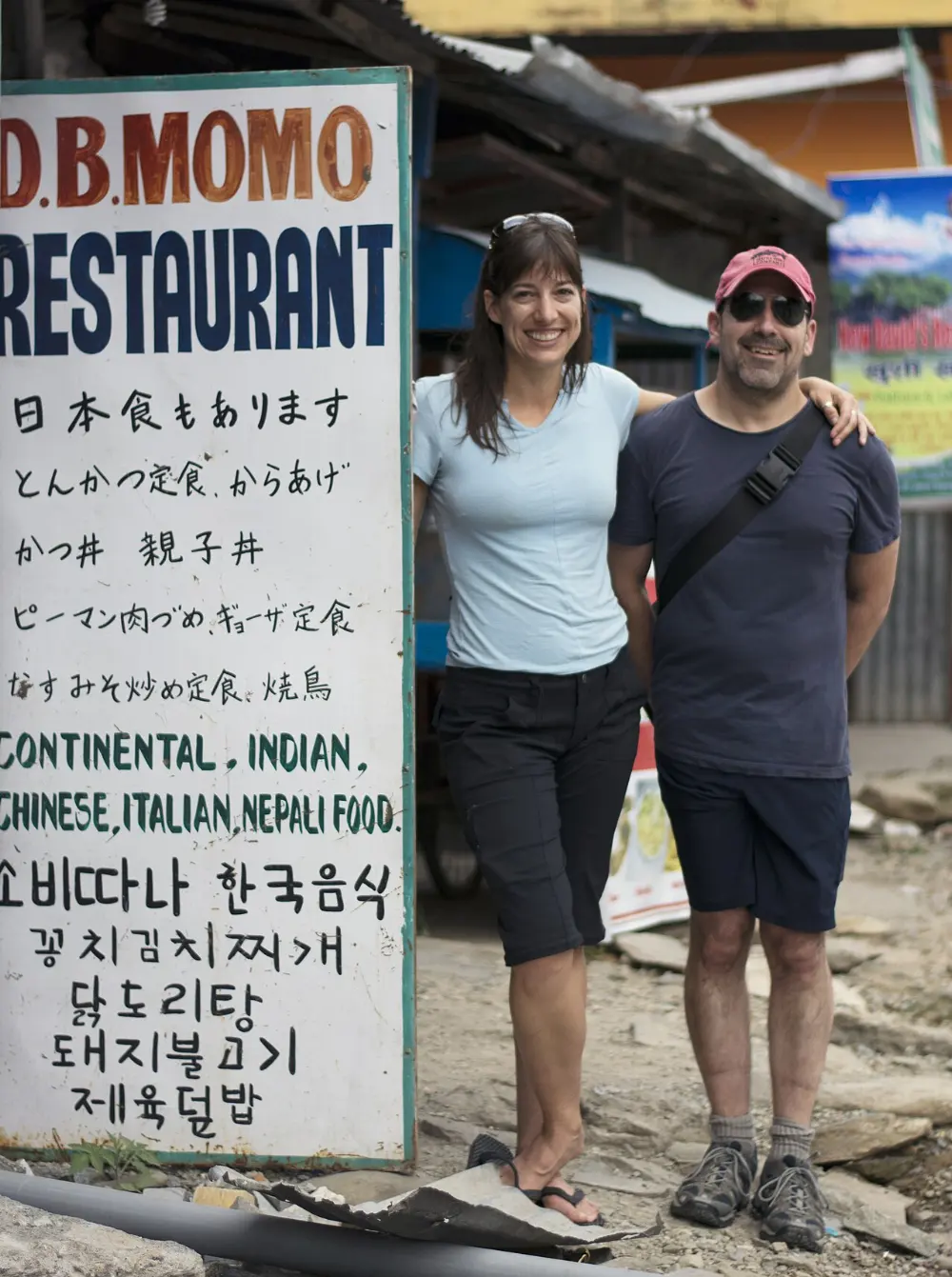
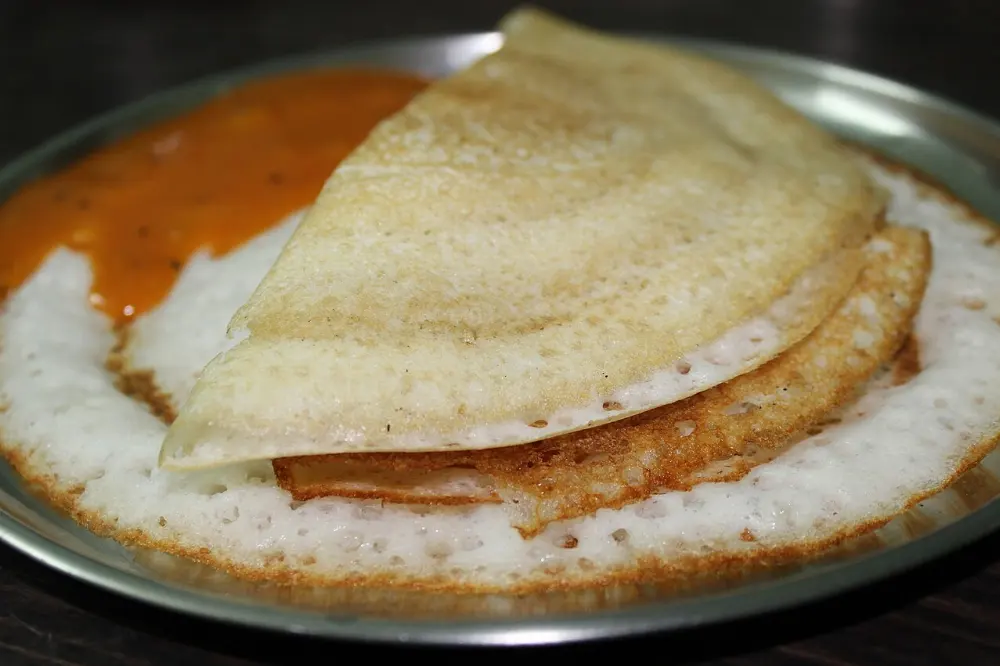
Try sel roti, a ring-shaped sweet rice bread popular at festivals; chatamari, a thin rice crepe from Newar cuisine; and fresh lake fish fried with spices at stalls near the shore. Lakeside has a huge range of cafés and bakeries catering to trekkers, with good coffee grown in Nepal's middle hills, apple pie and enormous breakfasts.
Popular dishes to try in Pokhara

Where to stay
Lakeside is the obvious base for first-time visitors. You are steps from the water, restaurants, trekking agencies and boat stands, and the range of guesthouses suits backpackers as well as couples looking for lake-view rooms.
Damside, at the southern end of the lake near the dam, is calmer and slightly cheaper, with good views and an easy walk to the World Peace Pagoda trail. Sarangkot suits travelers who want to wake up with the peaks in front of them and do not mind a winding drive to town.
Where to stay in Pokhara

Best time to visit
Autumn, from October through November, is the classic season. The monsoon has washed the air clean, skies are often clear for days on end, temperatures are pleasant and the trekking routes are at their busiest.
Winter, from December to February, brings cold mornings, mild sunny afternoons and generally good views, with fewer visitors. The Pokhara Street Festival around the turn of the year fills Lakeside with food stalls and music.
Getting there and getting around
Most visitors still arrive via Tribhuvan International Airport in Kathmandu.
By road, tourist buses leave Kathmandu each morning for Lakeside, a journey of roughly 200 kilometers along the Prithvi Highway that often takes six to eight hours or more because of traffic and roadworks.
For treks in the Annapurna region, foreign visitors need an Annapurna Conservation Area Permit and a TIMS card, and under rules introduced in 2023 independent trekking is generally not allowed in conservation areas, so you will need to walk with a licensed guide.
A suggested itinerary
First day
Start with an early boat ride on Phewa Lake and a stop at Tal Barahi Temple.
Second day
Set an alarm for the Sarangkot sunrise.
Third day
Explore the old bazaar and Bindhyabasini Temple in the morning, look into the Seti gorge at Mahendrapul and visit the Bat Cave and Mahendra Cave.
Fourth day
Take a short hike in the foothills to Australian Camp or Dhampus with a guide, staying overnight for sunrise, or use the day for rafting on the Seti River, cycling, a yoga class or simply resting before onward travel.
Practical tips
- Mountain views are best in the first few hours after sunrise; clouds often build by late morning, so plan viewpoints early.
- Carry Nepali rupees in cash for small eateries, taxis and boats. ATMs are common in Lakeside but can run dry during festivals.
- Book paragliding, rafting and trekking only with registered companies, and ask about insurance, equipment and guide qualifications.
- Arrange your trekking permits and licensed guide before you leave Pokhara, and buy travel insurance that covers helicopter evacuation at altitude.
- Dress modestly at temples, remove shoes where asked, walk clockwise around stupas and ask before photographing people at worship.
- Expect occasional power cuts and strikes; follow local news and your embassy's travel advice for any demonstrations or road closures.