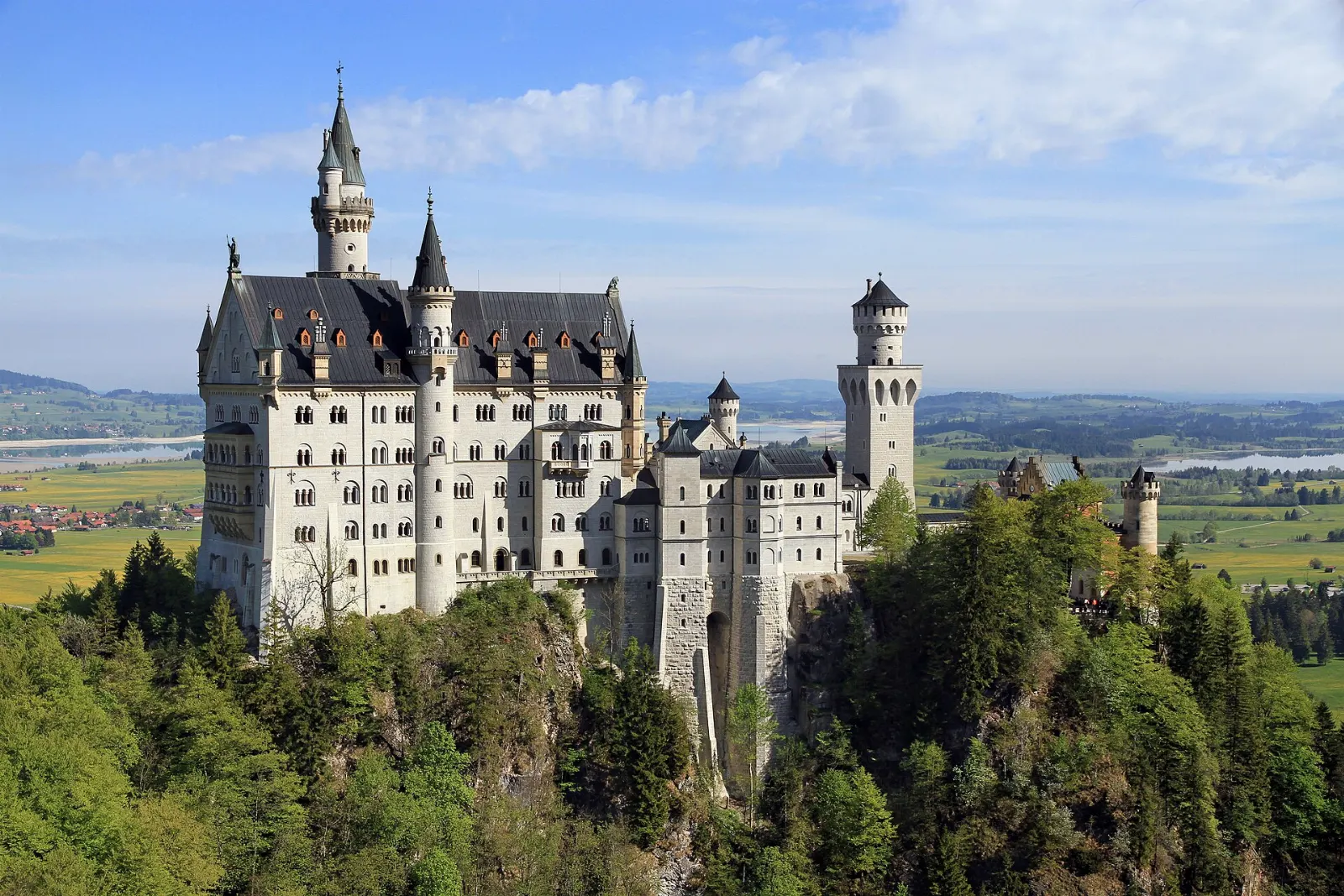
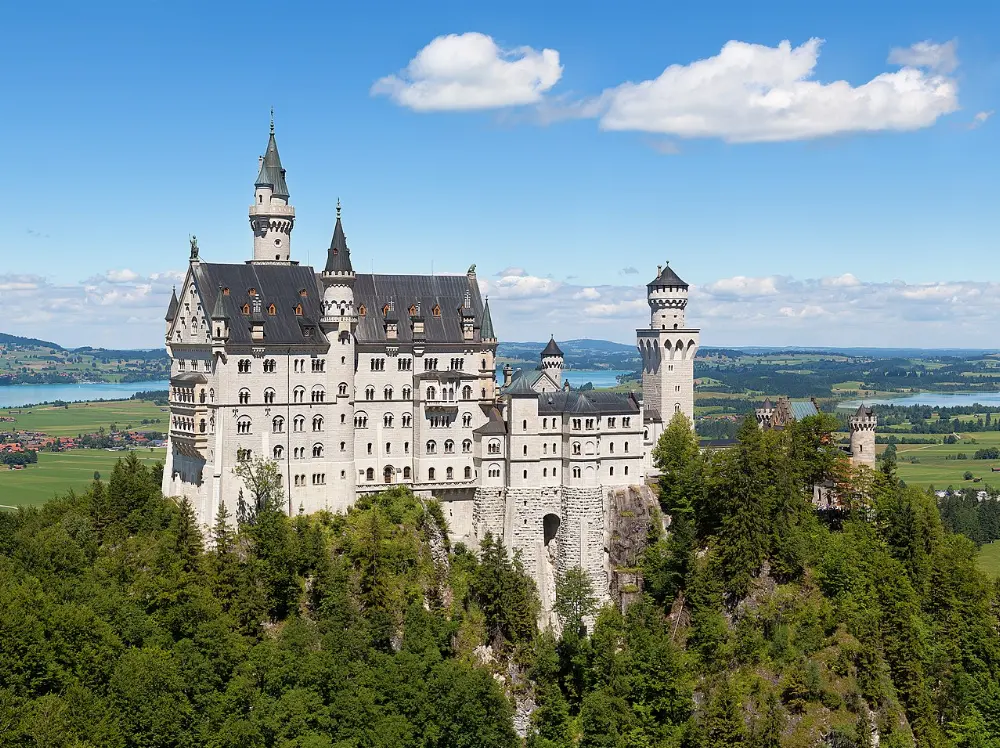
Few places in Europe are as instantly recognizable as Neuschwanstein, the white-towered castle that King Ludwig II of Bavaria raised on a crag above the Pöllat gorge. Yet the castle is only one part of a remarkably rich corner of southern Germany.
AT A GLANCE
Best time
May, June, September and early October for mild weather, open trails and thinner crowds.
How long
Two to three days to see both castles, the old town and the lakes without rushing.
Getting there
Regional trains from Munich to Füssen in about two hours, then a short bus ride to the castles.
Why visit Neuschwanstein and Füssen
Neuschwanstein is the most famous of the palaces built by Ludwig II, the so-called fairy-tale king, who commissioned it in 1868 as a private retreat steeped in the medieval legends of Richard Wagner's operas.
What makes the area special is the setting. The castle stands where the flat Alpine foreland meets a wall of limestone peaks, so in a single day you can tour a royal palace, swim in a mountain lake, ride a cable car to a summit and stroll through a town whose lanes have hardly changed in centuries.
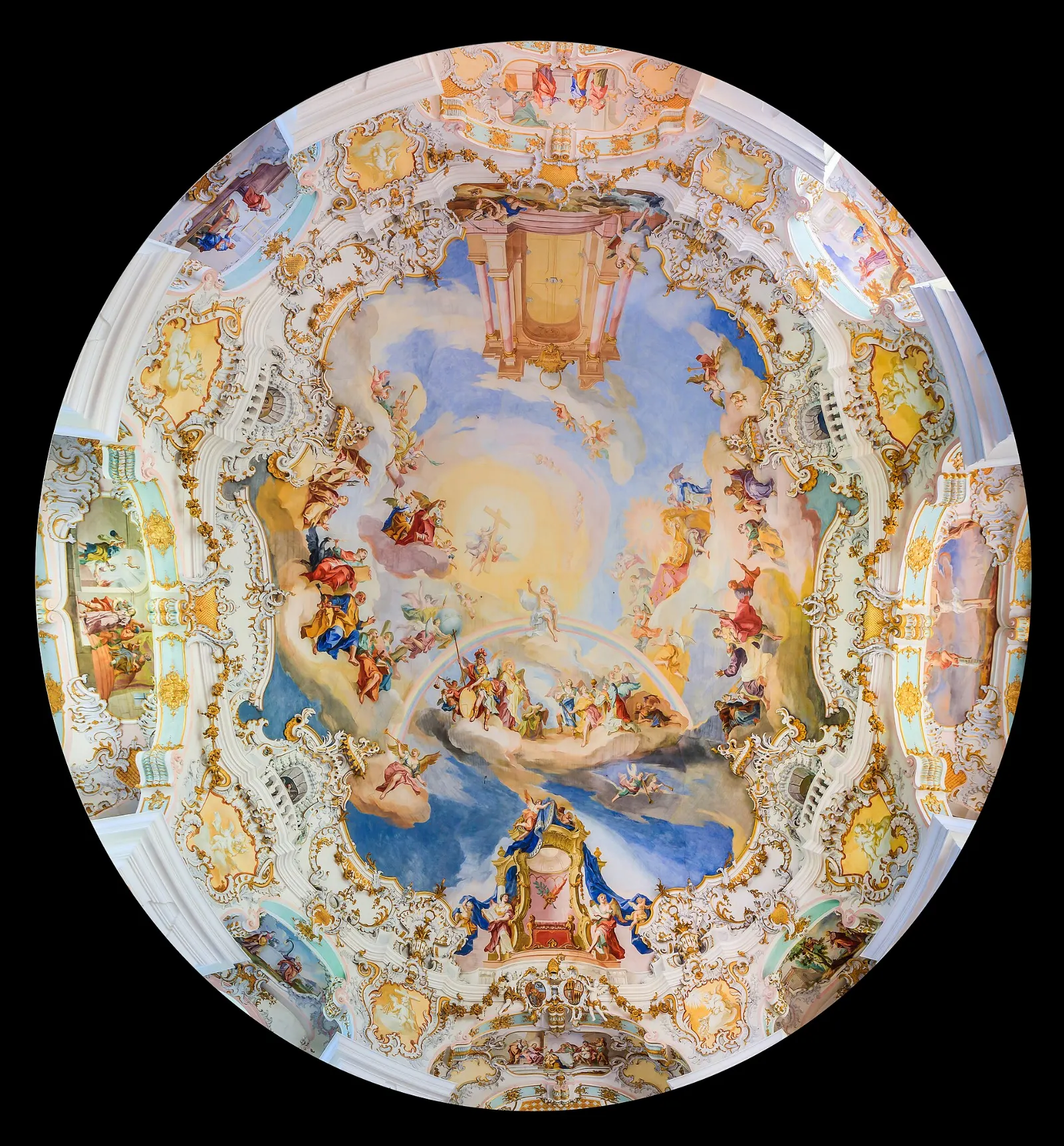
The region also rewards curiosity beyond the headline sights. Füssen was for centuries a centre of lute and violin making, the old Roman road Via Claudia Augusta passes through on its way over the Alps, and one of the finest rococo churches in Europe, the Wieskirche, is a short drive away.
The royal castles of Hohenschwangau
Neuschwanstein Castle
Inside, Neuschwanstein is visited only on a guided tour of roughly half an hour that takes you through the king's apartments, the Byzantine-inspired Throne Hall with its huge chandelier, the carved bedroom and the Singers' Hall, decorated with scenes from the Parsifal legend.
Practical tip: tickets are sold for a specific entry time, and summer and holiday slots often sell out weeks ahead. Book through the official ticket center well before your trip, and plan to arrive in Hohenschwangau early so you are not racing uphill against the clock.
Marienbrücke
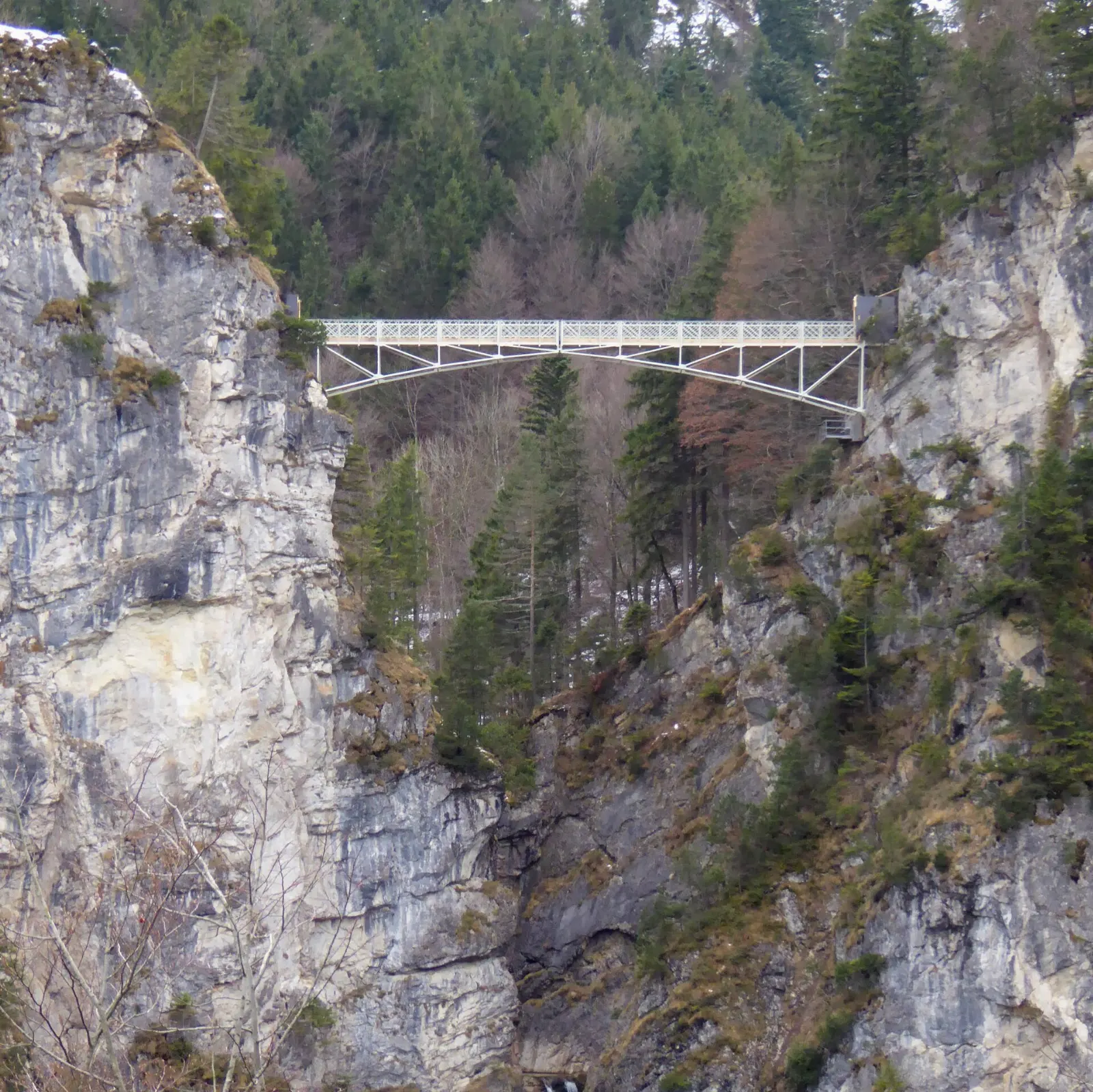
The Marienbrücke, or Mary's Bridge, is an iron footbridge slung across the Pöllat gorge about fifteen minutes' walk above the castle.
Hohenschwangau Castle
Directly opposite Neuschwanstein, on a lower wooded hill, stands Hohenschwangau. Ludwig's father, King Maximilian II, bought the medieval ruin in 1832 and rebuilt it in neo-Gothic style as the family's summer residence, and it is here that the young prince grew up surrounded by murals of knights and swans.
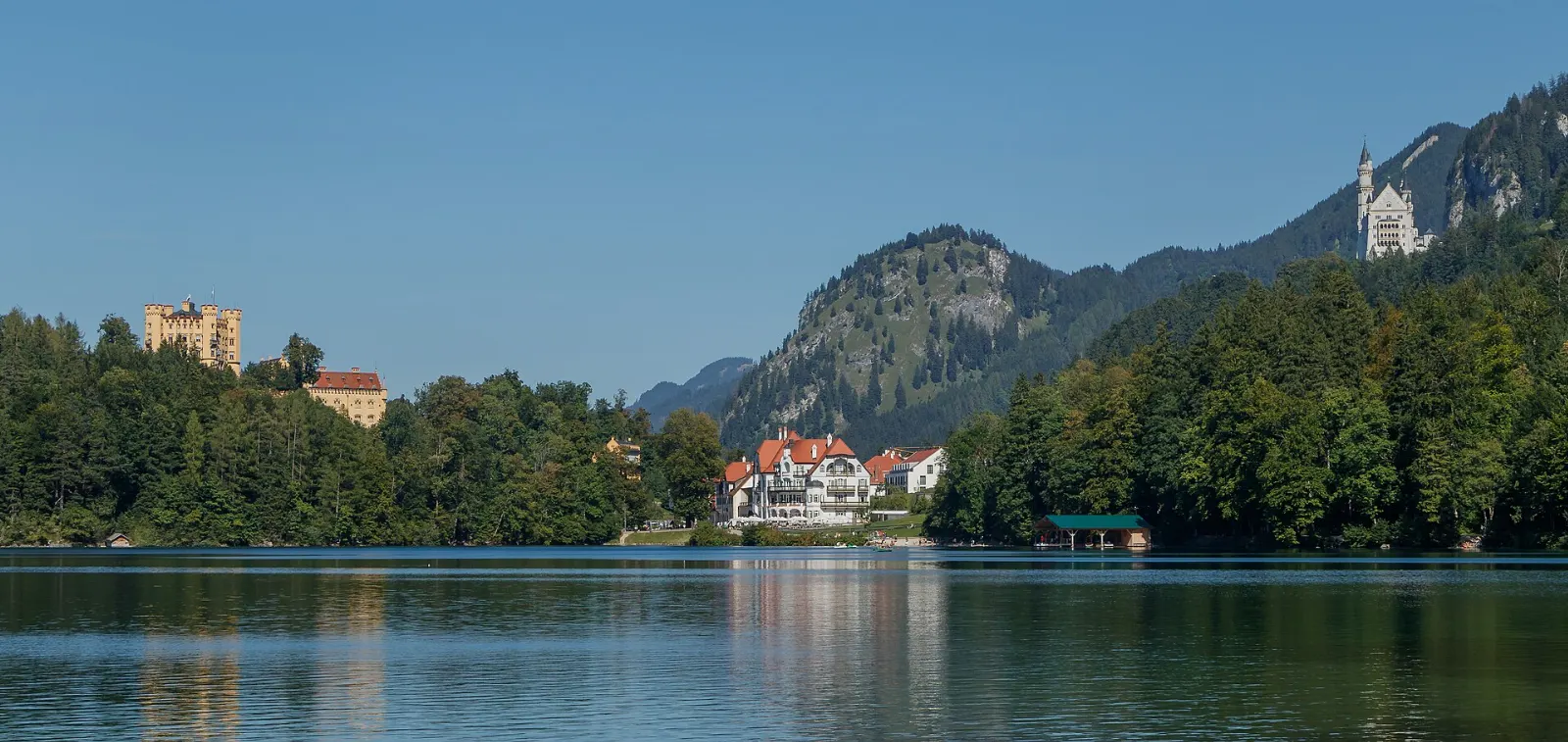
Museum of the Bavarian Kings
Set in a former hotel on the shore of the Alpsee, this museum tells the story of the Wittelsbach dynasty that ruled Bavaria for more than seven centuries, with a hall of portraits, royal treasures and clear explanations of Ludwig II's life and death.
Lakes, gorges and mountain views
Alpsee
The Alpsee lies just below Hohenschwangau, framed by steep forested slopes. A level path loops all the way around the lake in about an hour and a half to two hours, passing small beaches and viewpoints back toward the castles.
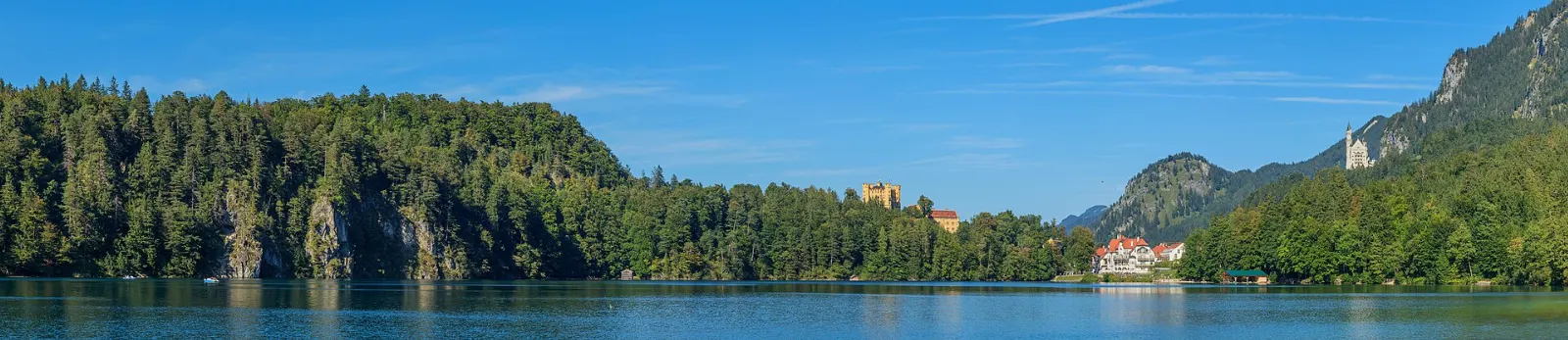
Tegelberg
The Tegelberg rises to about 1,880 metres above Schwangau, and a cable car from the valley station near the Hohenschwangau road takes you to a panoramic terrace near the top. From there you look straight down on Neuschwanstein, out over the lakes of the Allgäu and across to the Austrian Alps.
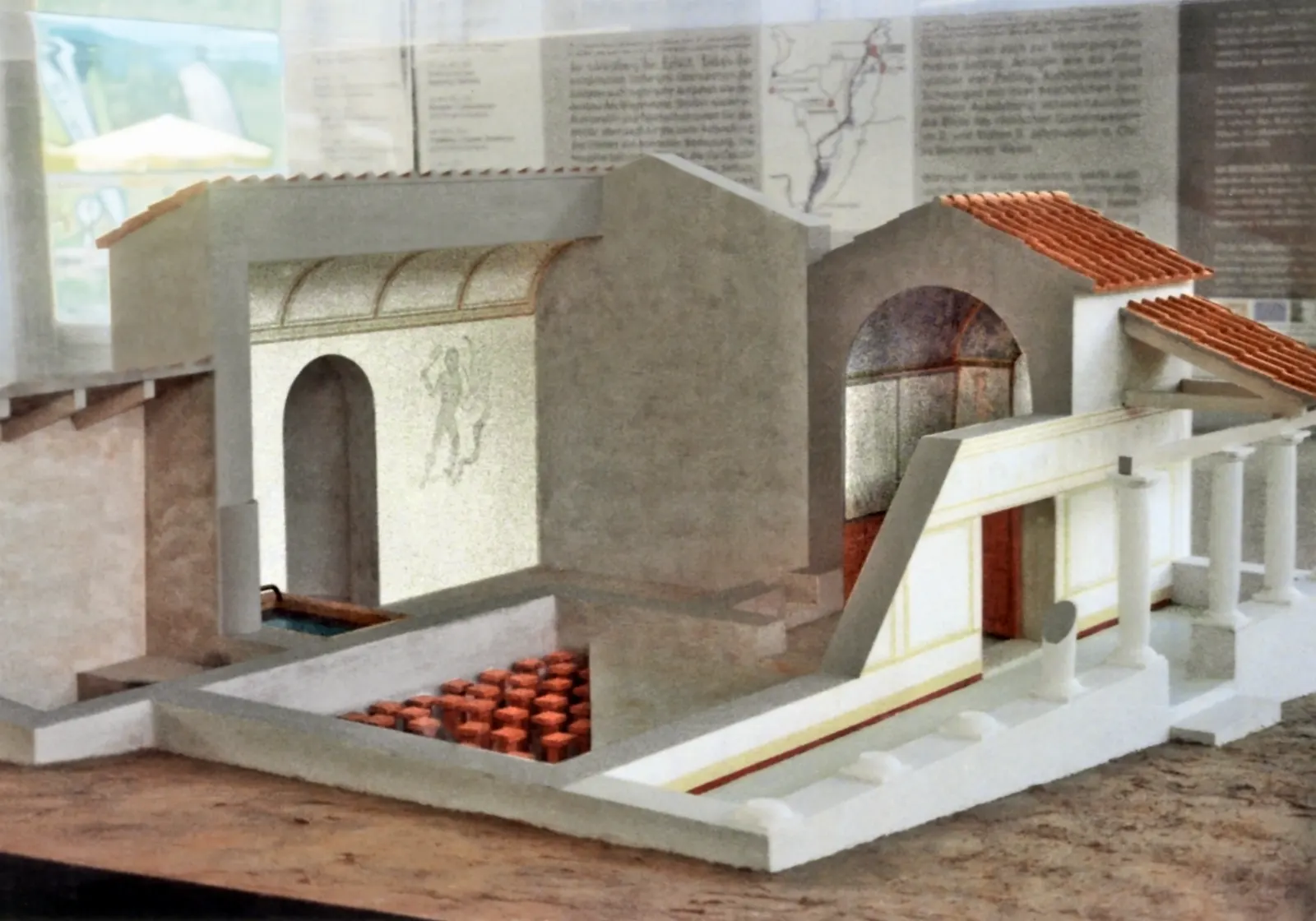
Forggensee
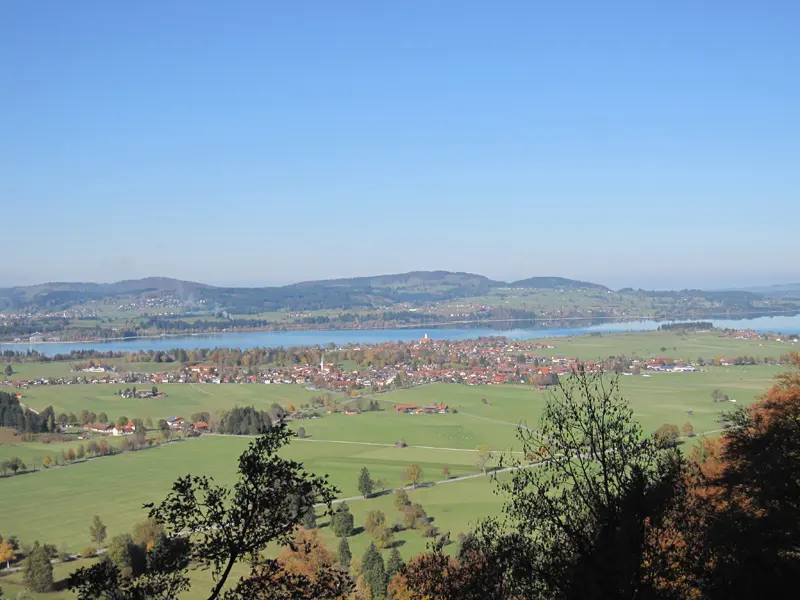
North of Füssen, the Lech river was dammed to create the Forggensee, a broad reservoir that mirrors the mountains on calm days. It is filled in late spring and lowered again for the winter, so the boating season runs through the summer months.
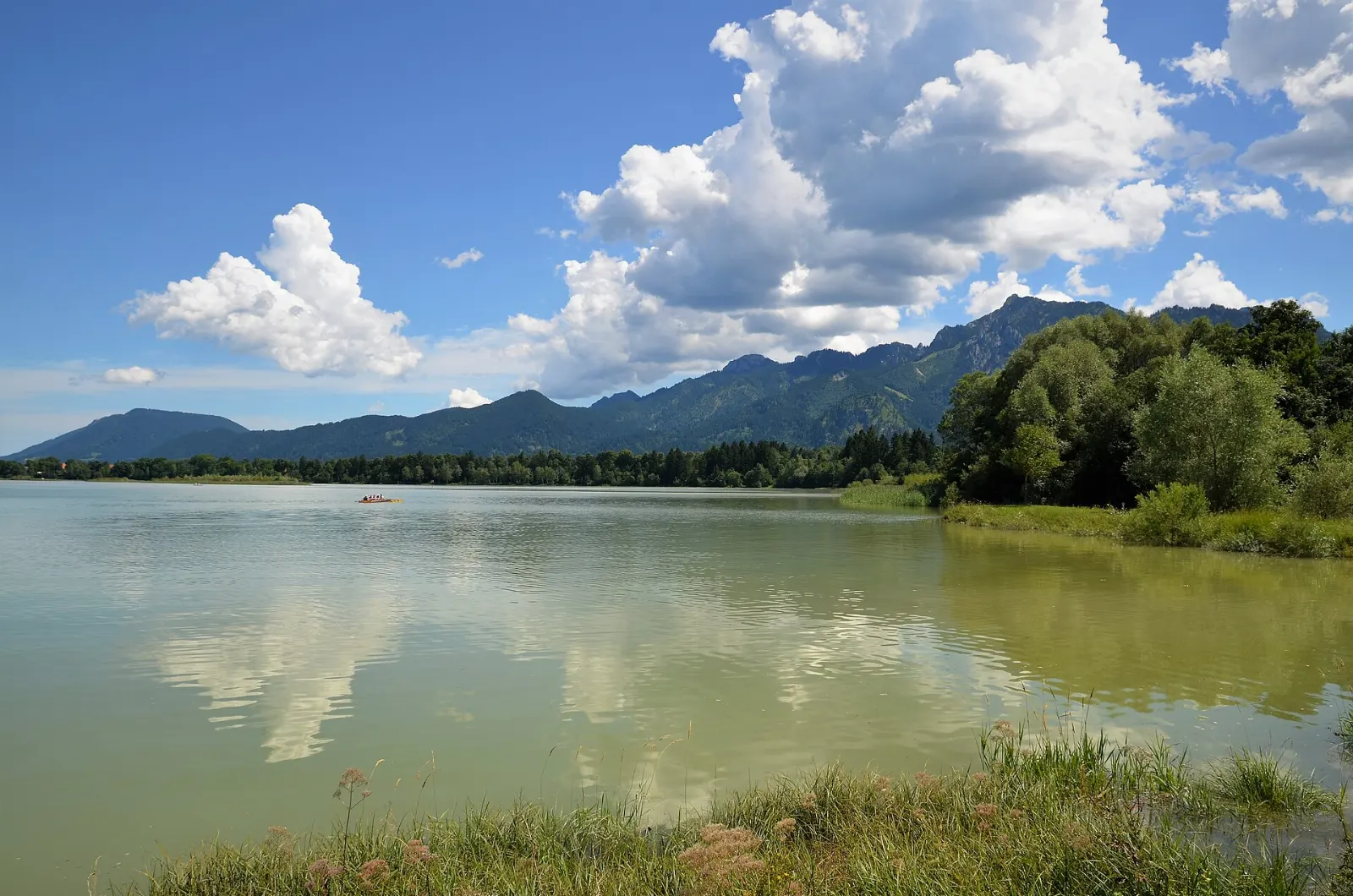
Füssen old town and the Lech
Hohes Schloss
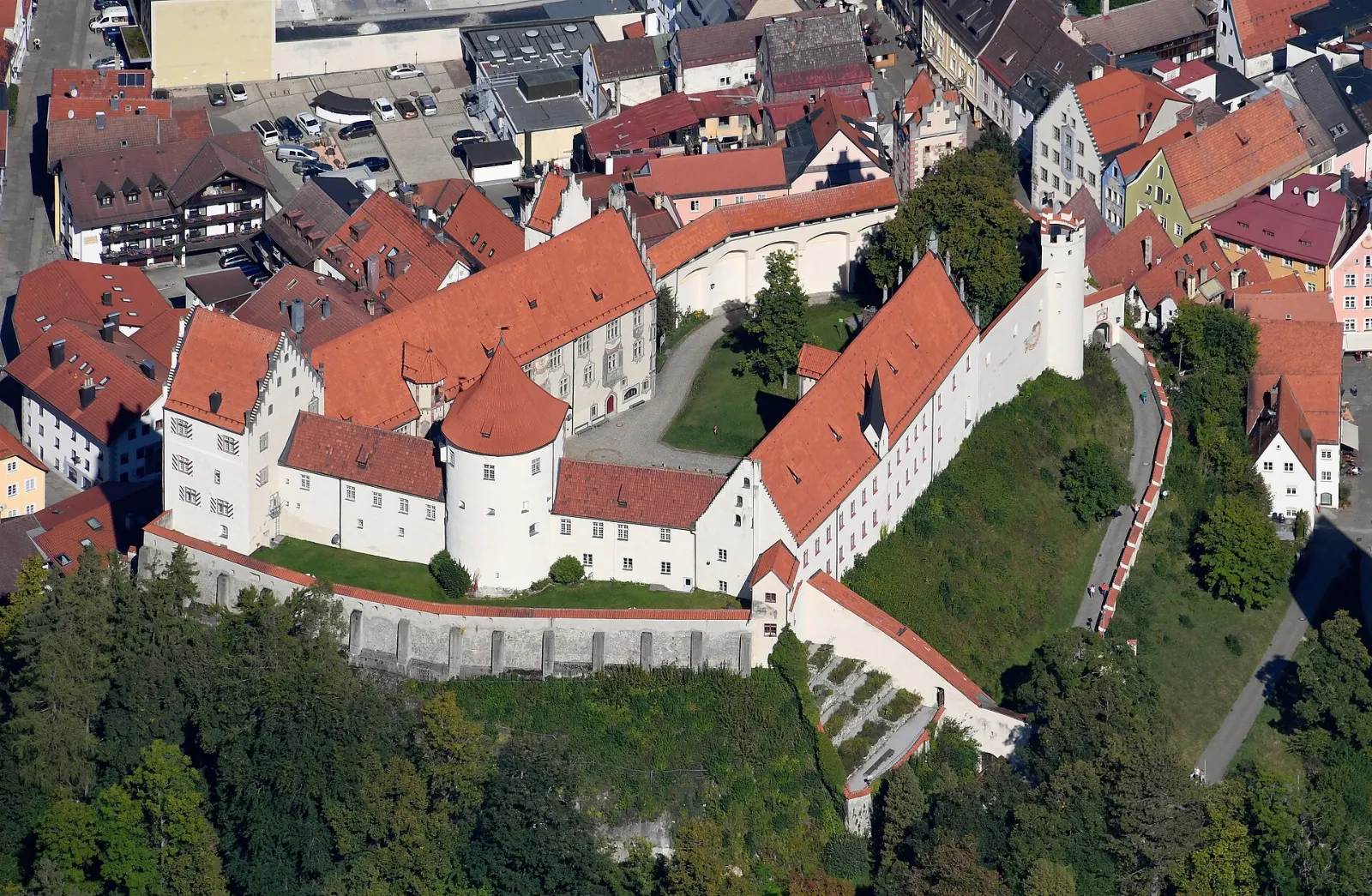
The High Castle crowns a rocky rise above Füssen's rooftops. It was the summer residence of the prince-bishops of Augsburg, and its inner courtyard is famous for its painted facades, where windows, bay windows and stonework are rendered in clever illusionist painting.
St. Mang Abbey and the Museum of Füssen
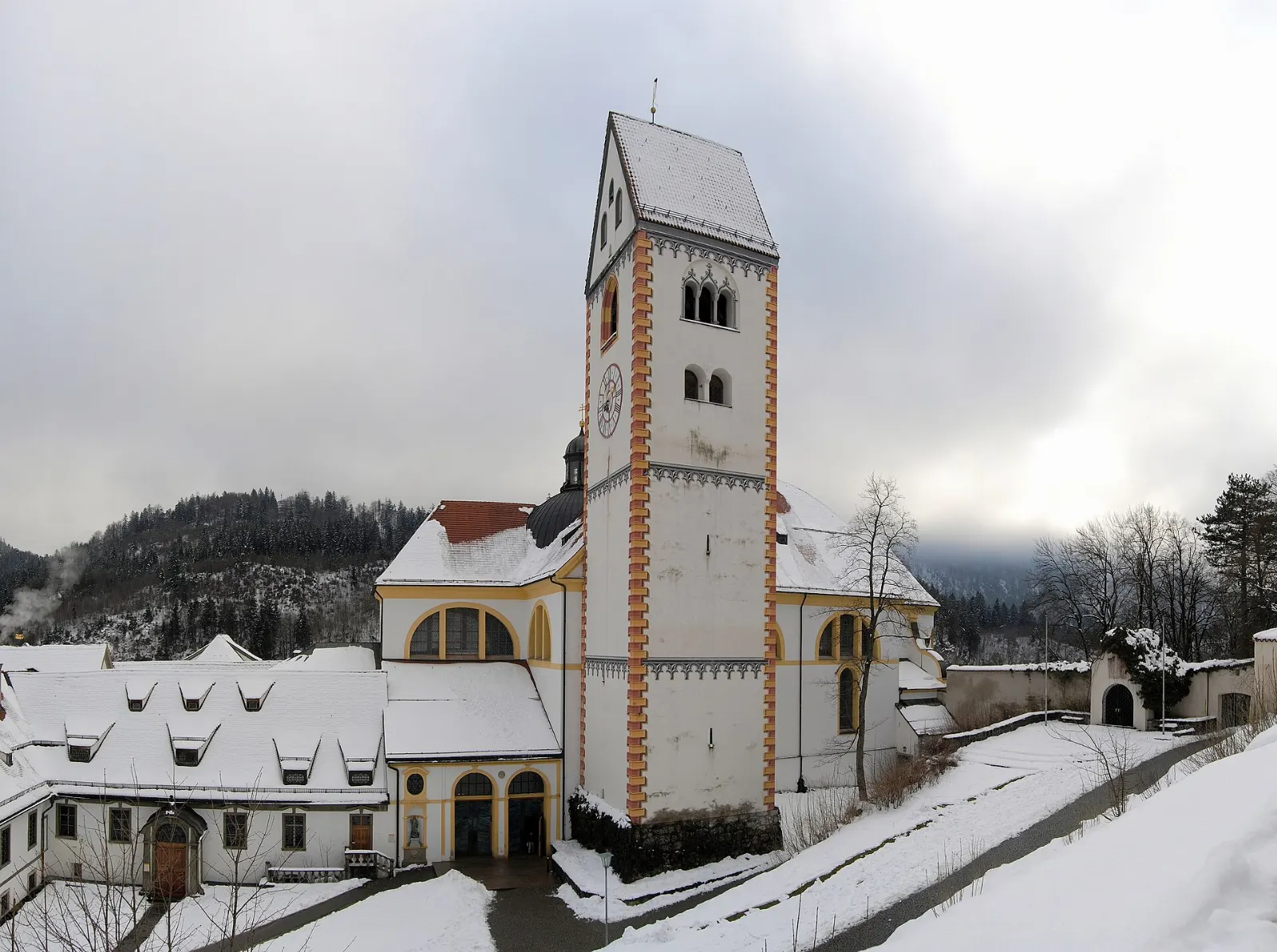
Just below the castle, the former Benedictine monastery of St. Mang traces its origins to the ninth century, though the present Baroque church and abbey buildings were largely completed in the early 1700s.
Reichenstraße and the old town lanes
Reichenstraße is the main pedestrian street of the old town, following the line of the Roman road through Füssen. Painted houses, bakeries and shops line the way, and narrow alleys lead off to small squares and stretches of the medieval town wall.
Lechfall
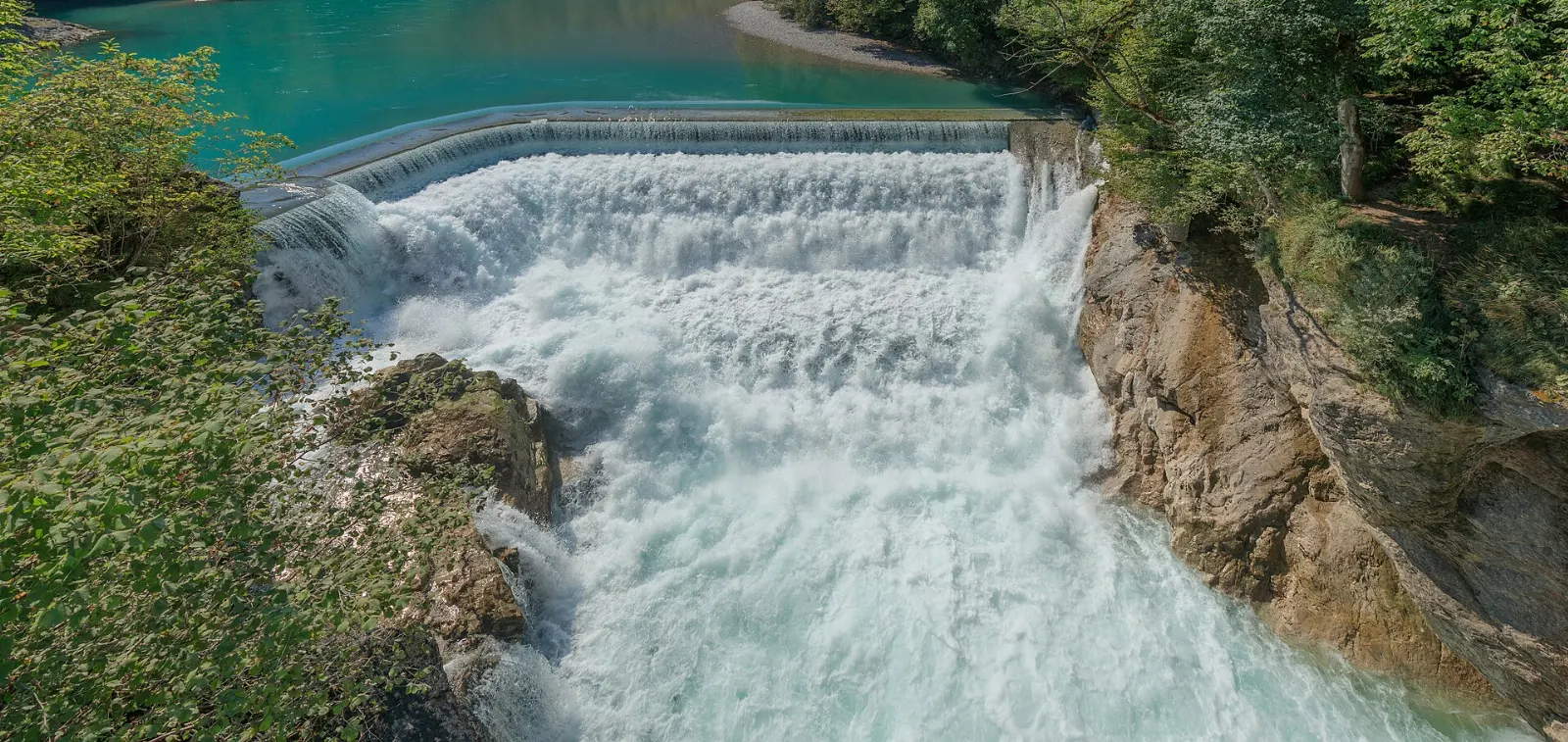
A short walk south of the centre, the Lech plunges over a stepped weir into a narrow limestone gorge. A footbridge called the Maxsteg spans the gap, giving a dramatic view of the churning turquoise water.
Kalvarienberg and Alatsee
For a quieter walk, follow the path up the Kalvarienberg, a wooded hill above town lined with Stations of the Cross, which rewards you with views of the castles from an unusual angle.
 Planning a trip to Neuschwanstein and Füssen?Compare hotels, flights and vacation rentals for Neuschwanstein and Füssen on Expedia.Book now
Food and local flavors
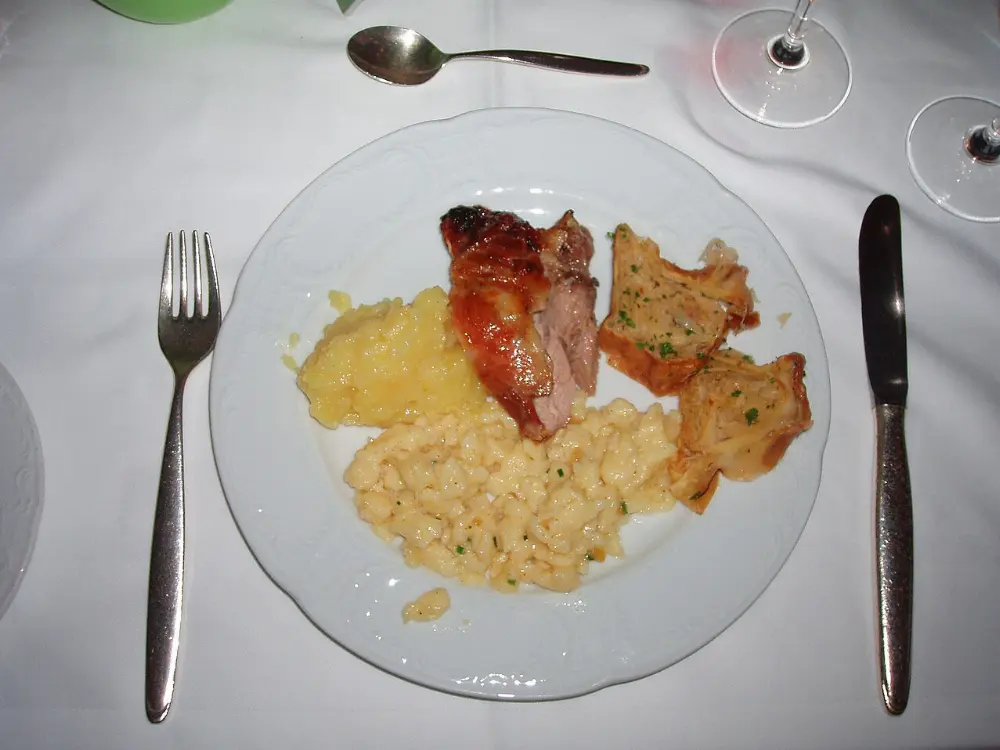
Füssen sits in the Allgäu, a region of dairy farms and alpine pastures, and the cooking reflects it. The signature dish is Kässpatzen, soft egg noodles layered with sharp mountain cheese and topped with crisp fried onions.
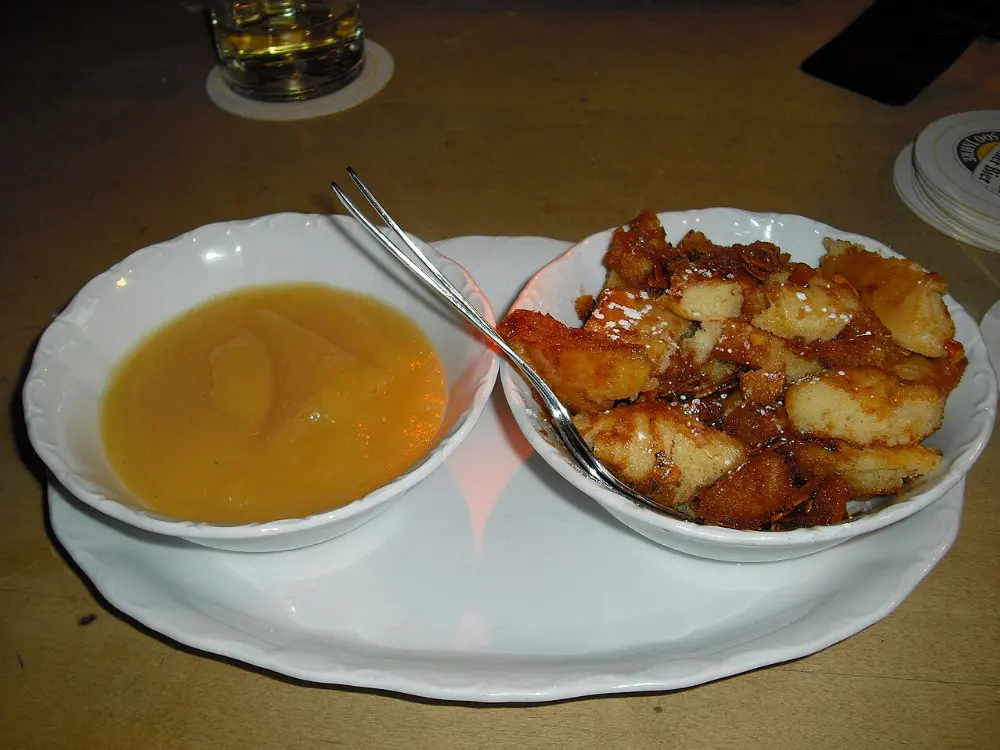
For dessert, order Kaiserschmarrn, a torn, caramelised pancake served with fruit compote that is easily large enough to share, or apple strudel with vanilla sauce.
Popular dishes to try in Neuschwanstein and Füssen


Where to stay
Füssen old town is the best all-round base.
Hohenschwangau and Schwangau put you at the foot of the castles, which is ideal if you want to be first in line in the morning or wander the Alpsee after the day crowds leave.
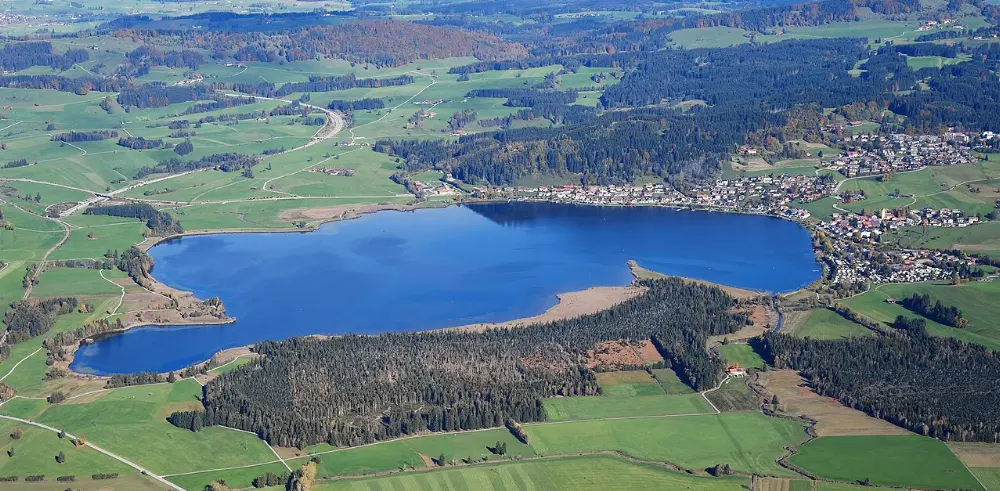
Lakeside villages around the Forggensee and Hopfensee appeal to drivers, cyclists and anyone seeking a calm, rural setting with mountain views.
Where to stay in Neuschwanstein and Füssen
Best time to visit
Summer, from late June through August, brings long days, warm lake water and every attraction open, but also the heaviest crowds; the castles can see thousands of visitors a day, and timed tickets sell out quickly.
Late May, June, September and early October are the sweet spots.
Winter has its own appeal: Neuschwanstein dusted with snow is a magical sight, the castles stay open with shorter hours, and crowds thin dramatically.
Getting there and getting around
By air: Munich Airport is the most convenient major gateway, followed by Memmingen for some budget flights.
By train: Regional trains run from Munich Central Station to Füssen, the end of the line, in about two hours, with direct services roughly every two hours and more options if you change at Buchloe.
By car: From Munich, take the A96 toward Landsberg and follow the B17 south, or use the A7, which ends just outside Füssen at the Austrian border.
Getting to the castles: Regional buses run from Füssen station to the Hohenschwangau stop in about ten minutes.
Getting around: Füssen's centre is compact and walkable.
A suggested itinerary
First day
Arrive in Füssen by late morning and settle in. Spend the afternoon on foot: climb to the Hohes Schloss for its courtyard and galleries, then visit St. Mang Abbey and the town museum.
Second day
Take an early bus to Hohenschwangau and walk the Alpsee loop while the light is soft. Tour Hohenschwangau Castle mid-morning, have lunch in the village, then climb to Neuschwanstein for your afternoon tour.
Third day
Ride the cable car up the Tegelberg for the bird's-eye view of Neuschwanstein, or rent a bike and circle part of the Forggensee.
Practical tips
- Reserve Neuschwanstein and Hohenschwangau tickets online as early as possible, especially for summer weekends and German school holidays.
- Collect or confirm your tickets at the ticket center in Hohenschwangau village, which is at the bottom of the hill, and leave enough time to reach the castle entrance.
- Wear good walking shoes; the climbs to both castles and the Marienbrücke are steep, and paths can be slippery after rain.
- Large backpacks and luggage are not allowed inside the castles, so travel light on tour days.
- Carry some cash, as smaller cafés, parking machines and lake boat kiosks may not take cards.
- Pack layers and a rain jacket in every season; mountain weather changes quickly and summer storms are common.