Budapest is really two cities that grew up facing each other across the Danube. On the west bank, hilly Buda holds the castle, cobbled lanes and wooded viewpoints; on the east bank, flat Pest is where you find the Parliament, grand boulevards, cafes and nightlife.
AT A GLANCE
Best time
April to June and September to October for mild weather; December for Christmas markets.
How long
Three days covers the highlights; four or five lets you add more baths and museums.
Getting there
Fly into Budapest Ferenc Liszt International Airport or arrive by train at Keleti or Nyugati station.
Why visit Budapest
Few European capitals have a riverfront as grand as Budapest's. The banks of the Danube, along with Castle Hill and Andrássy Avenue, are a UNESCO World Heritage Site, and the views from one side to the other, the Parliament from Buda, the castle from Pest, are some of the finest city panoramas on the continent.
Budapest is also a spa city. More than a hundred thermal springs lie beneath it, and bathing culture runs from sixteenth-century Ottoman domes to vast Neo-Baroque palaces with outdoor pools that steam in winter. Add a deep and sometimes painful twentieth-century history, a lively food and wine culture and a reputation for good value, and it is easy to see why so many travelers stay longer than they planned.
Castle Hill and the Buda side
Buda Castle
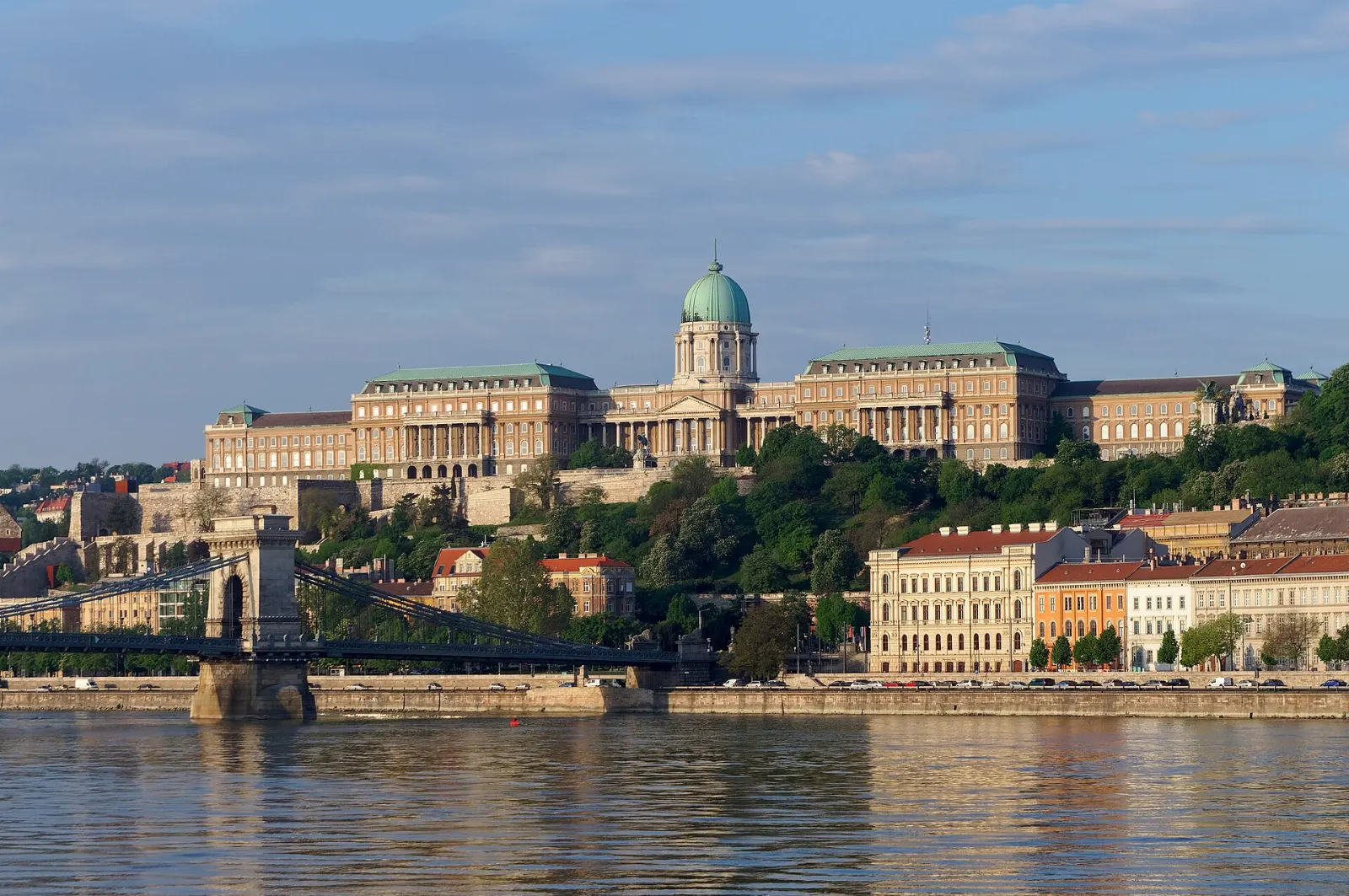
The palace complex on Castle Hill has been rebuilt many times, most recently after heavy damage in the Second World War. Today the Royal Palace holds the Hungarian National Gallery, with Hungarian art from medieval altarpieces to the twentieth century, and the Budapest History Museum.
Fisherman's Bastion and Matthias Church
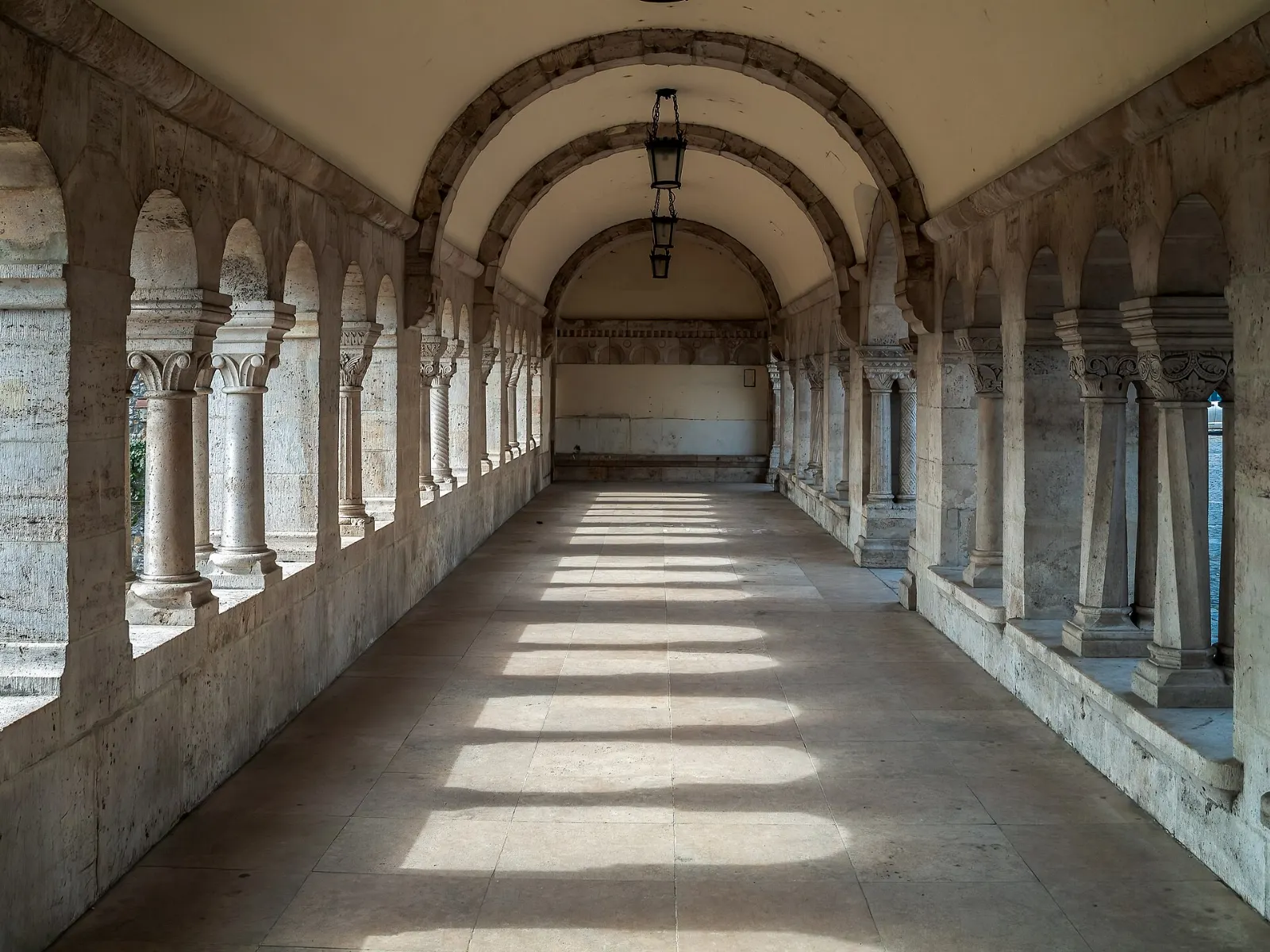
At the northern end of the hill, Fisherman's Bastion is a fairy-tale lookout terrace of white stone turrets, built between 1895 and 1902 by architect Frigyes Schulek. Its seven towers represent the seven Magyar tribes. Beside it, Matthias Church has a striking roof of colored Zsolnay tiles and a richly painted interior.
Gellért Hill
South of the castle, Gellért Hill rises steeply above the river and is crowned by the Liberty Statue. The walk up through the park takes 20 to 40 minutes and rewards you with the classic view of the bridges and Parliament. Allow one to two hours.
The Danube, Parliament and central Pest
Hungarian Parliament Building
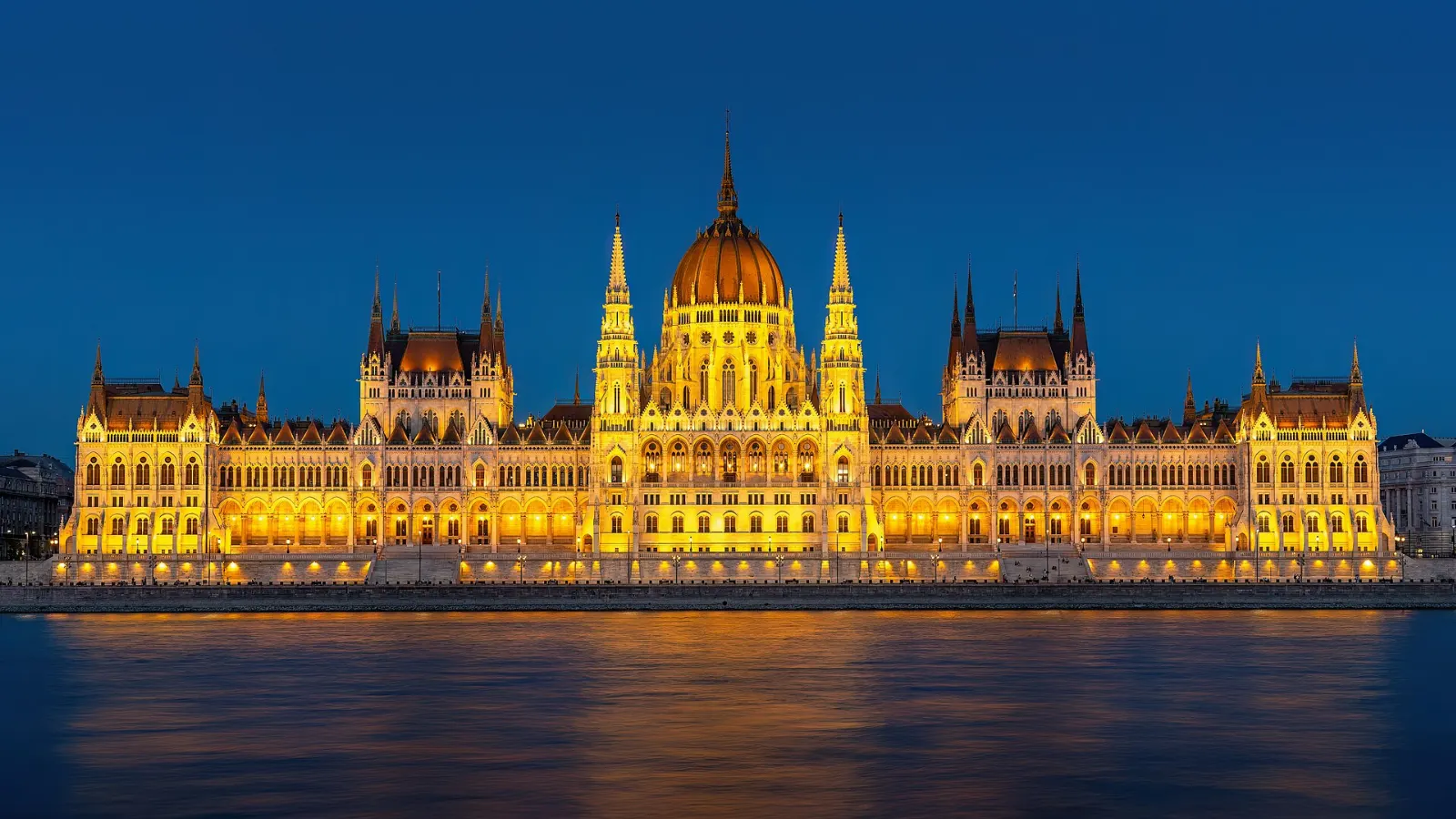
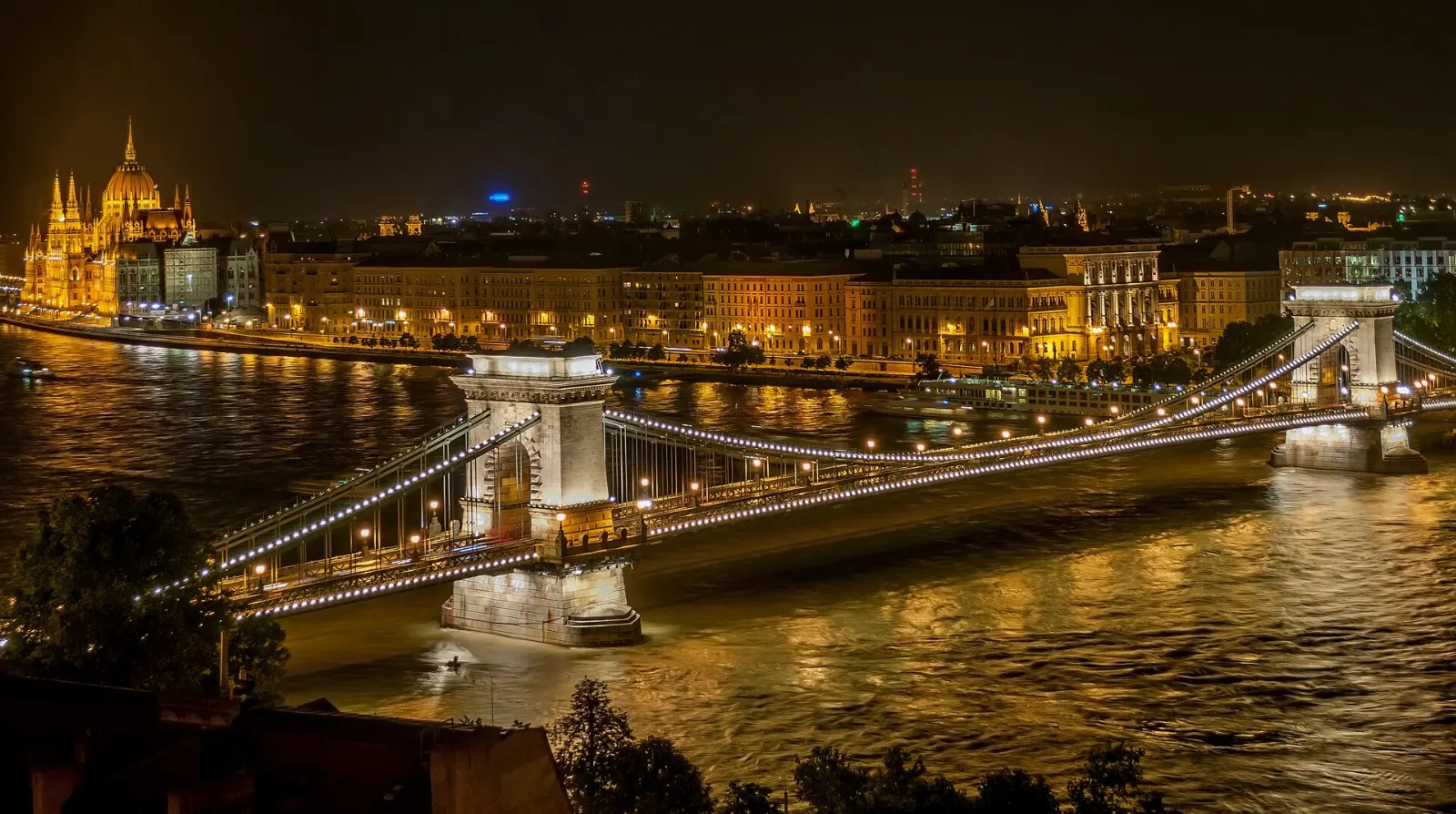
Designed by Imre Steindl and completed in 1904, the Parliament is one of the largest parliament buildings in the world, a Gothic Revival landmark with a soaring central dome.
Széchenyi Chain Bridge
Opened in 1849, this suspension bridge was the first permanent crossing between Buda and Pest, and its stone lions are a beloved city symbol.
St. Stephen's Basilica
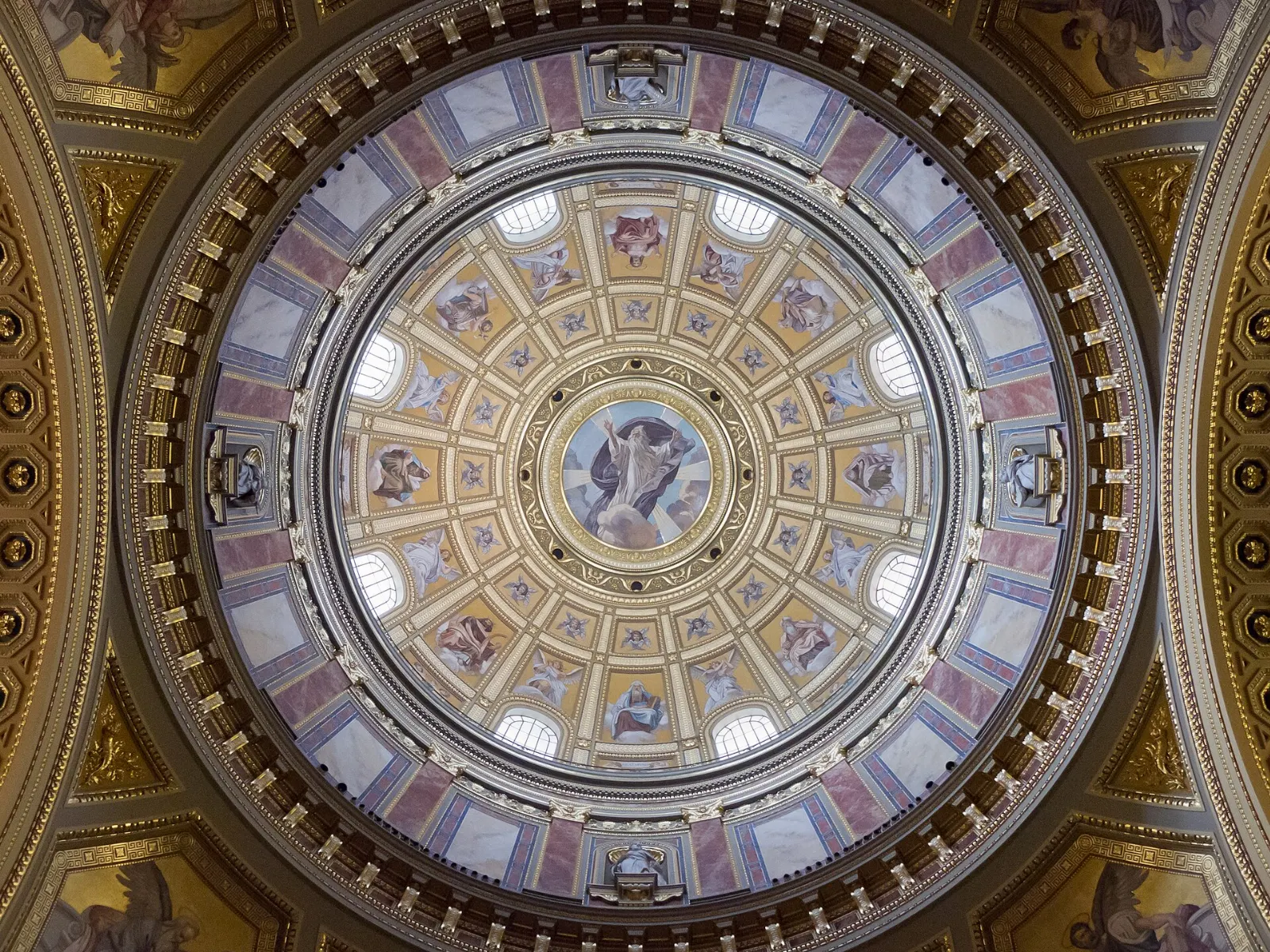
The city's largest church honors Hungary's first king, whose mummified right hand is kept in a chapel inside. The dome rises 96 meters, the same height as the Parliament's, and a terrace around it gives one of the best panoramas in Pest.
Shoes on the Danube Bank
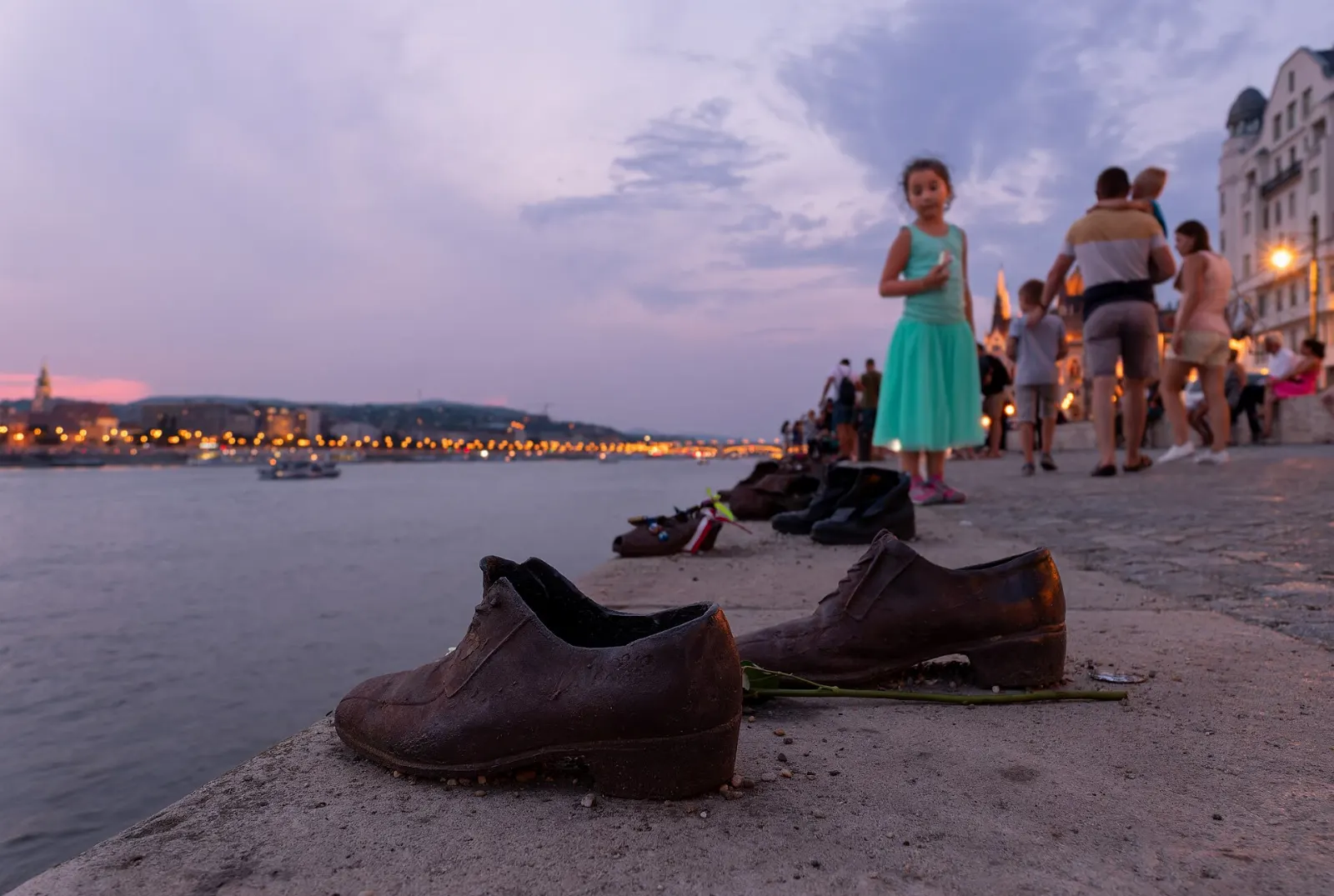
South of the Parliament on the Pest embankment, sixty pairs of iron shoes recall the Jews and others shot into the river by Arrow Cross militiamen in 1944 and 1945. Created by film director Can Togay and sculptor Gyula Pauer, it is simple and deeply affecting.
The Jewish Quarter, Andrássy Avenue and City Park
Dohány Street Synagogue and the Jewish Quarter
The largest synagogue in Europe, completed in 1859 in a Moorish Revival style, anchors the old Jewish Quarter in District VII.
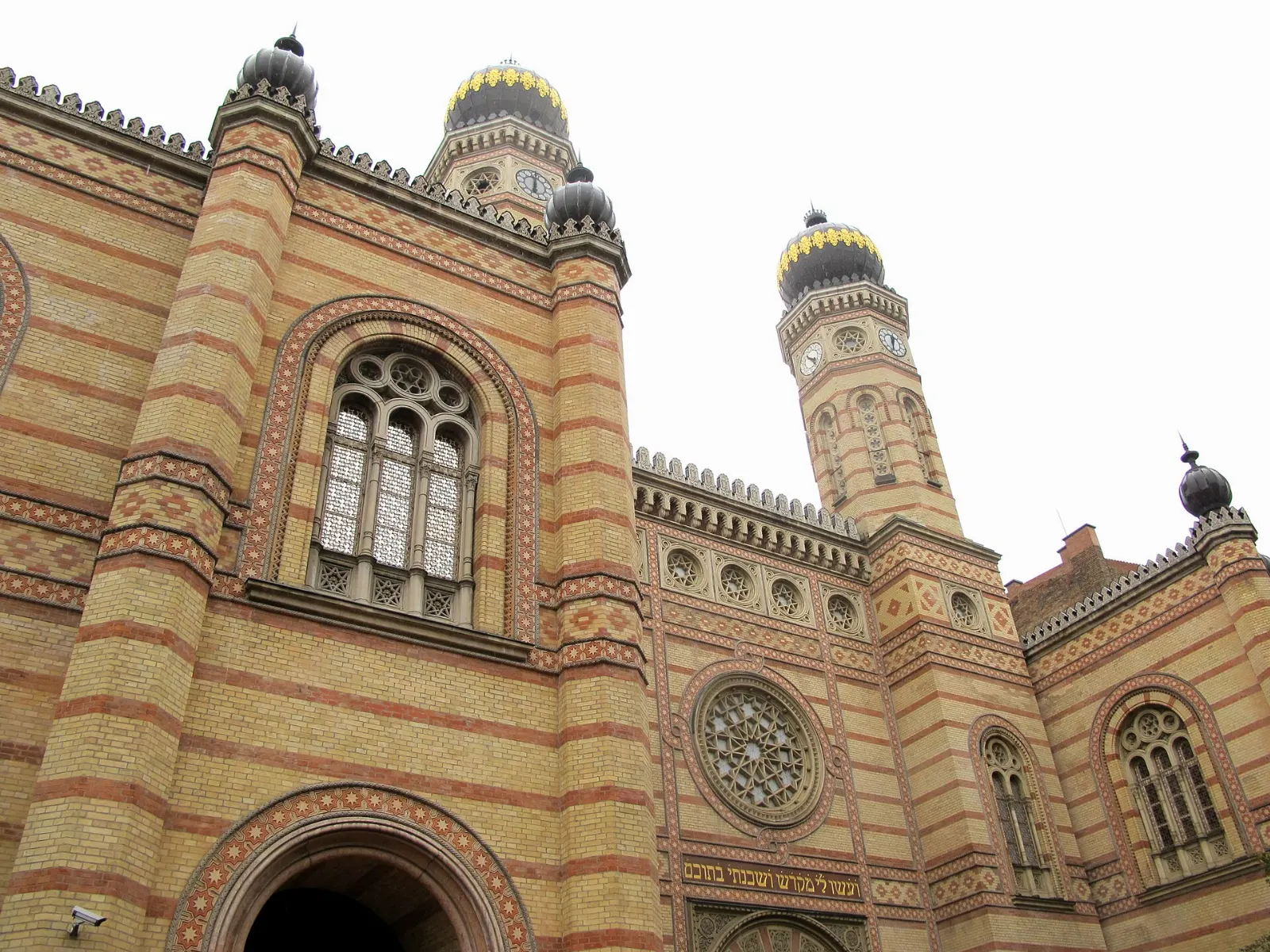
The surrounding streets are also the heart of Budapest's ruin bar scene, where bars fill derelict courtyards and buildings with mismatched furniture, art and plants. Szimpla Kert, the best known, is worth a look even in daytime.
Andrássy Avenue and Heroes' Square
This elegant boulevard runs about two and a half kilometers from the center to City Park, lined with mansions, embassies and the Hungarian State Opera House. Beneath it runs the M1, the yellow metro line opened in 1896, with charming tiled stations.
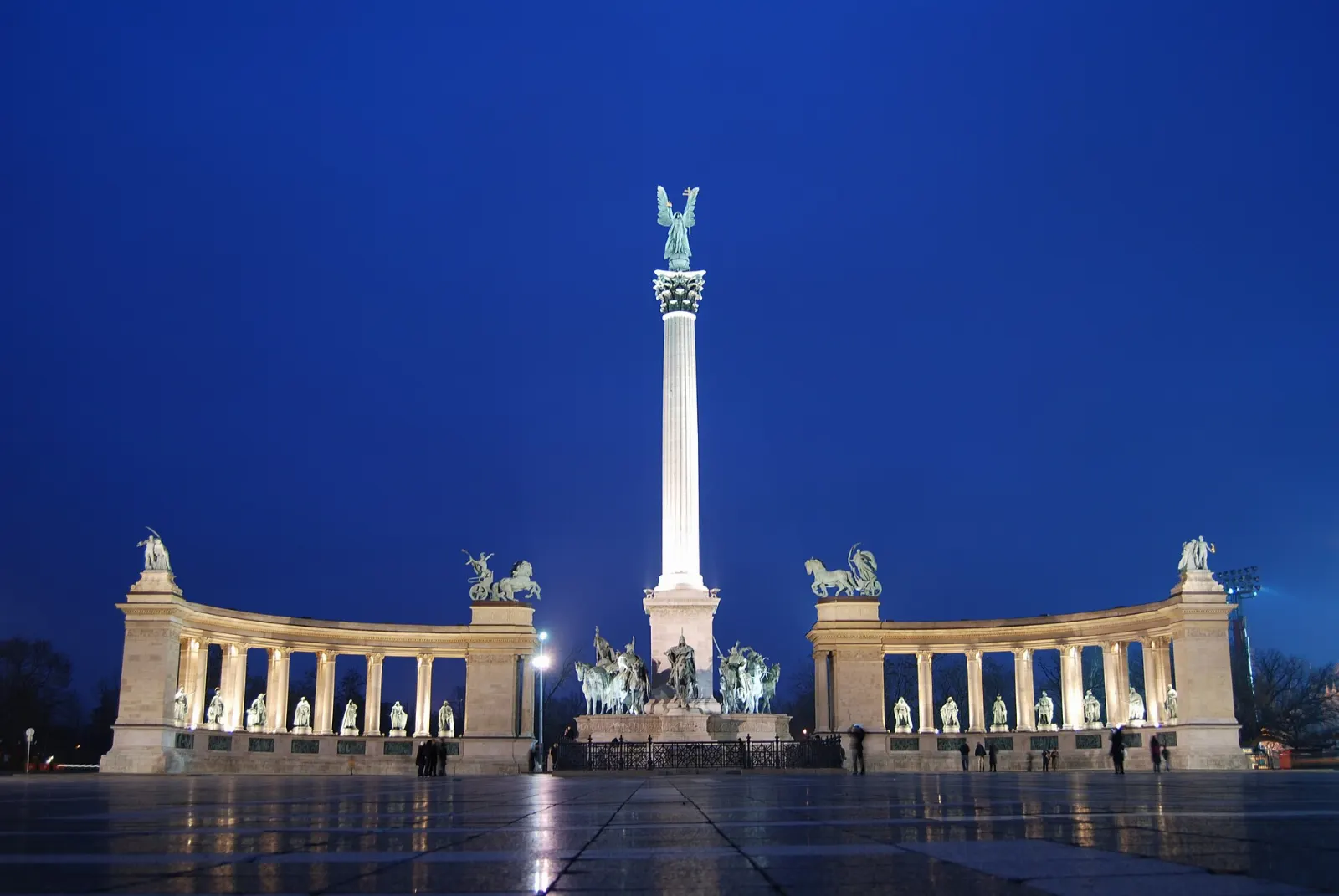
Széchenyi Bath and City Park
Behind Heroes' Square, City Park holds Vajdahunyad Castle, a lake used for skating in winter, and the Széchenyi Bath, which opened in 1913 and is one of the largest medicinal baths in Europe. Its outdoor pools are especially atmospheric on a cold morning.
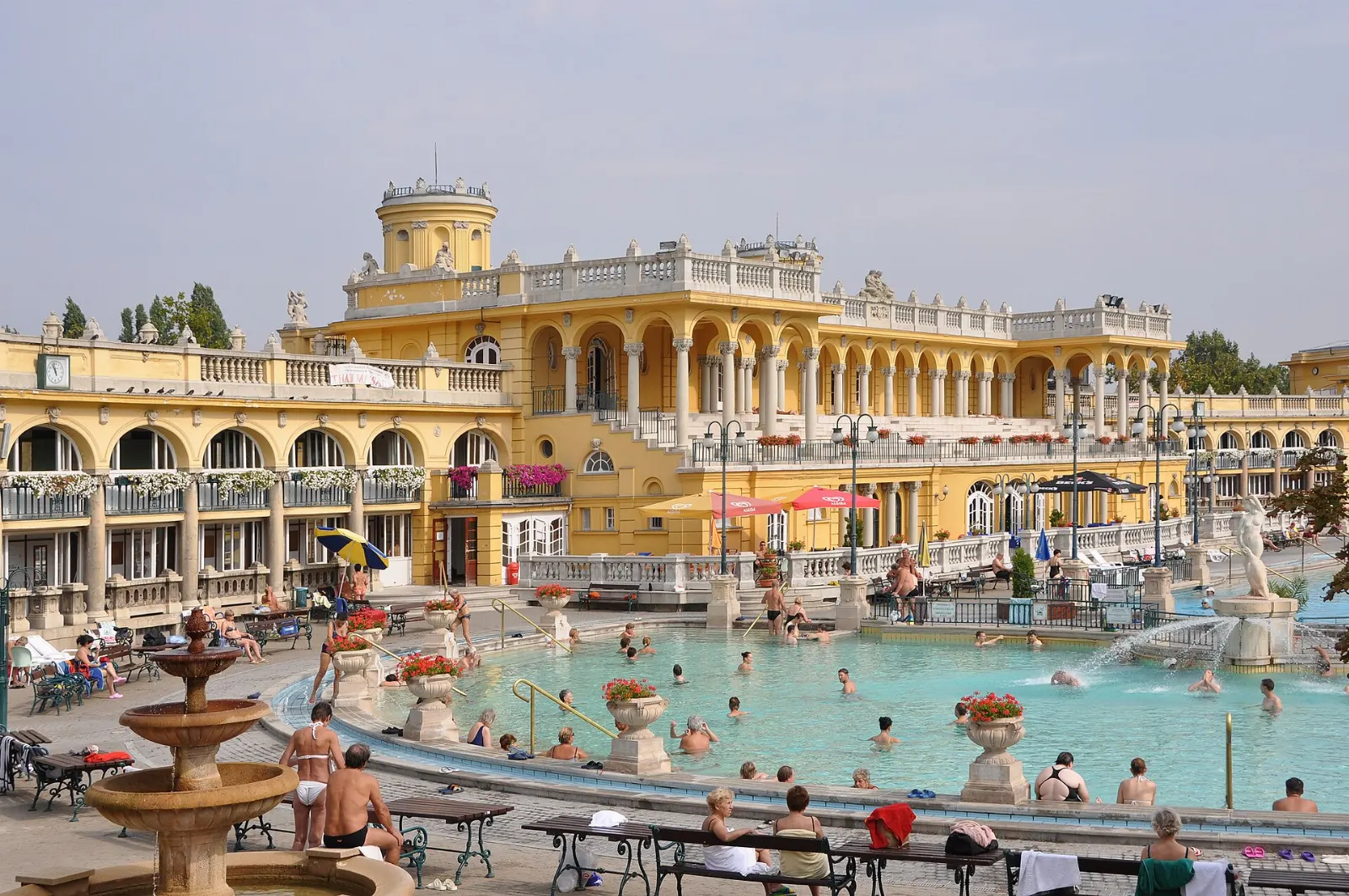
Margaret Island
This long, car-free island in the Danube between Margaret and Árpád bridges is the city's favorite park, with a running track, gardens, medieval ruins and a musical fountain. Allow two hours.
 Planning a trip to Budapest?Compare hotels, flights and vacation rentals for Budapest on Expedia.Book now
Food and local flavors
Hungarian cooking is hearty and built around paprika. Try gulyás, a brothy beef soup rather than a thick stew, and pörkölt, the richer stew most foreigners imagine when they think of goulash.
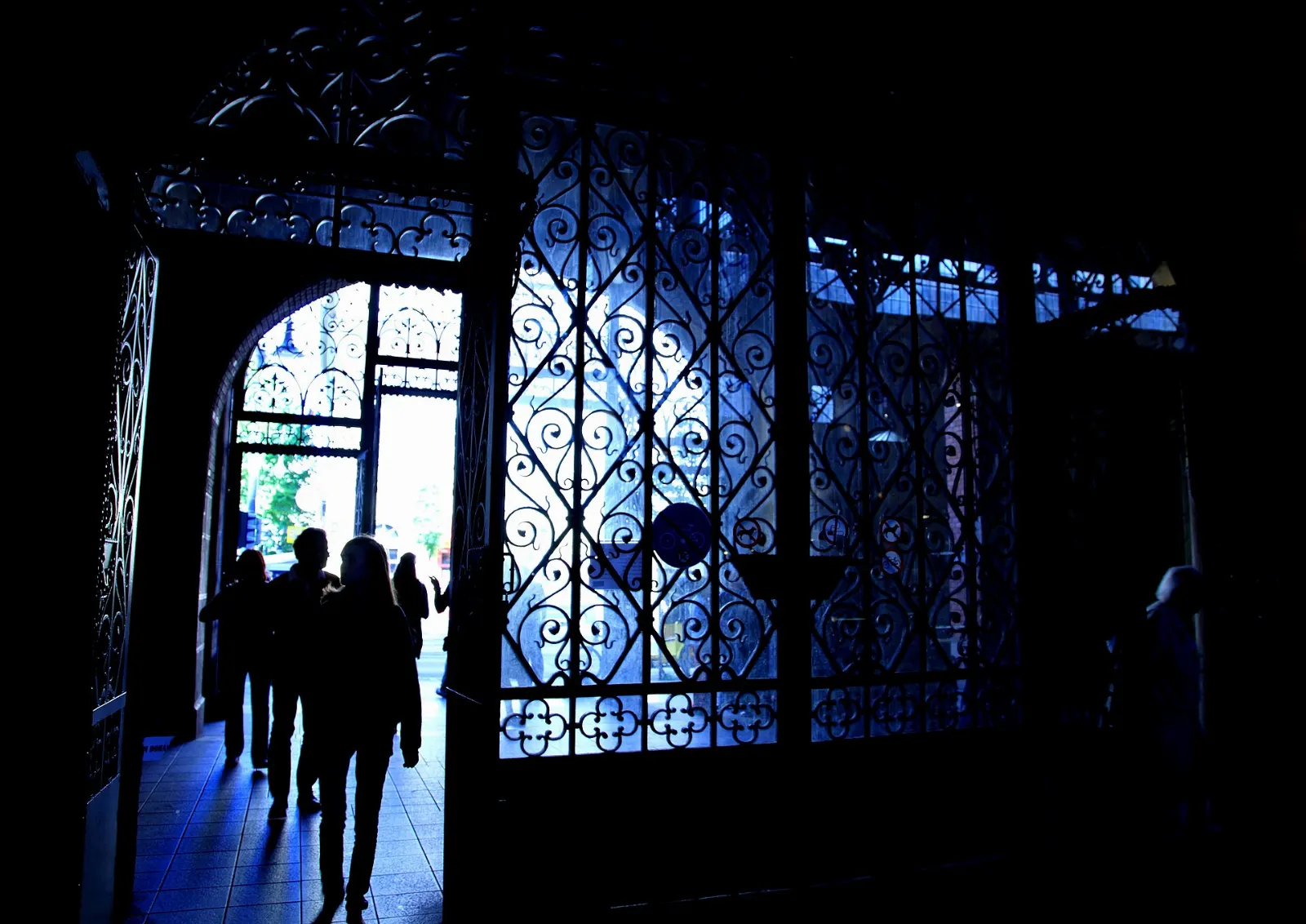
The Great Market Hall at the Pest end of Liberty Bridge, opened in 1897, is the best place to see it all, with paprika, salami and produce on the ground floor and food stalls upstairs.
Popular dishes to try in Budapest


Where to stay
District V (Belváros-Lipótváros): the historic heart of Pest, within walking distance of the Parliament, the basilica and the riverfront.
District VII (Erzsébetváros): the Jewish Quarter and the center of nightlife, with ruin bars, restaurants and lively streets.
District VI (Terézváros): along Andrássy Avenue near the Opera, with elegant streets and good metro links.
District I (Castle District): quiet and atmospheric, with views over the river, but hilly and farther from nightlife.
Where to stay in Budapest


Best time to visit
Spring, from April to June, and early autumn, from September to October, bring pleasant temperatures and long walking days.
Winter is cold and often gray, but the thermal baths come into their own, and Christmas markets fill Vörösmarty Square and the square in front of St. Stephen's Basilica from late November through the holidays.
Getting there and getting around
Budapest Ferenc Liszt International Airport lies about 16 kilometers southeast of the center. The 100E airport express bus runs to Deák Ferenc tér in the center, and taxis and ride-hailing services are available from official ranks.
Public transport is excellent.
A suggested itinerary
First day
Cross the Chain Bridge and ride or walk up to Castle Hill. See Buda Castle, then Fisherman's Bastion and Matthias Church.
Second day
Start with a Parliament tour, then climb the dome of St. Stephen's Basilica. Have coffee and cake at a grand cafe, then visit the Dohány Street Synagogue.
Third day
Stroll Andrássy Avenue to Heroes' Square, then spend the afternoon soaking at the Széchenyi Bath.
Practical tips
- Hungary uses the forint, not the euro. Cards are widely accepted, but carry some cash for markets and small kiosks.
- Book Parliament tours and popular restaurants in advance, especially in summer.
- Validate paper transit tickets and keep them until you leave the vehicle or station.
- Use licensed taxis or ride-hailing apps rather than hailing cars on the street.
- Pack a swimsuit and flip-flops for the baths; some sections may require a swim cap.
- Wear comfortable shoes; Castle Hill is steep and cobbled.