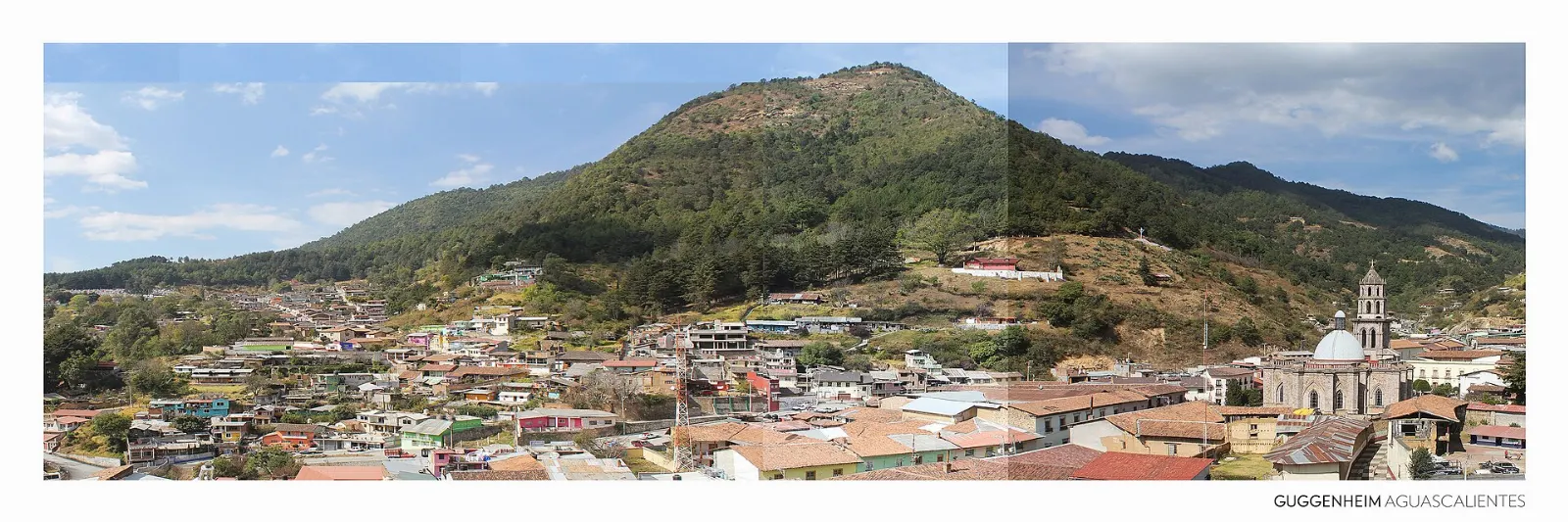
Tlalpujahua is a small mountain town in the northeast corner of Michoacán, a former gold-mining center that now lives on handblown Christmas ornaments.
AT A GLANCE
Best time
October to December for the Christmas ornament season, though weekends are very crowded.
How long
One full day is enough, or two if you add the monarch butterfly sanctuaries.
Getting there
Buses run from Mexico City's Observatorio terminal, and Morelia is about 156 kilometres away.
Why visit Tlalpujahua
Tlalpujahua was once among Mexico's leading gold producers, and the Dos Estrellas Mine drove the local economy until the government-run mine closed in 1959. A landslide in 1937 had already buried about a third of the town.
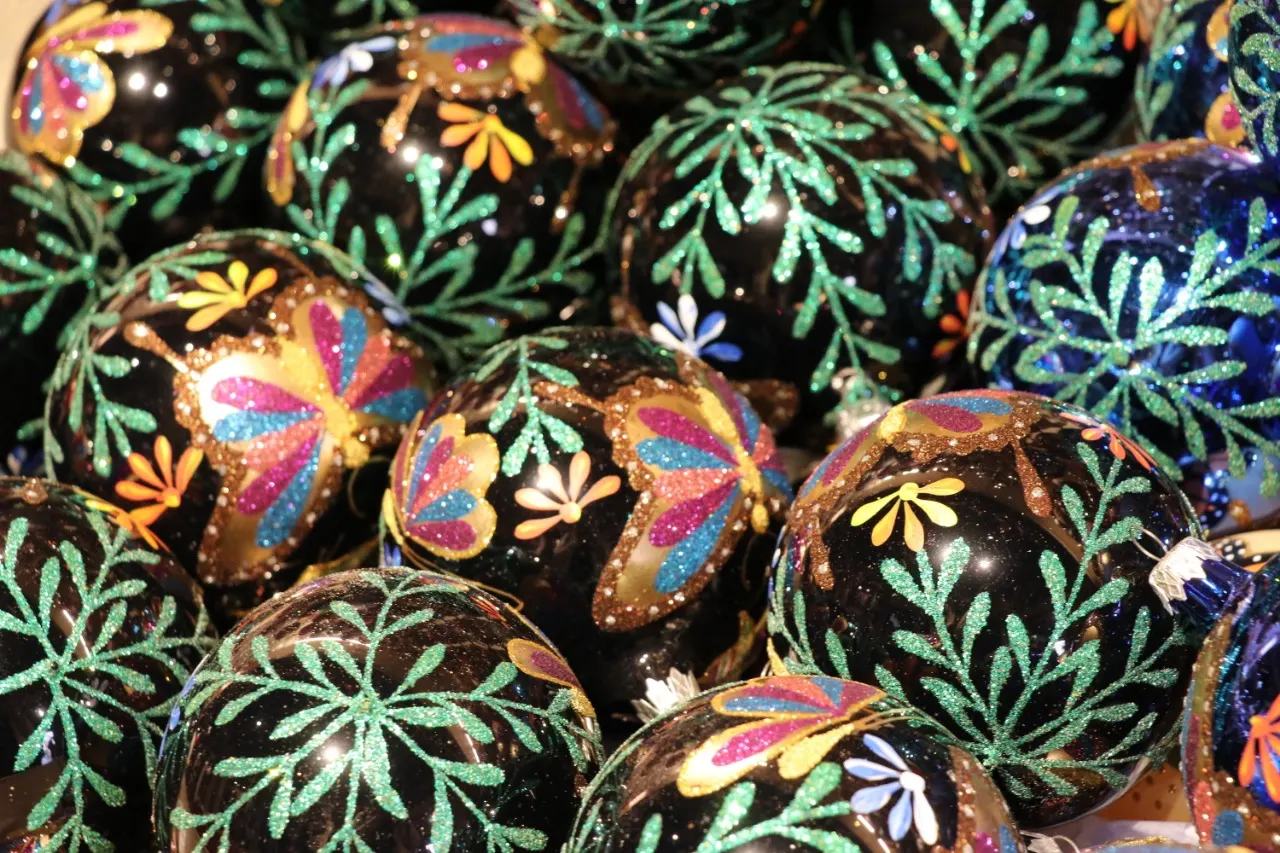
Today roughly 200 small workshops make glass spheres and other decorations, and the town became a Pueblo Mágico in 2005. Everything worth seeing sits within a short walk, and the story also touches the Mexican War of Independence through the López Rayón brothers. The result is a town with a clear identity: part mining heritage, part craft capital, part mountain retreat with pine forest on its doorstep.
Churches, museums and mining history
Templo de San Francisco
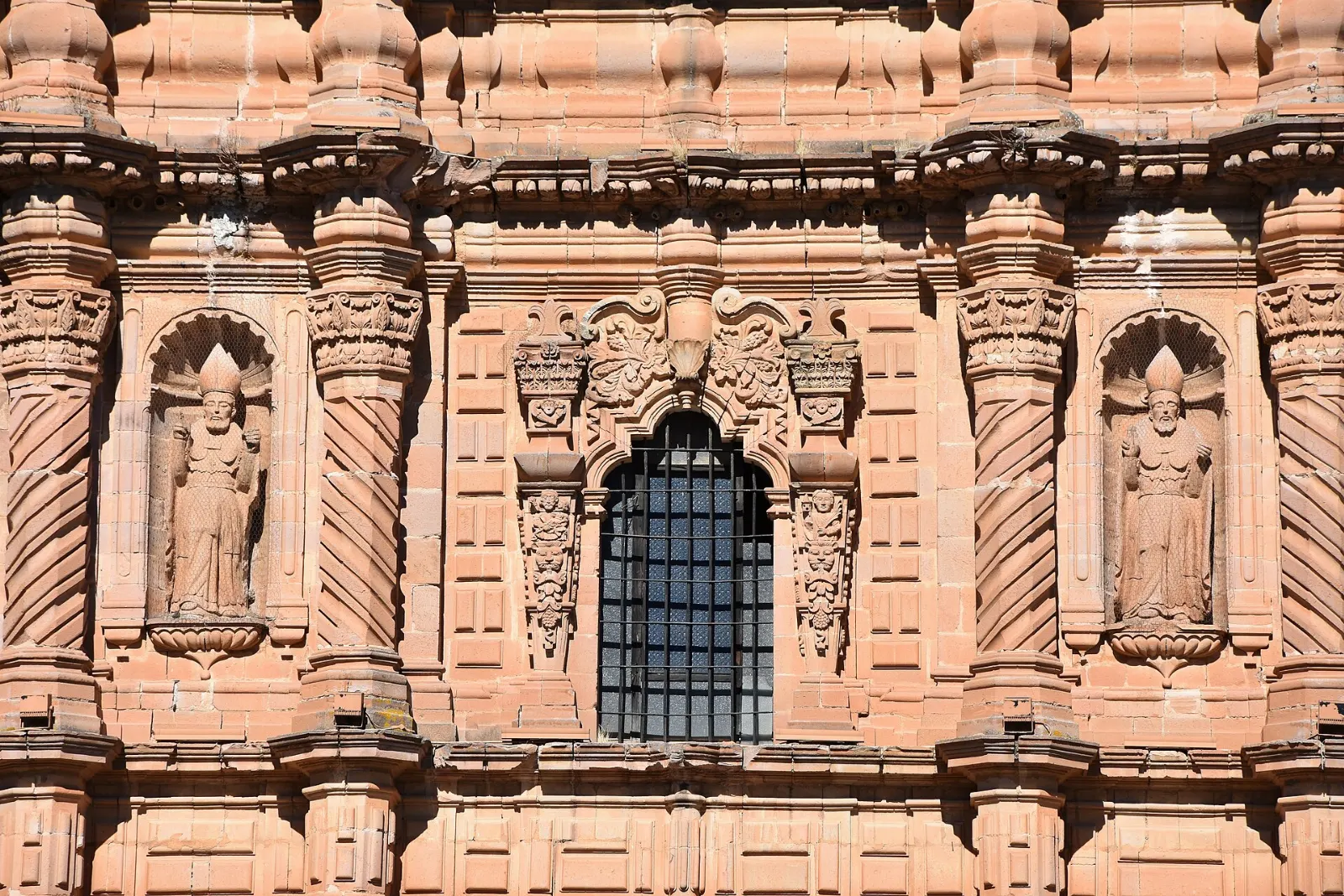
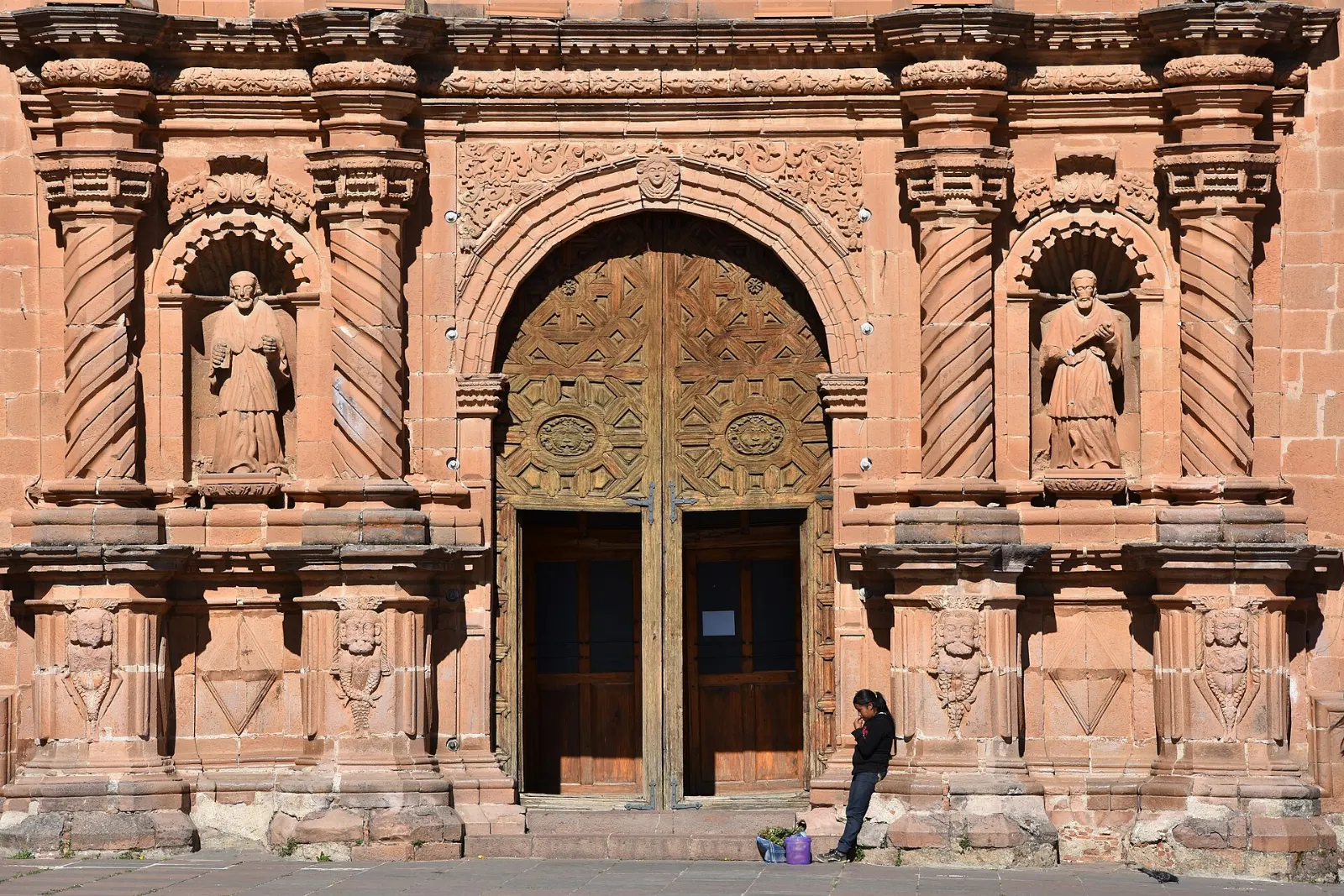
The former monastery of San Francisco is a baroque building from the seventeenth century, and its courtyard displays a figure of the poet Manuel Martínez de Navarrete, who lived here.
Santuario del Carmen
The parish church, also called San Pedro y San Pablo, stands on a hill with views over the town. Its baroque portal faces a plaza, and the interior was redecorated in the late nineteenth and early twentieth centuries by the artist Joaquín Orta Menchaca, who covered the walls in plaster flowers and plant motifs.
Museo Hermanos López Rayón
This small museum occupies the old Rayón family house and explains how the López Rayón brothers fought in the independence war and how mining later shaped the town. It has photographs, tools and documents, and half an hour is enough.
Mina Dos Estrellas
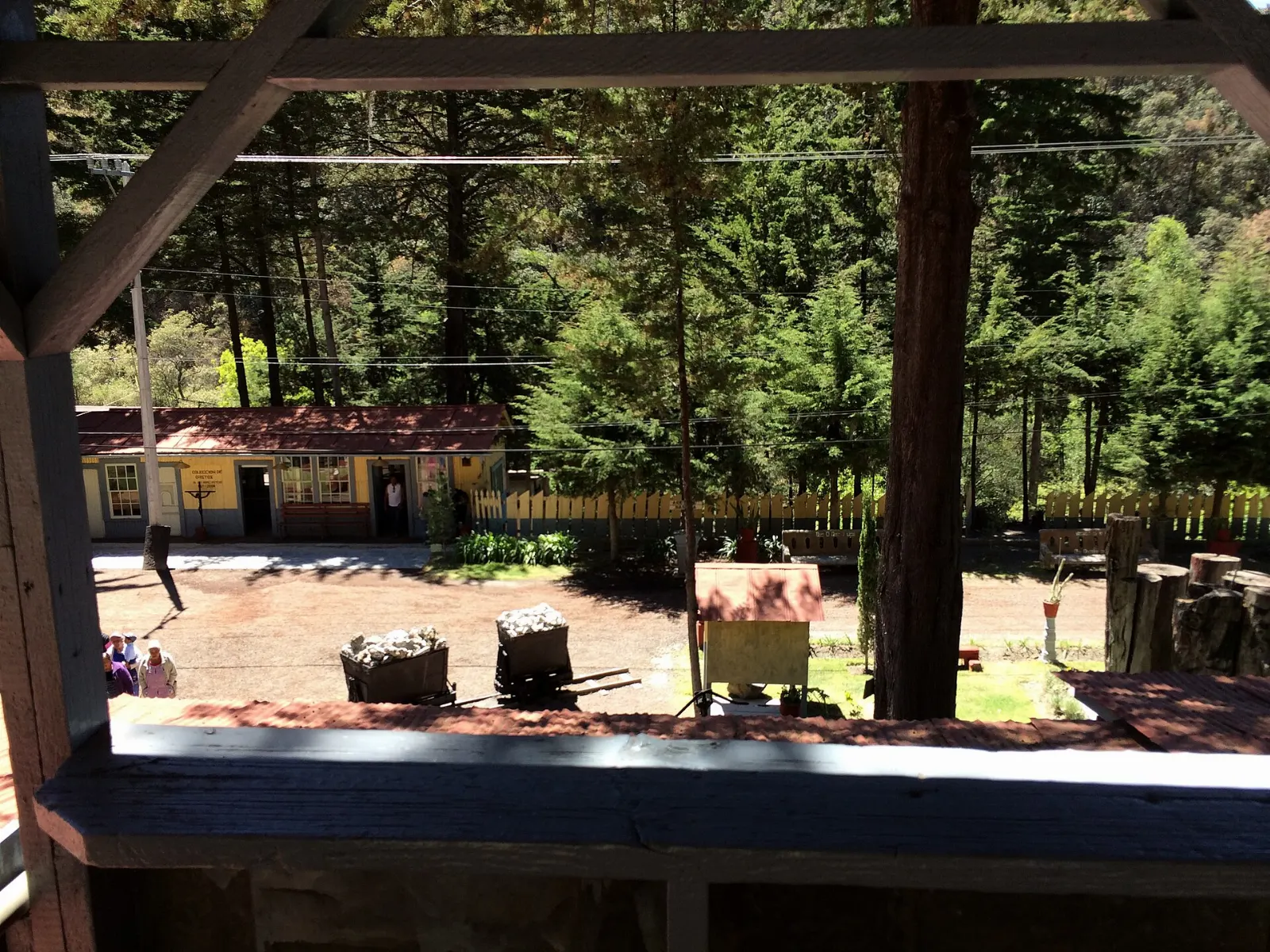
The mine began in 1898 after a rich vein was found and became a major producer of gold and silver. The site is now the Museo Tecnológico Minero Siglo 19, with preserved workshops, equipment and old photographs, plus sculptures made from mining scrap in the gardens.
Ornaments, markets and the Christmas season
Ornament workshops
Workshops around town welcome visitors who want to see how the glass spheres are blown, silvered and painted by hand.
Weekend shops and the Sunday market
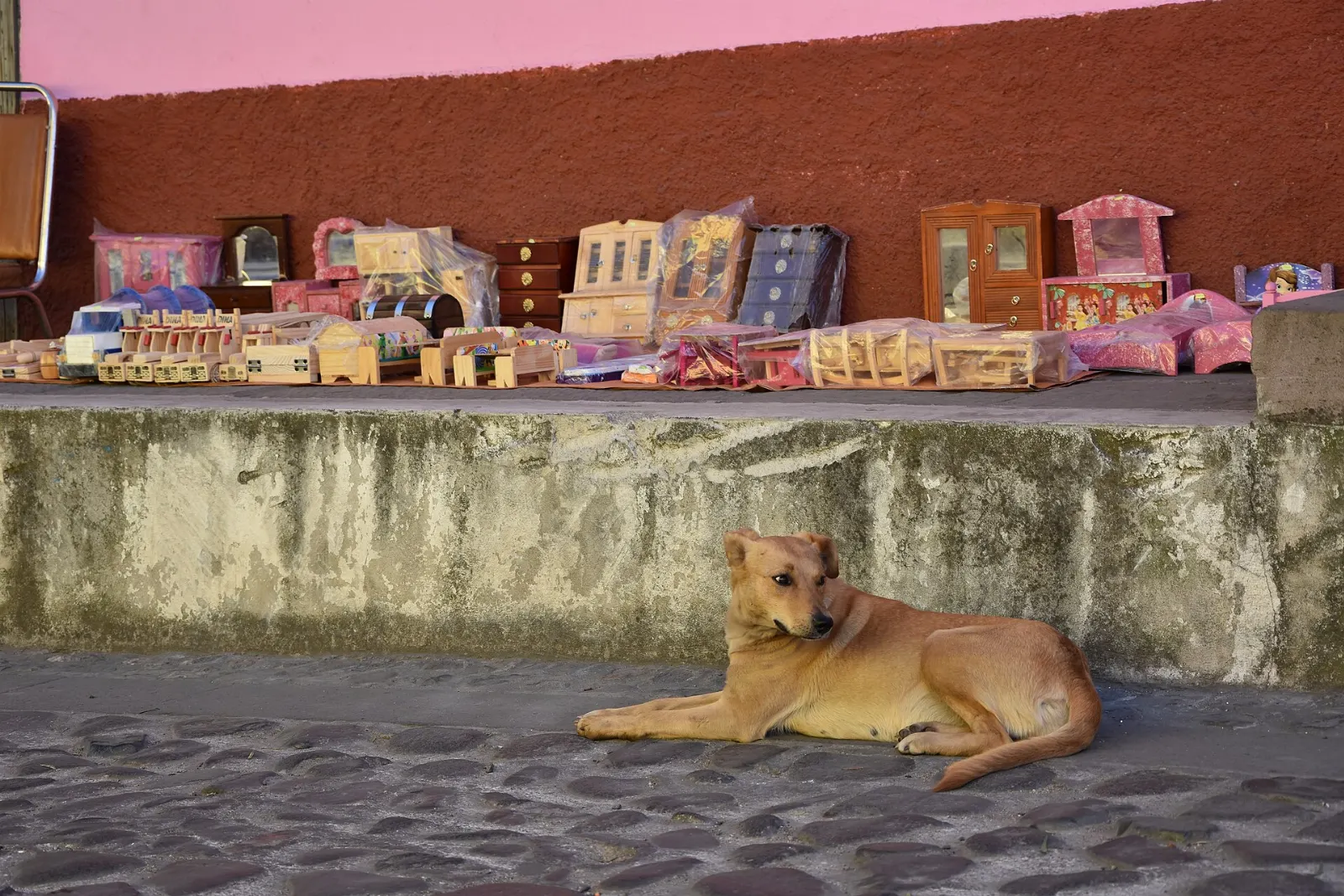
Many stores sell nothing but Christmas decorations, and some open only at weekends. Sunday is the weekly market day, with crafts that include feather work, wood, iron, stone and pottery, including high-fire ceramics from the La Estanzuela workshop.
Feria de la Esfera and the Christmas season
From October to December the whole town becomes a Christmas village, with an estimated 400,000 visitors, mostly on weekends. Bring cash, since many merchants do not take cards, and arrive early in the morning or come midweek.
Forest, villages and the monarch sanctuaries
Parque Nacional Hermanos Rayón
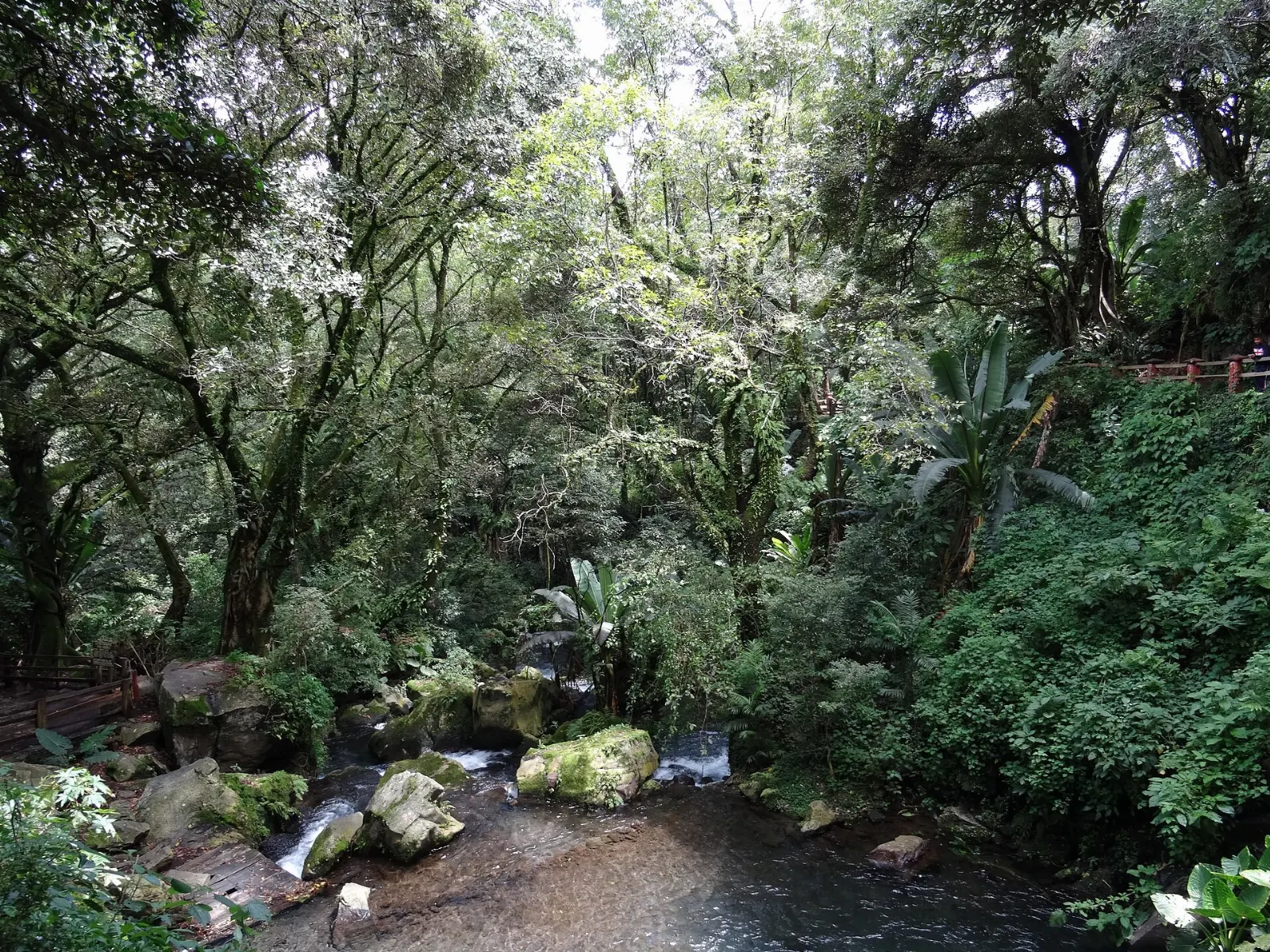
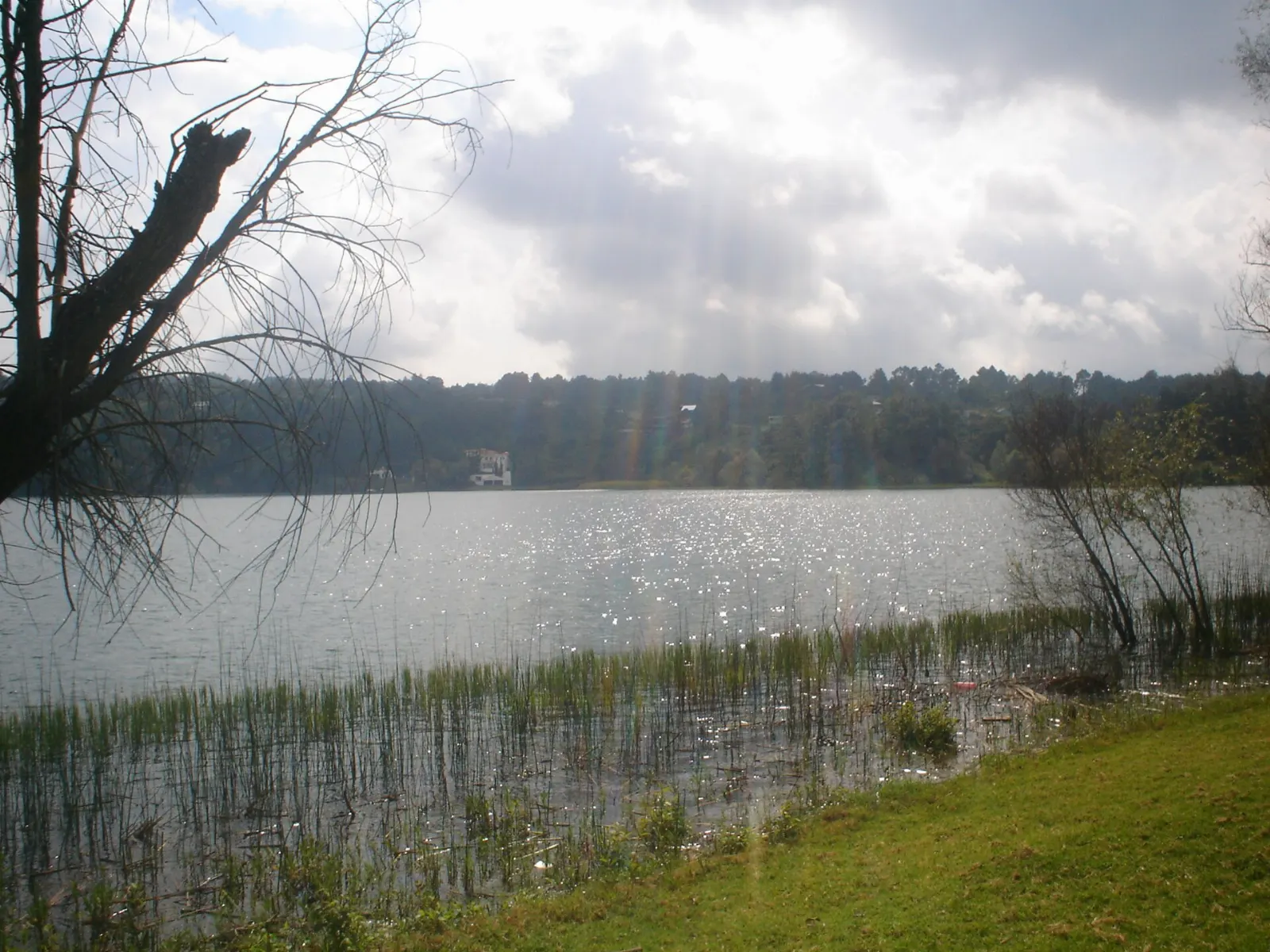
Also called Campo del Gallo, this small pine-covered national park was created in 1952 and protects the hilltop fortifications the Rayón brothers built in 1812. It is a good short walk for forest air and birds.
Santiago Puxtla and Señor Jesús del Monte
Santiago Puxtla has a sixteenth-century church with a graveyard, and Day of the Dead is one of its main events.
Angangueo and the monarch butterfly reserve
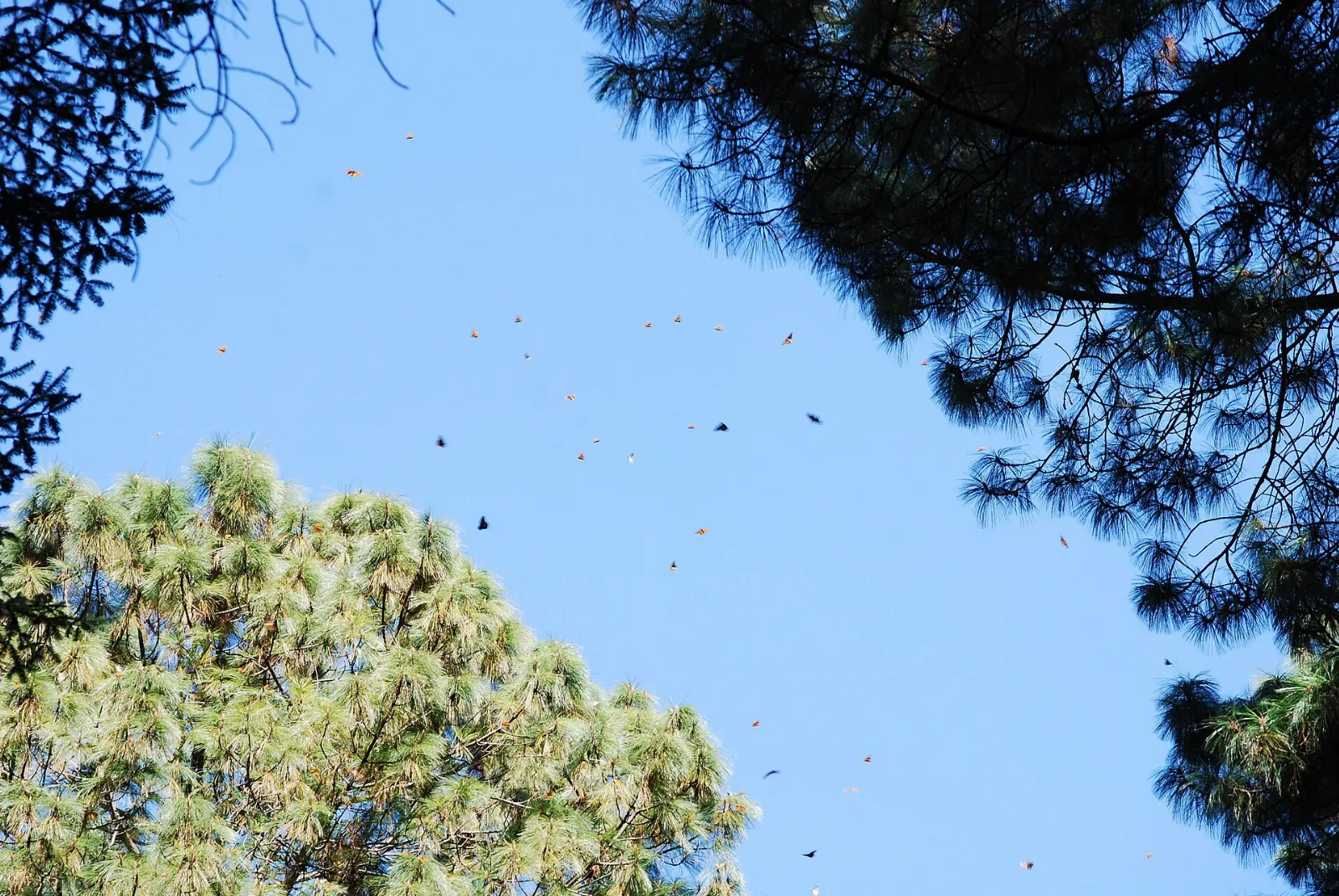
The Sierra Chincua sanctuary, part of the Monarch Butterfly Biosphere Reserve, is about 28 kilometres from town, and Angangueo is the usual base for visits. The butterflies are present only in the cooler part of the year, so check the sanctuary's season and access rules before planning.
Food and local flavors
Michoacán is tamale country. Look for corundas, triangular corn tamales wrapped in long leaves and eaten with cream and salsa, and uchepos, the softer, sweeter tamales made from fresh corn.
The weekend market and the small restaurants around the main square also serve soups made with local mushrooms, turkey in mole and pickled nopales. During the Christmas season vendors sell hot punch and tamales beside the ornament shops.
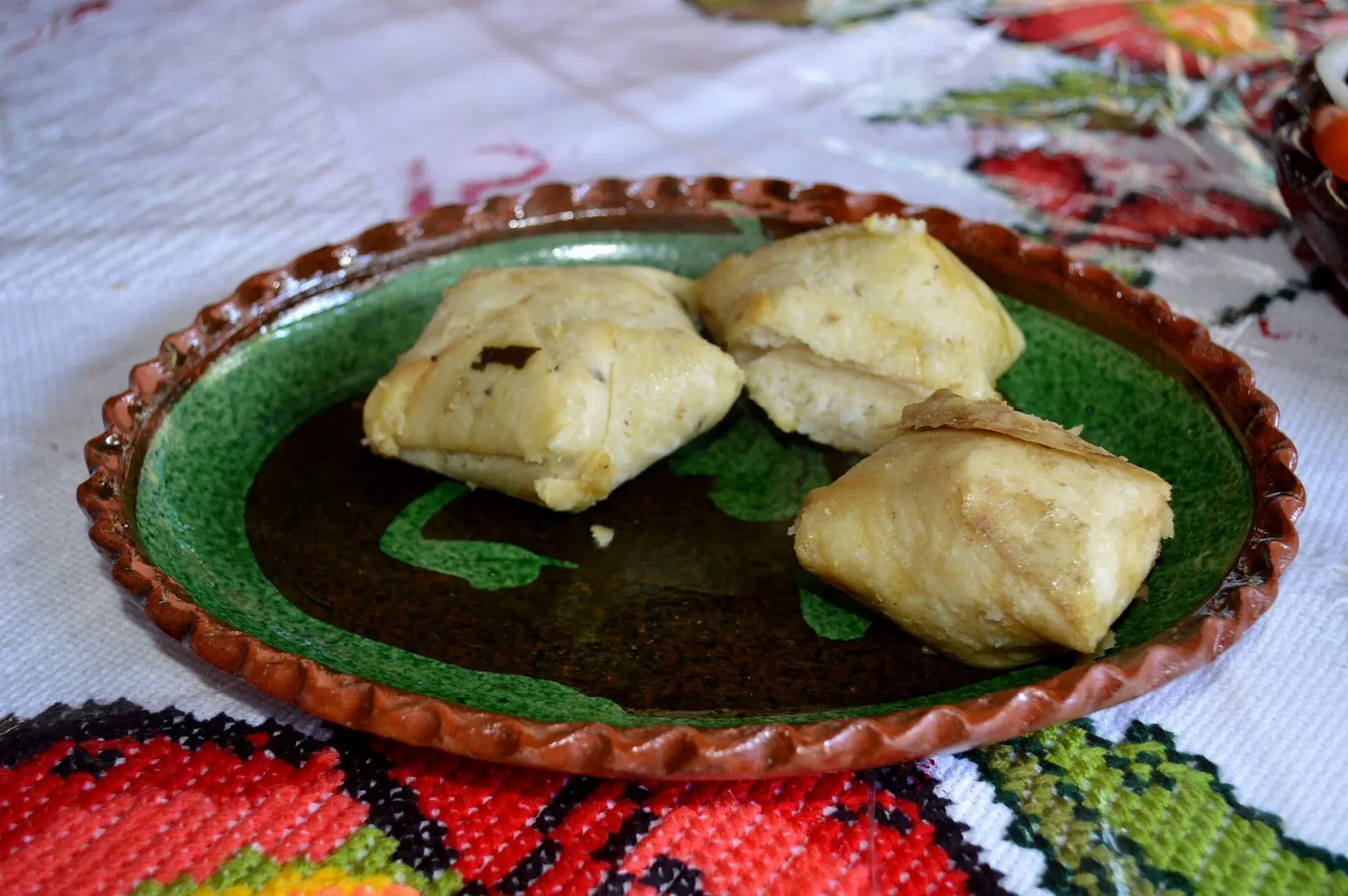
Popular dishes to try in Tlalpujahua


Where to stay
Centro Histórico is the best base for most visitors, with hotels, restaurants and shops within a few blocks of the main square and the church. Many hotels here have restaurants or parking, which matters on busy weekends.
Angangueo, another former mining town, suits travelers who want to see the monarch butterflies and are happy to spend a night in the mountains.
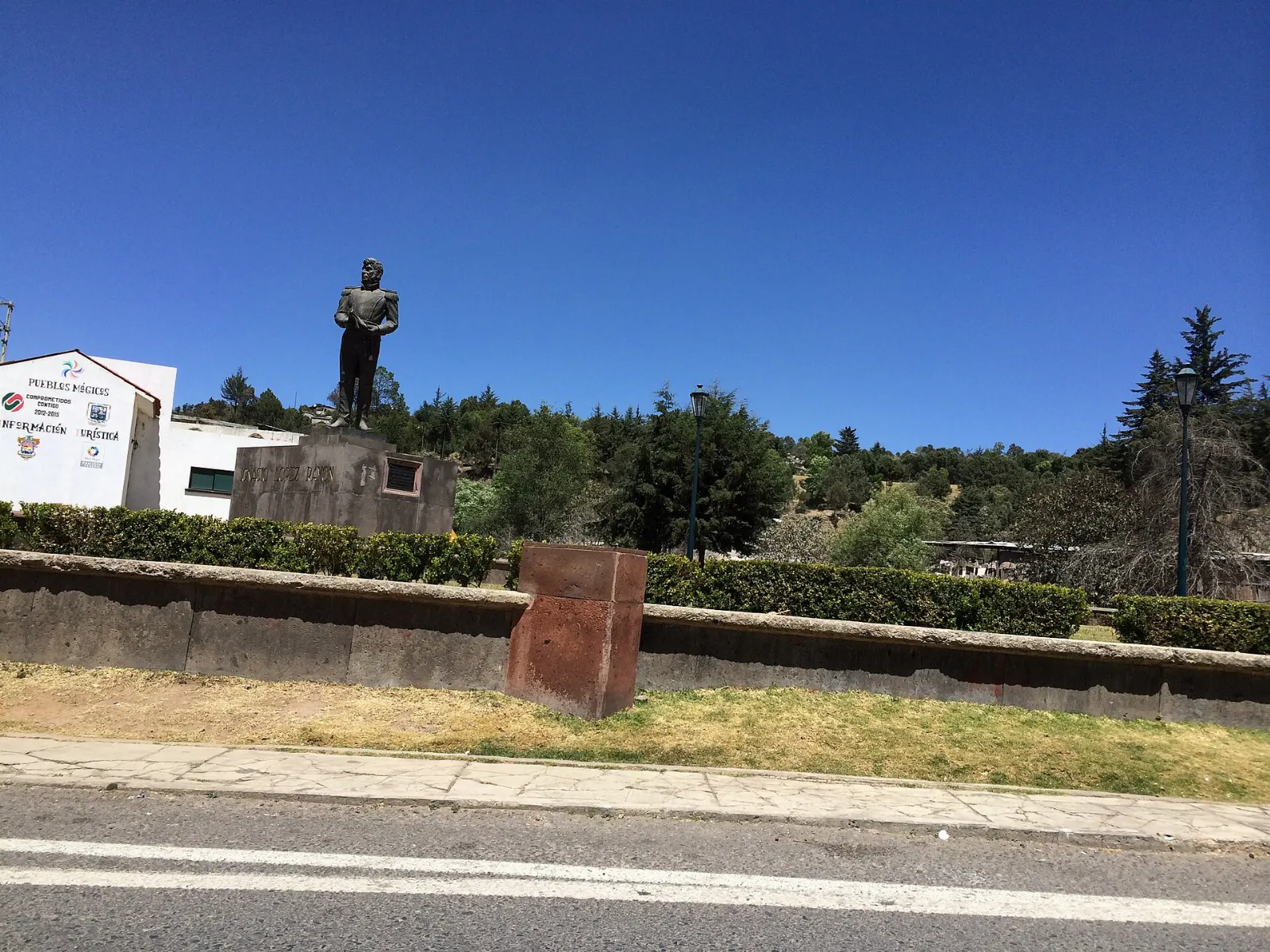
Where to stay in Tlalpujahua


Best time to visit
The big draw is the Christmas season from October to December, but it is also the busiest time. Weekdays are calmer and shops are easier to browse. Highland winters are cold and sometimes snowy, summers are mild, and rain falls through much of the year, with average temperatures running from roughly 6 to 23 degrees Celsius.
Getting there and getting around
Pegasso buses run to Tlalpujahua from Mexico City's Observatorio terminal. If no direct bus is leaving, take a bus to Oro de Hidalgo and ride a short taxi to town; the trip takes about two and a half hours.
The town is small, hilly and best explored on foot, with a taxi stand near the main square. A car helps for the park and nearby villages, but parking disappears on Christmas season weekends, so park early or leave the car outside the center.
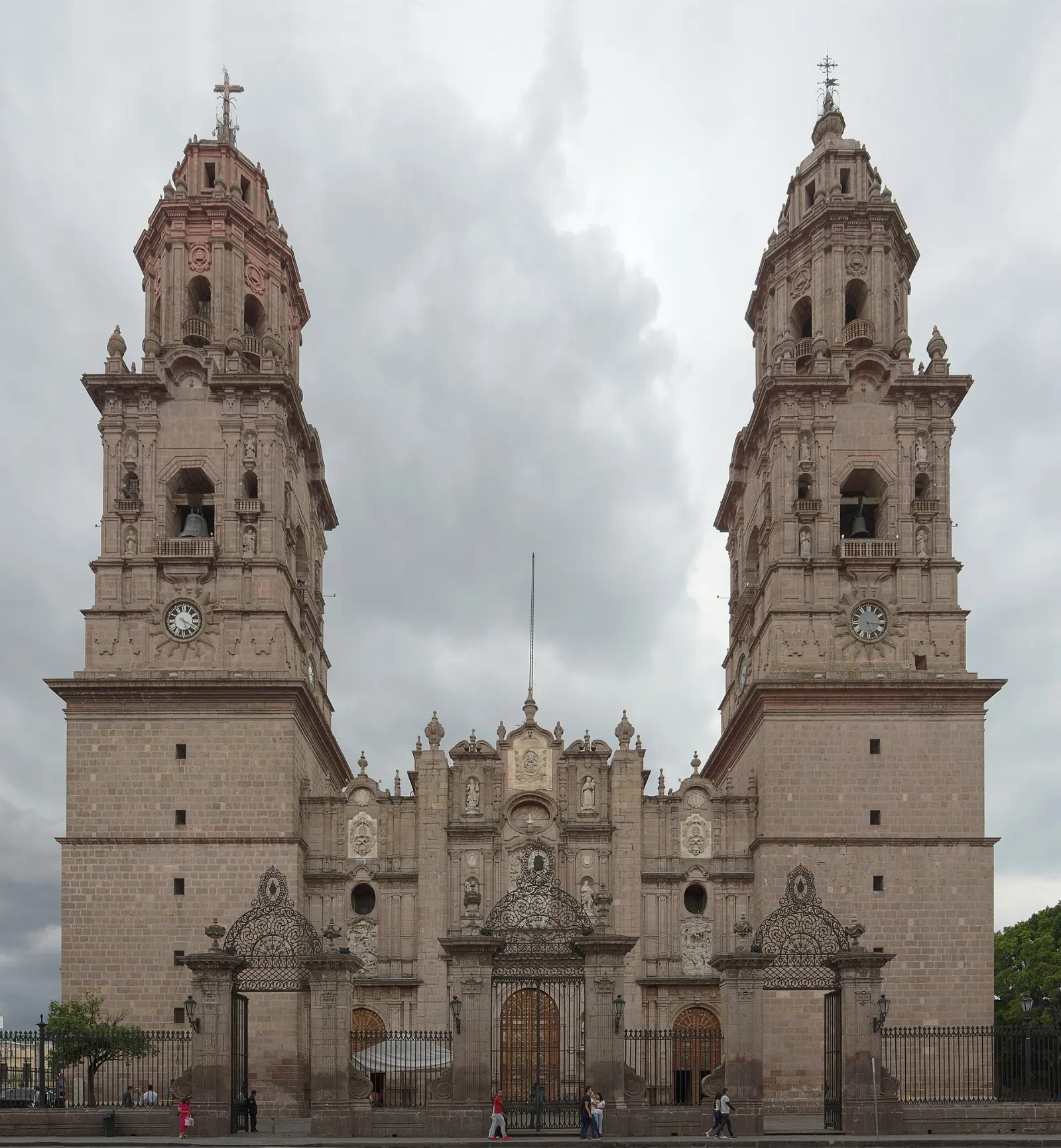
A suggested itinerary
First day
Arrive in the morning and walk to the Santuario del Carmen, then the San Francisco monastery.
Second day
Walk or drive to Rayón National Park in the morning, then continue to Angangueo for the monarch sanctuary in season. If you are heading to Morelia, break the journey in town for a final round of shopping.
Practical tips
- Carry cash, because many shops and stalls do not accept cards.
- Wear comfortable shoes for steep, uneven stone streets.
- Check tour languages and photography rules at the mine museum before you go.
- Visit on a weekday in the Christmas season to avoid the heaviest crowds.
- Bring layers, since the mountain air is cool and rain can arrive at any time of year.
- Wrap glass ornaments well and keep them in your carry-on bag.