WiserMap — Choose wisely. Connect locally.Choose wisely. Connect locally.Add your business
Monarch Butterfly Biosphere Reserve, Michoacán · Travel guide

Monarch Butterfly Biosphere Reserve Mexico Sanctuaries

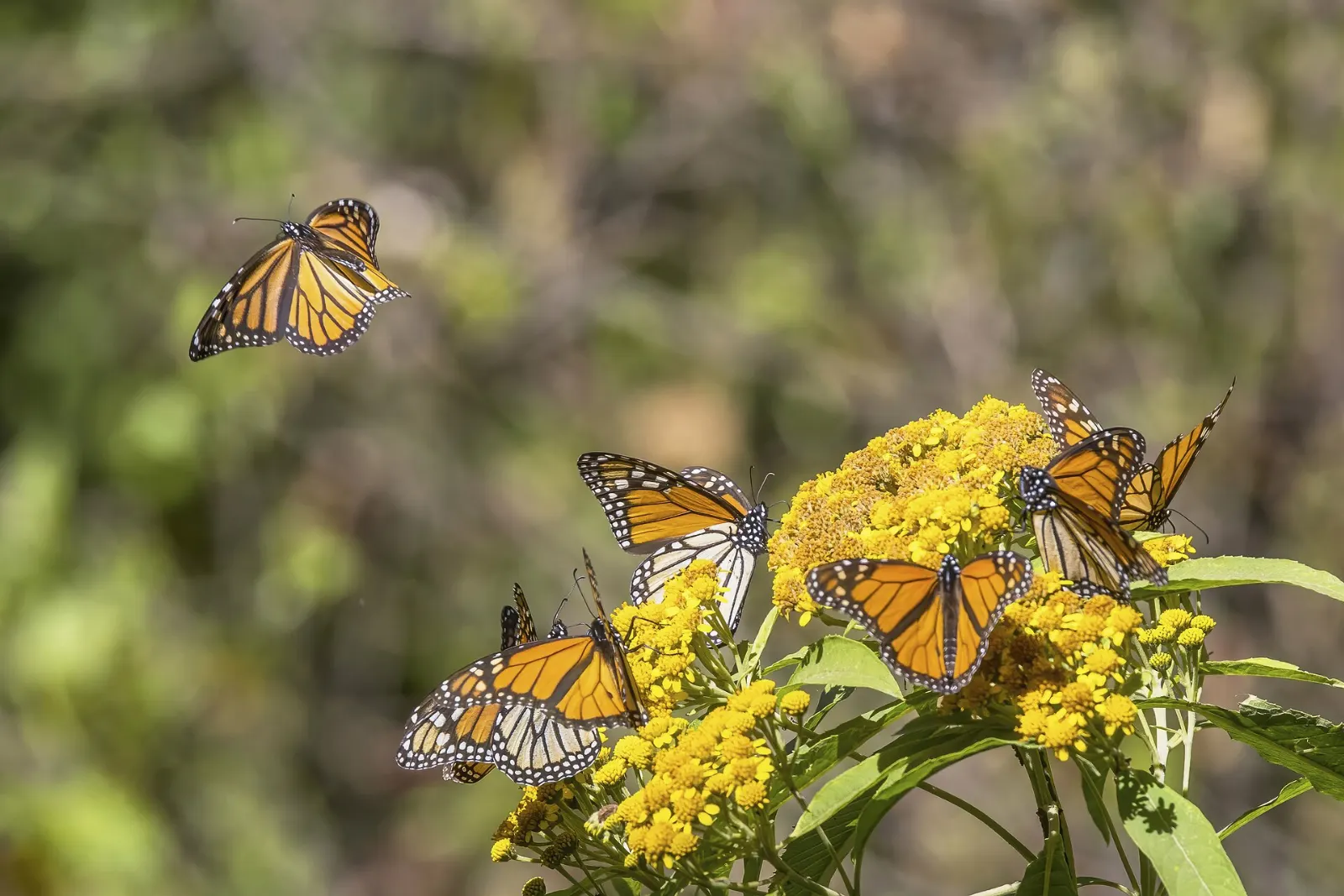
Every winter, millions of monarch butterflies travel from eastern North America to the high forests of central Mexico, and the Monarch Butterfly Biosphere Reserve protects most of the places where they settle. It is a World Heritage Site spread across the border of Michoacán and the State of Mexico, about 100 kilometers northwest of Mexico City.

By WiserMap TravelUpdated October 2026 8 places9 min read
FacebookXLinkedIn
At a glance Monarch Butterfly Biosphere Reserve
  1. Best timeMid to late winter, when the monarchs are in the forest; the season runs from October to March.
  2. How longTwo days, so you can visit one sanctuary and add a second town or lake.
  3. Getting thereBy road to Angangueo or Zitácuaro from Mexico City or Morelia, then local transport.

Why visit the Monarch Butterfly Biosphere Reserve

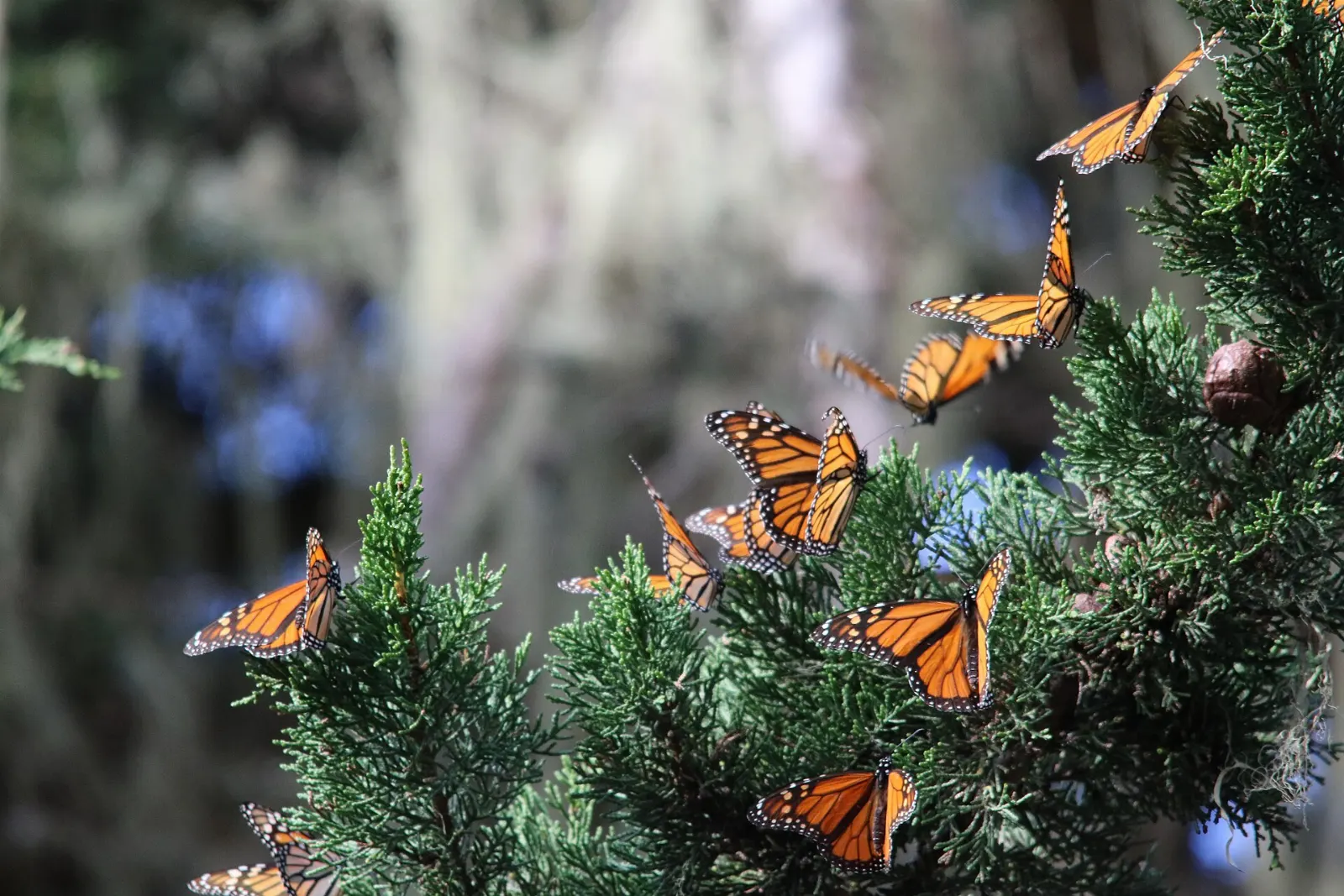
The reserve was declared a biosphere reserve in 1980 and enlarged to about 56,000 hectares in 2000, and it became a World Heritage Site in 2008. Researchers only brought the overwintering sites to wider attention in 1975. The butterflies use just a fraction of the land, mostly from October to March, clustering on pine and oyamel fir trees until the branches sag under their weight.

The experience is quiet and physical. You walk uphill through cool mountain forest, and then the trees turn orange. On warm days, when the sun reaches the clusters, the monarchs take flight, and their wings have been compared to the sound of light rain.

The wider landscape is part of the appeal. The reserve is predominantly rural, with communities of Otomí and Mazahua people, and the forests of pine and oyamel fir climb to peaks of around 2,700 meters in Michoacán.

The sanctuaries in Michoacán

Visitors walking through the El Rosario butterfly sanctuary forest, Monarch Butterfly Biosphere Reserve, Michoacán

El Rosario

El Rosario is the largest sanctuary in Michoacán, with monarchs covering about 1,500 trees, and it is the most popular entrance to the reserve. The town of Angangueo is the nearest base.

El Rosario is the largest butterfly sanctuary in Michoacán. Photo: Maricint, Wikimedia Commons, CC BY-SA 4.0
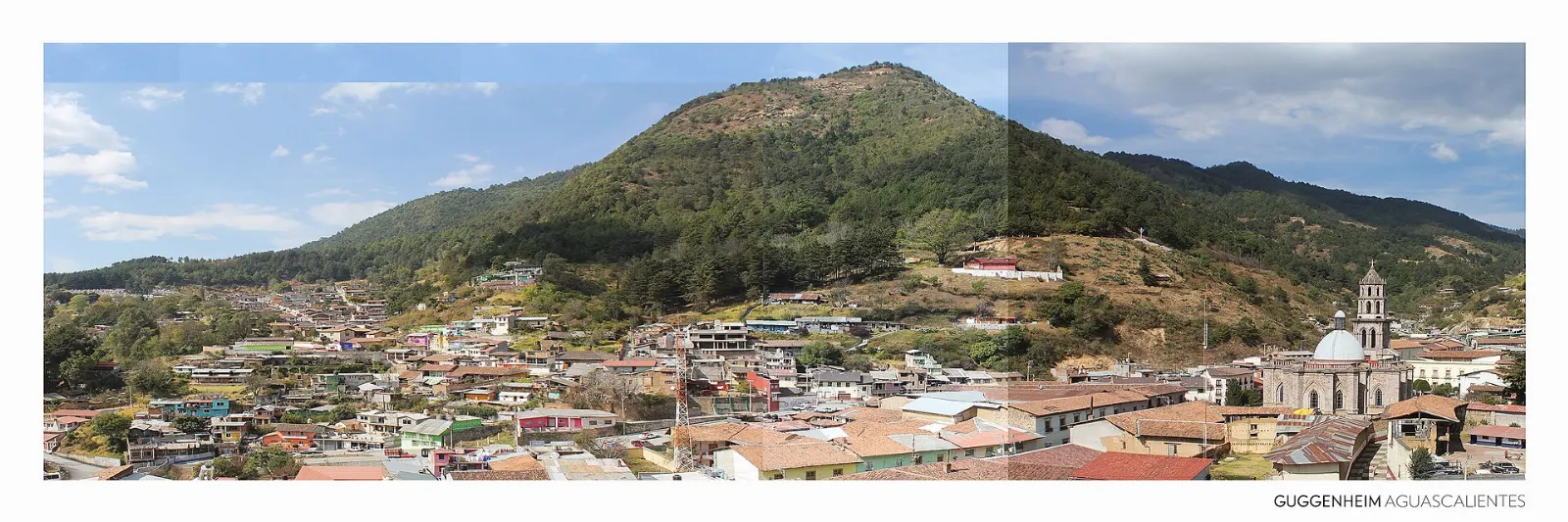
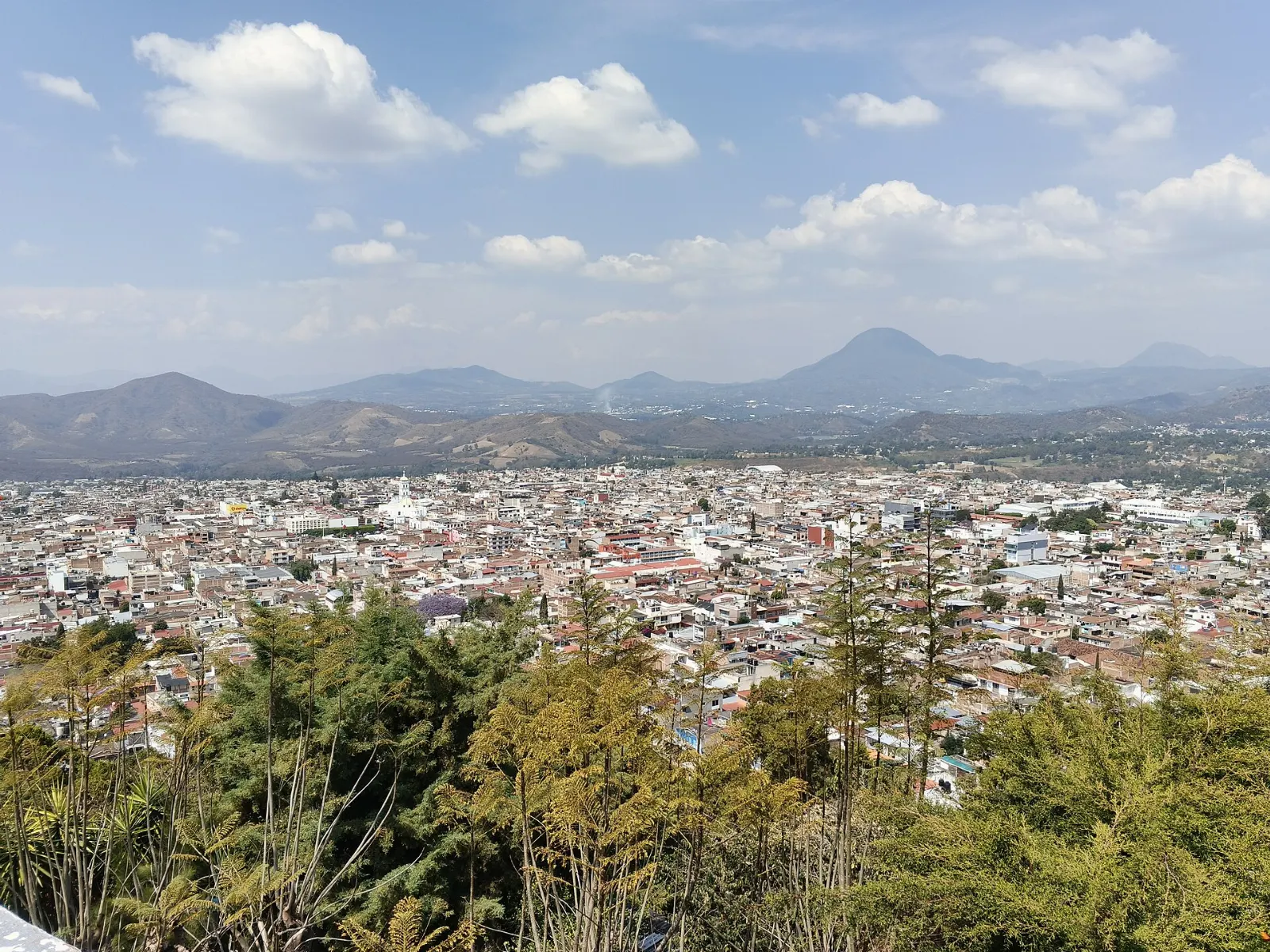
Monarch butterflies in the forest of Sierra Chincua, Monarch Butterfly Biosphere Reserve, Michoacán

Sierra Chincua

Sierra Chincua is the other sanctuary open to visitors in Michoacán. It has a research facility dedicated to the monarch and a nursery for reforestation efforts, so it is a good choice if you want to understand the conservation story as well as see the butterflies.

Sierra Chincua has a monarch research facility and a reforestation nursery. Photo: AlejandroLinaresGarcia, Wikimedia Commons, CC BY-SA 4.0

The sanctuaries in the State of Mexico

Monarch butterflies resting in the Piedra Herrada sanctuary, Monarch Butterfly Biosphere Reserve, Michoacán

Piedra Herrada

Piedra Herrada is one of three colonies open to visitors on the State of Mexico side, along with La Mesa and El Capulín. It is the natural choice if you are traveling from Mexico City or staying around Valle de Bravo.

Piedra Herrada is one of the colonies open to visitors in the State of Mexico. Photo: Charles J. Sharp, Wikimedia Commons, CC BY-SA 4.0

La Mesa

La Mesa is another State of Mexico sanctuary with public access during the season. It is worth considering if the Michoacán sites feel crowded on a weekend.

Branches of an oyamel fir bending under thousands of monarch butterflies, Monarch Butterfly Biosphere Reserve, Michoacán

El Capulín

El Capulín completes the trio of State of Mexico colonies that welcome visitors. Compare the three before booking, since arrangements differ from site to site and from one season to the next.

Branches sag under the weight of clustered monarchs during the winter. Photo: Pacific Southwest Region USFWS from Sacramento, US, Wikimedia Commons, Public domain

Base towns and nearby places

Houses and church in the mountain town of Angangueo, Monarch Butterfly Biosphere Reserve, Michoacán

Angangueo

Angangueo is a small mining town in a canyon, founded after a large mineral deposit was discovered in the late 18th century. The mines gave out in the 20th century, and today the nearby butterfly sanctuaries have brought in some tourism.

Angangueo sits in a small canyon and is the closest town to El Rosario. Photo: Oscar Rolando López Ramirez, Wikimedia Commons, CC BY-SA 4.0

Street and church in the city of Zitácuaro, Monarch Butterfly Biosphere Reserve, Michoacán

Zitácuaro

Zitácuaro is the main city on the eastern edge of Michoacán, close to the State of Mexico border.

Zitácuaro is a city in eastern Michoacán near the reserve. Photo: Letstown, Wikimedia Commons, CC0

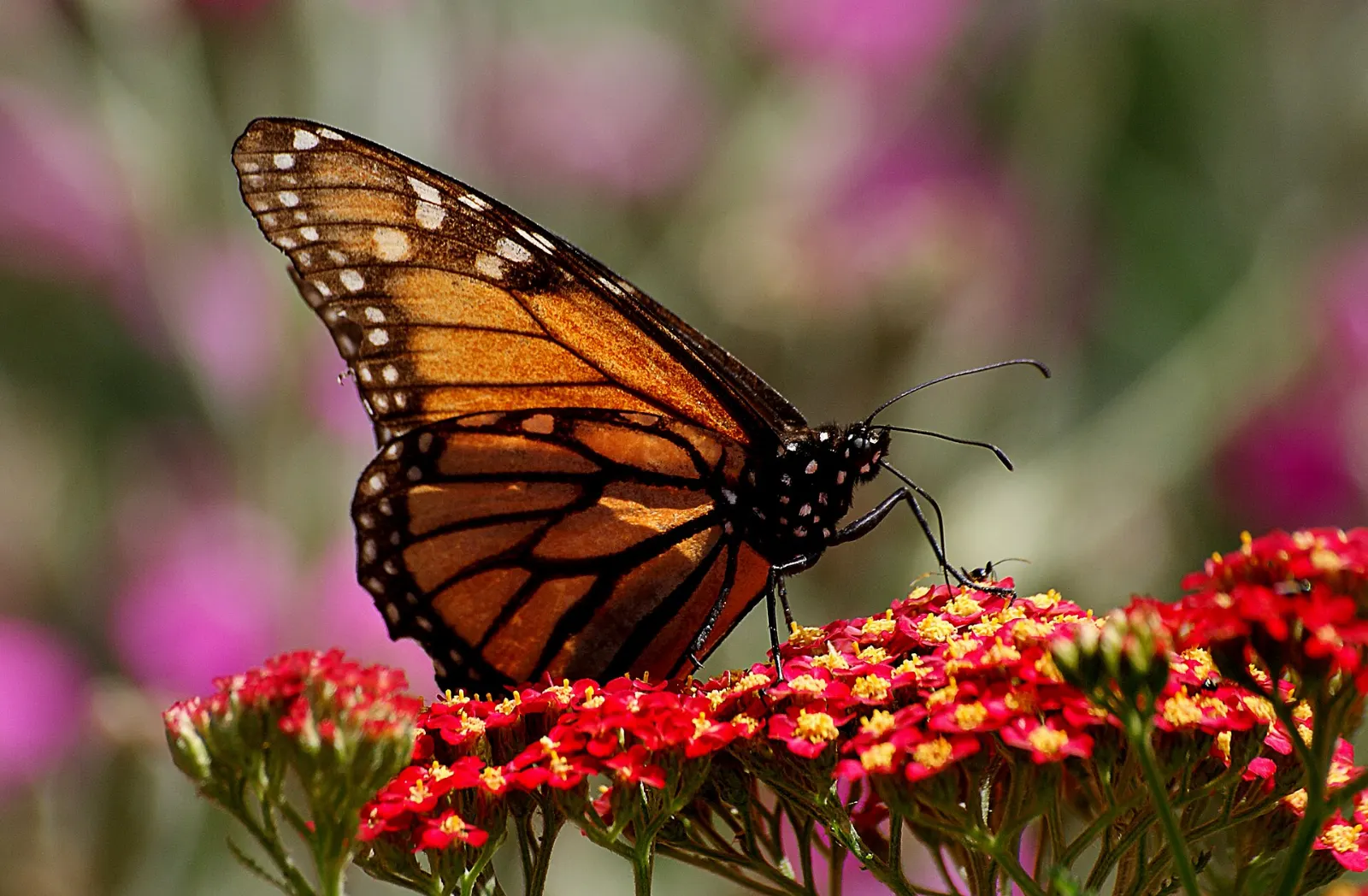
Lake Avándaro with boats near Valle de Bravo, Monarch Butterfly Biosphere Reserve, Michoacán

Valle de Bravo

Valle de Bravo sits on the shore of Lake Avándaro in the State of Mexico, about two hours by road from Mexico City. It is a popular weekend getaway that suits a relaxed pause before or after the forest.

Valle de Bravo lies on the shore of Lake Avándaro in the State of Mexico. Photo: B.jars, Wikimedia Commons, CC BY-SA 4.0
Food and local flavors

The towns around the reserve eat the food of the Michoacán highlands and the neighboring State of Mexico. Sopa tarasca, a bean and tortilla soup with chili and crema, is the classic warming order after a cold forest morning.

In Angangueo and Zitácuaro, look for family kitchens and market stalls near the main plaza. Ask what is fresh that day and eat early, since mountain towns wind down in the evening.

Popular dishes to try in Monarch Butterfly Biosphere Reserve

Sopa tarasca in Monarch Butterfly Biosphere Reserve, Michoacán
Sopa tarasca Sopa tarasca, a bean and tortilla soup with chili and crema, is the classic warming order after a cold forest morning.Photo: Radiodreamer, Wikimedia Commons, CC BY-SA 4.0
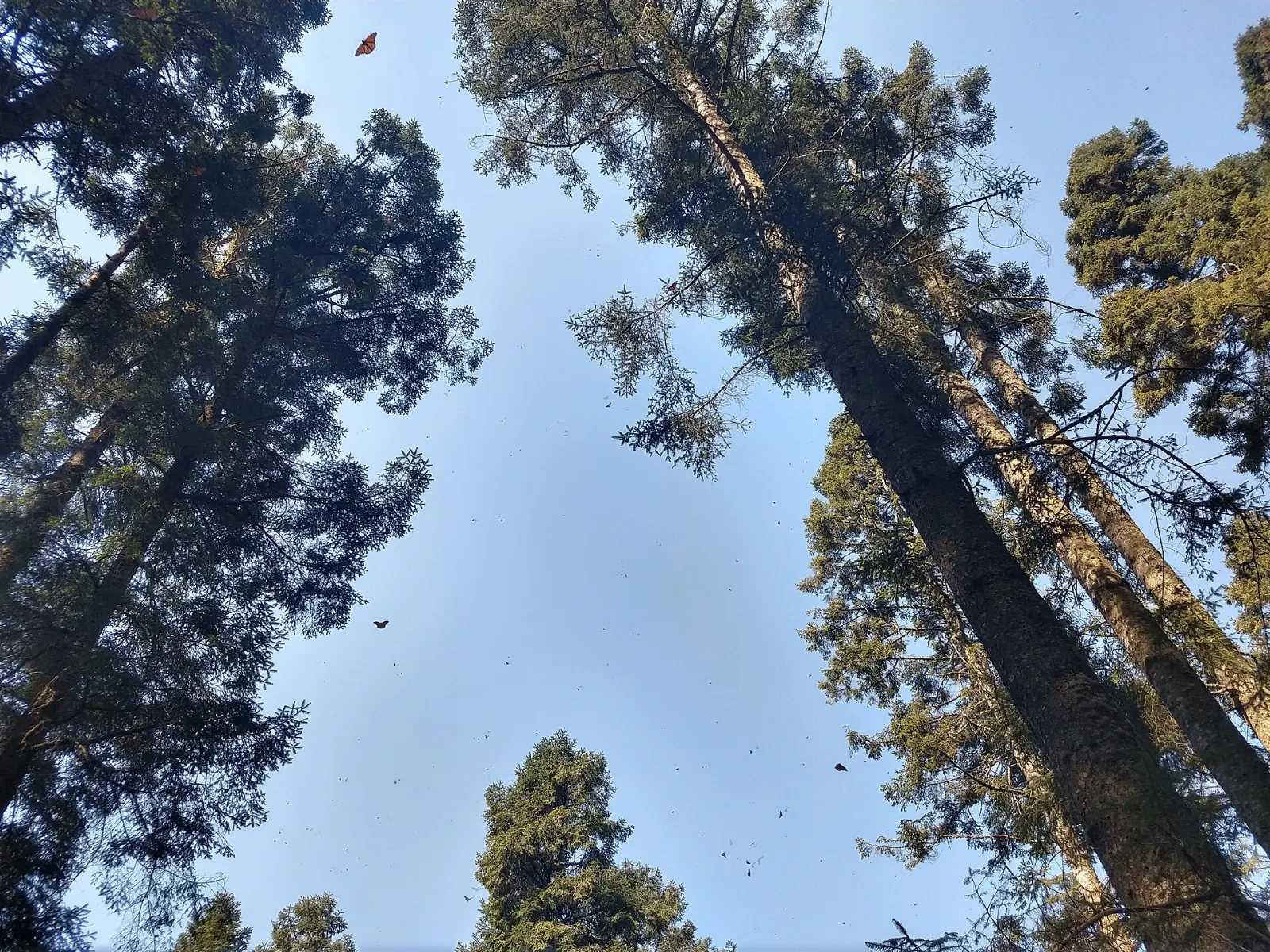
Corundas in Monarch Butterfly Biosphere Reserve, Michoacán
Corundas Corundas and uchepos are two regional tamales, the first wrapped in long corn leaves and eaten with crema and salsa, the second made from tender corn.Photo: Gabriel Flores Romero, Wikimedia Commons, CC BY 2.0
Atole in Monarch Butterfly Biosphere Reserve, Michoacán
Atole Atole, a warm corn-based drink, comes in sweet and spicy versions.Photo: Verónica Janeth Suárez Zaragoza, Wikimedia Commons, CC BY-SA 4.0
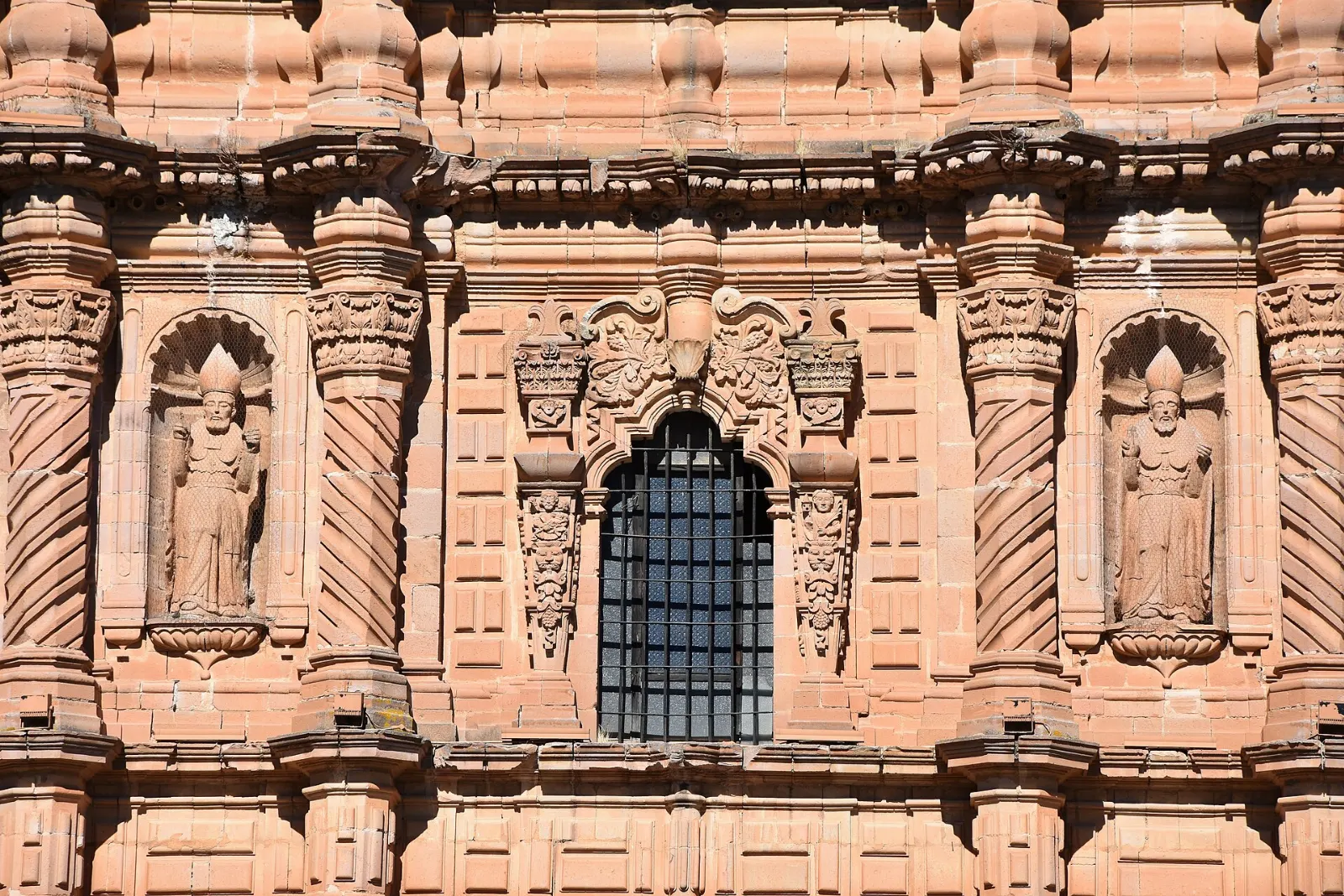
Where to stay

Angangueo is the closest base for El Rosario and Sierra Chincua, and staying here means a short ride to the trailhead and a simple, small-town evening. It suits travelers who want to be at the sanctuary gate early, when the forest is coldest and the butterflies are still clustered.

Zitácuaro is a larger city with more restaurants and services, which suits groups, families and anyone who prefers more choices after a long day.

Where to stay in Monarch Butterfly Biosphere Reserve

Angangueo, Monarch Butterfly Biosphere Reserve, Michoacán
Angangueo Where to stay Angangueo is the closest base for El Rosario and Sierra Chincua, and staying here means a short ride to the trailhead and a simple, small-town evening.Photo: Juan Carlos Fonseca Mata, Wikimedia Commons, CC BY-SA 4.0
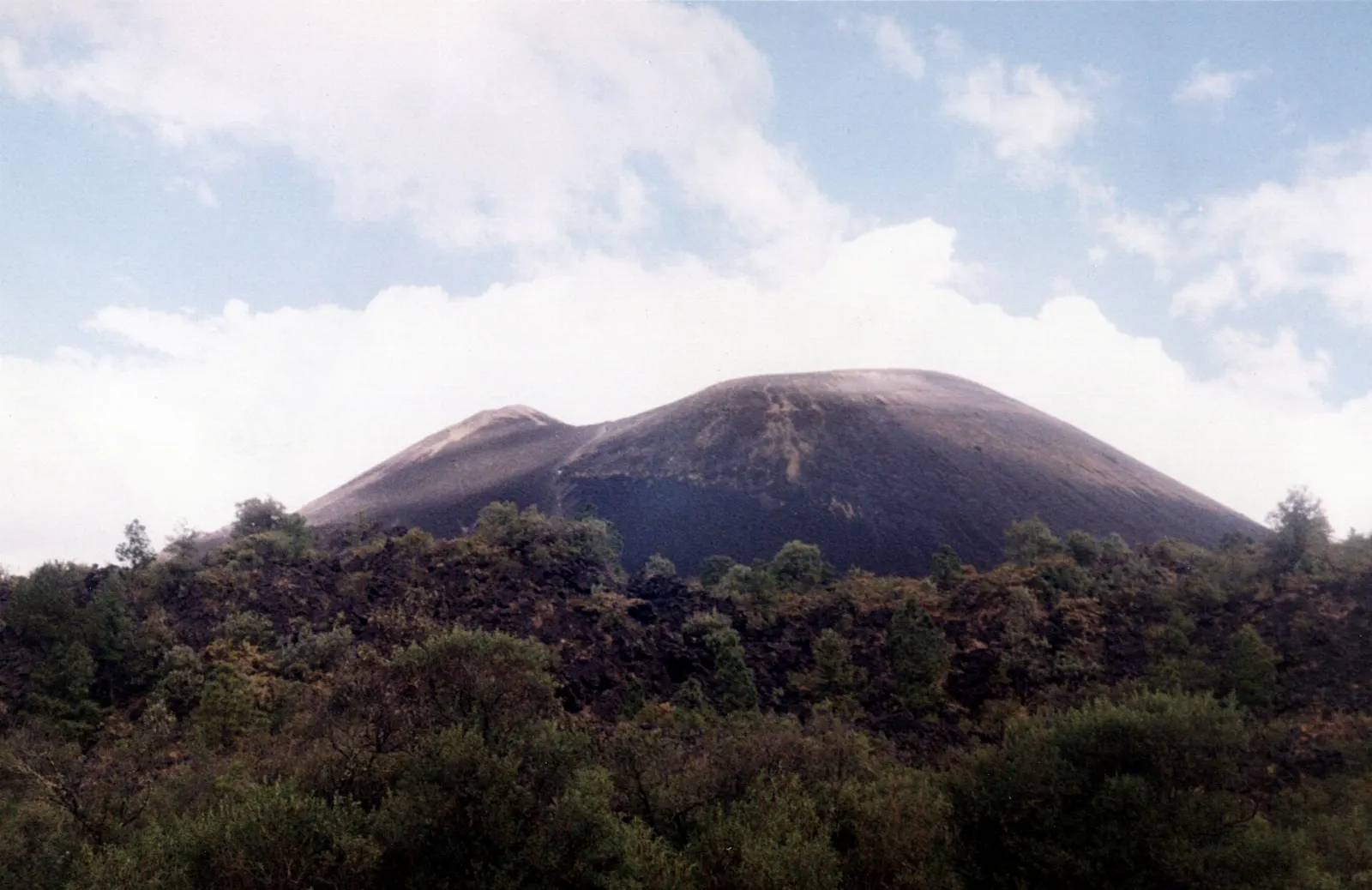
Zitácuaro, Monarch Butterfly Biosphere Reserve, Michoacán
Zitácuaro Zitácuaro is a larger city with more restaurants and services, which suits groups, families and anyone who prefers more choices after a long day.Photo: Letstown, Wikimedia Commons, CC0
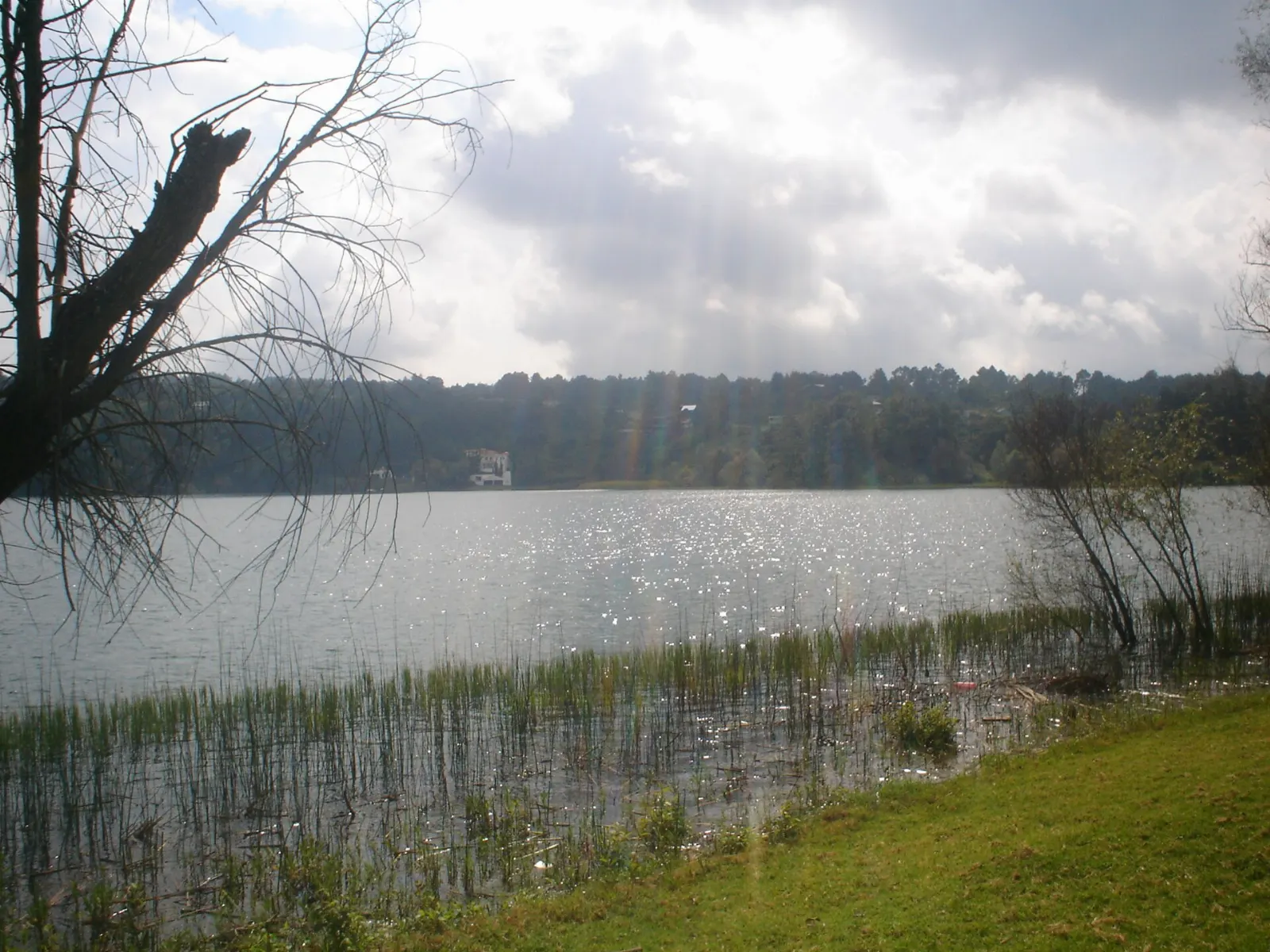
Valle de Bravo, Monarch Butterfly Biosphere Reserve, Michoacán
Valle de Bravo Valle de Bravo works best for visitors focused on the State of Mexico sanctuaries or those who want a lake town with a gentler pace.Photo: WendyAvilesR, Wikimedia Commons, CC BY-SA 4.0
Best time to visit

The butterflies inhabit the reserve from October to March. The forest climate is temperate and somewhat moist, with a rainy season in summer, so the monarch season falls mostly in the drier months.

On clear days the clusters warm up and the butterflies take flight, which makes late morning a lively time to be among the trees. Weekends bring crowds, so choose a weekday if you can.

Monarch butterflies taking flight in warm sunlight, Monarch Butterfly Biosphere Reserve, Michoacán
Warmed by the sun, clustered monarchs take flight.Photo: Bernard Spragg. NZ from Christchurch, New Zealand, Wikimedia Commons, CC0

Getting there and getting around

The reserve straddles the border between Michoacán and the State of Mexico, around 100 kilometers northwest of Mexico City. Most visitors drive or take a bus to Angangueo, Zitácuaro or Valle de Bravo, then continue by local transport or on a guided tour to the sanctuary gate.

Inside the sanctuaries, you will walk. The paths are marked and some have steps, but they climb through high forest, so allow plenty of time and keep to the trail.

A suggested itinerary

First day

Travel to Angangueo or Zitácuaro in the morning, settle in and take a slow walk through town.

Monarch butterflies on forest floor and trunks in Michoacán, Monarch Butterfly Biosphere Reserve, Michoacán

Second day

Arrive at El Rosario or Sierra Chincua as the gates open, spend the morning among the butterflies and return for lunch. If time allows, use the afternoon for a second sanctuary or a drive to Valle de Bravo.

Clusters of monarchs cover trunks and branches of the highland forest. Photo: PetrohsW, Wikimedia Commons, CC BY-SA 4.0
Practical tips

  • Check your government's current travel advisory before you go.
  • Dress in warm layers and bring a rain jacket, since mornings are cold.
  • Wear sturdy shoes and go slowly, because the sanctuaries are at high altitude.
  • Keep voices low and never touch or shake the trees or the butterflies.
  • Stay on marked paths to protect the forest from erosion.
  • Hire a local guide at the gate, as this supports the community.
Monarch Butterfly Biosphere ReserveWISERMAP PLACEMonarch Butterfly Biosphere Reserve: photos, reviews & things to doSee traveler photos and reviews, or share your own →

More places to visit

All travel guides →