Few cities have a setting like San Francisco's.
AT A GLANCE
Best time
September and October, the warmest and clearest months; spring is also pleasant.
How long
Three to four days covers the main sights, with an extra day for Muir Woods or the wine country.
Getting there
Fly into San Francisco International (SFO), connected to the city by BART trains, or into Oakland or San Jose.
Why visit San Francisco
San Francisco grew almost overnight during the 1849 Gold Rush, was largely rebuilt after the 1906 earthquake and fire, and has reinvented itself many times since, from the Beat poets of North Beach to the counterculture of the Haight and the tech boom of recent decades.
Beyond its landmarks, the city is a superb place to eat, with a strong farm-to-table tradition, a vibrant Chinatown, Italian bakeries in North Beach and taquerías in the Mission. Nature is never far away: you can walk coastal trails, picnic in a park larger than New York's Central Park, and cross a bridge to redwood forests and wine country.
The Golden Gate and the western shore
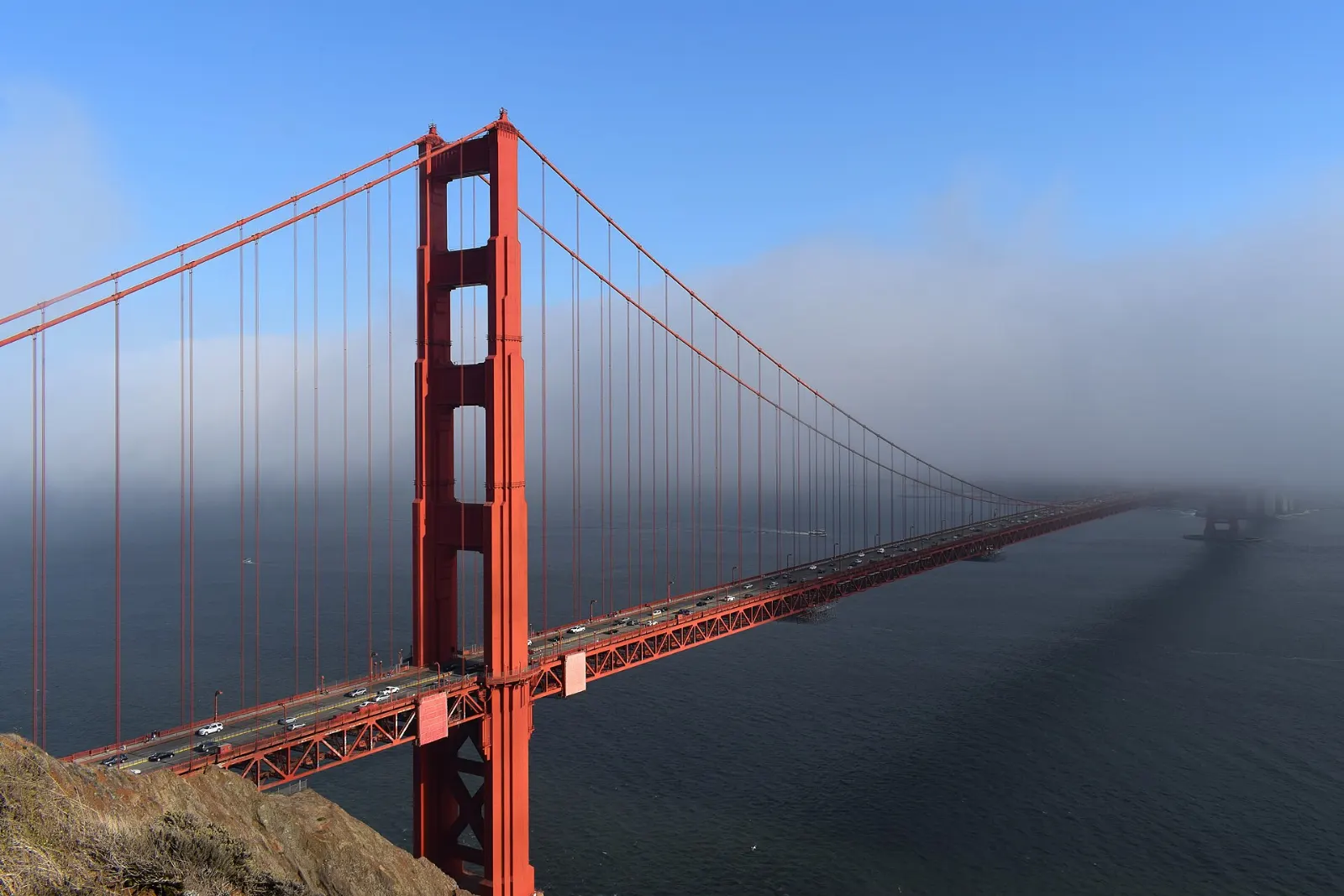
Golden Gate Bridge
Opened in 1937 and painted its signature International Orange, the bridge stretches across the strait between the city and Marin County. Start at the Welcome Center on the San Francisco side, then walk or cycle across on the east sidewalk, which takes around an hour each way on foot.
The Presidio and the Palace of Fine Arts
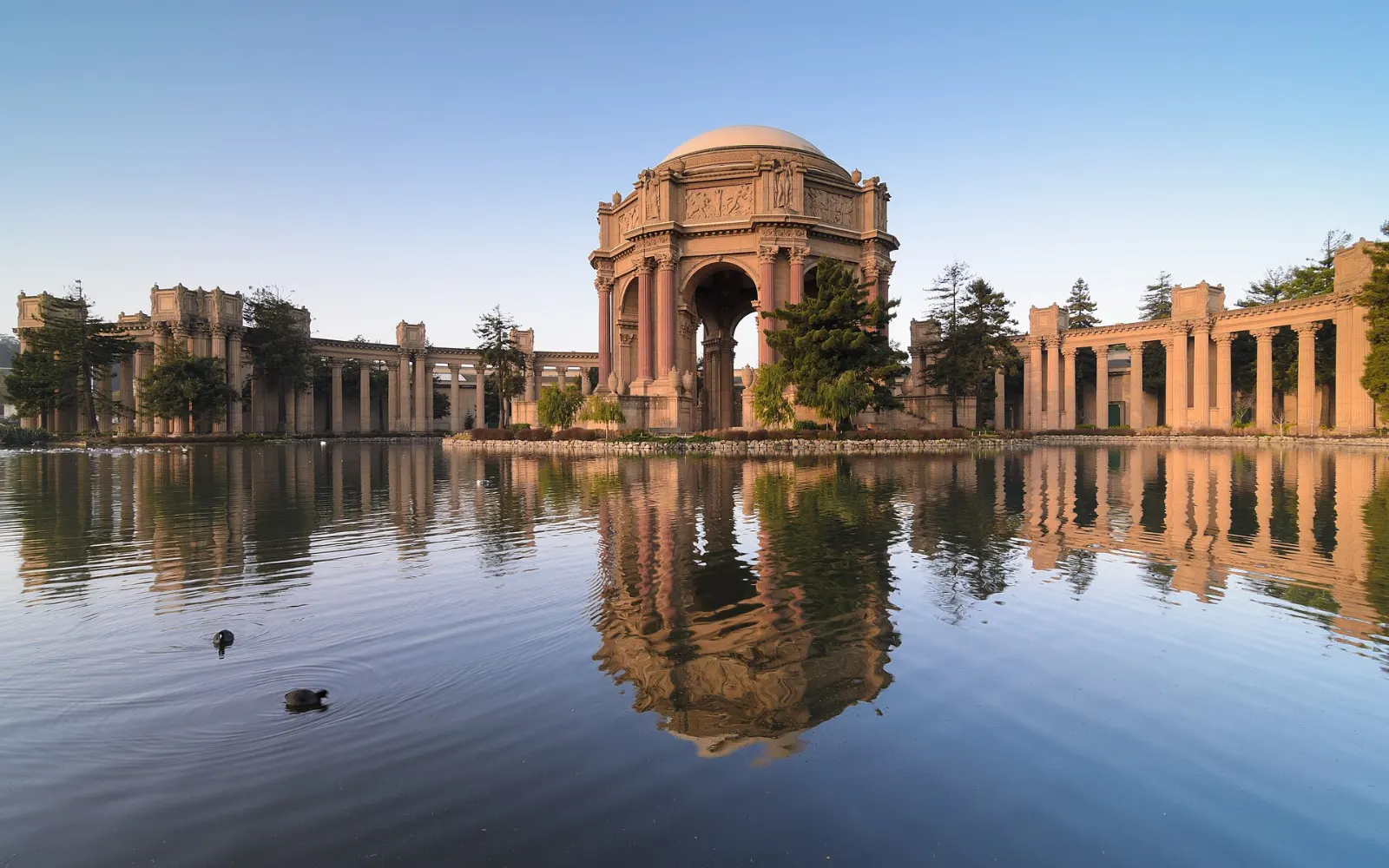
The Presidio, a former army post now part of a national park, offers forested trails, overlooks and historic buildings. Nearby in the Marina District, the Palace of Fine Arts, a rotunda and colonnade built for the 1915 Panama-Pacific International Exposition, stands beside a lagoon with ducks and swans.
Lands End and the Sutro Baths
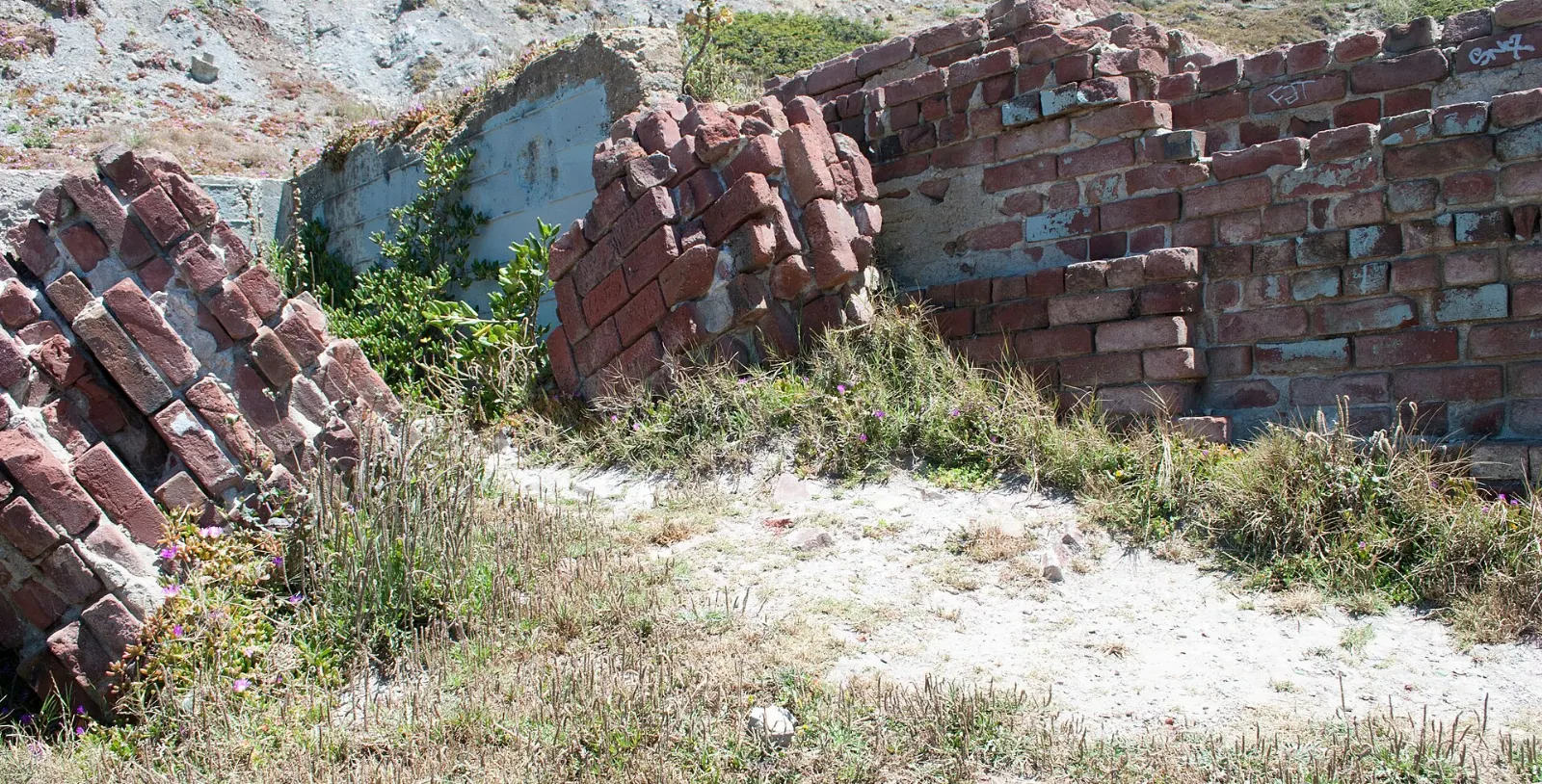
On the city's northwestern tip, the Lands End Trail follows the cliffs through cypress groves with views of the Golden Gate from the ocean side. At its western end lie the concrete ruins of the Sutro Baths, a vast public bathhouse that opened in 1896 and later burned.
The waterfront, hills and cable cars
Alcatraz Island
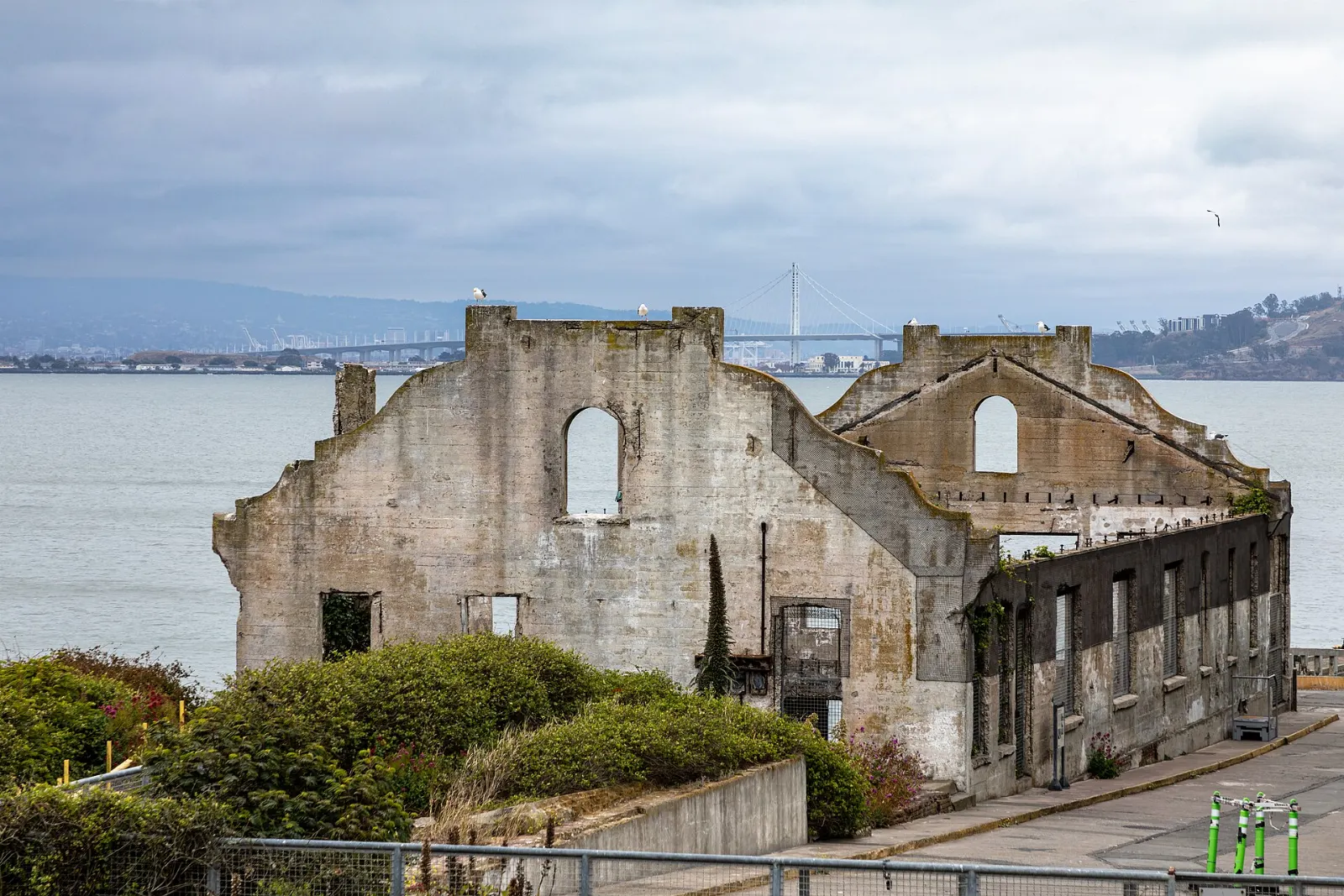
The former federal penitentiary on a rocky island in the bay held notorious inmates such as Al Capone from 1934 until it closed in 1963, and was later occupied by Native American activists from 1969 to 1971. The award-winning audio tour of the cellhouse, narrated in part by former guards and inmates, is the highlight.
Fisherman's Wharf and Pier 39
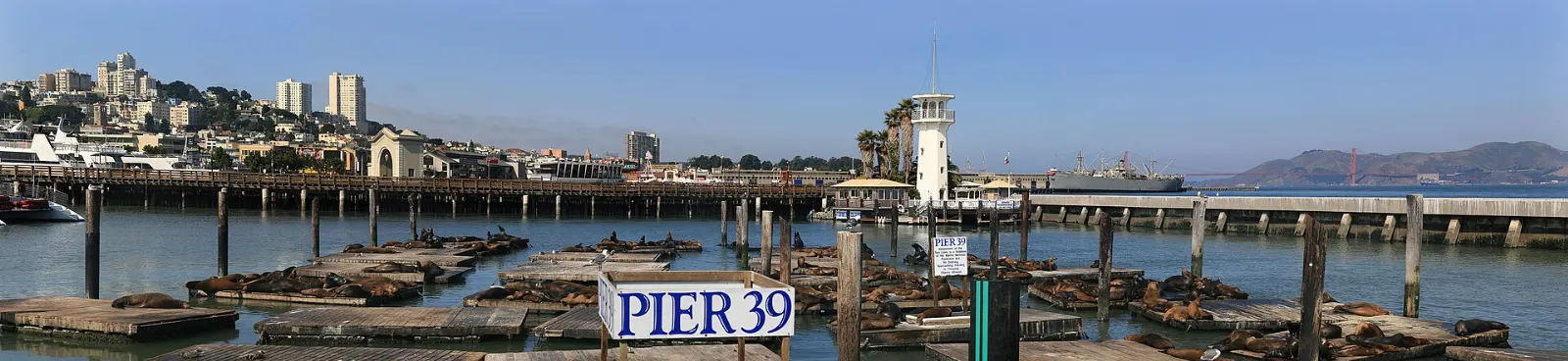
The Wharf is the city's most touristy area, but it is fun for an hour or two. At Pier 39, hundreds of California sea lions haul out on the floating docks, a colony that began after the 1989 Loma Prieta earthquake; their numbers vary by season.
Cable cars
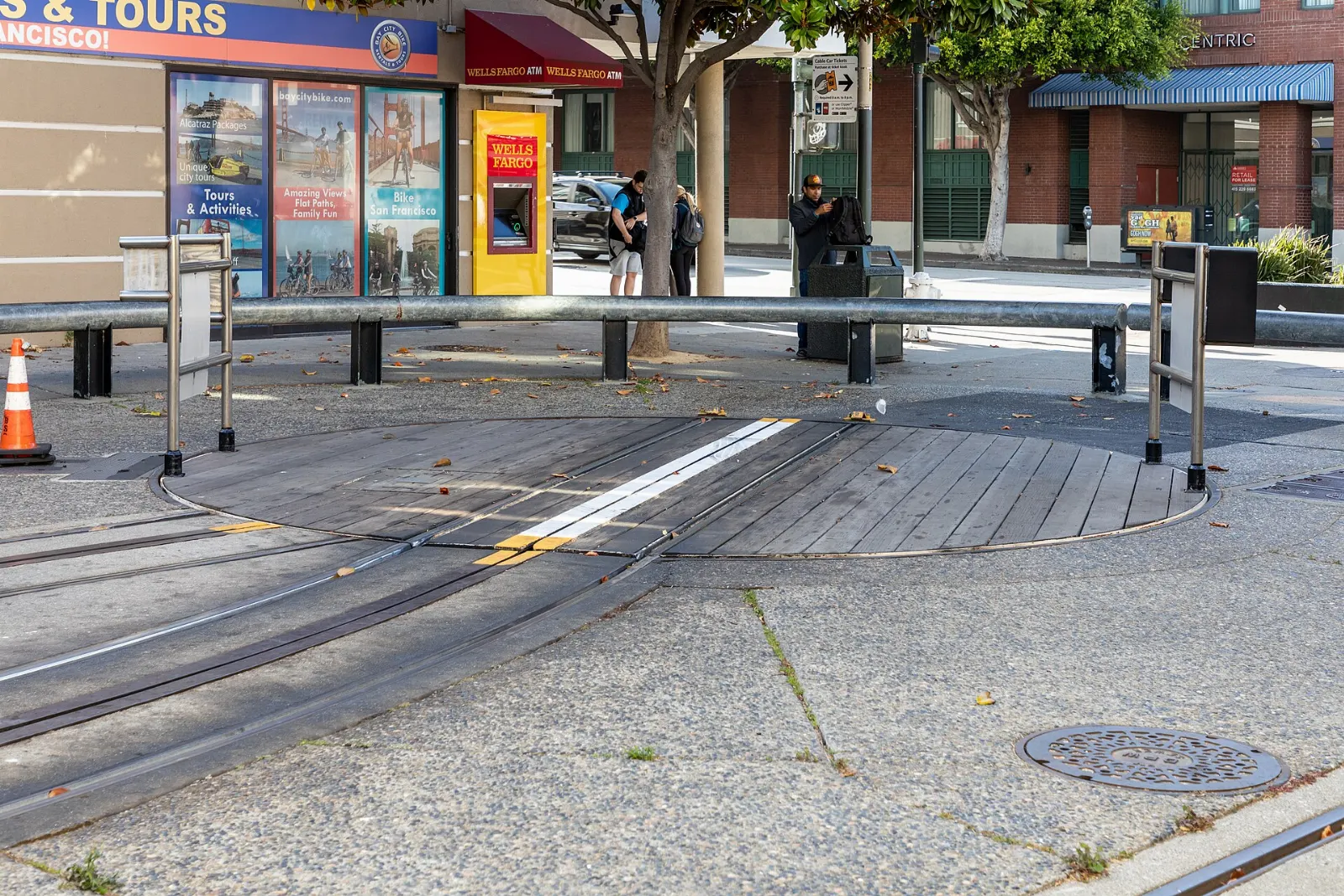
San Francisco's cable cars have climbed the city's hills since the 1870s and are the world's last manually operated cable car system. Three lines run today: the Powell-Hyde and Powell-Mason lines between Union Square and the Wharf area, and the California Street line through the Financial District and Nob Hill.
Lombard Street
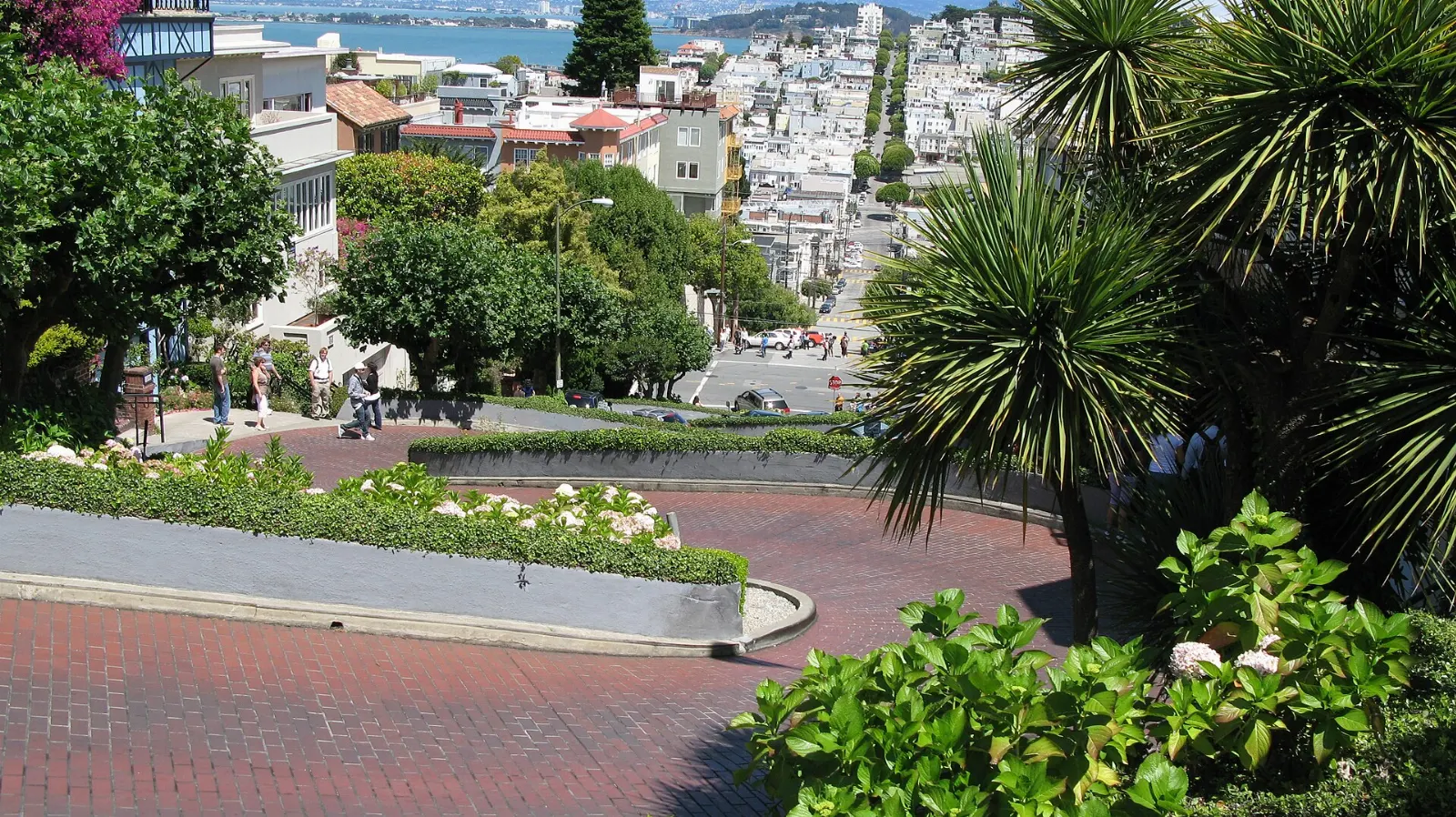
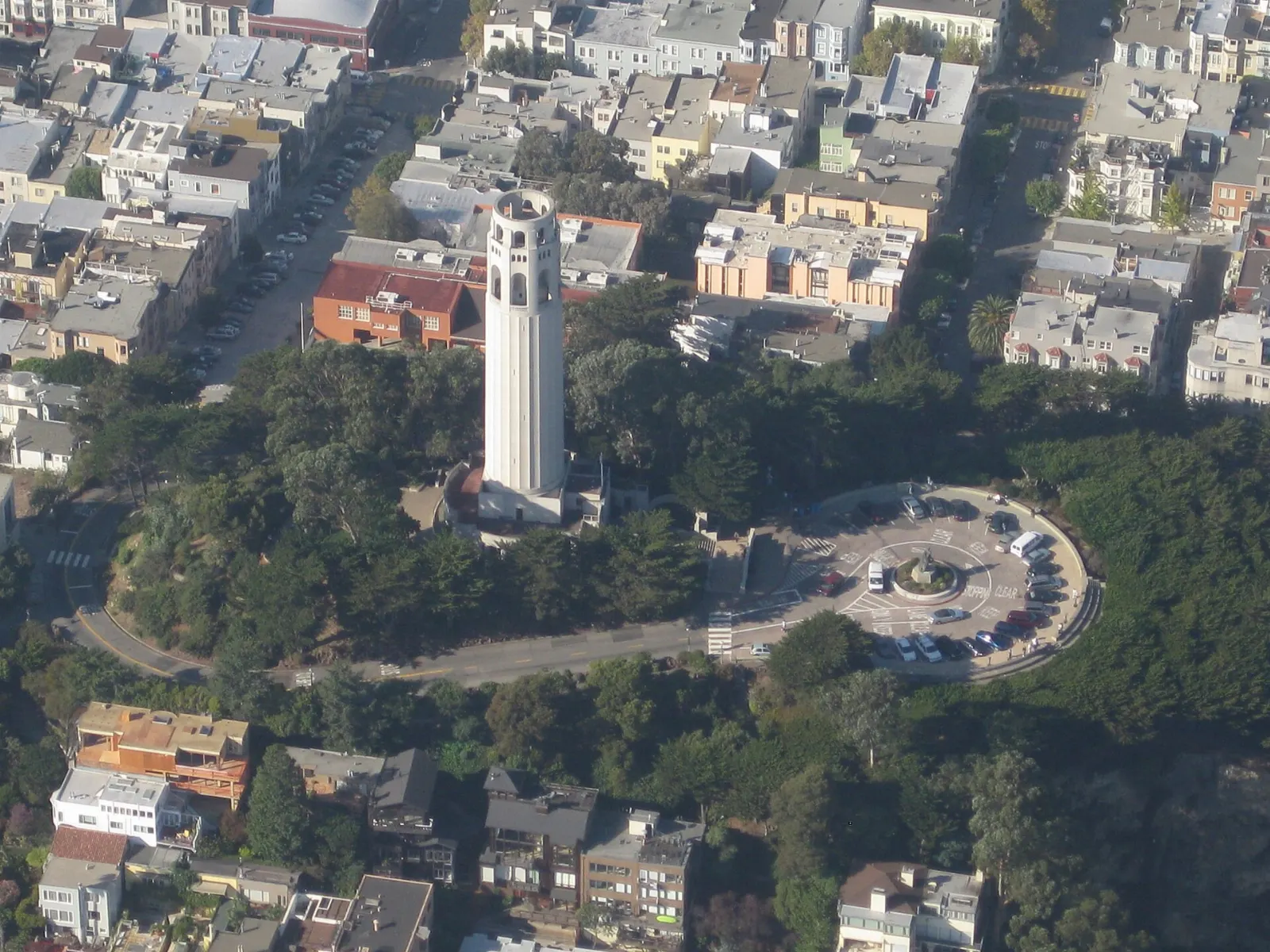
The block of Lombard Street between Hyde and Leavenworth streets winds down Russian Hill through eight hairpin turns lined with flowers. Walk down the stairs on either side for the best photos, and take in the view toward Coit Tower.
On WiserMap
Local businesses in San Francisco

FixitBay LLC
Family-owned appliance repair company serving San Francisco, Marin County, and the Peninsula.
Smith Clock Co.
Smith Clock Co. is a clock repair shop serving San Francisco, CA, since 1975, specializing in repair and restoration of antique and modern clocks.
Handyman Heroes
Handyman Heroes is a handyman service business serving San Francisco and the Bay Area. It provides plumbing, electrical, handyman, and construction services.
Chinatown, North Beach and beyond
Chinatown
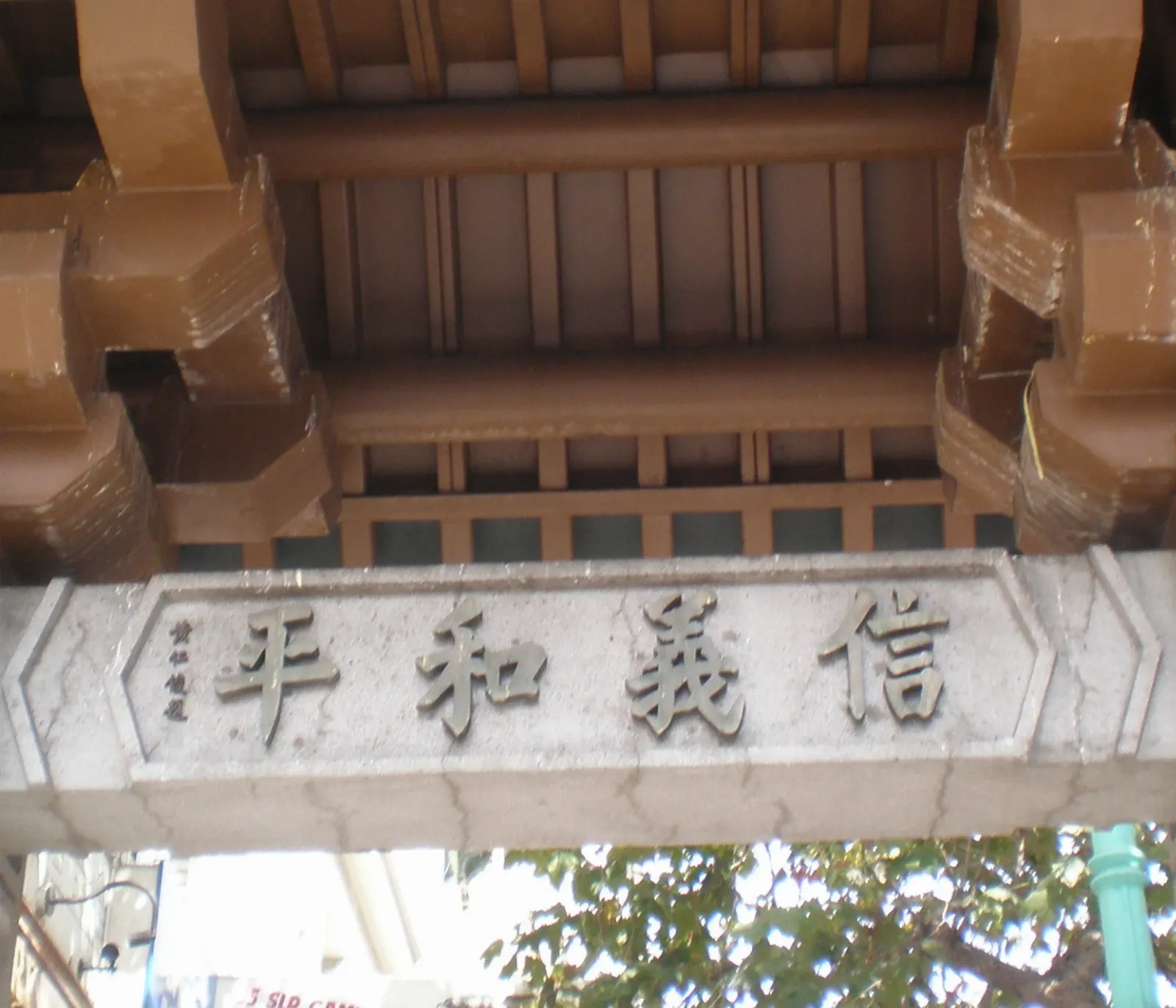
San Francisco's Chinatown is the oldest in North America and one of the largest outside Asia.
North Beach and Coit Tower
Next door, North Beach is the city's historic Italian neighborhood and the home of the Beat Generation. Visit City Lights Booksellers, founded by poet Lawrence Ferlinghetti in 1953, admire Saints Peter and Paul Church on Washington Square and linger over espresso.
Ferry Building and the Embarcadero
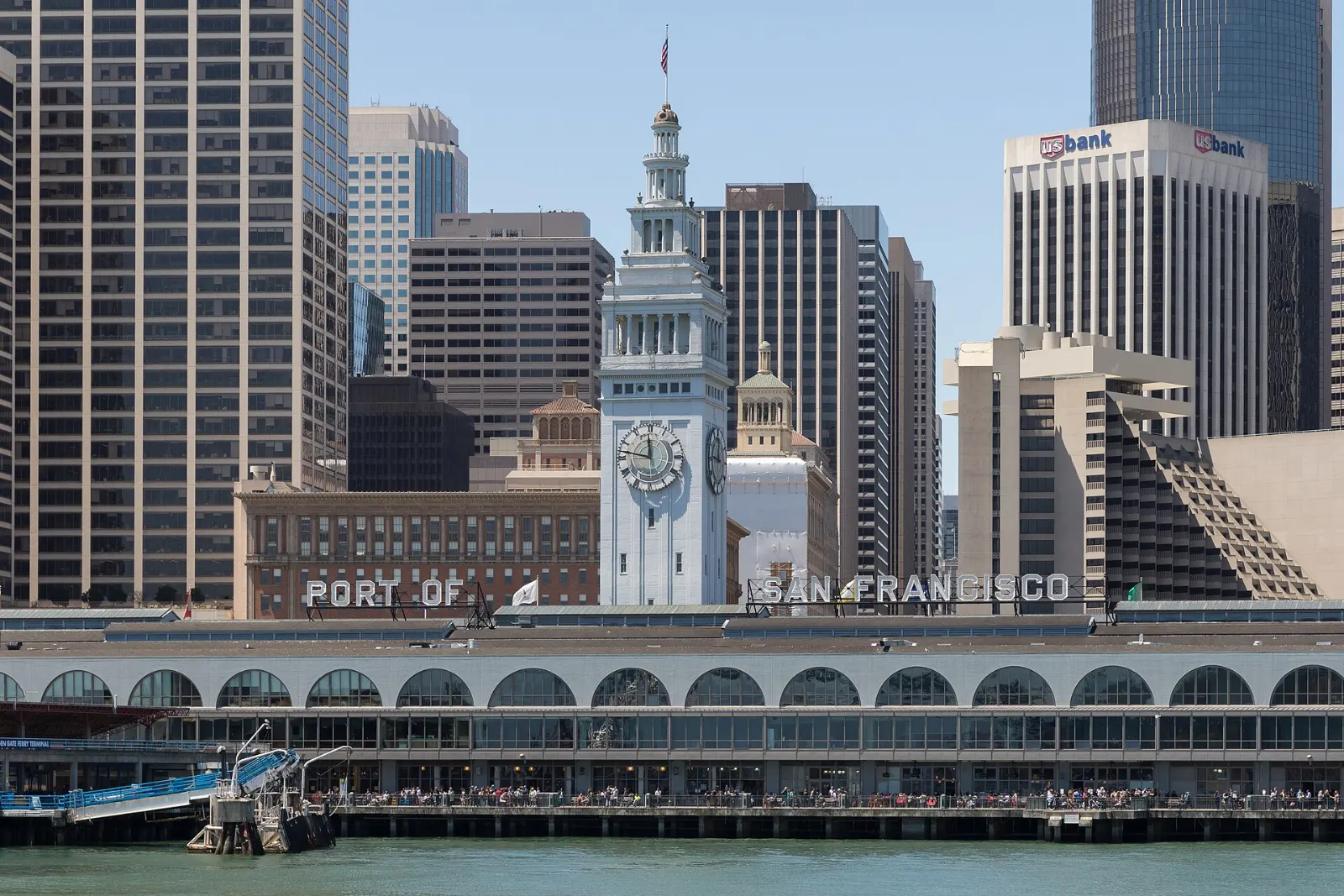
The 1898 Ferry Building, with its clock tower at the foot of Market Street, is now a marketplace of local cheesemakers, bakers, oyster bars and coffee roasters, and a farmers market takes over the plaza several days a week.
Golden Gate Park and the Painted Ladies
Stretching three miles toward the ocean, Golden Gate Park holds the de Young Museum of fine arts, the California Academy of Sciences with its living roof, the Japanese Tea Garden and the Victorian Conservatory of Flowers.
The Mission District
The Mission takes its name from Mission Dolores, the city's oldest intact building, completed in 1791. Today the neighborhood is known for its Latino heritage, colorful murals in Balmy Alley and Clarion Alley, and sunny Dolores Park, where locals picnic with a view of downtown.
Food and local flavors
Start with sourdough bread, a Gold Rush legacy with a tang that locals credit to the regional climate.
The Ferry Building is the best single stop for local produce, cheese and oysters, and the farmers market there is a showcase of Northern California farming.
Popular dishes to try in San Francisco


 Planning a trip to San Francisco?Compare hotels, flights and vacation rentals for San Francisco on Expedia.Book now
Where to stay
Union Square is the most convenient base for first-time visitors, with cable cars, BART and Muni at hand and the widest choice of accommodation, though some nearby blocks, especially toward the Tenderloin, can feel rough at night.
Nob Hill offers grand old buildings and views at the top of the cable car lines. The Marina and Cow Hollow are residential and close to the Presidio and the bridge.
Where to stay in San Francisco


Top rated
Trusted by locals in San Francisco
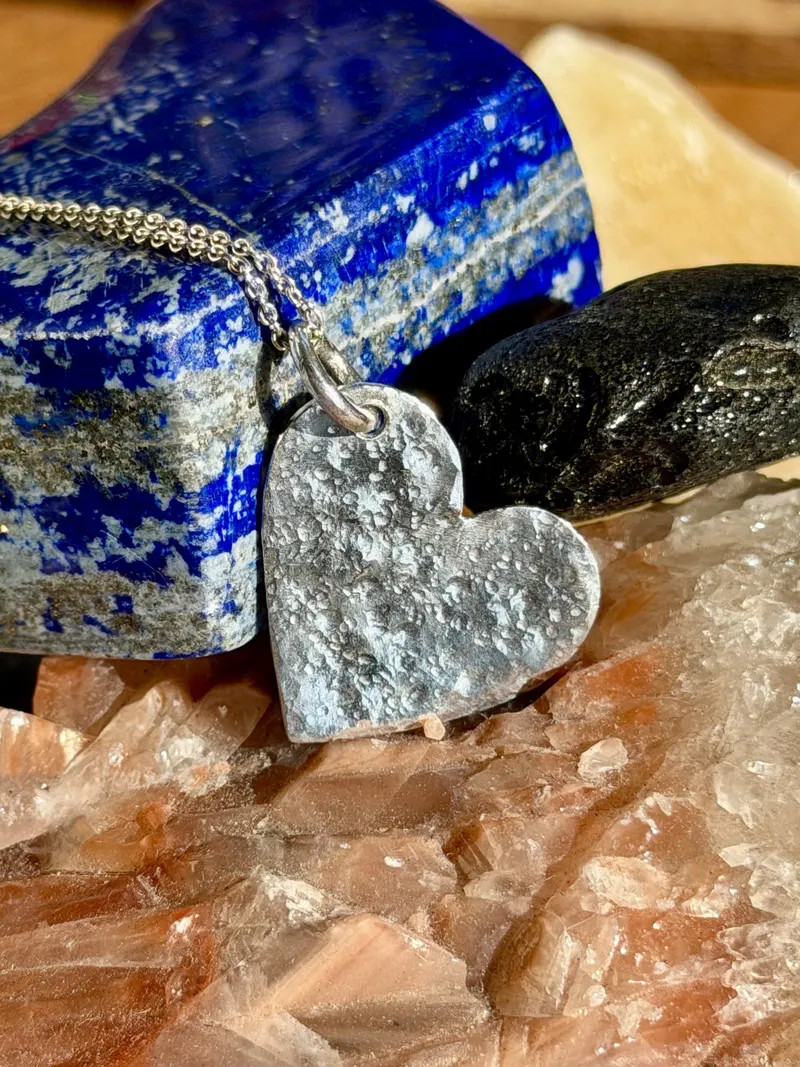
Shine Little Diamond
Shine Little Diamond is a jewelry repair and watch service business serving San Francisco, CA. Shine Little Diamond provides ring resizing, jewelry repairs, pol...
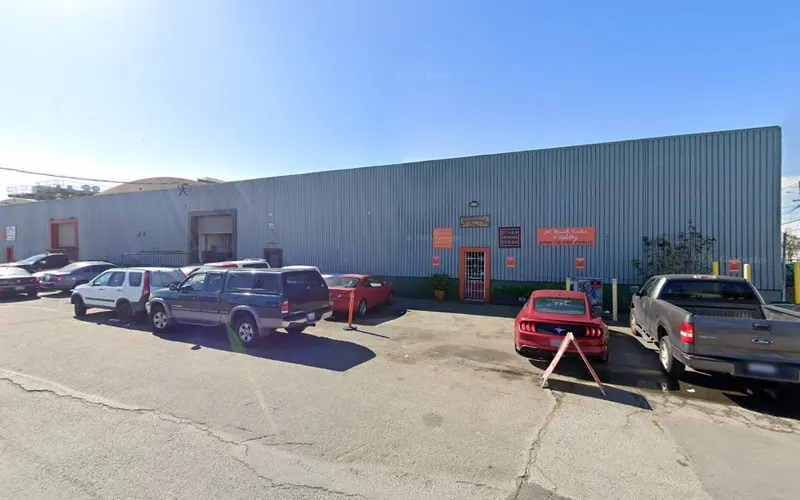
Gil's Upholstery
Gil's Upholstery is a custom upholstery business offering residential, hospitality, and commercial services along with DIY upholstery workshops.
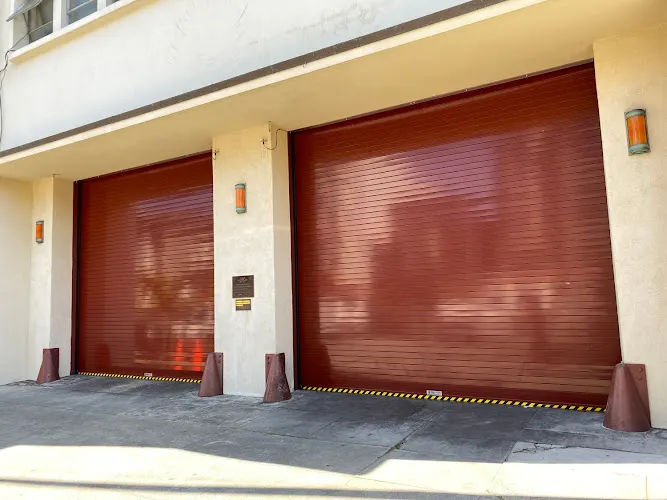
Union Door
Union Door is a commercial door installation and repair business serving San Francisco and the Bay Area. It provides installation, repair, maintenance, and fire...
Best time to visit
San Francisco's weather surprises many visitors.
Major events include the Chinese New Year festivities and parade in late winter, the Outside Lands music festival in Golden Gate Park in August and Fleet Week in early October, with air shows over the bay.
Getting there and getting around
San Francisco International Airport (SFO) lies south of the city and is linked to downtown by BART trains.
You do not need a car in the city. Muni buses, light rail, historic streetcars along Market Street and the Embarcadero, and the cable cars cover most sights, and a Clipper card or the Muni mobile app makes paying easy.
A suggested itinerary
First day
Take a morning ferry to Alcatraz, then explore Fisherman's Wharf and the sea lions at Pier 39.
Second day
Walk or cycle across the Golden Gate Bridge, then explore Crissy Field, the Palace of Fine Arts and the Presidio.
Third day
Browse the Ferry Building, walk through Chinatown for dim sum, then climb to Coit Tower and descend the Filbert Steps.
Fourth day
Spend the morning in Golden Gate Park, visit the Painted Ladies at Alamo Square, and end in the Mission with murals, Dolores Park and a burrito.
Before you go
More to discover in San Francisco
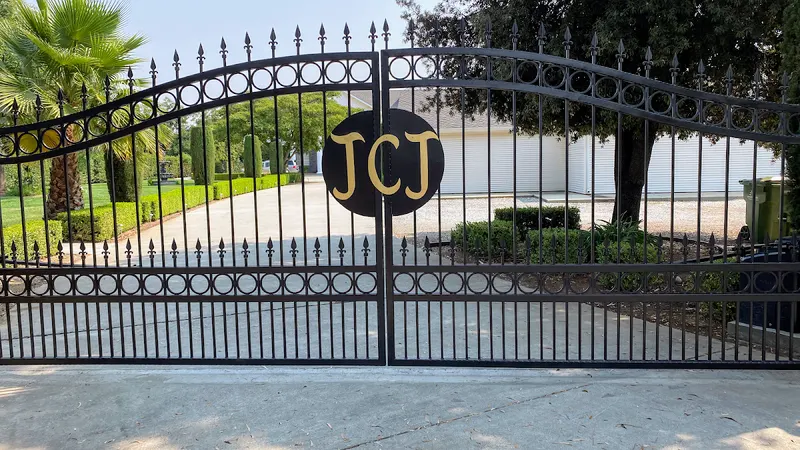
Local Gate Service
Local Gate Service is a family-owned gate repair and installation business serving the Bay Area. It specializes in gate repair, automation, fabrication, and ent...
Poolsafe, LLC
Poolsafe, LLC is a California-based pool safety business specializing in automatic pool covers and safety fences, serving multiple regions with custom installat...

Atech Appliance Repair
Atech Appliance Repair is a San Francisco-based appliance repair business providing fast, reliable service for washers, dryers, ovens, refrigerators, dishwasher...
Practical tips
- Book Alcatraz tickets well in advance through the official concessioner and check the National Park Service website for current hours and fees.
- Dress in layers year-round; a warm jacket is essential even in July.
- Never leave belongings visible in a parked car.
- Use a Clipper card or the Muni app for transit, including cable cars.
- Wear comfortable shoes for the hills and stairways.
Find local businesses in San Francisco on WiserMap
From neighborhood cafés to tour operators and shops, browse local businesses in San Francisco to help you plan your stay.