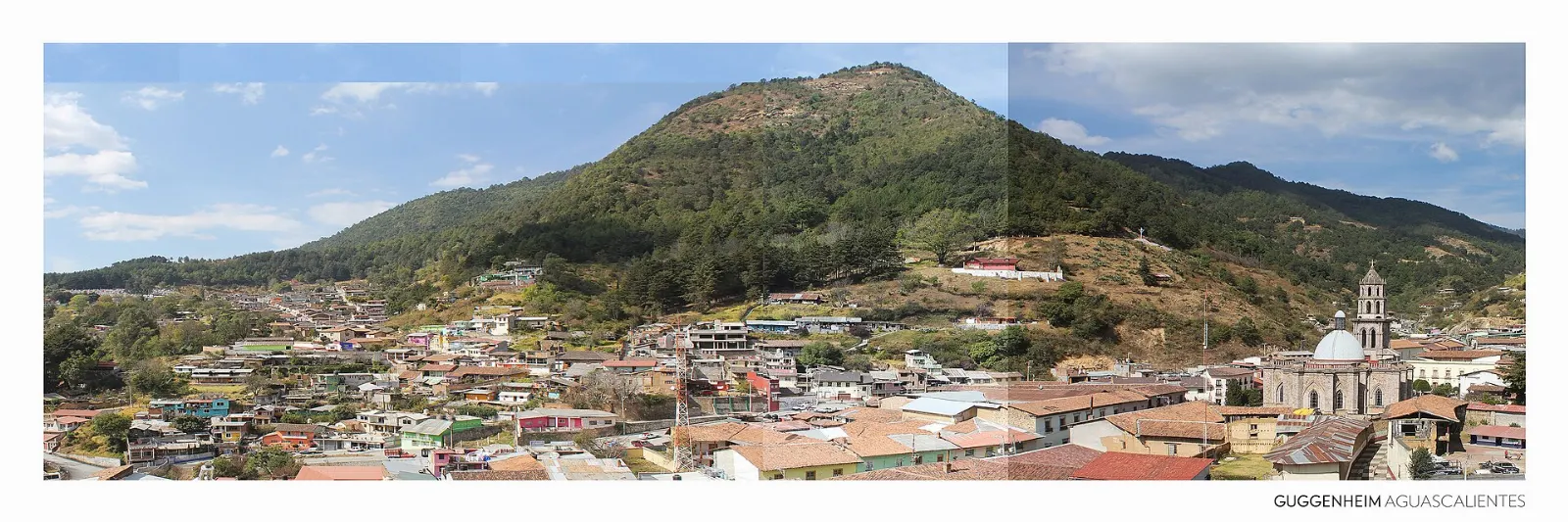
Angangueo is a small mining town tucked into a canyon in far eastern Michoacán, at around 2,580 metres in the Sierra de Angangueo. Silver, gold and copper brought a rush of settlers in the late 1700s, and today its best-known attraction is the monarch butterflies that gather in the forests above town each winter.
AT A GLANCE
Best time
Monarchs are in the reserve from about October to March, and the colonies are usually at their best in the middle of that season.
How long
Plan two days: one for a sanctuary hike and one for the town and nearby villages.
Getting there
Reach it by road or bus from Zitácuaro, with Mexico City roughly 100 km southeast of the reserve.
Why visit Angangueo
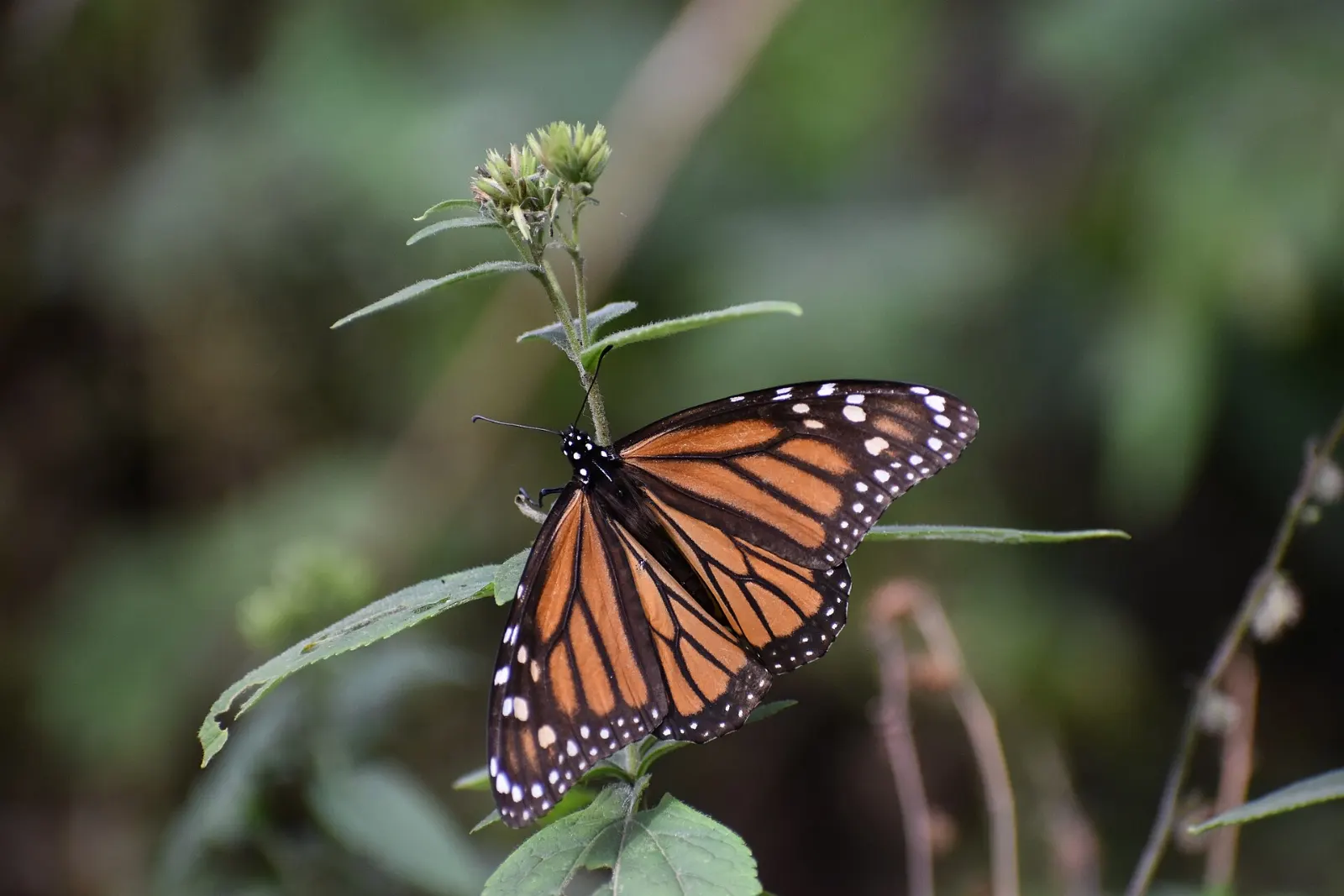
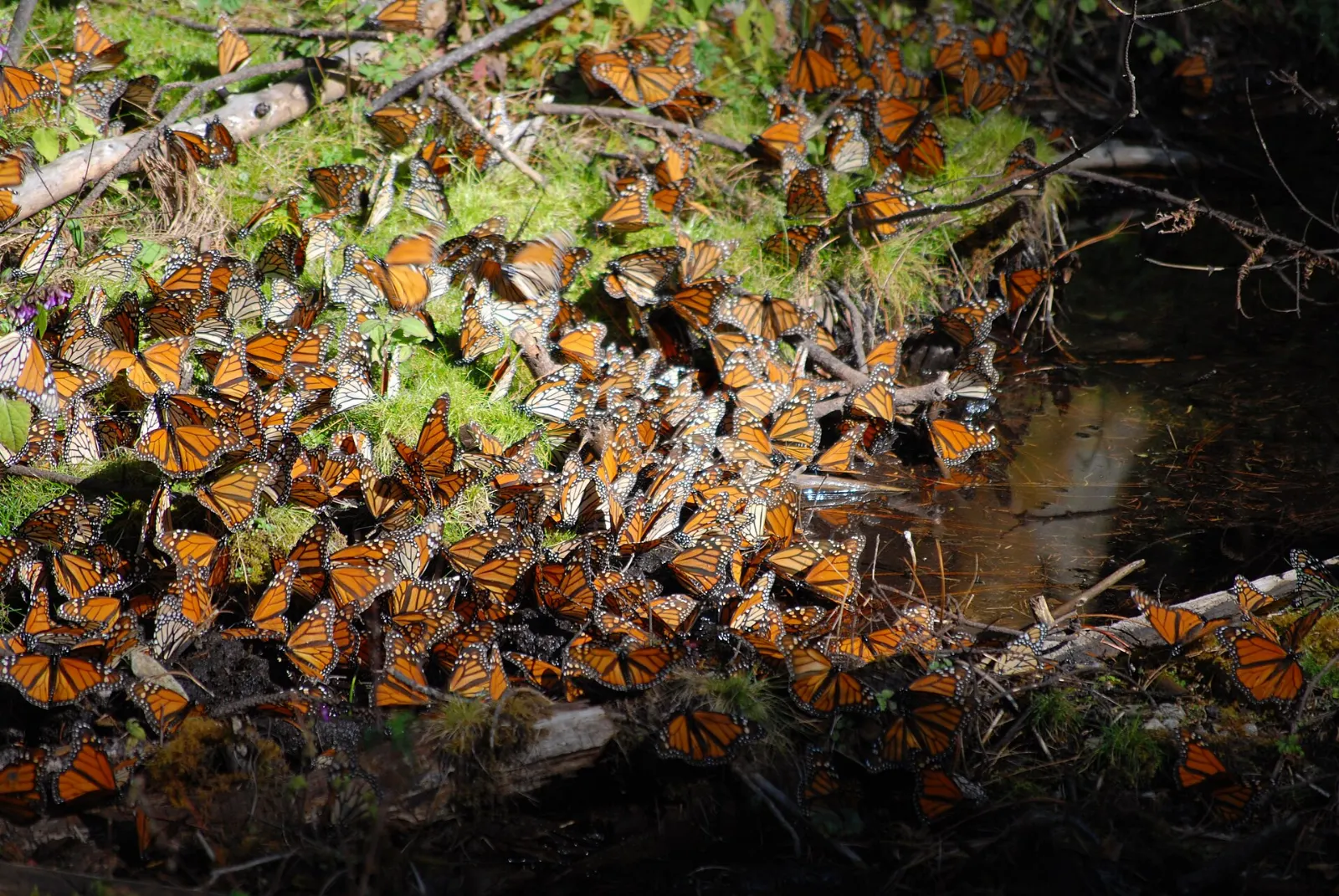
Millions of monarchs fly south from the United States and Canada to spend winter in these cool mountain forests. Watching branches sag under orange wings, and hearing the soft sound of thousands of wings beating when the sun warms the colony, is one of the most memorable wildlife experiences in Mexico.
Angangueo also rewards a slow wander. Its streets climb steeply, old tunnels link some buildings, and a mining past still shapes the town.
In and around the town
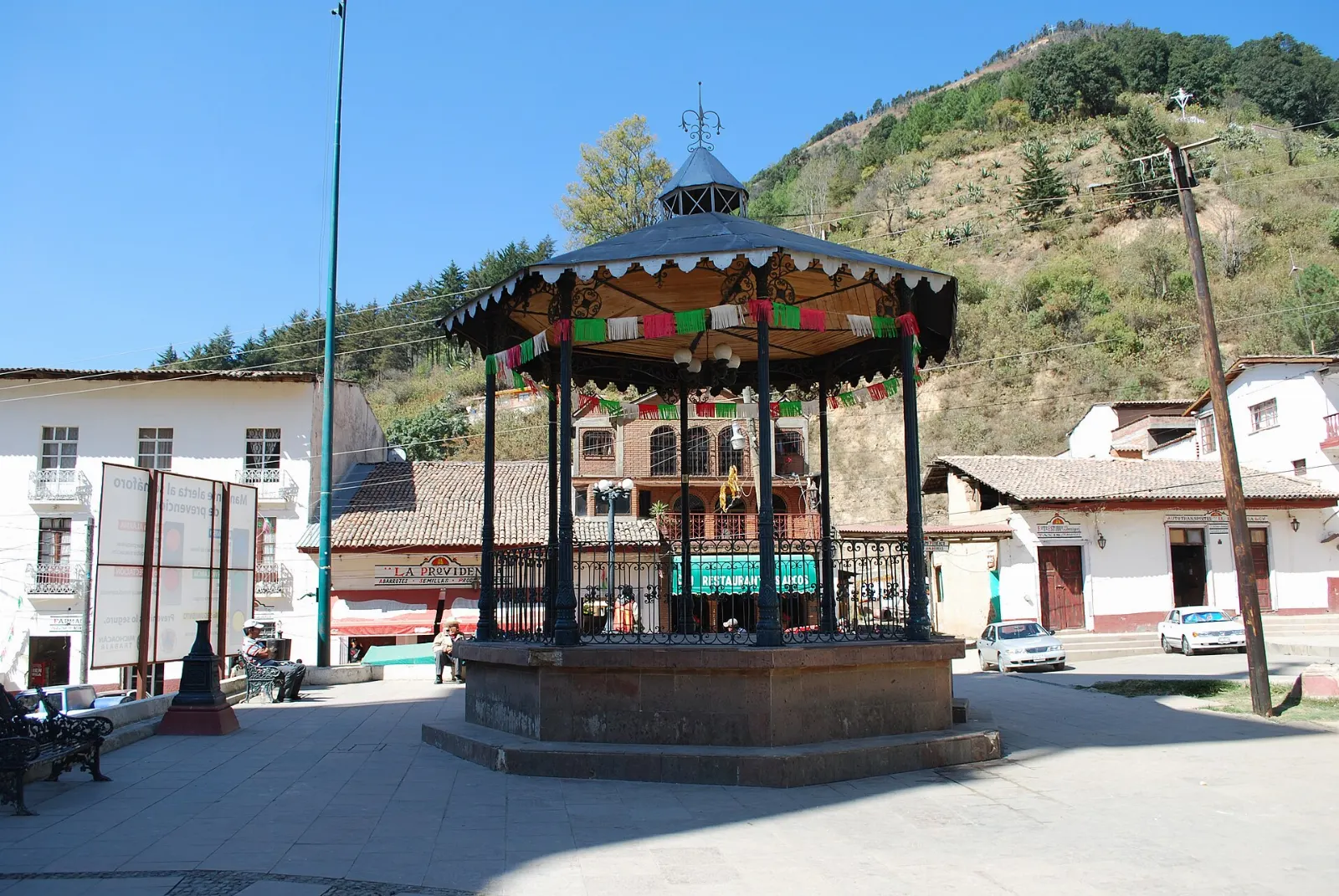
Plaza de la Constitución
The main road, called Nacional or Morelos, climbs the canyon and ends at this plaza.
Inmaculada Concepción church
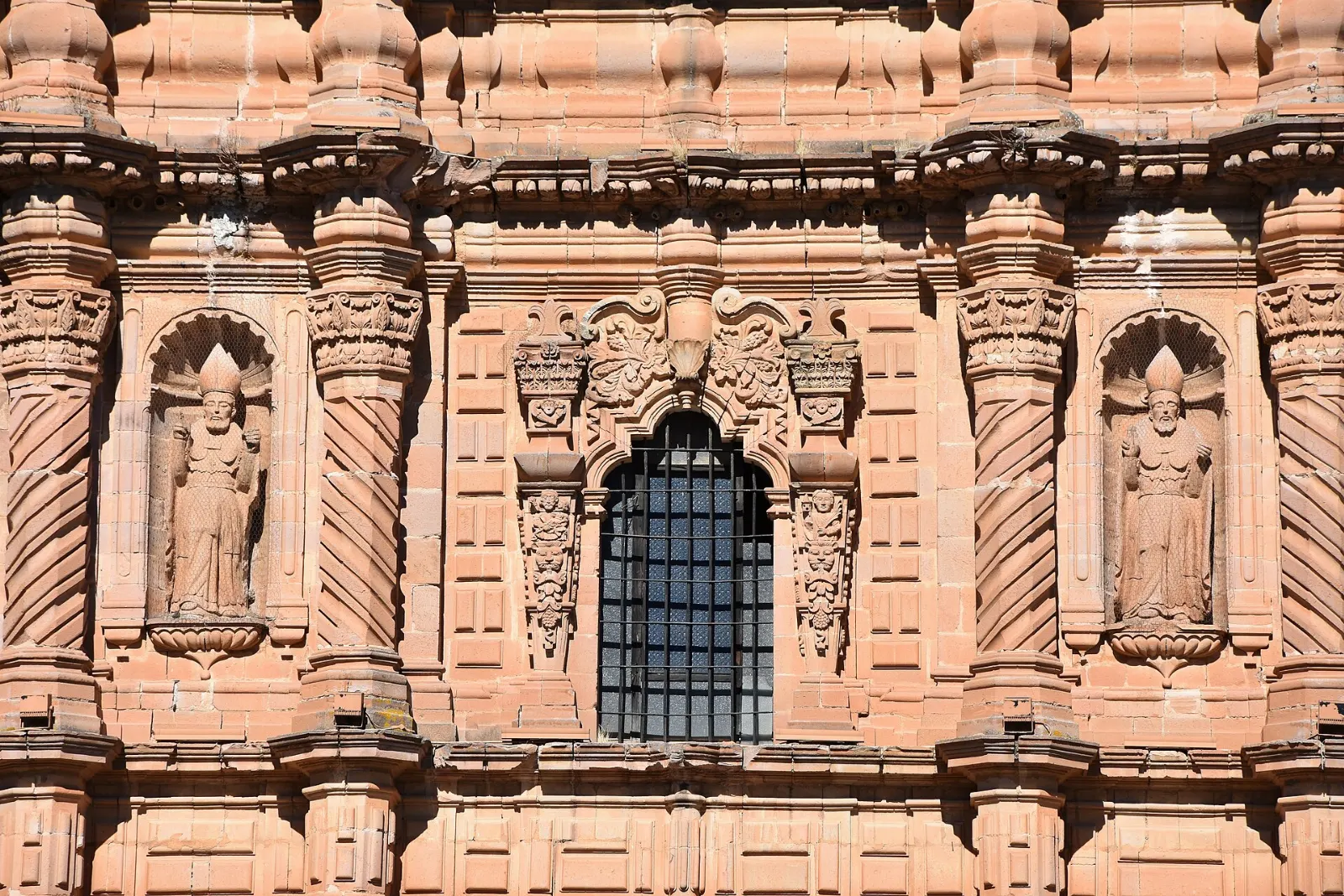
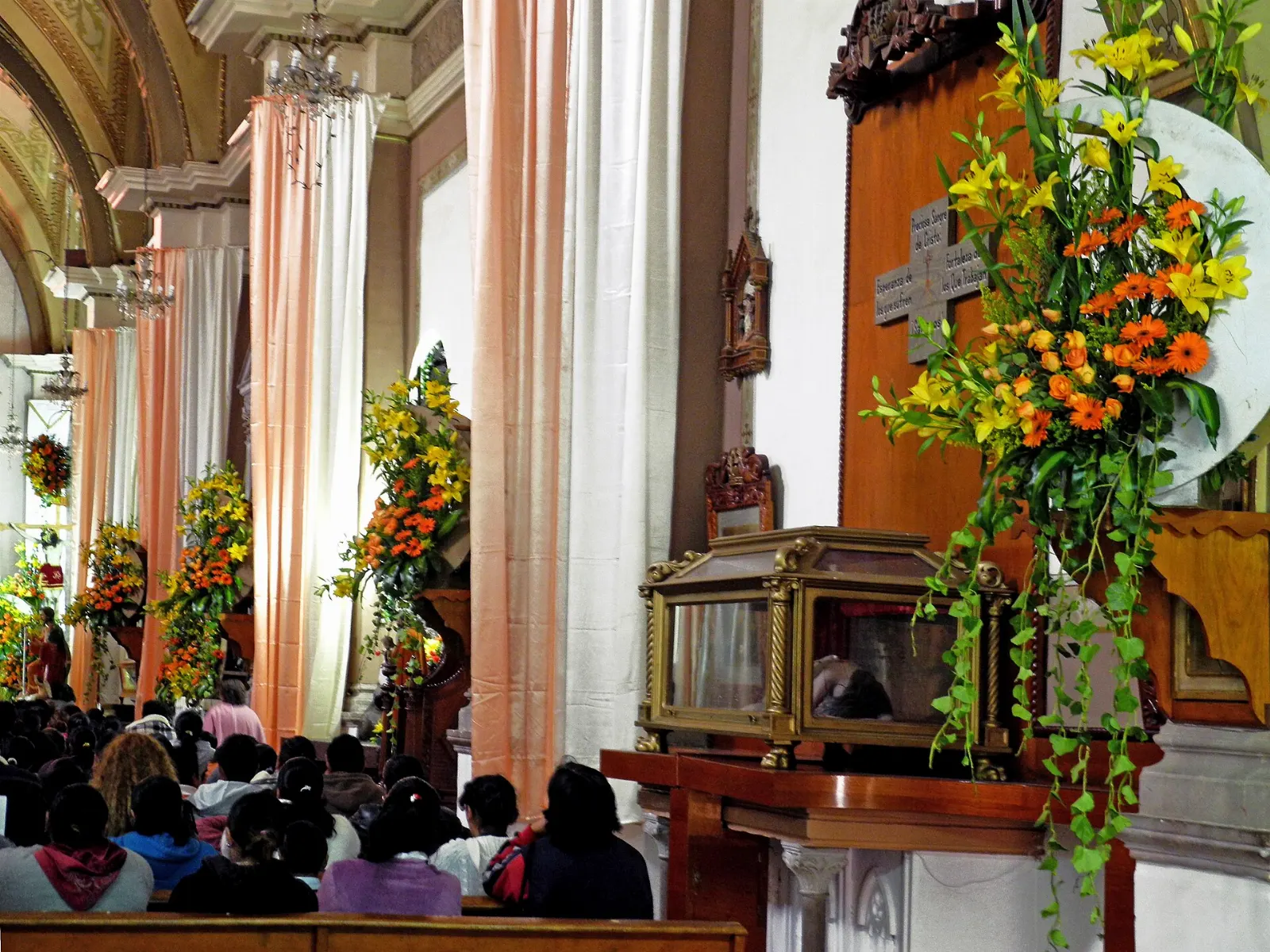
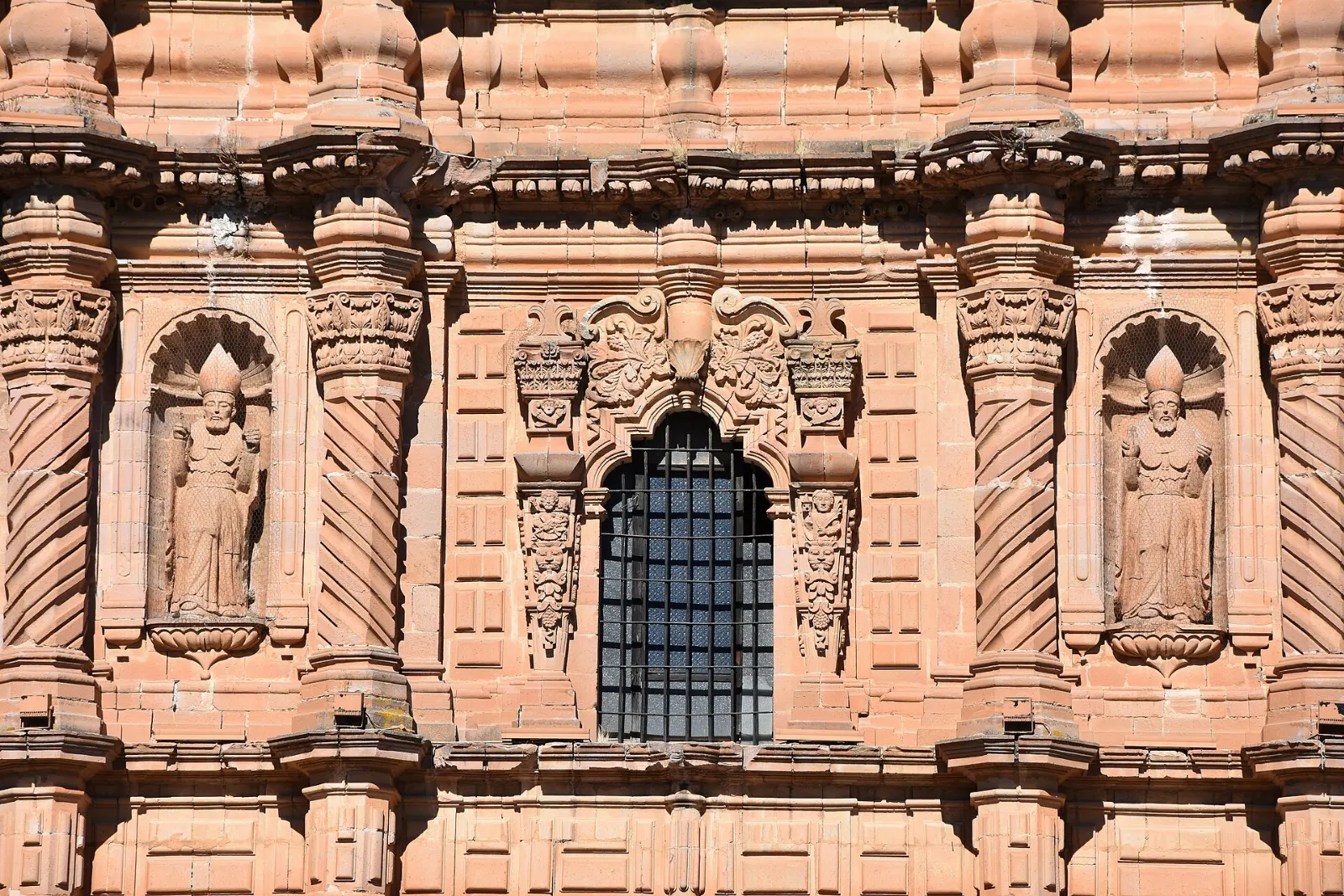
Built by a single family in pink stone, this church imitates Notre Dame in Paris on a small scale. Inside, the altar is made of Italian marble and the tabernacle holds the baroque chalice of Angangueo.
San Simón parish
The smaller parish church of San Simón, built in blue-grey stone, sits just across the plaza and is worth a short visit for its quieter interior.
Casa Parker and El Molino
Casa Parker was once a railway station and later the home of Bill and Joyce Parker, an English and American couple. Bill was the last mine administrator of the American Smelting and Refining Company.
Monument to the Miner
A lookout above town carries a monument to the miners who built the community. The views of red tile roofs and pine-covered ridges are particularly good in late afternoon, and the climb takes only a short walk from the center.
The monarch butterfly sanctuaries
El Rosario
El Rosario is the largest sanctuary in Michoacán, with monarchs covering roughly 1,500 trees in good years. Footpaths and stone steps lead through the forest, and horse paths were closed to reduce erosion.
Sierra Chincua
The second sanctuary open to visitors in Michoacán has a research facility for monarchs and a tree nursery for reforestation. The hike can be slightly gentler than El Rosario in some sections, and it suits visitors who want more forest and fewer vendors.
The reserve itself
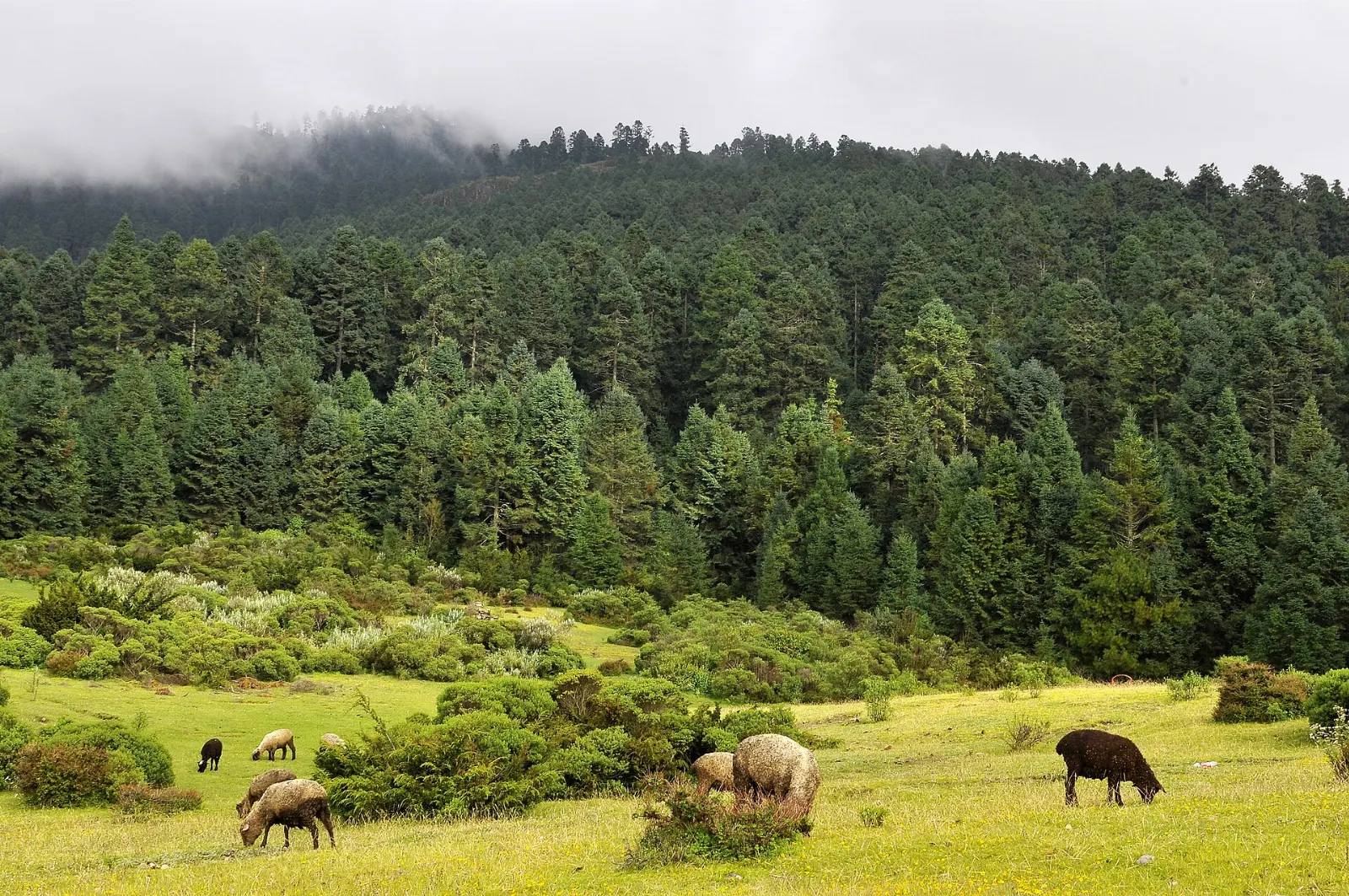
The Monarch Butterfly Biosphere Reserve protects more than 56,000 hectares across Michoacán and the State of Mexico and became a World Heritage Site in 2008. Butterflies occupy only a small part of it.
Nearby towns
Ocampo
The neighboring municipality shares the butterfly region and has its own sanctuary access and local lodging.
Tlalpujahua
Connected to Angangueo by road, Tlalpujahua belongs to the same mining region and is a pleasant half-day excursion. Allow time for its streets, shops and mountain views.
Zitácuaro
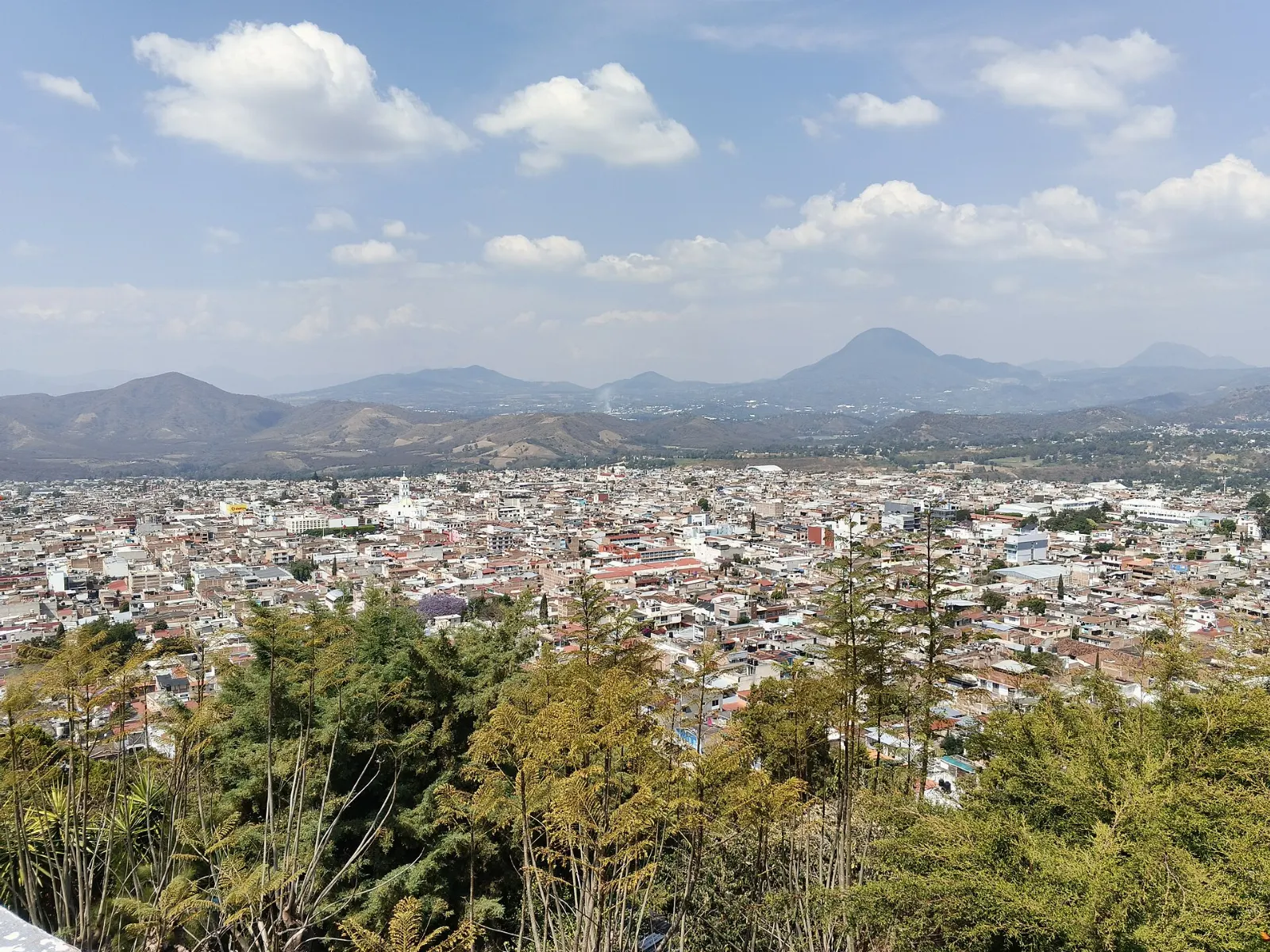
This larger town is the usual gateway, with buses to Angangueo and more services for supplies, cash and onward travel.
 Planning a trip to Angangueo?Compare hotels, flights and vacation rentals for Angangueo on Expedia.Book now
Food and local flavors
The mountain climate calls for hearty cooking, and the menu here follows the wider traditions of Michoacán. Look for corundas, soft triangular tamales served with cream and salsa, and uchepos, sweet fresh-corn tamales eaten with cream or cheese.
Carnitas, braised pork served with tortillas, onion and salsa, appear in family restaurants around the plaza and in nearby towns. Small eateries near the sanctuary entrances serve quick hot meals for hikers, so you can eat before or after the climb.
Popular dishes to try in Angangueo


Where to stay
Angangueo is the most convenient base, with guesthouses, small hotels and restaurants along the main street and within a short ride of El Rosario.
Ocampo is the quieter option closer to the sanctuary roads, with simple cabins and a village feel. It suits hikers who prefer an early start and fewer crowds.
Zitácuaro has the widest range of lodging, restaurants and shops, and it works for families or travelers arriving by long-distance bus.
Where to stay in Angangueo


Best time to visit
Monarchs inhabit the reserve from about October to March, and the colonies are most spectacular during the middle of the season when the forest is full of clustered butterflies. Warm midday sun triggers the biggest flights, so mid-morning to early afternoon is usually the best window on sunny days.
Mornings and evenings are cold at this altitude, and winter rains can fall, so bring layers. Each February the town holds a butterfly festival to say goodbye as the insects head north.
Getting there and getting around
The reserve lies on the border of Michoacán and the State of Mexico, about 100 km northwest of Mexico City.
There is bus service between Zitácuaro and Angangueo, and from there local taxis and community transport run toward the sanctuary entrances.
Inside the reserve, walking is the standard way to reach the colonies. Horses are not allowed on the trails at El Rosario, and fees and opening dates vary by season, so check the official reserve information before you travel.
A suggested itinerary
First day
Reach Angangueo in the morning, walk the plaza and visit both churches. In the afternoon take the short climb to the miner's lookout, then have an early dinner of local tamales and carnitas.
Second day
Leave early for El Rosario or Sierra Chincua and walk up to the colony before midday, when the butterflies warm up and fly.
Third day
Add Tlalpujahua or the second sanctuary before heading back toward Zitácuaro.
Practical tips
- Wear layers and sturdy shoes, because the sanctuary trails are steep and the air is thin and cold.
- Hire a local guide at the sanctuary entrance, which supports the community and protects the colonies.
- Speak softly and never touch butterflies or shake the trees.
- Bring cash for guides, snacks and small shops, since card use is limited.
- Pace yourself on the climb and drink plenty of water at altitude.