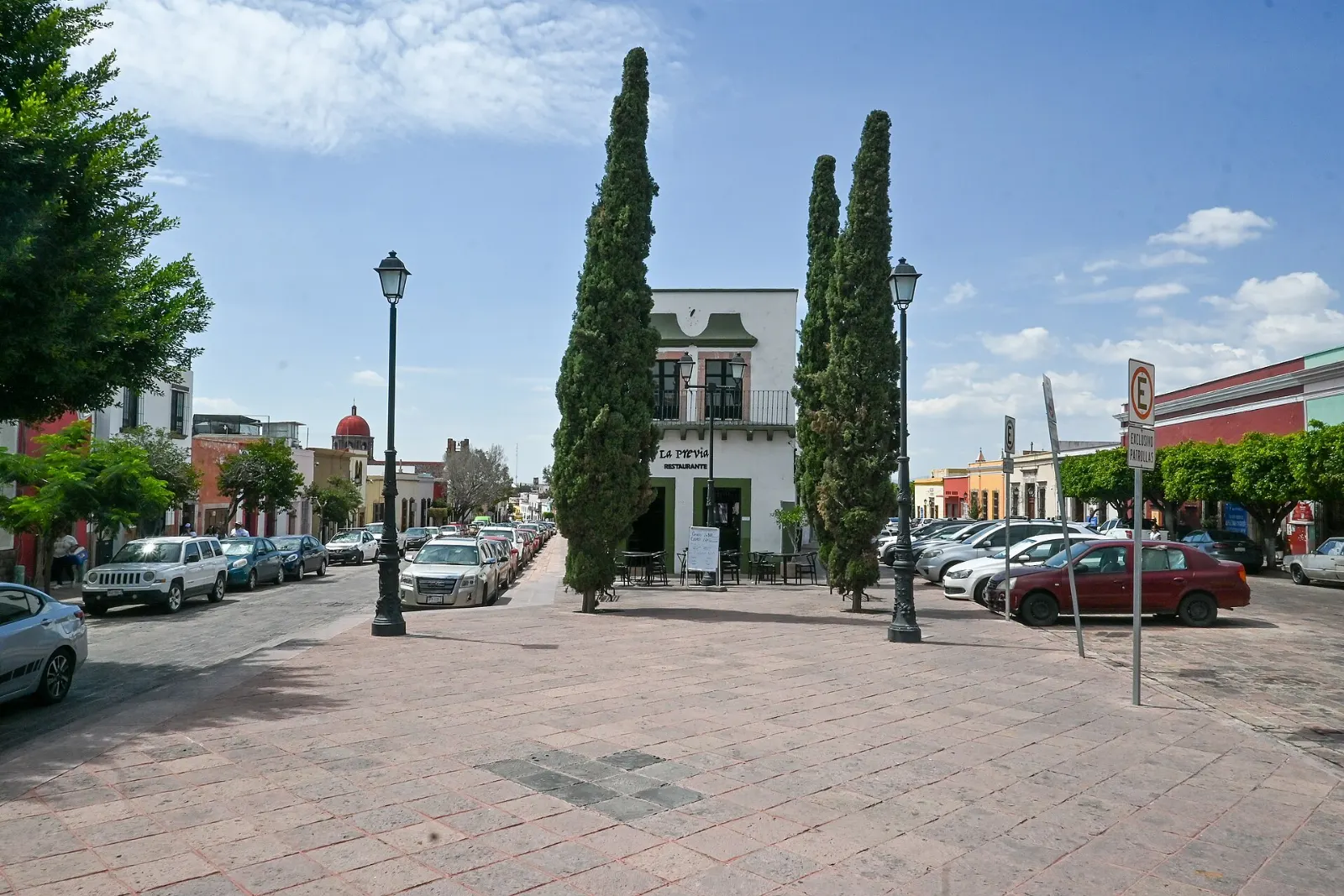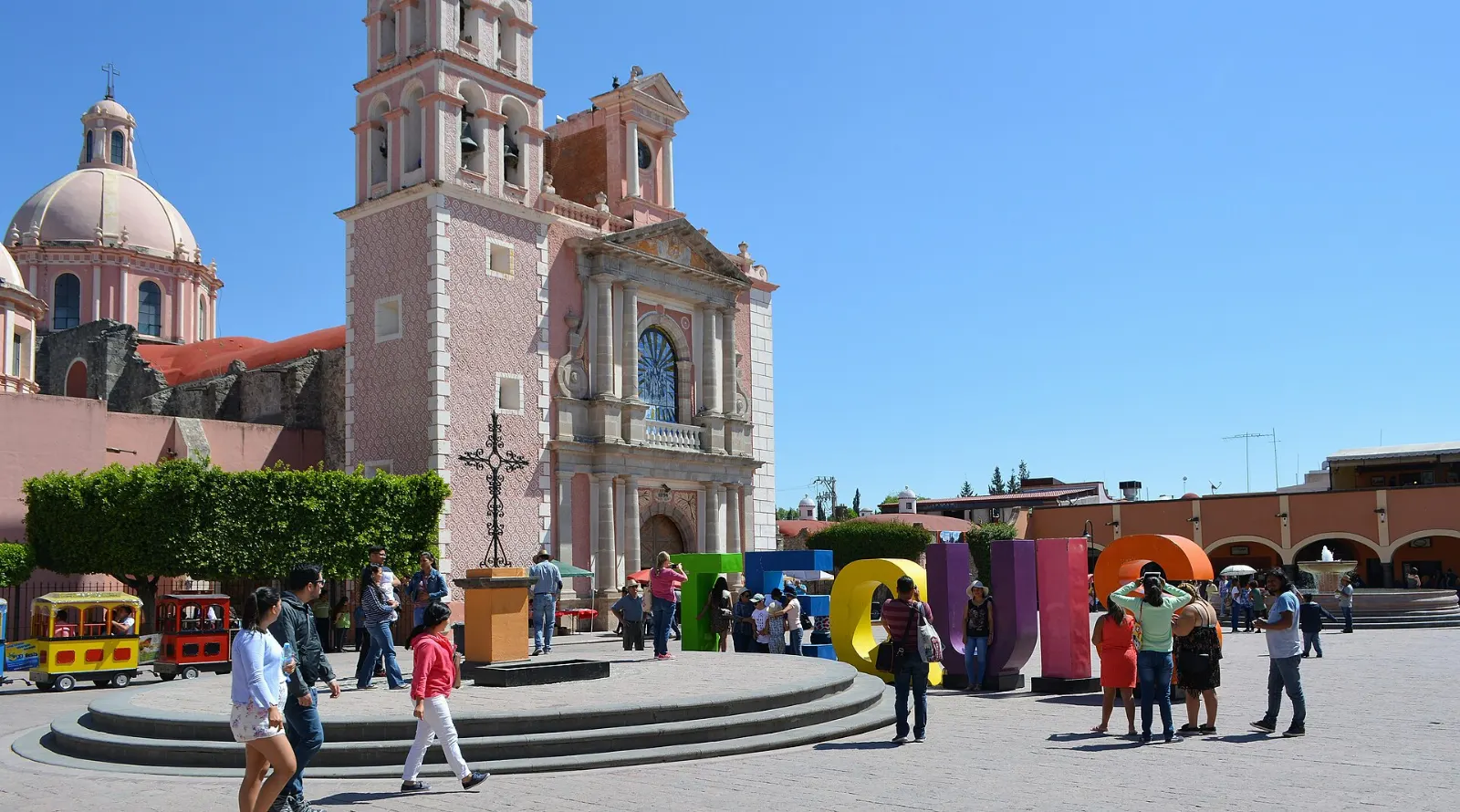
Tequisquiapan is a colonial town in southern Querétaro that Mexico City and Querétaro residents have long used for weekends away. Cobblestone streets, colorful houses with wrought iron balconies and a calm main square give it an easy pace, and the federal government has named it a Pueblo Mágico.
AT A GLANCE
Best time
Spring and autumn bring comfortable days, and the wine and cheese fair is a draw in late spring.
How long
Two days is comfortable, three if you add Peña de Bernal and a winery visit.
Getting there
Buses run from Mexico City and Querétaro, and the drive from either city is straightforward.
Why visit Tequisquiapan
Tequisquiapan was founded in 1551 and most of the town grew up under indigenous influence, which explains its low, rustic buildings and tidy plazas.
Everything in the center is within walking distance, so you can spend your days wandering, shopping, eating and soaking rather than driving between sights.
The historic center
Plaza Hidalgo
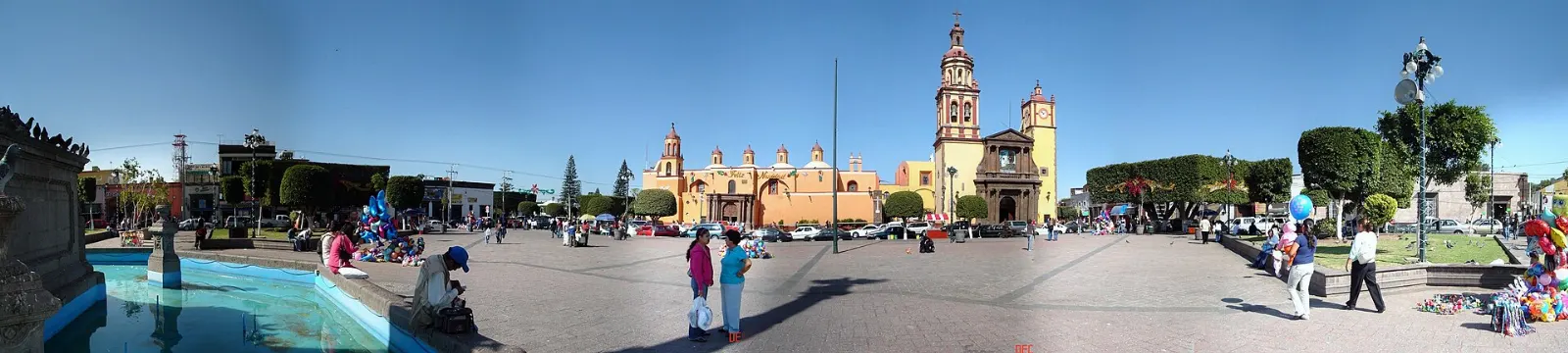
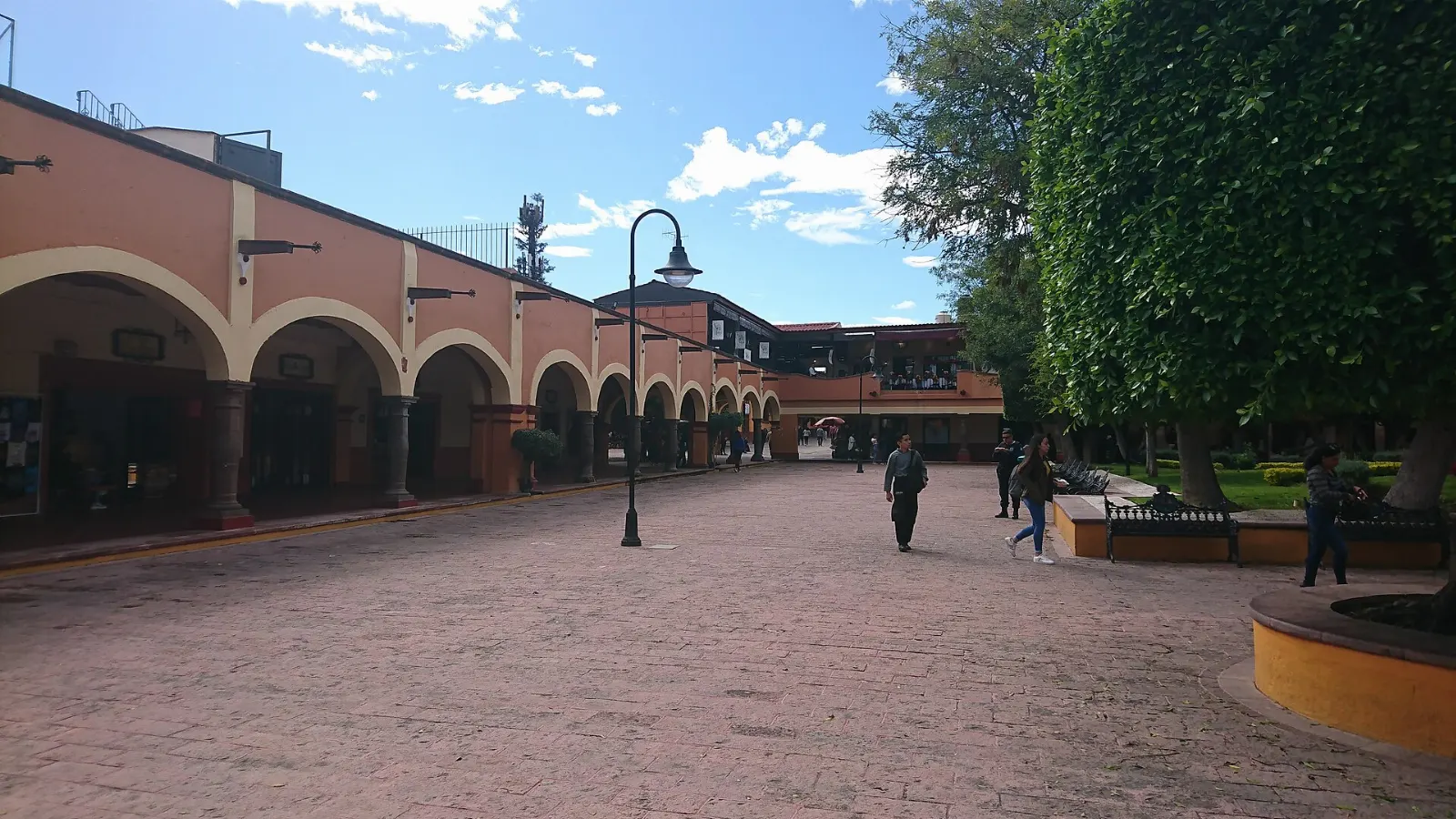
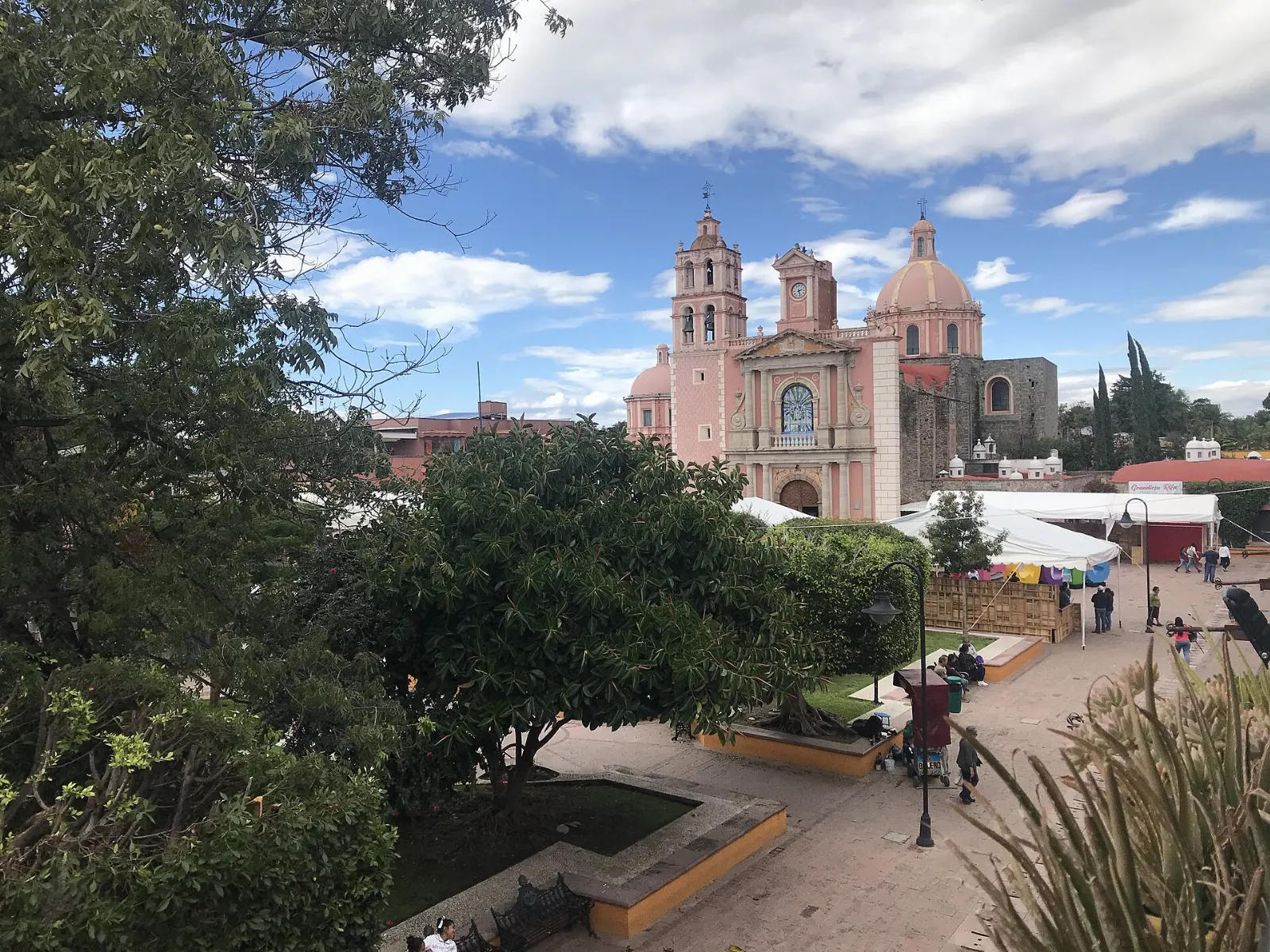
The main square is a large open space with a gray sandstone kiosk, benches and a row of arches that shelter galleries, cafés and sweet shops. Bands often play at the kiosk, especially on weekends.
Parroquia de Santa María de la Asunción
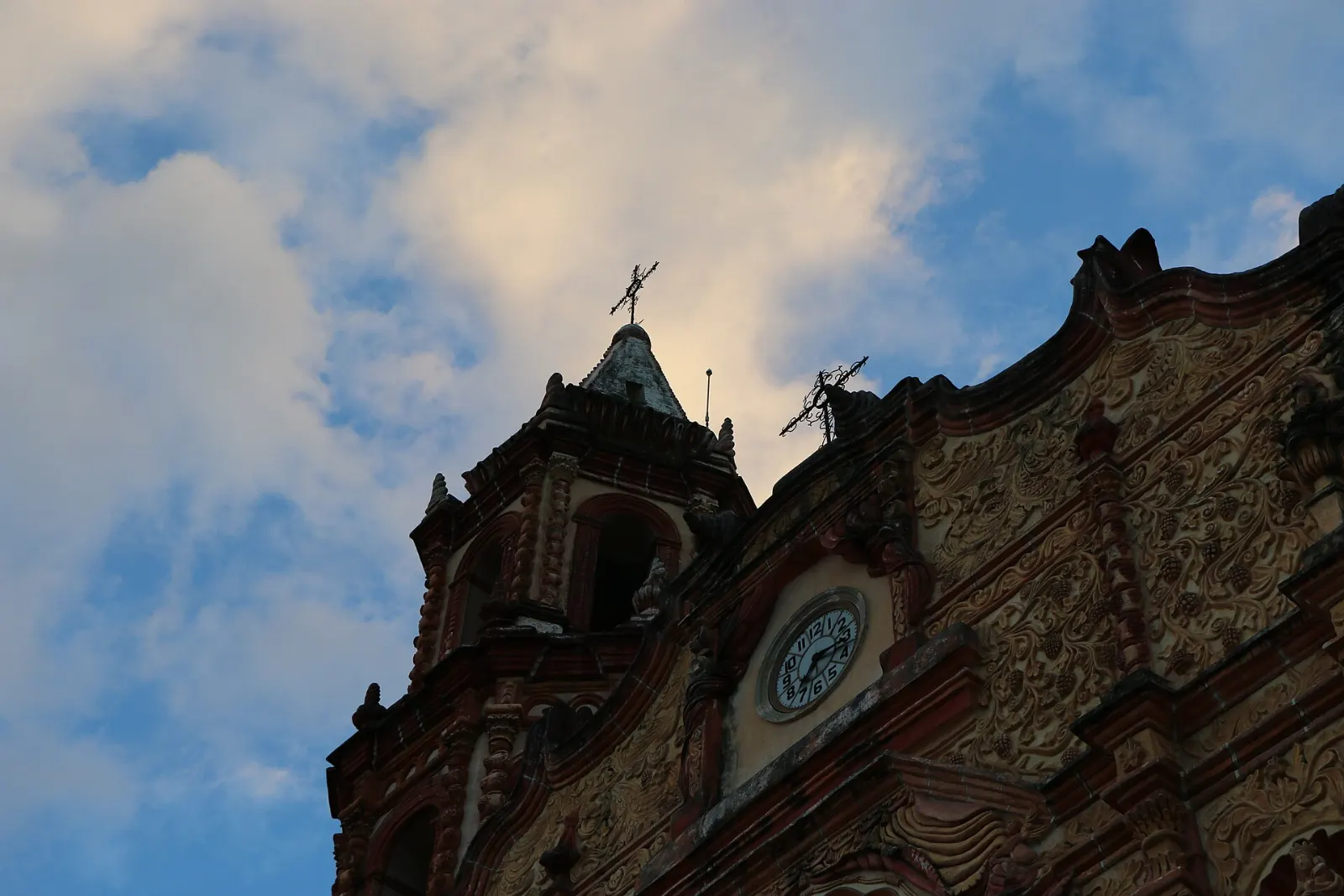
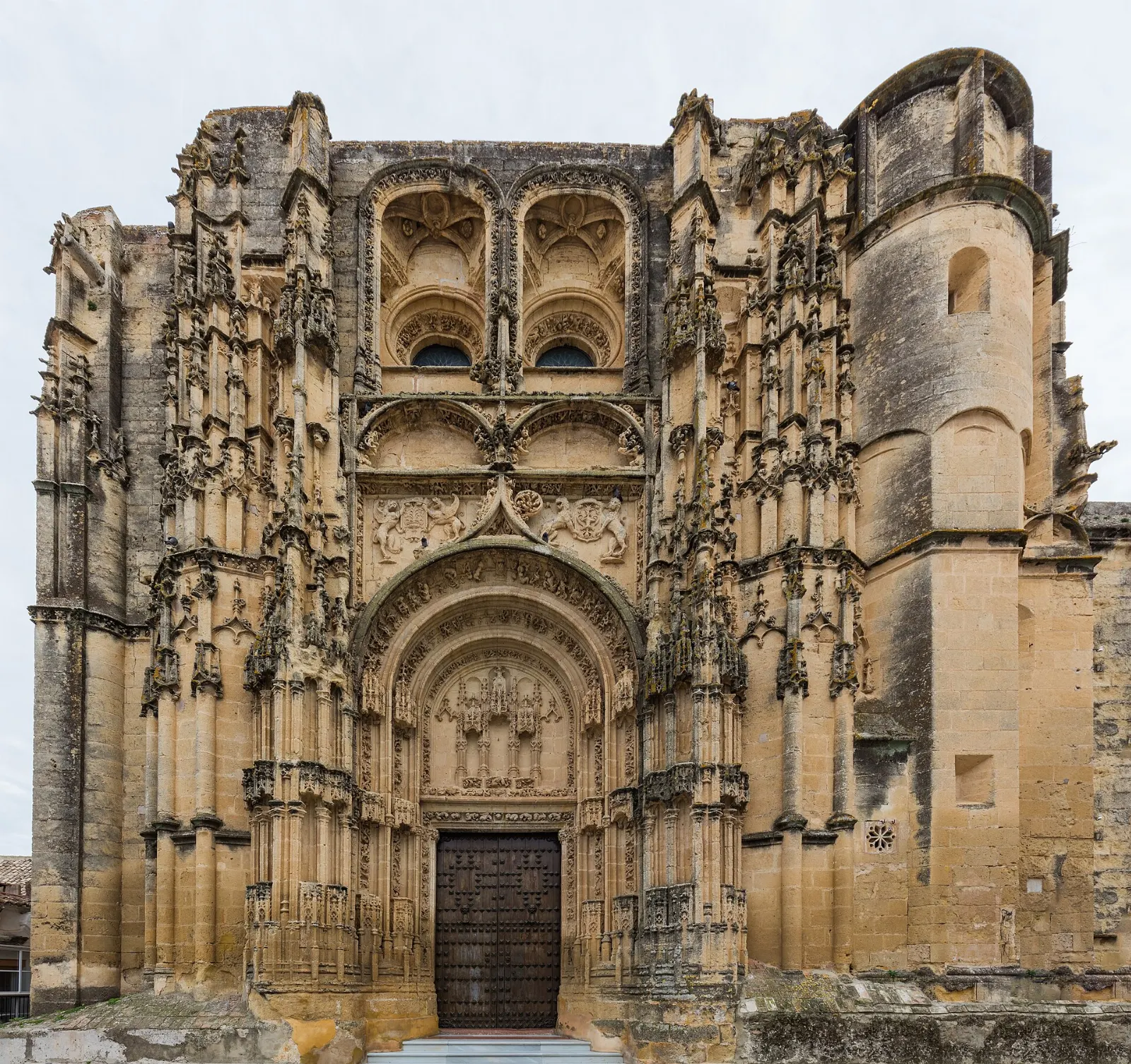
The parish church faces the square and was rebuilt in the 1800s in pink sandstone with simple Neoclassical lines. The clock in the tower dates from 1897.
Mercado de Artesanías
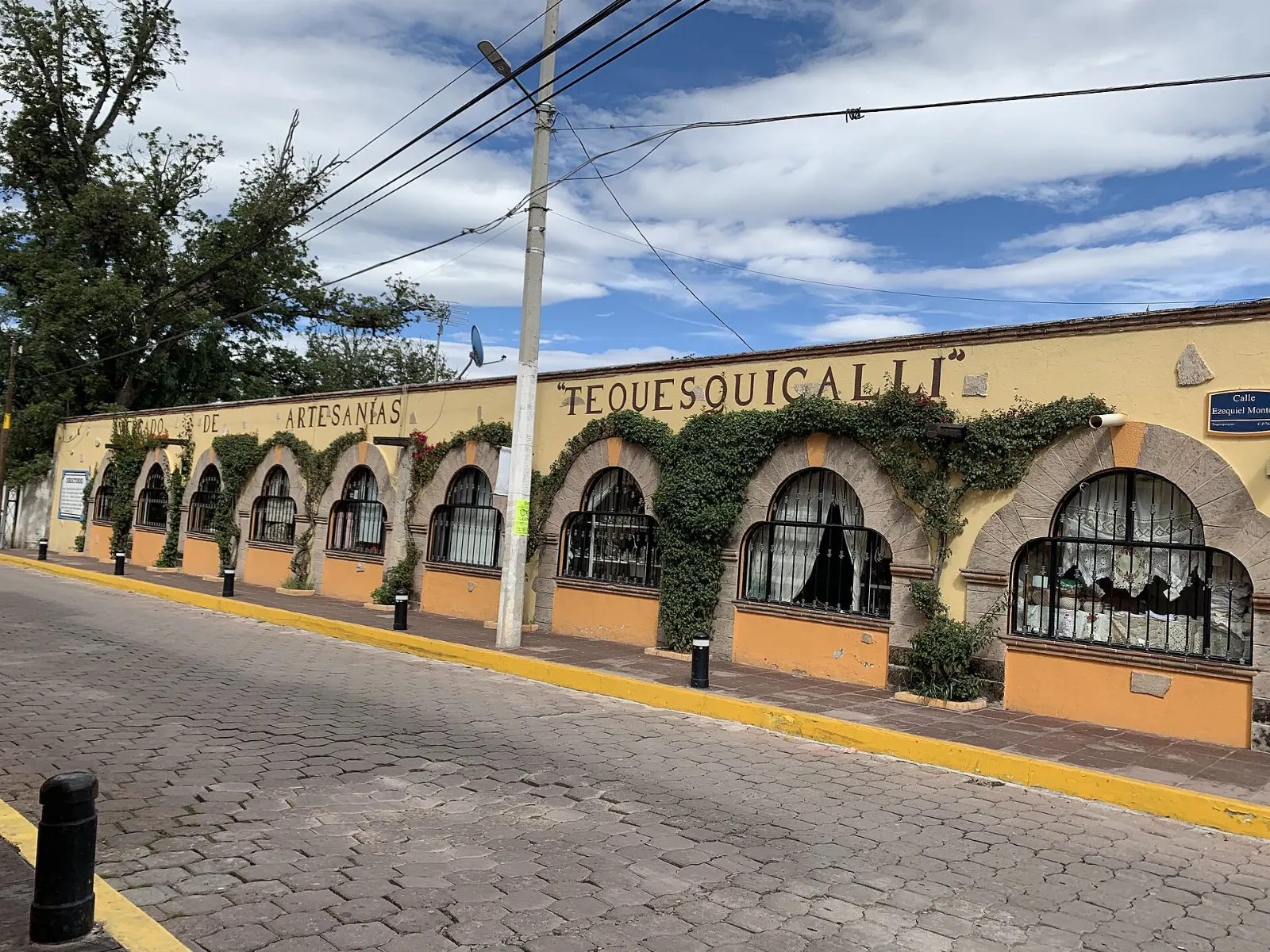
The craft market on Calle Ezequiel Montes sells wicker furniture, baskets, embroidered napkins and other textiles, with Otomi vendors often working in the plaza too. Baskets and woven goods are the regional specialties, so start there.
Old Bernal railroad station
The former Bernal station on Avenida Juárez is a small reminder of the railway era and takes about fifteen minutes to see. It pairs well with a wander along the nearby cobbled streets.
Parks, springs and hills
La Pila
This park just north of the main square has fresh water springs, Montezuma cypress trees and wide lawns for picnics.
Barrio de la Magdalena
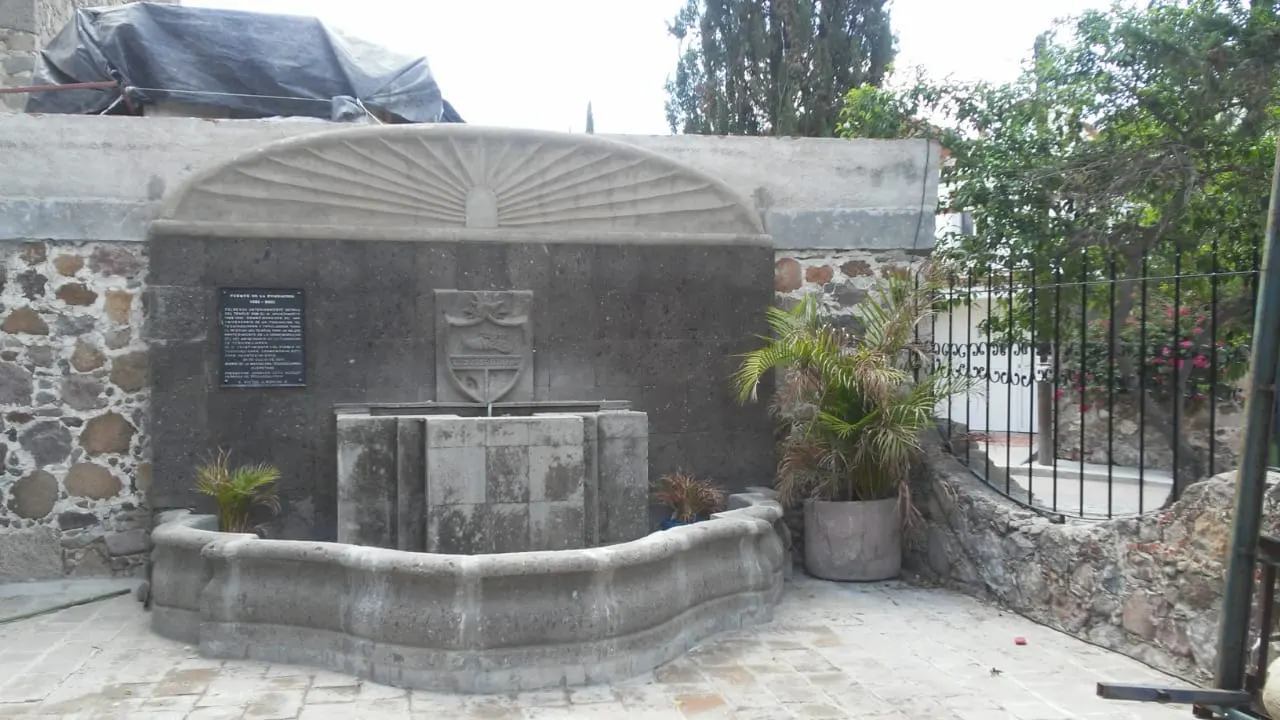
This old indigenous neighborhood beside the river is where the founding mass of Tequisquiapan took place, and the town re-enacts it each year on 24 June. Horseback rides leave from a stable near the river.
Cerro Grande
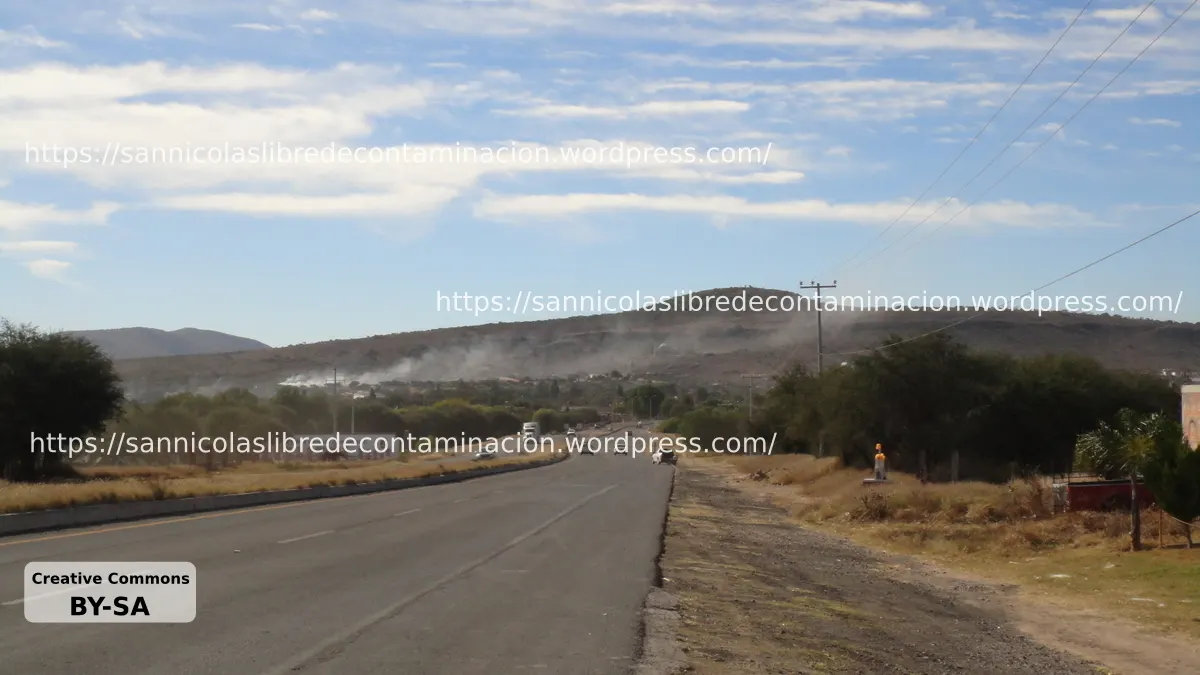
A chapel stands on the hill known as Cerro Grande, and local pilgrims climb it on 13 September to spend the night before a morning mass and a picnic.
Thermal spas
Tequisquiapan is famous for balnearios, which are spas and water parks fed by thermal mineral water. Termas del Rey, El Oasis, Fidel Velásquez and La Vega are the names to look for.
Wine country and Peña de Bernal
La Redonda and the wine route
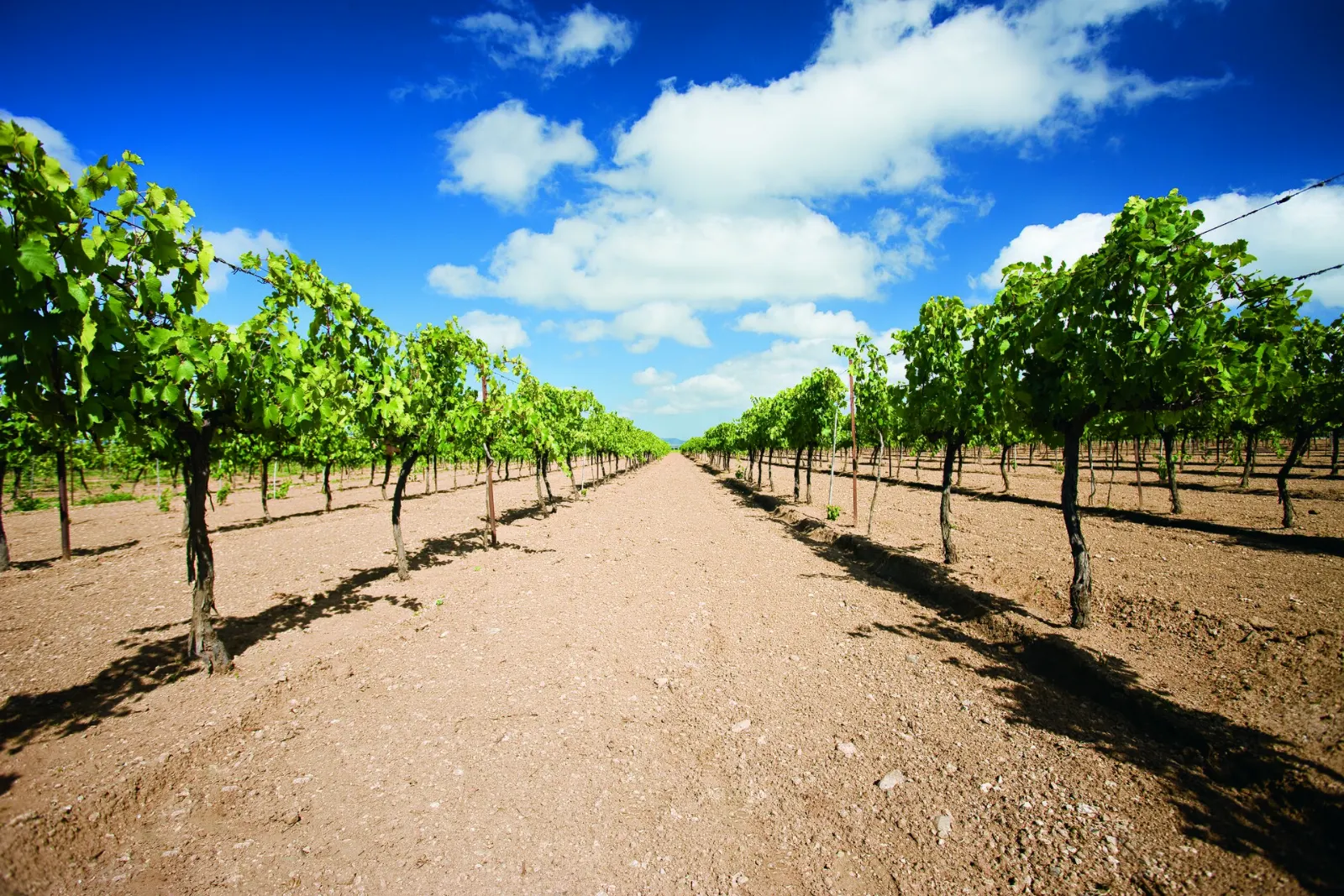
Tequisquiapan belongs to the Querétaro wine route, and La Redonda is the municipality's main producer. Grape growing here began in the early 1960s and has become important enough to appear on the municipal seal.
Peña de Bernal
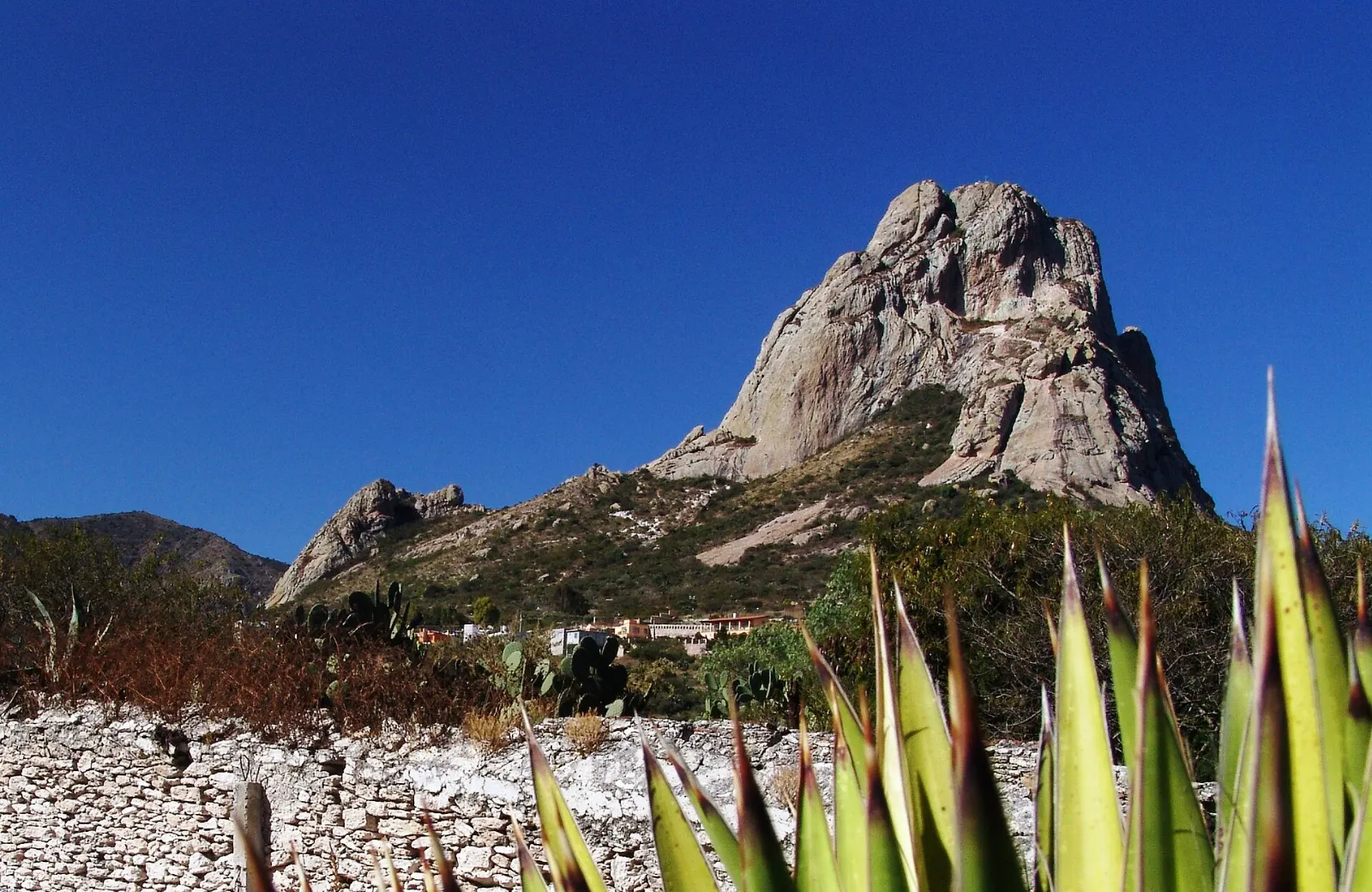
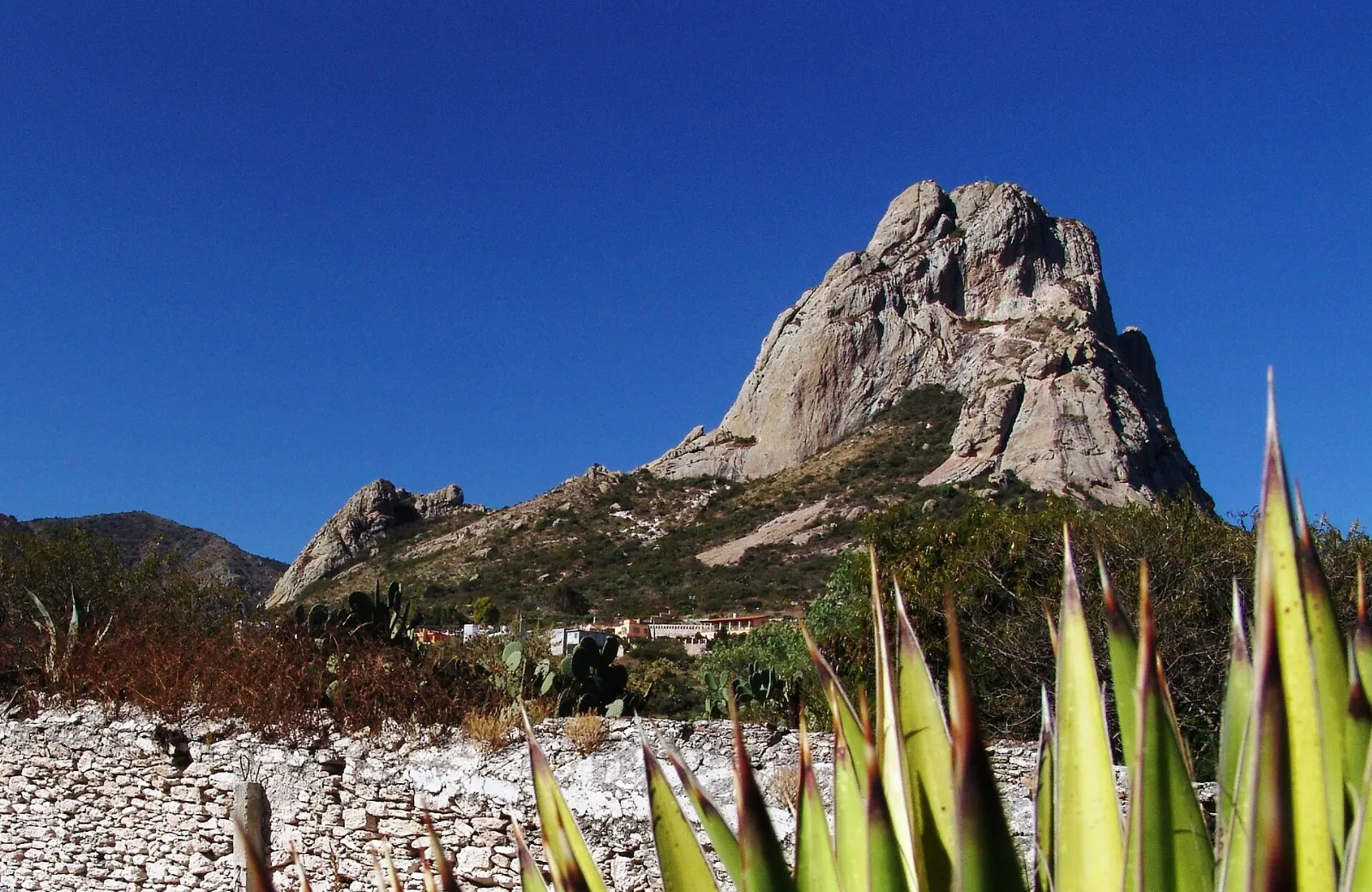
A short drive away in the town of San Sebastián Bernal, this 433 metre monolith is one of the tallest in the world and is the exposed core of an ancient volcano.
Food and local flavors
Tequisquiapan is known for sweets and for the produce of its cheese and wine region. Look for crystallized nopal, a candied cactus treat sold around the main square along with sweet breads and fruit in syrup.
Cheese is a local point of pride, so ask for queso fresco from regional producers and pair it with a glass of Querétaro wine. The Feria Nacional del Queso y el Vino is the best place to sample many producers at once.
Popular dishes to try in Tequisquiapan


Where to stay
Centro Histórico is the best base for first-time visitors because the plaza, church, craft market and restaurants are all a short walk away. Expect more activity and more weekend noise here, but also the easiest logistics if you arrive by bus.
Barrio de la Magdalena suits travelers who want a calmer setting near the river and its horseback rides, and who do not mind a longer walk to the main square.
Many of the larger spa hotels sit on the edges of town, so families and groups looking for pools and thermal water should compare those options with a central stay.
Where to stay in Tequisquiapan


Best time to visit
Spring and autumn are the most comfortable seasons for walking the cobblestones and visiting wineries. Summer brings the wet season, with showers most often in the afternoon, so plan outdoor sights for the morning.
Weekends are busy because the town is a favorite escape from Mexico City and Querétaro, and the narrow streets jam with traffic. Midweek is calmer. The Feria Nacional del Queso y el Vino at La Pila is the headline event, and the town also marks the Holy Cross on 3 May, Our Lady of the Assumption on 15 August and a Holy Week passion play.
Getting there and getting around
Most visitors arrive from Querétaro or Mexico City. Buses run to the Central de Autobuses on the road between San Juan del Río and Jalpan de Serra, and an ETN coach from Mexico City's northern terminal takes around three hours.
If you drive, expect slow traffic and tight parking in the center on weekends, and leave the car at your lodging when you can. The core of town is best on foot, and taxis are easy to find for longer trips to wineries or Peña de Bernal.
A suggested itinerary
First day
Start at Plaza Hidalgo and the parish church, browse the craft market and have lunch there.
Second day
Spend the morning at Peña de Bernal and the town below it, then return for a winery tasting on the wine route.
Third day
Take a morning soak at one of the spas, climb Cerro Grande if you have energy and buy crystallized nopal and cheese for the trip home.
Practical tips
- Visit midweek if you prefer quiet streets, because weekends bring heavy day trip traffic.
- Wear comfortable shoes for the cobblestones, which are uneven and slippery after rain.
- Carry small change for market stalls and street vendors.
- Book winery tastings and spa visits ahead for holiday weekends.
- Bring sun protection and water for Cerro Grande and Peña de Bernal.