WiserMap — Choose wisely. Connect locally.Choose wisely. Connect locally.Add your business
Sierra Gorda, Querétaro · Travel guide

Sierra Gorda Mexico Franciscan Missions and Cloud Forests

The Sierra Gorda covers the northern third of Querétaro and spills into Guanajuato, Hidalgo and San Luis Potosí. Elevations run from deep river canyons to pine forests above 3,000 metres, which makes it one of the most varied landscapes in central Mexico. It is also home to five Franciscan missions inscribed as a World Heritage Site.

By WiserMap TravelUpdated October 2026 9 places9 min read
FacebookXLinkedIn
At a glance Sierra Gorda
  1. Best timeSpring and autumn give clear weather, and high towns such as Pinal de Amoles can be cold and foggy in winter.
  2. How longThree to four days lets you see the missions, a waterfall and a mountain town.
  3. Getting thereFederal Highway 120 runs from San Juan del Río to Jalpan de Serra, and the roads are winding.

Why visit Sierra Gorda

The region belongs to the Huasteca Karst, a landscape of limestone peaks, deep canyons and pit caves called sótanos.

Culture is just as strong. The Pame people built the missions under Franciscan friars in the 1750s and 1760s, and their baroque facades, full of native plants and animals, are among the most distinctive in Mexico.

The region rewards unhurried travel. Elevation ranges from about 300 metres in the Santa María river canyon near Jalpan to roughly 3,100 metres at Cerro de la Pingüica in Pinal de Amoles, so you can move from warm valleys to cold pine forest in a single day.

The Franciscan mission route

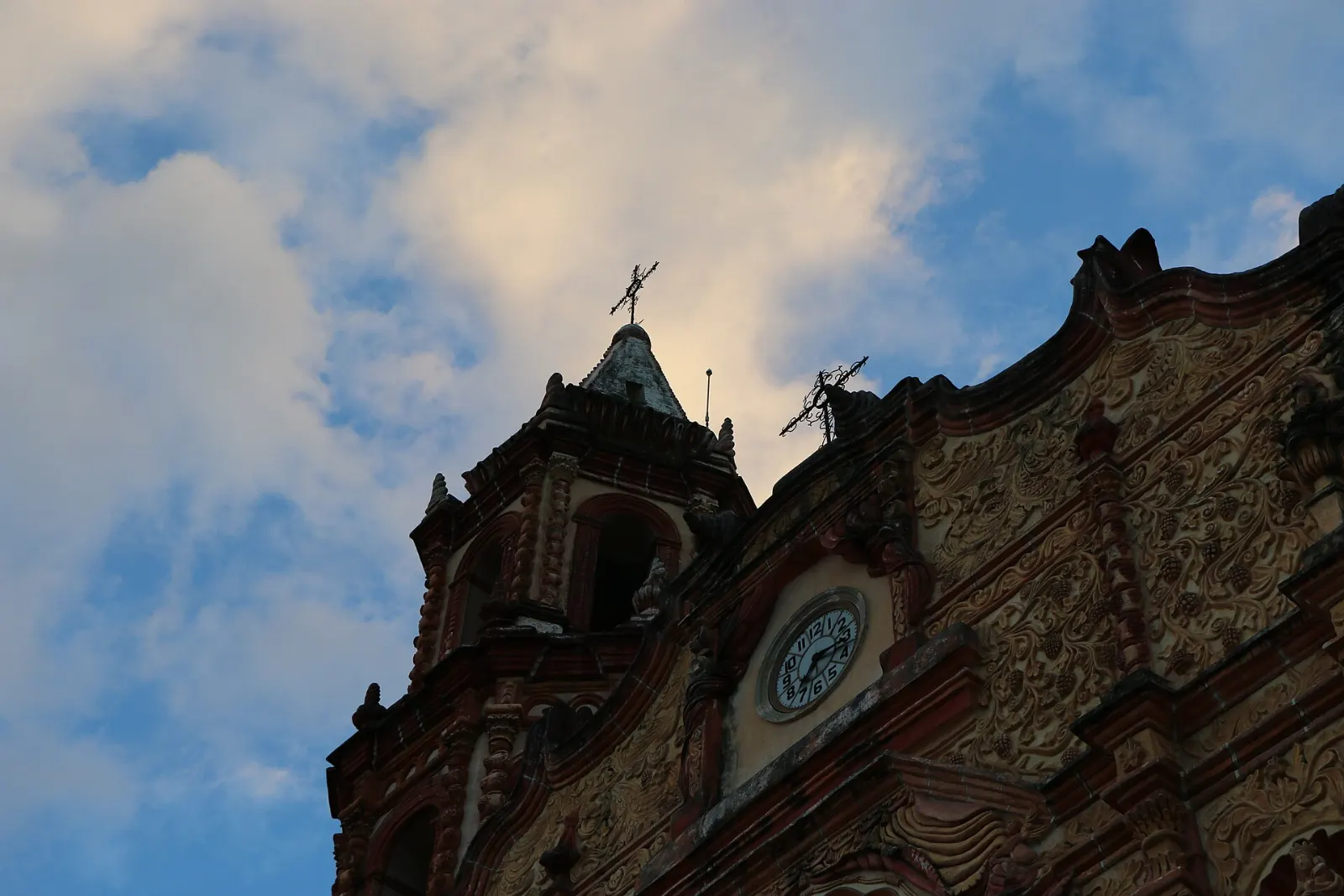
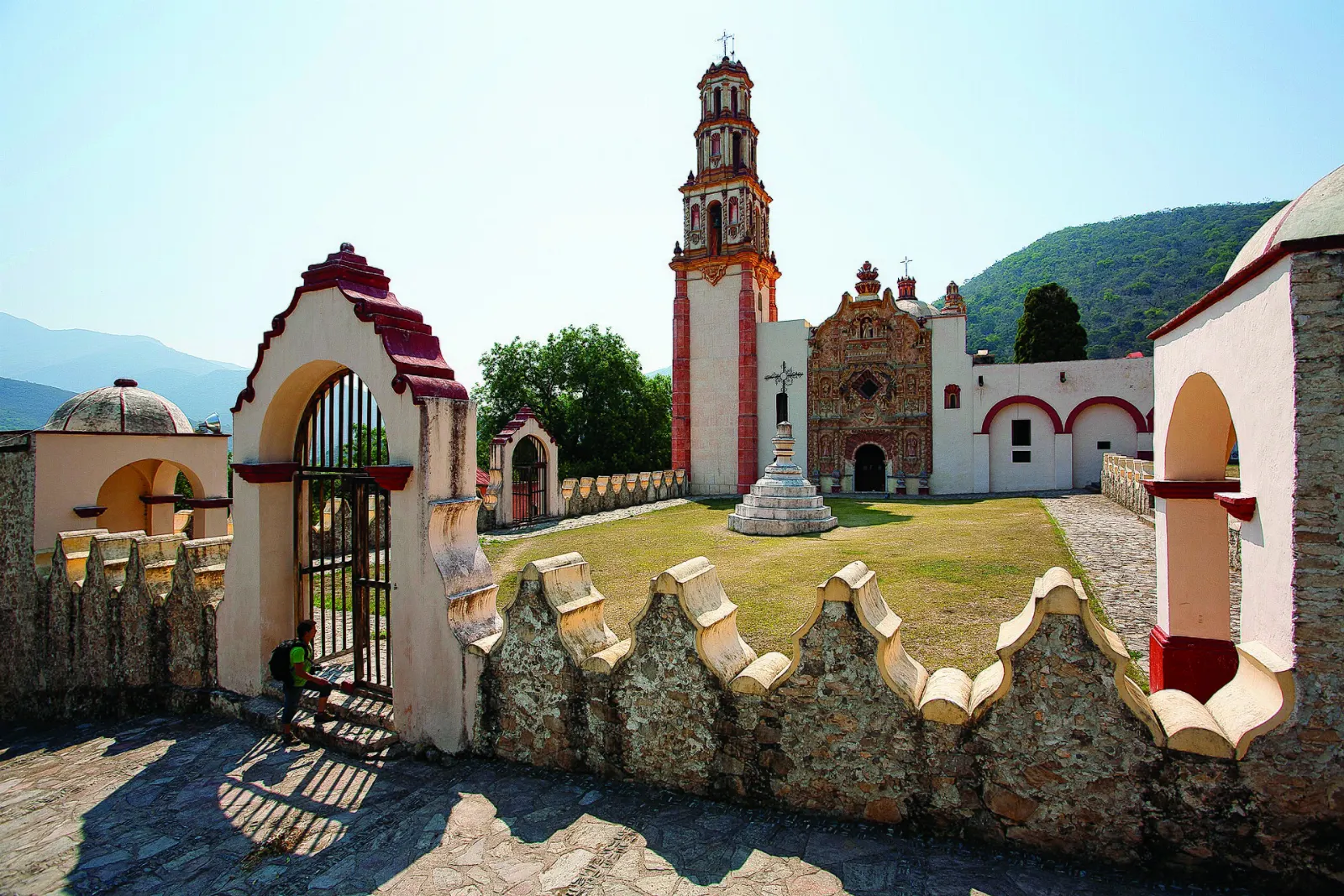
Ornate facade of the Franciscan mission church in Jalpan de Serra, Sierra Gorda, Querétaro

Jalpan de Serra

The mission in Jalpan was built between 1751 and 1758 and dedicated to Saint James the Greater. Its facade is rich in stucco with plant motifs, saints and a double headed eagle, and it faces the main garden where birds crowd the trees.

The Jalpan mission, built between 1751 and 1758, was the first of the five Sierra Gorda missions. Photo: Juan Carlos Fonseca Mata, Wikimedia Commons, CC BY-SA 4.0
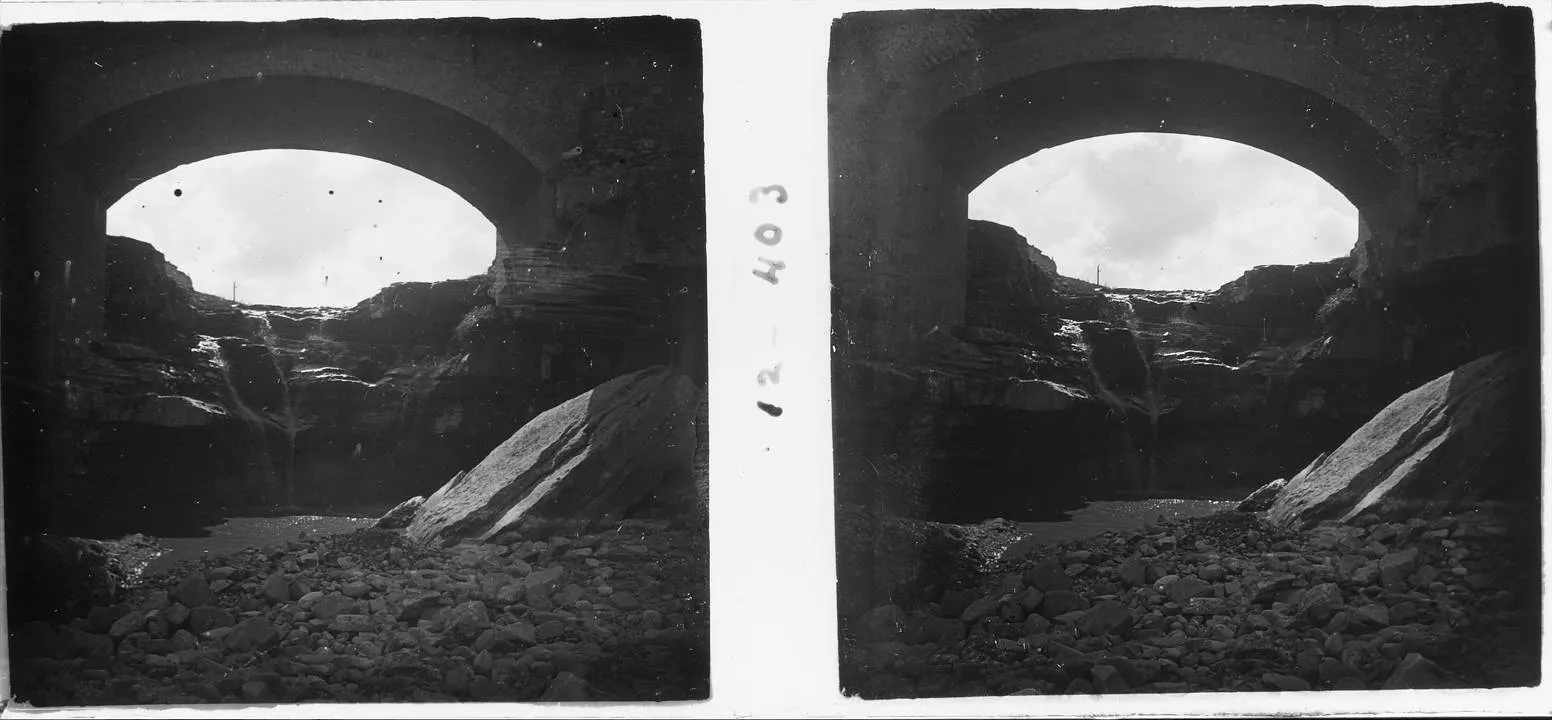
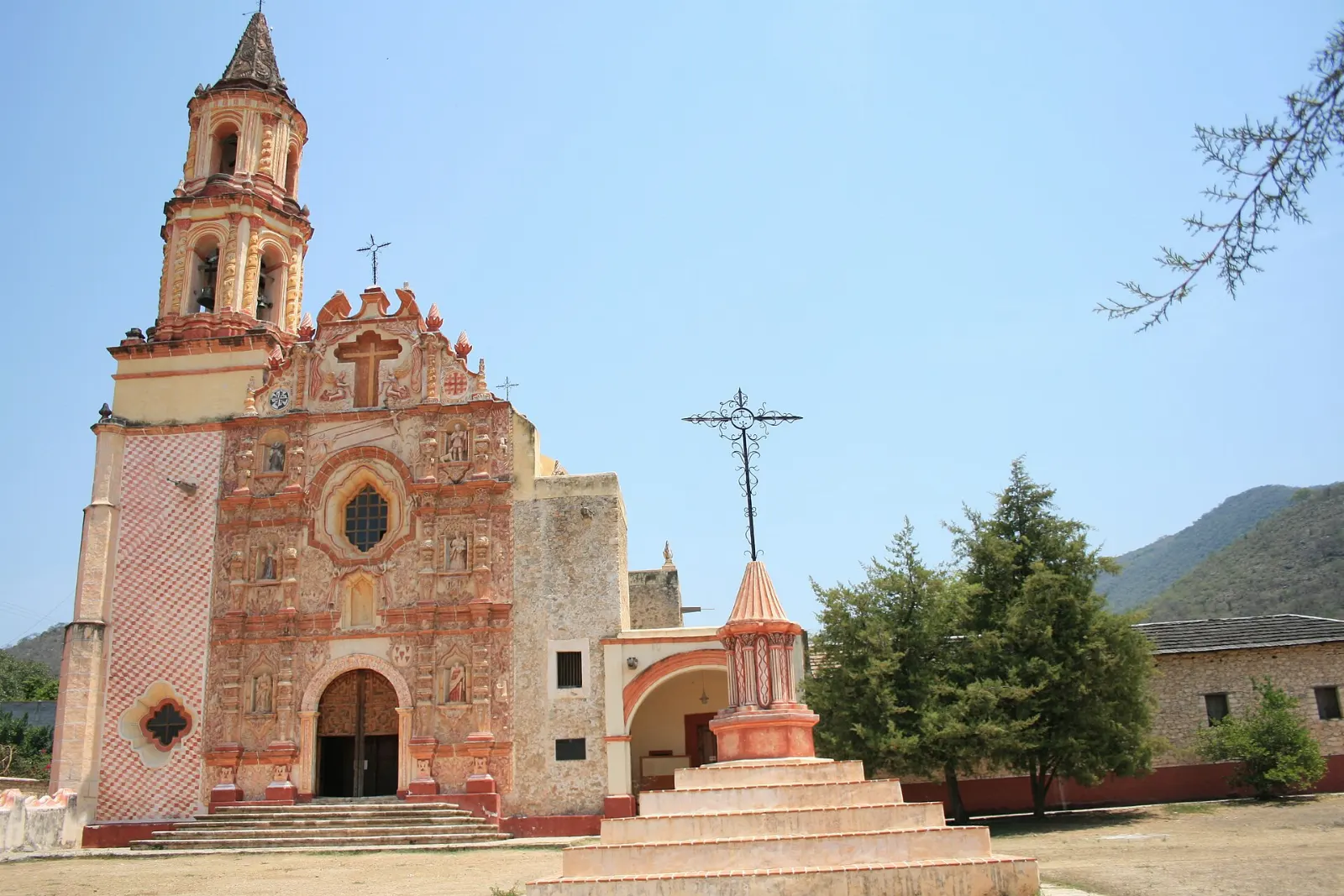
Franciscan mission church of Landa de Matamoros, Sierra Gorda, Querétaro

Landa de Matamoros

The mission at Landa is dedicated to Our Lady of the Immaculate Conception. Its current complex was finished in the 1760s as the last of the five.

The Landa mission was the last of the five to be built, between 1761 and 1768. Photo: A01207946 Dayana, Wikimedia Commons, CC BY-SA 4.0

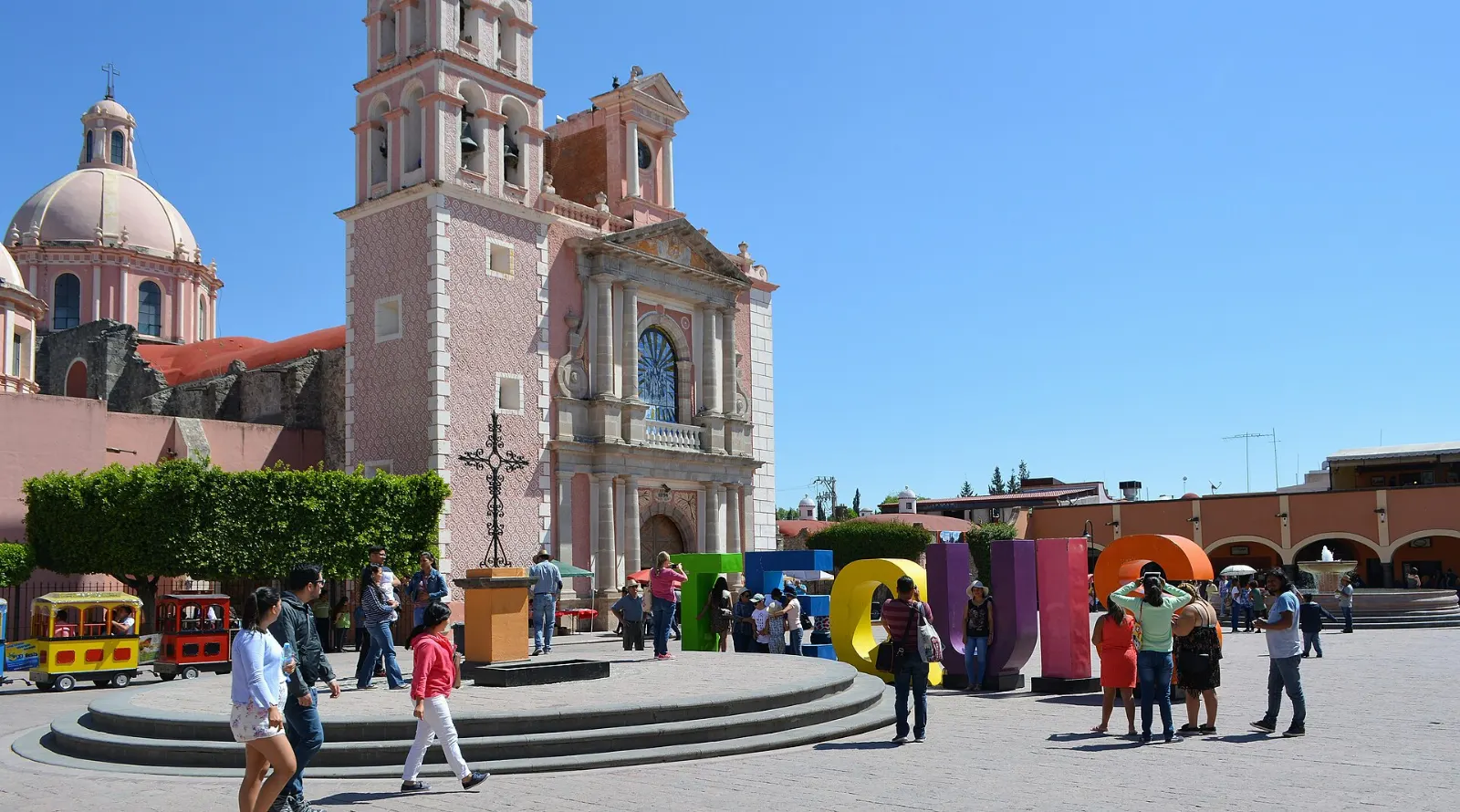
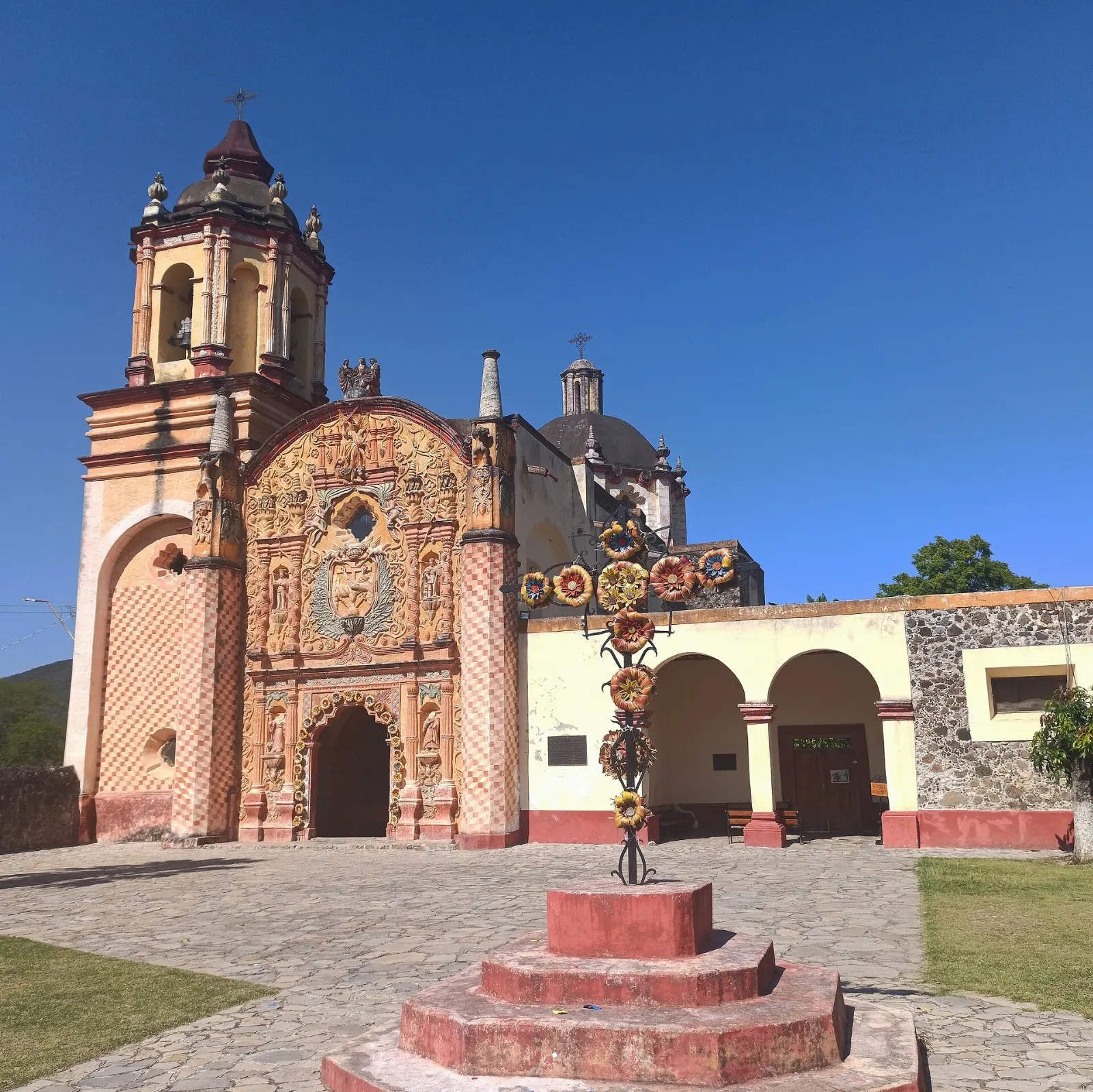
Franciscan mission church at Tilaco in the Sierra Gorda, Querétaro

Tilaco

Tilaco is a small mission village in the municipality of Landa and the home of its feast of Saint Francis on 4 October. Friar Juan Crispi directed its construction.

The Tilaco mission is one of five Franciscan missions inscribed as a World Heritage Site. Photo: Comisión Mexicana de Filmaciones from México D. F., México, Wikimedia Commons, CC BY-SA 2.0

Facade of the mission church at Tancoyol dedicated to Our Lady of Light, Sierra Gorda, Querétaro

Tancoyol

The mission here is dedicated to Our Lady of Light and is thought to have been built by Friar Juan Ramos de Lora. Its facade has the richest iconography of the five, with a rhomboid window framed by the Franciscan cord and even a jaguar and a figure with Olmec features inside.

The Tancoyol mission has the most elaborate facade iconography of the five missions. Photo: Alexialef, Wikimedia Commons, CC BY-SA 3.0

Small Franciscan mission church at Concá in Arroyo Seco, Sierra Gorda, Querétaro

Concá

Concá has the smallest of the five missions, built between 1754 and 1758. A rabbit on the facade is unique among the five churches.

The Concá mission is the smallest of the five and has a rabbit carved on its facade. Photo: Juan Carlos Fonseca Mata, Wikimedia Commons, CC BY-SA 4.0
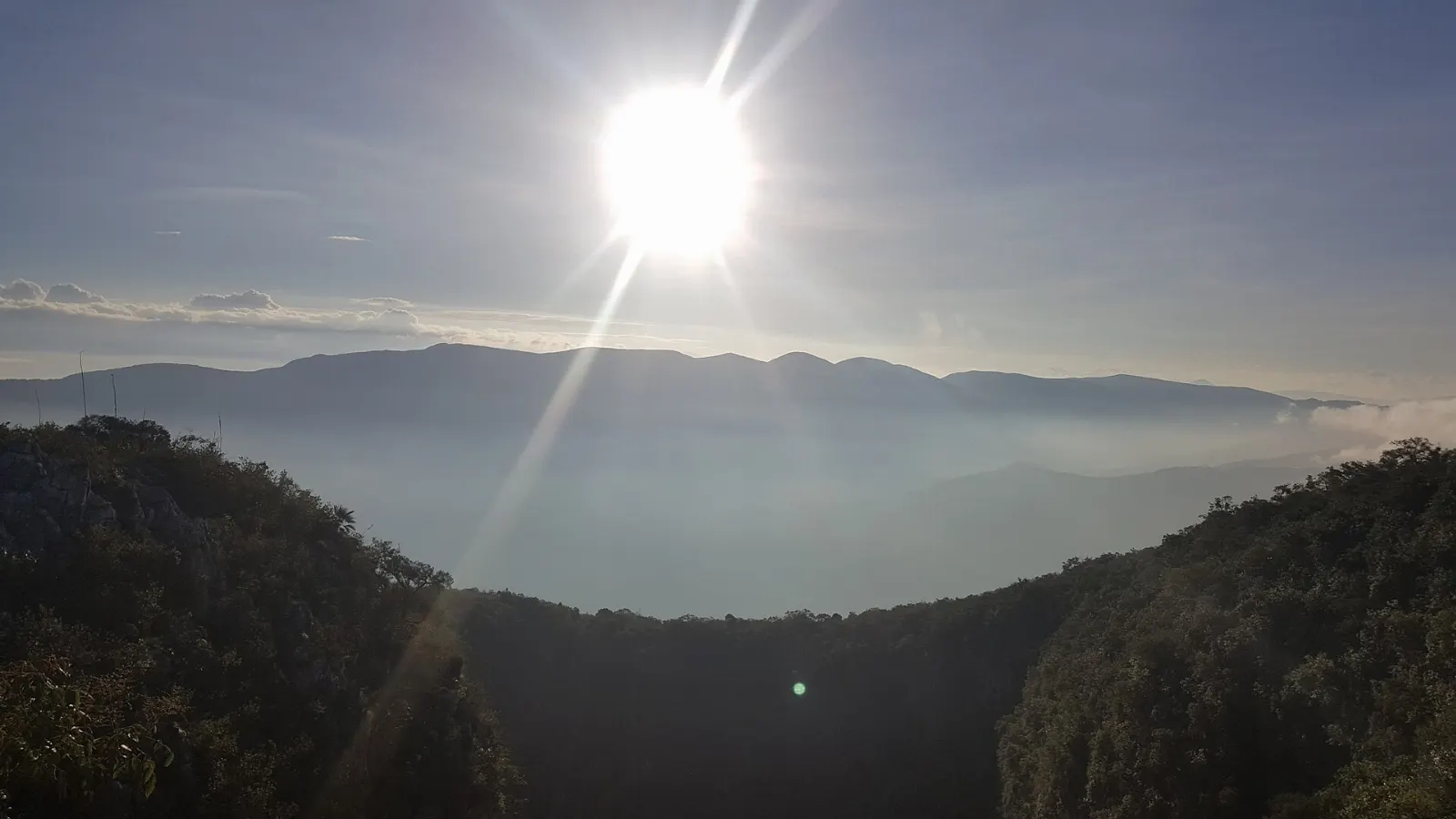
Waterfalls, caves and mountains

Concá waterfall falling into the Santa María River, Sierra Gorda, Querétaro

Concá waterfall

Just south of the town, a freshwater spring feeds a waterfall that falls into the Santa María River. Visit in the morning when the light is softer and the paths are quiet.

The Concá waterfall is fed by a freshwater spring and falls into the Santa María River. Photo: Josep Salvany i Blanch, Wikimedia Commons, Public domain

Vertical limestone walls of the Sótano del Barro pit cave, Sierra Gorda, Querétaro

Sótano del Barro

This giant pit cave near the community of Santa María de los Cocos is one of the largest cavities in the world by volume.

Sótano del Barro is one of the largest cavities in the world by volume. Photo: Flores 1299, Wikimedia Commons, CC BY-SA 4.0

Mountain town of Pinal de Amoles surrounded by pine forest, Sierra Gorda, Querétaro

Pinal de Amoles

The highest part of the region has pine forests, cool air and often fog, and the town was named a Pueblo Mágico in 2023. It began in 1606 as a mining camp and now offers cabins and local coffee and bread.

Pinal de Amoles is a mountain town surrounded by forests, canyons and waterfalls. Photo: Juan Carlos Fonseca Mata, Wikimedia Commons, CC BY-SA 4.0
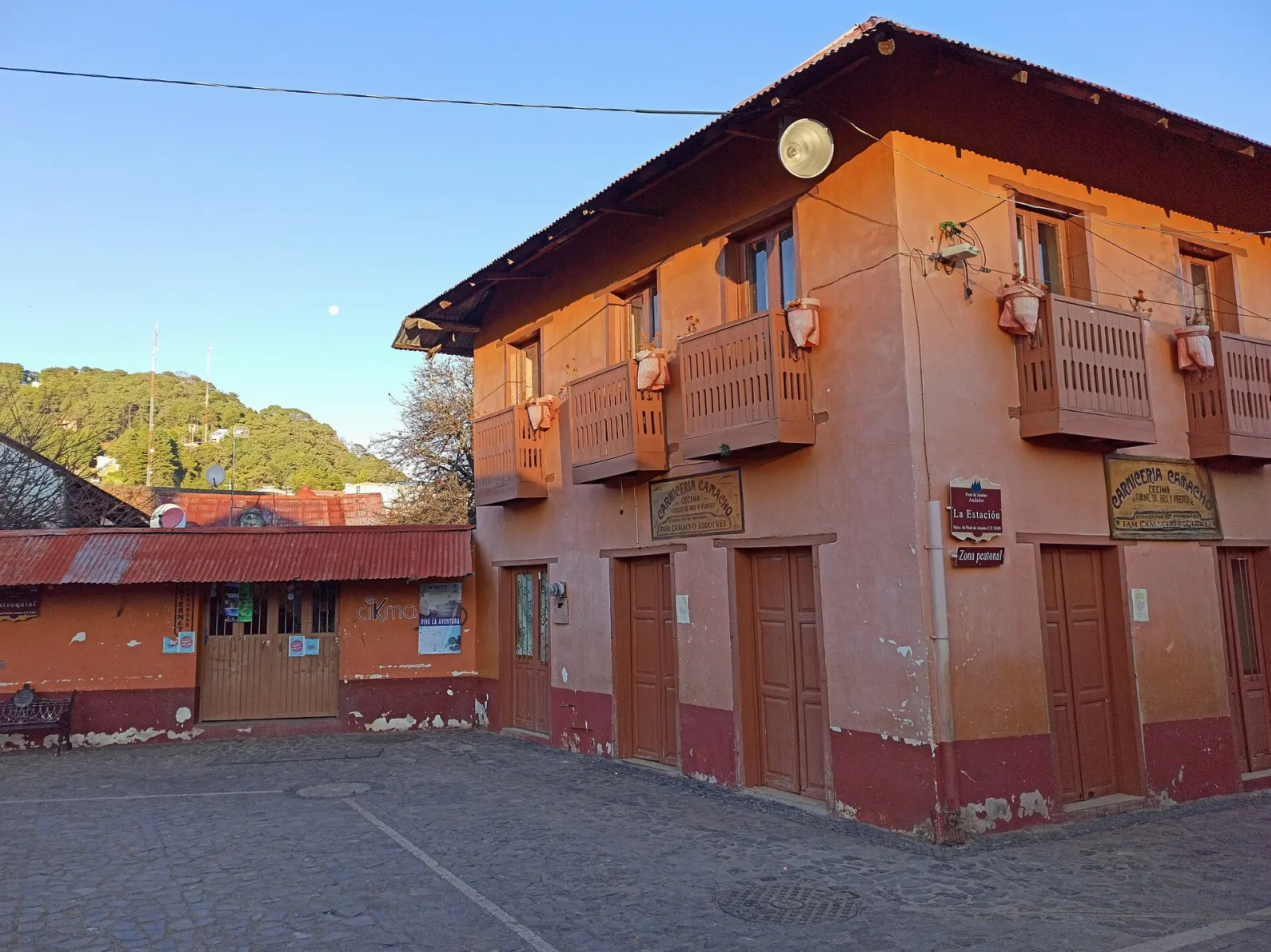
Concrete sculptures and pools at Las Pozas garden in Xilitla, Sierra Gorda, Querétaro

Las Pozas in Xilitla

On the eastern slopes of the Sierra Gorda in San Luis Potosí, Las Pozas is a garden of pools and surreal concrete structures created by Edward James in a subtropical rainforest. It makes a fine extension if you continue along Highway 120.

Las Pozas is a sculptural garden in the rainforest at Xilitla on the eastern slopes of the Sierra Gorda. Photo: MyName (Bernardo Bolaños), Wikimedia Commons, CC BY 2.5

Food and local flavors

The mountain kitchen is hearty. Zacahuil is an extremely large tamale made with corn, chili peppers and pork or chicken, and it is shared at family gatherings.

In Pinal de Amoles look for pan de pulque, bread made with fermented agave sap, plus pacholes, which are toasted sweets made from corn. Many villages also serve gorditas, nopal dishes and barbacoa, while local coffee, honey and fruit liquors make good gifts.

Popular dishes to try in Sierra Gorda

Zacahuil in Sierra Gorda, Querétaro
Zacahuil Zacahuil is an extremely large tamale made with corn, chili peppers and pork or chicken, and it is shared at family gatherings.Photo: Elizabethcasasola, Wikimedia Commons, CC BY-SA 4.0
Cecina serrana in Sierra Gorda, Querétaro
Cecina serrana Cecina serrana is dried beef marinated in sour orange and salt, often grilled and served with beans and tortillas.Photo: Dtarazona, Wikimedia Commons, CC BY-SA 3.0
Pan de pulque in Sierra Gorda, Querétaro
Pan de pulque In Pinal de Amoles look for pan de pulque, bread made with fermented agave sap, plus pacholes, which are toasted sweets made from corn.Photo: Petrvs III, Wikimedia Commons, CC BY-SA 4.0

Where to stay

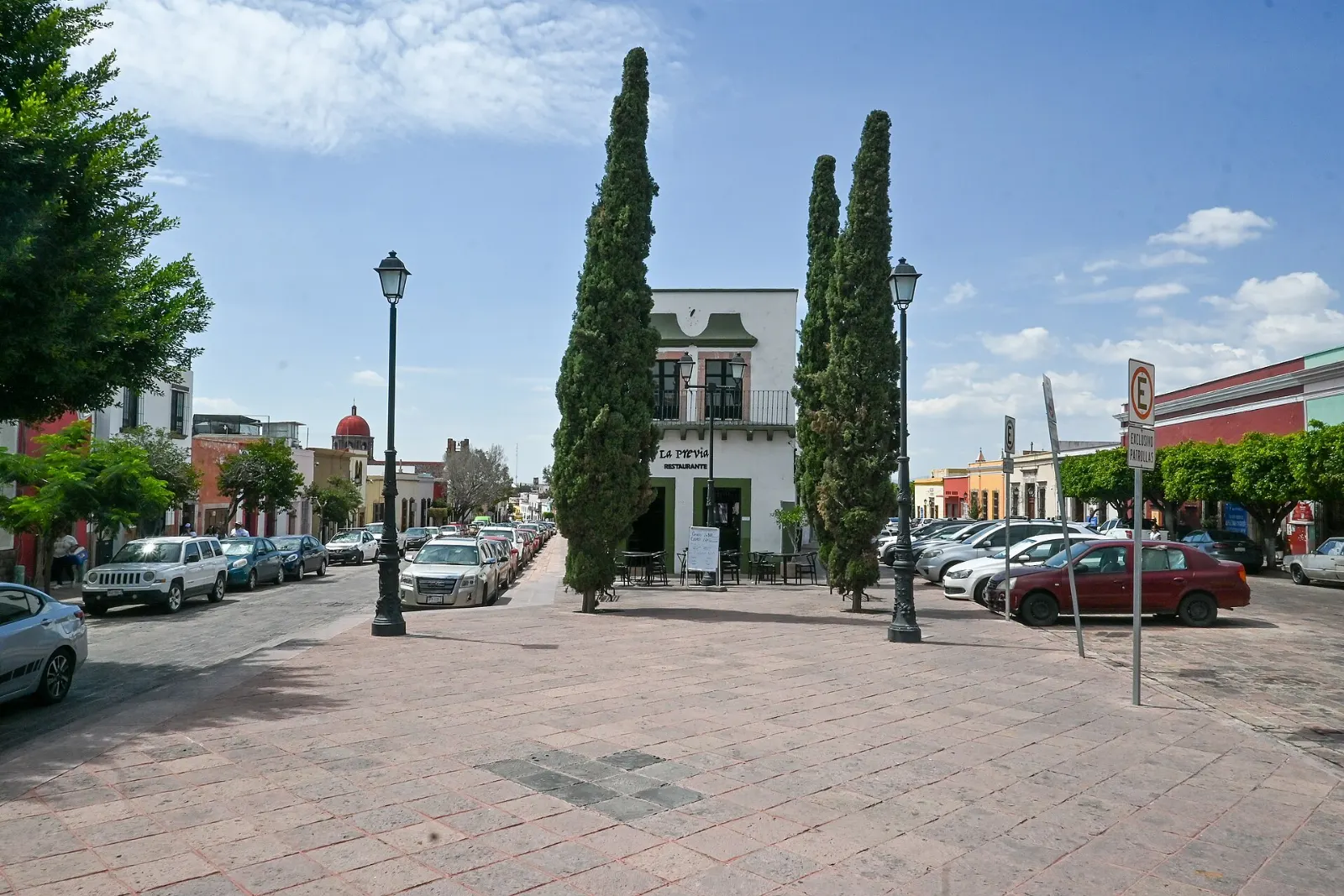
Jalpan de Serra is the best all around base. It has the first mission, a museum, the main garden and the most services, and the warmer climate at lower elevation is comfortable year round.

Pinal de Amoles suits those who want cool mountain air, cabins and forest views, and it works for hikers and anyone chasing fog and pine scenery.

Concá is a small community beside the waterfall and the Santa María River and suits a nature focused stay with simple lodging.

Where to stay in Sierra Gorda

Jalpan de Serra, Sierra Gorda, Querétaro
Jalpan de Serra Where to stayJalpan de Serra is the best all around base.Photo: EsparzaM, Wikimedia Commons, CC BY-SA 4.0
Pinal de Amoles, Sierra Gorda, Querétaro
Pinal de Amoles Pinal de Amoles suits those who want cool mountain air, cabins and forest views, and it works for hikers and anyone chasing fog and pine scenery.Photo: Juan Carlos Fonseca Mata, Wikimedia Commons, CC BY-SA 4.0
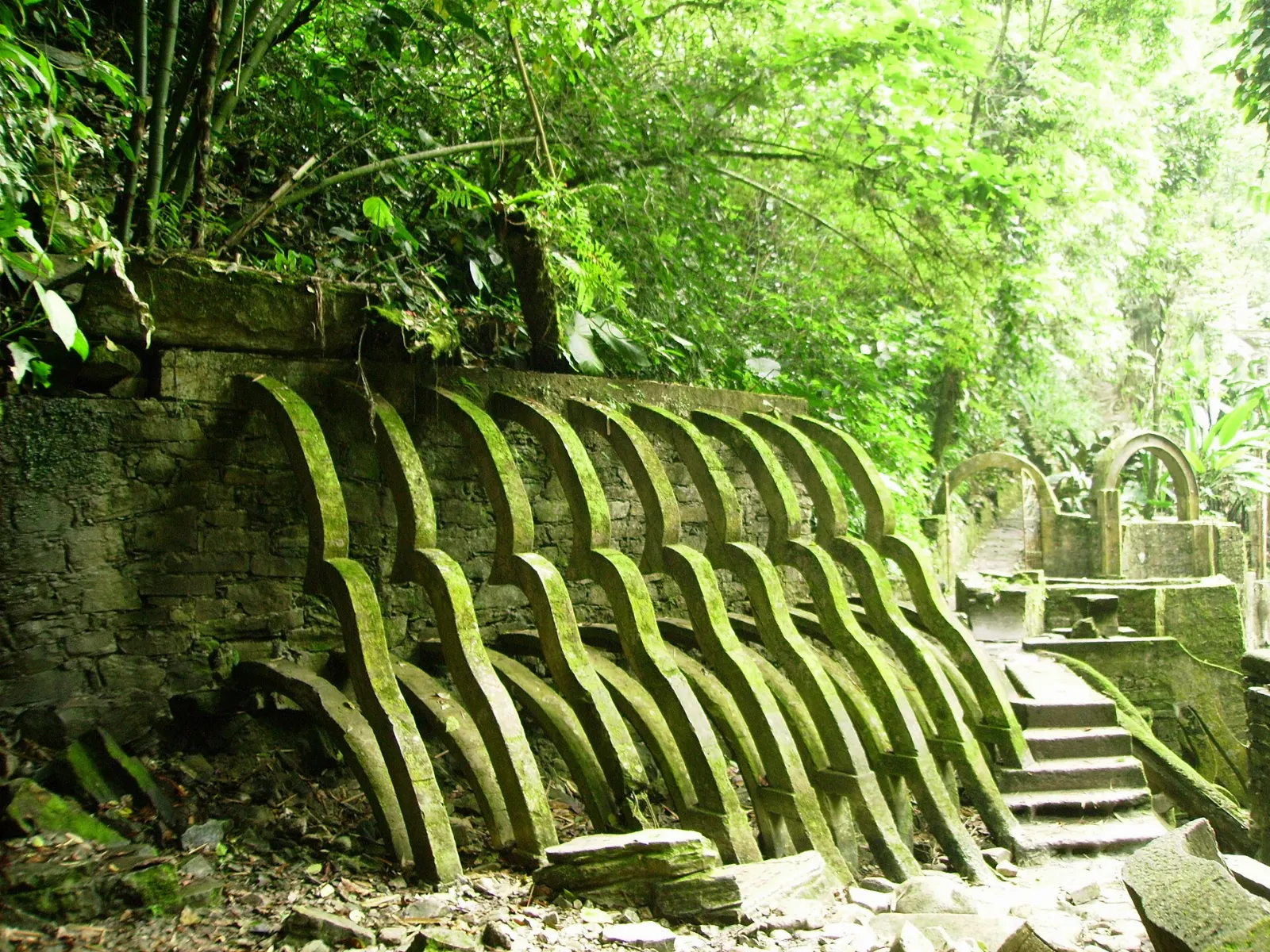
Landa de Matamoros, Sierra Gorda, Querétaro
Landa de Matamoros Landa de Matamoros is a quiet town with a cobblestone center beside the mission and suits slow travelers.Photo: A01207946 Dayana, Wikimedia Commons, CC BY-SA 4.0
Concá, Sierra Gorda, Querétaro
Concá Concá is a small community beside the waterfall and the Santa María River and suits a nature focused stay with simple lodging.Photo: Juan Carlos Fonseca Mata, Wikimedia Commons, CC BY-SA 4.0

Best time to visit

The climate depends strongly on elevation. Jalpan averages around 24 degrees Celsius, while high areas such as Pinal de Amoles average about 13, with morning fog and cold winters.

Spring and autumn offer comfortable walking weather. Notable events include the Feria Regional Serrana in Jalpan in April, Landa's patron feast on 25 September, Concá's feast of Saint Michael on 29 September and Day of the Dead altars in early November.

Getting there and getting around

Most visitors begin in Querétaro, which has the nearest major airport. From San Juan del Río, Federal Highway 120 runs about 180 kilometres to Jalpan de Serra and continues toward Xilitla. Landa lies on the same highway about 210 kilometres from Querétaro city.

The roads are mountainous and winding, so allow extra time and fill the tank before long stretches. A car is the most flexible way to link the missions, waterfall and mountain towns.

A suggested itinerary

First day

Drive to Jalpan de Serra, see the mission and the museum, and spend the evening in the main garden.

Second day

Visit the missions at Landa and Tilaco and stop in Tancoyol, then return to Jalpan for the night.

Third day

Head to Concá for its mission and waterfall, with a visit to the Sótano del Barro if you have arranged one.

Fourth day

Climb to Pinal de Amoles for forest air, or continue on Highway 120 to Xilitla and Las Pozas.

Practical tips

  • Pack layers, since temperatures change sharply with altitude.
  • Fill your fuel tank in larger towns before mountain stretches.
  • Confirm opening times for missions and museums locally, as they vary.
  • Arrange cave and canyon visits through local operators and follow all guidance.
  • Bring cash for small village stalls and craft shops.
Sierra GordaWISERMAP PLACESierra Gorda: photos, reviews & things to doSee traveler photos and reviews, or share your own →

More places to visit

All travel guides →