Best timeNovember to February for the mildest, driest weather.
How longTwo days in the city, three to four with day trips.
Getting thereFly into Villahermosa airport or arrive by highway or ADO bus.
Ad
Why visit Villahermosa
Villahermosa grew rich on oil and is sometimes called the Energy City of Mexico, but its older story is far deeper.
Add lagoons, a pedestrian historic core and a local cuisine built on freshwater fish, cacao and corn, and you have a destination that feels different from the beaches and colonial towns found elsewhere in Mexico.
The city also moves at an unhurried, tropical pace. Mornings are the time for parks and open-air sights, the middle of the day suits museums and long lunches, and evenings bring people out to the pedestrian streets.
Olmec heritage and nature
Parque-Museo La Venta
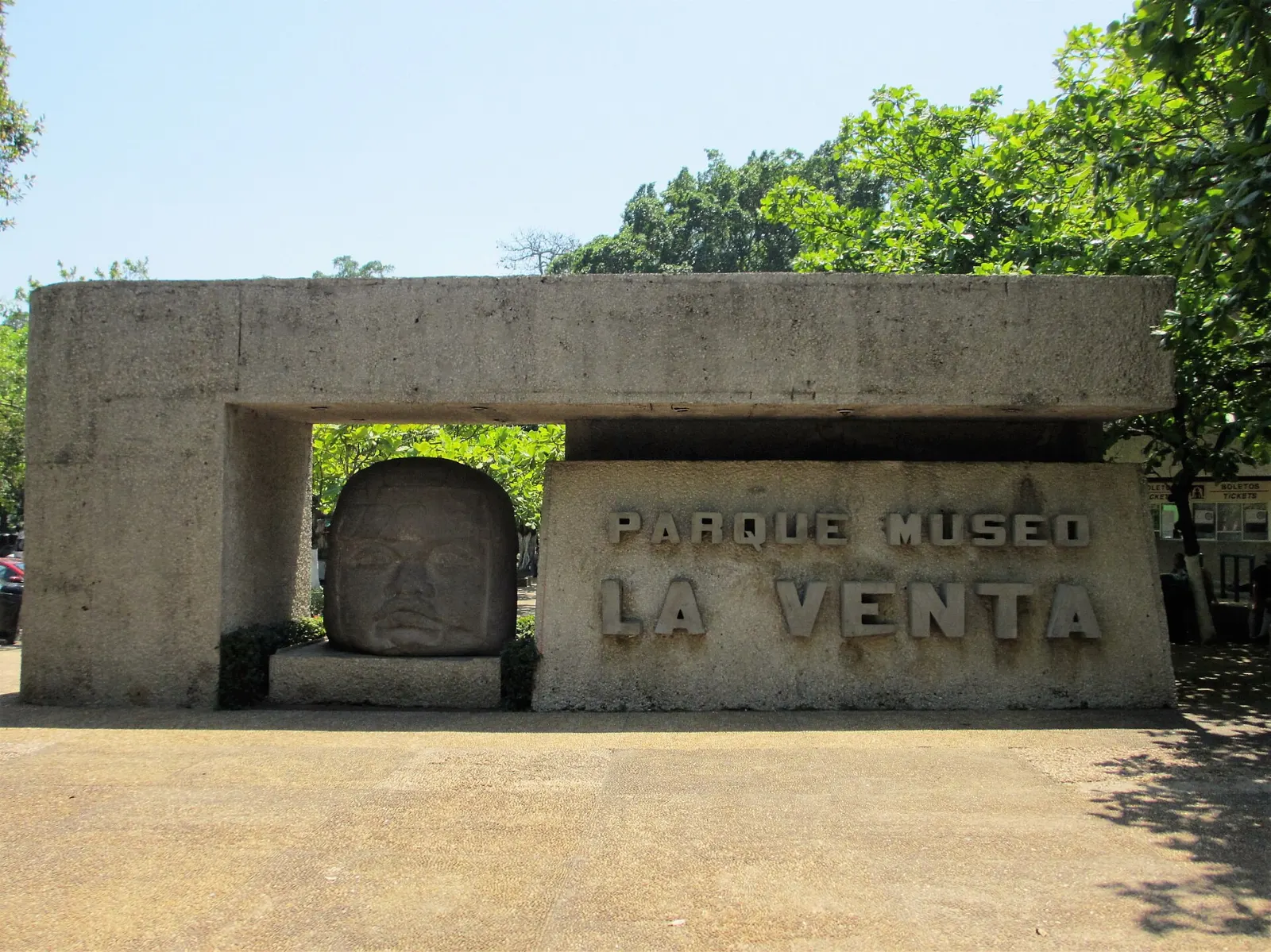
Parque-Museo La Venta is the city's best-known attraction. Pieces of Olmec culture found at the La Venta oil-drilling area were moved here and now sit along a shaded jungle path, including one of the colossal stone heads.
Parque Museo La Venta displays monumental Olmec sculpture, including colossal stone heads. Photo: Alfonsobouchot, Wikimedia Commons, CC BY-SA 4.0
Parque Tomás Garrido Canabal
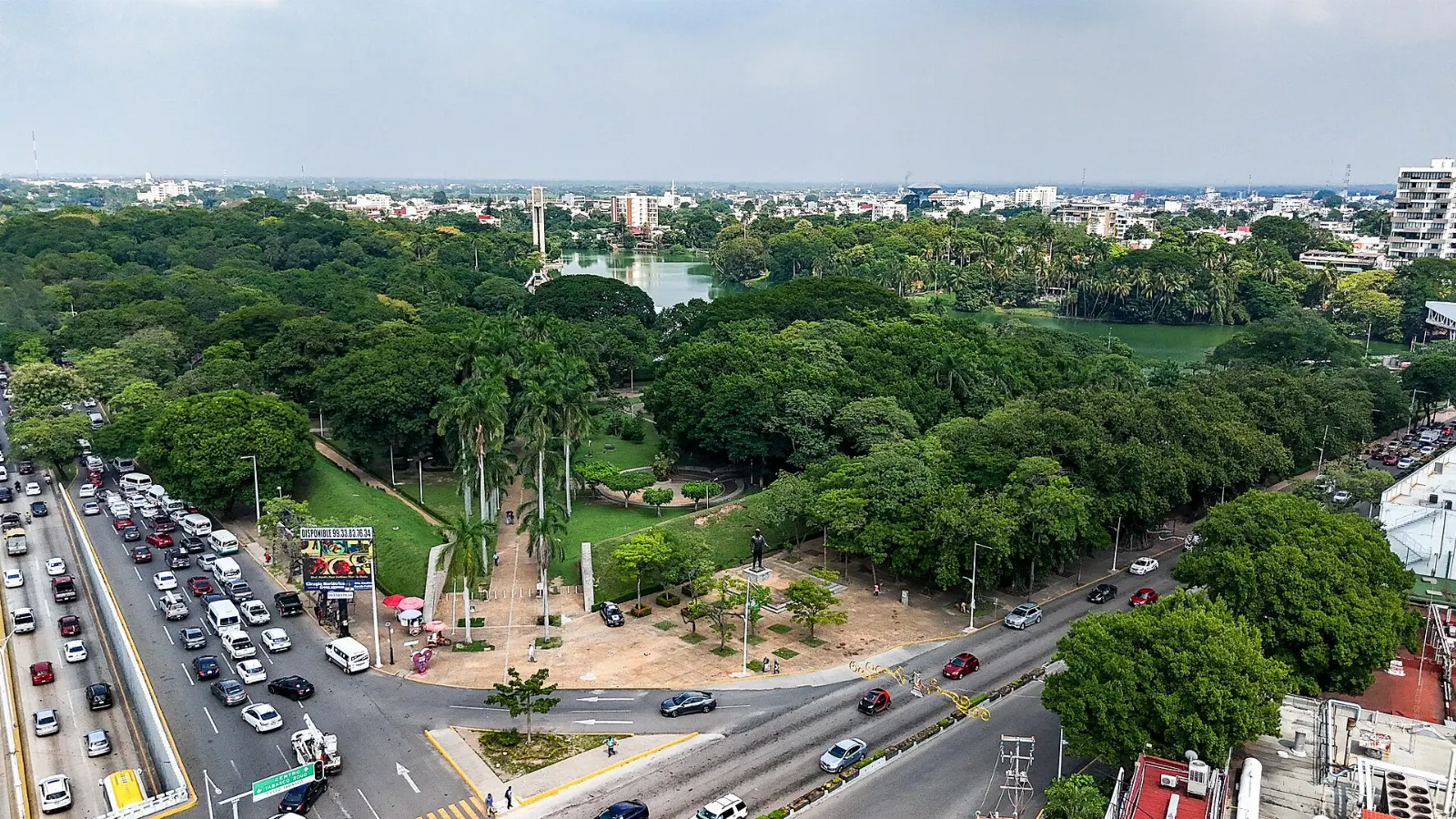
The La Venta museum sits inside Parque Tomás Garrido Canabal, a watery green space with a lagoon framed by walkways.
Parque Tomás Garrido Canabal is built around a lagoon and holds the La Venta museum park. Photo: Own work, Wikimedia Commons, CC BY-SA 4.0
Museo Regional de Antropología Carlos Pellicer Cámara
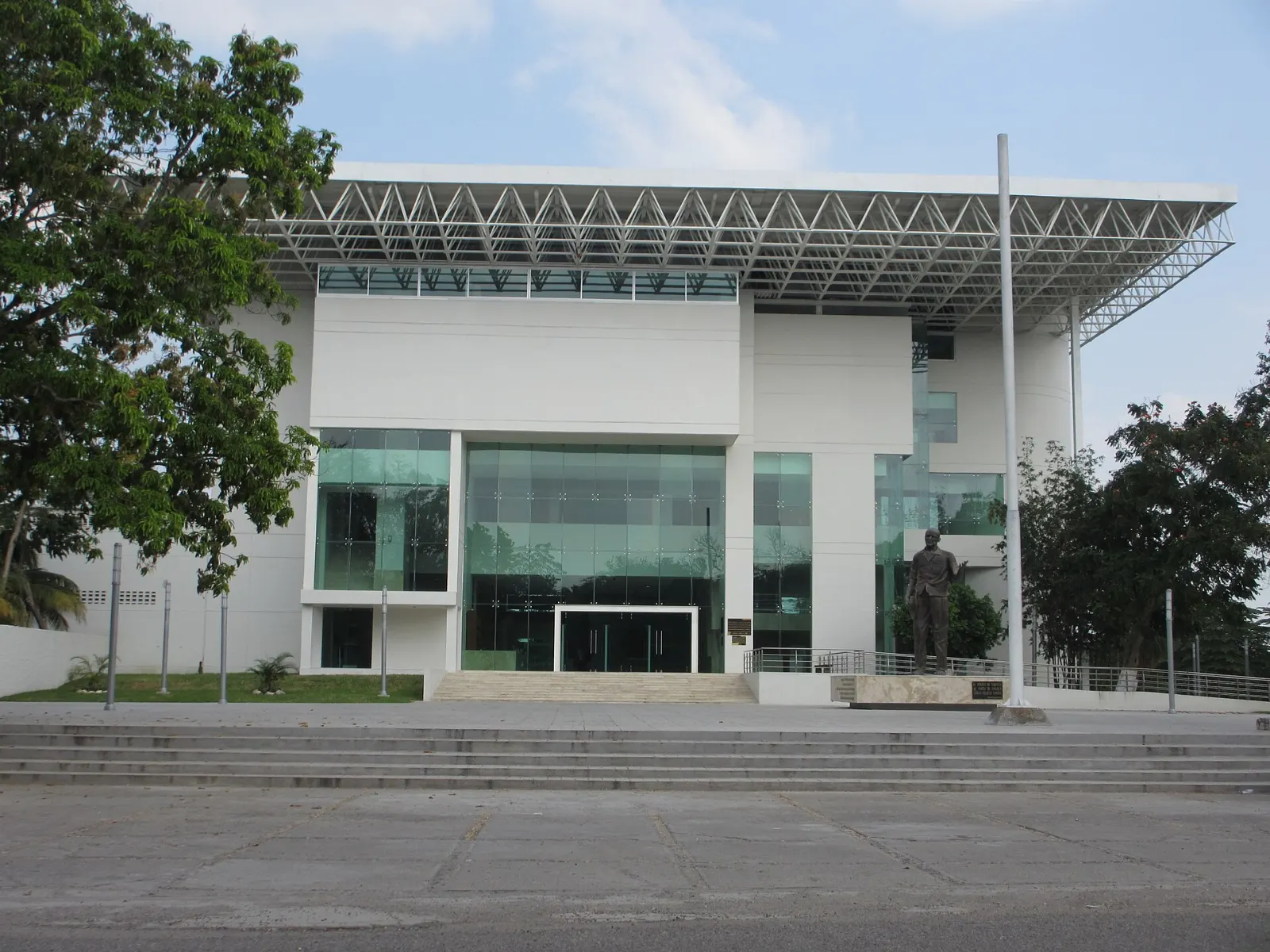
This museum shows archaeological material, mostly from La Venta, along with a codex. It makes a good indoor stop in the heat and helps explain what you saw in the park.
The Regional Museum of Anthropology shows pieces from La Venta and other sites in Tabasco. Photo: Alfonsobouchot, Wikimedia Commons, CC BY-SA 3.0
Yumká
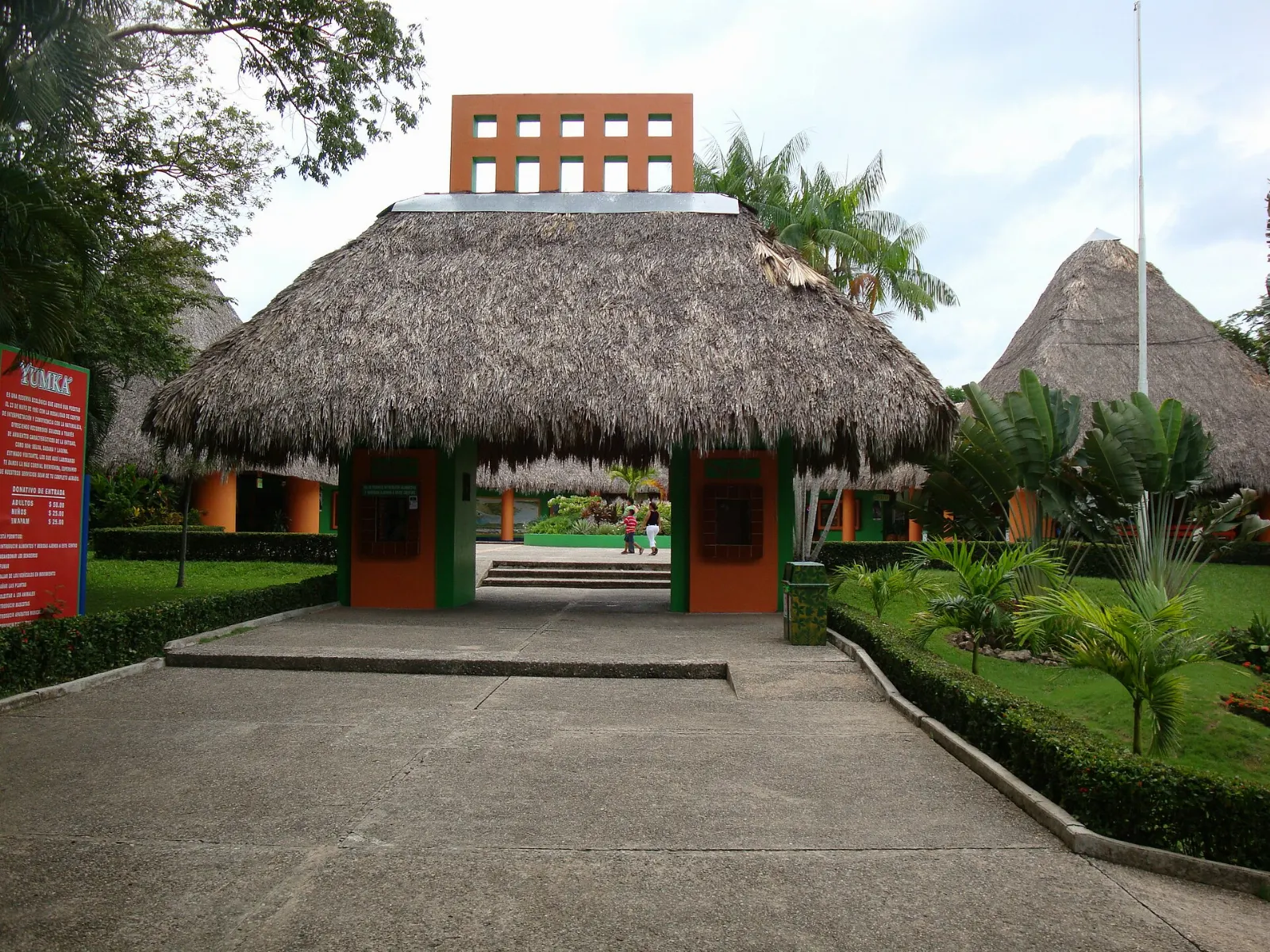
Yumká is an ecological reserve covering 101 hectares with three ecosystems found in Tabasco: savanna, lagoon and forest. Tours take about half an hour, and a recreation area lets you relax afterwards.
Yumká is an ecological reserve with savanna, lagoon and forest ecosystems found in Tabasco. Photo: Alfonsobouchot, Wikimedia Commons, Public domain
Planetario Tabasco 2000
The planetarium is part of a cultural center in the Tabasco 2000 district. Its large-format screen shows films about the earth, the oceans and the history of flight, which makes it a cool, comfortable break on a sweltering afternoon.
Ad
The historic center
Zona Luz
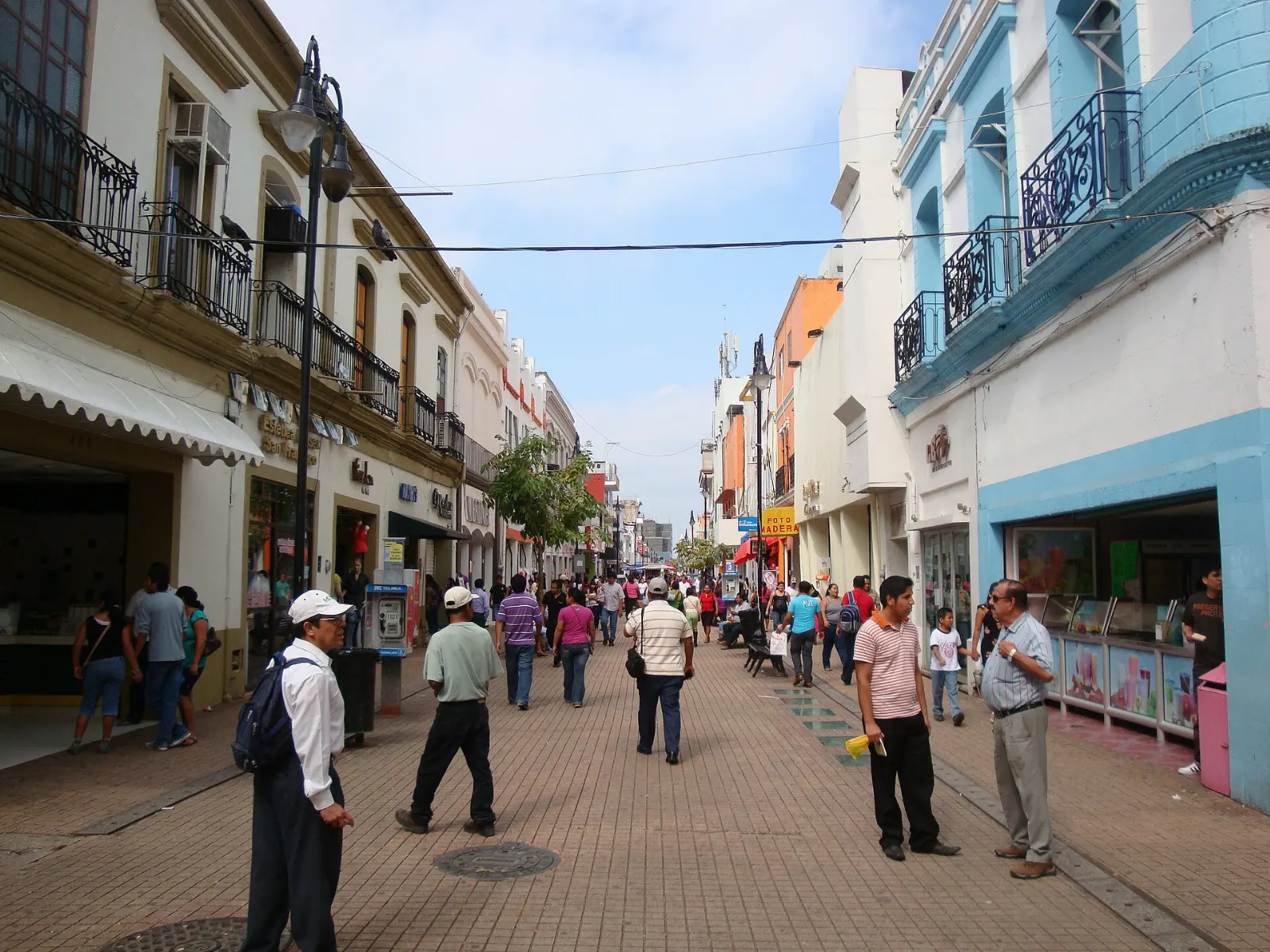
Zona Luz is a large pedestrian-only shopping and dining district in the old center. Shops, restaurants and a few hotels line its streets, and it is the best place to feel the rhythm of daily life.
Zona Luz is the pedestrian shopping and historic district at the heart of Villahermosa. Photo: Alfonsobouchot, Wikimedia Commons, CC BY-SA 4.0
Catedral del Señor de Tabasco
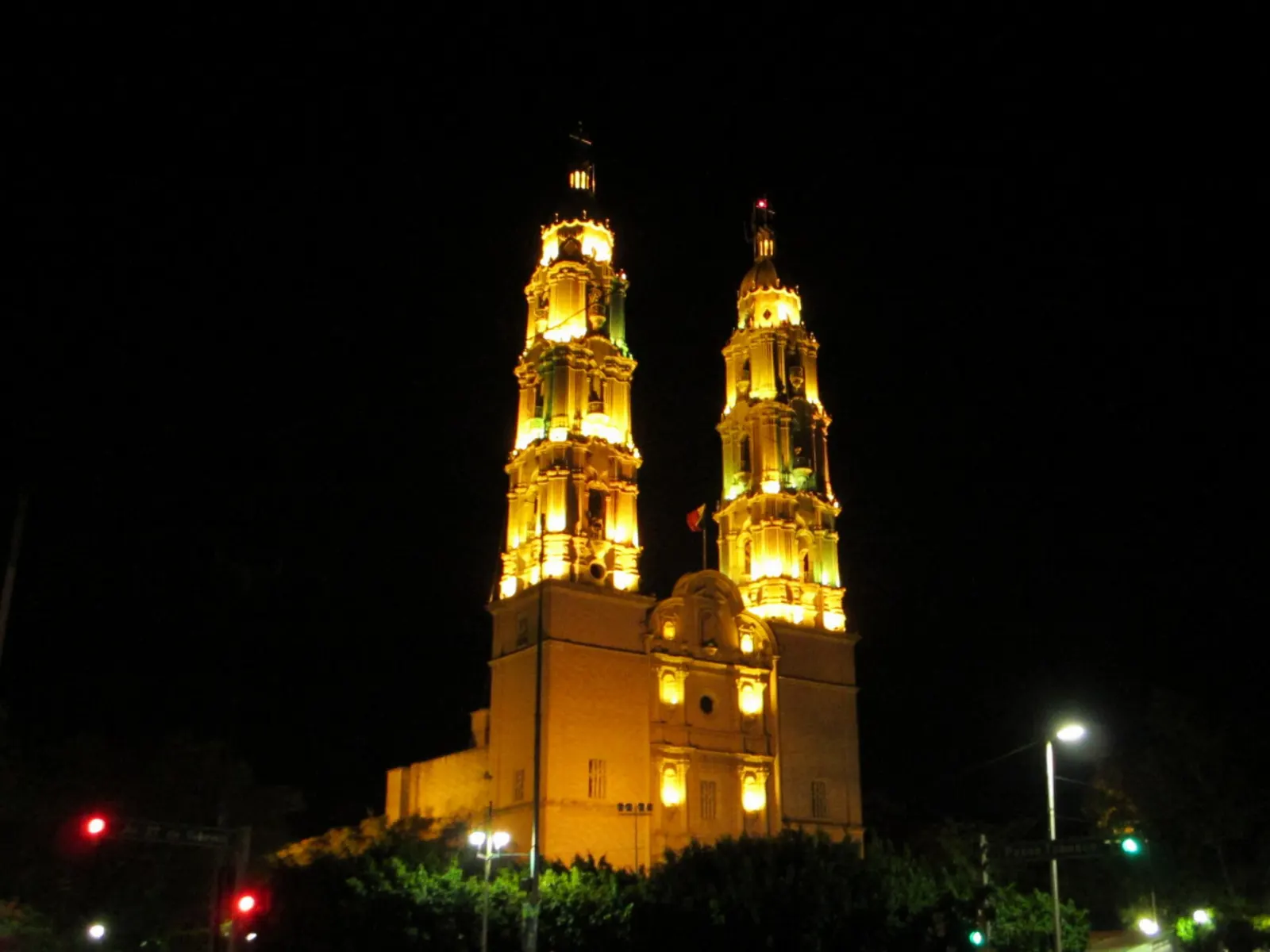
The cathedral is the best-known church in the city. It stands on the site of an original church from 1776, while the present building was constructed between 1945 and 1970.
The cathedral stands on the site of an original church dating from 1776. Photo: Alfonsobouchot, Wikimedia Commons, CC BY-SA 3.0
Casa de los Azulejos
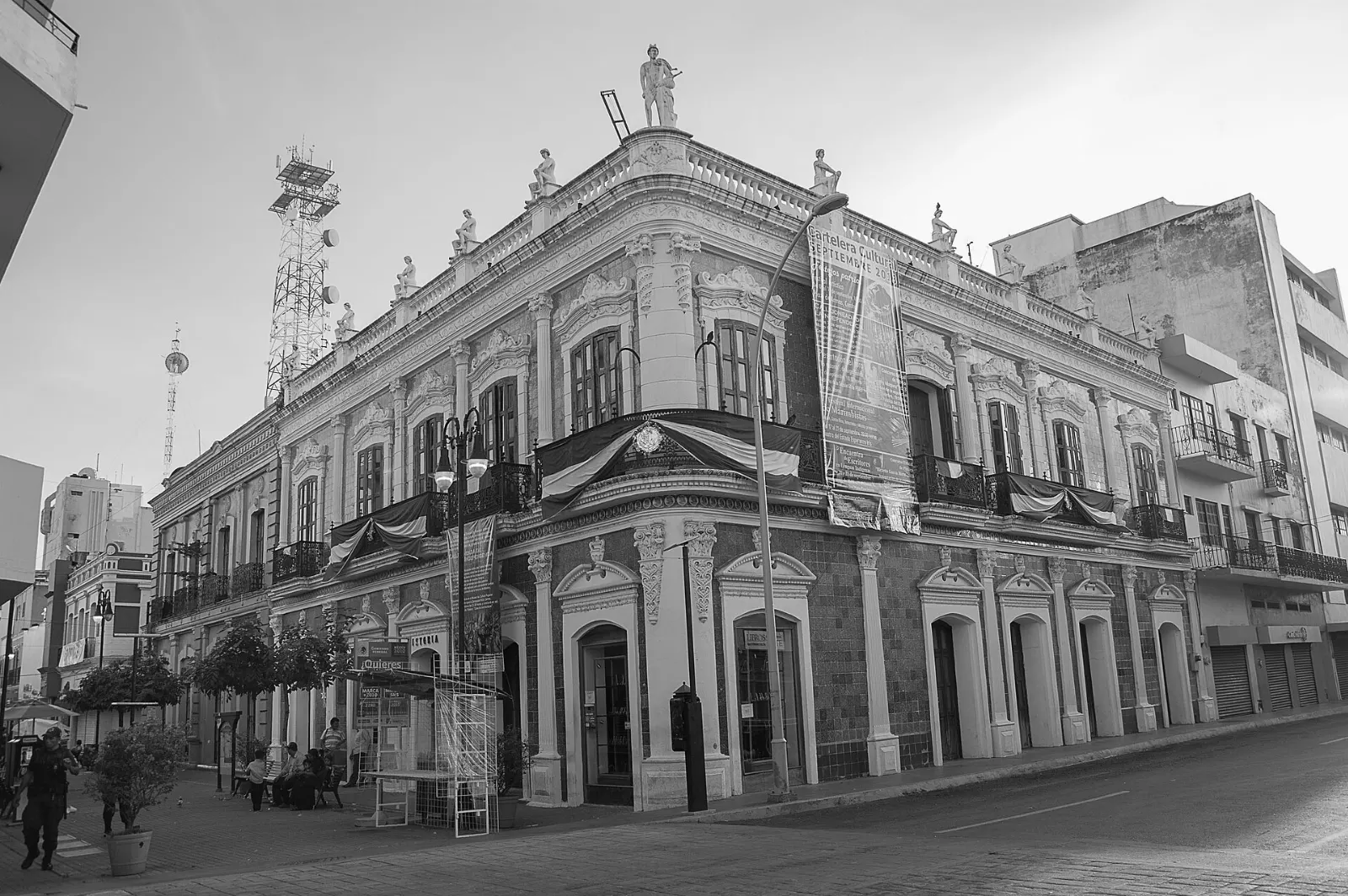
The Casa de los Azulejos, on Avenida 27 de Febrero, is a small museum of Tabasco and Mexican history in a tiled building.
The Casa de los Azulejos houses a small museum of Tabasco history on Avenida 27 de Febrero. Photo: Fabián Gamboa Sánchez, Wikimedia Commons, CC BY-SA 3.0
Casa Museo Carlos Pellicer
This house museum honors Carlos Pellicer Cámara, a poet from Tabasco and a leading figure in modernist Mexican poetry. It is worth a short stop if you like literature and local history.
Estadio Centenario 27 de Febrero
Baseball is a local passion, and this stadium is the home of the Olmecas de Tabasco, who play in the Mexican League.
Day trips from Villahermosa
Comalcalco
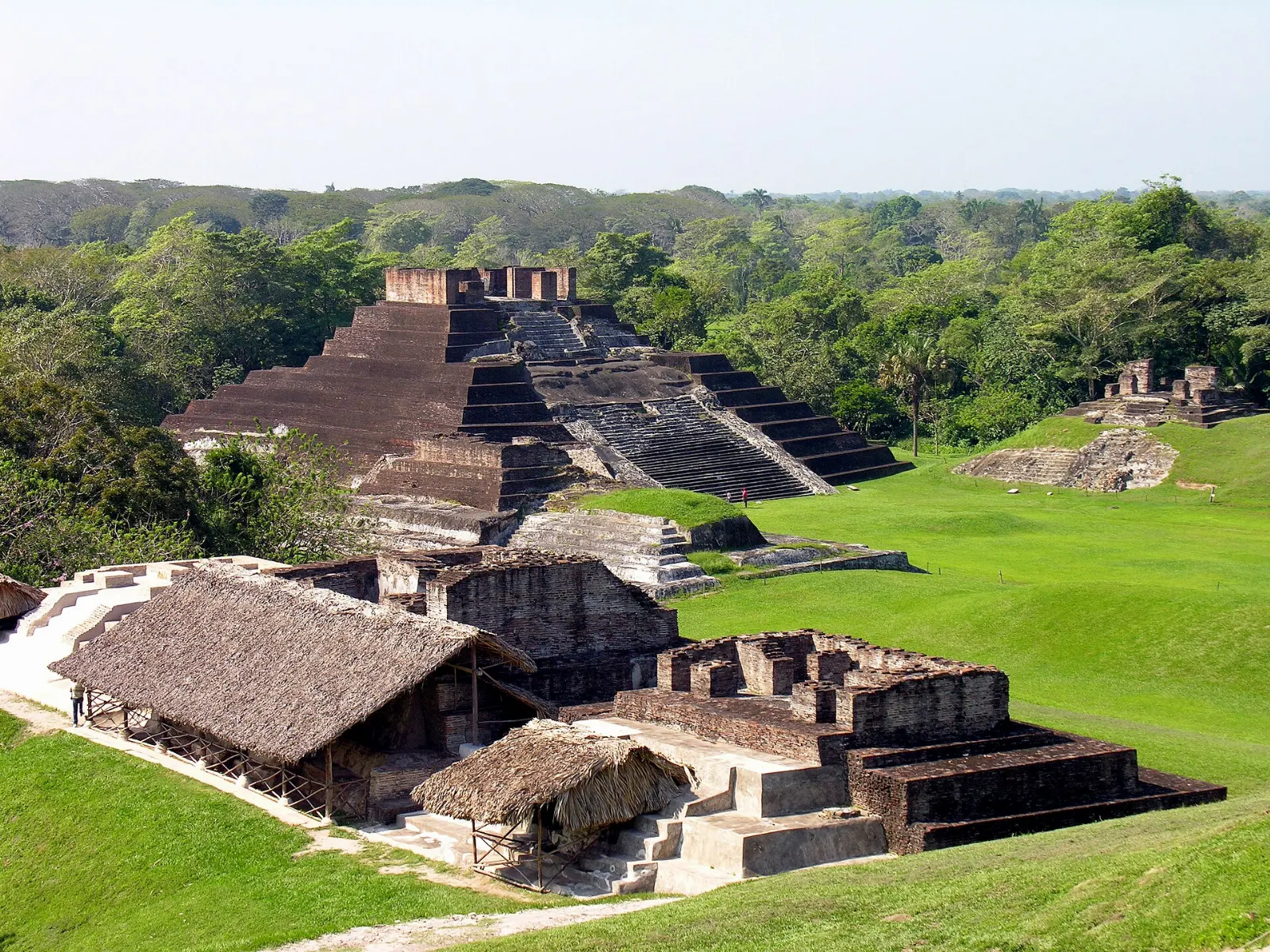
Comalcalco lies about 60 kilometres northwest of Villahermosa, near a Pre-Columbian Maya site, and its name means house of the comals. Allow half a day, and check transport options and opening details locally before you go.
Comalcalco is a Maya archaeological site near the city of Comalcalco in Tabasco. Photo: Dennis G. Jarvis, Wikimedia Commons, CC BY-SA 2.0
Palenque
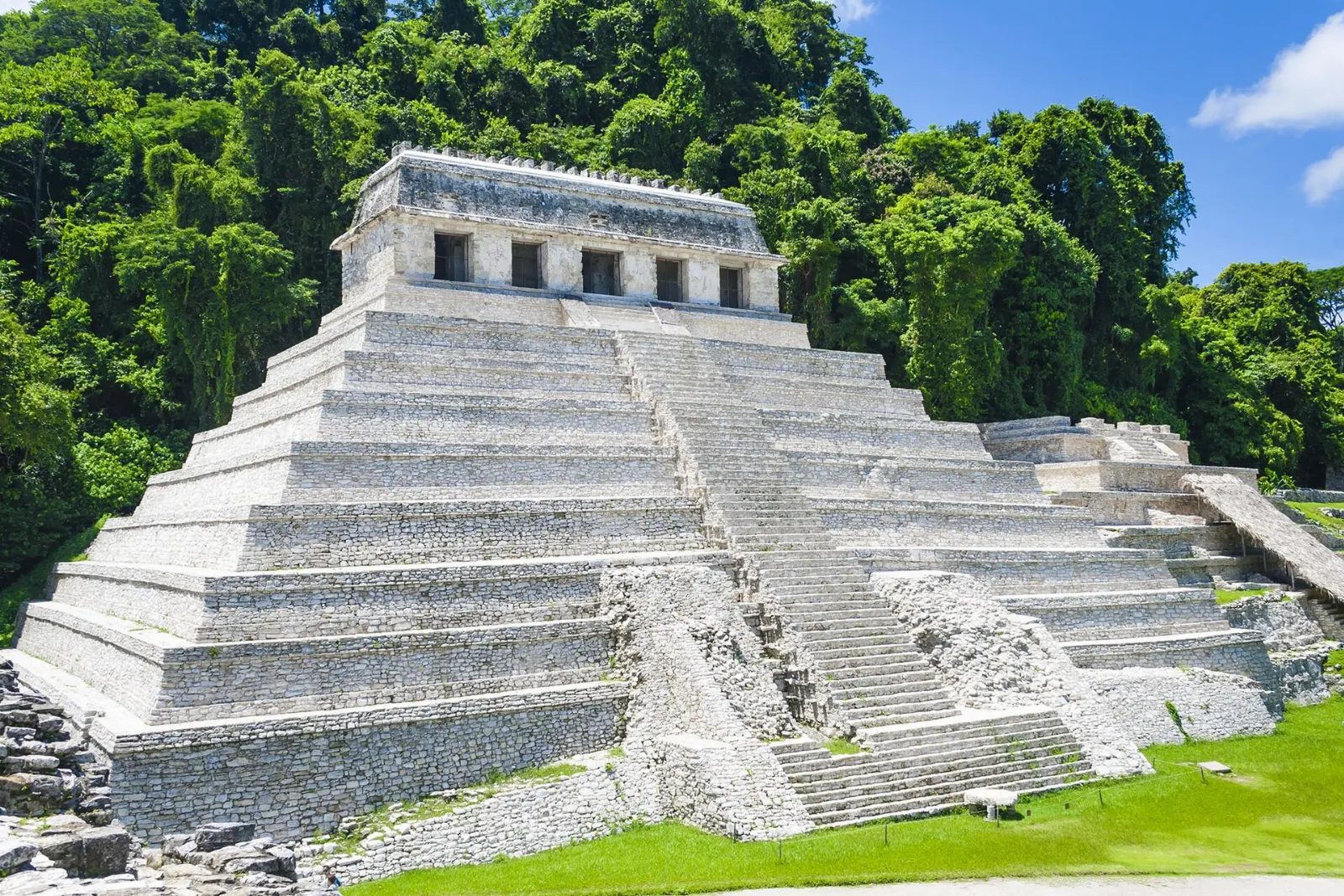
Villahermosa is the closest big city to the Maya ruins of Palenque, which lie in the jungle just across the border in Chiapas.
Palenque is a Maya city-state whose ruins lie in the jungle of nearby Chiapas. Photo: Jan Harenburg, Wikimedia Commons, CC BY 4.0
Ad
Food and local flavors
Tabasco cooking leans on rivers, lagoons and the cacao groves of the region. Pejelagarto, a tropical gar, is the signature fish, usually grilled over embers or served in tacos and tamales.
Puchero is a slow-cooked meat and vegetable stew, a house specialty at many regional restaurants. Look too for tamales de chipilín, made with a native leafy legume, and chontal tamales.
For a cooling stop in the center, try the horchata at La Catedral on Paseo Tabasco, across from the cathedral.
Popular dishes to try in Villahermosa
Pejelagarto Pejelagarto, a tropical gar, is the signature fish, usually grilled over embers or served in tacos and tamales.Photo: panza-rayada, Wikimedia Commons, CC BY-SA 3.0Pozol Pozol is a refreshing drink of fermented corn dough, sometimes mixed with cacao, popular across southern Mexico.Photo: Alfonsobouchot, Wikimedia Commons, CC BY-SA 4.0Puchero Puchero is a slow-cooked meat and vegetable stew, a house specialty at many regional restaurants.Photo: EloyTigre, Wikimedia Commons, CC BY-SA 4.0Tamales de chipilín Look too for tamales de chipilín, made with a native leafy legume, and chontal tamales.Photo: Nsaum75, Wikimedia Commons, CC BY-SA 3.0
Where to stay
Zona Luz puts you in the middle of the old center, with museums, pedestrian streets and plenty of small restaurants close at hand.
Tabasco 2000 is the modern commercial and financial district, with banks, shopping centers, restaurants and larger hotels. It works well for business visitors and anyone who wants modern comforts and easy parking.
Paseo Usumacinta is another convenient corridor with malls and upscale hotels, a short ride from La Venta and the parks. It is a good base for families, and for travellers who want a pool after a hot day of sightseeing.
Where to stay in Villahermosa
Zona Luz Where to stayZona Luz puts you in the middle of the old center, with museums, pedestrian streets and plenty of small restaurants close at hand.Photo: Alfonsobouchot, Wikimedia Commons, CC BY-SA 4.0Tabasco 2000 Tabasco 2000 is the modern commercial and financial district, with banks, shopping centers, restaurants and larger hotels.Photo: Alfonsobouchot, Wikimedia Commons, CC BY-SA 4.0Villahermosa old town One of the best areas to base yourself in Villahermosa.Photo: Arian Zwegers from Brussels, Belgium, Wikimedia Commons, CC BY 2.0
Ad
Best time to visit
Villahermosa has a tropical monsoon climate, so it is hot and humid for much of the year.
November to February is usually the most comfortable time for walking the parks. Rain is frequent in the wetter months, so carry a light waterproof jacket and plan outdoor visits for the morning.
The annual Feria brings festivities to Parque Tabasco in spring, and the Olmecas de Tabasco baseball season runs from April to early September.
Getting there and getting around
Carlos Rovirosa Pérez International Airport lies on the highway toward Macuspana, with flights from Mexico City and other major Mexican cities.
The Central de Autobuses Tabasco, run by ADO, is a large terminal on Boulevard Adolfo Ruiz Cortines with long-distance and regional services.
Collective taxis are common and run without fixed routes, so tell the driver your destination before you get in. For Comalcalco and other day trips, a rental car or a tour gives you more flexibility.
Ad
A suggested itinerary
First day
Spend the morning at Parque-Museo La Venta and Parque Tomás Garrido Canabal.
Second day
Tour Yumká in the morning, then walk Zona Luz, the cathedral and the Casa de los Azulejos.
Third day
Take a day trip to Comalcalco, or go further to Palenque if you have time and want to see a major Maya site.
Practical tips
Check your government's current travel advisory before you go.
Carry mosquito repellent and wear light long sleeves in the parks.
Drink plenty of water and plan outdoor visits for the morning.
Tell collective taxi drivers your destination before getting in.
Confirm opening days of museums before you go, since schedules vary.