Xochimilco Mexico Trajinera Rides and Island of the Dolls
Xochimilco is the part of Mexico City where the old lake system survives as a web of canals and farm plots. Painted boats glide past flower nurseries, musicians and snack vendors, while the town itself keeps a colonial church, a busy market and one of the capital's best art museums. This guide shows you how to plan a day or two here, which places deserve your time and how to ride the canals well.
By WiserMap TravelUpdated October 20269 places11 min read
Best timeThe dry months from November to April bring clearer skies, and April adds the flower fair.
How longOne full day covers the boats, the town and a museum.
Getting thereTake Metro Line 2 to Tasqueña, then the Tren Ligero to the last stop.
Ad
Why visit Xochimilco
Xochimilco was a lakeside city long before Mexico City swallowed the surrounding water. What remains is a network of canals and chinampas, the raised garden plots that farmers have worked here since before the Spanish arrived. Together with the historic center of the capital, the area is a UNESCO World Heritage Site.
The experience is part festival and part working landscape. You can hire a boat for a slow ride, then walk into a town with a 16th century church, a local market and a museum holding major works by Diego Rivera and Frida Kahlo.
Canals and chinampas
Trajinera rides from Nativitas
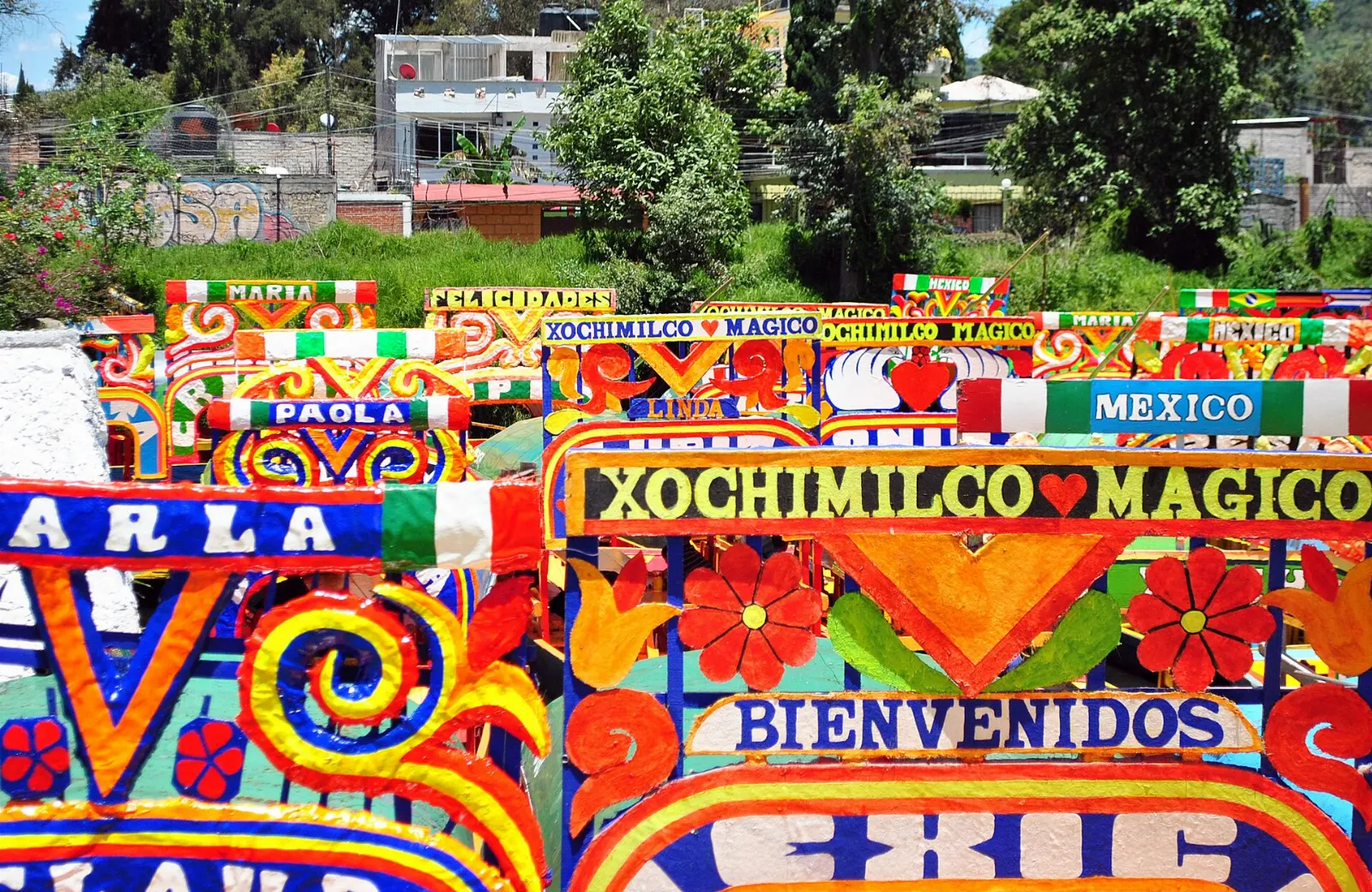
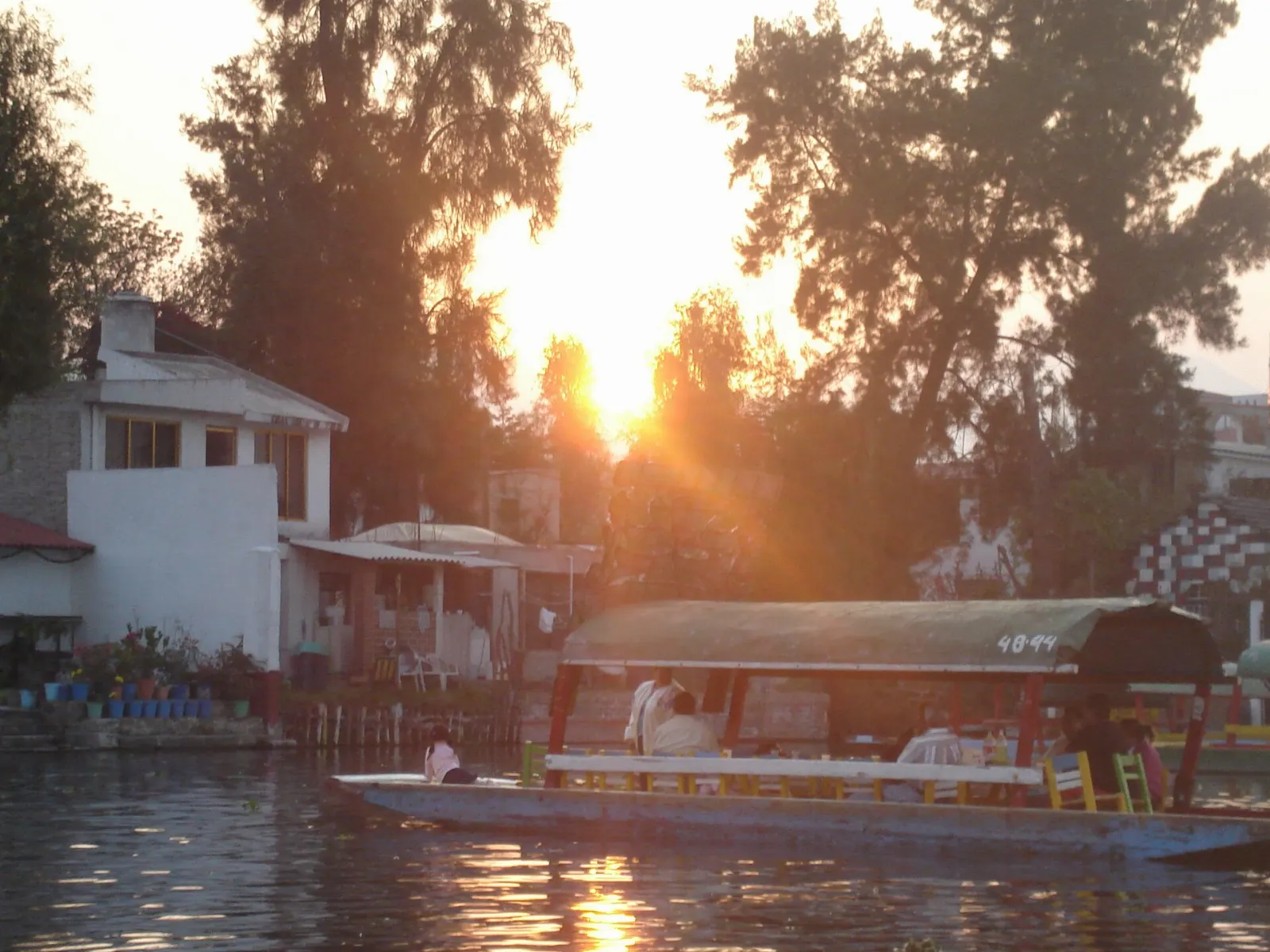
Trajineras are the flat-bottomed boats that carry visitors along the canals, and each one is painted in bright colors and usually named after a woman. The Nativitas embarcadero is one of the busiest departure points, and the embarcaderos are signposted through town. A standard boat takes up to eighteen passengers, and shared services run larger boats. Agree on the price and route before boarding, carry cash and allow at least an hour. Tip the boatman at the end.
Nativitas is one of the main embarcaderos where trajinera rides begin. Photo: Malomalverde, Wikimedia Commons, CC BY-SA 3.0
Music boats and floating vendors
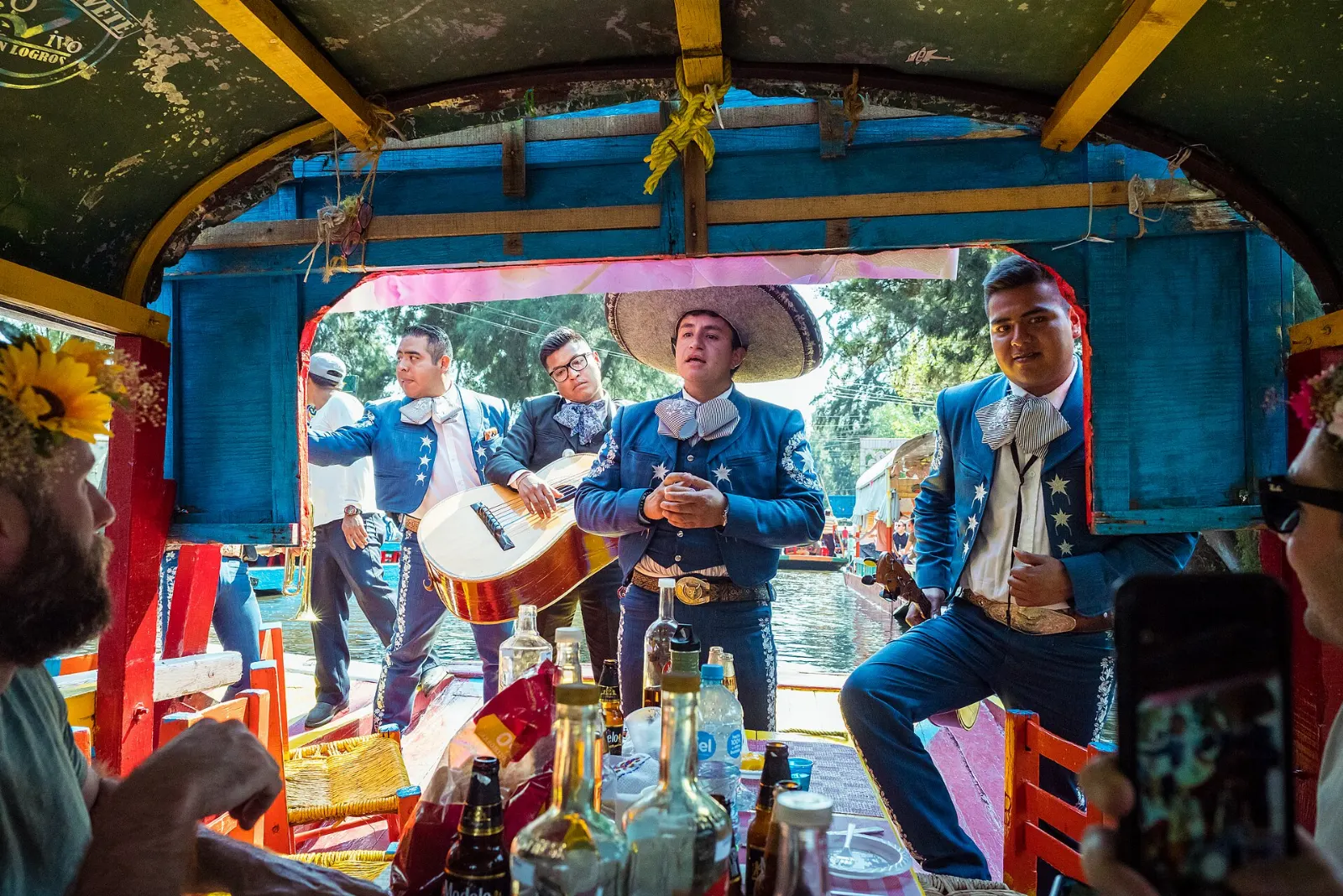
As you drift along, mariachi trios and marimba players pull alongside and will play requests if you pay them. Other boats sell tacos, tostadas, corn on the cob and drinks, so you can eat without leaving your seat. Keep small notes handy and settle the fee for a song before the band starts playing.
Chinampas are artificial garden islands made by piling soil and aquatic plants between stakes in the shallow lake bed. They are often called floating gardens, though they are anchored in place. Beyond the busy tourist canals, the quieter channels pass nurseries and greenhouses where flowers and plants are grown. Ask your boatman to head into the calmer waterways if you prefer birdsong to loudspeakers.
Chinampas are artificial garden plots built up in the shallow lake bed. Photo: EmyPheebs, Wikimedia Commons, CC BY-SA 4.0
Island of the Dolls
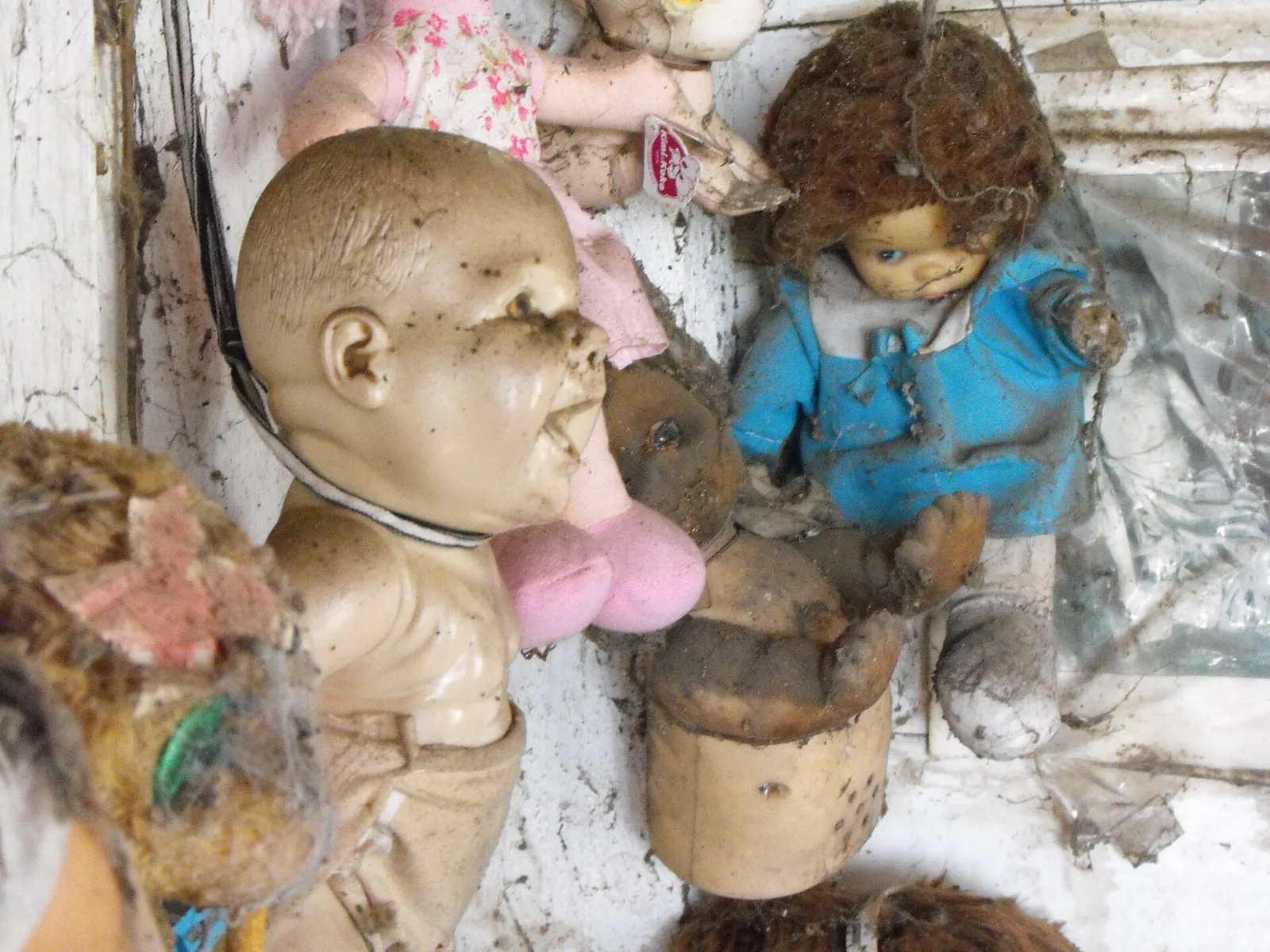
The Isla de las Muñecas is a chinampa in the Laguna de Tequila where hundreds of dolls hang from trees and huts. The collection began with the former owner, Don Julián Santana Barrera, and the island is now a stop for visitors drawn to its eerie legends. It lies well beyond the main embarcaderos, so expect a long boat trip and confirm the route first, because some rowers decline to go there.
The Island of the Dolls is a chinampa in the Laguna de Tequila covered in hanging dolls. Photo: Psagency1990, Wikimedia Commons, CC BY-SA 4.0
Parque Ecológico de Xochimilco
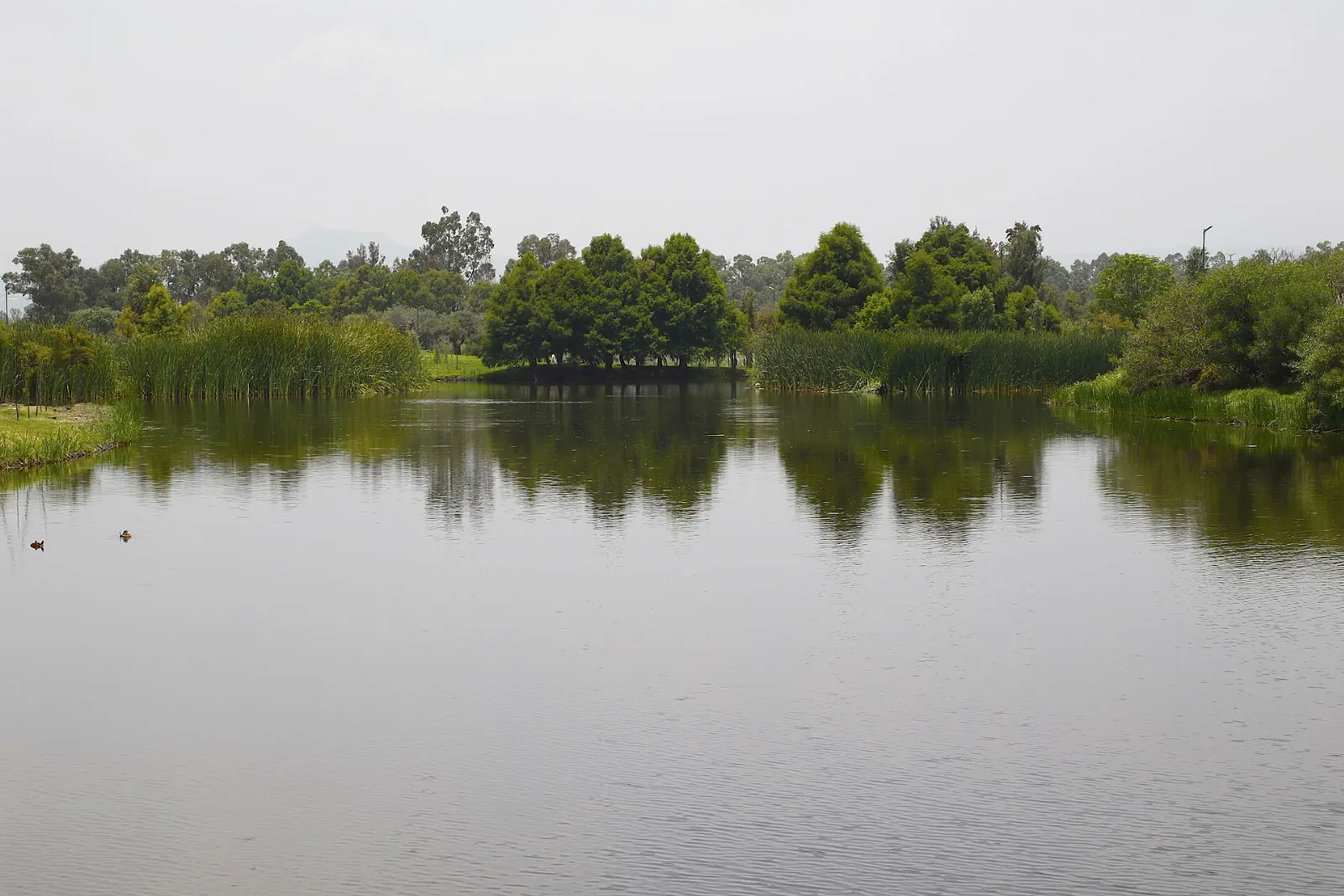
This large recreation area covers about 189 hectares of lakes, springs, canals and gardens just off the Anillo Periférico. It has picnic areas, a playground, a miniature train and paddleboats, which makes it a calmer alternative to the crowded embarcaderos. Plan a couple of hours and bring water.
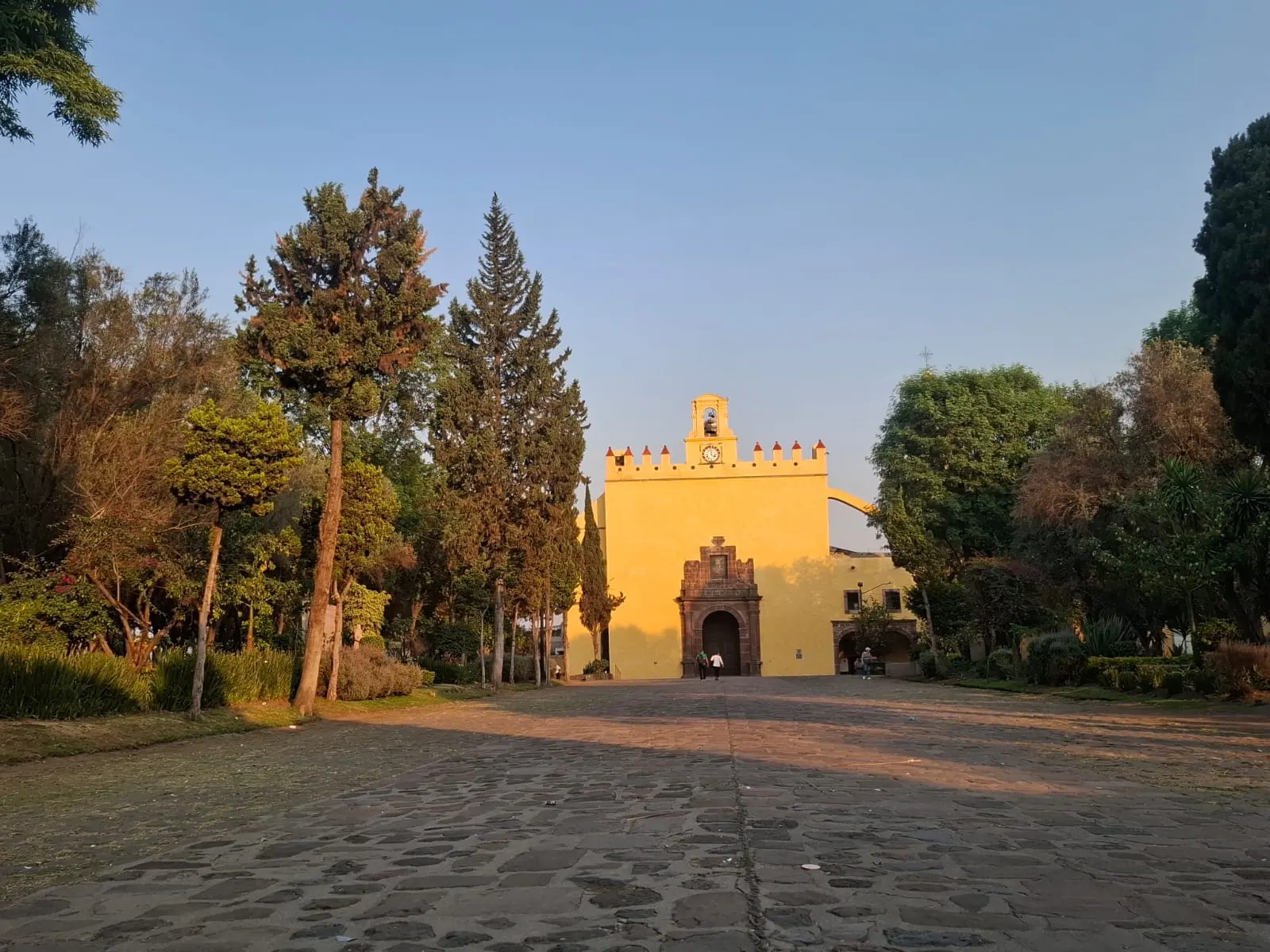
The church and former monastery of San Bernardino de Siena date to the late 16th century and still form the heart of the old town. Inside, look for the grand main altar and side chapels with colonial paintings. Allow thirty minutes, and dress modestly if services are under way.
The San Bernardino de Siena church and former monastery anchor the old center of Xochimilco. Photo: DinoRawr11, Wikimedia Commons, CC BY-SA 4.0
Mercado Xochimilco
The roofed public market on Avenida Nuevo León is where locals shop for produce, dried chiles, juices and ice cream, with dozens of small booths serving prepared food. Across from the church you will find a plaza with handicrafts. Arrive in the morning for the best choice, and look for items for baptisms, which are a market specialty.
Xochimilco's public market sells produce, flowers and prepared food. Photo: ProtoplasmaKid, Wikimedia Commons, CC BY-SA 4.0
Museo Dolores Olmedo
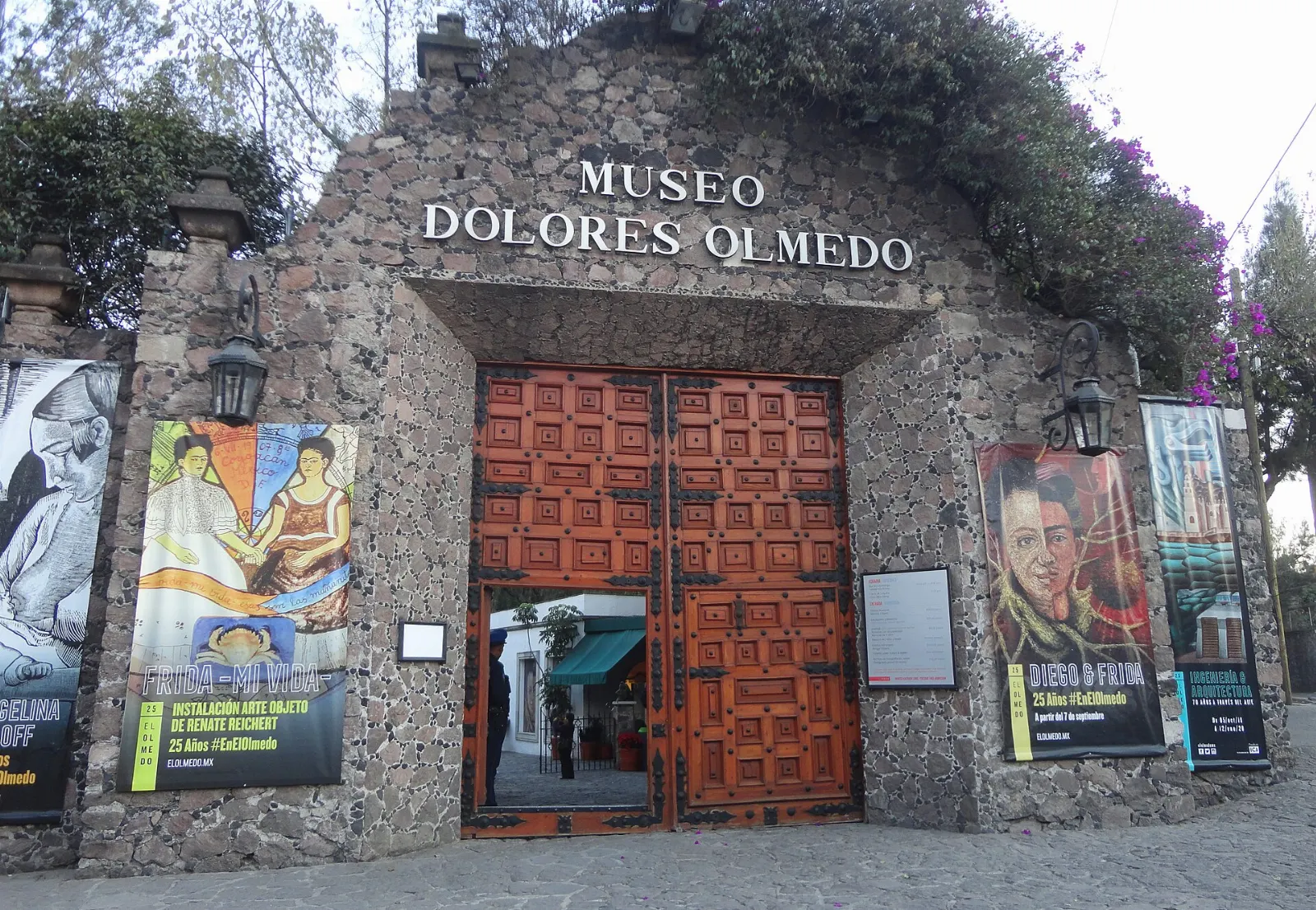
Set in a restored 16th century hacienda in La Noria, this museum holds the largest collection of work by Diego Rivera and Frida Kahlo in the world. Its gardens are home to peacocks and Xoloitzcuintle dogs. The museum closed in 2020 for renovation and reopened in 2026, so reserve tickets in advance and check the official website for current rules.
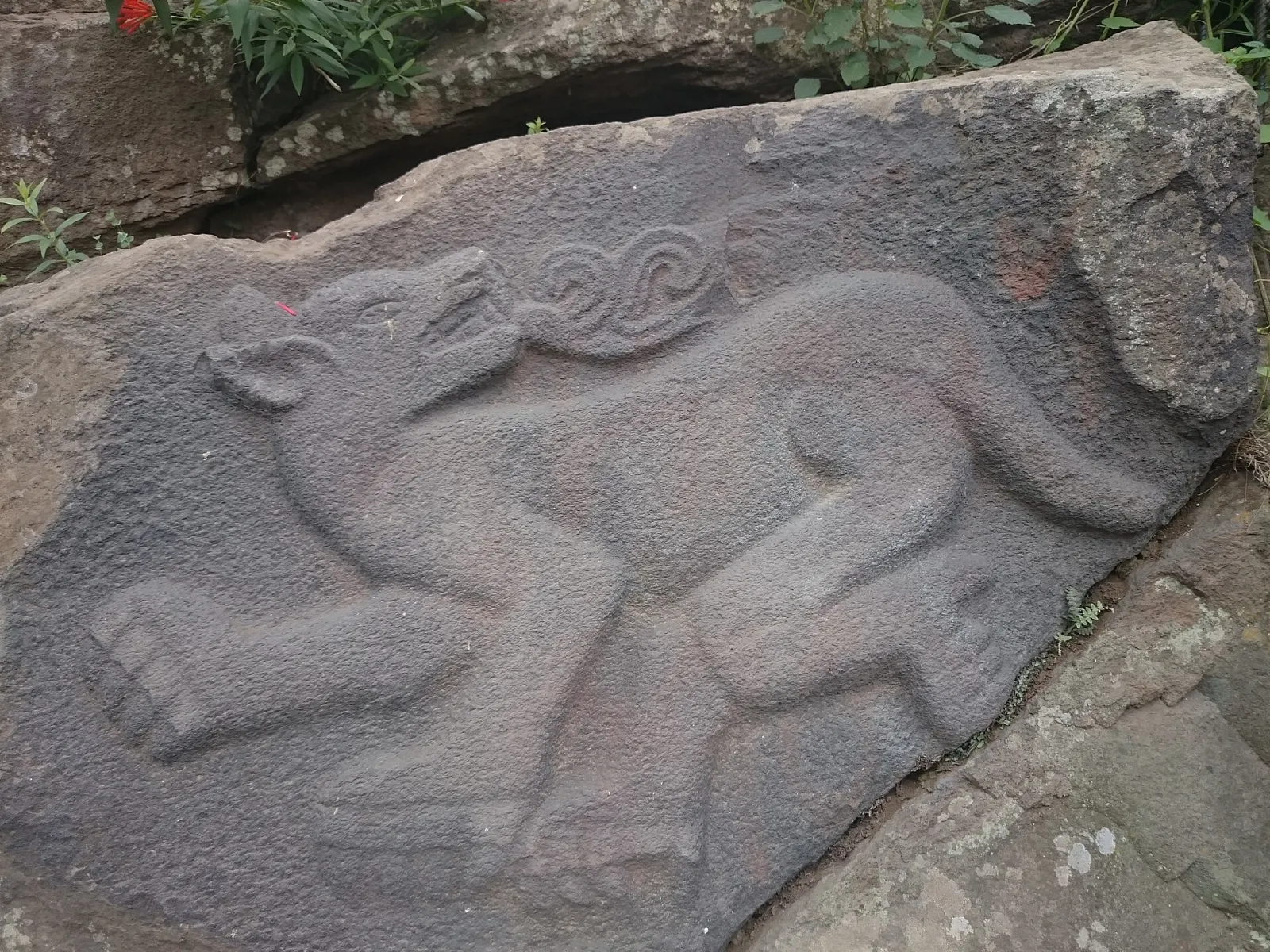
Cuahilama was a ceremonial center of the Xochimilca people, who lived here before the Aztecs, and the site dates to the 13th century. It is best known for petroglyphs of animals, warriors and butterflies, protected by metal enclosures. The site is small and takes about half an hour, but opening hours are limited, so confirm them before you go.
Cuahilama is known for petroglyphs of animals, warriors and butterflies. Photo: Cristofor Ferrandis, Wikimedia Commons, CC BY-SA 4.0
Food and local flavors
Eating is part of the canal ride. Boats and shoreline vendors sell elote, corn on the cob served roasted or boiled, along with tacos and tostadas. Restaurant boats offer simple plates of rice, chicken in sauce and tortillas.
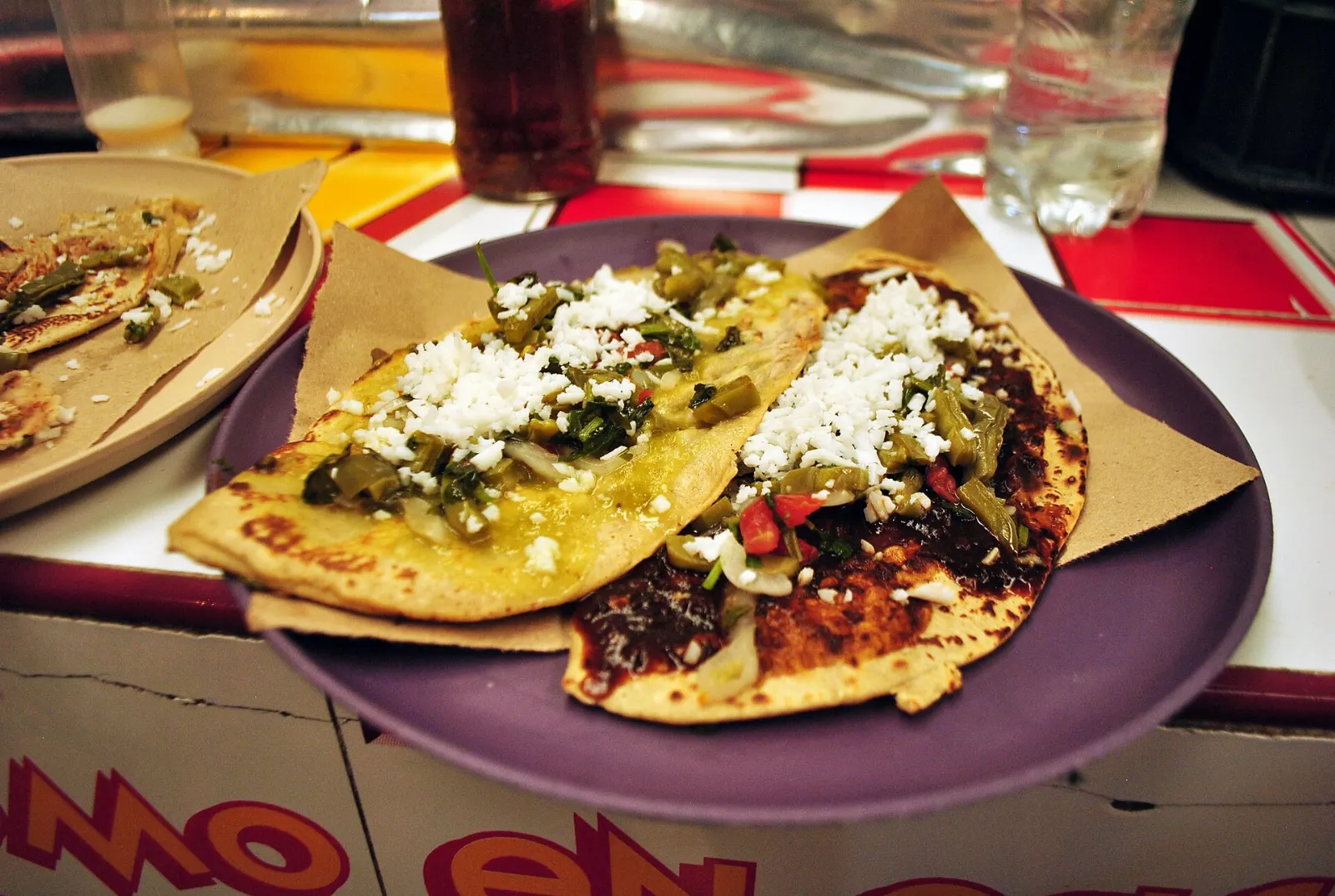
In the market, look for tlacoyos, thick oval masa cakes stuffed with beans or cheese and cooked on a griddle. For something stronger, try pulque, the milky fermented agave drink of central Mexico, which traditional pulquerías serve mixed with fruit or vegetables in flavors called curados. Xochimilco also has a reputation for handmade nieve, or artisanal ice cream, and the town celebrates it at the Feria de la Nieve in March or April. Drink bottled water and choose busy stalls.
Popular dishes to try in Xochimilco
Tlacoyos In the market, look for tlacoyos, thick oval masa cakes stuffed with beans or cheese and cooked on a griddle.Photo: Arnold Gatilao from Oakland, CA, USA, Wikimedia Commons, CC BY 2.0Pulque For something stronger, try pulque, the milky fermented agave drink of central Mexico, which traditional pulquerías serve mixed with fruit or vegetables in flavors called curados.Photo: AlejandroLinaresGarcia, Wikimedia Commons, CC BY-SA 3.0Elote Boats and shoreline vendors sell elote, corn on the cob served roasted or boiled, along with tacos and tostadas.Photo: Samiiboy, Wikimedia Commons, CC BY-SA 4.0Nieve Xochimilco also has a reputation for handmade nieve, or artisanal ice cream, and the town celebrates it at the Feria de la Nieve in March or April.Photo: Dan Cortés from Ciudad de México, México, Wikimedia Commons, CC BY-SA 2.0
Ad
Where to stay
Xochimilco has very little lodging aimed at travelers, so most visitors sleep elsewhere in Mexico City and travel in for the day. Three areas work well.
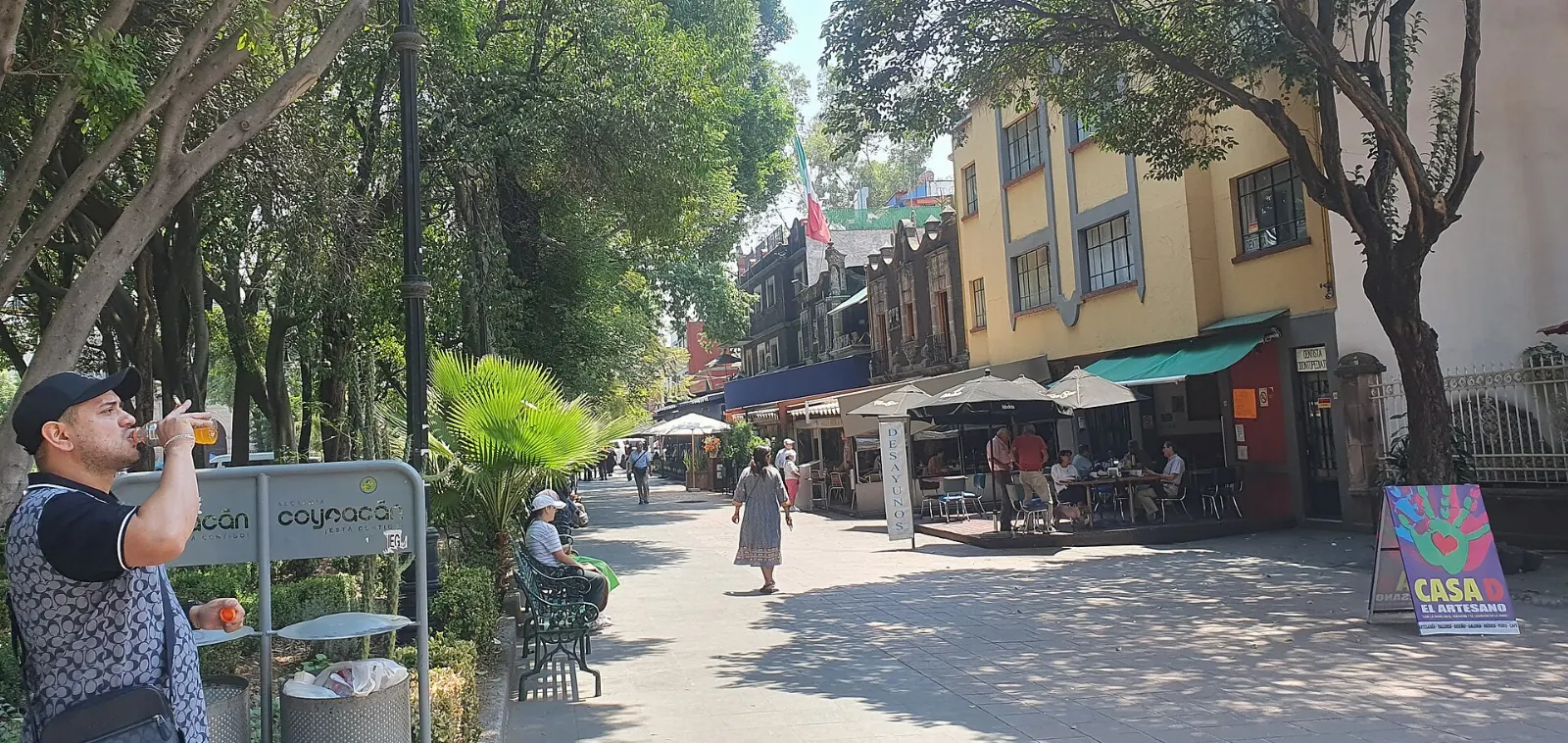
Coyoacán suits couples and museum lovers who want cobbled lanes, cafés and a leafy plaza, and it connects to Line 2 for the trip south. Centro Histórico is the choice for first-time visitors who want to walk to the Zócalo, the cathedral and Templo Mayor, with Line 2 running straight to Tasqueña. Roma Norte suits food-minded travelers who like tree-lined streets, cafés and a lively restaurant scene, and it is a short ride from the line.
Book early for April and for Day of the Dead, when the whole city fills up.
Where to stay in Xochimilco
Coyoacán Coyoacán suits couples and museum lovers who want cobbled lanes, cafés and a leafy plaza, and it connects to Line 2 for the trip south.Photo: Nberbar, Wikimedia Commons, CC BY-SA 4.0Centro Histórico Centro Histórico is the choice for first-time visitors who want to walk to the Zócalo, the cathedral and Templo Mayor, with Line 2 running straight to Tasqueña.Photo: ProtoplasmaKid, Wikimedia Commons, CC BY-SA 4.0Roma Norte Roma Norte suits food-minded travelers who like tree-lined streets, cafés and a lively restaurant scene, and it is a short ride from the line.Photo: Juan Carlos Fonseca Mata, Wikimedia Commons, CC BY-SA 4.0Xochimilco old town One of the best areas to base yourself in Xochimilco.Photo: Ola Apenes, Wikimedia Commons, Public domain
Best time to visit
The dry season from November to April gives the most reliable weather for boat rides, with cool mornings and sunny afternoons. Summer brings afternoon showers, so go early and carry a light rain jacket.
Weekends and holidays are the busiest, and the canals are especially popular with local families on Sundays. Midweek mornings are the calmest. Festivals add color: the Feria de la Nieve takes place in March or April, the Feria de la Flor Más Bella del Ejido fills a week in April with music, dance and a contest for the best decorated trajinera, and during Day of the Dead the legend of La Llorona is staged aboard boats.
Ad
Getting there and getting around
Xochimilco is far south of the center but well served by public transport. Take Metro Line 2, the blue line, to Tasqueña, then change to the Tren Ligero, the light rail, which accepts the same Metro card. Xochimilco is the last station, and the embarcaderos are signposted from there.
Most international and domestic flights arrive at Benito Juárez International Airport, from where a taxi or ride-hailing car is the simplest link to the south of the city. Intercity buses from the south arrive at the Taxqueña terminal, also called Central del Sur.
Once you are in town, you can walk between the church, the market and the embarcaderos. For the Museo Dolores Olmedo or the ecological park, use the light rail where it is convenient or take a short taxi ride.
A suggested itinerary
First day
Take the light rail early, walk to the Nativitas embarcadero and hire a boat for a slow ride along the canals. Eat from the boats or at the market, then visit the San Bernardino de Siena church.
Second day
Spend the morning at the Museo Dolores Olmedo, then head to the Parque Ecológico de Xochimilco for a gentler afternoon beside the water.
Third day
Add the Island of the Dolls on a longer boat trip, or visit Cuahilama and the pulquería for a slower look at local life.
Ad
Practical tips
Carry cash for boats, snacks and musicians, because card payment is not common on the canals.
Settle the route and the price with the boat owner before you step aboard.
Do not throw trash into the canals, which are home to wildlife.
Reserve museum tickets ahead and check opening days, since small sites close on certain days.
Bring sun protection, a hat and a light layer for cool mornings.
Use restrooms at businesses along the canals when you can, as facilities on the water are limited.
Check your government's current travel advisory before you go.