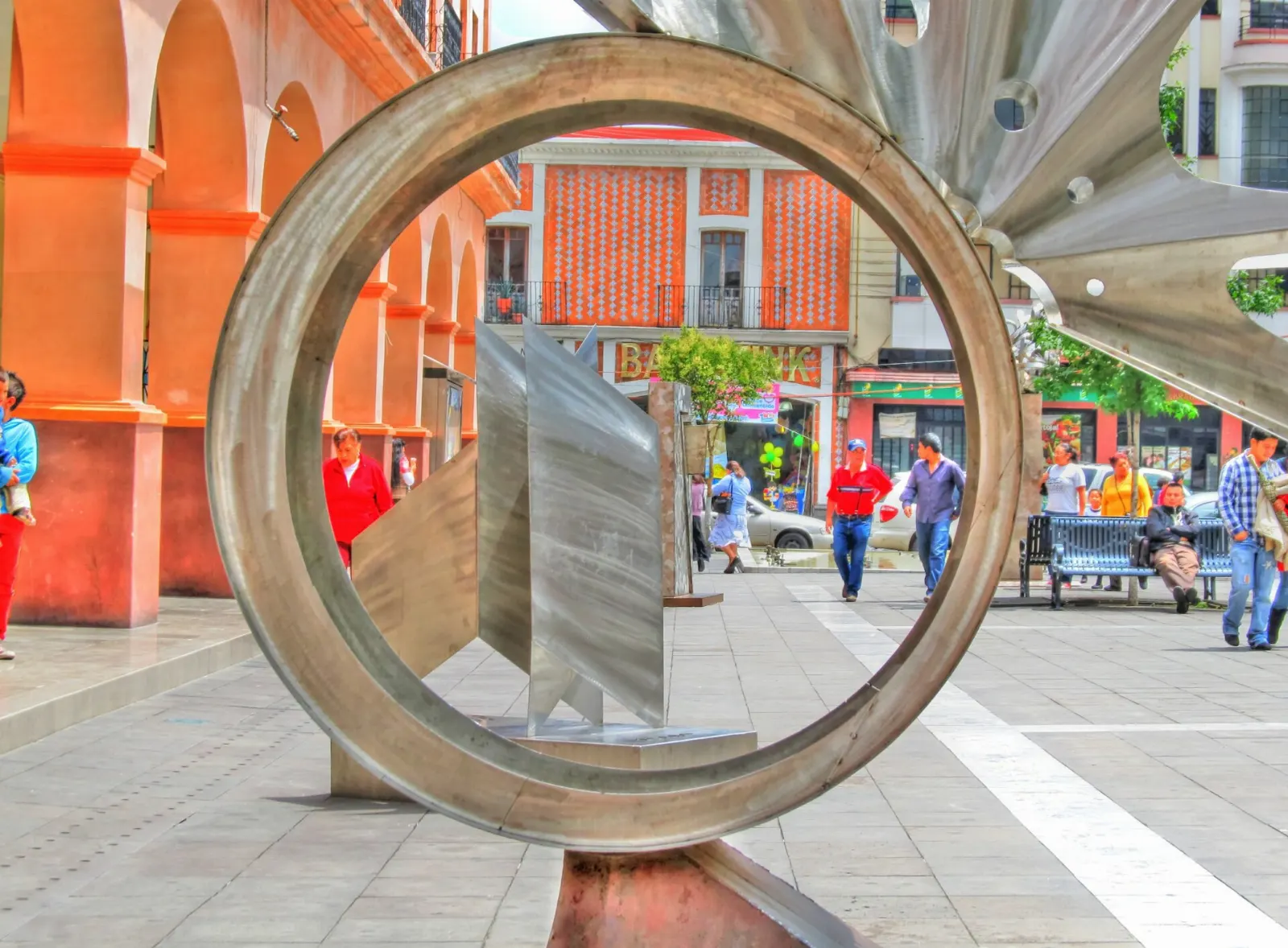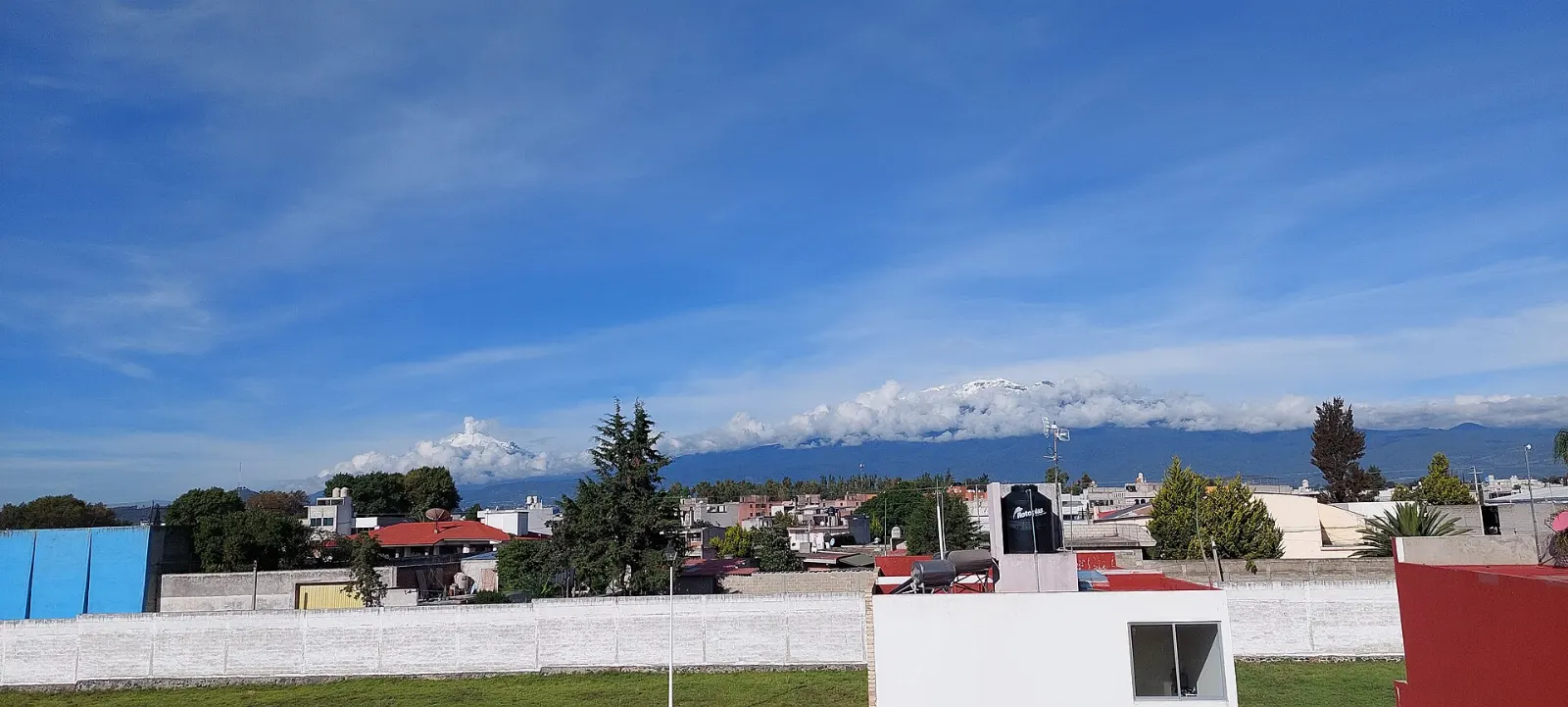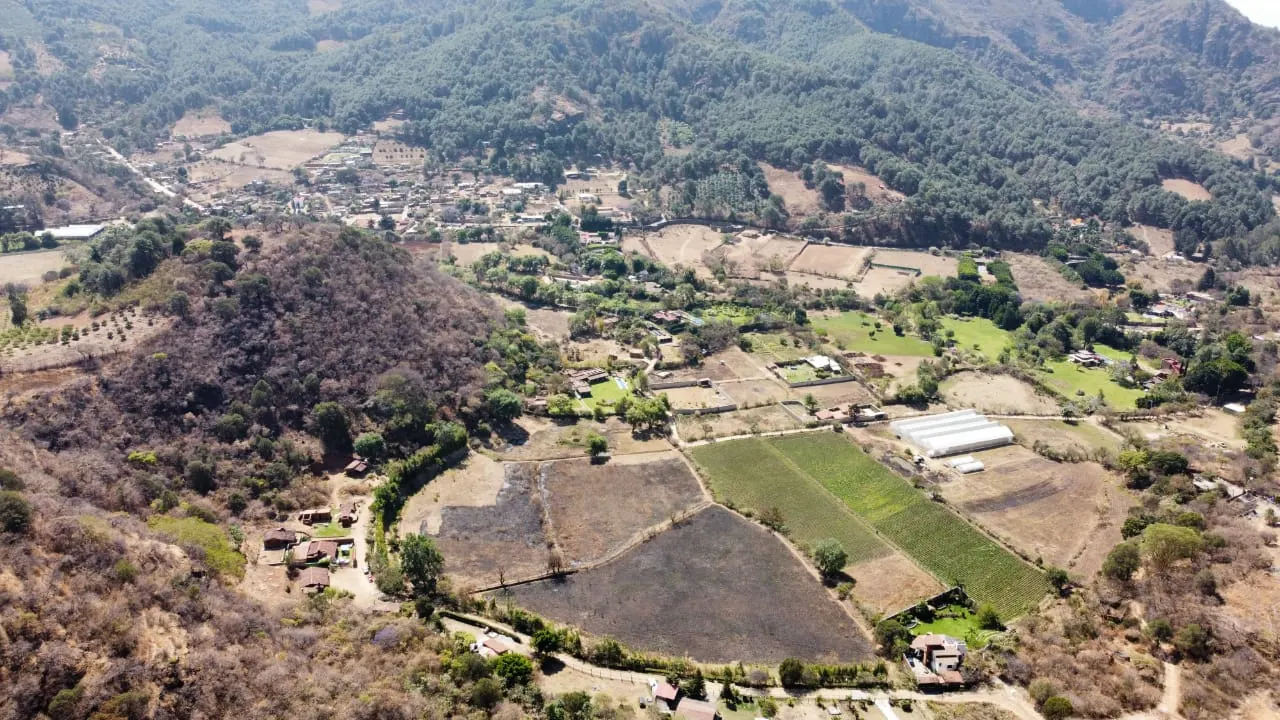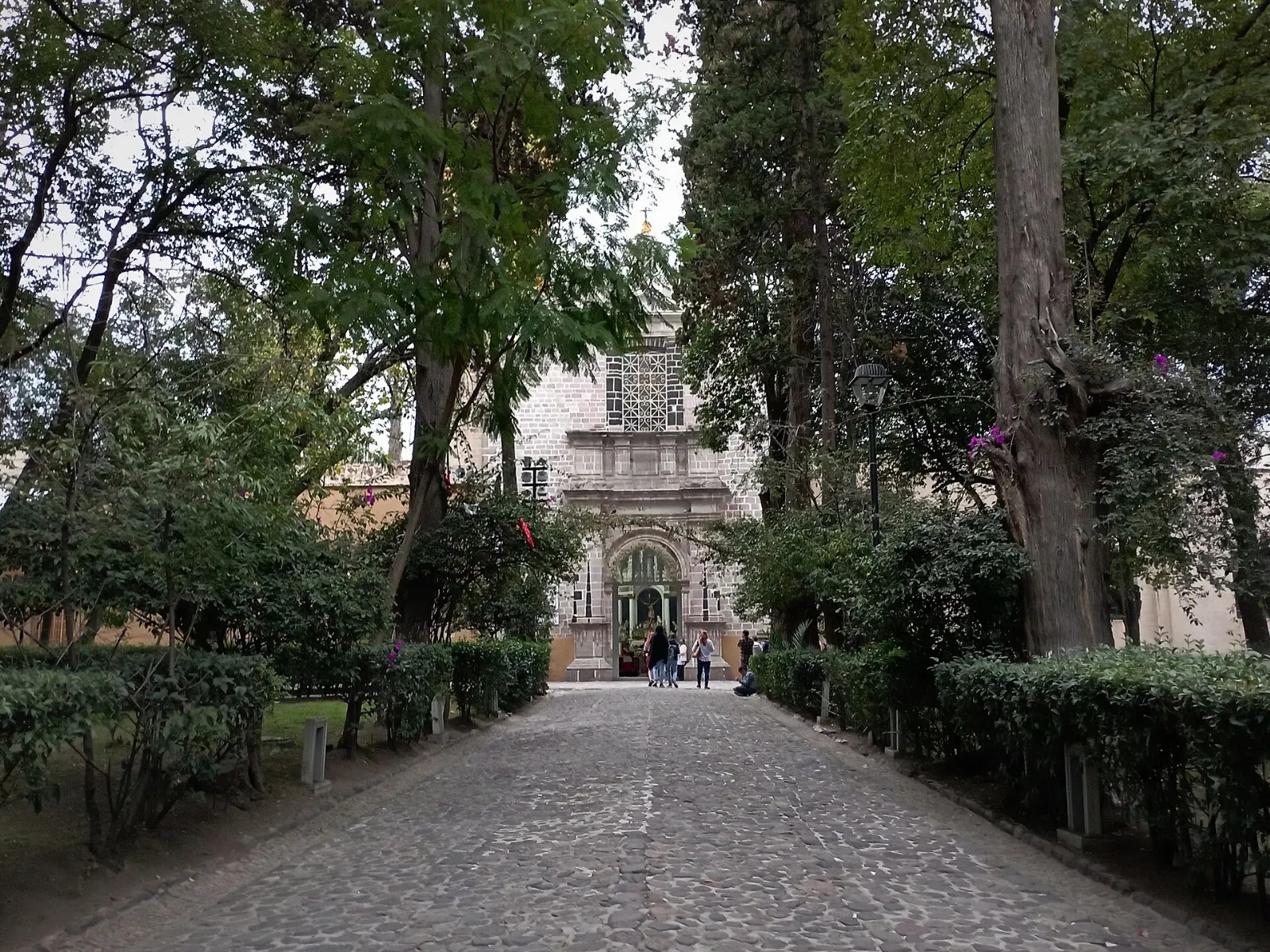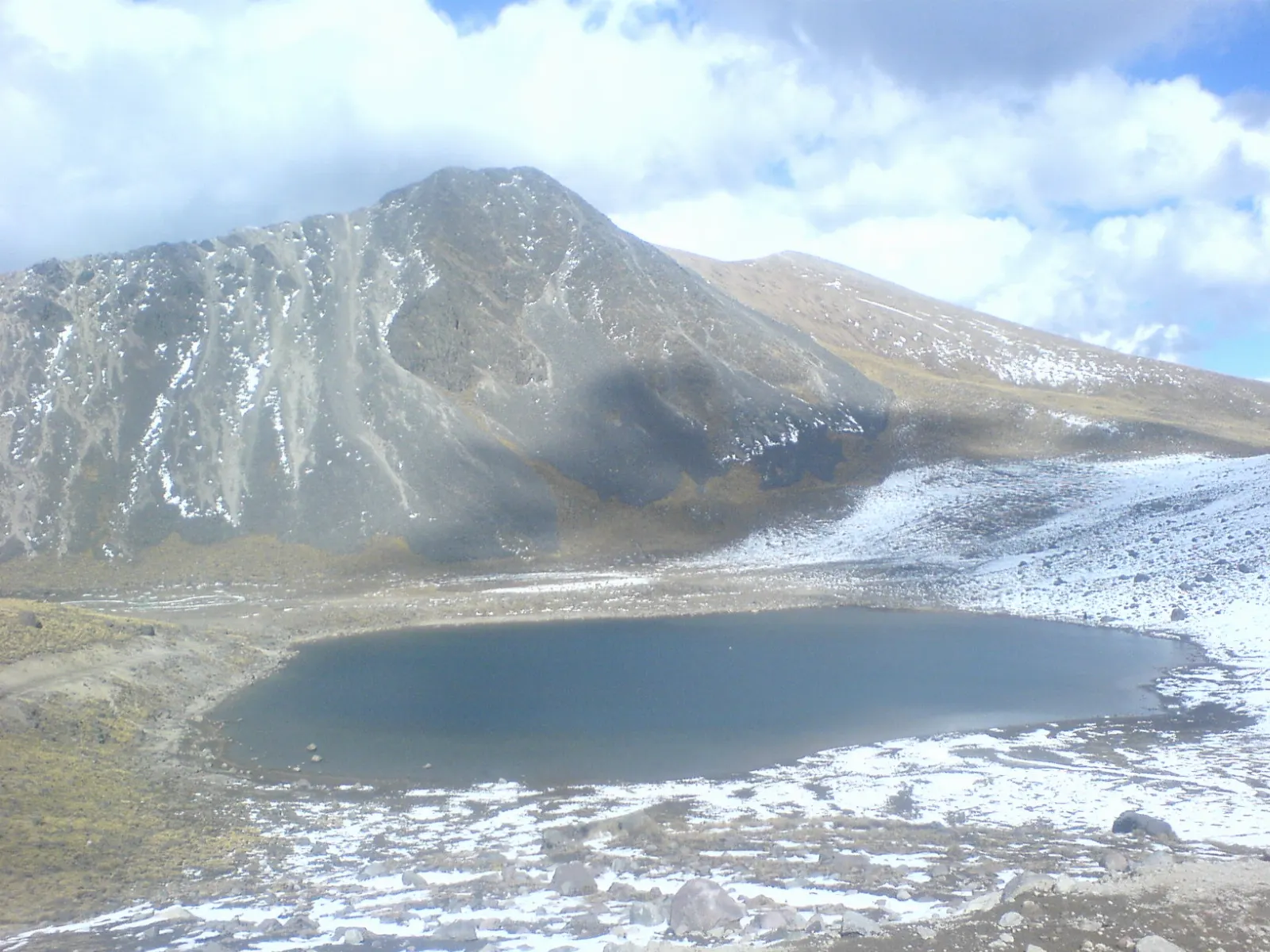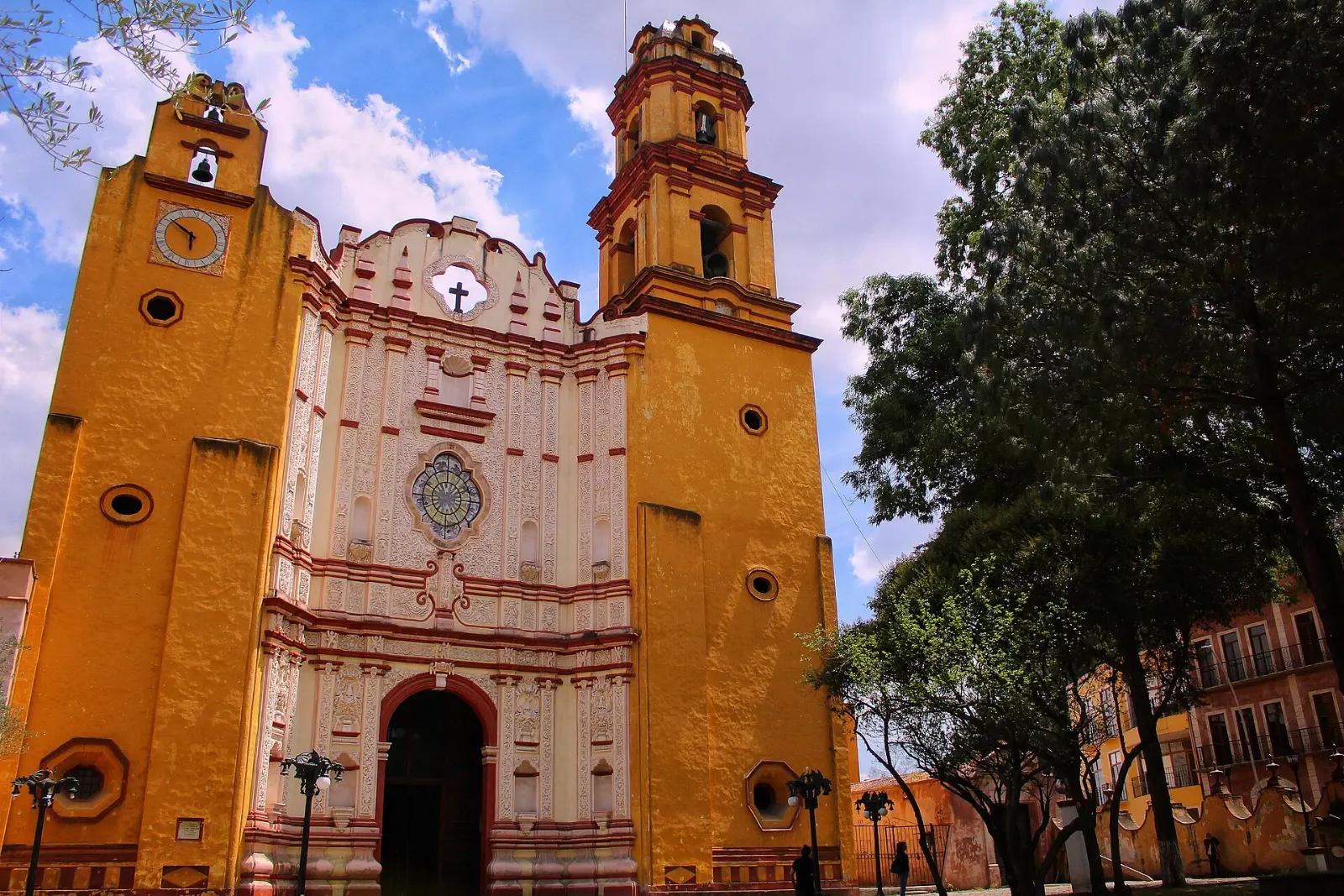
Metepec lies just east of the state capital Toluca, at about 2,635 metres above sea level, and it is the place in the State of Mexico where clay becomes art. The town is known for its pottery, above all the brightly painted Tree of Life, and for a historic centre of chapels, cafes and craft shops at the foot of a small hill.
AT A GLANCE
Best time
Visit on a weekend, when the craft market is fully open, and consider October for the Quimera festival.
How long
One long day covers the main sights, and two days allow time for Toluca.
Getting there
Metepec is about 50 kilometres from Mexico City by road and a short bus or taxi ride from Toluca.
Why visit Metepec
Metepec's name comes from Nahuatl and means hill of the agave plants, and the town has been inhabited since the Otomi and Matlatzinca peoples settled in the Valley of Toluca. Spanish friars arrived in 1526 and built a church on the maguey hill, now the Ex-convento de San Juan. Today the old centre keeps a small, historic feel with cafes, restaurants and stores that sell local arts and crafts.
The town has about 300 craftspeople and 275 family workshops, and clay is still a living trade. Even the Beatles' album Sgt. Pepper's Lonely Hearts Club Band features a Metepec Tree of Life, and one such piece is in the British Museum in London.
The best places to visit in the historic centre
Ex-convento de San Juan
The Ex-convento de San Juan is the main religious building in Metepec and dates from the 16th century. It stands on the hill where the Spanish built their first church in 1526. Allow half an hour to see the exterior and the setting, and ask locally about visiting times for the interior.
Cerro de Maguey
The Cerro de Maguey, or Maguey Hill, rises at the centre of the city and gives you a good view of the town and the valley around it. The hill has several small caves, including one called the Cueva del Diablo, the Devil's Cave. Wear sturdy shoes and go in daylight.
Capillas de El Calvario and La Santa Cruz
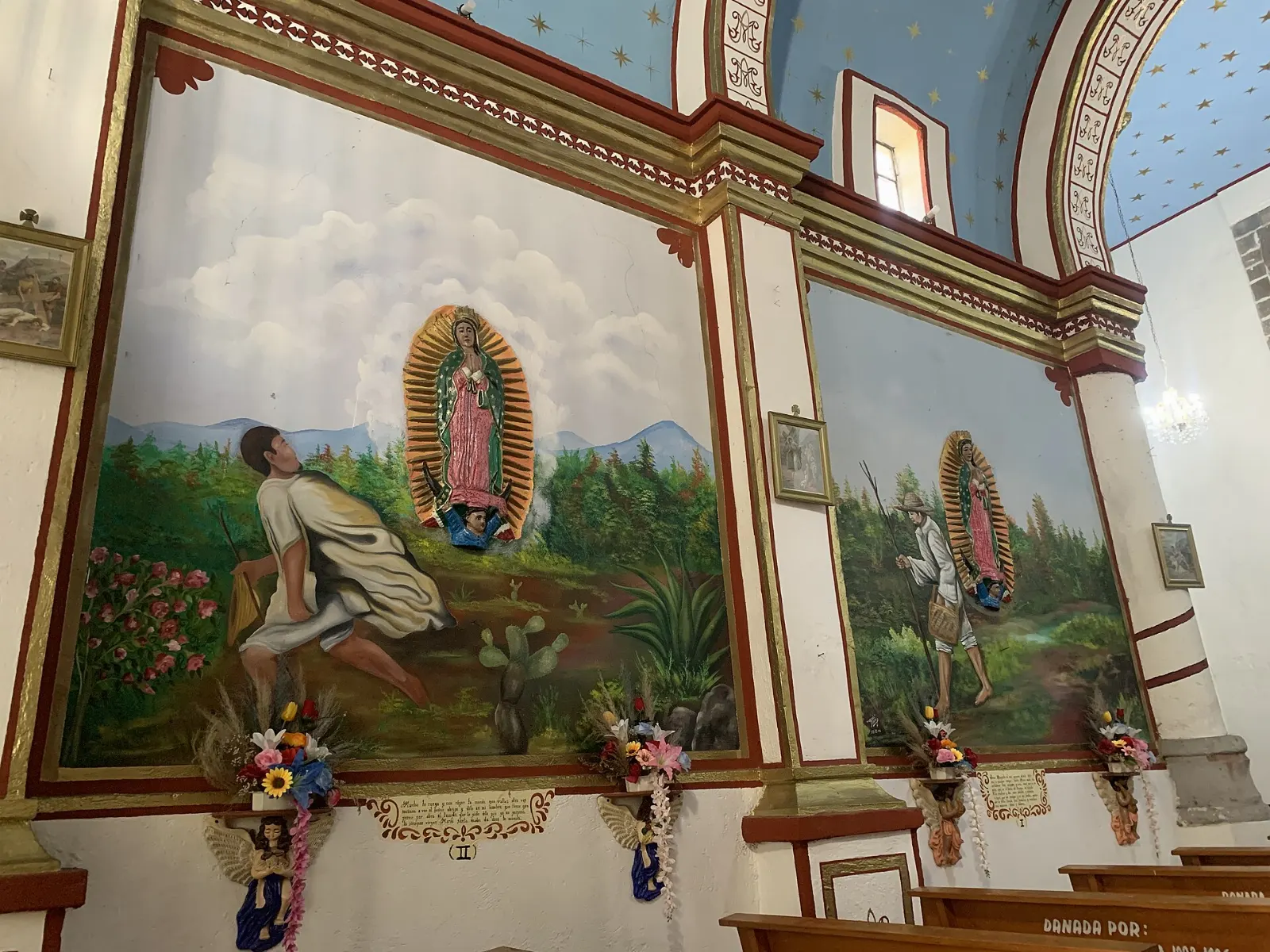
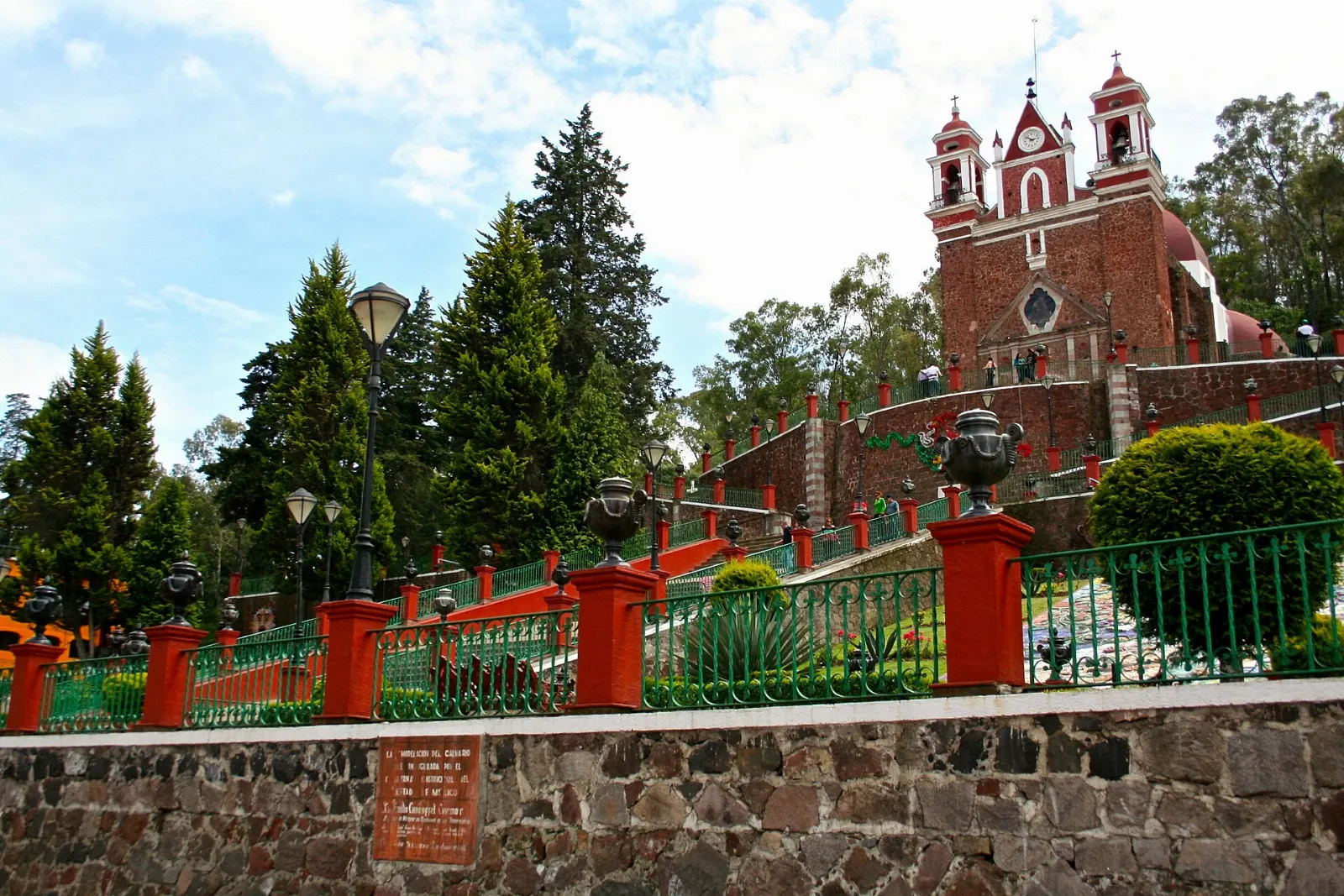
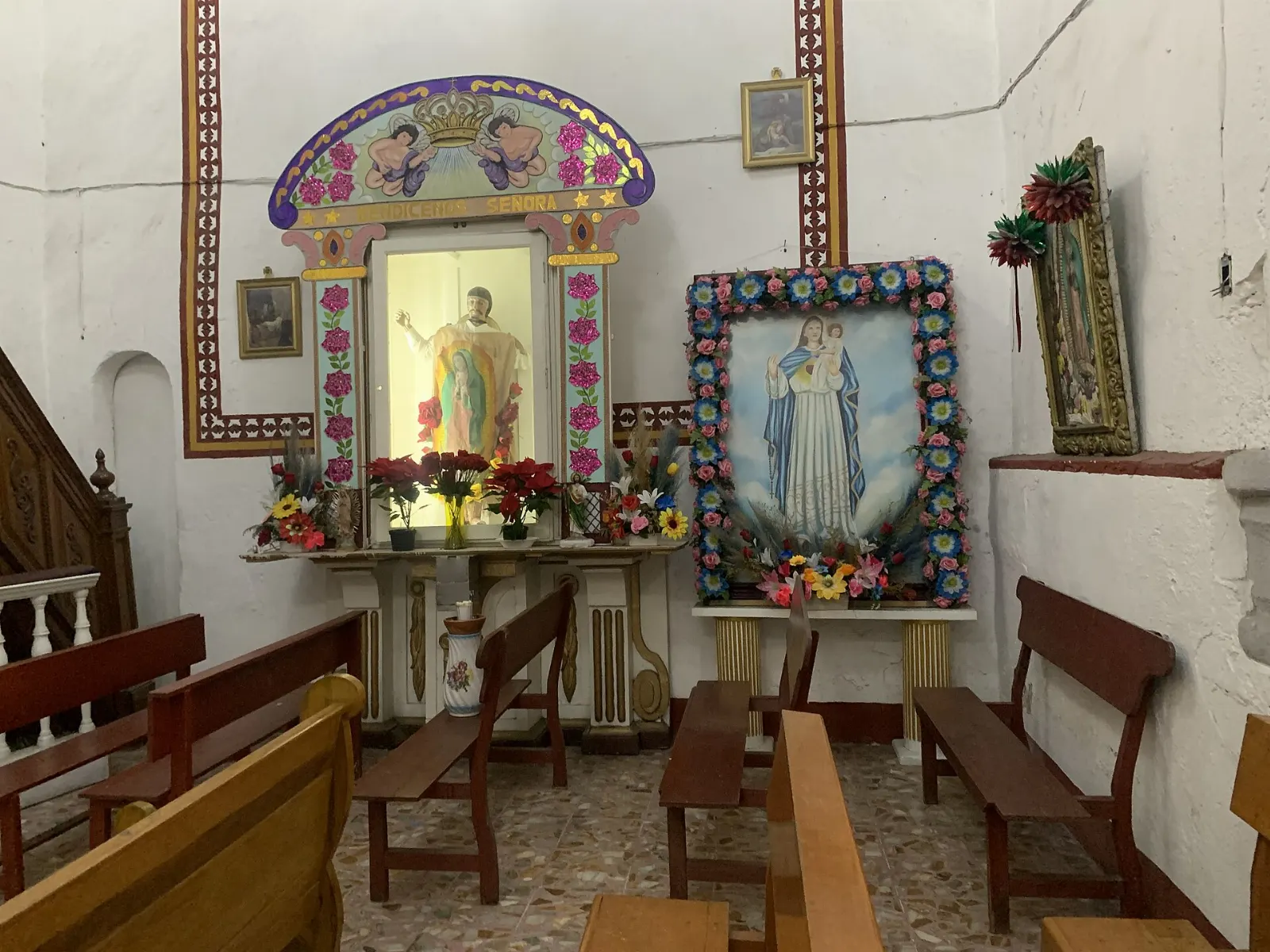
Beyond the main convent, Metepec has a series of smaller chapels, including those of El Calvario and La Santa Cruz. They are quiet places that reflect the town's devotion, and each one can be visited in a few minutes while walking between other sights.
Parroquia de San Mateo
The Parroquia de San Mateo is another of the churches worth seeing in town. Combine it with the other chapels in a gentle walking circuit through the centre. Stop at a cafe on the way, since the main plaza is ringed by small restaurants.
The best places to visit for crafts and museums
Museo del Barro
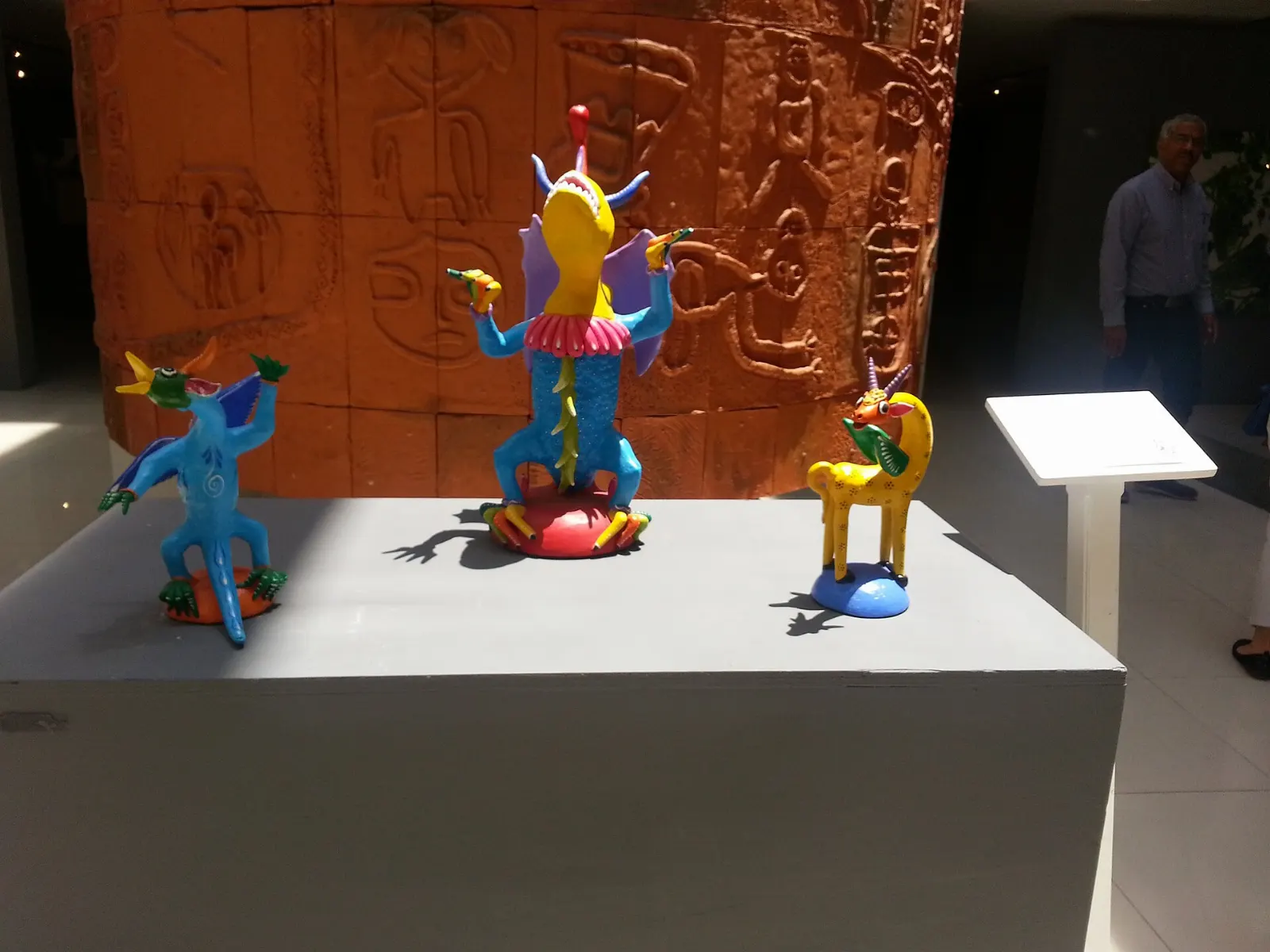
The Museo del Barro is a small museum devoted to popular folk art, especially the clay ceramics made in Metepec. On the second floor you will find many catrinas and Trees of Life, some of them very unusual. A shop on the lower level sells good quality ceramics, so you can take something home. Allow about an hour.
Workshops and the Tree of Life
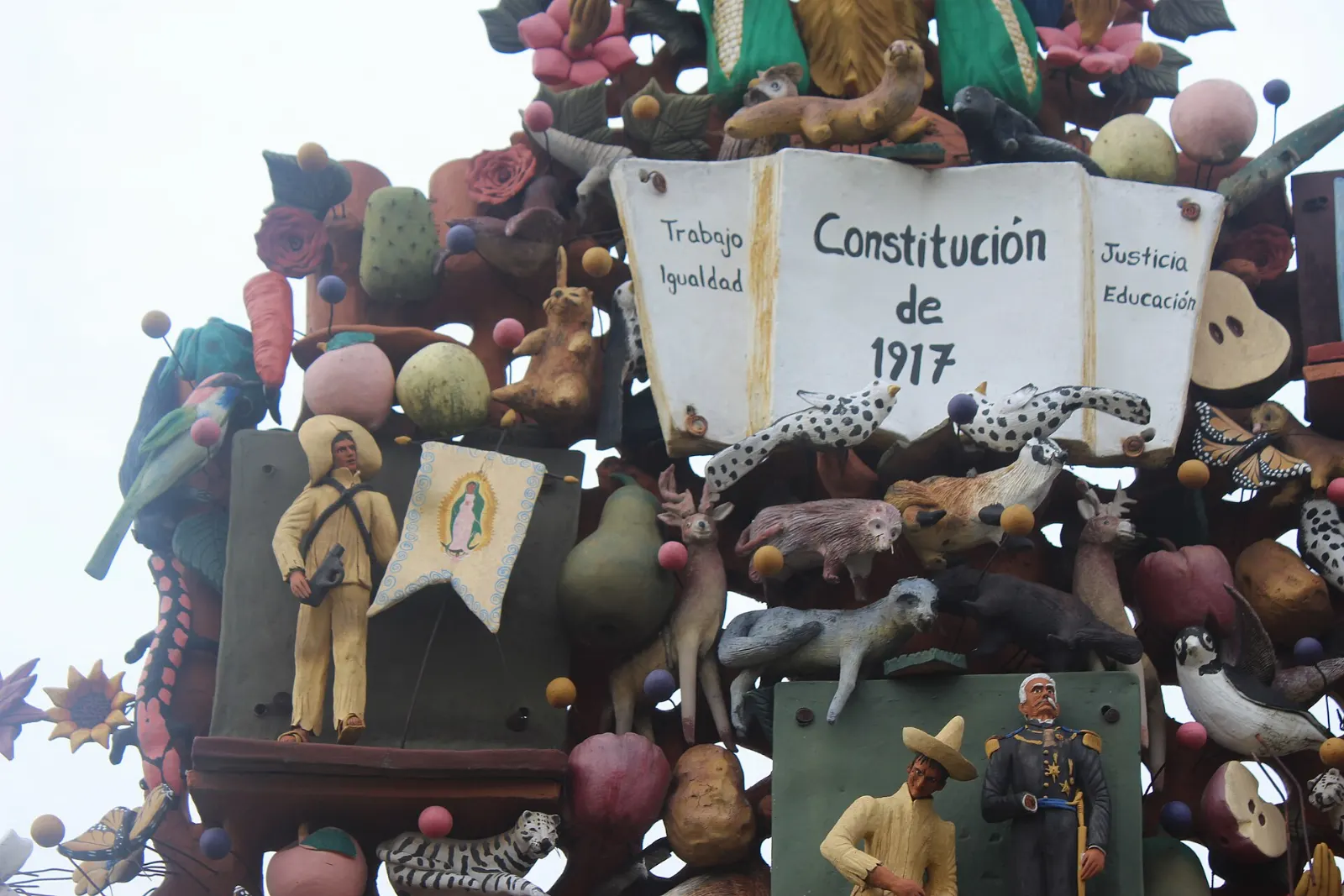
The Tree of Life is a pottery version of the tree from the Adam and Eve story, painted in bright colours and crowded with figures. Master potters keep family workshops around town, and many are happy for visitors to watch them work. Ask before taking photographs, and buy directly from the maker whenever possible.
Mercado de Artesanías
The Mercado de Artesanías on Calle Miguel Hidalgo in Santa Cruz is the best place to compare crafts in one stop. Master artisans including the Soteno family have shops here. About half of the shops close on weekdays, so come on a Saturday or Sunday.
Tianguis and local markets
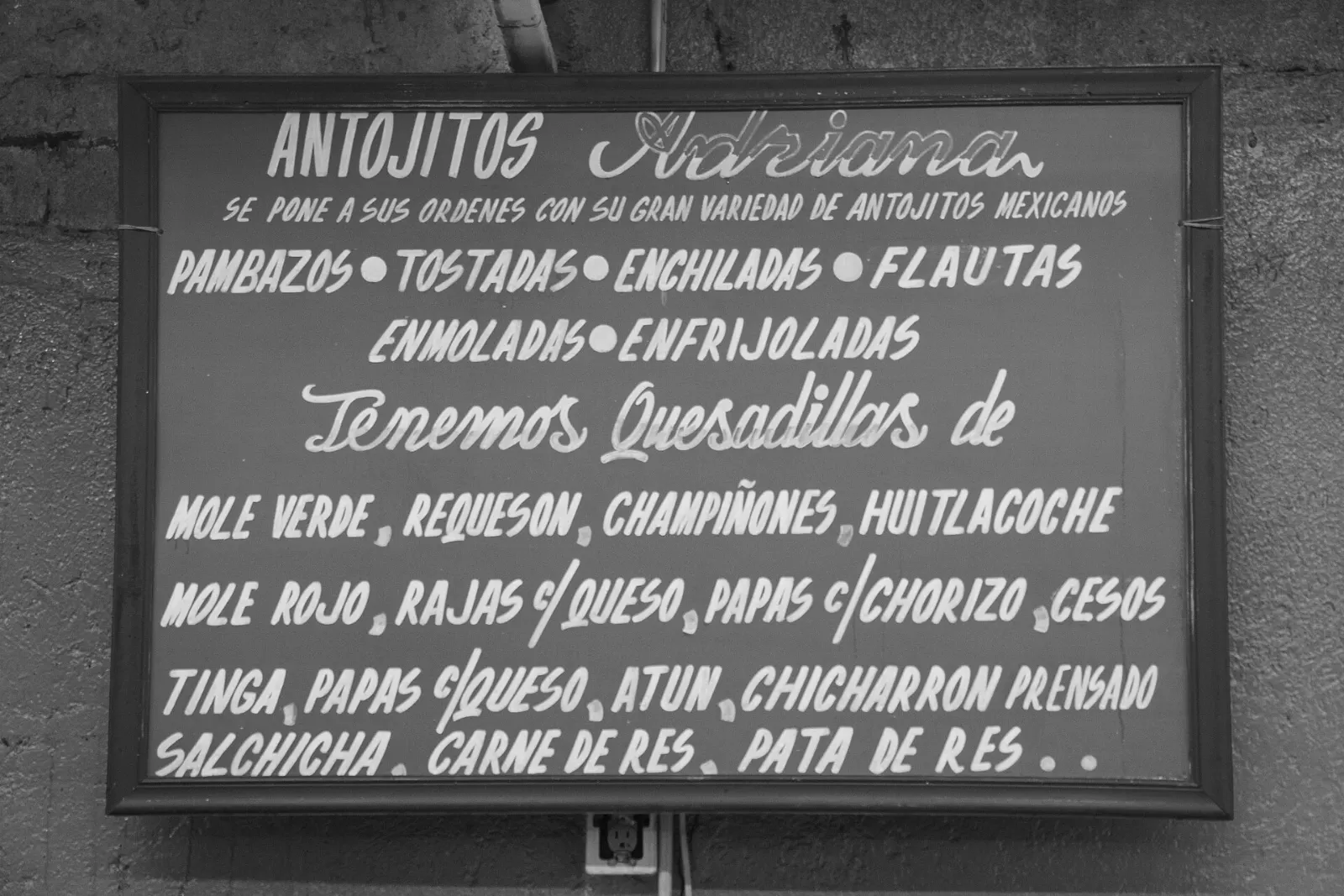
Monday is market day in the main plaza, where merchants sell fruit and vegetables. The Tianguis Sabatino on Calle 16 de Septiembre is a smaller Saturday market close to the centre, and the Tianguis Casablanca runs on several weekdays and Sunday. They are good places for fruit, vegetables and regional street food.
The best places to visit near Metepec
Zacango Ecological Park
Zacango Ecological Park is a zoo and park on the Metepec road, with a lake where you can paddle, a zip line and a small train. It is an easy choice if you are travelling with children. Plan half a day.
Cosmovitral and the Portales of Toluca
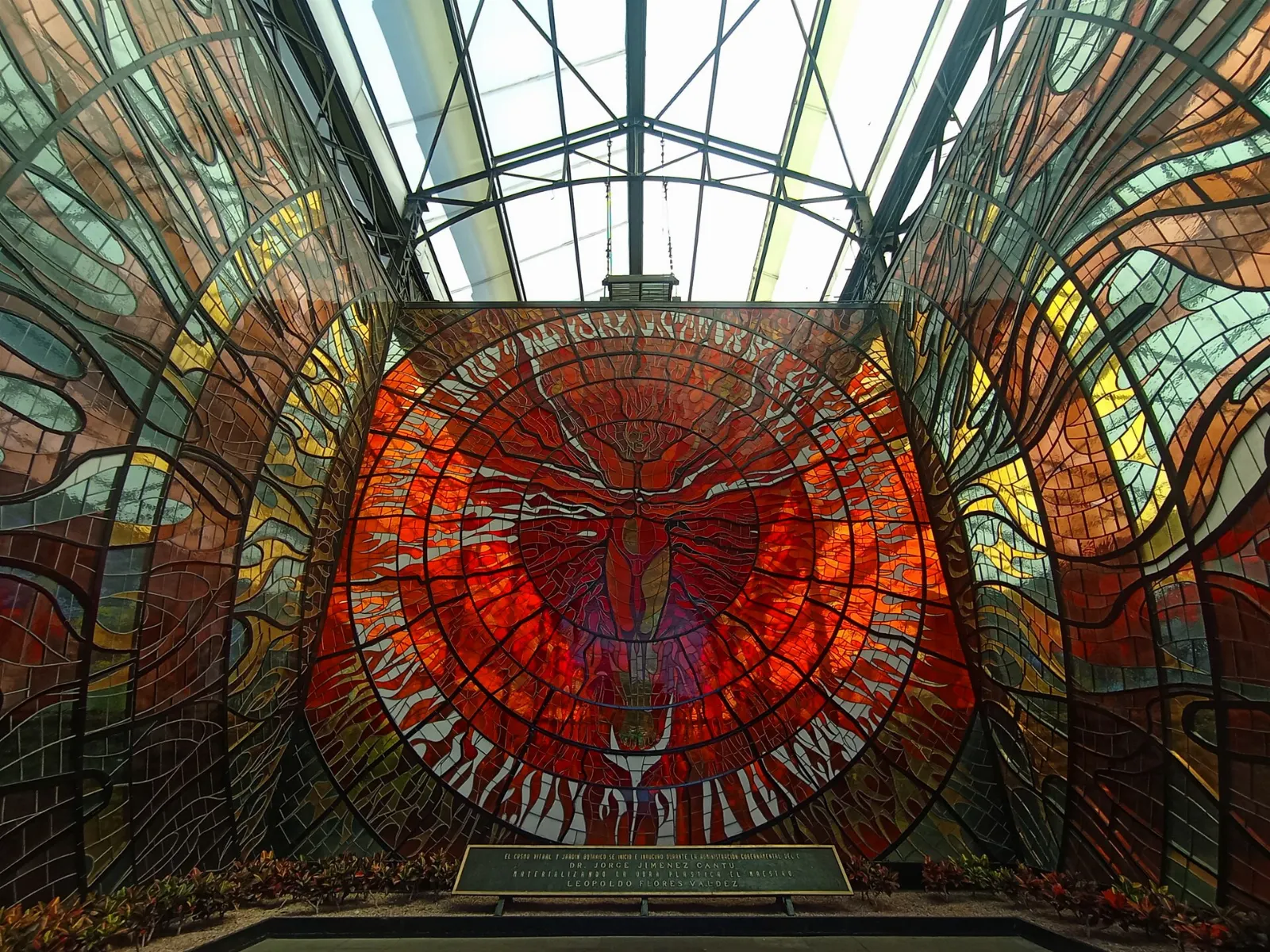
Toluca is only a short ride away. The Cosmovitral is a botanical garden inside a stained glass building, and the nearby Portales are arcaded streets lined with shops and restaurants. Both fit into a half-day outing, but avoid Toluca on Fridays, when a big flea market clogs the streets.
Food and local flavors
Most food in Metepec is typical of the central region. Barbacoa is slow-cooked meat that is traditionally enjoyed at weekend meals, tamales appear at markets and breakfast stalls, and huaraches are long, thick masa bases topped with salsa and toppings.
The town also has a drink that is unique to it, garañona. It is strong and sweet, made from 15 herbs, and one bar in the centre called 2 de Abril is its only seller. Try a small glass slowly. For simple home cooking, look for the family-run cocinas familiares, or try the stalls at the tianguis markets.
Popular dishes to try in Metepec


Where to stay
Metepec has comfortable options for a short stay, and several areas suit different travellers.
Metepec centro is the best base for most people, with cafes, bars, chapels and the plaza within walking distance.
Santa Cruz is close to the centre and the craft market, which suits shoppers who want to be near the potters. Simple, modern hotels can be found here.
Santiaguito is a neighbourhood with several restaurants and suits travellers who prefer a quieter evening.
Toluca centro is the choice if you want a bigger city, with the Cosmovitral, museums and the train and bus terminals close by. Budget travellers can also find hostel-style rooms along the Toluca-Metepec boulevard.
Where to stay in Metepec


Best time to visit
Because of its altitude of about 2,635 metres, Metepec is mild to cool. Average temperatures range between 14 and 30 degrees Celsius, but cold spells can occur as late as March or April, so bring a jacket in every season. The craft market is best on weekends, when the shops are all open.
The town celebrates its patron saint, John the Baptist, on the 24th of June. The Quimera international arts and culture festival takes place each October, and Day of the Dead season, with its alfeñique sugar figures in nearby Toluca, is another colourful time. Summer is also the rainy season in this valley, so carry an umbrella.
Getting there and getting around
Metepec is directly east of Toluca and about 50 kilometres from the centre of Mexico City. Toluca International Airport has domestic flights and a station for the El Insurgente commuter train, which also runs between Mexico City and Toluca Centro. Many international visitors fly into Mexico City and continue by bus from the Observatorio terminal, where buses to Toluca leave every few minutes.
From Toluca, buses leave regularly for Metepec, and others pass along Pino Suárez. A taxi is the easiest option, but agree the fare first because drivers waiting outside the bus station may try to charge more.
The historic centre is compact and best explored on foot. Taxis are cheap for longer hops to the Mercado de Artesanías or Zacango.
A suggested itinerary
First day
Walk the historic centre in the morning, visiting the Ex-convento de San Juan and the chapels, then climb the Cerro de Maguey. After lunch visit the Museo del Barro and finish at the craft market.
Second day
Spend the morning at Zacango Ecological Park or at a potter's workshop, then take a short ride to Toluca for the Cosmovitral and an evening under the Portales.
Practical tips
- Visit on a Saturday or Sunday so that all of the artisan shops are open.
- Buy pottery directly from the workshops and wrap fragile pieces carefully for the trip home.
- Take a light jacket, because evenings are cool at this altitude.
- Agree a taxi fare before you set off, especially from the bus station.
- Go slowly on your first day if you are not used to the altitude.
- Avoid Toluca on Fridays, when the flea market blocks many streets.
- Check your government's current travel advisory before you go.