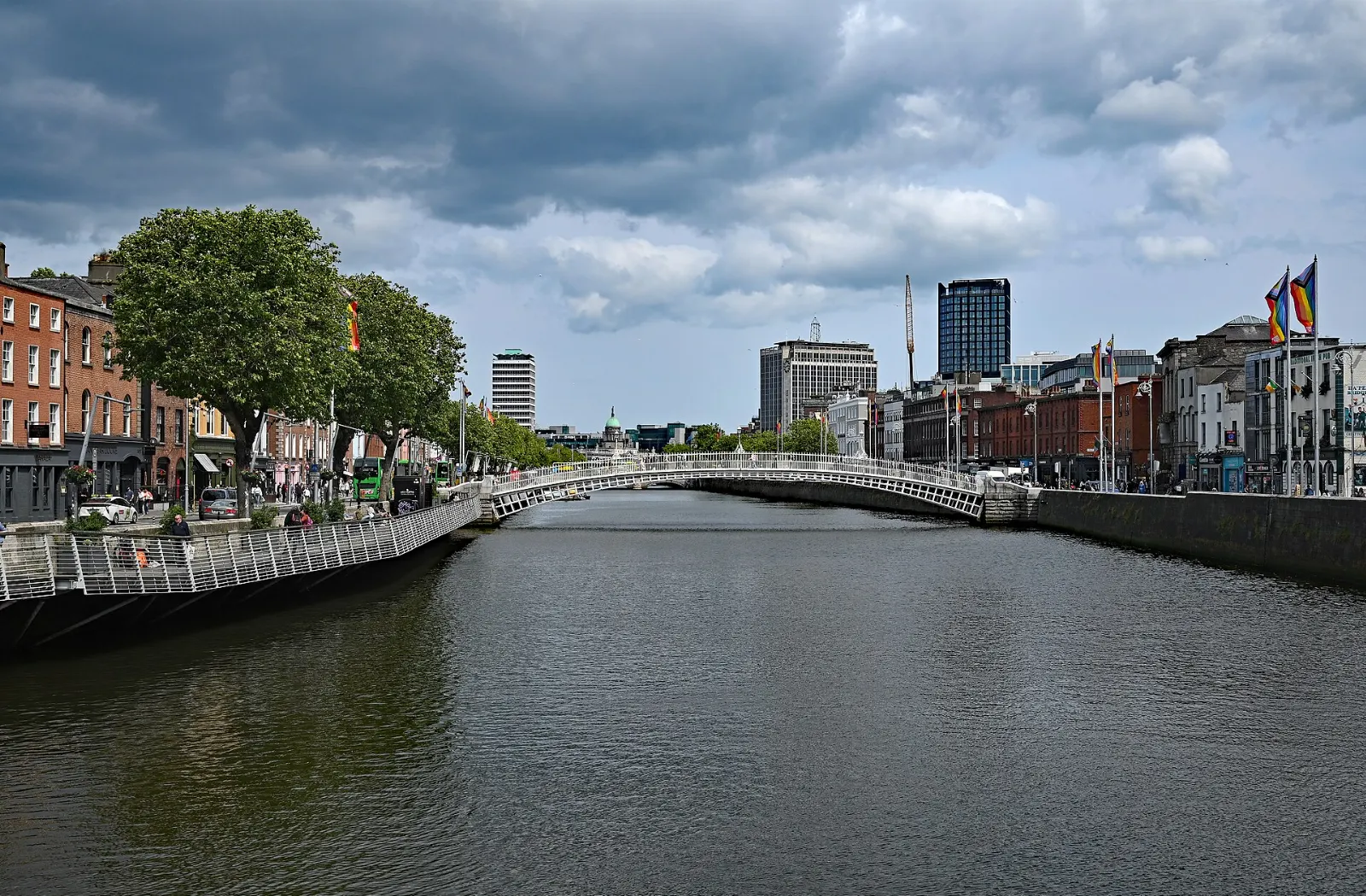
Dublin is a capital you can walk across in under an hour, yet it holds more than a thousand years of history between the River Liffey and the low Dublin Mountains.
AT A GLANCE
Best time
May to September for long days; March for St Patrick's Festival; shoulder months for fewer crowds.
How long
Three days covers the centre; add a fourth for Howth or the south coast.
Getting there
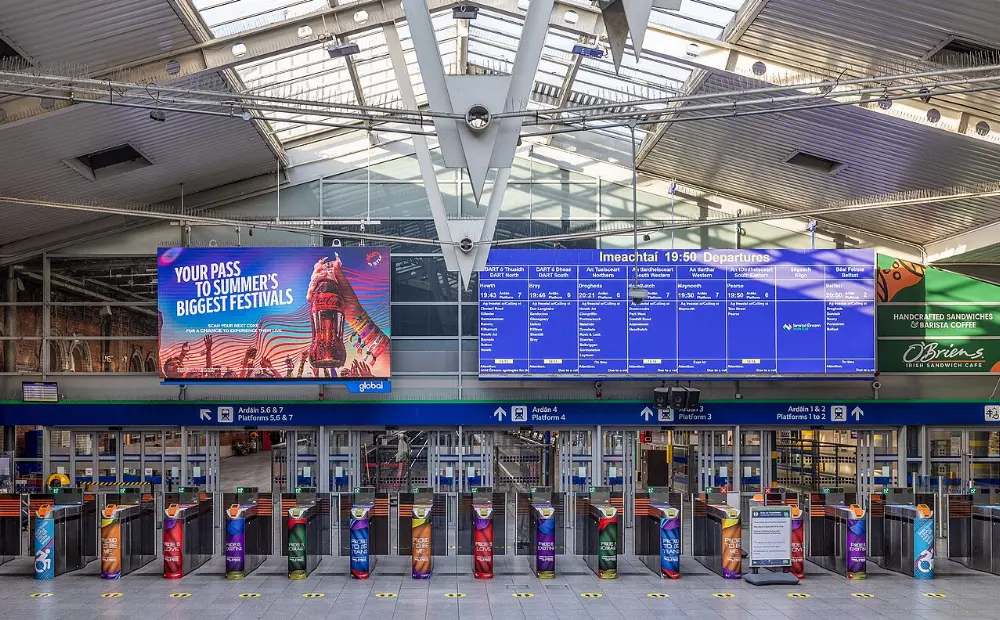
Dublin Airport is about 10 km north of the centre, linked by coach and bus. Trains arrive at Heuston and Connolly.
Why visit Dublin
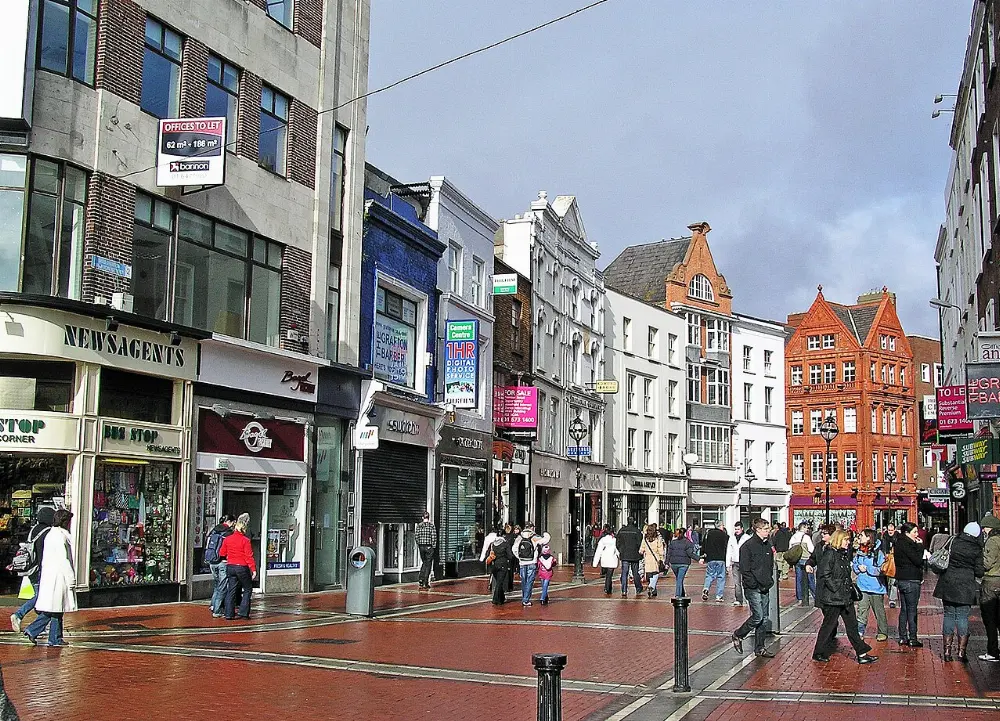
Dublin's appeal is its density. The River Liffey splits the city into the Northside, anchored by broad O'Connell Street, and the Southside, where Trinity College, Grafton Street, St Stephen's Green and the national museums sit within a few blocks of one another.
It is also a city with a strong literary voice. Jonathan Swift, Oscar Wilde, W. B. Yeats, James Joyce and Samuel Beckett all have connections here, and the city takes its writers seriously, from the plaques on Georgian doorways to the annual Bloomsday celebrations each June.
Trinity College and the Georgian south side
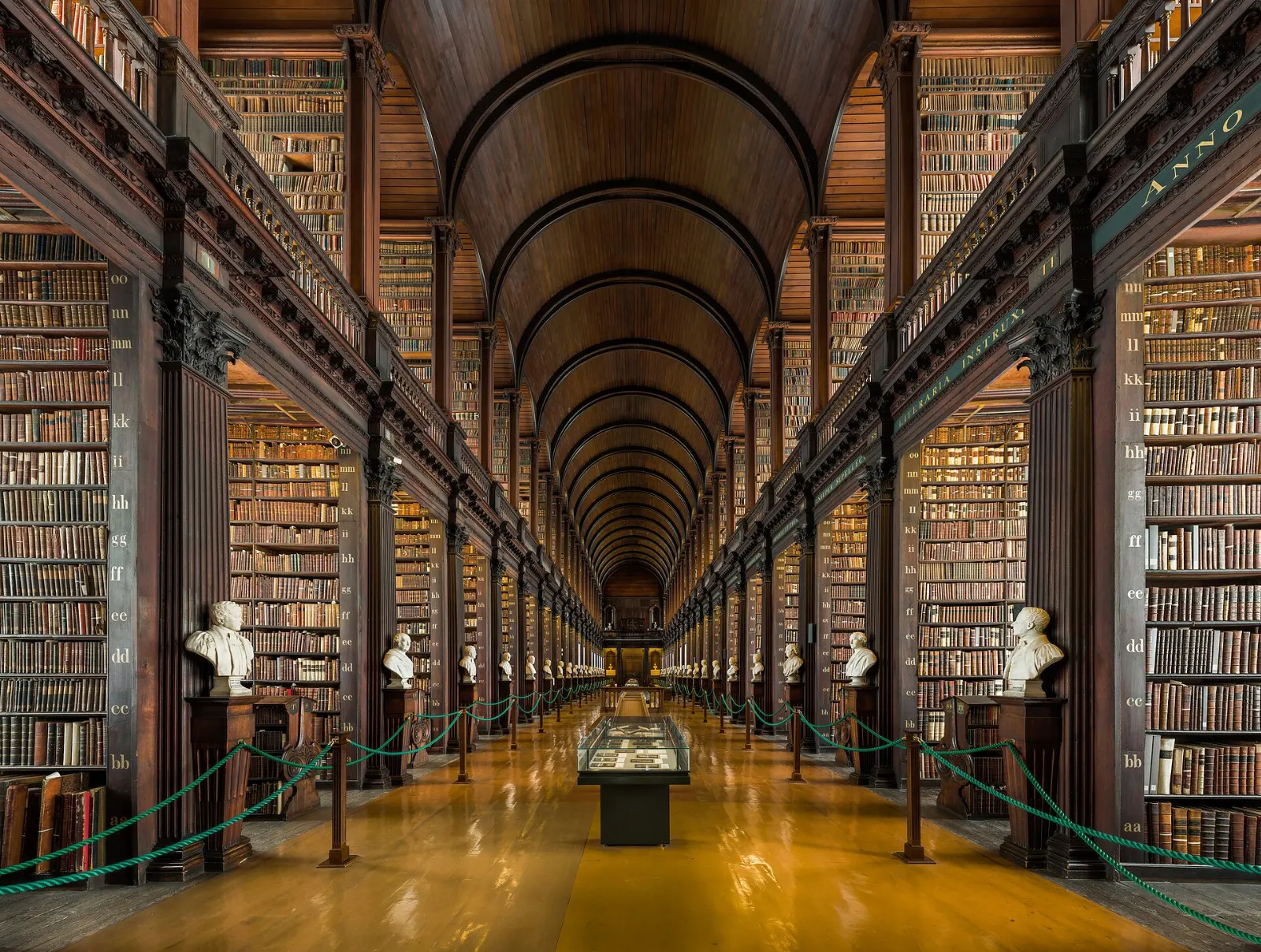
Trinity College and the Book of Kells
Founded in 1592, Trinity College occupies a walled campus of cobbled squares right in the city centre.
Allow about an hour and a half for the exhibition and a stroll around Front Square and the Campanile. Tip: book a timed ticket online, and choose an early morning slot to avoid the busiest tour groups.
National Museum of Ireland: Archaeology
On Kildare Street, beside the parliament building, the archaeology branch of the National Museum holds Ireland's finest prehistoric and medieval treasures. Look for the gold of the Bronze Age, the Ardagh Chalice, the Tara Brooch and the Kingship and Sacrifice gallery, where Iron Age bog bodies are displayed with unusual care.
St Stephen's Green and Merrion Square
Dublin's Georgian heart is best explored on foot. St Stephen's Green, at the top of Grafton Street, is a Victorian-era park with a pond, bridges and memorials, while Merrion Square, a short walk east, is framed by the brick terraces and brightly painted doors that appear on so many postcards.
Medieval Dublin, the castle and Temple Bar
Dublin Castle and the Chester Beatty
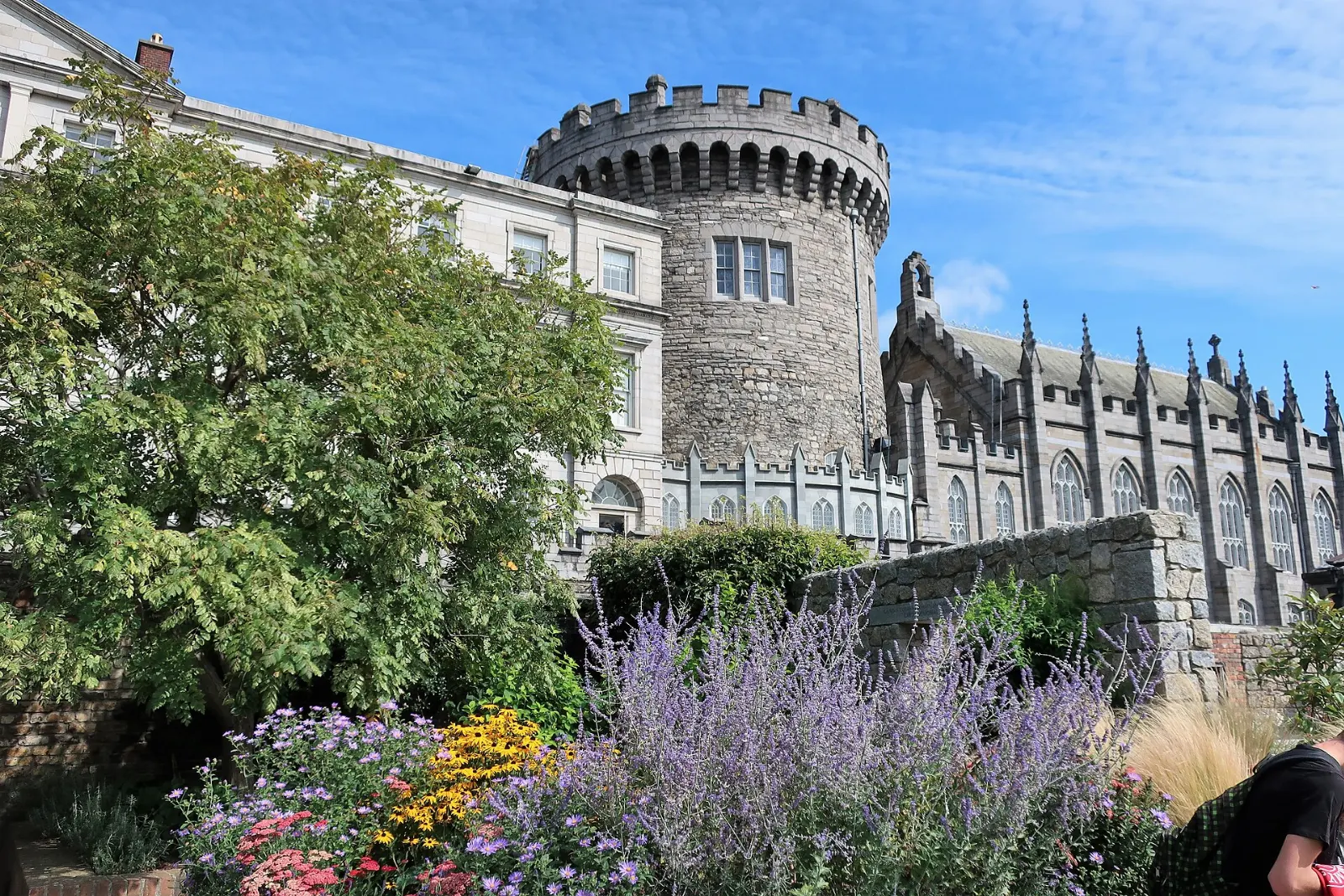
For seven centuries Dublin Castle was the seat of British rule in Ireland, and the handover of the castle in 1922 marked the end of that era. Today you can visit the elegant State Apartments and, on a guided tour, descend to the excavated remains of the Viking and Norman defences below. Allow an hour for the castle.
Christ Church Cathedral
Founded in the Norse era and rebuilt by the Normans, Christ Church is the older of Dublin's two medieval cathedrals. Its large crypt dates from the twelfth century and displays church treasures alongside some curious objects, including a mummified cat and rat found trapped in an organ pipe.
St Patrick's Cathedral
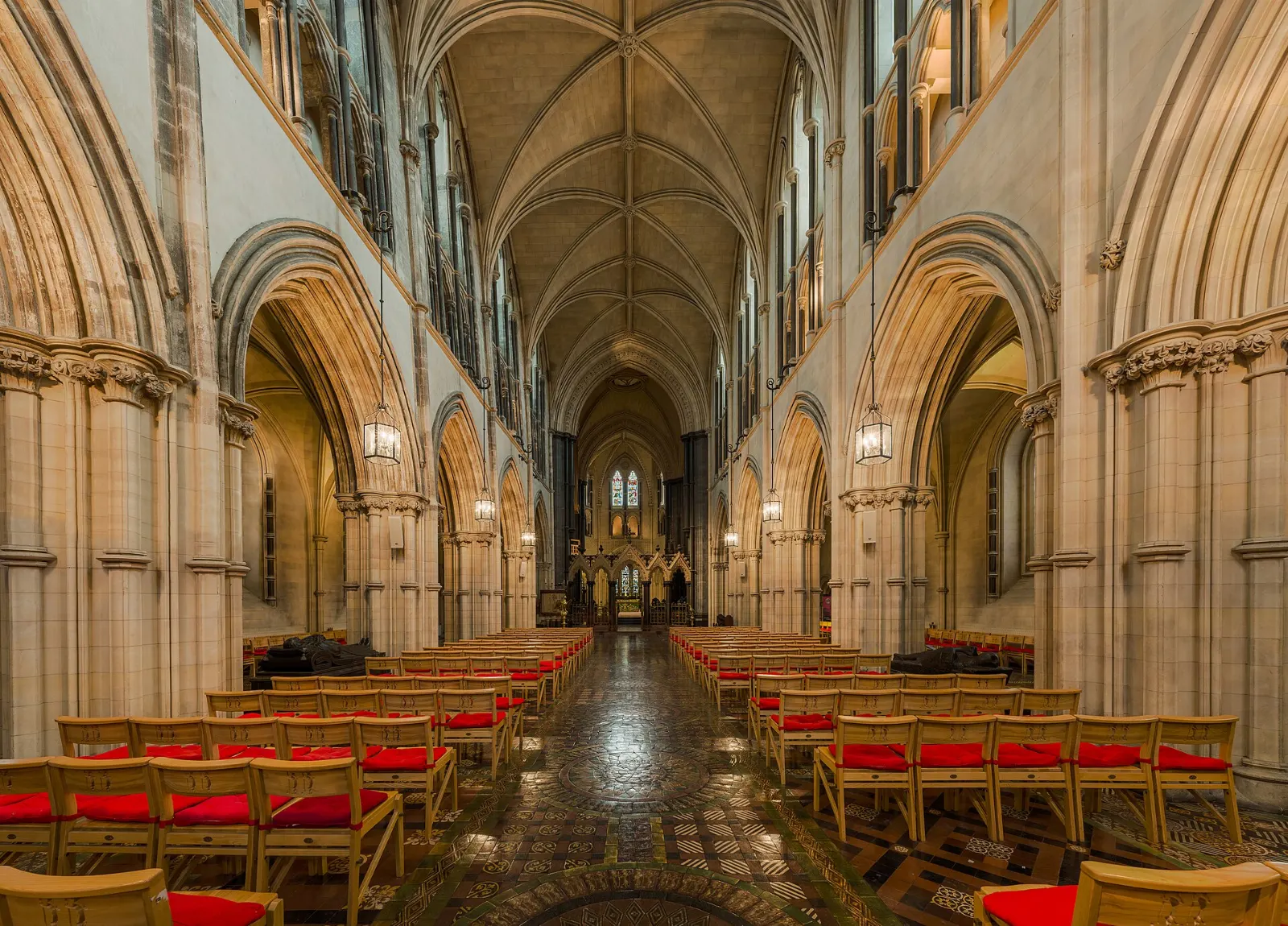
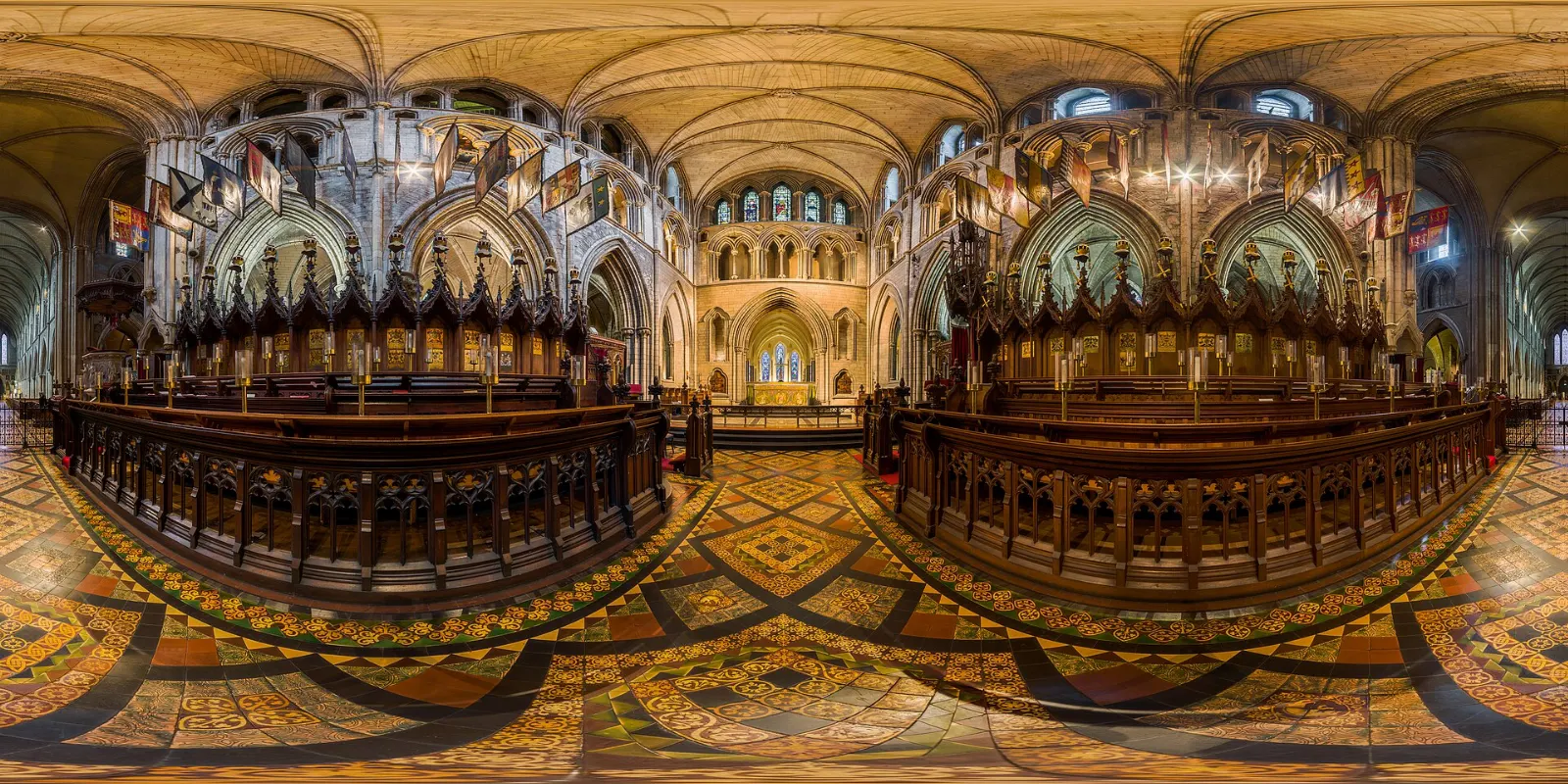
A few minutes south, St Patrick's Cathedral is the largest church in Ireland and the national cathedral of the Church of Ireland. Jonathan Swift, author of Gulliver's Travels, was dean here for more than thirty years and is buried in the nave.
Temple Bar
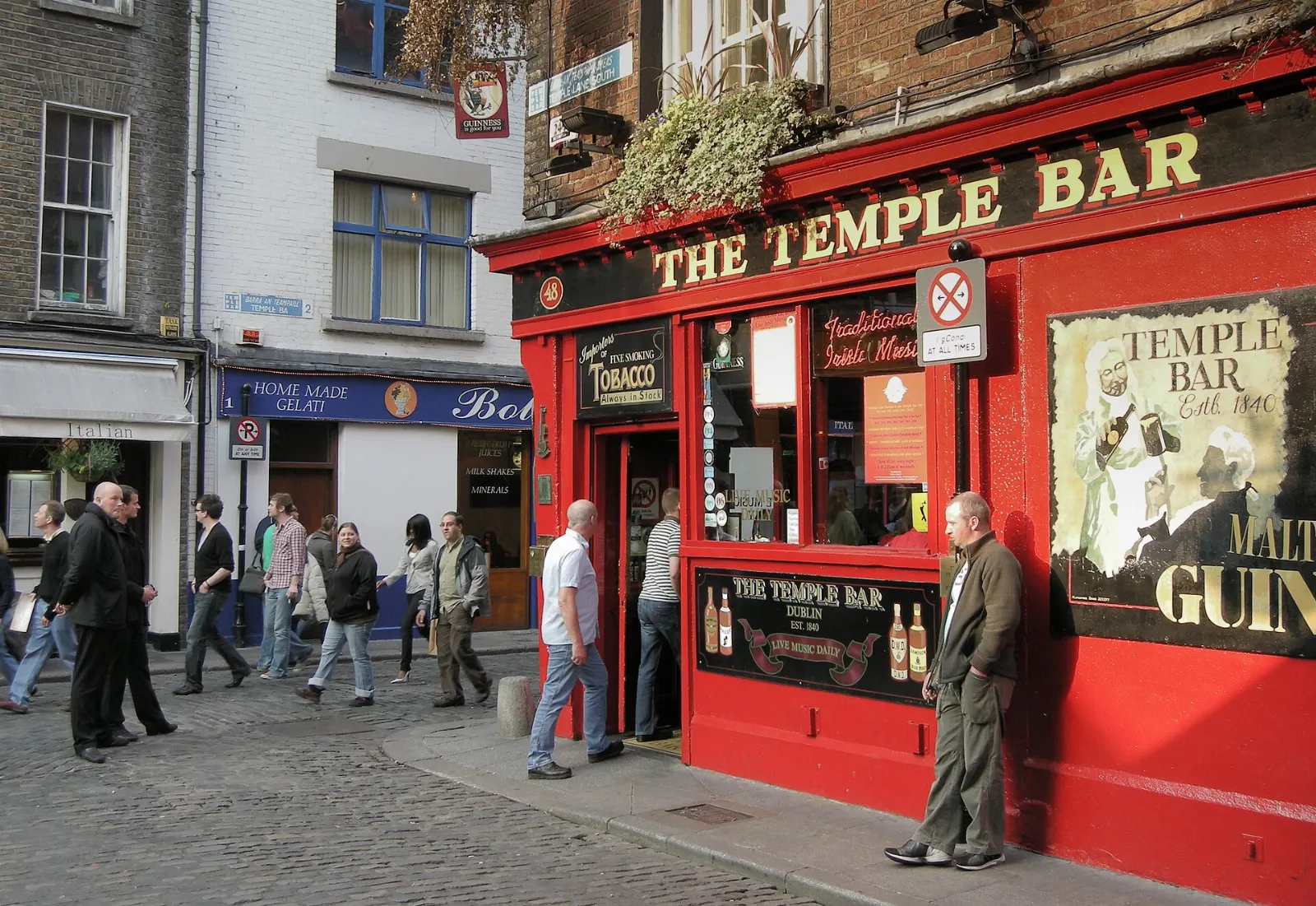
Temple Bar, the cobbled district between Dame Street and the Liffey, is the busiest nightlife area in the centre and full of pubs with live traditional music. It is also home to galleries, the Irish Film Institute and Meeting House Square, which hosts a weekend food market. Allow an hour by day and longer at night.
The west side, the parks and the coast
Guinness Storehouse
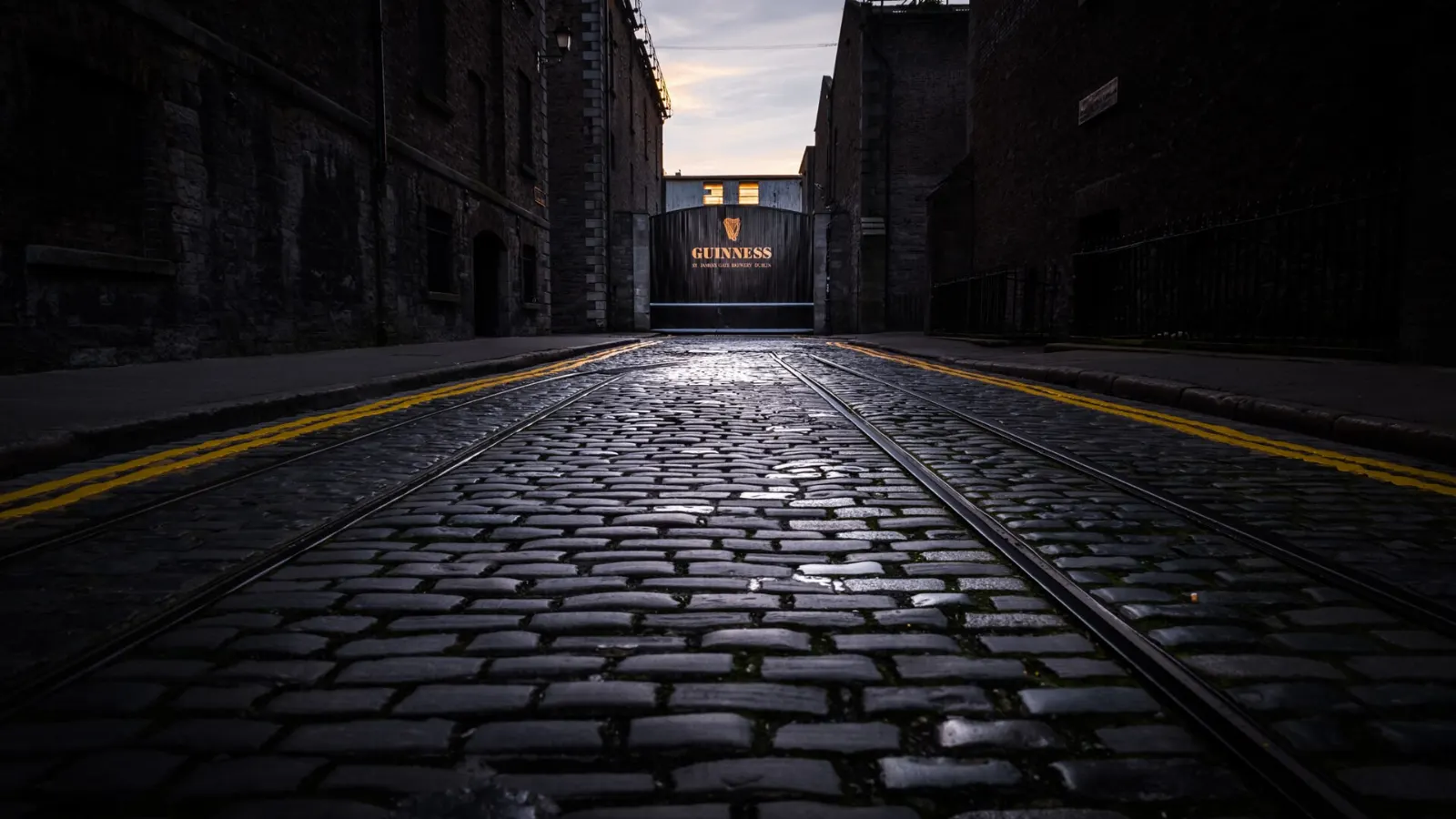
Guinness has been brewed at St James's Gate since Arthur Guinness signed his famous long lease in 1759. The Storehouse, set in a former fermentation building shaped inside like a giant pint glass, tells the story of the brewery, its advertising and the craft of brewing over several floors.
Kilmainham Gaol
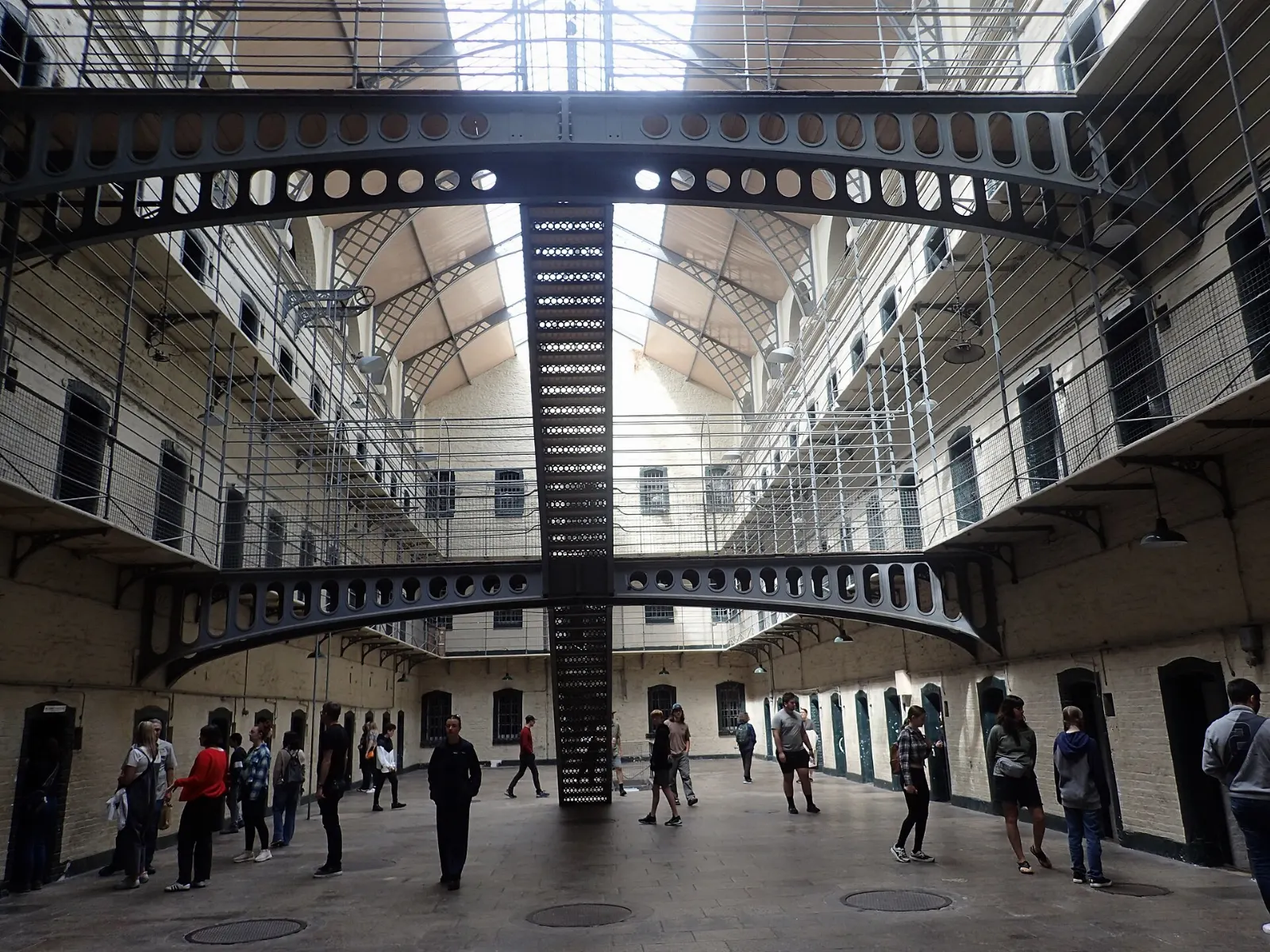
Opened in 1796, Kilmainham Gaol held generations of Irish rebels, including Charles Stewart Parnell and the leaders of the 1916 Easter Rising, fourteen of whom were executed in its stonebreakers' yard.
Phoenix Park
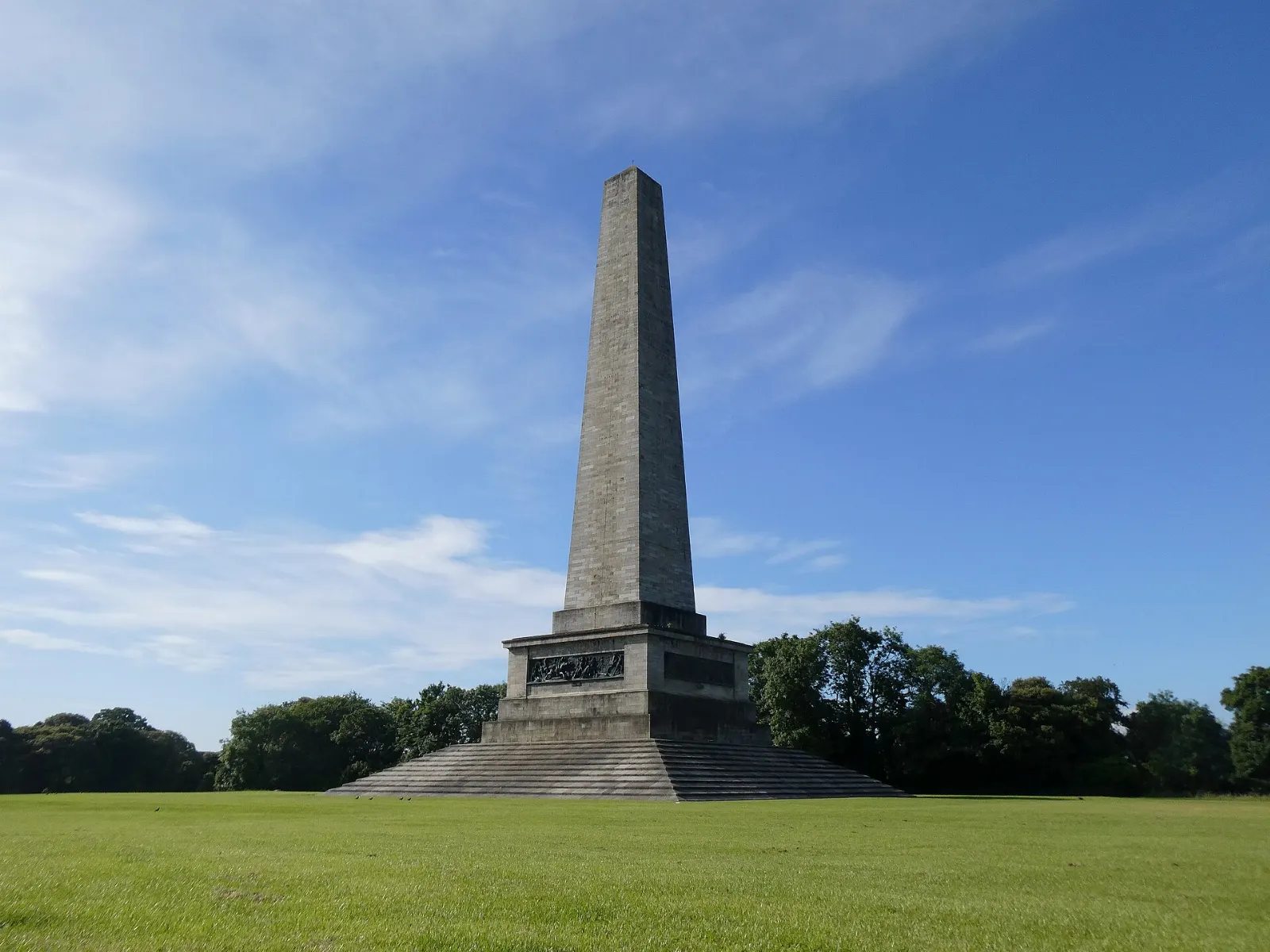
Northwest of the centre, Phoenix Park is one of the largest enclosed city parks in Europe. Inside its walls are Dublin Zoo, the residence of the President of Ireland, the towering Wellington Monument and open grassland where a herd of fallow deer roams freely.
Glasnevin Cemetery
Glasnevin is Ireland's national cemetery and the resting place of Daniel O'Connell, Michael Collins, Charles Stewart Parnell and many other figures from Irish history. The museum and guided tours explain who lies where and why it matters.
Howth
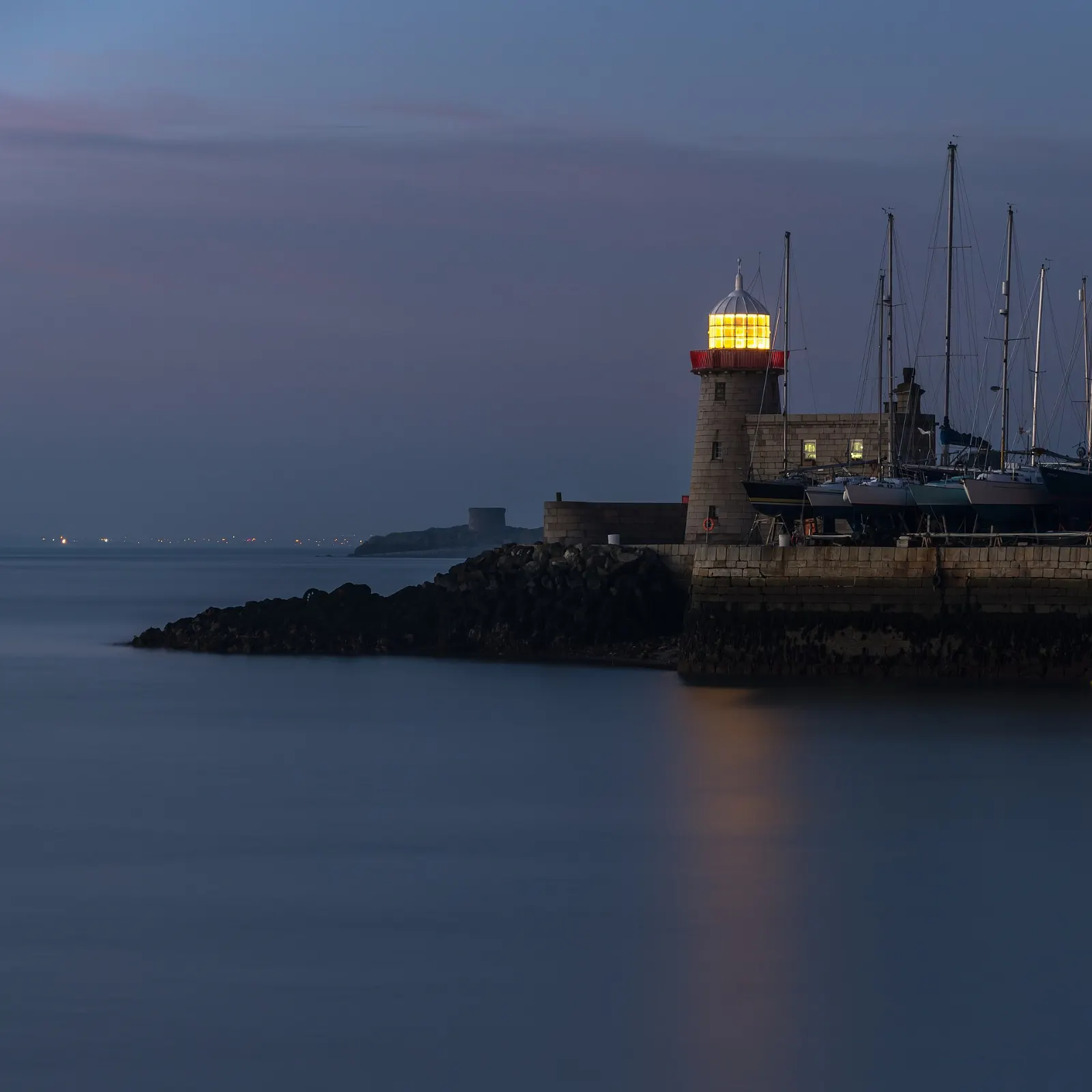
A short DART ride north of the city, Howth is a fishing village on a rocky peninsula at the edge of Dublin Bay. Walk the harbour piers, watch for seals, then follow the cliff path around Howth Head for sweeping sea views towards Ireland's Eye and the Baily Lighthouse.
 Planning a trip to Dublin?Compare hotels, flights and vacation rentals for Dublin on Expedia.Book now
Food and local flavors
Dublin's food scene has grown well beyond pub grub, though a good pub lunch is still part of any visit.
For browsing, the George's Street Arcade is a Victorian covered market with food stalls and small shops, the traders on Moore Street still sell fruit and vegetables from street barrows, and the weekend food market in Temple Bar's Meeting House Square is good for snacks.
Popular dishes to try in Dublin


Where to stay
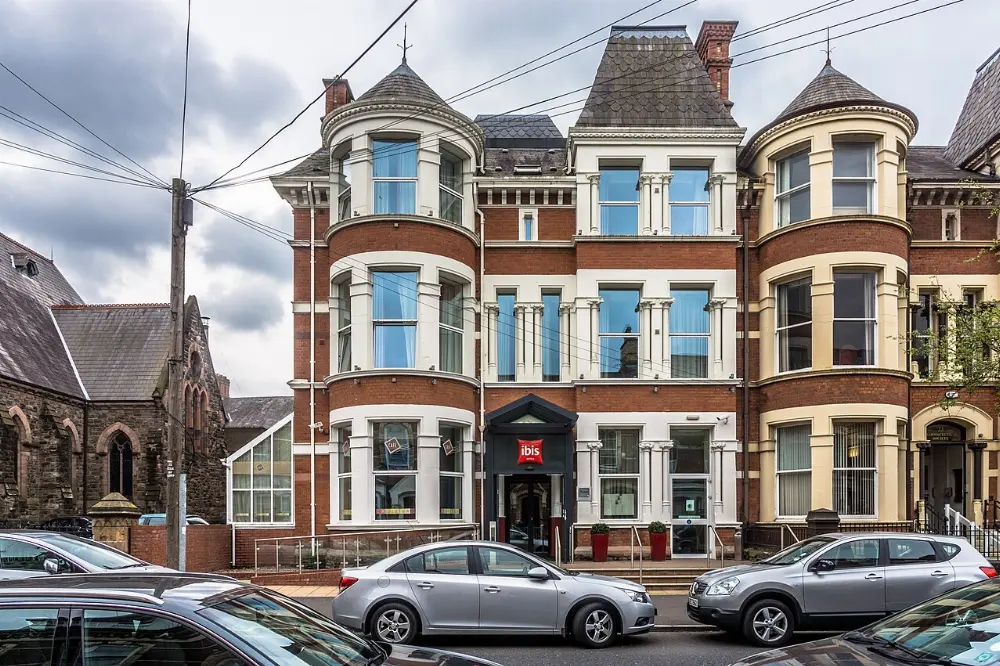
The south city centre, around Grafton Street, St Stephen's Green and the Georgian squares, suits first-time visitors who want to walk everywhere; it is the most convenient and usually the most expensive. Temple Bar puts you in the middle of the nightlife, which is fun for a short stay but noisy late into the night, so light sleepers should choose a street or two away.
North of the river, the area around O'Connell Street and Smithfield is often better value and close to Connolly Station, Busáras and the airport buses. Stoneybatter, just west, has a neighbourhood feel with good cafés and pubs.
Where to stay in Dublin

Best time to visit
Late spring through early autumn brings the longest days and the mildest weather, with summer highs usually around 20 °C. June, July and August are the busiest months, and accommodation fills up, so book well ahead.
Festivals shape the calendar. St Patrick's Festival takes over the city around 17 March with a parade and several days of events, and prices rise accordingly.
Getting there and getting around
Dublin Airport lies about 10 km north of the centre and is the main entry point to Ireland, with direct flights from much of Europe and North America. Travellers to the United States clear US immigration at the airport before departure.
Once in the city, walking is the easiest way to get around. The Luas tram has two lines: the Red Line connects Connolly and the Docklands with Heuston, while the Green Line runs north to south through the centre past St Stephen's Green.
A suggested itinerary
First day
Start early at Trinity College for the Book of Kells, then walk to the National Museum of Archaeology on Kildare Street.
Second day
Spend the morning in medieval Dublin, visiting Dublin Castle, the Chester Beatty and Christ Church Cathedral, then walk to St Patrick's Cathedral.
Third day
Take a morning tour at Kilmainham Gaol, then continue to Phoenix Park to look for the deer and walk to the Wellington Monument. If you have energy left, visit Glasnevin Cemetery and the Botanic Gardens, or rest before an evening at a theatre.
Fourth day
Take the DART to Howth for the harbour and the cliff path, with a seafood lunch afterwards.
Practical tips
- Book timed tickets for the Book of Kells, the Guinness Storehouse and especially Kilmainham Gaol as early as you can.
- Check the official websites for current hours and fees, as many attractions change their schedules between seasons.
- Pack a light waterproof jacket and comfortable shoes for showers and cobbles, whatever the month.
- Get a Leap Card for public transport; buses do not give change and many accept only the card or exact coins.
- Ireland uses the euro and Type G three-pin plugs, so bring the right adapter.
- Tipping around ten percent is customary for table service in restaurants, but not expected for drinks at the bar.