Jaipur, the capital of Rajasthan, is a city of hilltop forts, honeycomb palaces and bazaars painted in a warm terracotta pink. Founded in 1727 by Maharaja Sawai Jai Singh II, it was one of the first planned cities in India, laid out on a grid of wide streets and squares guided by the traditional principles of Vastu Shastra.
AT A GLANCE
Best time
October to March, when days are warm and sunny and evenings are cool.
How long
Three days covers the forts and old city; add a fourth for slower shopping and day trips.
Getting there
Fly into Jaipur International Airport or take a fast train from Delhi or Agra.
Why visit Jaipur
Few cities wear their history as openly as Jaipur. In 1876, ahead of a visit by the Prince of Wales, the walled city was painted pink, the color of hospitality, and the tradition has been maintained ever since, giving the old bazaars their famous glow.
Jaipur is also a living craft capital. Block-printed textiles, blue pottery, gemstones, silver jewelry, lac bangles and carpets are still made and sold in its lanes, often in the same family workshops for generations.
The hill forts of Amer and the Aravallis
Amber Fort
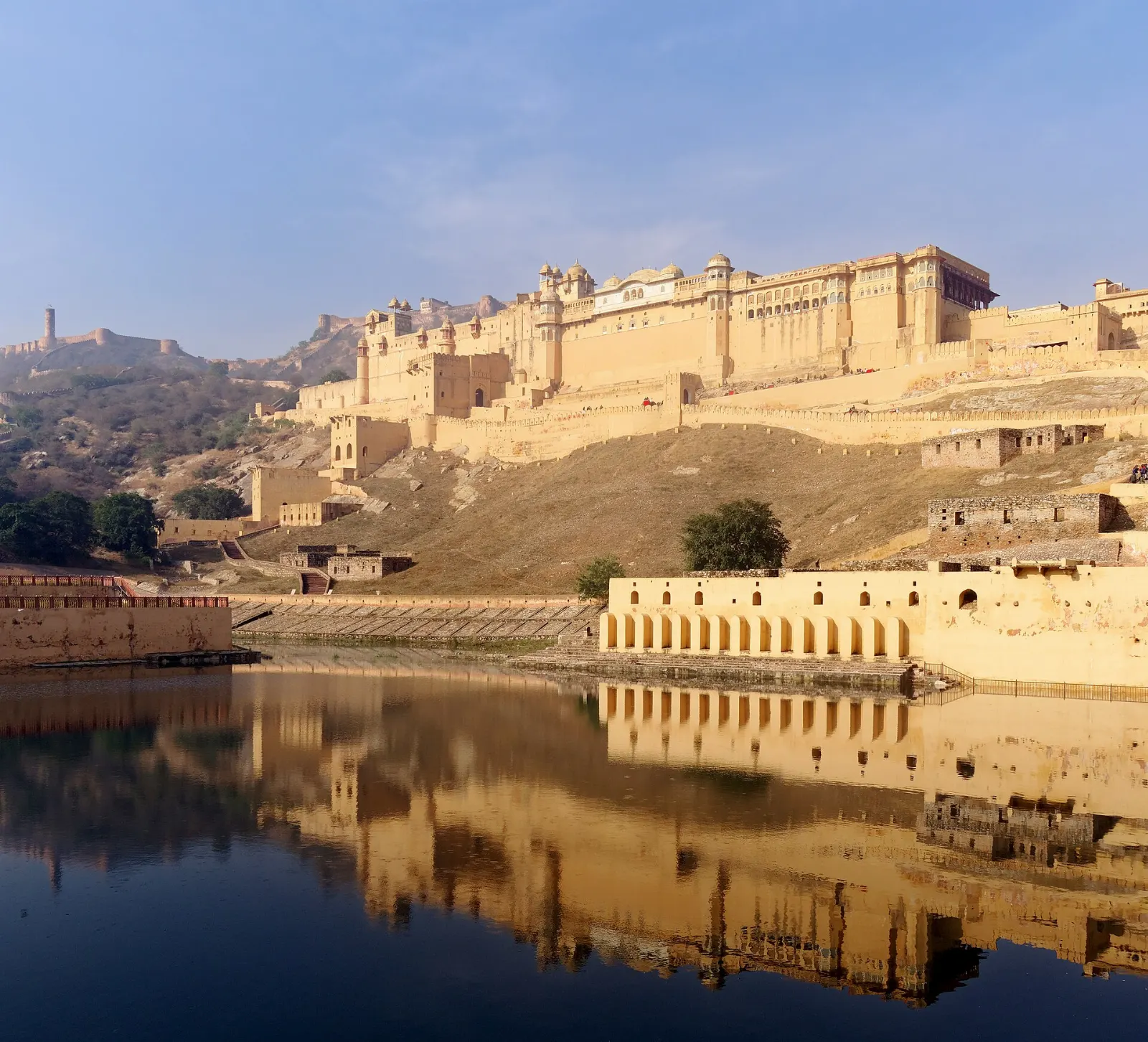
About eleven kilometers north of the city, Amber Fort, also spelled Amer, rises above Maota Lake on the slopes of the Aravallis. Built from the late sixteenth century by Raja Man Singh I and expanded by his successors, it combines Rajput and Mughal styles in a series of courtyards that grow more lavish as you climb.
Allow three hours. Arrive at opening time to beat both the heat and tour buses.
Panna Meena ka Kund
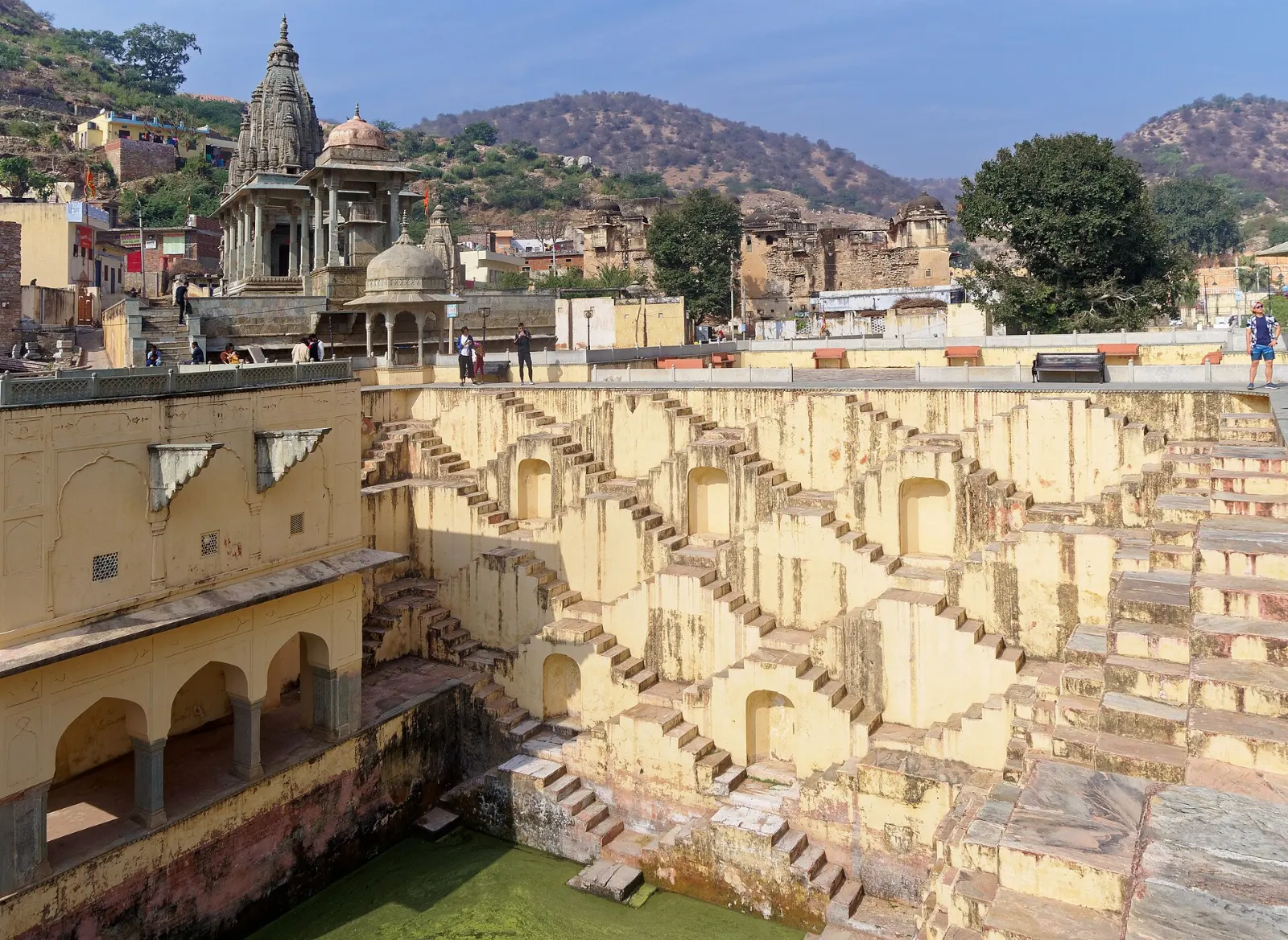
A few minutes' walk from Amber Fort, this eighteenth-century stepwell is lined with criss-crossing flights of steps that create a mesmerizing geometric pattern. It takes only twenty to thirty minutes.
Jaigarh Fort
On the ridge directly above Amber, Jaigarh Fort was built to protect the palace below and is connected to it by fortified walls. It houses the Jaivana, one of the largest wheeled cannons ever made, along with foundries, water reservoirs and armory exhibits.
Nahargarh Fort
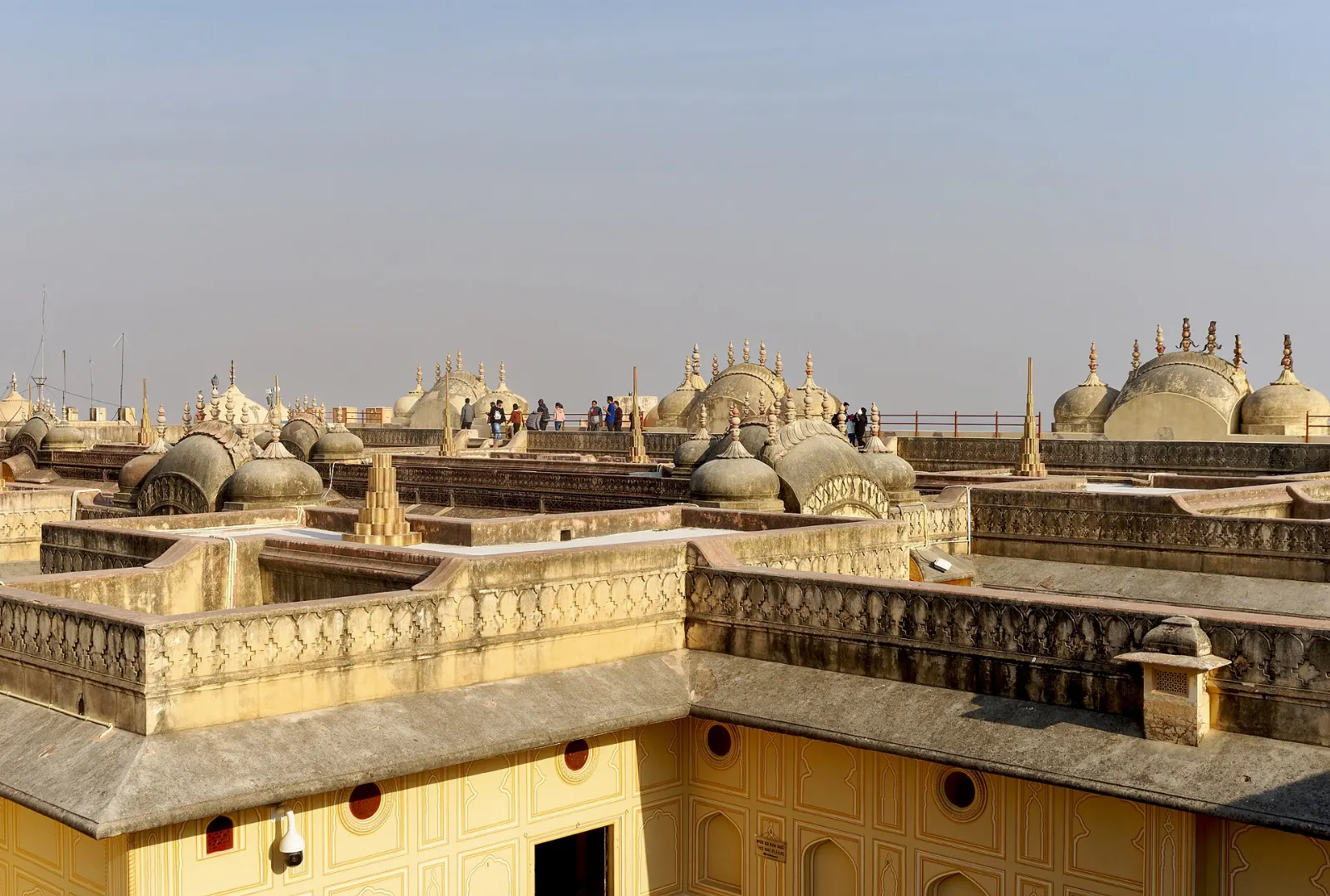
Perched on the edge of the hills directly above the old city, Nahargarh was built in 1734 as a retreat and defensive post.
The walled city and royal landmarks
Hawa Mahal
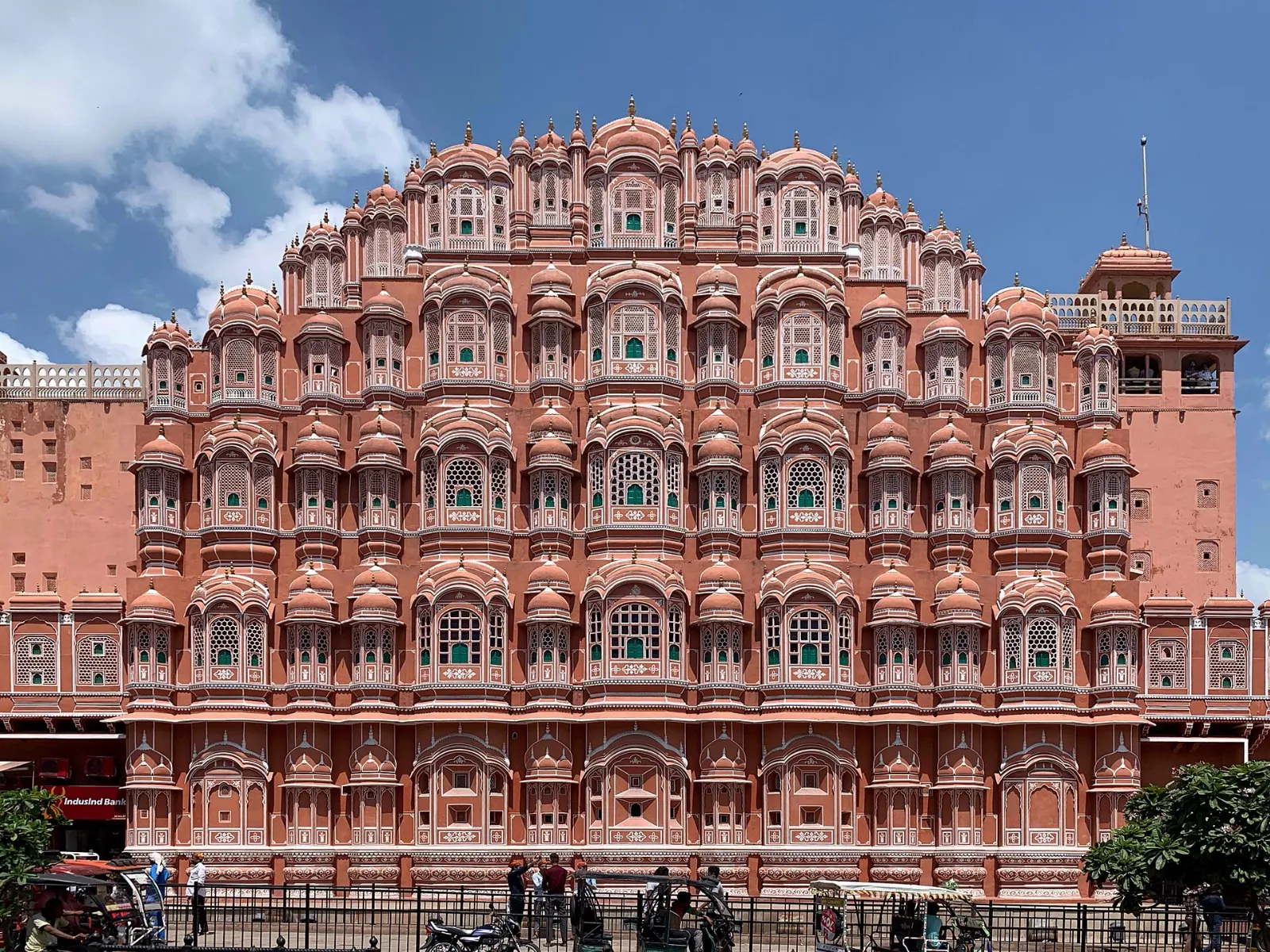
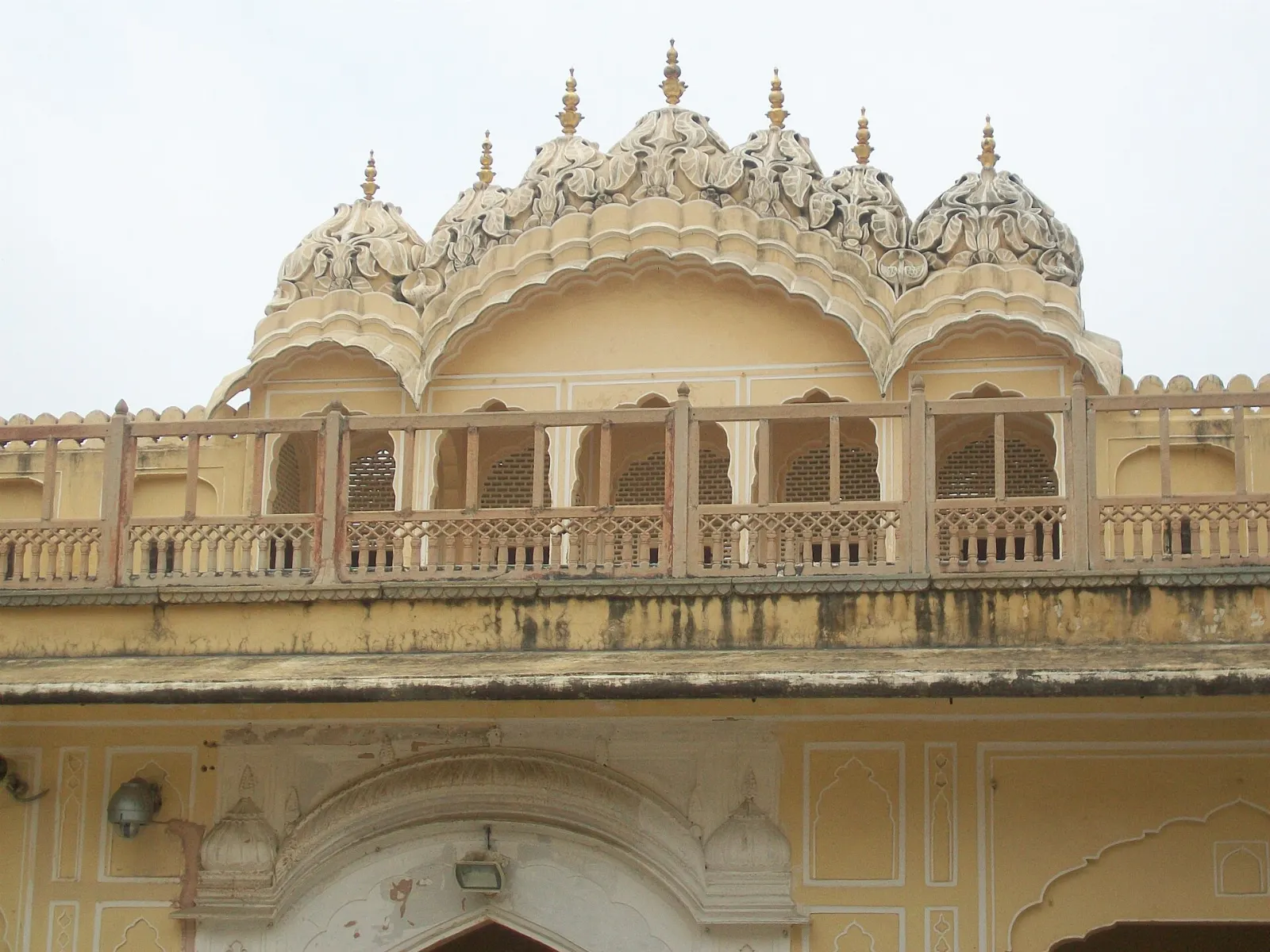
Built in 1799 by Maharaja Sawai Pratap Singh, the Palace of Winds is the city's best-known facade: a five-storey screen of pink sandstone with hundreds of small latticed windows, designed so that royal women could watch street life and processions without being seen.
City Palace
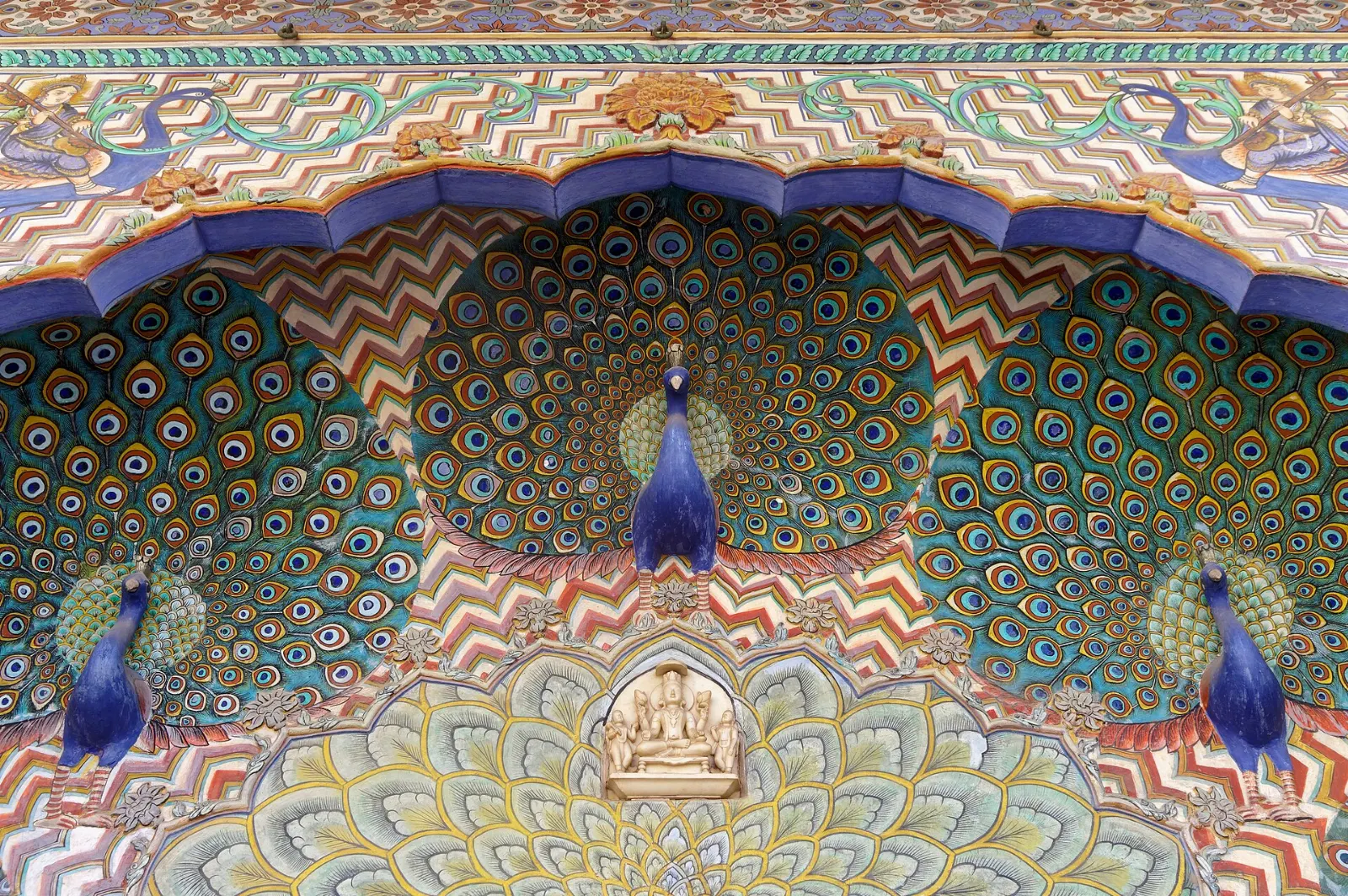
In the heart of the old city, the City Palace complex remains home to Jaipur's former royal family, who still live in part of it.
Jantar Mantar
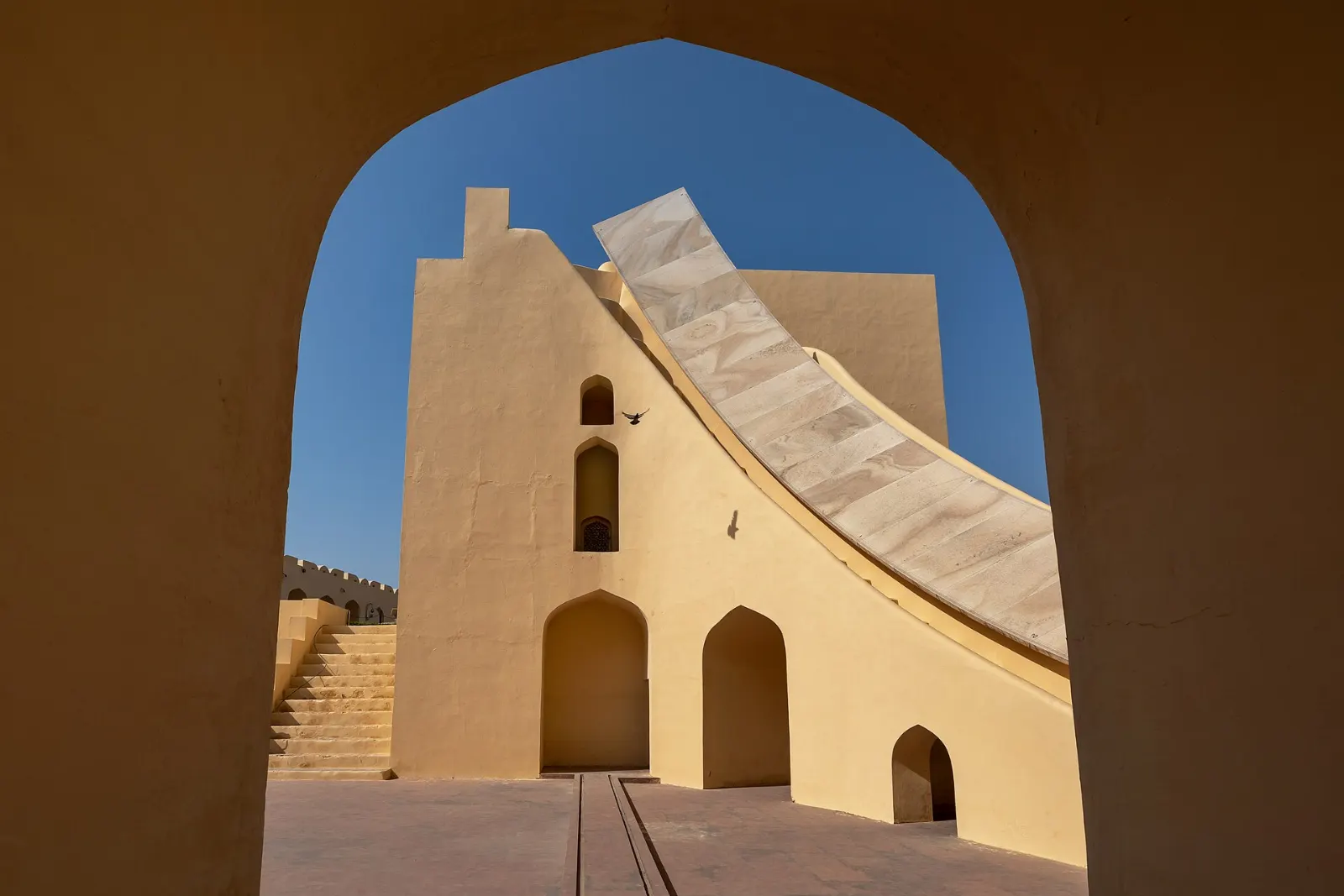
Next to the City Palace, Jantar Mantar is a collection of nineteen monumental astronomical instruments completed in the 1730s under Sawai Jai Singh II, who was a keen astronomer.
Albert Hall Museum
In the Ram Niwas Garden just south of the walled city, the Albert Hall is the oldest museum in Rajasthan, housed in an Indo-Saracenic building designed by Samuel Swinton Jacob. Its collection spans carpets, miniature paintings, metalwork, pottery and an Egyptian mummy.
Temples, lakes and gardens
Jal Mahal
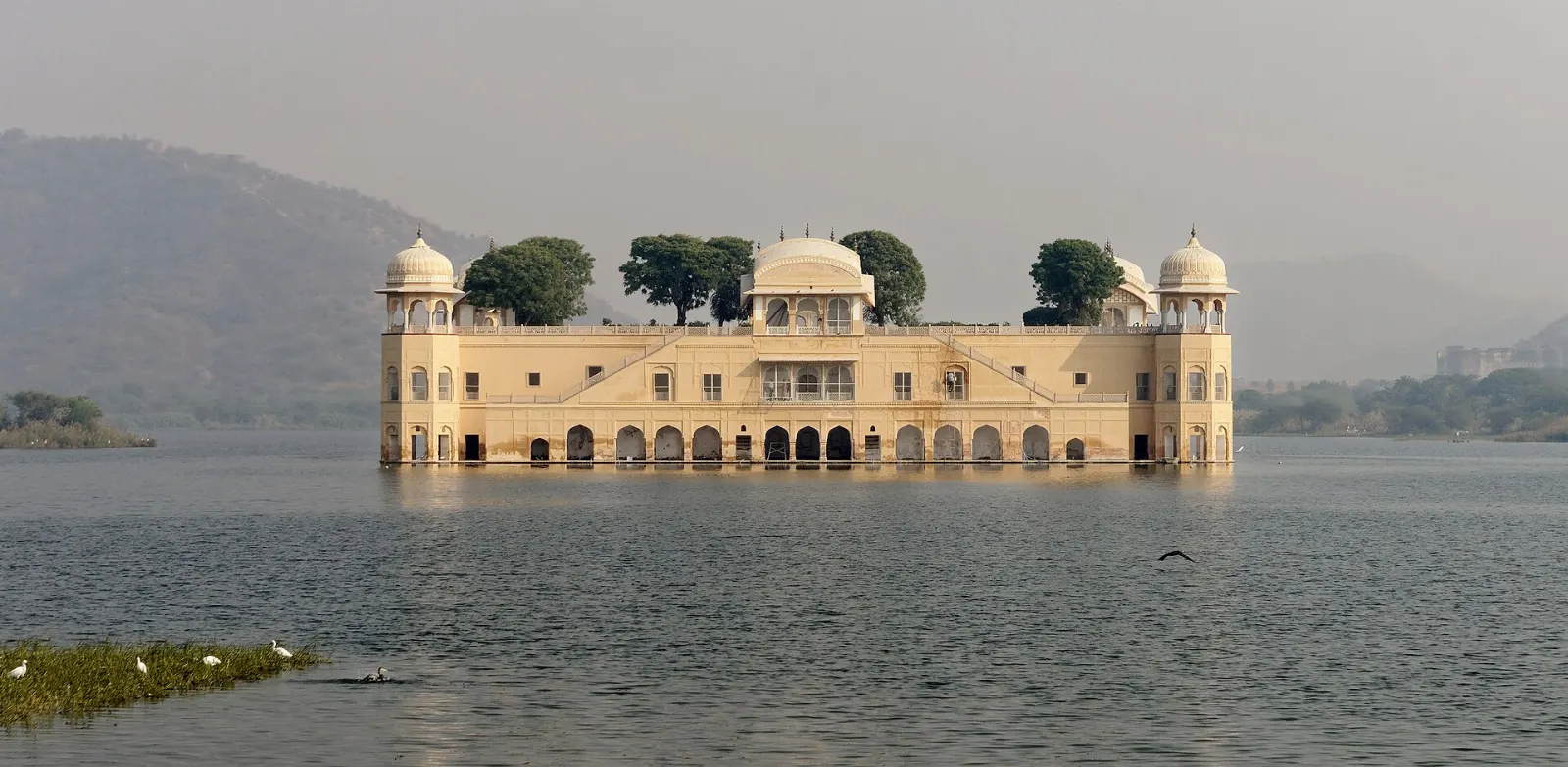
On the road between the city and Amber, the Jal Mahal, or Water Palace, appears to float in the middle of Man Sagar Lake, with the Aravalli hills rising behind.
Galtaji
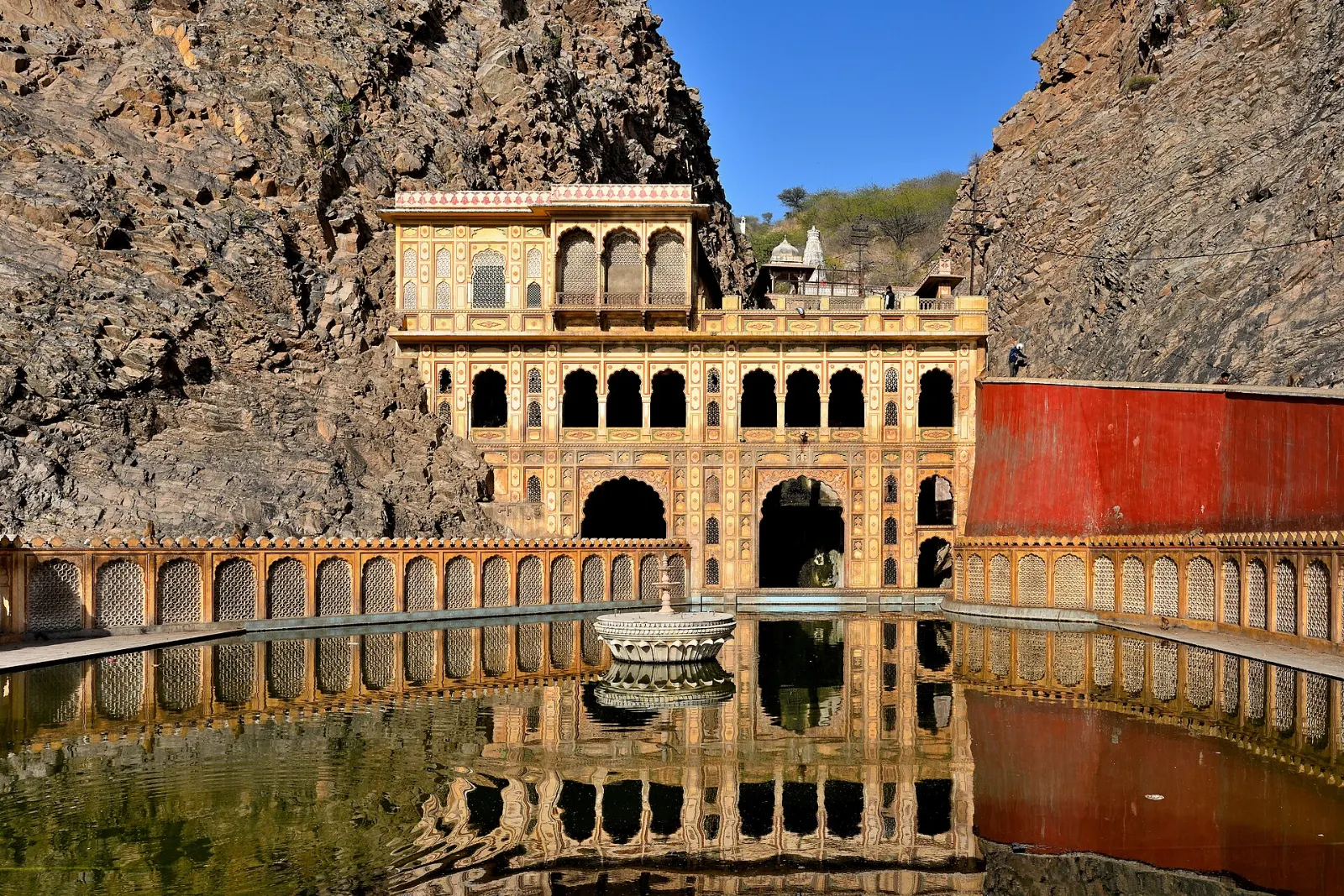
In a narrow gorge on the eastern edge of the city, Galtaji is a complex of temples and sacred water tanks fed by a natural spring, popular with pilgrims and home to a large troop of macaques, which has earned it the nickname the Monkey Temple.
Birla Mandir and Patrika Gate
The Birla Mandir, also known as the Lakshmi Narayan Temple, is built of white marble and beautifully lit at night.
 Planning a trip to Jaipur?Compare hotels, flights and vacation rentals for Jaipur on Expedia.Book now
Food and local flavors
Rajasthani food was shaped by the desert, and its dishes use lentils, millet, dairy and dried beans that keep well in the heat. Dal baati churma, the state's signature meal, combines baked wheat dumplings drizzled with ghee, spiced lentils and a sweet crumbled wheat dessert.
Jaipur is also a city of snacks and sweets. Pyaaz kachori, a flaky pastry stuffed with spiced onion, is the breakfast of choice, and Rawat Mishthan Bhandar near Sindhi Camp is famous for it.
Popular dishes to try in Jaipur


Where to stay
Inside or near the walled city, you are close to Hawa Mahal, the City Palace and the bazaars, with heritage havelis converted into guesthouses; it suits travelers who want atmosphere and do not mind noise and traffic.
For a more relaxed stay, the Amer Road area near Jal Mahal places you closer to the forts. Many of Jaipur's former royal residences now operate as heritage hotels, offering a chance to sleep in a palace or haveli.
Where to stay in Jaipur


Best time to visit
October to March is the ideal season, with sunny days, cool evenings and clear skies over the forts; December and January nights can be chilly.
April to June is fiercely hot, with temperatures that make midday sightseeing difficult. The monsoon, from July to September, brings humidity and occasional downpours but greener hills.
Getting there and getting around
By air: Jaipur International Airport, in Sanganer south of the city, has domestic flights across India and some international connections, mainly to the Gulf.
Around the city, ride-hailing apps such as Uber and Ola, plus auto rickshaws and e-rickshaws, are easy to find; agree on fares before riding in an auto. The Jaipur Metro pink line runs from Mansarovar in the southwest through the city center to Badi Chaupar in the walled city.
A suggested itinerary
First day
Start early at Amber Fort, then walk to Panna Meena ka Kund and drive up to Jaigarh Fort.
Second day
Photograph Hawa Mahal in the early morning light, then tour the City Palace and Jantar Mantar. After lunch, browse the bazaars for textiles and blue pottery, and finish with sunset at Nahargarh Fort.
Third day
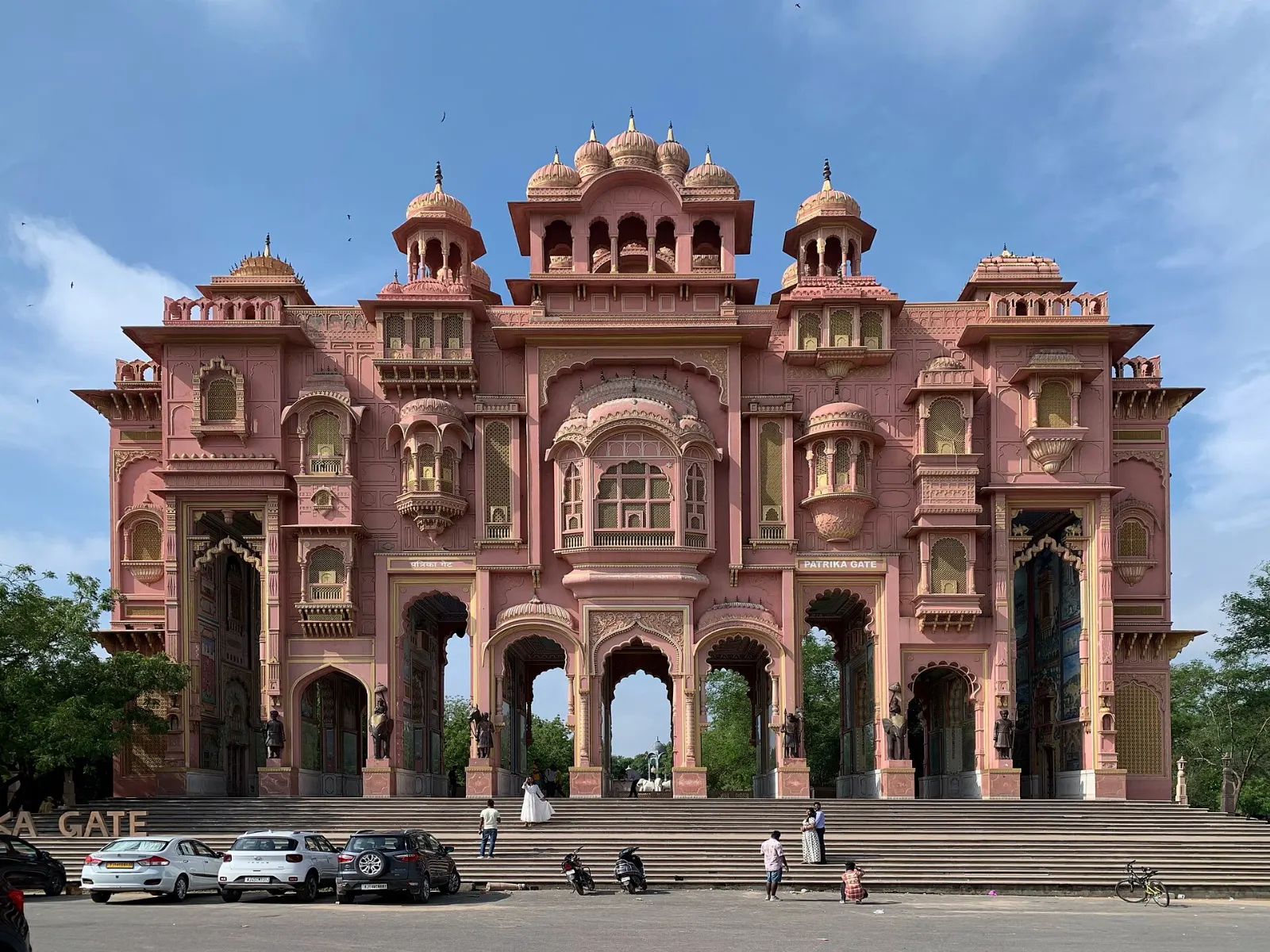
Visit Patrika Gate early, then spend the late morning at the Albert Hall Museum.
Practical tips
- Buy a composite ticket if you plan to see several state-run monuments, and keep it handy as it is checked at each site.
- Arrive at Amber Fort at opening time to avoid crowds and heat.
- Choose ethical options and skip elephant rides at Amber.
- Be firm with touts offering gemstone deals, and shop at fixed-price government emporiums if you are unsure about quality.
- Dress modestly, especially at temples, and remove shoes where required.
- Carry water, sunscreen and a hat, since many sites involve climbing in the sun.