Paris needs little introduction, yet it still surprises first-time visitors with how walkable and varied it is.
AT A GLANCE
Best time
April to June and September to October for mild weather and longer days without the peak summer crowds.
How long
Four to five days for the major sights, plus a day trip to Versailles.
Getting there
Fly into Charles de Gaulle or Orly airport, or arrive by high-speed train at one of the city's main stations.
Why visit Paris
Few cities hold so many world-class museums, monuments and gardens in such a compact space. The Louvre and the Musee d'Orsay alone could fill several days, and the cathedral of Notre-Dame, reopened in December 2024 after five years of restoration, is again one of the great sights of Europe.
But Paris is also a city to experience slowly. Some of the best moments come from small things: a coffee on a cafe terrace, a picnic in a park, a stroll through a covered passage or a browse in a street market.
The Eiffel Tower and the Louvre axis
The most famous monuments line up along and near the Seine, connected by riverside paths and grand gardens.
Eiffel Tower
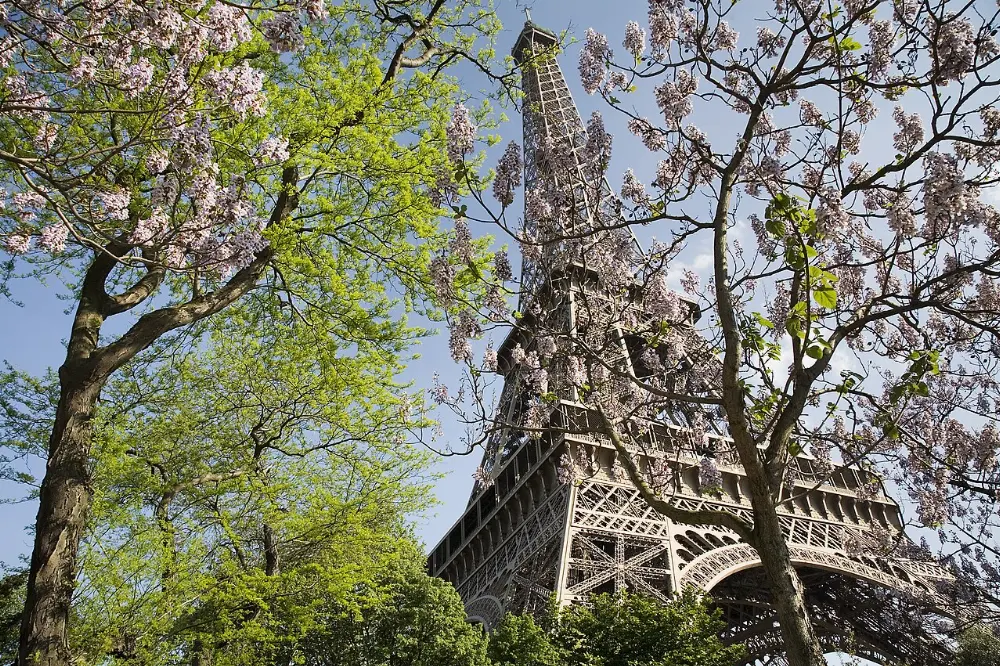
Completed in 1889, the tower is best appreciated from a distance and from below as well as from the top. The terraces of the Trocadero across the river and the lawns of the Champ de Mars offer the classic views.
The Louvre
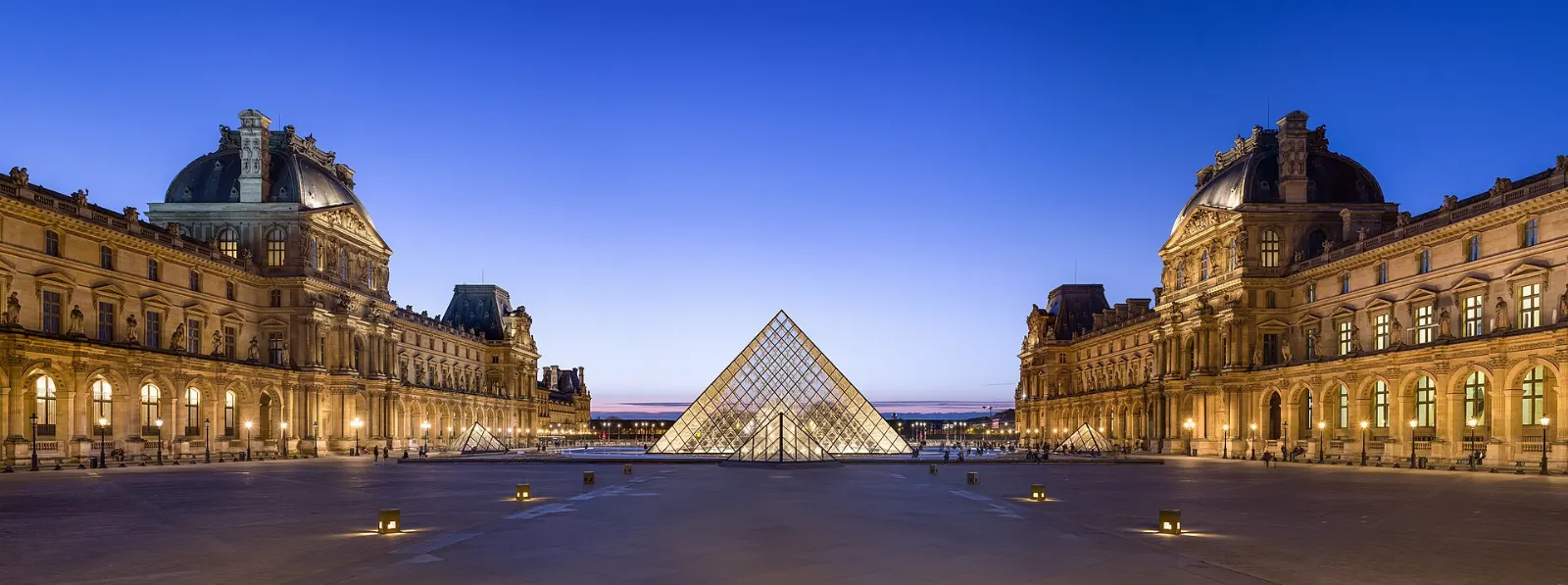
The world's most visited museum occupies a former royal palace and holds everything from the Mona Lisa and the Winged Victory of Samothrace to Egyptian antiquities and French painting. Allow at least three hours and focus on one or two wings rather than trying to see it all.
Tuileries Garden and the Musee de l'Orangerie
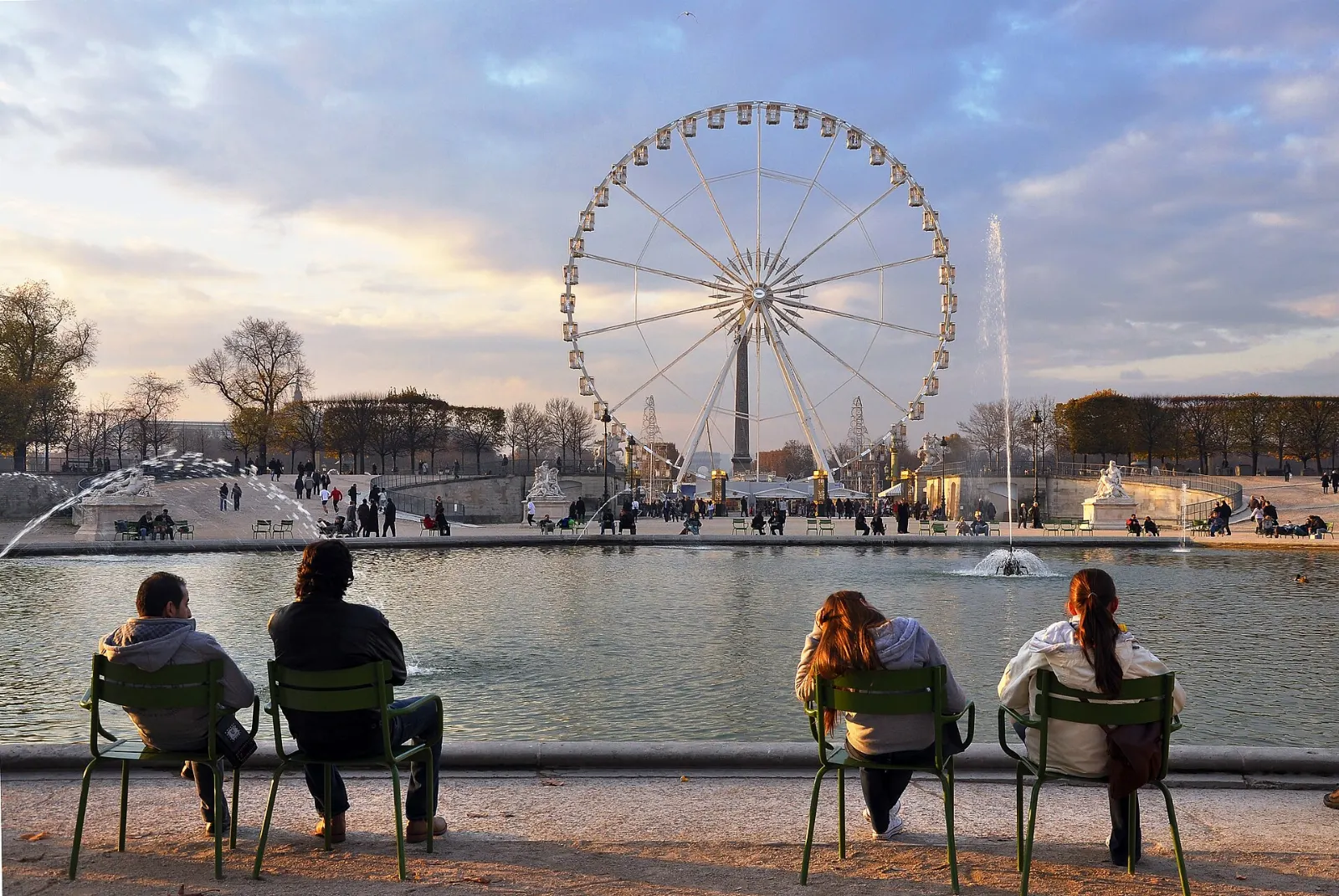
West of the Louvre, the formal Tuileries Garden leads to the Place de la Concorde, with its Egyptian obelisk. In one corner, the Musee de l'Orangerie displays Monet's huge Water Lilies paintings in two oval rooms designed for them.
Arc de Triomphe and the Champs-Elysees
The broad avenue of the Champs-Elysees runs from Concorde up to the Arc de Triomphe, which honors the armies of the Revolution and the Napoleonic era and shelters the Tomb of the Unknown Soldier.
The islands and the Left Bank
The two islands in the Seine are the historic heart of Paris, and the Left Bank across from them has long been home to students, writers and artists.
Notre-Dame de Paris
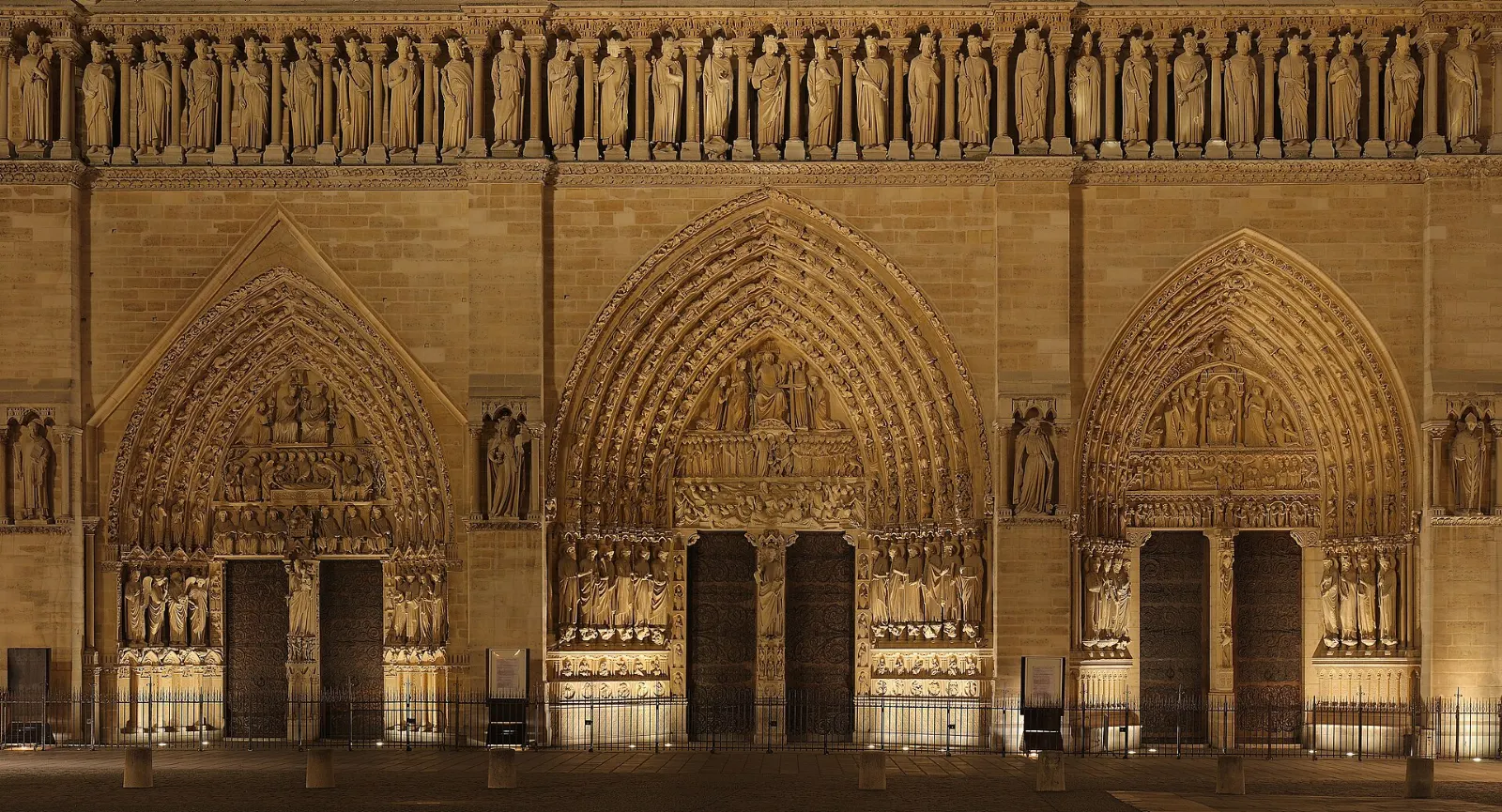
After the fire of April 2019, the cathedral on the Ile de la Cite was painstakingly restored and reopened at the end of 2024, with cleaned stonework, a rebuilt spire and a bright, luminous interior.
Sainte-Chapelle
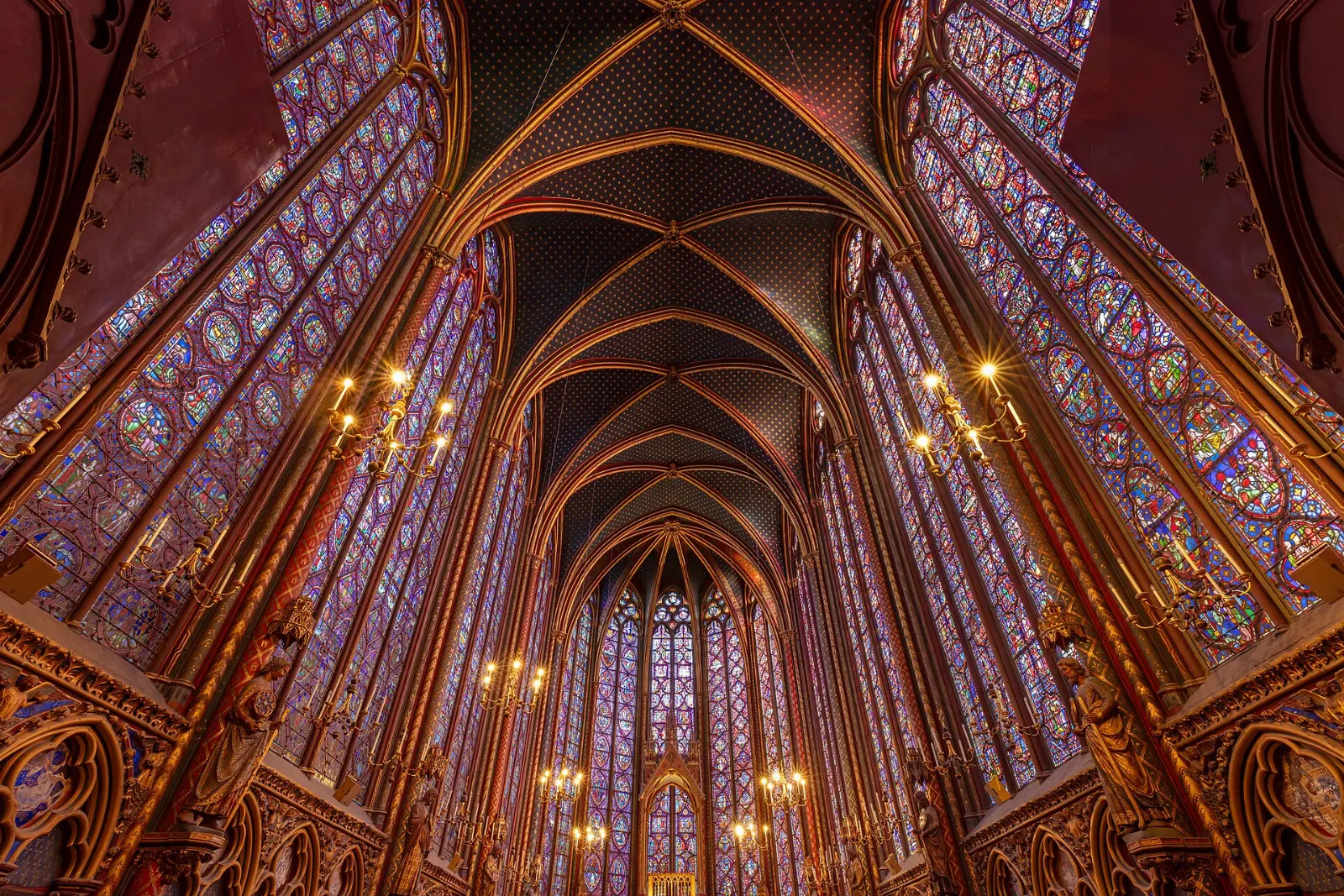
A few minutes' walk away, within the walls of the Palais de Justice, this royal chapel was built in the thirteenth century to hold relics. Its upper chapel is lined with tall walls of stained glass that tell biblical stories in deep blues and reds.
Musee d'Orsay
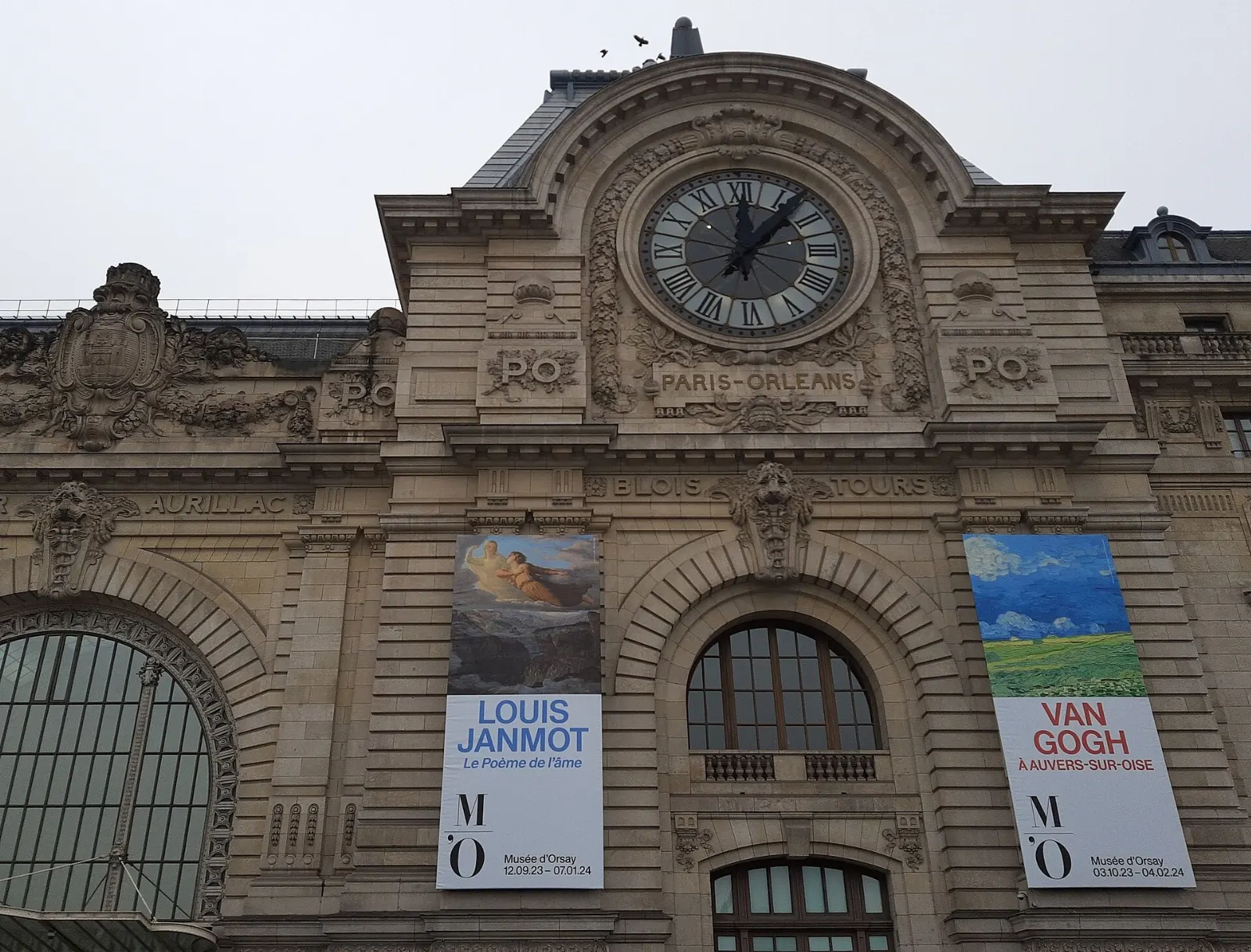
Set in a grand former railway station, the Orsay holds the world's finest collection of Impressionist and Post-Impressionist art, with works by Monet, Renoir, Degas, Van Gogh and Cezanne. Do not miss the view through the giant clock on the upper level.
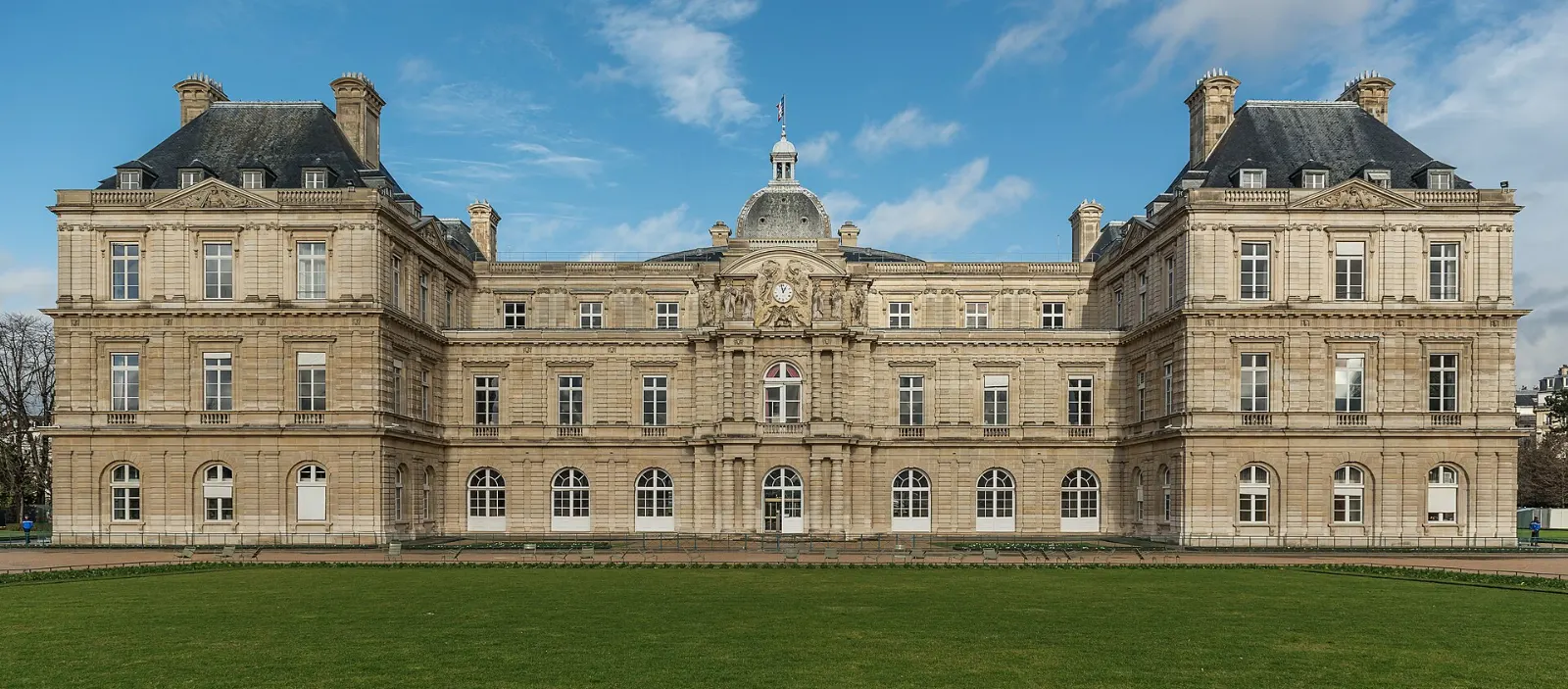
Saint-Germain-des-Pres and the Luxembourg Gardens
Saint-Germain is known for its literary cafes, bookshops, galleries and the Romanesque church that gives the area its name.
The Marais, Montmartre and beyond
For neighborhood life, head to the Marais in the center and Montmartre in the north.
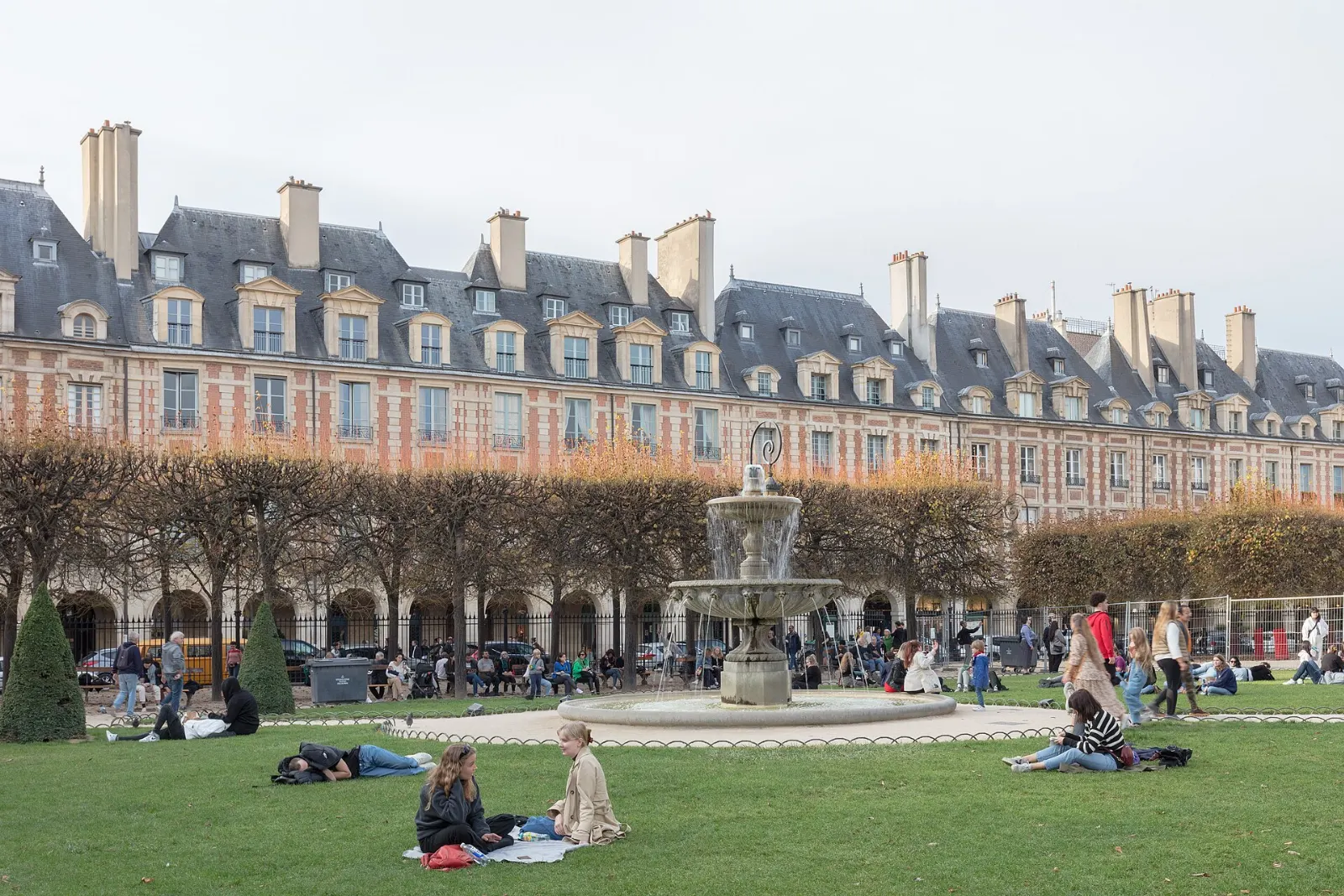
Le Marais and the Place des Vosges
The Marais is a maze of medieval and seventeenth-century streets packed with mansions, boutiques, galleries and cafes.
Montmartre and the Sacre-Coeur
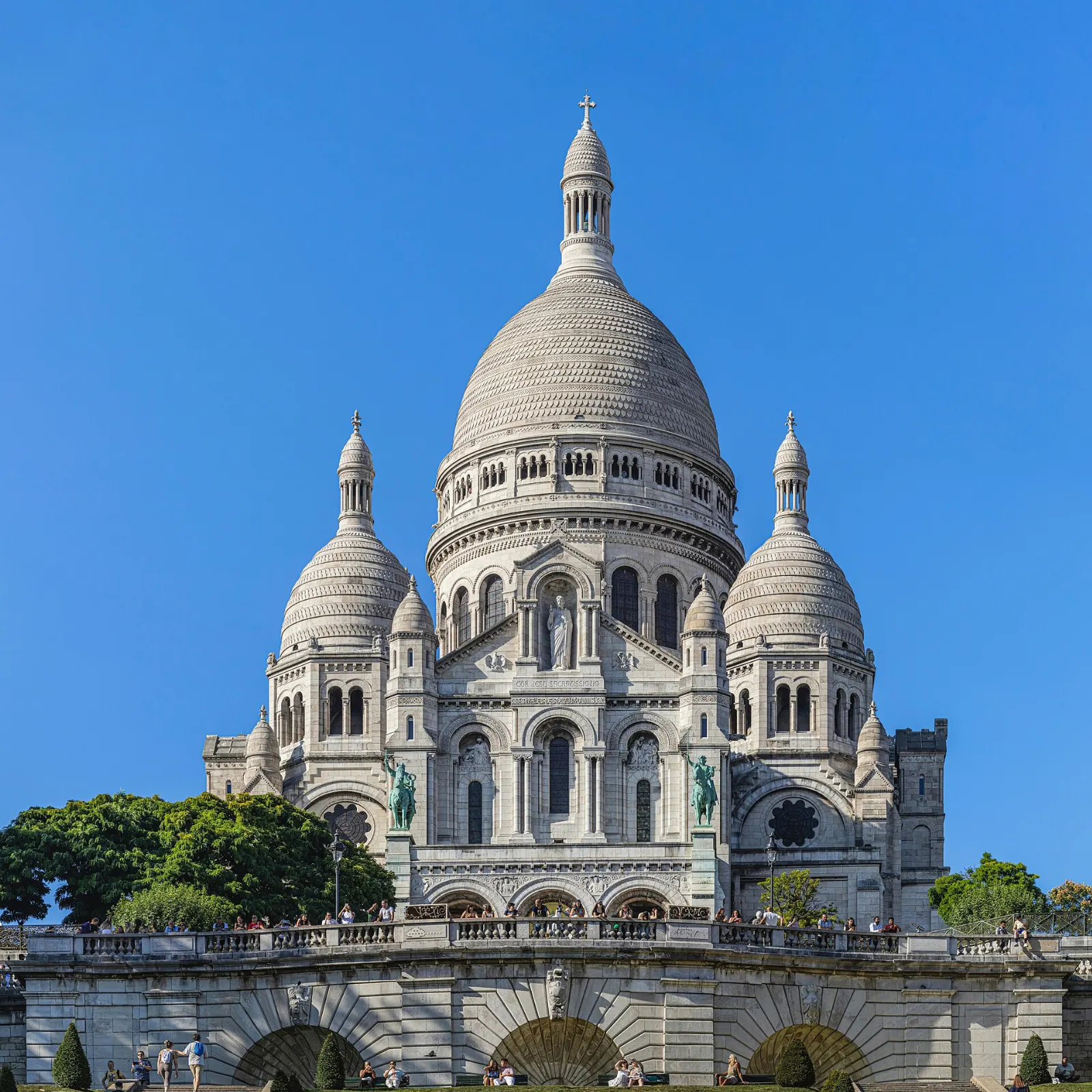
Montmartre's hilltop village still has cobbled streets, a small vineyard and the Place du Tertre, where painters work outdoors. The white Basilica of the Sacre-Coeur sits at the top, with a sweeping view over the city from its steps.
Pere Lachaise Cemetery
This vast, wooded cemetery in the east of the city is the resting place of Chopin, Oscar Wilde, Edith Piaf, Jim Morrison and many other famous names. Its paths and monuments make for a calm, atmospheric walk.
Palace of Versailles
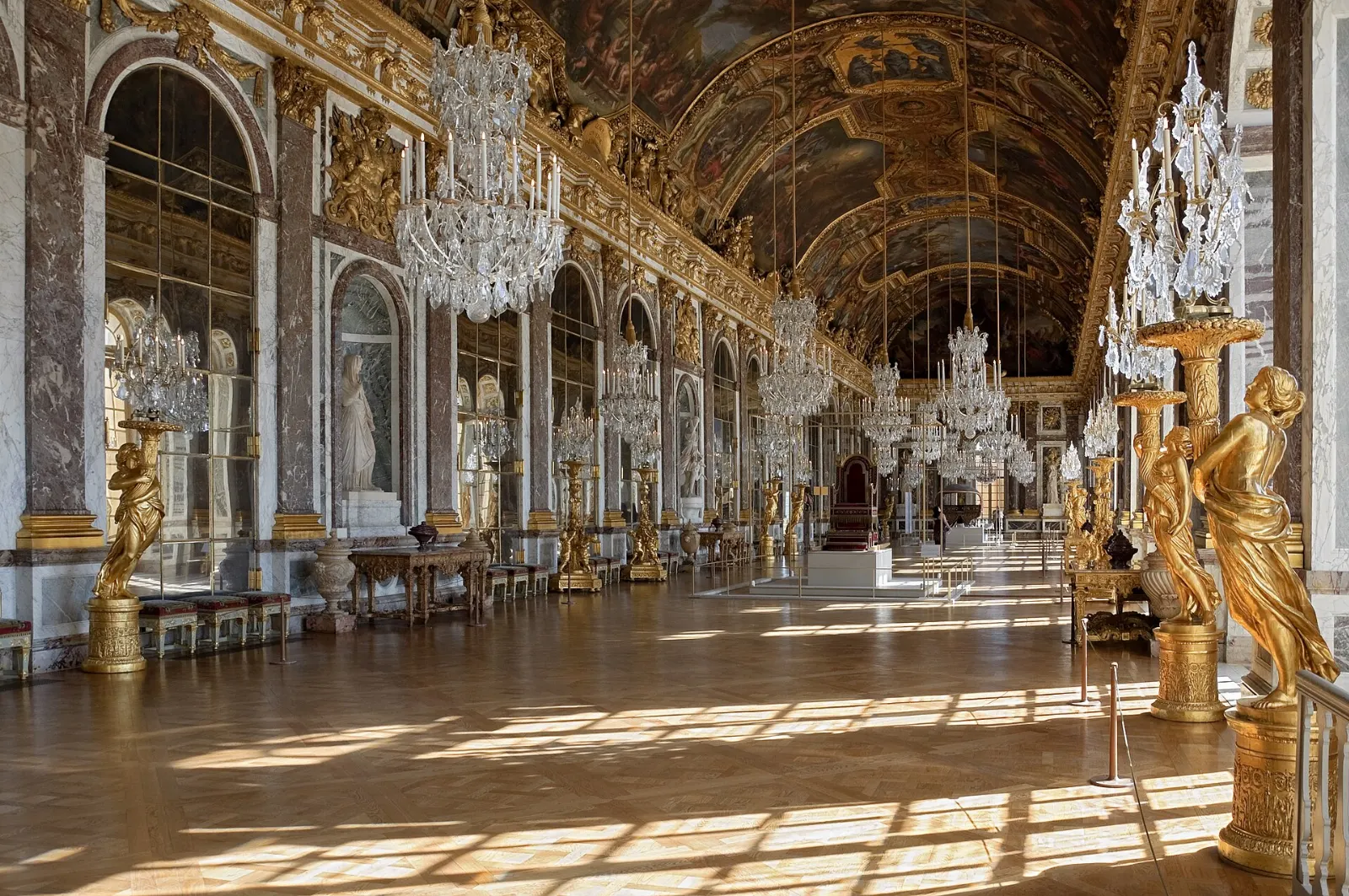
The royal palace and gardens southwest of Paris make the most popular day trip from the city. Highlights include the Hall of Mirrors, the State Apartments, the formal gardens with their fountains and Marie-Antoinette's estate around the Trianon.
Food and local flavors
Eating well in Paris is part of the experience. Start the day in a bakery with a croissant or pain au chocolat, and buy a baguette tradition for a picnic.
Markets are a joy. The Marche des Enfants Rouges in the Marais, dating to the seventeenth century, is the oldest covered market in Paris and full of food stalls.
For sweets, Berthillon on the Ile Saint-Louis has been making ice cream for decades, and the city's patisseries are works of art.
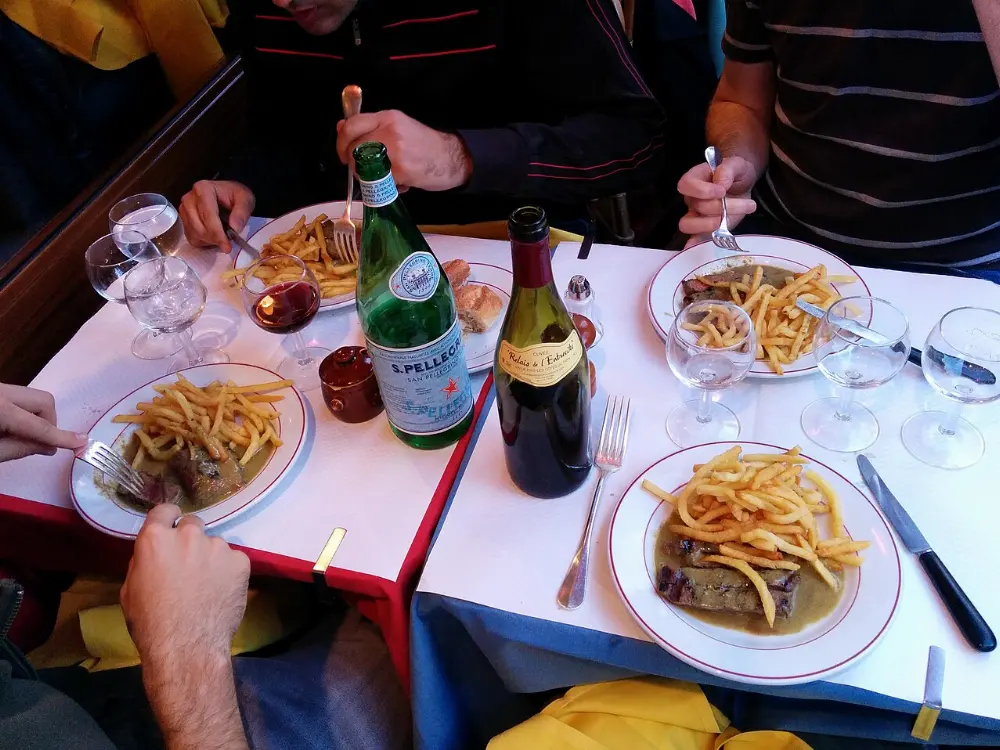
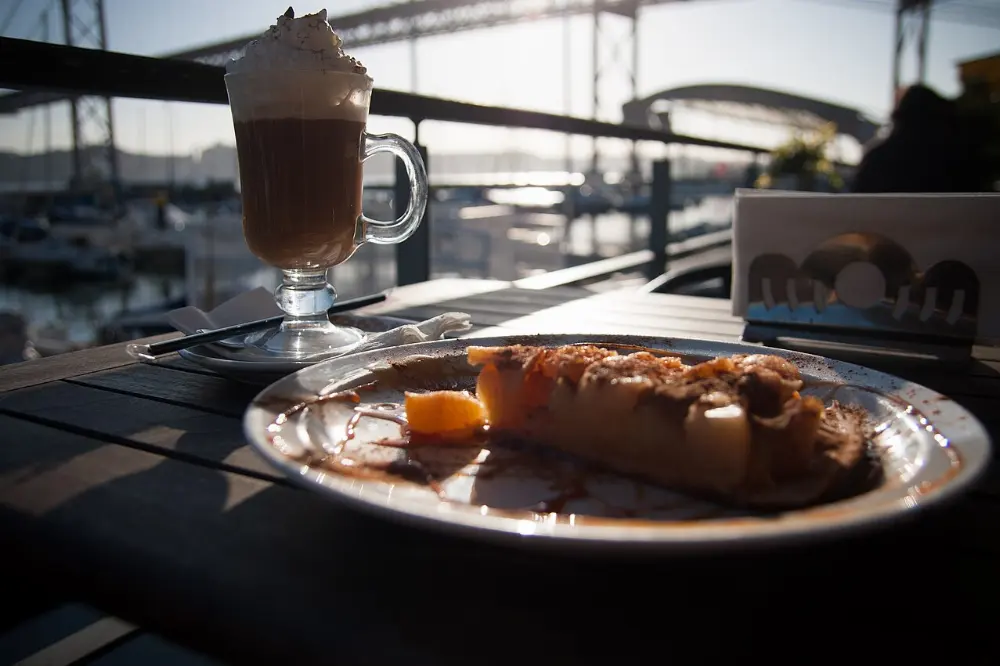
Popular dishes to try in Paris


Where to stay
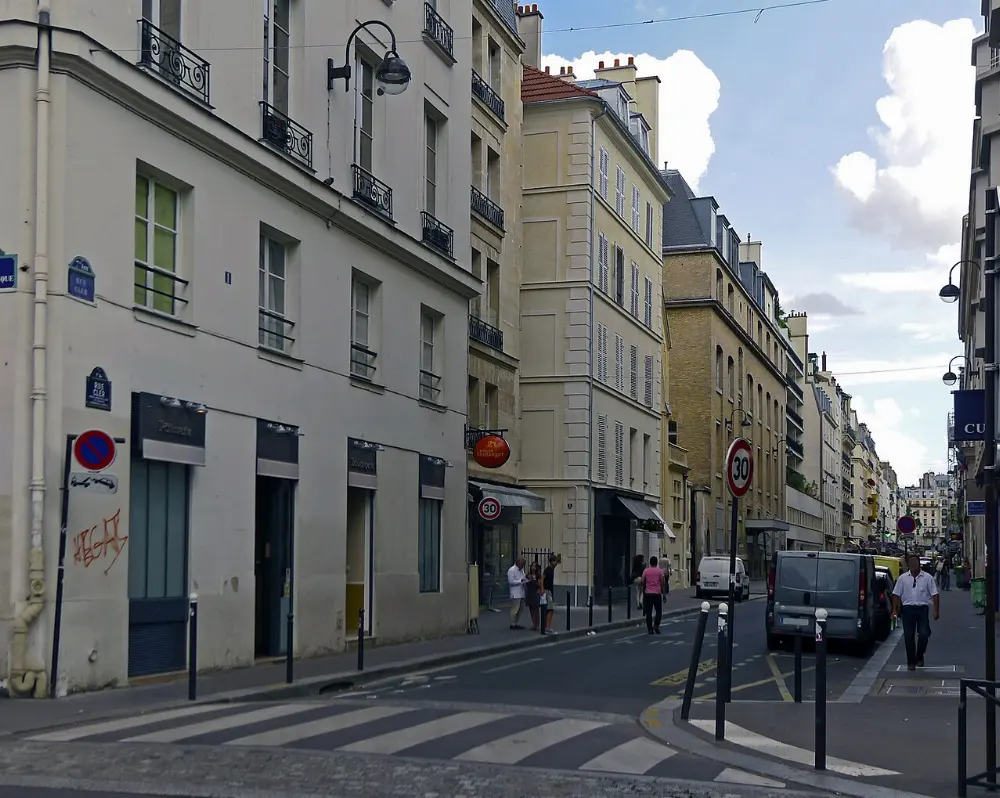
The Marais, covering parts of the third and fourth arrondissements, is central, walkable and lively, and suits first-time visitors who want character and nightlife.
The seventh arrondissement, near the Eiffel Tower and Rue Cler, is calm and elegant, good for families. The area around the Opera and the grand department stores, in the ninth, has excellent transport links.
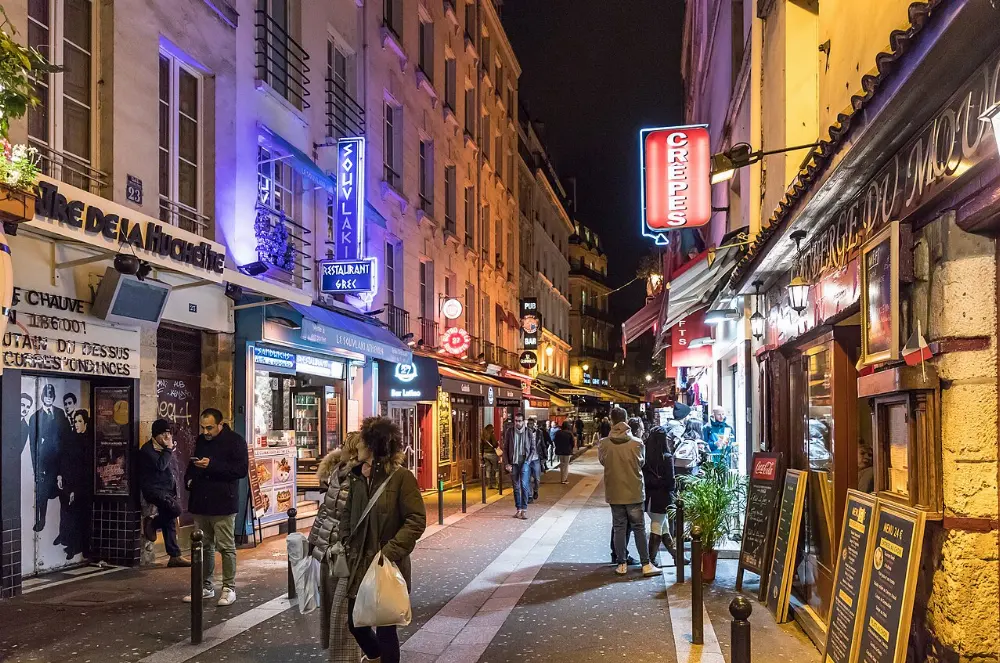
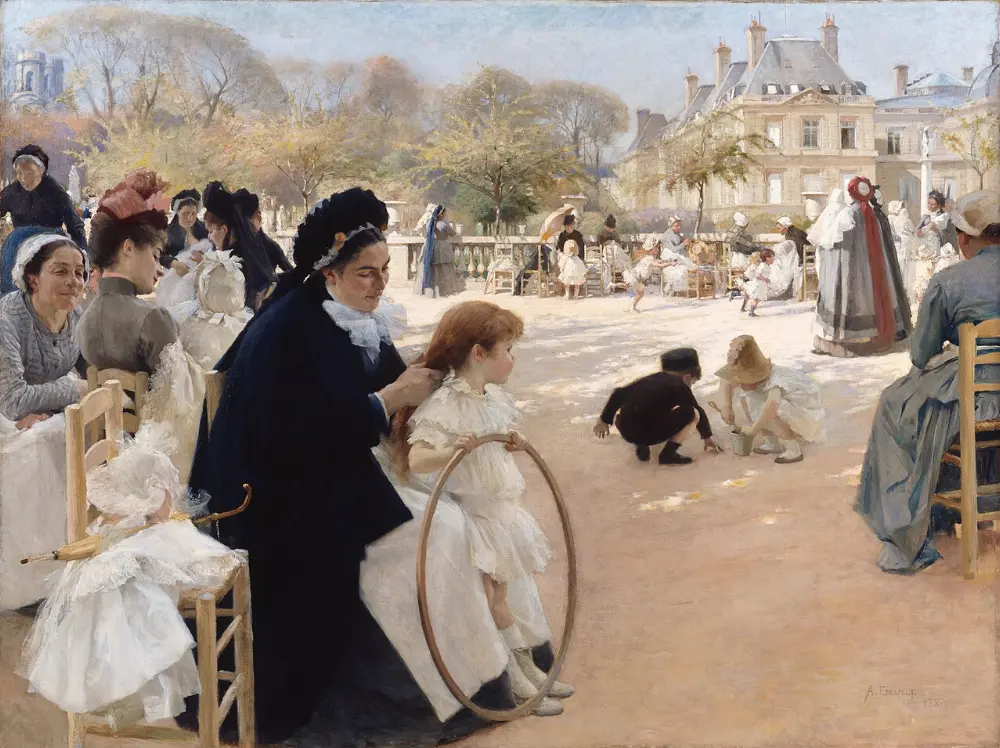
Where to stay in Paris
Best time to visit
Spring, from April to June, brings blossoms, mild temperatures and long evenings, though showers are common.
September and October are excellent, with pleasant weather, the return of cultural life and the Nuit Blanche all-night arts festival in early autumn. Winter is cold and gray but quieter, and Christmas lights and markets add festive charm.
Getting there and getting around
Charles de Gaulle Airport, northeast of the city, handles most long-haul flights and is linked to central Paris by the RER B train, buses and taxis.
The metro is the fastest way around, with stations every few blocks in the center. Buy tickets in the official transit app or load a Navigo Easy card at station machines.
A suggested itinerary
First day
Start at Notre-Dame and the Sainte-Chapelle, cross to the Left Bank for lunch in the Latin Quarter, then relax in the Luxembourg Gardens and stroll through Saint-Germain.
Second day
Spend the morning at the Louvre, walk through the Tuileries to the Orangerie and continue up the Champs-Elysees to the Arc de Triomphe for sunset.
Third day
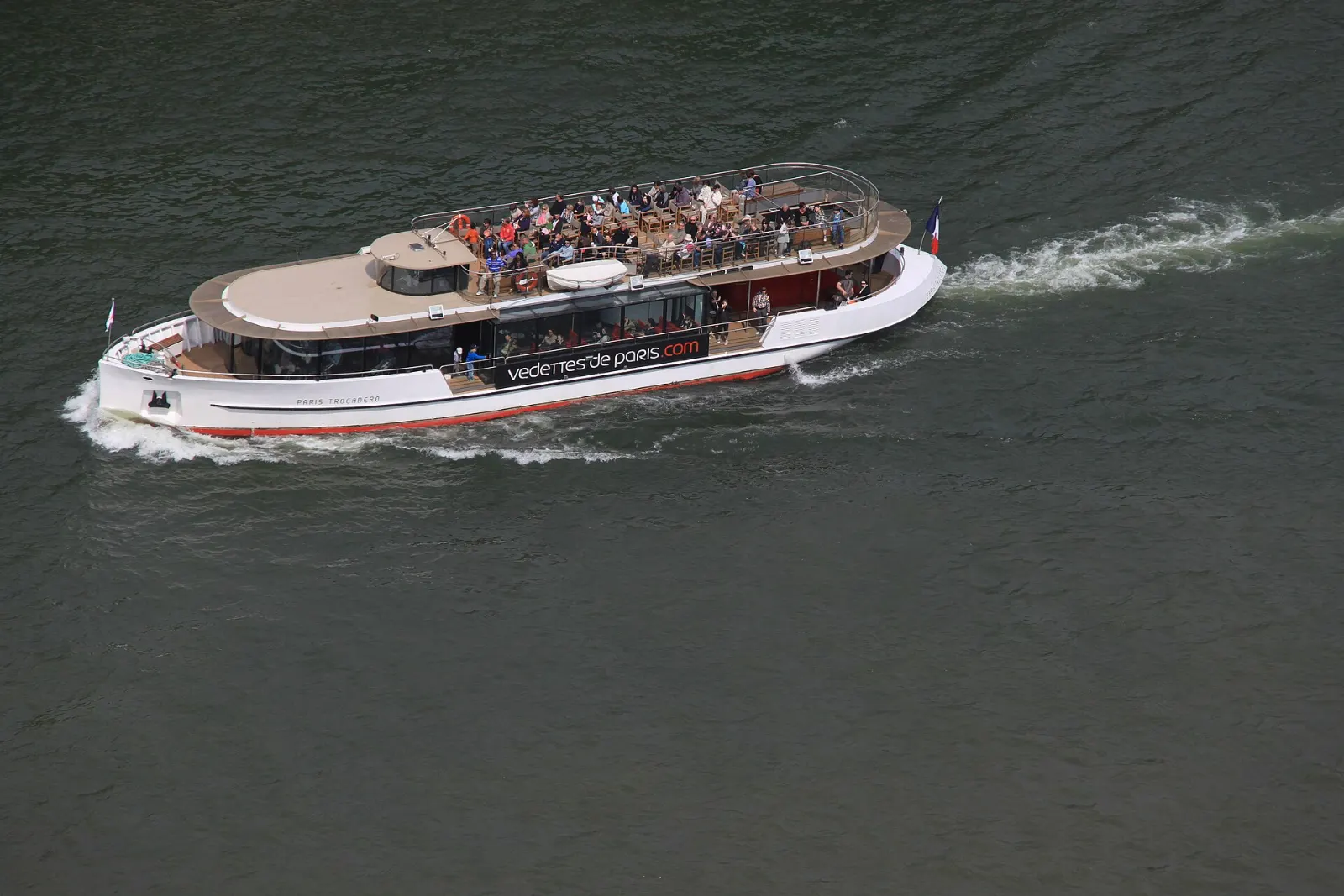
Visit the Musee d'Orsay in the morning, then walk along the Seine to the Eiffel Tower and take a river cruise in the evening.
Fourth day
Explore the Marais and the Place des Vosges in the morning, then head north to Montmartre and the Sacre-Coeur for the afternoon and dinner.
Fifth day
Take the train to Versailles for the palace and gardens, returning to Paris for a final evening.
Practical tips
- Book timed tickets for the Eiffel Tower, Louvre, Orsay, Sainte-Chapelle and Versailles well in advance.
- Check closing days: the Louvre and Versailles close on Tuesdays and the Orsay on Mondays.
- Note that the Centre Pompidou is closed for a major renovation expected to last until around 2030.
- Watch for pickpockets on the metro, at major monuments and in crowded areas such as Montmartre.
- Greet shopkeepers and waiters with a simple bonjour; it makes a real difference.
- Order a carafe of tap water with meals; it is free and safe to drink.
- Carry comfortable shoes, an umbrella and a light layer, since you will walk a lot and weather changes quickly.