WiserMap — Choose wisely. Connect locally.Choose wisely. Connect locally.Add your business
Muscat, Oman · Travel guide

Muscat Oman Grand Mosque Mutrah Souq and Daymaniyat Islands

Muscat is a capital that never stopped feeling like a port town. Its low white buildings run in a thin ribbon between the Gulf of Oman and the jagged, chocolate-brown Hajar foothills, and there are no towering skylines here, because building height and style are tightly controlled.

By WiserMap TravelUpdated October 2026 8 places10 min read
FacebookXLinkedIn

This guide walks you through the places that deserve your time, from the marble courtyards of the Sultan Qaboos Grand Mosque to the frankincense-scented lanes of Mutrah Souq, along with the day trips to sinkholes, wadis and islands that make Muscat such a good base.

At a glance Muscat
  1. Best timeOctober to April, when days are warm and sunny rather than fiercely hot.
  2. How longThree to four days for the city, plus a day or two for wadis, islands or Nizwa.
  3. Getting thereFly into Muscat International Airport, then use taxis, ride-hailing apps or a rental car.

Why visit Muscat

Muscat rewards travelers who like their cities calm, clean and rooted in place. Omani architecture is everywhere, from crenellated rooflines to carved wooden doors, and the government has protected that look for decades, so the capital feels coherent in a way few Gulf cities do.

The city also has a long seafaring history. Mutrah was a trading harbor for frankincense, dates and textiles long before the Portuguese built forts on its headlands in the sixteenth century, and Omani sailors once ran a maritime empire that reached the coast of East Africa.

Above all, Muscat is welcoming. Omanis are famously courteous, the pace is unhurried, and visitors who dress modestly and slow down tend to leave with warm memories of conversations over coffee and dates.

The Grand Mosque and modern Muscat

The main dome and minaret of the Sultan Qaboos Grand Mosque rising above marble courtyards, Muscat, Oman

Sultan Qaboos Grand Mosque

Start with the city's most important landmark. The Sultan Qaboos Grand Mosque in Al Ghubra was a gift from the late Sultan Qaboos to the nation and was inaugurated in 2001.

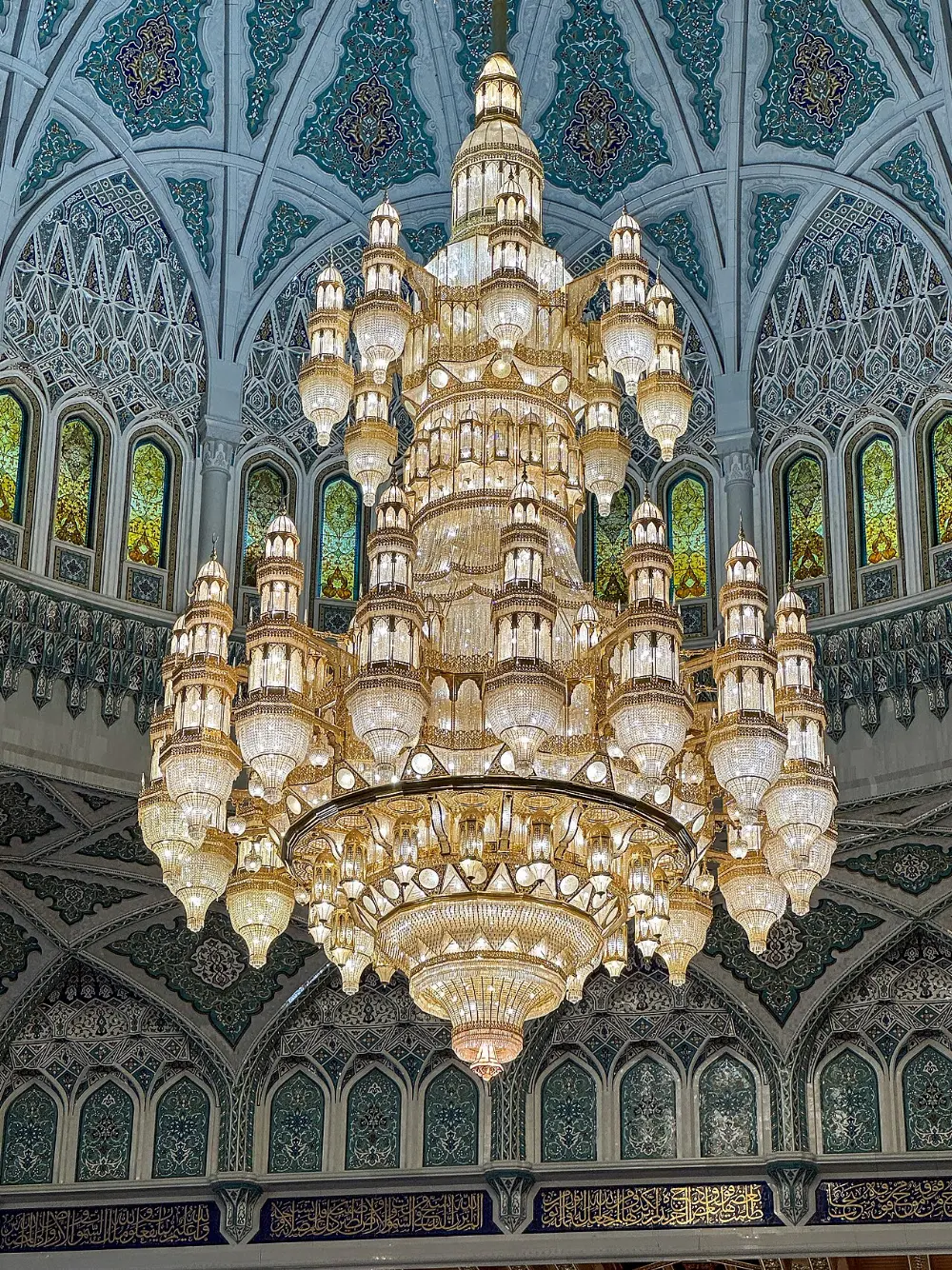
Inside the main prayer hall, look up at the enormous crystal chandelier and down at the hand-knotted carpet that covers almost the whole floor, produced by hundreds of weavers in Iran over several years.

Practical tip: dress rules are enforced at the gate. Women need long sleeves, ankle-length clothing and a headscarf covering the hair; men need long trousers and sleeves.

The Sultan Qaboos Grand Mosque was inaugurated in 2001 and is Oman's largest mosque. Photo: Rrburke, Wikimedia Commons, CC BY-SA 4.0
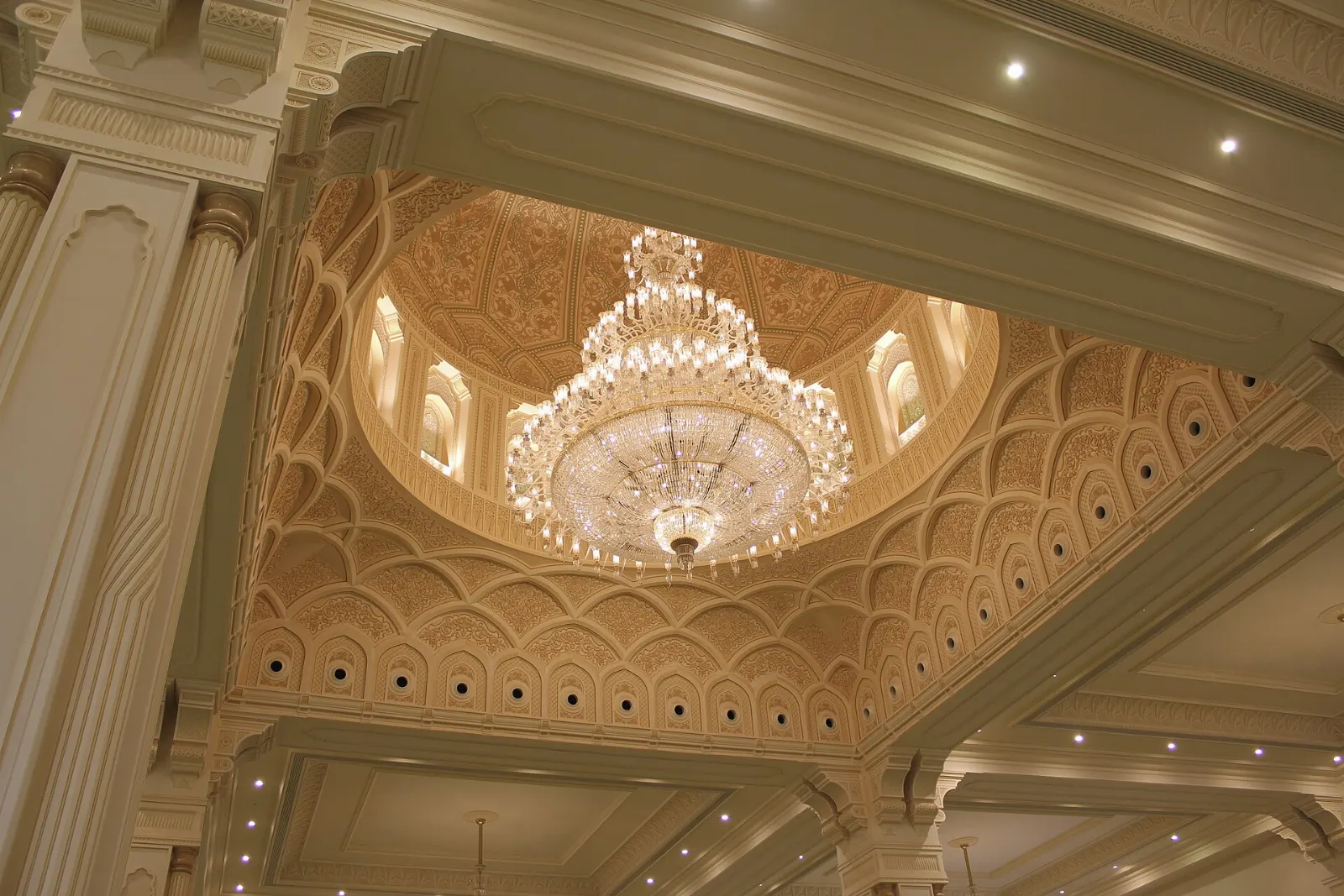
The huge crystal chandelier hanging above the carpeted main prayer hall of the Grand Mosque, Muscat, Oman
The main prayer hall holds a vast crystal chandelier above a single hand-knotted carpet.Photo: https://www.flickr.com/photos/130649623@N05/, Wikimedia Commons, CC BY-SA 2.0
The pale stone Royal Opera House Muscat with arched colonnades and gardens, Oman

Royal Opera House Muscat

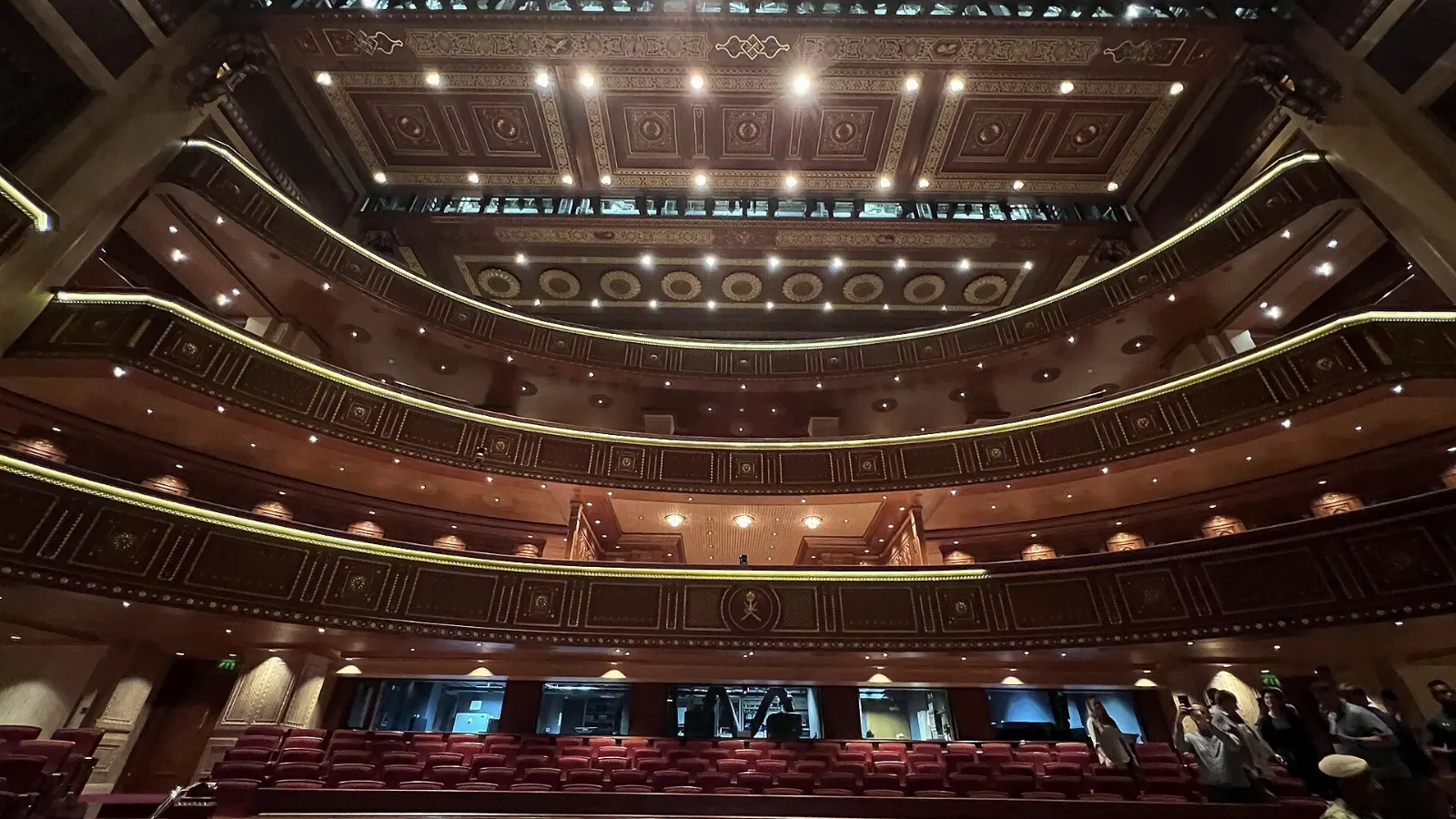
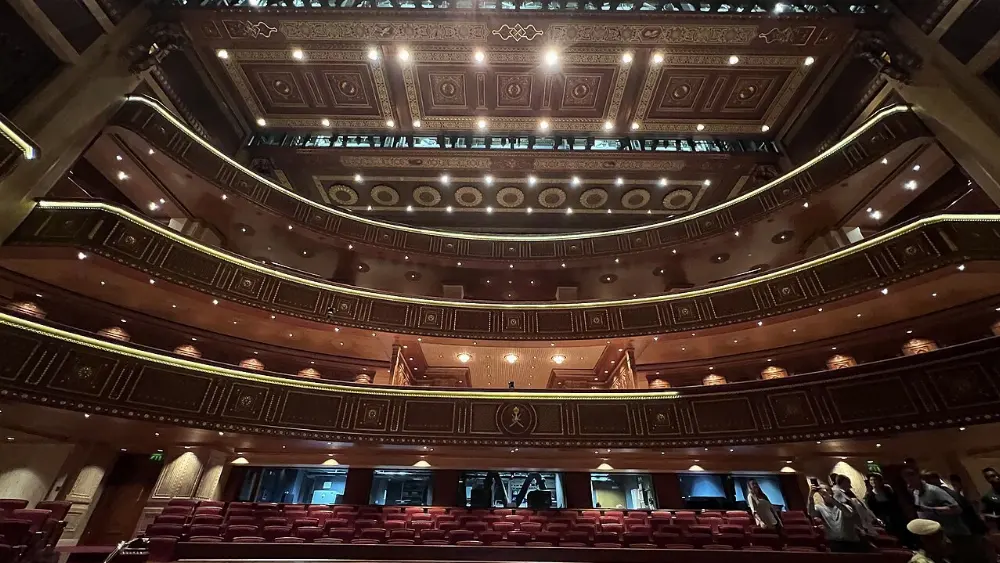
In the Shatti Al Qurum district, the Royal Opera House Muscat opened in 2011 as the first opera house in the Gulf.

Guided tours of the interior are offered on some days, and the adjoining Opera Galleria has cafes and shops. Allow an hour for a tour, or an evening for a performance.

The Royal Opera House Muscat opened in 2011 in the Shatti Al Qurum area. Photo: Chief National Guard Bureau, Wikimedia Commons, CC BY 2.0

Qurum Beach and Qurum Natural Park

Qurum Beach is the city's best-known stretch of sand, running for several kilometers past cafes and beach hotels. Evenings bring families, joggers and football games, and the sunset light on the water is lovely.

Mutrah and Old Muscat

Mutrah Corniche

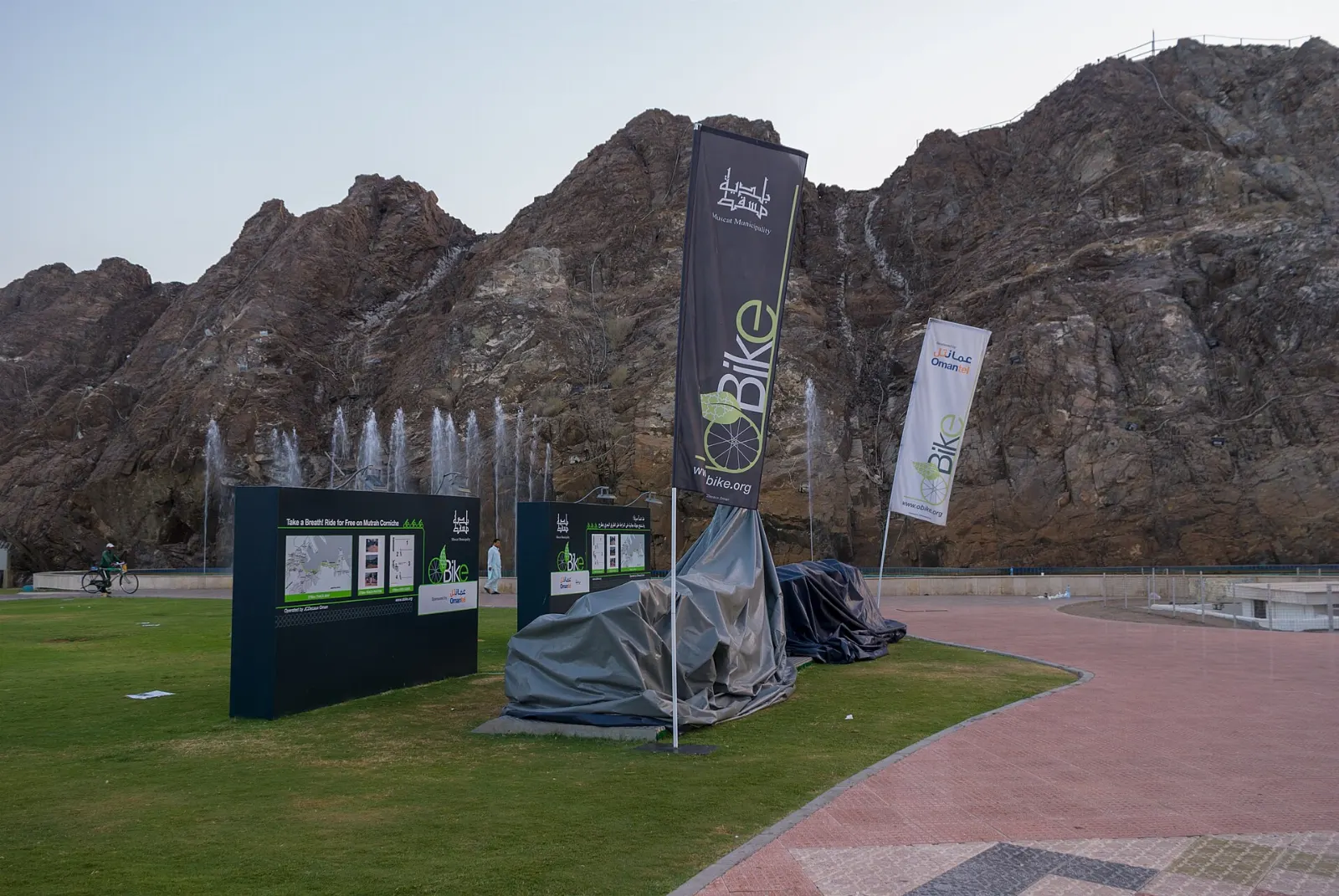
The Mutrah Corniche is the city's classic waterfront walk, a promenade of several kilometers curving around the harbor.

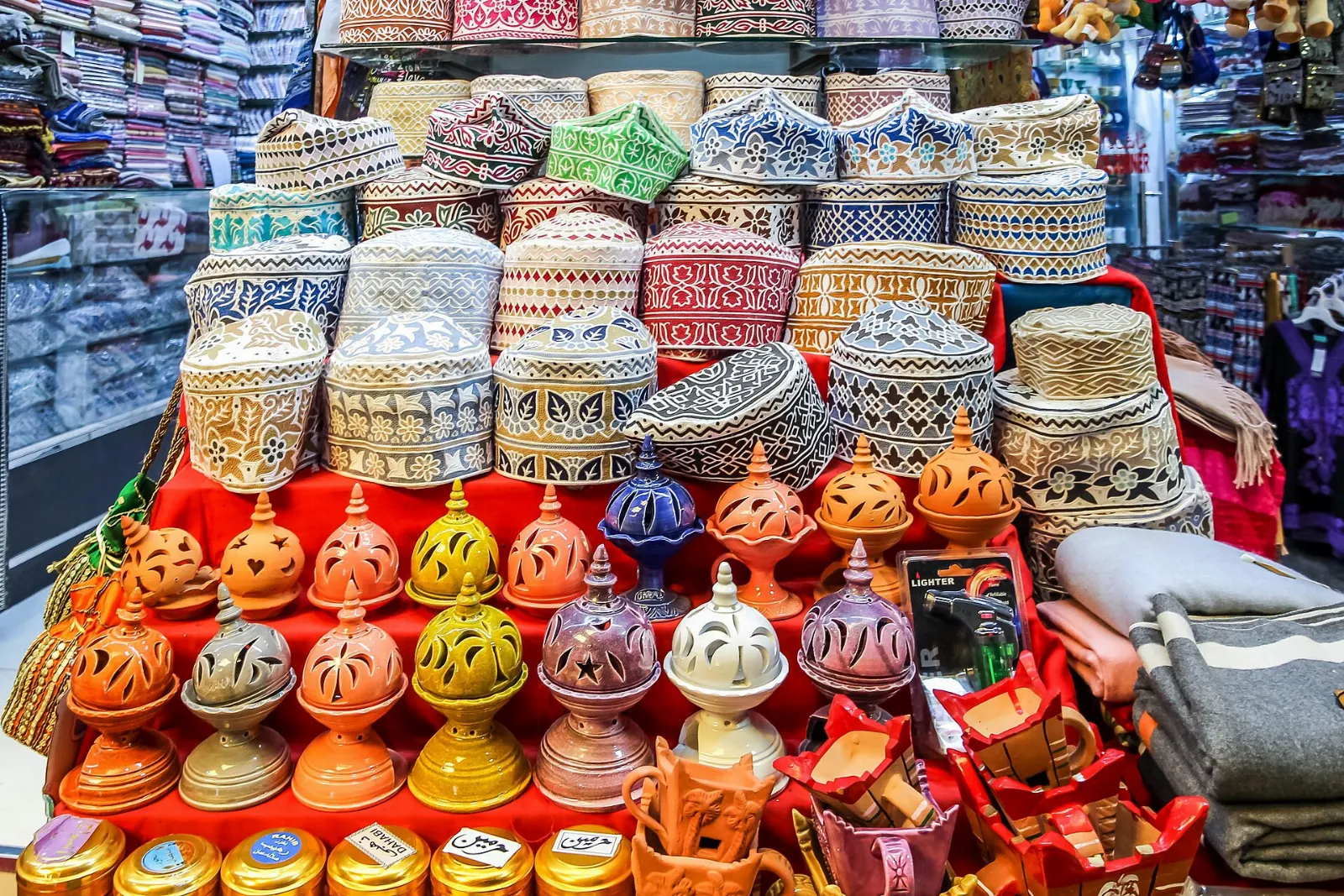
A covered lane in Mutrah Souq lined with shops selling lamps, textiles and frankincense, Muscat, Oman

Mutrah Souq

Behind the corniche lies Mutrah Souq, one of the oldest markets in the Arab world. Its covered main lane and twisting side alleys are packed with stalls selling frankincense and burners, Omani silver, khanjar daggers, pashminas, spices, perfumes and lamps.

Allow one to two hours. Practical tip: bargaining is expected but polite; quality frankincense from the Dhofar region is the best souvenir, and sellers will happily explain the different grades.

Mutrah Souq is one of the oldest marketplaces in the Arab world, entered from the Corniche. Photo: Dr. Thomas Liptak, Wikimedia Commons, CC BY-SA 4.0
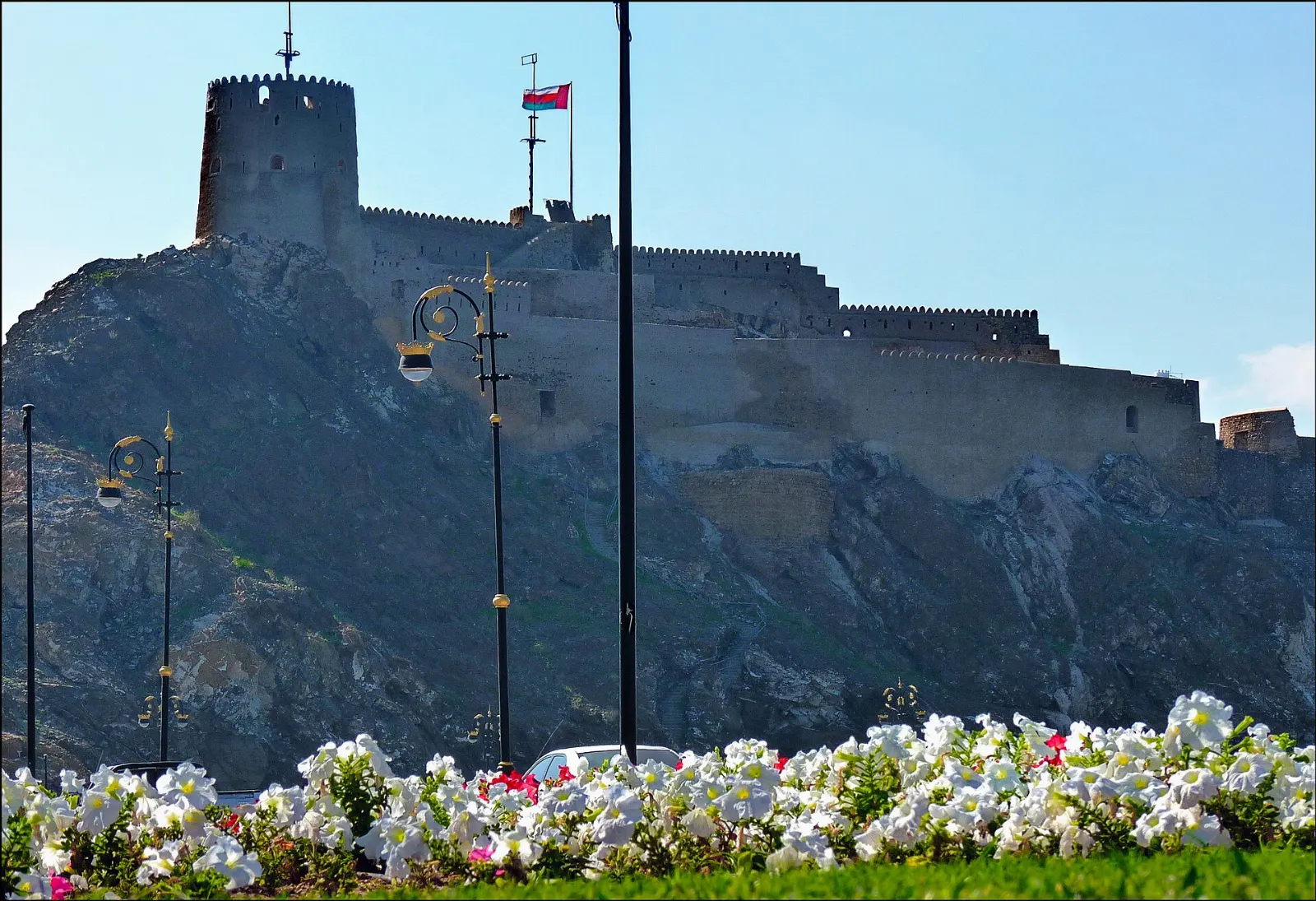
The Portuguese-era Mutrah Fort on a rocky hill above the harbor, Muscat, Oman

Mutrah Fort

Built by the Portuguese in the sixteenth century, Mutrah Fort crowns a rocky outcrop at the eastern end of the harbor.

Mutrah Fort stands on a rocky spur guarding the eastern end of the harbor. Photo: patano, Wikimedia Commons, CC BY-SA 3.0

The blue and gold columned facade of Al Alam Palace in Old Muscat, Oman

Al Alam Palace and the twin forts

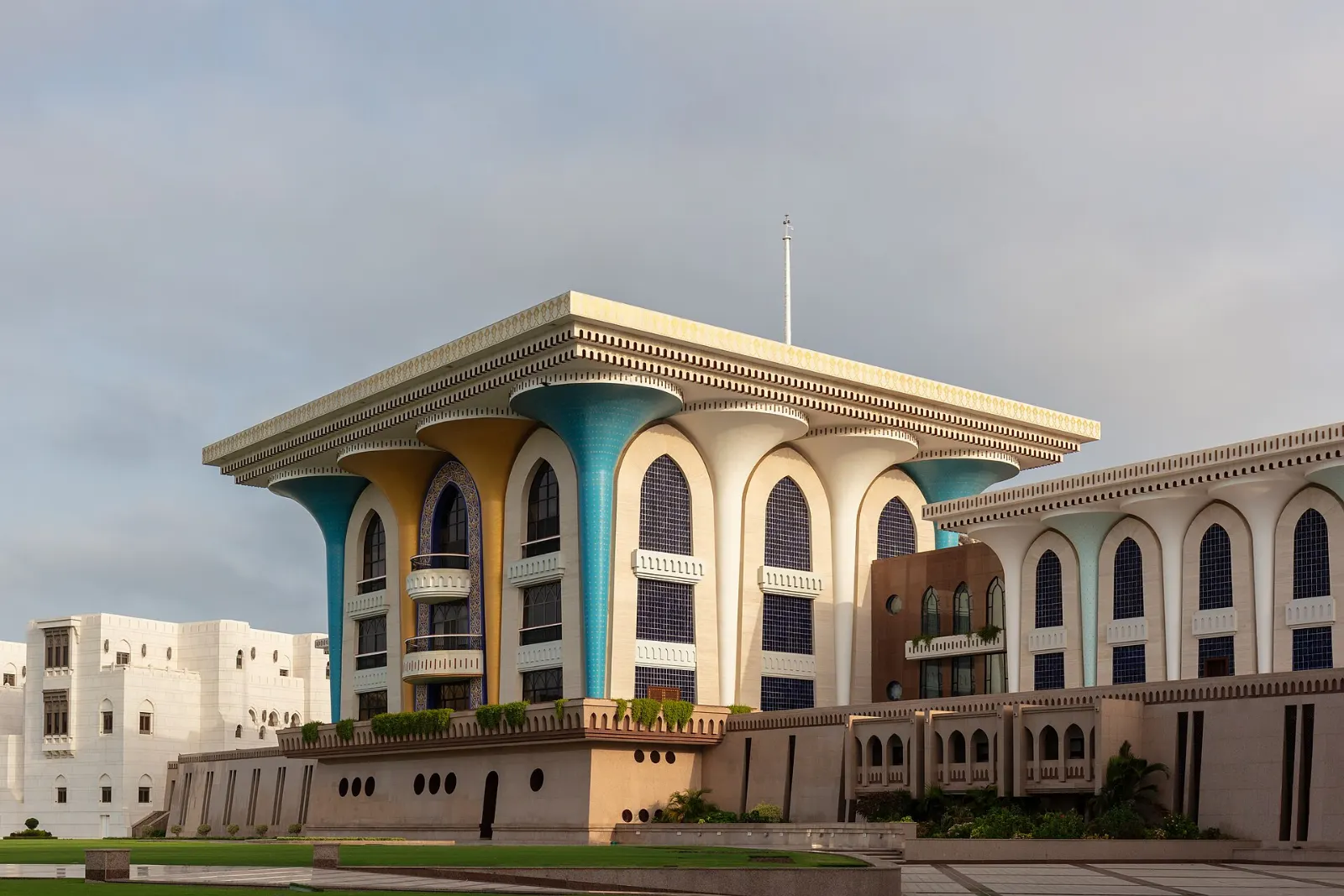
A short drive east brings you to Old Muscat, a small walled cove hemmed in by cliffs. At its heart stands Al Alam Palace, a ceremonial royal palace with a striking facade of blue and gold columns.

Allow an hour to wander. Practical tip: come in the late afternoon for softer light on the palace, and pair it with the museums nearby.

Al Alam Palace is a ceremonial royal palace in Old Muscat, flanked by the Jalali and Mirani forts. Photo: Diego Delso, Wikimedia Commons, CC BY-SA 4.0
The stone facade of the National Museum of Oman facing Al Alam Palace, Muscat, Oman

National Museum of Oman and Bait Al Zubair

Facing the palace, the National Museum of Oman is the best introduction to the country, with galleries covering maritime history, frankincense, arms and armor, Islamic manuscripts and traditional crafts, including a fine section on Omani silver. Allow two hours.

The National Museum of Oman sits opposite Al Alam Palace in Old Muscat. Photo: Francesco Bini, Wikimedia Commons, CC BY-SA 4.0
Coast, wadis and islands beyond the city

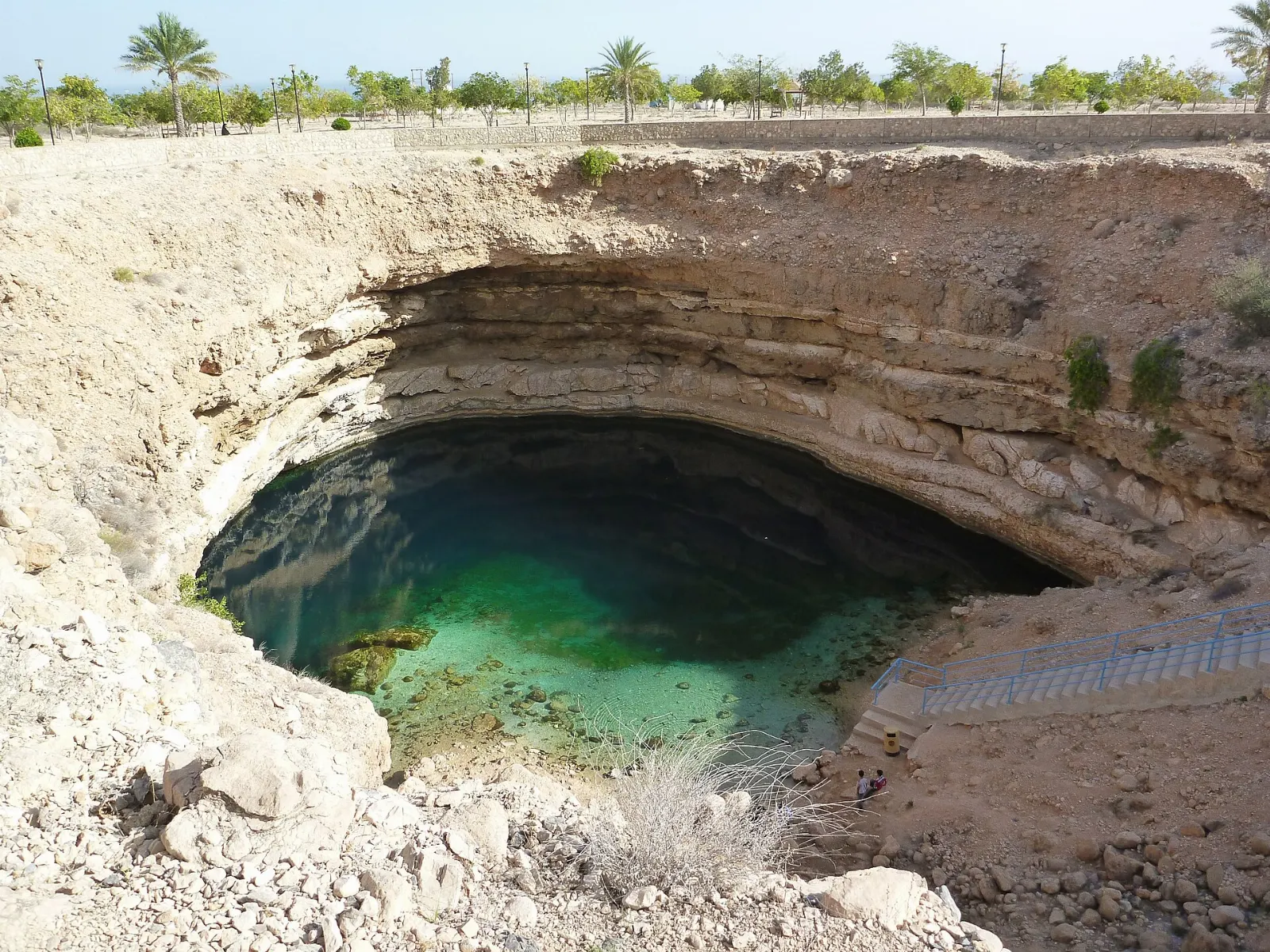
The turquoise water at the bottom of the limestone Bimmah Sinkhole, Muscat, Oman

Bimmah Sinkhole

Around an hour and a half southeast along the coastal highway, the Bimmah Sinkhole sits inside Hawiyat Najm Park. A staircase leads down into a limestone crater where turquoise water, part sea water and part fresh, invites a swim.

The Bimmah Sinkhole sits inside Hawiyat Najm Park on the coast road south of Muscat. Photo: Wusel007, Wikimedia Commons, CC BY-SA 3.0

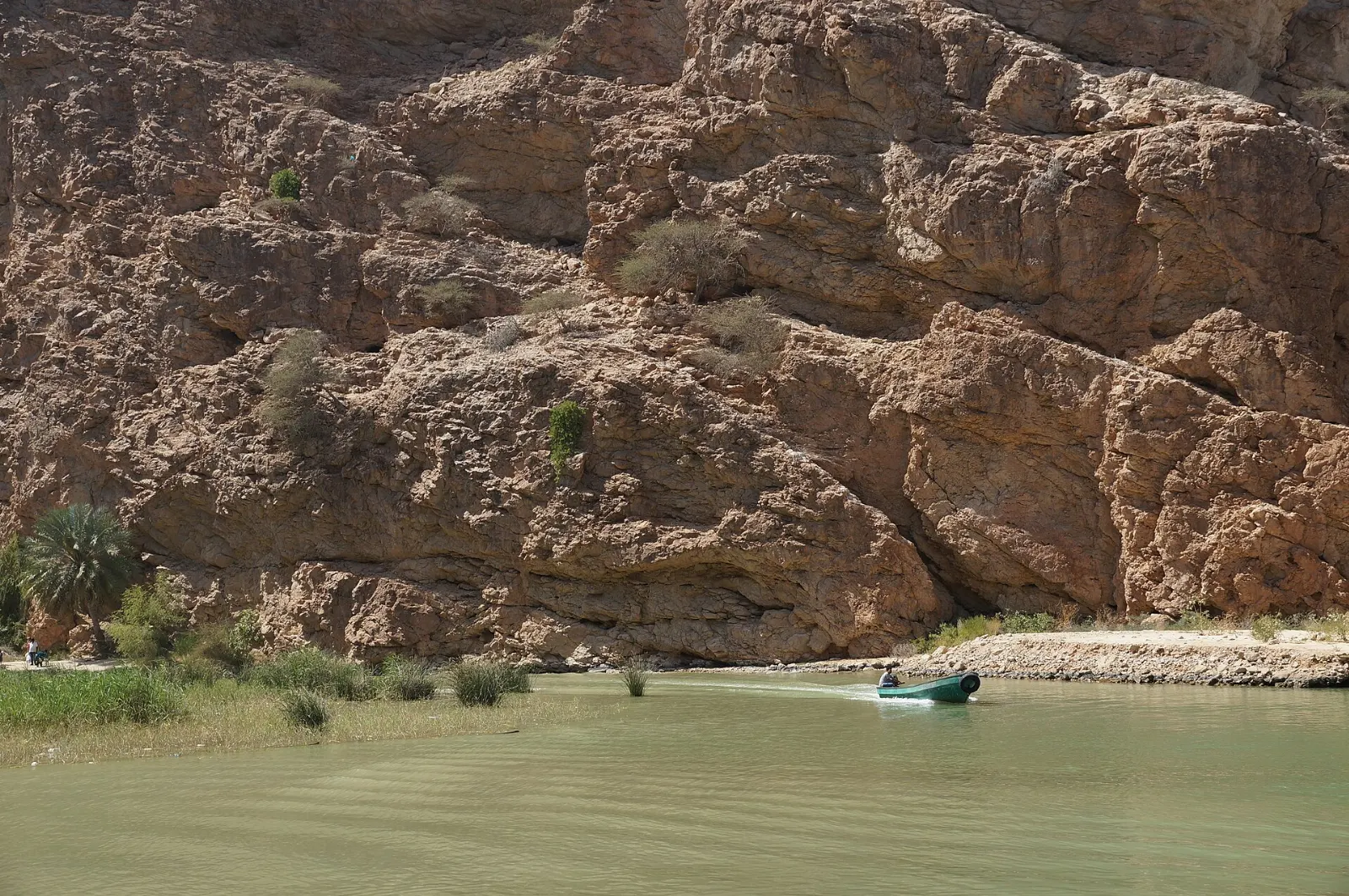
Emerald pools between steep canyon walls in Wadi Shab, Muscat, Oman

Wadi Shab

Farther along the same road near Tiwi, Wadi Shab is one of Oman's most loved canyon hikes. A short boat crossing takes you to the trailhead, then a rocky path of roughly an hour leads past palm groves and falaj channels to a chain of emerald pools.

Wadi Shab's pools are reached by a short boat crossing and a rocky hike near Tiwi. Photo: albinfo, Wikimedia Commons, CC BY-SA 4.0
Daymaniyat Islands

The Daymaniyat Islands Nature Reserve lies off the coast northwest of the city, with boat trips usually leaving from Al Mouj Marina. The reefs here offer some of the best snorkeling and diving in the region, with turtles, reef fish and sometimes whale sharks.

Food and local flavors

Omani cooking is gently spiced, fragrant and built around rice, meat and fish, with influences from India, Persia and East Africa.

Look for shuwa, lamb or goat marinated in spices and slow-cooked for many hours in an underground pit, traditionally made for Eid but sometimes found on restaurant menus.

For casual eating, try the cafes along the Mutrah Corniche, where you can order fresh juices, shawarma and grilled fish while watching the harbor.

Popular dishes to try in Muscat

Shuwa in Muscat, Oman
Shuwa Look for shuwa, lamb or goat marinated in spices and slow-cooked for many hours in an underground pit, traditionally made for Eid but sometimes found on restaurant menus.Photo: M Bash Ne, Wikimedia Commons, CC0
Halwa in Muscat, Oman
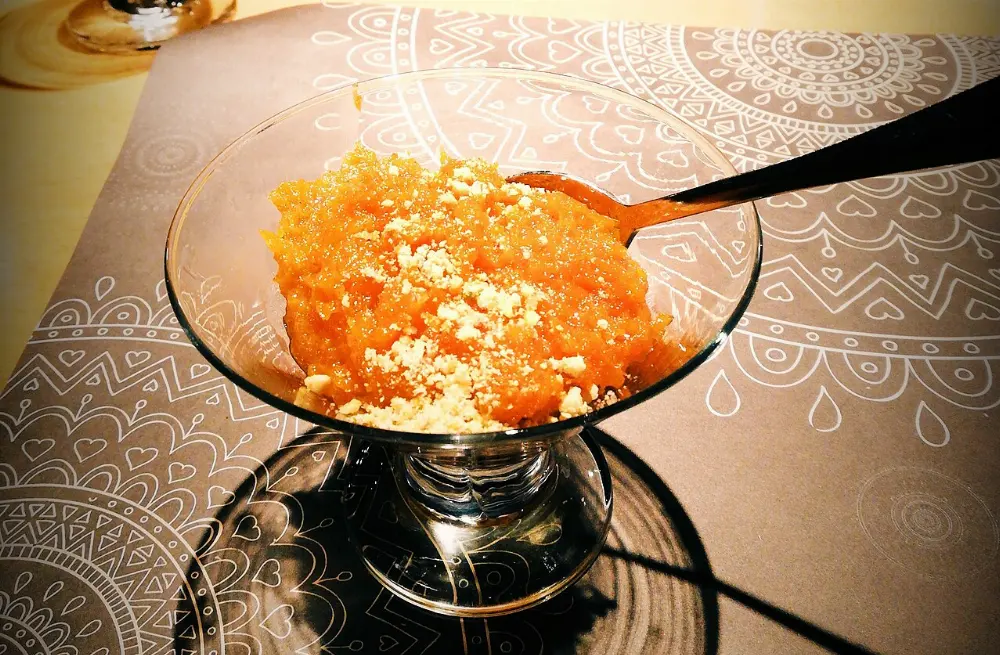
Halwa Omani halwa, a dense, sticky sweet made with sugar, ghee, rosewater, saffron and nuts, is sold in tubs and makes a good gift.Photo: Silpa11, Wikimedia Commons, CC BY-SA 4.0
Dates in Muscat, Oman
Dates The ritual of hospitality is kahwa, a thin coffee flavored with cardamom and sometimes rosewater, served in small cups with fresh dates.Photo: Binghalib0, Wikimedia Commons, CC0

Where to stay

Mutrah suits travelers who want atmosphere and walkability.

Qurum and Shatti Al Qurum are good for beach lovers and first-time visitors who want easy access to the Opera House, restaurants and malls, while staying central.

Al Khuwair and Ghubra are practical, business-oriented districts close to the Grand Mosque, with good value and quick airport access.

Al Mouj and the western beaches suit families and those planning boat trips to the Daymaniyat Islands, with a marina, promenade and resort-style stays.

Where to stay in Muscat

Shatti Al Qurum, Muscat, Oman
Shatti Al Qurum Qurum and Shatti Al Qurum are good for beach lovers and first-time visitors who want easy access to the Opera House, restaurants and malls, while staying central.Photo: Karananand2, Wikimedia Commons, CC0
Opera House, Muscat, Oman
Opera House Qurum and Shatti Al Qurum are good for beach lovers and first-time visitors who want easy access to the Opera House, restaurants and malls, while staying central.Photo: Chief National Guard Bureau, Wikimedia Commons, CC BY 2.0
Ghubra, Muscat, Oman
Ghubra Al Khuwair and Ghubra are practical, business-oriented districts close to the Grand Mosque, with good value and quick airport access.Photo: Karananand2, Wikimedia Commons, CC0
Grand Mosque, Muscat, Oman
Grand Mosque Al Khuwair and Ghubra are practical, business-oriented districts close to the Grand Mosque, with good value and quick airport access.Photo: "dronepicr", Wikimedia Commons, CC BY 2.0

Best time to visit

The best months are October to April.

From May to September, Muscat is extremely hot and humid, and midday outdoor sightseeing becomes hard work.

During Ramadan, which moves earlier each year on the Gregorian calendar, many restaurants close during daylight and eating or drinking in public is not appropriate, but evenings are festive.

Getting there and getting around

Muscat International Airport is the main gateway, with flights from the Gulf, Europe and Asia.

The city is long and spread out, so you will rely on wheels. Taxis are plentiful, and ride-hailing apps operate in the capital.

Parking is generally easy, though Mutrah and Old Muscat can be busy in the evening.

A suggested itinerary

First day

Visit the Sultan Qaboos Grand Mosque as soon as it opens, then cool off over lunch in Al Khuwair.

Second day

Spend the morning in Old Muscat at the National Museum of Oman and Bait Al Zubair, then walk to Al Alam Palace to see the twin forts.

Third day

Rise early for the Mutrah fish market, then take a day trip along the coast to the Bimmah Sinkhole and Wadi Shab.

Fourth day

Take a morning boat trip to the Daymaniyat Islands for snorkeling, or head inland to Nizwa for its fort and souq.

Practical tips

  • Dress modestly in public, covering shoulders and knees; bring a scarf for mosque visits.
  • Friday is the weekly day of prayer, so many sights open later and the Grand Mosque does not receive tourists.
  • Check the official website for current hours and fees, especially during Ramadan and public holidays.
  • Ask before photographing people, particularly women, and do not photograph military or palace guards.
  • Carry water, sunscreen and a hat even in winter, as the sun is strong.
  • Never hike or drive in wadis when rain is forecast in the mountains.
  • Cards are widely accepted, but carry some cash in Omani rials for the souq and small cafes.
MuscatWISERMAP PLACEMuscat: photos, reviews & things to doSee traveler photos and reviews, or share your own →

More places to visit

All travel guides →