Sicily is the largest island in the Mediterranean and one of the richest in history.
AT A GLANCE
Best time
April to June and September to October for warm weather without peak heat.
How long
Ten days for a loop of the main sights; a week if you focus on east or west.
Getting there
Fly into Catania or Palermo, or arrive by ferry or train across the Strait of Messina.
Why visit Sicily
Few places pack so many layers of civilization into one landscape. Sicily holds several UNESCO World Heritage Sites, including the Valley of the Temples, the Villa Romana del Casale, the late baroque towns of the Val di Noto, the Arab-Norman monuments of Palermo, Cefalù and Monreale, Syracuse with its rock-cut necropolis of Pantalica, and Mount Etna itself.
The island is also a place of strong contrasts. Its capital, Palermo, is noisy and full of markets, while inland villages sit quietly on hilltops above wheat fields and olive groves.
Palermo and the northwest
Palermo and the Palatine Chapel
Sicily's capital is chaotic, beautiful and endlessly interesting.
Allow two full days for Palermo. Visit the Palatine Chapel early to avoid groups, and dress modestly for churches, with covered shoulders and knees.
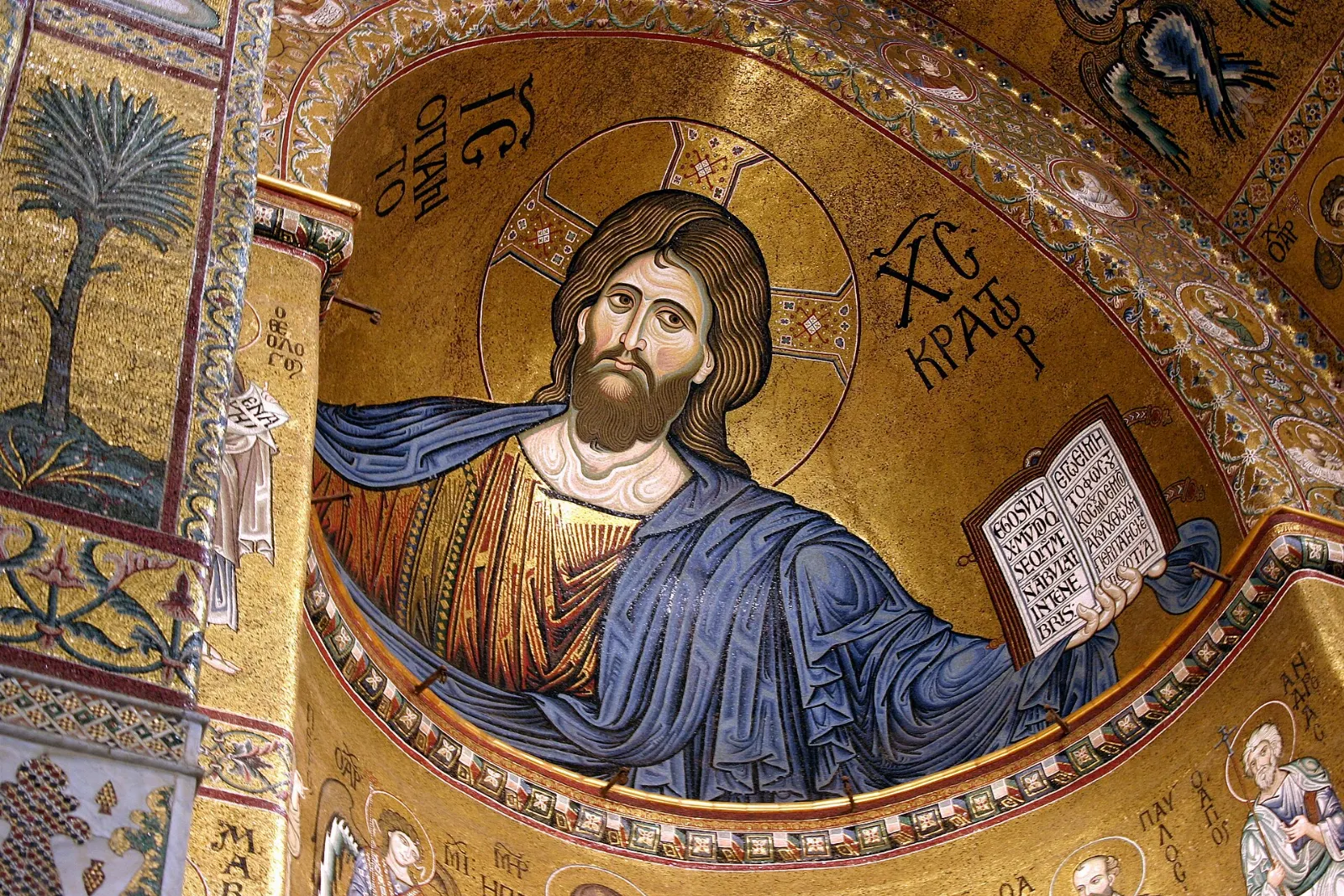
Monreale Cathedral
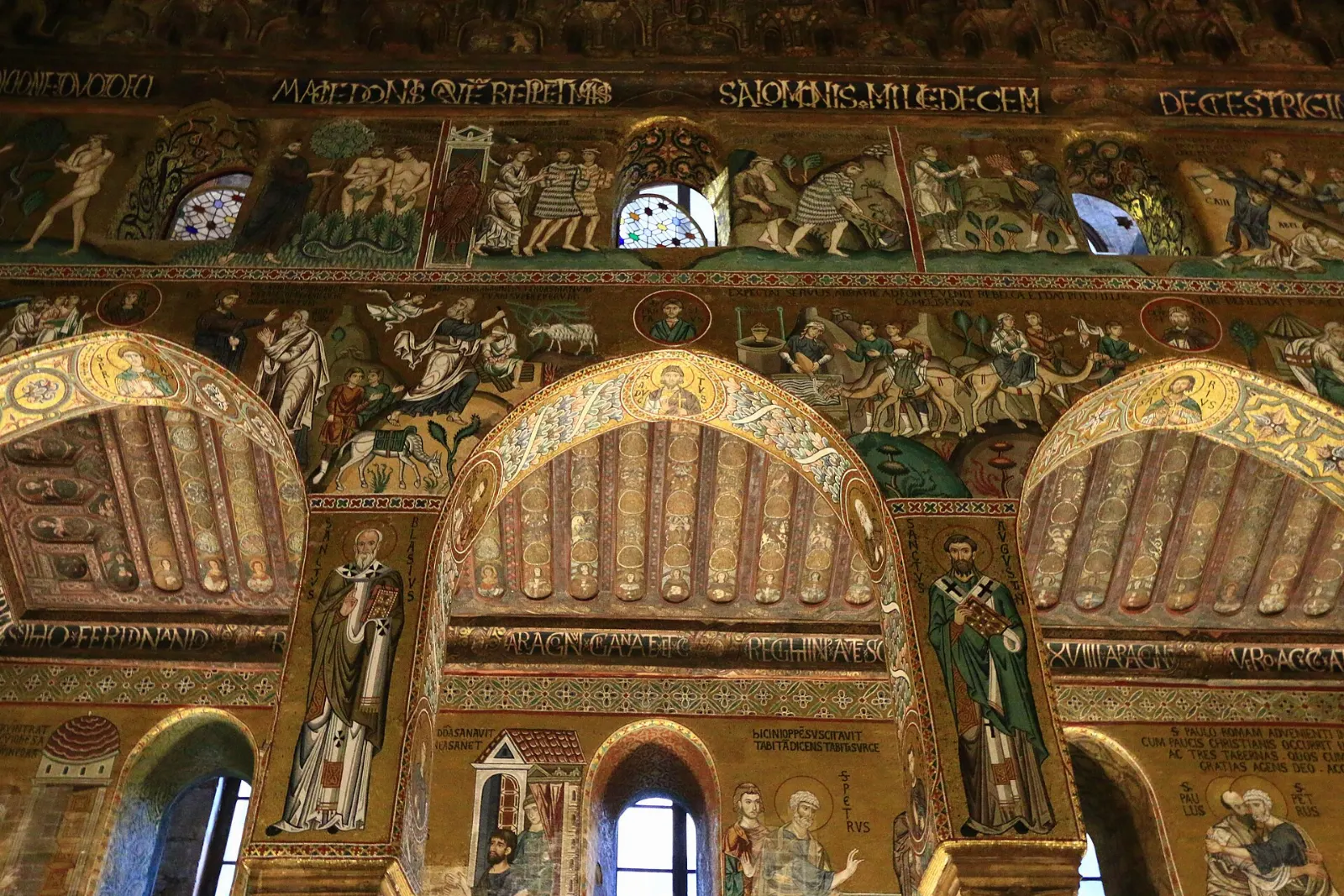
On a hillside above Palermo, King William II founded Monreale Cathedral in the late twelfth century.
Allow two hours, and climb to the roof terraces for views over the Conca d'Oro, the plain around Palermo. City buses run from Palermo, and the trip takes about half an hour.
Cefalù
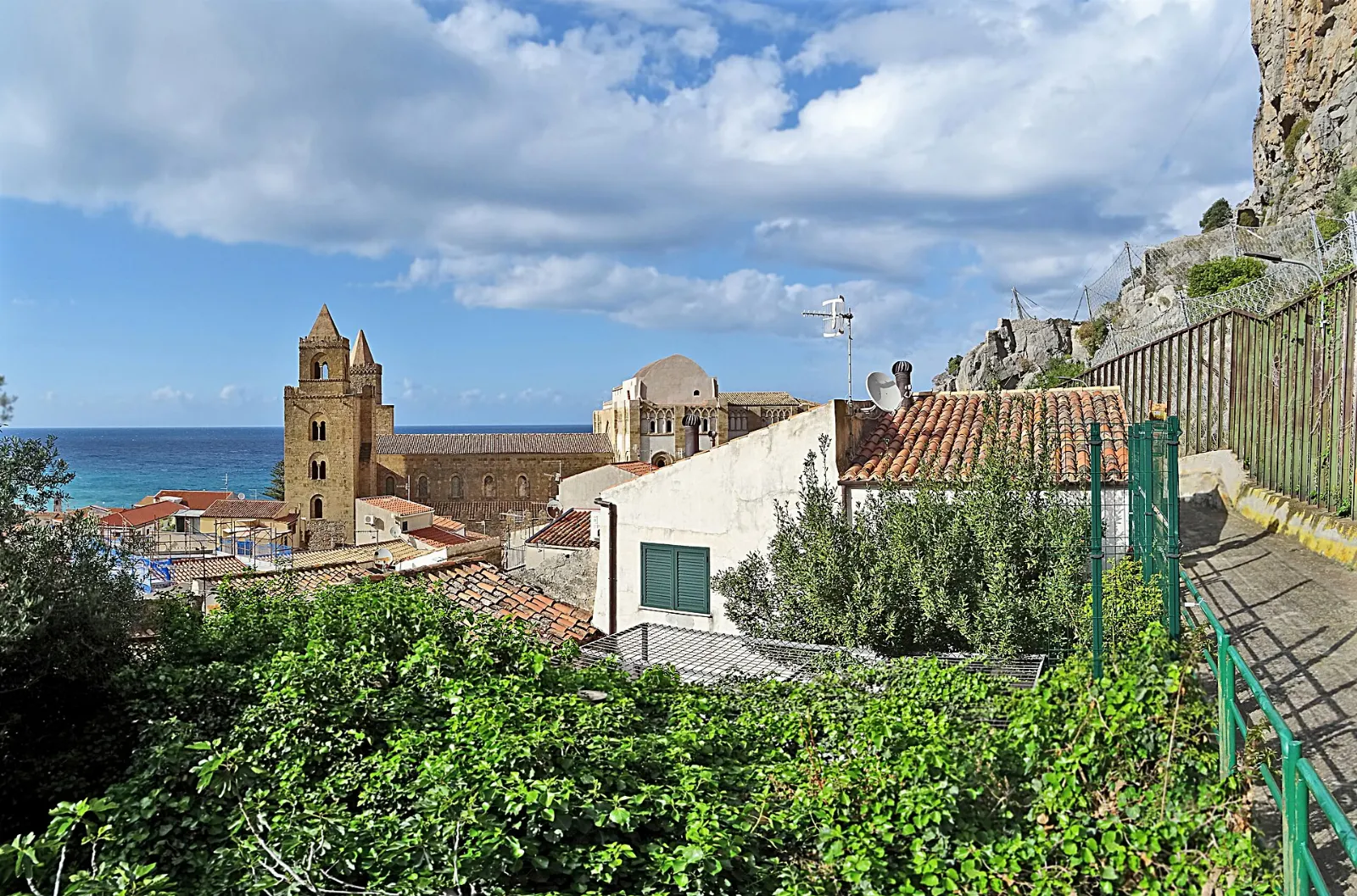
East along the coast, Cefalù is a seaside town of narrow lanes beneath La Rocca, a massive limestone headland. Its Norman cathedral holds another magnificent mosaic of Christ Pantocrator, and the old town opens onto a sandy beach.
Segesta and Erice
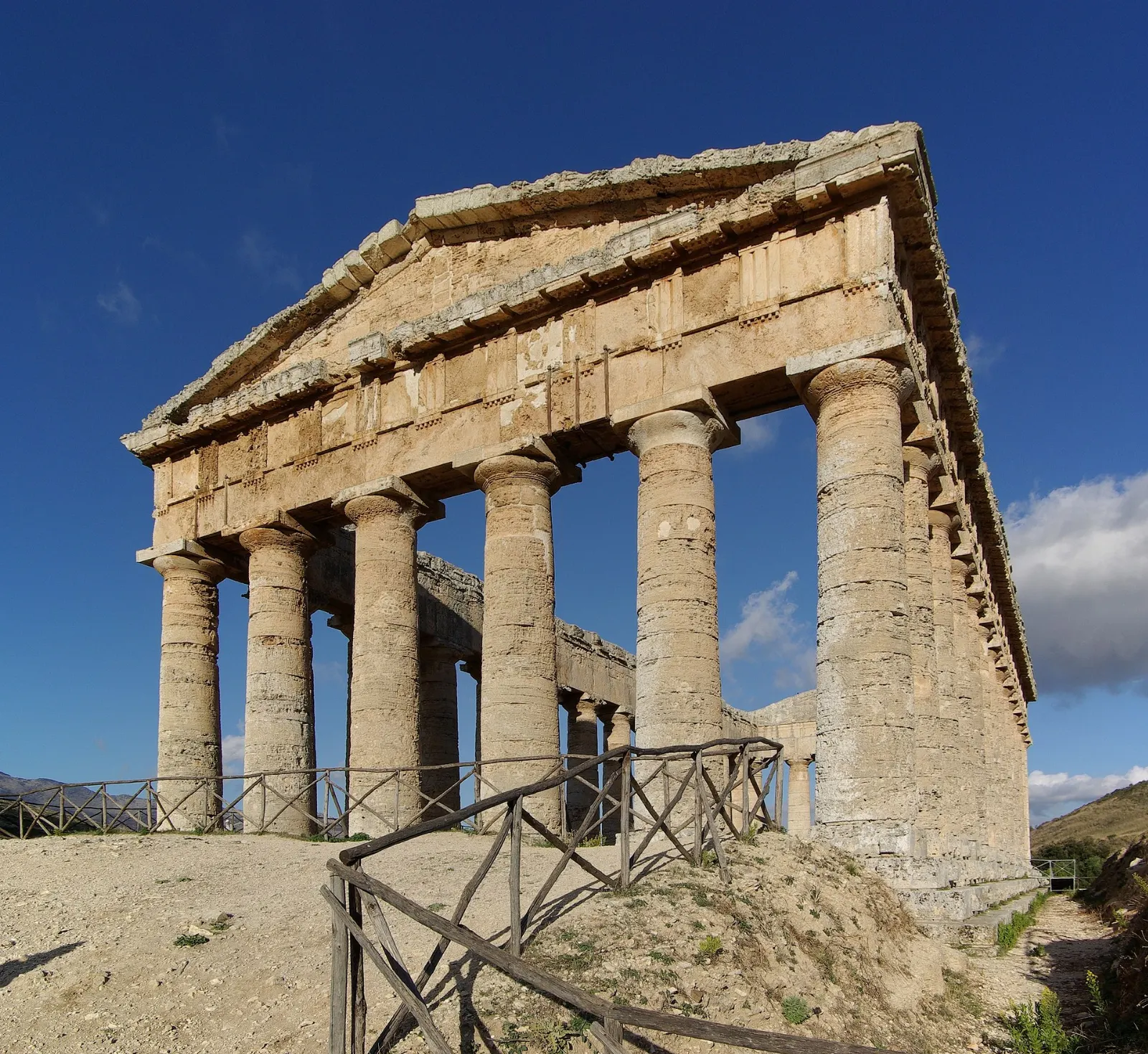
In the hills of the far west, the temple of Segesta stands alone on a slope, a Doric temple from the fifth century BC that was never finished.
Down on the coast between Trapani and Marsala, the salt pans and windmills glow pink at sunset, and boats cross to the Phoenician island of Mozia.
Agrigento and the interior
Valley of the Temples
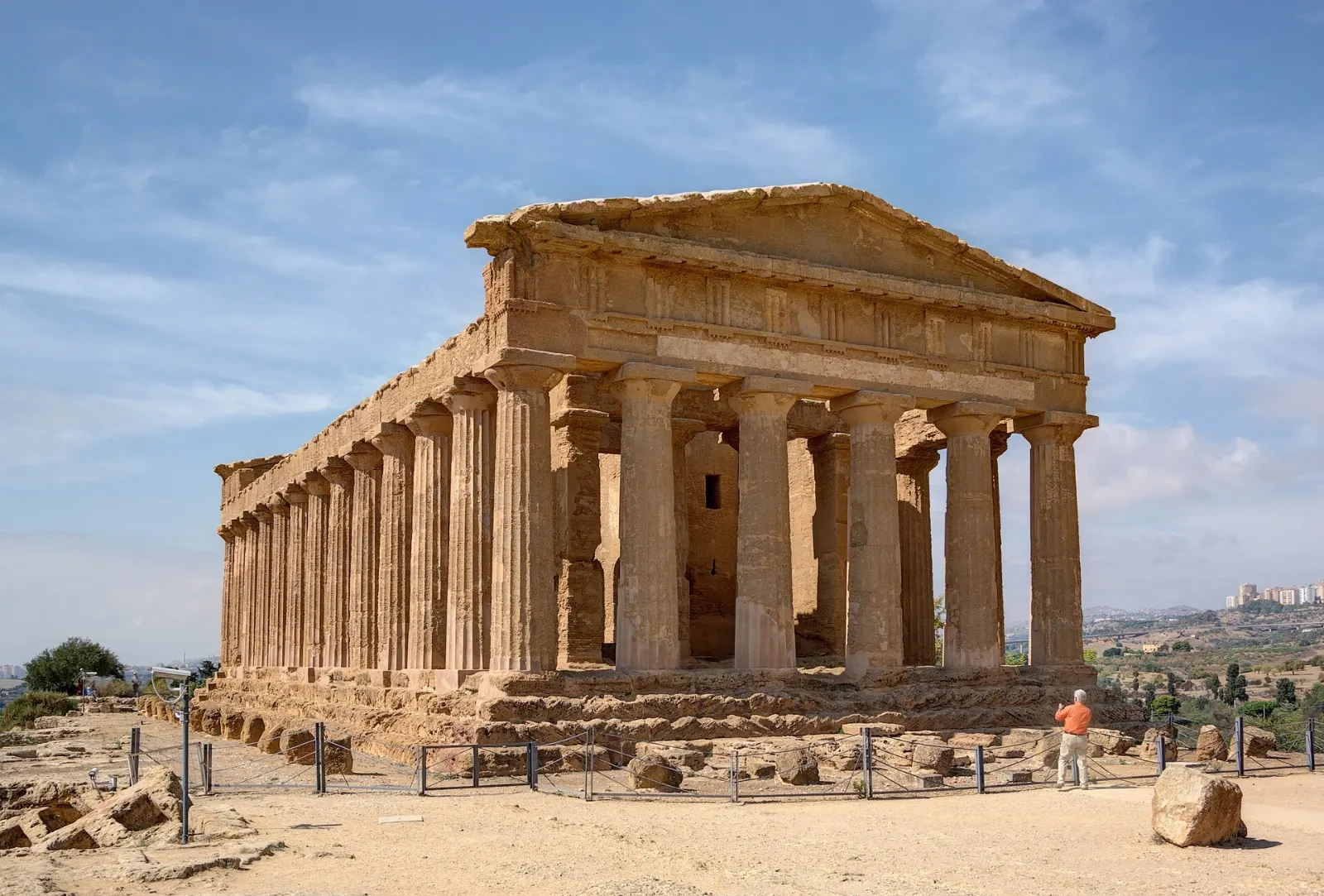
Agrigento's archaeological park preserves the remains of ancient Akragas, one of the great Greek cities of the Mediterranean.
Allow half a day. In summer, arrive at opening or come in the late afternoon; some evening openings let you see the temples lit up.
On the coast west of Agrigento, the white marl cliffs of the Scala dei Turchi are a popular sight, though access to the cliffs has been closed at times to protect them from erosion; view them from the nearby beaches and follow posted signs.
Villa Romana del Casale
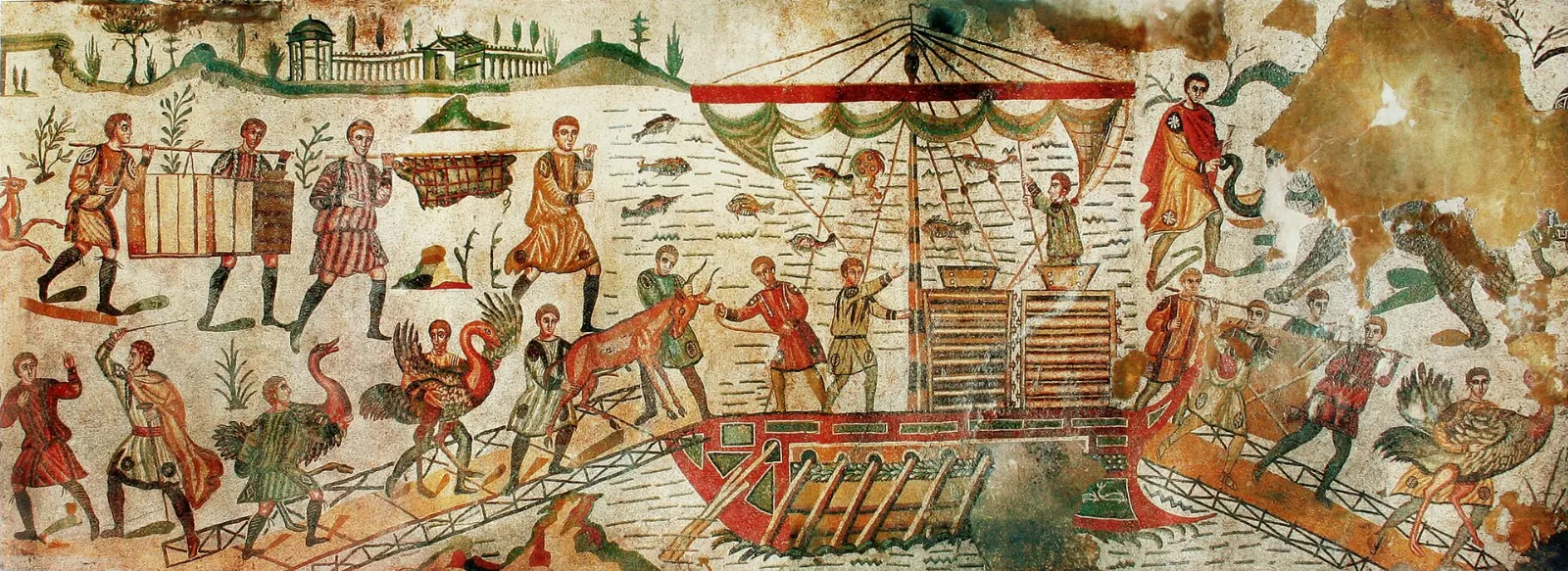
Near the inland town of Piazza Armerina, this early fourth-century Roman villa holds the richest collection of Roman mosaics in the world, covering some 3,500 square meters.
The baroque southeast and Syracuse
Noto, Ragusa and Modica
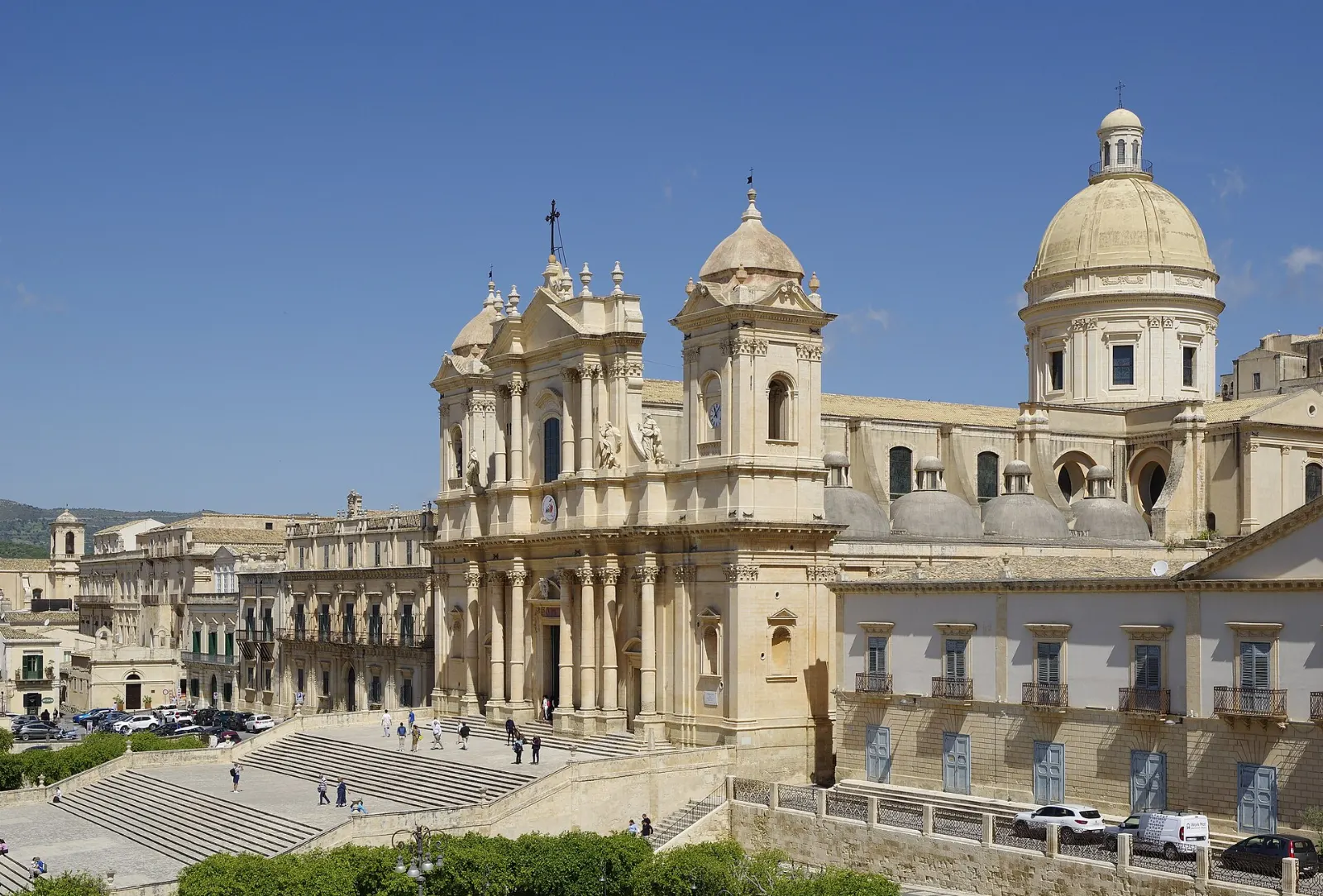
A devastating earthquake in 1693 destroyed much of southeastern Sicily, and the towns were rebuilt in a flamboyant late baroque style that earned the Val di Noto its UNESCO listing.
Allow a day for Noto and another for Ragusa and Modica together. The stone glows warmest in the late afternoon, so time your walks accordingly.
Syracuse and Ortigia
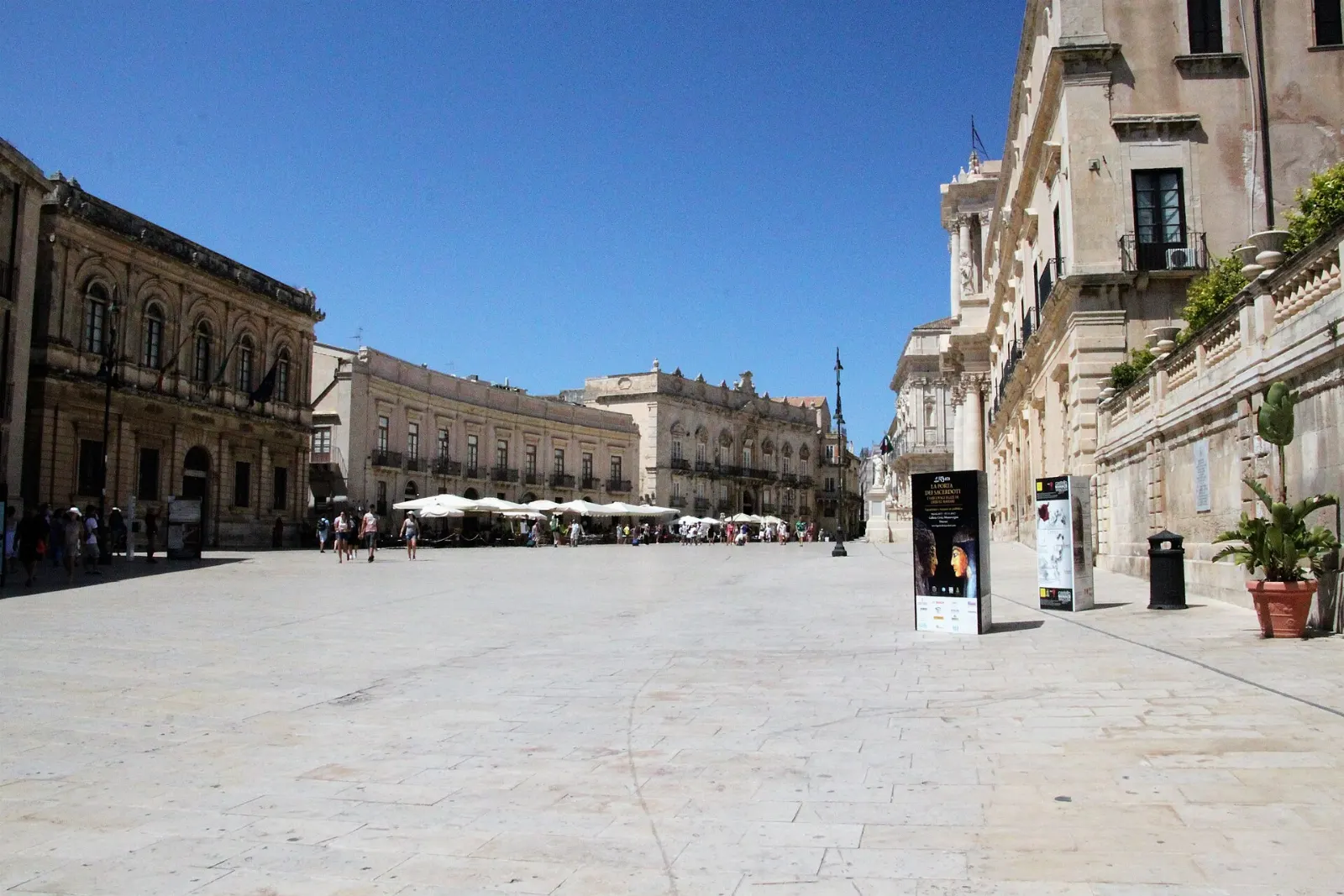
Syracuse was once among the most powerful cities of the Greek world. Today its old town occupies Ortigia, a small island linked by bridges, where the cathedral was built directly into an ancient temple of Athena, its Doric columns still visible in the walls.
Allow two days. Ortigia is best explored on foot in the evening, when its squares fill with people out for a stroll.
 Planning a trip to Sicily?Compare hotels, flights and vacation rentals for Sicily on Expedia.Book now
Mount Etna, Catania and Taormina
Mount Etna
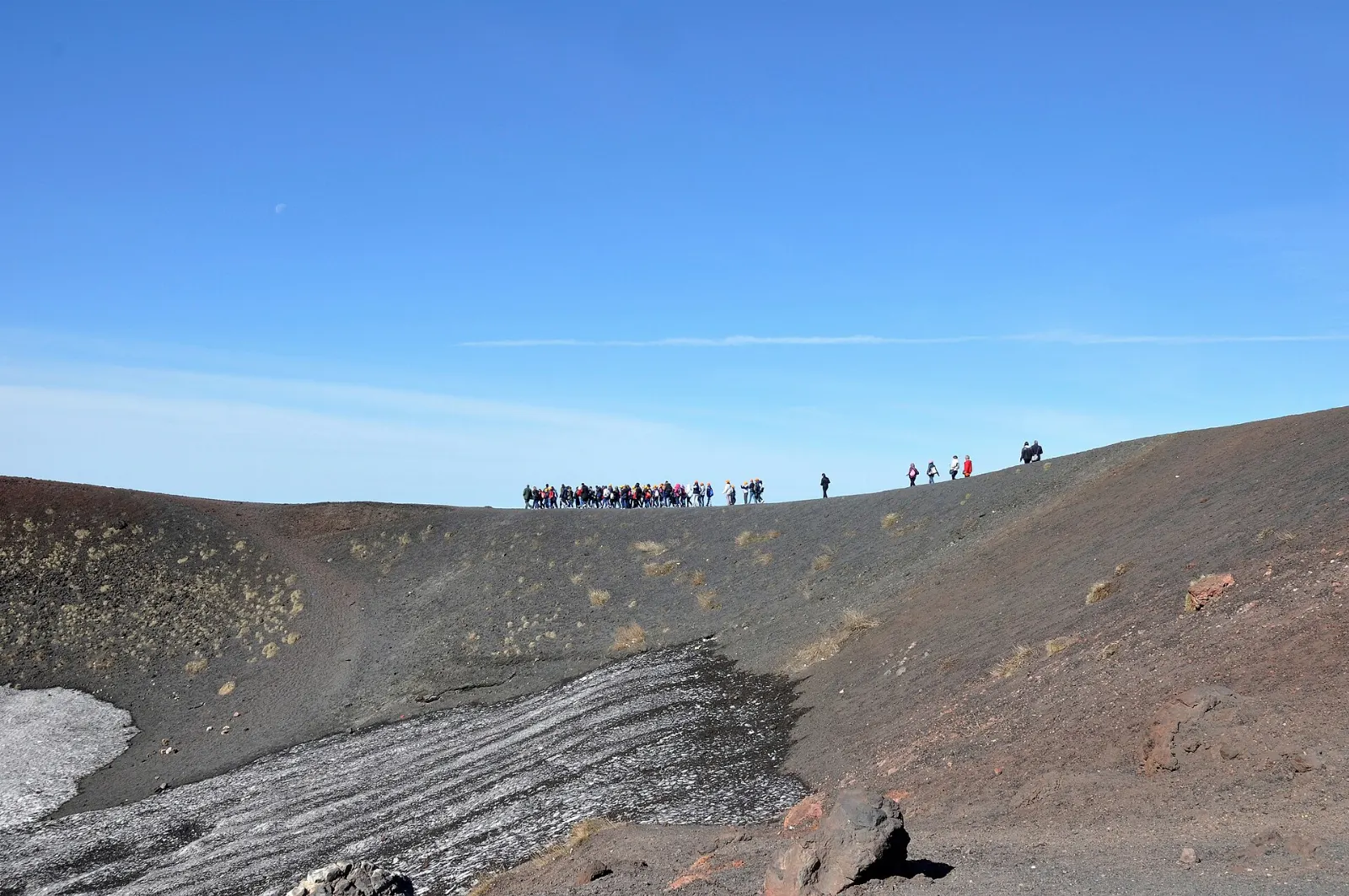
Europe's most famous active volcano rises to roughly 3,400 meters, a height that changes with each summit eruption. On the southern slope, the area around Rifugio Sapienza offers easy walks around the Silvestri Craters, and a cable car climbs higher toward the summit area.
Allow a full day. Bring warm layers and sturdy shoes even in summer, and check current activity and access rules before you go.
Catania
Catania, rebuilt after Etna's lava and the 1693 earthquake, is a city of dark volcanic stone and white baroque trim. The Piazza del Duomo, with its lava-stone elephant fountain, opens onto the boisterous fish market known as La Pescheria.
Taormina
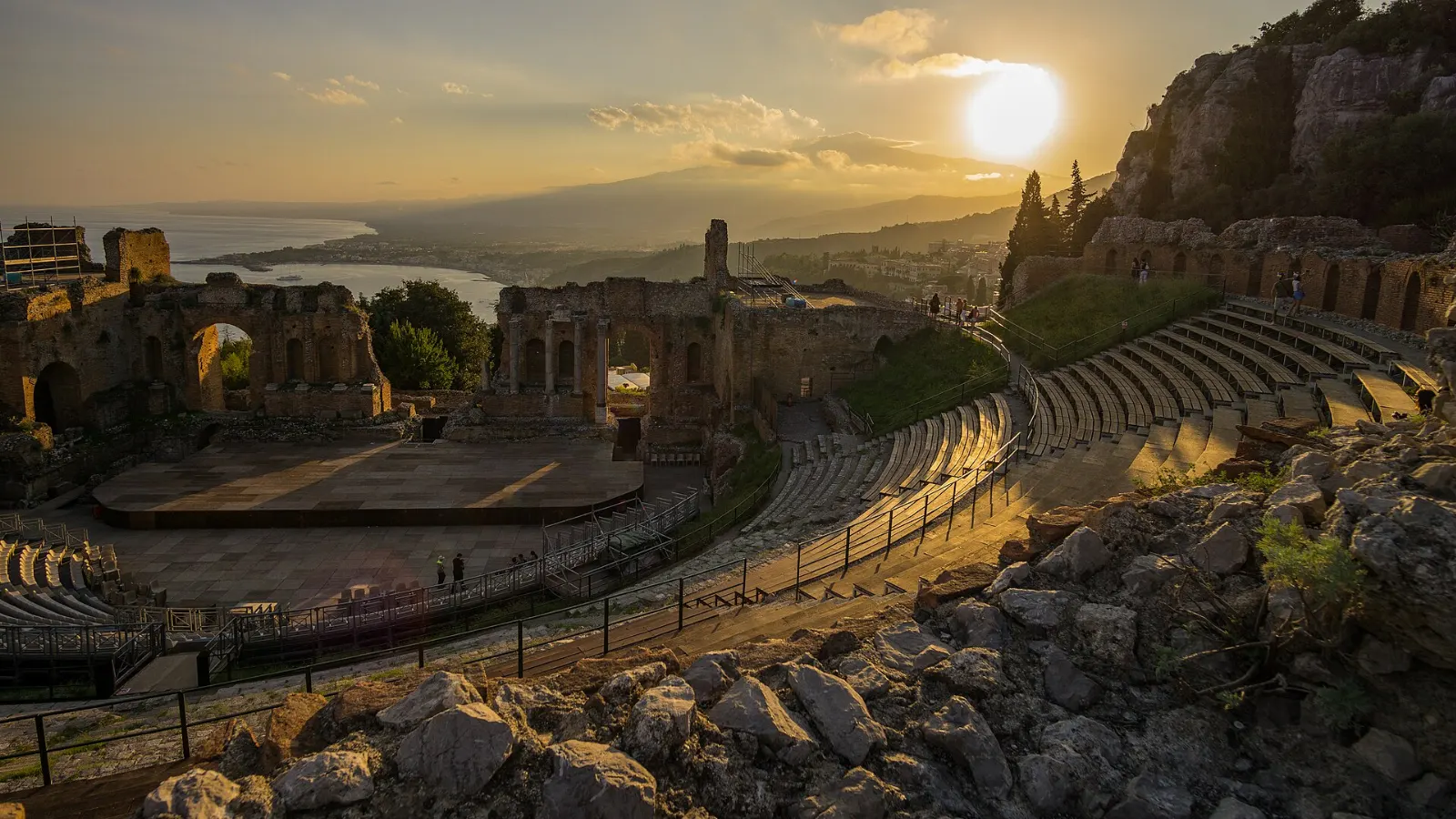
Perched on a cliff above the Ionian Sea, Taormina has drawn travelers for centuries. Its ancient theatre, founded by the Greeks and rebuilt by the Romans, frames a view of the coast with Etna smoking in the distance.
Food and local flavors
Sicilian cooking reflects its history. Street food is a way of life in Palermo, where you will find panelle (chickpea fritters), sfincione (a thick, spongy pizza with tomato and onions) and arancine, fried rice balls known in eastern Sicily as arancini.
Desserts are a highlight: crisp cannoli filled with sheep's milk ricotta, cassata decorated with candied fruit, and granita, especially almond or pistachio, eaten with a soft brioche for breakfast in summer.
Popular dishes to try in Sicily


Where to stay
Palermo suits culture lovers and food fans; stay in the historic center near the Quattro Canti or the Kalsa district for easy walking.
Cefalù is ideal for a beach-and-culture mix on the north coast with direct trains to Palermo.
Trapani works as a base for Erice, Segesta, the salt pans and ferries to the Egadi Islands.
Ortigia in Syracuse suits couples and slow travelers who want evening strolls, seafood and day trips to Noto.
Where to stay in Sicily


Best time to visit
Spring, from April to June, is ideal: wildflowers cover the archaeological sites, temperatures are warm without being oppressive and the sea starts to warm by late May.
July and August are very hot, especially inland and in the southeast, and mid-August around the Ferragosto holiday is the busiest time on the coast.
Getting there and getting around
Catania Fontanarossa is the island's busiest airport, and Palermo Falcone-Borsellino is the second hub; Trapani and Comiso airports have fewer flights.
A car is the most flexible way to explore, especially for the interior, the baroque towns and Etna. The main motorways link Palermo, Catania and Messina, though smaller roads are slow and winding.
A suggested itinerary
First and second days
Explore Palermo: the Palatine Chapel, the cathedral, the markets and a street food lunch.
Third day
Drive west to Segesta in the morning and continue to Erice for sunset over Trapani and the salt pans.
Fourth day
Head south to Agrigento and visit the Valley of the Temples in the late afternoon light.
Fifth day
Drive inland to the Villa Romana del Casale, then continue to Ragusa or Modica for the night.
Sixth and seventh days
Explore Ragusa Ibla, Modica and Noto, then settle in Ortigia for two evenings and a morning at the Neapolis archaeological park.
Eighth and ninth days
Move to the Etna area for a day on the volcano and winery visits, then finish in Taormina with its theatre and coastline.
Practical tips
- Book rental cars and summer accommodation early, especially for July and August.
- Watch for ZTL signs in historic centers and park in designated lots.
- Dress modestly for churches, with shoulders and knees covered.
- Carry some cash for markets, small bars and rural trattorias.
- Visit archaeological sites early or late in the day and bring water and sun protection.
- Check Etna activity and access rules before planning a summit excursion.