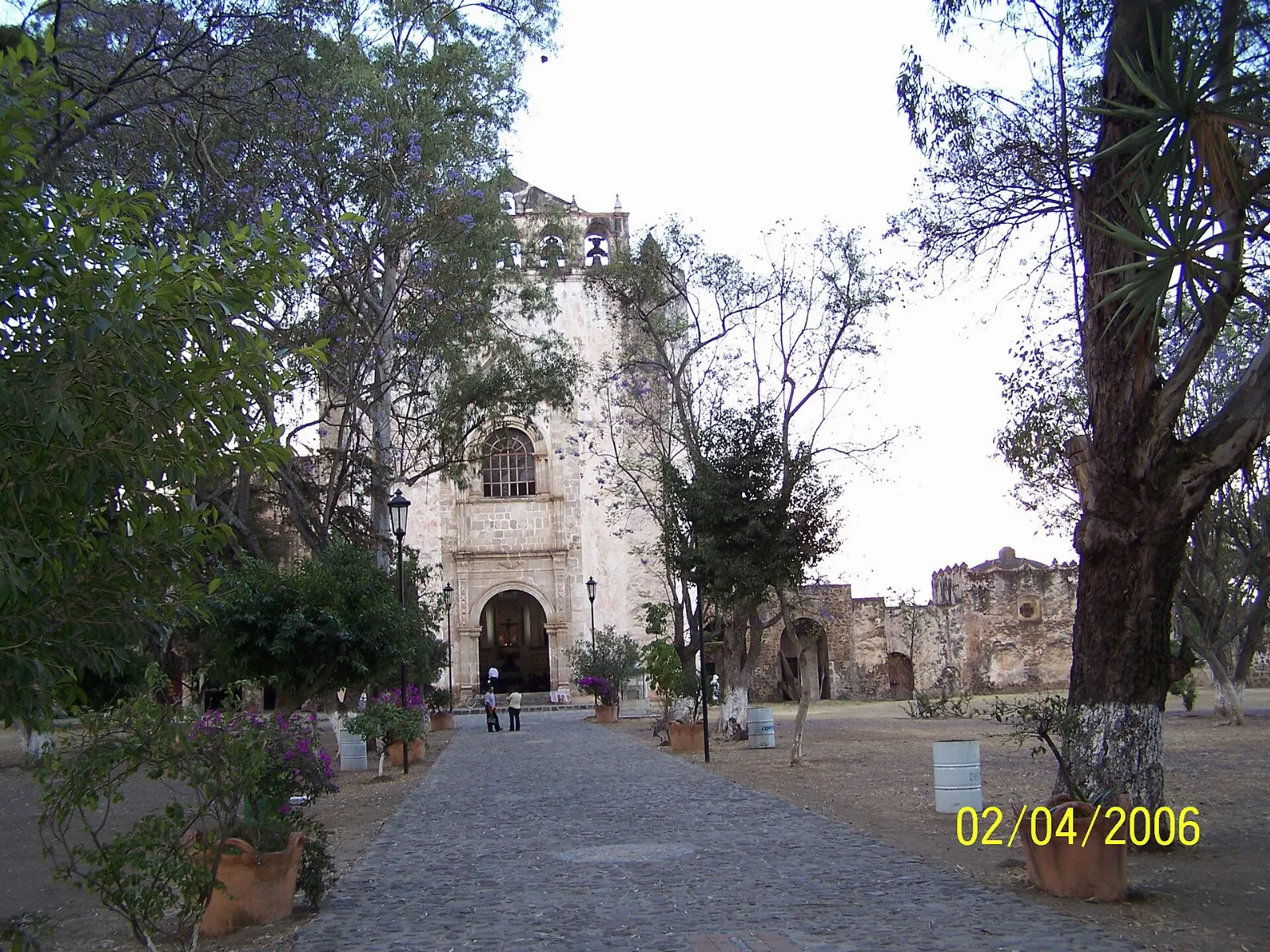
Tlayacapan is a small town in the northeast of Morelos, about an hour and a half south of Mexico City. Stone-paved streets, red tile roofs and a towering Augustinian monastery set the pace here.
AT A GLANCE
Best time
Carnival and the weeks of Lent bring the liveliest festivals, while any dry-season weekend suits quiet wandering.
How long
One full day covers the highlights and a weekend lets you linger.
Getting there
Direct buses run from Mexico City and Cuernavaca, or you can drive in about an hour and a half from the capital.
Why visit Tlayacapan
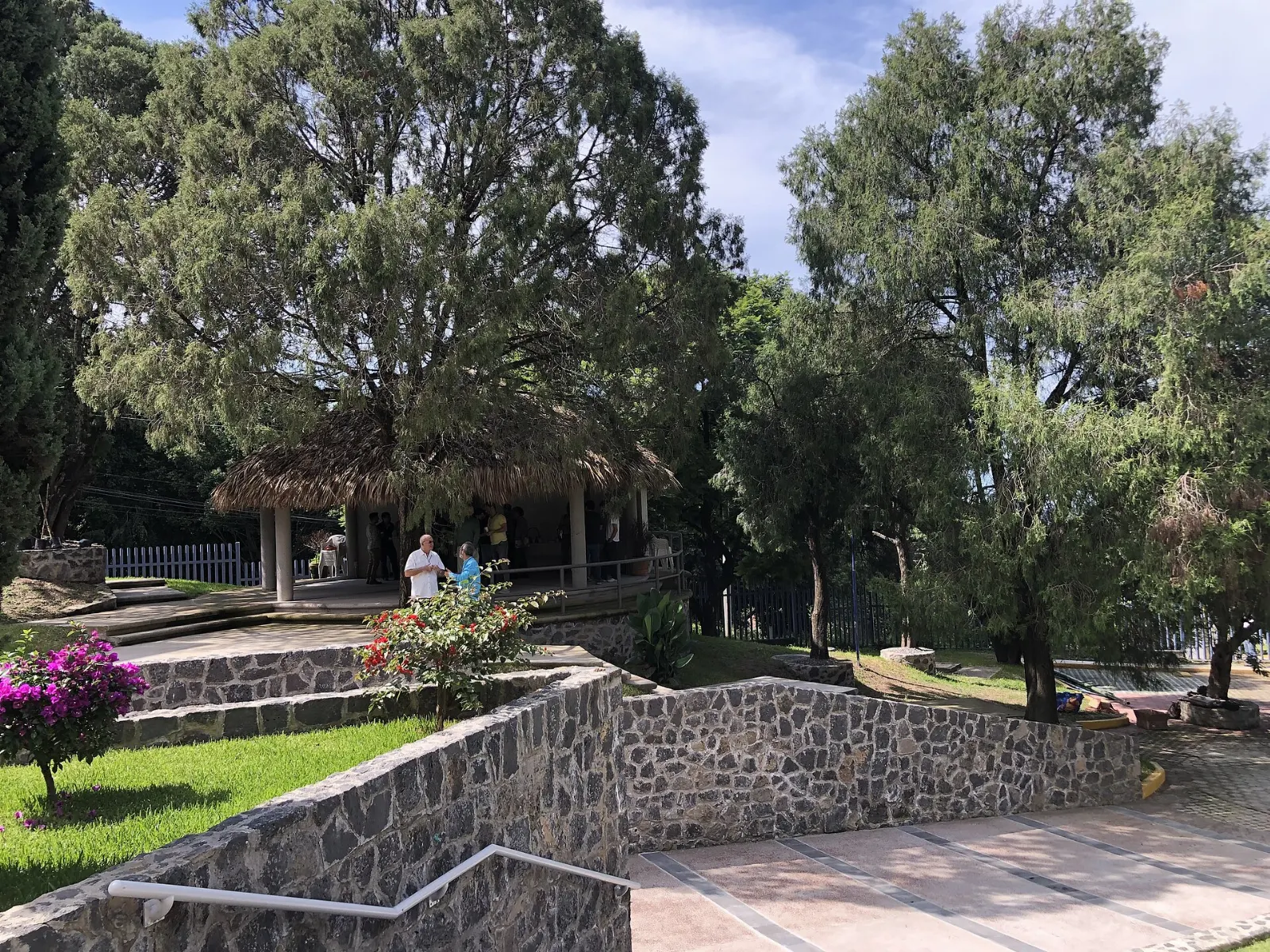
Tlayacapan feels like a working village rather than a polished showpiece. Most residents still depend at least partly on farming, and the old centre keeps its stone bridges, ravines and low colonial houses. Weekend crowds are lighter than in the Morelos towns closest to the capital.
The town is also known for two things. It is the birthplace of the Chinelos dance, and it is home to the Banda de Tlayacapan, a wind band with a national reputation. Add the monastery, a ring of small chapels and a long pottery tradition, and a short visit fills up quickly.
The monastery and the town centre
Ex-convento de San Juan Bautista
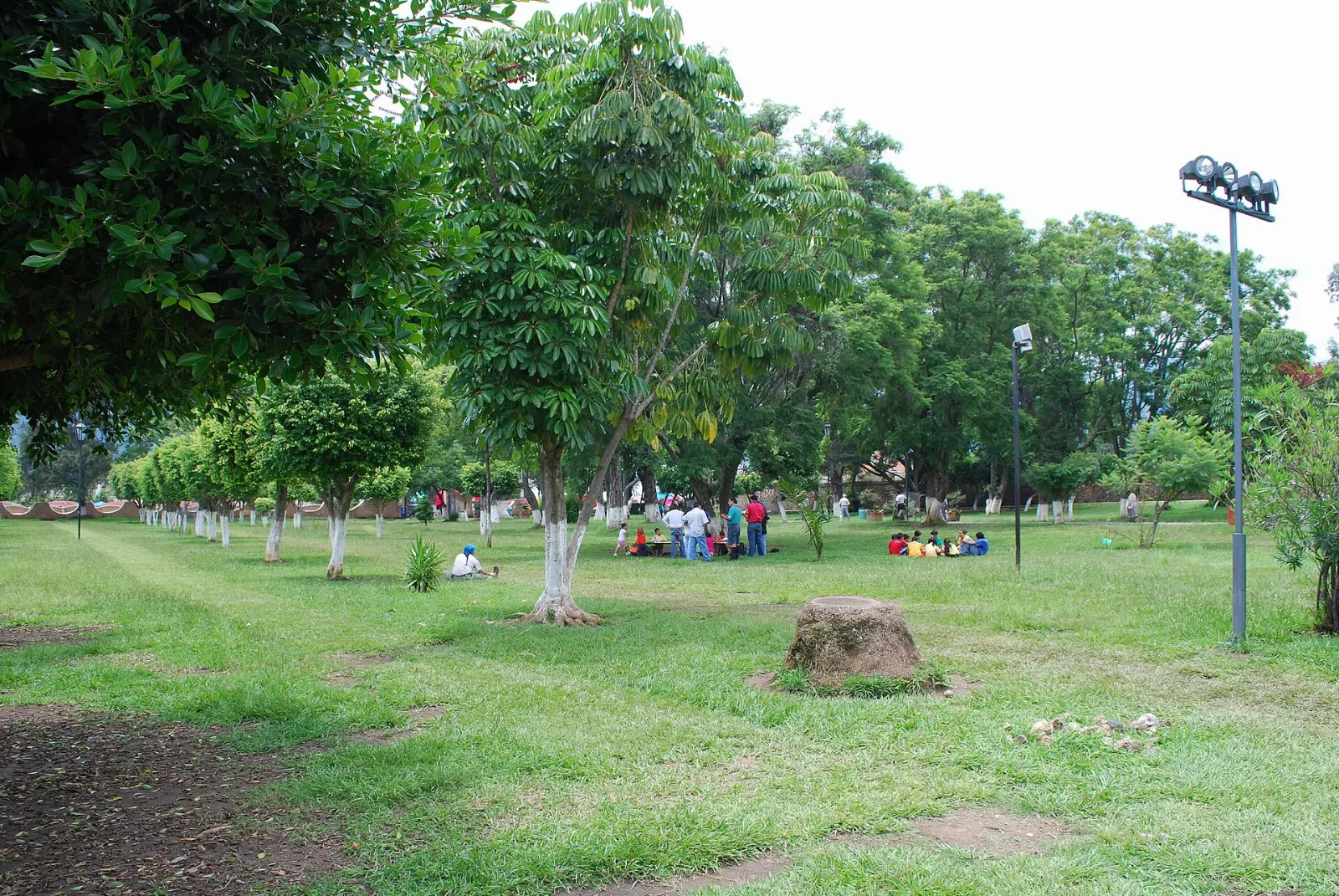
The Augustinians built this monastery between 1534 and 1574, and it towers over every other building in town. The atrium in front is larger than at any other monastery complex in Morelos, so take a slow walk across it before you go inside. Allow an hour, and note that the 2017 earthquake damaged the complex, so check locally what is open before you plan around it.
Monastery museum and frescoes
The former cloister and part of the open chapel now form a site museum. It holds pre-Hispanic objects, religious paintings and well-preserved frescoes in the entrance hall and the meditation room, which show the four evangelists and the crucifixion. Photography is not allowed inside the museum area, so leave the camera in your bag.
La Cerería Museum and Cultural Center
This large building covers a whole city block and dates to the 16th century. It once made candles for travelers on the road to Mexico City and later served as a barracks for the troops of Emiliano Zapata. Inside, displays cover the local pre-Hispanic past, pottery, musicians and the story of the Chinelos, so it makes a good first stop to understand the town.
Plaza del Alfarero and Calle Emilio Carranza
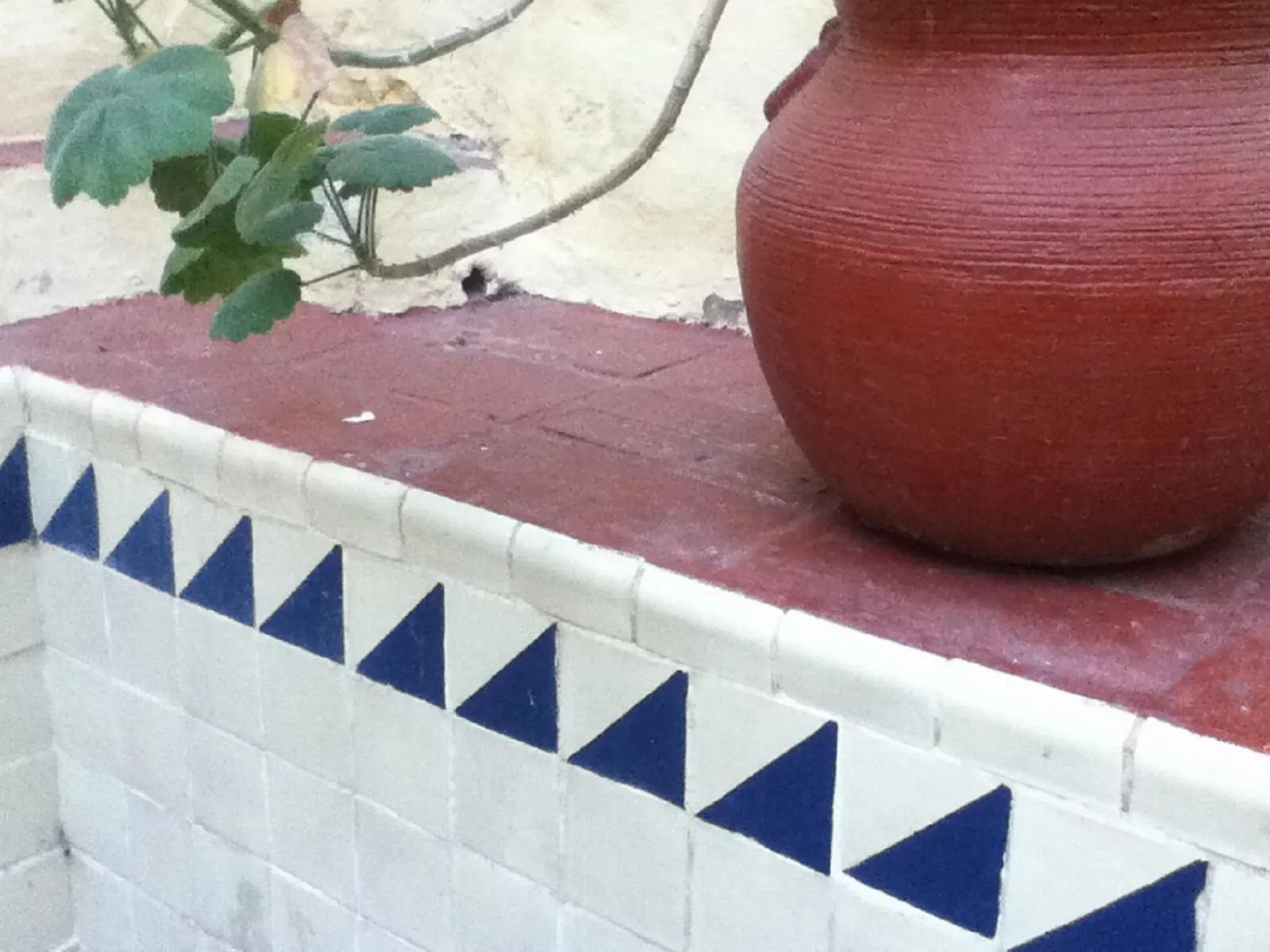
Craft shops line Calle Emilio Carranza, and a craft market sets up in the Plaza del Alfarero on Saturdays and Sundays. Look for handmade clay pieces from the local potters. Bring a bag with padding if you plan to carry pottery home.
Chapels and neighborhoods
Capilla de El Rosario
While the Augustinians built their monastery, they also raised 26 chapels on sites of older rituals, and 18 of them are still in use. El Rosario marks the traditional western boundary of town and gives its name to the surrounding neighborhood. Its facade is covered in stucco filigree, and its feast on 7 October brings small fireworks bulls and wind bands.
Capilla de Santa Ana
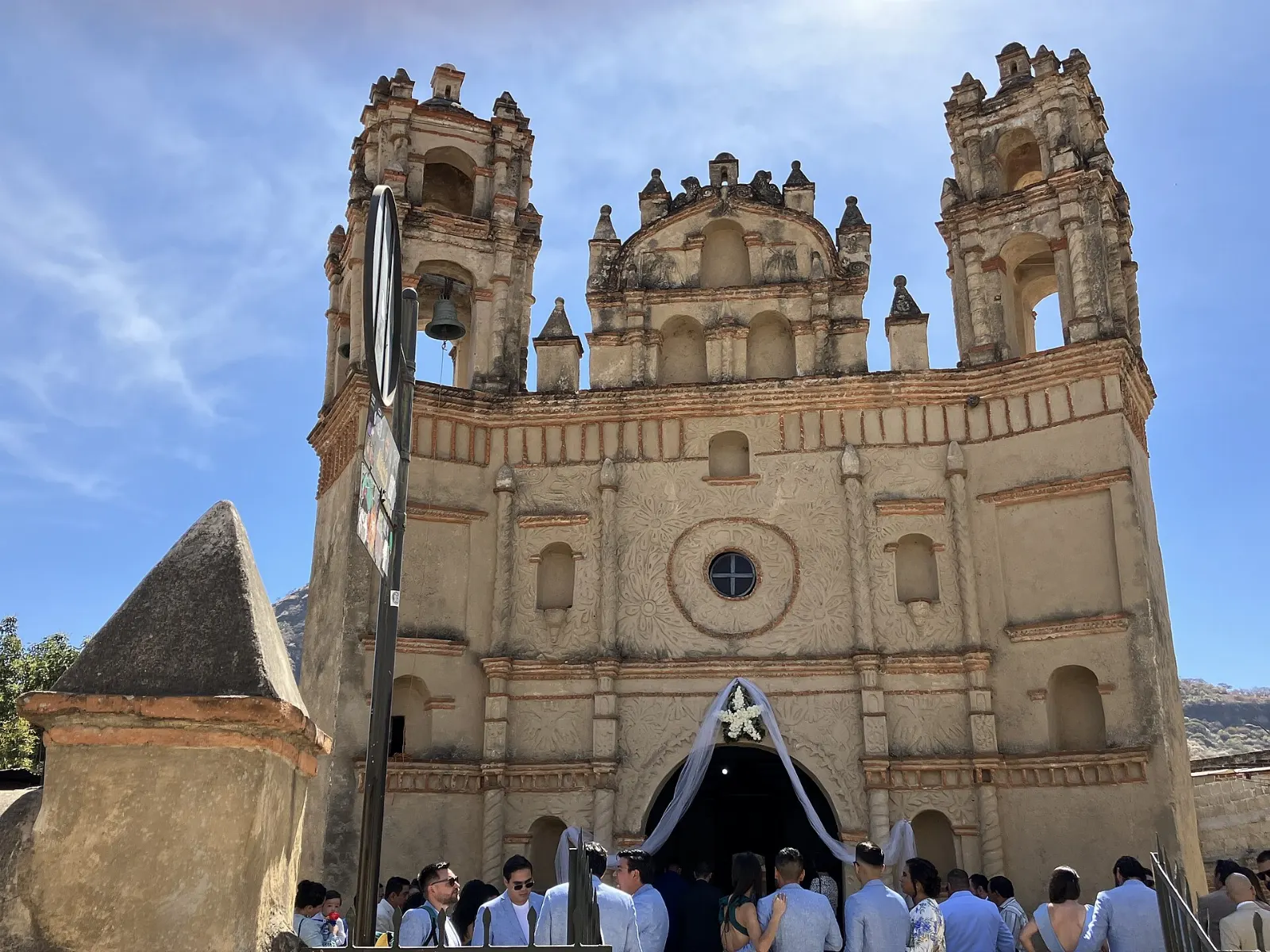
Santa Ana stands in the northern neighborhood, once the usual exit toward Mexico City. The facade is sober, with a medallion of the saint, but the chapel plays a big role in local ritual, including the Holy Week burial procession. Pilgrims heading to Chalma also leave from here and return to it.
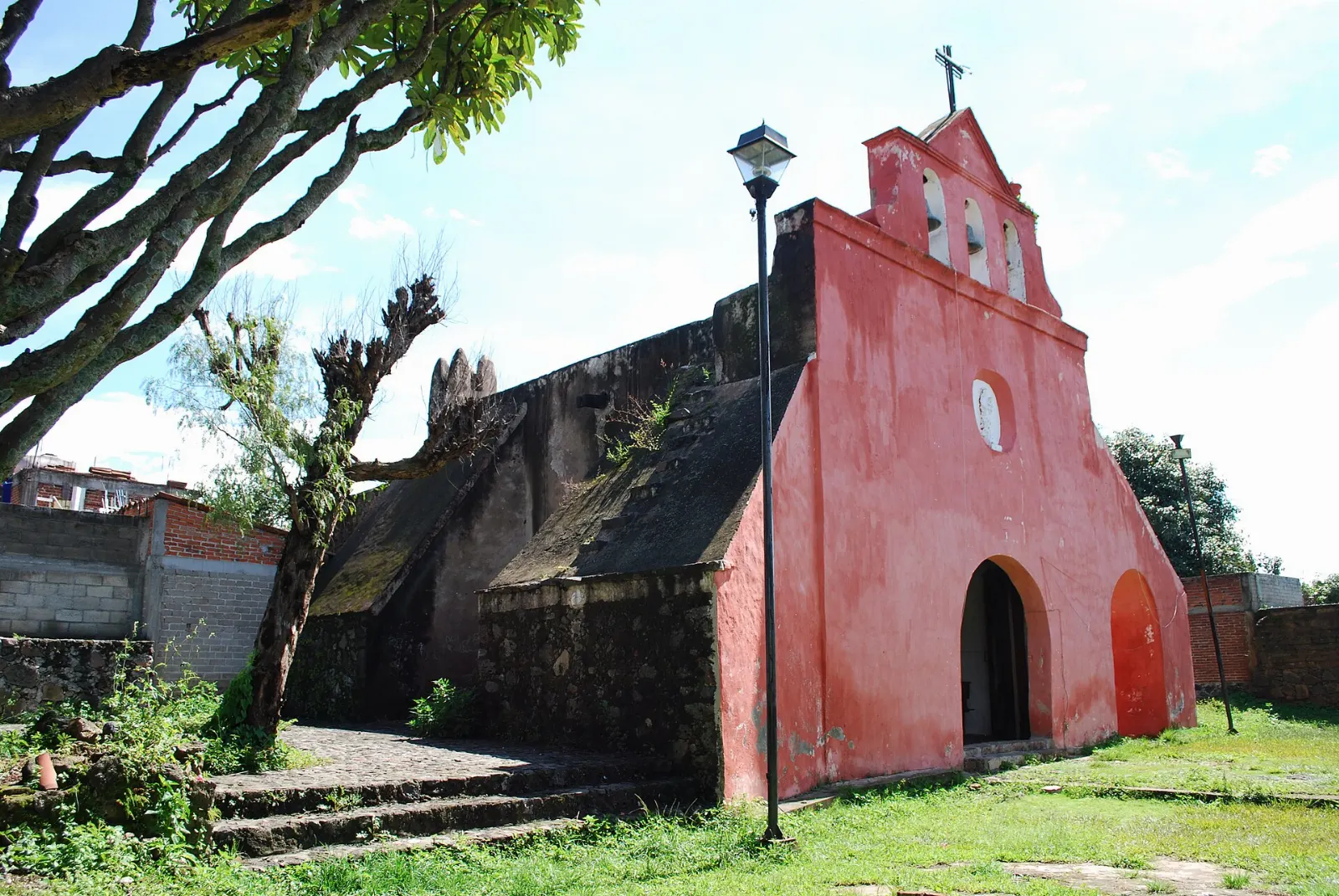
Capilla de la Exaltación
In the south of town, this chapel holds a Black Christ image said to work miracles. Its main celebration falls on the first Friday of Lent, when pre-Hispanic dances and fireworks fill several days. Even outside festival time it is a quiet stop on a neighborhood walk.
Capilla de Santiago and the potters
The Santiago neighborhood in the east is home to many of the town's potters, who make everyday pieces such as pots for mole. The chapel interior is more decorated than most, with painted angels and saints, and its bell towers carry Talavera tiles. Its feast day is 25 July.
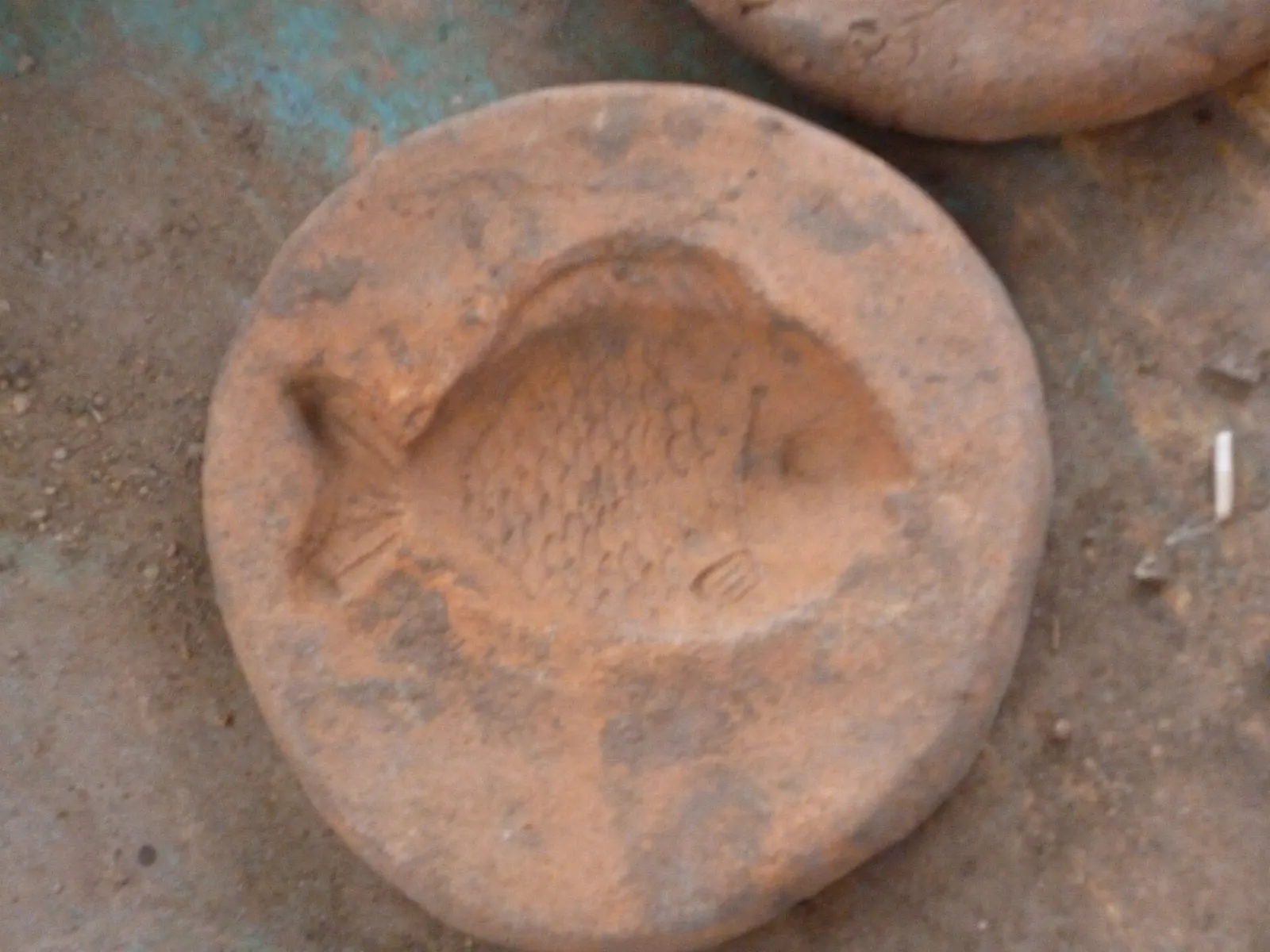
Museo del Alfarero
The Potters' Museum sits inside the Capilla de la Natividad. It is small, so allow about half an hour, and it pairs well with a visit to a workshop in the Santiago area.
Chinelos, temazcales and the wider area
Chinelos and Carnival
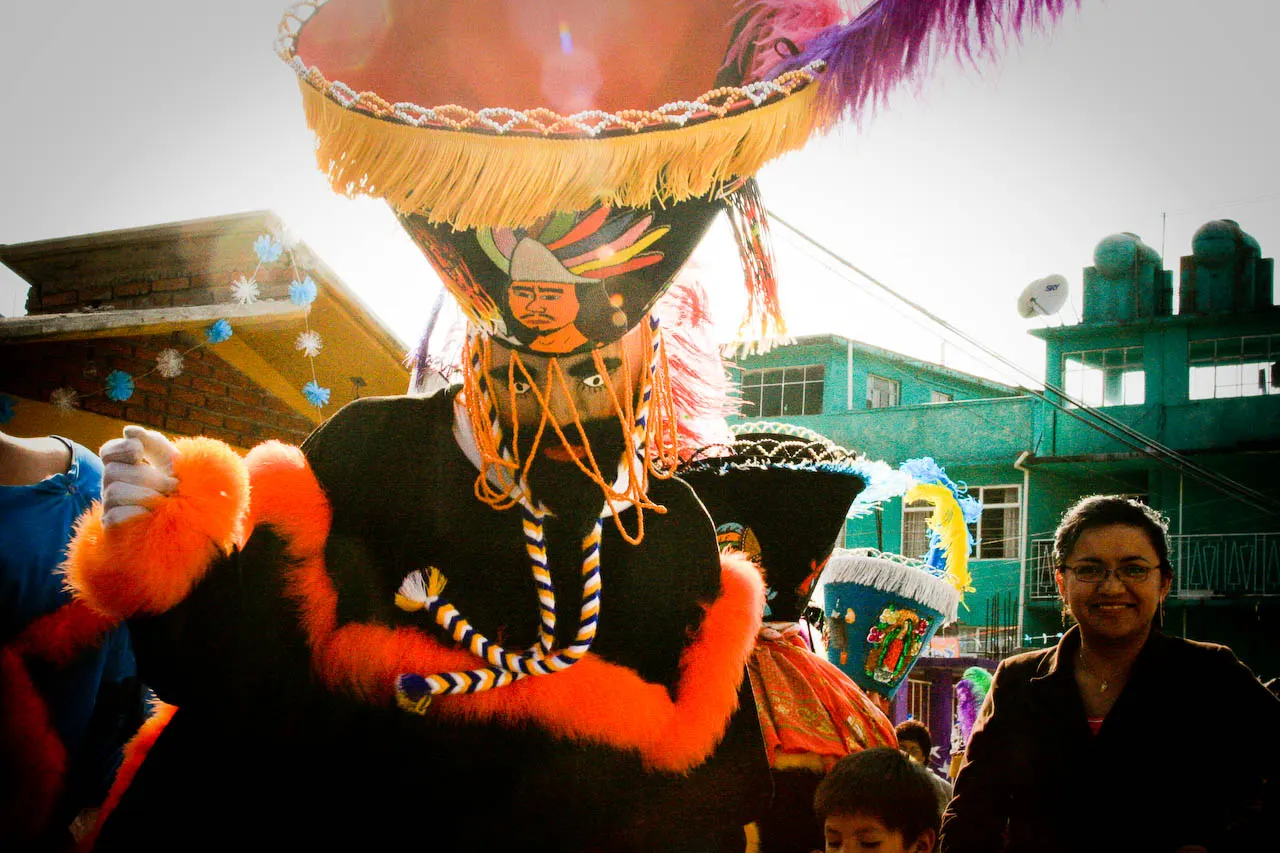
Carnival is a huge celebration here, and the Chinelos tradition, found across Morelos, is said to have started in Tlayacapan. Dancers wear long embroidered robes and tall feathered hats and hop to brass music. If your dates are flexible, plan around Carnival, and book rooms early.
Pulquerías
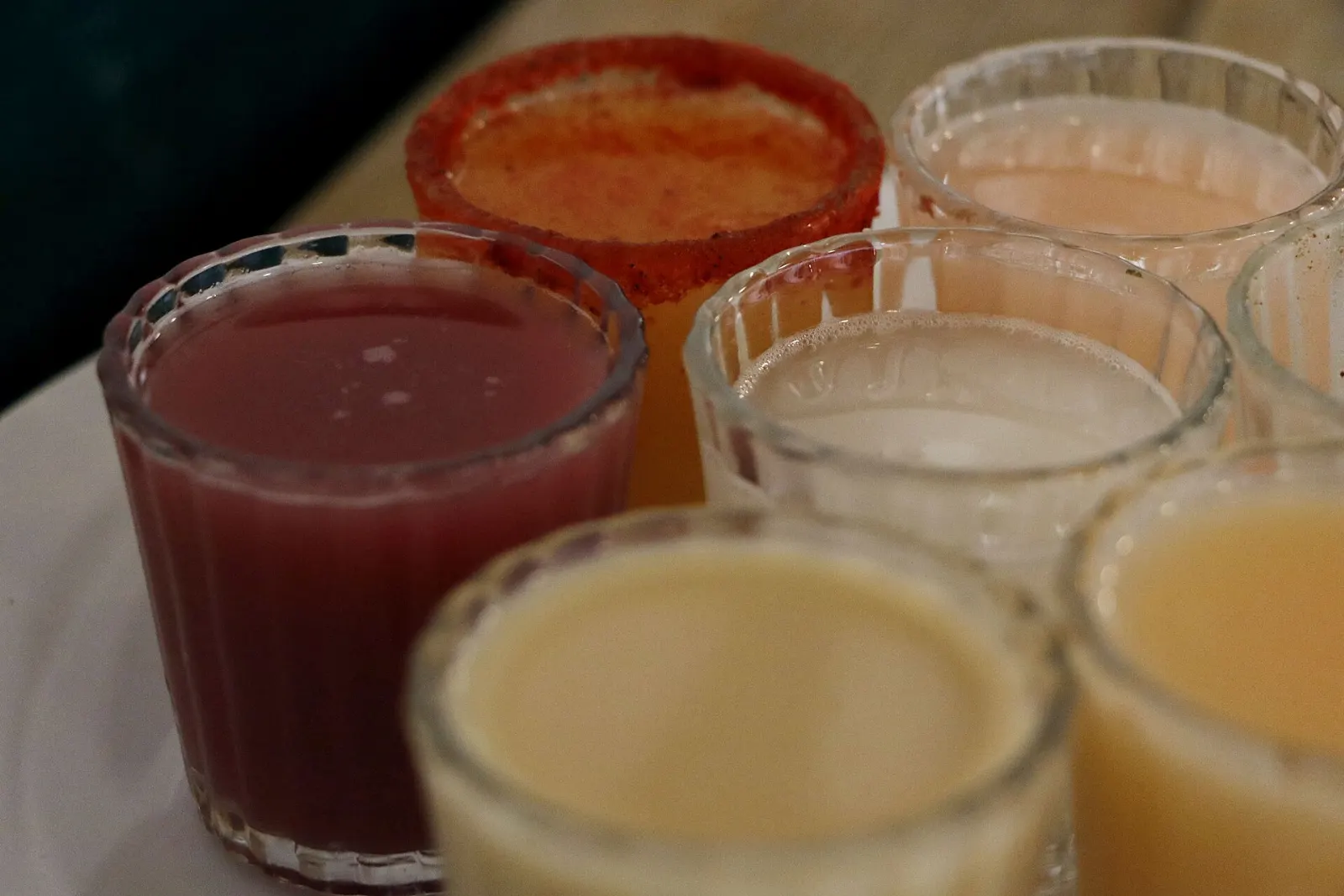
Pulque is the traditional drink of this part of Mexico, and the town has bars that serve both plain and flavored versions. Several keep short hours, and some open only on weekends, so ask in town before you go. A glass at a pulquería is a good way to end an afternoon of walking.
Temazcal
A temazcal is a pre-Hispanic steam bath that uses scented herbs, and several places in town offer one. Many need a group of five or six and a reservation about a week ahead, so arrange it before you arrive.
Oaxtepec and Cuernavaca
Oaxtepec and Cuernavaca are the usual next stops. Tlayacapan belongs to a chain of monasteries on the slopes of Popocatépetl that was listed as a World Heritage Site in 1994, so a longer trip can follow that thread from town to town.

Tepoztlán
Tepoztlán, nearby, shares a local legend with Tlayacapan: the image of the Virgen del Tránsito is said to have come from Tepoztlán and then refused to leave Tlayacapan. It makes a good second-day detour if you have a car.
 Planning a trip to Tlayacapan?Compare hotels, flights and vacation rentals for Tlayacapan on Expedia.Book now
Food and local flavors
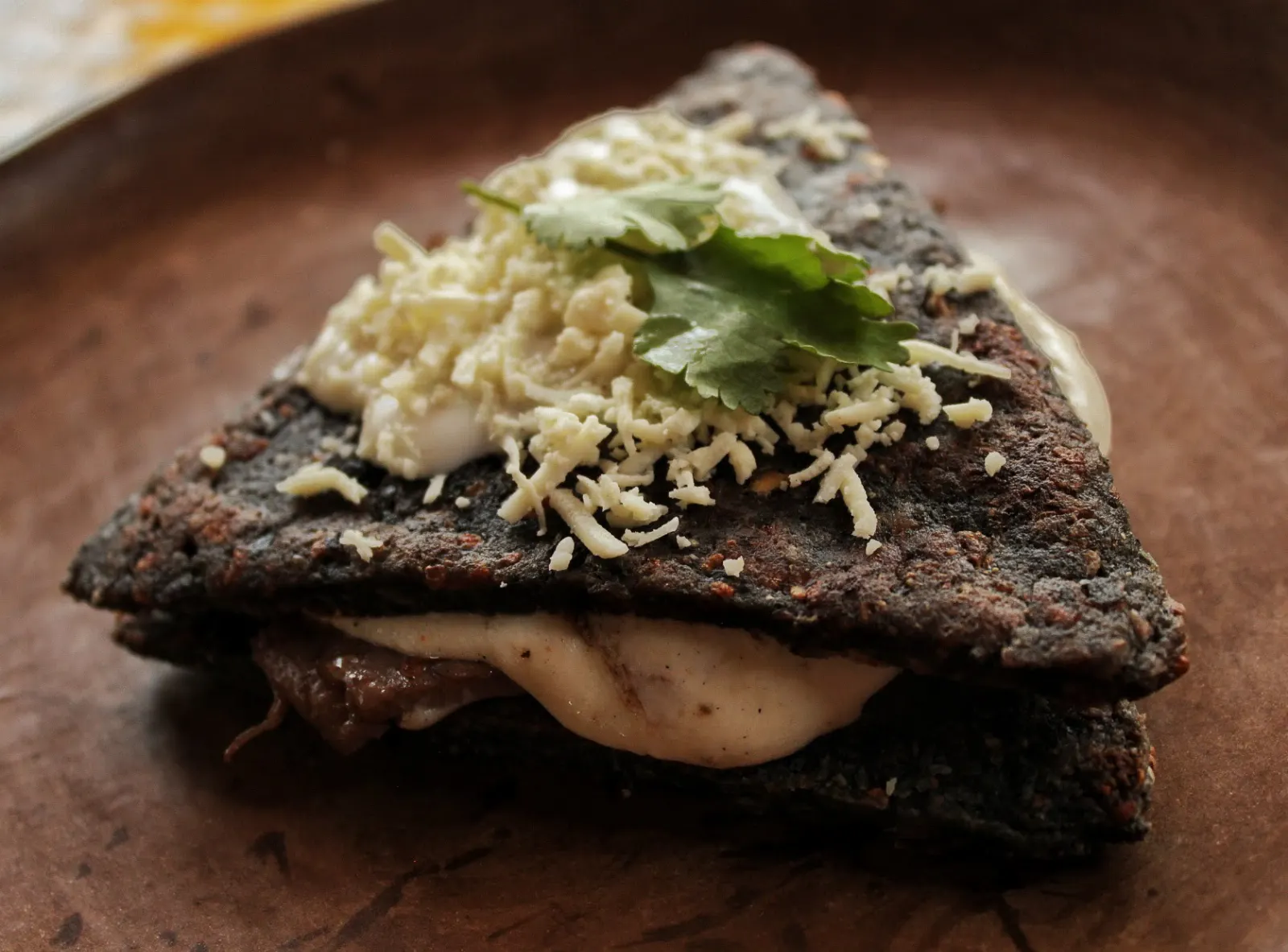
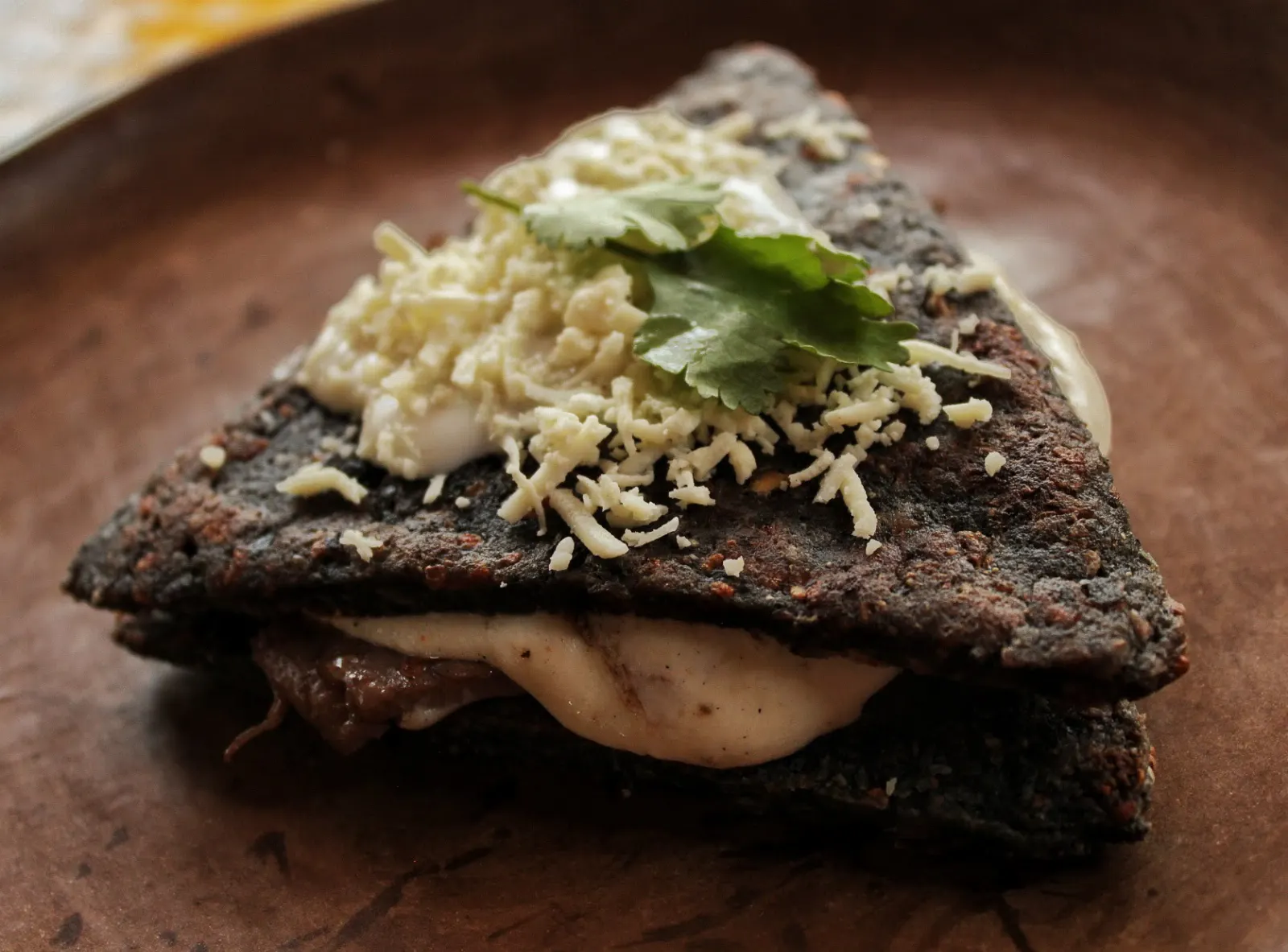
Tlayacapan cooks traditional Mexican food, and the menu leans toward central Mexico. Start with pulque, the milky drink made from fermented maguey sap, at a pulquería in town. Esquites con huitlacoche, corn kernels cooked with the prized corn fungus, appears on garden restaurants near the monastery.
Pozole, a hominy stew, is a weekend favorite at small pozolerías. The bold can try chapulines, toasted grasshoppers, sometimes flamed in mezcal. For snacks, the stalls around the plaza and the weekend craft market are the easiest places to eat among locals.
Popular dishes to try in Tlayacapan


Where to stay
Tlayacapan is small enough that location matters less than atmosphere. Stay in Centro if you want to walk to the monastery, the plaza and most restaurants. Small posadas on the main square suit budget travelers and short stays.
Barrio de El Rosario sits on the western edge of town and suits couples and anyone who wants quiet. Small inns here have terraces with mountain views, and some rooms have fireplaces.
Oaxtepec, a short drive away, suits travelers who want to combine Tlayacapan with other Morelos stops. Whatever you choose, book ahead for Carnival and for the June feast of San Juan Bautista.
Where to stay in Tlayacapan


Best time to visit
Central Mexico has a dry season and a rainy season, and most visitors prefer the drier months for walking the cobbled streets. Carnival, which falls in late winter, is the most famous event, with Chinelos dancing in the streets.
Lent brings a string of chapel feasts, starting with the Señor de la Exaltación on the first Friday. The feast of San Juan Bautista on 24 June honors the patron saint of the town, and the Rosario feast on 7 October closes the main festival season. Weekdays are the quietest time, but some workshops and bars open only at weekends.
Getting there and getting around
Tlayacapan lies about 60 kilometers east of Cuernavaca and roughly an hour and a half south of Mexico City by road. From Mexico City's Taxqueña bus terminal, buses run about every hour and take around two and a half hours. From Cuernavaca, buses leave every half hour or so and take about two hours.
Most visitors arrive by bus or car, and Mexico City International Airport is the usual gateway for flights. The town is compact, so walking is the best way to get around, and taxis are easy to find for the chapels on the outskirts or trips to nearby towns.
A suggested itinerary
First day
Start with the monastery and its museum, then cross town to La Cerería for context. After lunch near the plaza, browse the craft shops and the weekend market for pottery.
Second day
Walk the chapel circuit from El Rosario to Santa Ana, Exaltación and Santiago, stopping at the Potters' Museum. Finish with a pulque tasting or a temazcal booked in advance, then head home or on toward Oaxtepec.
Practical tips
- Wear comfortable shoes, because the streets are paved with stone and often uneven.
- Check your government's current travel advisory before you go.
- Confirm locally which parts of the monastery and its museum are open.
- Do not take photos inside the monastery museum.
- Reserve temazcal sessions about a week ahead and be ready to join a group.
- Visit on a Saturday or Sunday if you want the craft market and open pulquerías.
- Carry cash for small shops, market stalls and taxis.
- Plan ahead if you come for Carnival or a chapel feast, as rooms fill early.