Tepoztlán Mexico Pyramid Hikes Mole Verde and Market Streets
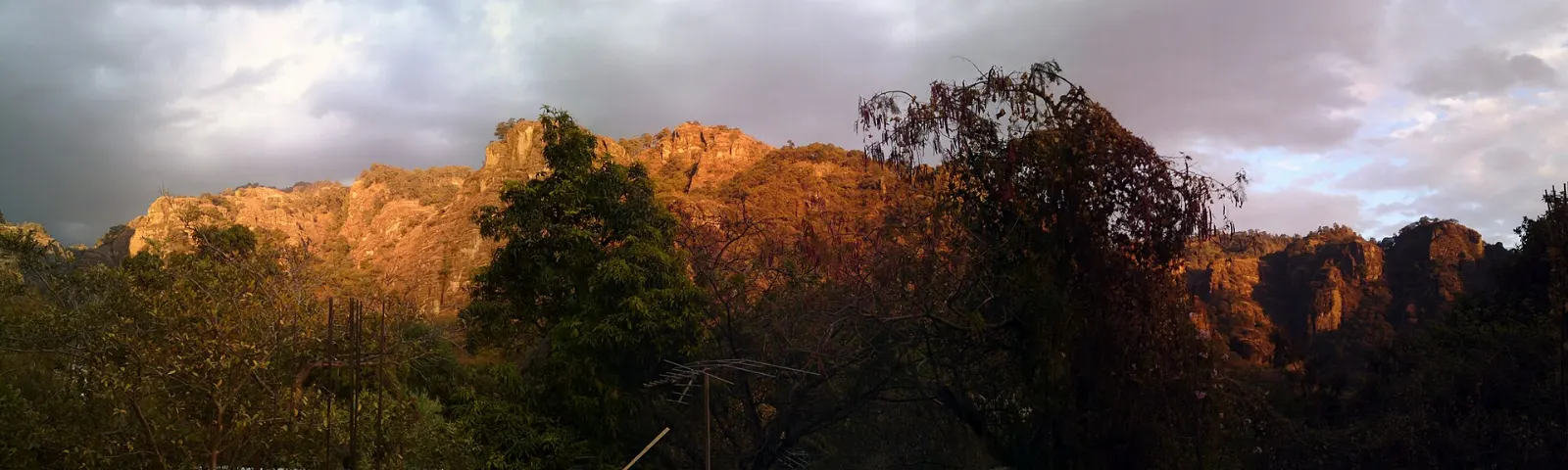
Tepoztlán is a small town in the Mexican state of Morelos, set in a valley beneath towering cliffs and about an hour south of Mexico City. A pre-Hispanic temple on the mountain, a sixteenth-century convent in the center and a market with regional food make it one of the best places to visit in Morelos. This guide covers the main sights, food, lodging, timing and a simple plan for your stay.
By WiserMap TravelUpdated October 20268 places10 min read
Best timeThe dry months from November to April give the clearest hiking weather.
How longOne night is the minimum, and two days lets you hike and explore at ease.
Getting thereTake a bus from Mexico City's southern terminal, usually about an hour and a half.
Ad
Why visit Tepoztlán
The name comes from Nahuatl and is often translated as place of copper or of broken rocks, which suits the jagged ridgeline above the town. The town itself has about fourteen thousand residents, while the wider municipality counts more than forty thousand, which keeps the center small and walkable. Tradition places the birth of Quetzalcoatl nearby, and the area has long been a gathering spot for spiritual and cultural movements.
Tepoztlán was named a Pueblo Mágico in 2002, lost the title in 2009 and recovered it in 2010. Today it blends traditional streets, hiking, wellness retreats and a lively weekend atmosphere.
The mountain and the national park
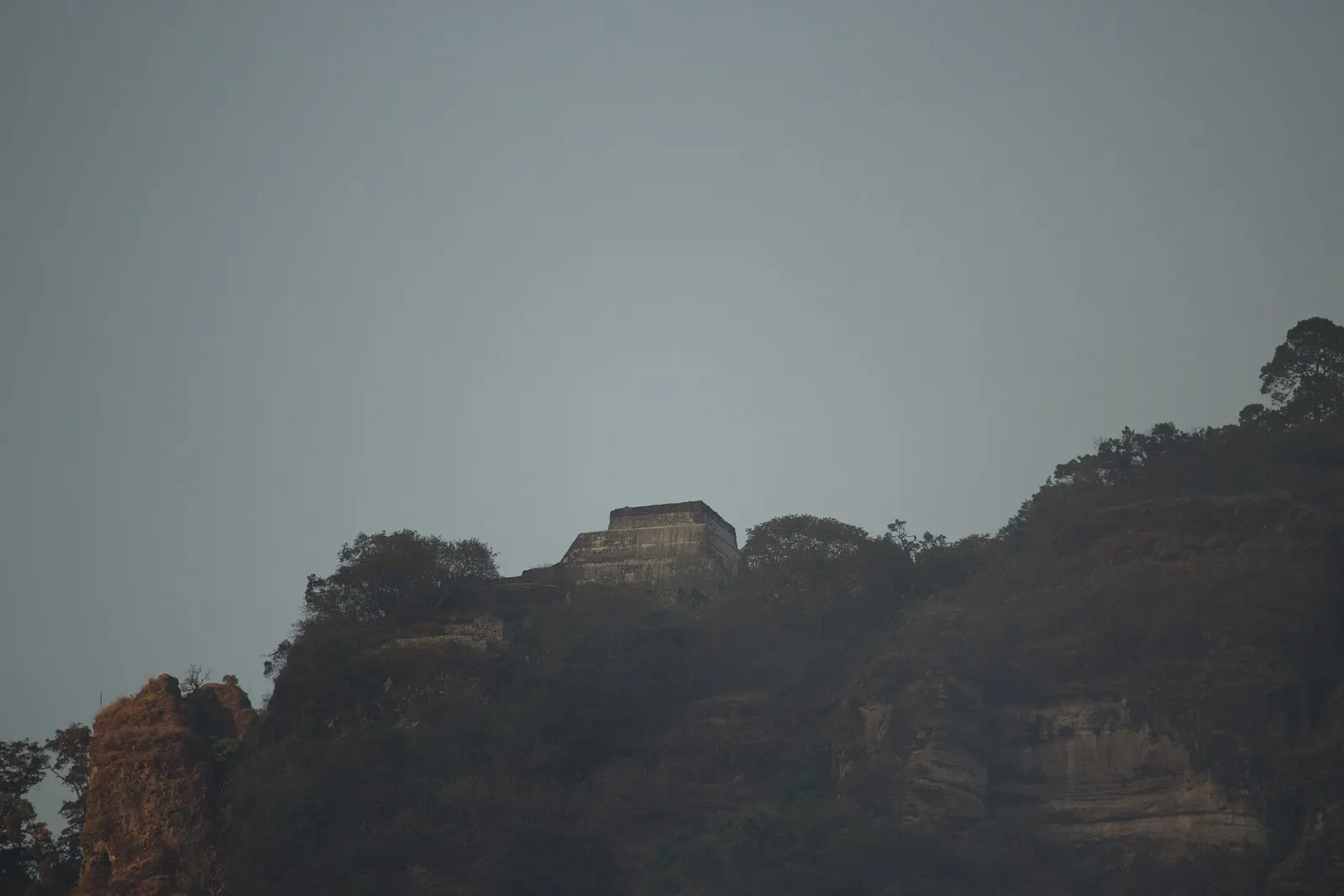
El Tepozteco pyramid
The temple of El Tepozteco dates from the Postclassic period and honors Tepoztecatl, linked to pulque. It stands about 2,310 metres above sea level, roughly 595 metres higher than the town plaza. The rustic trail covers about 2 kilometres, and hikers take anywhere from 20 minutes to a few hours depending on fitness. The summit rewards the effort with views over the town and the Valley of Cuernavaca, and the temple was built in the thirteenth century.
The temple of El Tepozteco, dedicated to the pulque god Tepoztecatl, crowns the cliffs above town. Photo: Johannes Reimer, Wikimedia Commons, CC BY 4.0
The hiking trail
Reach the trailhead by walking down Avenida 5 de Mayo to the end of the street, where steps begin the ascent. Start early, wear sturdy shoes and bring plenty of water. Coatis live near the top and may try to open backpacks, so keep food sealed and never feed them. Rest at the viewpoints along the way rather than rushing, since the steps are uneven and the air is thinner than in town.
Tepozteco National Park
The park, established in 1937, covers a rugged landscape of mountains and forest within the Chichinautzin biological corridor. Different elevations support oak, pine and fir, along with birds and mammals. Sixteen mountains offer hiking paths and rock-climbing options, and more than a hundred bird species have been recorded. Check locally for current trail conditions, because the route closed after the 2017 earthquake before reopening.
Ad
In the town center
Ex-convento de la Natividad
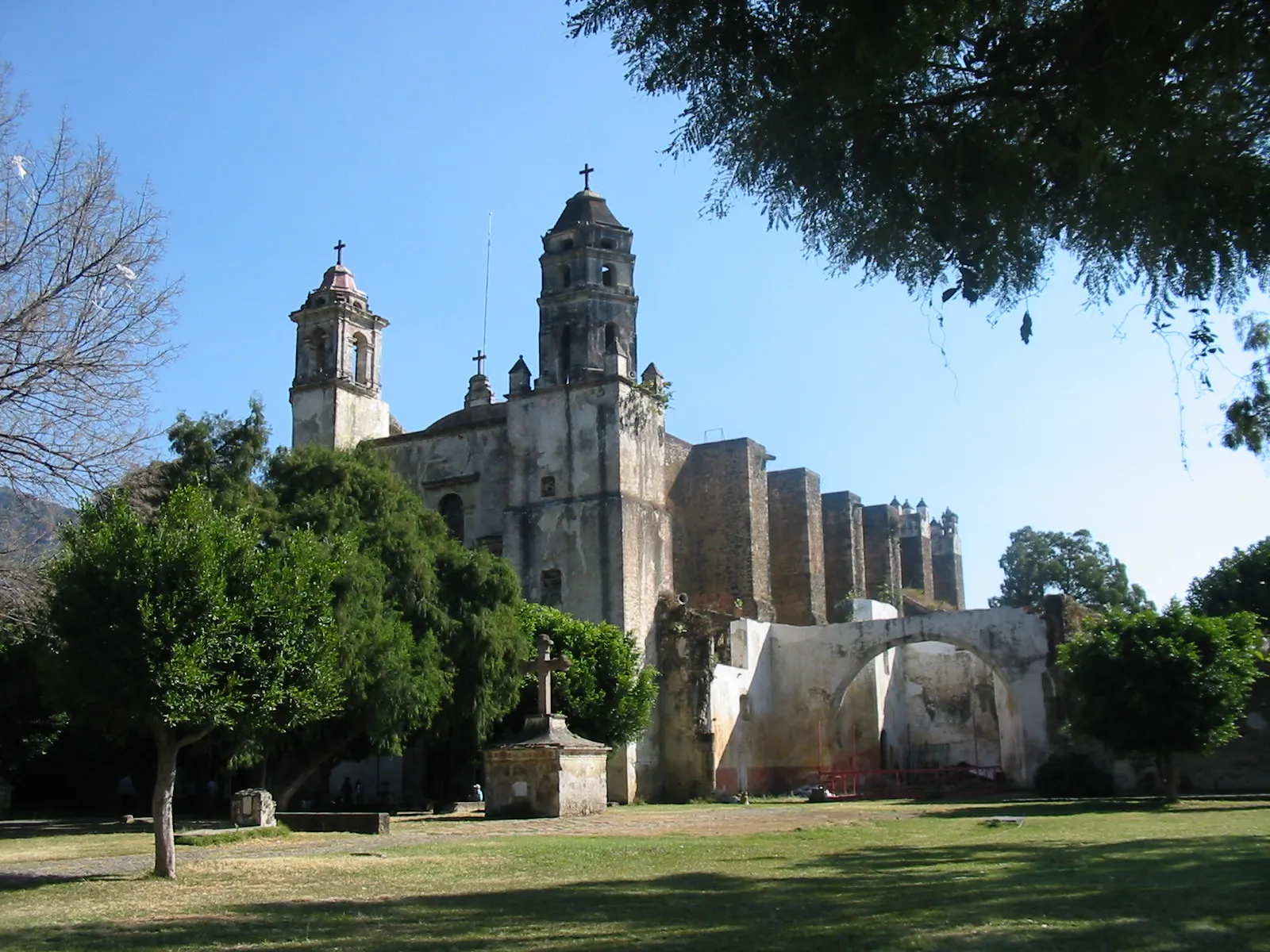
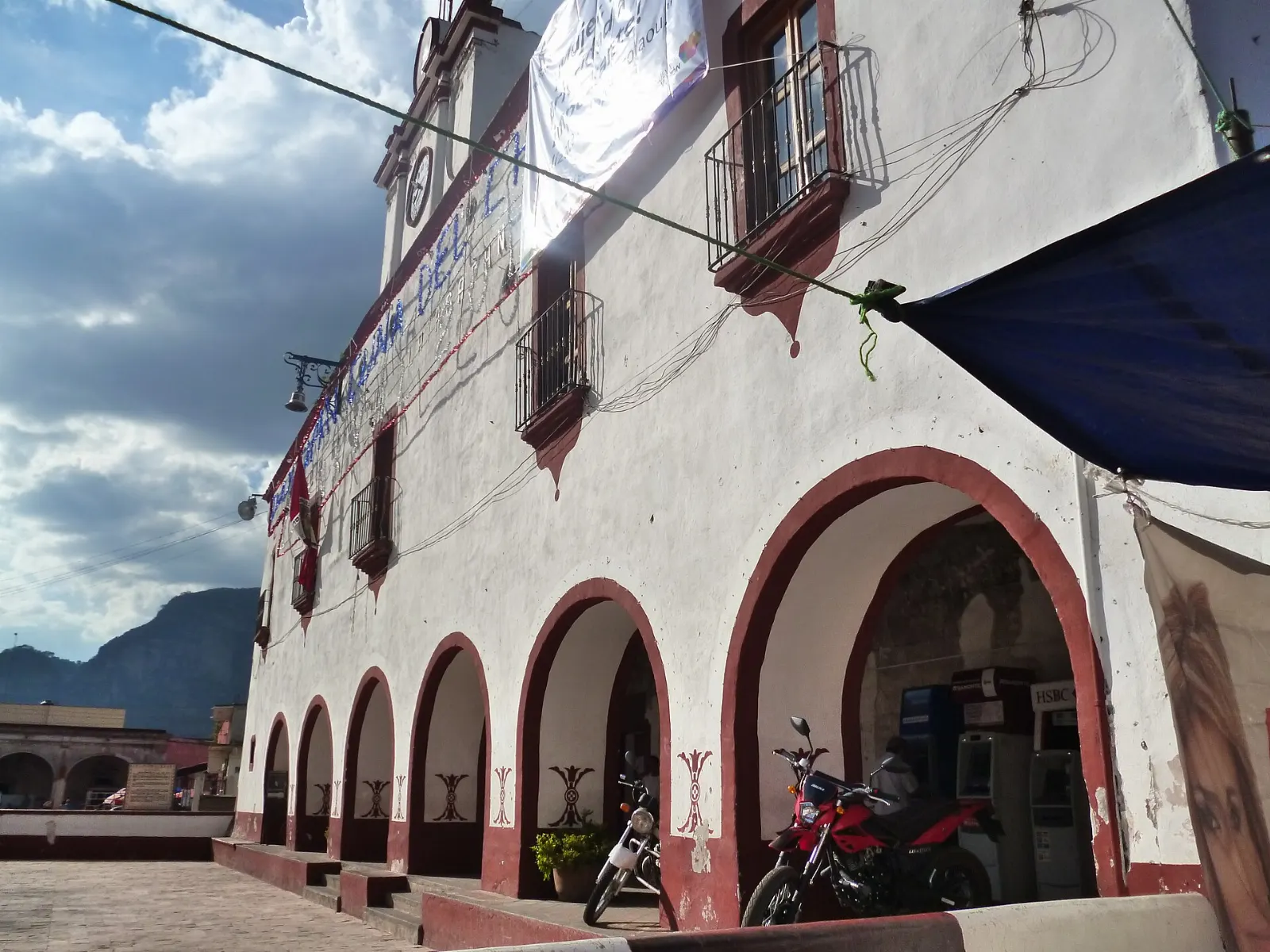
Dominican friars built this convent between 1555 and 1580. Its large atrium holds capillas posas at the corners and serves as a park. The church faces the main square, so you can see it in about an hour. The convent is recognized as part of a UNESCO World Heritage listing, so it is well worth the time.
The Dominican convent was built between 1555 and 1580 and is part of a World Heritage listing. Photo: Thelmadatter, Wikimedia Commons, Public domain
Museo Carlos Pellicer
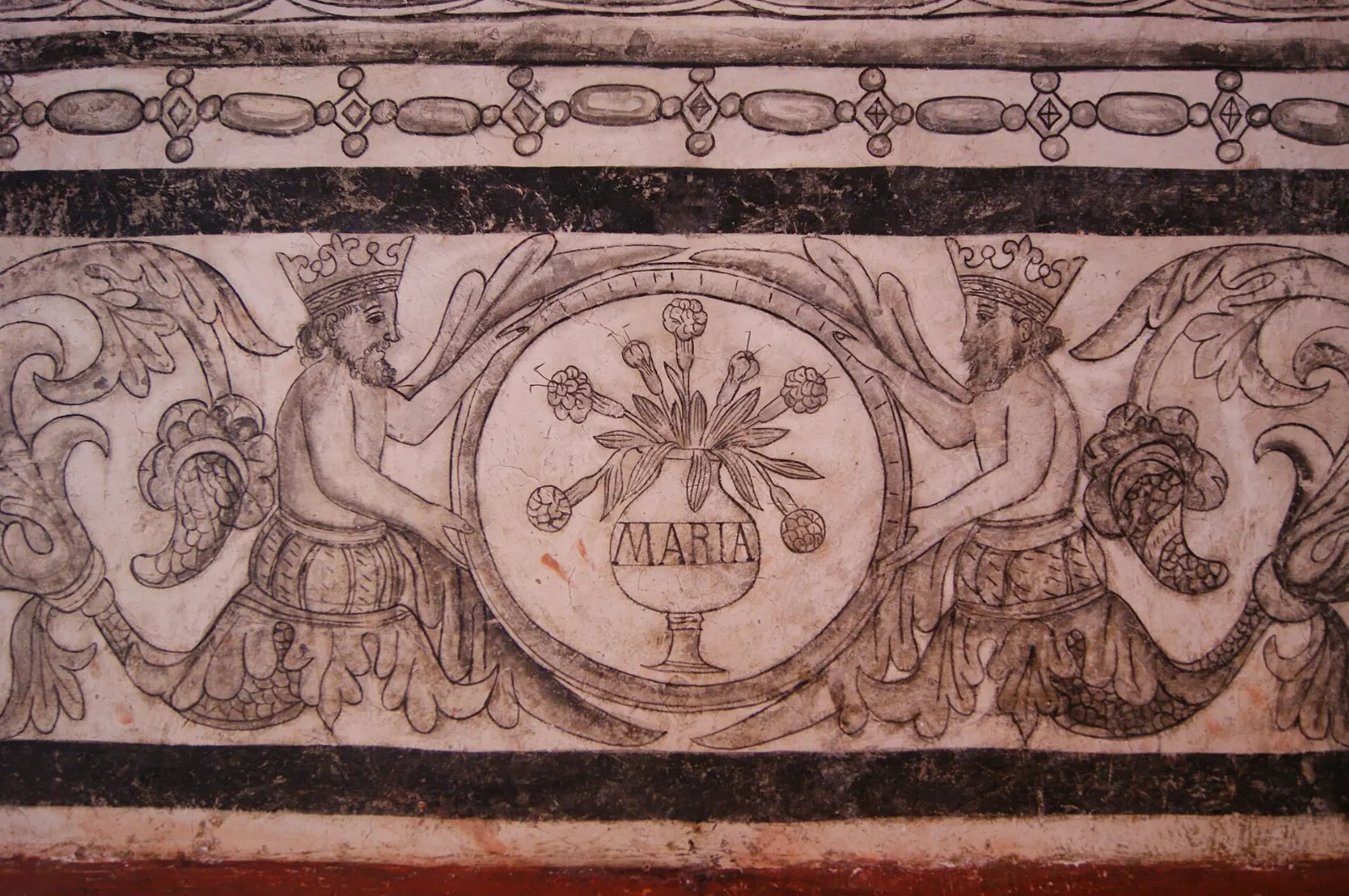
Behind the convent, this archaeological museum opened in 1965 and displays pre-Hispanic pieces. It is small, so allow about forty minutes and pair it with the convent visit. Look for the pieces that show how important pulque and the local deity Tepoztecatl were to the valley.
The museum sits behind the convent and displays pre-Hispanic pieces. Photo: PetrohsW, Wikimedia Commons, CC BY-SA 4.0
The market and Avenida 5 de Mayo
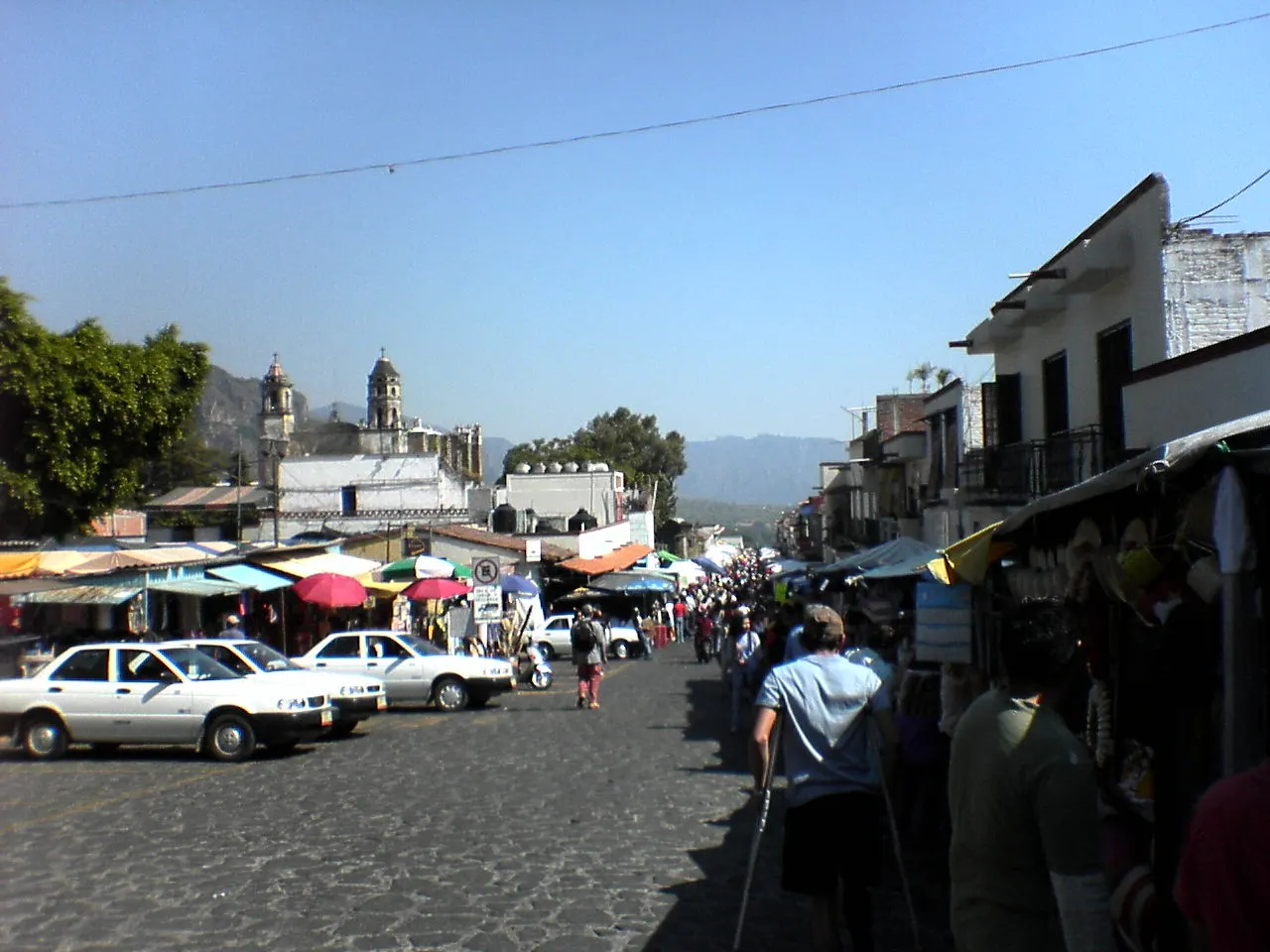
The main avenue and the market are lined with handicrafts, local mezcal, quartz and regional food. On Sundays the market spreads across a full street and becomes the liveliest hour of the week. Arrive before lunch to avoid the biggest crowds. Sunday is the best day for pottery, handicrafts and souvenirs.
The market spreads along the street on Sundays. Photo: Wiper México, Wikimedia Commons, CC BY-SA 3.0
Villages and day trips
Amatlán de Quetzalcóatl
This village east of town is described as the mythical birthplace of Quetzalcoatl, and a short hike leads to a waterfall. Local festivals take place on 29 May and 22 June.
Santa Catalina and San Juan Tlacotenco
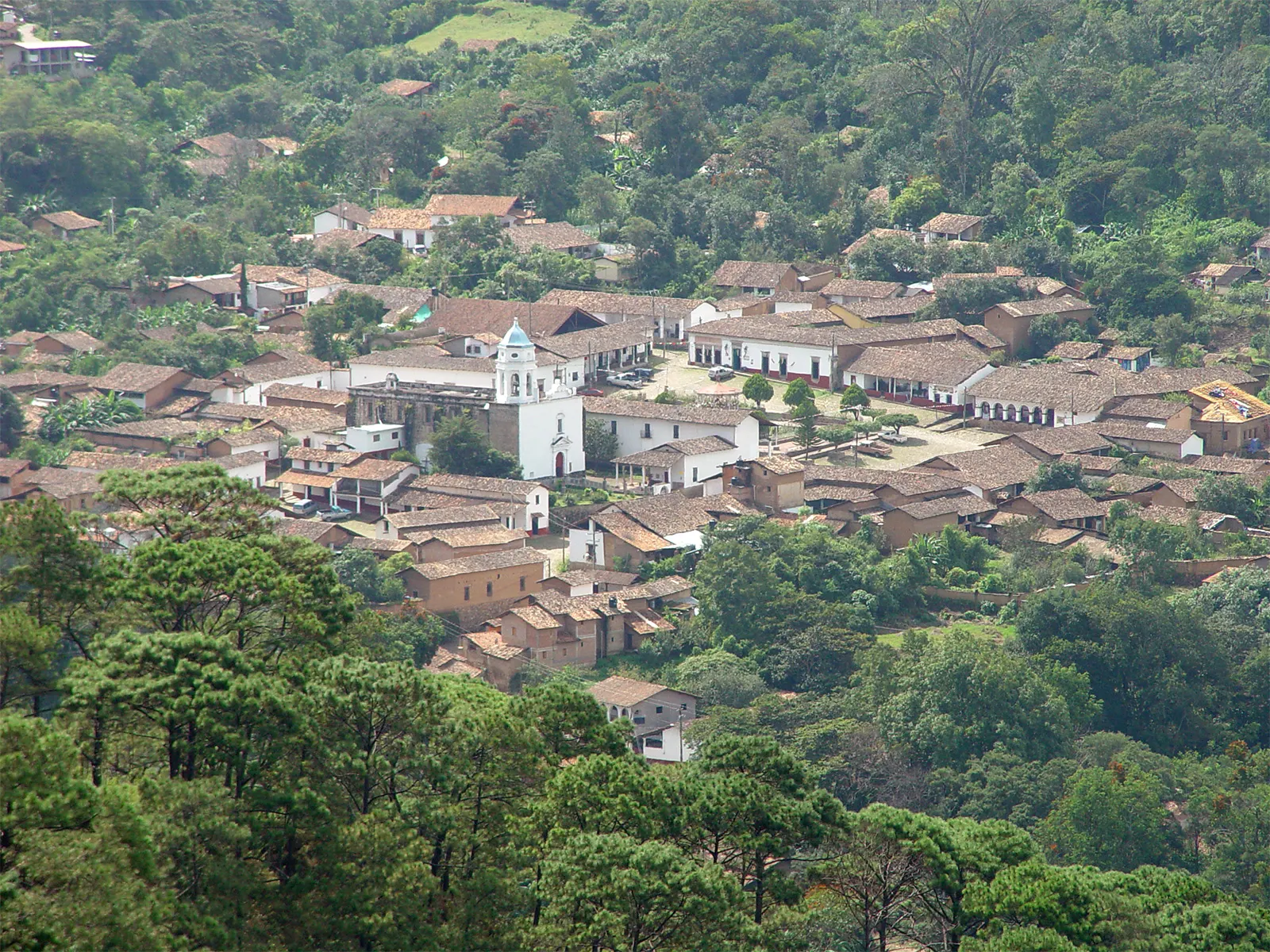
Santa Catalina, west of the center, has a church dedicated to Saint Catherine of Alexandria with a delicately decorated two-level bell tower, and its feast day is 24 November. San Juan Tlacotenco lies about five kilometres north at roughly 2,350 metres, in forest within the national park, and has a small museum of local finds.
Amatlán is regarded in local tradition as the birthplace of Quetzalcoatl. Photo: Drejtinm, Wikimedia Commons, CC BY 3.0
Carnaval and the September festival
Carnaval is the largest in Morelos and runs three days before Ash Wednesday, with chinelo dancers. On 8 September the town honors Tepozteco and the Virgin of the Nativity, and seed murals decorate the church.
Many hotels offer a temazcal, a steam-bath ritual with medicinal plants. The Meztitla scout camp west of town is open to the public for hiking, camping and rappelling.
Tlayacapan and Cuernavaca
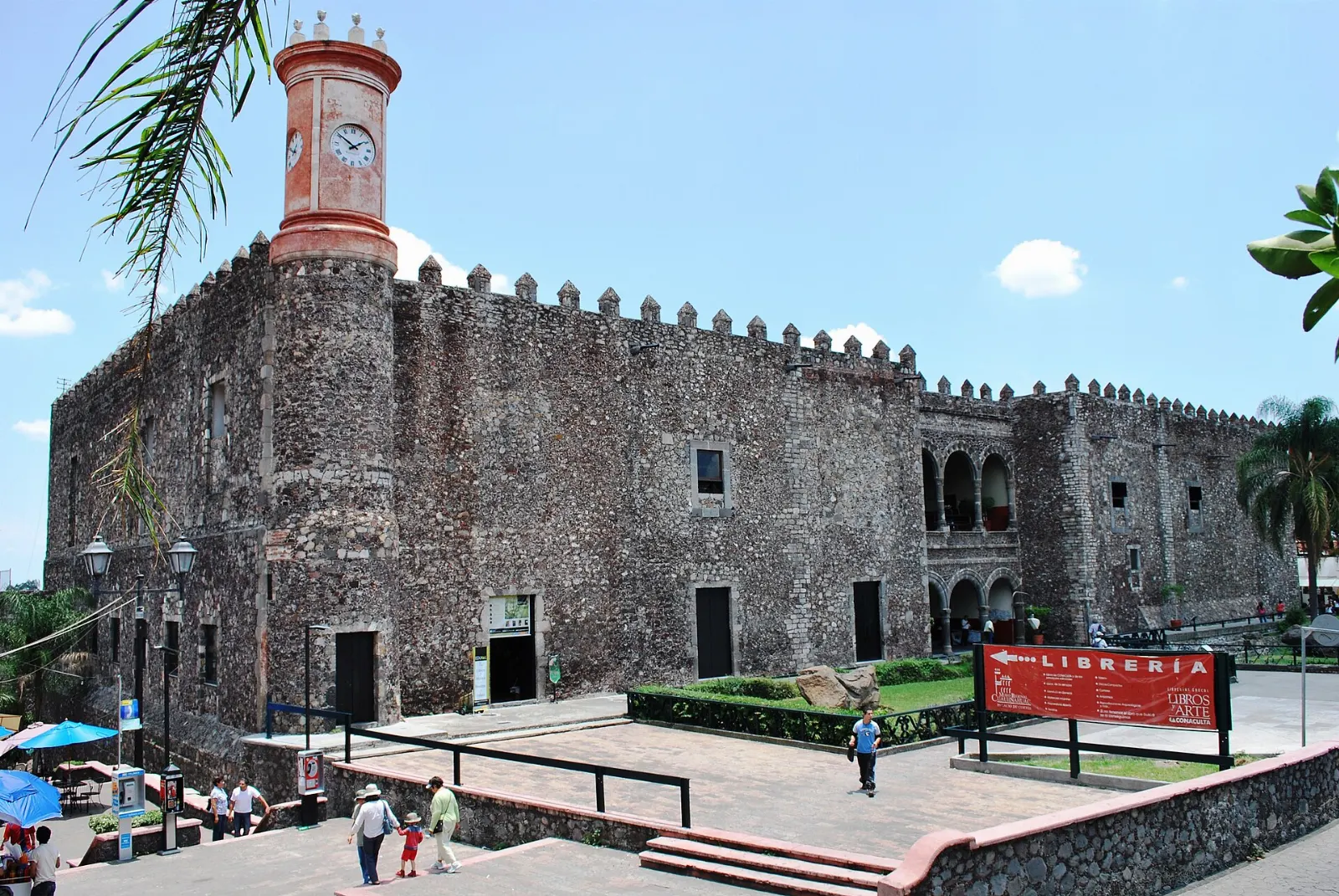
Tlayacapan is another Pueblo Mágico with historic museums. Cuernavaca, the state capital, is known for its mild climate, gardens and the Palace of Cortés.
Tlayacapan is another Pueblo Mágico within reach of Tepoztlán. Photo: GABIEGUIN, Wikimedia Commons, CC BY-SA 3.0
Xochicalco
The Xochicalco ruins lie to the west and combine easily with Cuernavaca on a longer day.
Cuernavaca, the state capital, makes an easy side trip from Tepoztlán. Photo: Zoran Lazic, Wikimedia Commons, CC BY-SA 3.0
Ad
Food and local flavors
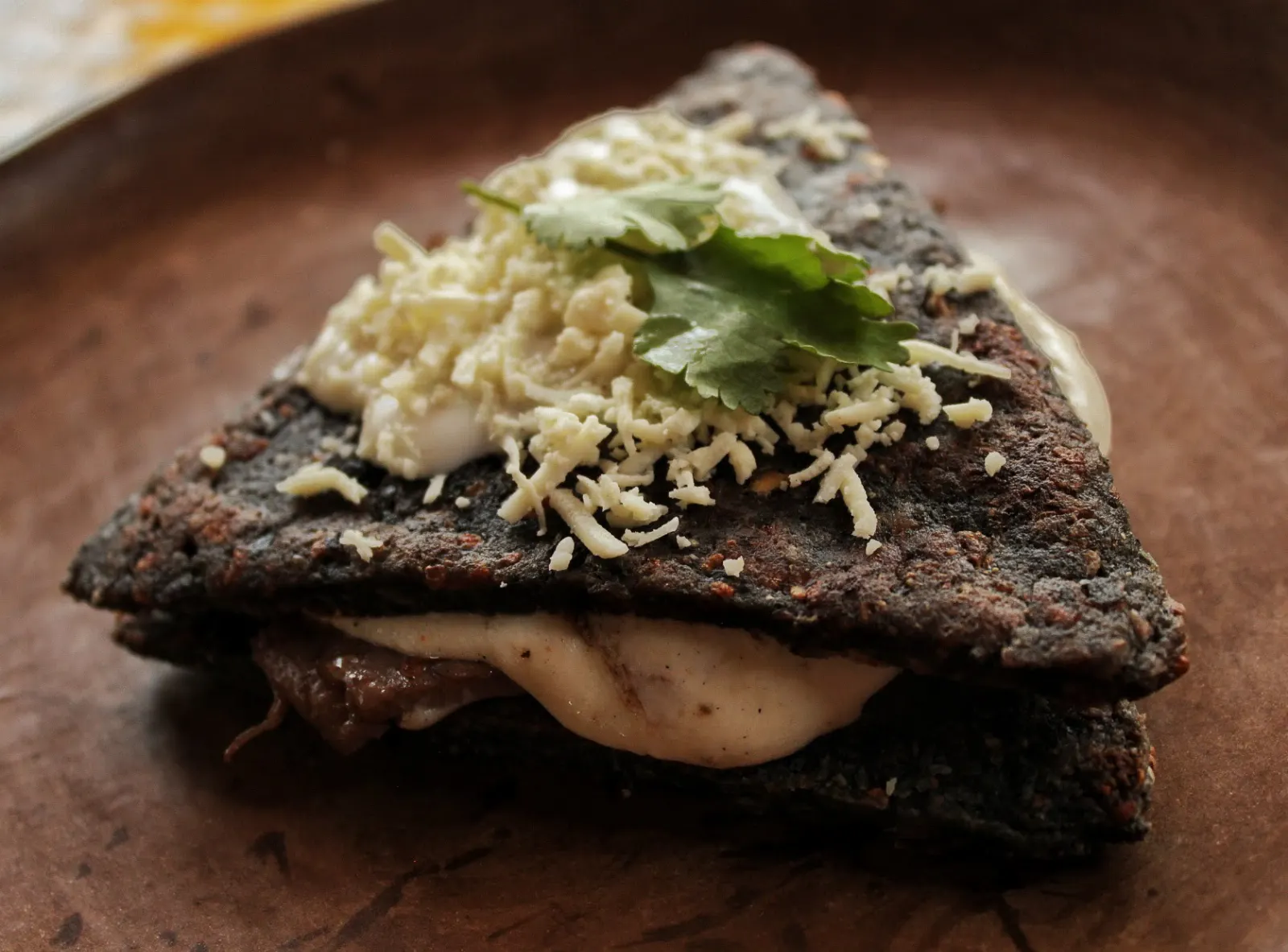
Mole verde is one of the town's best-known dishes, a sauce built on ground pumpkin seeds and green chiles. Market stalls also serve tacos, gorditas and quesadillas de flor de calabaza, filled with squash blossom, plus chapulines for the adventurous. Some restaurants serve heritage dishes such as tlatlequeadas and sopa de cuitlacoche, made from a fungus that grows on corn.
Tepoznieves ice cream is a local institution, with a huge range of flavors, including more unusual ones like rose petal, fig or chile with carrot. For a sit-down meal, restaurants around the main square and in San Miguel serve regional recipes, some using pre-Hispanic ingredients.
Popular dishes to try in Tepoztlán
Mole verde Food and local flavorsMole verde is one of the town's best-known dishes, a sauce built on ground pumpkin seeds and green chiles.Photo: Vegan Feast Catering, Wikimedia Commons, CC BY 2.0Quesadillas de flor de calabaza Market stalls also serve tacos, gorditas and quesadillas de flor de calabaza, filled with squash blossom, plus chapulines for the adventurous.Photo: Garlic2012, Wikimedia Commons, CC BY-SA 4.0
Where to stay
Centro is the best base for first-time visitors. You can walk to the convent, the market and the trailhead, and restaurants stay open into the evening.
San Miguel, just above the main square, has quieter lanes and hillside views, and suits couples and those who want a calmer night.
Amatlán is a rural village option for hikers and travelers drawn to the waterfall, the legend of Quetzalcoatl and quiet mornings. Many hotels in the area also offer temazcal sessions and spa services, which suit travelers seeking a wellness break. Rooms fill on weekends and holidays, so book early, and expect cooler nights in the valley.
Where to stay in Tepoztlán
Centro Where to stayCentro is the best base for first-time visitors.Photo: Giovanna Goya, Wikimedia Commons, CC BY-SA 4.0San Miguel San Miguel, just above the main square, has quieter lanes and hillside views, and suits couples and those who want a calmer night.Photo: Arturo jimenezmartinez, Wikimedia Commons, CC BY-SA 3.0Amatlán Amatlán is a rural village option for hikers and travelers drawn to the waterfall, the legend of Quetzalcoatl and quiet mornings.Photo: Ivikiss, Wikimedia Commons, CC BY-SA 4.0
Ad
Best time to visit
The climate is temperate with subtropical touches. Rain arrives in summer and ends in early autumn, which can make the trail slippery and the afternoons stormy, so hike in the morning. Evenings in the valley can feel cool, especially at higher elevation near the trailhead.
The drier months offer the clearest views from the pyramid. Weekends are crowded because the town is popular with visitors from Mexico City, so choose a weekday if you want quiet streets. Carnaval in February or March and the 8 September festival are the main events.
Getting there and getting around
From Mexico City, take the metro to Taxqueña and follow the signs to the southern bus terminal. Pullman de Morelos runs regular service to Tepoztlán, and the ride takes roughly an hour and a half depending on traffic. Buses also run from Cuernavaca.
The bus terminal is on the far side of town, so you can walk to the center in about half an hour or take a taxi. By car, you can reach Tepoztlán by the Mexico City to Cuernavaca road. Mexico City airport is the nearest major gateway.
Once there, the town is easy to explore on foot. Taxis wait at stands near key sites, and local buses serve nearby villages. Local tour agencies offer guided hikes, and a certified guide can lead you on any of more than sixty routes through mountains, caves and forest.
Ad
A suggested itinerary
First day
Arrive in the morning, hike El Tepozteco early, then visit the convent and the Pellicer museum before dinner. Leave time to sit in the main square and watch the evening settle over the cliffs.
Second day
Browse the market, try the ice cream and mole verde, then add Amatlán or a temazcal session in the afternoon. A slow lunch at the market makes a good break between activities.
Third day
Day-trip to Tlayacapan, Cuernavaca or Xochicalco if you have extra time.
Practical tips
Check your government's current travel advisory before you go.
Bring a light jacket for cool evenings and a rain layer in summer.
Start the pyramid hike early to avoid heat and crowds.
Carry water, sun protection and cash, since small shops may not take cards.
Do not feed the coatis on the trail.
Hire a certified guide if you plan to explore longer routes in the mountains.
Visit on a weekday for fewer crowds.
Confirm the pyramid entrance rules and trail status locally.