Winnipeg is the capital of Manitoba and the crossroads of the Canadian Prairies, a city of about 750,000 people built where the Red and Assiniboine rivers meet. It is far from the usual tourist trail, which is part of the appeal: you get great museums, an unusually intact early twentieth century downtown, the largest French-speaking community west of Ontario and a food scene shaped by Indigenous, Métis, Ukrainian, Filipino and many other communities.
AT A GLANCE
Best time
June, late August and September are the most comfortable months, while February suits winter festival fans.
How long
Plan three days to see the main sights and one extra for a nature outing.
Getting there
Fly into Winnipeg Richardson International Airport or arrive by VIA Rail at Union Station.
Why visit Winnipeg
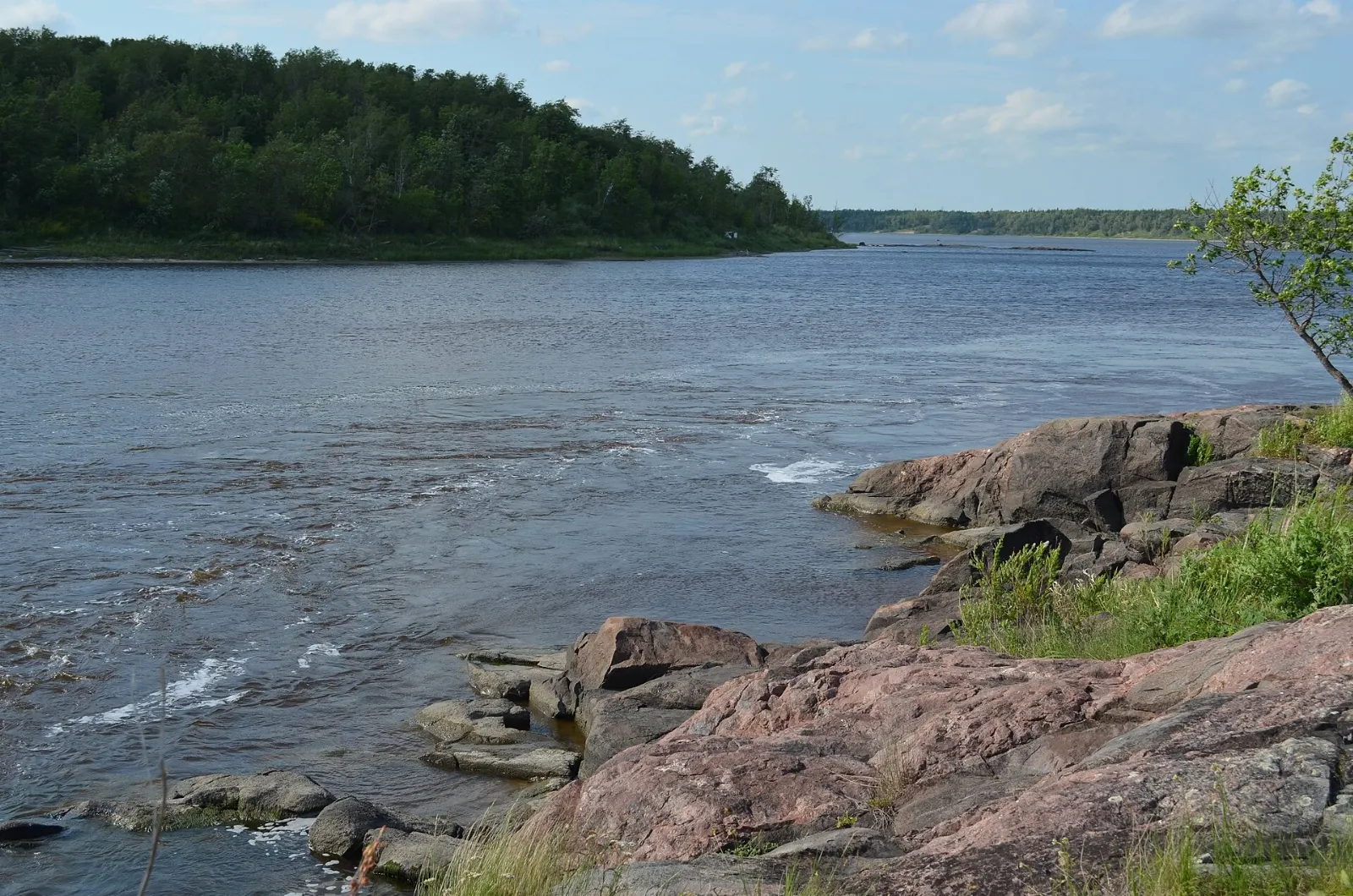
Winnipeg has been a meeting place for thousands of years. The confluence of the Red and Assiniboine rivers, now known as The Forks, was a crossroads of canoe routes long before European contact, and the fur trade, the Red River Métis and the railways all left their mark on the city.
Today that history shows up in museums, preserved warehouses and festivals. Winnipeg has the largest populations of First Nations and Métis people of any Canadian city, and more than a hundred languages are spoken here.
The Forks and downtown
The Forks
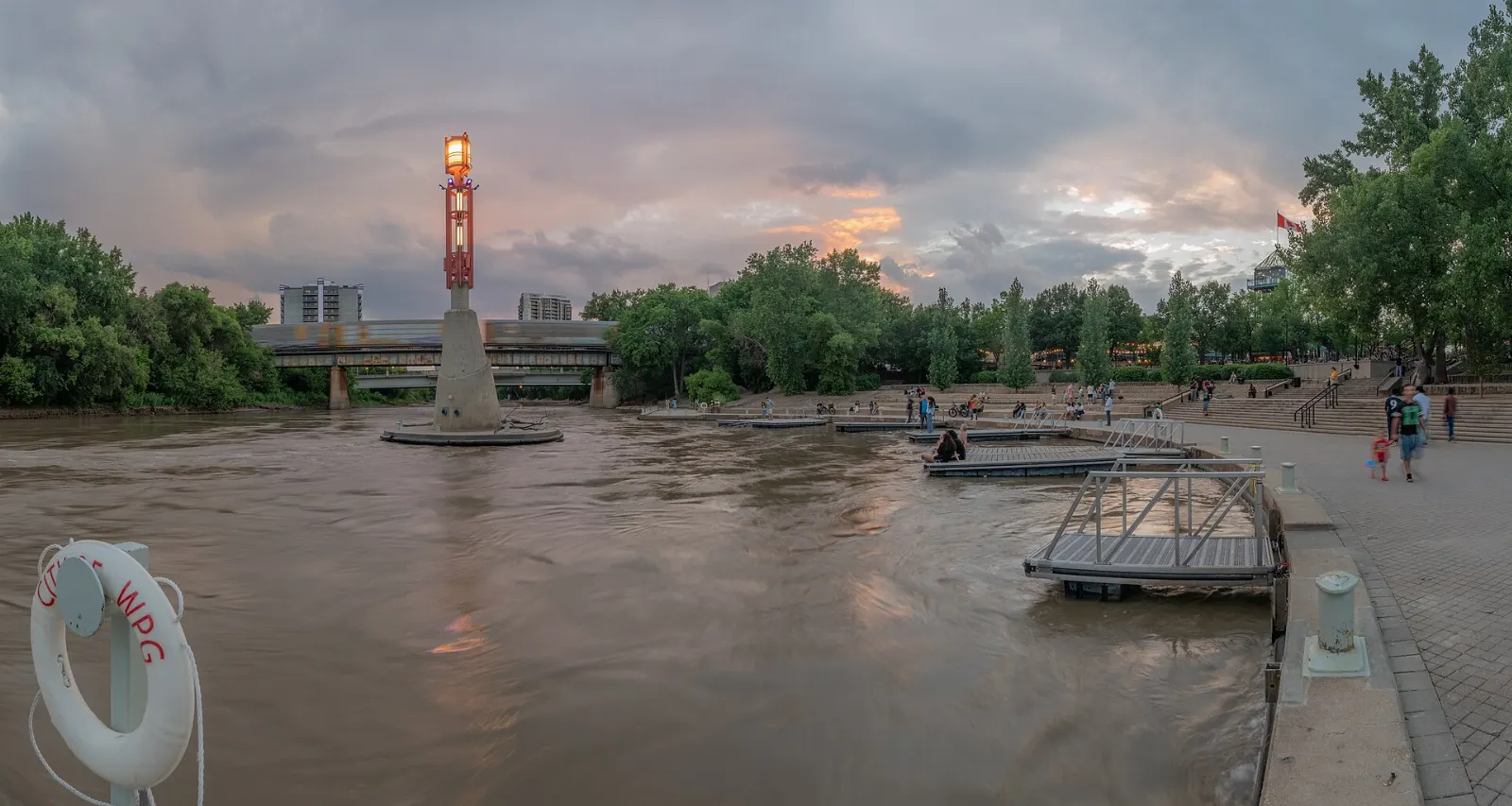
Begin where the city began, at the meeting point of the Red and Assiniboine rivers. The Forks is now a riverside district with walking paths, a market building, a children's museum, a tourist information centre and open spaces for events. Union Station is within easy walking distance.
Canadian Museum for Human Rights
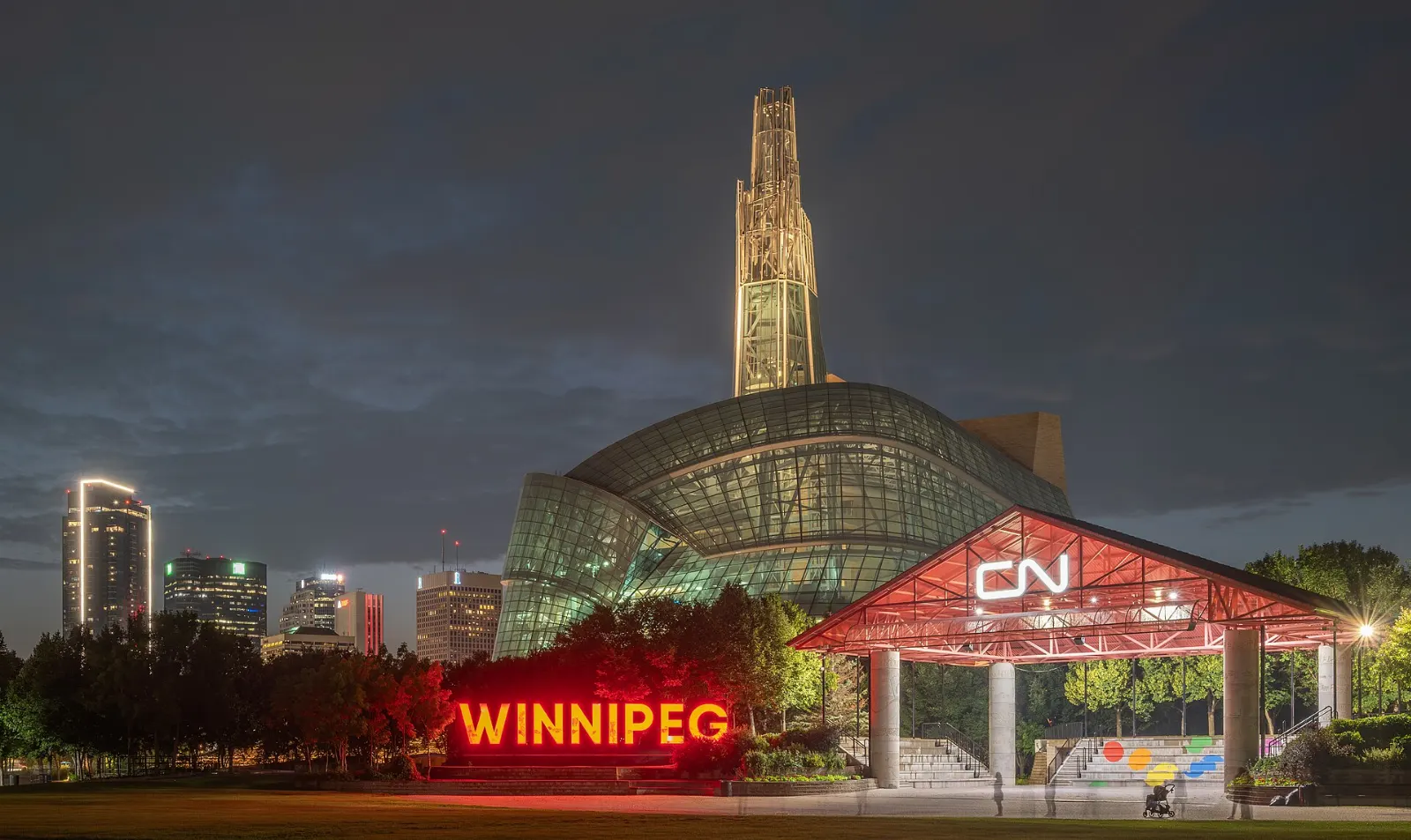
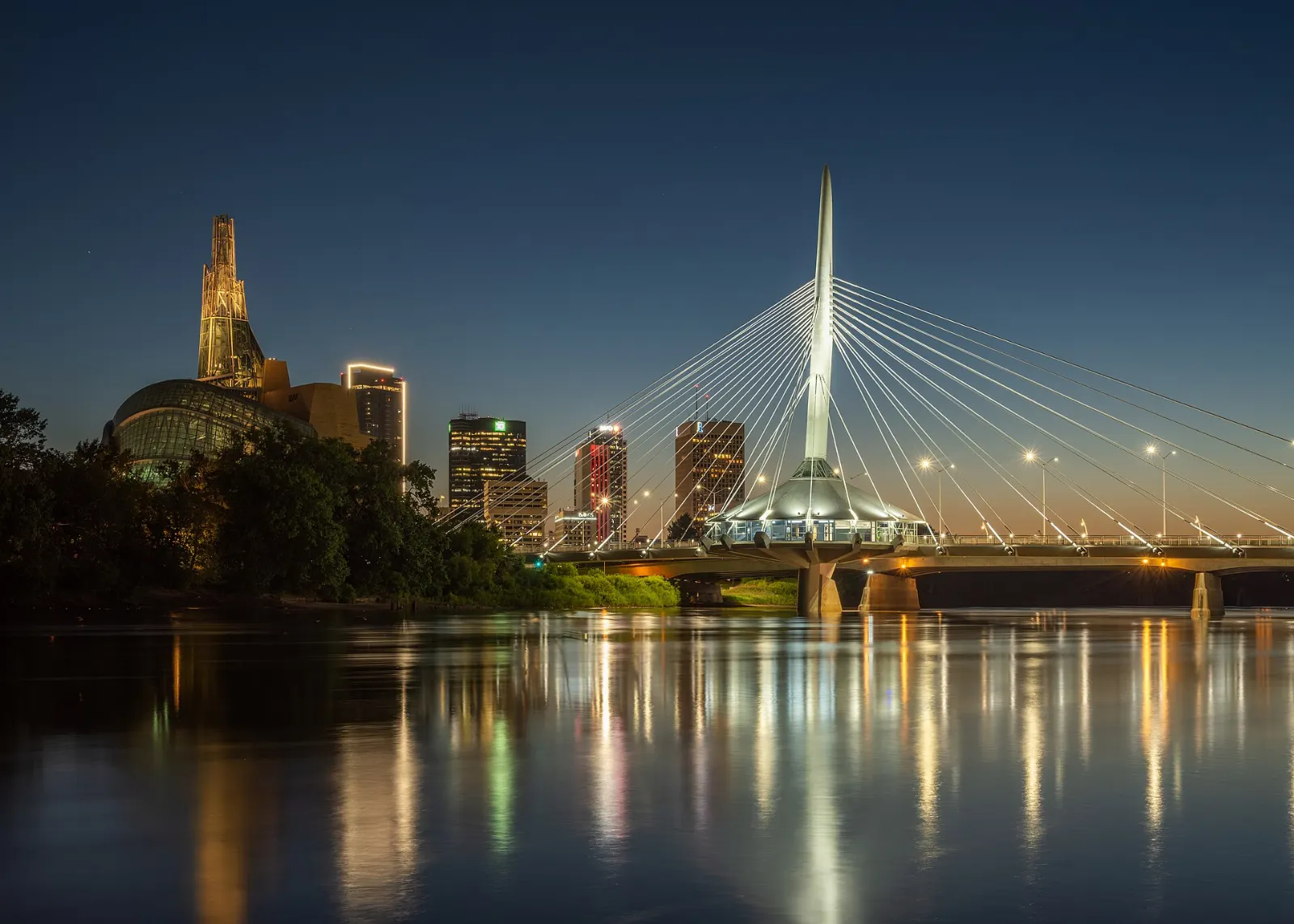
This striking museum at The Forks is the first national museum built outside the National Capital Region and opened in 2014. It is dedicated to the evolution and future of human rights through immersive and interactive galleries.
Exchange District
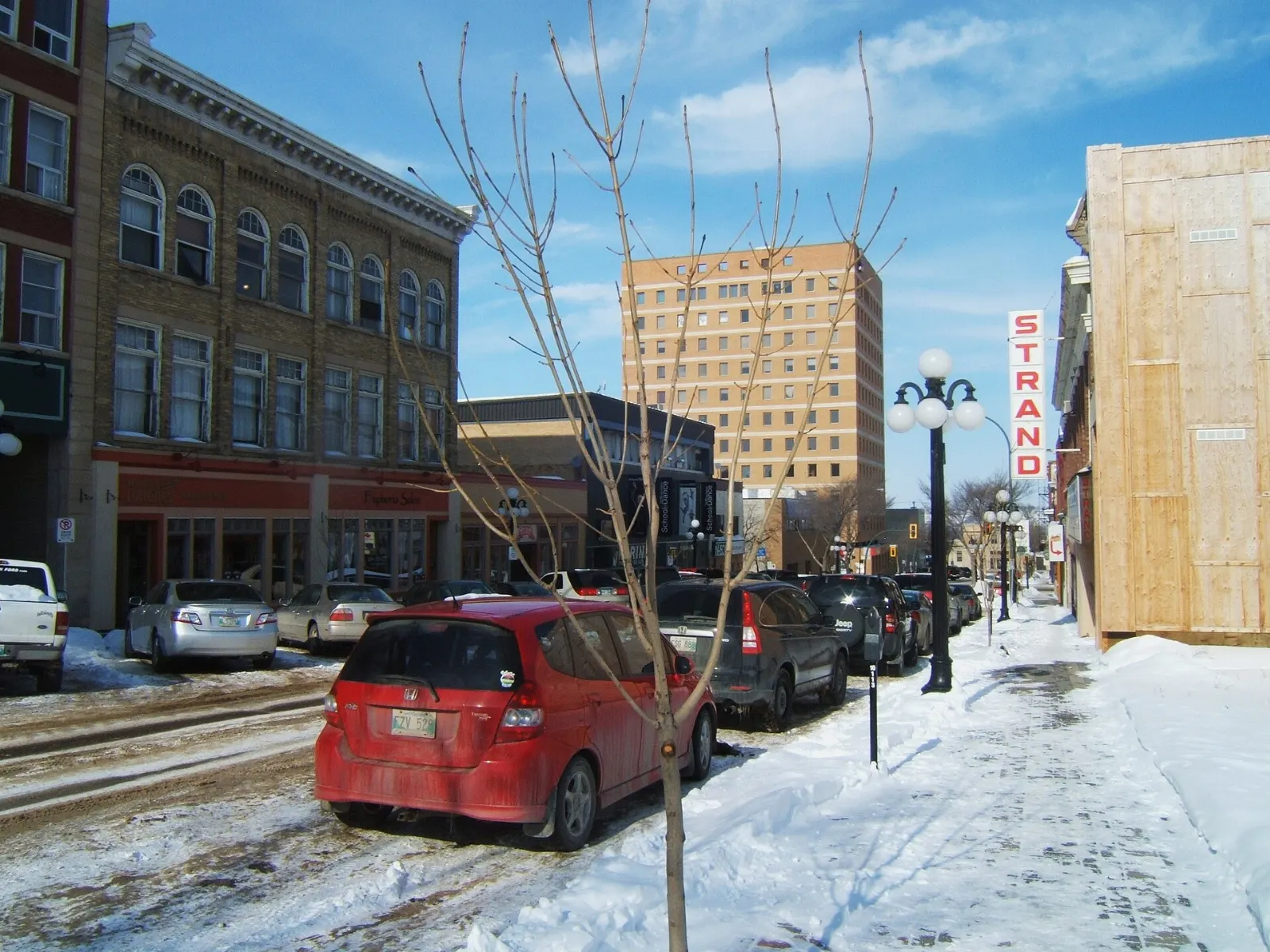
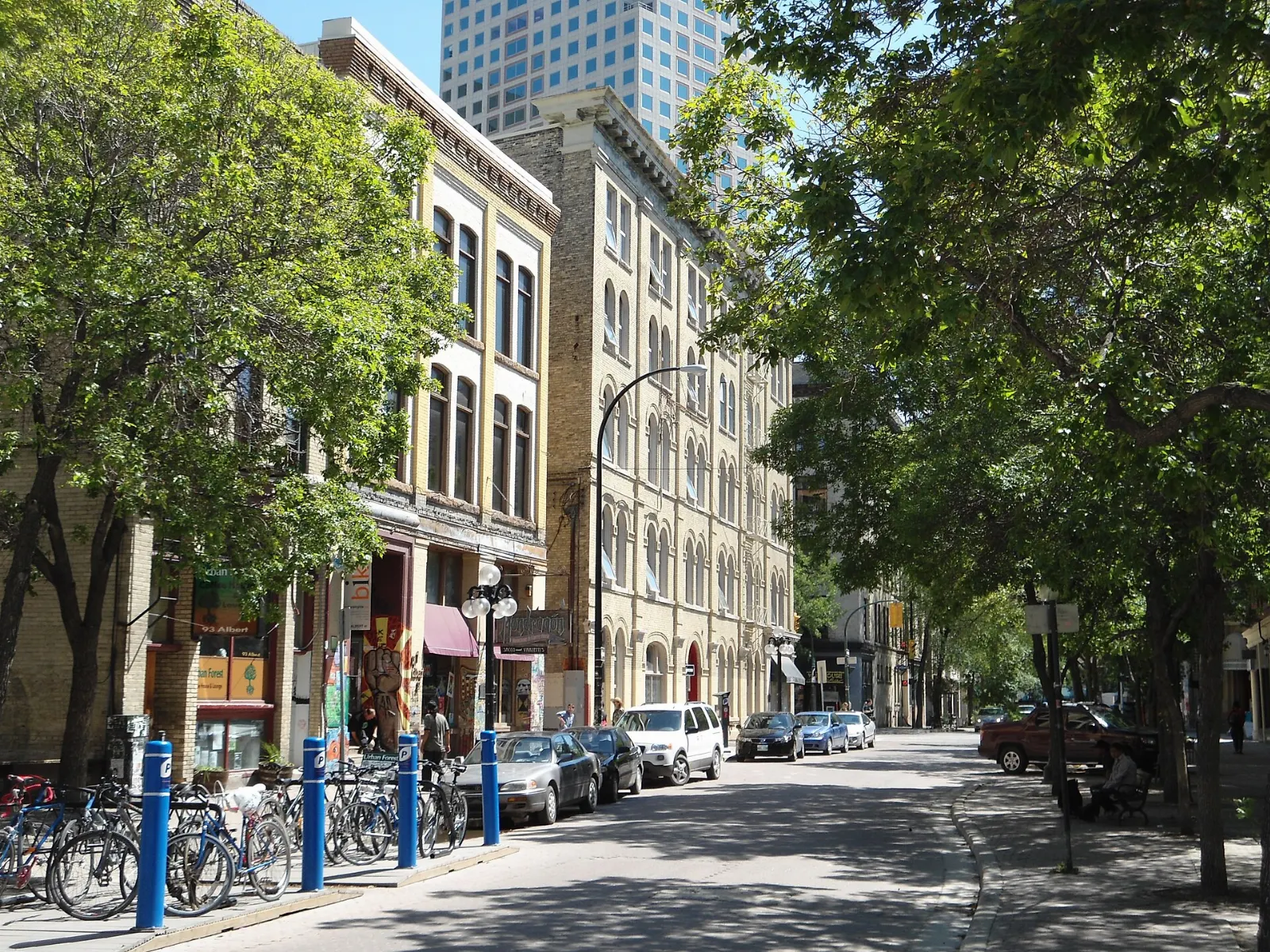
The Exchange District is a National Historic Site and one of the most intact early twentieth century commercial districts in North America. Terracotta-clad towers and brick warehouses reflect the years when Winnipeg was known as the Chicago of the North.
Manitoba Museum and Winnipeg Art Gallery
The Manitoba Museum has nine galleries covering grasslands, boreal forest, the Arctic and the Hudson's Bay Company collections, plus a planetarium. The Winnipeg Art Gallery is Western Canada's oldest gallery, with striking architecture and a large collection of Inuit art.
Landmarks and heritage
Manitoba Legislative Building
The legislature, built of local Tyndall stone, stands 77 metres tall and is crowned by the gold-covered Golden Boy, a bronze statue inspired by the Roman god Mercury. The grounds are free to wander and make an easy stop for photographs.
St. Boniface Cathedral and the St. Boniface Museum
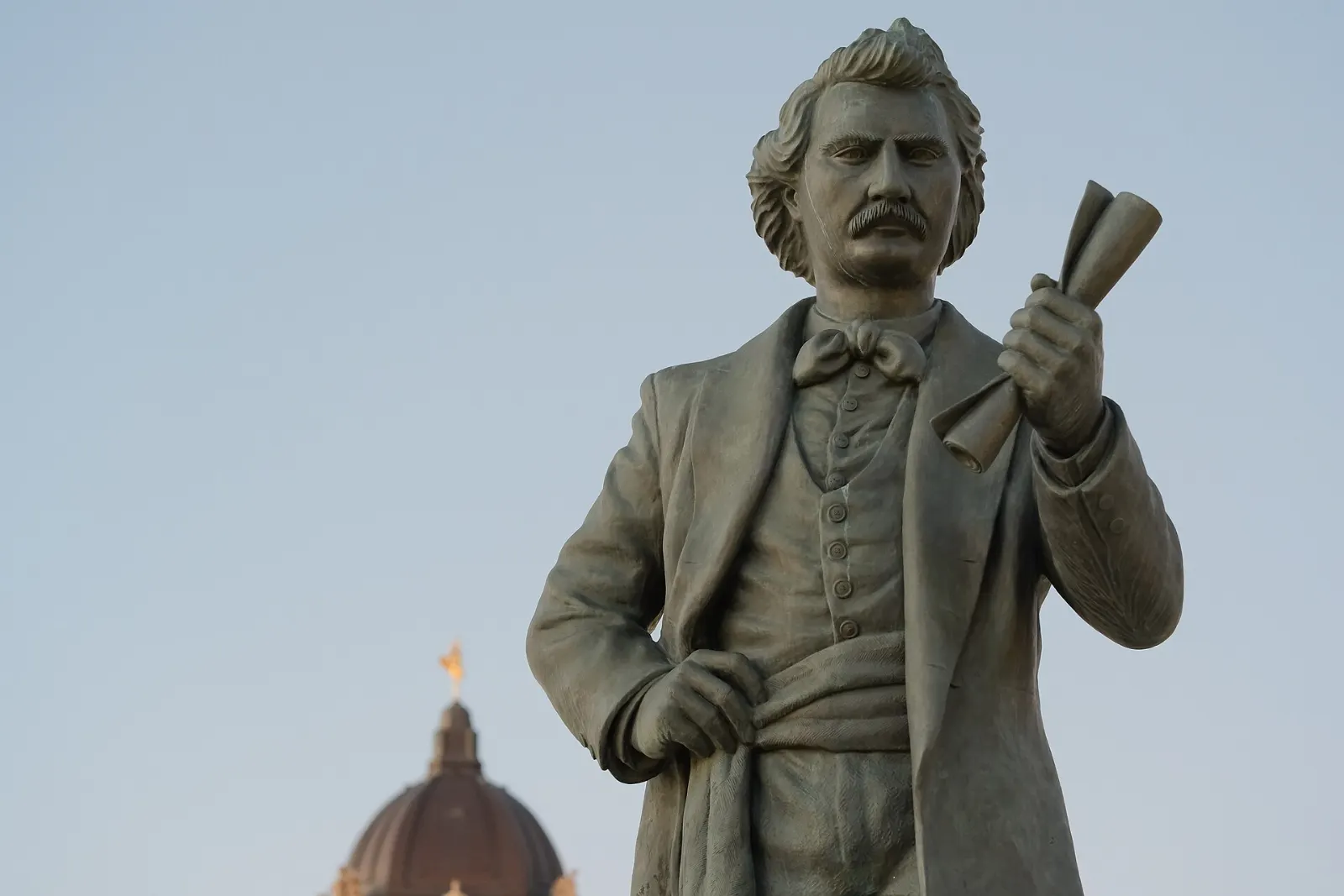
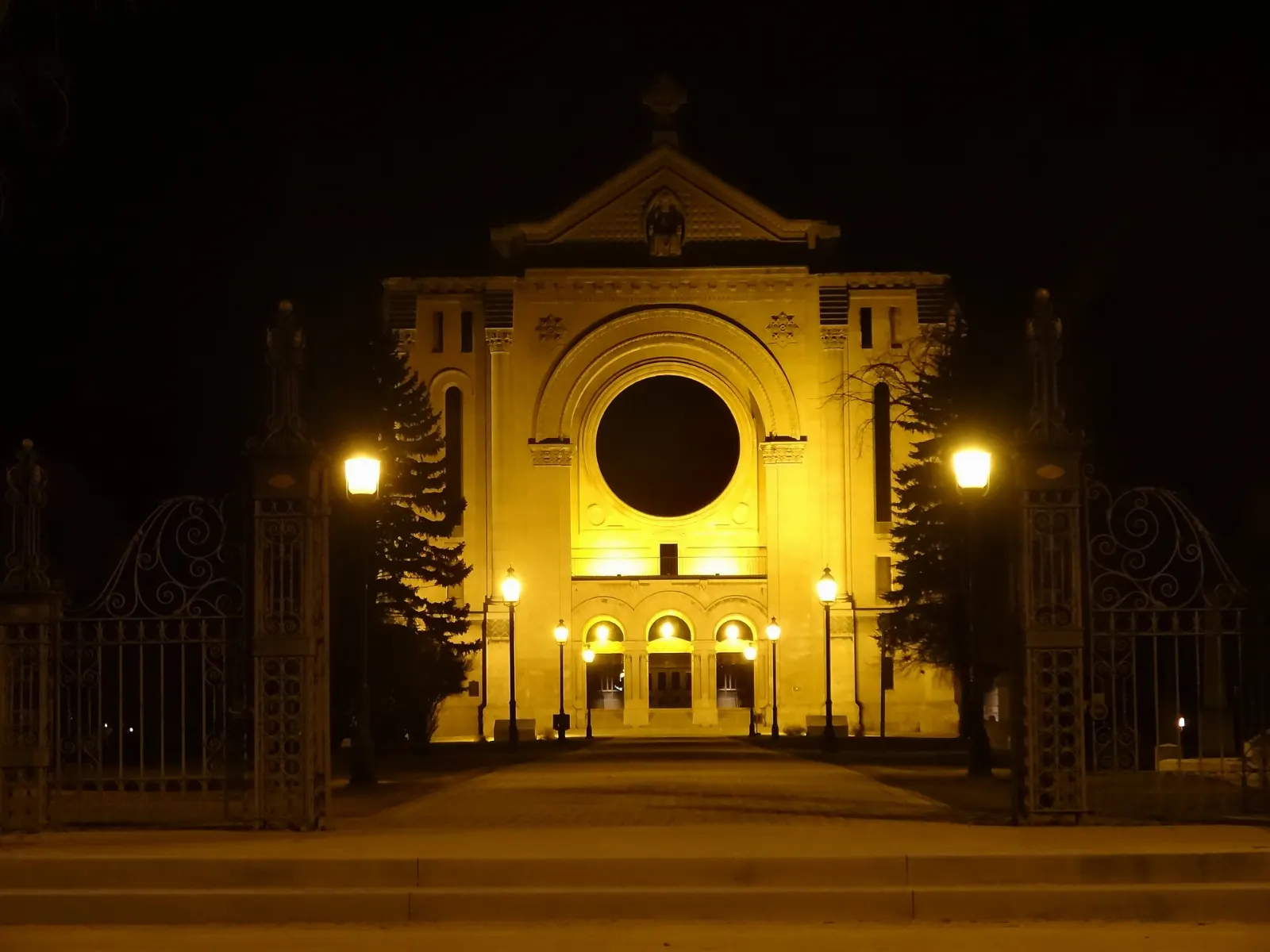
Cross the river to St. Boniface, the French quarter and birthplace of Louis Riel. The cathedral faces the Red River, and it was rebuilt after a fire in 1968 destroyed the previous building.
Royal Canadian Mint
The Winnipeg plant opened in 1976 and strikes coins for Canada and other countries. It also made the country's last penny in 2012. Check the Mint's website for current tour times and booking requirements, since access can change.
Parks and wildlife
Assiniboine Park
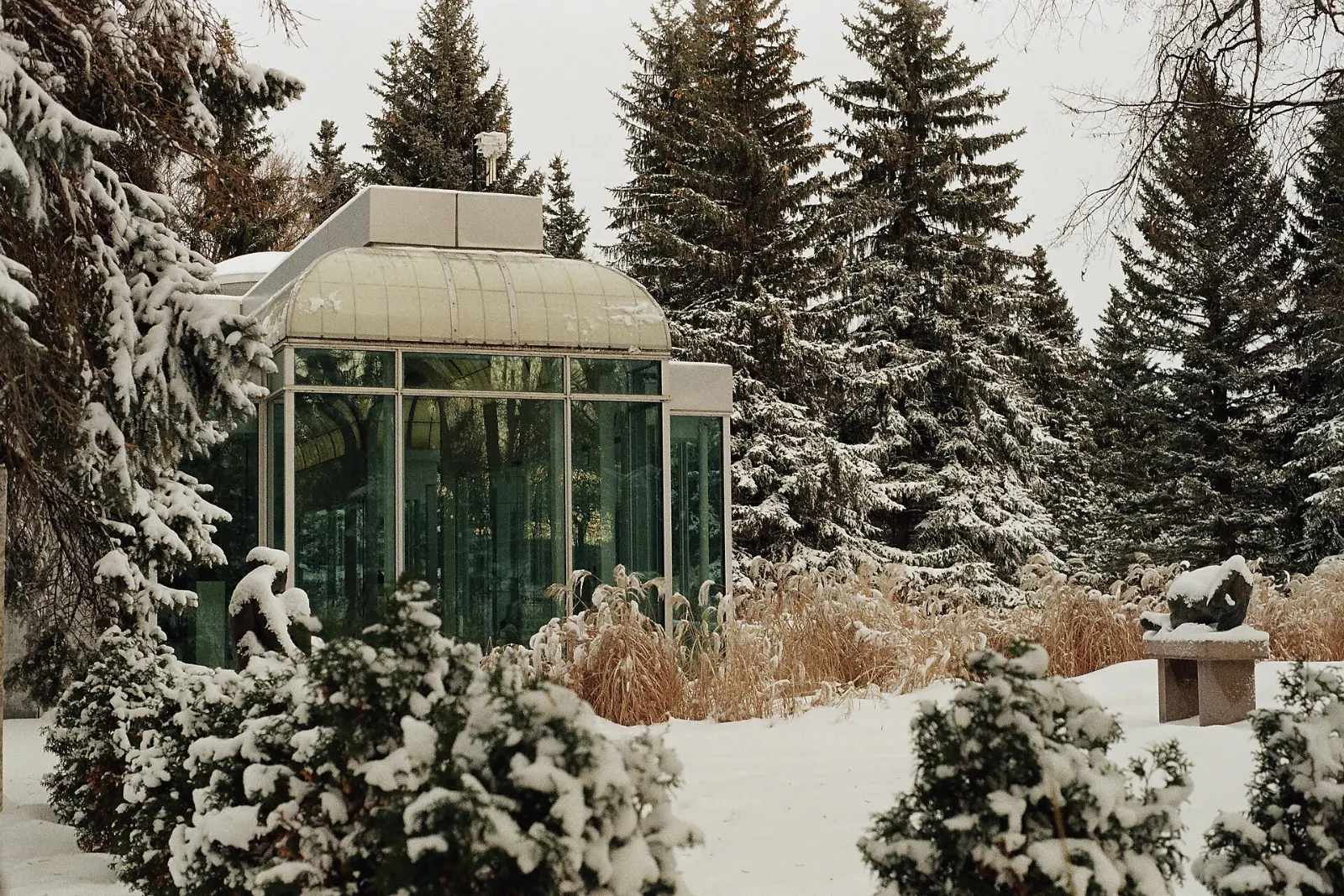
This 153 hectare park along the Assiniboine River is the city's favourite green space. The Conservatory, English Garden, Leo Mol Sculpture Garden and Tudor-style pavilion are all here, along with picnic areas and trails.
Assiniboine Park Zoo
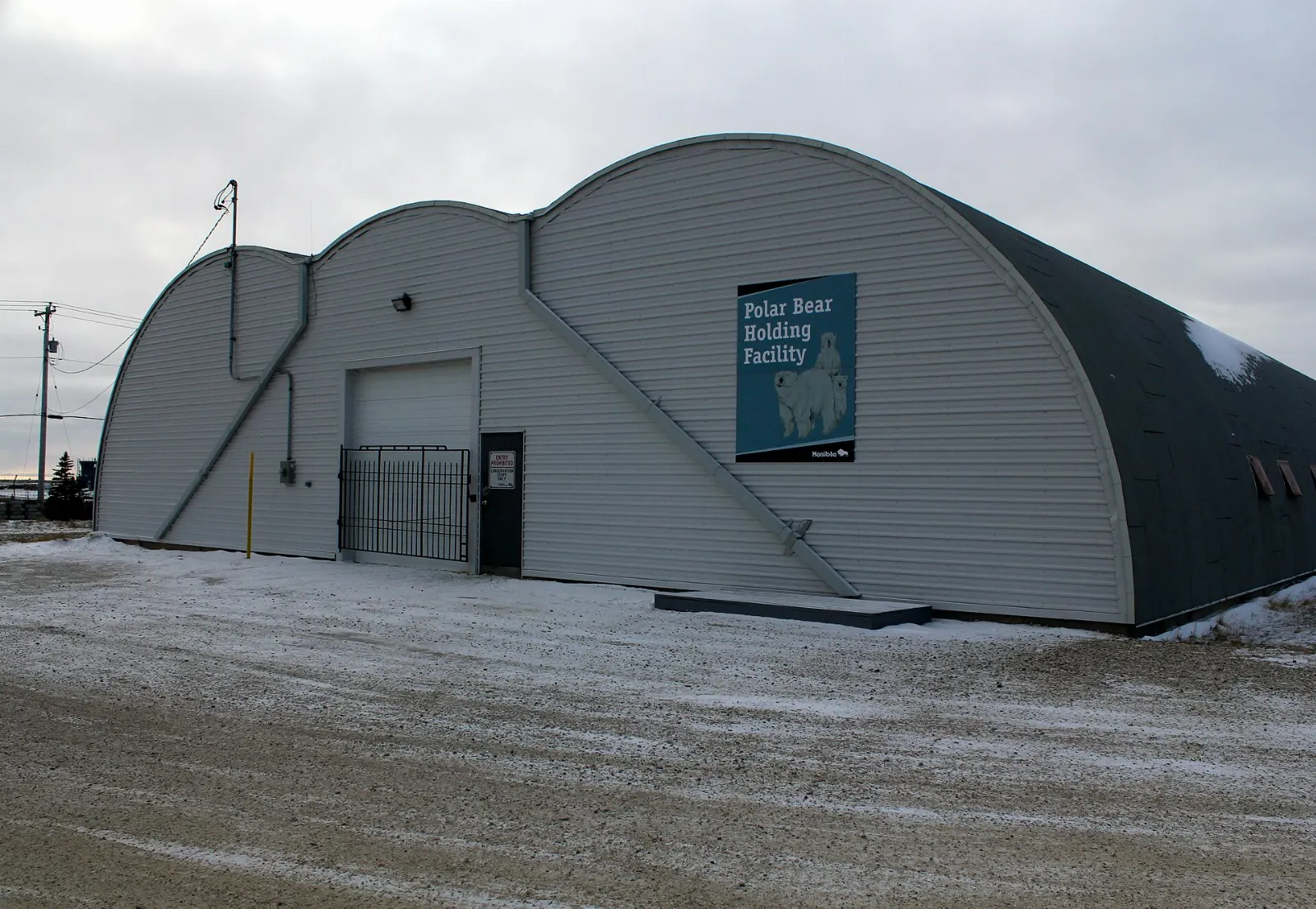
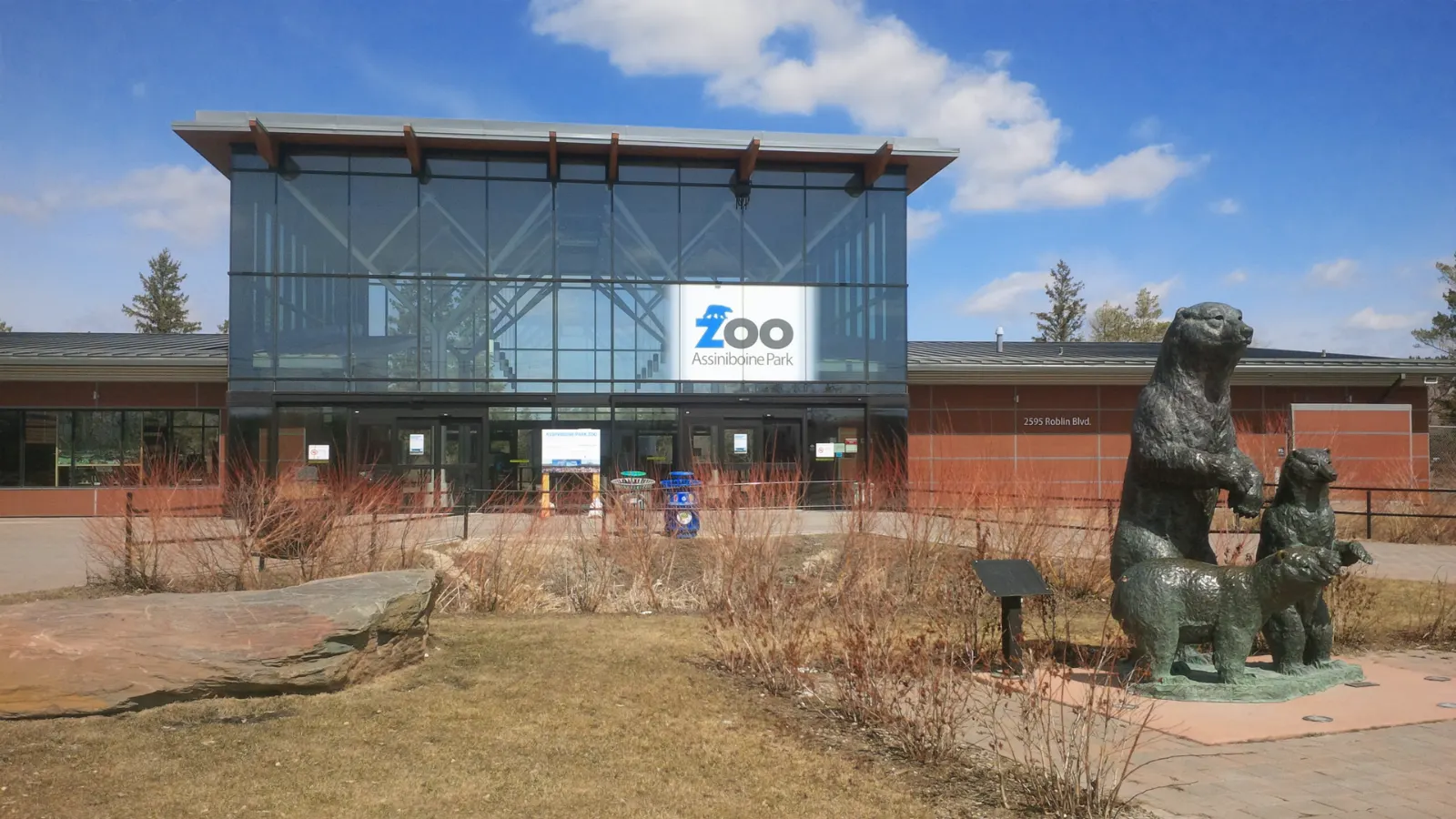
Inside the park, the zoo's Journey to Churchill exhibit highlights polar bears and Arctic animals, and the Leatherdale International Polar Bear Conservation Centre supports research and conservation.
FortWhyte Alive
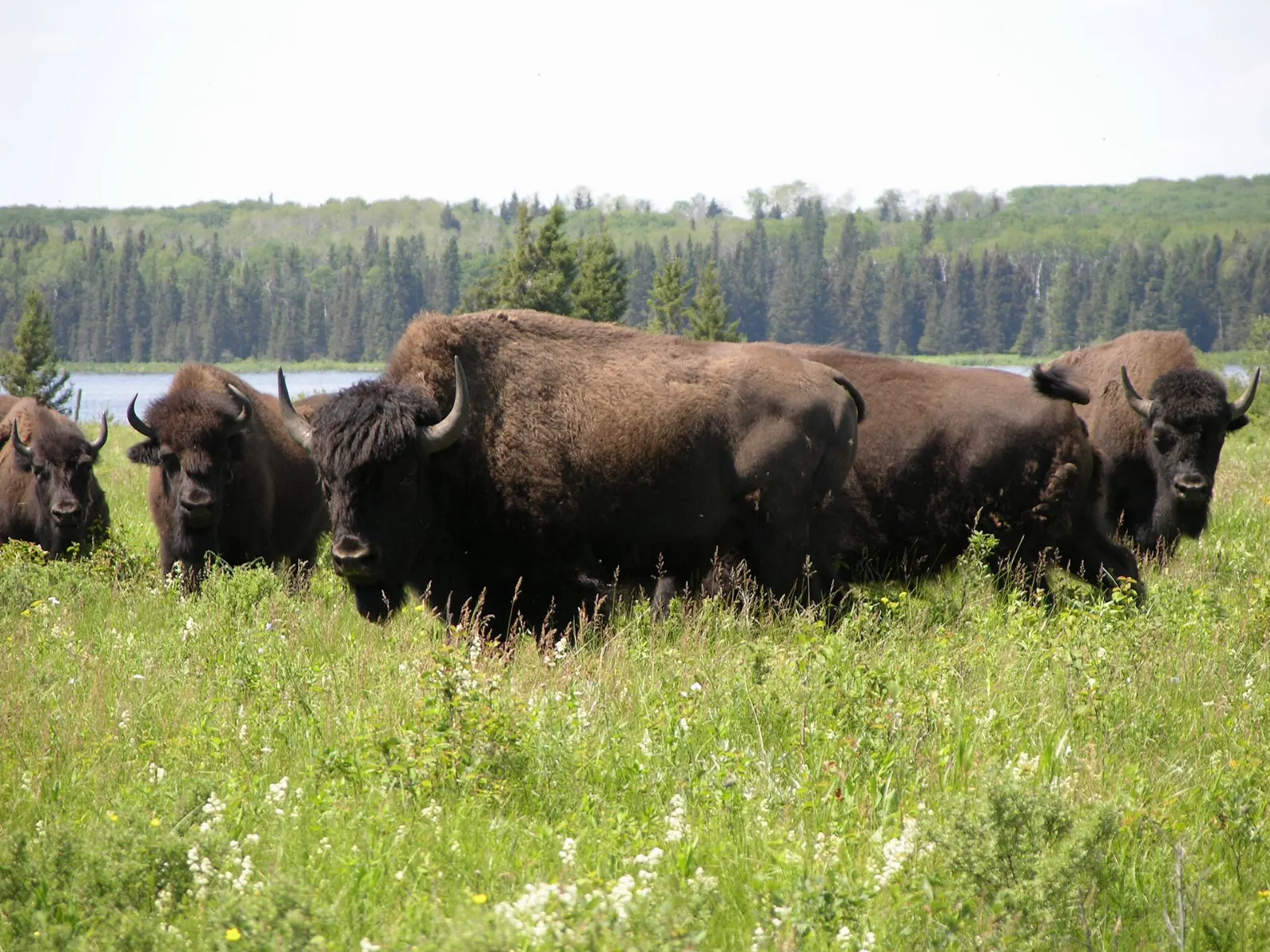
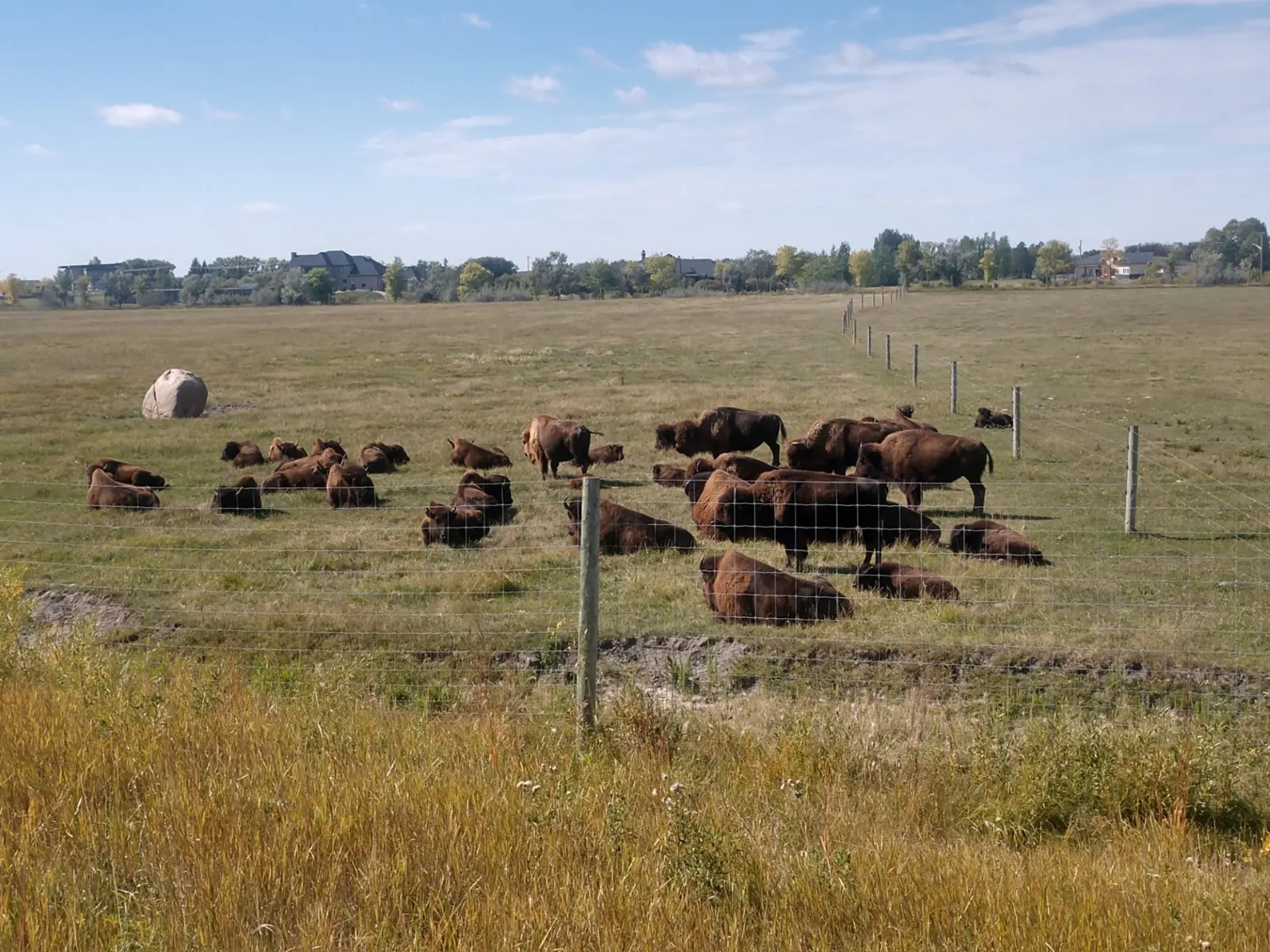
This 640 acre nature centre in the south of the city has five lakes, about 7 km of trails, bird feeding stations, a tipi encampment and a herd of about thirty bison. It is the best place to see the prairie landscape without leaving the city.
 Planning a trip to Winnipeg?Compare hotels, flights and vacation rentals for Winnipeg on Expedia.Book now
Food and local flavors
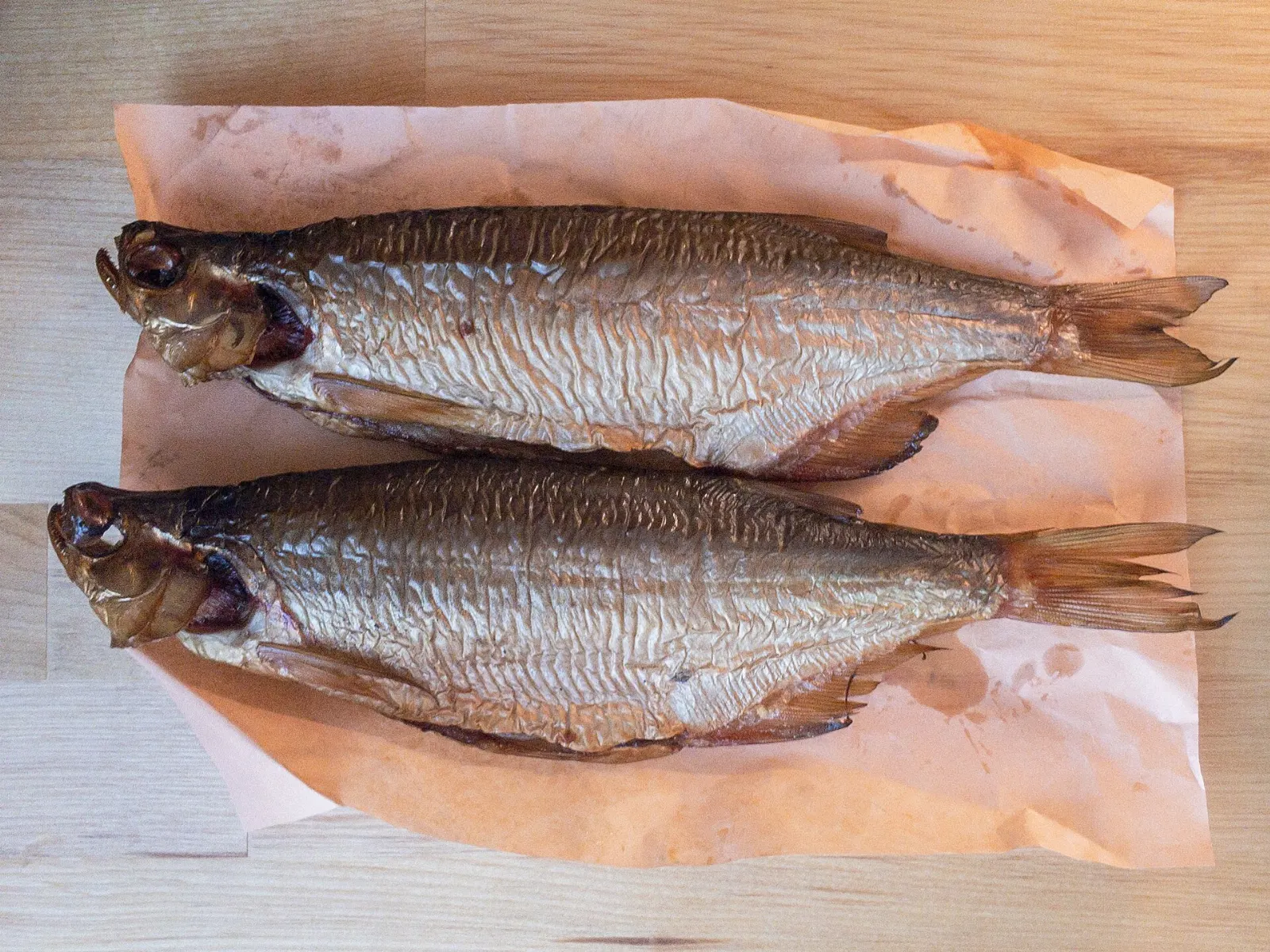
Winnipeg cooking mixes prairie fish, Eastern European comfort food and Indigenous dishes. Winnipeg goldeye, a smoked fish, is sold at grocery stores and fish markets, and fresh pickerel is a menu favourite. Look for kubasa, a smoked garlic sausage, and for bannock and bison at Indigenous-owned restaurants.
Salisbury House calls its burgers nips, and many returning locals insist on at least one. Honey dill sauce is the local dip for fries and chicken fingers.
Popular dishes to try in Winnipeg


Where to stay
The Forks is the best choice for first-time visitors who want to walk to the river, the human rights museum and Union Station. The Exchange District suits travelers who like historic buildings, galleries and a lively evening scene, and it is close to the theatres and the Manitoba Museum.
Osborne Village is a walkable neighbourhood of restaurants, shops and cafes just south of downtown, and a good fit for travelers who want local atmosphere. St. Boniface suits visitors who care about French and Métis heritage, particularly in February during the Festival du Voyageur.
Where to stay in Winnipeg


Best time to visit
June, late August and September tend to be the most comfortable months. Summer days are warm and often humid, with highs around 27 degrees Celsius, but mosquitoes can be thick in early summer, especially at dusk and dawn.
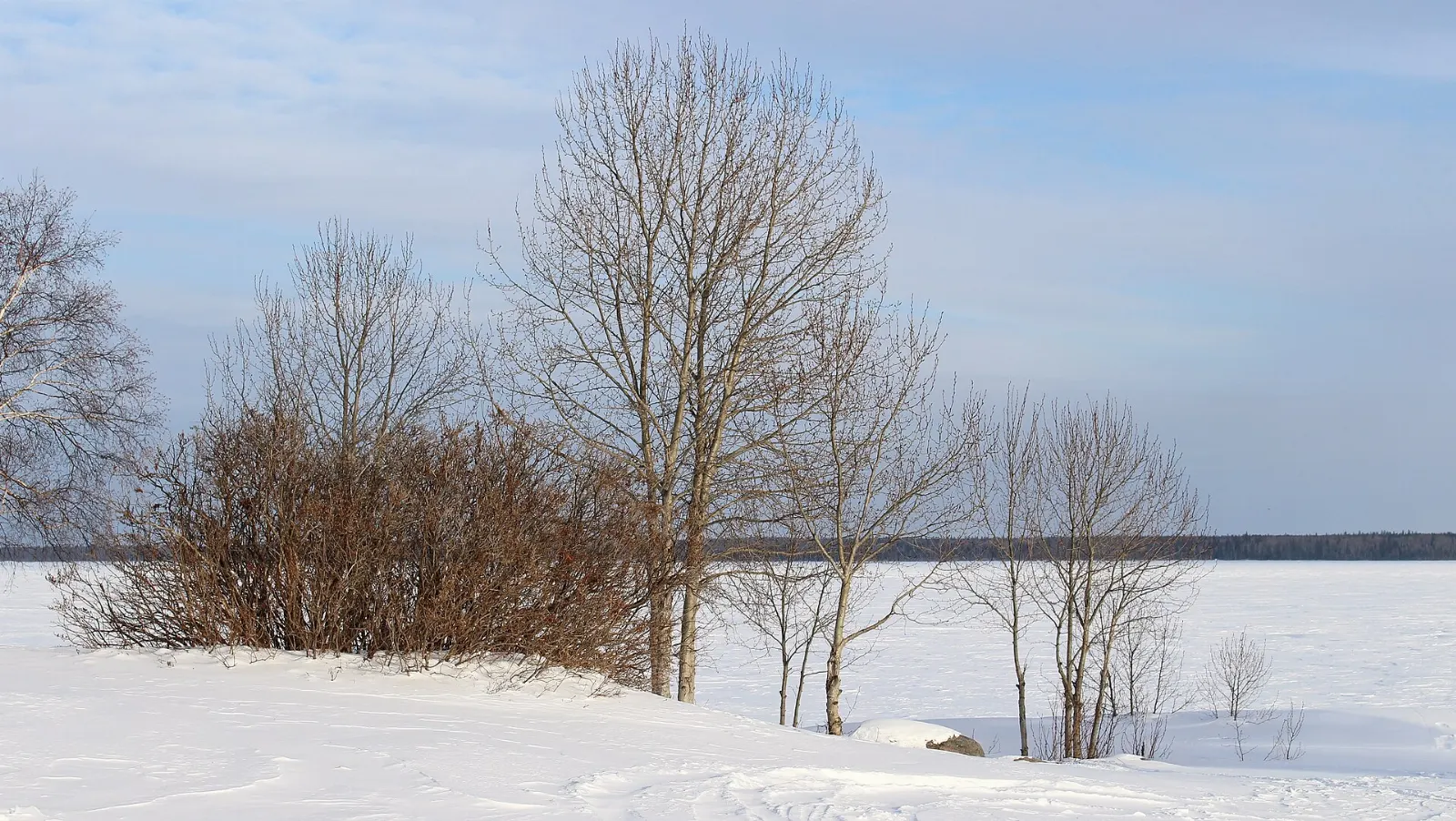
Winters are long, dry and windy, with some of the coldest temperatures of any large city in North America, so pack serious layers. Snow cover usually lasts from mid-November to late March.
Getting there and getting around
Winnipeg James Armstrong Richardson International Airport is about 7 km west of Portage and Main, with direct flights from across Canada and from Minneapolis. City buses link the airport to downtown, and taxis wait outside arrivals.
By road, Highway 1, the Trans-Canada, crosses the city from east to west, and Highway 75 links Winnipeg to the United States border in about an hour. Long-distance buses connect from Regina, Saskatoon, Kenora and Thunder Bay.
A suggested itinerary
First day
Spend the morning at The Forks and the Canadian Museum for Human Rights. Walk to Union Station, then spend the afternoon in the Exchange District and enjoy dinner there.
Second day
See the Legislative Building and the Golden Boy, then cross to St. Boniface for the cathedral and museum.
Third day
Head to Assiniboine Park and the zoo for the morning, then spend the afternoon at the Winnipeg Art Gallery or the Manitoba Museum.
Practical tips
- Pack insect repellent for early summer and serious winter layers from November.
- Check the museums for seasonal hours and timed entry before you go.
- Plan to tip at restaurants, as service is not included in menu prices.
- Rent a car or use ride-hailing for the zoo, FortWhyte Alive and Assiniboine Park.
- Book accommodation early for Folklorama in August and the Festival du Voyageur in February.
- Take the train to Churchill from Union Station if you plan a northern add-on.