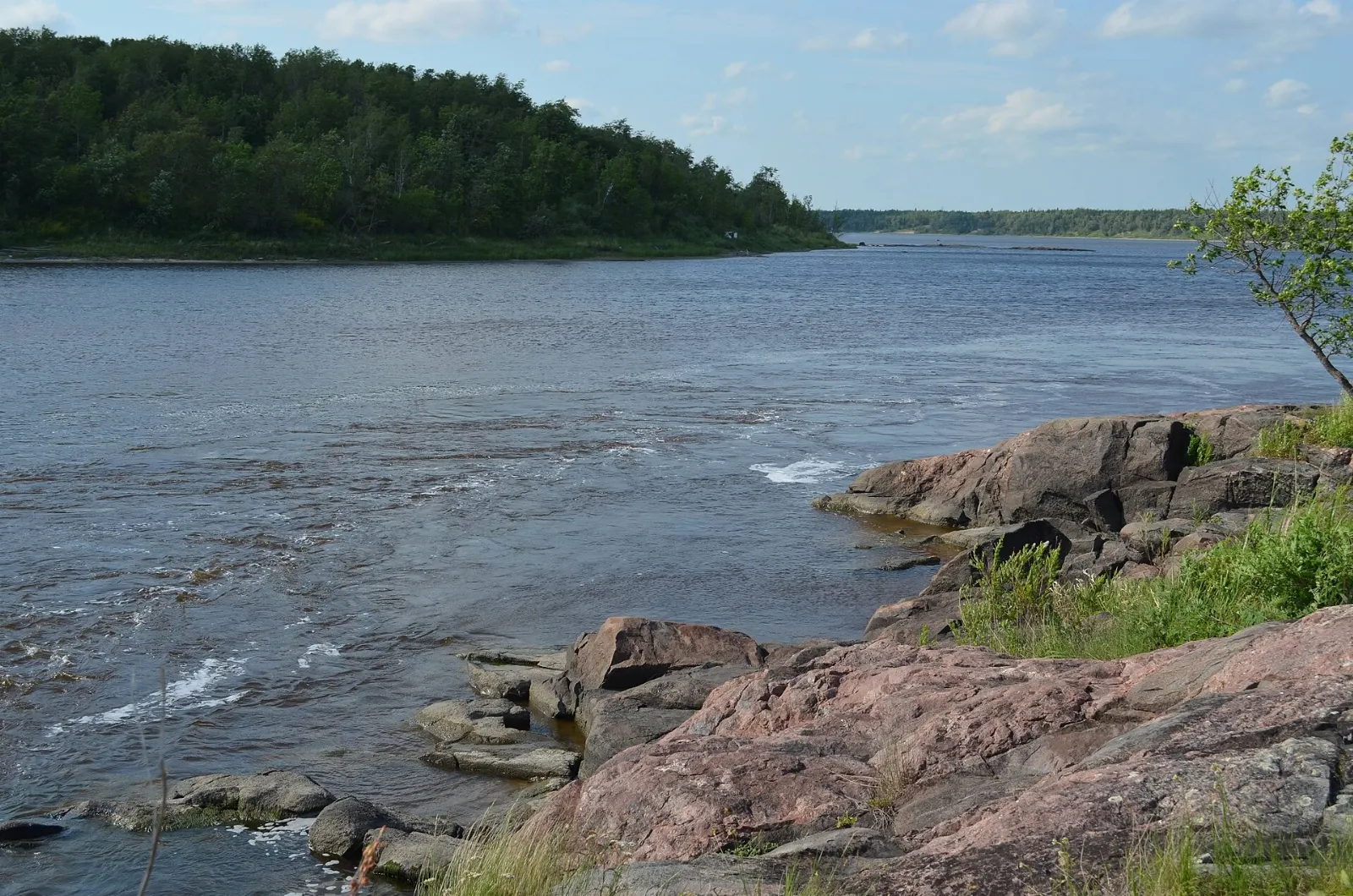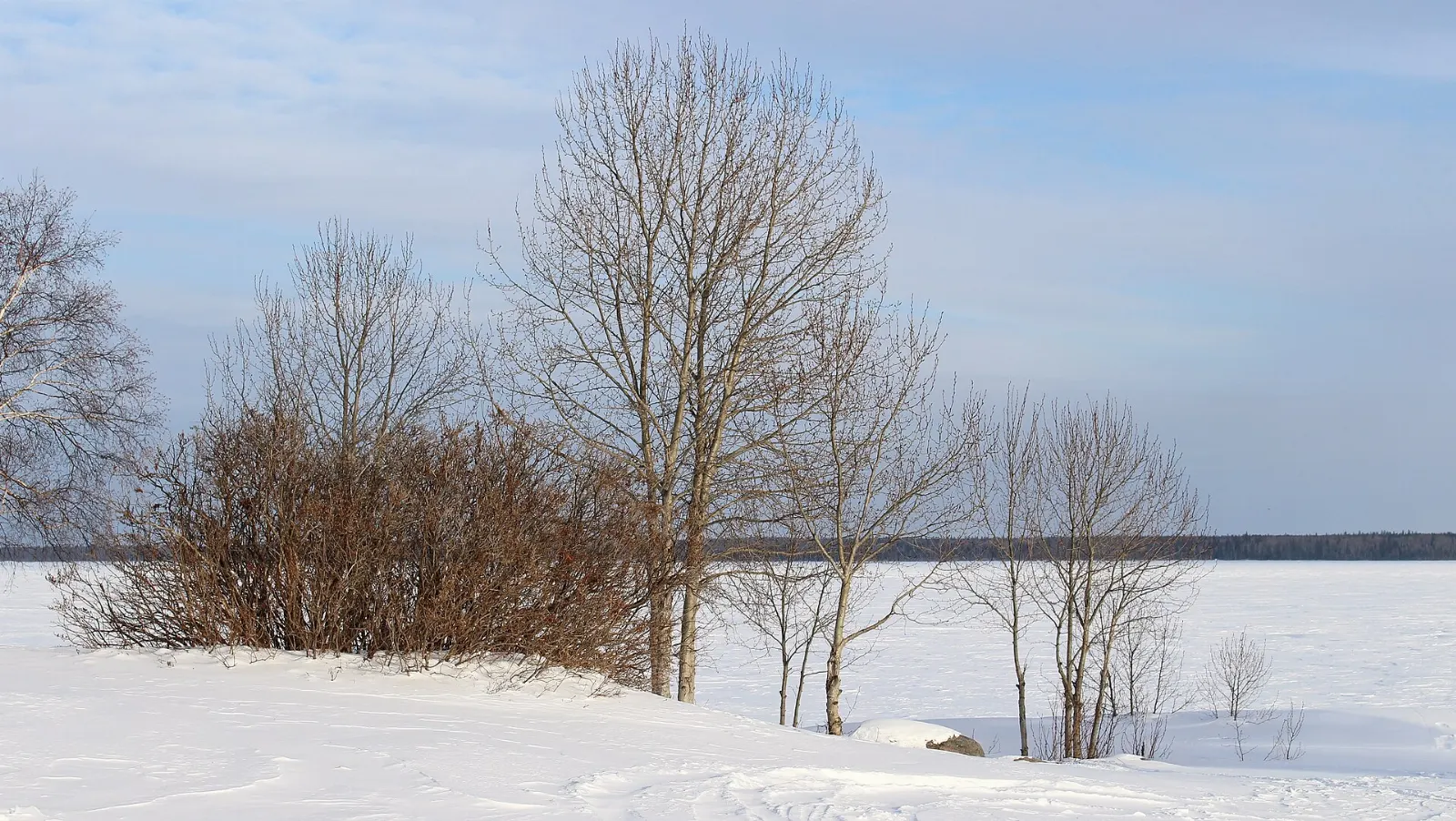
Hecla Island sits in Lake Winnipeg and forms the heart of Hecla-Grindstone Provincial Park, a large natural park with forest, marsh, limestone cliffs and long sandy beaches. Icelandic settlers arrived in 1876 and named it Mikley, meaning magnificent island.
AT A GLANCE
Best time
Summer opens the village and beaches, and early August brings local festivals.
How long
Allow a full day, or a weekend for hiking and birdwatching.
Getting there
Drive north from Winnipeg through Riverton and follow the signs to the park.
Why visit Hecla Island
The park covers about 1,084 square kilometres and includes Hecla Island, the Grindstone peninsula on the mainland shore, Black Island and several smaller islands.
The park is classed as a natural park, which means it aims to protect the typical landscape of the Manitoba Lowlands while still allowing recreation. In practice that means beaches, trails and a campground sit alongside quiet forest and wetland, and the pace stays slow even in summer.
Hecla also tells a clear human story. The island was settled in 1876 by the second wave of Icelandic immigrants, who fished and farmed here until winters, disease and weak markets made life too hard.
Hecla Village and Icelandic heritage
Hecla Village
The historic village is the best place to begin. It includes a fishing museum, the Tomasson Boarding House, the community hall, the old school and a general store that opens from May to September.
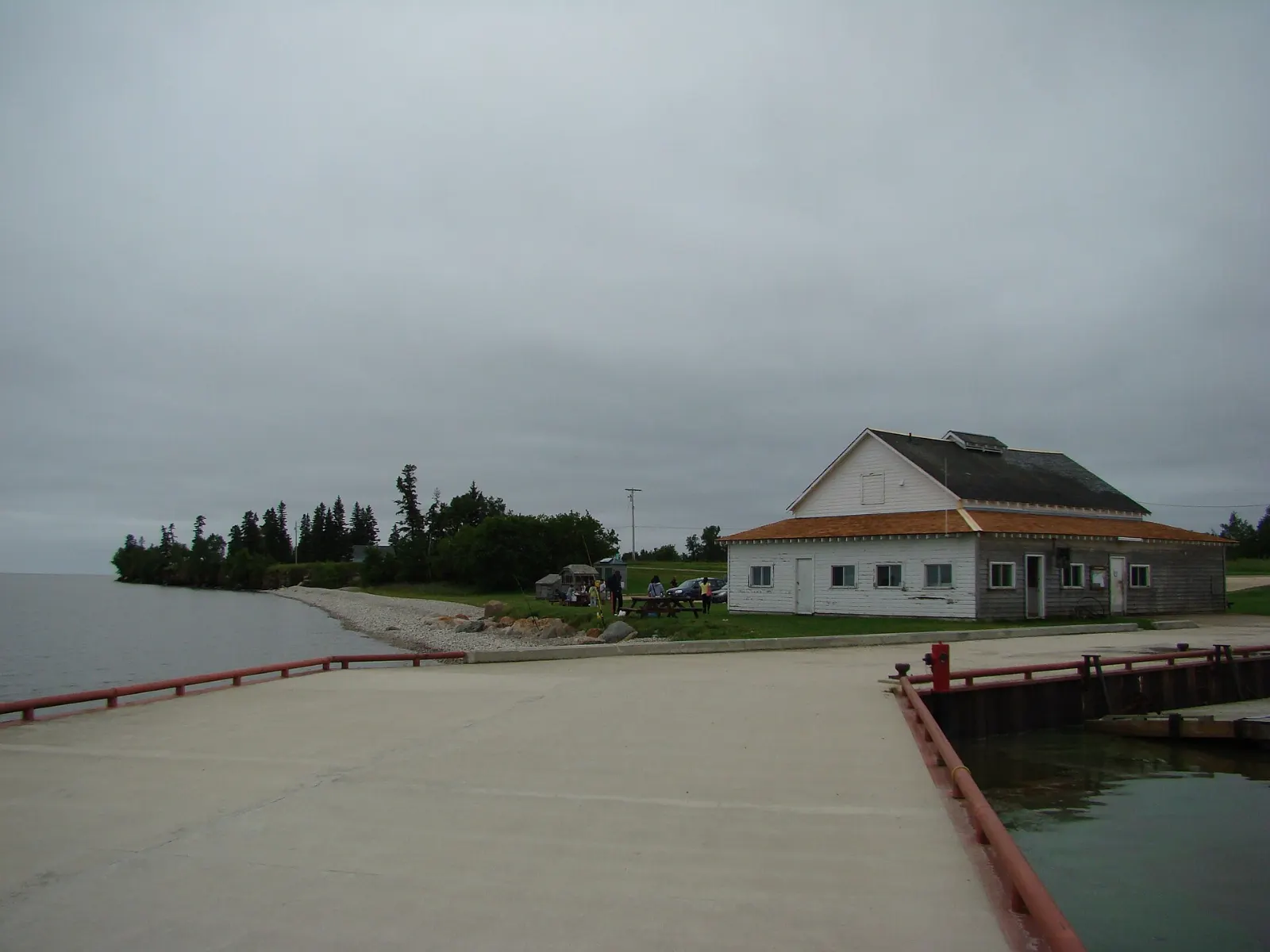
Hecla Fish Station
Beside the dock, the fish station is a functioning commercial fishing operation as well as part of the heritage story. It is a good place to see how the lake still supports the community.
Heritage House Museum
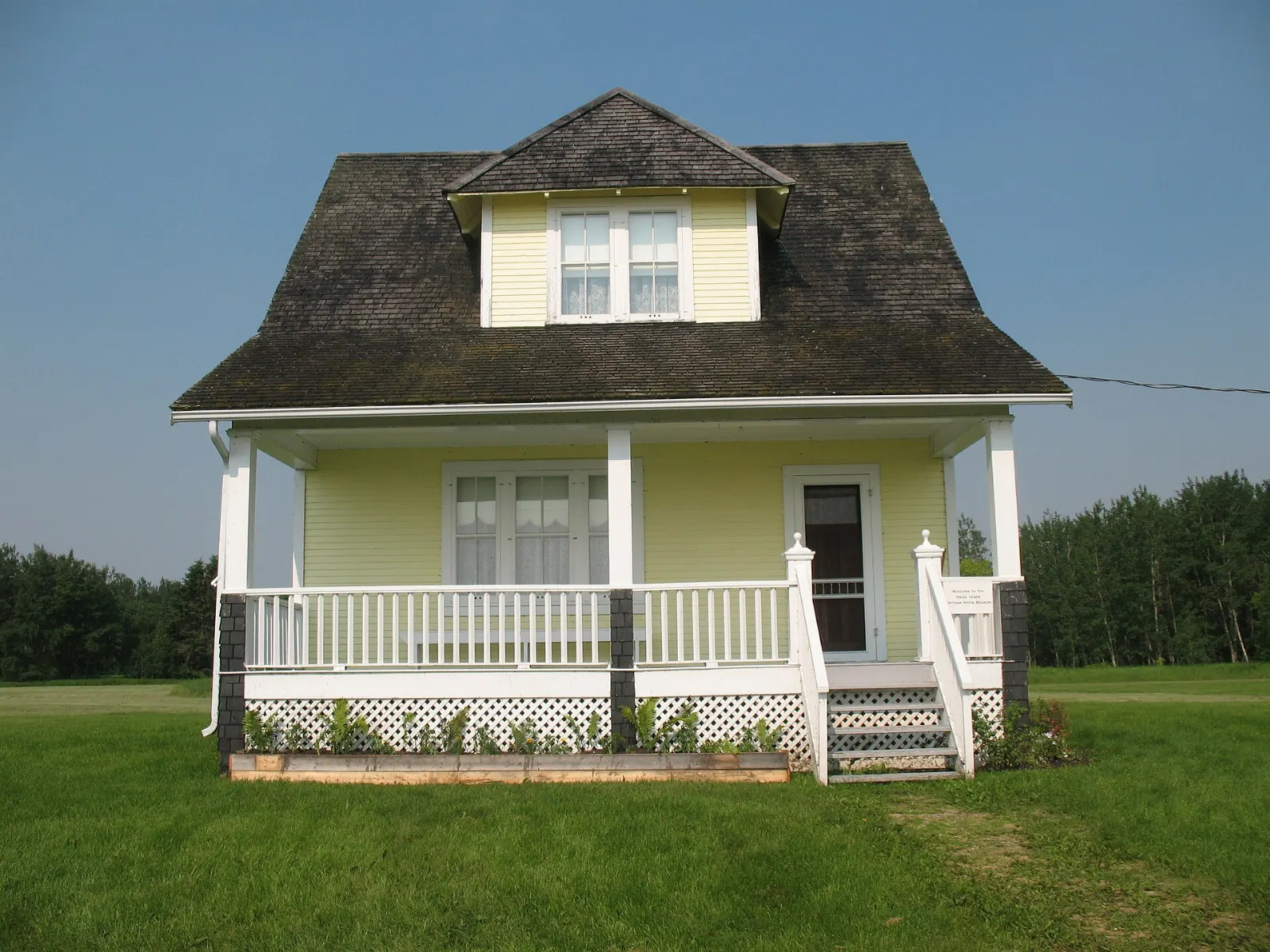
This house is furnished as an Icelandic family home from the 1920s to the 1940s. It is run by the Descendants and Friends of Hecla, so small donations and conversation with volunteers add to the visit.
Ice House Museum
The Ice House Museum holds carpentry and fishing tools and sawmill artifacts that show how settlers earned a living.
Hecla Church
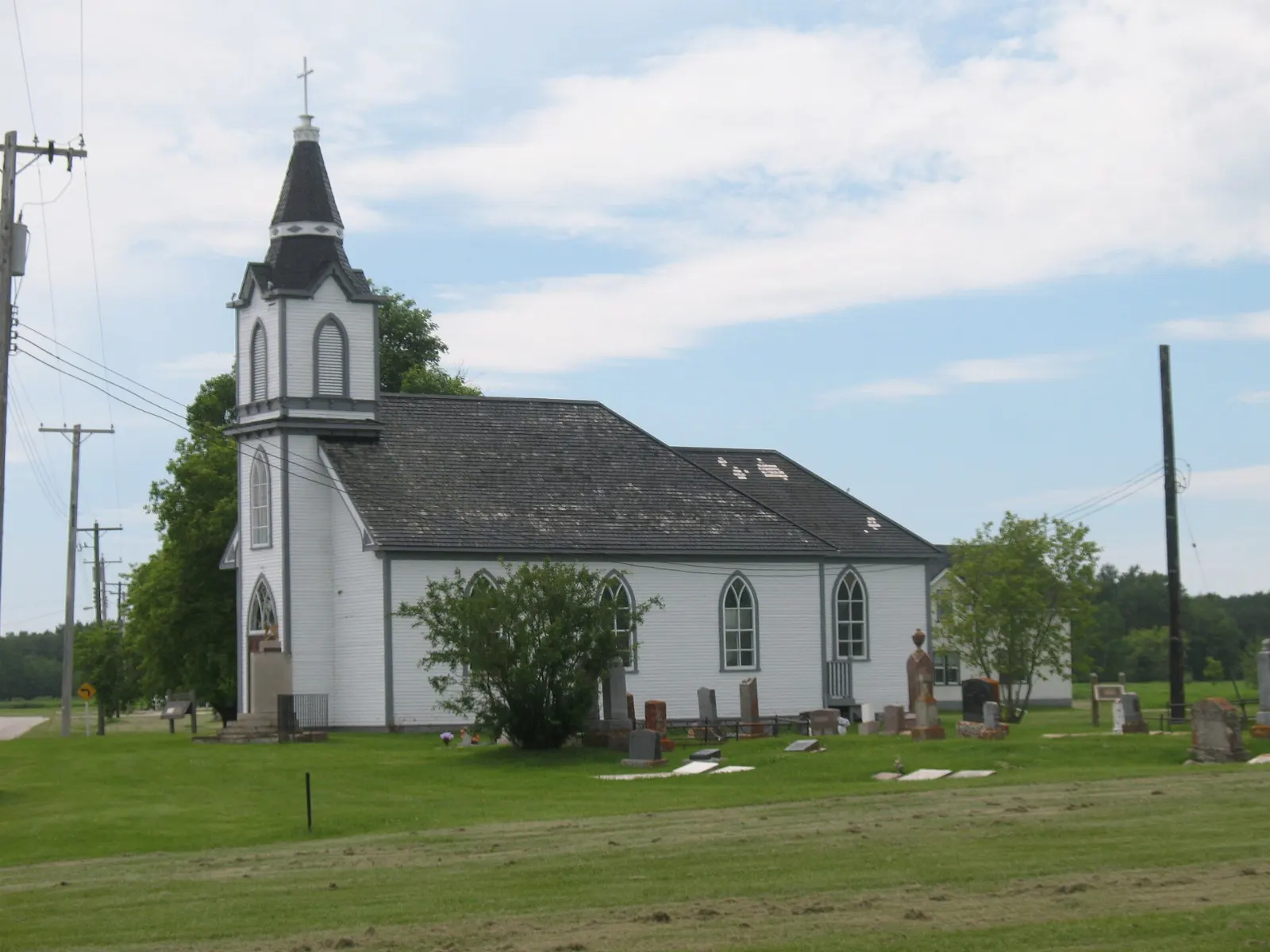
The village church holds non-denominational services and special musical events during July and August. Check the schedule if you would like to hear a concert, and keep in mind that visiting times can change from year to year.
Gull Harbour and the shoreline
Gull Harbour
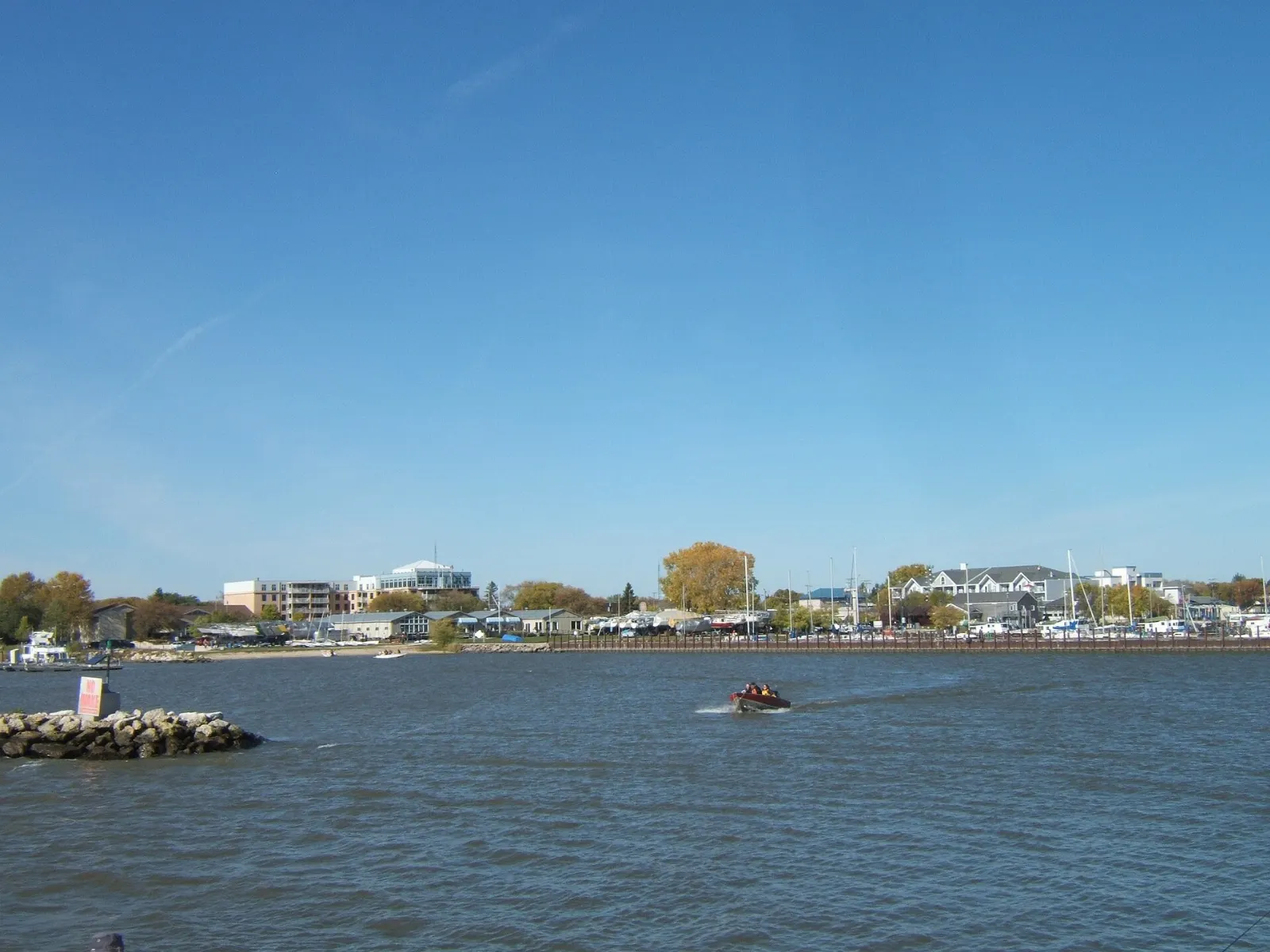
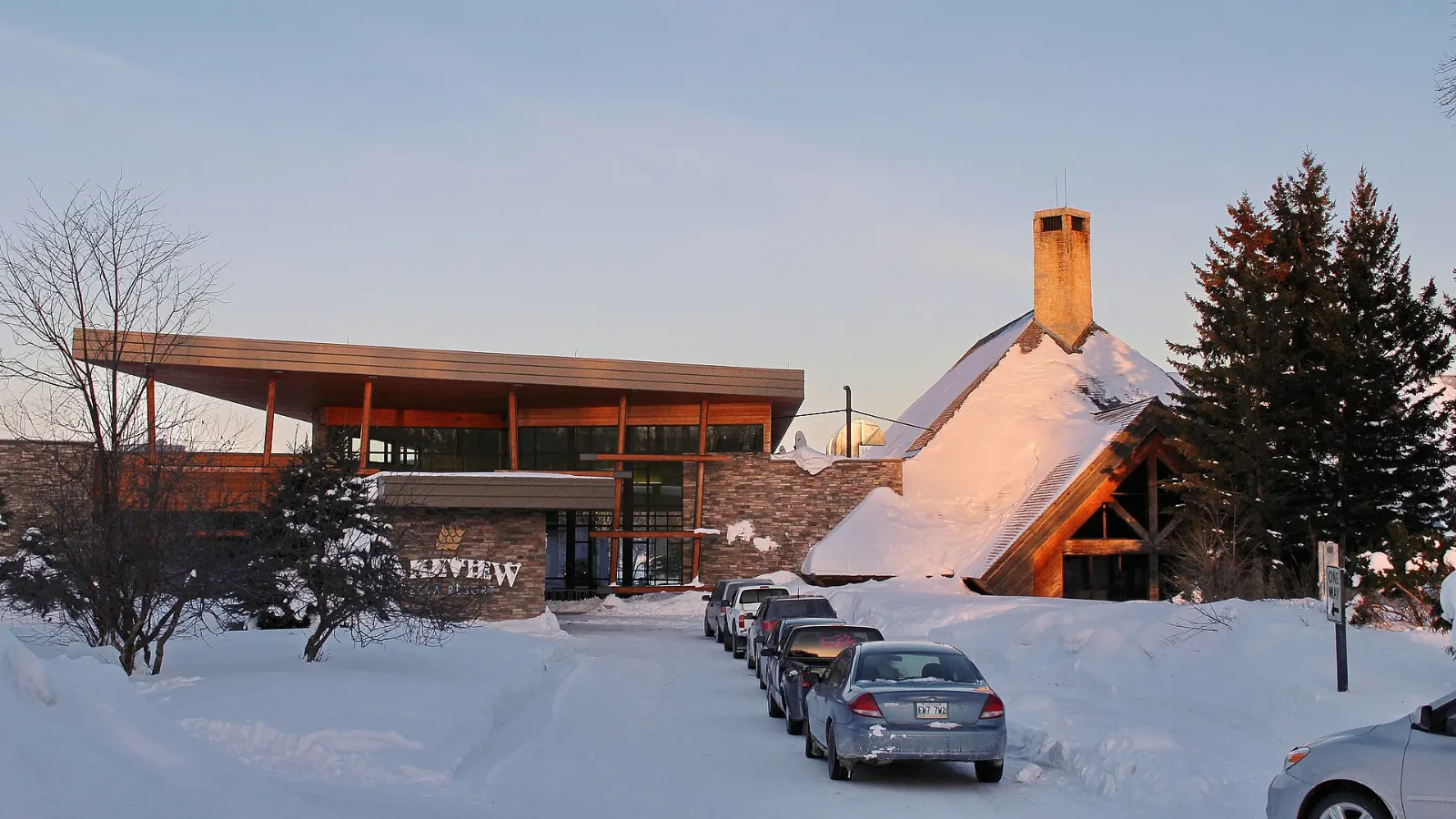
Gull Harbour is the resort and marina area of the island, with a full-service marina, summer homes, sandy beaches and a golf course. The marina and golf course are privately run and separate from the park.
Lighthouse Trail
The Lighthouse Trail is one of the best-known walks on the island and leads toward the shoreline lighthouse. Take water and comfortable shoes, and ask park staff about current trail conditions before you set out.
Island beaches
Parts of the shore have silica sand beaches, with limestone cliffs elsewhere along the coast.
Wildlife and birdwatching
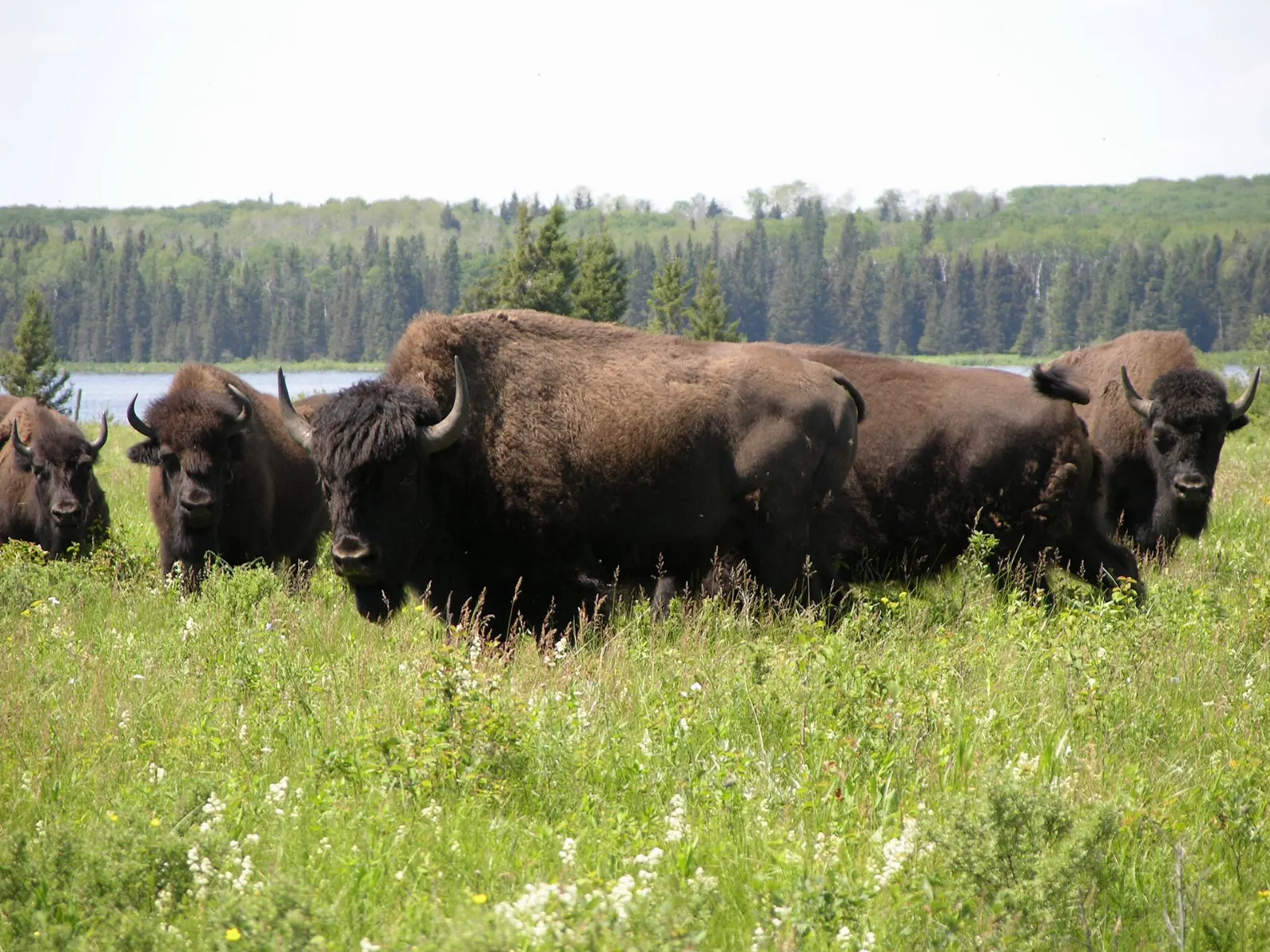
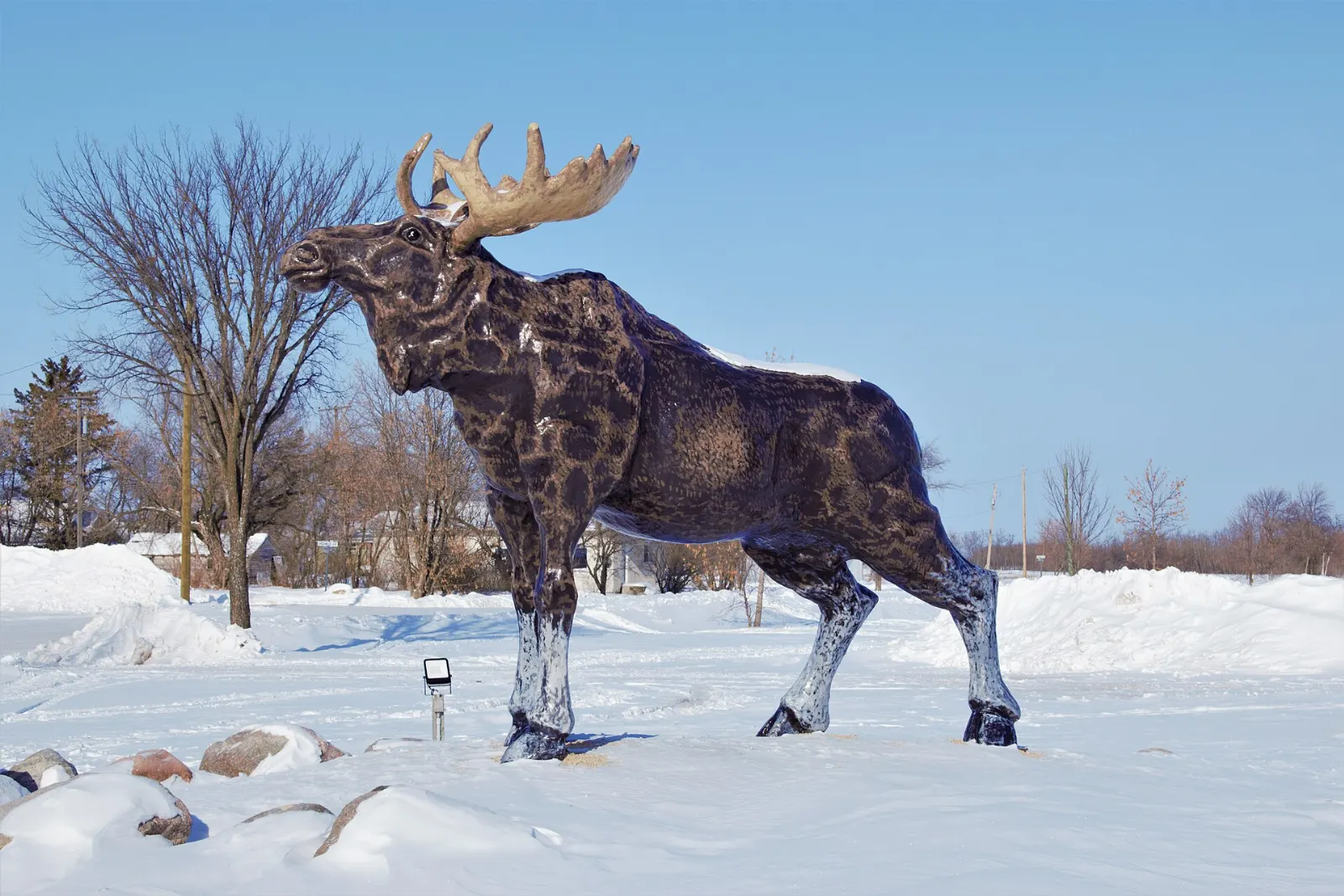
The park shelters black bear, moose, timber wolf, fox and beaver, though you are more likely to spot birds. Bald eagles, common loons, American white pelicans, ruby-throated hummingbirds, woodpeckers, hawks and owls all live here.
Grindstone and the road in
Grindstone peninsula
Grindstone is a long peninsula about as large as Hecla Island. It has more than three hundred and fifty privately owned cottages, a general store and sandy beaches.
Riverton
Riverton is the main community on the way to the park, bisected by the Icelandic River and built around fishing. Stop for fuel, snacks and supplies before heading north. The town sits roughly one hundred and ten kilometres north of Winnipeg.
 Planning a trip to Hecla Island?Compare hotels, flights and vacation rentals for Hecla Island on Expedia.Book now
Food and local flavors
Fish from Lake Winnipeg defines the table here. Walleye, locally called pickerel, and whitefish together account for most of the commercial catch, so look for either one grilled or fried at a lakeside restaurant.
For something sweet, try vínarterta, the layered prune cake that Icelandic families in Manitoba serve with coffee at celebrations. Services are limited in the park, so pack picnic food and check which restaurants and the general store are open before you arrive.
Popular dishes to try in Hecla Island


Where to stay
Gull Harbour suits travellers who want resort-style comfort, a marina and easy access to the beaches and trails.
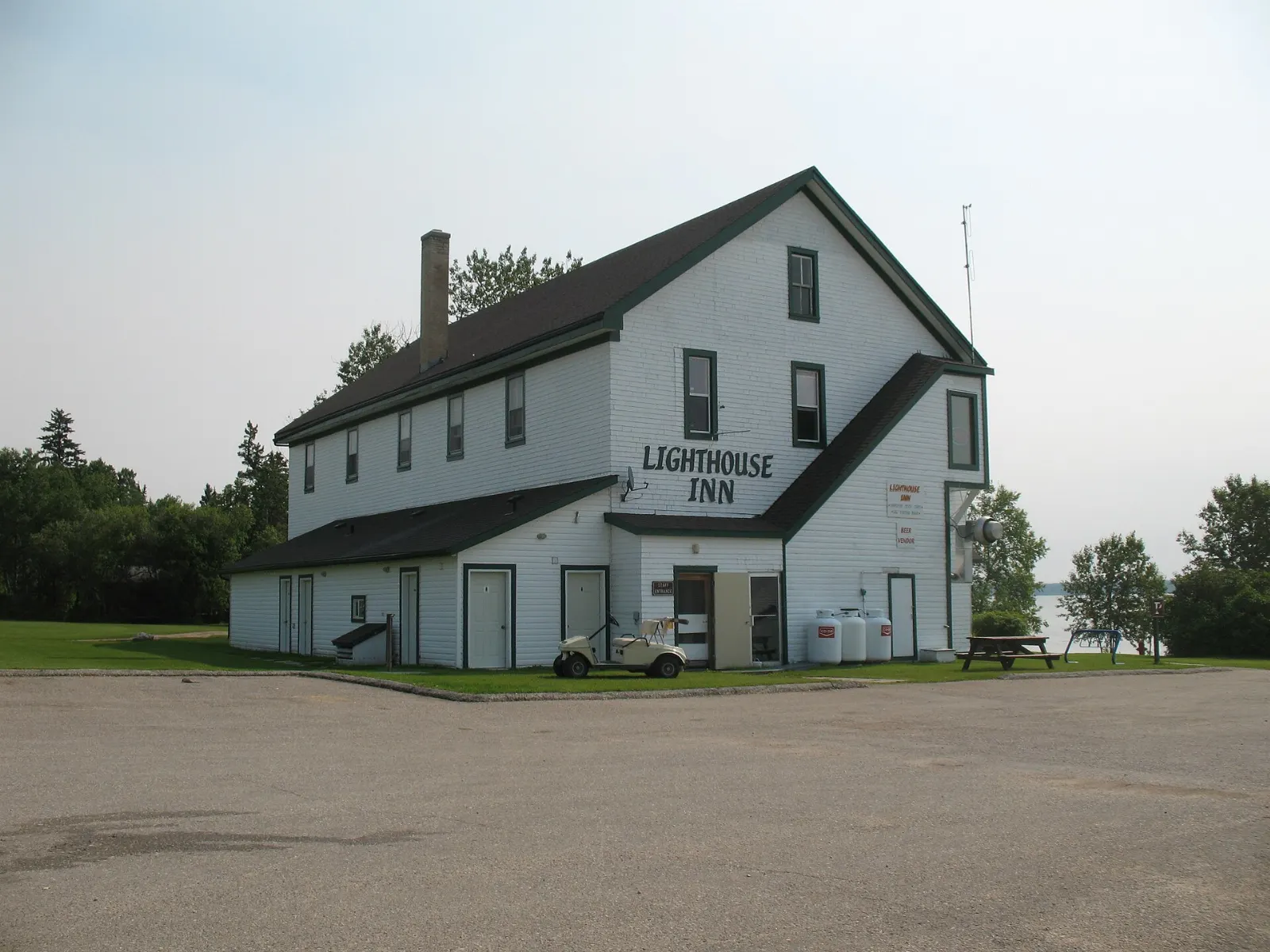
Hecla Village offers a small bed and breakfast in a restored historic Icelandic home run by commercial fishers. It suits couples and history lovers who want a quiet stay inside the heritage setting.
Grindstone is mostly privately owned cottages, so it works best if you know someone or can arrange a rental.
Where to stay in Hecla Island


Best time to visit
Summer is the main season. The general store runs from May to September, and the church hosts music in July and August.
Spring and early autumn are quieter and good for birdwatching, since the area is an important stop for migratory waterfowl and shorebirds on Lake Winnipeg. Winters are cold, so check which services and attractions stay open before planning a visit.
Getting there and getting around
Winnipeg James Armstrong Richardson International Airport is the nearest major airport, and the park lies well north of the city. A car is essential.
Distances inside the park are short but the sights are spread out, so plan to drive between Hecla Village, Gull Harbour and the trails. Bring a full tank, because services are limited, and carry water and snacks.
A suggested itinerary
First day
Drive from Winnipeg through Gimli and Riverton and arrive in Hecla Village by late morning. Walk through the museums, the fish station and the school, then eat lunch and head to Gull Harbour for an afternoon on the beach.
Second day
Hike the Lighthouse Trail in the morning, then spend the afternoon birdwatching along quiet shorelines. If the weather is fine, finish with a picnic on a sand beach and a last look at the lake before you leave.
Practical tips
- Check the Manitoba government parks website for park entry requirements and trail conditions.
- Fill your tank in Gimli or Riverton before heading north.
- Confirm seasonal opening dates for the general store and museums.
- Carry water, snacks and layers, because weather by the lake can change quickly.
- Keep a safe distance from wildlife and store food securely.