Minneapolis grew up around the only major waterfall on the Mississippi River, and that river still defines the city.
AT A GLANCE
Best time
Late May to early October for lakes, patios and festivals; September for mild weather and fall color.
How long
Three to four days to cover the riverfront, museums, lakes and a neighborhood or two.
Getting there
Fly into Minneapolis-Saint Paul International Airport and ride the Blue Line light rail downtown.
Why visit Minneapolis
In the late nineteenth century, Minneapolis was the flour milling capital of the world, powered by St. Anthony Falls. That industrial heritage gives the riverfront its character today, with ruins, restored mills and bridges turned into parks and trails.
Minneapolis punches well above its size in the arts. The Guthrie Theater, the Walker Art Center and the Minneapolis Institute of Art are institutions of national stature, and the city has more theater seats per person than almost anywhere outside New York.
The riverfront and St. Anthony Falls
Stone Arch Bridge
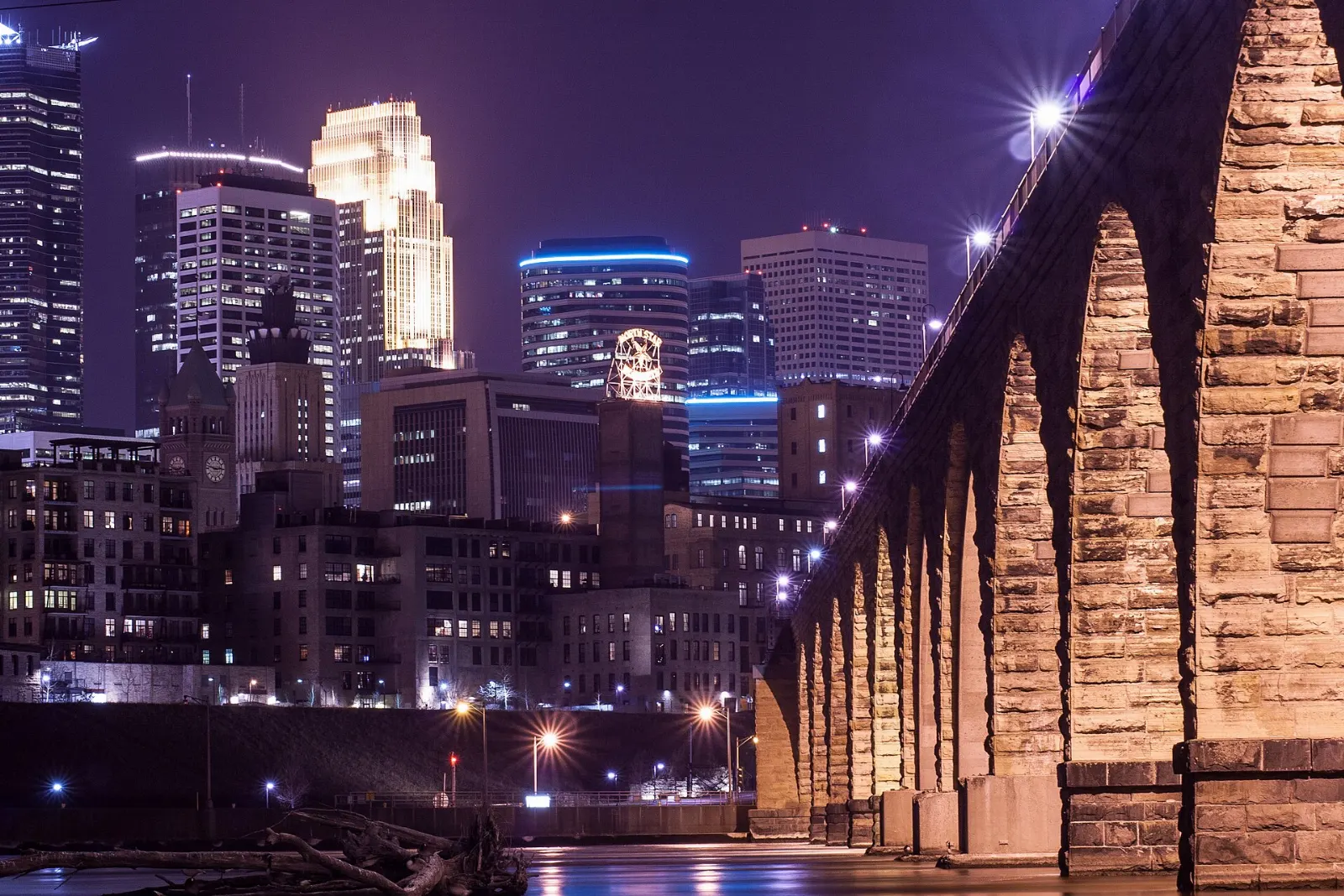
Built in 1883 for the Great Northern Railway, the Stone Arch Bridge curves across the Mississippi just below St. Anthony Falls. Today it is reserved for pedestrians and cyclists, and it reopened in 2025 after a major rehabilitation.
Mill City Museum
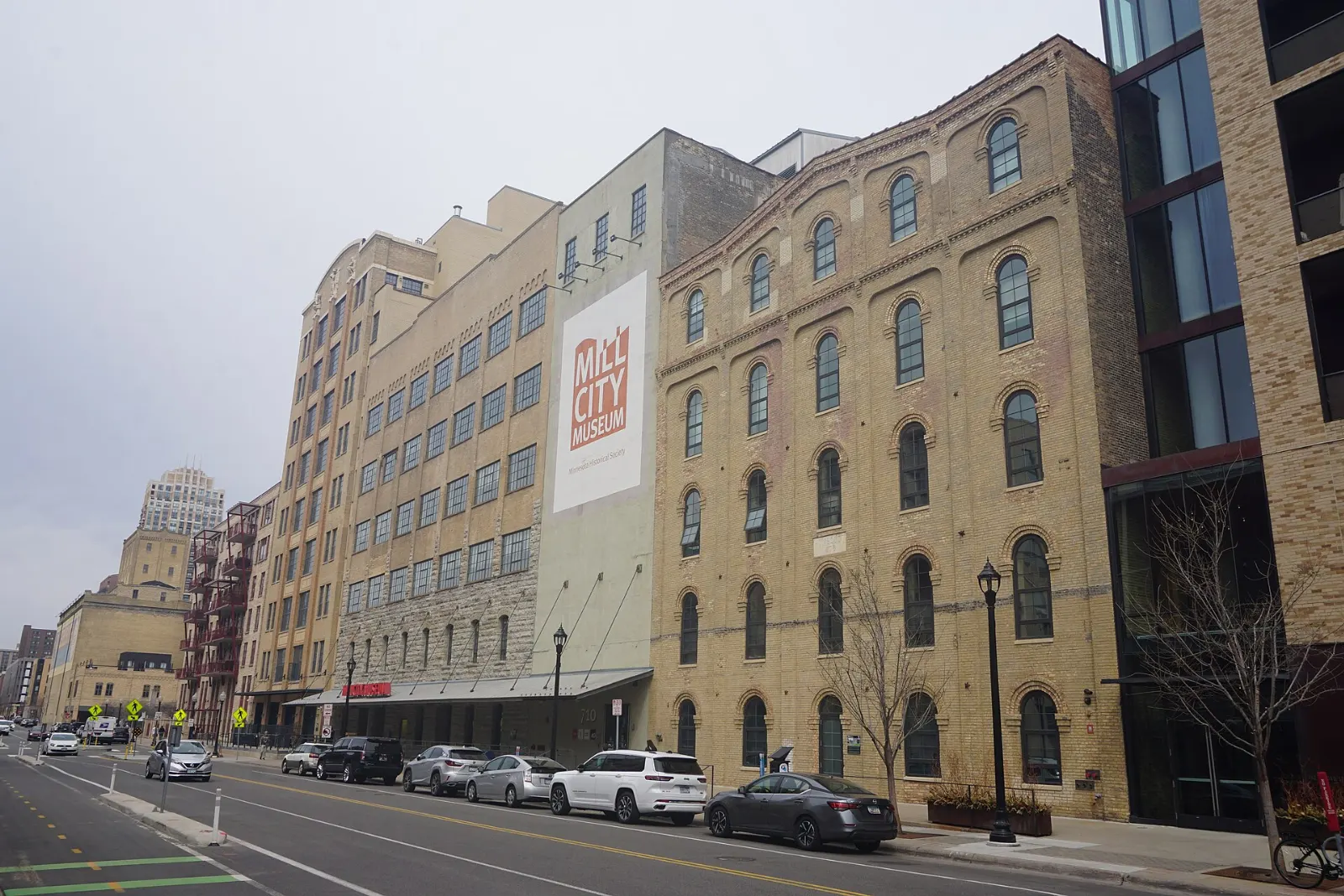
On the west bank, the Mill City Museum is built inside the ruins of the Washburn A Mill, once the largest flour mill in the world, which was gutted by fire in 1991.
Guthrie Theater and Mill Ruins Park
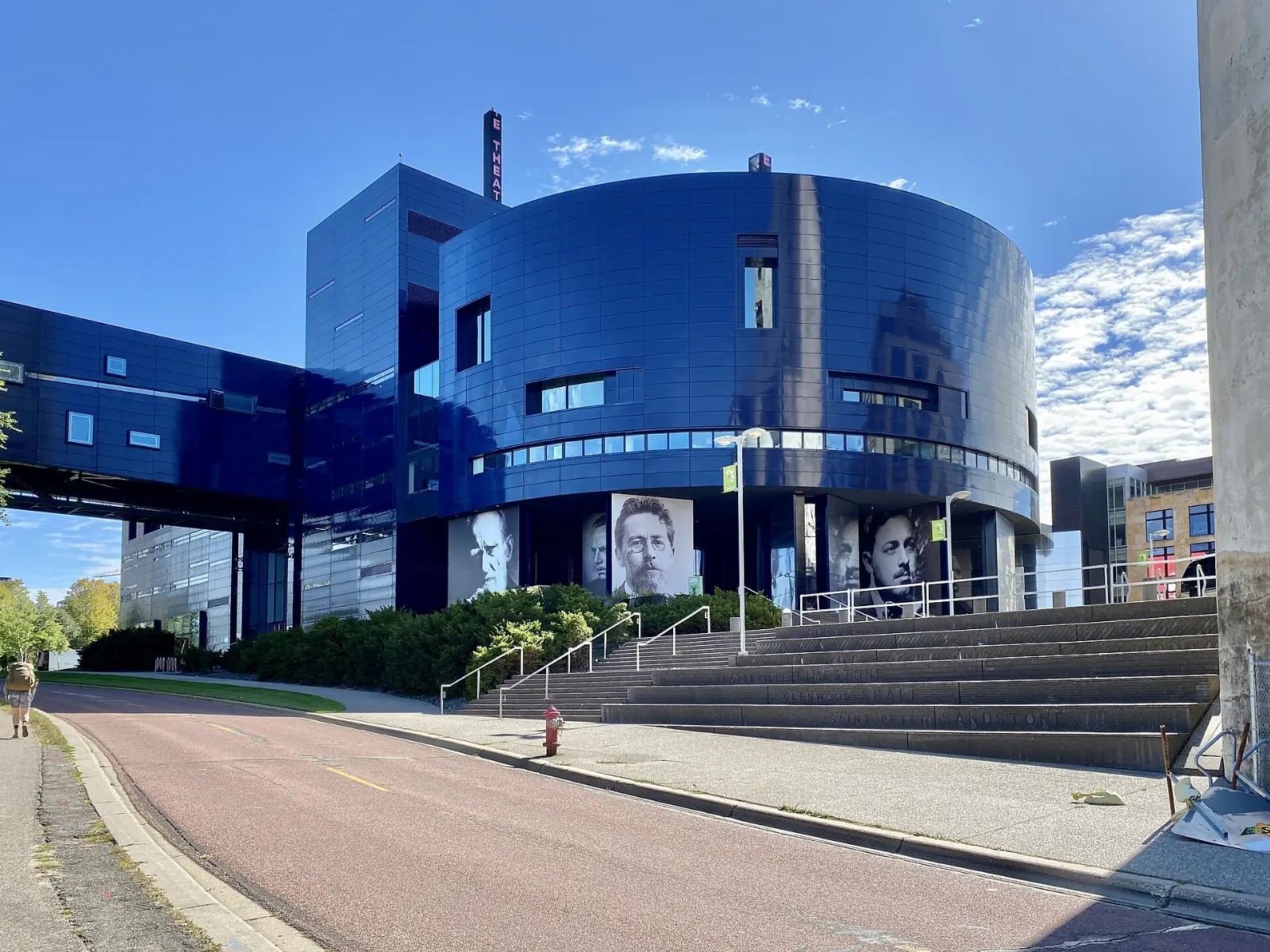
Next door, the Guthrie Theater is one of the country's leading regional theaters, housed in a dark blue building with a long cantilevered walkway, the Endless Bridge, that juts toward the river. You can walk out onto it for views even if you are not seeing a show.
St. Anthony Main and Nicollet Island
Across the river, St. Anthony Main has cobblestone streets, restored brick buildings and riverside patios. A short walk away, Nicollet Island is a quiet island of Victorian houses in the middle of the river, with paths and views back toward downtown.
Art and museums
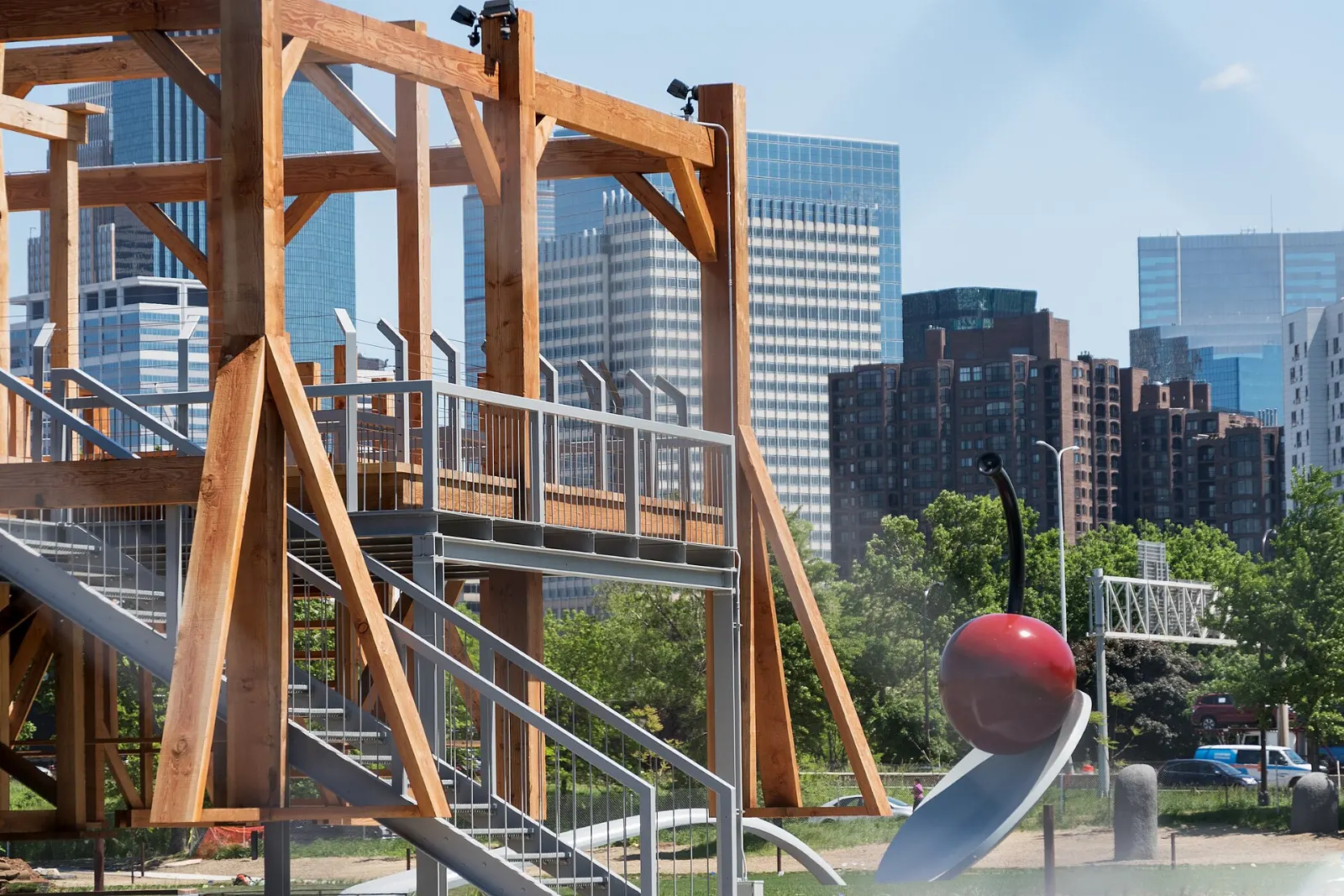
Walker Art Center and the Minneapolis Sculpture Garden
The Walker Art Center is one of the leading contemporary art museums in the United States, with galleries, performance spaces and an excellent film program.
Minneapolis Institute of Art
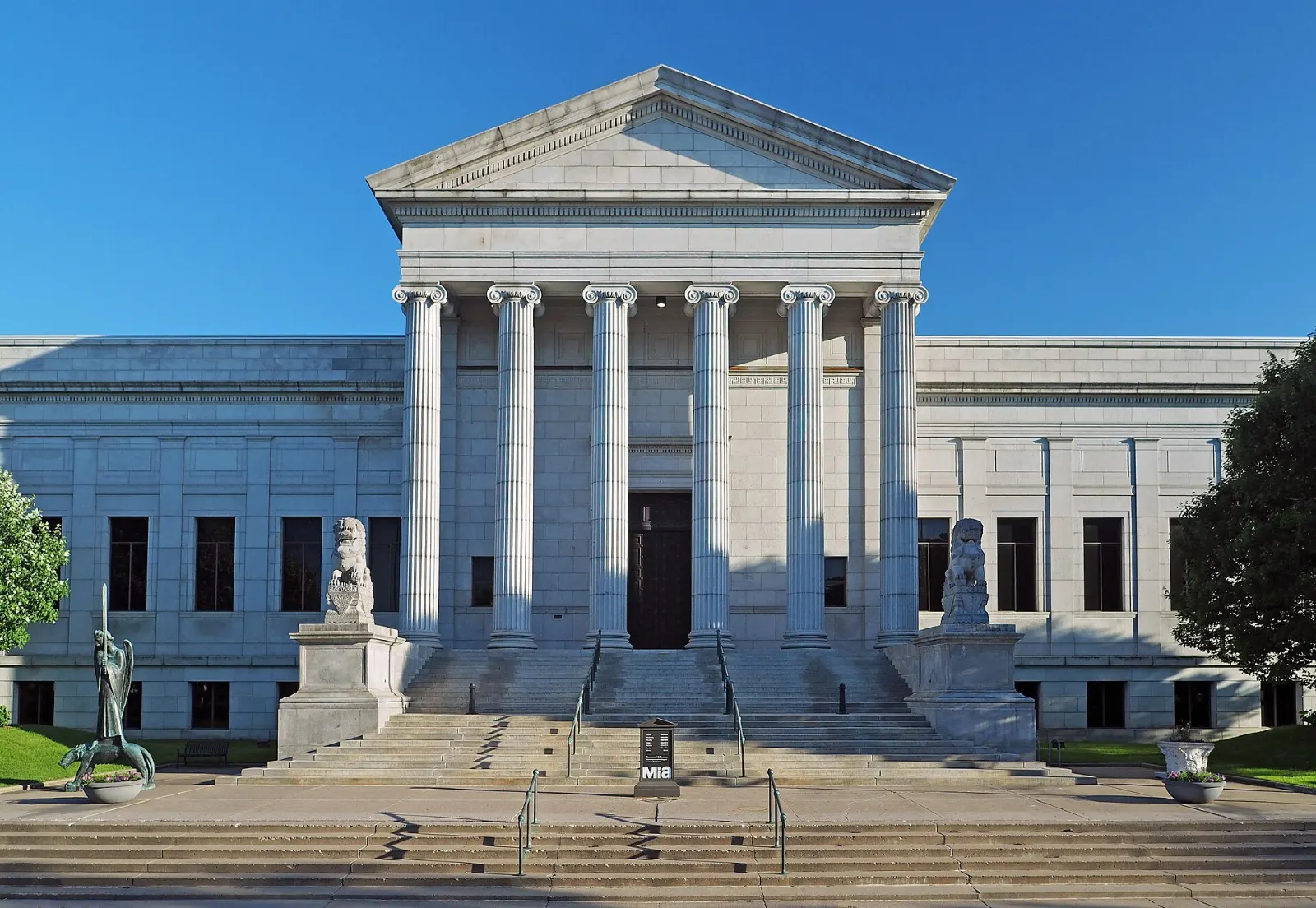
Known as Mia, the Minneapolis Institute of Art in the Whittier neighborhood holds a vast collection that spans thousands of years and every continent, from ancient Chinese bronzes and period rooms to European masterpieces and contemporary photography. Allow at least half a day.
Weisman Art Museum
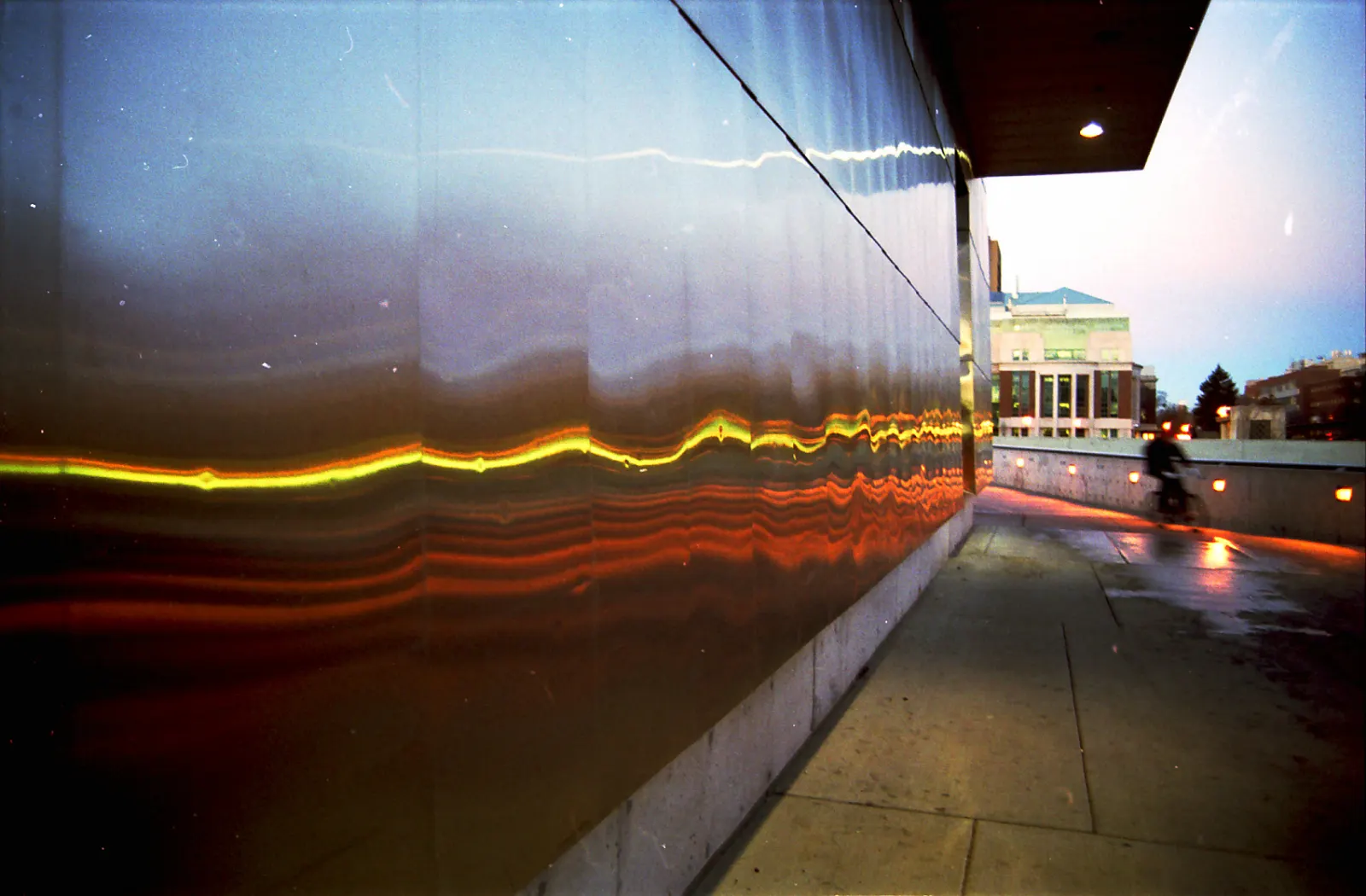
On the University of Minnesota campus, the Weisman Art Museum is housed in a striking stainless steel building designed by Frank Gehry, perched on a bluff above the Mississippi. Its collection focuses on American art and ceramics.
American Swedish Institute
South of downtown, the American Swedish Institute occupies the turreted Turnblad Mansion, an ornate early twentieth century home with carved woodwork and tile stoves, connected to a modern wing used for exhibitions and a cafe serving Nordic food.
On WiserMap
Local businesses in Minneapolis
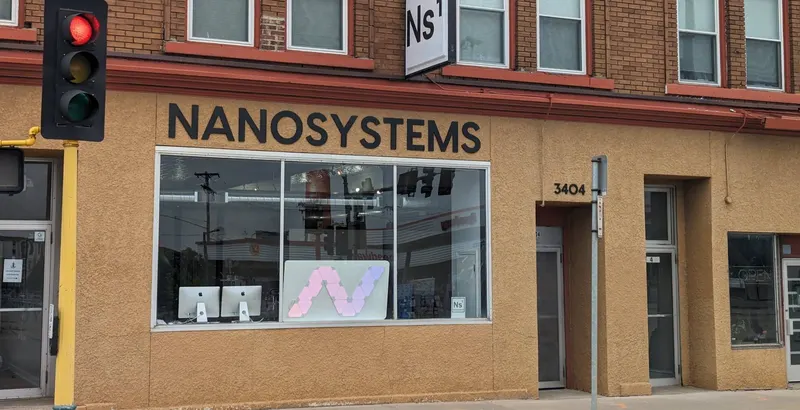
Nanosystems
Nanosystems is a Minnesota computer services and tech support business serving the Twin Cities area. Nanosystems provides computer repair, custom PCs, and emerg...
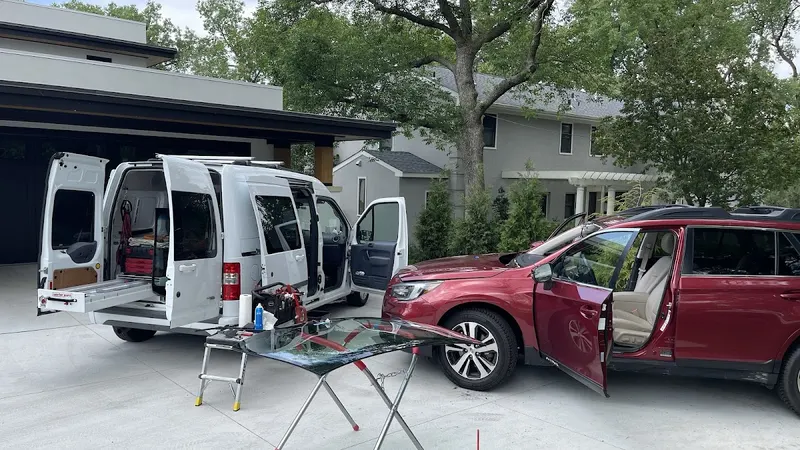
Luna Glass Service LLC
Luna Glass Service LLC is a glass repair and replacement business serving Minneapolis, St. Paul, and Cleveland areas.
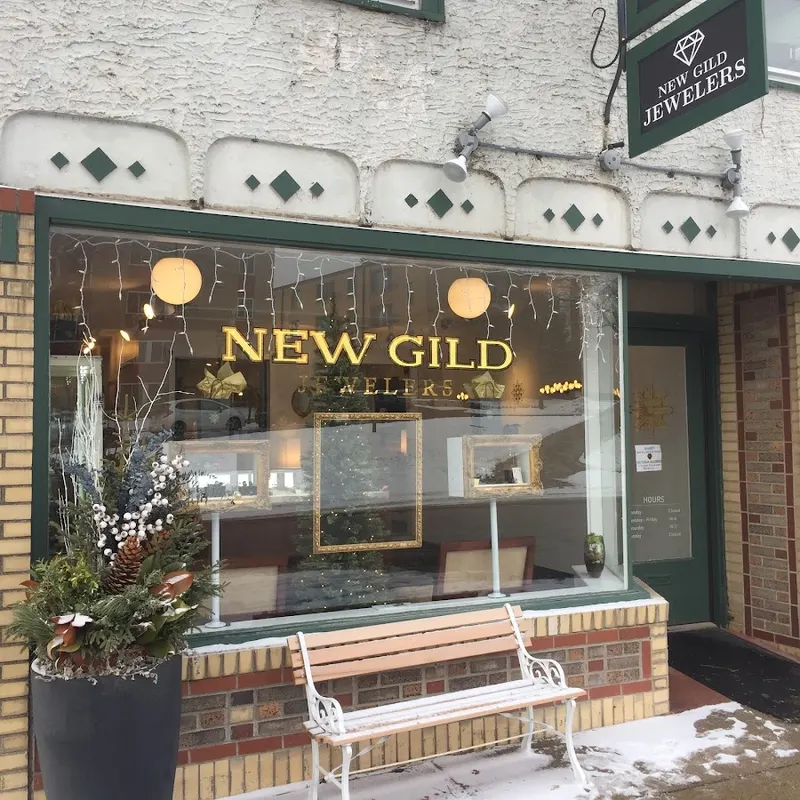
New Gild Jewelers
New Gild Jewelers is a custom jewelry business serving Minneapolis, MN. New Gild Jewelers provides custom jewelry design and ready-to-wear gallery services in t...
Lakes, falls and parks
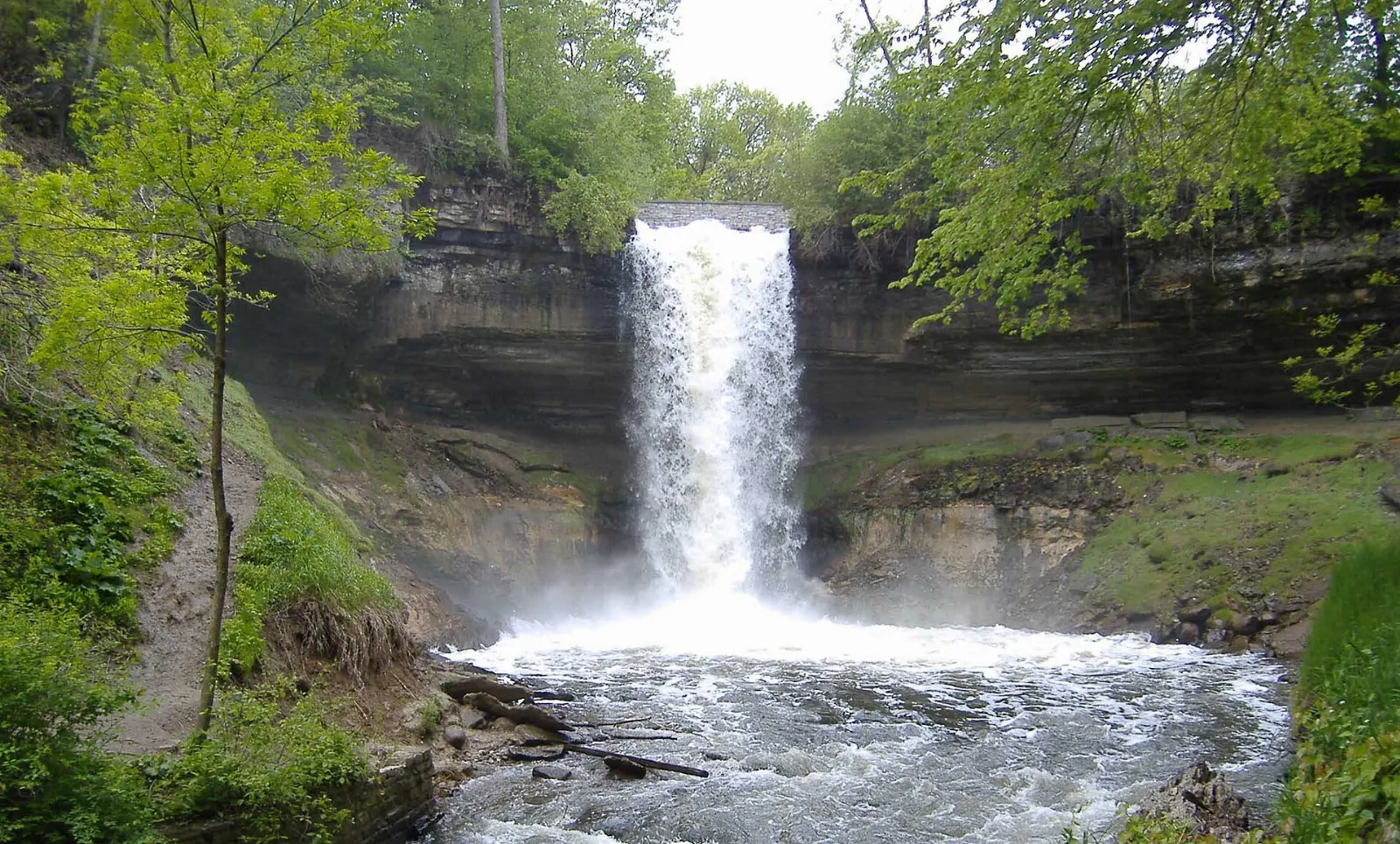
Minnehaha Falls
In the southeast of the city, Minnehaha Falls drops over a limestone ledge into a wooded glen inside Minnehaha Regional Park. The falls were made famous by Henry Wadsworth Longfellow's poem The Song of Hiawatha.
Bde Maka Ska and the Chain of Lakes
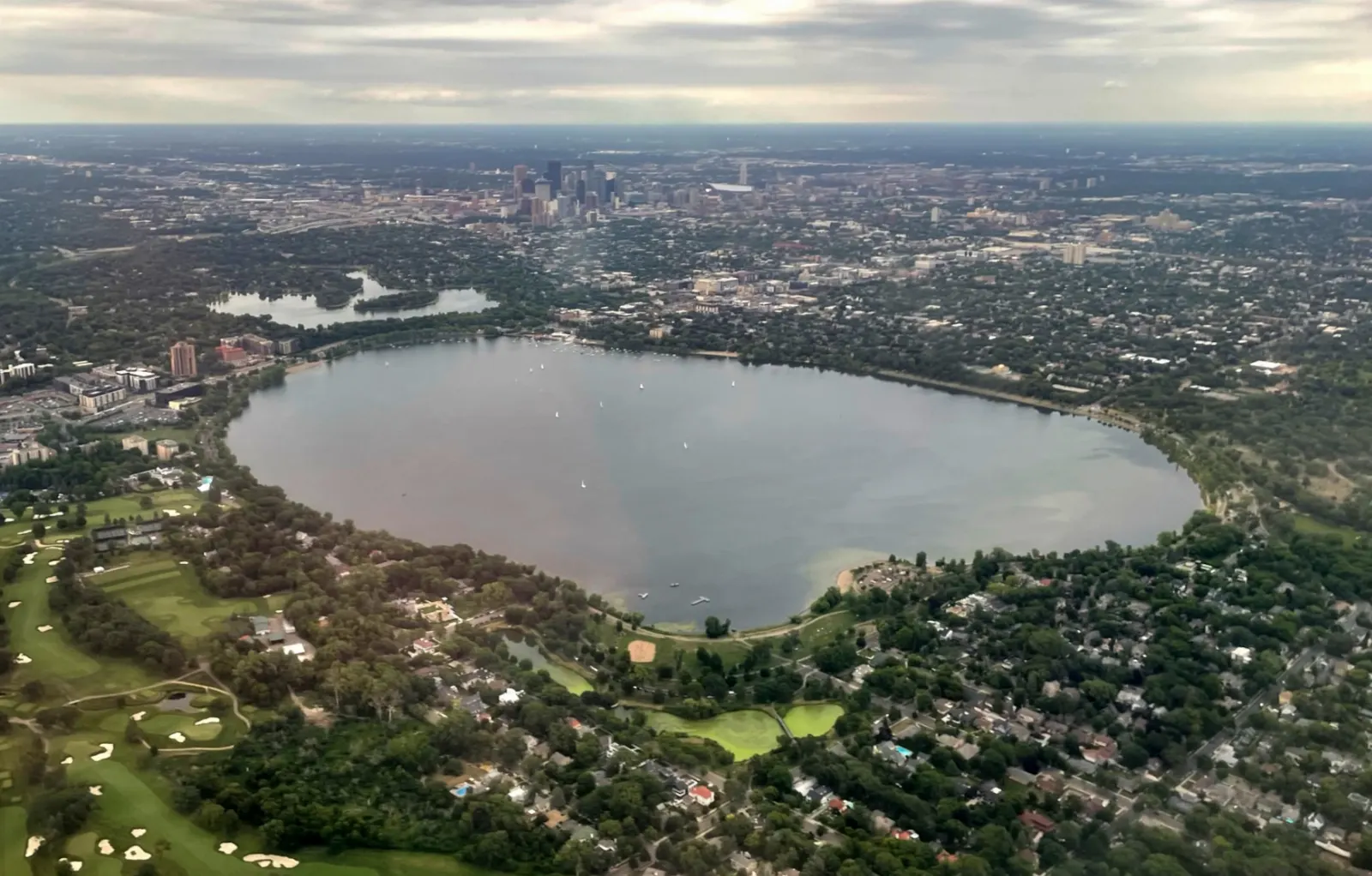
The Chain of Lakes is a string of city lakes in southwest Minneapolis linked by paved walking and biking paths. Bde Maka Ska, the largest, has beaches, boat rentals and busy lakeside paths.
Lake Harriet
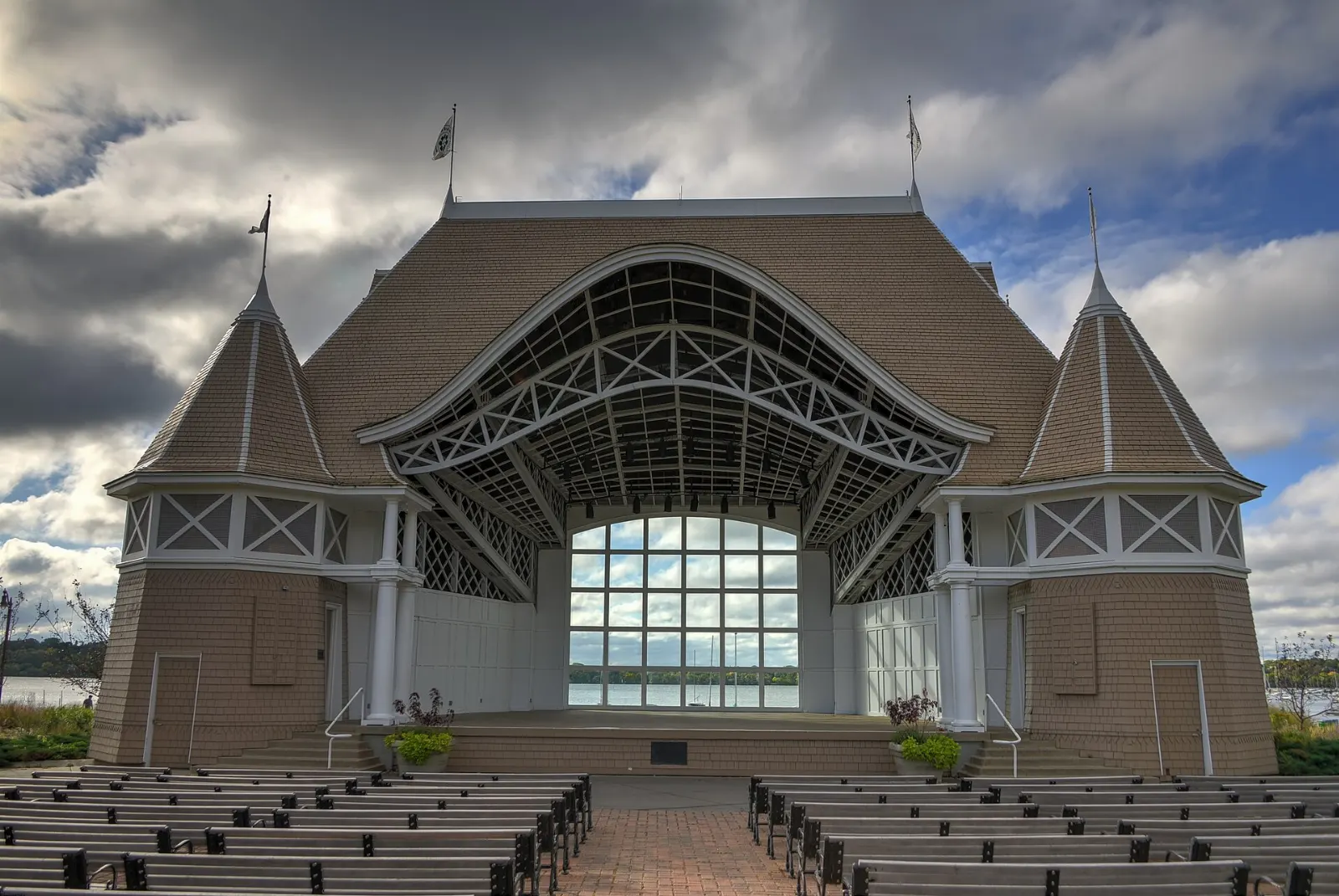
South of Bde Maka Ska, Lake Harriet is ringed by a walking path and has a castle-like bandshell that hosts free outdoor concerts on summer evenings. Nearby are the Lyndale Park Rose Garden, one of the oldest public rose gardens in the country, and a heritage streetcar line that runs short rides in season.
Food and local flavors
The city's most famous dish is the Jucy Lucy, a burger with molten cheese sealed inside the patty.
Minnesota comfort food includes hotdish, a casserole usually topped with tater tots, wild rice soup made with native wild rice, and walleye served fried or in sandwiches.
Minneapolis also has one of the largest Somali communities in the country, and a significant Hmong, Mexican, Ecuadorian and Vietnamese presence.
Popular dishes to try in Minneapolis


Where to stay
Downtown is the most convenient base for first-time visitors, close to theaters, sports venues, light rail and the riverfront.
North Loop is a trendy warehouse district of restaurants, boutiques and cocktail bars near Target Field, ideal for food lovers and couples.
Mill District and St. Anthony Main put you on the riverfront, steps from the Stone Arch Bridge and Guthrie Theater.
Northeast is a good pick for travelers interested in art studios, breweries and live music.
Where to stay in Minneapolis


Top rated
Trusted by locals in Minneapolis

Rapid Glass
Rapid Glass is a glass repair and replacement business serving the Minneapolis and St. Paul suburbs. Rapid Glass provides auto, home, and commercial glass servi...

Easy Door LLC
Easy Door LLC is a garage door services company serving the Minneapolis - St Paul area, providing repair, installation, and haul-off services for garage doors a...
Hardy Masonry LLC
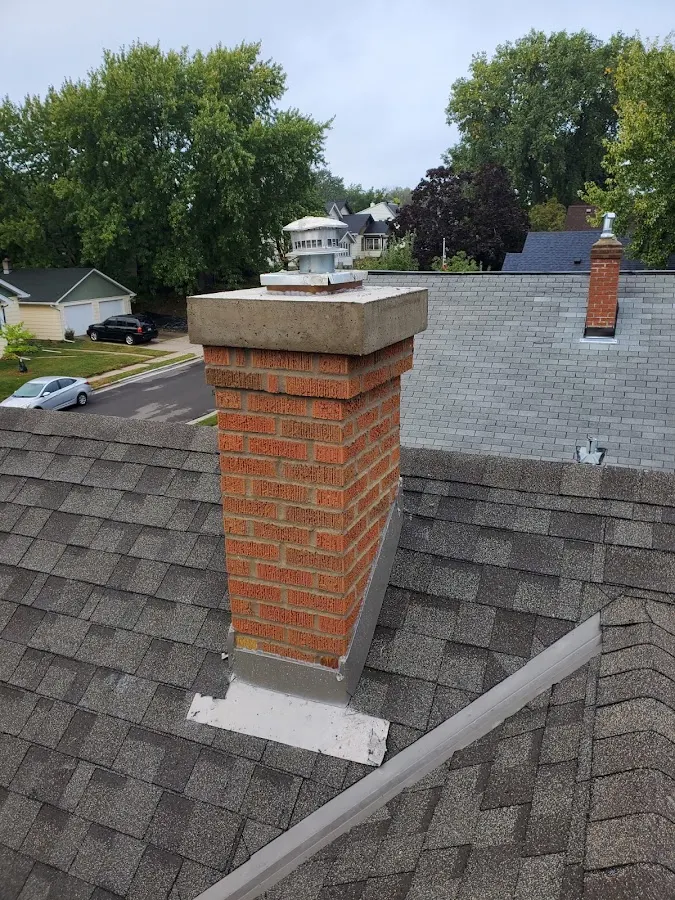
Hardy Masonry LLC is a masonry and chimney service business offering chimney cleaning, repairs, inspections, and masonry work for homeowners and businesses.
Best time to visit
Summer, from June to August, is the city's favorite season. Days are long and warm, the lakes are full of boats and swimmers, and outdoor concerts and festivals fill the calendar.
September and early October bring crisp air, fall color along the river and lakes, and smaller crowds. Spring arrives late, often not until May, and can be muddy and changeable.
Winter is long and very cold, with frequent subzero temperatures in January and February.
Getting there and getting around
Minneapolis-Saint Paul International Airport is a major hub with direct flights across North America and to Europe and Asia.
Downtown and the riverfront are easy to explore on foot.
A car is useful for exploring beyond the city, but parking downtown can be expensive and busy during events.
A suggested itinerary
First day
Start at Mill City Museum and ride the Flour Tower. Walk out onto the Guthrie's Endless Bridge, then cross the Stone Arch Bridge to St. Anthony Main and Nicollet Island.
Second day
Spend the morning at the Walker Art Center and the Minneapolis Sculpture Garden.
Third day
Explore Mia in the morning, then have lunch along Eat Street or at Midtown Global Market.
Fourth day
Visit the Weisman Art Museum and the University of Minnesota riverfront, then spend the afternoon in Northeast browsing studios and breweries.
Before you go
More to discover in Minneapolis
Blue Ox Heating & Air
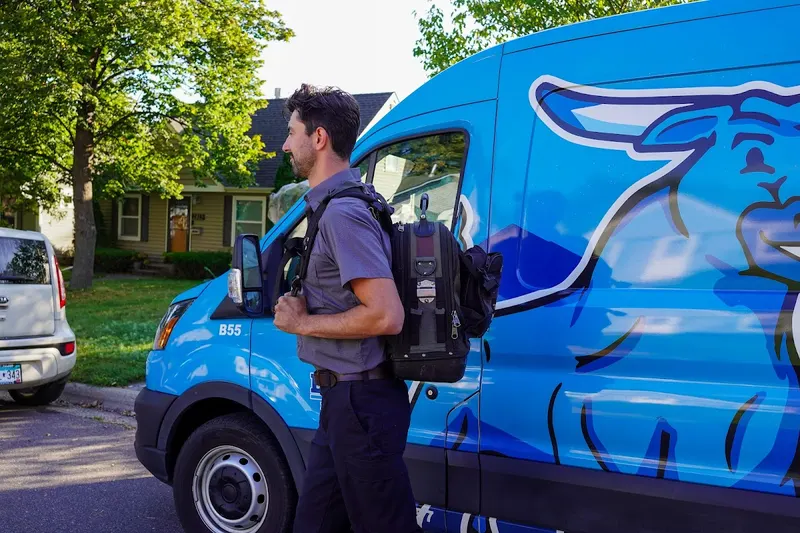
Blue Ox Heating & Air is a heating and air conditioning business serving its local area. Blue Ox Heating & Air provides HVAC installation, repair, and maintenan...
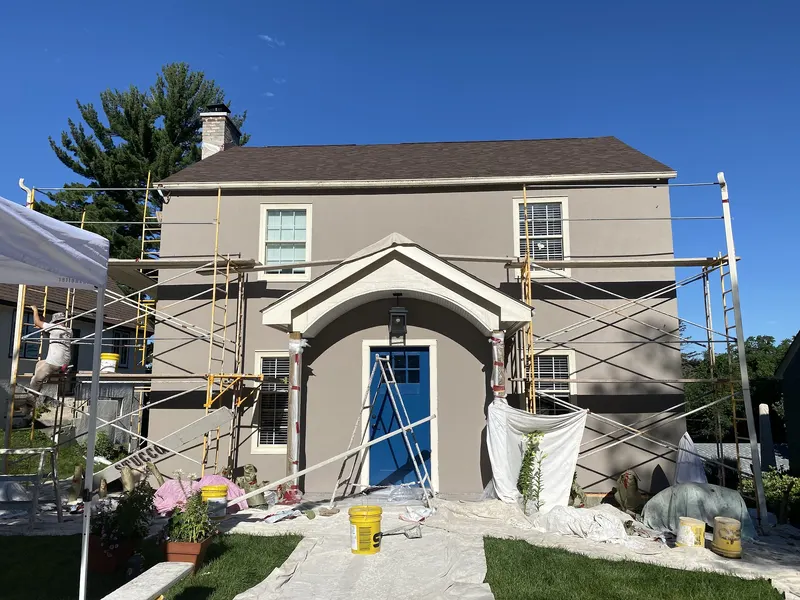
Think Stucco
Think Stucco is a stucco patch, dash, and repair specialist serving the Twin Cities area, providing high-quality stucco patching, re-stucco, repair, and new stu...
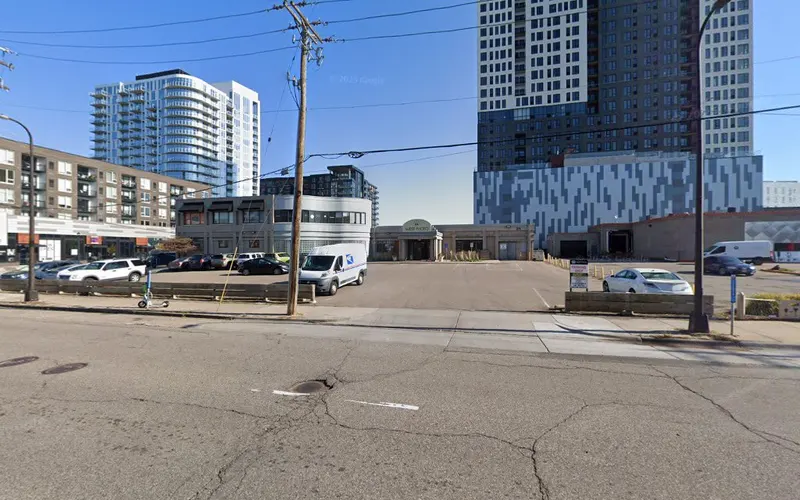
West Photo
West Photo is a photography store in Minneapolis serving the Twin Cities community with camera gear, repair services, rentals, film development, and print order...
Practical tips
- In winter, pack insulated boots, a heavy coat, hat and gloves, and use the downtown skyways.
- Book Guthrie Theater tickets ahead, especially for weekend evenings and holiday productions.
- Use the Blue Line from the airport to avoid parking and traffic downtown.
- Rent a bike to explore the riverfront and lakes; trails are well marked and connected.
- Book lodging early during the State Fair and major sports or convention weekends.
- Bring insect repellent for summer evenings by the lakes and creeks.
Find local businesses in Minneapolis on WiserMap
From coffee shops near the riverfront to bike rentals by the lakes and service providers across the city, you can browse local businesses in Minneapolis to plan your visit.