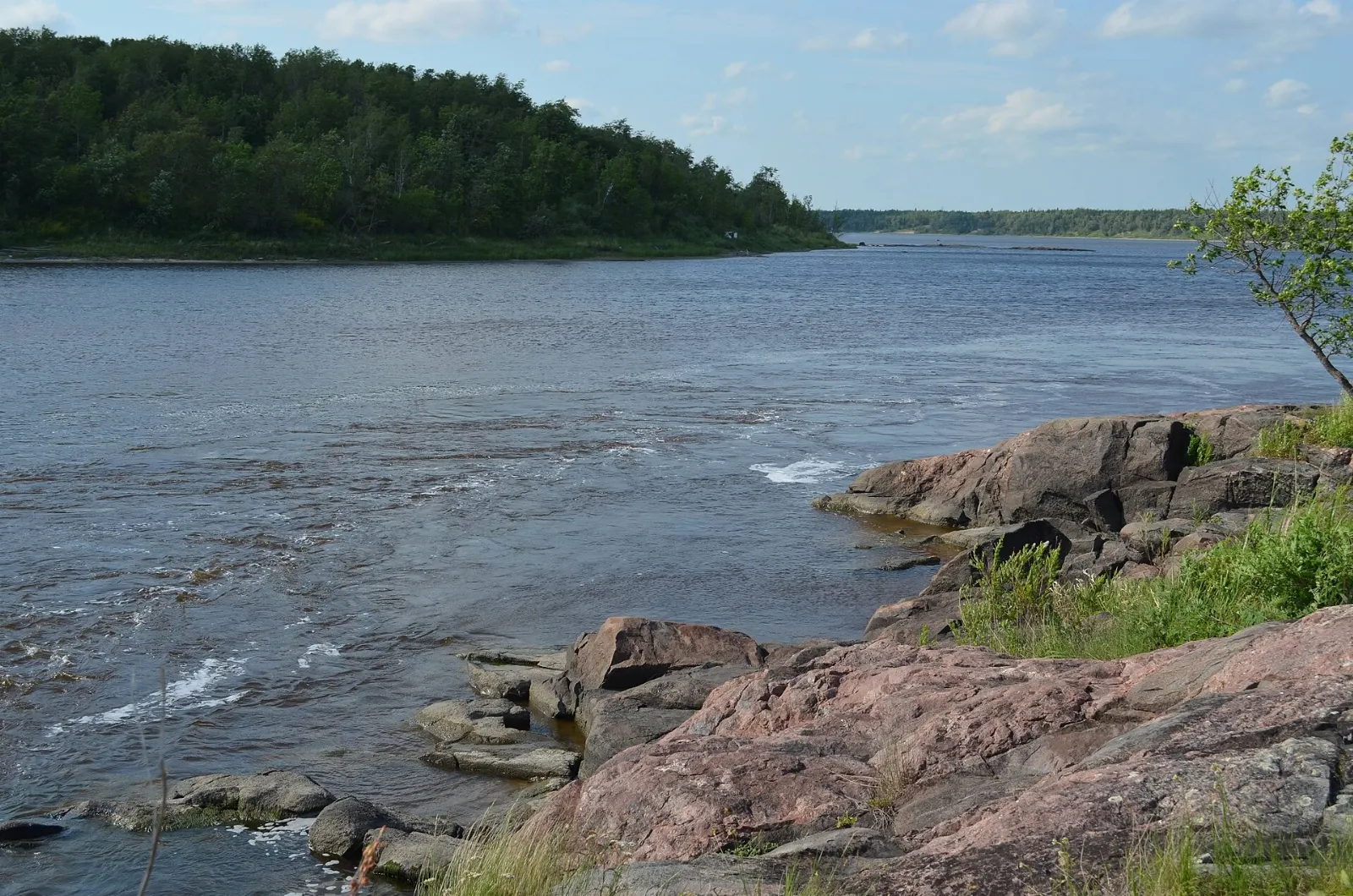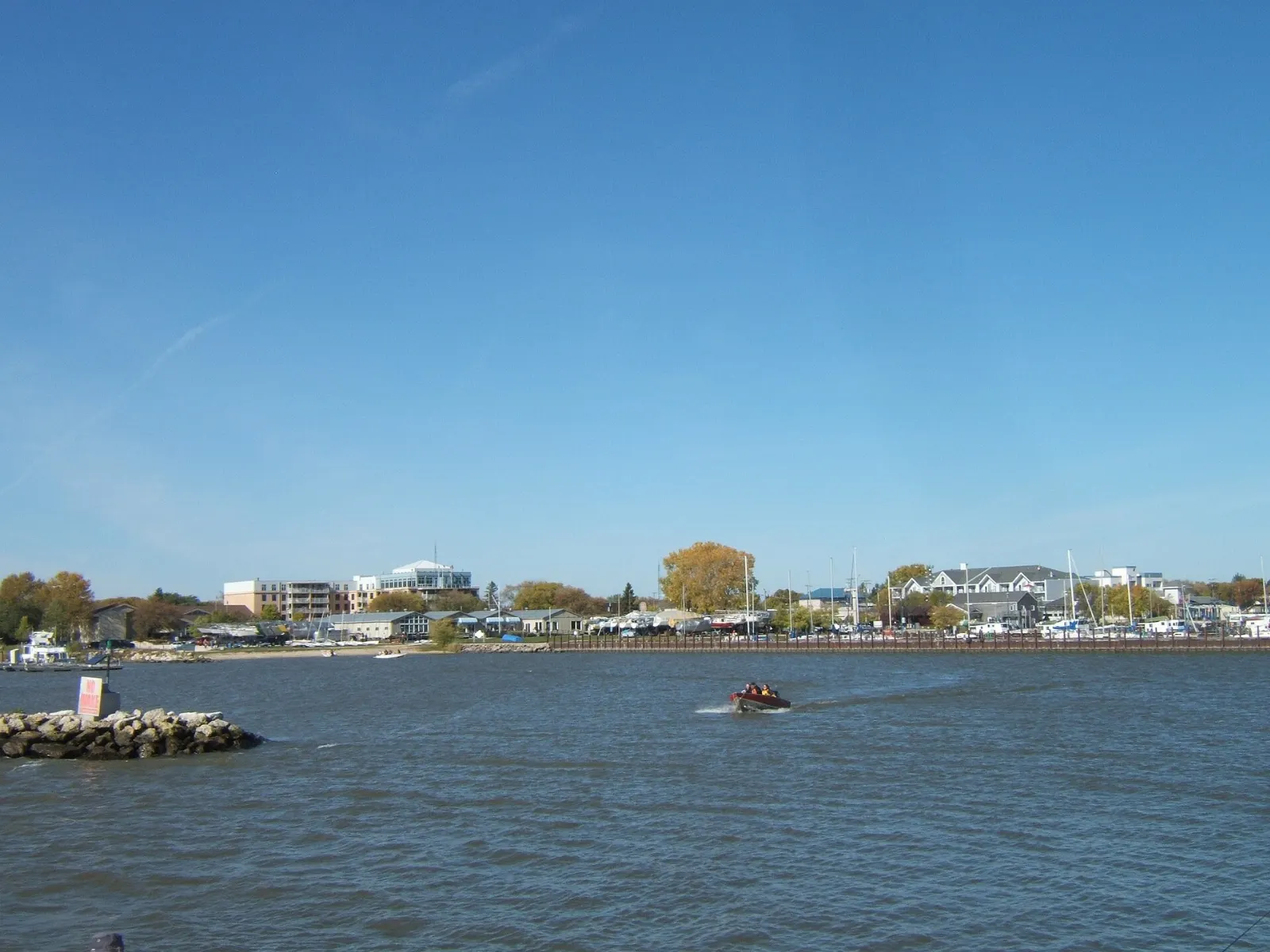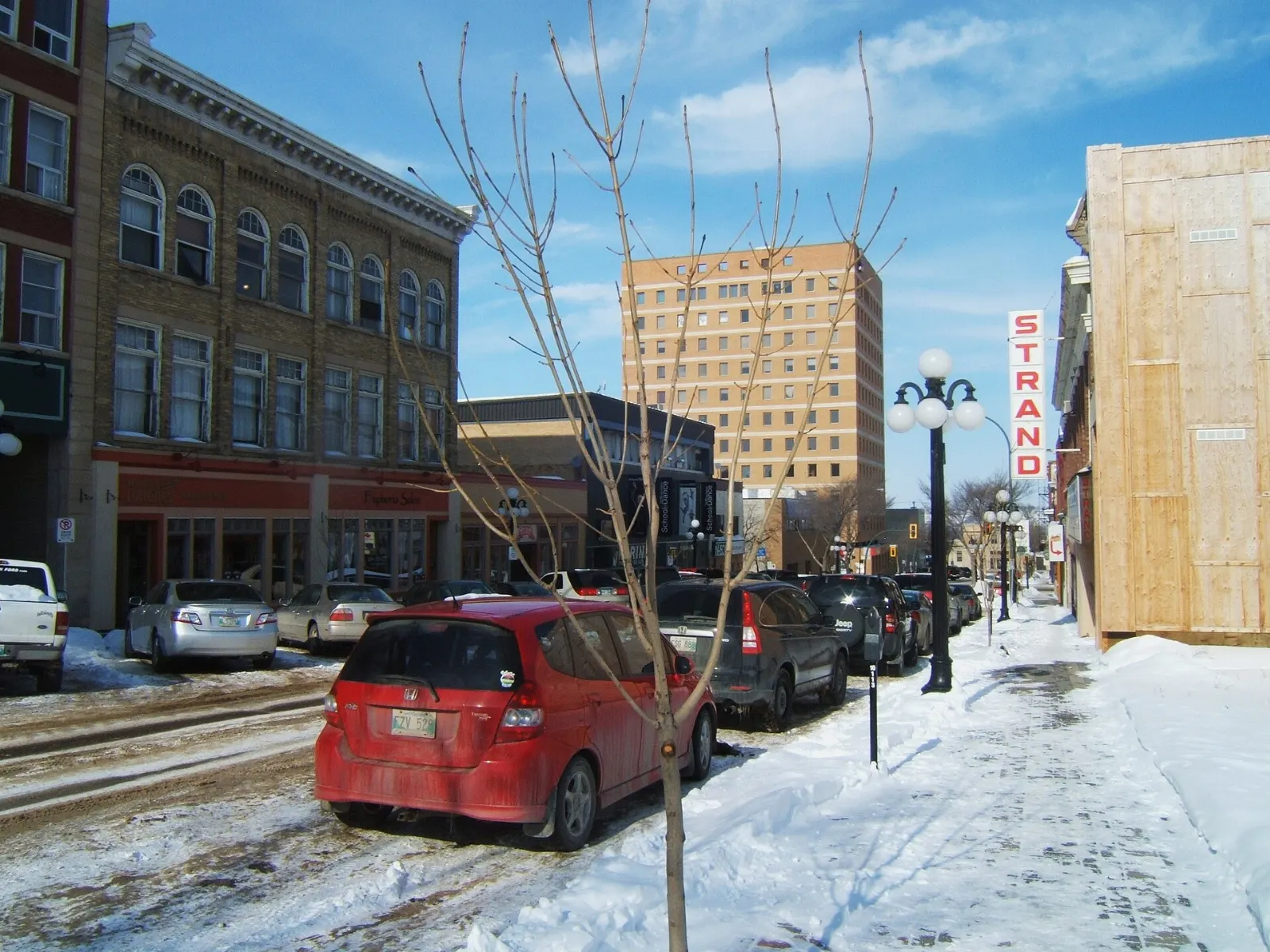
Churchill is a small subarctic port town on the west shore of Hudson Bay, where the Churchill River meets the sea. Fewer than a thousand people live here year round, and there is no road to the rest of Canada, which is part of what makes it feel remote and unforgettable.
AT A GLANCE
Best time
Polar bears peak in October and November, belugas arrive from mid-June, and auroras show in winter.
How long
Plan three to five days, and more if you add a tundra excursion.
Getting there
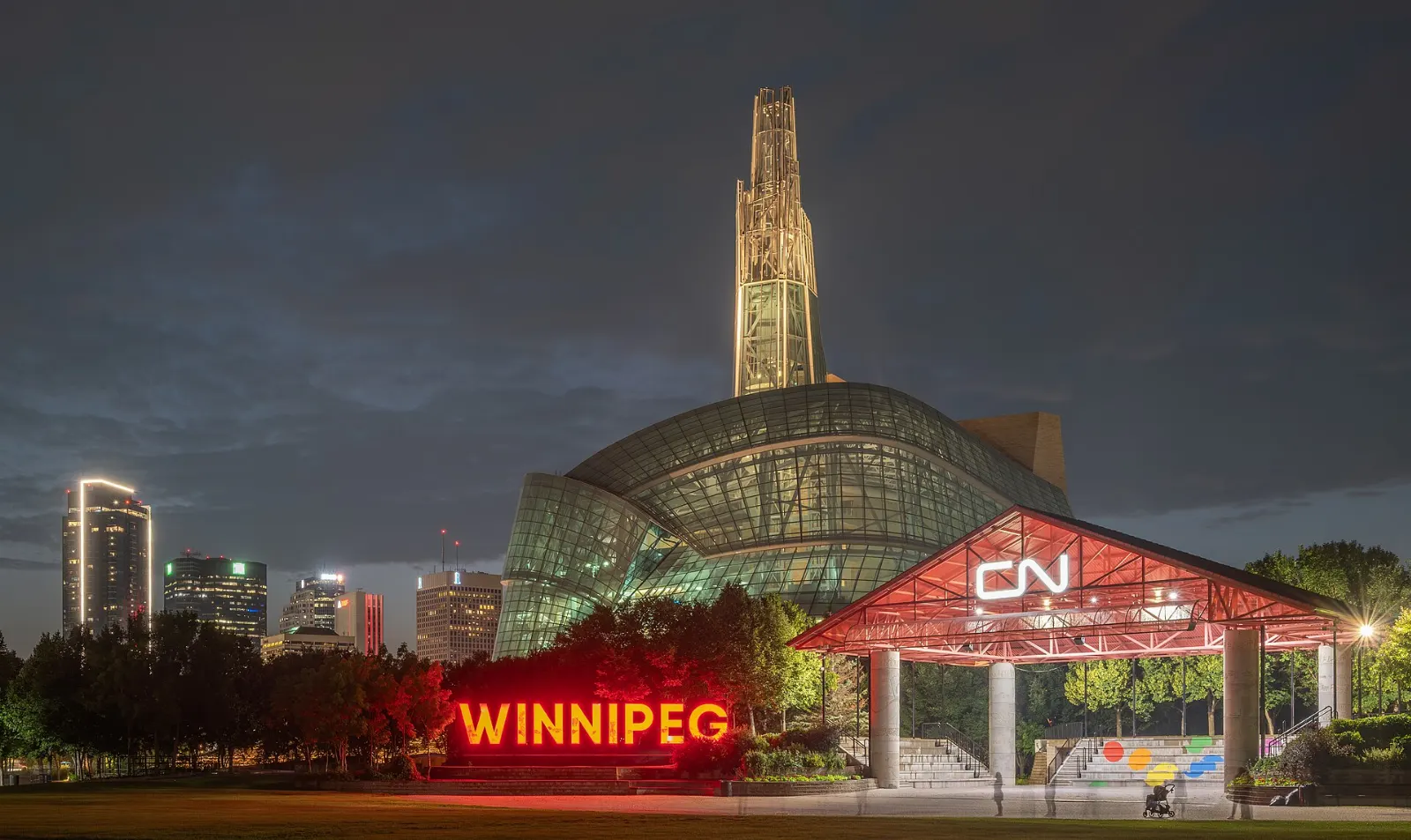
Fly from Winnipeg or ride the VIA Rail train, because no road reaches town.
Why visit Churchill
Churchill sits where boreal forest, Arctic tundra and Hudson Bay meet, and it is one of the best places in the world to watch large wildlife. Each autumn polar bears gather near the shore to wait for the sea ice to form, and in summer thousands of belugas enter the river estuary to calve.
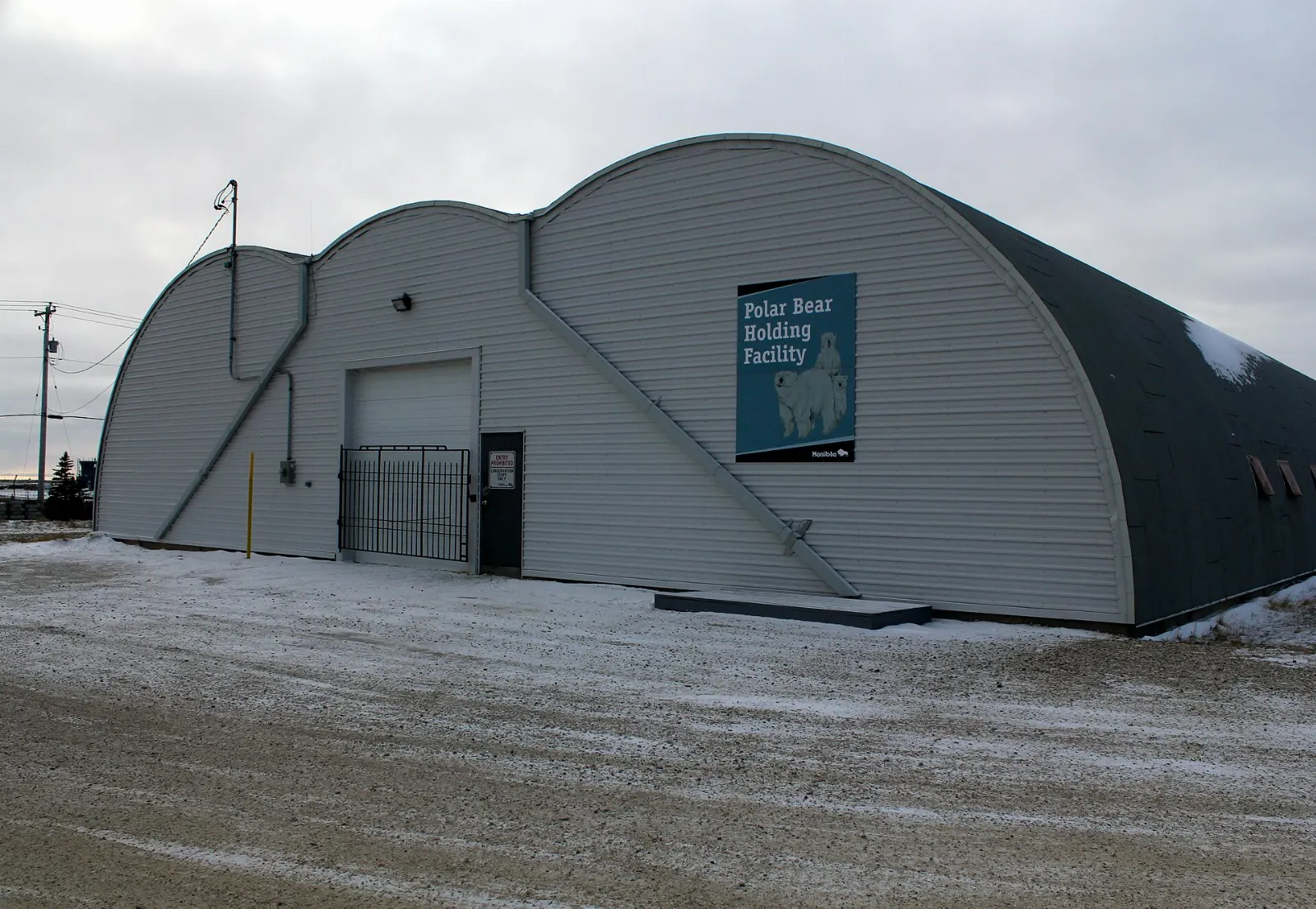
The town has learned to share its space with bears. Local authorities even keep a holding facility, widely known as the polar bear jail, for bears that loiter near town until the bay freezes.
In and around town
Itsanitaq Museum
Formerly called the Eskimo Museum, this small museum opened in 1944 and is run by the Diocese of Churchill-Baie d'Hudson. It displays hundreds of Inuit carvings in stone, bone and ivory, along with archaeological finds, kayaks and Arctic wildlife specimens.
Parks Canada Visitor Centre
Located in the train station, the centre has artifacts and audiovisual presentations on the area's history and wildlife, and it is the visitor centre for Wapusk National Park.
Inukshuk on the shore
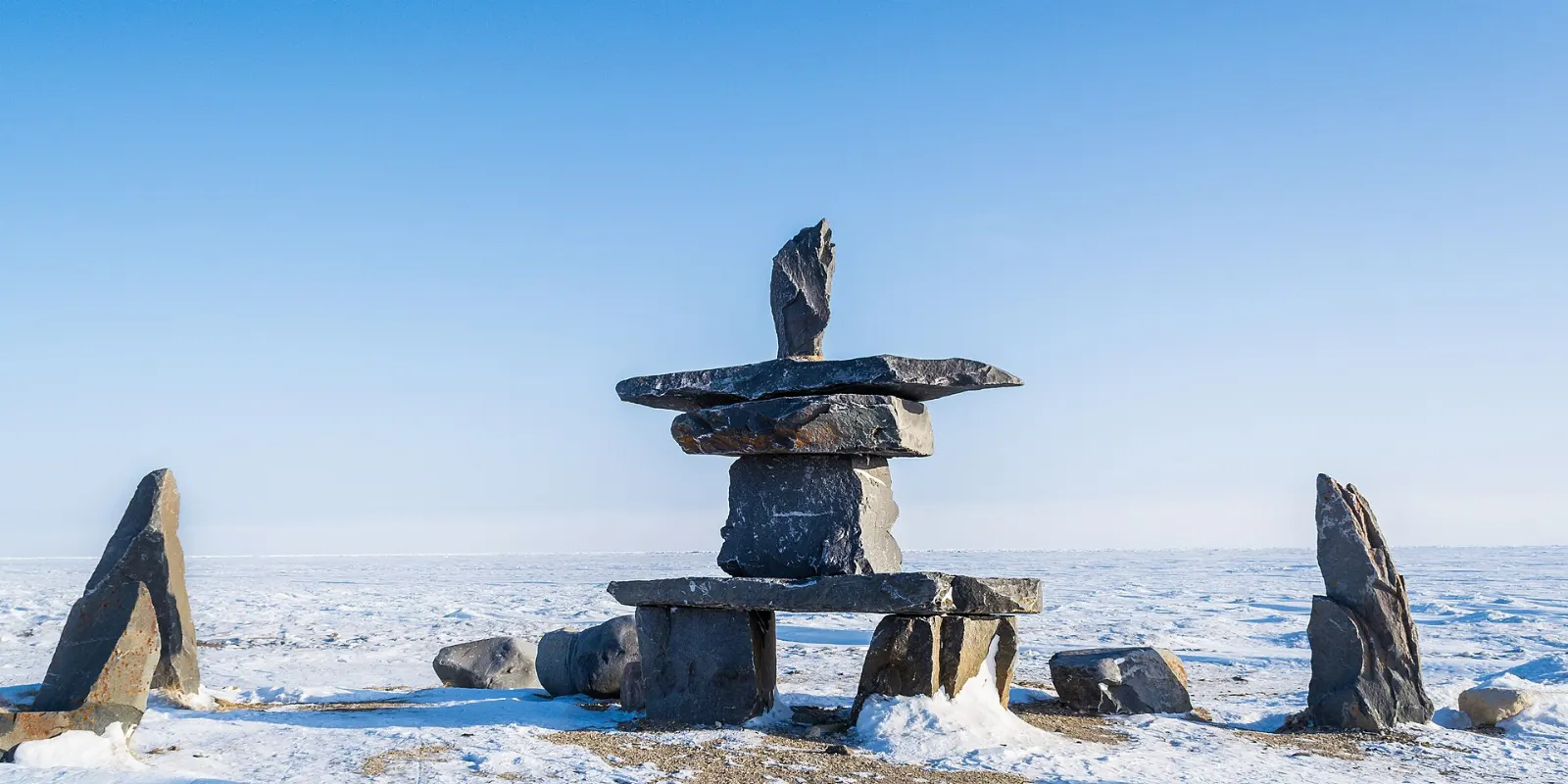
At the bottom of Bernier Street, a stone inukshuk stands on the Hudson Bay shore, a human-shaped cairn that is a symbol of the Canadian North. It is popular for sunset pictures and, in winter, for aurora photography.
History on the Churchill River
Cape Merry
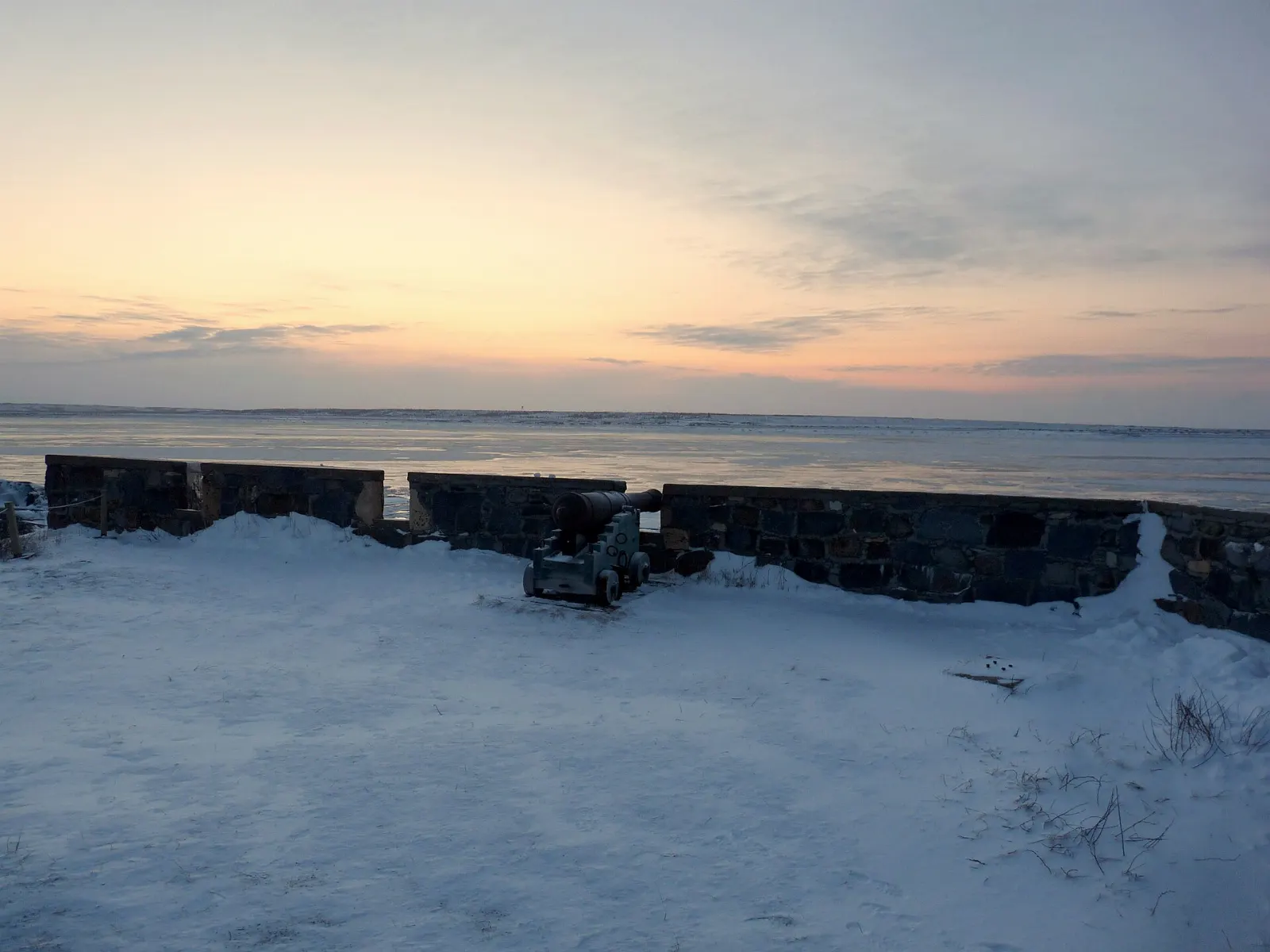
At the northern tip of town past the port, Cape Merry has a reconstructed cannon battery from 1747 and sweeping views of the bay, the river and Prince of Wales Fort.
Prince of Wales Fort
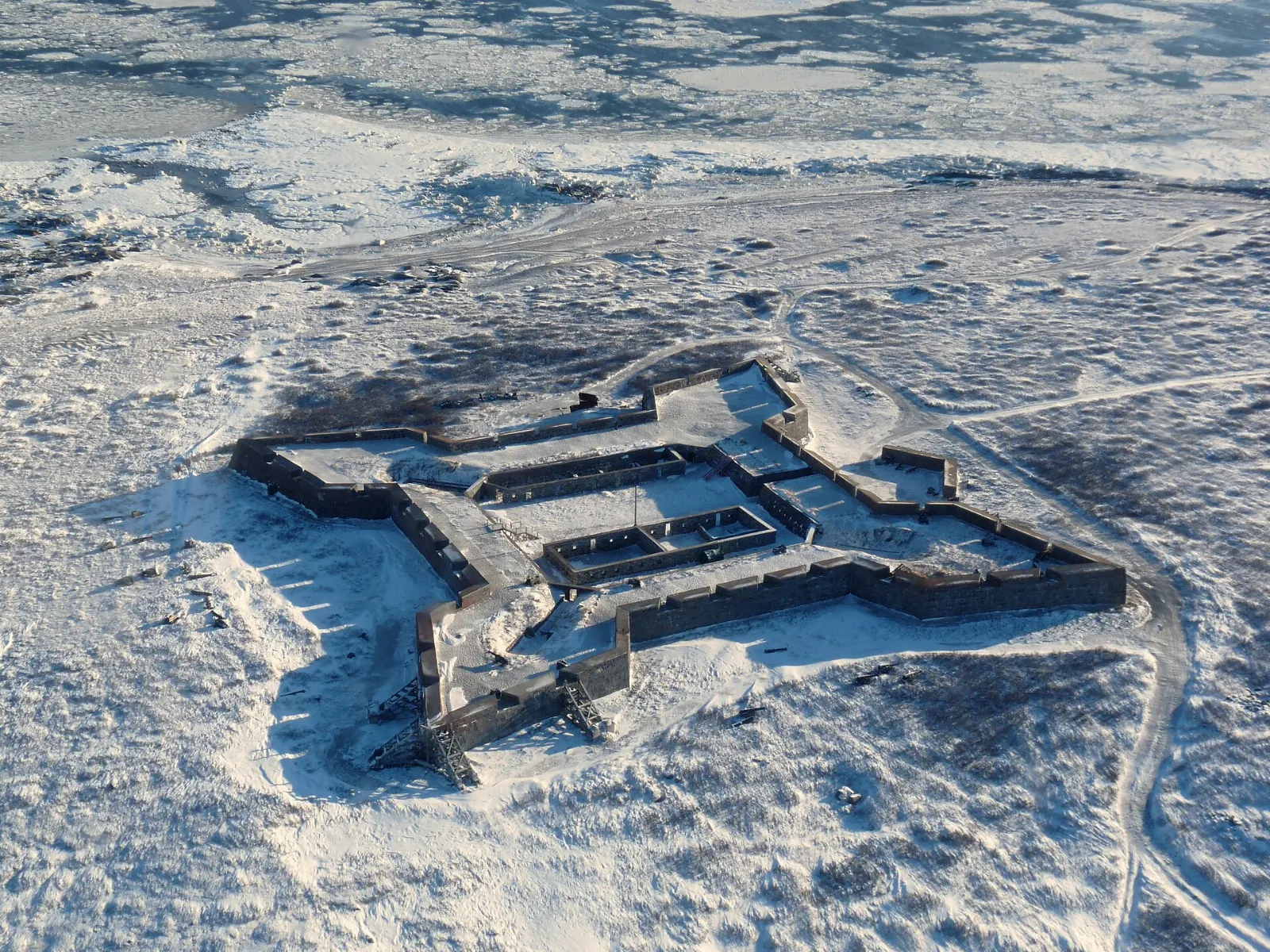
Across the river stands the most northerly stone fort in Canadian history, built by the Hudson's Bay Company from the 1730s. In 1782 French forces under La Pérouse captured it without a shot being fired, and its ruins are now looked after by Parks Canada.
Goose Creek Observation Tower
South of town, a tower overlooks Goose Creek toward the Churchill River. It is a good spot for birdwatching and picnics in summer, and local aurora watchers like it in winter.
Miss Piggy and the MV Ithaca
East of town is Miss Piggy, a cargo plane that crash-landed in 1979, and farther out on the tidal flats lies the steamship MV Ithaca, wrecked in 1960. Both are easy photo stops with a rental car.
Wildlife and wild places
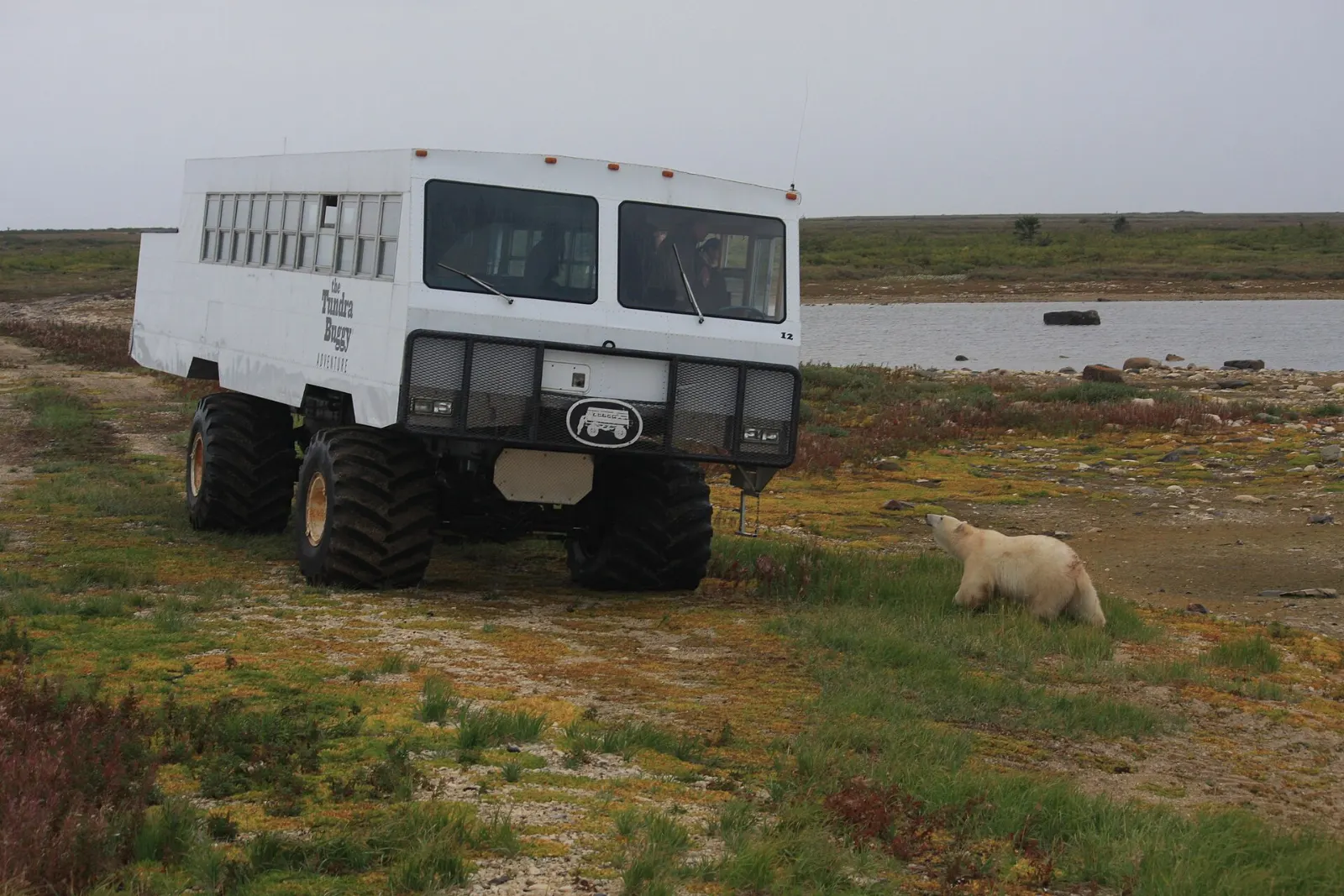
Wapusk National Park and tundra vehicles
Wapusk, a Cree word meaning white bear, protects 11,475 square kilometres of wilderness and is a significant maternity denning area for polar bears.
Beluga whale season
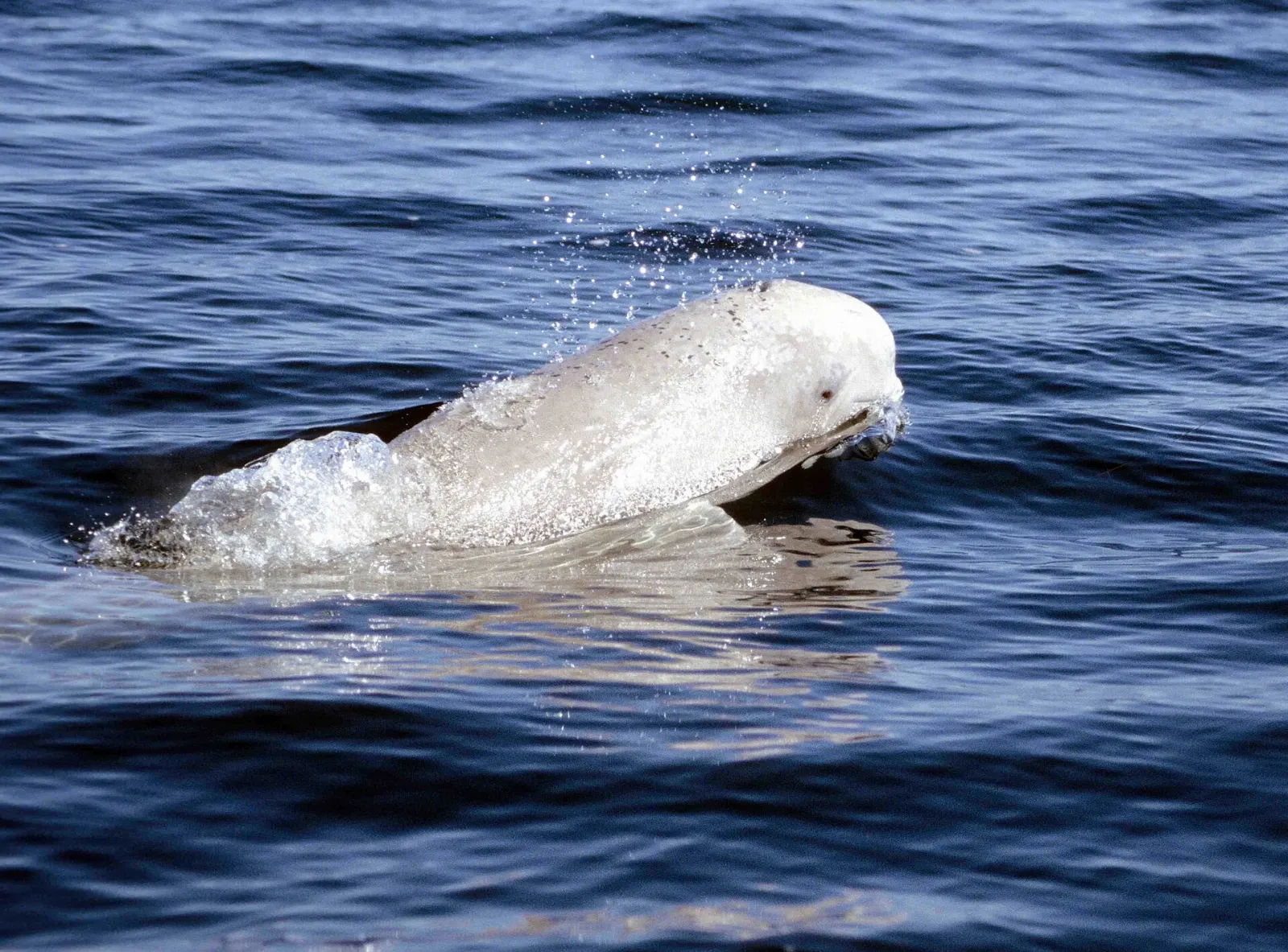
Belugas arrive in mid-June and stay until about mid-August, with up to 3,000 entering the river each summer. Zodiac and kayak tours put you on the water among them, and the whales are curious and noisy.
Northern lights
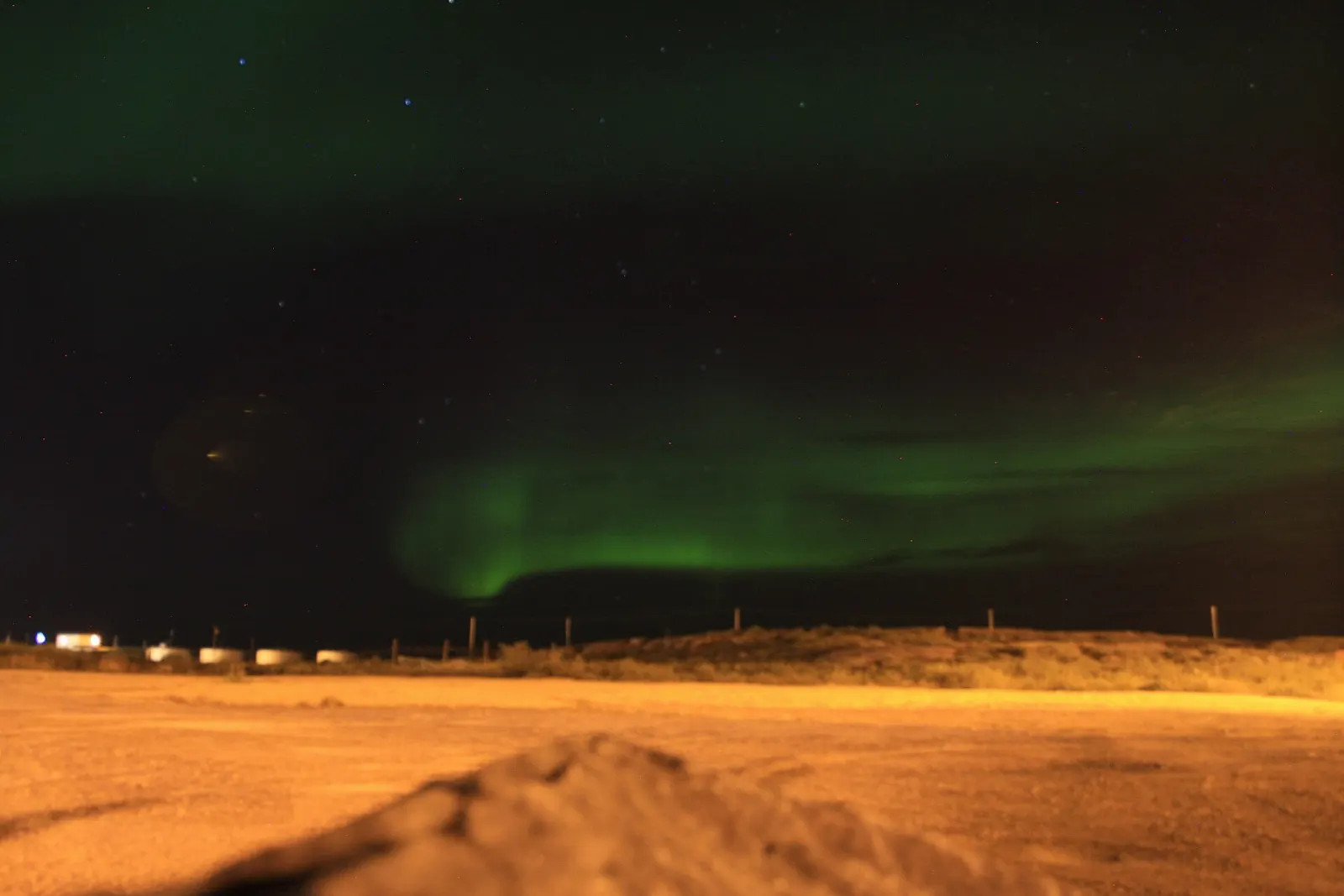
Aurora season runs roughly from January to March, when nights are longest and skies are clearest. The lights depend on solar activity and a dark clear sky, so give yourself several nights.
Churchill Northern Studies Centre
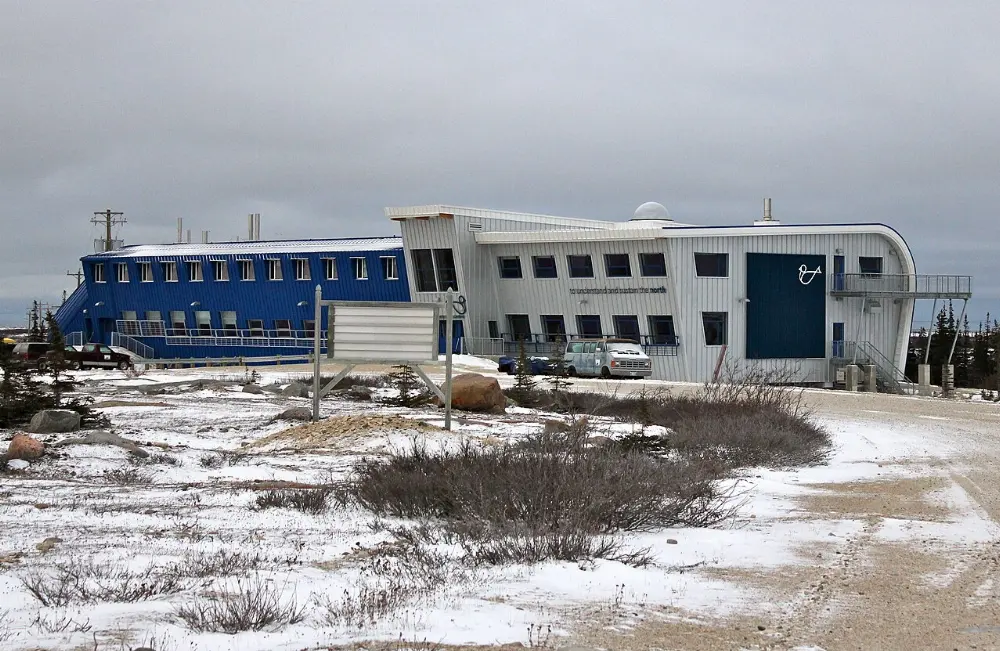
About 23 km east of town, this non-profit research centre offers learning-focused stays with specialist guides. Space is limited and fills far in advance, so inquire early if you want a science-led visit.
Food and local flavors
Dining options are limited and most meals are simple and hearty. Arctic char, a cold-water fish important to Inuit communities across northern Canada, is the northern specialty to look for, and bannock, a bread common across Indigenous Canadian cooking, is a good snack. Wild berries such as cloudberries grow on the tundra and are made into cloudberry jam. 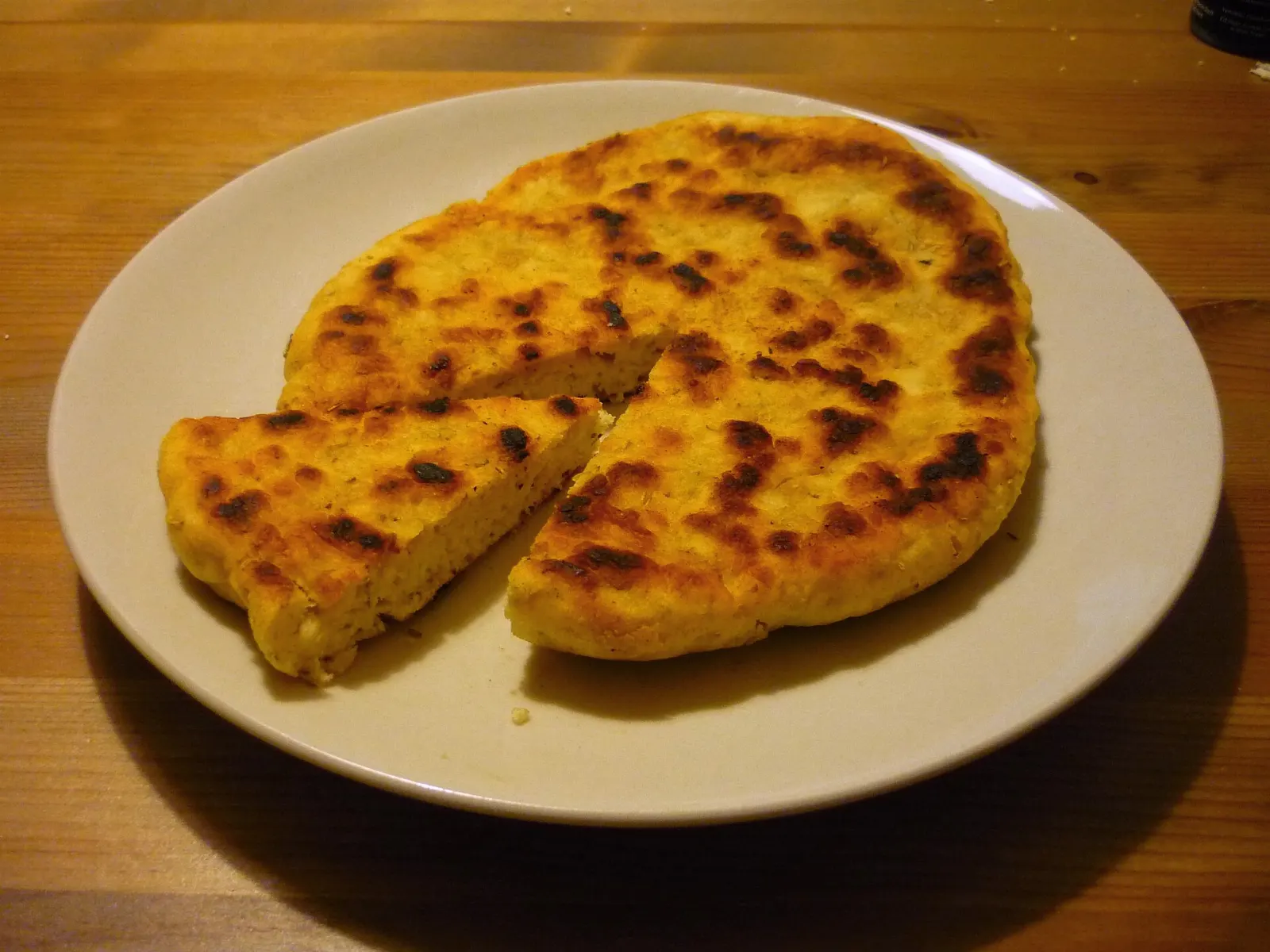
A handful of restaurants in town serve breakfast, sandwiches and dinners, and some are open only in bear season, so check hours before you go.
Popular dishes to try in Churchill



Where to stay
Accommodation in Churchill is basic but warm and welcoming, and prices are higher in bear season than at other times. Churchill town centre is the practical base, since the shops, restaurants, museum and train station are all within a short walk, and the whole town takes about 10 minutes to cross on foot.
Streets near the Hudson Bay shoreline put you close to the Inukshuk and the open sky for aurora viewing. Churchill Northern Studies Centre, about 23 km east of town, suits travelers who want science-led stays far from town lights.
Where to stay in Churchill

Best time to visit
Polar bears are most visible in October and November, before the sea ice forms, and the last week of bear season is usually in the second half of November.
Aurora season runs from January to March, when nights are longest. The January average is about minus 26 degrees Celsius, and winters last from early October to May, so plan layers by season.
Getting there and getting around
No roads link Churchill to the Canadian highway network. Calm Air flies from Winnipeg in about 2.5 hours to Churchill Airport, which is about a ten minute taxi ride from town, and many lodges offer pickup.
A cheaper variation is to fly from Winnipeg to Thompson and then take the train. In town, walking is easy, but bears roam at times, so use taxis, tour vehicles or rental cars after dark and for places like Cape Merry.
A suggested itinerary
First day
Arrive, settle in and walk to the Itsanitaq Museum and the Parks Canada Visitor Centre. Visit the Inukshuk at dusk with a guide or group.
Second day
Take a tundra vehicle excursion in October or November, or a beluga boat tour in July and August.
Third day
Drive to Cape Merry, Goose Creek Observation Tower and Miss Piggy with a rental car or taxi.
Practical tips
- Book transport, lodging and tundra vehicle trips together in bear season, because all three sell out.
- Pack layers, warm boots and insulated gloves in winter, and long sleeves with repellent in summer.
- Bring spare camera batteries, because cold drains them quickly.
- Never walk outside town after dark or toward Cape Merry on foot, and use a taxi, tour or car.
- The post office offers a novelty stamp, so use a souvenir booklet and not your passport.
- Allow extra time for connections in Winnipeg, since you must collect bags and check in again.