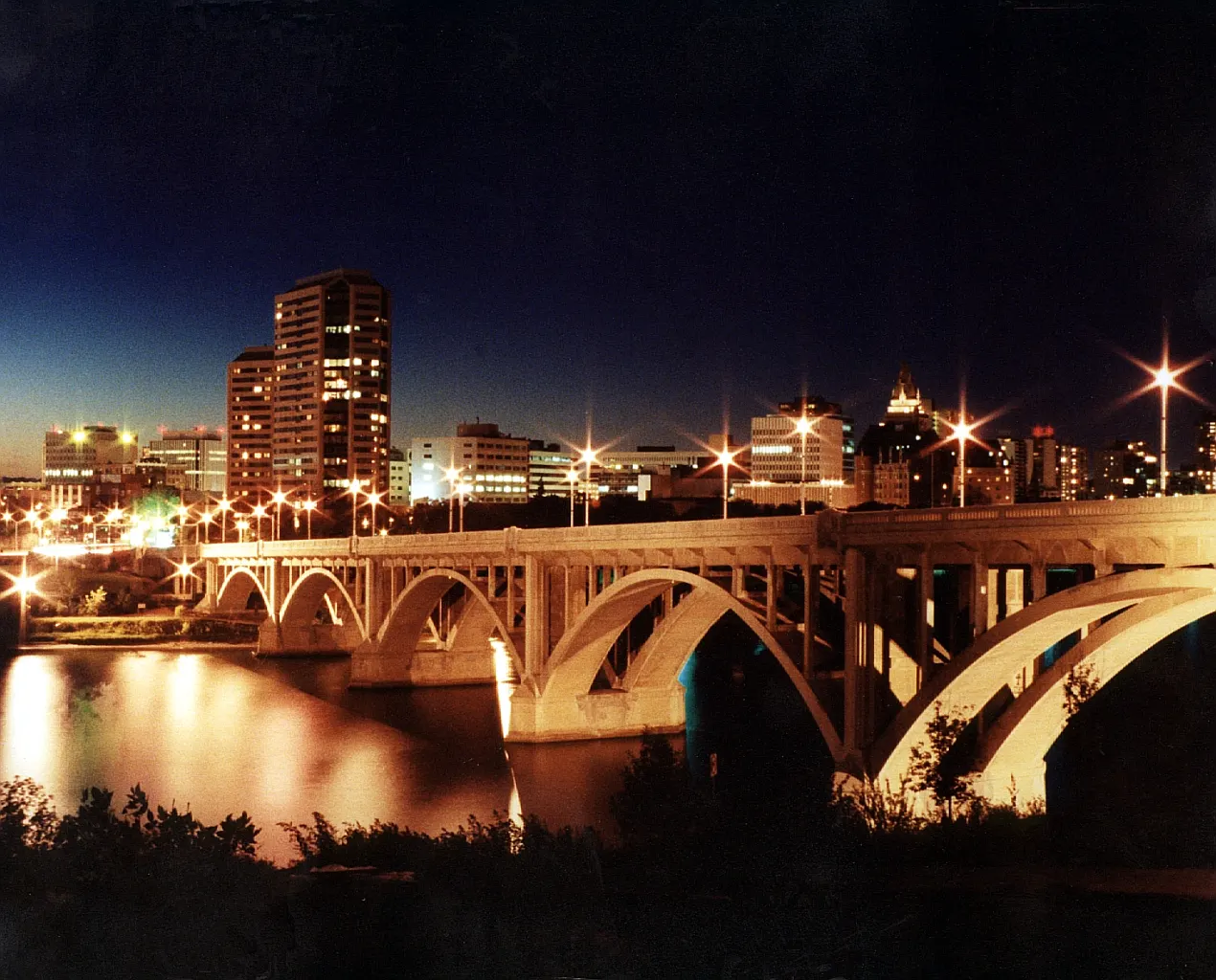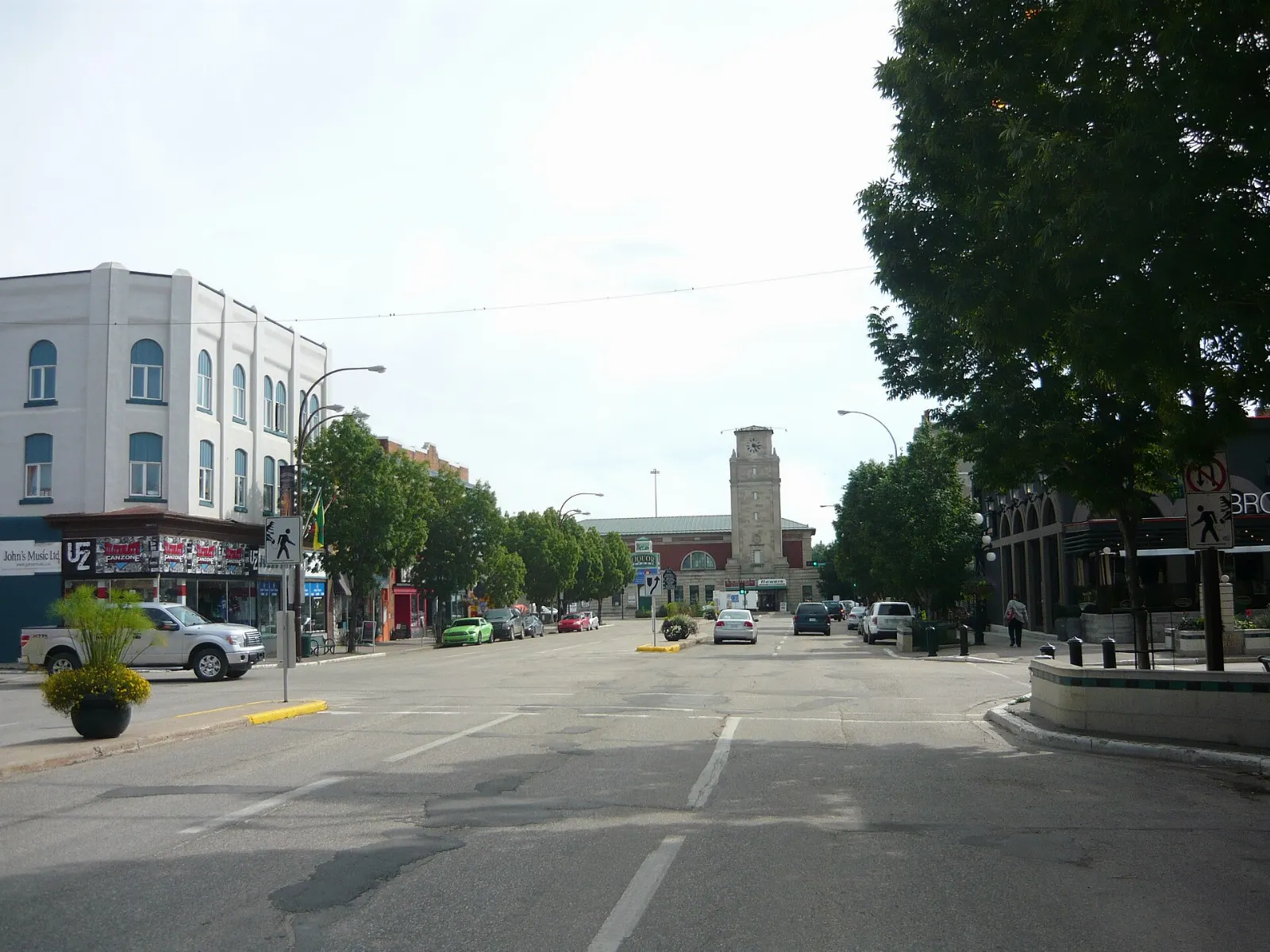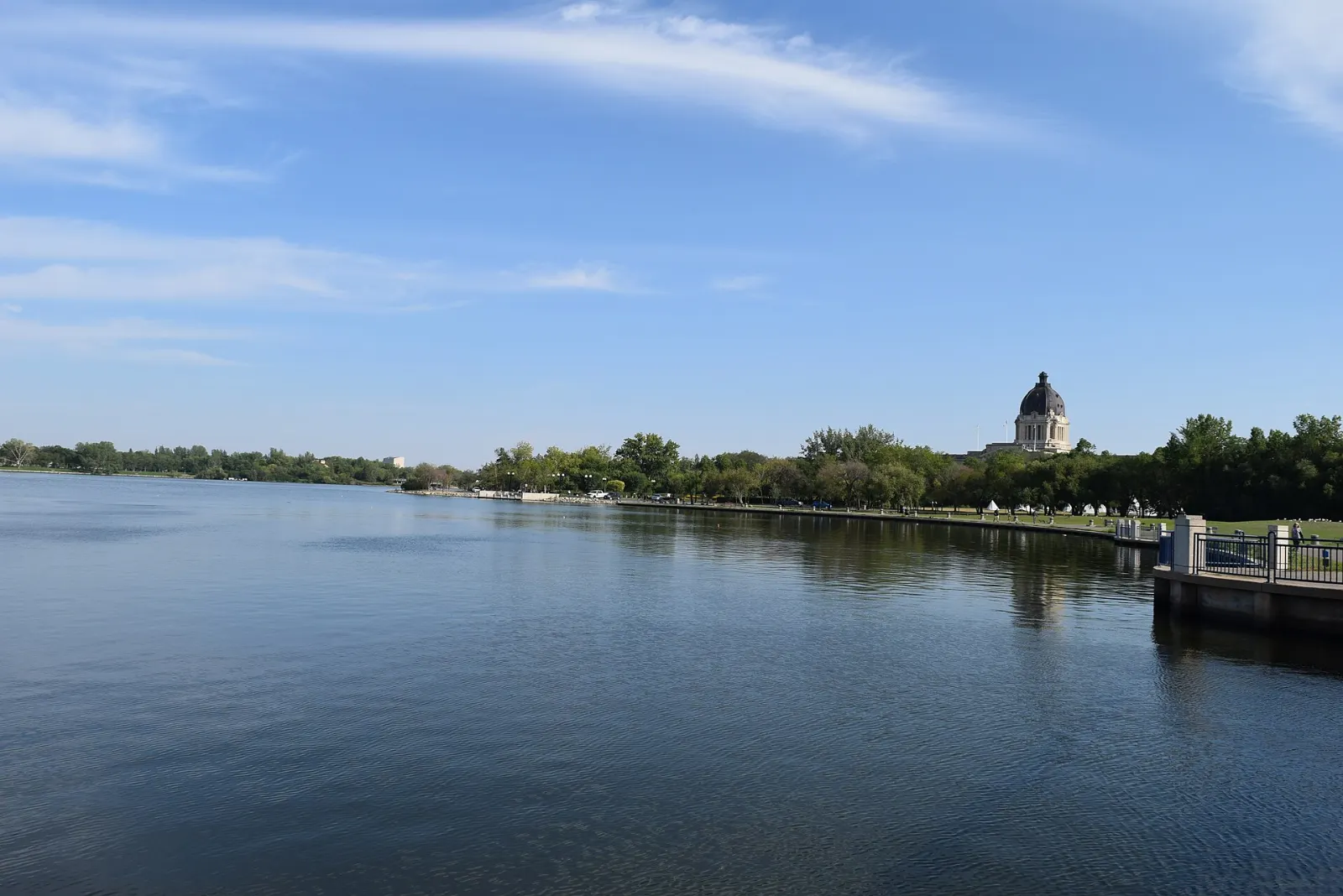
Regina is the capital of Saskatchewan, a prairie city built around a man-made lake and one of the largest urban parks in North America.
AT A GLANCE
Best time
Summer is warm with long daylight and the busiest festival season.
How long
Two days cover Wascana Centre, the museums and the RCMP story.
Getting there
Fly into the city’s airport or drive Highway 1 or Highway 11.
Why visit Regina
Regina sits on a flat, treeless plain, so everything green you see was planted by hand. The result is one of the most rewarding city parks in Canada, with the Legislative Building, museums and walking paths all arranged around Wascana Lake.
It also tells a big story. This was the capital of the North-West Territories, the base of the Mounties and the birthplace of ideas that shaped Canadian public healthcare.
The past is not all pageantry. A tornado struck on 30 June 1912, the deadliest in Canadian history, and destroyed much of the young city.
Wascana Centre and the Legislature
Wascana Centre
This 9.3 square kilometer park surrounds Wascana Lake just south of downtown. Walking and cycling paths loop around the water, and you can reach most major attractions on foot.
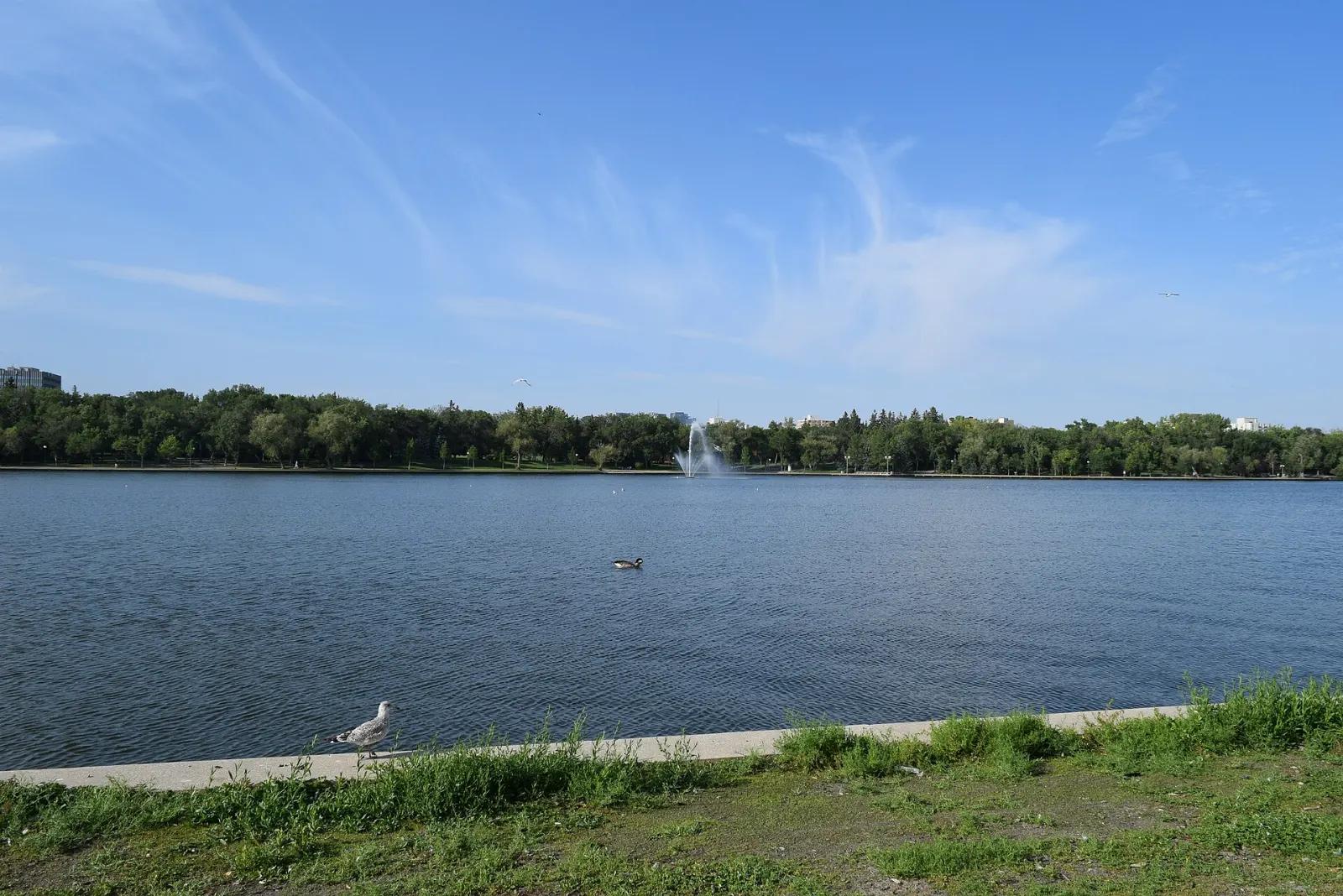
Wascana Lake
The lake was created in 1883 when Wascana Creek was dammed, first to supply water to the railway and town. Today it is used for boating and bird watching, and in winter it is cleared of snow for skating.
Willow Island
A pontoon boat carries visitors to this island in the lake, which is a quiet spot for a picnic. Check the park’s official website for current schedules, since service and group bookings vary by season.
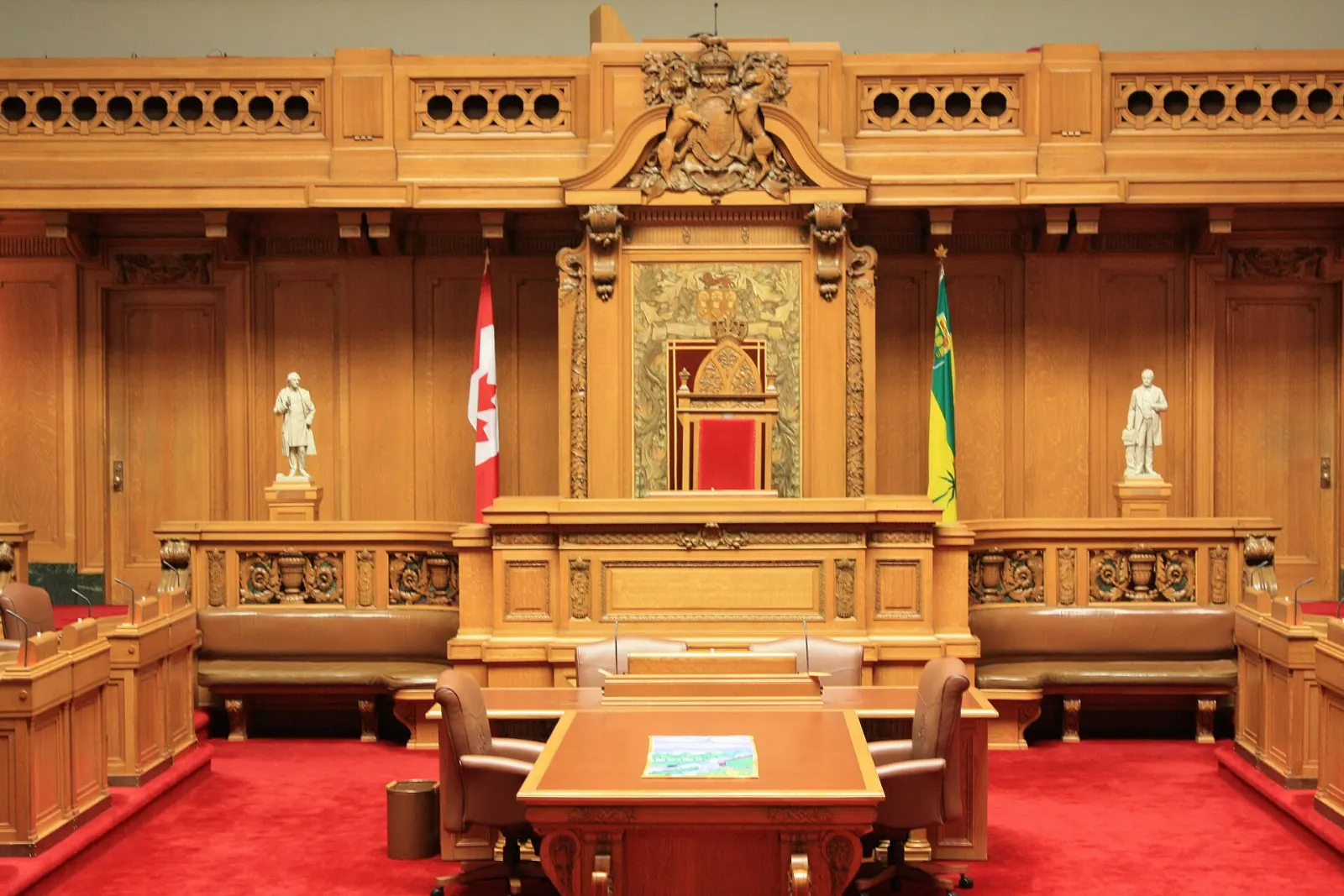
Saskatchewan Legislative Building
Built between 1908 and 1912 in the Beaux-Arts style, the building is clad in Tyndall stone and set among formal gardens.
Museums and heritage
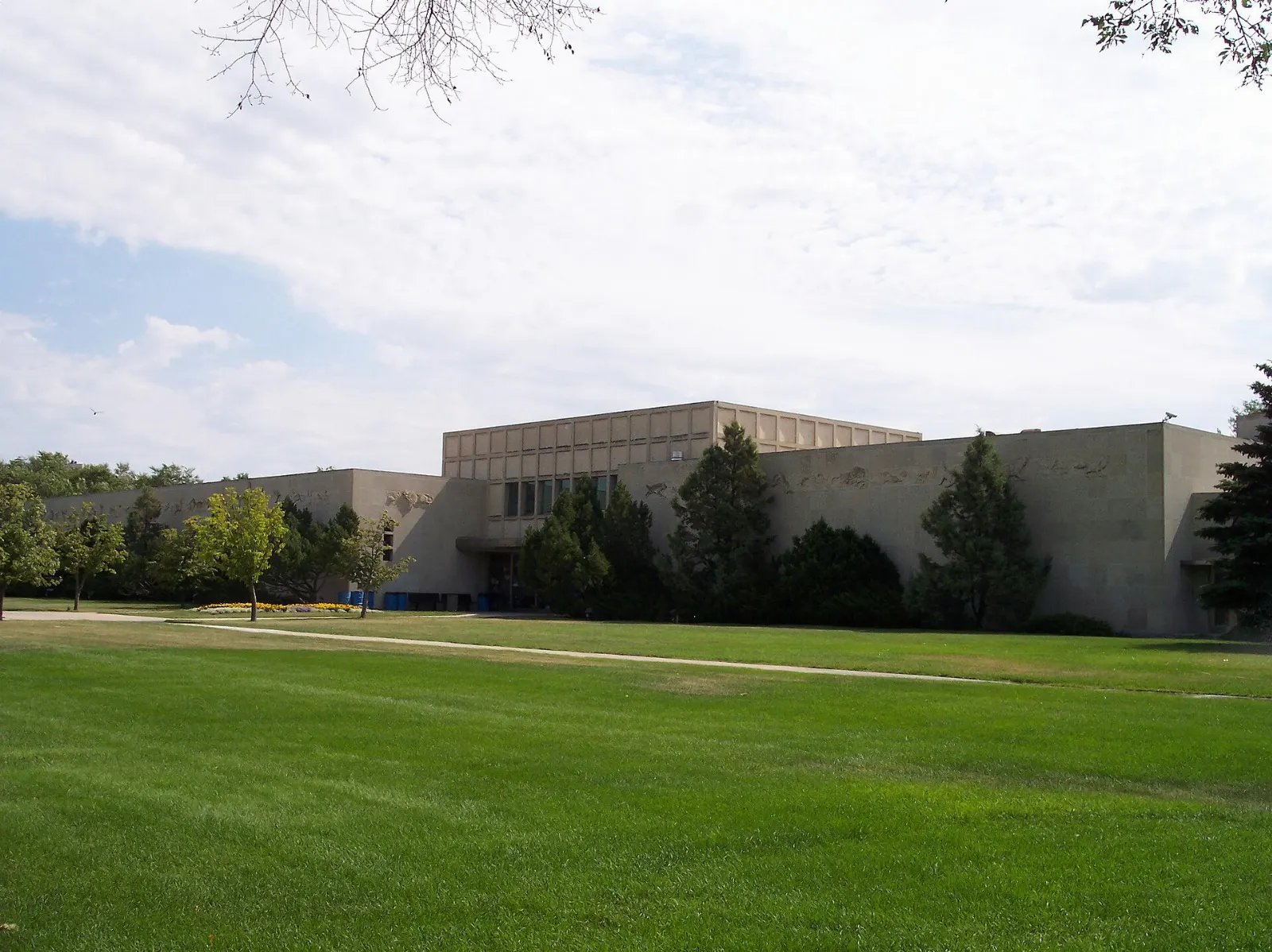
Royal Saskatchewan Museum
The province’s natural history museum has dinosaur displays, Indigenous exhibits and a half-size robotic Tyrannosaurus rex called Megamunch. It is entry by donation and suits all ages.
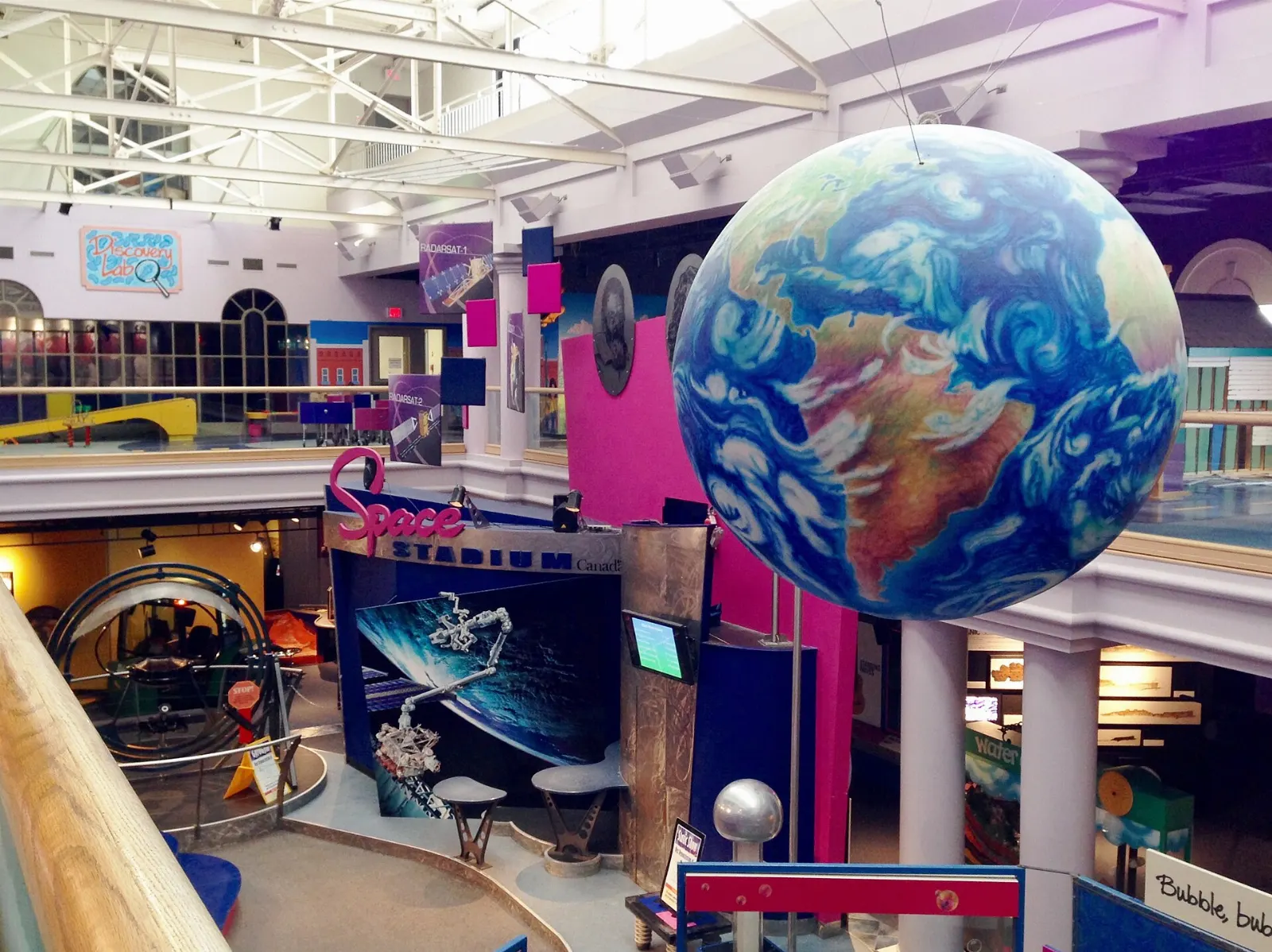
Saskatchewan Science Centre
Housed in a 1914 powerhouse beside the lake, the centre has hands-on exhibits and live shows that keep children busy. A neighboring IMAX theater offers films on science and nature.
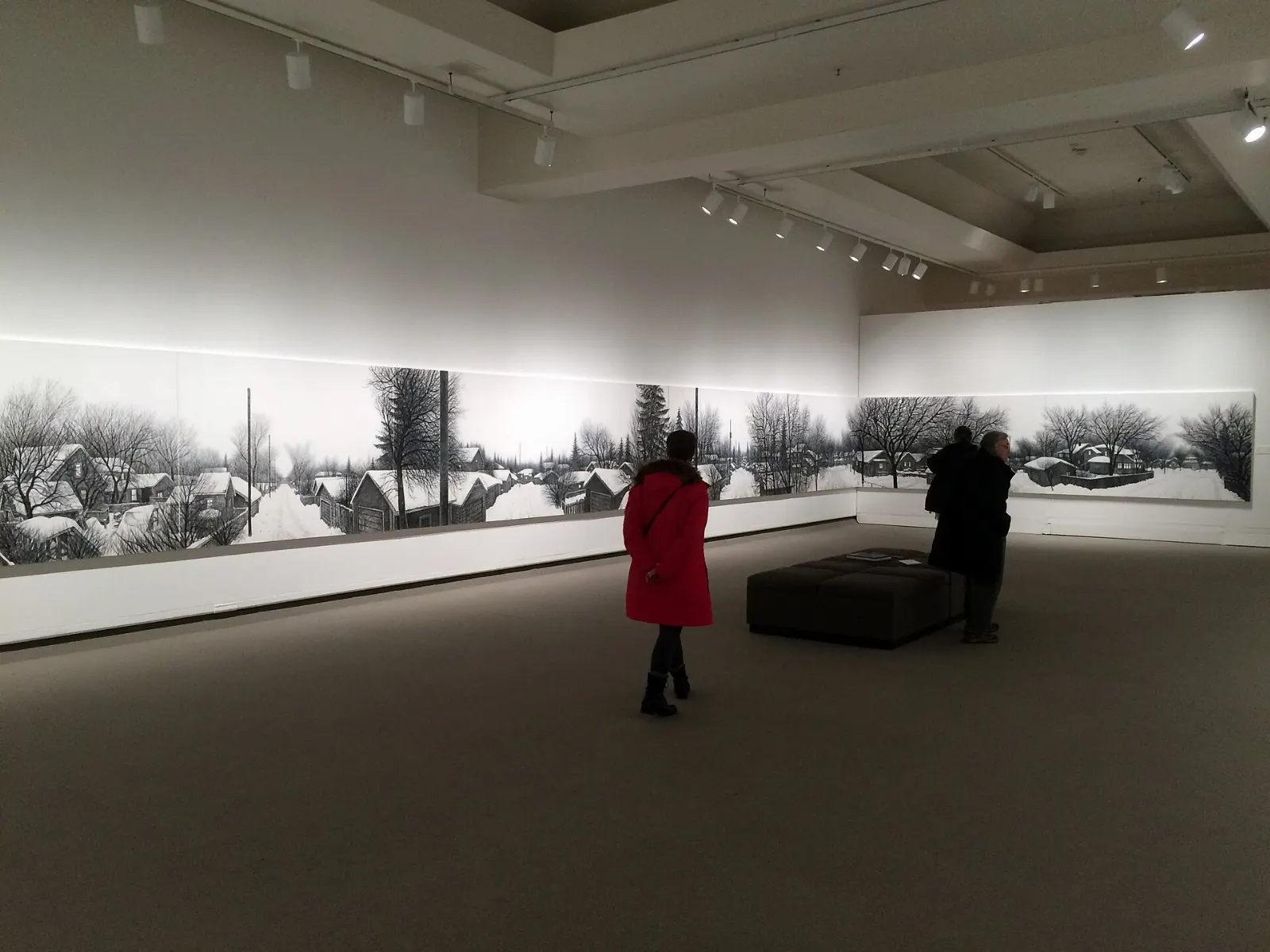
MacKenzie Art Gallery
This gallery hosts major touring exhibitions along with a gift shop and a theater.
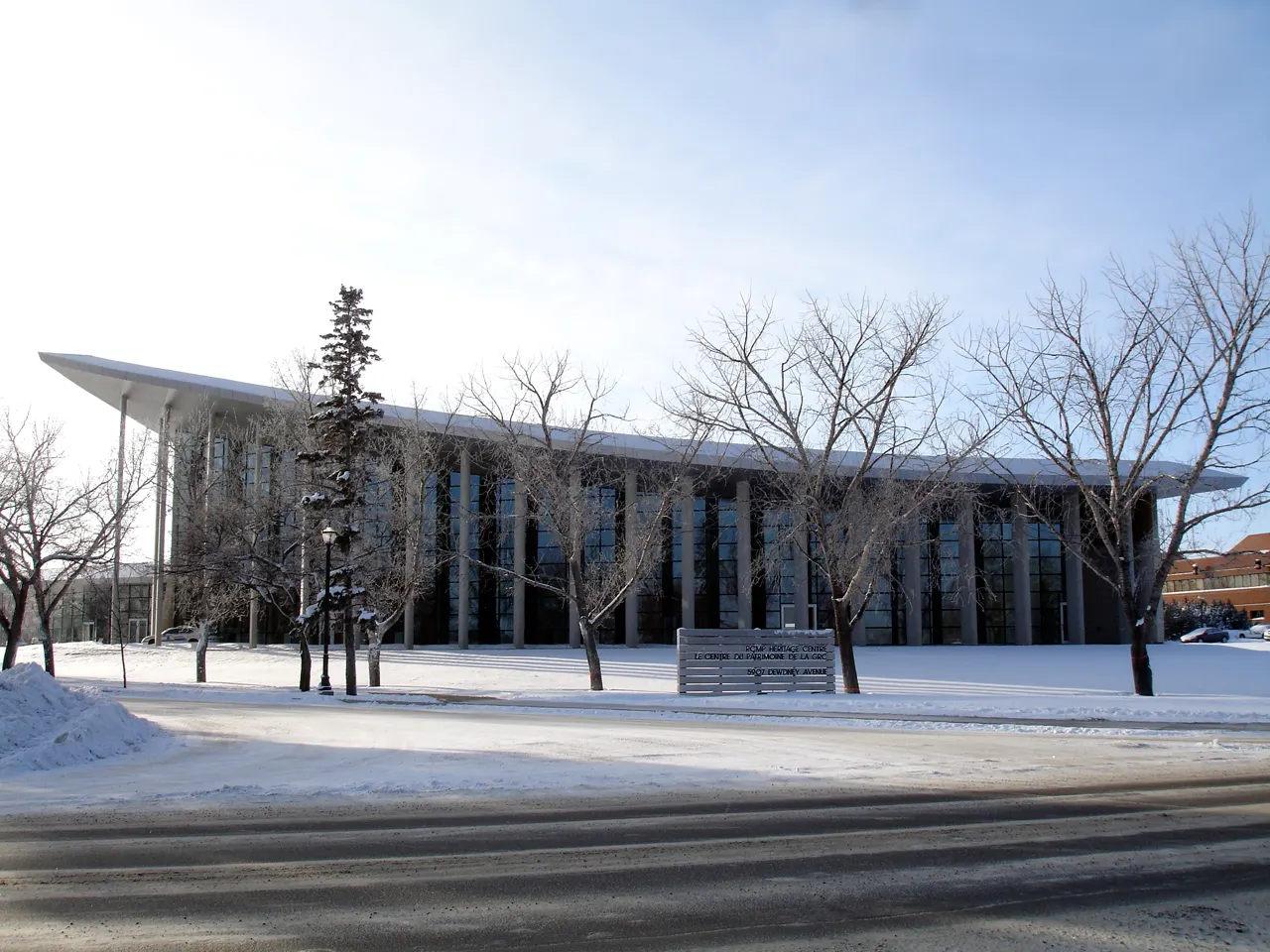
RCMP Heritage Centre
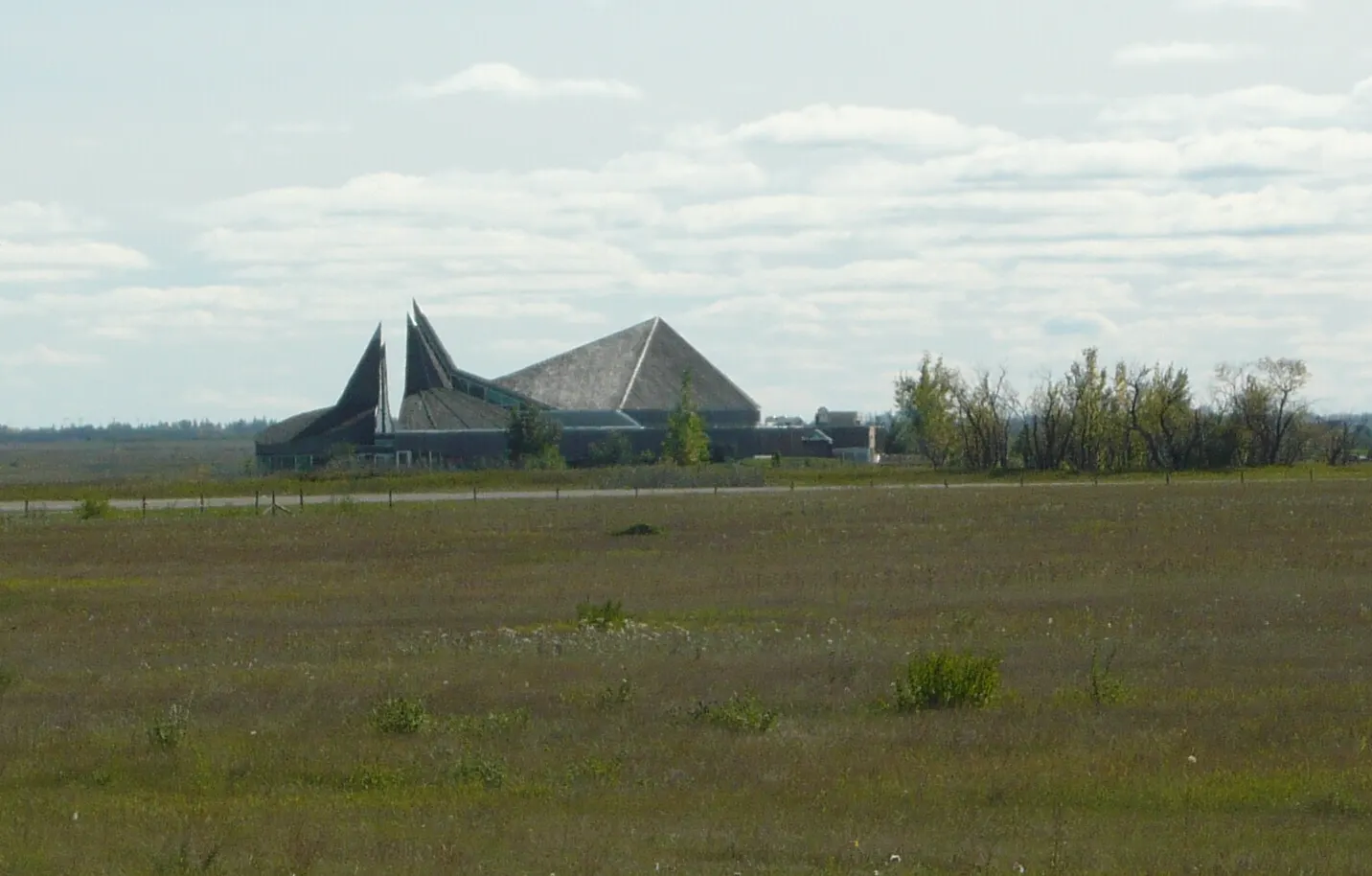
Regina is home to the national training academy known as Depot, and the heritage centre explains the history of the force through exhibits and multimedia.
Government House
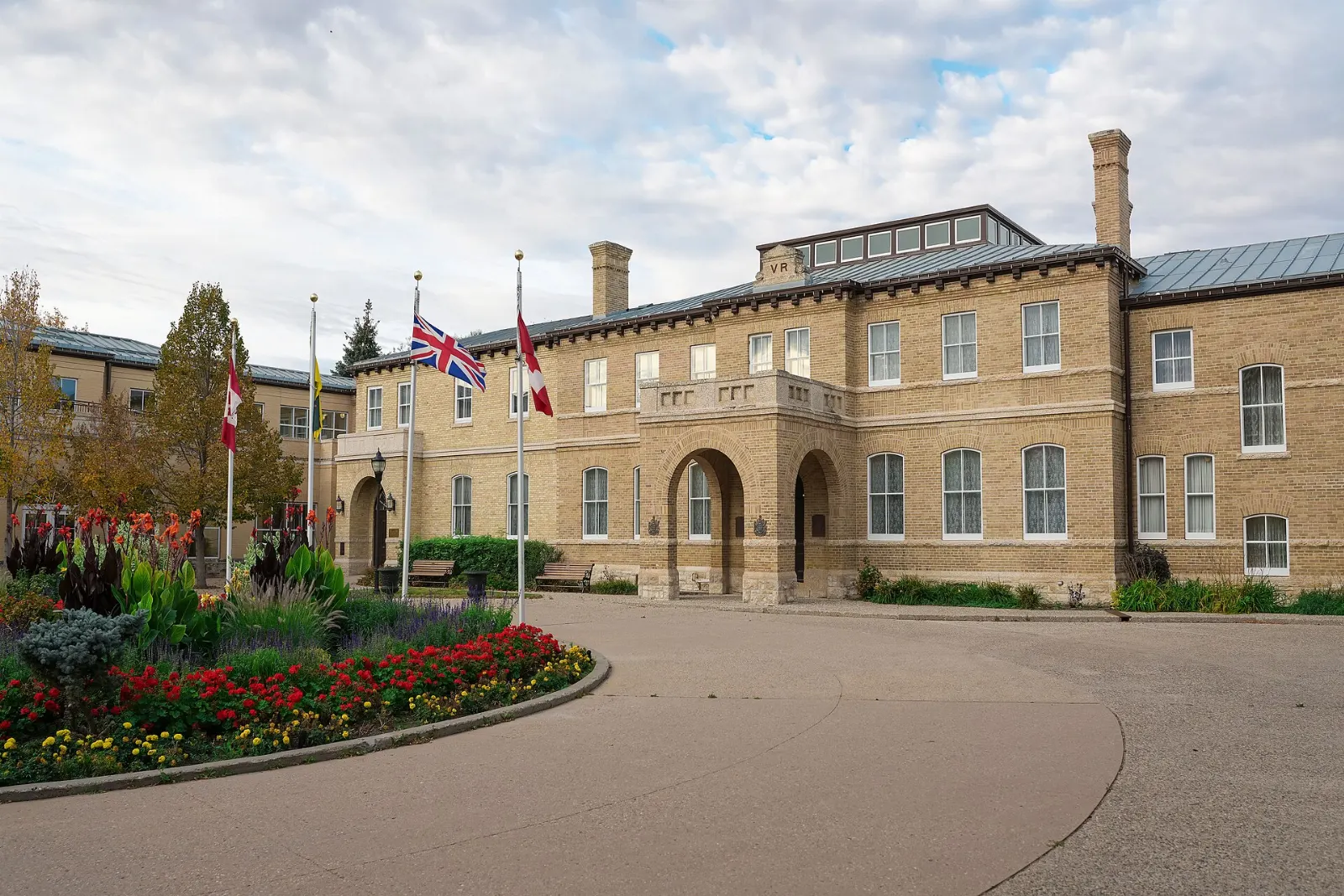
This brick residence once housed the lieutenant governors of the North-West Territories and then of Saskatchewan. It was saved from neglect in the early 1980s and now hosts ceremonial events.
Downtown and evenings
Victoria Park
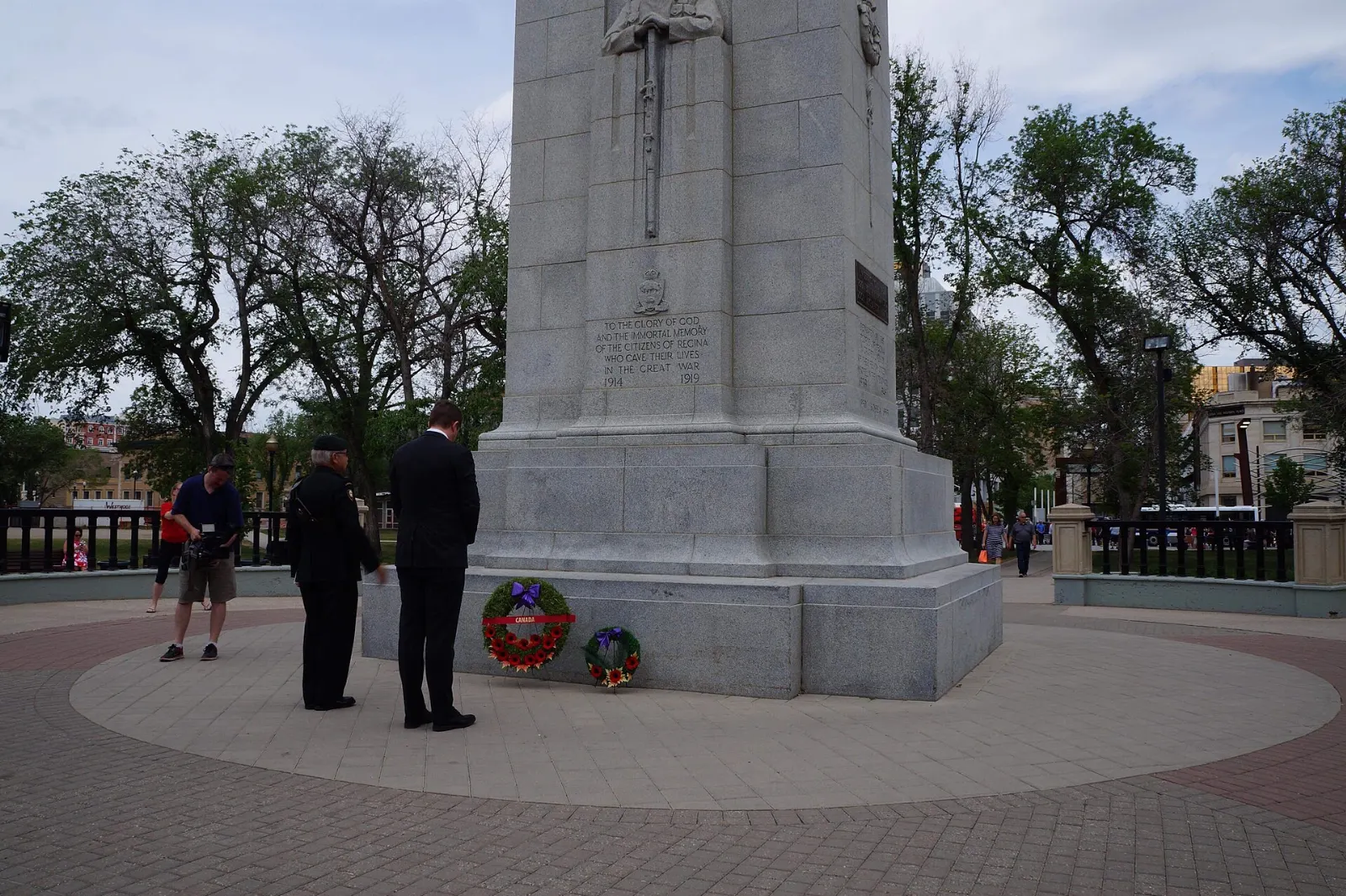
The downtown green space hosts summer concerts and the Regina Folk Festival, and a farmers market sets up nearby in the warm months. Locals gather on the grass at lunch, which makes it a good place to people-watch.
Warehouse District
Just north of the rail line, old warehouses have become restaurants, bars and shops. It is the place to be on a summer evening, with patios and live music.
Mosaic Stadium
Home of the Saskatchewan Roughriders, the community-owned Canadian football team with a famously loyal fan base. If your visit falls in the football season, a game is the most local entertainment you can find, and the atmosphere in the stands is part of the show.
 Planning a trip to Regina?Compare hotels, flights and vacation rentals for Regina on Expedia.Book now
Food and local flavors
Regina’s food draws on the wider prairies. Try saskatoon berry pie, a sweet and slightly nutty dessert that is iconic across the region. Perogies, the filled dumplings brought by Eastern European settlers, appear on many menus topped with sour cream and onions.
For variety, head to the Warehouse District, where restaurants cluster, or to the summer farmers market near Victoria Park for fresh produce and baked goods.
Popular dishes to try in Regina


Where to stay
Downtown is the easiest base, with restaurants, Victoria Park and the transit hub close together.
The Warehouse District, just north of the central business district, has a lively evening scene with patios and bars.
Lakeview, beside the Legislative Building, is a quiet residential area with older homes and easy access to Wascana Centre.
The Cathedral Area has a small-neighborhood feel and an arts festival each year, so it fits visitors who like local shops and tree-lined streets.
Where to stay in Regina


Best time to visit
Summer is the high season. Daytime highs average in the mid-20s Celsius, the sun is up from early morning until about nine, and hot spells can push temperatures above 30.
Winters are cold and dry, though Wascana Lake is cleared for skating and the Canadian Western Agribition draws crowds each November. Spring and early autumn are quieter for walking.
Getting there and getting around
Regina International Airport lies close to downtown and has direct flights from Calgary, Edmonton, Toronto, Vancouver and Winnipeg, plus seasonal routes. By road, the Trans-Canada Highway (Highway 1) links the city with Moose Jaw to the west and Winnipeg to the east.
Downtown and Wascana Centre are walkable, and the grid of streets is easy to navigate. Regina Transit buses reach most areas, and taxis and ride-hailing are available. A car is useful for the RCMP Heritage Centre and day trips into the Qu’Appelle Valley, and parking near Wascana Centre is generally manageable.
A suggested itinerary
First day
Begin at the Legislative Building for a morning tour, then walk the lake to the Royal Saskatchewan Museum. Eat lunch downtown and spend the afternoon at the Science Centre or the MacKenzie Art Gallery.
Second day
Head to the RCMP Heritage Centre in the morning, then visit Government House if tours are open. Use the afternoon for Victoria Park and a final stroll around Wascana Lake.
Practical tips
- Check opening days and tour times for the Legislative Building and RCMP Heritage Centre before you go.
- Pack insect repellent and sun protection for time by the lake.
- Book accommodation early for festival weekends and Roughriders home games.
- Rent a car if you want to explore the Qu’Appelle Valley and nearby lakes.
- Dress in layers because prairie weather can change quickly.