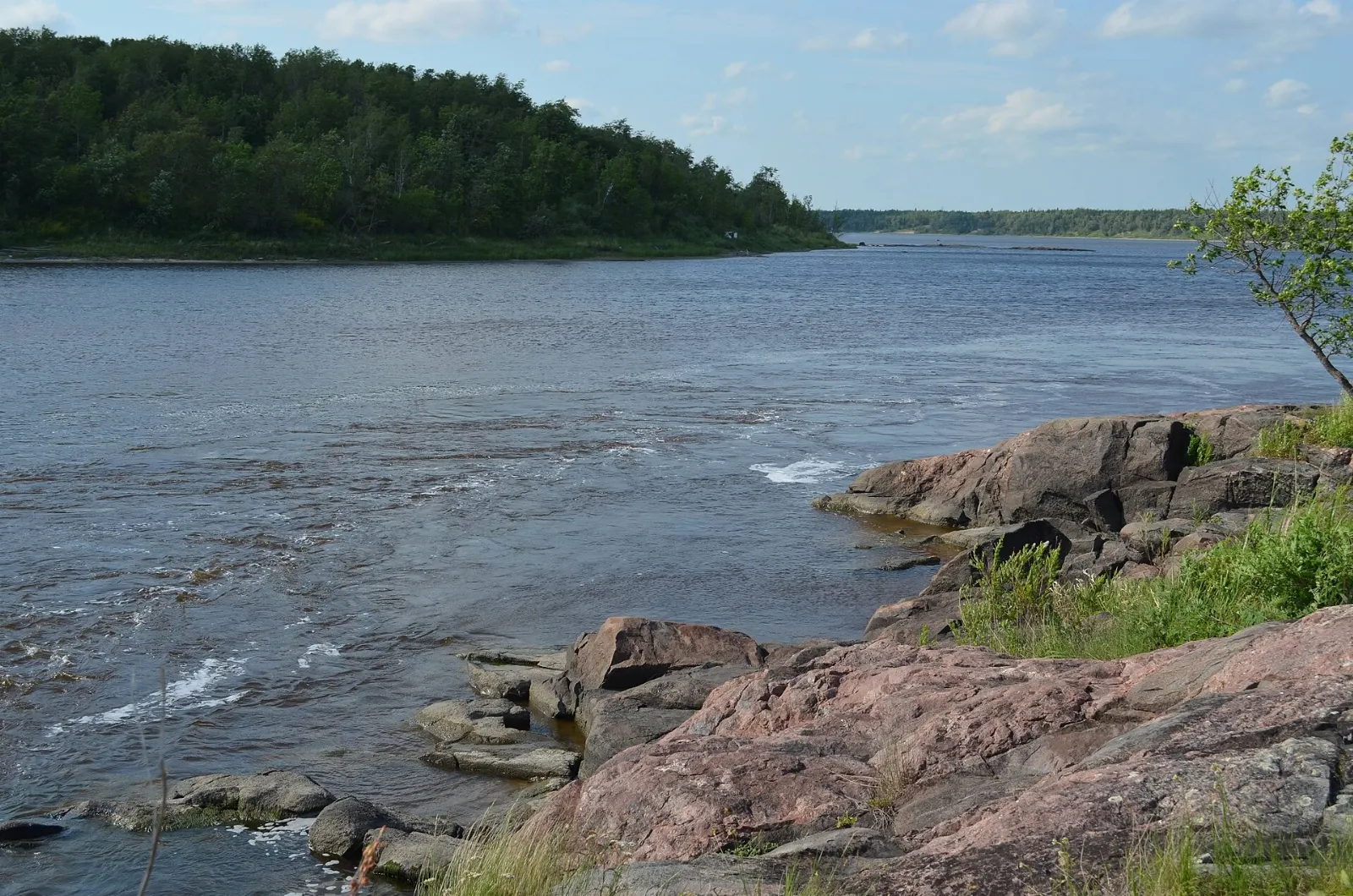
Whiteshell Provincial Park is a landscape of pink granite, boreal forest and clear lakes along Manitoba's eastern border, about 120 kilometers from Winnipeg. It is the first park travelers meet when they enter Manitoba from the east on the Trans-Canada Highway.
AT A GLANCE
Best time
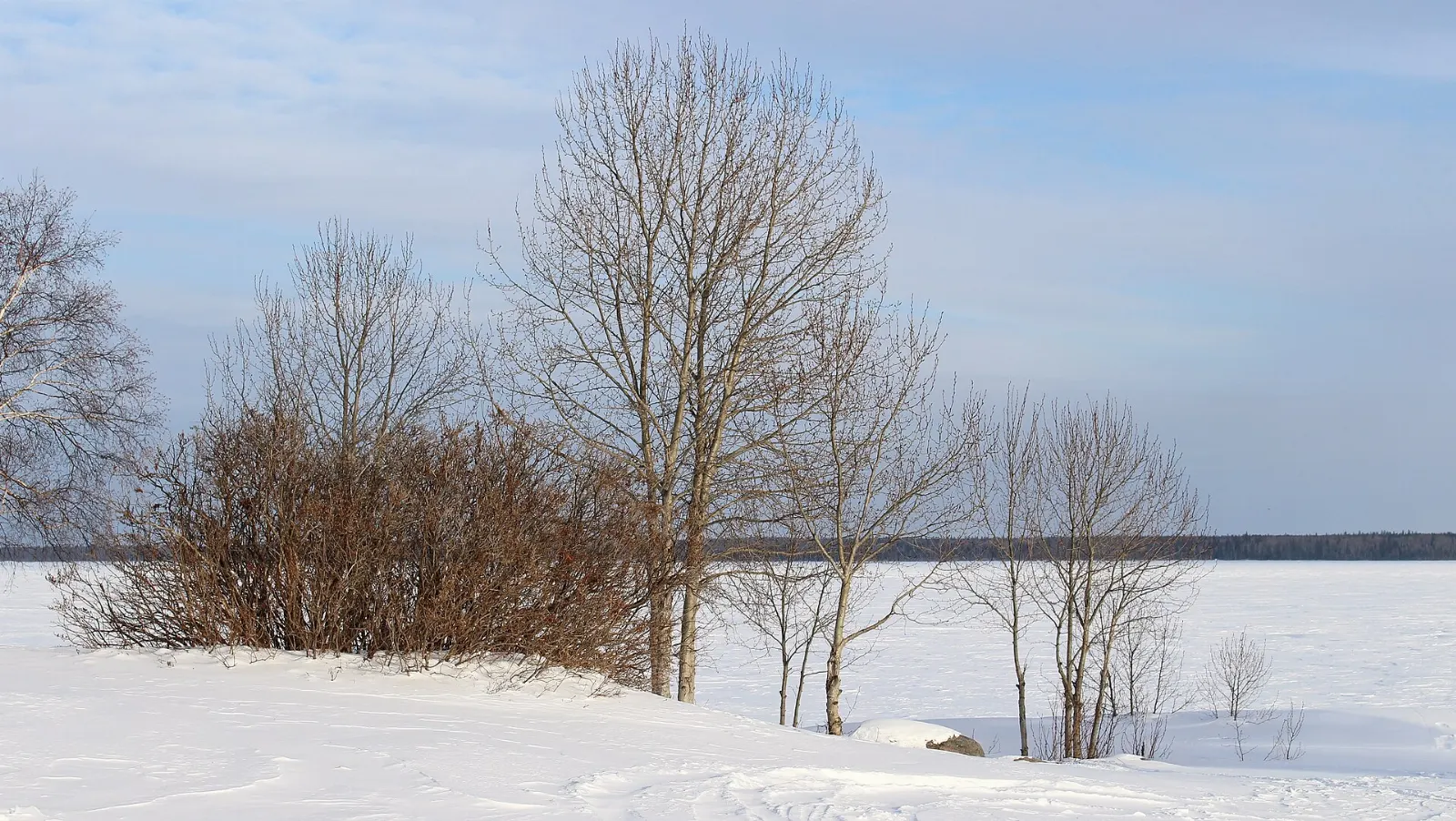
Summer is the main season for swimming and canoeing, while winter brings skiing, snowshoeing and ice fishing.
How long
A long weekend lets you cover Falcon Lake, West Hawk Lake and a paddle at Caddy Lake.
Getting there
Drive the Trans-Canada Highway east from Winnipeg, about 120 kilometers to the park.
Why visit Whiteshell Provincial Park
The park is 275,210 hectares of Canadian Shield country, representing the Lake of the Woods ecoregion of the Boreal Shield. Granite ridges and flat rock slabs rise from the forest, and three rivers string together dozens of lakes.
The land has been central to Anishinaabe life for thousands of years, and the park's name comes from the cowrie shells used in ceremonies. Many rock features here carry deep meaning for Indigenous peoples, so treat any petroforms or ceremonial sites with respect and follow posted guidance.
Falcon Lake and West Hawk Lake
Falcon Lake
Falcon Lake is the park's main gateway and the busiest base for visitors, directly south of the Trans-Canada Highway. It has a swimming beach, a public boat launch, an 18-hole golf course that opened in 1958, riding stables and the Falcon Ridge ski slopes, which began operating in 1960.
West Hawk Lake
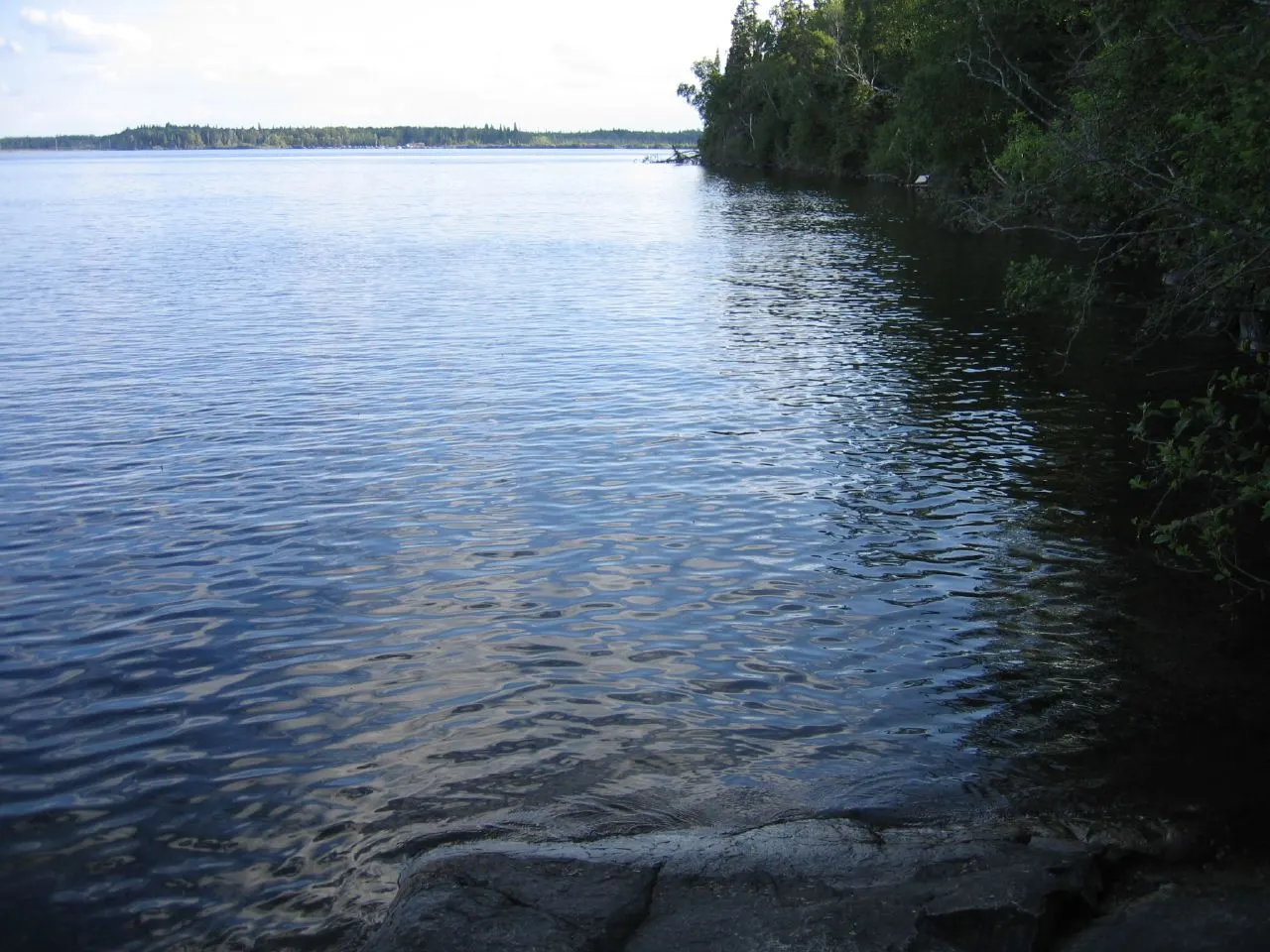
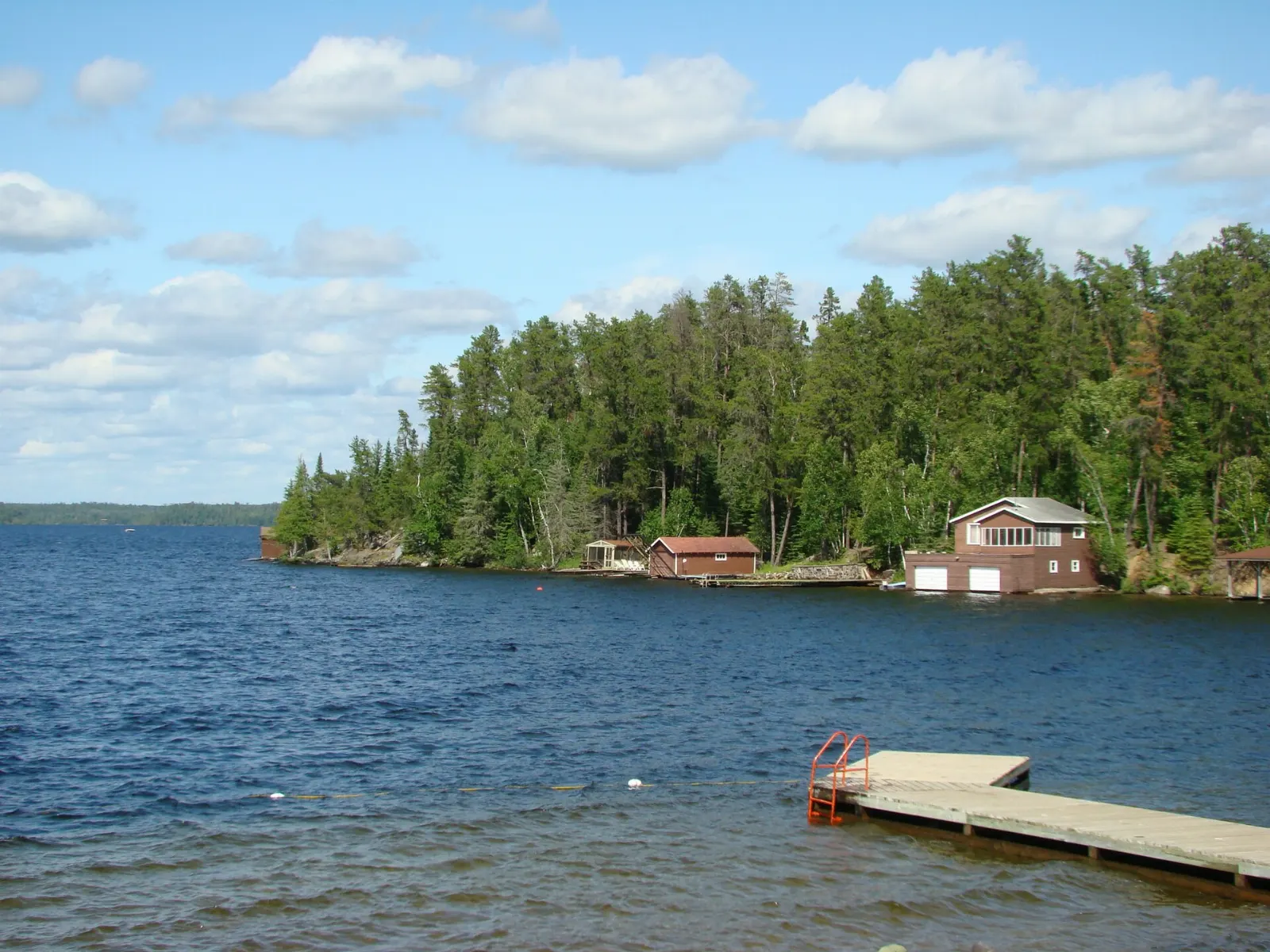
West Hawk Lake formed when a meteorite struck ancient granite roughly 351 million years ago. At 115 meters it is the deepest lake in Manitoba, and its almost perfectly round shape comes from the crater.
West Hawk Museum and fish hatchery
The West Hawk Museum explains the area's geology, gold mining history and the crater itself. Nearby on the Whiteshell River, the fish hatchery interpretive centre offers summer tours that show how trout and walleye are raised to stock lakes across Manitoba.
Caddy Lake tunnels
Paddlers on the Caddy Lake canoe route pass through tunnels in a rock and rail embankment that were built when the railways came through more than a century ago.
Trails and paddling
Mantario Trail
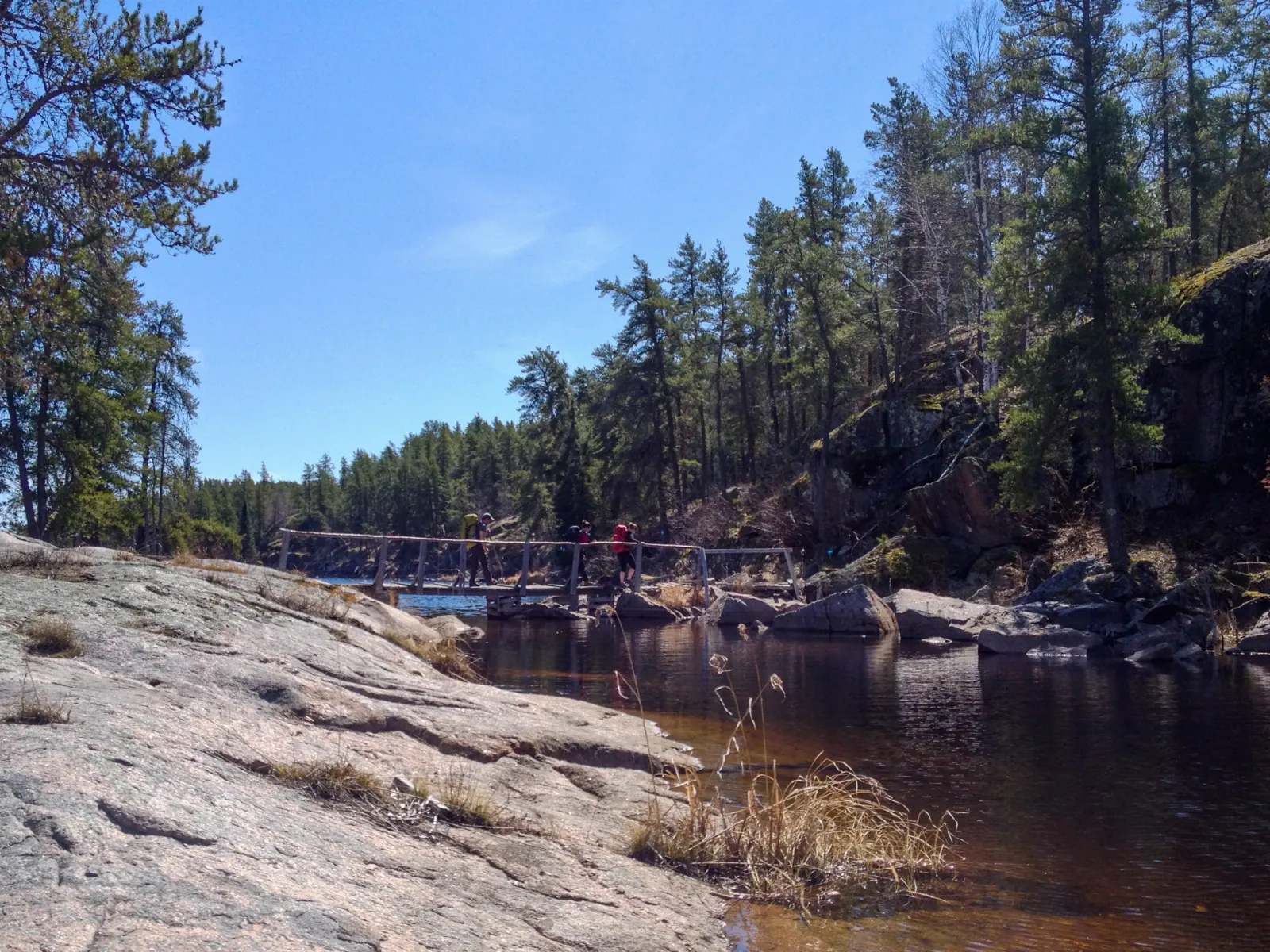
Experienced backpackers can tackle the 60 kilometer Mantario Trail, which links Caddy Lake with Block 2 of Big Whiteshell Lake.
Cycling routes
A 4.2 kilometer cycling loop at Betula Lake and a 9 kilometer trail at Big Whiteshell Lake give easy rides through forest.
Canoe routes
Up to 325 kilometers of canoe routes thread through the park, with portages between many lakes. Choose a short loop for a first trip, and always wear a life jacket and check wind forecasts.
North Whiteshell and the rivers
Alfred Hole Goose Sanctuary
On Highway 44 just east of Rennie, the sanctuary protects nesting Canada geese each spring.
Nutimik Lake and the Winnipeg River
The Winnipeg River forms the northern edge of the park and flows through lakes such as Nutimik Lake. Use Provincial Road 307 to reach the area, a quieter side of the park that suits paddlers and anglers.
Big Whiteshell Lake
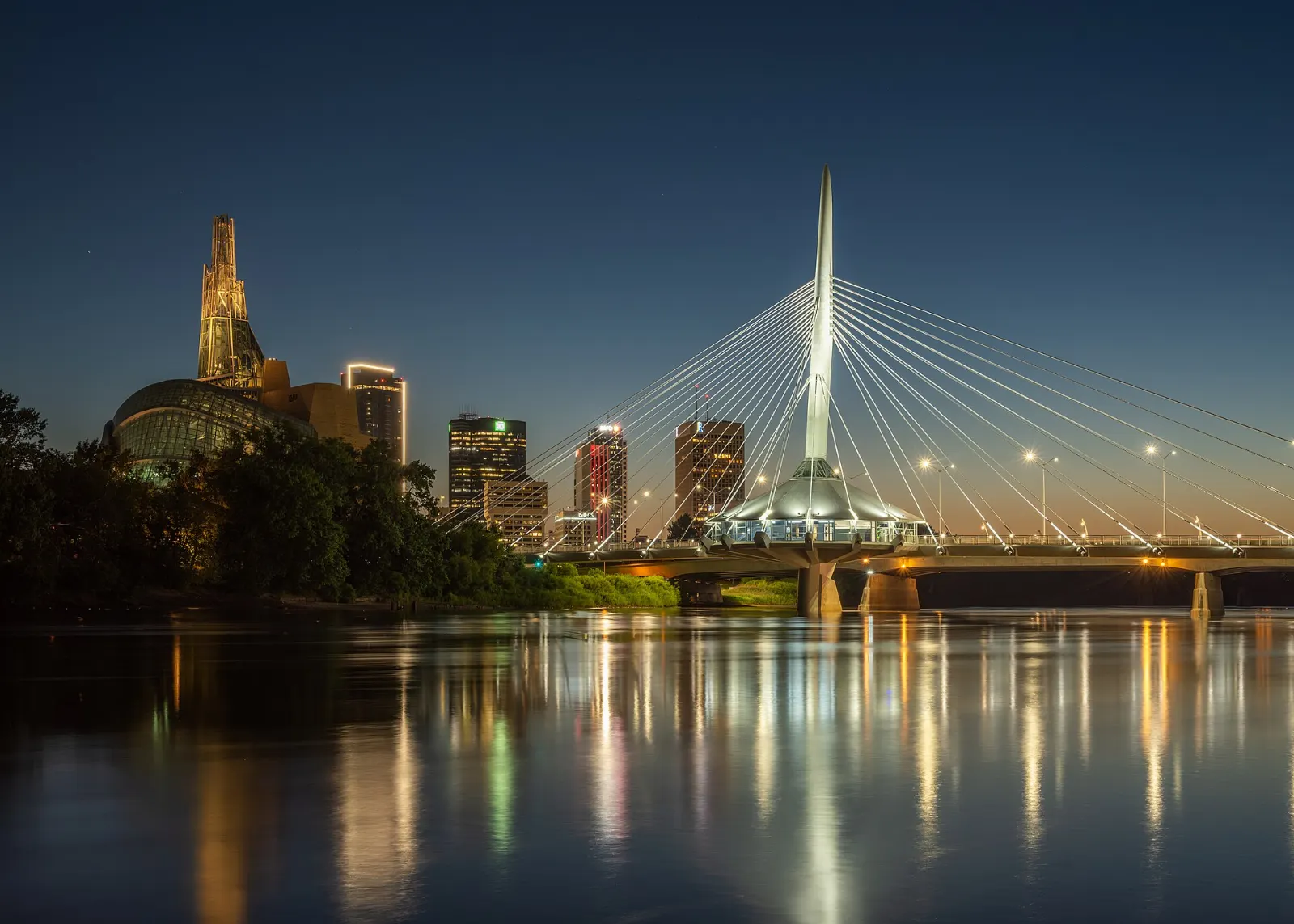
The largest of the lakes north of the Whiteshell River, Big Whiteshell Lake has a campground and a cycling trail. It is a good base for fishing, swimming and quiet evenings.
Pinawa
The small community of Pinawa sits beside the Winnipeg River on the park's western boundary. It began in 1901 around an early hydroelectric station and was re-established in 1963 as a planned town for the Whiteshell nuclear research laboratories.
 Planning a trip to Whiteshell Provincial Park?Compare hotels, flights and vacation rentals for Whiteshell Provincial Park on Expedia.Book now
Food and local flavors
Manitoba's northern lakes and Indigenous traditions shape the local table. Wild rice, also called manoomin, is a grain from northern grasses that the Anishinaabe have harvested here for generations.
Walleye, called pickerel by many Canadians, is the classic lake fish, and the park's waters also hold perch, trout and whitefish. Winnipeg goldeye, which is smoked mooneye, is a regional delicacy sold across Manitoba.
Popular dishes to try in Whiteshell Provincial Park


Where to stay
Falcon Lake offers the widest range of services, including campgrounds, a beach, a golf course and ski slopes, so it suits families and first time visitors. West Hawk Lake is quieter and attracts divers, sailors and campers.
Caddy Lake works well for paddlers who want the tunnels on their doorstep, with a provincial campground and nearby cottages. Pinawa, on the western edge of the park, offers a small town base with easy access to the Winnipeg River.
Where to stay in Whiteshell Provincial Park


Best time to visit
Summer is the busiest season, when beaches, boat launches and campgrounds are in use and the park fills with cottagers. Spring brings nesting Canada geese to the sanctuary near Rennie, and ice-out signals the start of fishing and canoe season.
Winter is also active. More than 200 kilometers of marked and groomed snowmobile trails cross the park, and snowshoers and ice anglers use the lakes. Falcon Lake hosts the Beaver Days winter festival and a winter fish-off, and the Falcon Ridge slopes offer alpine and cross-country skiing.
Getting there and getting around
The park lies about 120 kilometers east of Winnipeg along the Trans-Canada Highway, which runs through it. Exit near Falcon Lake on the western side or West Hawk Lake on the east.
Park vehicle permits are typically required year-round, and can be bought at campgrounds, district offices or online. VIA Rail's Canadian serves the park at Brereton Lake, Ophir and Winnitoba stations, but a car gives far more freedom.
A suggested itinerary
First day
Enter at Falcon Lake, spend the morning on the beach or a short walk, then drive to West Hawk Lake for the crater and the museum.
Second day
Paddle the Caddy Lake tunnels in the morning, then cycle or hike an easy trail in the afternoon.
Third day
Head north on Highway 44 to the Alfred Hole Goose Sanctuary, then continue to Nutimik Lake or Big Whiteshell Lake, and finish in Pinawa.
Practical tips
- Buy a park vehicle permit before you start exploring.
- Reserve provincial campgrounds early through the Manitoba Parks Reservation Service.
- Carry bug spray and sun protection, because lakes and forest trails attract insects in summer.
- Store food securely, since black bears live throughout the park.
- Treat petroforms and archaeological sites as protected places and do not disturb them.