Niagara-on-the-Lake sits where the Niagara River meets Lake Ontario, a small town with colonial-style streets, War of 1812 forts, a famous theatre festival and wineries in every direction. It served as the first capital of Upper Canada, and it feels more like a quiet village than a day-trip stop beside the falls.
AT A GLANCE
Best time
Late spring to early autumn for open forts and theatre, or January for the Icewine Festival.
How long
One day covers the village and forts, and two days add Queenston and wine country.
Getting there
Drive about 90 minutes from Toronto, or take a seasonal bus or shuttle.
Why visit Niagara-on-the-Lake
The town has about 19,000 residents, and it is important to Canadian history. It was called Newark from 1792 to 1797 and served as the first capital of Upper Canada, the predecessor of Ontario.
Today the preserved streets, forts and gardens sit in the middle of a thriving grape- and fruit-growing region. You can follow a history trail in the morning, watch a Shaw Festival play in the afternoon and taste icewine before dinner, all within a short drive.
The old town and its forts
Queen Street and the Niagara Apothecary
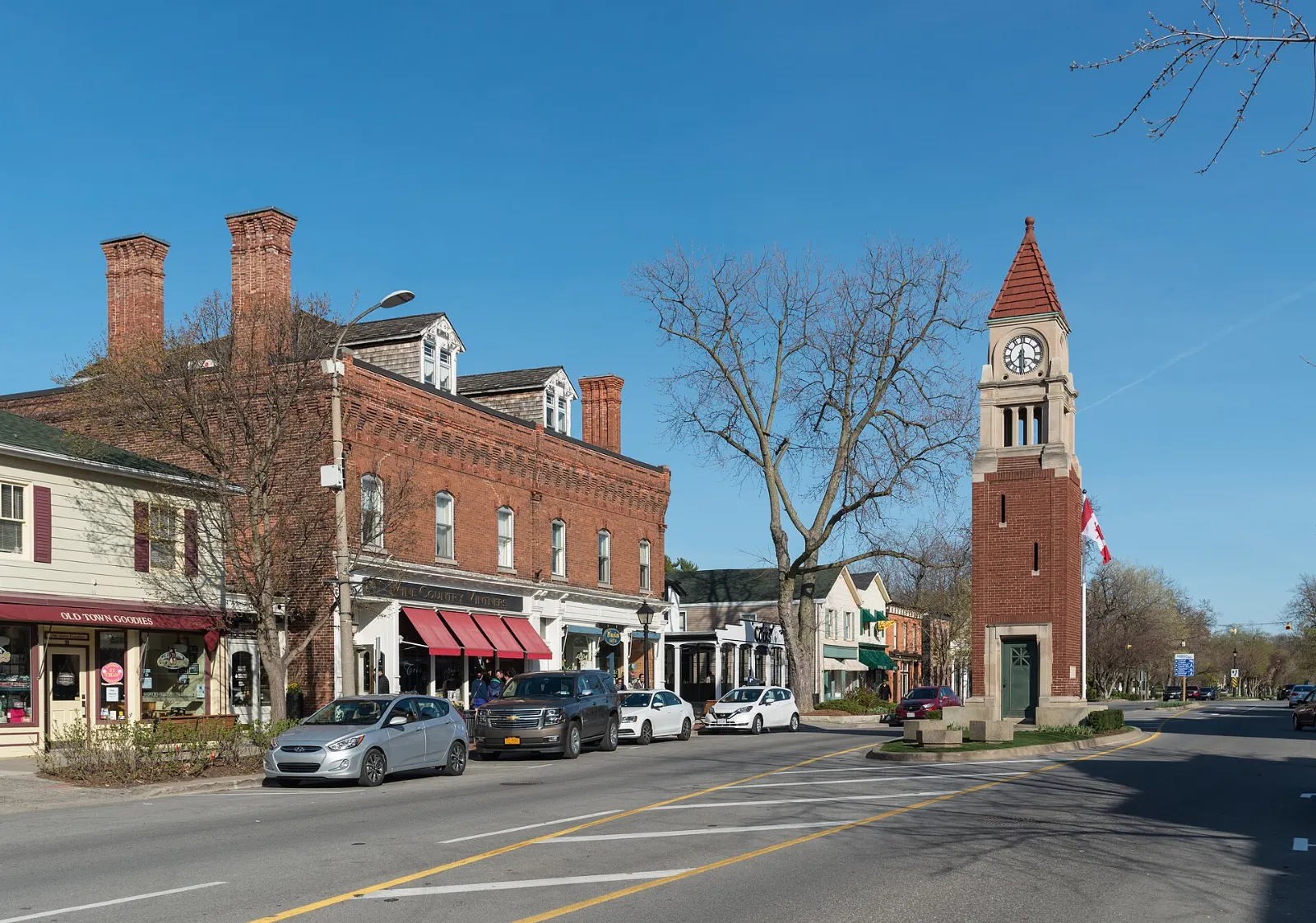
Queen Street is the main street of the village, lined with little shops selling hats, jams, cheese and fudge. The Niagara Apothecary, a museum that preserves a restored 1869 pharmacy, opens seasonally.
St. Mark's Anglican Church
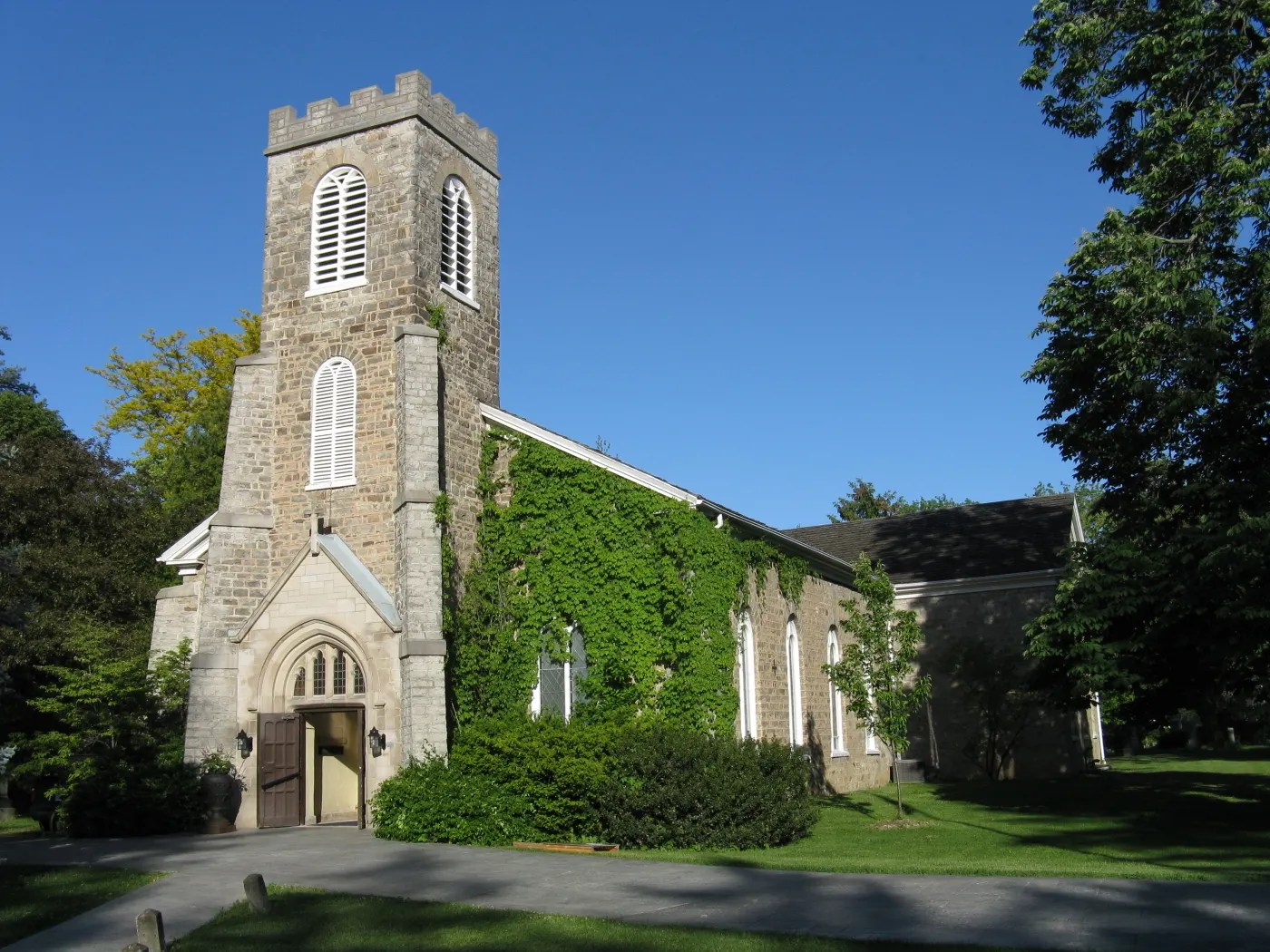
Construction of this church on Byron Street began in 1800, and its roof was destroyed in 1813 during the War of 1812 and replaced afterward. The churchyard is quiet and worth a short stop on the way to the forts.
Fort George
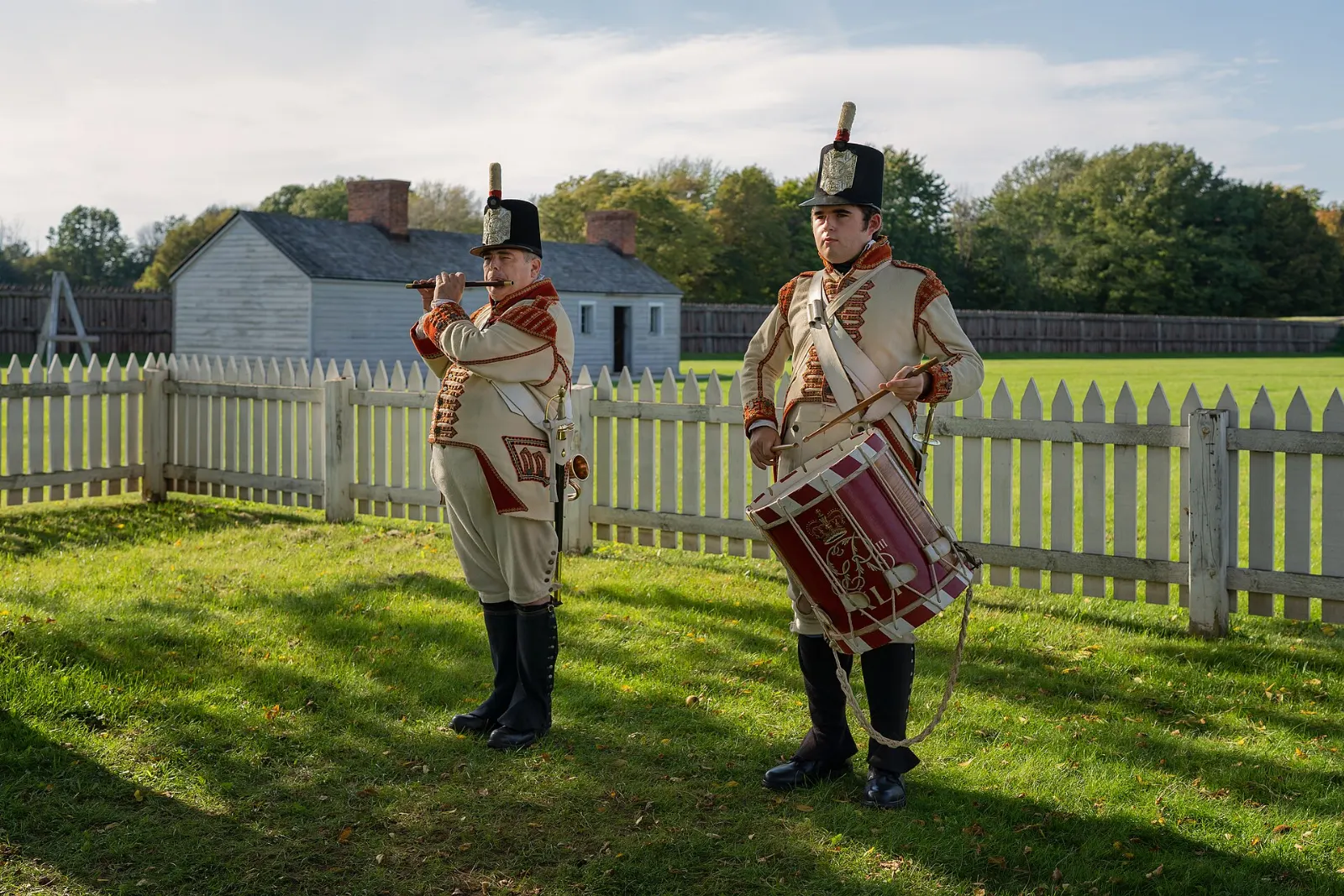
This reconstructed British fort is a living museum about military life in 19th-century Upper Canada and the War of 1812. The gunpowder magazine is the only original building, and the site has been a National Historic Site of Canada since 1921.
Fort Mississauga
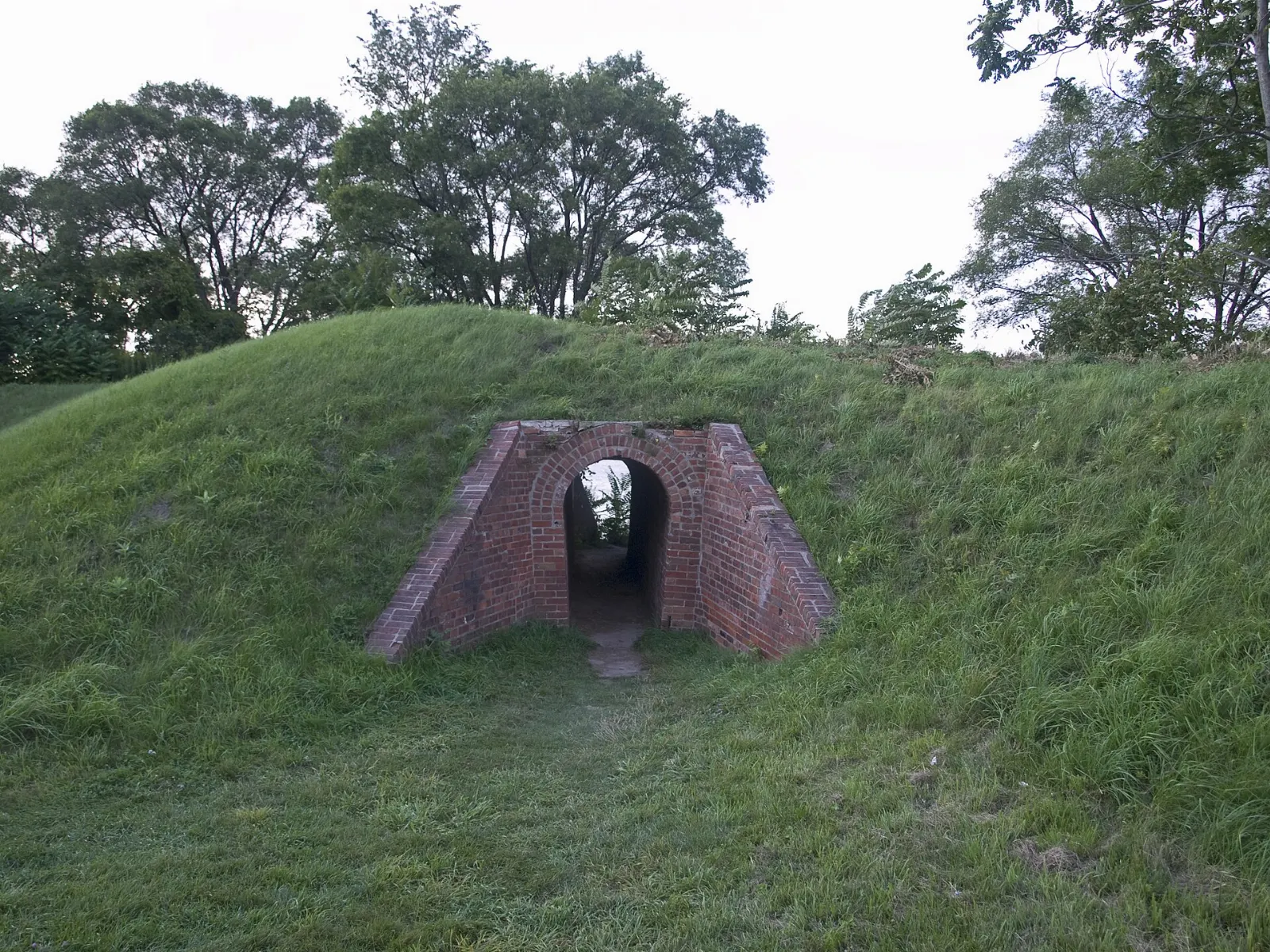
Built from 1814 to 1816 to replace Fort George, this fort has a brick tower and star-shaped earthworks on the shore of Lake Ontario.
Theatre, the parkway and Queenston
Shaw Festival theatres
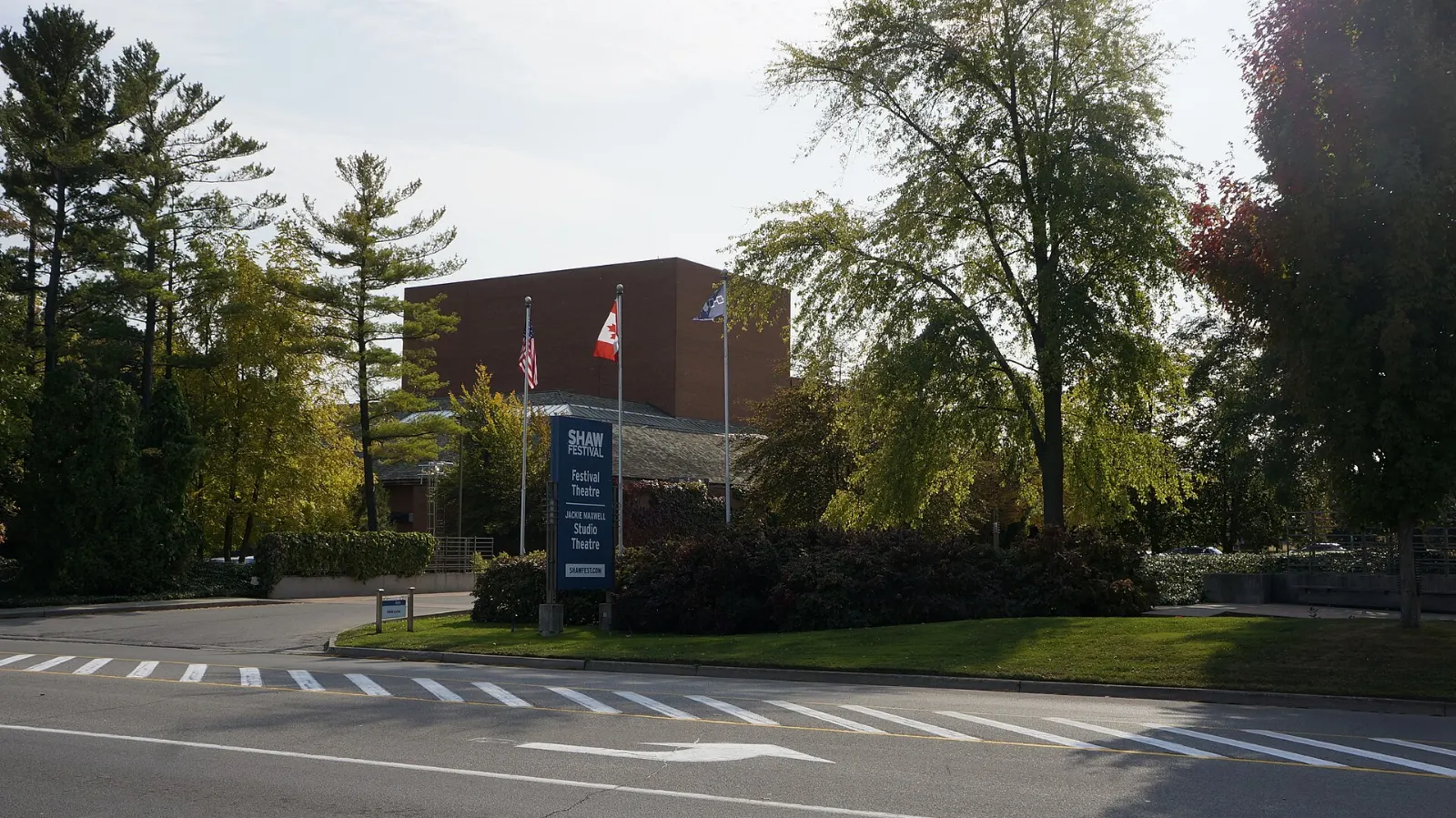
Founded in 1962, the Shaw Festival is the second-largest repertory theatre company in North America.
Niagara Parkway and McFarland House
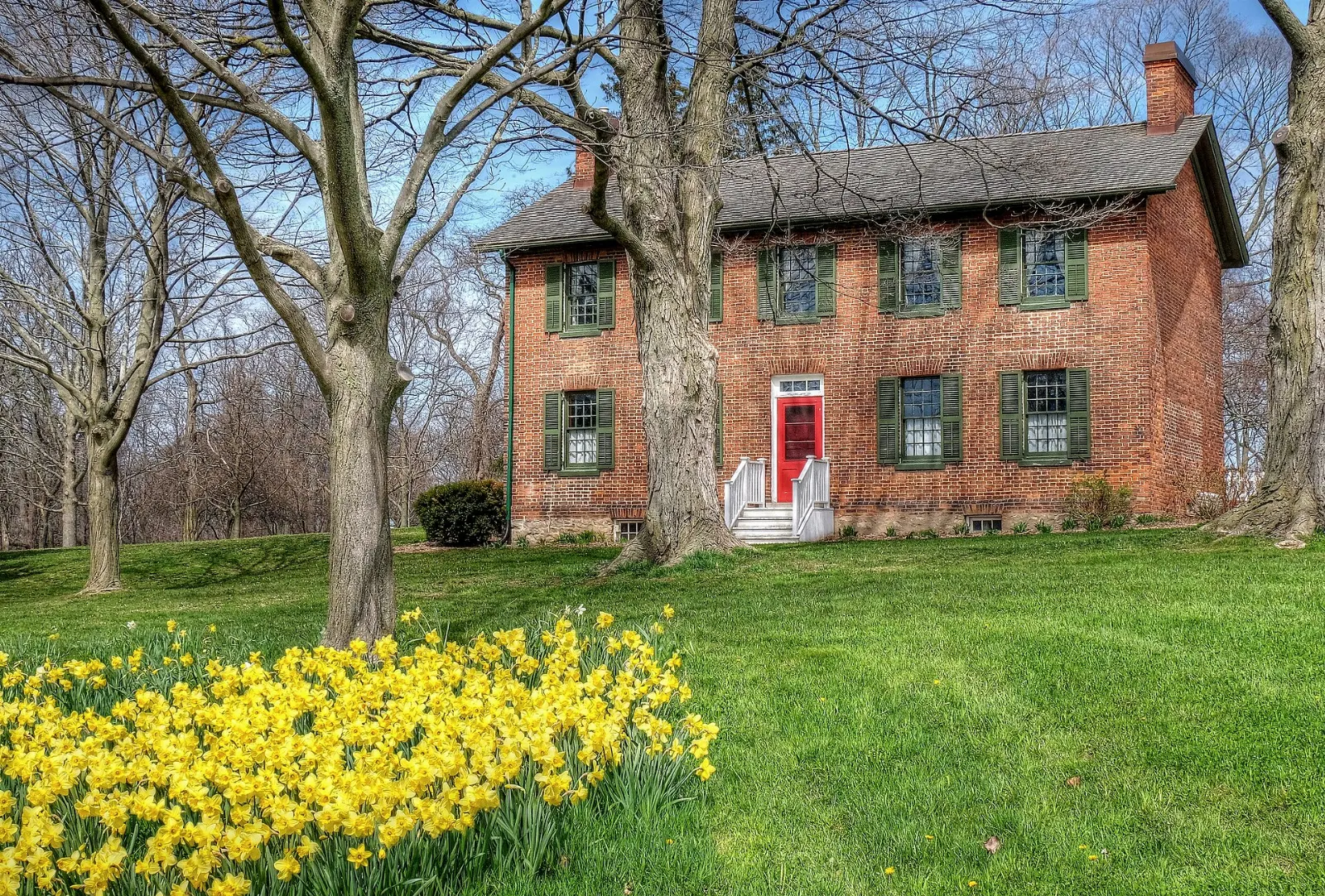
The parkway runs along the river and is a pleasant route for cycling. McFarland House, a preserved house dating from about 1800, runs guided tours led by costumed interpreters, and serves afternoon tea in summer.
Laura Secord Homestead
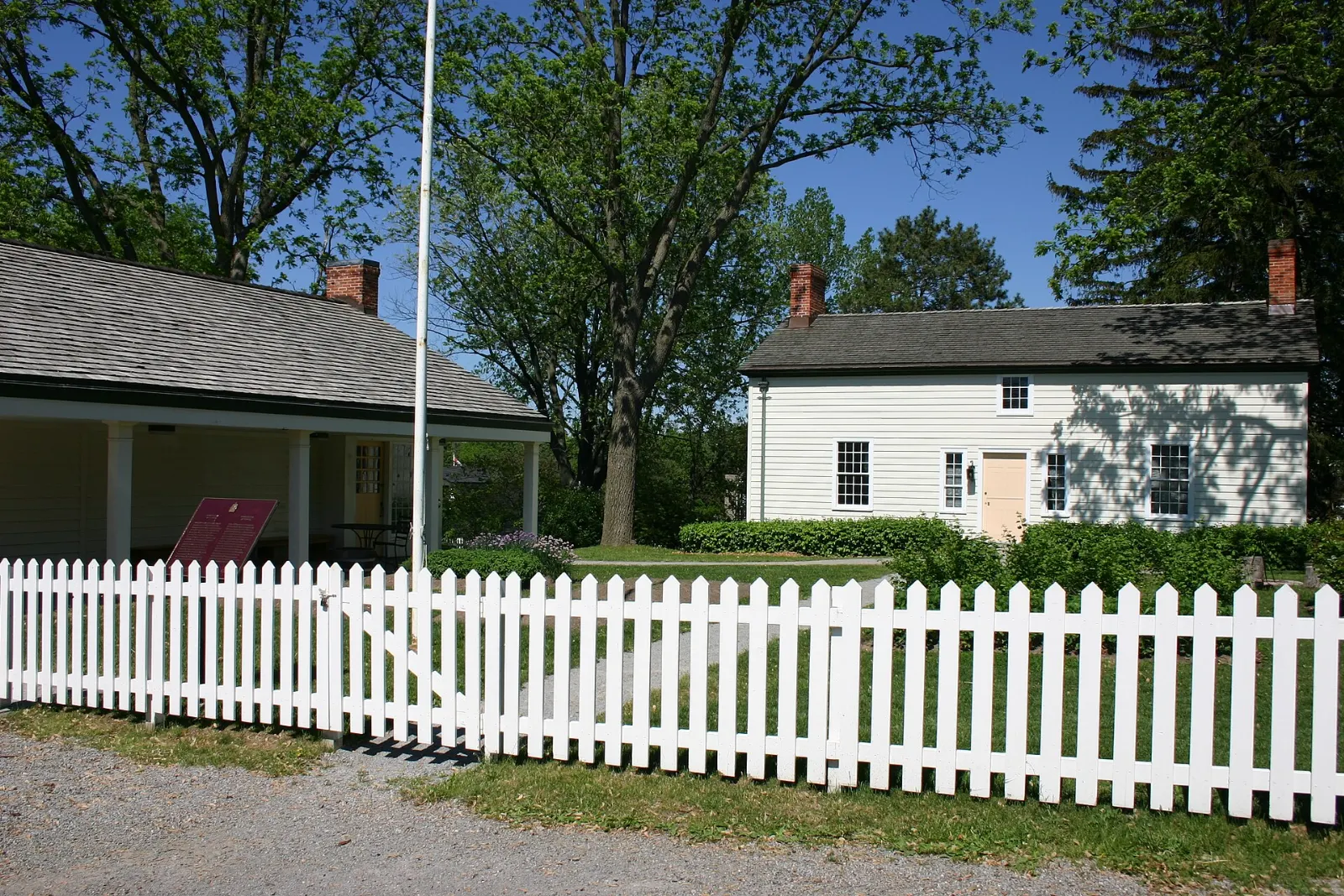
In Queenston, this house predates the War of 1812. Laura Secord became a heroine by walking about 32 kilometres to warn the British of an impending American invasion, and costumed interpreters tell her story.
Queenston Heights Park
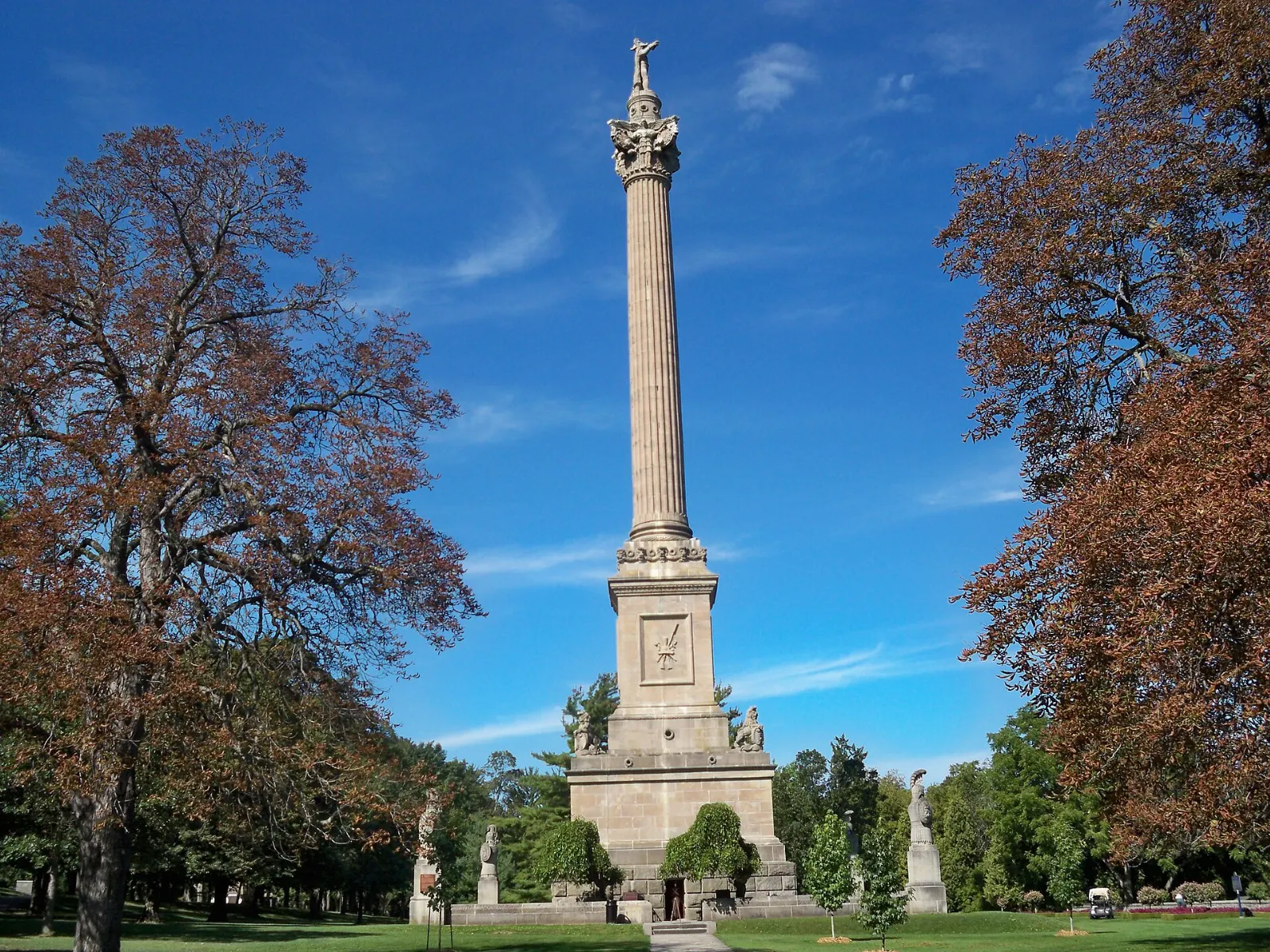
The park holds the Brock and Laura Secord monuments and marks the site of the Battle of Queenston Heights. It is also the southern end of the Bruce Trail, a long hiking route that runs north to Tobermory.
Wine country
Inniskillin
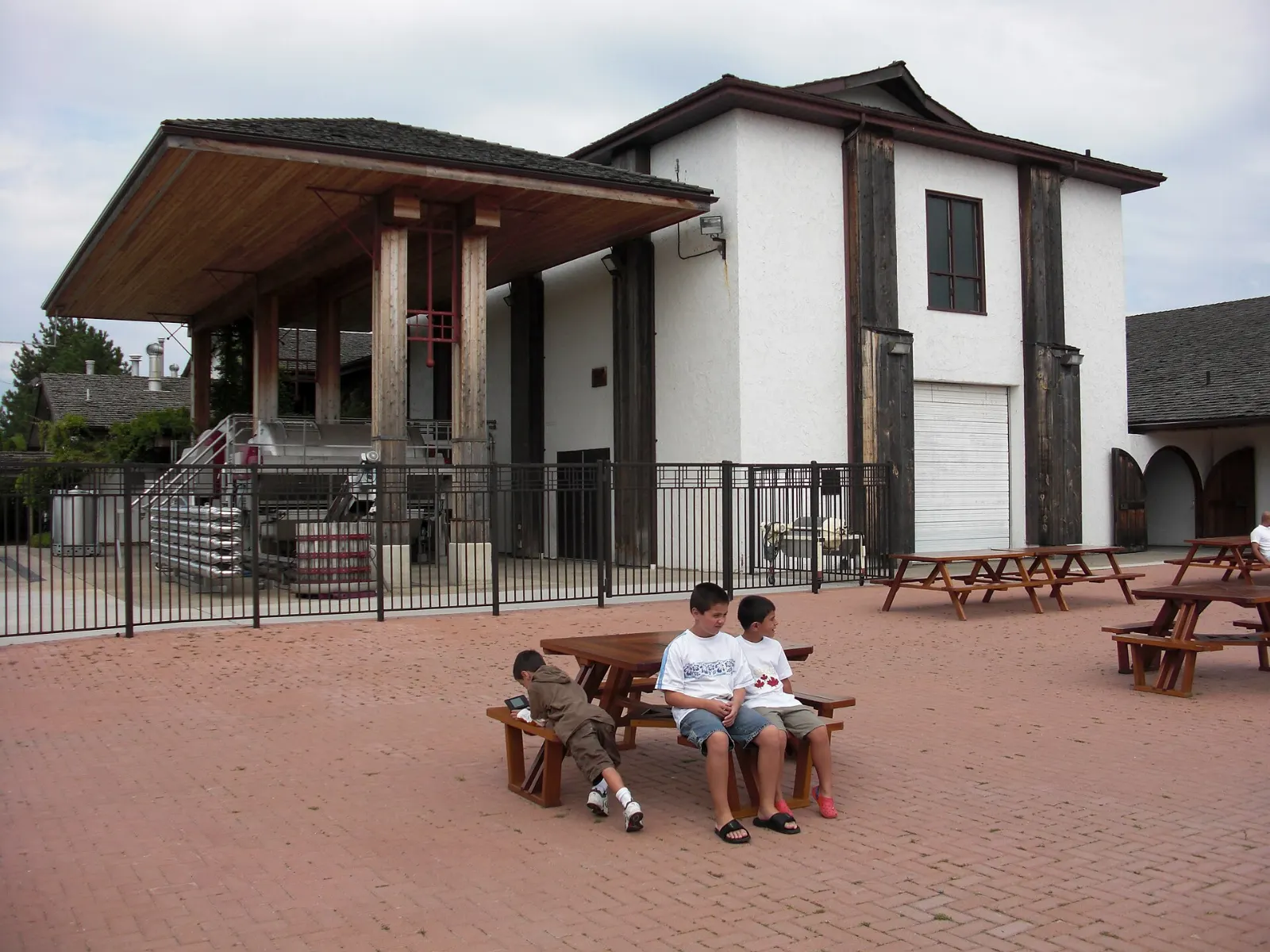
Inniskillin held an estate winery licence issued in 1975, the first winery licence in Ontario since 1929, and is credited with putting Canadian icewines on the world stage.
Peller Estates and Strewn
Peller Estates is one of the largest wine producers in Canada and offers tours and a restaurant. Strewn Winery occupies a converted 1940s fruit cannery and has a restaurant on site.
Trius and the sparkling cellar
Trius makes sparkling wines in the traditional method and keeps them in Canada's largest underground sparkling cellar. The winery has a restaurant, and reservations are recommended.
 Planning a trip to Niagara-on-the-Lake?Compare hotels, flights and vacation rentals for Niagara-on-the-Lake on Expedia.Book now
Food and local flavors
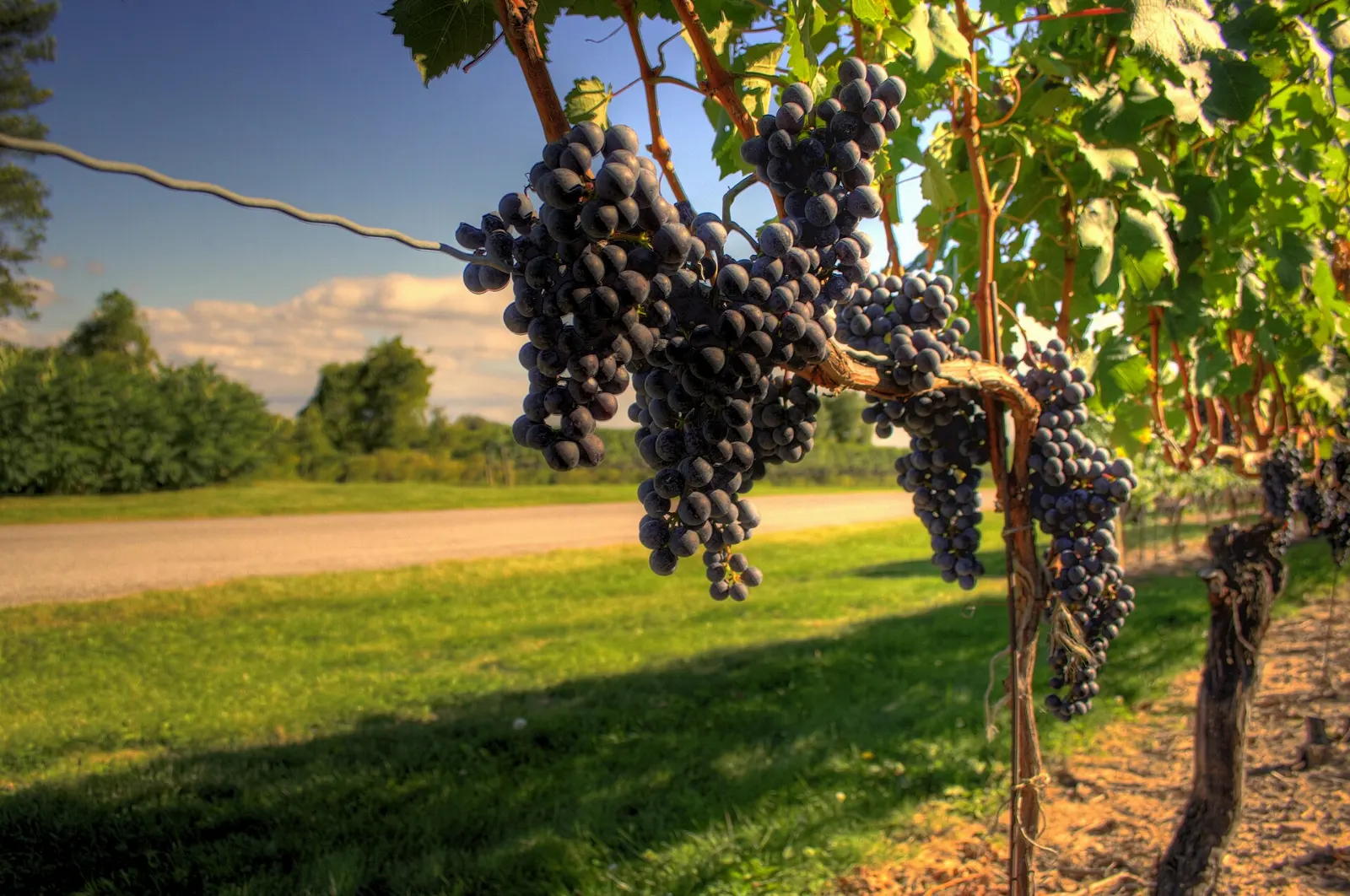
Icewine is the signature drink here. Made from grapes frozen on the vine, it is sweet and intense, and Ontario produces more than 90 percent of Canada's icewine.
The region is a fruit-growing area, and the Peach Festival on the first Saturday of August celebrates Niagara peaches with jams and pies. Butter tarts, the Canadian pastry with a filling of butter, brown sugar, maple syrup and egg, appear in bakeries along Queen Street.
Popular dishes to try in Niagara-on-the-Lake


Where to stay
Queen Street and the surrounding village have fine hotels within walking distance of the Shaw theatres, plus a wide network of B&Bs.
Queenston lies near the boundary with Niagara Falls and is close to Queenston Heights, the Laura Secord Homestead and the Bruce Trail start.
St. Davids is a village inland among vineyards, with a chocolate maker and a family farm winery with a restaurant.
Where to stay in Niagara-on-the-Lake


Best time to visit
The Shaw Festival season runs from April to November, and many sites open seasonally, so late spring to early autumn gives the fullest choice.
The New Vintage Festival is in June, and the Icewine Festival is in January, when carriage and sleigh rides add to a winter break. Weekends in July and August are the busiest, so weekdays are calmer.
Getting there and getting around
Toronto Pearson is about a 90-minute drive away, Hamilton airport is about 75 minutes, and Buffalo Niagara International Airport is about an hour without border delays. Niagara District Airport is 15 minutes from town and has Air Canada flights with a bus connection from Pearson.
By car from Toronto, take the QEW east, exit at Niagara Stone Road and drive north for about 20 minutes. From Niagara Falls follow the Niagara Parkway north. By bus, GO Transit route 12 stops at Niagara College station and on-demand transit continues to town, and FlixBus runs seasonally.
A suggested itinerary
First day
Walk Queen Street, visit the Apothecary and St. Mark's, tour Fort George and walk out to Fort Mississauga.
Second day
Drive the Niagara Parkway to McFarland House, Queenston Heights Park and the Laura Secord Homestead.
Third day
Cycle the river paths, take a winery lunch at Strewn or Trius, and finish with a Peller Estates tasting or a Whirlpool jet boat ride in season.
Practical tips
- Check the Niagara Parks and Shaw Festival websites for current seasons and show schedules.
- Visit the information centre in the Court House for maps and tour times.
- Do not drink and drive on wine routes, and consider a bike tour, guided shuttle or taxi.
- Make restaurant reservations for weekends and during the festivals.
- Wear comfortable shoes for walking between the village, the forts and the waterfront.