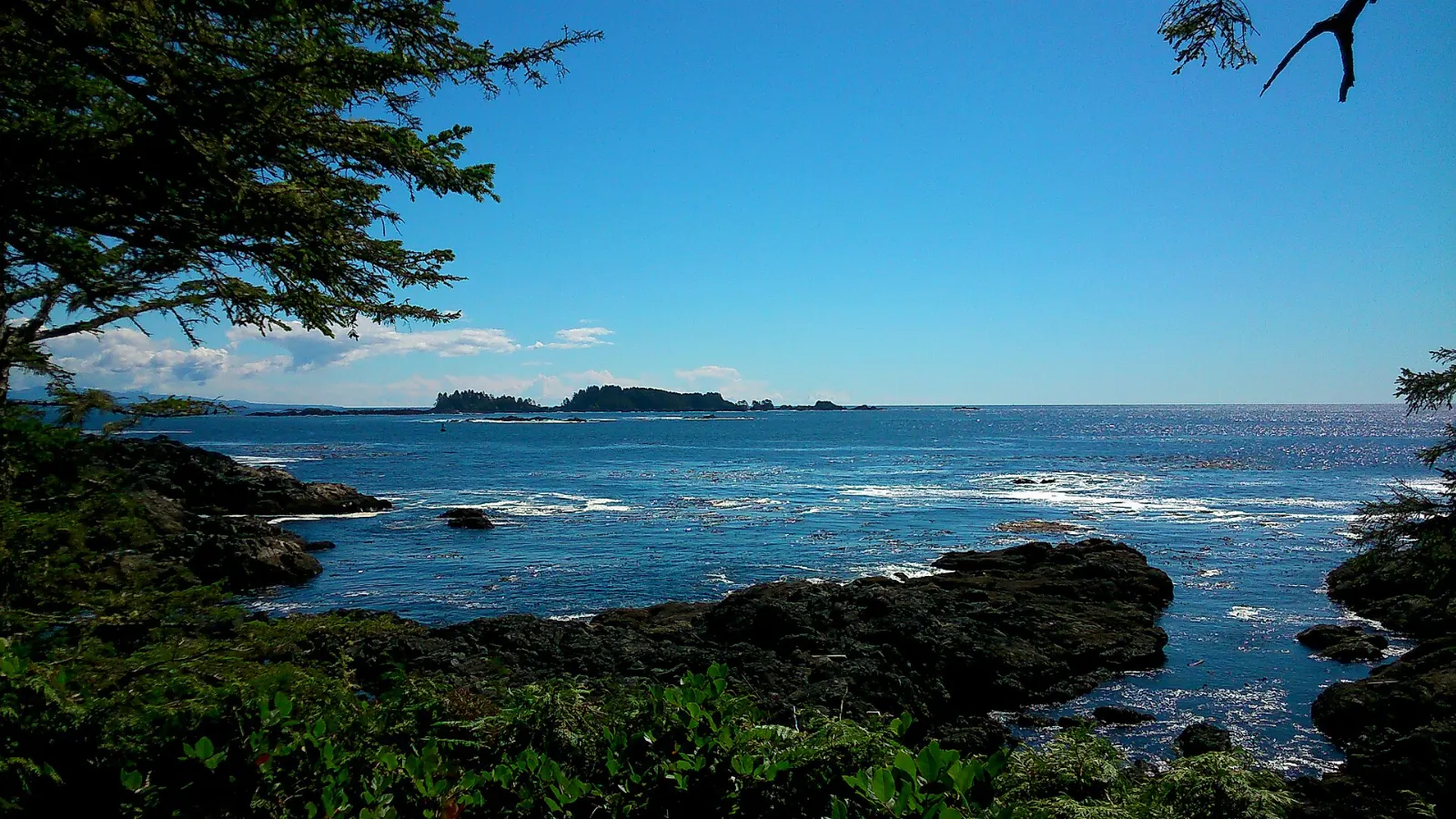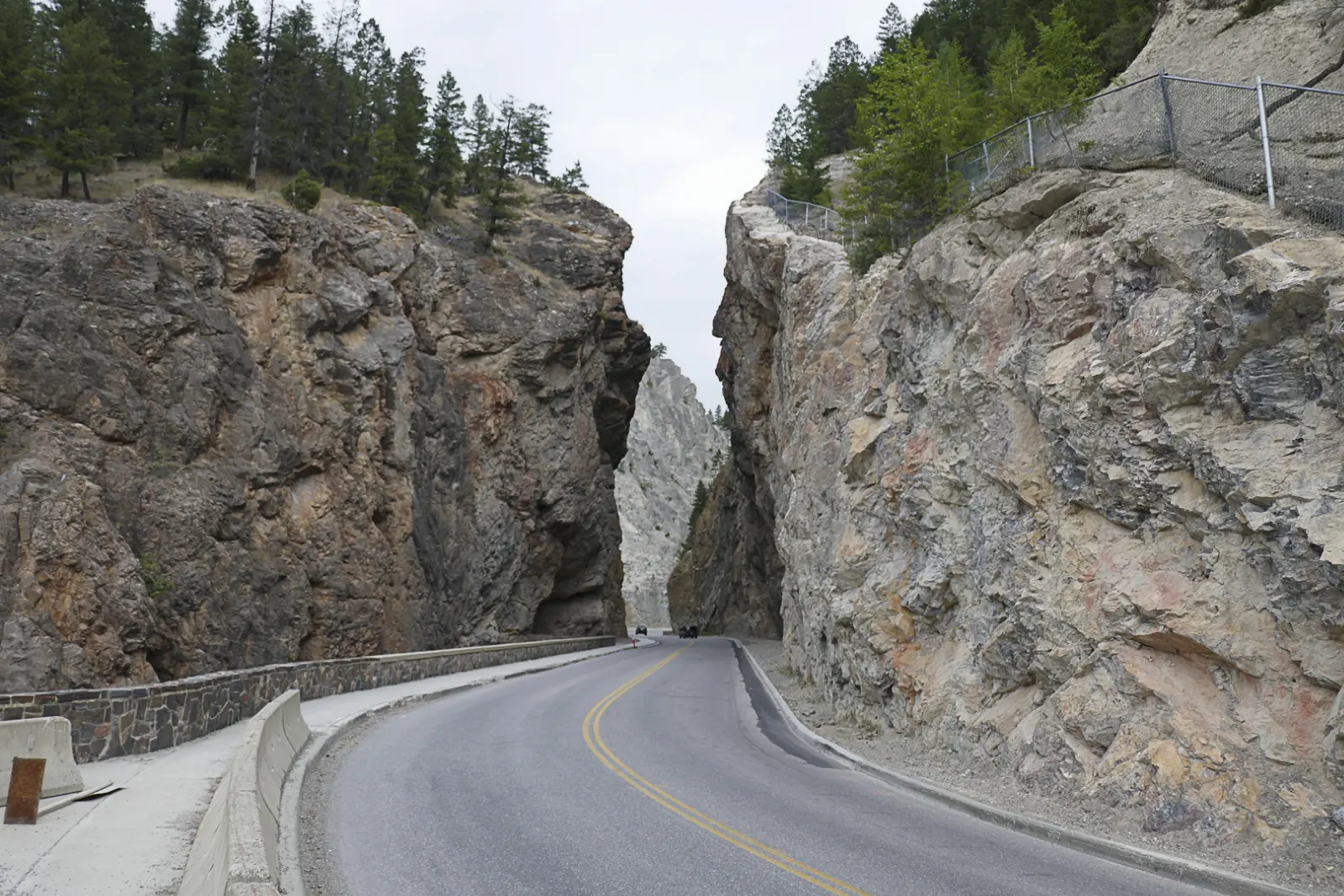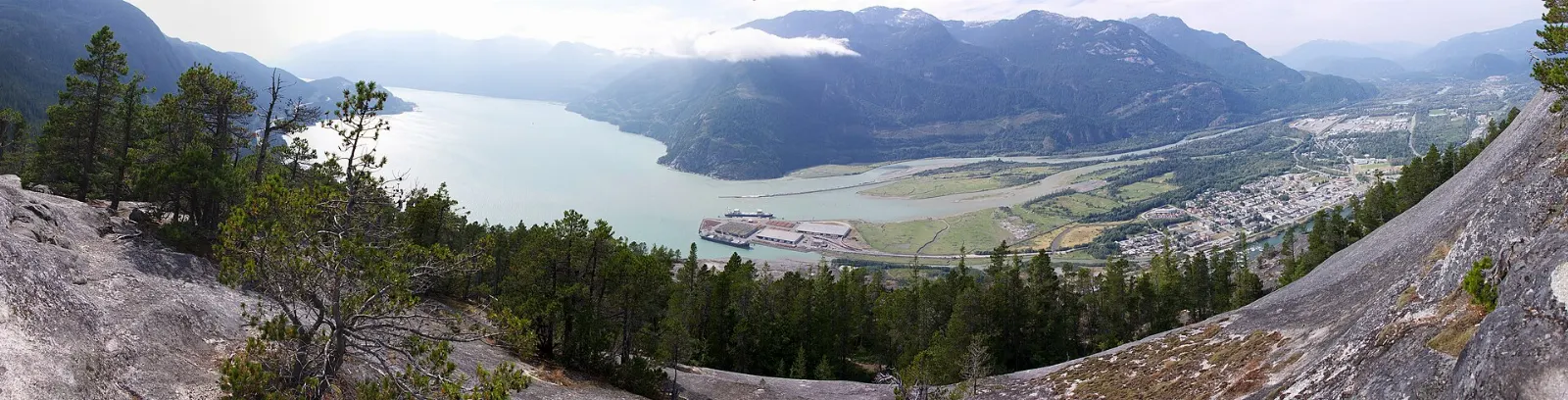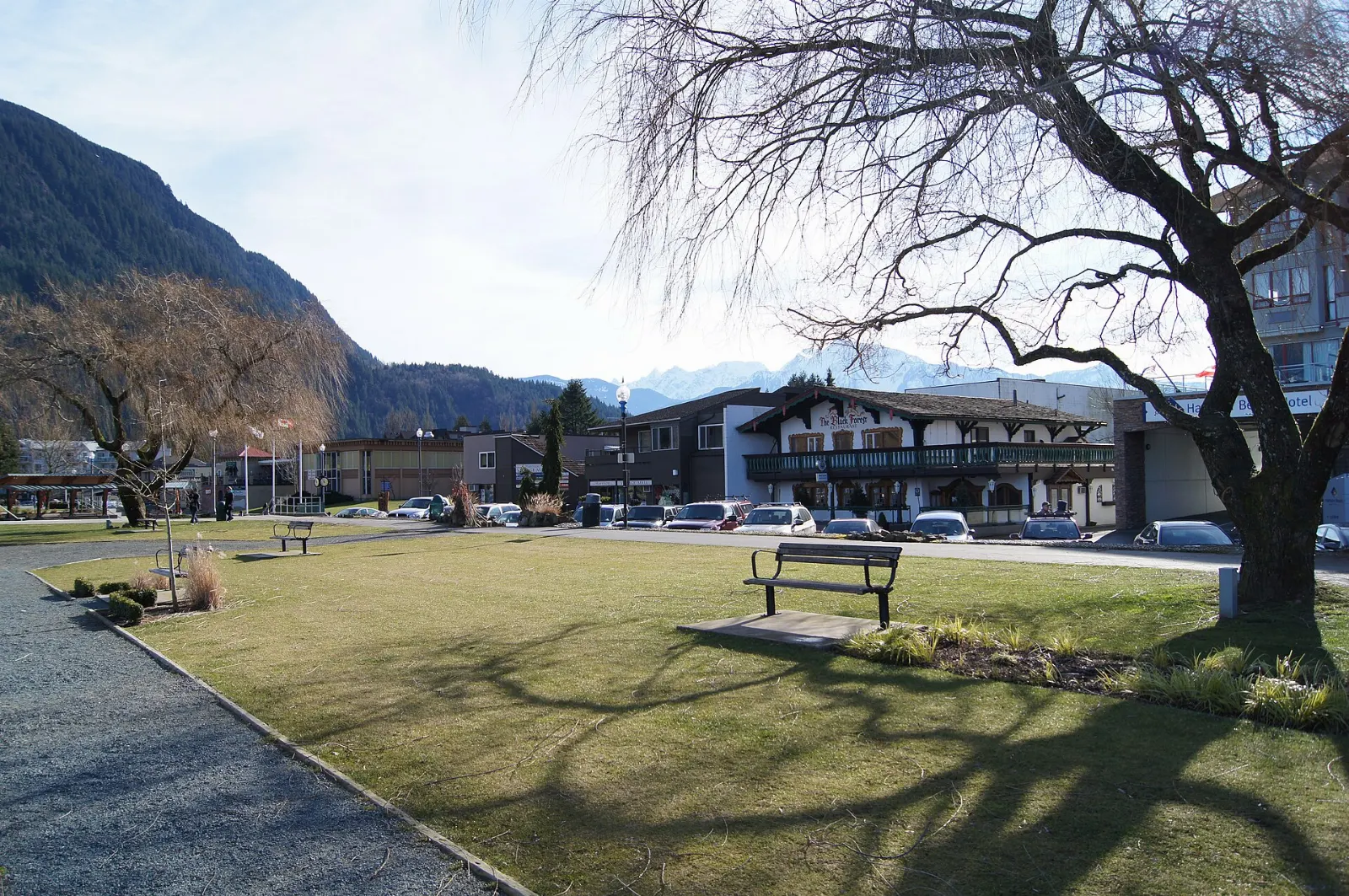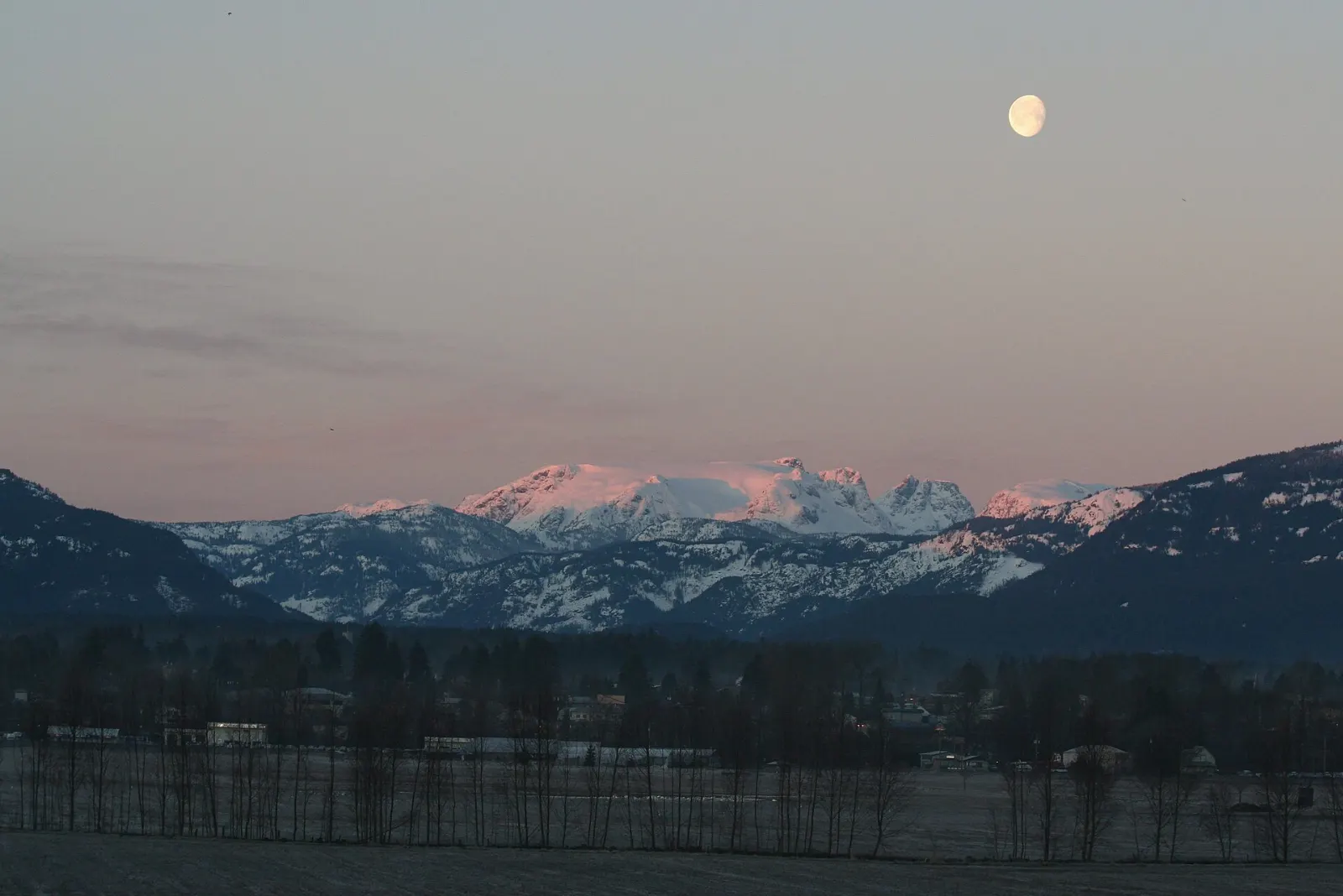
The Comox Valley stretches along the east coast of Vancouver Island between the Beaufort Range and the Strait of Georgia, and it includes Courtenay, Comox and Cumberland.
AT A GLANCE
Best time
Summer is dry and sunny, and winter brings skiing at Mount Washington.
How long
Allow three days to cover the three towns, with extra time for the mountains and islands.
Getting there
Fly to Comox, take a ferry from Powell River or drive Highway 19 or 19A from Nanaimo.
Why visit the Comox Valley
The valley lies between the Beaufort Range and Comox Glacier in the west and the Strait of Georgia in the east, a landscape of farmland, estuary and coast. The K'ómoks name for the area means plentiful, which is why it has long been called the Land of Plenty.
The three main communities each have their own character. Courtenay is the largest and has museums and galleries, Comox has the marina and military heritage, and Cumberland keeps the story of coal mining alive.
Courtenay and the central valley
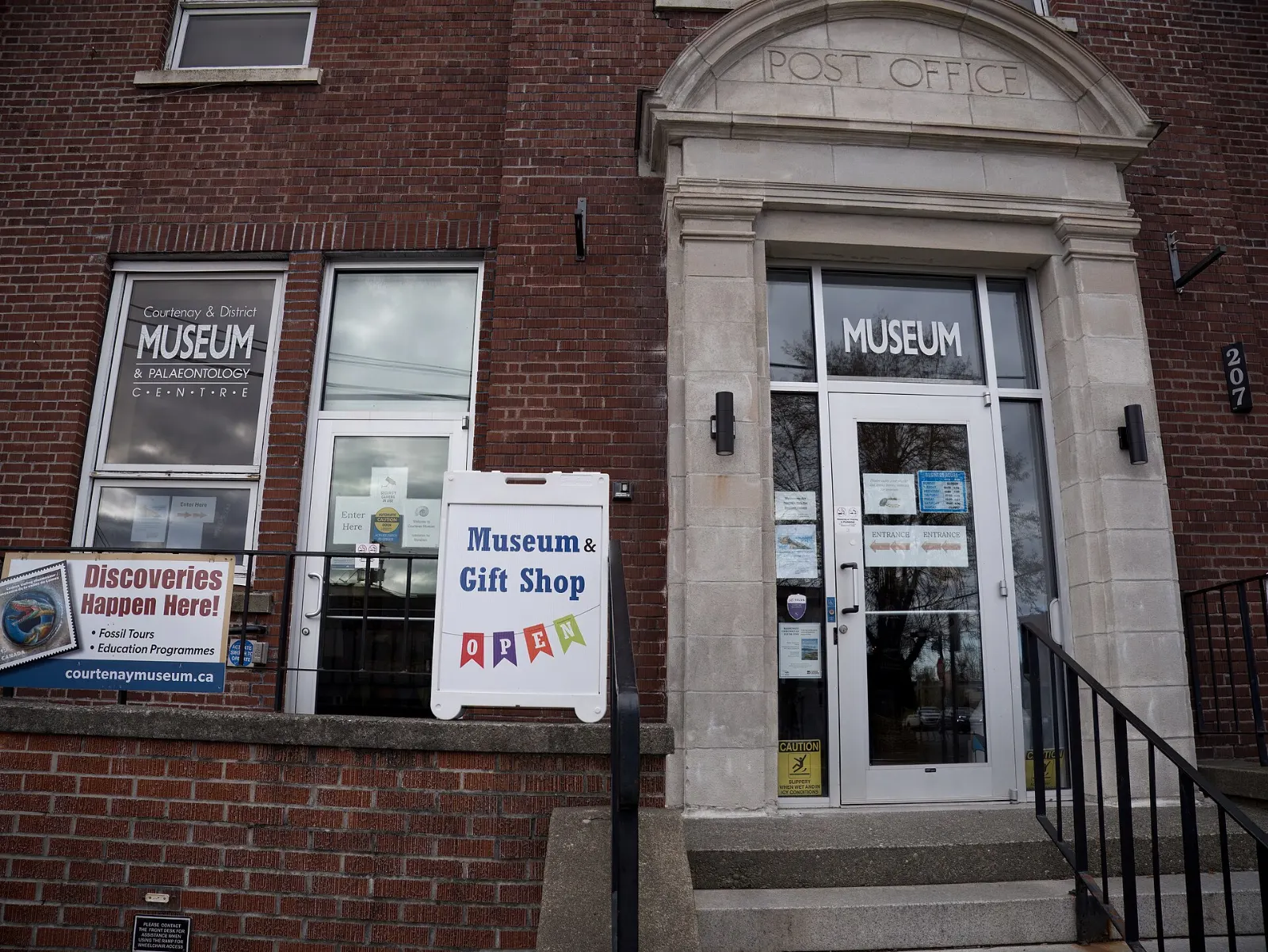
Courtenay and District Museum and Palaeontology Centre
This museum in downtown Courtenay shows local history and runs fossil tours on nearby rivers. It suits a rainy morning, and about an hour is enough.
I-Hos Gallery
I-Hos Gallery is run by the K'ómoks First Nation and sells modern and traditional coastal First Nations art, including masks, prints, jewellery and carvings.
Kitty Coleman Woodland Gardens
These gardens were created by hand on a large lot and have one of the largest rhododendron collections in Western Canada, with more than 3,000 plantings. Bark mulch paths and water features wind through native plants, and birds and wildflowers add colour.
Comox Valley Farmers' Market
The farmers' market runs on Saturday mornings at the Exhibition Grounds almost all year, except the last two weeks of December. It is where local growers sell directly to visitors, and it is an easy place to assemble a picnic.
Nymph Falls Regional Park
Nymph Falls is one of several easy walking trails near Courtenay, along with Seal Bay Nature Park and the Courtenay Riverway Heritage Walk. Pick the one that suits your time, and bring water and a rain jacket.
Comox and the waterfront
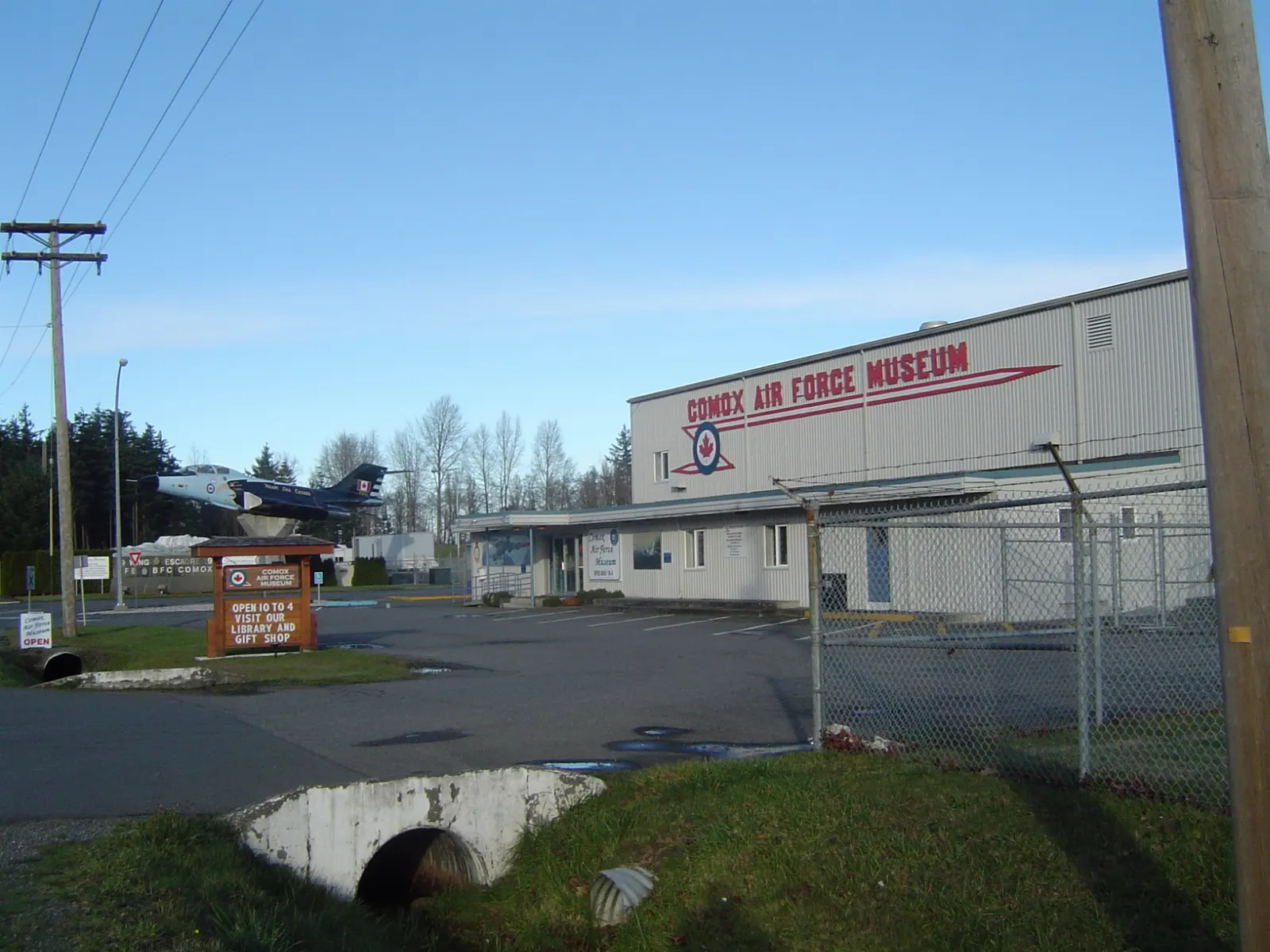
Comox Air Force Museum and Heritage Air Park
The museum, at the entrance to 19 Wing Comox, covers air force history from the First World War onward. The Heritage Air Park nearby displays aircraft from the Dakota to the CF-100 and is open from April to September.
Filberg Lodge and Park
Filberg Lodge and Park is the setting for the Filberg Festival, an annual summer arts-and-crafts event with music. The grounds make a good stroll even outside festival dates. Combine them with a walk along the Comox waterfront and marina.
Cumberland, the mountains and the islands
Coal Creek Historic Park
About a kilometre west of Cumberland, the park holds the site of a once-large Chinese settlement and a nearby Japanese hamlet, both abandoned long ago.
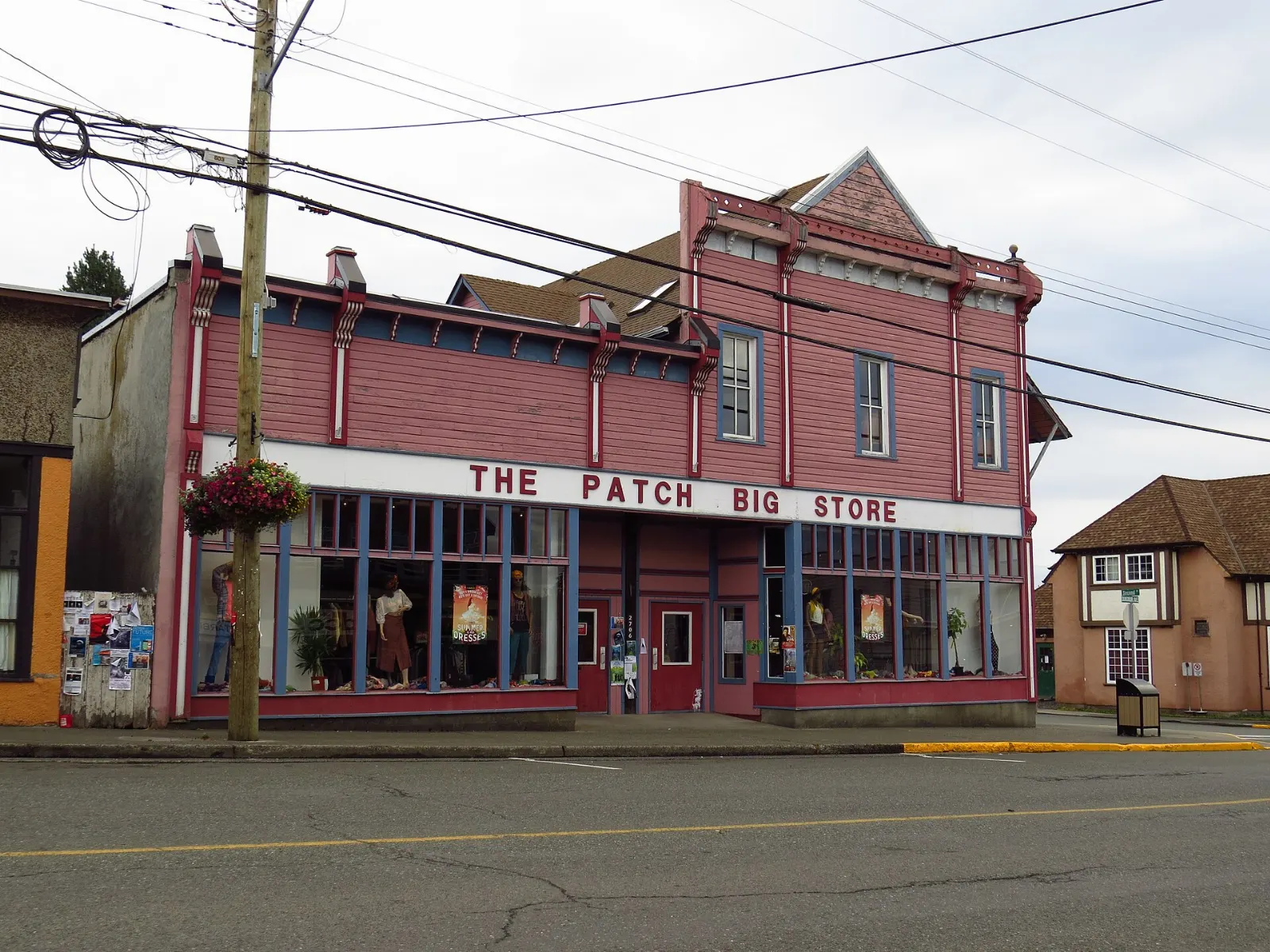
Mount Washington Alpine Resort
Mount Washington is the largest commercial ski area on Vancouver Island, with skiing, snowboarding and snowshoeing in winter and hiking and mountain biking in summer. It is reached by the Strathcona Parkway from Highway 19.
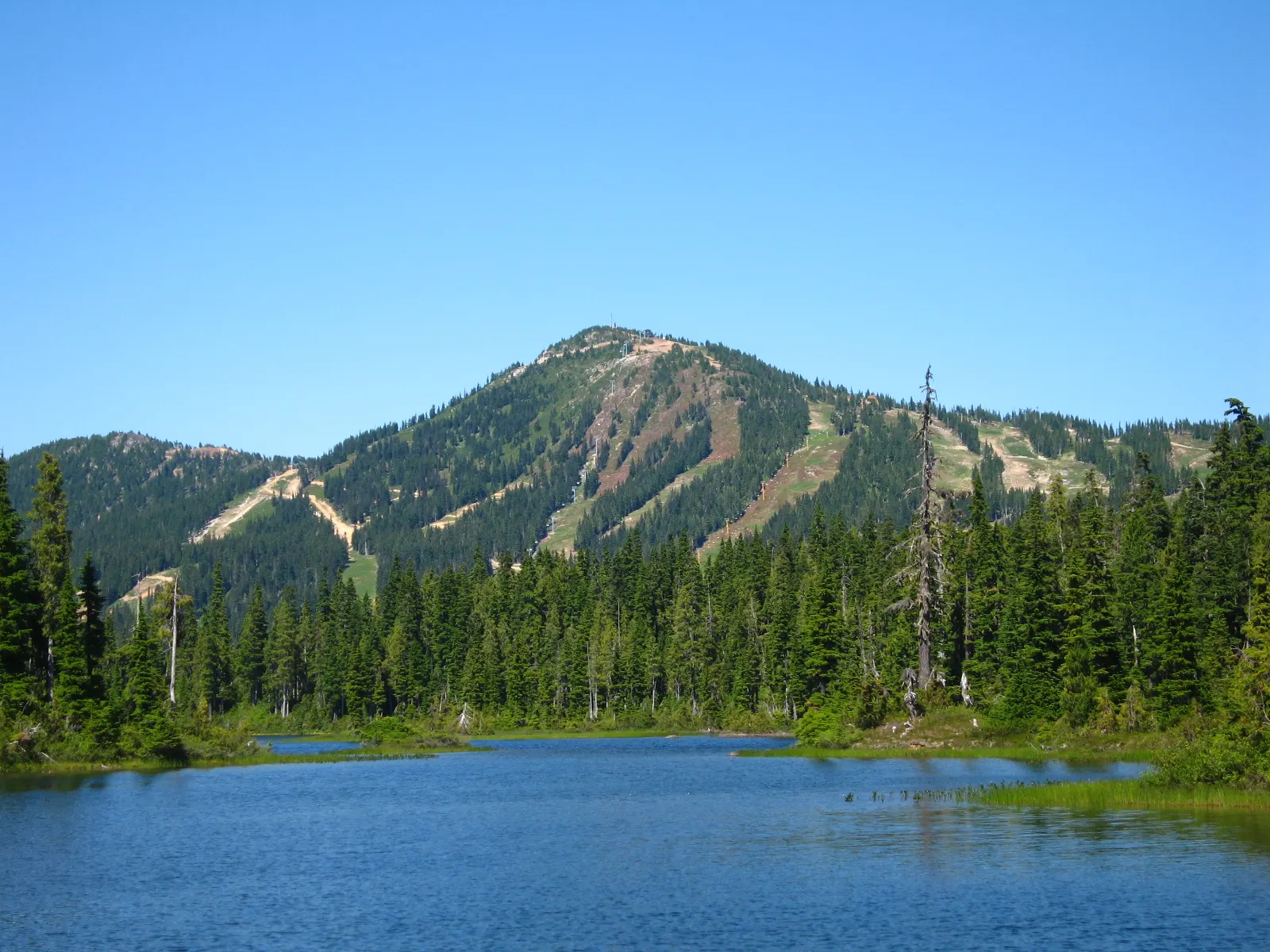
Strathcona Provincial Park
Strathcona is the oldest provincial park in British Columbia and the largest on Vancouver Island, with lakes, waterfalls and the island's highest peaks. Buttle Lake is a favourite for paddling, and Forbidden Plateau has hiking trails.
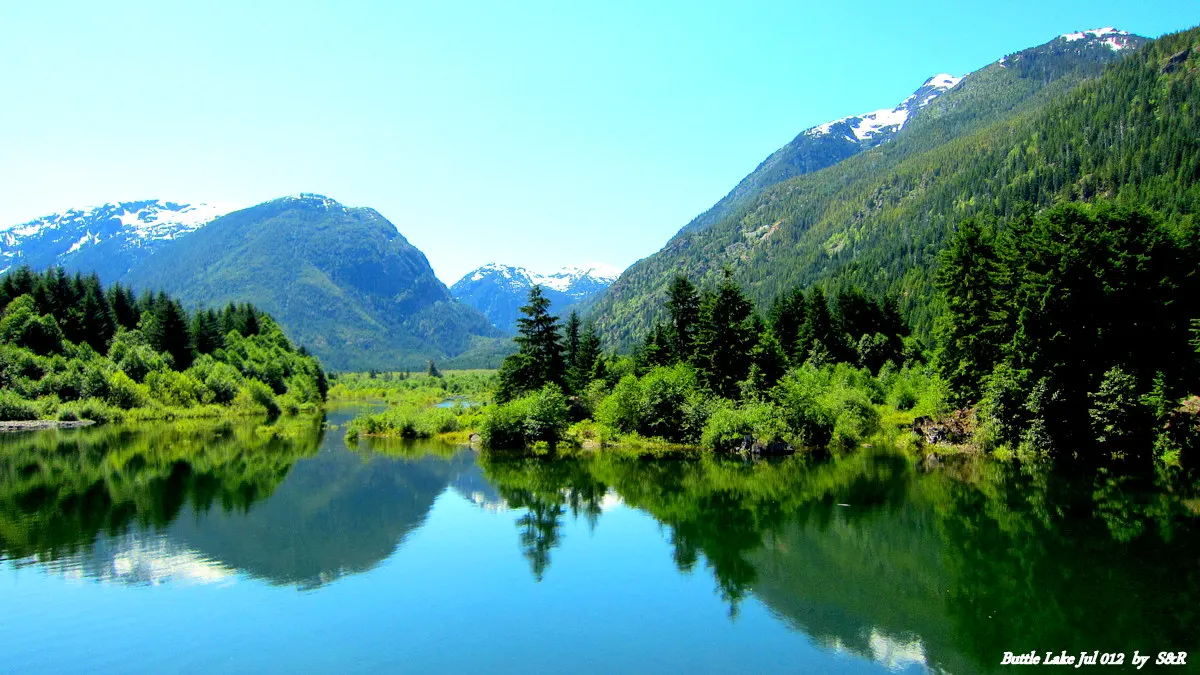
Hornby Island
Hornby Island is reached by ferry from Buckley Bay to Denman Island and then a second ferry. It has Tribune Bay and Helliwell provincial parks, with good hiking and beaches.
Food and local flavors in the Comox Valley
Seafood from Baynes Sound defines the valley table. Fanny Bay oysters are the local star, since the community of Fanny Bay is best known for its fine oysters, and the Comox Valley Shellfish Festival celebrates local shellfish.
Beyond the shore, the valley's rich farmland feeds a busy farmers' market, and bistros and cafes in Courtenay and Comox lean on local produce, bread and cheese.
Popular dishes to try in Comox Valley


Where to stay in the Comox Valley
Courtenay is the practical hub, with the widest choice of motels, hotels and restaurants, plus easy access to the museum, galleries and the farmers' market. Choose it for the most flexibility.
Comox suits travellers who want a calmer waterfront setting near the marina and the ferry to Powell River. Cumberland has a village feel and a short ride to Coal Creek and the trails, which suits hikers and cyclists.
Where to stay in Comox Valley


Best time to visit the Comox Valley
Summer is warm and dry, with Comox temperatures averaging about 22 degrees Celsius and rarely reaching 30. Winters are mild and wet, and almost 80 percent of the annual rain falls between October and March.
The valley is known for festivals. Vancouver Island MusicFest takes place in mid-July, and other events include the Shellfish Festival, the Filberg Festival and Comox Nautical Days.
Getting there and getting around
Comox Valley Regional Airport has direct flights from Vancouver, Calgary and Edmonton. BC Ferries runs from Powell River to Little River, east of Courtenay.
IslandLink buses connect from Nanaimo, and BC Transit runs routes between Courtenay, Comox, Cumberland and as far south as Fanny Bay. A car is the easiest way to reach Mount Washington, Strathcona and the island ferries.
A suggested itinerary
First day
Start in Courtenay with the palaeontology centre and the I-Hos Gallery.
Second day
Explore Comox with the Air Force Museum, Filberg Park and a walk along the marina.
Third day
Head to Cumberland for Coal Creek, then drive up to Mount Washington or Strathcona, or take the ferries to Hornby Island if you have extra days.
Practical tips
- Book accommodation early for festival weekends and ski season.
- Check ferry schedules for Denman, Hornby and Powell River.
- Bring layers and rain gear, because mountain weather can change quickly.
- Check BC Parks for trail conditions before heading into Strathcona.
- Visit the farmers' market on a Saturday morning for the best choice.