Gimli sits on the western shore of Lake Winnipeg, about an hour north of Winnipeg, and it wears its Icelandic roots openly. Settlers from Iceland arrived in 1875 and founded New Iceland, and today the town mixes a working harbour, a sandy public beach, a towering Viking statue and the story of an airliner that glided in to land.
AT A GLANCE
Best time
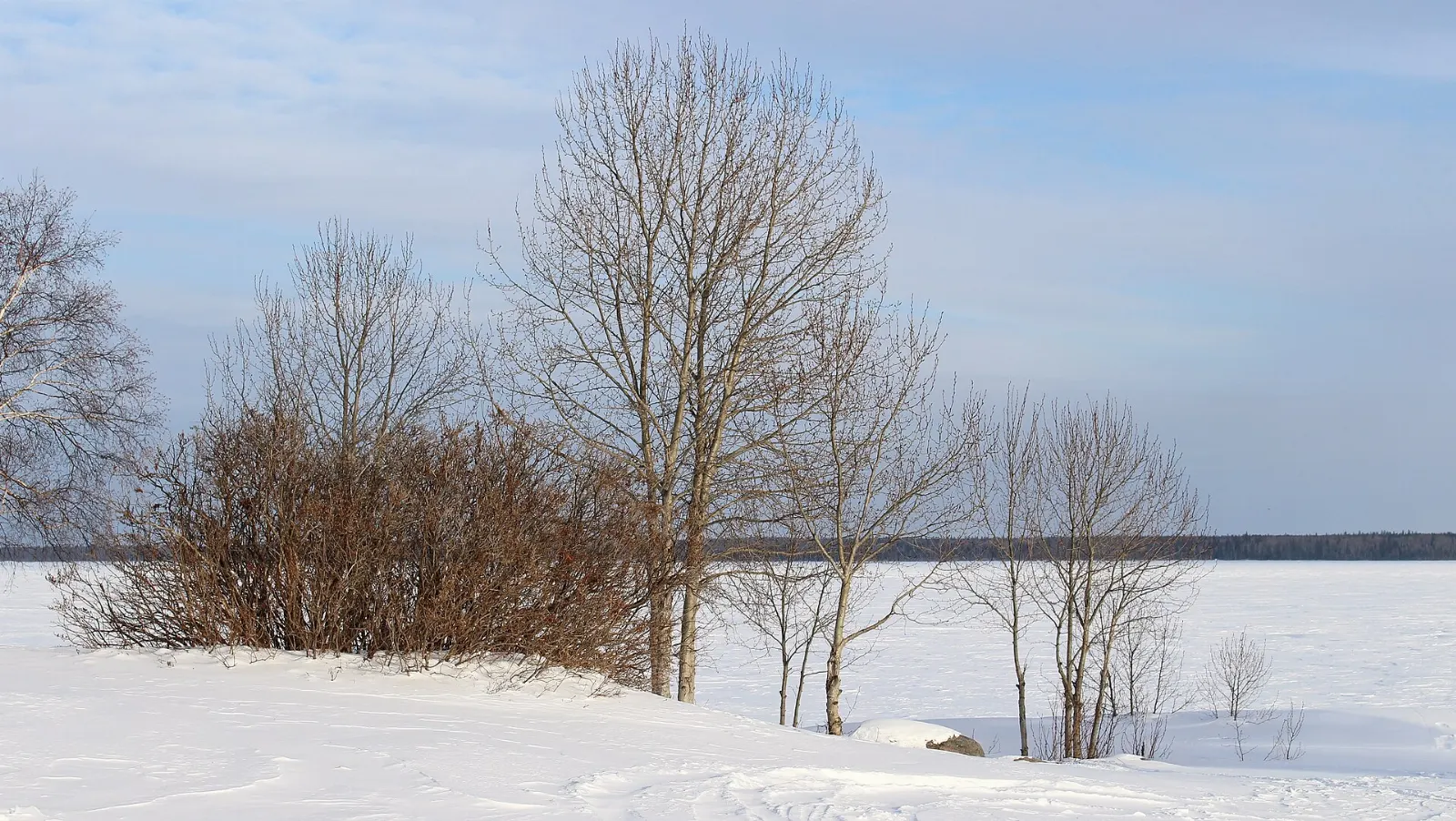
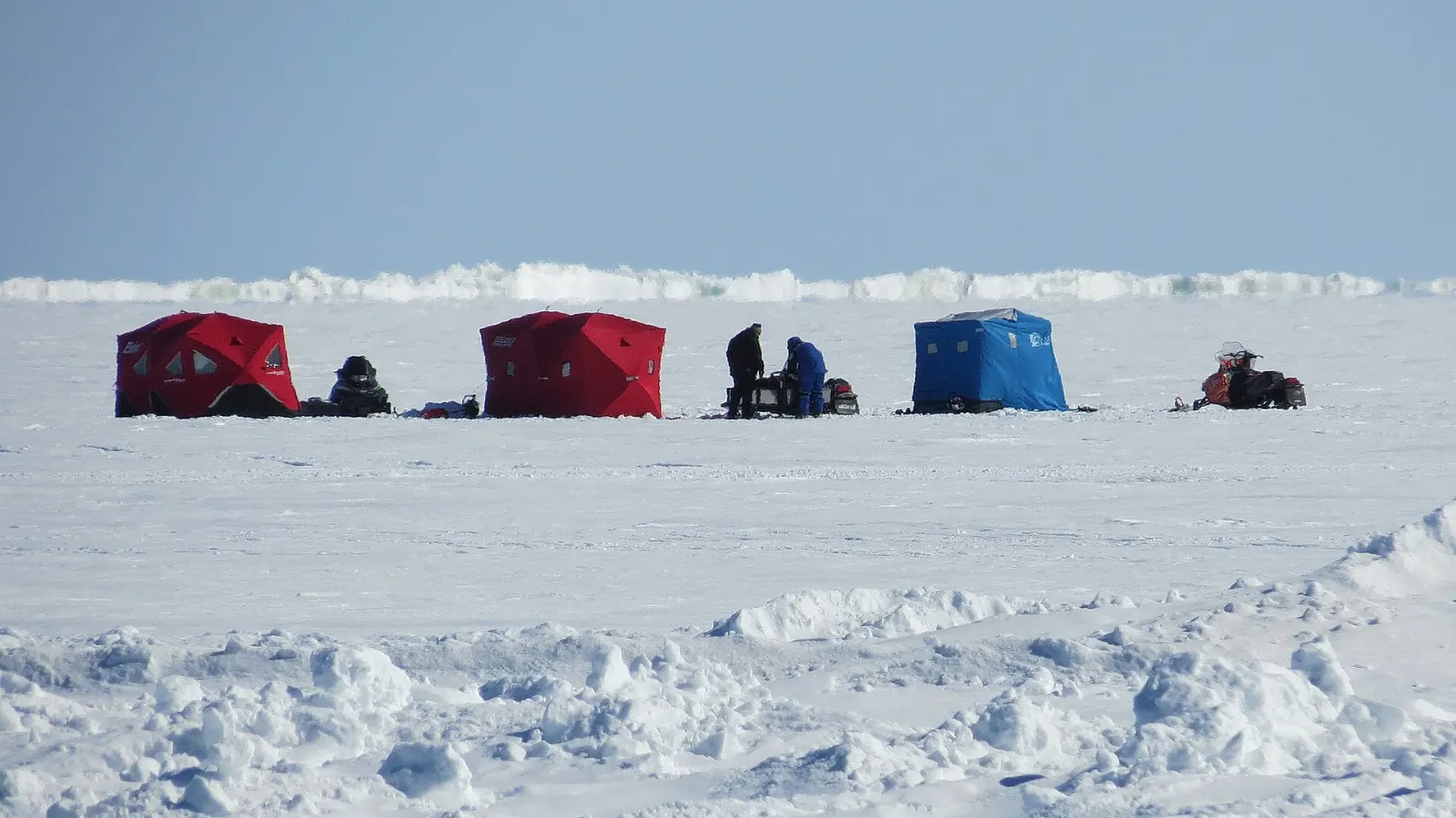
Summer suits the beach and festivals, while winter brings ice fishing.
How long
A full day covers the highlights and a weekend lets you slow down.
Getting there
Most visitors drive north from Winnipeg on Highway 8 or Highway 9.
Why visit Gimli
Gimli is the cultural heart of Icelandic Manitoba.
Add a lakefront setting, a compact walkable centre and one of the most unusual aviation stories in Canada, and you have a destination that rewards slow wandering more than ticking off sights.
Fishing remains central here, and several families of Icelandic origin still work the lake commercially. That living connection, rather than a staged heritage show, is what gives the harbour and the small museums their character, and it makes a short visit feel genuine.
Harbour and waterfront
Gimli Harbour
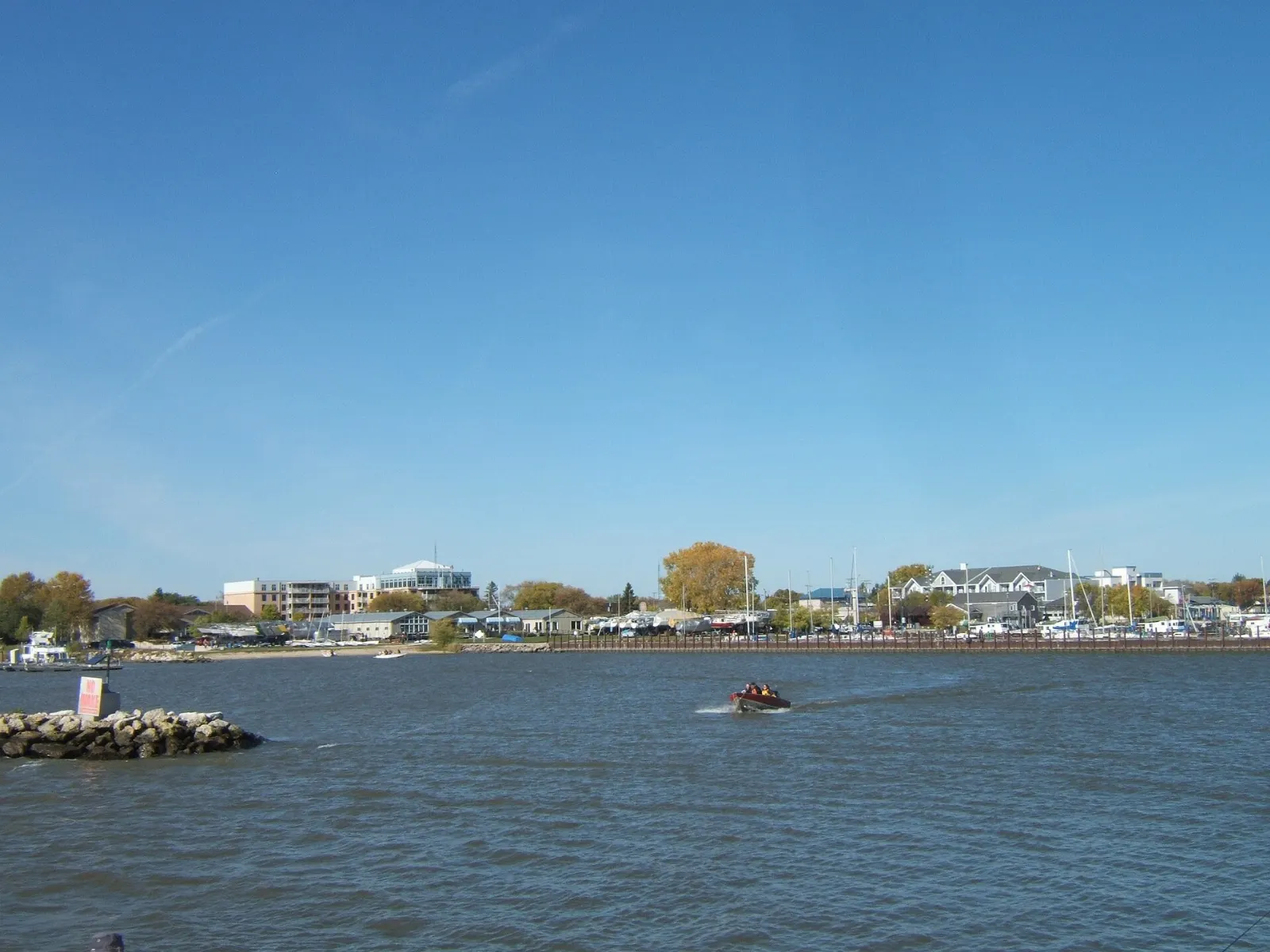
Gimli Harbour is the largest harbour on Lake Winnipeg and still a working fishing port. Commercial fishing families, a Canadian Coast Guard station and a yacht club share the docks.
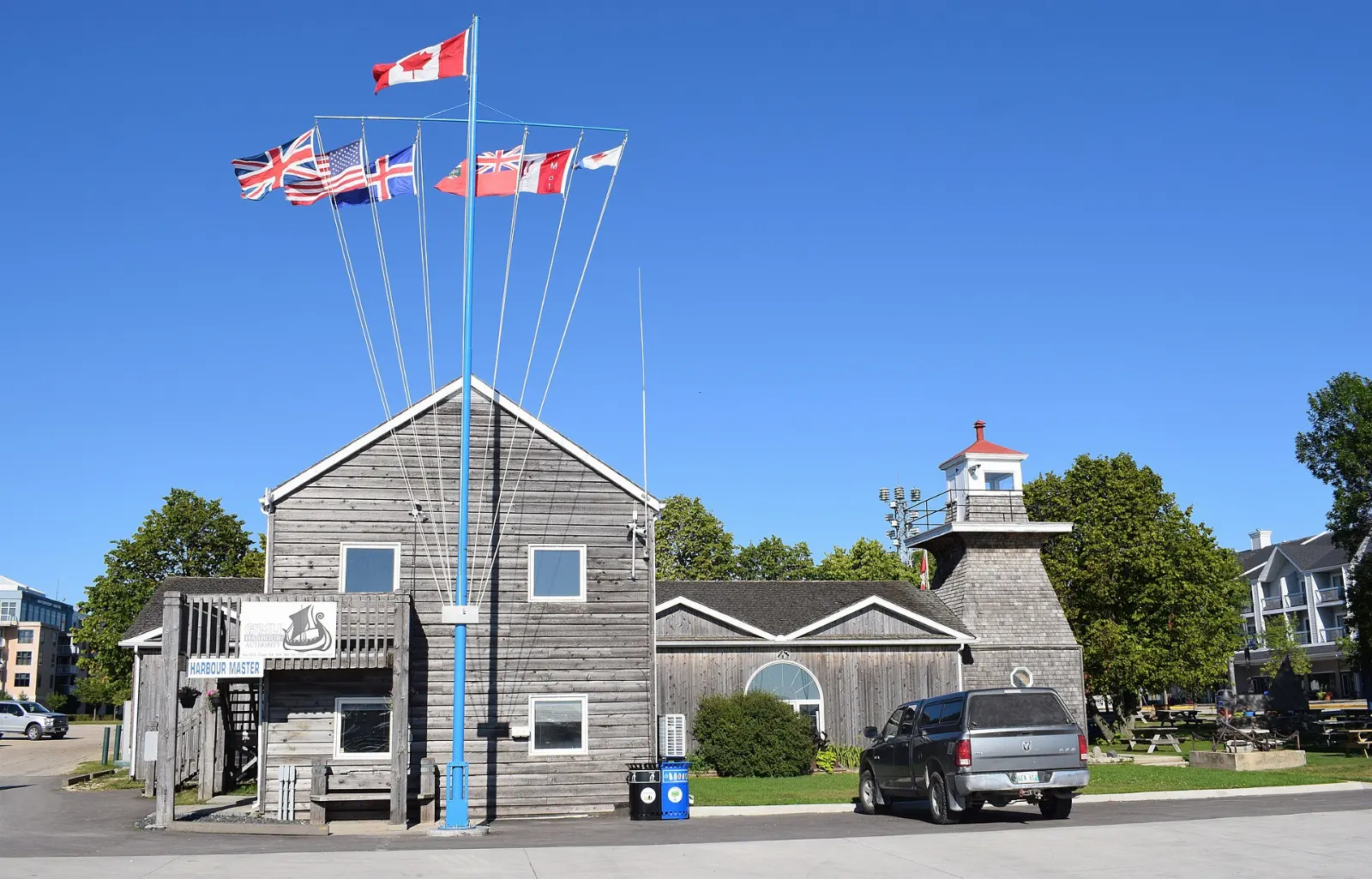
The harbour lighthouse
The lighthouse near the harbour first went up in 1910. Ice pushed the original over in 1943, and its saved top was fitted onto a rebuilt replica in 1974.
Gimli Seawall Gallery
The pier wall that reaches out from downtown into the lake is a long outdoor gallery of 72 small murals showing local history, Manitoba landmarks and important events.
Gimli Beach
The public beachfront is the town's summer centre, and it is lovely for a barefoot walk at sunset.
Lake Winnipeg Visitor Centre
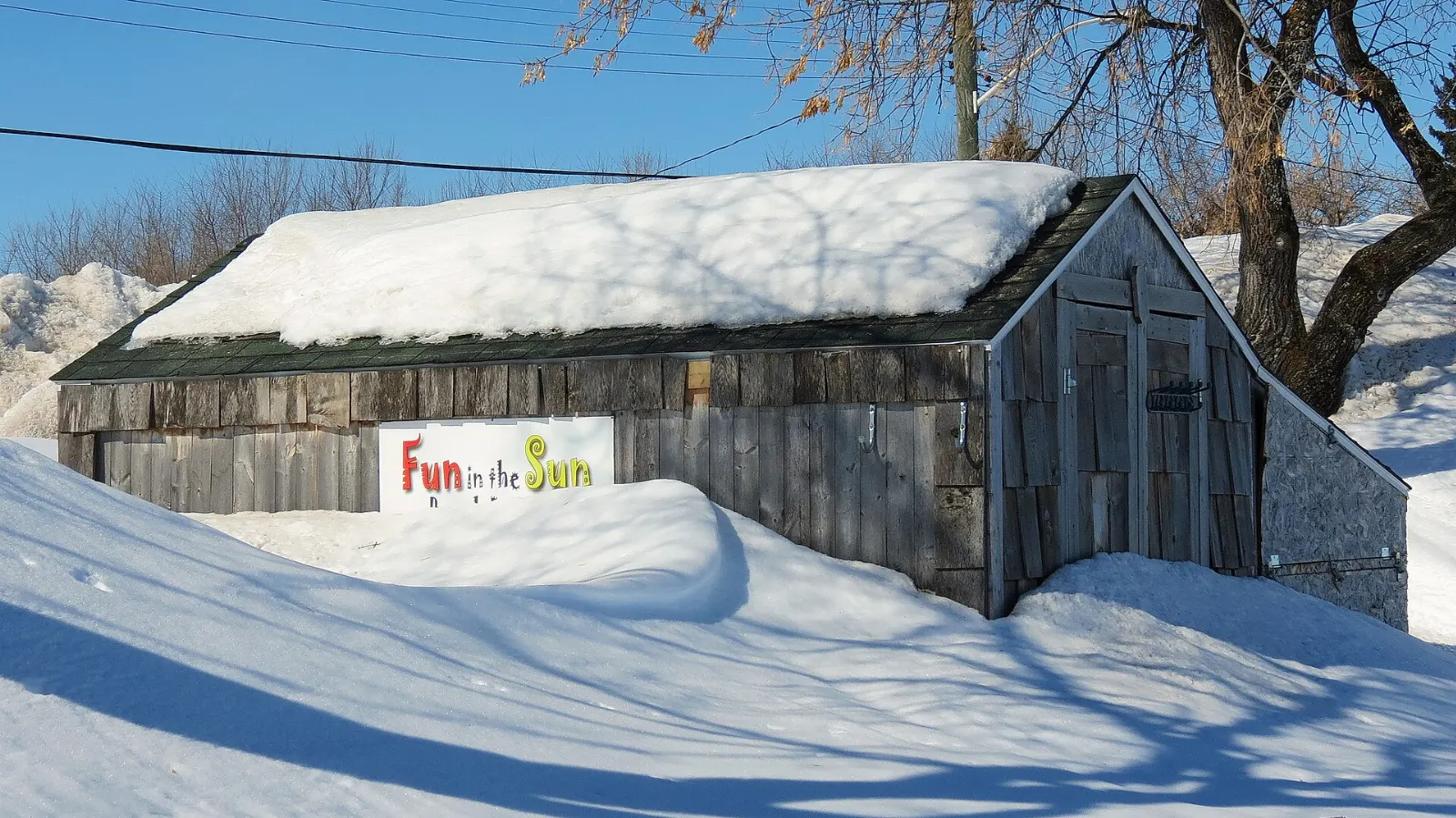
At the harbour, this seasonal centre pays tribute to the fishing industry and explains the natural history of Lake Winnipeg. It makes a good first stop on a rainy day, and it helps to check the opening season online before you go.
Icelandic heritage and local stops
Gimli Viking statue
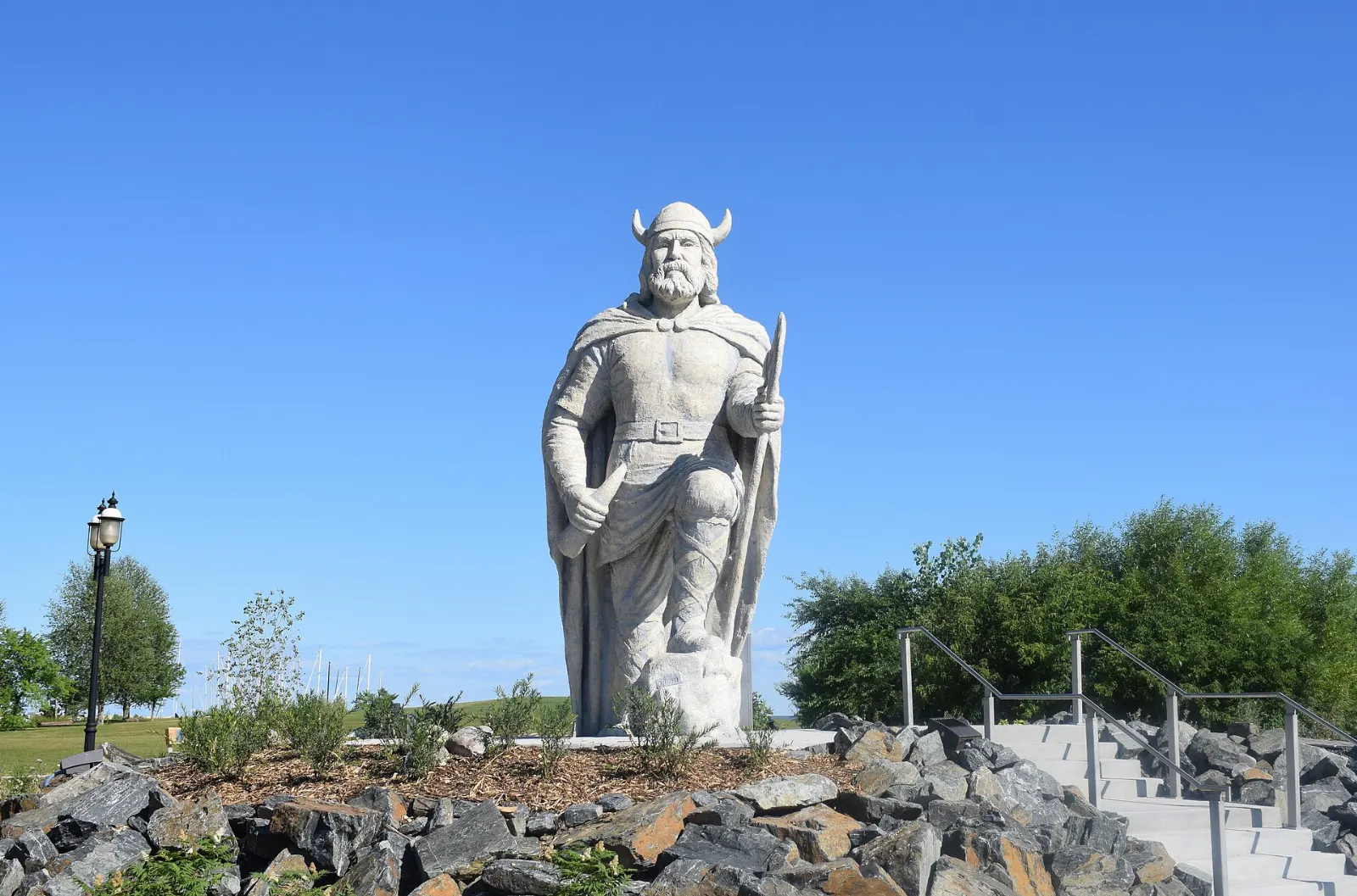
The tall Viking statue on Second Avenue was unveiled in 1967 and has become the town's favourite photo stop.
New Iceland Heritage Museum
The museum on First Avenue tells the story of the Icelandic settlement and the natural history of Lake Winnipeg and its fishing industry. Allow about an hour.
Gimli Glider Museum
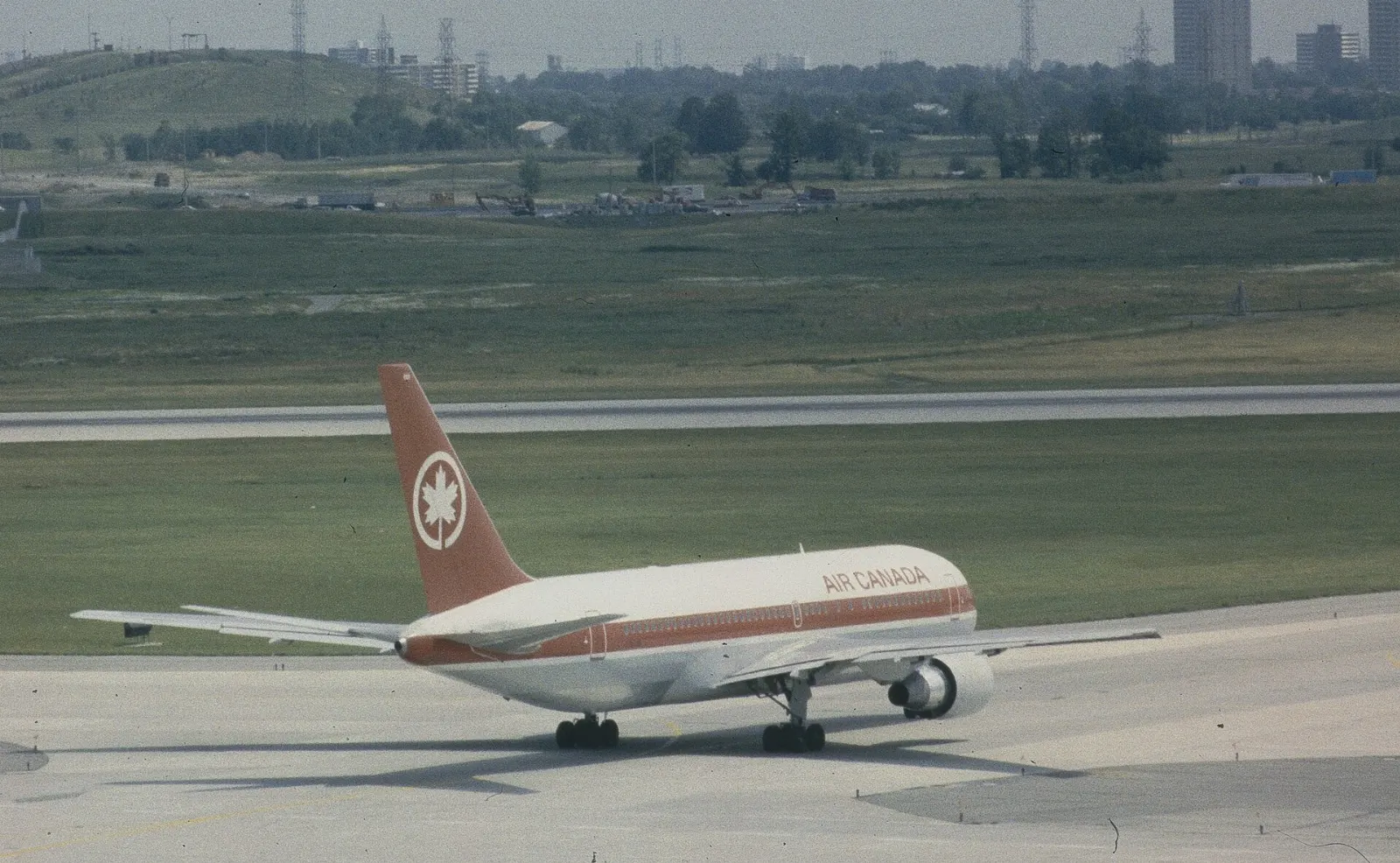
In 1983 an Air Canada Boeing 767 ran out of fuel and glided to a safe landing at the former air force base just west of town, now the Gimli Industrial Park Airport.
H.P. Tergesen & Sons
This general store on First Avenue has traded since 1899 and has passed through four generations of the Tergesen family.
Gimli Park
Families with small children will enjoy the splash park in Gimli Park after a morning of sightseeing. Pair it with an ice cream stop on First Avenue and an afternoon on the sand.
 Planning a trip to Gimli?Compare hotels, flights and vacation rentals for Gimli on Expedia.Book now
Food and local flavors
Lake Winnipeg is a working fishery, so start with pickerel, the local name for walleye, served as a dinner or with chips at a beachfront restaurant.
For something sweet, look for vínarterta, a layered prune and cardamom cake that Icelandic descendants in Manitoba serve in slices with coffee. In winter, the Ice Festival at the harbour pairs bannock with tea.

Popular dishes to try in Gimli


Where to stay
Downtown Gimli is the best choice for first-time visitors because the beach, harbour, pier and restaurants are all within walking distance. It suits couples, families and anyone who wants to leave the car parked.
Pelican Beach, just north of the town, is a quieter lakeside cottage area. It suits travellers who want calm evenings and a more relaxed pace, though you will want a car to reach the centre.
Winnipeg works as a base if you prefer more choice and plan to visit Gimli as a day trip.
Where to stay in Gimli


Best time to visit
Gimli has warm and sometimes hot summers and bitterly cold winters, so the season you choose shapes the trip. Spring and autumn are quieter, with fewer visitors and a calmer lakefront, though some seasonal attractions keep shorter hours.
The Gimli Film Festival takes place over five days in late July, with free screenings on the beach. The Icelandic Festival fills the first weekend of August with Viking re-enactments and traditional dishes.
Getting there and getting around
Gimli is roughly an hour north of Winnipeg. From the city, take the North Perimeter to Highway 8, or follow Main Street to Highway 9.
Intercity bus service to Gimli has been limited, so check current options before you rely on public transport. Once you arrive, the town is small enough to explore on foot, and the beachfront, harbour and First Avenue are all close together.
A suggested itinerary
First day
Start at the harbour and the lighthouse, then walk the Seawall Gallery. Visit the New Iceland Heritage Museum and the Viking statue before lunch on First Avenue.
Second day
Browse H.P. Tergesen & Sons and the small shops, then spend time at Gimli Park or on the sand. Visit the Lake Winnipeg Visitor Centre if it is open, and try pickerel and a slice of vínarterta before you head south.
Third day
If you have extra time, take a slow drive along the lakeshore through the surrounding Interlake region, stopping at small communities and public beaches. Hecla Island is a natural next stop for hiking, birdwatching and more Icelandic history.
Practical tips
- Visit in early August if you want the Icelandic Festival, and book rooms well in advance.
- Arrive early on hot weekends to find parking near the beach.
- Check seasonal opening dates for the visitor centre and museums before you go.
- Bring a hat and sunscreen for summer and warm layers for winter visits.
- Check local advisories on water conditions before swimming in Lake Winnipeg.